

A music festival has always felt bigger than the bands that infest the lineup. Regardless of whether the festival in question is held in a venue, city or enormous field where the livestock wallow in mud as opposed to intoxicated music fans, it always feels like something more than just a concert. It’s an escape, for one weekend a year you can travel somewhere different. It’s kind of like a regular society, there’s food, entertainment, poor excuses for sanitary infrastructure, you’ll even occasionally see hierarchies begin to emerge within the festival grounds, usually with whoever has the most illicit substances sat on the throne. It does differ though, mainly in the fact that it’s a large field full of fetid music fans. Fans that are given various gifts, more freedom, lowered inhibitions, live music, and enough good vibes to keep the whole thing loosely glued together. Concerts can get crazy, of course, any venue that hosts this beautiful artform is going to be subject to the overzealousness that it encourages, but there is nothing like a music festival.
I remember my first, I wandered into my first Reading Festival at the ripe age of 17, wide eyed, bushy tailed, sunflower bucket hat covering my greasy locks, we’ll ignore what I had snuck into the crisp packets the night before and just focus on the innocence. There was not one ounce of my mind that thought, just 24 hours after this point, I would be camping within an active warzone. Fireworks, flying waterbottles, tents set on fire, it blows my mind that all of this was snuck past security guards and sniffer dogs.
This entire introduction has obviously been oversensationalised, and in reality the vast majority of music festivals are safe happy places that allow you to escape the dregs of a 9 to 5. The reason I wrote this introduction in the way I did, outside of my personal entertainment, is to present an opinion that I’ve had for a long time.
The lineups for festivals don’t matter as much as traditional concerts. Sure, if the bill consisted of entirely Mongolian throat singers it wouldn’t attract a metal crowd. But for the most part, the experience and sheer amount of artists are the unique selling point.
This may, perhaps, explain a conundrum I have noticed recently amongst festival lineups that sit within the alternative space.
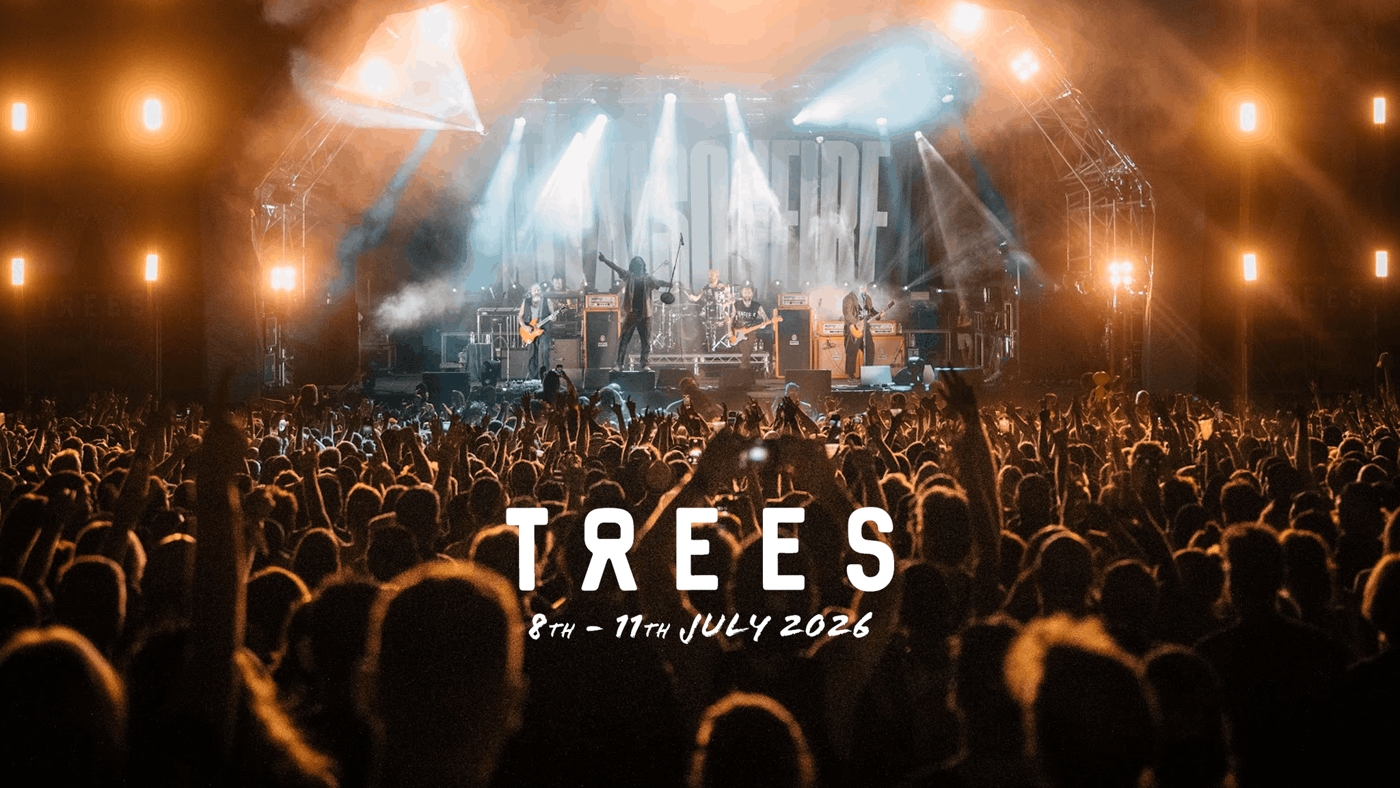
2000trees is a festival I am attending in Cheltenham next week.
It’s a highly praised festival, not only for its lineups, but community and forest stages. I will definitely be counting to see if the number of trees reaches 2000. Regardless of my ramblings, safe to say, I’m excited, but I couldn’t help but notice a pattern on the lineup. Countless names sitting on the bill are artists that I have either seen at a festival prior, will see this year, or have noticed on countless lineups from either this year or last year. This is something that appears to happen across the board on UK festivals, so I wanted to find out more.
Upon researching this topic, I found that the reasons are pretty easy to explain. First of all, in the UK, Live Nation owns a majority stake in Festival Republic, which is responsible for organising 25% of UK festivals that have a capacity of 5000 or above. Same parent company means the same booking infrastructure, and bias towards particular artists. The same goes for booking agents. Festivals often only look towards a few when sorting artists, and many of them have overlapping rosters. If the same agent pitches a band to Download, it’s likely they’ll pitch them to 2000trees or Green Man, etc etc.
It’s also clear that festival saturation is at the biggest it’s ever been, which in turn means intense competition. One poorly received lineup could barrel your event towards irrelevance, especially if it’s independent. This is why big names are impossible to avoid, Guns N Roses headlining Download comes to mind, although that is likely a fumble, as I’d rather spend a fortnight in the average festival porta-potty than listen to Guns N Roses outside of Burnout Paradise of course.
View this post on Instagram
There are various other elements at play here, such as algorithmic popularity, touring constraints, which all combine to create a festival landscape that seems increasingly boring and out of touch.
So what about 2000trees, is it any different?
Well, despite the festival suffering from some of the same problems, I do believe it sits within a different niche to UK monoliths like Download, and not just because the lineup is vastly more interesting. It’s a relatively small independent festival with a booker who actually has subcultural knowledge, rather than an analytical brain and multiple spreadsheets of Spotify data. It’s subject to the same problems as the others, which is inevitable, but it is operating in a way that is equally refreshing in my eyes.
Wyświetl ten post na Instagramie
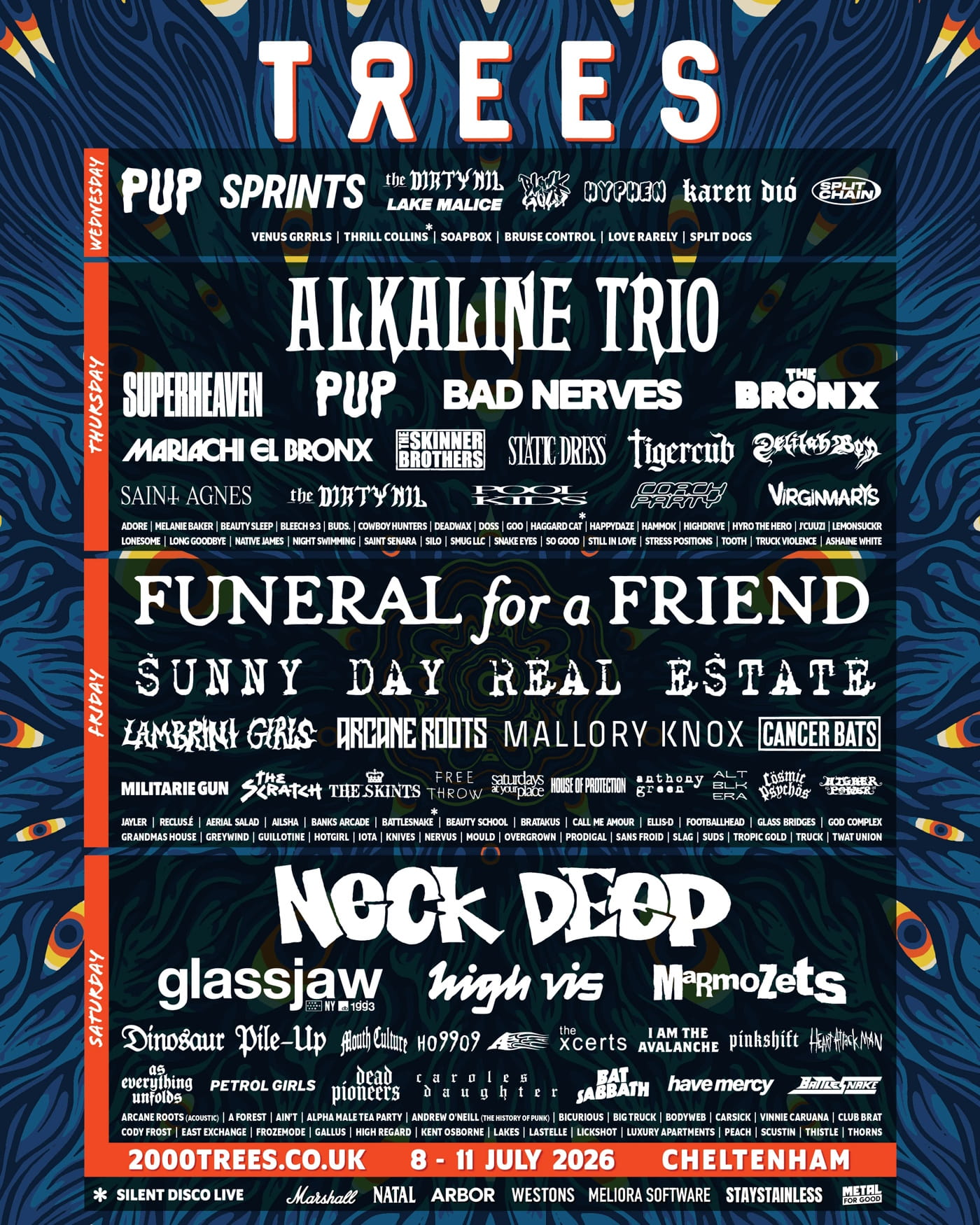
Let’s look at this year’s lineup.
We have legacy artists such as Glassjaw and Sunny Day Real Estate, who are welcome on any lineup regardless of how many festivals they fill. There are bands with current momentum such as Scowl and Militarie Gun, and let’s be honest, Scowl tours so often I almost feel like it’s a slap in the face if they aren’t on a lineup. We have some wildcards like Ho9909, and my personal favourite band on the list, Have Mercy.
I have always found festivals that insert themselves into a particular niche of culture, are always able to put on more interesting lineups. Outbreak for example, always has wildcards and heavy hitters due to its allegiance with the hardcore scene, and I believe 2000trees is the same. Unlike festivals like Download, where they just regurgitate the Kickass Metal Spotify playlist onto a lineup poster, 2000trees feels intentional. Each of the headliners align with what the festival is trying to do, with bands like Funeral For A Friend and Alkaline Trio making exclusive appearances at the festival.
I won’t be able to definitively give my thoughts on 2000trees until I attend, but what I will say is. It’s refreshing to see festivals that appear to be true to themselves continue to gain popularity year after year. 2000trees are clearly doing it right, effectively working with their constraints. Three of the four headliners are UK festival exclusives, the cult bands are doing a lot of heavy lifting, and roughly 19 of the acts are smaller UK bands that wouldn’t be able to shift a ticket on their own, and I’m sure they’ll have hundreds of more fans by the time the festival is finished.
Make sure to stay tuned, because my full reviews for Outbreak and 2000trees will be out in IDIOTEQ very soon.