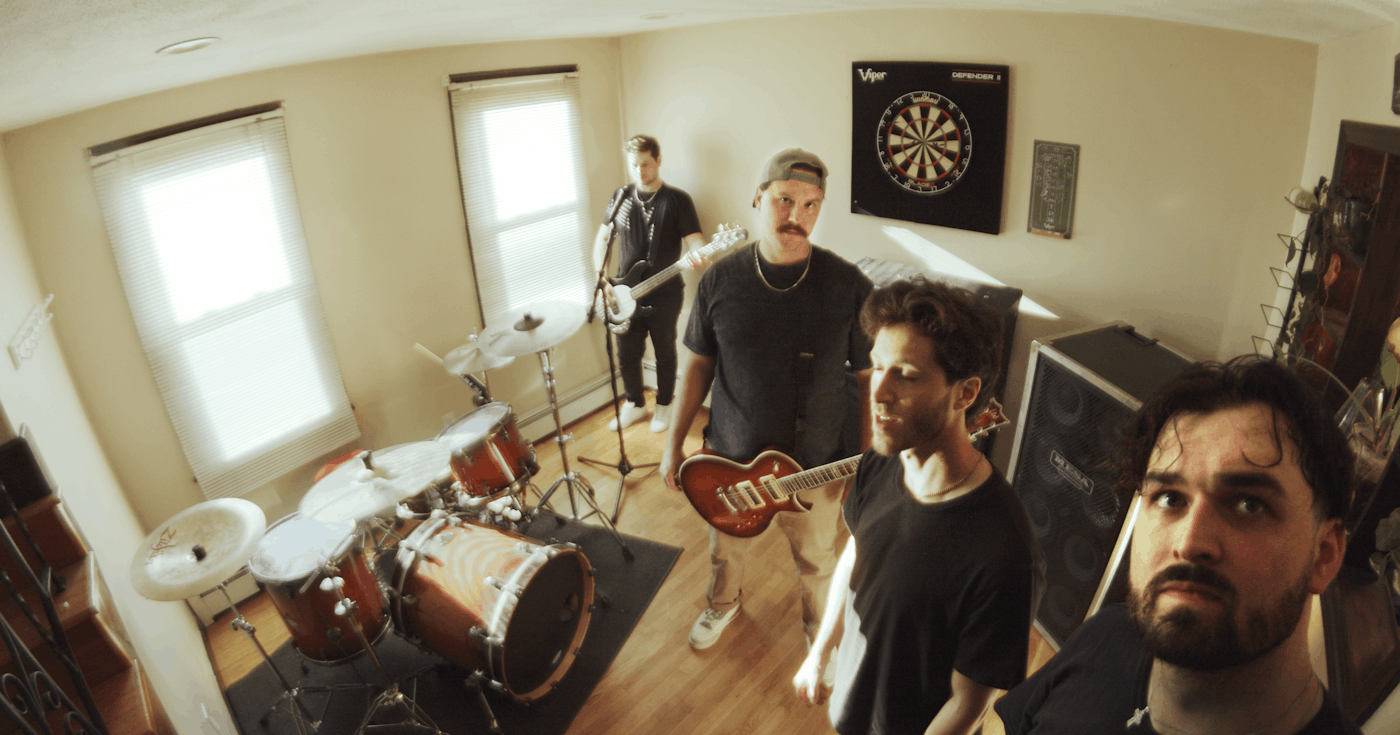



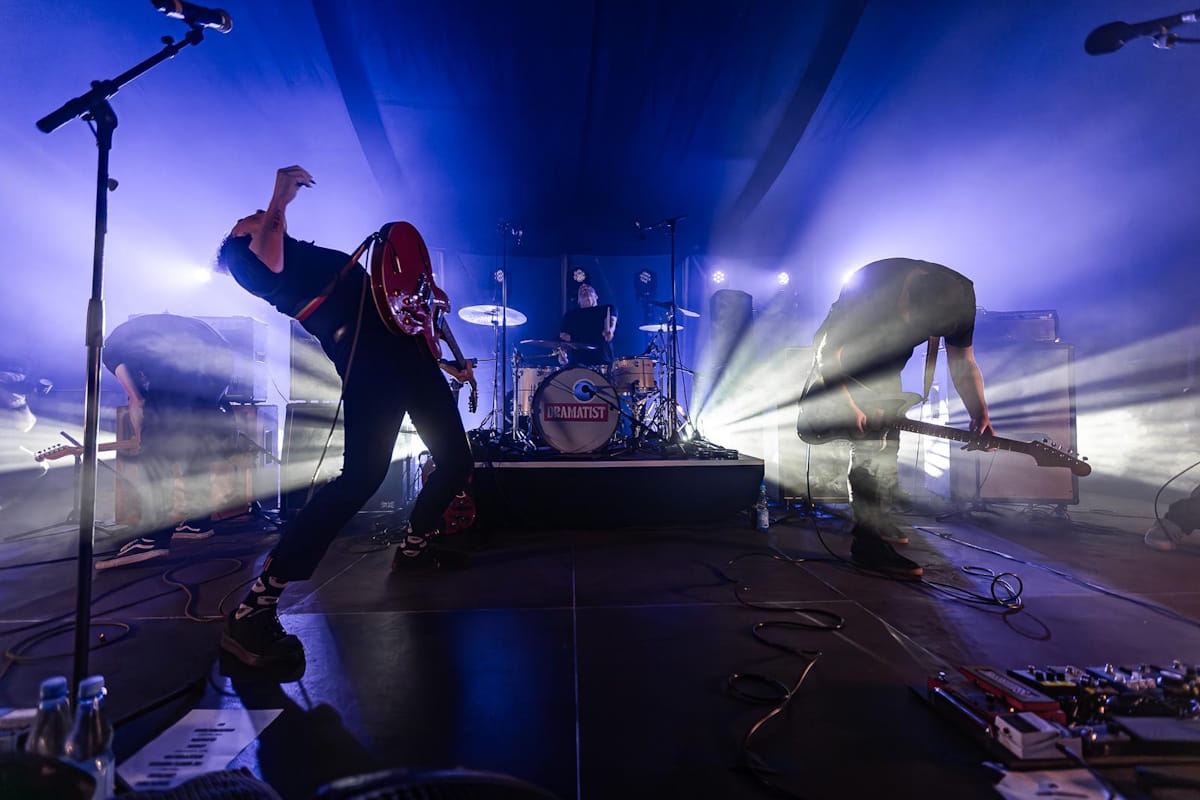
Dramatist didn’t arrive quietly. Before anyone outside the circuit had a track to stream, they were already standing on the Wacken stage, playing as if the order of things didn’t matter. That early confidence didn’t come from hype or luck. It came from being done with hesitation.
“I’m 51 now, been playing in bands for about 30 years, and Wasting Words is the first record I can back 100%,” the singer says. “No compromises, no second guessing.” That line runs through the album like a spine. The record doesn’t posture or circle around ideas. It speaks directly, sometimes uncomfortably, and doesn’t seem interested in softening its edges after the fact.
Words matter here, and not in a symbolic or poetic sense. “A lot of musicians don’t give a damn about lyrics and hide behind cryptic lines, but that’s not my thing. I like it blunt. If something hits me emotionally, I write about it.” The songs work from that principle outward. When something appears on the record, it’s because it came from a specific moment, not a general mood.
“The League” traces back to an interview with two women from the Iranian Diaspora Collective. “They were fired up, asking why fathers won’t stand up for their daughters. That energy stuck with me and turned into a song.”
There’s no metaphor layered on top of that anger. It’s left intact. “Fat White Families” is just as direct, rooted in fatigue rather than ideology: “me getting fed up with the same old headlines about powerful white families screwing up the world for everyone else.”
Still, Wasting Words doesn’t pretend rage is a permanent state. There’s an awareness of avoidance, of switching off. “We all drift into escapism sometimes—bingeing documentaries or series instead of dealing with reality. I do it too.” Music becomes the place where that tension is released. “In music, I let all that noise, fear, and anger out. It’s a pressure valve. I sing about it; it’s not like I can go out and kill ’em all. That’s a joke. Mostly.”
That pressure doesn’t flatten everything into confrontation. The record leaves space for something quieter, even fragile. “Wasting Words isn’t just rage—there’s some heart in there too.” Songs like “Go” and “Glasgow Nights” carry what he describes as “this weird romantic glow.”
The album already feels like documentation rather than statement. “Maybe in ten years the whole album will feel like a snapshot of who I was—politically and personally. In cover artwork you can find all that aspects.”
Musically, the record refuses to settle into one shape. “Wasting Words is a moody, unpredictable guitar record.” The instability is intentional.
Tunings shift constantly. “Oskar and I used one we basically stole from Nick Drake, and Roman is always in Open D. It drove Kurt, our producer, absolutely nuts.” The goal wasn’t control. “We wanted the album to sound raw, like a live set that could fall apart at any moment.” That foundation was set early. “Moritz set the tone when he tracked the drums at Studio Nord with Gregor Hennig—that’s where the whole thing got its backbone.”
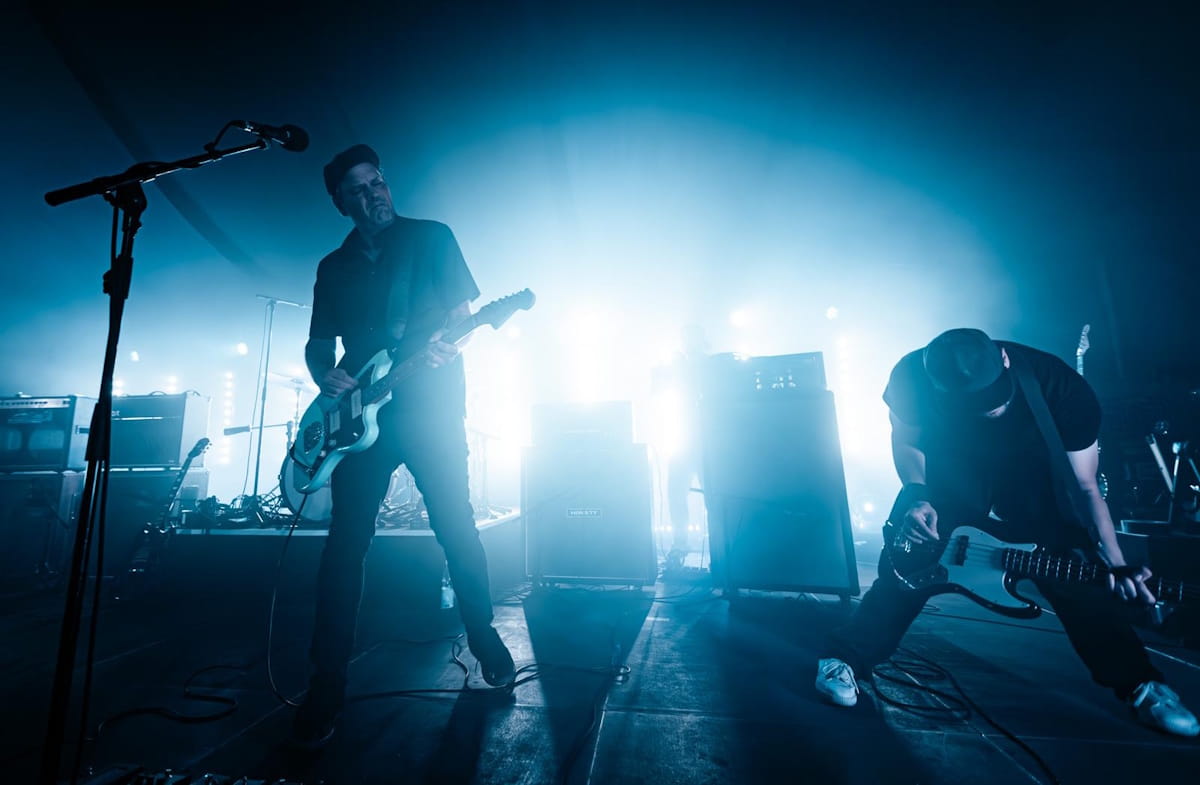
The sequencing reflects how the band experiences the record rather than how it’s meant to be consumed. “We all love how the record kicks off with ‘Black Hole’ and ends with ‘Go’.” “Black Hole” works as a kind of ignition point. “Live, we usually start with ‘Black Hole’ too—it’s a song that reminds me of Envy’s energy, but it’s honestly so damn easy to play that I’m always this close to jumping straight into the crowd. Luckily, the guitar cable is always too short.”
Not everything came together easily. “I think there were something like 23 different versions of ‘Disappointed’.” The song turned into an internal tug-of-war. “Our drummer has this habit of never letting go of vocal melodies once he’s fallen in love with them. As a singer, that’s exhausting—especially when you completely redo the vocals right before heading into the studio, and you’re really convinced the new version is the one.” The subject matter demanded patience. “The song is about the aging process, and it took me a long time to figure out how to deliver this line”:
“when we ask for more we expect hands of gold
what we´ve got is something plain old
I don´t come for more
I just come for you, somebody grown old”
“Go,” which closes the album, sits apart in a different way. “It has nothing to do with my own life—it’s about the relationship of a very close friend.” The perspective is observational rather than confessional. “At my age, guys especially tend to overthink their relationship problems instead of actually listening to their hearts.” The final lines don’t resolve anything; they hang there:
“when i miss you – i walk in your shadows
when i kiss you – i got lost in your sorrows
somebody tell me what to do
your love is killing me”
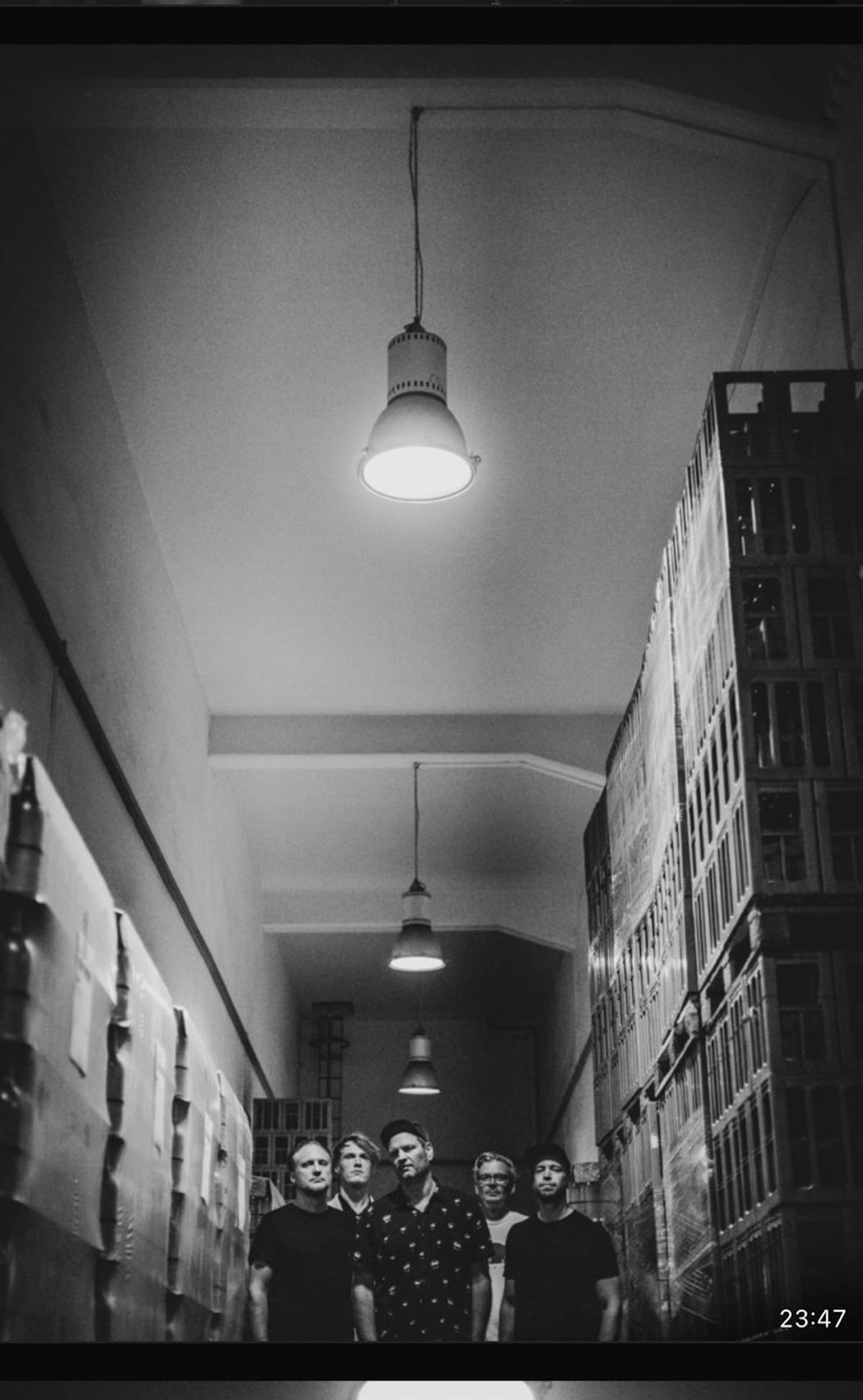
The band itself came together after a period of drift. Several members previously played in Stun, a situation that stalled. “We’d hit a point where nothing new was happening anymore—no spark, no progress.” Rehearsals thinned out. Focus shifted. Oskar moved constantly, “either roaming the world solo with She Danced Slowly or jumping in as a live bassplayer for all kinds of bands.” Dramatist reset that inertia. “With Dramatist, it felt like everything started over for us. Out of nowhere, labels and bookers suddenly gave a damn. Lucky us. Right now, everything just feels exactly the way it should.”
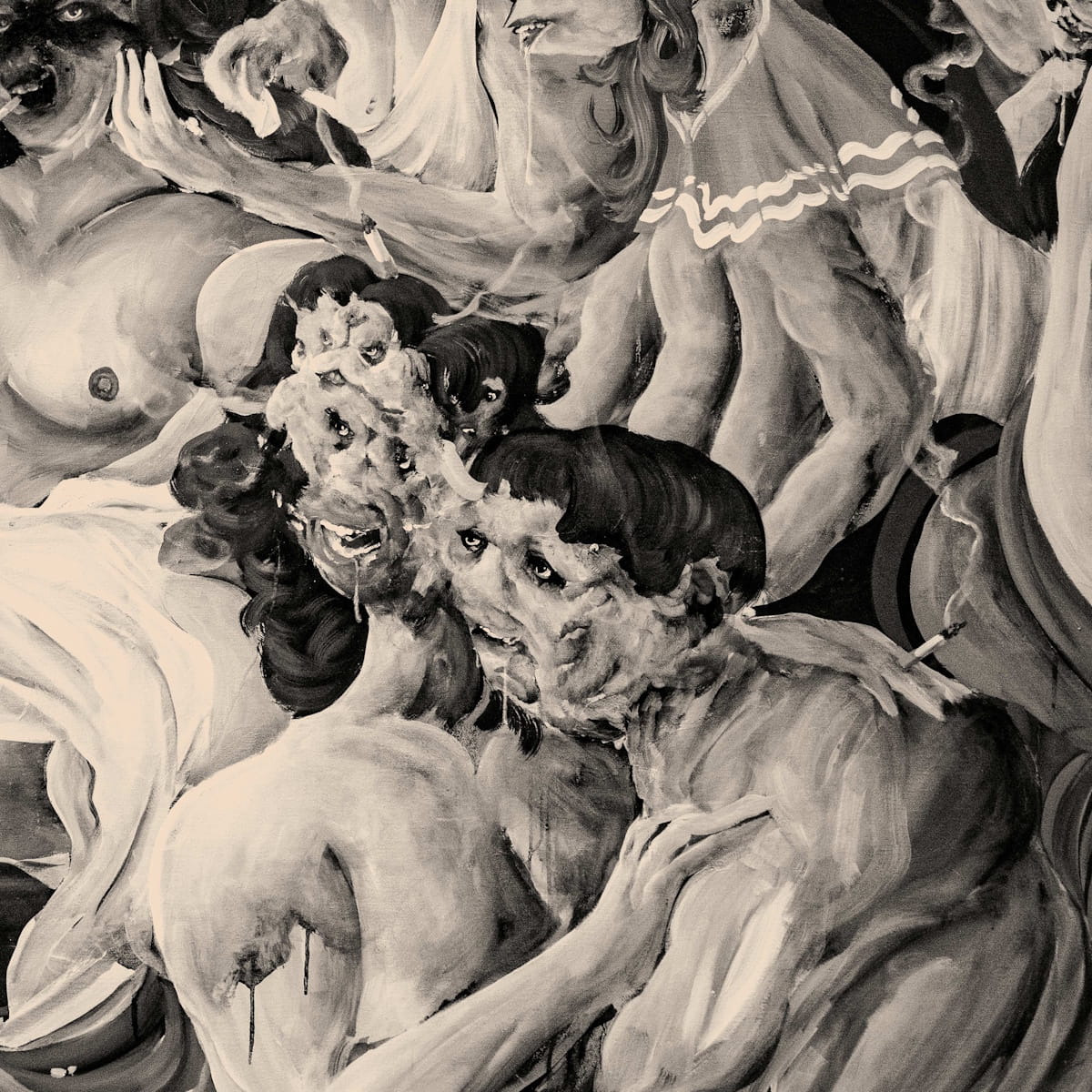
The visual side of Wasting Words follows the same logic as the songs. “This album isn’t about beauty—not at any point. It’s about the ugly face inside us and inside our society.” The cover reflects that without explanation. “I can see all of that in the cover.” There’s no illusion of scale or impact attached to it. “We’re not going to change the world with this record, and we know that. But we comment on the world as we see it, hopefully with some empathy and a touch of melancholy.”
With the album behind them, attention shifts outward rather than upward. “We want to play live—and not just in Germany.” The band doesn’t see itself fitting neatly into the local ecosystem. “We don’t sing in German, we use weird guitar tunings, and there just aren’t many bands around here who operate the way we do.”
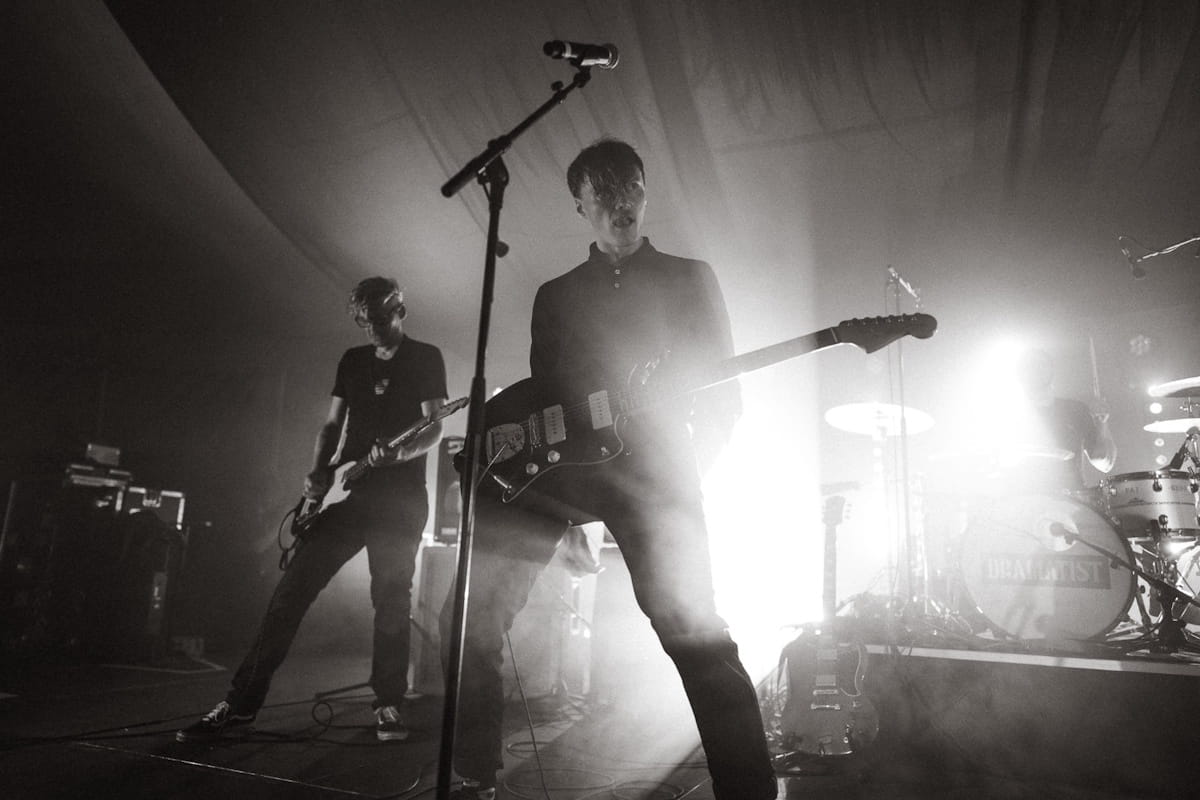
The reference points are places built around discovery rather than size: Roadburn, ArcTanGent, Noisefest Winterthur. At the same time, the cycle has already restarted. “Now we’re already starting to feed our hunger for new songs again. That feels damn good too.” There’s even room for curiosity. “We’d also love to take on a cover someday—got any ideas?”
Wasting Words documents a moment where things aligned—age, frustration, clarity, and craft—and leaves it there. Be sure to give it a good listen and catch the band at the following stops:
View this post on Instagram
04.02.26 Hamburg – Hafenklang
05.02.26 Barmstedt – Kulturschusterei
06.02.26 Tangermünde – Kaminstube
12.05.26 Stuttgart – Cafe Galao
13.05.26 Karlsruhe – Alte Hackerei
11.12.26 Wuppertal – Die Börse