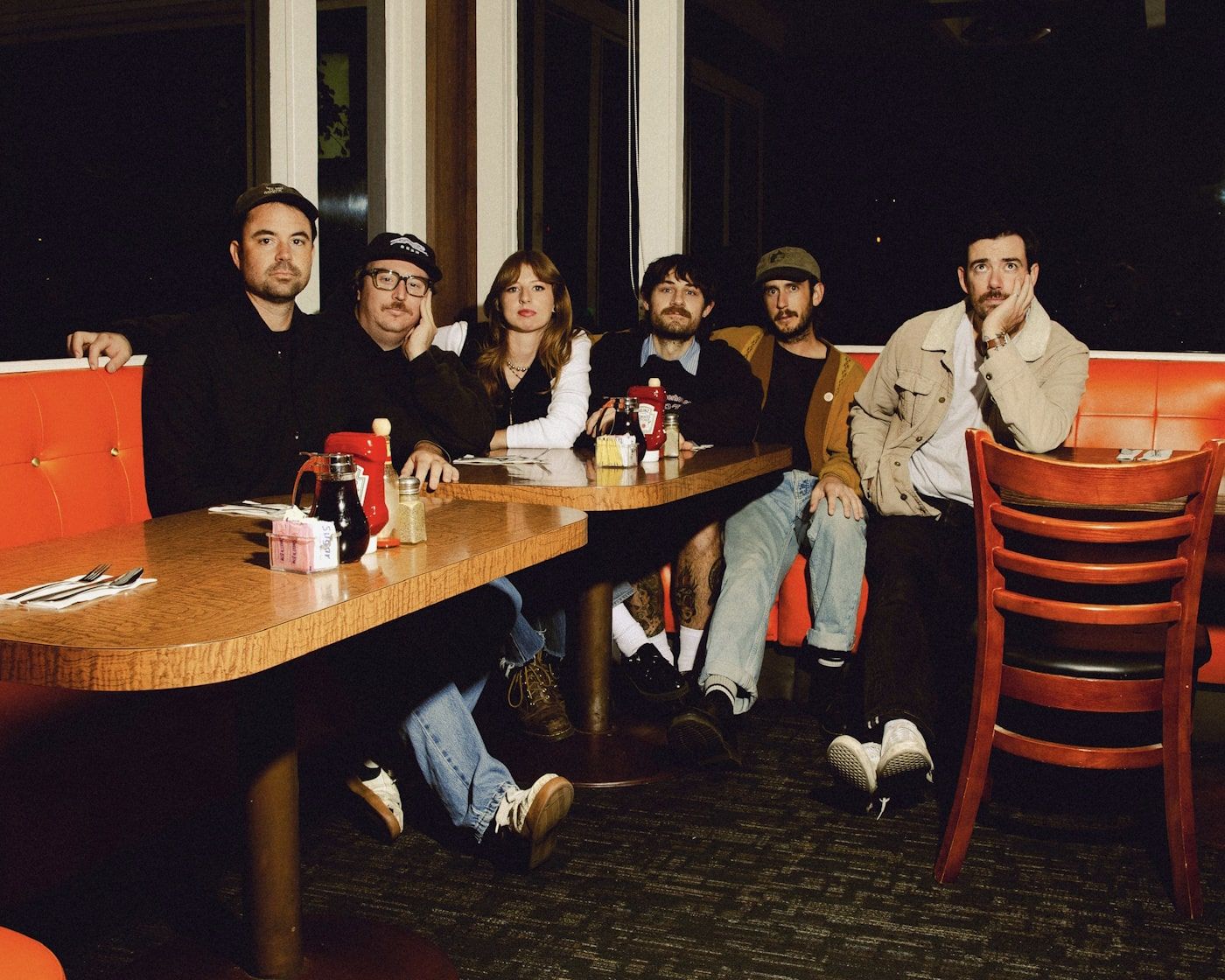

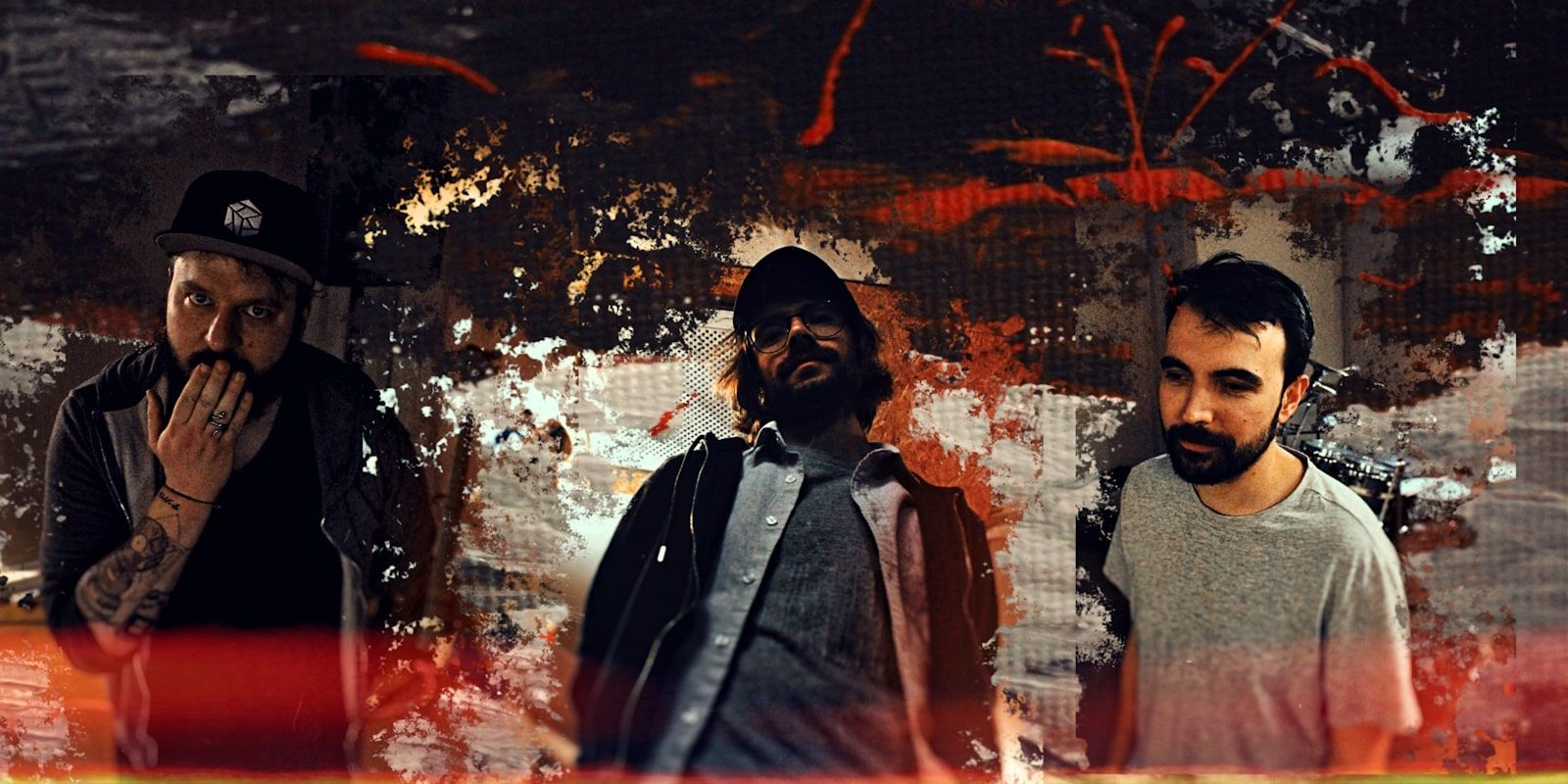
Four years after Less Is Mort, Paris-based post-hardcore/alternative metal trio Maps and Foils return with Nulle Part, a 10-track full-length written during a period of lineup shifts and personal uncertainty. The album is now available on CD and all major streaming platforms.
Composed over two and a half years, Nulle Part blends dissonant hardcore and ethereal textures with lyrics reflecting on isolation, disillusionment, and reluctant hope. It also marks the group’s final recordings with founding bassist Ewen, who parted ways with the band following the sessions. Rather than replace him mid-process, the band leaned into the ending: “We decided to pay tribute to our friendship and make weird music one last time,” they explain. “The album became the staging of our own demise where we express our fears and doubts.”
Written and recorded as a three-piece, Nulle Part was conceived in the wake of guitarist Thomas’s departure and just before Ewen’s own exit.
That sense of limbo and urgency permeates the music. “It is a concept album about self-destruction and wandering with a twist about lost and found hope,” the band states. “Hopefully, we had so much fun we decided to keep on going.”
View this post on Instagram
Now with Antoine on bass, Maps and Foils continue to perform the album live, bringing a new perspective to material born out of fracture.
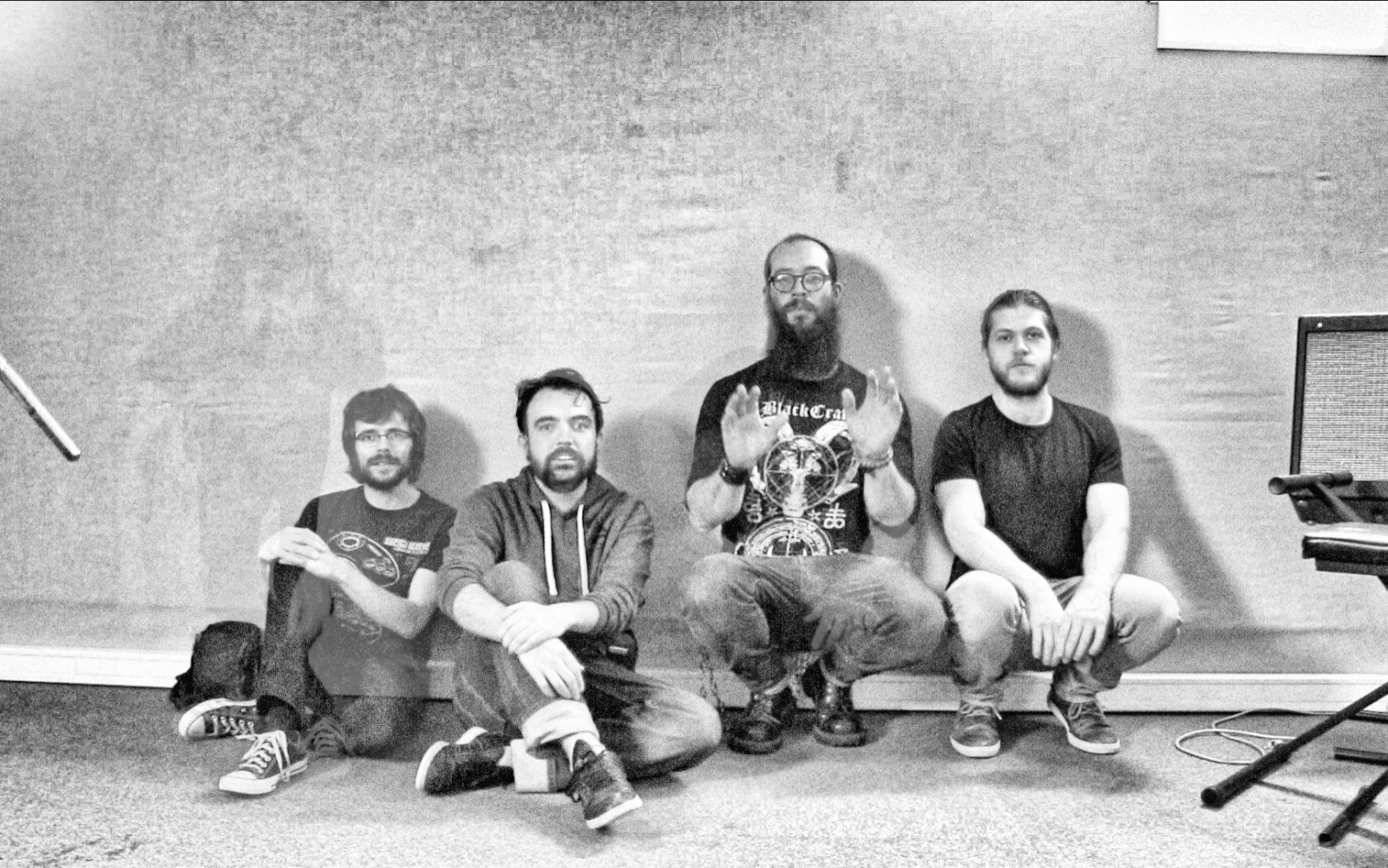
Founded in 2016 by Tristan (vocals, guitar) and Thomas (guitar, backing vocals), the band has moved across a wide musical spectrum, from the grindcore EP Les Anathèmes to the documentary At Spes Non Fracta. After Less Is Mort, they briefly operated as a power trio with Ewen and Lucas (drums), releasing the 2024 EP Dies Irae. That record, in retrospect, served as a prelude to Nulle Part, laying the groundwork for its mix of harshness and melody.
Thematically, Nulle Part examines personal collapse and emotional estrangement against a backdrop of capitalist fatigue and internal conflict. “The song Nulle part reflects on how artists have become salesmen and content creators just to survive in a capitalist system we can’t seem to overcome,” they note. “Even money can’t compensate for the lack of time and resources.”
Throughout the album, voices drift between clarity and static, memories distort, and melodies wrestle against walls of distortion. The sequencing was intentional, borrowing ideas from Korn’s Issues, with interludes and pacing that mirror the album’s descent into and return from darkness. At the center of it is a question: is it still worth finding light, even if it burns?
This tension between detachment and connection runs through each track — from the disguised pop sensibility of Après l’éclipse to the solemn closure of Crépuscule, influenced by The Cure’s Pornography era.
The full track-by-track commentary from the band is available below. Dive in to explore the personal layers behind each song on Nulle Part.
View this post on Instagram
werwr
1.Après l’éclipse (After the Eclipse) :
“Après l’éclipse” is an old song I wrote that eventually became this poppy tune in disguise. It is kind of a wake up call, a reminder that you have to cherish your loved ones. The song acts like a beginning and an ending for the album. An emotional knot tieding the story together that sounds like a perfect blend between swedish hardcore and canadian pop punk.
2. L’or dans les autres (The gold in the others)
Being shy and quiet are not considered to be very productive skills in our world. This song points out how outgoing people can be insensitive and even destroy things by assuming everyone is having fun socializing. It draws a parallel with social medias and how removing yourself from it means that you stop ‘existing’. Kind of like in this South Park episode, actually ! A groovy song influenced by Zozobra and Breach that questions how selfish it is to be on your own.
3. Dies Irae (Day Of Wrath)
“Dies Irae” features our dear friend and band co-founder Thomas on guitar. We played the song live with him a good amount of time and I’m super happy to have him on the studio version. The song is a nice sonic bridge between our second album “Less Is Mort” and the new one. Lyrically, it is about two people having an argument so violent it feels like gods are throwing mountains at each other. Musically, this is us rewriting China Town by Bastard covered by Ezekiel and Hint. Check it out, it rules.
4. Nulle part (Nowhere)
“Nulle part” was the first song we wrote for the album. It became the blueprint of what we had in mind : Funky drums and downtuned guitars drowned in an over distorted bass. The idea was to deliver hooks and melodies in a very rough, unhinged manner, that would convey the tension and angst expressed in the music and the lyrics. It sounds like a mashup between Korn And Refused. The song reflects on how artists have become salesmen and content creators just to survive in a capitalist system we can’t seem to overcome. A big structural defect where art itself takes a back sit and where even money can’t compensate for the lack of time and resources.
5. Vacarme (Noise)
“Vacarme” was built around the drum beat at the end of “Nulle Part”. Both songs form the backbone of the album. The rambling vocals remind me of something At the Drive-In would do. Most of the album was written ether on drums or on an acoustic guitar. It is also the point of no return where everything gets really dark. Song after song, the narrator has removed himself from what he loves using pessimism as a coping mechanism.
6. Death Of The Fly (1968-1955)
Something really important for us was the sequencing of the album to give it a nice pace. I wanted to do something like in Korn’s album Issues where weird interludes come and go. I produced a bunch of instrumentals using Lucas’ drum samples and beatboxing poorly in a mic, eventually one of them became “Fly”.
7. La mémoire (Memory)
When I wrote “La mémoire”, it was supposed to be a pretty acoustic song but it turned into this relentless and dissonant crazy piece of music. It was the last track we recorded and we had a lot of fun coming up with crazy drum fills and dinosaur screams on the spot. The lyrics kinda sound like a suicide note except it is a Back To The Future reference, the “dying fly” being Marty McFly from the movie.
8. Soudain, le néant (Suddenly, The Nothing)
This second interlude was made with drum samples and reversed guitar extracted from “Après l’éclipse”. If you really focus, you can hear vocals hidden behind static noise. Regarding the concept of the album, this is where after contemplating the void in the previous song, the narrator falls right into it.
9. Infernal (Hellish)
Like “Dies Irae”, this song was featured on the eponymous EP we released last year to tease the new album. Both songs were supposed to be their own thing but Lucas insisted that we put it on Nulle part. Like always, he was right and people seem to really like those two songs. “Infernal” is very melodic and contemplative. The lyrics are about trying to find purpose when there is none. It questions the worth of shining through the dark even if this light might burn your friends.
10. Crépuscule (Dusk) :
One band that really inspired my mood and my songwriting during the last couple of years was The Cure. The way the bass and the drums go into those hypnotic and tribal patterns on Pornography, this is what gave me the main idea for “Crépuscule”. We had a a great time putting the song together to get this solemn, very epic vibe. It is a self-reflective song about the worth of our short time as a band, with a bitter ending but far from hopeless.