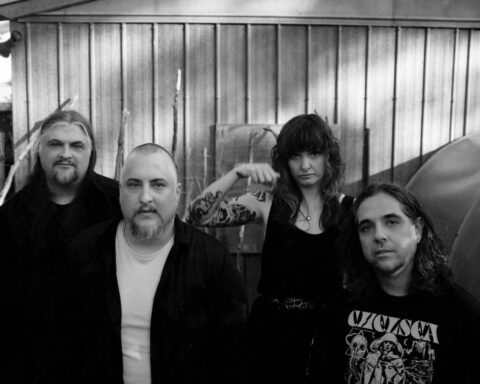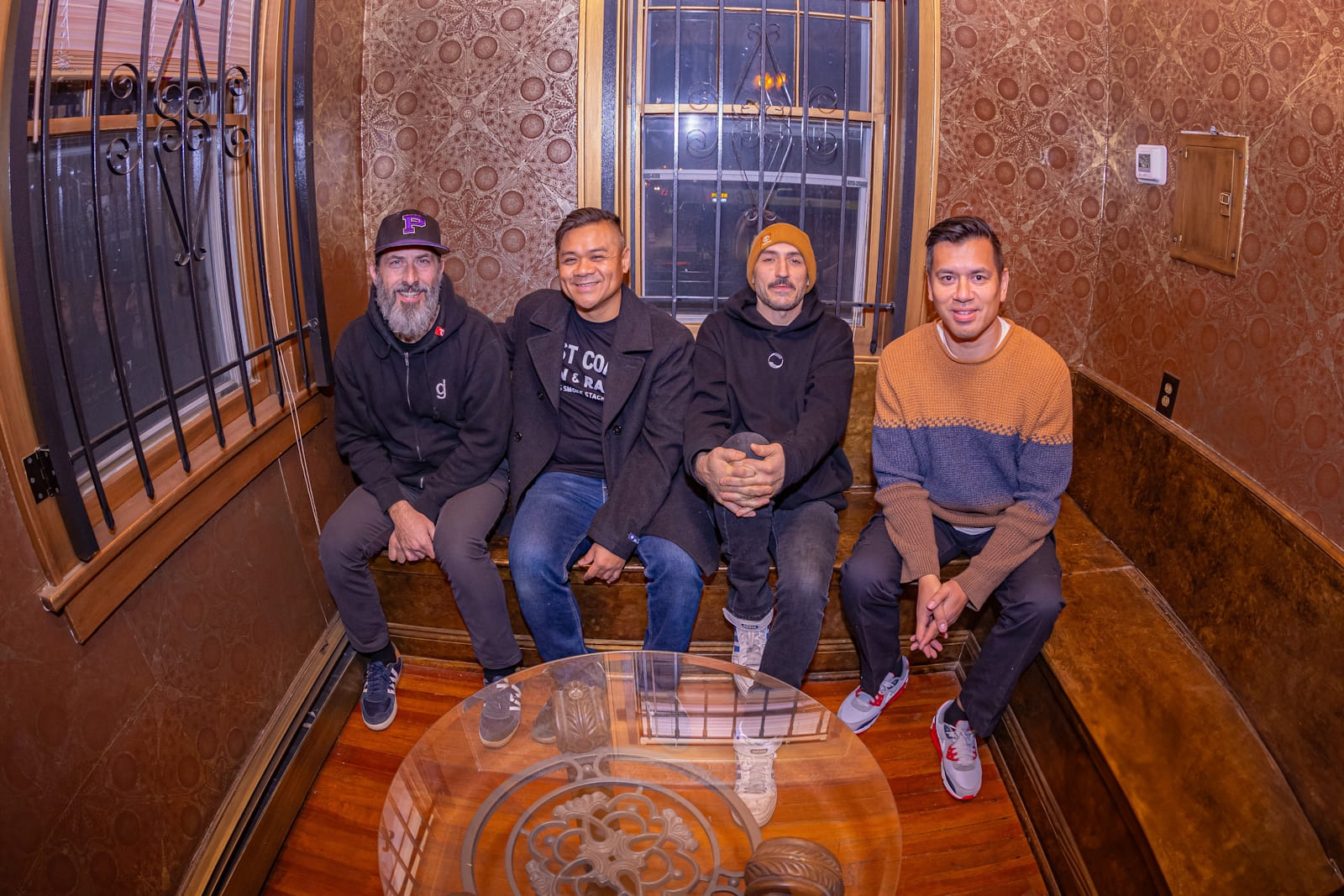


The shift happened before the band was fully a band. Early Adorn demos leaned closer to metalcore, written by Kalen Orr and Logan Gavaldon with a different lineup in place. Then Austin stepped in, auditioning over a softer, more melodic piece he’d been sent, and the direction changed. The weight stayed, but the center moved—toward something closer to late-2000s post-hardcore, less metal, more space for dynamics to stretch.
That decision split the project in two. Two members left as the sound pivoted. Ray Rose joined on drums, Eric Jones on guitar.
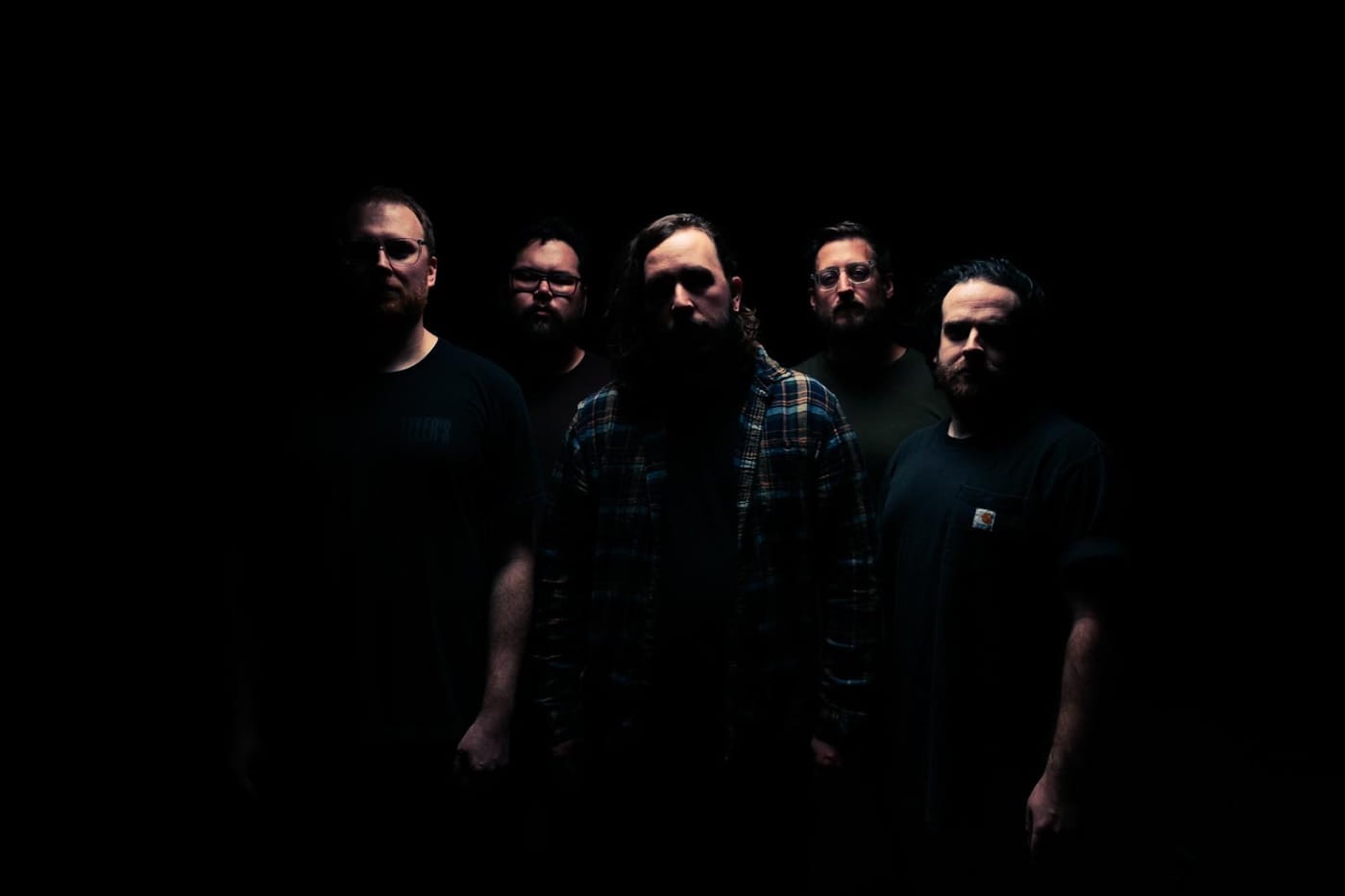
What had started as a loose remote project in 2022/2023 settled into a five-piece, though still not in the usual sense. Most of “Let Love Remain” was written across Discord sessions and shared files, built by people in their 30s spread across the Dallas–Fort Worth metroplex, working around everything else life demands.
Austin came in as the only outsider. The others had been playing together for years, long enough to have their own shorthand. He describes stepping into that as strange at first, then immediate—“we bonded seamlessly and the music that came as a result immediately felt connected and genuine.” The record took shape slowly from there, stretching from those first sessions into February 2026.
Wyświetl ten post na Instagramie
“Let Love Remain” is tied to the same thread as “Pass the Pulse,” but it widens the lens. The songs sit in the middle of a world that feels unstable, where people are quick to assign value to each other based on things that don’t hold much weight. Austin frames it plainly: “the volatility of our existence” and the way it pushes people into conflict, sometimes without purpose, sometimes just because it’s there.
That tension runs through the record in uneven ways. “The Brave and Bled Defiant” and “A House Divided Cannot Stand” come from a place of frustration—watching how easily suffering gets turned into something to measure or rank. Other songs push back against that. “Diving Bell” and “Pass the Pulse” move in the opposite direction, looking for something steadier, something that doesn’t collapse under pressure.
He keeps circling back to connection, but not in a sentimental way. Trust and loyalty sit next to it, less comfortable words, harder to fake. “Shep” is built around that idea directly—a true story about a pet and its owner, where nothing is said outright but everything is understood. “It’s unspoken and purely felt,” he says. “If that isn’t genuine, then I don’t know what is.”
The record works like a document of a specific moment. Not a clean statement, more like a recording you revisit—something closer to a VHS tape pulled out during the holidays, tied to people you chose rather than inherited. “Let love be the force that guides what you do,” Austin says. “Let that be what’s left behind.”
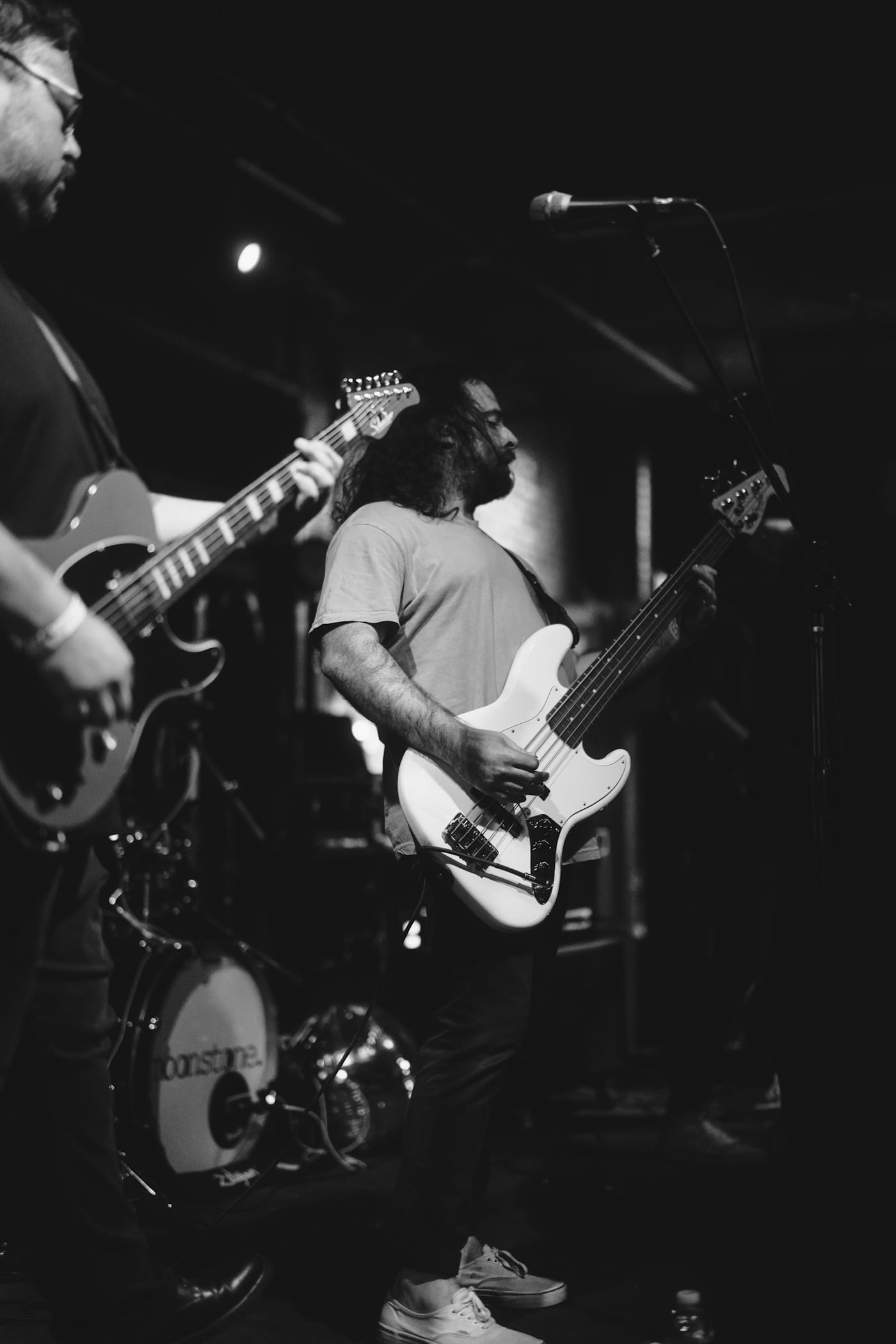
The way the band works mirrors that push and pull. Most songs started as fragments from Kalen, Logan, or Eric, passed around and reshaped individually before landing in a final form. Three tracks—“Let Love Remain,” “Voyeur,” and “Shep”—came from Austin, written years earlier and held back until they had somewhere to land.
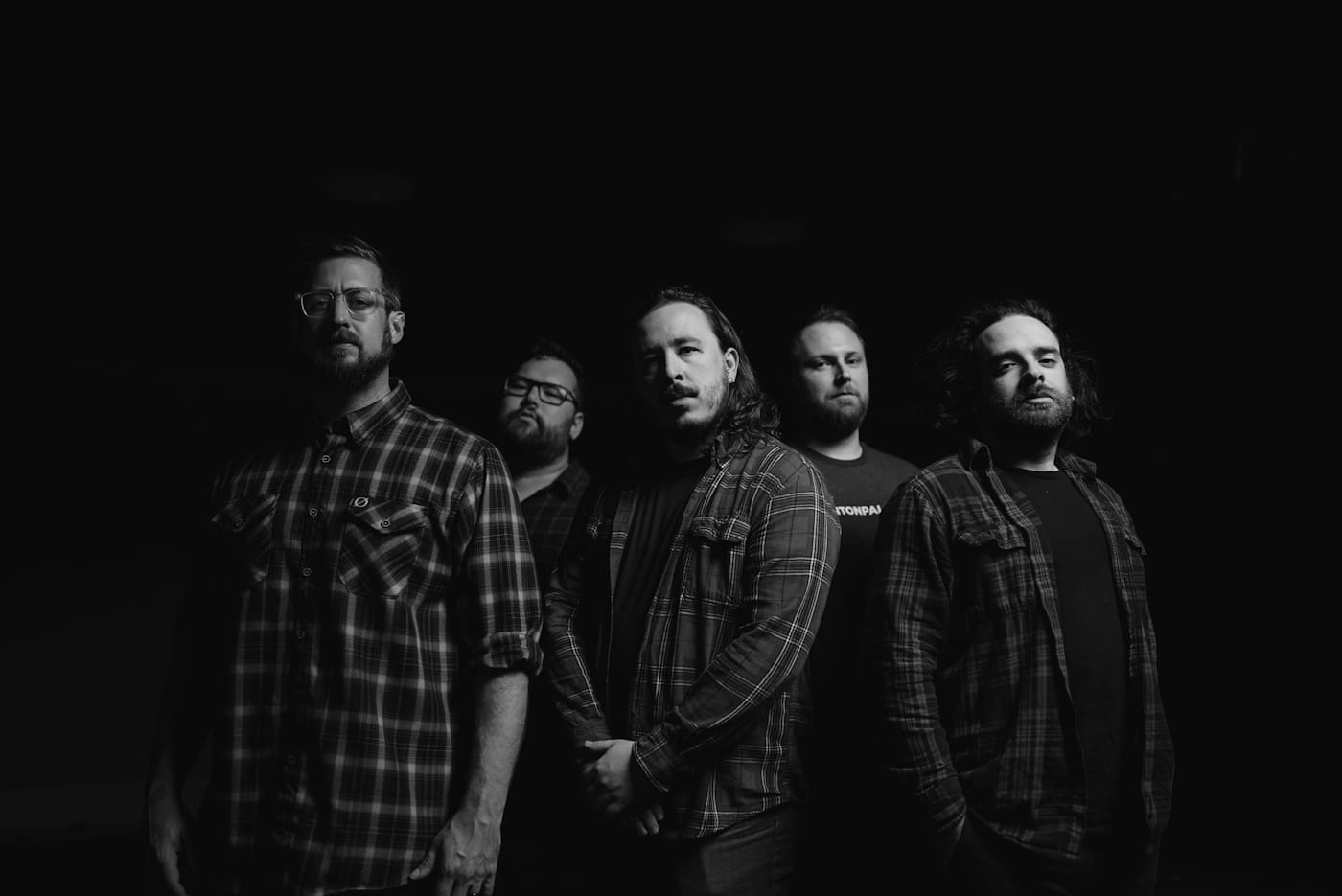
They recorded drums at Anthem Recording with engineer Bryan David. Everything else stayed in-house. Kalen handled production and mixing; Austin mastered the record through his own studio. That wasn’t the original plan, but it stuck once they realized how well they communicated. The same thing that made the friendships click carried into the work itself.
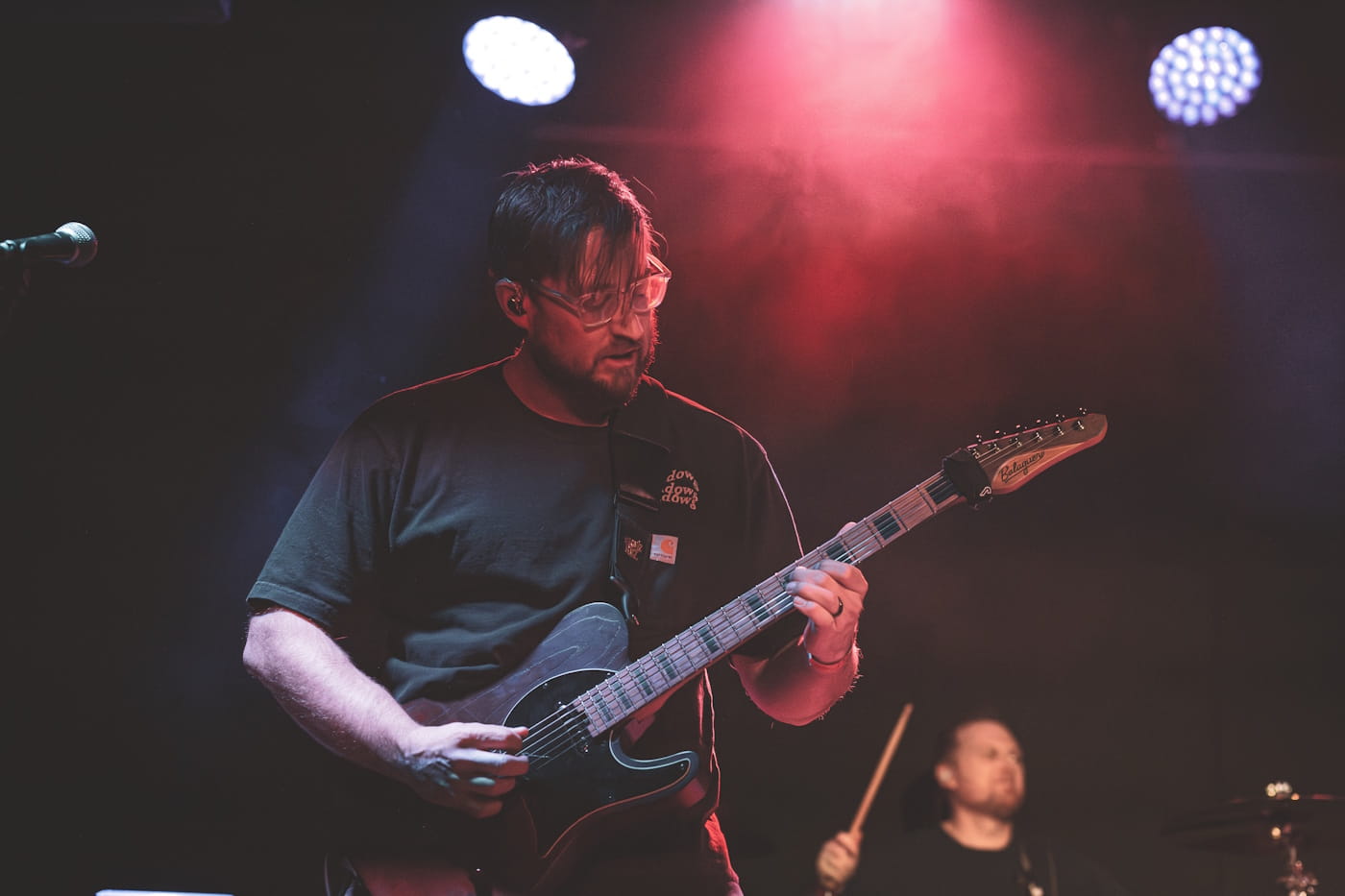
They were chasing something specific: a record you sit with from start to finish. Not a playlist, not a set of singles. Songs that connect to each other, lyrics that echo across different points, details that only make sense once you’ve heard the whole thing through. At the same time, they wanted it to feel like a band in a room—direct, physical, not flattened out.
Ray’s approach to drums comes from a different angle. He points to Darren King’s playing on MUTEMATH’s self-titled record as the moment that changed how he thought about the kit. “His setup is stripped down, but the way he structures sound makes you feel like there’s more happening than there actually is.” That idea—doing more with less—sits under everything he plays here. Space matters as much as impact.
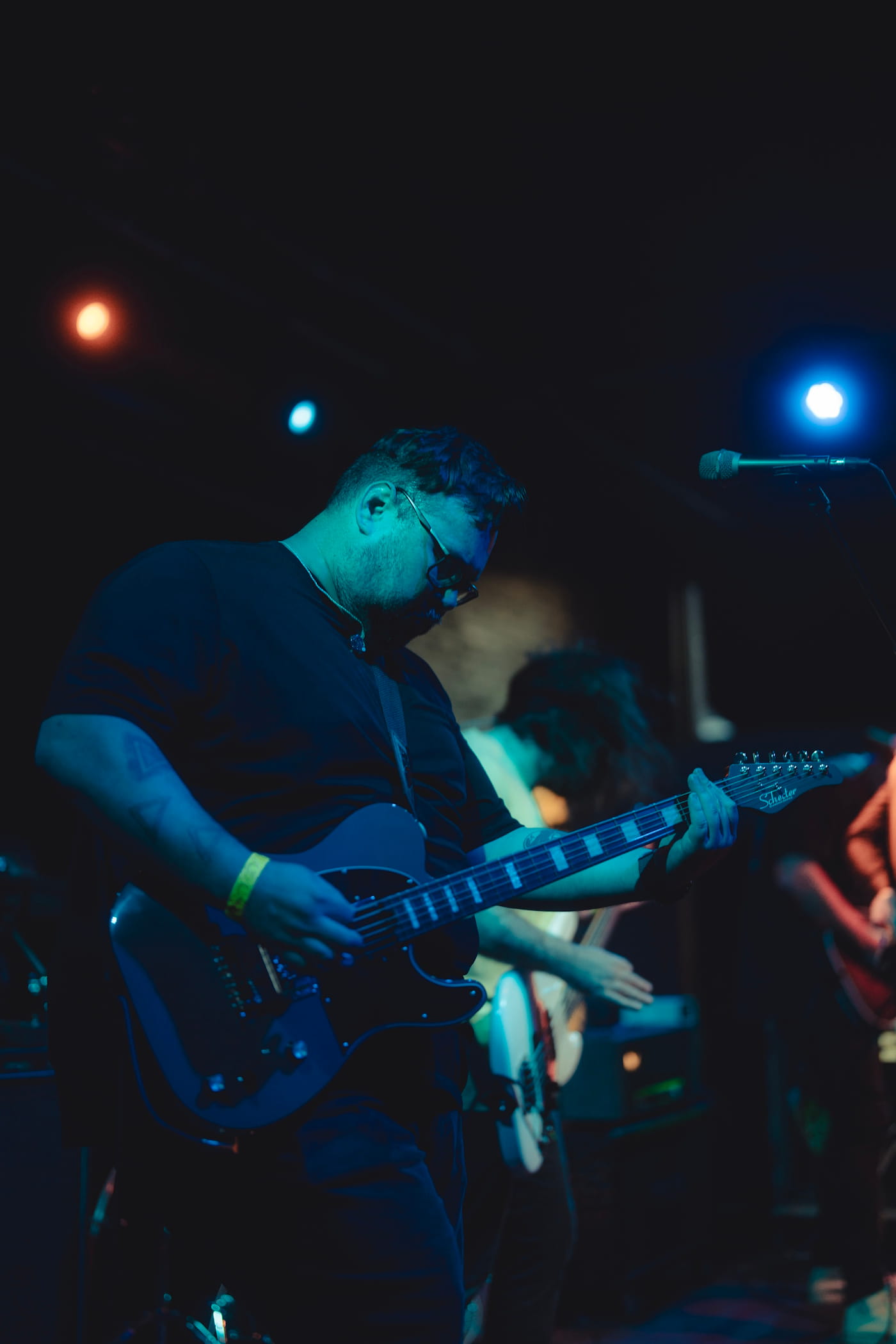
He ties that into how the band writes together. There’s a shared background, but no fixed method. “There’s a shared language, but the room always felt open enough to experiment,” he says. “That tension between structure and freedom is baked into everything on this record.”
Eric comes at it through guitar. Jade Puget’s way of building density without clutter, Claudio Sanchez’s ability to turn riffs into something that moves like a narrative—both sit in the foundation of how he approaches writing. The goal isn’t to repeat those ideas, more to keep pushing forward from them.
For Kalen, it goes back to a specific moment—watching Refused during their 2012 reunion tour in Edmonton while everything else around him felt unstable. Filling in for another band, dealing with setbacks, questioning whether any of it was worth it. Then seeing a room react to songs from “The Shape of Punk to Come” like they’d been waiting years for that exact moment. “You could tell… what they did and what they were saying truly mattered.” That stuck. Not technique, not precision—meaning.
Logan points to a different balance. Northlane and Silent Planet, bands that can push into complexity without losing the thread. “If you peel back the layers… it could almost sound like a technical mess,” he says. “But when you put them all together it all fits together like puzzle pieces.” That sense of cohesion—of parts locking into something larger—is what he hears in Adorn.
All of this sits inside a local scene that doesn’t quite line up. Dallas has a strong current of traditional hardcore, with bands like Ballista and Ozone holding down a tighter network. What Adorn does—closer to Thrice, Saosin, Thursday—exists more on the edges. Fewer bands, less of a defined circuit.
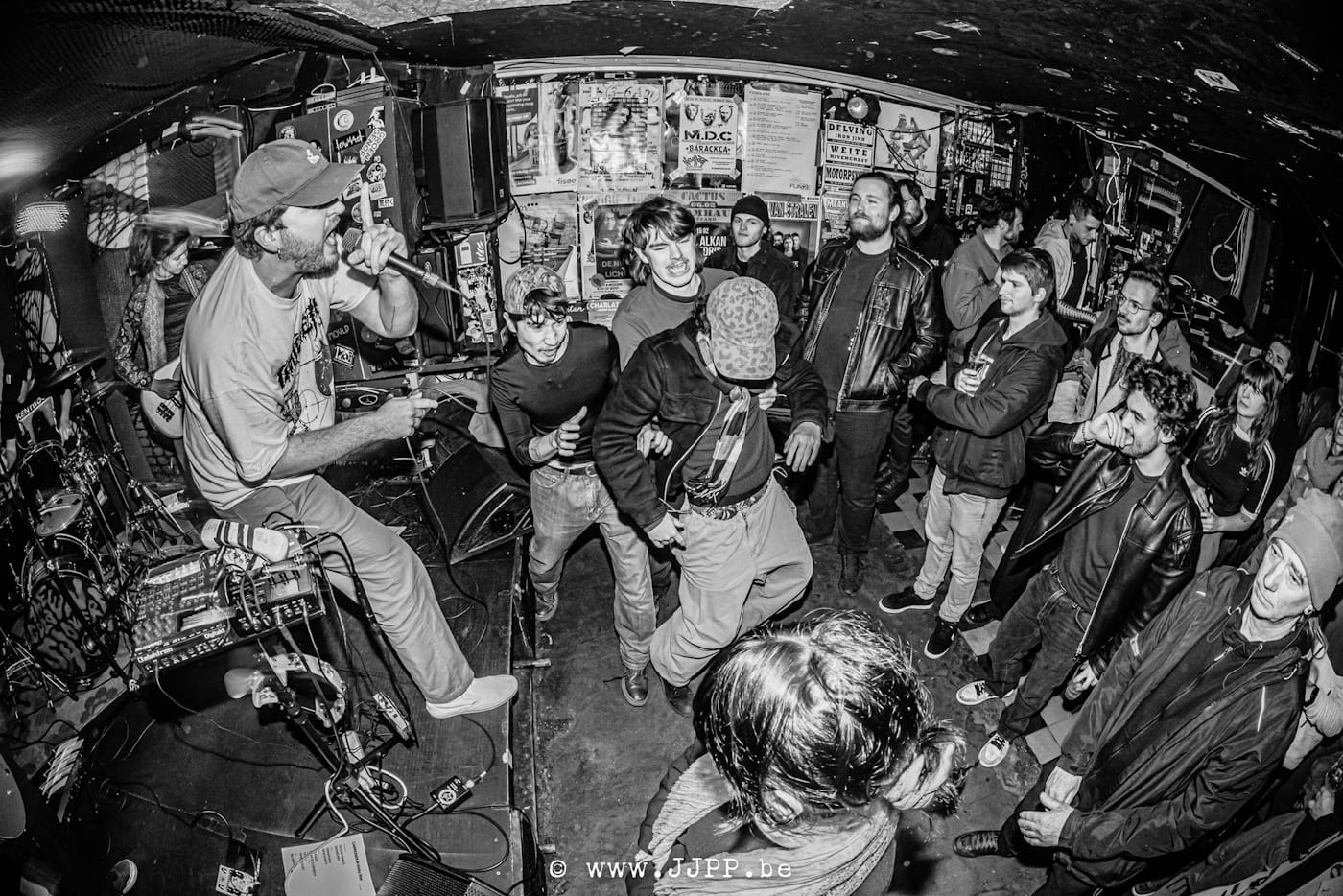
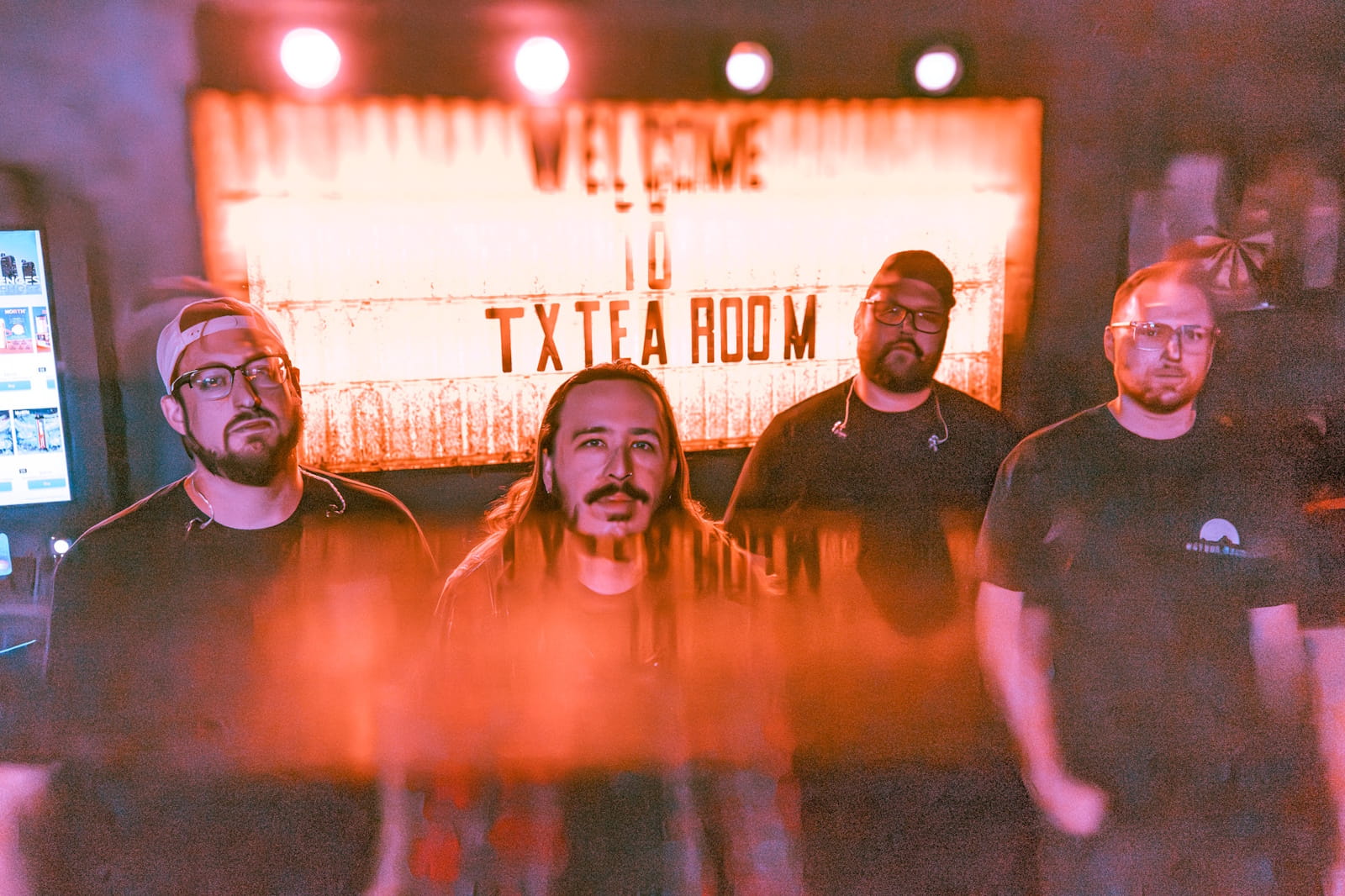
They play with Set//Adrift, Nygma, Brave Days, but just as often end up on mixed bills where styles blur together. Venues like Three Links, Club Dada, Texas Tea Room, and Trees keep things moving, even if the wider sense of community feels scattered. “Disconnected, yet passionate and well-intentioned,” is how Austin puts it. The interest is there. It just hasn’t settled into something cohesive again.
They’ve already seen both sides of that. Opening for Saosin at a sold-out show at Trees put them in front of a room that knows exactly what this kind of band sounds like. The album release show on April 25th stays local, back in that same environment they’ve been building inside.
“Let Love Remain” comes out April 10th, 2026.