

A backyard in East LA, a borrowed PA, flyers switching between Spanish and English depending on who’s holding the marker — that’s where Quiet Fear start the story of “La Tierra Arriba/El Abismo Abajo”.
“We personally got brought up in backyard and house shows that were prominent in east LA and South Central LA,” they say, placing themselves in a circuit that existed long before anyone was talking about playlists or industry attention.
That circuit didn’t always translate to the city’s established venues. Chicanx punk and post-hardcore had little footing in Hollywood rooms until the early 2010s, and the workaround became its own system — DIY spaces shaped by necessity, then sustained by community.
The Smell, Mariachi Plaza, Midnight Books. Places that double as organizing hubs, where groups like LACispes and UnionDelBarrio operate alongside shows, pushing back against ICE activity and police pressure in the same neighborhoods the bands come from.
Quiet Fear carry that context into their second album, out June 19 through Iodine Recordings.
Recorded with Alex Estrada and mastered by Jack Shirley, the record pulls from ’90s screamo but doesn’t sit comfortably in revivalism.
There’s tension in how it moves — bursts of collapse, then space left hanging. The first single “Retén” already caught early attention, landing in Revolver’s Songs of the Week and Knotfest’s “Pulse Of The Maggots” rotation.
Language sits at the center. “We feel like our use of Spanish has developed not as a means to separate ourselves… but more so as an invitation for people to come and engage with us,” they explain.
It’s more about how things actually play out: between-song talk flipping mid-sentence, someone asking what a lyric means after a set, curiosity turning into conversation.
They trace that instinct back to their own entry points. Hearing Daitro without understanding the words, then chasing meaning through translation, finding parallels between French working-class life and their own. That loop — confusion, curiosity, connection — is something they try to recreate. “It serves as a pillar of pride… encouraging people from our culture and background to feel confident in trying to play and present themselves in more English speaking spaces.”
The band’s orbit extends well beyond Los Angeles. They point to Respire, Cipres, Cienfuegos — not just for the music, but for how those bands build networks. New Friends in Canada, AFB in Mexico, TNMTH in Chile. A web of relationships where shows lead to something longer-lasting. “If a scene between bands on different sides of the world can grow, then it’s ten times easier… with all the bands and activists local to us here in LA.”
Back home, that growth isn’t frictionless. Quiet Fear describe a local landscape where unspoken rules still shape access — what kind of breakdown you write, how you look, what causes you align with.
“Venues and listeners will focus solely on who plays a specific type of breakdown, or who looks a certain way,” they say, pushing against the idea that punk is automatically open. Their response has been to pull from everything at once — influences, politics, visual culture — and use whatever platform they have to amplify voices that don’t get much room.
Gentrification keeps tightening the margins. Boyle Heights, Highland Park, East Hollywood, downtown — areas that once held DIY spaces now reshaped by outside ownership, turning co-ops into bars, short-term rentals, anything that pays more. New spaces emerge, but survival often means narrowing focus, sticking to one genre or crowd. Younger bands notice. “We can’t play there because we’re not screamo enough,” or “I don’t know if the space would like us, we’re not that punk.”
That pressure lands directly on bands like Quiet Fear. “Over the years, we have faced numerous challenges… particularly as people of color,” they say. The work required to reach the same visibility isn’t abstract to them — it’s felt in every booking, every tour slot, every conversation where they have to prove themselves again. When those openings do come, they hold onto the moments when people engage with the songs beyond surface level. “It validates our dedication to our art.”
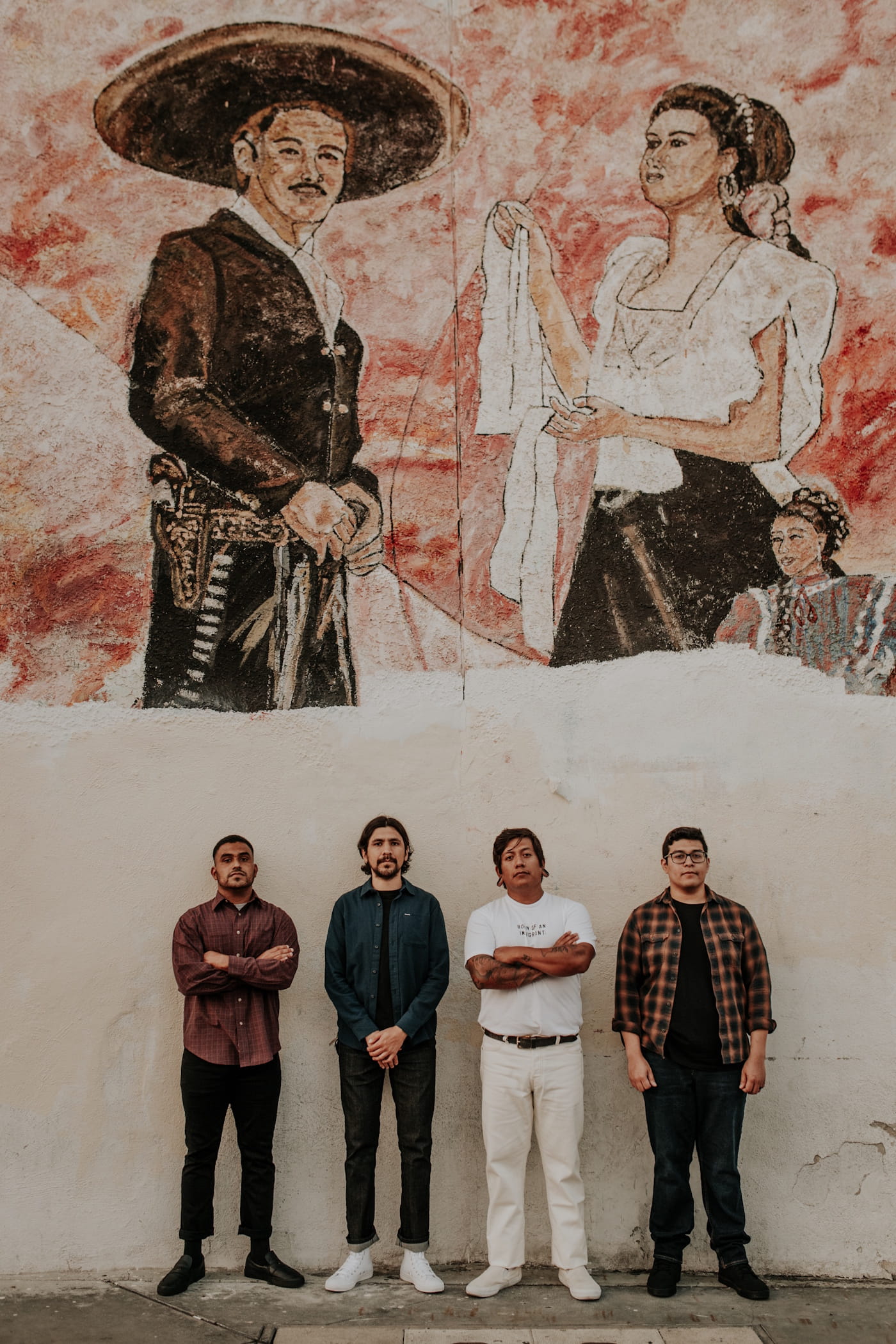
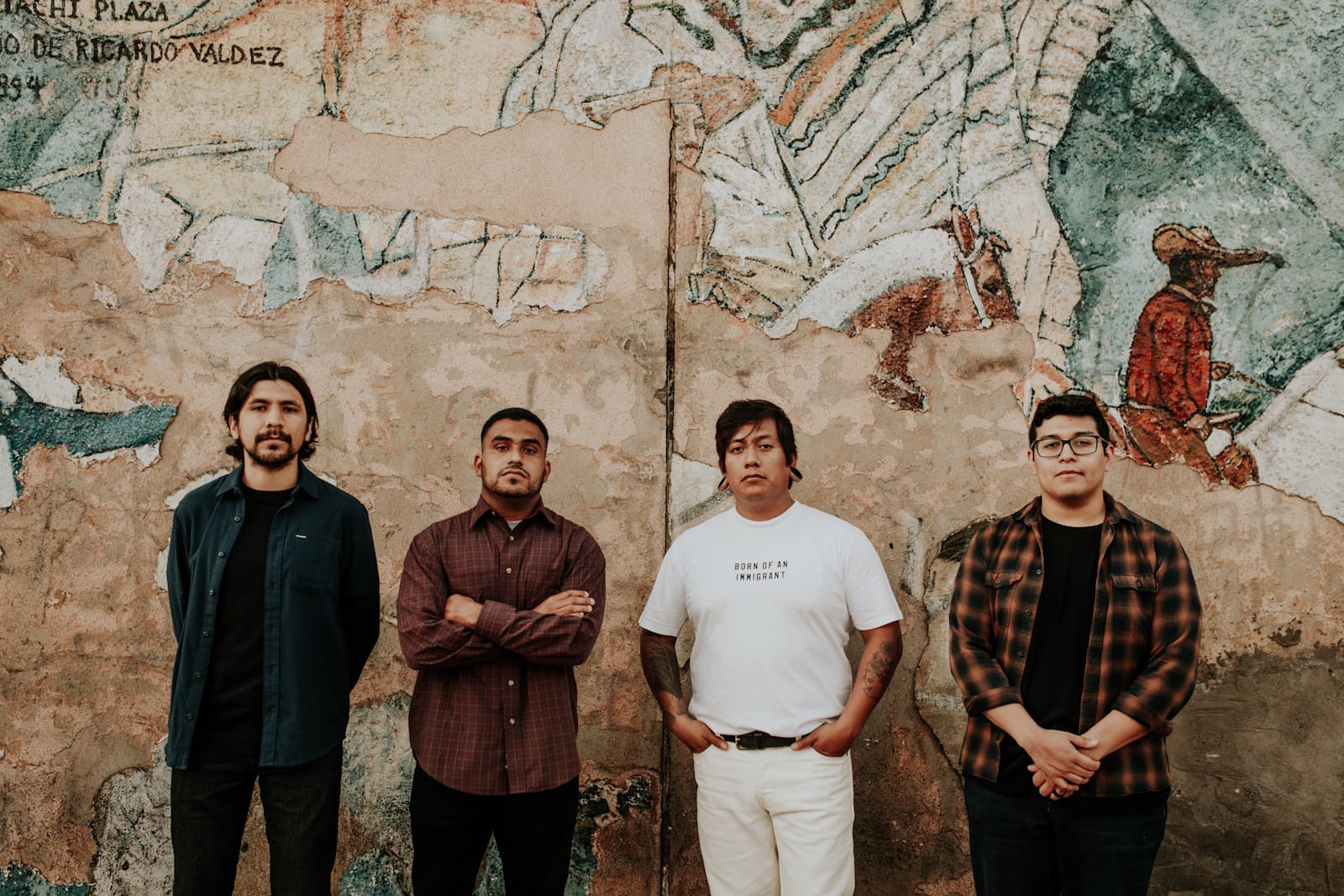
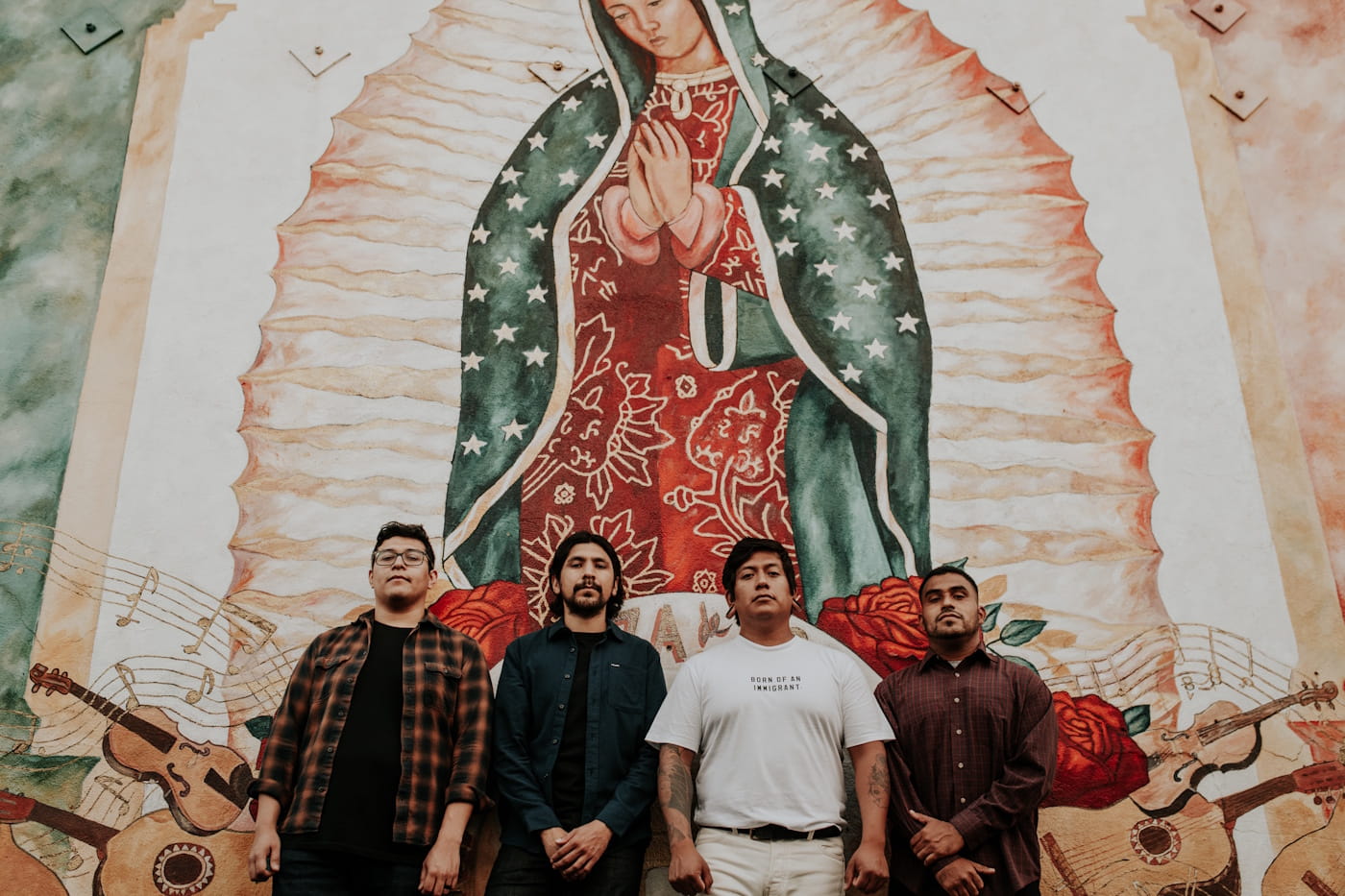
Adrian Ayala, Christopher Tortoledo, Jonatan Patino, and Edgar Rivas don’t present “La Tierra Arriba/El Abismo Abajo” as a standalone statement.
It sits inside all of this — the rooms, the language shifts, the uneven ground they’re moving through. “Retén” is already out. The rest follows June 19.
🔔 IDIOTEQ is ad-free, independent, and runs on one person’s time. If you want it to stay that way: DONATE via PayPal 𝗈𝗋 SUPPORT via Patreon.
Stay connected via Newsletter · Instagram · Facebook · X (Twitter) · Threads · Bluesky · Messenger · WhatsApp.