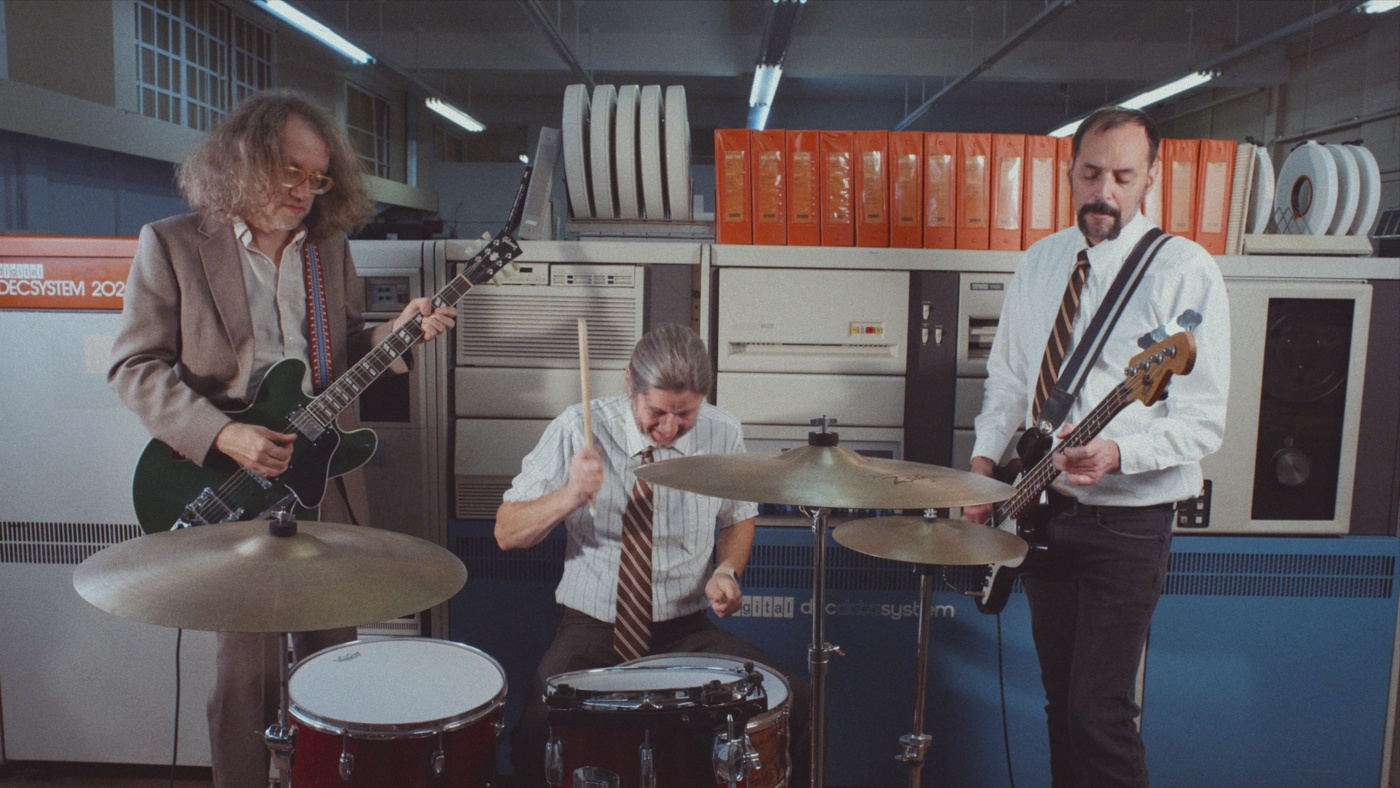


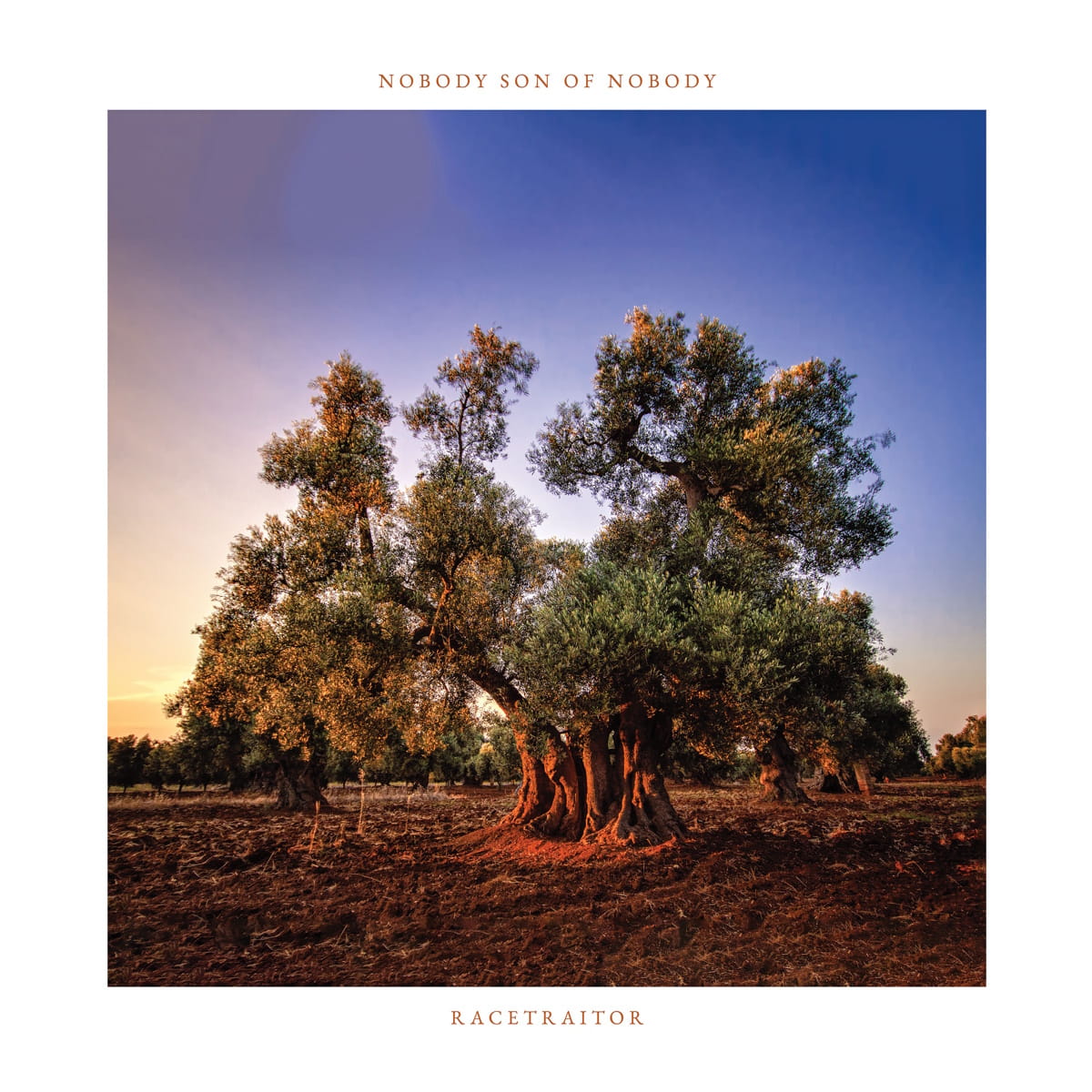
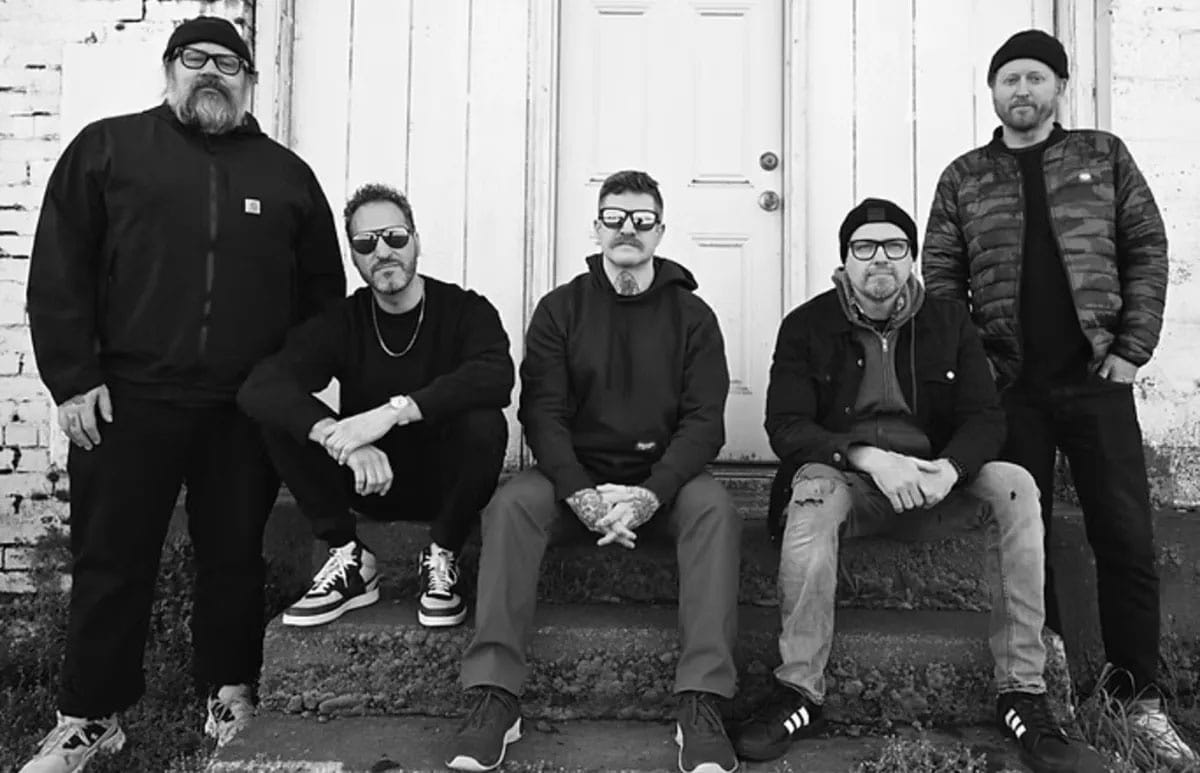
Chicago political hardcore and metallic hardcore veterans Racetraitor now have a history spanning three decades, with direct political confrontation built into their music and shows from the start. They started in the mid-1990s, split in 1999, and returned in 2016 in response to the toxicity and hate surrounding that year’s US presidential campaign. Their new EP, “Nobody Son of Nobody”, was released August 14 through Another City Records as the follow-up to 2023’s “Creation and the Timeless Order of Things“.
Three people behind the EP have spent much of those years working outside music: Brent Decker in public health and violence prevention, Mani Mostofi in human rights as director of Miaan, and Dan Binaei in therapy. Brent says he watched community-based violence-prevention programmes prove effective and then get pushed aside for more policing. Mani calls a decent amount of professional human-rights work “nearly useless”. Dan says liberation also has to address the patterns of abuse people carry into political and religious organisations.
The EP is metallic hardcore with clear use of space and melody. “A Mirror Watching” drops the intensity and leaves a clear, yert eerie pause before “Red Summer” and “Policy of Hell” return to slamming, sharp-cornered metallic hardcore. “Unity of Being” closes on a droning pulse and returns directly to the mystical language that ran through “Creation and the Timeless Order of Things“. This short release is a trip!
View this post on Instagram
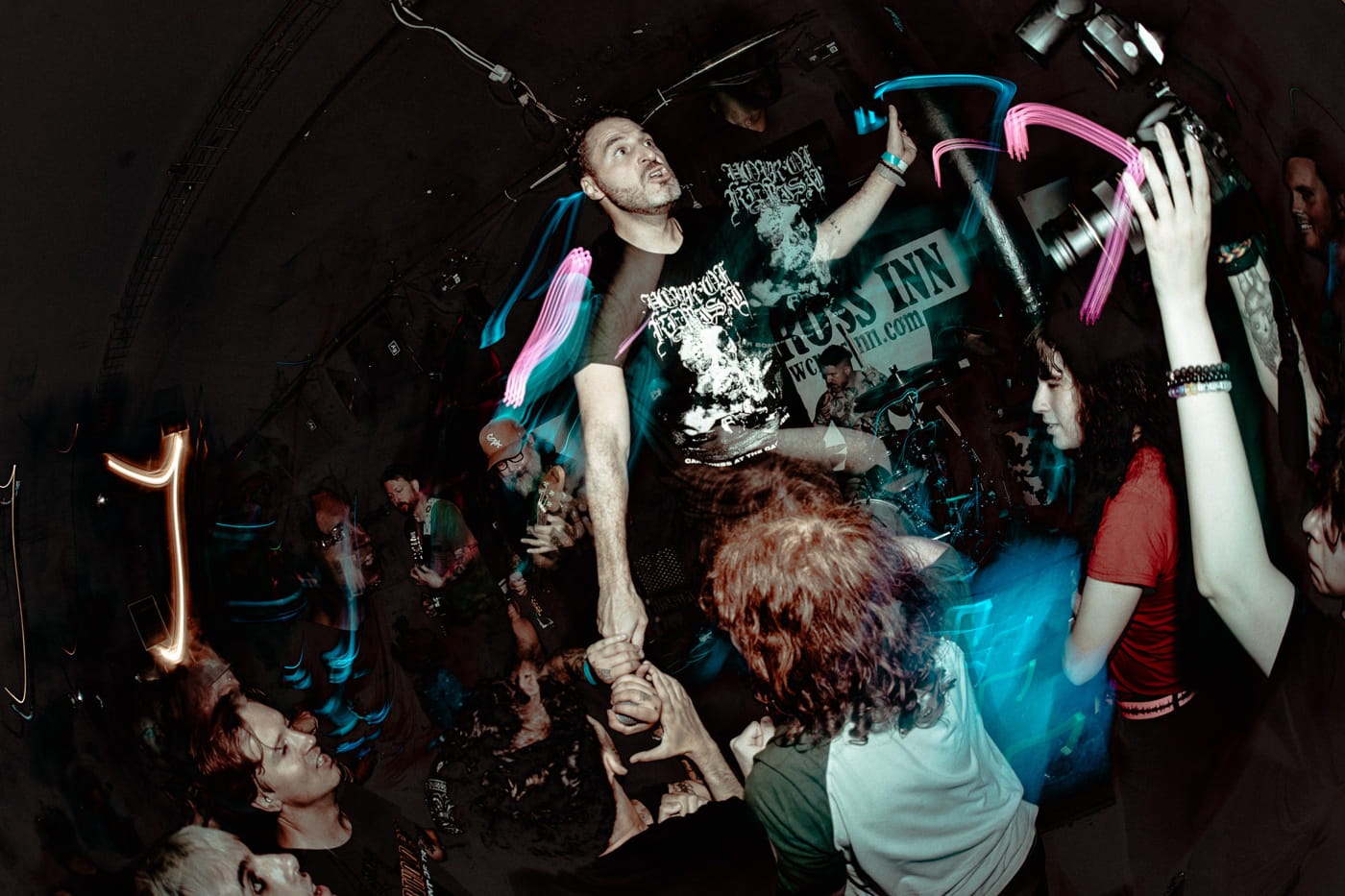
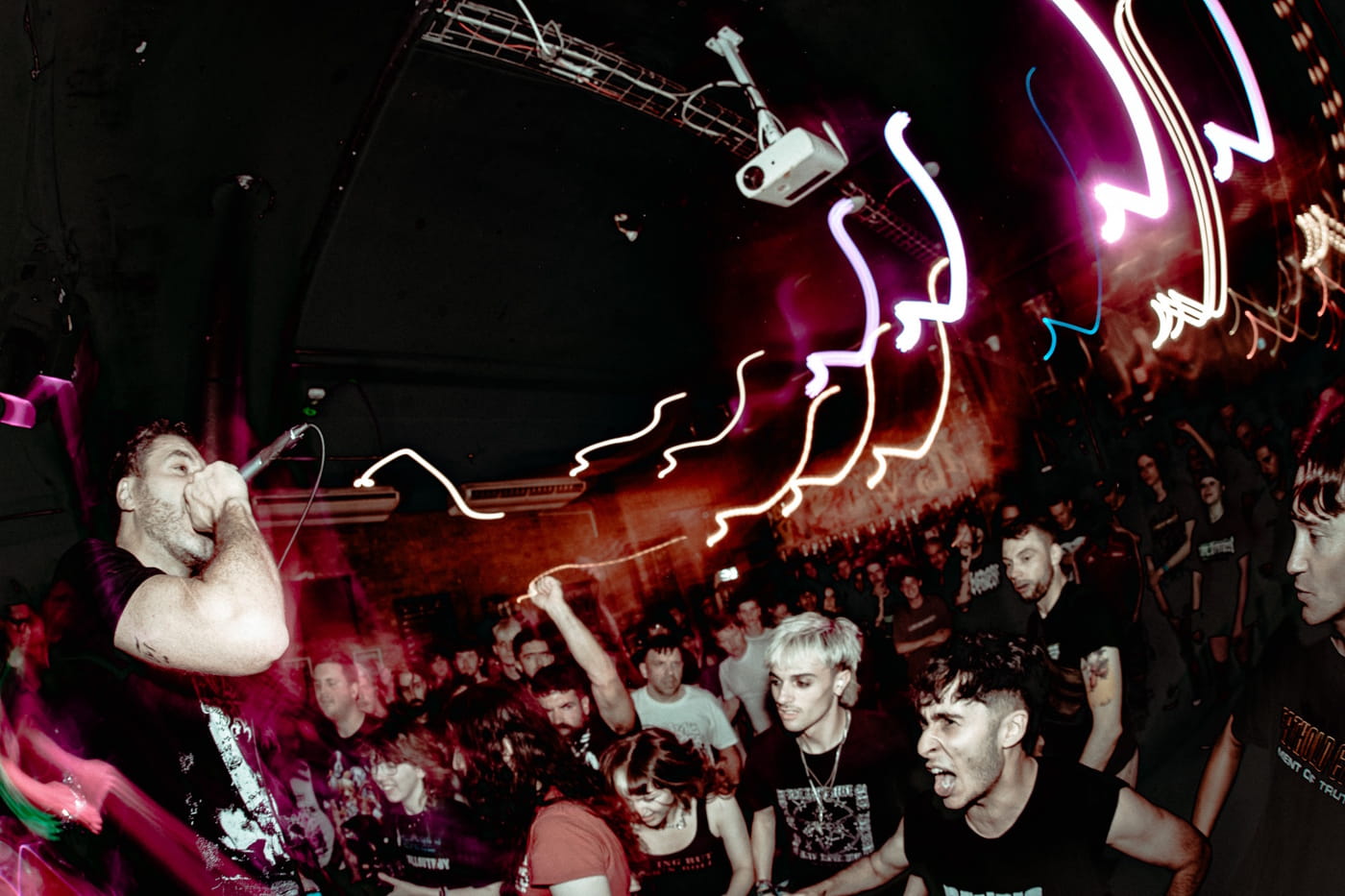
The release show at Hideout paired Racetraitor with São Paulo’s Worst, Chicago death-metal-flavoured crustcore band Hell Is Real, and Chicago hardcore punks Snuffed. Hell Is Real had released “Survivor’s Guilt” in May.
During their first run, Racetraitor caused arguments because they called people out face to face, including people in their own scene who did not appreciate hearing about white supremacy, US imperialism and power from the stage.
After the 1999 break-up, the members carried those politics into other parts of their lives. In 2020 they organised a compilation for the Black Lives Matter movement that brought a much wider group of artists into the same effort.
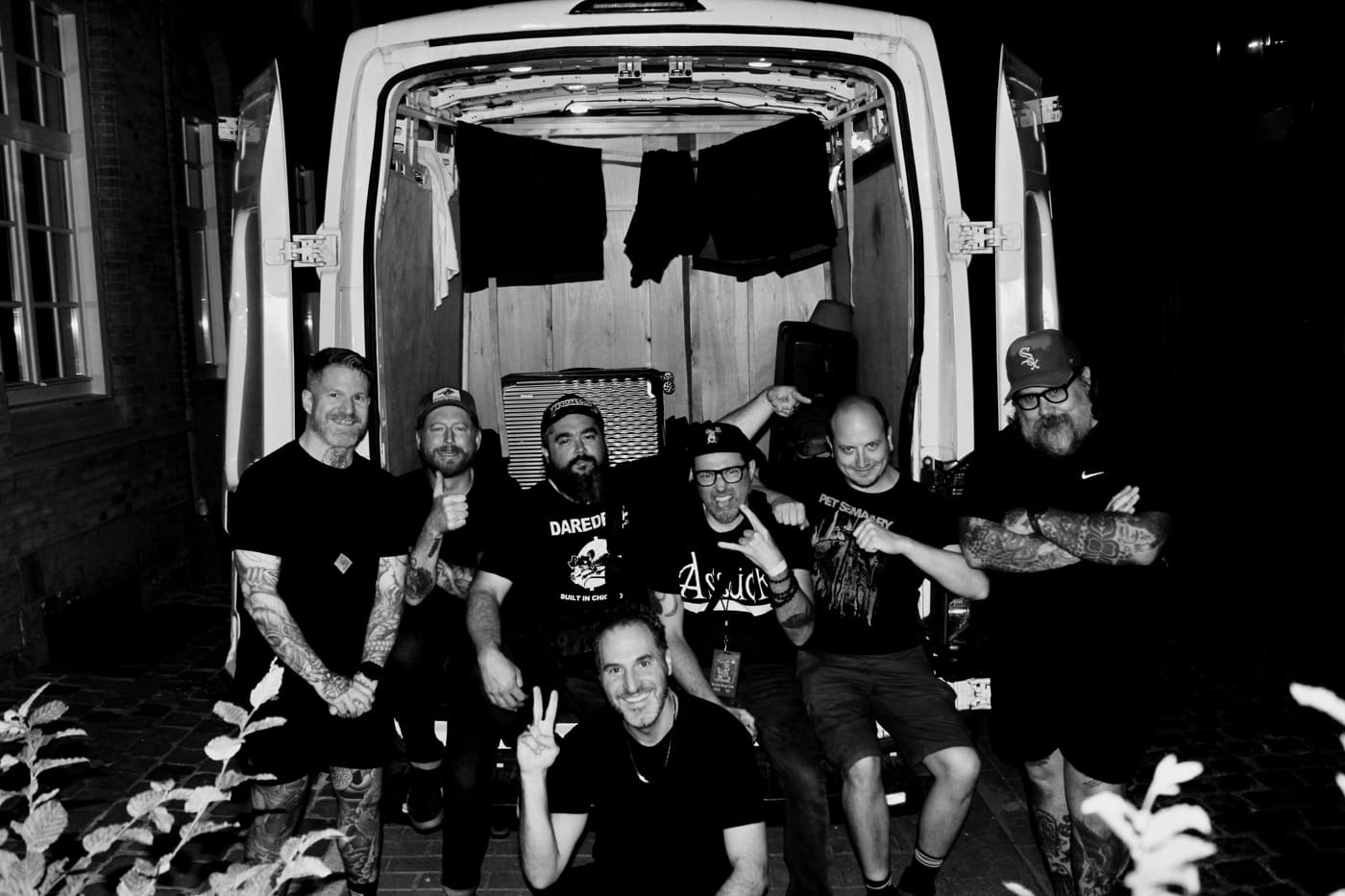
After leaving Racetraitor, Brent asked himself what practical skills might actually be useful and eventually went into public health and violence prevention. Asked which convictions held by his twenty-year-old self survived that work, he went straight to what he had watched happen to community-based programmes.
“I wish I could say my 20 year old self was naive or misinformed. Honestly the last few decades working in public health, specifically violence prevention, has only strengthened my conviction that these systems are beyond reform. Not that we shouldn’t try! I got a front row seat as public health violence prevention efforts which center community and do not rely on police were implemented, scientifically evaluated to show effectiveness, corrupted by state and philanthropic actors, and then systematically pushed aside for more police and law enforcement. I guess in retrospect I shouldn’t have been surprised.”
He links what survived to the story of Imam Hussein at Karbala.
“I think what survived in tact and was strengthened over the years comes from to deeply reflecting on the story of Imam Hussein (as) at Karbala, despite all odds in the material world one has to stand against oppression. There is no other way.”
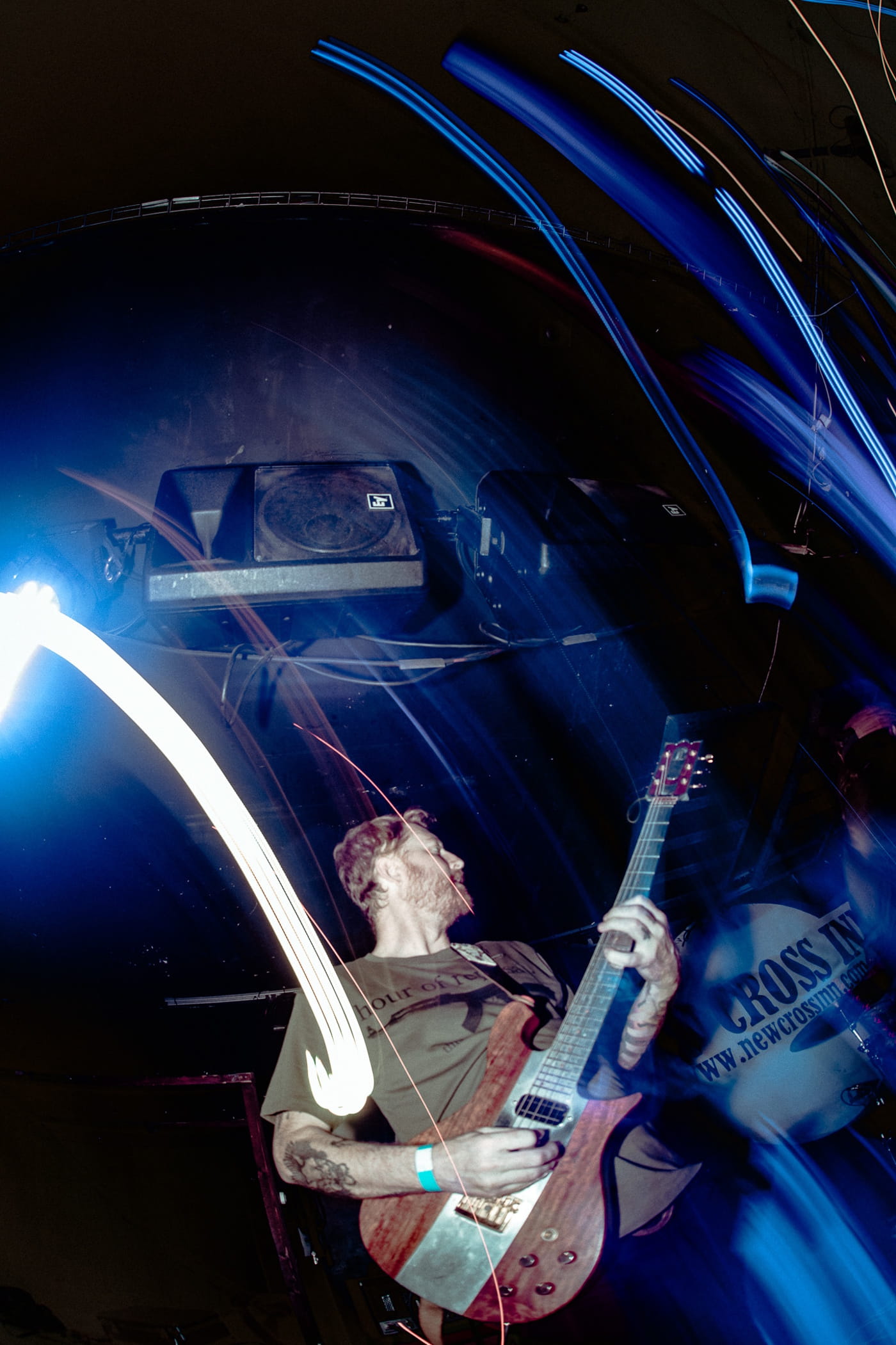
Mani wrote the lyrics to “Red Summer“, and Brent confirmed that the title refers to the Red Summer and Chicago in 1919. Brent recommends Andrew Diamond’s “Chicago on the Make: Power and Inequality in a Modern City” as an overview of Chicago politics. His own violence-prevention work has left him with a blunt view of the present city.
“The history and current reality of Chicago is heartbreaking. There is a book called ‘Chicago on the Make: Power and Inequality in a Modern City’ by Andrew Dimond which gives an excellent overview of the politics of Chicago.”
“In terms of understanding violence as a public-health problem, you see that first and foremost it’s completely preventable. It doesn’t have to happen. It’s merely a question of current political will. Our city (Chicago) has decided that it’s ok for young black, brown, and working class men to die at absolutely insane rates from gun violence. Even our current ‘progressive’ mayor and governor posture and give some meager resources to community health projects to completely corrupt organizations and act like they don’t understand why the violence persists.”
I know it’s obvious, but it comes back to capitalism and what the state values. Any historical or current event in Chicago is directly related to how the city has been organized under that system.”
The spiritual vocabulary around the new EP took shape after Racetraitor’s original run. The title “Nobody, Son of Nobody” appears in English renderings connected to Abu-Sa’id ibn Abi al-Khayr. Mani deferred the origin of Racetraitor’s title to Dan or Brent, and Dan remembers encountering a book carrying that title around 2001 or 2002, after Racetraitor had broken up the first time. He thinks Brent may have introduced it, or that they found it in parallel during a period when they were talking through the same ideas. Dan remembers the poetry hitting both of them at the time. “I think the Nihilistic spiritual tone of the poetry deeply resonated with both of us. Also, the theme of the title alluding to disregarding the tradition and value of biological lineage, in favor of the deeper more significant spiritual nature of human beings. That really appealed to my anarchist / class consciousness/ liberation theology, leanings.”
Around the same period, while living in Southern California in his early twenties, Dan found Toshihiko Izutsu’s “Creation and the Timeless Order of Things“. The book shares its title with Racetraitor’s 2023 album. Dan’s clinical work is rooted in spirituality and social justice and also draws on meditation, depth psychology and dream work. He connects the book directly to the way those parts of his life developed.
“My clinical practice and approach is an extension of my spirituality and political activism/ experience’s,” Dan said. “Creation and the timeless order of things is a book I found when I lived in Southern California by the philosopher Toshihko Iszutsu, tht integrates Sufi and Taoist concepts about the nature of reality. It heavily impacted my spiritual practice, world view and perspective on reality. It was also a time in my life( early 20’s) when I was grappling with trying to integrate political activism and spirituality. It played a large part in that personal evolution. It delves deeply into the concept of ‘Unity of Being’. Whadjat Al Wujud.”
View this post on Instagram
Dan later confirmed the correct name as Toshihiko Izutsu and the term as wahdat al-wujud. After nearly two decades as a therapist, he also thinks about confrontation through what he has seen people repeat inside religious communities, political organisations and activist groups, including spaces organised around liberation.
“To maybe over simplify, I believe humanity needs to heal for us to evolve and move forward. I had experienced so much interpersonal dysfunction in religious communities, political organizations, activist groups. I realize part of the struggle for liberation has to involve healing of humans, so that we don’t end up recreating similar patterns of abuse and exploitation in a new forms.”
View this post on Instagram
Dan and Mani are both children of Iranian immigrants, and those family histories fed directly into “Eid”.
Persian music entered Racetraitor through a collective process. Dan credits Mani and/or Brent with bringing in Persian instrumentation. Dan had heard a version of that idea from his father years earlier. At fifteen or sixteen, just as he was getting into punk and hardcore, Dan’s Iranian father suggested drawing on Persian music in his songwriting so he could make something distinct. Dan dismissed the idea immediately.
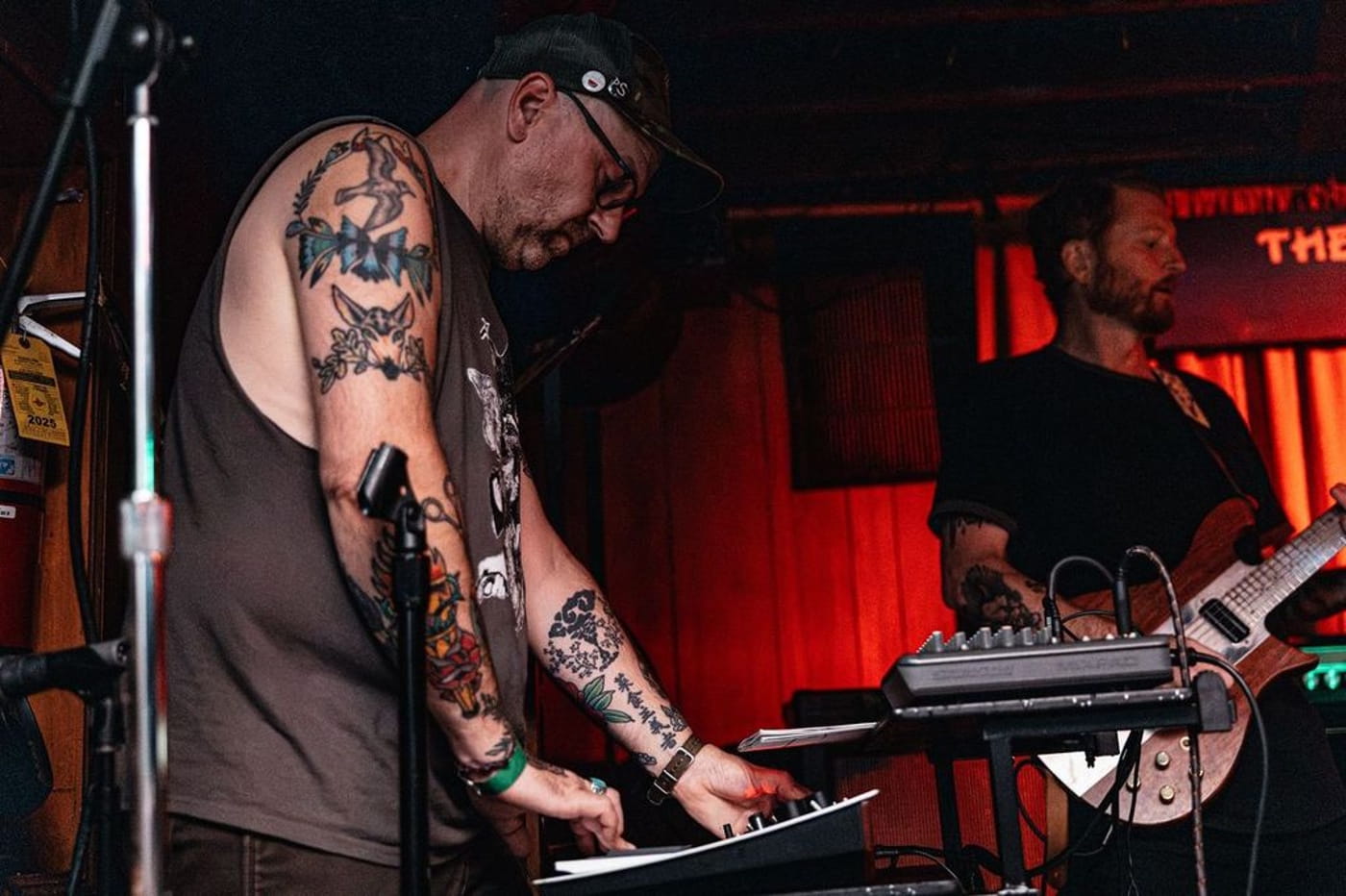
Years later, the phrasing and voicing of the clean parts in “Eid” suggested a place for setar, and the openness of “Pangea Proxima” offered another. The band had originally used noise and electronic sounds in some of those spaces. Dan also recorded parts of “Creation and the Timeless Order of Things” at VoidDawn. He says the band work so collectively that it can be hard to remember who came up with a specific part.
View this post on Instagram
Around the time Racetraitor were writing “Burn the Idol of the White Messiah“, Mani, Brent and Dan were all interested in different forms of liberation theology. Brent travelled frequently to Guatemala for service work with radical Catholics. The appeal, for Mani, was seeing leftist political ideas translated into spiritual concepts that made revolutionary politics feel more human and more transcendent.
They were also deeply invested in 1990s political hip-hop. Malcolm X and Islam were present in the music and identity they were absorbing, and Mani remembers Islam being understood as a non-white counterculture. He had grown up Iranian in a mostly secular household, so this also gave him another route into a more traditional Iranian identity and into a larger global community.
“And we didn’t know anything about Islamists at the time, so those potential hang ups weren’t there,” he said. He remembers those years as full of useful discoveries and missteps by angry people in their twenties trying to find answers.
For Mani, “Burn the Idol of the White Messiah” makes most sense as a collage of what was around them. The music pulled together hardcore, punk, what he would now call screamo and post-hardcore, and, in Mani’s words, “every metal genre imaginable”. The political references came from Frantz Fanon, Fred Hampton, Edward Said, Marx, anarcho-punk, political hip-hop and vegan straight edge. Spiritual and Islamic ideas were already in the mix, especially on “Broken Dust”, but Persian mysticism had not yet become a clear part of Racetraitor’s language.
“It was overtime that Sufism became particularly attractive to us as people on the left,” Mani said. “At its best it can be less doctrinal, less jingoistic, more subversive, more anti-capitalist. The ascetic was especially appealing to dudes from the vegan straight-edge scene. Everything is a metaphor is a way with layers of layers of meaning that you’re supposed to find. Brent has a story about meeting a man at a vegan Sufi mosque in Philly, and that guy said ‘you should take from all this what you need and leave the poisonous stuff behind.’ So I think that’s the vibe personally and artistically. But we all have different levels of religiosity, we’re certainly not all Muslim. Some of us are atheists. We’re all over the place.”

After Racetraitor’s first break-up, several members found their way separately towards Persian mystical poetry. Mani also started listening to Persian classical music, which he says uses Rumi, Hafiz, Sa’di and other poets for its lyrics almost exclusively. By the time of “Creation and the Timeless Order of Things”, the band were explicitly drawing on Shahram Nazeri, Rumi, Sa’di and Hafiz. They borrowed words from Persian poets to bring non-Western and mystical elements into the record, and used oud and setar alongside Racetraitor’s hardcore and metal vocabulary. Every other song on “Creation and the Timeless Order of Things” dealt with a particular crisis involving colonialism, racism, patriarchy, capitalism, nation-states, authoritarianism or another form of domination. The record also kept returning to ancestry and to what oppression, colonialism and genocide do to old cultural connections.
“Pangea Proxima” was the last song Mani wrote lyrics for and was intended as the record’s concluding statement. The words came out as a Sufi poem without advance planning. He saw it as a song about human constructs fading when people reach the future they have been fighting towards on Earth. Near the end, as the track breaks into a chaotic blackened section, he ad-libbed several lines, including words from Sa’di’s “Bani Adam”. He put it simply: “That’s essentially what all Sufi poems talk about, if you know what I mean.”
Mani wrote “Unity of Being” on “Nobody Son of Nobody” intentionally as a Sufi poem about mourning and recorded the vocals in January 2026. He was grieving the massacre of protesters in Iran, and he returned to Persian poetry in the way he had seen other Iranians do during periods of grief.
“Iranians always look at our poetry at such times,” Mani said. “So, that’s how I processed my grief: by writing those lyrics and listening to that song in a dark room over and over.”
“Policy of Hell” first appeared in January 2024 on Hardcore 4 Gaza’s “A Homeland Denied” compilation. At the time, Mani was in what he calls a very dark place, his relationship was falling apart, and he was spending a lot of time in therapy. He rarely writes directly about his personal life outside a political context, but Racetraitor already had two and a half songs about Palestine, and these were the words that felt honest to him.
“Fast forward to today, I am out of that darkness, my mental health is much better, my life’s in a new chapter,” he said. “Those lyrics sorta morphed into a reflection on what it took to navigate out of that cave of depression and uncertainty. For the ‘Nobody Son If Nobody’ version we lengthened the bridge to the song, so I took that opportunity to add a few more lines that brought out that meaning more.”
The EP sends part of its proceeds to the Middle East Children’s Alliance for humanitarian support in Gaza and to Miaan Group, which provides digital security assistance to human-rights defenders in Iran. Mani directs Miaan.
His assessment of professional human-rights work is severe. “A decent amount of professional human rights work is nearly useless,” Mani said. “Organizations raise awareness of abuses, but the impact on real people is almost never there. ‘Success’ for these groups can be something as vapid as being quoted in The New York Times, regardless of the real-world outcome.”
“Knowing all that makes me much more conscious that Racetraitor, as an awareness-raising vehicle, has real limits,” Mani said. “So since reforming, I’ve accepted that the band is much more of a selfish endeavor. I do this for myself because it feels good to have a place to talk about all the things in the world that bother me. On the side, we try to do practical things, like raise money to mitigate harm.”
“At the same time, I’m aware that human rights organizations don’t really change people’s worldviews or motivate them to take risks, enter the world, and join a struggle,” Mani said. “But art and art-based communities, like hardcore, can be personally transformative, galvanizing, or at least energizing. So at least Racetraitor allows me to contribute to that. I believe that, on some small level, Racetraitor—and, on a larger level, hardcore punk more broadly—can provide an emotional roadmap that guides people toward radical ideas and activism while also creating the sense of community and support we need when the fight gets hard.”
Professional human-rights work also has strict rules. Mani calls it “an inherently small-c conservative endeavor”, with absolute empirical accuracy, emotional detachment and, often, political neutrality required of the work and its messaging.
“Within the context of Racetraitor’s art, I can push intellectual boundaries into places I’m not even sure about. I can center anger and take political sides. That’s all stuff I need to do sometimes.”
Brent has heard from people who fought with Racetraitor when they were younger and later told the band that the confrontation helped politicise them. He is happy about that. Since Racetraitor started playing again, he has also met far more people at shows who are doing concrete work in their communities than he remembers meeting in the 1990s.
“We love when people get politicized and start taking some sort of action in their lives and communities. If fighting with us when they were younger helped that process along then great!!!” he said. “I’ll be honest, since playing shows again we have met so many cool people that are doing rad work in their communities. Like way more than in the 90s. Is the punk and hardcore scene fully engaged in the way we would like? Of course not, but at almost every show we play we meet a few people who shares with us what they are doing in their communities and it’s inspiring.”
Brent directs the harder question at Racetraitor themselves. Shirts can say “defeat white supremacy”. A band can say the right things from a stage. Brent asks what he does every day to dismantle the same systems, and he says his own answer is not enough.
“I think what is the harder question, and what I’m more suspicious of generally, is are we as members of the band living up to what we have said. It’s easy to print shirts that say defeat white supremacy, but like what am I doing everyday to dismantle those systems? I can say that’s it’s not enough. How could it be?”
“I think part of being in this band and part of this larger community is that it has to inspire action outside of it or it’s just fucking stupid.”
View this post on Instagram
🔔 IDIOTEQ is ad-free, independent, and runs on one person’s time. If you want it to stay that way: DONATE via PayPal or SUPPORT via Patreon.
NEW: IDIOTEQ Explore 🗺️ Browse 15+ years of our archive by city, country, and style. Find artists on the world map or trace related sounds through the styles map.
Stay connected via Newsletter · Instagram · Facebook · X (Twitter) · Threads · Bluesky · Messenger · WhatsApp.