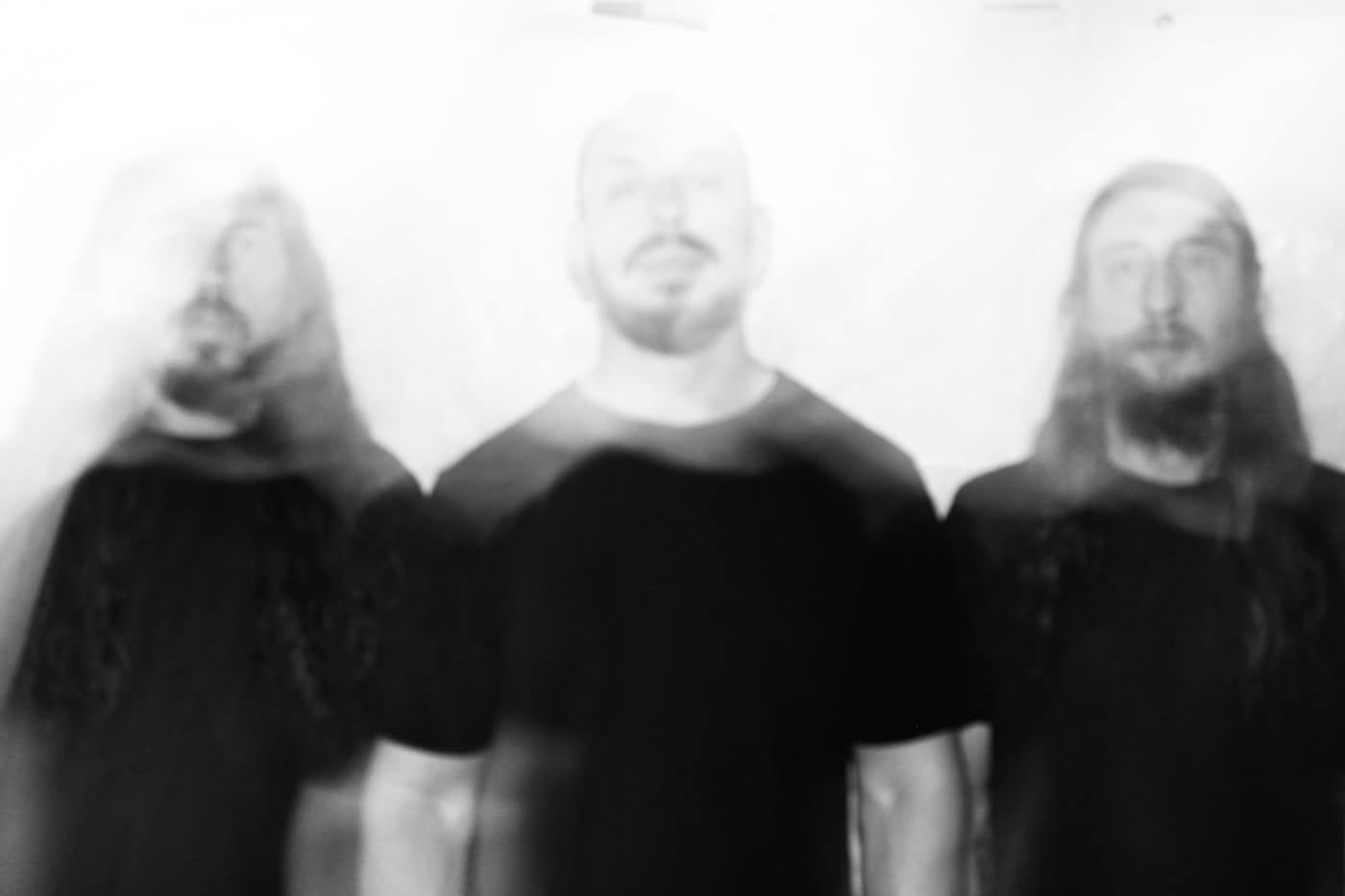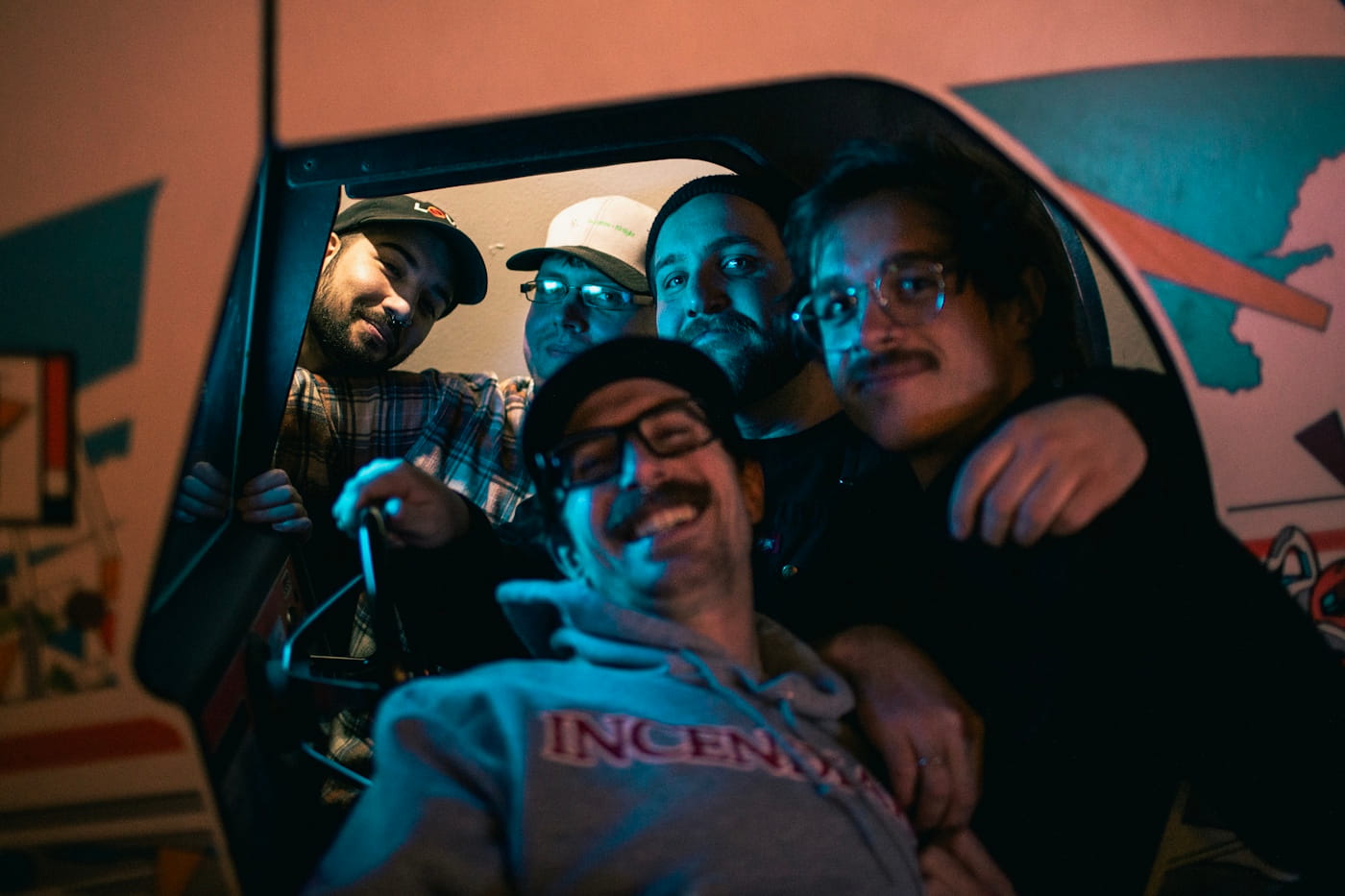


Chris was somewhere around 40 when the thought landed plainly enough: “damn, my life is half over”. Maybe more than half. By then he had a job, responsibilities and years of music behind him, including playing bass in New York hardcore band Crushed. He also had a pile of guitar riffs he had started writing during COVID with no plan to show anybody.
Those riffs eventually became Melting People. Their four-song “Demo 2026”, released on August 21, carries a lot of what had been running through Chris’s head in the meantime: getting older, wondering where the time went, feeling trapped in roles you have built for yourself, and watching a parent change through dementia.
Musically, it’s super harsh, with scratchy, squealing guitars and this loose, almost clumsy mess of a groove that somehow locks into a grimy little melody and sticks with you.
The band are based in Brooklyn and still sit firmly inside the punk and hardcore world Chris grew up in. The songs pull in second-wave emo and post-hardcore, crust punk, shoegaze and post-punk, with room for the pop instincts of bands like The Lemonheads and Teenage Fanclub. Chris calls it “aggressive melodic music”. The slower parts often came from shoegaze ideas, with Andrew Hurley’s drumming pushing them somewhere much heavier.
Melting People also carry most of Crushed inside the lineup.
Crushed never officially broke up and never played a farewell show. Their last gig happened just before the COVID shutdown. Then the pandemic stopped everything, one member became a new father, and guitarist Kevin moved to Los Angeles for a couple of years. The others did not want to continue without him.
There is still an entire Crushed LP sitting there, fully mixed and mastered. Chris hopes it eventually comes out and that the band might play a show or two around it, though there are no concrete plans. There is also a newer dreampop band using the name Crushed, formed after his band stopped playing.
“I hope if we ever put the LP out it doesn’t confuse people for their sake lol,” he said.
Around 2022, Chris started teaching himself guitar. He had only played bass before. He began putting riffs together at home for himself, then made the first Melting People demo alone. Guitar and bass were recorded there, drums were played on an electronic pad, and he drove to a remote street to record the vocals in the back seat of his car.
He made no attempt to hide the limitations. It was supposed to sound like a demo, and Chris readily admits he is not a drummer.
Kevin eventually moved back from Los Angeles and heard what he had been doing.
“If you make this a band and I’m not in it I’ll be pissed,” he told him.
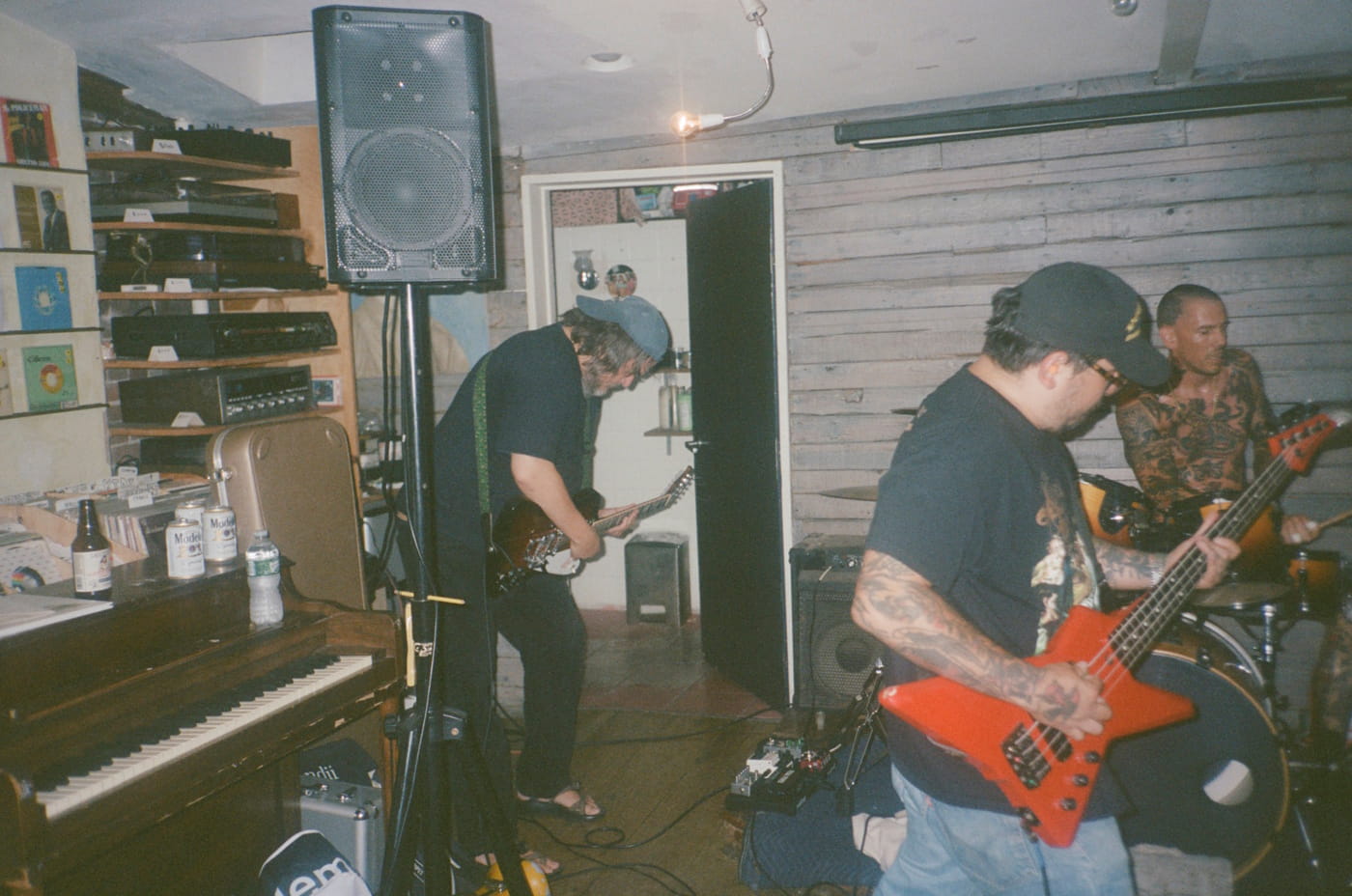
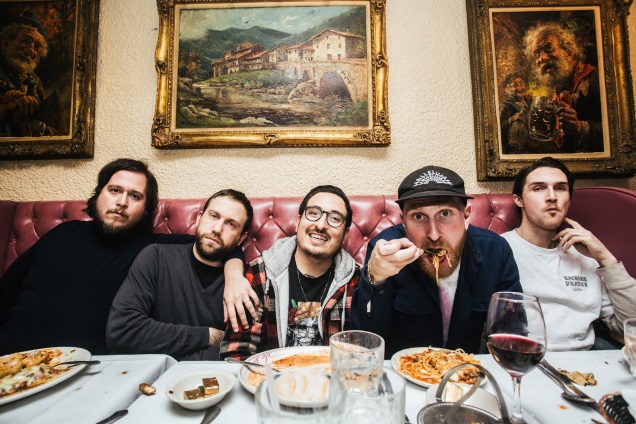
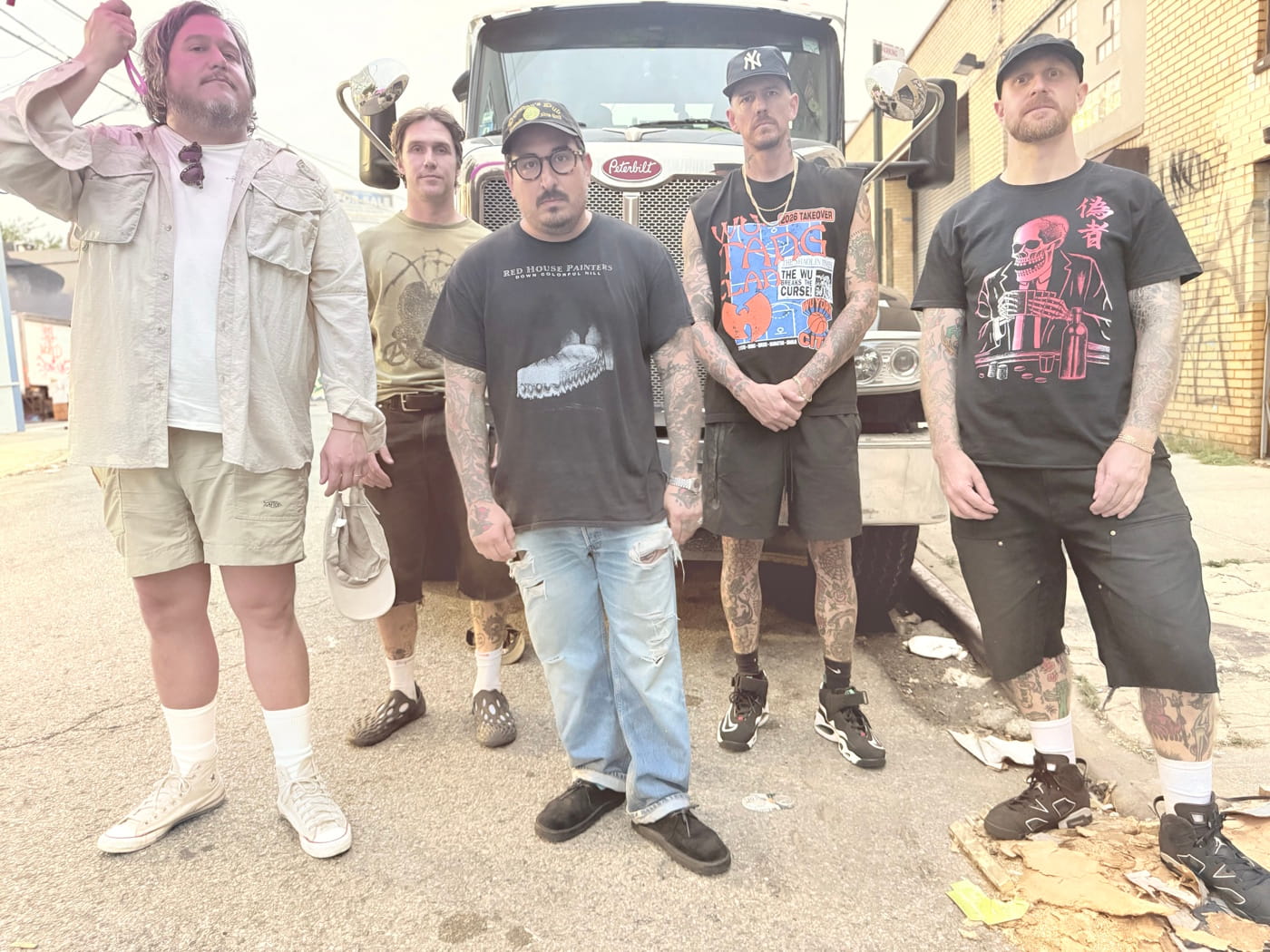
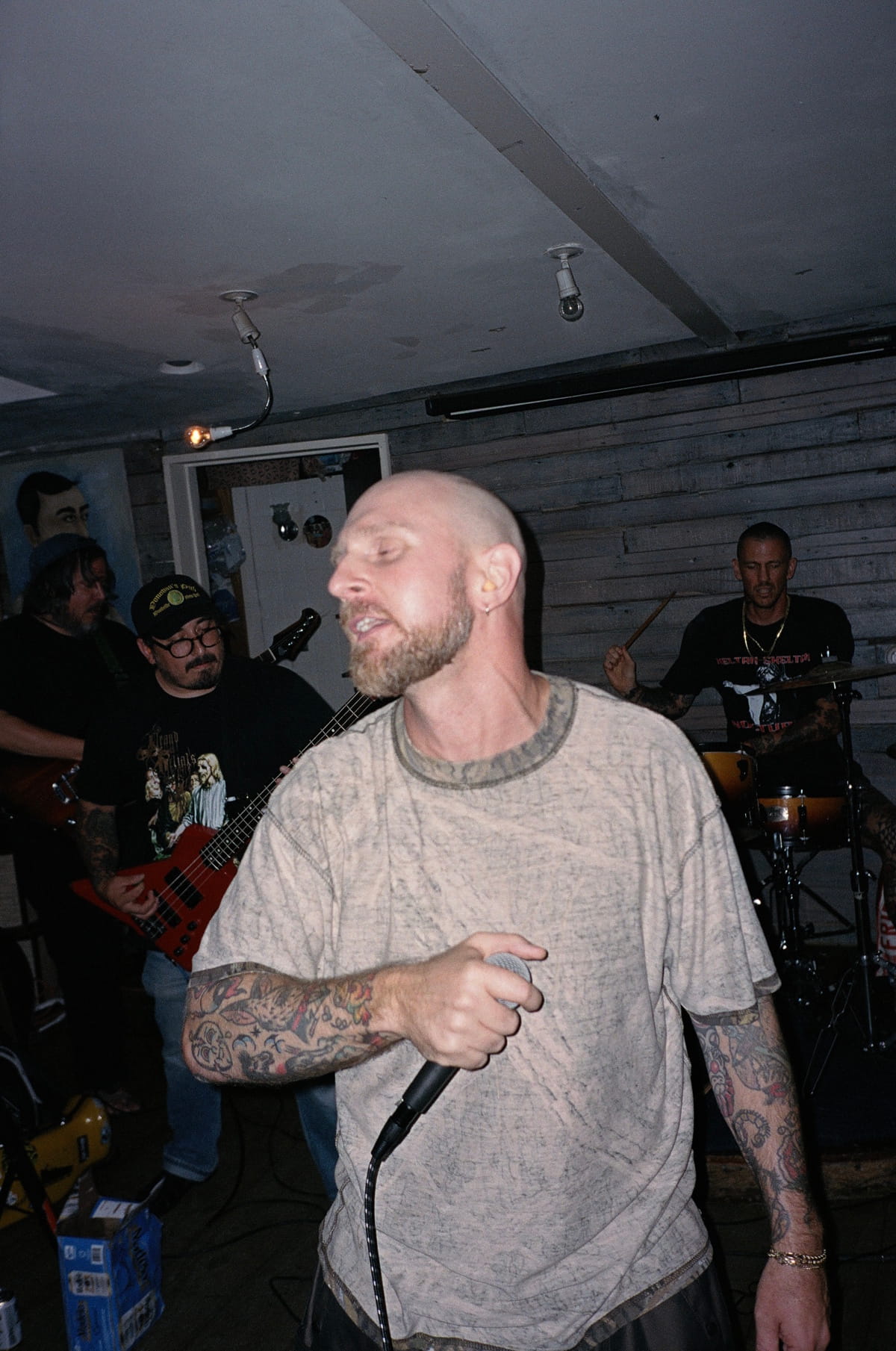
Kevin is one of Chris’s best friends. Once the first demo existed, the idea also reached the rest of Crushed. Four of its five members ended up together again, with their jobs rearranged. Chris moved from bass to vocals, former Crushed vocalist Fred took bass, and Kevin and Jeff stayed on guitars. Andrew Hurley came in on drums as the only member who had not played in Crushed. He was already a friend of Chris, and the two had talked before about starting something together.
Chris still brings in the basic shape of most songs, then everybody starts messing with it.
“I legitimately cannot count musically,” he said. The process is essentially “vibes based songwriting”.
Kevin and Jeff add what Chris calls “wet ass leads”, pull riffs apart and change their shape. Fred looks for room for gothy bass lines. Andrew supplies much of the physical weight. He hits hard enough that Chris suspects some of these songs could have ended up much closer to post-punk with a different drummer.
That mix is easy to hear across “Demo 2026”. “Clown Without a Rodeo” gets through most of its business in just over two minutes, moving through melodic punk before kicking harder towards the end. “About Time” stretches to 4:48 and has much more room to move, with Hum and Swervedriver in Chris’s head alongside hardcore skank parts and breakdowns. Jeff’s leads during the verses came from a Cure direction. “Jammed Up” cuts back to 2:10. The closing “Incapacitation Letter (Last Words)” slows things down again and carries the darkest subject on the demo.
“Clown Without a Rodeo” takes its title from Lifetime’s “Rodeo Clown”, though the connection stops at the title. Chris wanted to write something in the melodic world of Lifetime and “punk it up a bit toward the end”.
The words came from his habit of becoming the peacekeeper and entertainer around other people. He uses humour to make people comfortable, tries to resolve conflict and can get stressed when somebody around him is unhappy. He is also, by his own description, the king of adding “no worries if not” whenever he invites somebody somewhere or asks for a favour.
There was no single incident behind the song. It grew out of recognising how much time he had spent adjusting himself around everybody else.
“I used to be funny / I used to make the whole room laugh,” he sings early on. Later, the thought becomes much less playful: “Wasted all my time / Keeping the peace and making it right / God forbid I put myself first.”
That question of wasted time becomes the whole engine of “About Time”. Even the title has a dumb joke attached to it. Chris wants to introduce it live with: “This song is called About Time, its about time.”
Underneath that, the song came from much less comfortable questions. Had he used the first half of his life properly? Had he played things too safely? Why do people seem to dream less as they get older, and why does taking a real step towards something become harder?
Chris could not point to a moment when he quit his job or school to chase something uncertain, or made some huge bet on himself. Adult responsibilities make those risks harder now. The fear running through the song is that caution can leave you with a very long list of things you meant to do.
The line about having the “longest bucket list” imagines reaching the end of life infirm and still carrying all of it. Another lyric pushes the idea further: “what if I wanna sabotage myself / create my very own living hell”. Chris can imagine how blowing up the safety of his own life might also feel freeing. He knows himself well enough to suspect he probably will not do it.
The song keeps coming back to time moving in one direction.
“Life ain’t a circle it’s a straight line / Crept on us, swore there would be more time / Can’t bring it back.”
Nostalgia fits awkwardly into that. Looking backwards can feel good for a moment, then remind him that the freedom attached to those years is gone. The photos used around “Demo 2026” came directly from that part of his life.
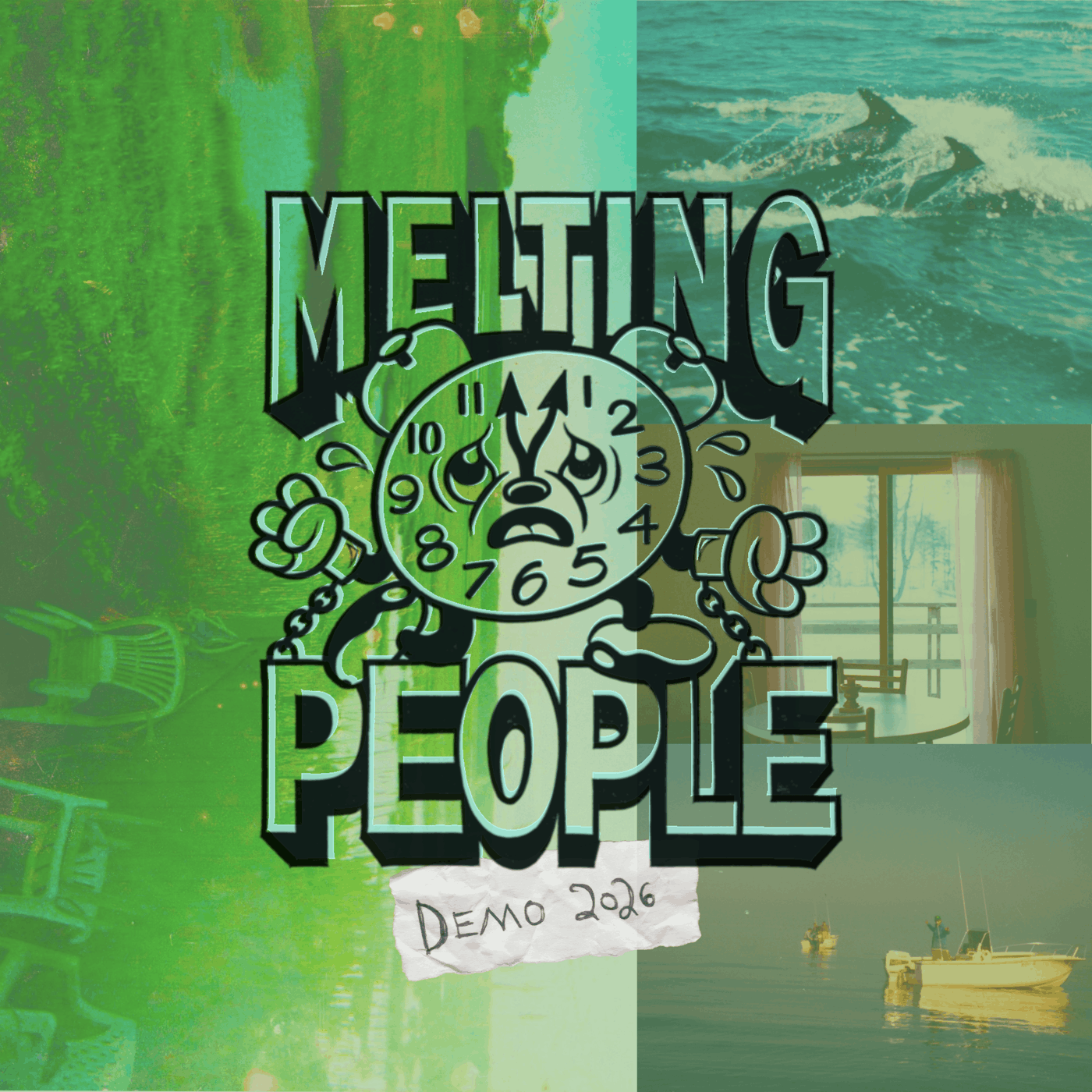
Andrew, who is also a sign and mural painter, painted the central artwork. Chris gave him the idea of a stressed-out clock chained to the Melting People name. They wanted the big, bold band name associated with old hardcore demo art, with Andrew finding his own layout for it.
Chris then went through photographs at his childhood home that had been taken by his parents and laid Andrew’s artwork over them. They show an earlier, freer part of his life and also put his parents directly into the release.
That connection becomes much harder on “Incapacitation Letter (Last Words)”.
Chris’s mother has dementia, which he describes as a terminal cognitive illness. He was initially unsure whether he should write about it at all. Her decline had become noticeable, and getting the words onto paper made what was happening much more concrete.
The honesty Pat Flynn brought to grief in Fiddlehead helped convince him there was room to write that directly. Musically, Chris was thinking about the darkness and urgency of His Hero Is Gone and Garden Variety. He does not think the finished song necessarily sounds like either band. Kevin and Jeff’s leads ended up carrying much of that tension.
The grief in the song begins before death. Chris finds himself missing versions of his mother from a week ago, a month ago, a year ago and five years ago. Conversations disappear. Advice disappears. Shared experiences change as the disease progresses.
He still sees her as often as he can.
The illness reaches through the whole family, including his dad, sister, aunts and his mother’s lifelong friends. At the moment, Chris feels they are in a good place in terms of being present for her. He has also seen how easy it can be for people to retreat when illness becomes difficult to witness.
“They didn’t ask for this and they deserve your love.”
There is anger in it too. His mother did not drink, never smoked, exercised and ate well. She was loving and caring and, in Chris’s eyes, did everything she was supposed to do.
“She gave it her all, only to be dealt a shitty hand.”
Chris and his sister were both clear that the disease should be named when talking about the song. Families can hide dementia or feel ashamed discussing it, and they hope being direct about their own experience might help somebody dealing with the same thing.
“Jammed Up” sits nearby in the tracklist and keeps its crisis much less specific. Its language is full of panic and personal emergency, reaching the simple conclusion: “Nobody can help but me.” Chris did not attach a larger backstory to it, and the song is short enough to leave that feeling hanging where it is.
By the time Melting People recorded these four songs, they had already been around for roughly a year and a half. The band had got stuck deciding what to do with them. They could record the older songs immediately, or write another four and make something twice as long. Then there was the question of who should record it and where.
Meeting Nolan Voss through a friend ended the loop. Chris already knew his work with Gravesend and liked how heavy those recordings could get without losing the individual parts. Nolan played him other things he had worked on, which gave Chris confidence that he could deal with a band pulling from several directions.
They recorded in Melting People’s own practice space, where everybody already knew how the room felt. Guitar, bass, drums and vocals were tracked in around six hours without any major disaster. Nolan also helped with the mix and how Chris’s vocals should be treated.
They left imperfections in. The band chose energy and swagger over polishing every part.
Nolan handled recording, mixing and mastering, plus what the credits call “Dive Bombing”. Andrew played drums, Fred bass, Jeff and Kevin guitar, and Chris handled vocals.
The newer songs were kept out of the session. Melting People already have around seven or eight of them, written with a proper release in mind, and Chris wants the next batch to hold together as a record. A 7″ or something similar is the current idea for the next few months, with no release date set.
So far, the band have only played two shows. Both were effectively tests, a chance to put the songs in front of friends before the demo came out.
Finding exactly where Melting People fit around New York has taken some time. Their songs can move through punk, straightforward hardcore, post-hardcore and shoegaze, and the five members have fully adult schedules around the band. There are jobs, travel and, for some of them, kids. Chris admits the usual excuse applies and that they could be more tapped into the scene, though he still goes to shows whenever life allows it.
Trans-Pecos, Gold Sounds, The Broadway, TV Eye and The Woodshop are among the rooms he keeps up with. The return of St. Vitus also means something personally. Crushed played there many times, and Chris is looking forward to going back.
His current New York list runs wide. Infernal Spawn, World Disorder, Nisemono, Kaleidoscope and Cross sit around the punk, crust and d-beat end. Top Dollar, Who Pays, Ferment, Bazooka, Runnin’ Hot from Long Island and Lovesick cover some of the hardcore he has been following. Tower 7 are, in Chris’s view, the best New York band of recent years, though they are no longer playing.
There is another thread outside that immediate circle coming through the bands around Julia’s War and Smoking Room. They Are Gutting a Body of Water, also known as TAGABOW, Cashier, God of War, Total Wife and Toner all come up when Chris talks about the shoegaze end of what has been feeding into Melting People. Some of the slower heavy riffs started there.
For now, summer is over, everybody is back in New York and the immediate job is simple: practise and play. They are open to basically any show that makes sense.
Crushed remains unfinished business in the background, complete LP and all. Melting People have seven or eight newer songs in front of them. Chris is 40, still making lists of things he has not done yet, and now has a band where those thoughts have somewhere to go.
Anyone looking to book Melting People, or anyone who simply wants to talk with Chris about helping a parent through terminal illness, can reach the band through their Bandcamp or at meltingpeople123 at gmail.com.
🔔 IDIOTEQ is ad-free, independent, and runs on one person’s time. If you want it to stay that way: DONATE via PayPal or SUPPORT via Patreon.
NEW: IDIOTEQ Explore 🗺️ Browse 15+ years of our archive by city, country, and style. Find artists on the world map or trace related sounds through the styles map.
Stay connected via Newsletter · Instagram · Facebook · X (Twitter) · Threads · Bluesky · Messenger · WhatsApp.