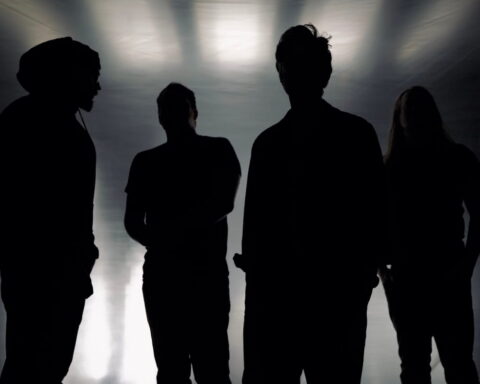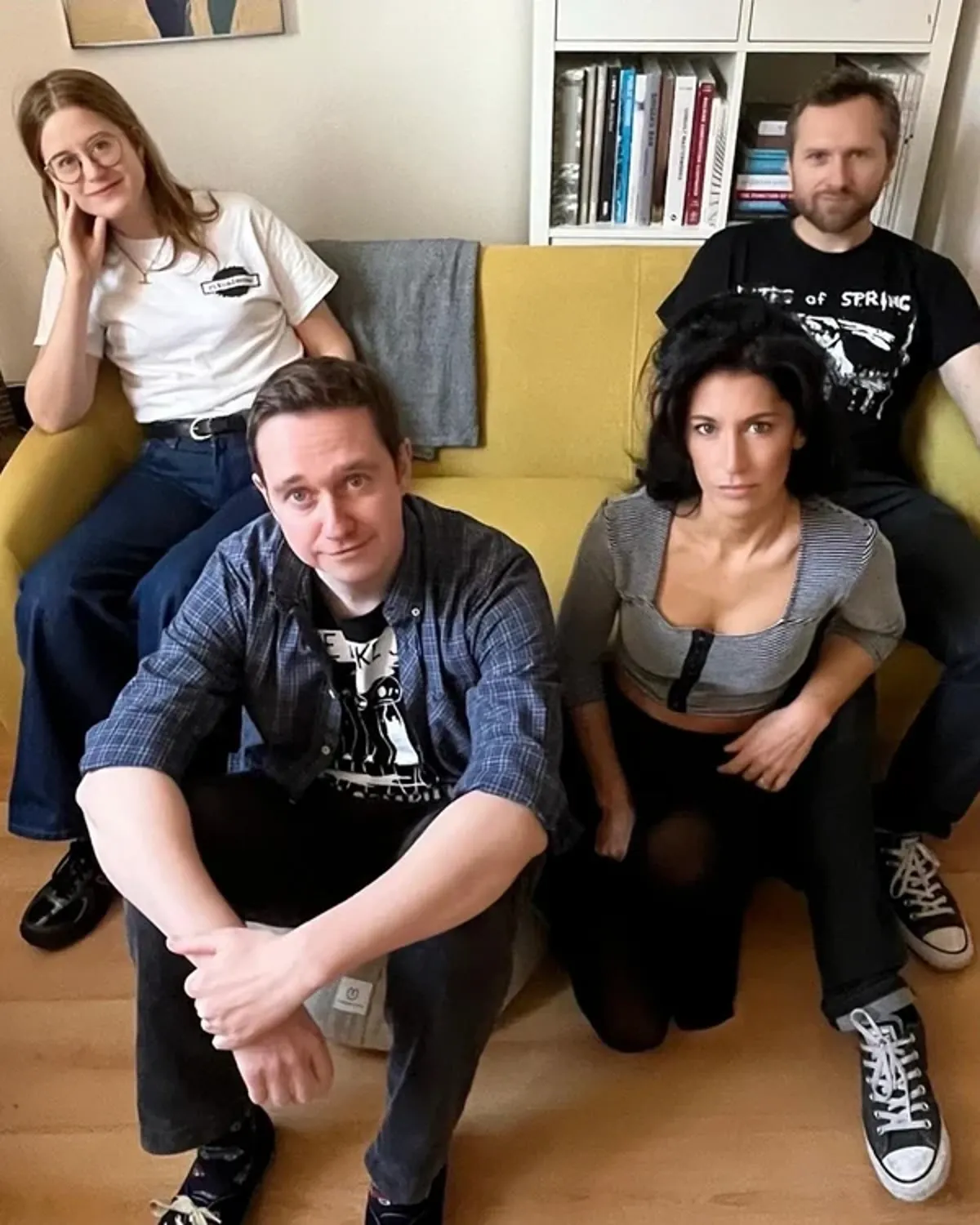

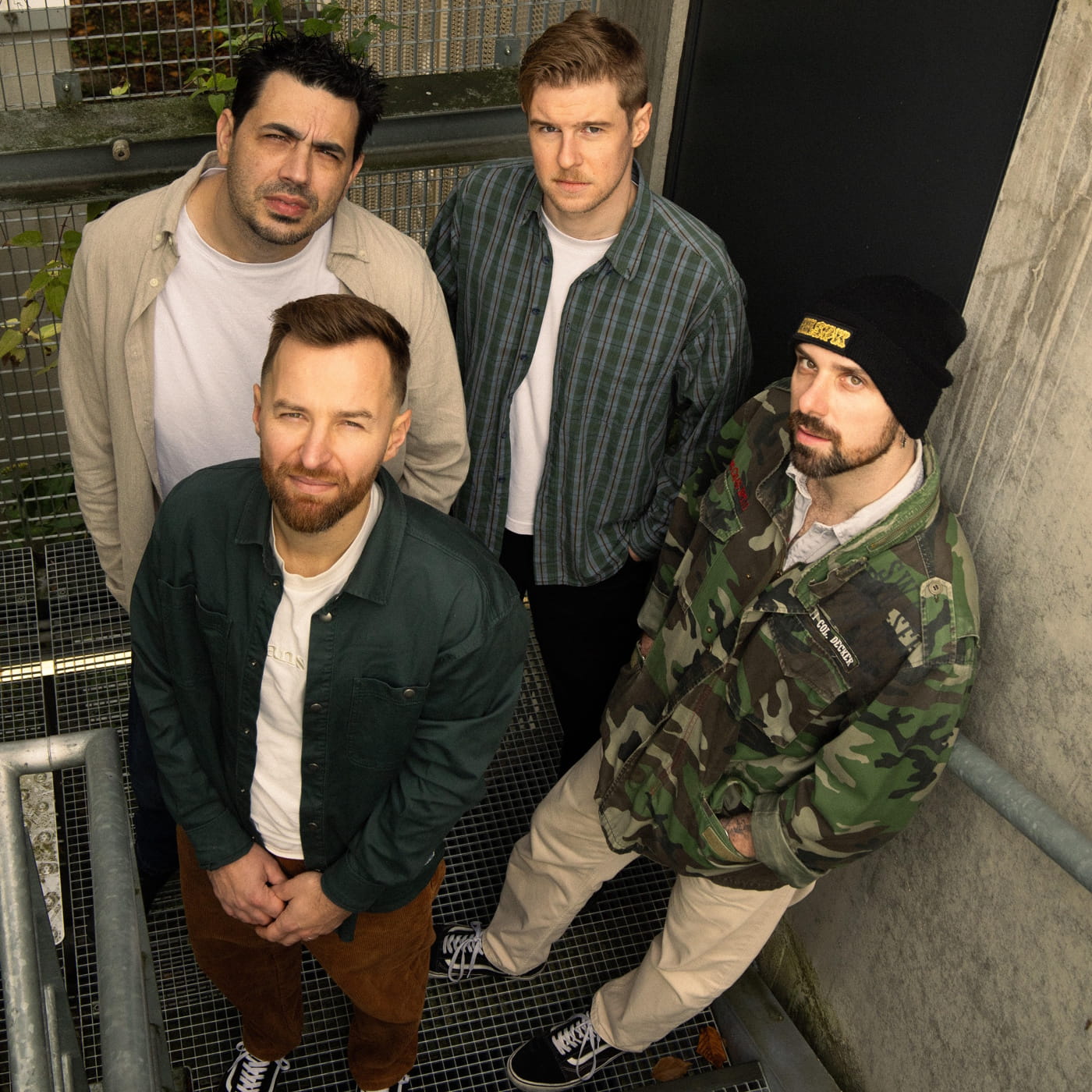
When Sungrave started writing their debut album, the songs were mostly concerned with what goes on inside a person’s head. Recognising yourself as you get older, trying to escape habits inherited from your parents, thinking about death. Then the world outside began finding its way into the writing too. The Lille quartet, whose music draws heavily on the alternative metal and post-hardcore of the 1990s and 2000s, eventually arrived at “Afterglow“, a record that also addresses the climate crisis and guitarist Pierre Podsiadlo’s personal reaction to events in Palestine.
There’s a fair amount to get into across its ten songs. Thick guitar riffs, prominent bass parts, rougher vocals and cleaner melodies give the music plenty of movement, with the band drawing from Thrice, Deftones, Quicksand and the heavier end of alternative rock. At times, it takes me straight back to those early-2000s Trust Company and earlier Billy Talent days, especially that combination of heavy guitars, big vocal melodies and rougher edges.
The lyrics can be bleak, although the four musicians keep coming back to the possibility that things might still get better.
The connection between those personal and wider concerns developed as they worked.
“Well, at the very beginning, the themes were mostly introspective,” Pierre explains. “It was gradually, throughout the writing and composition process, that we decided to bring in other subjects that really mattered to us.”
He and vocalist Emilien Cornet wanted to keep the relationship between hope and fatality somewhere in their writing. They also left themselves considerable freedom in deciding how to approach individual songs.
“The only real rule was not to set ourselves any boundaries.”
For Emilien, writing lyrics comes with a particular difficulty. He sometimes worries that his experiences aren’t interesting enough to write about, but he’s equally uncomfortable with the idea of telling somebody else’s story.
“Personally, I often find myself thinking that telling my own story or drawing from my personal experiences might not be interesting enough for the listeners. On the other hand, I don’t really feel entitled to speak for or tell someone else’s story.”
Wyświetl ten post na Instagramie
Consequently, the musicians have tried to leave enough room in the songs for people to arrive at their own interpretations.
Pierre has enjoyed that kind of writing since he discovered Deftones more than twenty years ago. Chino Moreno’s lyrics interested him because he could spend time searching for meanings that weren’t immediately obvious, including meanings he might have supplied himself.
He’s also a Rage Against the Machine fan, although he generally finds himself drawn towards more indirect language. He considers the use of metaphors a natural habit, something that developed through years of listening and writing.
It’s particularly apparent on “Quicksands” and “Prayers”, the two songs that deal most directly with things happening beyond the band’s immediate lives.
Wyświetl ten post na Instagramie
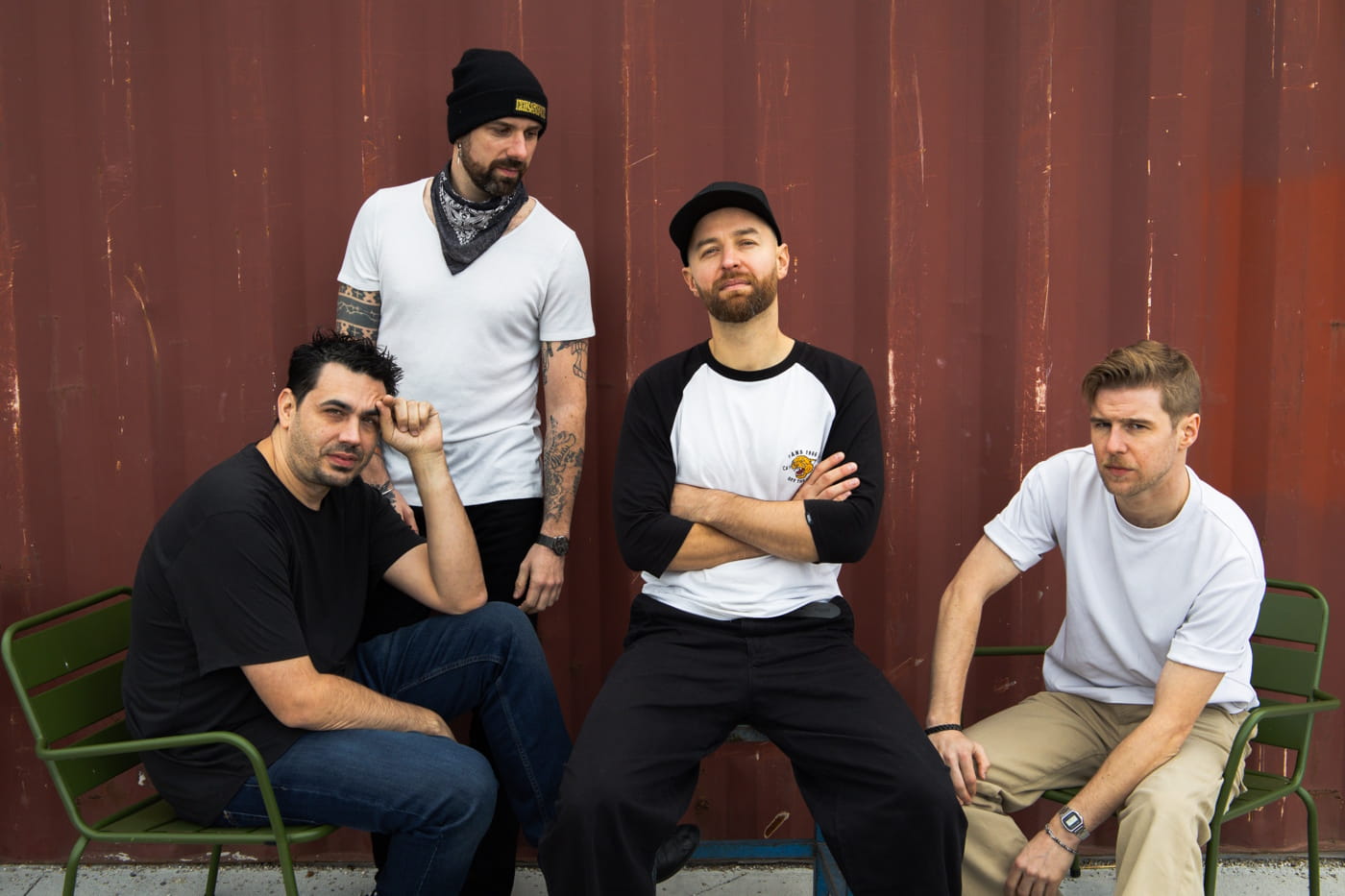
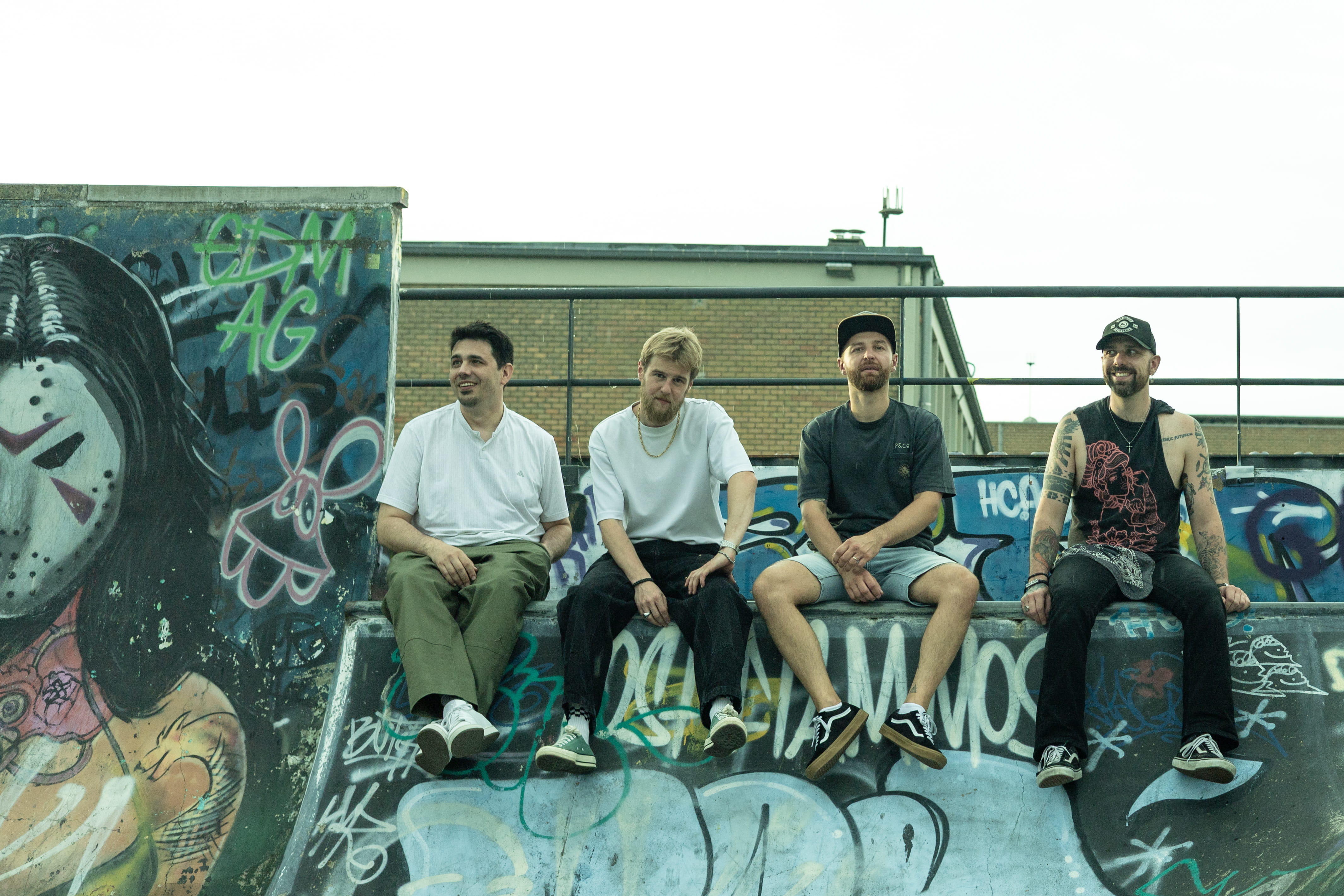
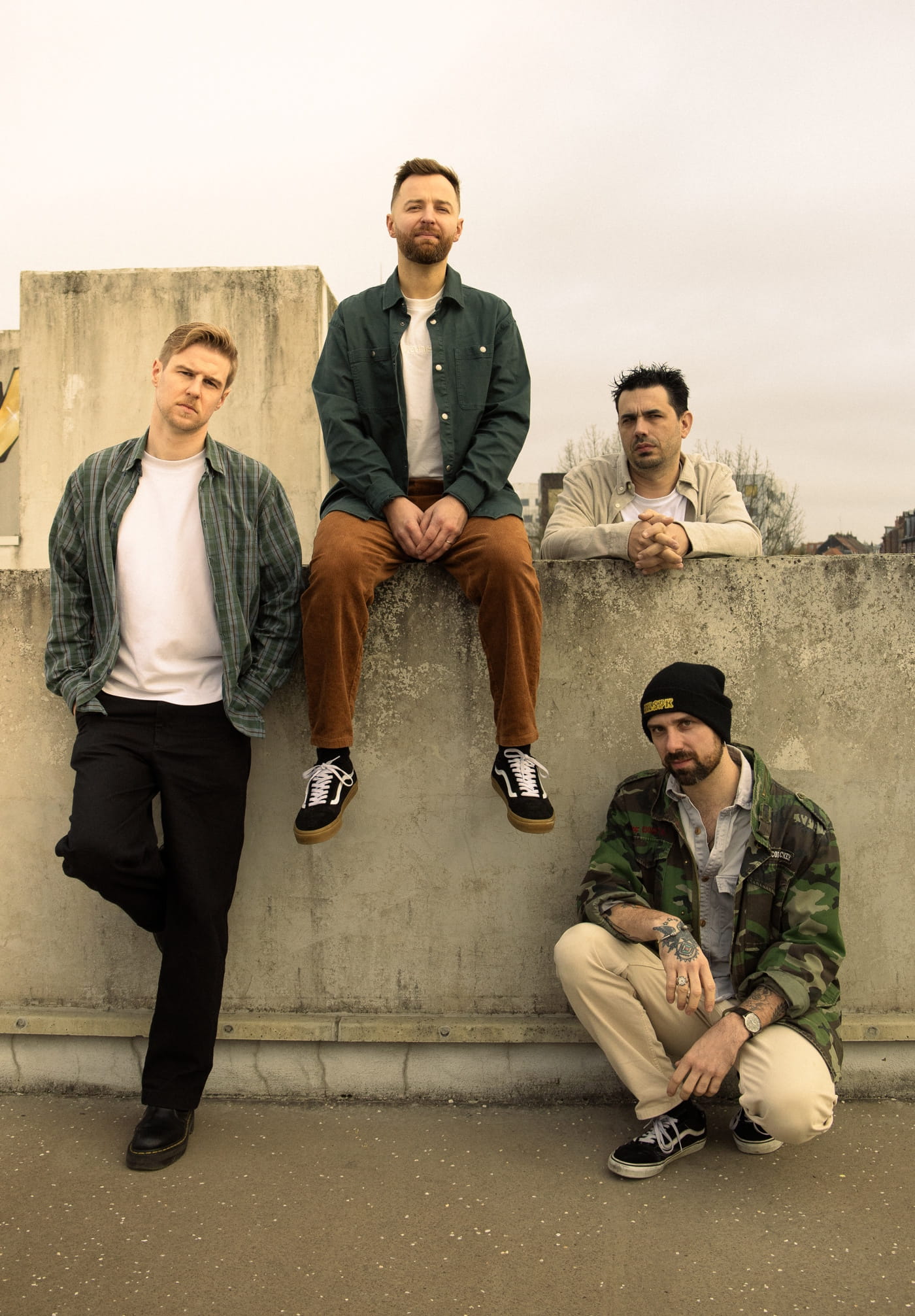
Sungrave were formed after Pierre had accumulated enough compositions to start putting a group together. He contacted Lionel Bigois, a bassist he had played with previously, and brought in drummer Roch Deroubaix, whom he regularly encountered at shows. Emilien completed the band after a lengthy search involving numerous auditions.
The four had already spent years playing music around Lille and elsewhere, with previous bands including Holispark, EFYX, Bare Teeth, Overeden and Khaarma.
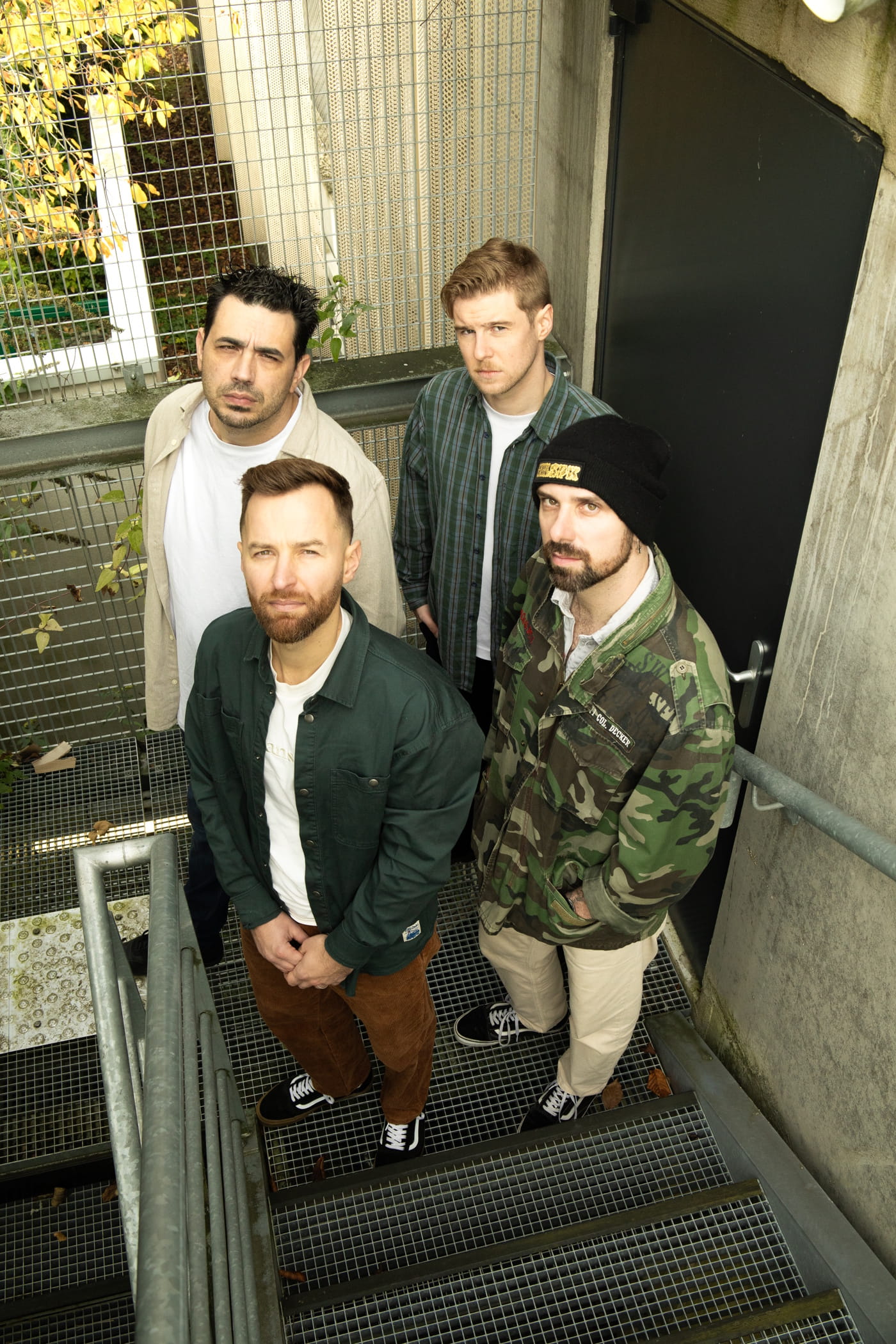
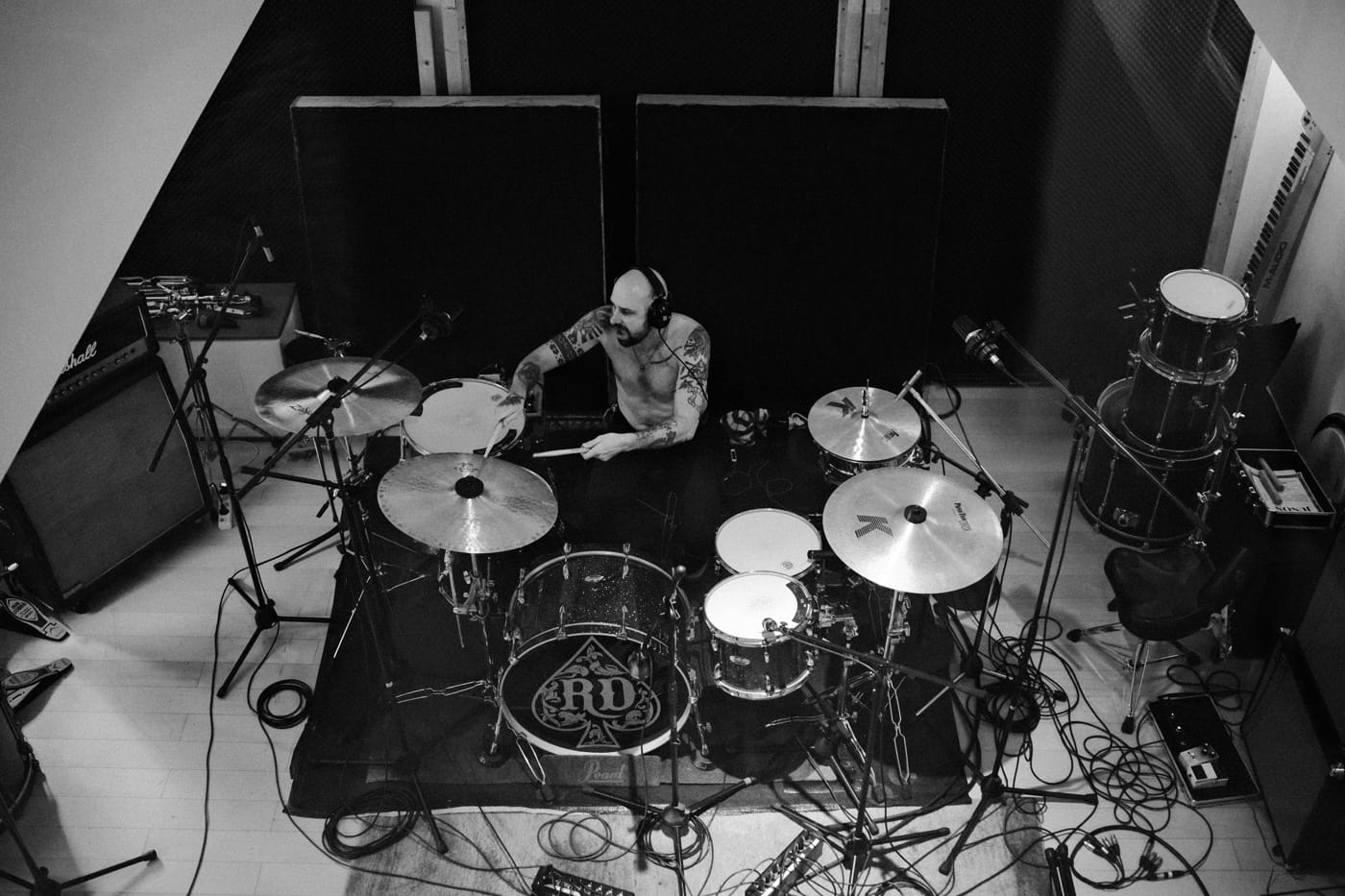
Pierre plays guitar and contributes backing vocals, Lionel handles bass, Roch is behind the drums and Emilien sings. Although their backgrounds overlap, each brings something fairly specific to the arrangements.
Pierre had been particularly taken with the guitar playing of Thrice and Quicksand, alongside bands such as Deftones, Arcane Roots and Cave In. His main concern when writing Sungrave’s music was keeping enough melody within the heavier parts. That meant using short guitar leads to open up arrangements, sometimes leaving Lionel to handle more of the rhythmic work.
Piano, synthesisers and additional production elements also found their way into the songs.
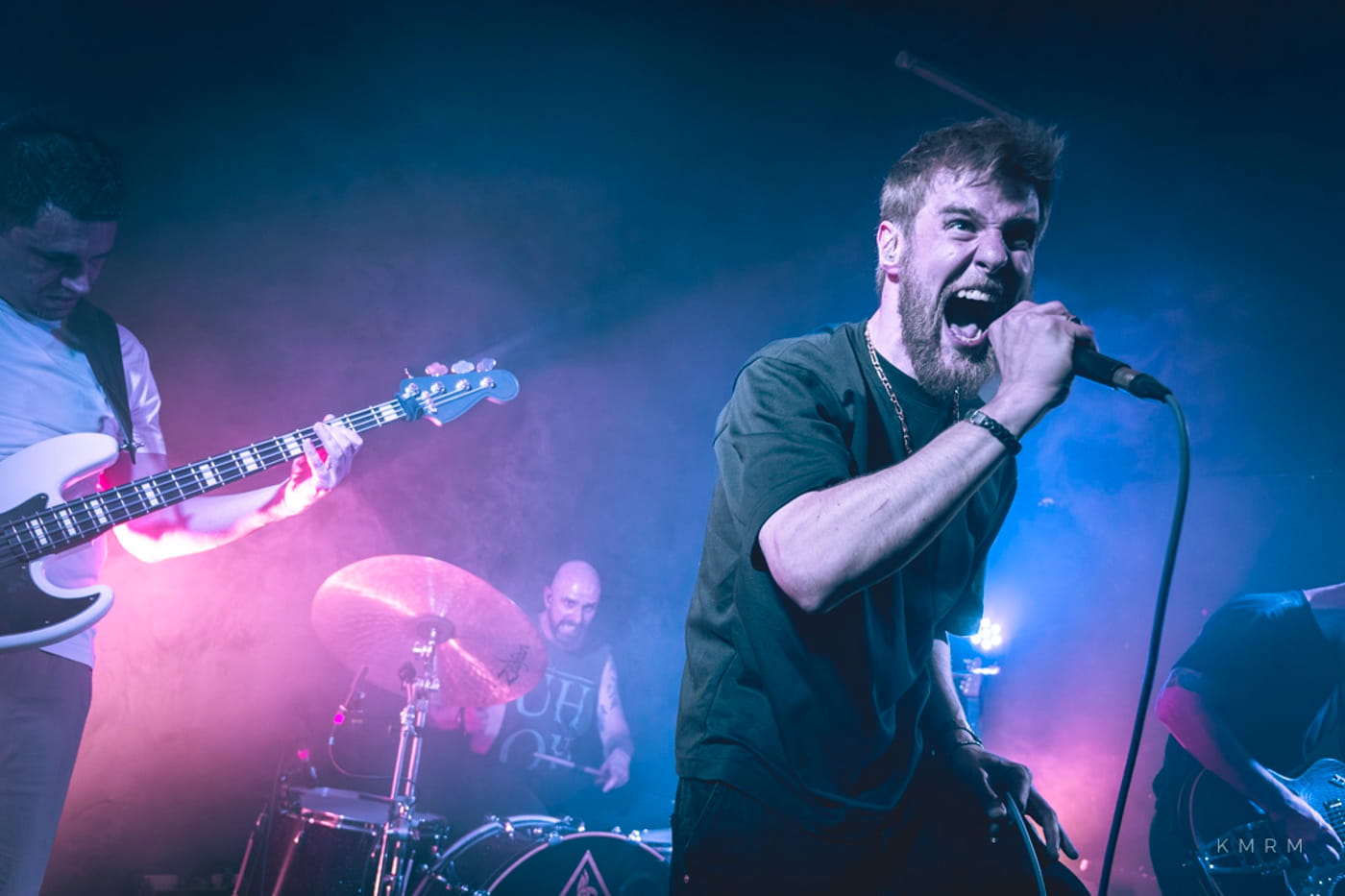
Emilien’s voice can move between clear rock singing and a rougher delivery with a strong grunge influence. He generally likes to put more energy into the verses so the choruses can open up, although he changes that approach when another arrangement makes better sense.
Lionel’s bass is especially important here. He enjoys working out how a bass part can push a composition somewhere different, and he doesn’t automatically follow what the guitars are doing.
“Musical technique should, in my view, always serve the music and the message.”
Some of those decisions are easier to understand through the individual songs.
“The Mirror” deals with the uncomfortable experience of looking at yourself and realising how much has changed. Emilien takes the subject quite personally, thinking about the person he was a decade ago and the person he might be fifteen years from now.
He talks about accumulated experiences, emotions, fears and the ways people change without necessarily noticing it as it happens.
“The Mirror is almost like a note to my future self. A message left behind for the person I’m going to become.”
It’s a fairly ordinary experience to recognise something unfamiliar in yourself as you get older, and one that becomes considerably more complicated when you start thinking about how much control you have over that change.
Roch knows something about that feeling.
On “The Boundaries Of Change“, the band deal with childhood conditioning and the behaviour people inherit from their families. Roch has found that attempts to move away from his parents’ habits sometimes bring him closer to them.
“I tend to find that the more I try to escape my parents’ patterns, the more I ultimately find myself drawing closer to them. It’s frustrating. But at the same time, I feel that maturity also means learning to own our darker, uglier sides. Maybe change can actually be found in that process.”
His thoughts are fairly personal, and he doesn’t claim to have figured out how much somebody can change. Learning to accept the parts of himself he dislikes may be part of it.
“Until The Crash” goes further into the subject of accepting something that cannot be avoided.
For Emilien, it’s the most personal song on “Afterglow“. The story follows an airline passenger who knows the aircraft is about to crash. He understands that he is going to die, but takes comfort in the belief that he will meet people he has already lost.
“Until The Crash is a way of accepting the inevitable. It’s the most personal song on the album. It tells the story of a passenger on a plane that is about to crash. He knows he’s going to die, and he accepts it because he believes he’ll be reunited with all the people who have already gone before him.”
Emilien also sees it as a way of working through his own fear of death.
The opening guitar part has a connection to a record that Pierre was listening to during the writing sessions.
He had gone back to Thrice’s rerecorded version of “The Artist in the Ambulance“, particularly the big opening riff of “Silhouette”. Although Sungrave’s song heads somewhere different, that riff gave him an idea for how to begin.
Teppei Teranishi has been one of Pierre’s biggest guitar influences in recent years.
“I’m particularly drawn to the way he approaches melody, with so much subtlety and humility.”
That preference for guitar parts with enough space around them also appears in how Lionel approaches the bass.
During the composition of “Afterglow“, he spent time with the playing of Eddie Breckenridge from Thrice, Tim Commerford of Rage Against the Machine, Justin Chancellor of Tool and Daniel Lorca of Nada Surf.
He listens closely to other musicians when he’s working on his own parts, paying attention to how the bass can change a song’s direction.
Silverstein’s “Poison Pill” was one of the tracks he kept returning to while composing “Quicksands”.
He also considers music a fairly instinctive, cathartic activity. The instrument gives him somewhere to put things that are difficult to express otherwise, and he’s interested in the emotional effect of a part as much as its technical demands.
Emilien takes a similar approach when deciding how to use his voice.
On “To The Brightest”, he saves the clean singing for the bridge. This leaves considerably more room for the instruments during the rest of the song, particularly Lionel’s bass.
On longer compositions such as “Quicksands“, the changes in vocal delivery become an important part of maintaining movement across the arrangement.
“Quicksands” is also the first of the five songs we discussed to take a wider view of what’s happening in the world.
Pierre wrote the lyrics himself, using the image of sinking into moving sand to describe his feelings about the climate emergency.
The song deals with watching a catastrophe approach and feeling powerless to do anything about it. The further someone sinks, the harder it becomes to find a way out.
When he first started writing, Pierre had a particular film scene in mind.
In the closing moments of “Rogue One“, two characters stand together, holding hands, as destruction approaches. The image stayed with him and helped him develop the song’s central metaphor.
He wanted the lyrics to preserve some possibility of a better future, even with the prospect of disaster hanging over the characters.
One line refers to seeking the shine of a new horizon, with the possibility that it might never arrive.
For Pierre, that uncertainty is part of what makes the subject so difficult. The climate crisis is something he can see happening around him, and he still wants to believe there is a reason to keep looking ahead.
“Prayers” came from another concern that grew increasingly difficult for him to put aside.
During the writing of the album, events in Palestine were having a serious effect on his view of humanity. He describes becoming overwhelmed by what was happening, and eventually needing to put those feelings into a song.
“During the writing of the album, what was happening in Palestine became increasingly overwhelming, and it genuinely affected me on a personal level. I felt like I was starting to lose faith in humanity, and writing about it simply became a necessity.”
The lyrics developed into a poetic appeal to humanity. Pierre wanted the words and music together to communicate the tension, chaos and sense of suffocation he associated with the situation.
“To me, it goes beyond politics.”
The subject remains specific to what he was experiencing at the time, even though he hopes listeners can understand the song in a wider human context.
Musically, he drew on another Deftones track.
The piano part in “Prayers” came from thinking about “Beware” and the tension created by its piano. He was interested in bringing a similar feeling into Sungrave’s arrangement.
The band treated the song’s instruments as part of the expression of those feelings, giving the piano a role alongside the guitars, bass and drums.
Neither song was written according to a fixed rule about avoiding direct statements. Pierre’s preference for metaphor was already part of how he worked, and he followed it through these subjects as well.
The two tracks also sit alongside several songs that deal with fear and loss on a personal level. As different as their starting points are, the musicians repeatedly return to what happens when people recognise something they cannot entirely control.
That brings us back to the title.
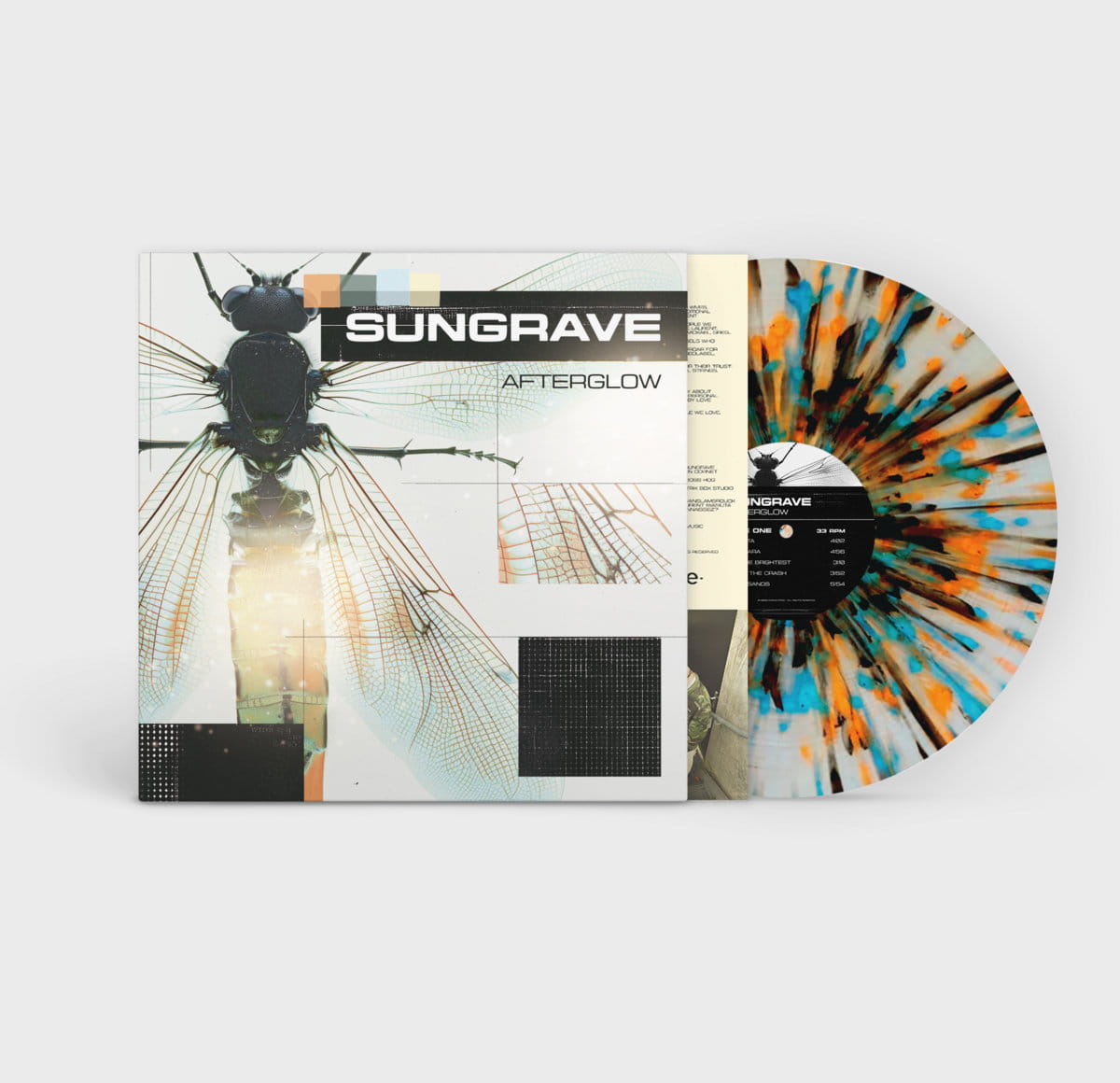
Pierre originally came up with Sungrave through the image of a place “where the sun comes to die”. The afterglow is the light that remains after the sun has disappeared.
For him, that lingering light is closely associated with hope.
The others have their own ideas about it.
Lionel has a particular affection for the transition between day and night. He likes watching cities empty out, seeing how familiar streets and places change once the people who occupy them during the day have gone home.
“For me, Afterglow is a moment of grace, a tipping point between day and night, the shift between two diametrically opposed sequences of life.”
He imagines the daytime city as a place organised around ordinary human activity, with the night opening up a different, more mysterious world.
“I love the night. I love the sleeping city, watching places that are busy during the day transform once night falls.”
Emilien’s interpretation is smaller and more personal.
He imagines a firefly, a little light that remains visible when everything around it is dark.
“Fatalism is a recurring theme in our lyrics, yet this little glow, symbolized by the firefly, reminds us that nothing is set in stone. I like to think that the present moment isn’t the end of the story, that things change and evolve, and not always for the worse. That’s my way of understanding the idea of hope.”
Roch thinks about his generation and the changes it has witnessed.
“We are the generation that knew the world before, and that now has to believe the world that comes after is worth it. We need hope.”
It’s a concern that also makes its way into the relationships between the musicians themselves.
Roch has learned a great deal from his previous bands, particularly about his own shortcomings. Some of those lessons were musical, but he also remembers making mistakes as a manager and as a friend.
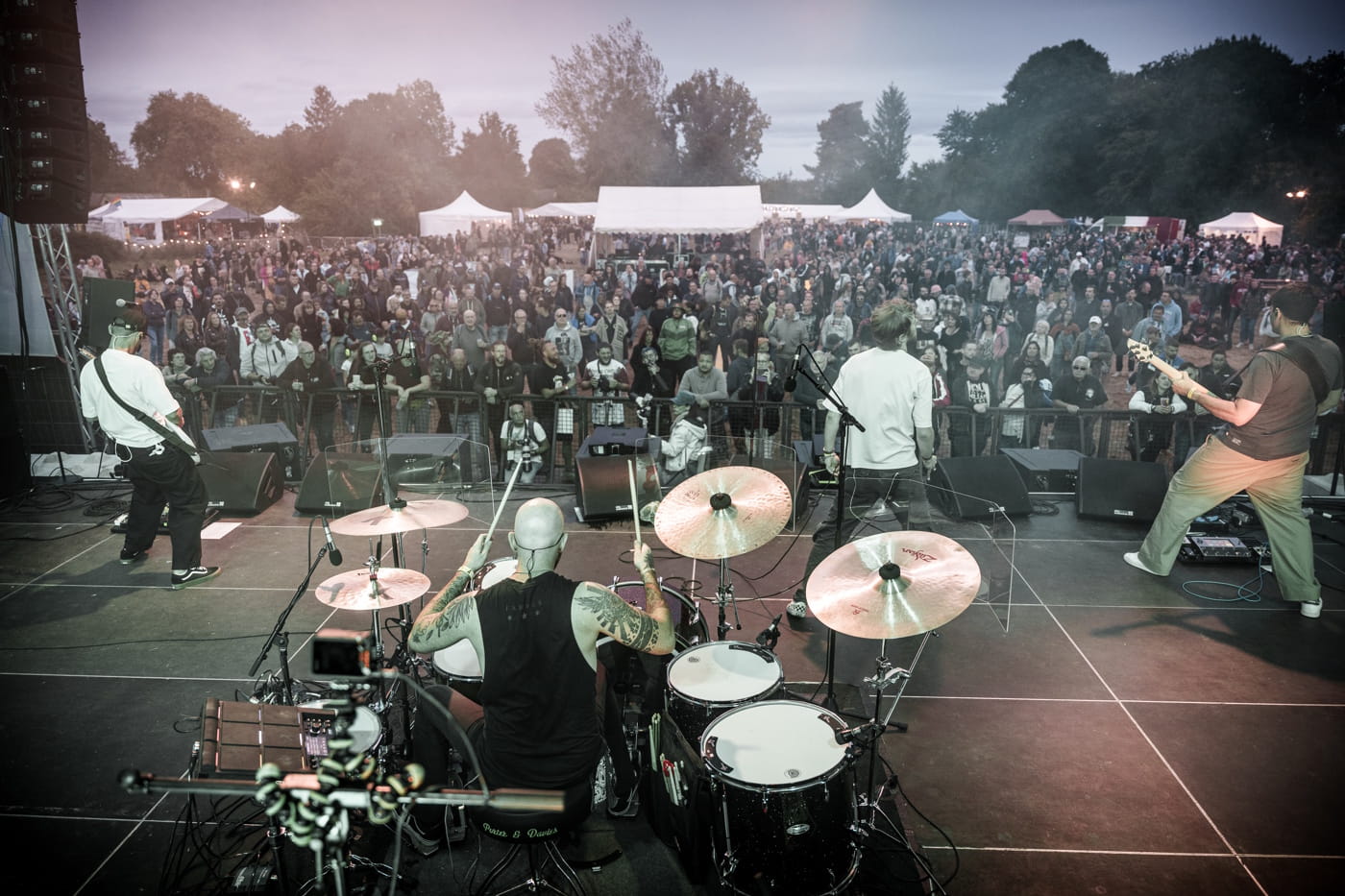
Working in a band means spending a lot of time with people under circumstances that aren’t always easy. Over the years, he has come to appreciate how much trust is involved in choosing to keep doing that together.
“They say a band is the dysfunctional family you get to choose. I believe that’s true, and that it’s both a privilege and an honor to be chosen by people to become part of their family, however dysfunctional it may be.”
He values the relationships within Sungrave and considers looking after them a priority.
“Today, what I love most about Sungrave is the respect and love we have for one another. That’s what holds us together. And we make taking care of it our priority.”
Their shared history also connects them to a wider group of musicians around Lille.
Pierre points towards Fall of Messiah, a band already familiar to IDIOTEQ readers, alongside Queen(Ares), whose music leans towards post-metal, and Goomh, who work closer to grunge and indie rock.
The musicians brought those years of experience into the recording of “Afterglow“.
Olivier t’Servrancx worked with the band at Boss Hog Studio in Ham-en-Artois and handled the production and mixing, with the latter completed at Electrik Box in Lille. Pierre Wagner mastered the album.
Pierre also worked with Sylvain Vanslambrouck on the sleeve artwork. The photography accompanying the release includes work by Elodie Delannoy and Laurent Iwasiuta, with further live photographs by Rémi D and studio shots by Pierre himself.
By the time our conversation reached its end, Roch was thinking about the simple fact that the record now exists and can be heard by people outside the four of them.
He sees recording music as a way of leaving something behind, a small part of a person’s life that can continue to exist after the person is gone.
“Every time we record a song, a piece of our soul gains access to eternity. It is also a message, a statement made in the cosmos. In that sense, an album is a constellation in the firmament of History.”
He wanted to thank Pierre, Emilien and Lionel for making it with him, and the people who give the band their time and attention.
“Afterglow exists, and in itself, I think that is a beautiful victory.”
🔔 IDIOTEQ is ad-free, independent, and runs on one person’s time. If you want it to stay that way: DONATE via PayPal or SUPPORT via Patreon.
NEW: IDIOTEQ Explore 🗺️ Browse 15+ years of our archive by city, country, and style. Find artists on the world map or trace related sounds through the styles map.
Stay connected via Newsletter · Instagram · Facebook · X (Twitter) · Threads · Bluesky · Messenger · WhatsApp.