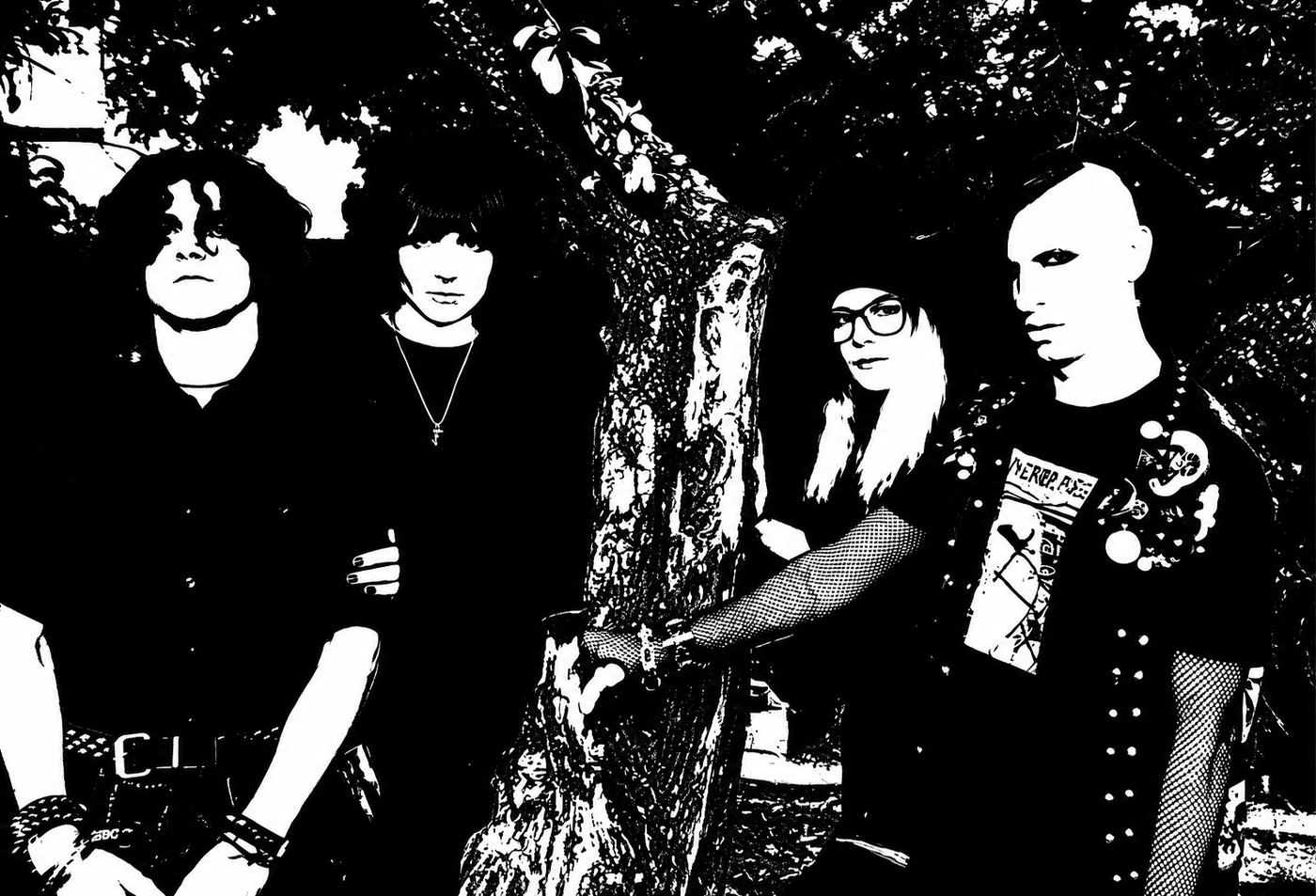


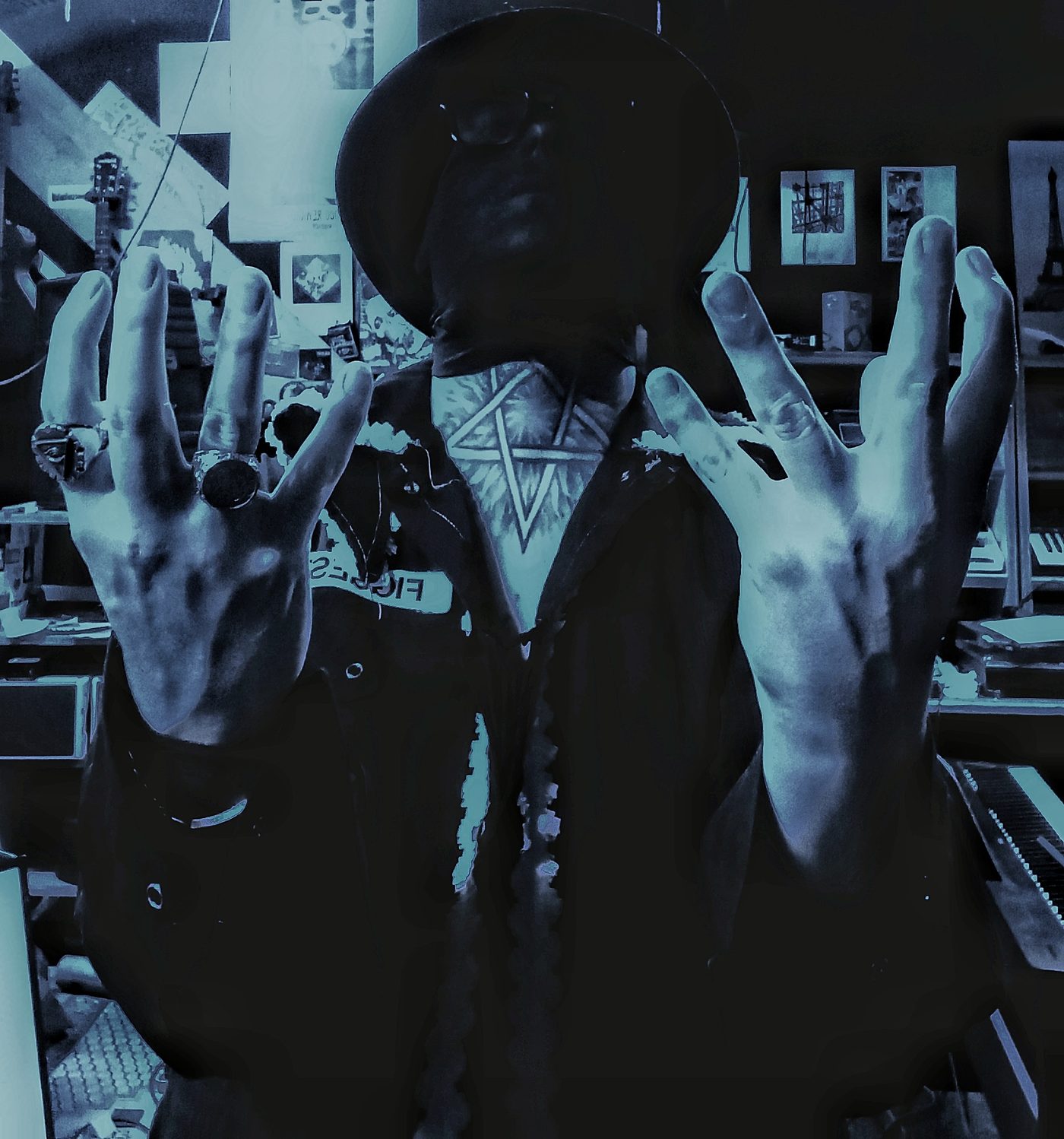
On “Pathokratie”, Swiss solo project Schuft take political anxiety into dark post-punk, blackened coldwave and electronic experimentation, with everything sung in the Basel dialect of Swiss-German. Constantin Escher, the musician behind it, has been struggling with the direction world politics are taking. Wars, the shift towards the far right and the general state of things have been getting to him psychologically. Some of that anger comes out through political theory and revolutionary history. Elsewhere, he turns it on himself, with one song finding a few hours of anarchist freedom in a grimy bar among fellow outsiders.
The title comes from the concept of pathocracy, associated with Polish psychologist Andrzej Łobaczewski and his writing about political systems controlled by people with pathological personality traits. Constantin had become interested in how psychology and politics overlap, and found the term disturbingly close to his own view of current events.
“I can’t recall the exact moment I stumbled upon the word Pathokratie, but it immediately fascinated me, especially since I couldn’t even find a proper Wikipedia entry for it at the time.”
He first wrote a song around the idea, then used the same title for the whole EP. He isn’t claiming to have worked out every political problem in six tracks, although he’s got strong feelings about the people running things.
“Describing a system ruled by individuals with severe personality disorders, it captures global politics with an eerie, cynical precision.”
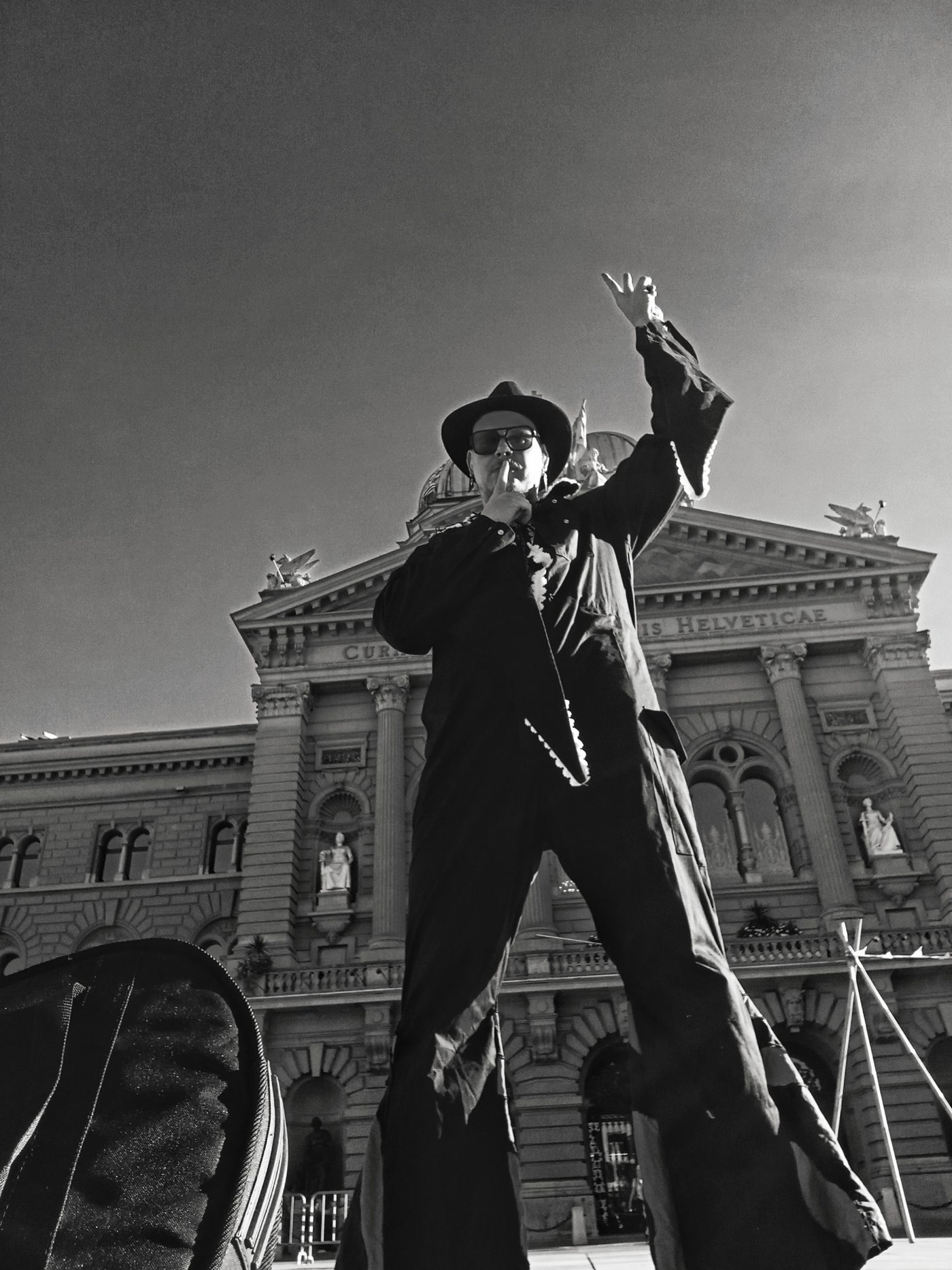
The personal side shines on “Depressione am Trese“, which Constantin chose as the focus track after playing the songs to friends. It seemed to get through to people most easily, though the lyrics are pretty uncomfortable. He examines his relationship with alcohol and the kind of thinking that takes over when he’s drunk, moving between depressive thoughts, self-pity, sarcasm and criticism of his own behaviour.
“Lyrically, the song is an unsparing self-reflection of myself as a passionate alcohol consumer, capturing the thoughts and emotions that surface in an intoxicated state: part depressive-pathetic, part self-ironic and self-critical.”
Underneath all that is a longing for the anarchism of Errico Malatesta. Constantin finds something of that freedom in the company of other outsiders, even when it lasts only as long as an evening at the bar. It’s a much smaller, more personal expression of the dissatisfaction running through “Pathokratie”, and the humour in his description is part of it.
The music takes some equally strange turns. Fred at Germany’s Underdog Fanzine picked up on the record’s constant stylistic changes in his October review. He described police-van sirens and chaos at the opening, followed by “Antinomischi Liturgie”, where Latin prayer, organ, rap, guitars and electronics come together. “Lüüchtturm” struck him as a surprisingly light, almost ballad-like polka, before the closing “Heckerlied” headed towards hardcore techno. There’s plenty of punk and coldwave in the mix, but Constantin clearly enjoys pushing these songs into odd places.
Fred also heard a good deal of absurdity beneath the political anger. Constantin was pleased he’d picked up on it.
“Fred from Underdog had a very sharp intuition there and hit the nail right on the head.”
He’s become frustrated with what he sees as a growing lack of humour in black metal and, especially, punk. Some of the attitudes he’s encountered in recent years seem increasingly rigid to him, and he worries about people becoming too concerned with enforcing their own rules.
“I think the subculture needs to remind itself that humor and self-irony are among the most valuable psychological tools we have to cope with all the madness in the world without being crushed by it.”

Constantin draws a firm line between humour and the kind of racist, homophobic or sexist provocation that gets defended under the banner of free speech. He’s got no patience for that crowd, and his criticism of punk’s rigidity comes from his own experience of finding acceptance in the subculture.
“To be unmistakably clear: I completely distance myself from any racist, homophobic, or sexist assholes trying to puff up their bruised egos behind a convenient façade of “free speech”.”
He remembers punk as an open, welcoming place that encouraged him to become a better person. Now he worries that dogmatic thinking and rules imposed from outside are making it harder for people to grow, disagree and remain connected. He sees those divisions as a serious problem when the far right can act with such dangerous unity.
“We end up fragmented, while the far right displays a cohesion that is genuinely dangerous. I truly hope we can rediscover that sense of solidarity—sorry if I went off on a tangent there!”
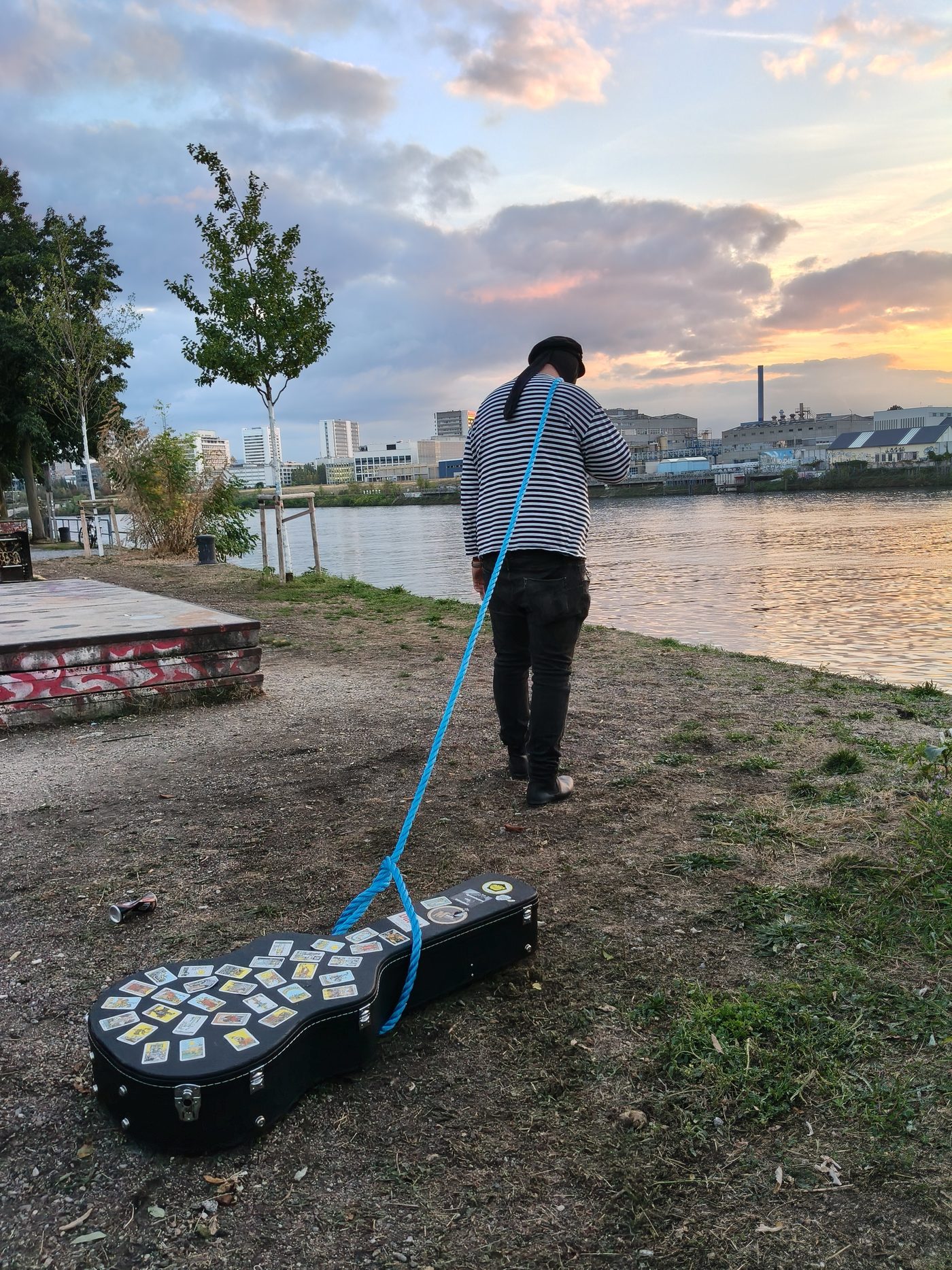
Constantin grew up in the Basel area and still returns almost every week to spend time in the rehearsal space there. These days, he lives with his family in Central Switzerland. He remains involved in the underground as much as fatherhood allows, but finds life in his current surroundings difficult at times.
He describes Central Switzerland as more insular, conservative and occasionally prone to conspiratorial thinking. Basel, in his experience, is much more open. He has spent years connected to its underground music scene and still regards it as a second home.
That difference between the two places gives him plenty to think about, especially when he travels abroad and encounters the familiar picture of Switzerland as a wealthy, comfortable country where everything works.
“What strikes me whenever I travel abroad is how heavily romanticized the perception of Switzerland remains. Yet the moment you scratch slightly below the surface of that neatly polished façade glazed with chocolate and money, things are just as broken as in any other system worldwide—we can simply afford to hide it better… well.”
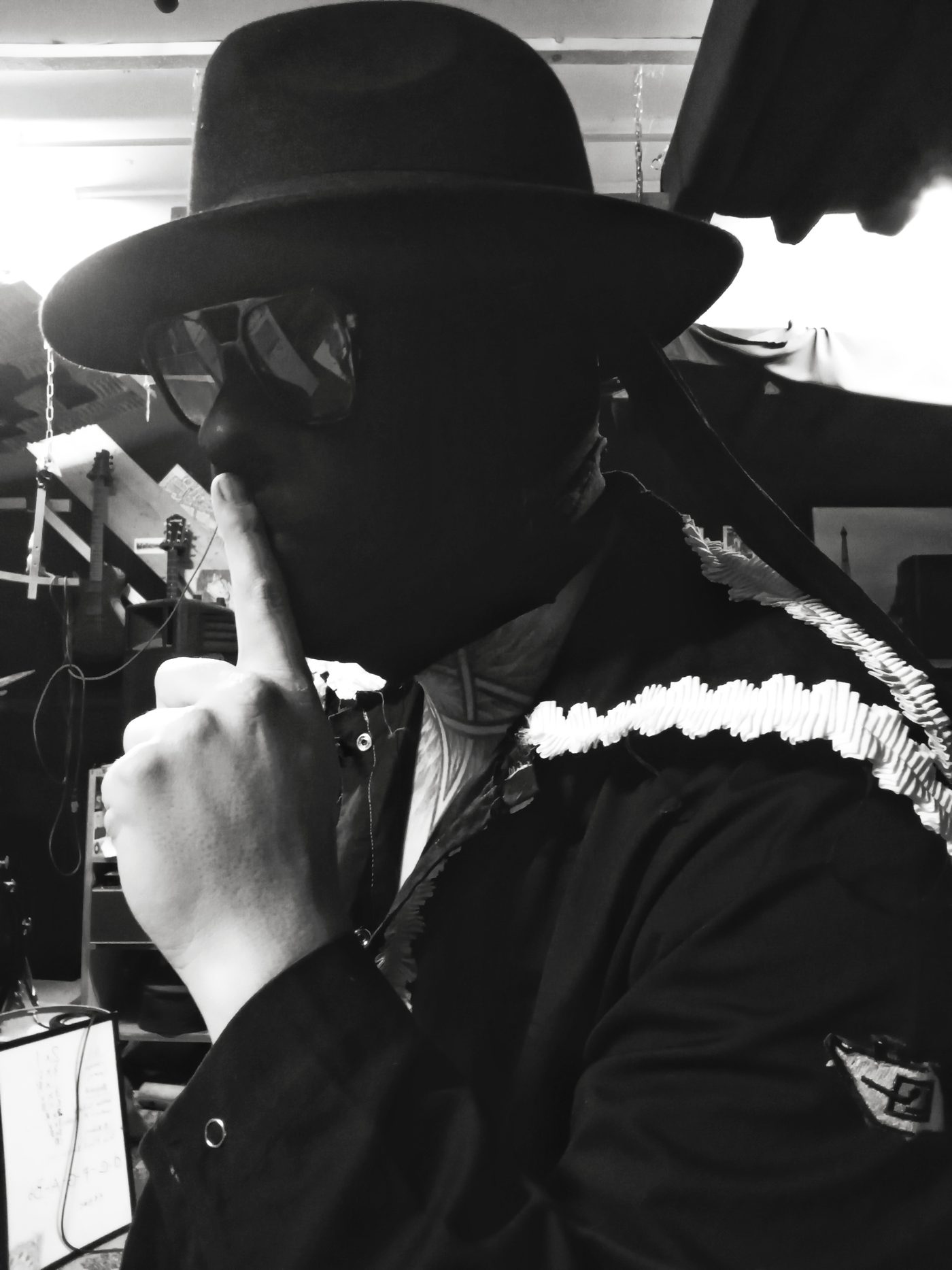
Schuft’s Swiss-German lyrics are another direct connection to that home territory. Constantin arrived at the decision while watching a concert. He started wondering why he should keep translating his own emotions into English when somebody raised speaking English would simply sing in their native tongue without a second thought.
It was initially strange hearing himself sing in dialect, but he’s become comfortable with it. Schuft will remain a Swiss-German project.
“It just made sense to express myself completely unfiltered, rather than constantly translating my emotions to fit an international “standard”.”
He thinks plenty of the lyrics could probably survive translation. “Heckerlied” is the obvious exception. The song comes from the revolutionary tradition associated with Baden in 1848 and Friedrich Hecker, whose name became attached to several songs during that period. Constantin reworked the piece in his local Basel dialect, keeping its regional character.
“That piece carries such deep regional, historical, and linguistic roots that translating it would strip away its essence. In dialect, it stays grounded right where that revolutionary history took place.”
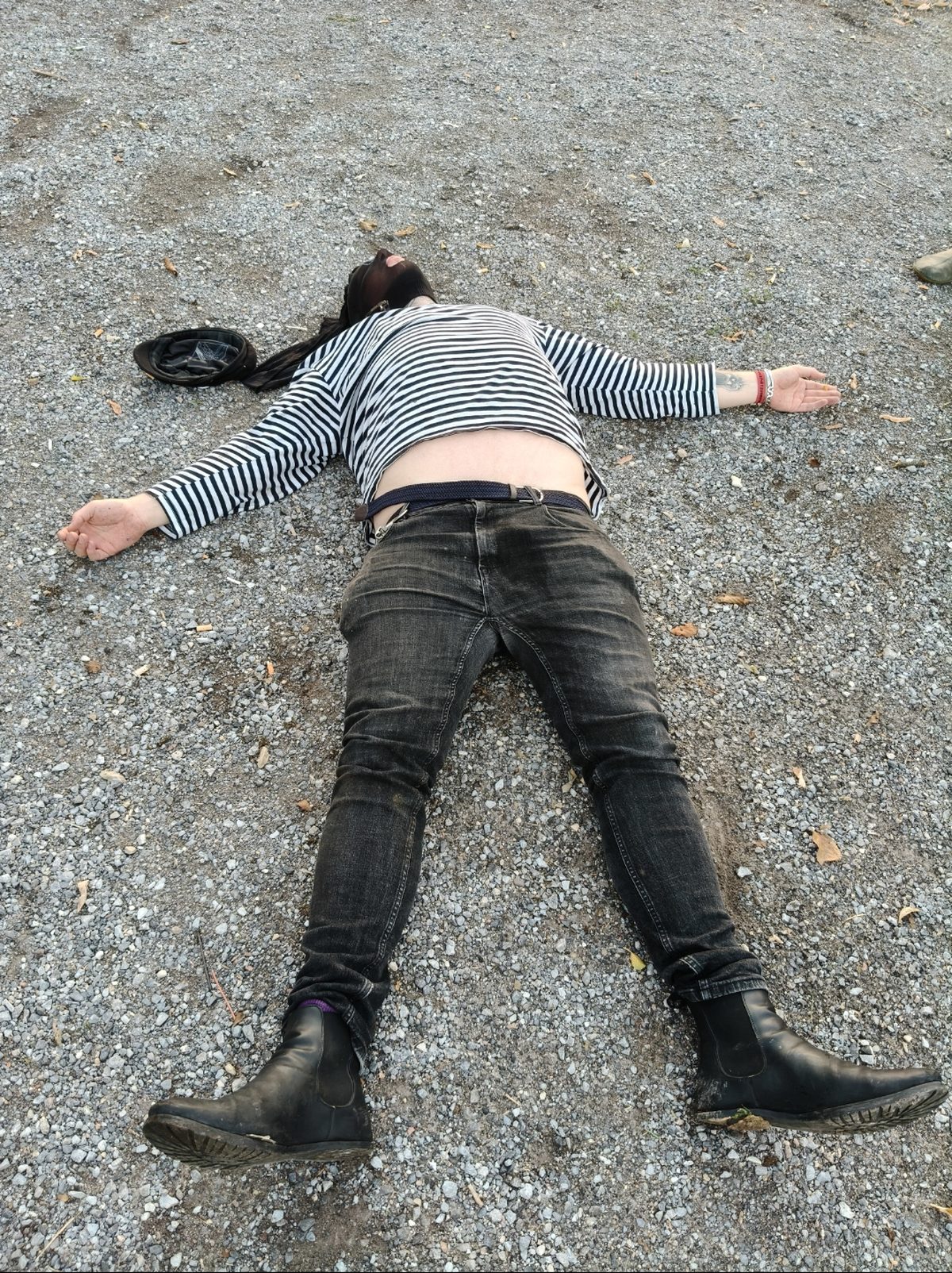
All of this was recorded in a small rehearsal room and studio in Basel. Constantin wrote the songs and played the instruments himself, apart from the Schwyzerörgeli, a type of Swiss accordion, on “Lüüchtturm”. His friend Matthias came in to play that part.
The beats and synthesizers were programmed in LMMS, with some rhythms built from field recordings Constantin made while travelling to Hamburg and the Baltic Sea. He also used a particular reverb recorded beneath a bridge in Basel. Those recordings ended up alongside the guitars, electronics and other parts he’d put together in the rehearsal space.
He handled the recording, production, mixing and mastering himself, under the name Frater Anohemos. There was no outside mastering studio. The mixing took place in the same basement room where he’d tracked the songs, sometimes for twelve hours at a stretch.
“Mixing was also done in that same rehearsal room during marathon 12-hour basement sessions until my head was completely numb from red wine and smoke.”
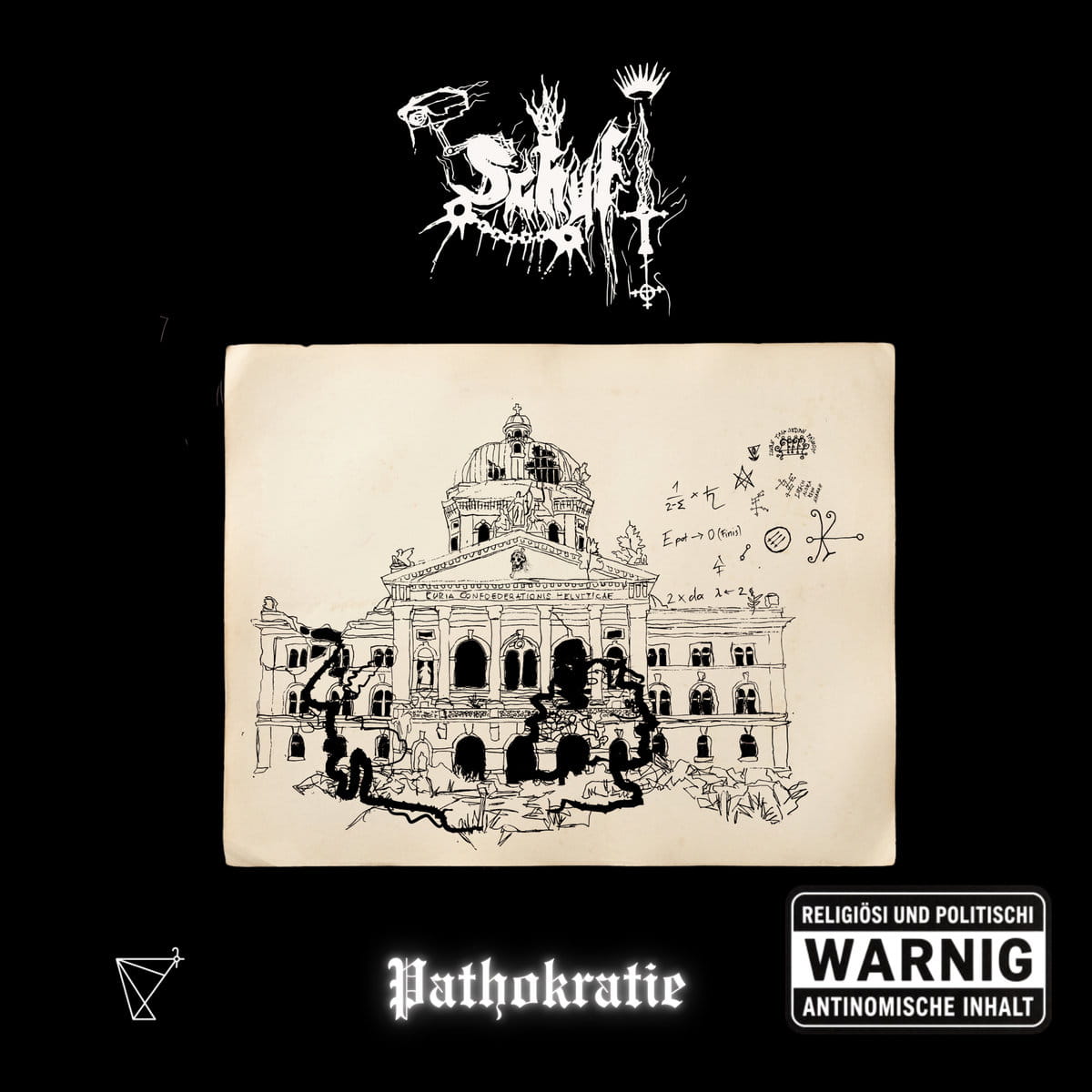
The artwork was his work too. He traced a photograph of the Swiss Federal Palace, the Bundeshaus in Bern, and then set about distorting the building. The finished image gives the country’s political centre a pretty unpleasant makeover. Constantin also made the lettering, the Schuft logo and the Frater Anohemos sigil, describing his treatment of the building as a little demolition and demonisation, for purely artistic reasons, of course.
For now, Schuft remain primarily a recording project. Constantin is working out how to put the songs together as a live set, though he doesn’t expect any gigs before 2027. There’s already a <a href=”https://youtu.be/VQ9IDc_wdQQ?si=v9T98aooA-TBVimX” target=”_blank” rel=”noopener noreferrer”>video for “Lüüchtturm”</a>, and he has more planned.
“Pathokratie” came out on 2 October 2026 as a fully self-released Schuft EP. All six tracks are available on Bandcamp.