


Civil Elegies have been making a ridiculous amount of noise with two guitars and a drummer since 2014. On “The New Hard“, the Glasgow trio have managed to squeeze a proper groove, flashes of melody and a surprisingly memorable chorus into that enormous sound. The words are pretty bleak. Hamish Black sings about people desperate to change things who keep running into the same problems, and the joke at the centre of it all is simple enough: “the new hard is the old hard.”
There’s something oddly catchy about hearing that line over the band’s down-tuned, crushing noise rock. The new From The Floor session, released on 4 November 2026, catches Civil Elegies at a point where they’ve become much more precise about their sound. The guitars are still absurdly thick, Grant Donaldson’s drums have to compete with an awful lot of amplification, and Hamish’s vocals remain intense and confrontational. Underneath all that, the song has a definite shape and a chorus that sticks.
Hamish has been thinking about what “The New Hard” means for a while. A lot of Civil Elegies lyrics begin with a phrase that gets stuck in his head, and he liked the weight of those three words before he’d settled on everything they were supposed to say. Writing the band’s first new full-length in ten years has also brought him back to experiences he was dealing with when the earlier albums came out.
“A lot of realisations about what the shit I was expressing on the older albums actually was – how I was thrashing to escape the suffocation of it all. A lot of scenarios where I’d tell stories to people about what I’d dealt with or been through, expecting a laugh, and be met with horrified, sympathetic faces.”
Wyświetl ten post na Instagramie
He’s had conversations with friends about disability and the exhausting process of constantly having to advocate for yourself. There’s the effort involved in asking for change, the repeated refusals, and the frustration of dealing with people who believe they’re helping while offering solutions that leave the underlying problems untouched.
“A lot of discussions with friends about disability – the constant, debilitating churn of having to advocate for yourself and being met with brick fucking walls in return. A lot of talk from well-meaning people about how to “””fix things””” that still feels like it keeps us all firmly under the boot.”
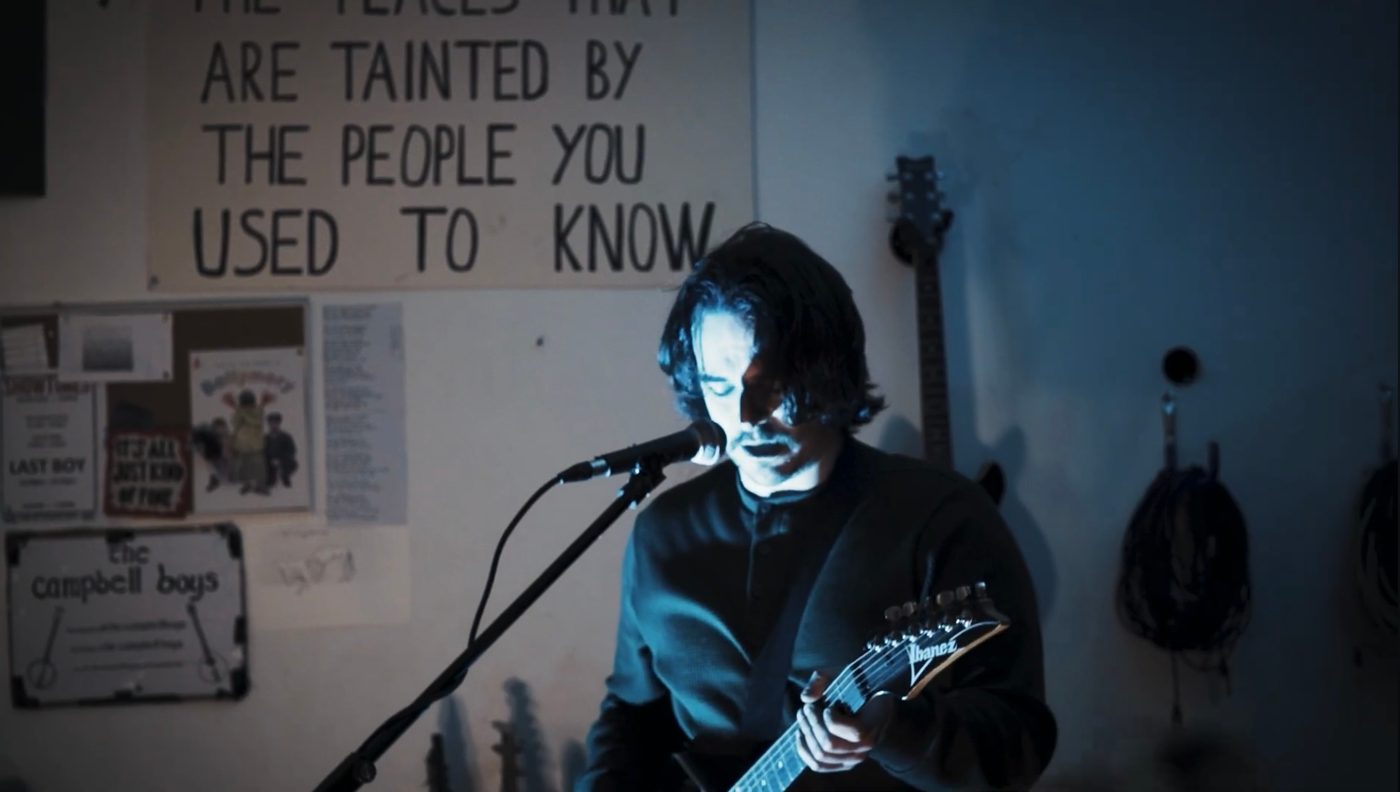
The song deals with those familiar ideological, personal and generational traps. People recognise that something is wrong, talk about changing it, and somehow end up back in the same place. Hamish doesn’t pin the title to one particular problem, which leaves him room to reconsider what it means as circumstances change.
There’s also more hope in the forthcoming record than you might expect from a band with such an abrasive musical personality. Hamish acknowledges this himself, qualifying the album’s hopeful tone with “at least by my standards”. His writing has always had an appetite for black humour, and he enjoys saying horrible things with a straight face.
“Everything I do is looking for humour in horrible things, and it’s all said with tongue firmly in-cheek, but I enjoy thinking about what the “hard” in question could be. It’ll change and change again, but right now I’m settling on the idea that, well… life is just a bit fucking difficult right now, isn’t it?”
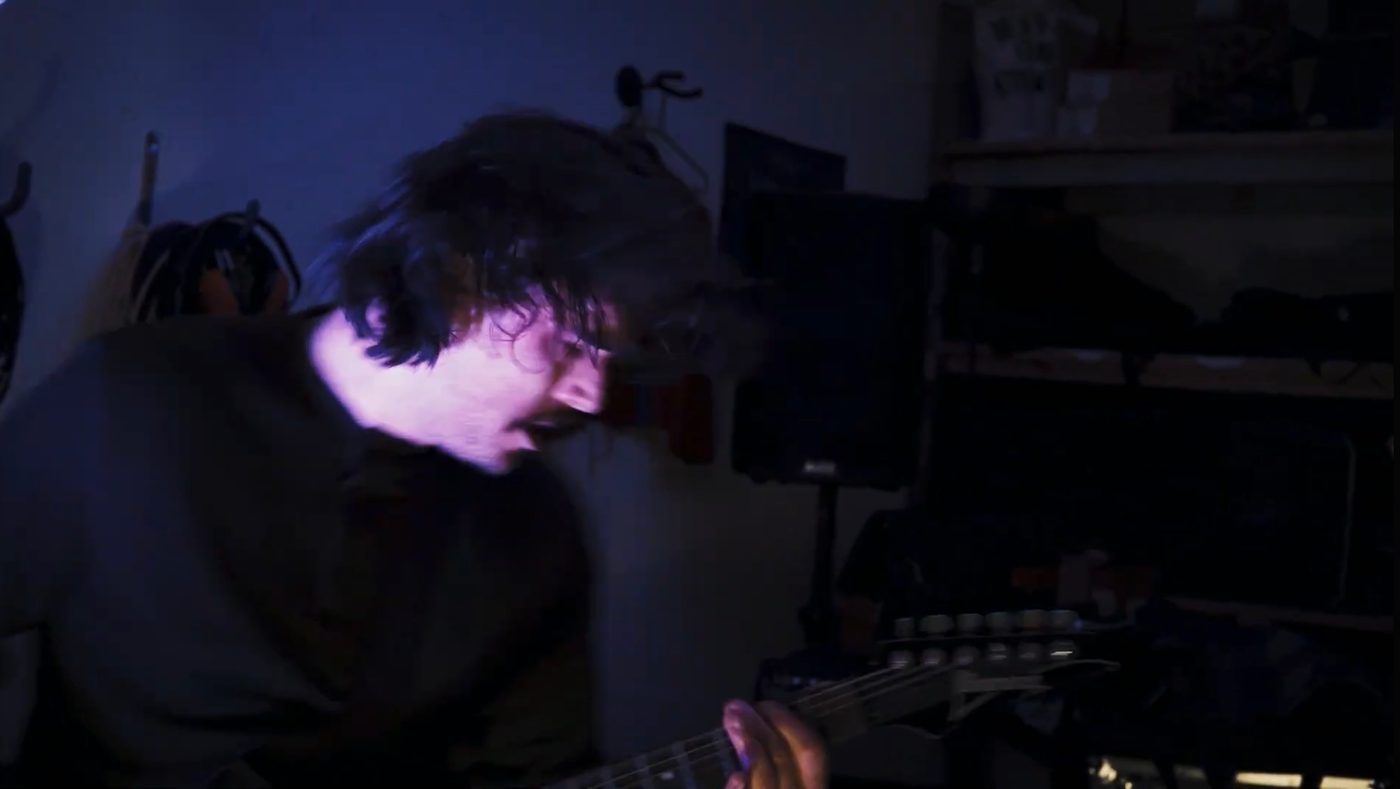
Some of the people closest to him have helped shape that writing. Hamish also plays in Ashenspire and All Men Unto Me, and his friendships with Alasdair Dunn and Rylan Gleave have become an important part of his life. Alasdair leads Ashenspire and plays drums in All Men Unto Me, while Rylan leads the latter and sings live with Ashenspire.
The connection with Alasdair started in a fairly funny way. Hamish remembers him as Civil Elegies’ number one fan, which he immediately qualifies as their only fan. They’re now close friends, and the conversations Hamish has had with Alasdair and Rylan over the last few years have fed directly into the lyrics of the new Civil Elegies album.
It’s one of several personal connections running through Glasgow’s heavier underground, including the band’s ties to Moni Jitchell. The city still has younger musicians forming bands, sharing gigs and finding their own corners to play in. Hamish, now in his mid-to-late thirties, jokes about being a dinosaur by local scene standards. He doesn’t get to as many shows as he used to, and he rather enjoys the fact that there’s music happening around him that he knows nothing about.
He’s considerably less cheerful about the state of the venues.
Glasgow has lost many of the places Civil Elegies could book when they were starting out. Rehearsal rooms are harder to find, and the costs have risen beyond what a lot of smaller bands can afford. Hamish is deeply critical of the city council, which he believes puts additional pressure on venues already struggling to survive. He’s frustrated by the gap between Glasgow’s reputation as a major cultural city and the treatment of the people running its smaller music spaces.
“Most of the venues we could book back in the day are now just gone. Rehearsal spaces are few and far between, and landlords keep raising the rent beyond what any band could afford.”
He has plenty of time for Bloc+, which has given DIY musicians somewhere to play and, in his experience, looked after them properly. Audio Lounge in Maryhill is another place he cares about. Civil Elegies used to rehearse there, and the space continues to host heavy gigs. Hamish worries that some of the people using it don’t fully appreciate how valuable it is.
He wants more support for the places still putting on shows, both from the people attending them and from the authorities responsible for the city’s cultural life. He’s angry about the possibility of losing spaces that have taken years of work to keep going.
Grant shares his affection for Bloc+, where he played some of his first good Glasgow gigs. He’s also a big supporter of Nice’N’Sleazy, which he considers comfortably the best-sounding venue of its size in the city. Some of his favourite shows have happened there, and the club has been important to Civil Elegies’ recent history too.
It was at Nice’N’Sleazy, supporting Extra Life in June 2025, that the band recorded the live set later released as “THRUM”. That recording includes an early version of “The New Hard”, played when the song was still fairly new to the band’s set.
Hamish had already written the chorus. Most of the other vocals were improvised, with his approach taking something from Damo Suzuki’s habit of making sounds that resembled words without necessarily following conventional lyrics. He’d invent phonemes as the band played and give them the shape of complete lines.
It took the prospect of filming the From The Floor session to get him to finish the words.
“Right before we recorded the From the Floor session was when I thought “I should probably have actual lyrics for this,” and the words kinda came to me. Turns out it was a pretty simple song anyway, my daft brain just doesn’t let me actually focus and finish things without a helluva battle.”
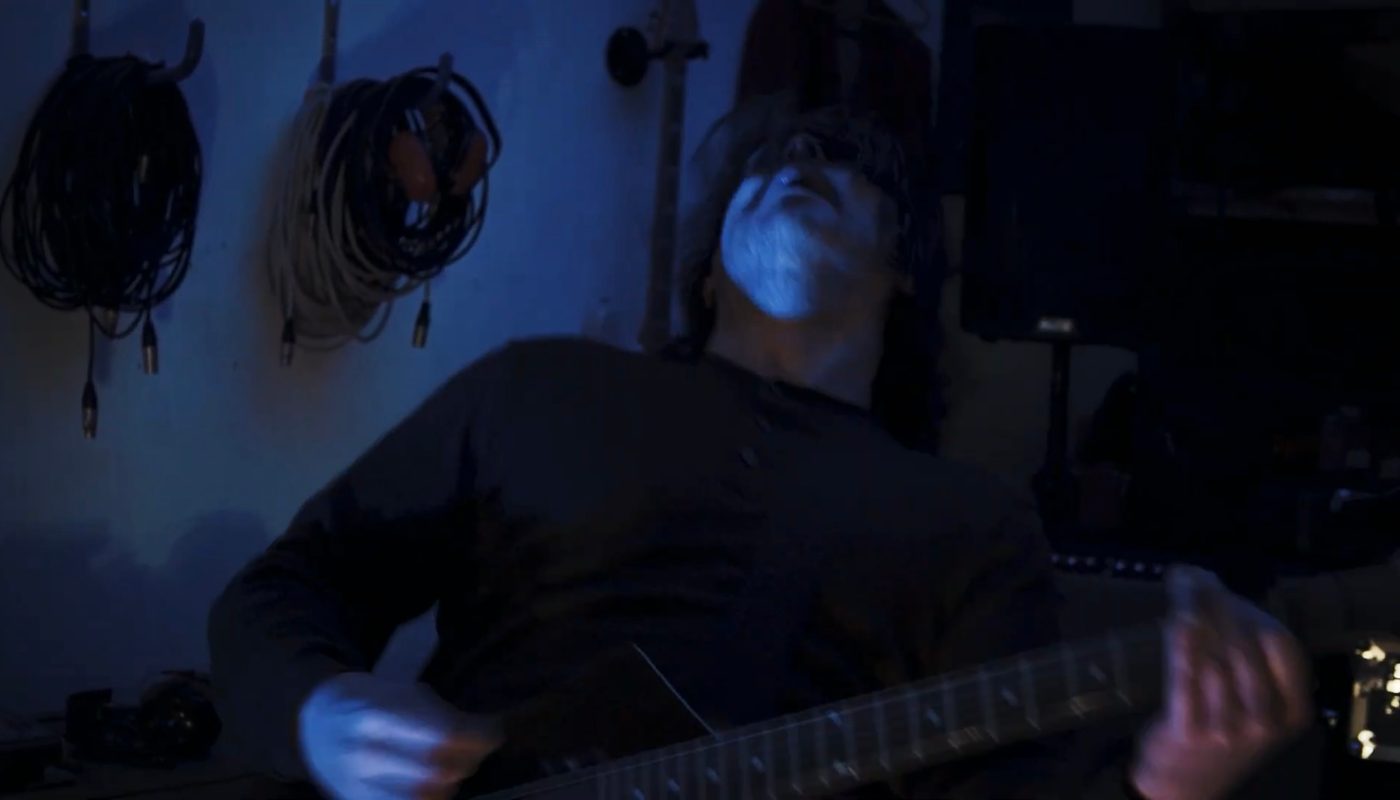
Some of the old improvisation survived because Hamish realised that certain phrases had begun to make a strange kind of sense. Grant and Kyalo Searle-Mbullu had also been working on the arrangement, making the sections tighter and adjusting the pacing. The finished session is now very close to the studio version planned for the forthcoming album.
They had always suspected “The New Hard” would become one of the main songs from that record. It had already been part of their sets with OMO, Big|Brave and Extra Life, and its focus on groove suited what they were trying to do with the newer music.
Hamish wanted melody and more careful changes in dynamics to survive alongside the guitars. He describes the goal as trying to “weave melody and dynamic delicacy into this squall of sledgehammer guitars at absolutely insane volume.”
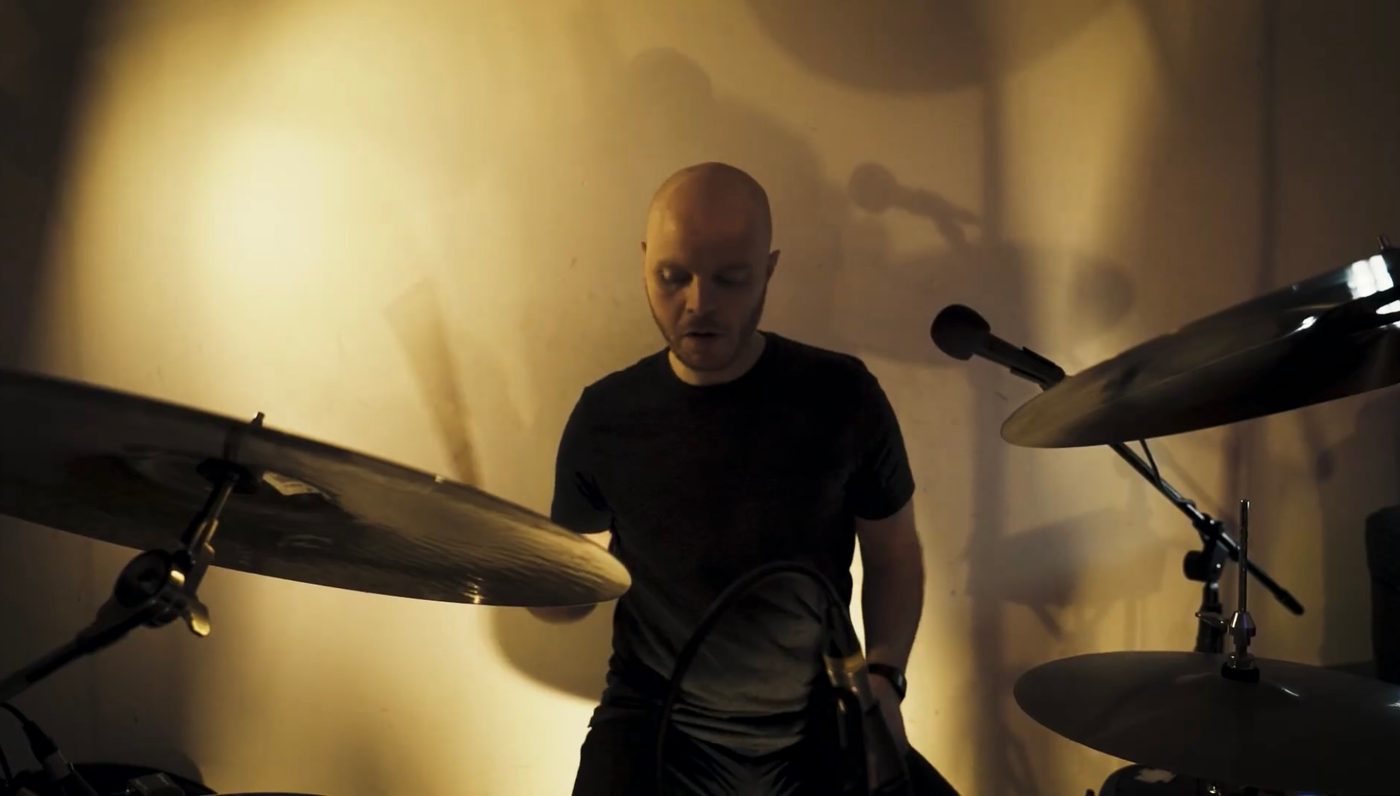
That volume has been central to Civil Elegies since their first rehearsals. Hamish liked the thought of three fairly ordinary-looking people taking the stage without a bassist and then producing something completely disproportionate to the number of musicians involved. He still gets a kick out of the idea.
Listening to “The New Hard” through headphones, the sheer mass of the recording is striking. There’s an awful lot happening in the lower frequencies, yet the band have kept the rhythmic movement of the song clear enough for the groove to carry it. The drums have a physical presence, and the guitars fill out the space normally occupied by bass without losing their distorted character.
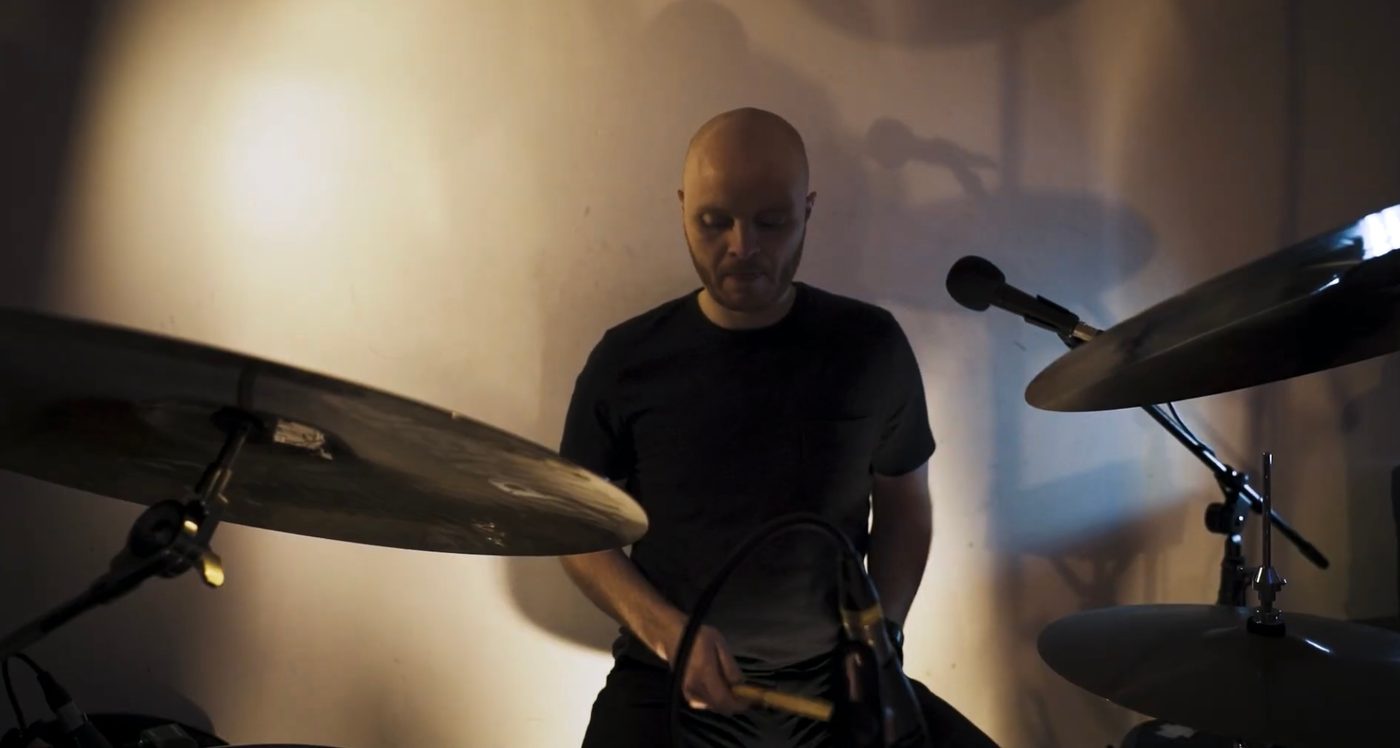
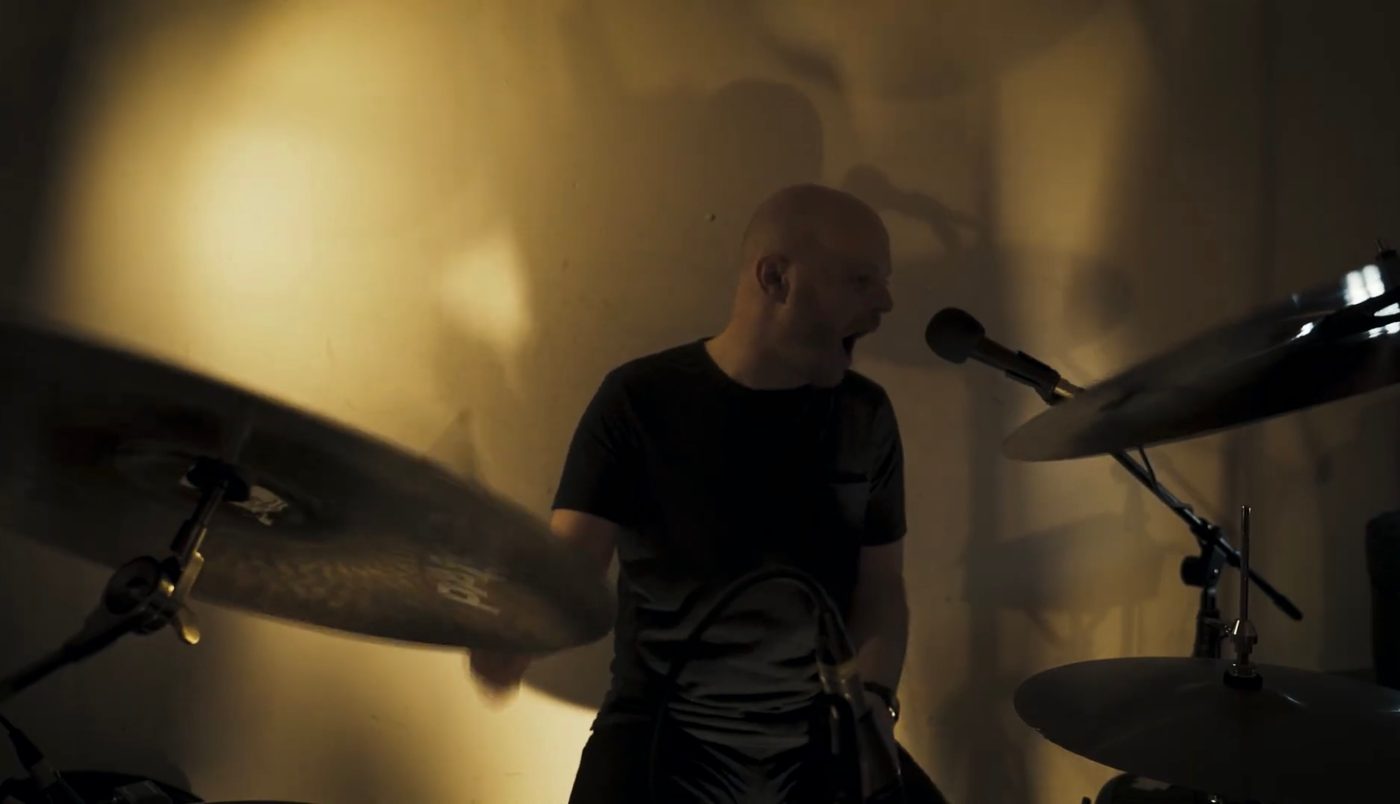
Hamish reckons much of the band’s impact comes from the actual air moving around the room. Their rehearsal volume has become something of an inside joke, with Grant occasionally unable to hear his own playing behind the kit. Hamish considers him one of the hardest-hitting drummers he’s worked with, especially because Grant can play detailed grooves and smaller accents while competing with two extremely loud guitar rigs.
“I like the idea that it forces us all to push a bit harder – that we’re coming together as people who really care about each other, to endure this larger maelstrom beyond our control.”
The recording itself was done in a hurry. Setting up for From The Floor took longer than expected, leaving the trio time for just two takes of each song before they had to pack everything away. Grant reckons it worked because they’ve been playing together since 2014. Their equipment is certainly better than it was back then, but he puts more value on knowing exactly how the other two musicians play.
“I think it came out so well, despite the rush, because we’ve been playing with each other since 2014 and that builds up an energy and telepathic format that can’t be acquired through any shortcuts or gear.”
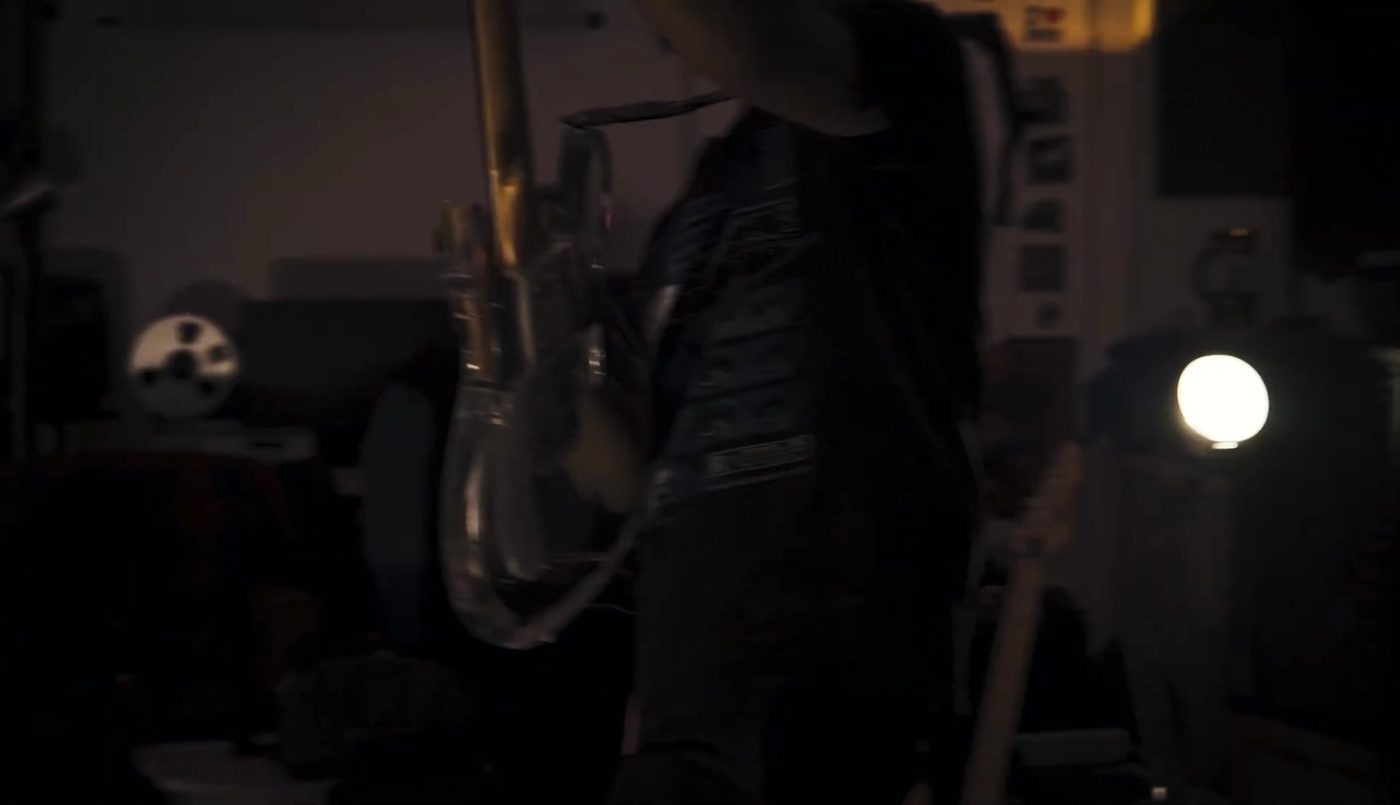
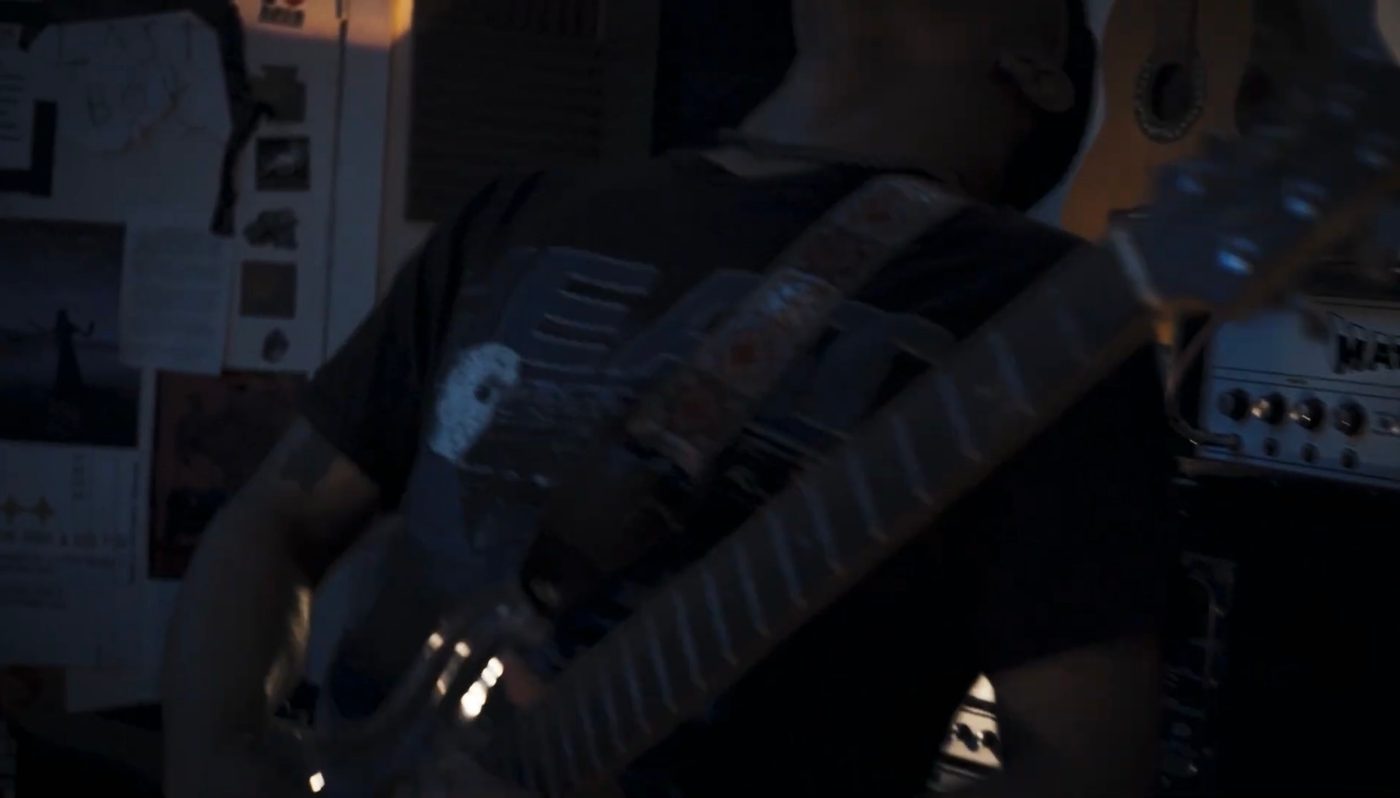
Kyalo can explain exactly where much of that extraordinary guitar sound comes from. Civil Elegies use AADGBE tuning for “The New Hard” and most of their other songs. The lowest string is tuned down to A, an octave beneath the next string, giving the players an unusually wide gap between their bottom two strings. It lets them play familiar low-string shapes with a much deeper interval, and an octave pedal takes the bottom end further still.
His guitar signal is divided into parallel paths, feeding separate guitar and bass amplifiers at the same time. The regular guitar side gets much of its distortion from a DOD Death Metal pedal, while a Green Russian Big Muff handles the octave-down bass signal. Kyalo can adjust the gain and tone of each side independently, keeping the very low frequencies under control without sacrificing the aggressive guitar sound above them.
During the session, he ran the bass signal through a solid-state Matamp PA head and a pair of Peavey bass cabinets. A small Peavey Backstage 30 combo handled the guitar side. His usual collection of higher-powered Peavey heads and cabinets was partly out of action at the time, with several amplifiers being repaired.
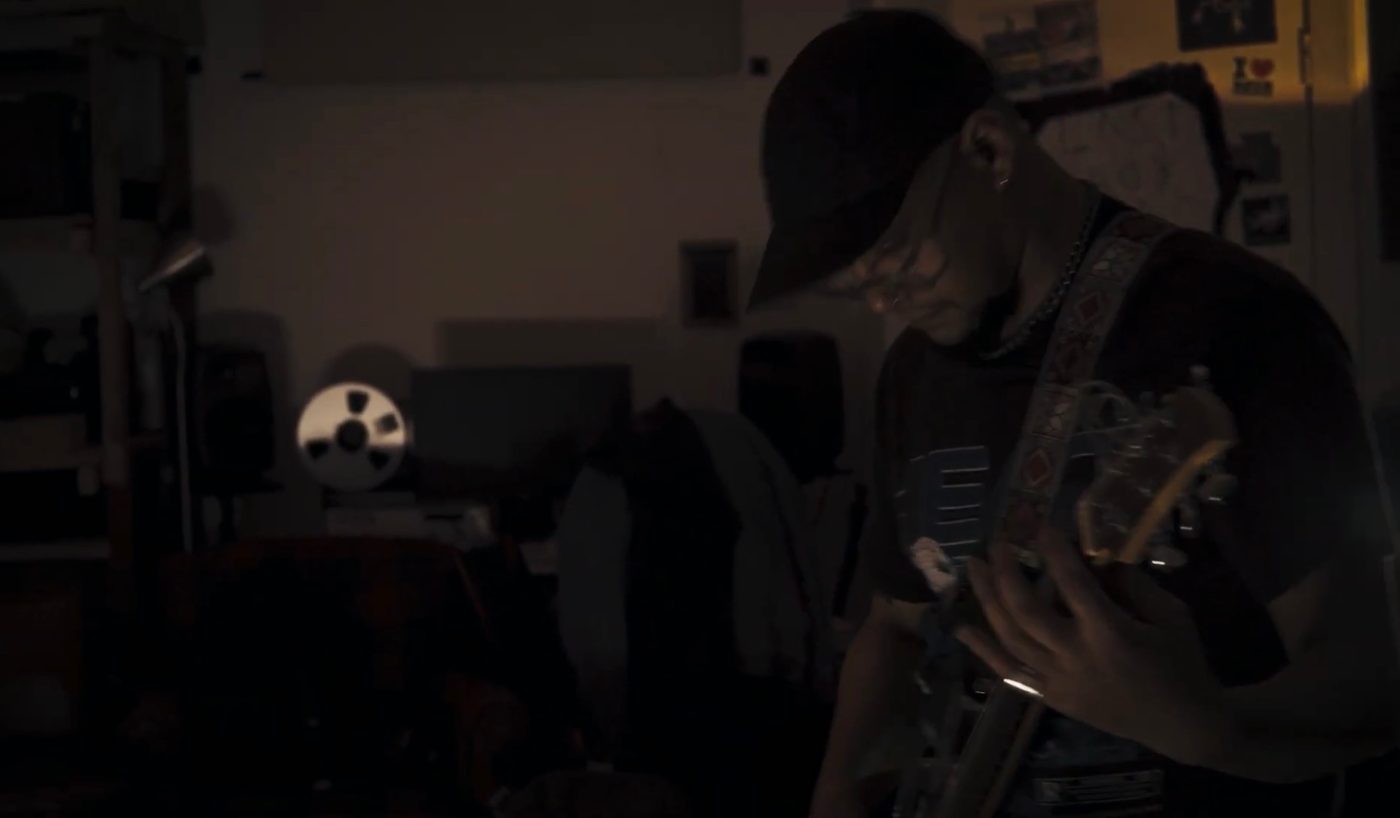
Hamish has his own combination of guitar and bass equipment, including an extremely loud HH 2×12 combo and an Orange Bass Terror feeding an Ampeg 4×10. Both guitarists now try to bring enough equipment to keep those two parts of their sound consistent from show to show.
They couldn’t always do that. Earlier Civil Elegies gigs involved borrowing or using whatever happened to be available, and the band often had to accept whatever results their limited equipment could produce. The extra control they’ve developed over the years has made them much more particular about what they take into a room.
That applies to recording too.
Their first three full-lengths were made quickly, with the band playing live and getting everything down in a single day. “Aesthetics” and “For The Consideration Of Amateur Jockeys” appeared in 2015, followed by “Combat” in 2016. They used the same one-day method for “NO LIFE”, recorded at Chime Studio with Ross McGowan in August 2023 and released in May 2024.
Those compressed sessions were largely a matter of money. Civil Elegies were young, energetic and good at getting records finished cheaply. The band are still good at keeping their costs down, although a decade of playing together has made them keen to spend longer working on individual sounds and arrangements.
For the new album they originally hoped to stay at Black Bay Studios in the Hebrides. Kyalo had recorded there before, and the idea of taking the band away to work on the record appealed to everyone. Friends encouraged them to apply for funding. The application was unsuccessful, leaving Black Bay beyond their budget.
Hamish is fairly unsentimental about the outcome.
“The unfortunate reality is that the reason we did things the way we did back in the day was that we didn’t have any fucking money, and it’s not like that has massively changed in the time since – we applied for funding this time around (after all our pals telling us how easy it would be) and it fell through.”
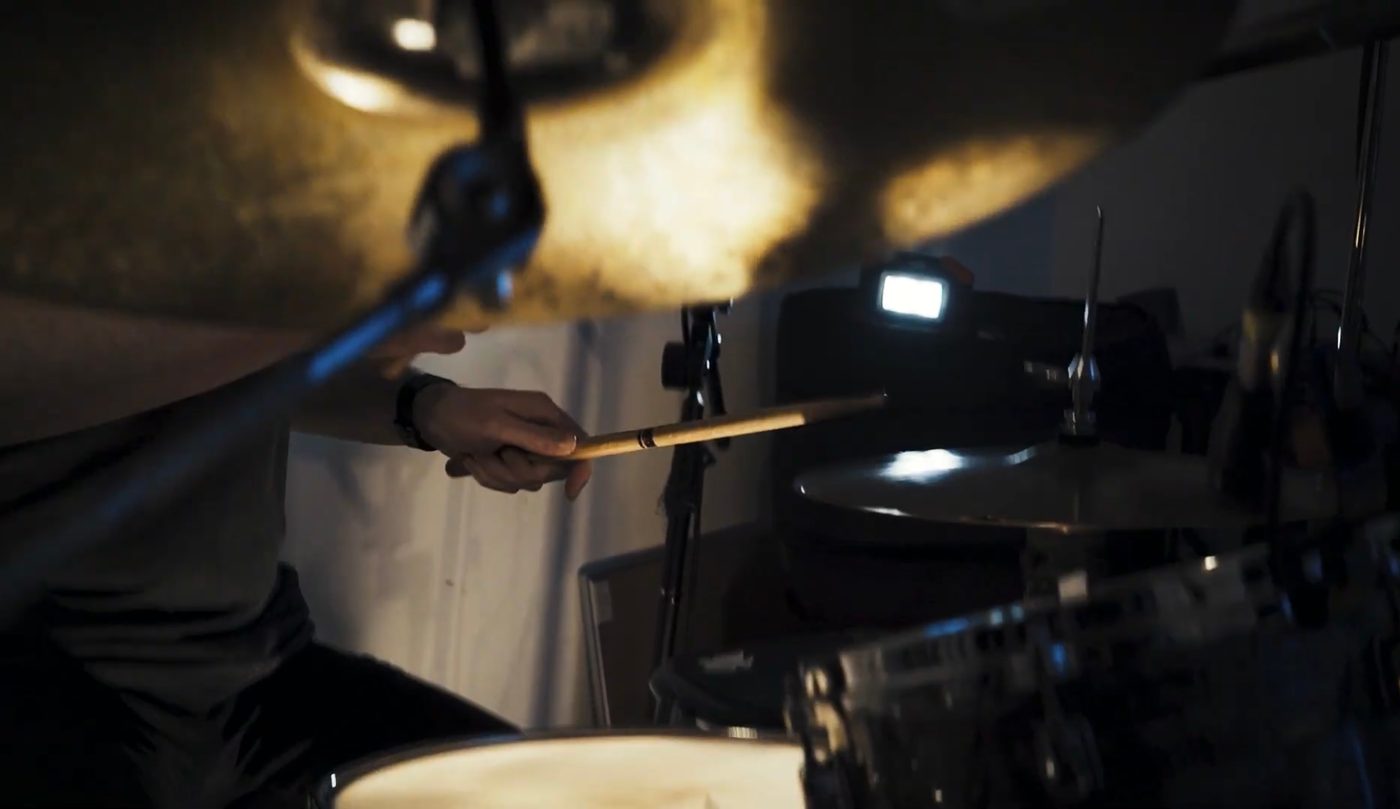
They eventually booked Starla and brought in their friend Fraser McPhail to engineer and help produce the recordings. Fraser drove the band there and worked with them through three very long days. It was their first time working with an engineer who also took on a production role, and both Hamish and Grant came away feeling the extra time had helped enormously.
They could spend evenings hanging out together, get some rest and come back to the songs the next morning. Even with three days available, they managed to fill almost every minute. Grant considers it one of the best recording experiences he’s had, despite how tiring the work became.
They brought enough amplification to cause a few problems for the neighbours.
Starla usually works with indie and jazz musicians, so the arrival of Civil Elegies and their van full of amplifiers was a bit of a shock. Hamish remembers the equipment literally shaking rubble outside the studio while they played. The owner, Mark, lived next door and had his father-in-law visiting for the weekend. Mark was helpful and supportive throughout the sessions. His father-in-law was apparently less enthusiastic.
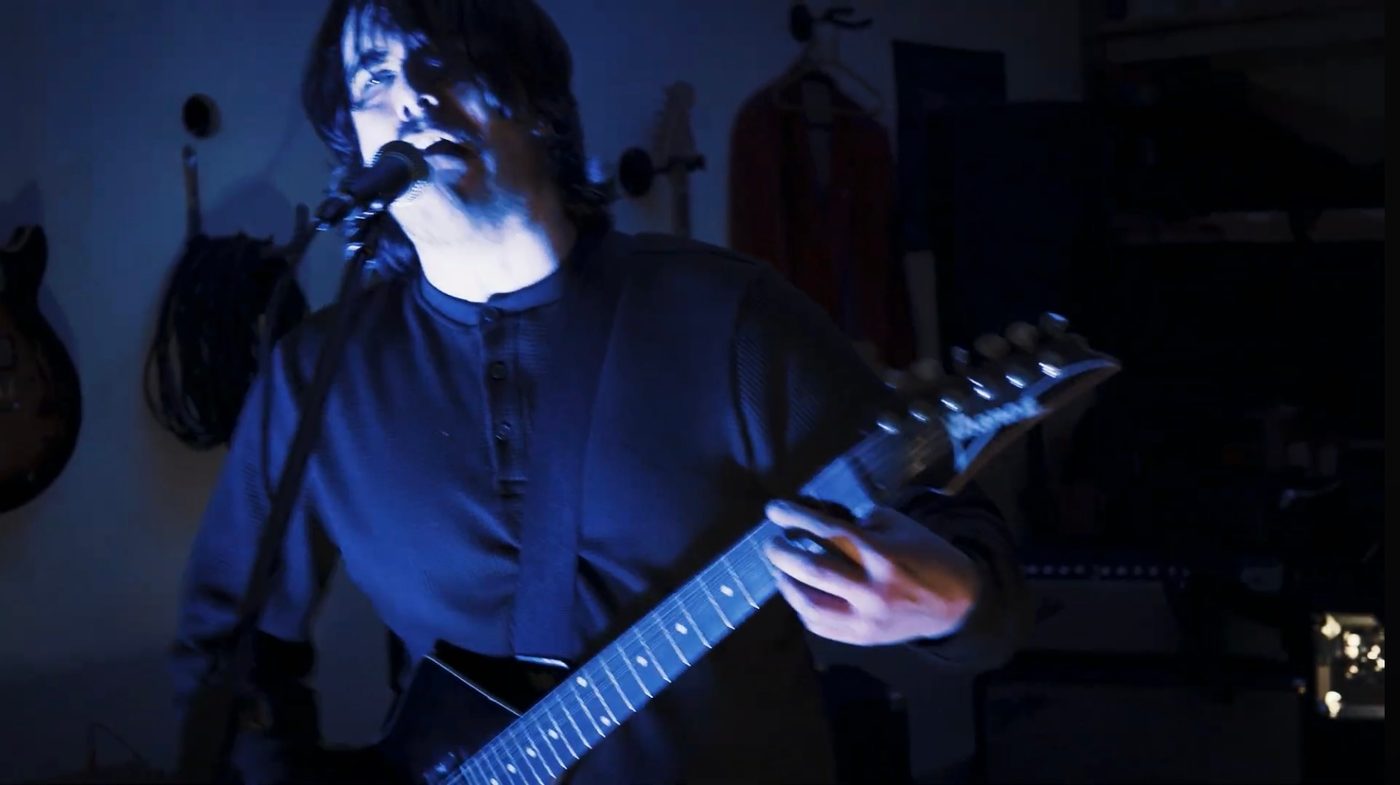
Grant enjoyed the experience enough to recommend the studio, and he has nothing but praise for Fraser’s patience with the band’s sometimes difficult ideas. The engineer managed to accommodate their various requests while getting through a remarkable amount of recording in three days.
Kyalo had his battered Explorer-style guitar extensively rebuilt by Sleeper Guitars, based at Audio Lounge in Maryhill, specifically for the new songs. Hamish brought several different instruments, including a baritone, an eight-string guitar and his trusty Ibanez Iceman.
Fraser and Kyalo also managed to fit four Peavey amplifier heads and six cabinets into the van just for Kyalo’s part of the recording. The resulting selection of microphones, speakers and amplifiers gave Hamish a far wider range of guitar sounds to work with when he started mixing.
On previous records, the band sometimes needed additional overdubs to fill out the sound after the live performances had been captured. This time, much more of what Hamish needs is already present in the individual recordings.
“Now we aim for more consistency and intentionality with the sounds we’re creating and capturing,” Kyalo said.
Hamish has mixed every Civil Elegies release so far, and he’s doing the new album himself as well. For the first time, however, they’ll be bringing somebody else in to handle mastering. He’s looking forward to hearing what another person can do with the finished mixes.
The new recordings also bring a different set of challenges. The band have moved further towards the guitar tones of doom metal and heavier drone music, and Hamish is trying to preserve enough definition for the individual instruments to remain audible beneath the full-force sound.
He’s especially interested in how records handle loudness. A heavy album pushed to maximum volume throughout can end up sounding smaller than something mixed with a little more room to breathe. Hamish wants listeners to be able to turn up the finished record themselves and get closer to what it actually feels like to stand in front of Civil Elegies playing at full volume.
For a band whose identity has always involved extreme volume, leaving enough space for that volume to do its work is becoming an increasingly important part of making a record.
There’s another side to the band’s long relationship with Glasgow in the people who continue to put on their gigs. Grant singles out promoters 432/Core for bringing Civil Elegies onto bills with groups such as Big|Brave and giving them a place at Core. Festival. He also recommends a handful of bands people should check out, including Gout, Backstabber, Mercy Girl, Ochre and Comfort, plus Portable Heads from Dundee.
Wyświetl ten post na Instagramie
Neither Grant nor Hamish pretends to know every new band playing around the city. There are plenty of younger musicians doing their own thing, and Hamish is happy that they keep finding ways to make it work. His concern is how many of the spaces those musicians need are becoming too expensive or simply disappearing.
Civil Elegies will be back at Nice’N’Sleazy on Sunday 15 November as part of Core. Festival 2026, a weekend that also brings Pig Destroyer and Eyehategod to Glasgow. “The New Hard” has already been through several versions onstage, from Hamish’s partly improvised performance with Extra Life to the much more tightly arranged song the band now play.
The From The Floor recording was filmed and edited by Lewis J Smith, with audio recorded and mixed by Sam Macleod. It was released on 4 November and is available to watch now. Civil Elegies’ next full-length is currently being mixed, with a release planned for 2027.
After more than twelve years together, they’re still three people making an unreasonable amount of noise, trying to get the songs, the equipment and the recordings exactly how they want them. The new album has taken longer than expected, and Hamish is still working through the mixes. The band will be back in front of a Glasgow crowd this Sunday.
🔔 IDIOTEQ is ad-free, independent, and runs on one person’s time. If you want it to stay that way: DONATE via PayPal or SUPPORT via Patreon.
NEW: IDIOTEQ Explore 🗺️ Browse 15+ years of our archive by city, country, and style. Find artists on the world map or trace related sounds through the styles map.
Stay connected via Newsletter · Instagram · Facebook · X (Twitter) · Threads · Bluesky · Messenger · WhatsApp.