

Three songs on Spiritkiller’s second LP come with photographs of Fourth of July fireworks. Vocalist Charles Cure took them at his family’s annual celebrations, evenings he still looks forward to every year, even as he’s grown deeply troubled by what America has become.
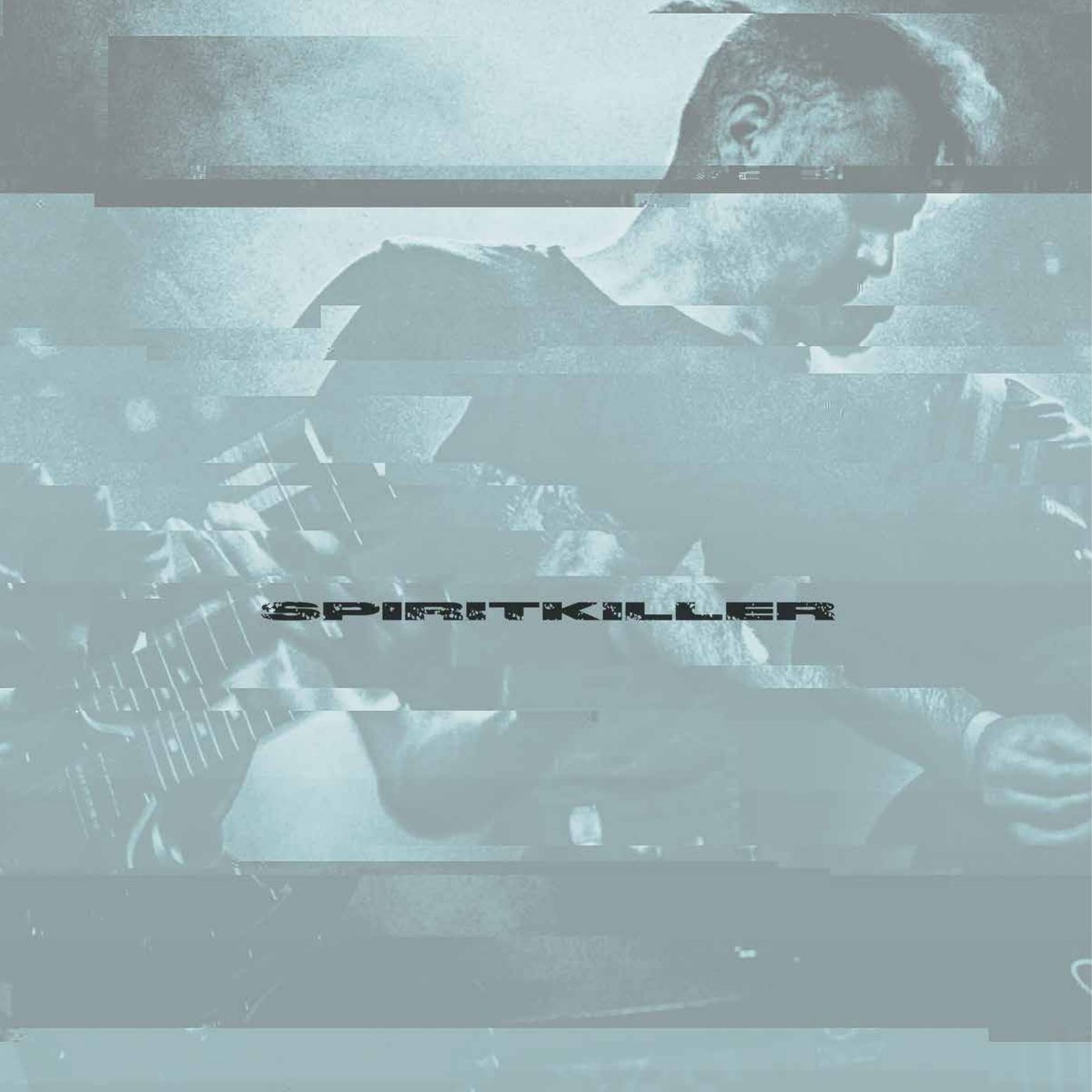
The Albany, New York melodic hardcore / post-hardcore band’s new record, “This World Is Yours And You Can’t Refuse It“, is full of that kind of uneasy coexistence. There are twelve songs about political anger, damaged relationships and the exhausting business of living in a world you have very little control over. Alongside them, Charles has put together a 36-page book of photographs from his everyday life.
Spiritkiller have their feet firmly planted in the heavy, groove-driven hardcore of the 1990s, with the more crooked songwriting of early-2000s post-hardcore, mid 00’s melodic hardcore and some screamo finding its way into the mix. Snapcase and Refused are part of the band’s musical vocabulary, as are Fugazi and At The Drive-In.
This second full-length pushes further into that territory, with the band’s tightly controlled aggression giving way to more restless, emotionally charged writing. The lyrics are often furious, sometimes deeply personal, and towards the end Charles finds his way to something resembling optimism.
We’re premiering the whole twelve-track album ahead of its November 20 release. You can hear it right here and then get into the photographs and the story behind the record with Charles and Immigrant Sun Records’ Sean Mallinson.
The fireworks belong to “Ruptured Pupil”, “Get Well” and “Imperial Boomerang”. Each photograph comes from a different year’s July 4th gathering at the family’s camp, where everybody gets together for a large display. Charles had been taking the pictures for three years, and his feelings about the celebrations were getting more complicated each time.
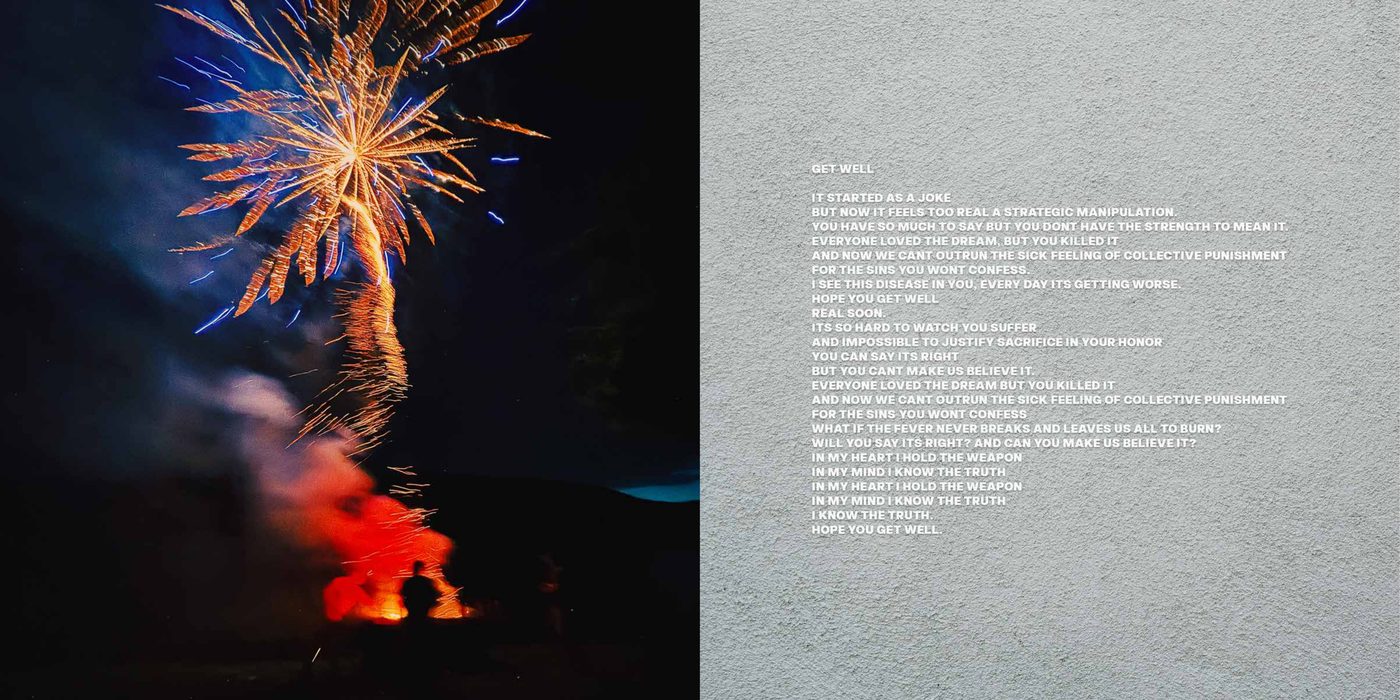
He sees America’s patriotic rituals as part of a much bigger story the country tells about itself, one in which it acts as a generous, protective force in the world. The political decisions being made at home and abroad have left him struggling with that image. The three songs deal with the feeling of being constantly threatened by choices made by people in power, and the fireworks give those lyrics an uncomfortable setting.
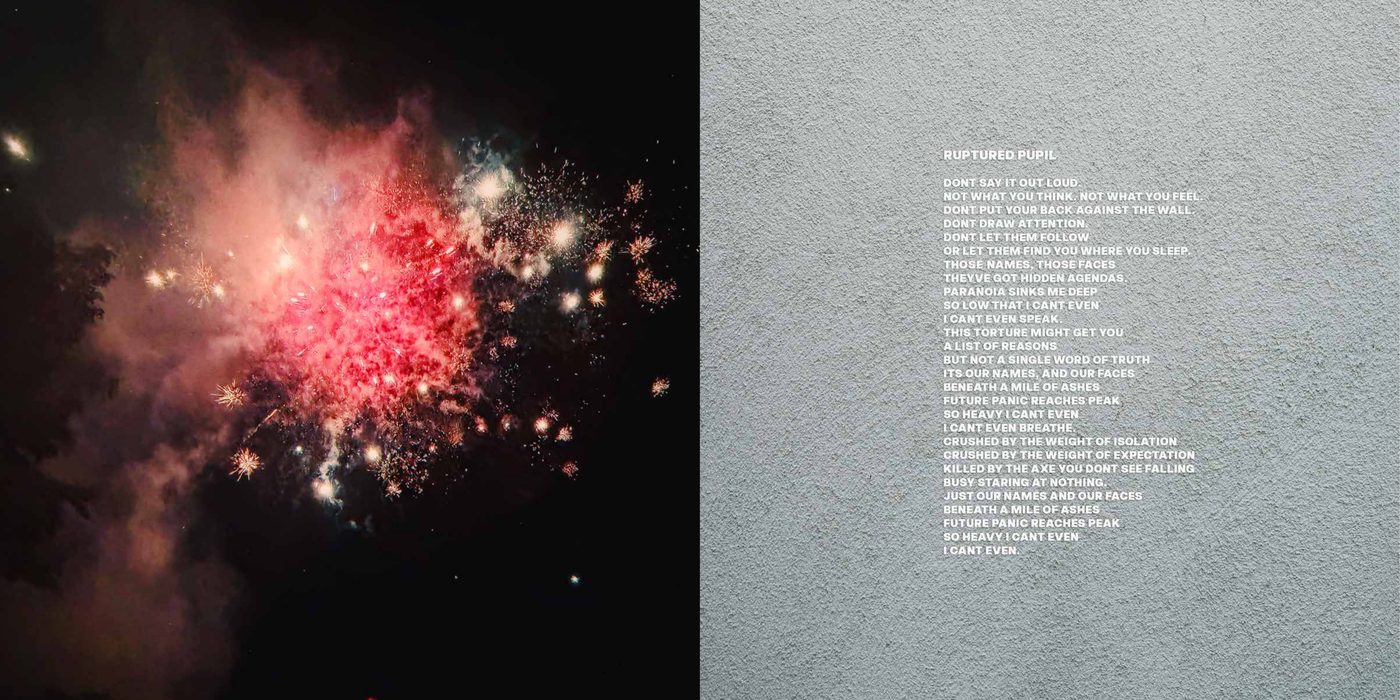
“Each year taking these photos on July 4th I’d feel increasingly dislocated by the dissonance of celebrating the country itself in its most idealistic and mythologized form vs the reality of what it has turned into and the threat our government now represents to the life and safety of many in other parts of the world and even to our own citizens.”
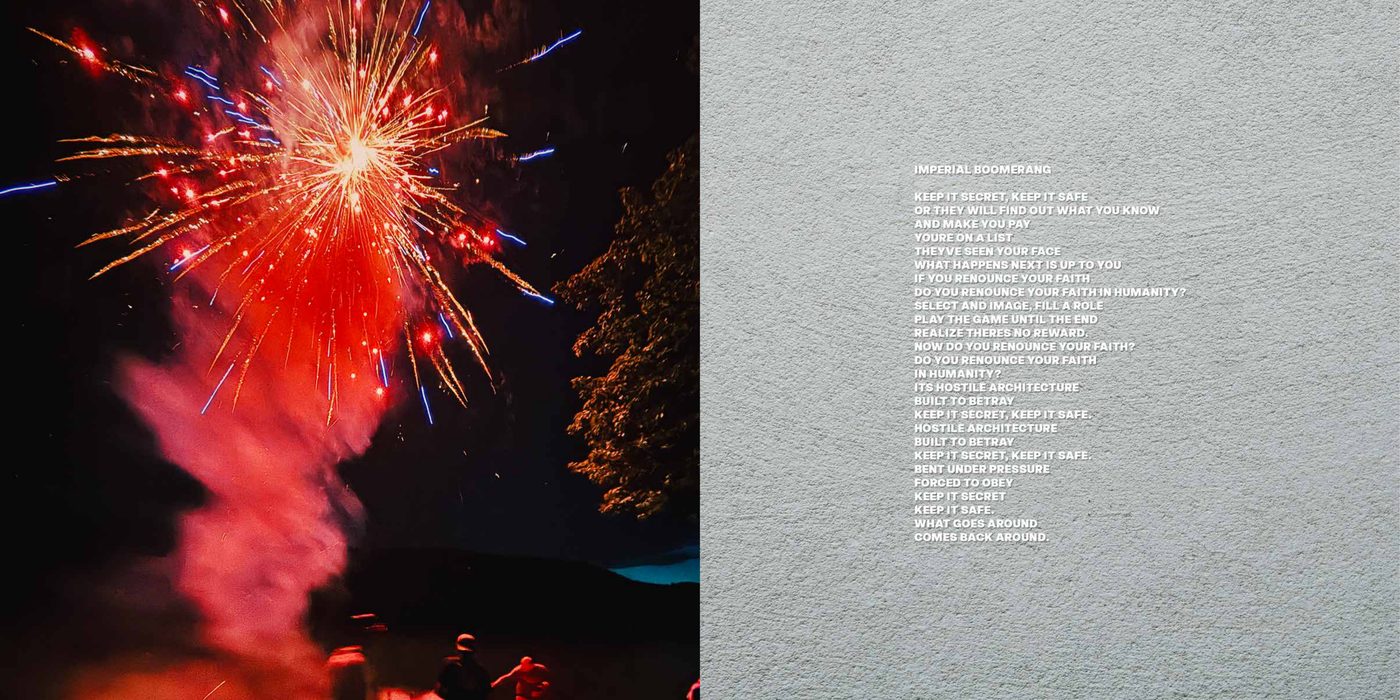
Charles is equally clear about his family celebrations. He loves getting everyone together, and the political anger in these songs hasn’t taken that pleasure away from him.
“I do not have any kind of lingering negative association with using these particular photos to make this visual commentary though. I look forward to this fireworks display every year, its a pretty large family gathering and we all do it together. Its something we all look forward to every year and I’m really glad I was able to memorialize it a little in this way.”
Those words get close to the feeling Charles wanted the whole record to have. He was writing about a society that seemed to be coming apart, watching people in power behave with extraordinary cruelty and selfishness, and trying to make sense of the feeling that something terrible might happen at any moment. Meanwhile, his own life continued. He spent time with people he loved, went to family gatherings and found himself stopping to photograph something beautiful on his way home.
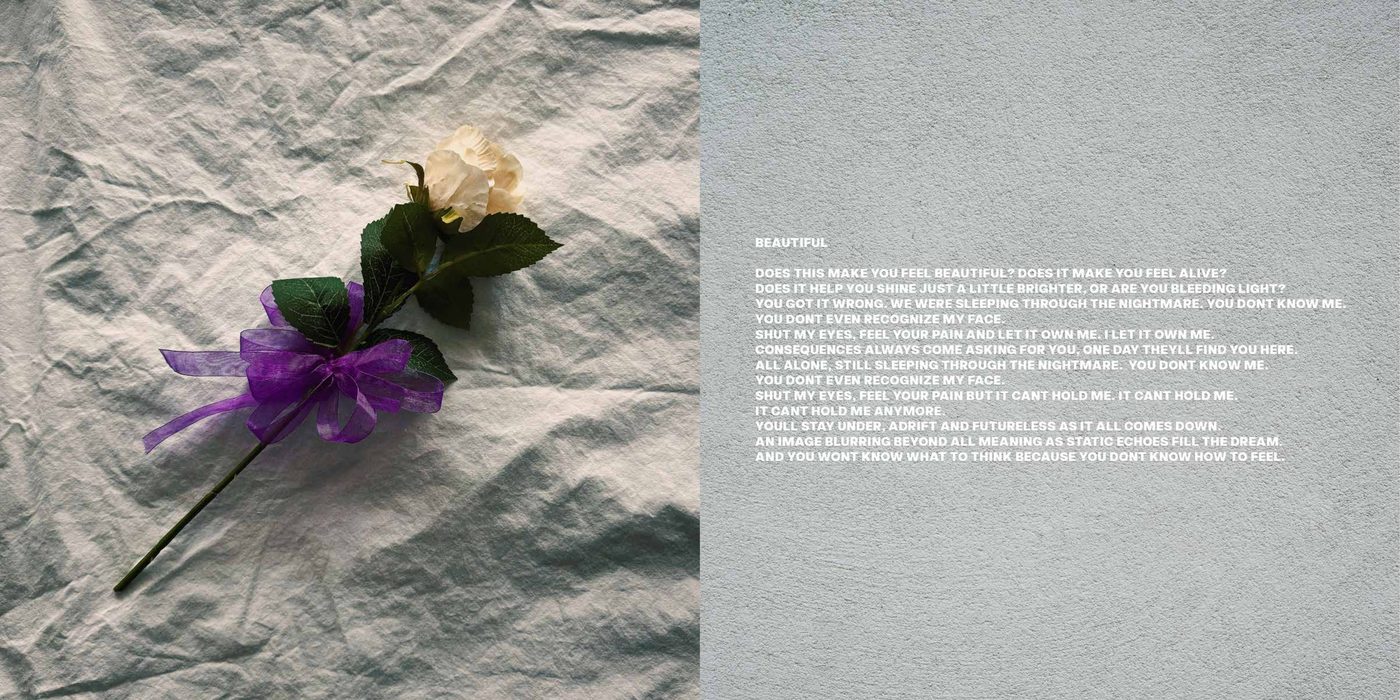
The book is full of those ordinary moments. There’s a ferris wheel at a fairground, an orange sun hanging over a house, a swimming pool with a little rubber duck floating in it. Other pages show an abandoned building covered in graffiti, a room filled with tattoo flash and a flower lying on a piece of fabric. They’re all places or objects Charles encountered while the songs were being written.
“While I was doing this project, sometimes I’d find myself somewhere, or maybe would pass a location while driving and would feel compelled to stop and just grab a photo of it. I’d just let a feeling grab me and then try to capture it in the moment.”
He shot everything on his phone. That made it easy to stop, get a picture and carry on with his day. Later, when he worked on the photographs, he adjusted them to get closer to the feeling he remembered from each moment. Some colours are unusually bright, others are faded or hazy. The images have a loose, slightly dreamlike quality, as though the places have already started turning into memories.
One of the photographs sat waiting for Charles to take it for weeks. He drove past an old piano shop regularly and kept noticing a weathered upright piano standing outside, facing the road in an otherwise empty car park. Eventually he had enough time to pull over and photograph it.
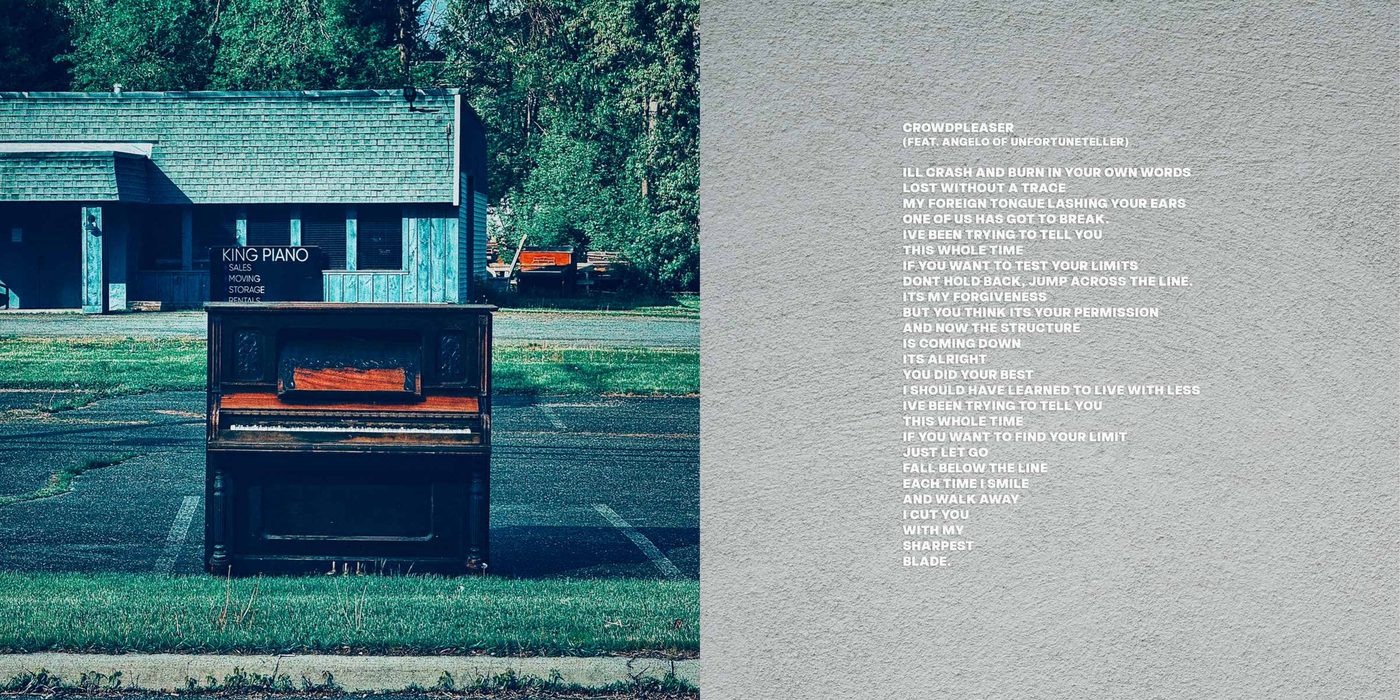
The piano ended up alongside “Crowdpleaser“, one of the record’s most personal songs, with guest vocals from Angelo of Unfortuneteller. Charles had been thinking about relationships in which somebody you care about gradually takes advantage of you, or makes you feel that the effort you put into the relationship counts for very little. The song comes from the anger and isolation that can follow, and the decision to stop allowing other people to treat you that way.
“Enduring close relationships of this kind is incredibly draining and weirdly isolating, and inevitably ends in resentment and loneliness.”
The abandoned piano had once been an instrument somebody could sit down and play. Now it had been left outside, facing the traffic, its wood worn and its keys exposed. Charles had seen it every day while the band were working on this part of the album. He couldn’t get the image out of his head.
“The image of this weathered and solitary instrument that once brought joy being left casually and permanently discarded outdoors at the edge of an empty parking lot was really striking to me. It felt emblematic of this mixture of disappointment, sadness, and defiance that inhabits the song lyrically.”
The connections across the rest of the booklet can be equally direct, or a little harder to pin down. “Unlimited Hangout” is accompanied by a photograph of two skeletons wearing grotesque masks, one with a clown’s face, the other resembling a monster.
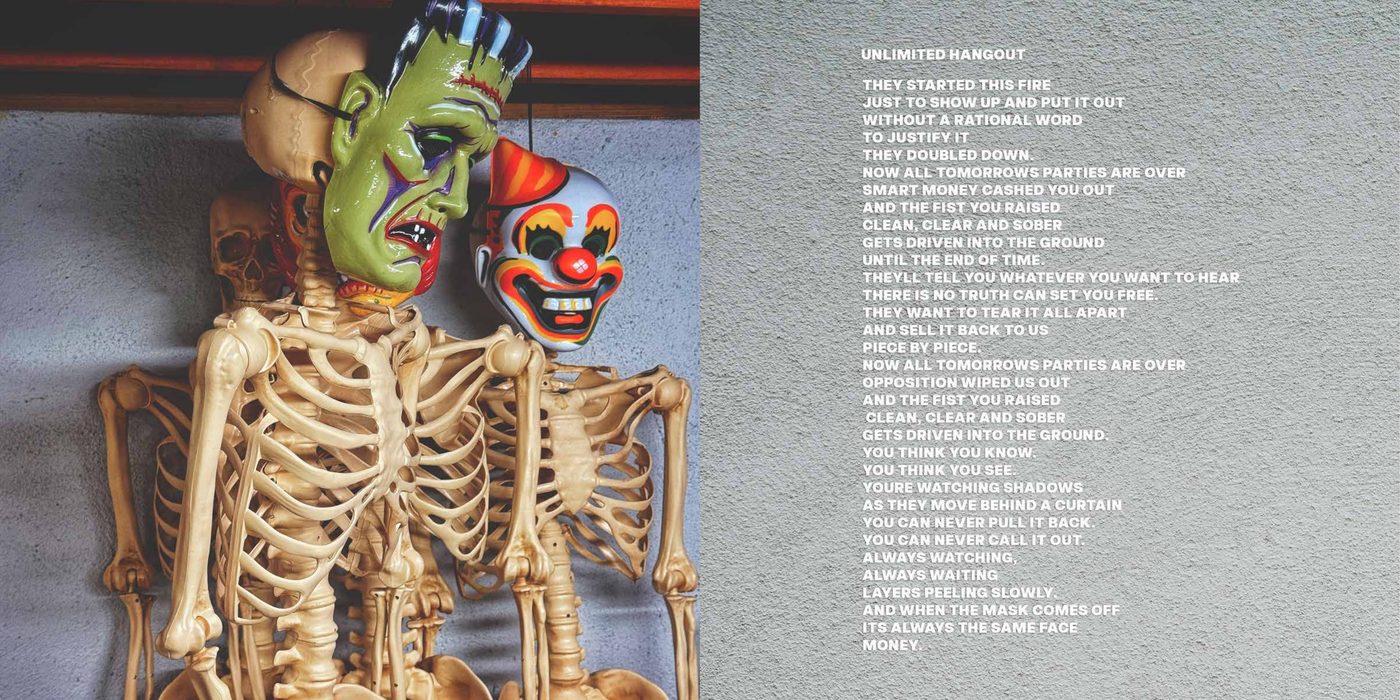
The song attacks dishonesty, manufactured conflict and the people who profit from keeping everyone confused. Its lyrics end with money being exposed as the face behind the whole performance.
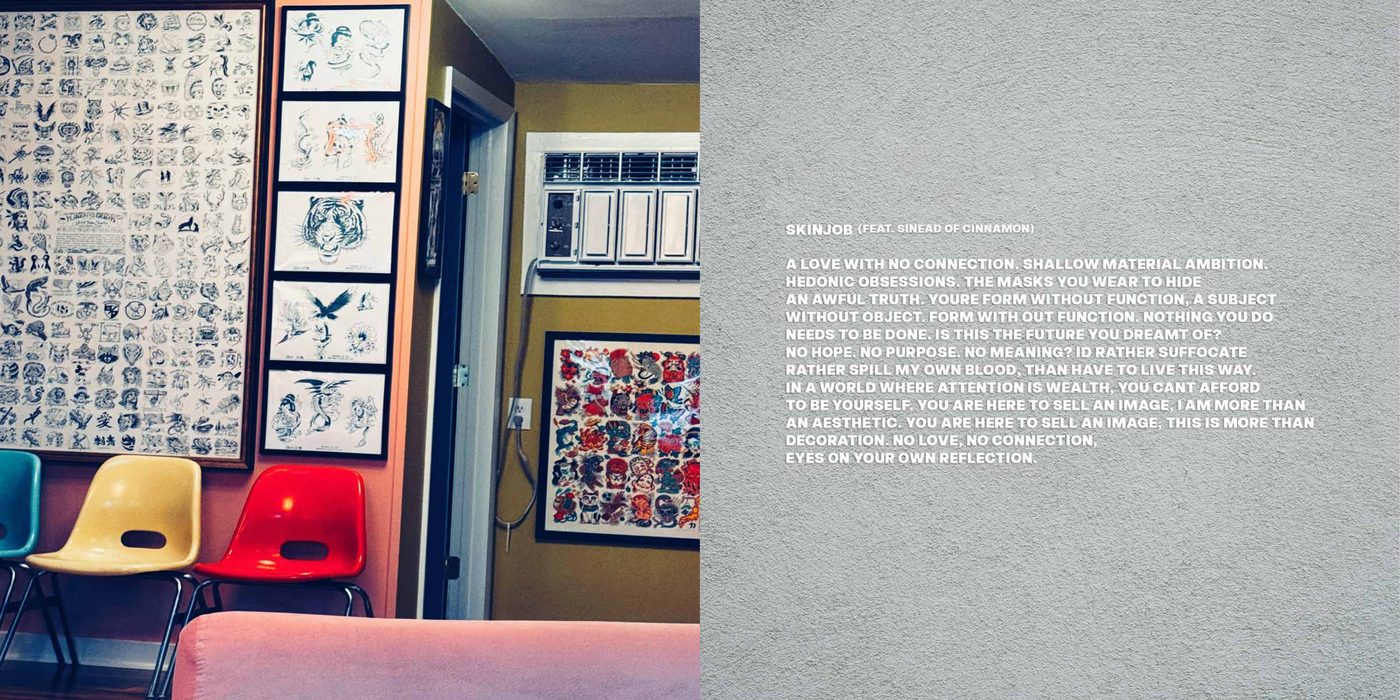
“Skinjob“, featuring Sinead of the Albany hardcore band Cinnamon, appears beside an image of a tattoo-shop interior. Framed designs cover the walls and bright plastic chairs sit beneath them. The song is full of disgust at superficial ambition, the pressure to sell an image of yourself and a world in which attention and money seem to matter more than any meaningful human connection.
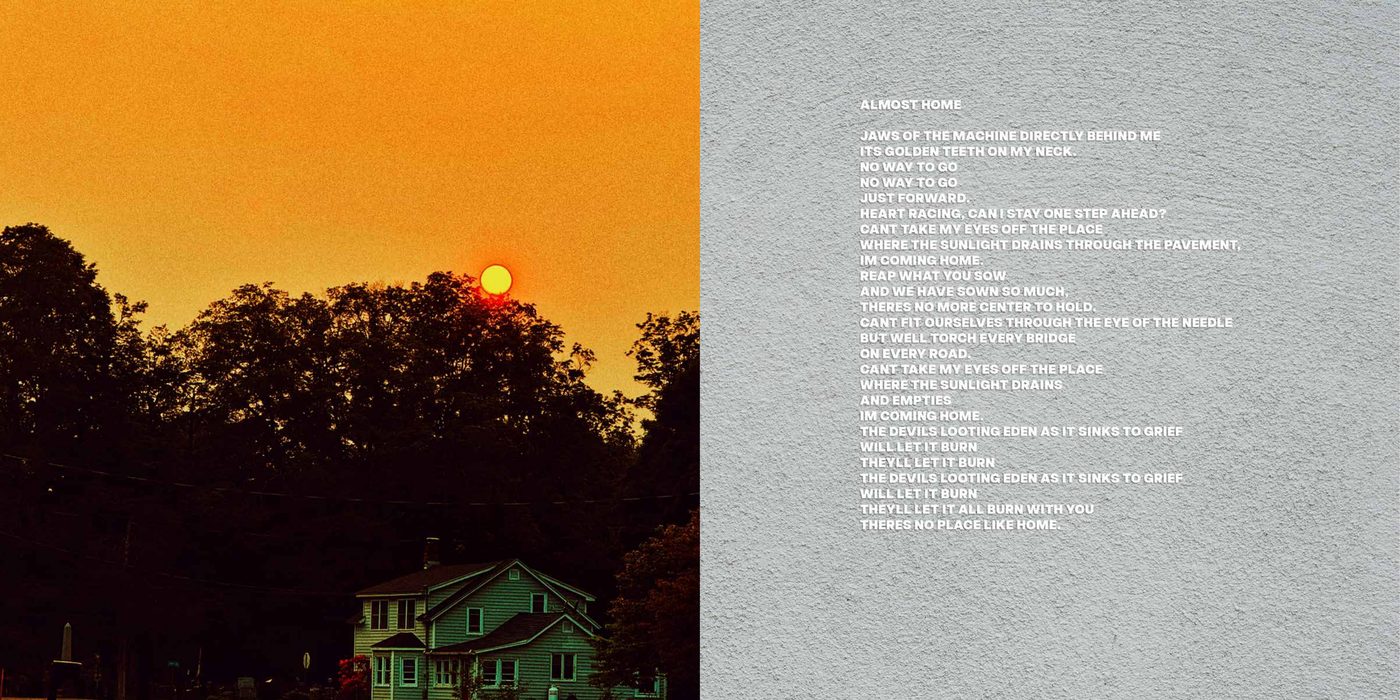
In “Almost Home“, the image of a house beneath an orange evening sky accompanies lyrics about feeling lost and searching for some kind of safety.
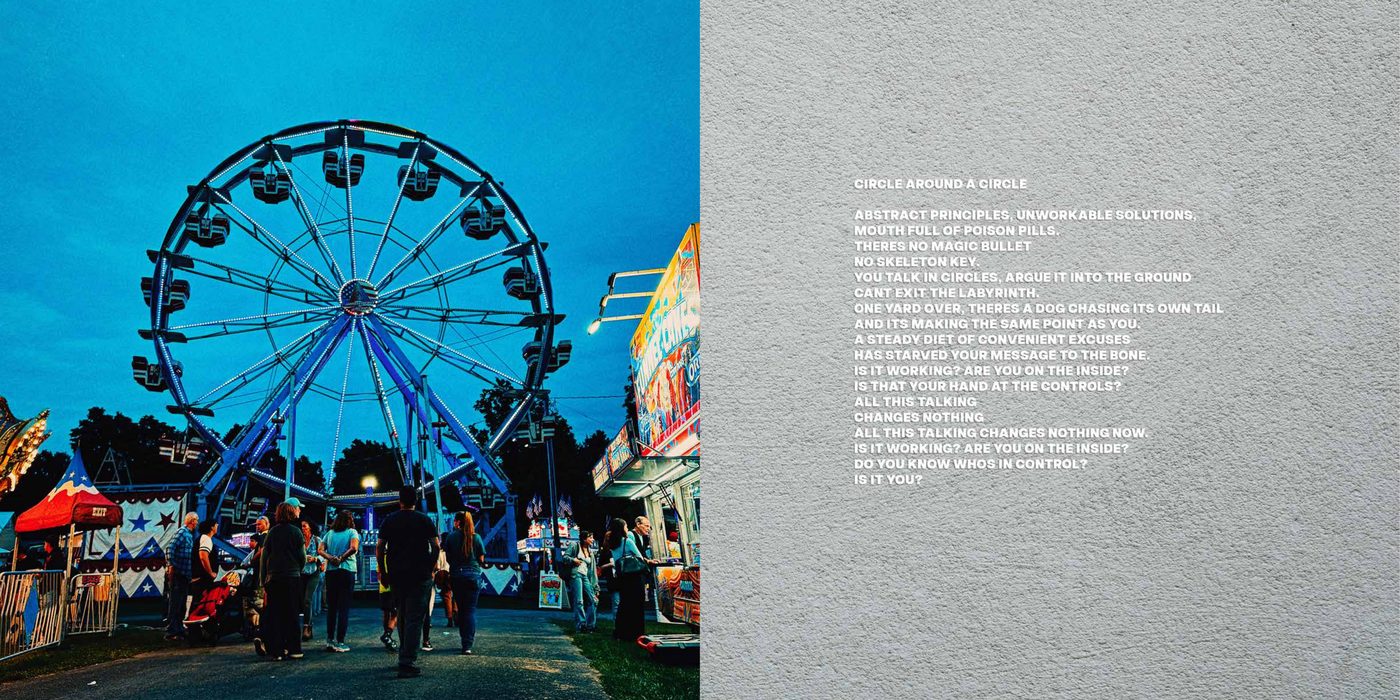
“Circle Around A Circle” takes a much more confrontational approach, with a ferris wheel photograph beside lyrics about political arguments and systems that keep repeating themselves.
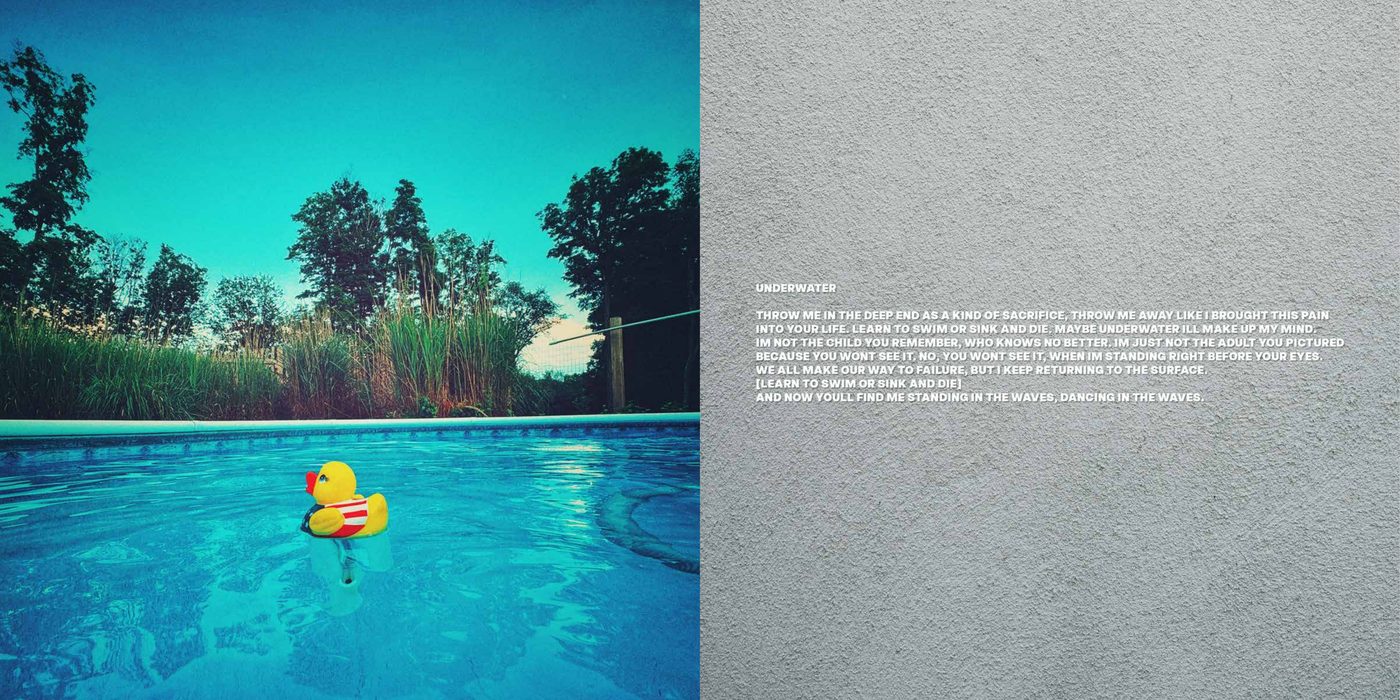
The little yellow duck floating in a blue pool appears next to “Underwater“, where the words turn towards disappointment, personal mistakes and the struggle to recognise yourself.
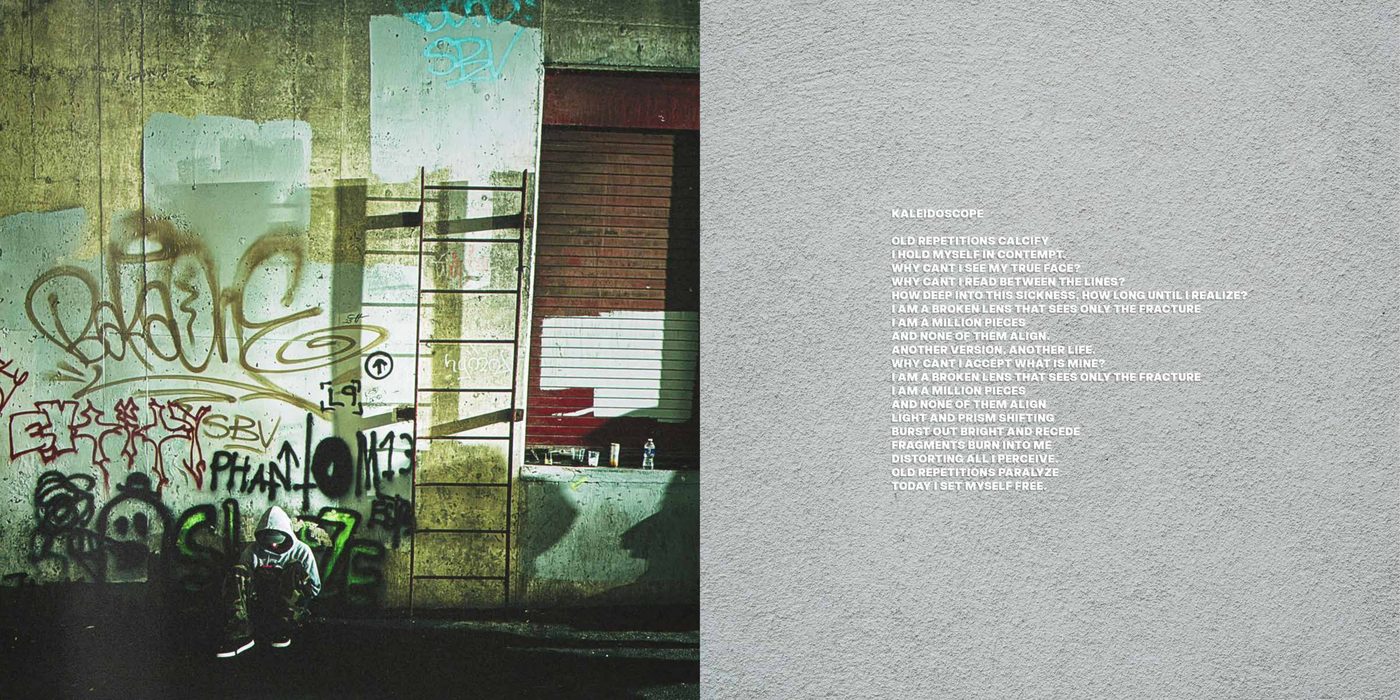
There’s also “Kaleidoscope“, set against a night-time photograph of a deserted, graffiti-covered building. The lyrics return to old habits, damaged perceptions and the desire to stop repeating the same mistakes.
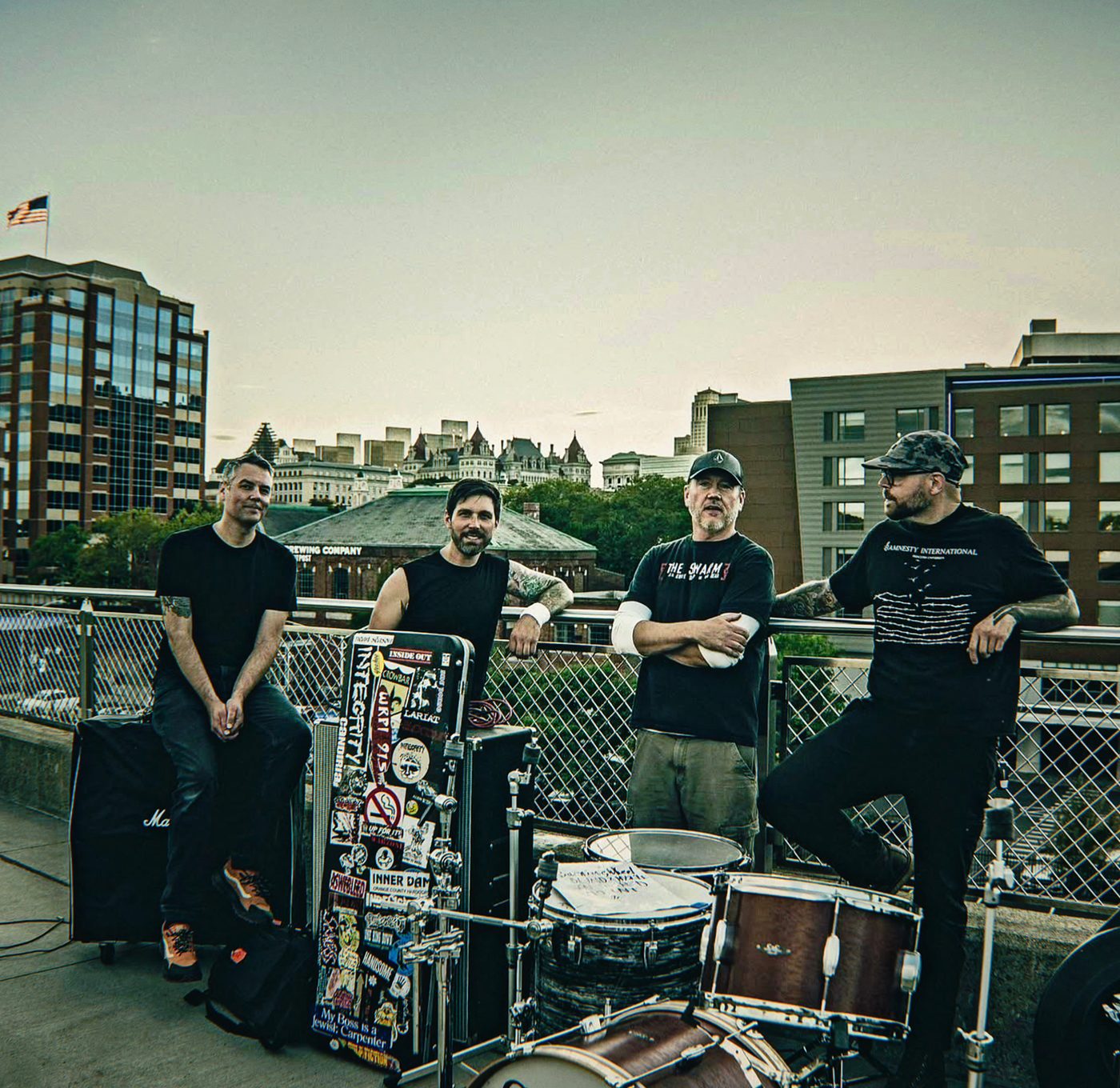
Charles had a pretty strong idea of how all these photographs belonged together long before the band started putting the physical record together. The other members, guitarist Tom Schlatter, bassist Byron Wheeler and drummer Mike Putz, knew about the title and some of the pictures, and were happy for him to take charge of the artwork.
“Those guys rule, they just kind of let me get an idea and run with it at this point.”
When the project grew into a much larger book, he explained the new plan to everyone. They trusted him to put it together and didn’t see the finished layouts until the proofs arrived for approval.
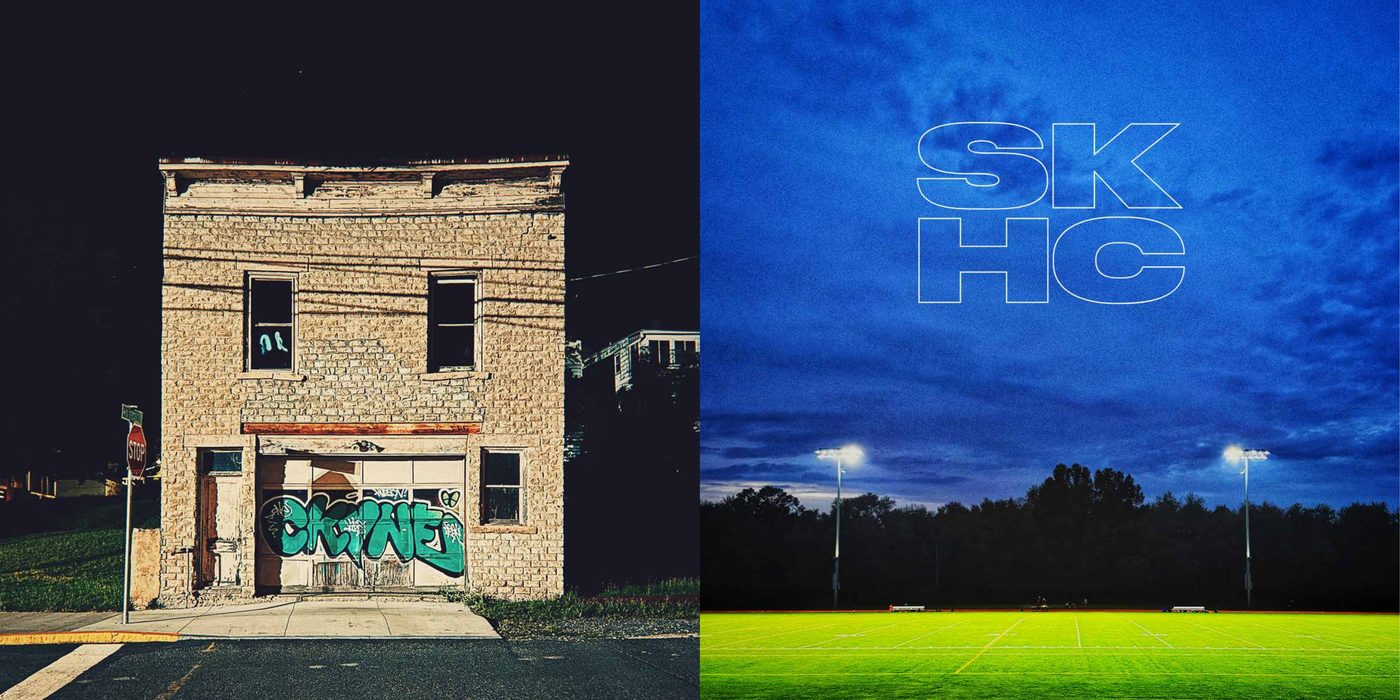
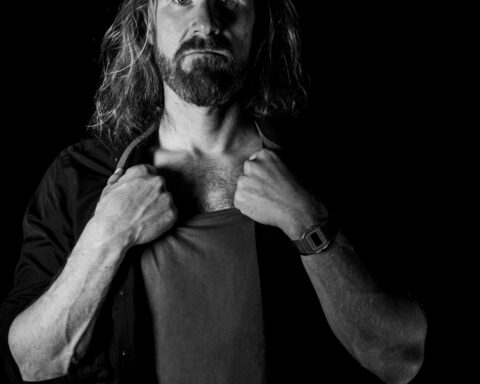
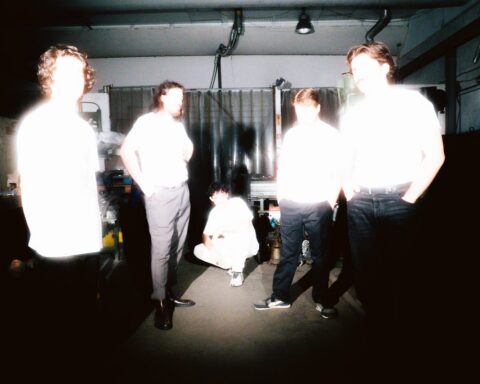
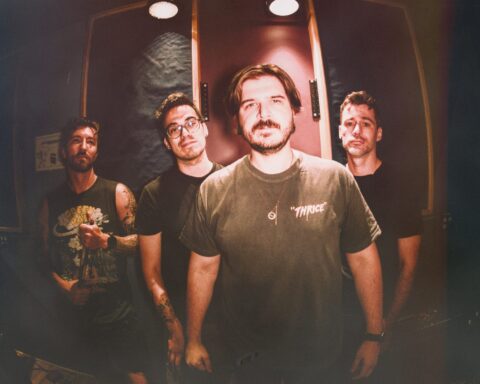
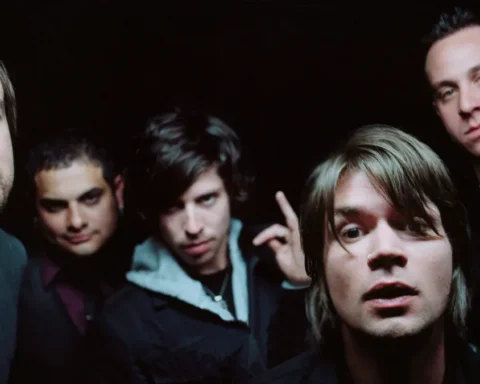
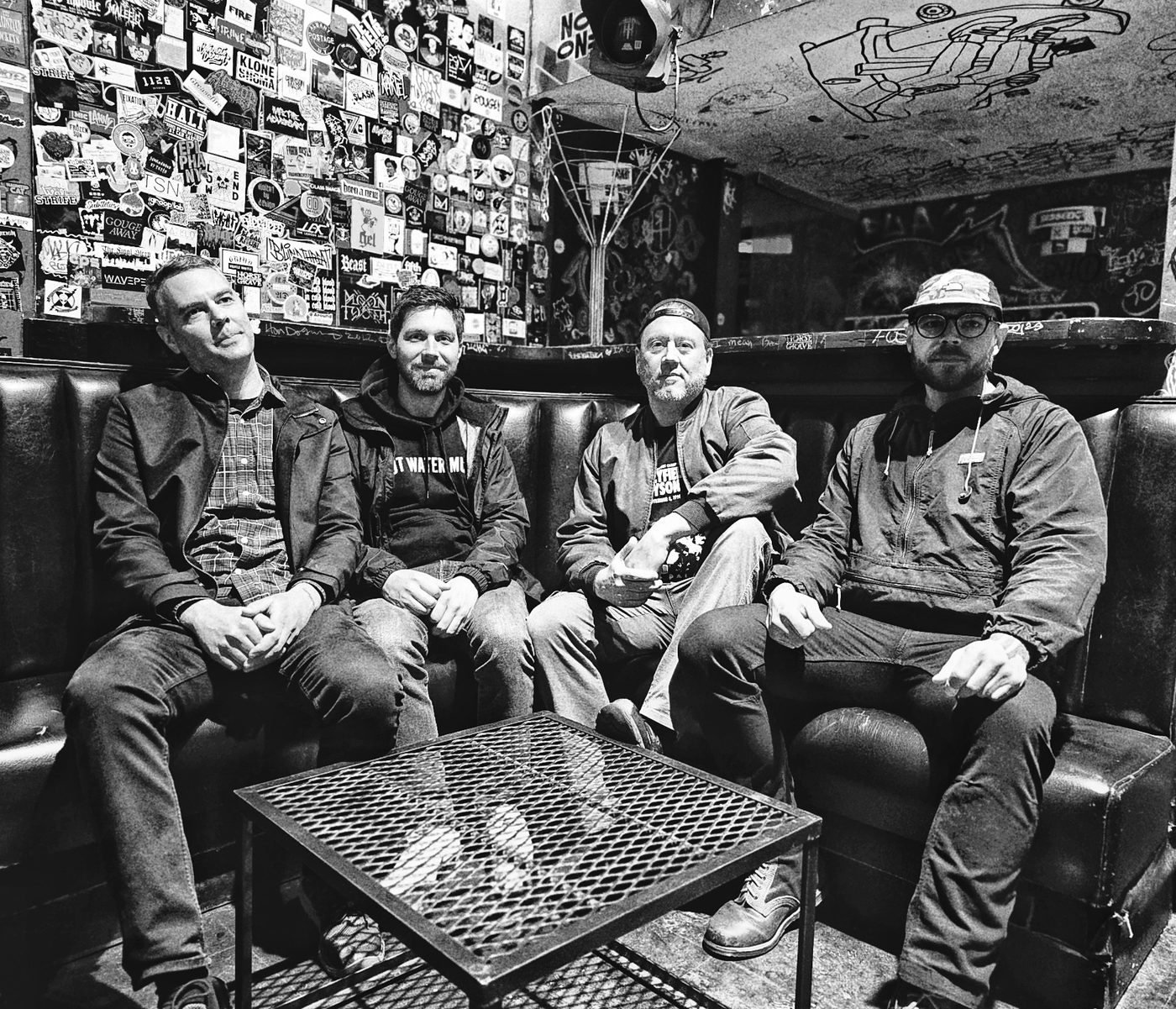
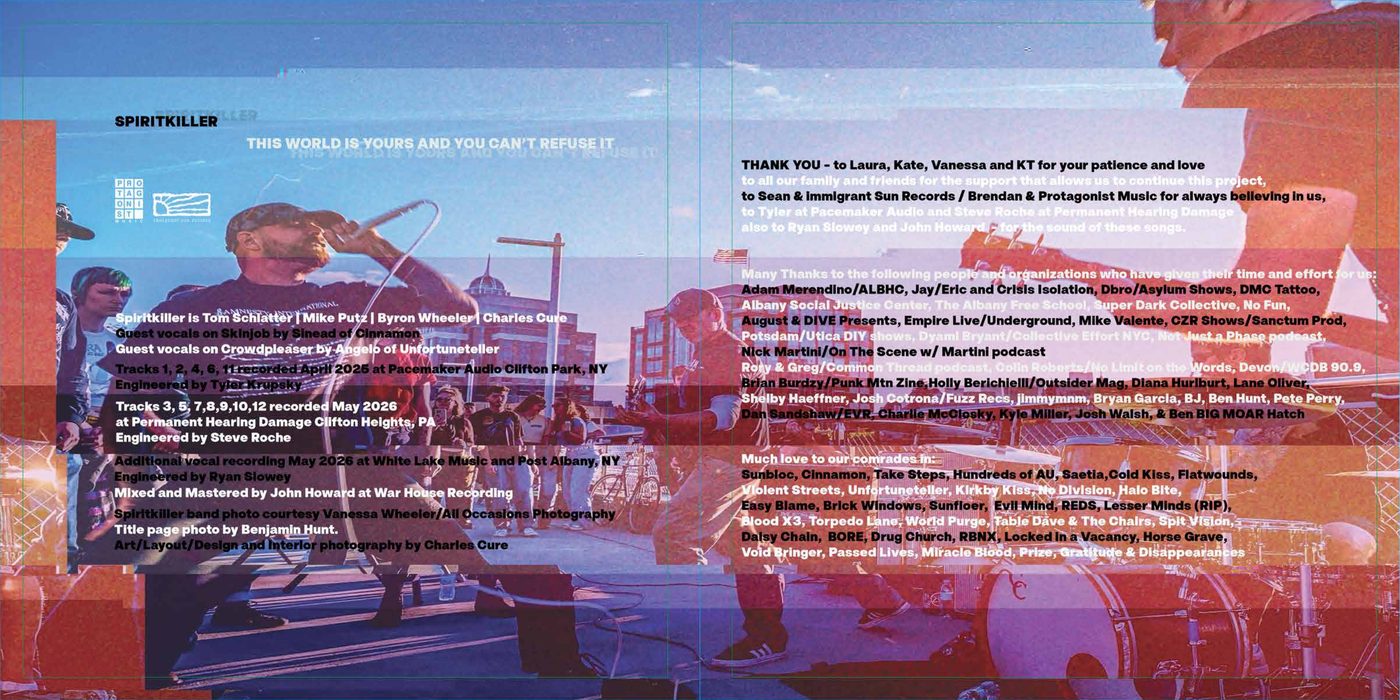
Charles did all the photography, graphic design and layout himself, with Sean checking the work and helping correct small mistakes. Benjamin Hunt is separately credited for the booklet’s title-page photograph. The band’s colour publicity photographs were taken by Vanessa Wheeler of All Occasions Photography, with Josh Walsh responsible for the black-and-white seated group portrait.
The whole idea of including a book with the LP came out of a conversation at Pacemaker Audio in Clifton Park, New York. Spiritkiller were recording five songs there with Tyler Krupsky, who had previously played in Burn. Charles remembers Tyler showing them a copy of Burn’s “Do or Die” LP, with its thoughtfully designed lyric booklet.
He kept thinking about it afterwards. An LP with a separate book inside hadn’t really occurred to him before, and by then he had already been taking photographs that seemed to belong with the new songs. He mentioned the idea to Sean, imagining something modest, perhaps twelve or fourteen pages, with a photograph for each track.
Sean wasn’t keen on stapling the pages together. He had used stapled inserts on plenty of other releases, but this time he wanted a properly bound book with a glued spine. Charles initially thought that would be excessive, then realised the extra pages could give the pictures and lyrics room to breathe.
“But for this project I really wanted to go all out with the packaging and a perfect bound booklet is just so much more elegant,” Sean told IDIOTEQ.
He knew the costs would be difficult for a small label. The pressing run made the extra work financially possible, and Sean felt confident the record would sell enough copies to cover the expense. The production expanded into a 36-page booklet, far beyond Charles’s original plan.
The extra pages changed how Charles could put the photographs and songs together. The finished layouts give the words and images separate space, usually with a full photograph on one side and the corresponding lyrics opposite. Charles liked that the reader could look at each image and read the words without one obscuring the other.
The rest of the album was recorded at Permanent Hearing Damage in Clifton Heights, Pennsylvania, with Steve Roche engineering those sessions. Additional vocals were recorded at White Lake Music and Post in Albany with Ryan Slowey, and John Howard mixed and mastered the record at War House Recording. The two guest appearances from Sinead and Angelo bring other voices from the hardcore world around Spiritkiller into the songs.
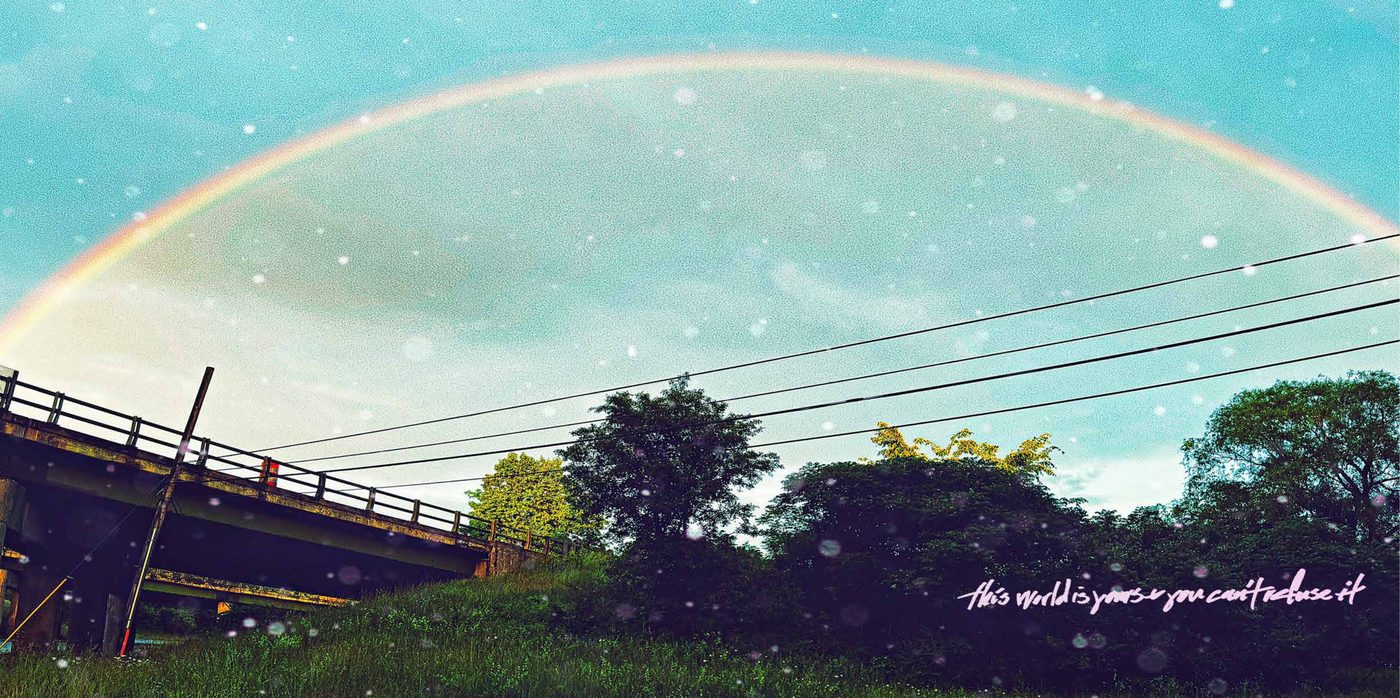
The cover photograph predates all of this. Back in April or May 2024, Charles was driving home from work when he saw a double rainbow stretching across the sky after a rainstorm. There was an overpass about half a mile from his old house, and he had a sudden picture in his mind of a large truck driving straight into the rainbow. He went over to see if he could get the shot.
Spiritkiller’s first LP was still a few months away from release, and they hadn’t yet written a song for this second record. Even so, Charles already thought he might have found its cover.
“The visual component of this record has been important to me since before we even had a song written for it.”
He took several photographs that day, including the image used on the cover and an alternate view of the overpass that appears elsewhere in the package. The rainbow is bright and colourful, the scene around it slightly hazy. He liked the feeling that you were looking at a memory of the place, even though the photograph had been taken in the moment.
By the time he and Sean finished the book, that photograph had become part of a much bigger collection. Charles hadn’t expected to spend so much time making a book about the world outside his house, or to find so many everyday pictures that belonged beside songs about fear, anger and uncertainty. He’s glad they went the extra distance with it.
“Going into the project, I didn’t expect to be making what amounts to a whole book about it, but now that it is done I am very glad that it happened this way.”
The album title came from another unexpected moment, this time while Charles was listening to Lana Del Rey’s “Love”. He partially misheard a line about youth and the possibilities that seem to stretch out ahead of you. The phrase he thought he’d heard stayed in his head for days. He had taken a youthful, optimistic thought and heard something much more difficult in it.
“For me (an old guy) I heard it more as – the world is the way it is, and you can’t control it but you also can’t leave it or push it away or depart from it. You have to learn how to live with it and live in it. You can’t give it back or give it up.”
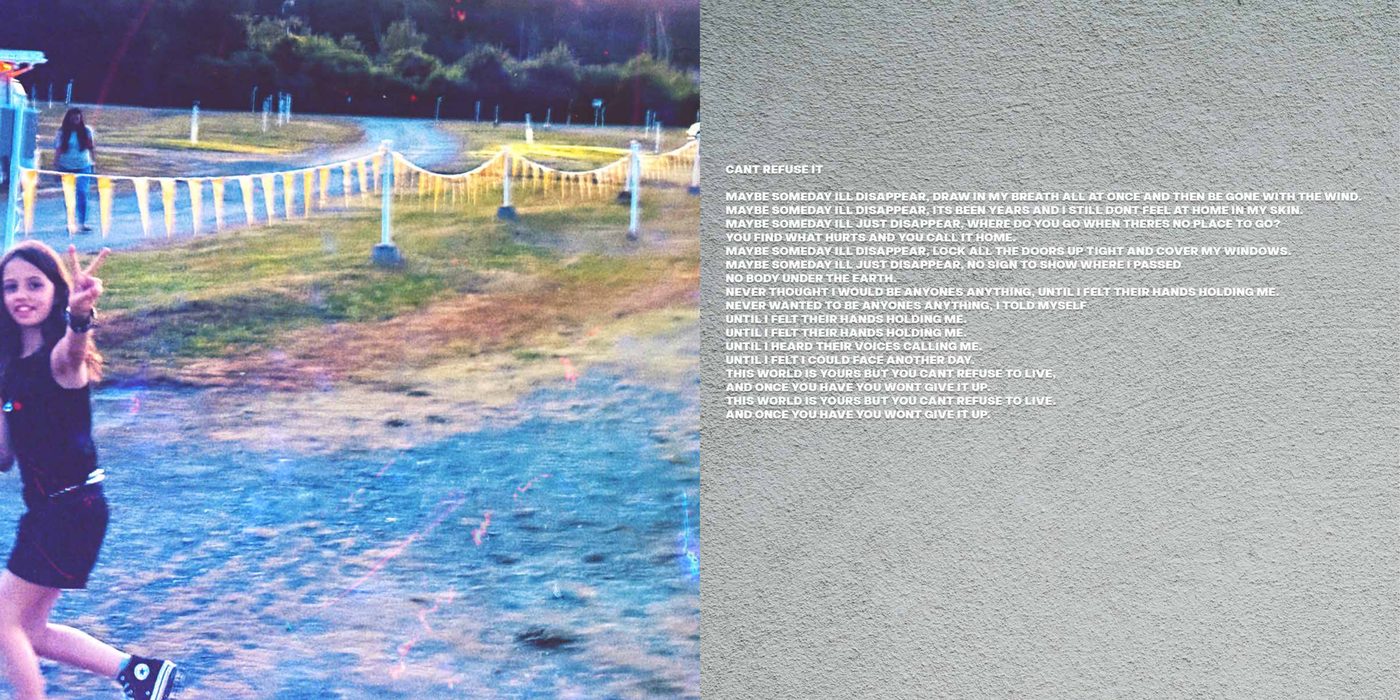
That idea eventually reached every song on the album, but “Can’t Refuse It“, the final track, deals with it most directly. Charles begins from a place of nihilism, withdrawal and emotional distance. The lyrics move through wanting to disappear, finding the world impossible to live in and shutting people out. Then the song changes course. There’s love, the possibility of hope, and a decision to stay involved with life even when it seems cruel and badly out of balance.
The photograph he chose for those final lyrics shows a young girl outdoors, looking towards the camera and making a peace sign. It’s a happy, casual picture. You can see the path, the fencing and other people in the background. After all the fireworks, abandoned buildings and unsettling images elsewhere in the book, Charles ends with somebody enjoying an ordinary day.
“It is about making a decision to be yourself in the world as it is and to create something meaningful within that if possible, even if the world as it is in this moment seems difficult, cruel, and unbalanced in many ways.”
“This World Is Yours And You Can’t Refuse It” is released on November 20, 2026, by Immigrant Sun Records in partnership with Protagonist Music. The LP is available to pre-order through both labels, with a European pre-sale also available from Coretex Records.
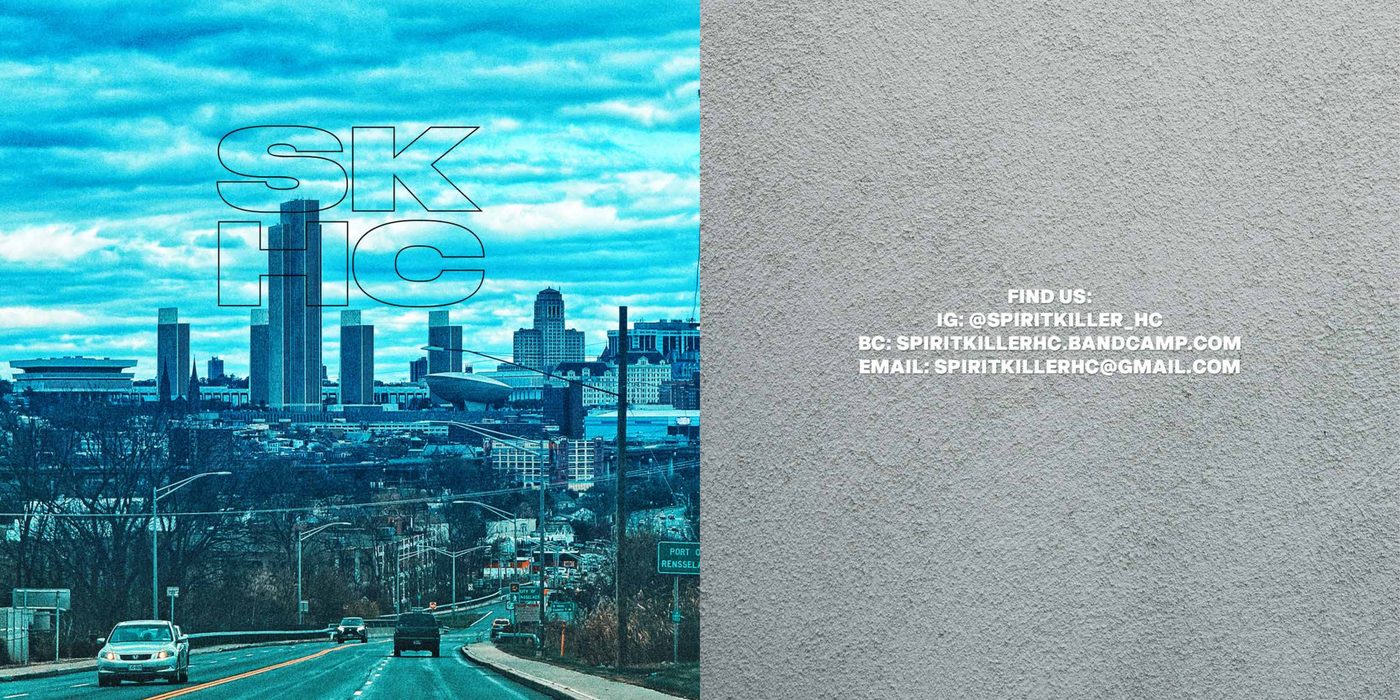
There are twelve songs here, a book of things Charles saw while he was living through them, and an album title he took from a line he’d heard differently to the person who sang it.
The final song ends where the photographs have been pointing all along: Charles still has people he loves, places he wants to go and things he wants to make. The world is his to live in, with everything that comes with it.
🔔 IDIOTEQ is ad-free, independent, and runs on one person’s time. If you want it to stay that way: DONATE via PayPal or SUPPORT via Patreon.
NEW: IDIOTEQ Explore 🗺️ Browse 15+ years of our archive by city, country, and style. Find artists on the world map or trace related sounds through the styles map.
Stay connected via Newsletter · Instagram · Facebook · X (Twitter) · Threads · Bluesky · Messenger · WhatsApp.