
In 2002, Joe Brown handed Dan Arnold a stack of CDs and told him to do his homework. The two had been in different bands together through high school in Chino Hills, never the same one, and Joe wanted to start something they hadn’t heard yet. He was listening to hardcore. He wanted to make something melodic on top of it. Dan came from pop punk, Alkaline Trio, New Found Glory, was 19 years old, and said yes. The album that came out of that homework, “…And Don’t Forget To Breathe,” landed January 28, 2003 on Ferret Records, produced by Steve Evetts. A Static Lullaby released a live re-recording of the whole thing on May 15, 2026 on Smartpunk Records, 23 years and a few months on.
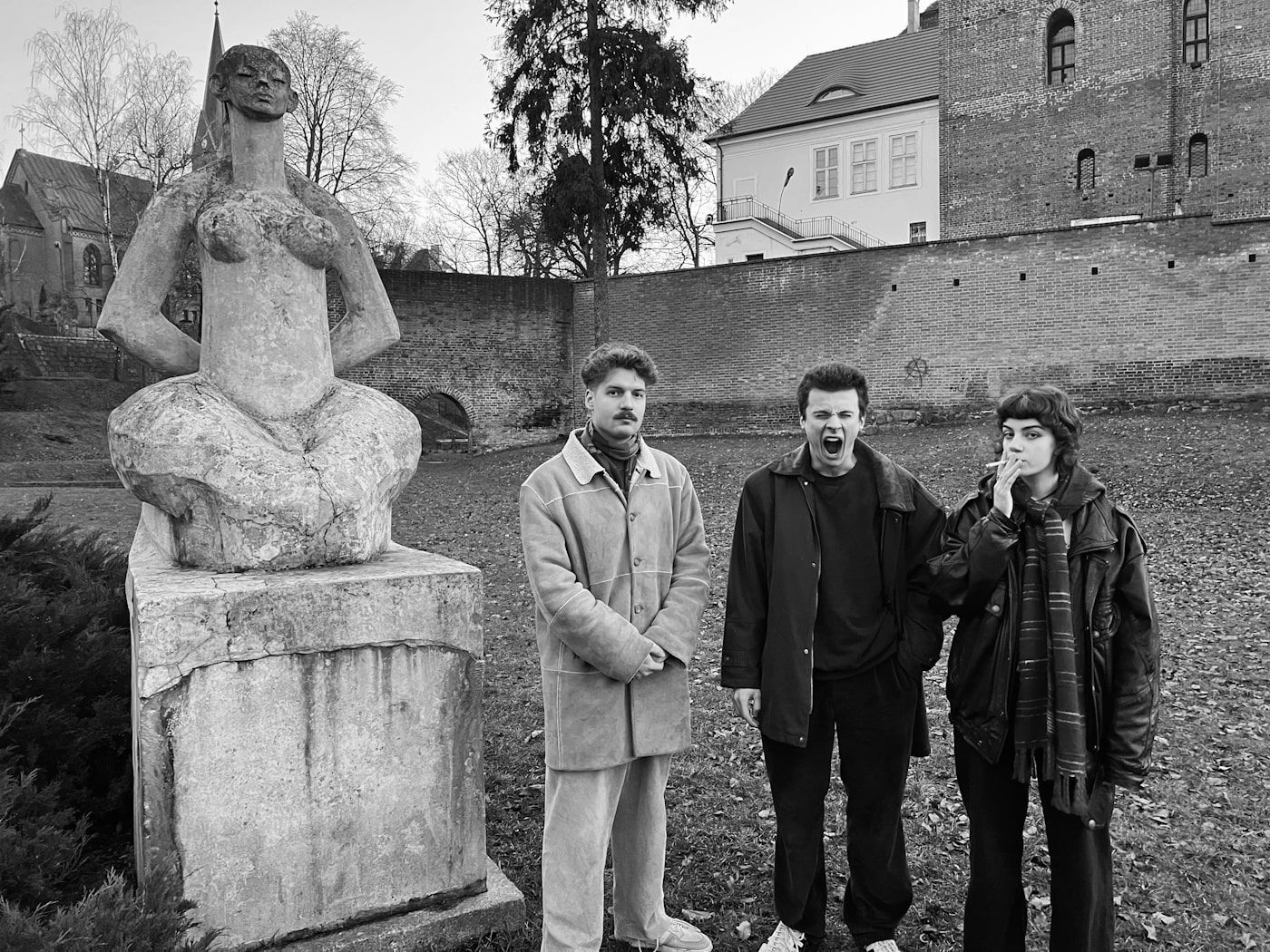
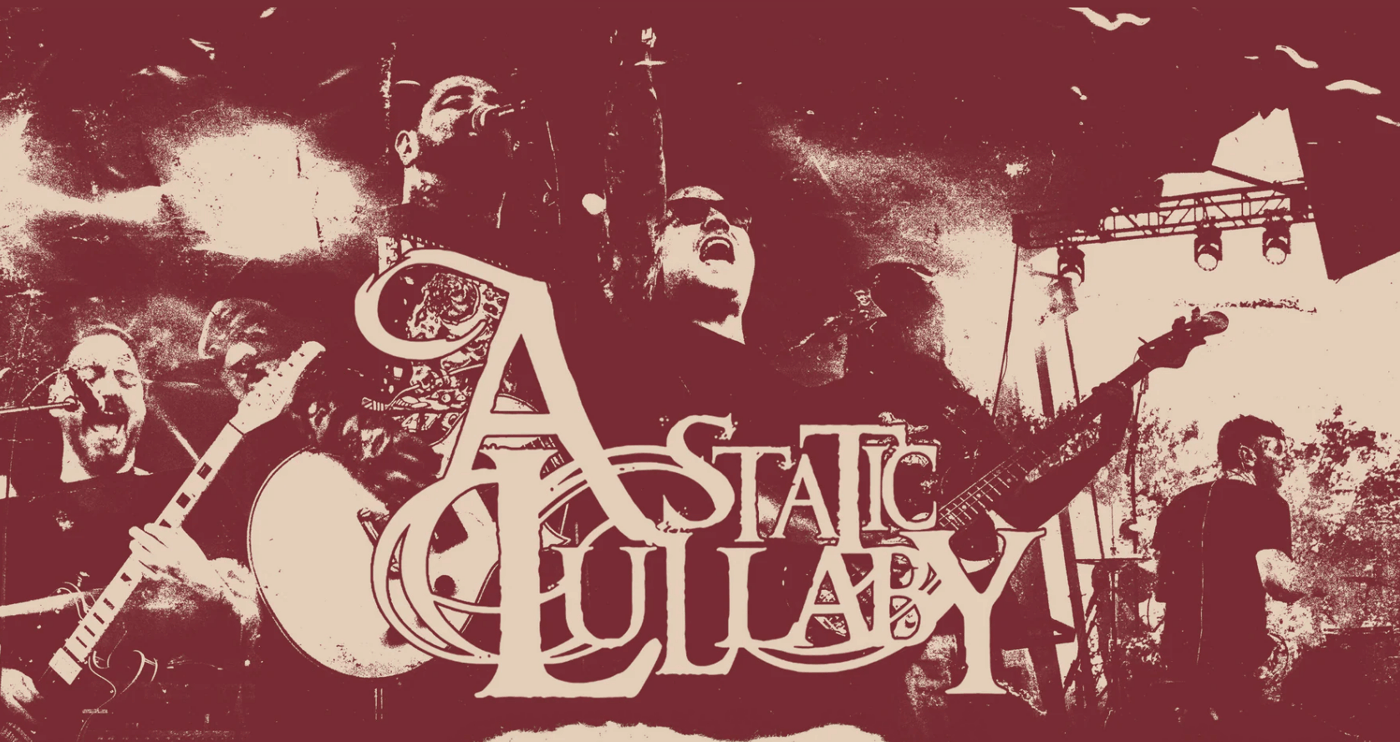
The reunion lineup that recorded it (Joe Brown on unclean vocals, Dan Arnold on rhythm guitar and clean vocals, Nicholas Jones on lead guitar, Kyler Gillam on bass, and Kris Comeaux on drums) got back in a room together in August 2025 for a sold-out show at The Observatory in Orange County. The live re-recording came out of that.
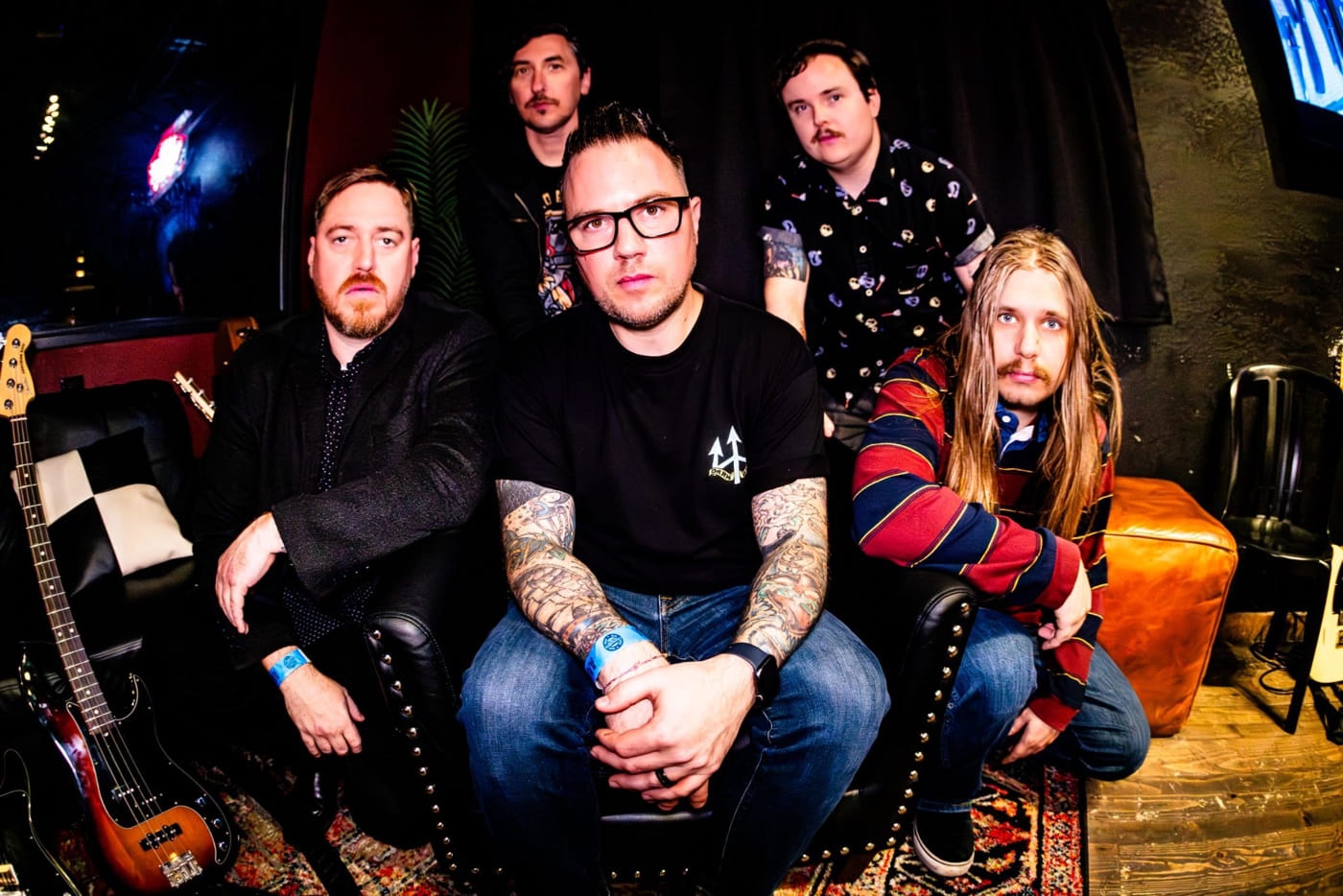
The live version is not what the name might suggest. There is no crowd on the recording. The band were in a room, mic’d up, with stage lighting and a camera crew moving around them, and most songs went down in one or two takes. They had been practicing the album as a unit and had played it front to back at a few shows leading up to the session. The format sits between a studio re-record and a live album. As Dan puts it, “I feel like this is the rawest version of live that you could have.”
The studio re-record was an option, and the band ruled it out for an artistic reason before they got to anything else. “That album is a time capsule of sound. I feel like the sound of that record is great for the time it was recorded. The tones are special, everything’s special about that record. We wouldn’t want to tarnish its legacy like that, but the live re-record was a cool idea and that was a good way to have the best of both worlds. We have this in our possession and it doesn’t tarnish the reputation of the original record.”
The practical reason underneath that is heavier. The rights to “…And Don’t Forget To Breathe” drifted out of the band’s hands years ago and ended up on a major label, and by the time A Static Lullaby pressed the album on vinyl they had to buy the masters back from a third party who had legitimately picked them up in the meantime.
The third party gave them a discount and made some money on the deal, and Dan describes that part of it without bitterness toward the buyer.
“We were happy to work with them and we get that’s how it goes. And we have people out there that make livings doing this stuff, like swooping up the rights to records and putting it out on vinyl themselves. They were gracious enough to let us buy at a reduced cost.” His feeling about the system that put them in that position is different, and audible. “We also said that’s fucking bullshit. So instead of having to worry about that kind of stuff, let’s just do something that people can’t swoop up and that’s our own.”
Bassist Kyler Gillam agrees in less philosophical terms. “I think how we did it was really good. And also not doing a re-record and not having to compare everything to the original. The pressure would just be on from everyone. It would just get weird.”
To understand what the live record is preserving, you have to back up to 2003. The band were 19. They were from Chino Hills, California, coming out of high school, and the bands they had each been in were ending. Dan’s background was pop punk. Lagwagon and Millencollin in the earliest days, Alkaline Trio and New Found Glory more recently, plus the kind of ska-core circulating across Southern California at the time. Joe Brown’s background was different. He had been listening to hardcore. The two of them had been in bands together throughout high school but were not playing together when Joe came to Dan with an idea.
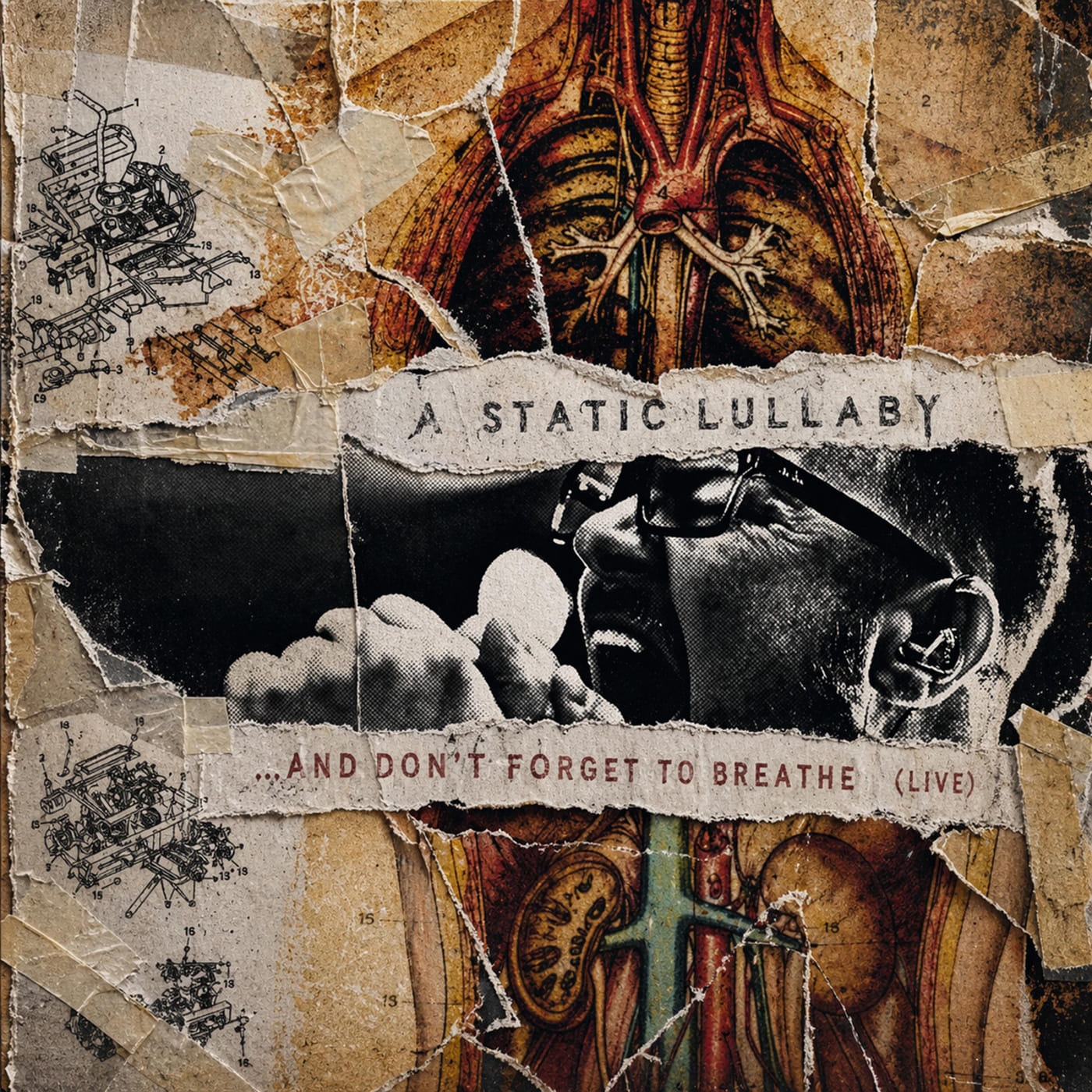
“Joe kind of brought this idea to me. We weren’t in the same band at the time, but we had been in previous bands together throughout high school, but brought this idea to me that he wanted to blend it. We hadn’t really heard anything that blends stuff like this. I think the closest thing we had back then was Poison the Well had come out with Opposite of December, and Joe kind of introduced me to that and was like, I really want to write something like this, but even more melodic and have more singing on it.”
Wyświetl ten post na Instagramie
That sentence is, in retrospect, the whole blueprint. Poison the Well’s “Opposite of December” had landed in 1999 on Trustkill, and for kids paying attention to hardcore-adjacent music in California, it was a hinge record: the proof that hardcore could carry melody, dynamic shifts, and a more emotive lyrical register without losing weight. What Joe was proposing was to push that hinge further toward the melodic side, to add real singing in the choruses and have the screams and the heaviness sit in tension with it instead of being the dominant mode.
The first two songs they wrote in this direction were “A Sip of Wine Chased with Cyanide” and “Love to Hate, Hate to Me.” Dan remembers being into it immediately. He also remembers having to do homework.
“Joe gave me a hardcore starter kit, basically, and said, listen to all this stuff. And this is what’s new, and this is what’s old, and this is like, here’s Bane. This is the anthemic stuff and the crowd chant stuff. Do this homework. And I did the homework, and I did it hard, and I was really trying to understand. And I liked the music. The more I listened to it, the more I liked it. So I was able to intake that and transpose it into the kind of vision that Joe had, and the songs turned out great.”
Wyświetl ten post na Instagramie
The risk felt real at the time. Their existing fan bases were friends from local high schools who knew their pop punk and ska-core bands. The new direction could have alienated all of it. “We were 19 years old, and we started writing this stuff, and it was kind of like a gamble. We had our core fan base of our high schools back then, and it was like, wow, they’re going to think this stuff might be weird. But let’s just take the risk and start writing something, because I think our bands were disbanding at the time. We had had some long runs, a couple year runs with our current bands, and we were just kind of over it and wanted to start something new. And luckily, it was on the cutting edge of something that we didn’t know was happening.”
What they did not know was happening, in 2002 and into early 2003, was that the same idea was forming in parallel across the country. Bands in different scenes were arriving at adjacent answers to the same question: how to write melodic, hook-driven songs without ditching the screams and the breakdowns. Dan’s summary of the realization is “right place, right time, right idea. And it was pretty miraculous that it became a whole scene, and everyone was kind of having the same idea at the same time.”
The advice he’d give the version of himself who was writing the album is concrete and not particularly sentimental. “Do exactly what you did, because it was great.” Then a beat later: “I’d probably tell that kid to not do as many drugs, probably. Focus on the music. You’re good at it. Stop doing drugs. Don’t let Joe peer pressure you.”
“…And Don’t Forget To Breathe” came out January 28, 2003 on Ferret Records, produced by Steve Evetts at Water Music in Hoboken, New Jersey and Technical Extacy in New Brunswick.
A Chino Hills band recording their debut with one of the East Coast’s defining post-hardcore producers tells you something about how the regional scenes were starting to cross. Songs from the 2002 “Withered” demo and an earlier self-titled EP were re-recorded for it.
The album sat at a specific point in a year that, in retrospect, looks like the inflection point of the second wave: Thursday and Thrice were moving to major labels, The Used were on TRL, Hopesfall and Underoath were two records into their respective curves, Senses Fail had “From the Depths of Dreams” out, and the mainstream was about to widen the door for everything coming out of the Drive-Thru, Vagrant, Ferret and Fearless ecosystem.
Wyświetl ten post na Instagramie
The reviews at the time were mixed. AllMusic’s Kurt Morris gave it a positive write-up, comparing the vocal interplay to Thursday and singling out “A Sip of Wine Chased with Cyanide” as the strongest cut. Punknews ran a mixed-to-favorable take, calling the songwriting solid but “derivative as hell” and arguing that “A Sip of Wine” borrowed too directly from At the Drive-In’s “One Armed Scissor.” Lambgoat’s Graham Landers landed at 5/10, complaining that the album played like one continuous song and could have worked better as an EP. Scene Point Blank dismissed the whole thing as “banal-core.” Alternative Press would later include the record in a retrospective of essential 2003 scene albums.
What the contemporaneous reviews tended to miss, and what later retrospectives caught, is that the album’s worth lay in exactly the thing reviewers held against it. The tension between Joe’s screams and Dan’s clean vocal lines, the way the band would push a melodic chorus into a chaotic breakdown and back out, the willingness to play a song like “We Go to Eleven” almost entirely on dynamics, all of that was the point. It was the first full-length expression of a sound that would spread across the next four years and produce hundreds of records, some great, most not. “…And Don’t Forget To Breathe” arrived at a moment when the formula was still being discovered, not yet rehearsed into cliché.
Locally in California, the band had a guide for the early stretch. Finch were a step ahead, signed and managed, with one record out and a sound that overlapped with what A Static Lullaby were doing, but with a single vocalist instead of two.
“We had Finch, who was the big player and kind of a similar sound. It was a bit different. But the idea was the same. They didn’t have multiple singers, though. They had one singer, and that’s why we felt we were special. And they kind of took us not necessarily under their wing, but when we started playing, we just became friends because our very first shows with them, which was awesome. And we became good friends. They kind of showed us the ropes because they had been on a couple tours. They already had label support and management. And then we played with them. Their management heard us and flipped out and was like, I’m signing that band.”
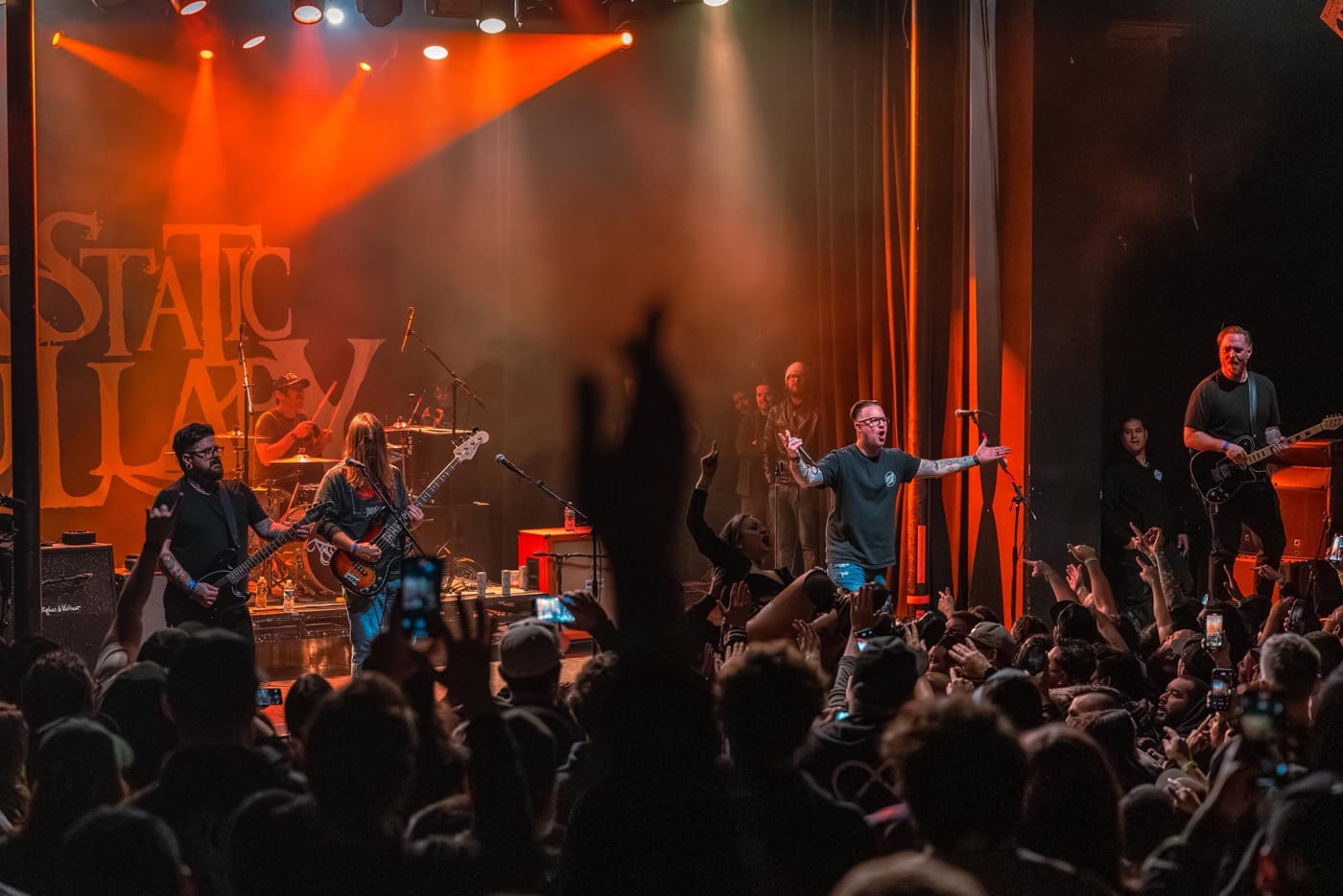
The wider California scene they were trying to break into was the heavier side: Eighteen Visions, Bleeding Through, Poison the Well shows. “We were going to those shows locally all the time. And we were starting to go to the after parties of the shows and hang out with the bands and stuff. And people were very accepting of our demo. So from the inside, it felt like you had this VIP ticket into a cool world that no one really knew about yet, but they were about to. And that’s really what it was. It was really exciting.”
What kept the band from sitting cleanly in any one camp was the same thing that defined the record. The bills were a mess. Marketers couldn’t figure out where to slot them. “No one knew how to market the post-hardcore screamo stuff because the market was primarily like pop punk, things like that, or hardcore. So you’d either get on a full hardcore tour with us or you’d get on a full pop punk tour. And I think they worked to our benefit because we were the different band on the tour and we did have elements of both. So we got to be exposed to a lot more because we had this mixed sound.”
The Homegrown tour is the one Dan keeps coming back to. Homegrown were a Southern California pop punk band the members of A Static Lullaby had grown up listening to, and being out with them as main support was the kind of full-circle thing that does not happen twice. The friendship that formed on that tour also produced one of the band’s defining van stories.
“We broke down with them hard. They’re from home. We told them, we used to listen to you as kids. We love this band. We love this song. This is our favorite song. We love all this stuff. And we went out with them and they really showed a liking to us. And we remained friends and acquaintances to this day. But we definitely got in a prank war with them. It was our first kind of anything like that, where it was like shaving cream to the windshield. Started off innocent. And then Johnny from Homegrown, he went to the market and got some kind of small fish and put it inside of an AC vent. He pulled the plastic up and put it inside so we would never find it. And after day three, we’re like, what the hell is that smell? Our bass player was freaking out because he’s like, I’m going to throw up. We can’t be in this van anymore. Freaking out like we tore it apart. I think Joe or Brett, our drummer at the time, found the fish and he’s like, what the fuck is this thing? So I think we went overboard and I think we like put a bunch of feathers in their van or something. I think we did something way more destructive, but like it was all good at the end of the day.”
The other touring memory Dan flags is a package that came together with the right pieces in the right order. “When it was the movie life and Senses Fail and Finch, that was an amazing tour. When you get those bands together, those types of bands, and the packages start to feel cohesive and everyone’s got their own fan bases that they’re bringing, maybe the same people, maybe different. It really felt like a lot of fun when it all collided. It was a really good time.”
The smaller stuff sticks too. They stayed at fans’ houses constantly. Dan describes the protocol: drink with the person for a few hours first, read the room, decide if it was safe. There was always a sober driver in the band, which “no matter what the iteration” was a rule. The lived-in quality of that stretch, the going out with people in cities you’d never been to, the seeing how other families ran their lives in small American towns, is the part he says got flattened by phones and the internet later. “It was a cool experience to stay at people’s houses and see how people live in different areas, which is really cool and what they’re into and how their families interact.”
Twenty-three years later, the songs do not all sit the same in his body. “Lipgloss and Letdown” is the one he flags as the outlier.
“I recently talked about this. Lipgloss, I don’t vibe with that song the same way I used to. I don’t know what it is about it. I do like listening to the song back, but when we play it, it’s just it feels a little like not pocket and uncomfortable for me.” The explanation he offers is procedural rather than emotional. “That was like the one song we didn’t have done when we went into record and we kind of wrote the verses in studio. So we never got to like have the band, you know, like the in the room practice of that song live and like how everything would gel.” Dan doesn’t play any guitar during the verses, and the song never settled the way the rest of the album did before tracking. “I think it’s just like the giving it the attitude that it has on the record. It’s just, yeah, something about it. It’s not that I hate the song. I don’t hate the song at all. I love it. I think it’s one of our better songs. It’s just not as for some reason, not as fun as it used to be.”
“We Go to Eleven” is the opposite. “I’ve always vibed with it. I’ve always loved that song. It’s a great live song. It’s so dynamic. I love it even more now.”
The bigger shift, though, is how the whole album gets played. The original lineup did not play these songs the way the record had them. They knew them from the room, recorded them quickly, and went out and pushed them around live.
“We kind of got loose with some stuff live and we’re like adding extra flares or playing, you know, doing silly stuff.” The current lineup, with newer members, is grounded on doing the songs as the record has them.
“Everyone is really, you know, right now the lineup now is like grounded on like perfection around like what the songs are and knowing that we can play that stuff. Because I don’t think we ever did that when we were younger. We we kind of like knew these songs in a room. We did the record. We didn’t study the record. We just knew how we played them.”
There’s a Lipgloss-specific story Kyler brings up here: old videos of the band playing the song twice as fast as the record. Dan owns it. “In the moment, you just the energy gets you and you just start speeding up and you just start getting wilder and wilder. So I can see all that. I think there was like and that’s maybe why I like vibed with it so hard live back in the day, because, you know, now we now we try to play to a click and we try to be precise because that’s something we never offered back in the day. We were a very loose band. We were very energetic live band.”
The performance vs musicianship trade-off is something he keeps coming back to. The old version of the band leaned theatrical. Joe used to bash his head and bleed everywhere; the room got the spectacle and didn’t always get the song.
“It’s definitely a lot more tame, like Joe’s not bashing his head, bleeding everywhere, which I know may be unfortunate for some people, but that’s just how it is. And we’re really focused on just like being a better live band musically and really performing the parts as they should be performed.” The newer concern is the kind of crowd that wants to actually hear the songs.
“Now people have a better ear. They want to hear, they want to hear you perform well and perform the songs well. They want to clap with the beat and stuff like that.” Dan is honest about not having understood that back then. “If I didn’t feel good, it was like, OK, don’t focus on the scene, just go fucking absolutely insane on stage. No one’s going to care. They’re going to love it. Yeah, maybe people do want to see that. And that’s cool in small venues. But like when you’re playing a bigger venue and you’re like this ant on stage and people are in the back and you’re going crazy, but like they can’t hear shit because you’re not singing, like it doesn’t bode well.”
The click tracks are part of this too. The band runs to a click on most of the live recording, but Steve Evetts, who produced the original album and the live, built the tempo map by feeling the room. “When we did the tempo map to these songs, Steve [Evetts] did what felt natural in the practice space when we did pre-pro. He’s like, oh, they really ramp up during this chorus, so the click will kind of escalate a little bit.” A few songs don’t run to a click at all.
“Love to Hate” is one of them, partly because the original drummer, Brett, “was focused on the chops and the fills and like doing crazy stuff and like not really focused on the tempo when we were writing the song.” Dan’s pretty sure they could drop the click on more songs now if they wanted to. Current drummer Kris Comeaux, he says, is locked in enough that it wouldn’t matter. “If we lost the click, it wouldn’t be the end of the world because he’s a phenomenal drummer. Not to say that Brett wasn’t a phenomenal drummer, but he was a young drummer and he was more focused on like the chops rather than the timing.”
When the question comes around to what Dan hears in the live recording that wasn’t in 2003, the answers are technical and personal at the same time. The first thing is the drums. “I love the drum tones on the original record. Like, this sound, how we hit on that old regular record, they sound, they sound cool and they’re different. Like, the snare’s really high pitch because Brett always played like a pork pie snare.” The live version goes the other direction. “It’s cool to hear it with like a more modern drum sound, which I’m not usually a fan of, but I know a lot of people are and a lot of people in our band are. It just it hits a bit different because the drums are a bit wider and bigger.”
The second thing is Joe’s voice. This is the part Dan flags as priceless. “Joe screaming. He was very ill when we tracked the first one. His screams were not up to his standard. Granted, I never thought that, I thought it sounded great. But he has something that he’s very proud of now and doesn’t have to think about that. And to me that’s priceless. Like, that’s amazing for him to have this.” Twenty-three years on, the live record gives Joe a version of his own performance he never got the first time around.
It’s enough to make Dan want to do this with other records too. “I would love to do this with every record. I don’t think we’ll run into the issues that we did with And Don’t Forget to Breathe with Sony, because that record did get sold off to a major label at some point. I’m not really happy with my vocal tone on the self-titled record on some of the songs and maybe it’d be cool to revisit that, or at least a couple songs, just to have it. At this point we’re doing stuff that we think engages with the fans but also gives us peace of mind and makes us happy. We always want to do that because we have the means.”
The means, in this case, is the current band. The studio is Jay Stolo’s Straight Jacket Studios. Stolo is also their live sound engineer and has been on the road with the band recently. They put him up against bigger-name mixers when they were trying to figure out who would mix the new music, did a blind shootout, and ended up picking his mix on tone. Kris, the drummer, is a producer and engineer in his own right. Kyler, the bassist conducting this interview, is a pianist and works on recordings. Lead guitarist Nicholas Jones, the newest addition, is the one in the band who actually cares about EQ and amp tones in a forensic way. Dan is honest about not being that guy. “Nick’s very focused on guitar and the tones and like getting juicy heavy tones, and that’s just not my thing. I write songs and I used to just like put everything at 12 and just play and that’s kind of what I did, and sing, and that’s pretty much it. So it’s cool to learn stuff along the way from everyone new and kind of get to apply that in my own practice.”
Kyler points out that on “Withered” specifically, Nick’s tones match the original record closely enough to be uncanny. Dan agrees and then complicates it: “It’s crazy. Like, they never sounded that good live back in the day. We had the same pedals and everything that we did, but they didn’t sound that good. Like, that’s for sure. Because we, you know, EQ shifted or whatever. And, like, we weren’t focused on that kind of stuff. We were just like, plug in, let’s go fucking nuts, and then we’re out.”
The “we’re back” line in the press is doing real work. There is new music, not as an idea but as files. “We’ve got two recorded. I have to finish a vocal line on one. But we have one song ready to go. It’s mixed mastered.” The first new song to come out, Dan says, will land between “Rattlesnake!” and now. “It does definitely, with the first song we’re going to release, it definitely feels like a natural transition from where we were with Rattlesnake to where we are now.”
Beyond that single, he’s thinking in shapes. “With the other songs, I like to take trips back and try to find what would I have done in 2003 on this song? Or with this riff, what would I have done if I came up with this then? And try to find that sound as well again. Because we definitely evolved into something a bit different, but it all still felt like a static lullaby, I think, in the end. I think Rattlesnake was the biggest shift. But everyone, you know, I love that record. I think it’s a lot of fun to play. The songs, it just feels like a party. And it feels angsty, and there’s a lot of seriousness. But at the same time, it’s just a lot of fun.”
“Yeah, so that’s where the newer songs are going to pick up on. And then some of the other songs we have are maybe more self-titled, and then some of the songs are different altogether. Maybe an area we haven’t really traversed yet. Trying to get into some time signature stuff, but not to where it affects the listenability.”
Six songs roughed out, two tracked. The release timing depends on how the live record does. “We’re going to release a single, maybe at the end of this year or beginning of next year, depending on how the live album is doing. If we need to pick anything up, or we need to pick up social media presence, or we need a release to keep everything moving along the way it needs to, and keep fans engaged and make sure everyone’s getting what they need out of the band, then we have that one song in the bank to release, and another one on the way.”
The thing Dan has changed his mind about during this run is how to actually write. The live record came together because the band were in a room. The newer songs that came together in a room came together fast. The newer song that came together “in the box” was painful in a way he’s not interested in repeating. “We had to rehash in the box on the phone via tech so many times to get it to where it is now. Like, I don’t know about this transition. Maybe this is too long. Maybe we’re not doing this enough. All this stuff. It shouldn’t have to be like that. We can all get to, we all live in the same area. We should be able to get together. When we have a new song to jam out, that’s the plan moving forward. We’re going to get together, jam out songs, make those decisions in the room. And if everyone feels good at the end of the night, that song is done.”
He’s been sitting on guitar parts long enough that some of them have grown a head of hair. Part of that is that his gear got stolen in 2009, which he describes as devastating, and the workflow gap of not having his own setup at home for years compressed how he wrote. Pro Tools and decent monitoring let him capture an idea now in a way an acoustic and an iPhone audio message never could. But the trade-off is that he’ll sometimes finish a song alone in a way that doesn’t leave space for everyone else. “Sometimes it feels like it could be a bit forced because I’m constantly thinking. And when I do have an idea, I get really excited and I can’t stop with it until it gets to a certain point. But I would love to just get, I love input, and I love everyone’s DNA all over the stuff. Which I try to leave room. I’m writing guitar A, guitar B, and that’s it. That’s all I do. I try to let everyone fill it out.”
For a band whose first album worked because two people from different musical universes put their answers next to each other in the same room and trusted the result, the realization that the next one needs the rest of the room in there too tracks.
🔔 IDIOTEQ is ad-free, independent, and runs on one person’s time. If you want it to stay that way: DONATE via PayPal 𝗈𝗋 SUPPORT via Patreon.
Stay connected via Newsletter · Instagram · Facebook · X (Twitter) · Threads · Bluesky · Messenger · WhatsApp.