

There’s a lot of ground between the quiet piano passages and distorted guitars on “Inevitable“, the debut album from Waterloo, Ontario alternative rock band Awake & Dreaming. The ten tracks move through art rock, darker electronic sounds and some fairly big arrangements, with the songs following a carefully planned sequence about technology, personal loss, relationships and finding some hope in the middle of it all. Songwriters Sasha Kristoff and Stefan Schneider were already well into making the record when they sat down to figure out the running order and realised they still had three songs to write.
They had eight songs at the time, including one called “Something To Believe In” that eventually became a B-side. About three-quarters of the way through the process, they started arranging those tracks into a beginning, middle and end, and discovered a few gaps. The opening stretch needed a fast song to represent the excitement of constant stimulation. The second half needed something entirely about people and family, without technology at the centre. And after all the warnings and anxiety, they needed a proper ending.
That led to “Rewire“, “Lights Down Low” and “Event Horizon“, the last three songs they completed.
Sasha and Stefan have both worked in theatre, and they already think carefully about the order of songs when planning their concerts. They wanted to apply some of the same ideas here, with references returning later in the album and particular songs leading naturally into one another. The physical vinyl format was part of that planning, especially the decision to end the first side with a crowd rebelling in the streets and open the second with somebody sitting alone at two in the morning.
“We come at this from theatre as much as from rock,” they explain. “Our set lists have an arc, and we wanted the album to have a beginning, a middle and an end, with foreshadowing and long ideas.”
The album also shares something with the band’s name. Sasha lives with Type 2 Narcolepsy, and being awake and dreaming at the same time is part of her everyday experience. Their songs often hold conflicting feelings together, something they wanted to preserve throughout “Inevitable”. Even “Something To Believe In”, a song they liked, was left off because they felt it followed one emotional direction throughout.
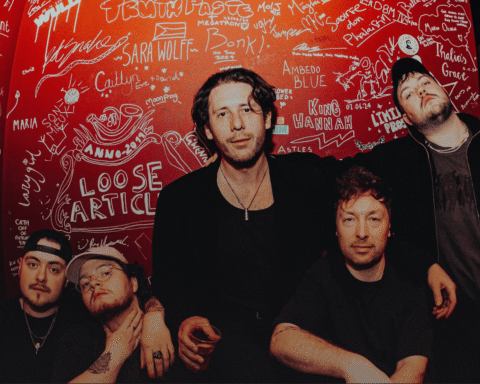
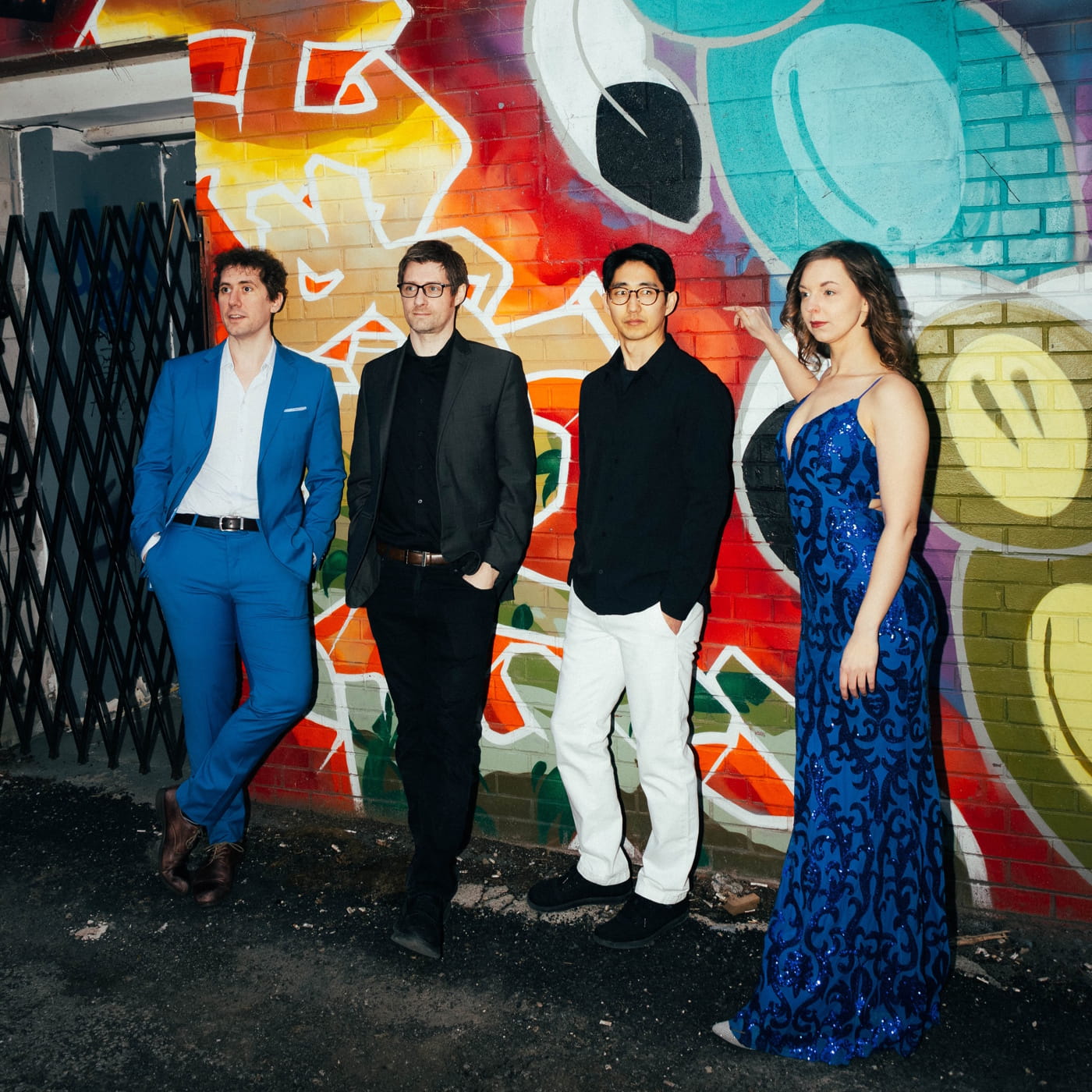
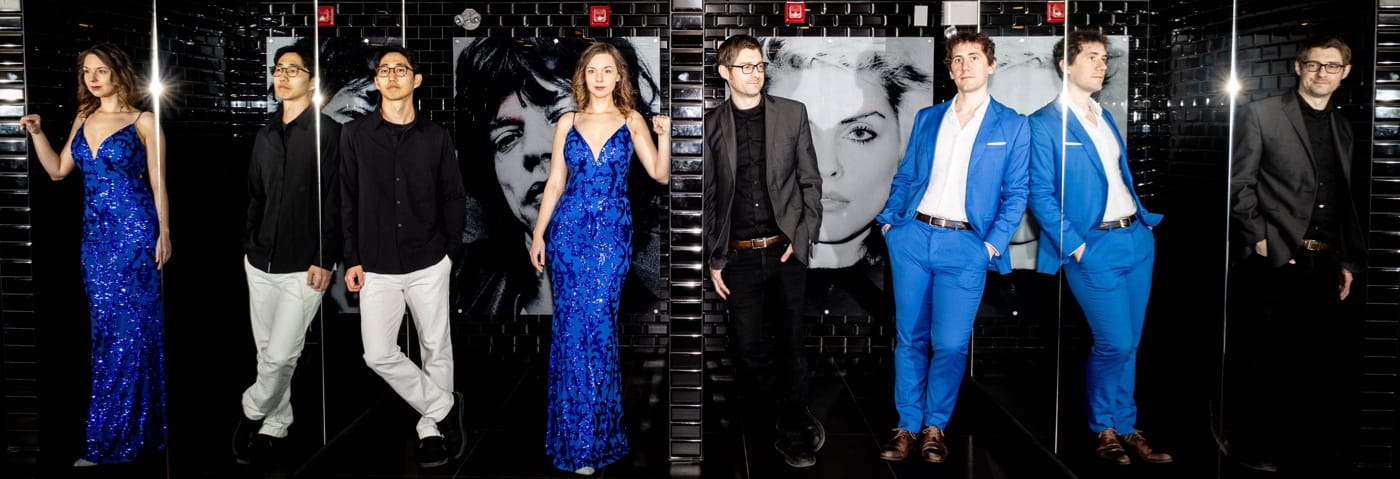
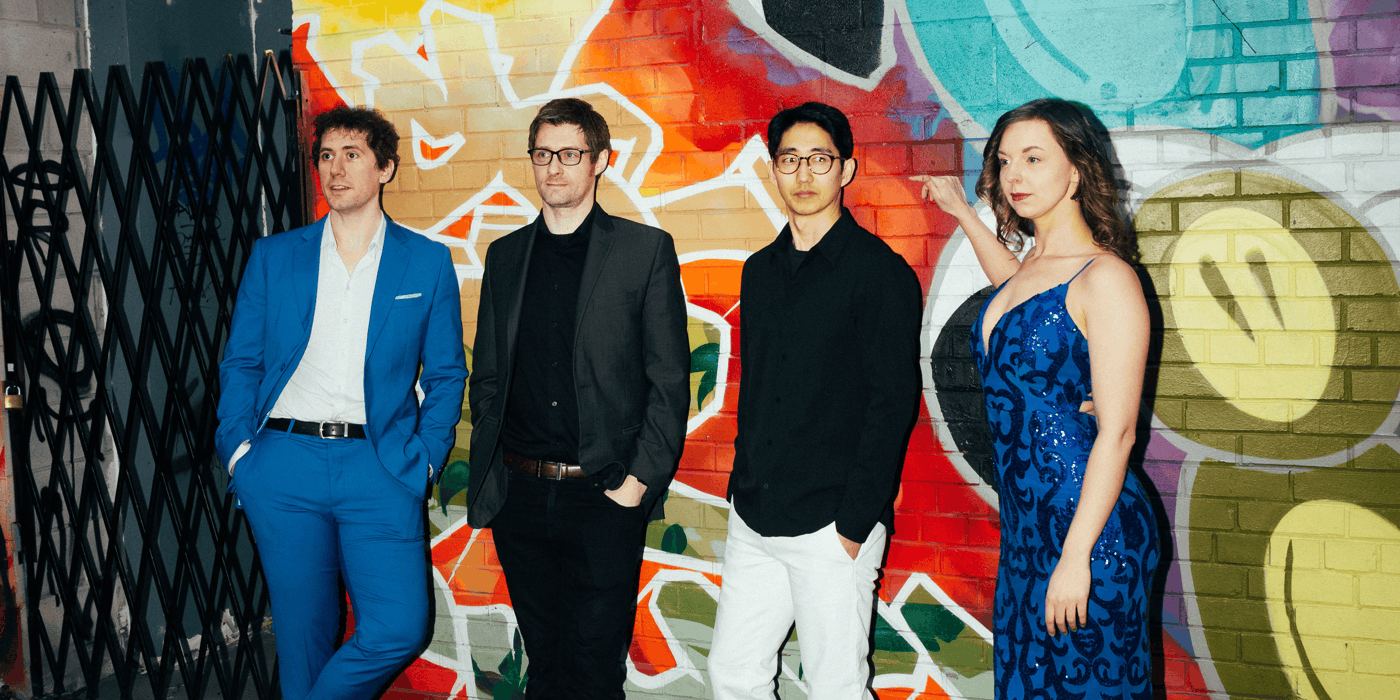
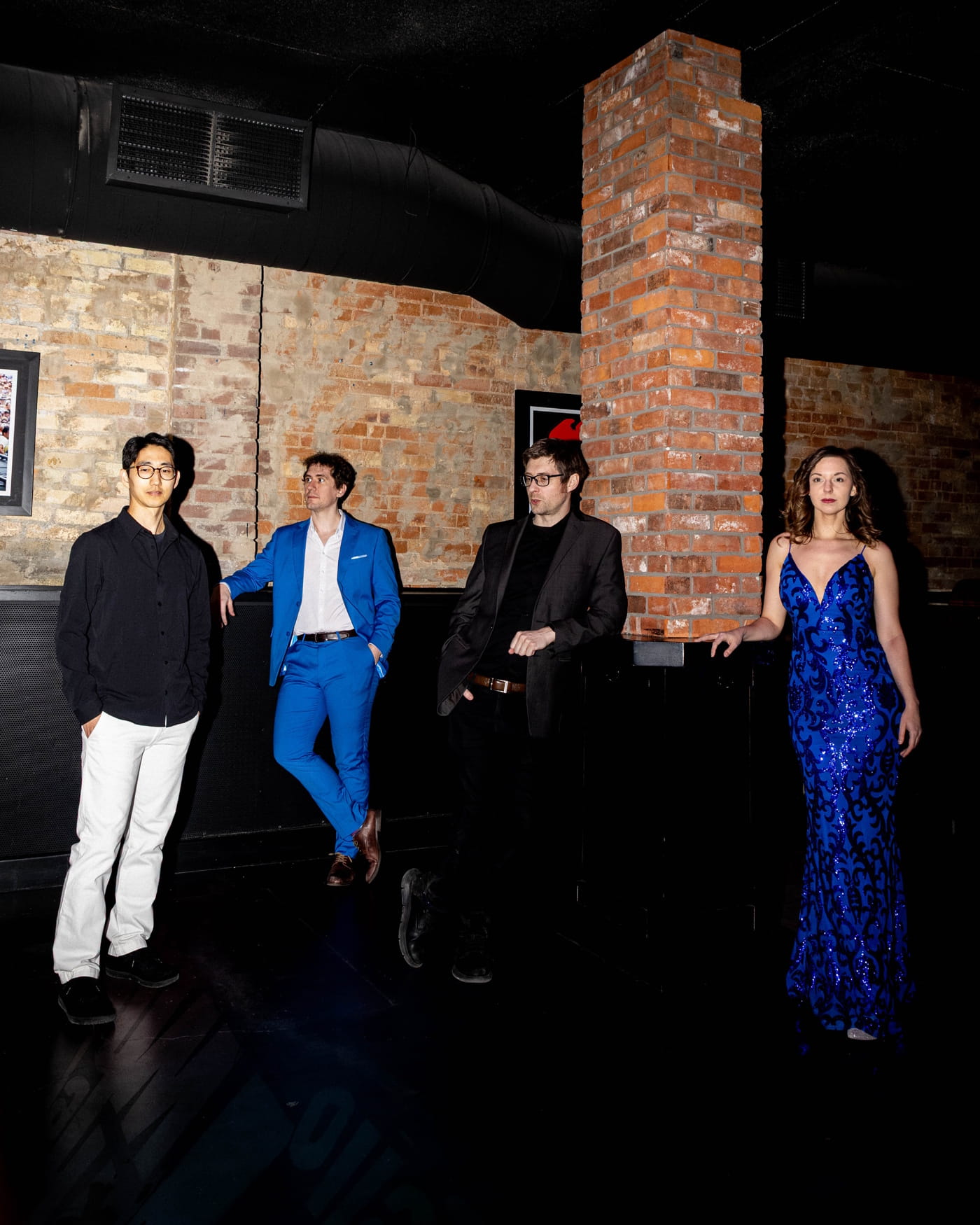
The four-piece also includes bassist Phil Lee and drummer Ryan Dugal. Sasha and Stefan wrote and arranged all ten tracks, with Stefan handling guitars, synths, piano, organs, backing vocals and several bass parts alongside Sasha’s lead vocals and piano. The band produced the record themselves, with Jay Dufour, whose work includes July Talk, Billy Talent and Finger Eleven, handling most of the mixing. João Carvalho, known for his work with Rush, The Tragically Hip and Alexisonfire, mastered it.
After roughly two years of work, the result is a self-released album that keeps returning to a fairly uncomfortable subject: how easily technology can learn what people want, keep feeding it to them and eventually leave them feeling very little. There are quieter, personal stories in there too, and the ending is considerably more hopeful than some of the earlier songs might suggest.
Sasha and Stefan have taken us through all ten tracks, including the parts they changed, the disagreements they had and why certain songs ended up exactly where they did.
“I U Me” begins with a line Sasha wrote while she was at work. “Flesh and blood and part of the machine” stayed on a sticky note on her computer for a long time before she found the chorus, built around the idea that everybody is going through something similar, even when they experience it separately.
“The feeling that we’re all going through the same thing together, just separately,” as Sasha puts it.
Wyświetl ten post na Instagramie
She wrote the song at the piano, and Stefan brought in an off-beat, mechanical bass part that became one of its defining elements. They were happy with the basic idea, but the arrangement kept getting stuck in the same chord progression.
A section that originally belonged to the bridge was moved forward to become the pre-chorus. Both writers agree that the guitar solo came about because the song needed a change, although they have slightly different memories of the process.
“Sasha remembers us then cutting the second chorus entirely and interrupting it with the guitar solo to shake the listener. I remember the bridge becoming the solo,” Stefan says. “Either way, the solo is there because the song was too linear without it.”
Jay Dufour subsequently suggested making a shorter radio edit, and that version became the album recording.
“I U Me” wasn’t always going to open the record. Its position was settled when the band started looking at how ideas returned across different tracks. The line about being part of a machine introduces something that comes back much later in “Faceless”, although by then the relationship between humans and technology has become considerably more troubling.
There’s also the repeated “I am you and you are me”, which gives the opening song a certain amount of reassurance before things start getting more uncomfortable.
“Rewire” was one of the late additions, written when the band realised the beginning of the album needed something faster. Stefan handled the music, lyrics, piano, guitar and arrangement himself, with Sasha adding backing vocals.
He had wanted to write something around a really deep bass riff, and the solution was to use two bass guitars. Phil played one, Stefan the other, and the lead line is also played on bass.
“I wanted to play a song on bass with a really deep riff, so it’s a two-bass song, Phil on one and me on the other; the lead line you hear is a bass.”
They tried several different low bass parts before settling on the final arrangement, which uses a repeated vocal chant to imitate the constant demand for stimulation and approval.
“Inspire me. Desire me. Admire me. Rewire me” keeps going until the response becomes “I’m bored”. The excitement has already worn off, and the person singing needs something else.
Then comes the bridge, with “Rewire me so I can feel again”. The mood changes quickly, and the album begins to deal with the problems sitting underneath that constant search for another hit of attention.
“Rewire” was released as a single on October 2. The first pressing of “Inevitable” on vinyl includes an extended introduction that was cut from the shorter version, a small extra for people who picked up the physical record.
“Old Ghosts” takes the album somewhere much more personal. It was the band’s first completed recording and originally came out in 2024, well before “Inevitable” was finished.
Sasha wrote it while working through the loss of her grandmother, who had been extremely important in her life.
“She was my best friend and she taught me piano. The song was to honour her and to let the old sadness go, and it became a way to process every kind of grief since.”
The recording began with her voice calling out, and Stefan wrote a piano part that responds to it. He imagined the piano as a second character, a ghost answering somebody who could no longer reach the person they had lost.
Stefan also recorded bass and Ryan added drums, but there are no guitars on the track. At just over six minutes, the arrangement leaves considerable space around the voice and piano, with the two parts repeatedly answering one another.
Ryan mixed the original recording at Frontier, his studio in Kitchener. When Jay Dufour started mixing the rest of the album, he offered to revisit “Old Ghosts”, but the band were already happy with the original version.
“It’s supposed to feel empty, sparse and home-made, and the home recording had already captured that,” Stefan explains.
They kept Ryan’s mix untouched.
By the time the group started putting the album together, “Old Ghosts” had also become one of their most recognised songs. Its position at number three made sense musically, giving the listener a fairly sudden change after “Rewire”. The excitement and repetition of the previous track give way to an old grief that has never entirely disappeared.
“Antidote” is technically the oldest composition on the album. Sasha wrote its earliest version before she met Stefan, with different lyrics and a much darker approach.
Wyświetl ten post na Instagramie
She had a particular sound in mind, something funky and unsettling, but was struggling to work out the bass and drums. When she brought it to Stefan, they began revising both the words and the arrangement. He felt the original version went further towards goth music than they wanted, so they worked together on giving it some lift while bringing in heavier, distorted guitars.
The black widow imagery stayed. The song follows two people attracted to each other and the risks involved when both are trying to take control. Sasha’s original lyrics came from a more personal place, dealing with a relationship she kept returning to and the feeling that something about herself needed fixing.
Stefan took that idea towards the image of somebody looking for attention in a nightclub, with both people trying to work out who is pursuing whom. The song ends on “I’m still breathing”, which gives some idea of the danger and excitement they wanted to get across.
Within the album sequence, that fits somebody looking for increasingly risky experiences because ordinary ones have stopped registering.
The music changes considerably between sections. The first chorus drops back to synth, drums and vocals; the guitars come in for the second. Towards the end, a dissonant guitar part interrupts the expected chord movement, one of the details that caused a proper argument during mixing.
Jay wanted to make the section less crunchy and have the chords resolve through a more conventional progression. Stefan was determined to keep the discomfort. They listened to both versions for a while.
“I wanted it to stay wrong on purpose, avoiding the chord order your ear expects. We went back and forth listening to both for a while. I won that one.”
Sasha still hears some of her original relationship story in the song, alongside the wider concerns that developed while they were making “Inevitable”.
“Cold Shoulder” began with a wobbly synth-piano sound that Sasha wanted to use. She wrote the first verse quickly, but the song then sat around unfinished for some time.
Its earliest version concerned a personal relationship. Stefan suggested widening the subject into an act of rebellion, with an individual grievance eventually becoming something shared by a crowd. He came up with the repeated ending while taking a shower, recorded it on his phone and brought it back to Sasha as the part around which they should arrange the rest of the song.
For the instrumental sections, he had a whole sequence of events in mind.
“Picture an endlessly tall corporate tower,” he says. “In the first two verses everyone is controlled, but each of them has a distinct personality: voice, synth, guitar, bass, drums, organ, all falling into line.”
The drop changes the relationship between those instruments. The vocals move from the quieter “go on, give me the cold shoulder” towards the collective “come on, give us”, with the band gradually adding more voices and instruments to the repeated chant.
Wyświetl ten post na Instagramie
Stefan imagined a crowd gathering outside corporate headquarters and growing in number, with the musical arrangement following the same progression. The band recorded multiple layers of their own voices to make the crowd sound larger.
“The chant is the crowd approaching headquarters, quiet at first, then louder, then more of them, then chaos, with the lead vocal whispering in the boss’s ear, until it all stops and Sasha stands alone in front of her crowd: ‘I’m gonna dance in the street while it’s burning.'”
They spent more time arranging that ending than any other section on the album. Organ, guitar and the layered voices continue building before everything drops away, leaving Sasha to finish the final line on her own.
The crowd chant has also worked particularly well at their concerts. Awake & Dreaming have played Toronto’s El Mocambo with Rough Trade, and it was there that an audience first sang the ending back at them.
The recording was already finished, so the live response didn’t lead to any studio changes. It did convince the band that “Cold Shoulder” was the right song to end the first side of the record.
Stefan is quite clear that the story of people taking to the streets against a corporation was the point of writing it. Hearing an actual crowd take over the chant gave them the reaction they had hoped for.
“Underwater” opens side two, and the change is immediate. After the crowd noise and rebellion of “Cold Shoulder”, the album moves into a much quieter song about somebody trying to deal with sadness on their own.
Sasha began writing it during a particularly difficult night. She was feeling deeply depressed and couldn’t find a way out of it. The idea of drowning under that sadness came naturally, and much of the chorus appeared in her first attempt.
“I loved the image of a whale calling out to its pod and getting nothing back. That’s how I felt: reaching for something that wasn’t there.”
Stefan helped revise some of the lyrics and wrote the ending, along with the bells and the audible breath at the beginning.
They decided against building the song towards a conventional heavy drop. The choruses keep a floating quality, with the later instrumental section gradually changing through chords borrowed from outside the main key. Stefan considers the ending quite Radiohead-like in the way it introduces unease without suddenly turning into a huge guitar section.
Near the end, the words stop and the instruments take over. The line “There’ll be no more tears on my shadow” was especially important to them, describing somebody who can still feel their past following them around and wants to stop crying over it.
“Underwater” was released as a single on September 18, and placing it immediately after “Cold Shoulder” was one of the first decisions they made while working on the sequence.
The order is tied closely to how the record was designed to be played. Someone listening on vinyl has to turn the album over after the riot at the end of side one. On the other side, it’s two in the morning and the person in the song is alone with everything that has happened.
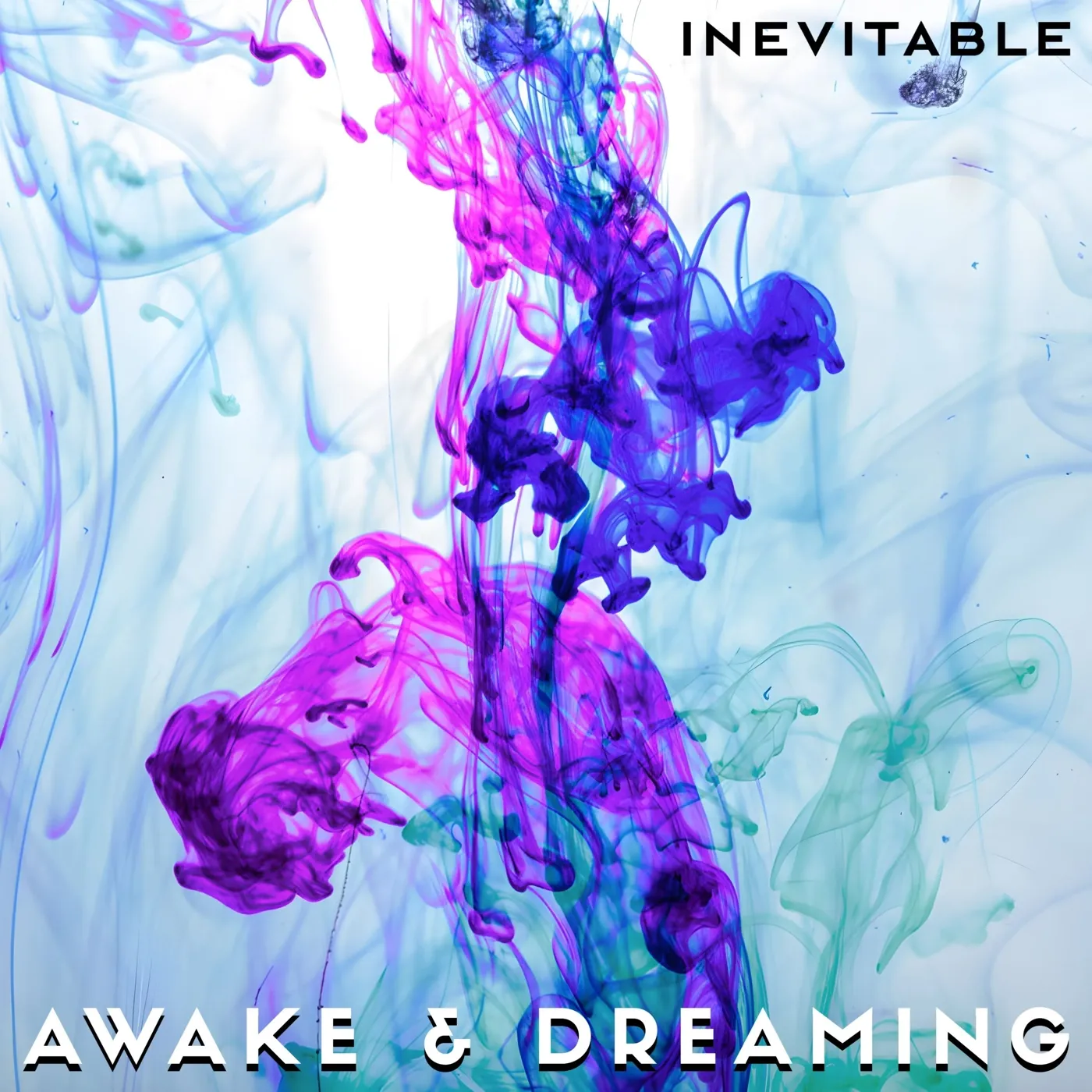
The sleeve artwork also uses an image of violet and blue ink dispersing in water, credited to Wiesław Jarek, with Stefan handling the artwork and design. The band’s accompanying photographs are by Olivia Dans Photography.
“Lights Down Low” was written late because the band wanted a song dealing with ordinary human concerns, particularly family and the worry that comes with raising a child.
Stefan developed the story around a parent at a child’s birthday, thinking about the world their child is going to grow up in. The verses take place in the comfort of home, while the choruses move into the difficult moments everyone eventually has to deal with.
Some of the examples are deliberately everyday ones. A speech goes terribly wrong. A car engine stalls unexpectedly. The parent thinks about the mistakes and embarrassing experiences they have had themselves and hopes the child will get through similar situations.
The words were harder to finish than on any other song. The band also spent a long time finding the right electric guitar part and arranging the section with organ and choir.
The organ is a real instrument, recorded at New Apostolic Church in Kitchener. It has approximately 8,000 pipes, and the band were able to use it through Gary Schmidt, who tunes their pianos and also works as the church’s organist, maintaining the instrument.
Stefan went in and recorded his parts in one day.
The choir is an entirely different piece of work, made up of multiple recordings of Sasha’s voice. Stefan wrote the different vocal parts on sheet music, and she had to learn and record each line separately.
“The choir is all me,” Sasha says. “Stefan wrote the section and charted it on sheet music, and it was exhausting, because when every part is your own voice it’s very hard to keep the independent melodies separate in your head.”
She used the piano to help keep the different melodies apart, recording one at a time until they had everything they needed.
For the album, “Lights Down Low” comes after one of its lowest points. The words are concerned with parental anxiety, but there is affection and encouragement throughout, particularly in the hope that the child will be able to get through difficult moments and become their own person.
“Can’t Sleep” takes the story into a relationship between two people who find some comfort in being together.
It’s the first song Sasha and Stefan wrote as a pair, and at seven minutes and five seconds, it is also the longest on the album. They have tried cutting it down several times over the years, but every shorter version lost something they wanted to keep.
“Seven minutes and five seconds about finding comfort in troubled times with the one you love. We’ve tried to shorten it more than once and never found a version we liked as much, so it stayed.”
The acoustic guitar is particularly important here. Stefan wrote it to respond to Sasha’s voice, almost as another person offering reassurance. It’s a similar idea to the conversation between piano and vocal on “Old Ghosts”, although this time the subject is a living relationship and the security it can offer.
There are two different things happening in the vocals. The lead remains comparatively hopeful, while the backing parts carry the worry underneath it. Sasha picked out particular phrases for those background voices, treating them as anxious thoughts running through somebody’s head.
This was one of the arrangements that came together quite naturally, although the ending took longer.
The overlapping voices that sing different parts of the chorus against one another were added very late, when Stefan was still working on the electric guitar section. They wanted the ending to resemble thoughts drifting through somebody’s mind as they finally begin falling asleep.
Awake & Dreaming have also kept a particular live arrangement for this song since their early concerts. “Can’t Sleep” has always been followed by “Faceless”, and they decided early that the album should preserve that transition. “Event Horizon” was then placed after both to finish the record.
“Faceless” is one of their oldest collaborations and one of the loudest tracks on “Inevitable”. The working title was “Eat Your Maker”, which gives a fairly good clue to the Nine Inch Nails influence Stefan had in mind.
They built it around a sudden guitar burst and the sound of an old modem, adding other electronic noises around those parts. Some sections resemble the sounds of a router, and the arrangement gets increasingly busy as the song continues.
The subject is technology that has slipped beyond anybody’s control. People have become so dependent on it that they end up treating it as something almost sacred, even as it starts consuming them.
Stefan wanted the opening to suggest that strange kind of worship. The organ sound at the beginning is synthetic, playing a classical-style passage that resembles a church instrument but sounds slightly unnatural.
Elsewhere on the record, they went out of their way to record genuine organs. Here they specifically wanted an imitation.
The lyrics become increasingly direct, eventually reaching the declaration “These are the new gods. Bow down to the faceless”.
Sasha was particularly firm about how the words should work.
“Some of our songs are subtle. I wanted this one to be a wake-up call: singable, direct, abrasive. The song gets more chaotic as the layers stack, so a complex lyric on top would have been too much.”
Stefan sometimes wishes the lyrics had been a little less obvious. He feels there might have been room to leave more to the listener, although Sasha still prefers the directness of the finished song.
“This is our one real disagreement on the record. I sometimes think it could have been less direct. Sasha likes that it’s impulsive. She’s probably right.”
They kept it as it was.
“Faceless” also brings back the reference to being part of the machine from the opening track, “I U Me”. The first song dealt with people feeling isolated while going through a shared experience. Here, technology has become something people have given an enormous amount of power to, and the album is close to its most troubling point.
“Event Horizon” came last. The band had worked out that the record needed an ending that could follow “Faceless” and leave the listener with some possibility of a better future.
Stefan wrote the music specifically for Gary Schmidt’s foot-pedal reed organ, a mechanical instrument that produces sound through air pumped by the player’s feet. After the electronic noise of the previous track, he wanted to finish with something that involved a person physically producing every note.
The organ and Sasha’s voice lead the arrangement, with the lyrics moving towards images of space, supernovas and black holes colliding.
Stefan and Sasha wrote the words together, and for a long time the song was simply called “Hope”. They eventually decided the title was too general.
An event horizon is a boundary beyond which there is no return, and they thought it worked better for the point they wanted to make about humanity’s relationship with technology. Whatever happens next, some choices will be impossible to reverse.
Recording this reed organ and the pipe organ used on “Lights Down Low” were the final recording sessions for the album. After all the time spent working with synths, guitars, vocals and electronic effects, the last things they recorded were two old mechanical instruments played by hand and foot.
There were no major disagreements during mastering. João Carvalho was happy with the recordings, something that meant quite a lot to the band after spending roughly two years producing the album themselves. They also made the record entirely with human performances and recording work, without using generative AI in the music.
Sasha particularly wanted the closing song to feel optimistic. Even with all the worries raised earlier in the album, she thought about how children encounter things they don’t understand, often approaching them with curiosity.
“Writing it felt like seeing the wonder of the world through the eyes of a child. A child can look at something incomprehensible and amazing and be curious instead of afraid.”
Stefan hears the ending as a question about whether humanity will make good use of what it has created. The technology is going to develop, and the choices people make around it will have consequences. The outcome is still open.
The band have spent the weeks leading up to the release playing across Ontario and Quebec, including dates in Montreal, Quebec City, Ottawa and Hamilton, an October 8 appearance with Blue Rodeo in Owen Sound and an October 10 tour finale at Toronto’s Rivoli. They’ve also played New York’s Delancey, and their previous singles have passed 280,000 streams on Spotify.
The first vinyl pressing of “Inevitable” is limited to 100 hand-numbered copies, signed by Sasha, with a lyric sleeve. Those were available at the shows ahead of the digital release, and the album officially arrives on October 16, 2026. It will be available through the usual streaming platforms and the band’s official album page.
The final words of “Event Horizon” are “It’s within our grasp”.