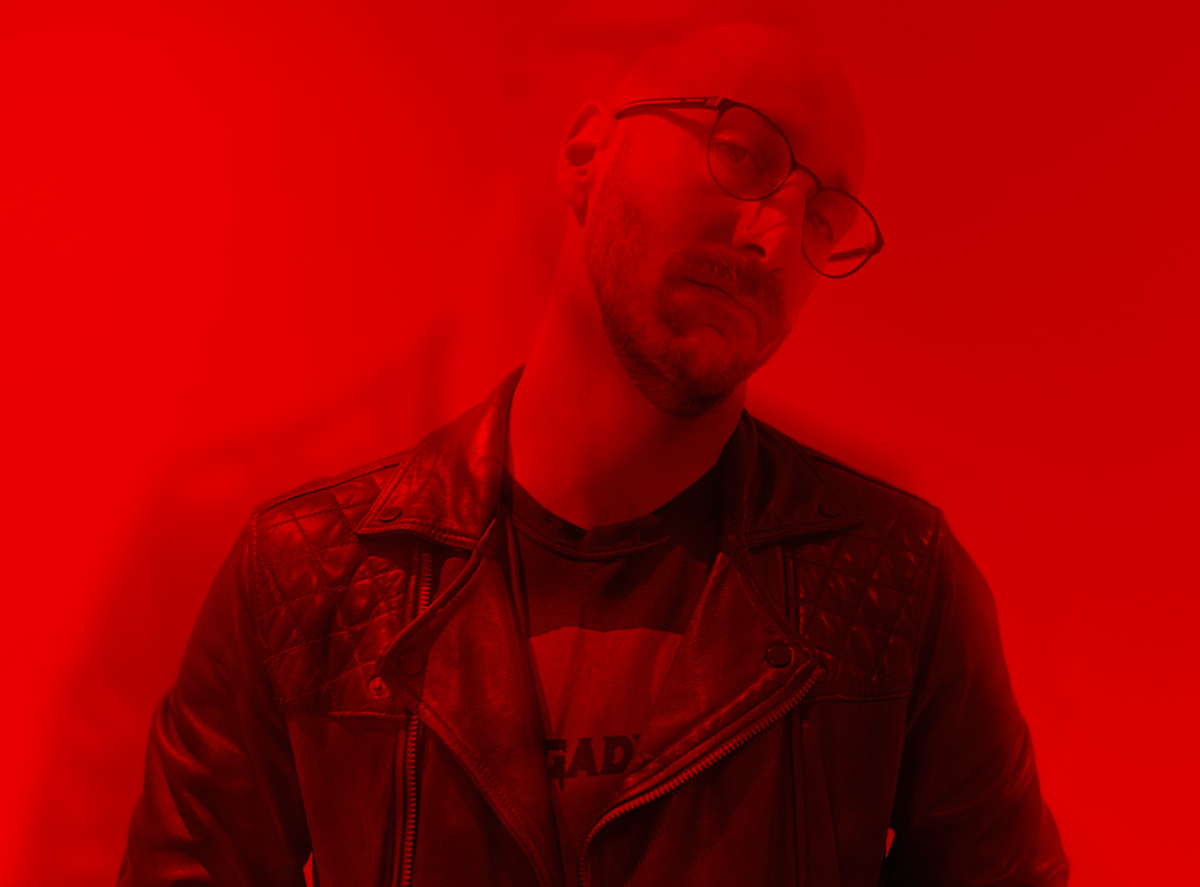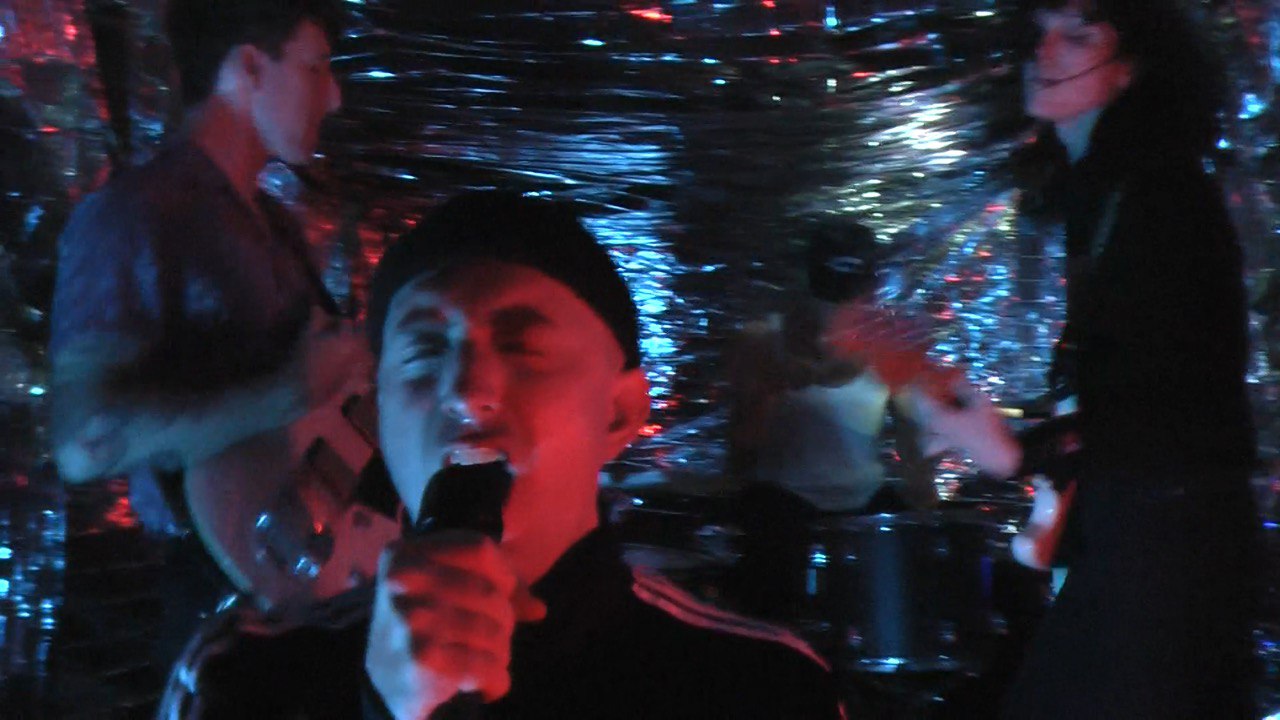


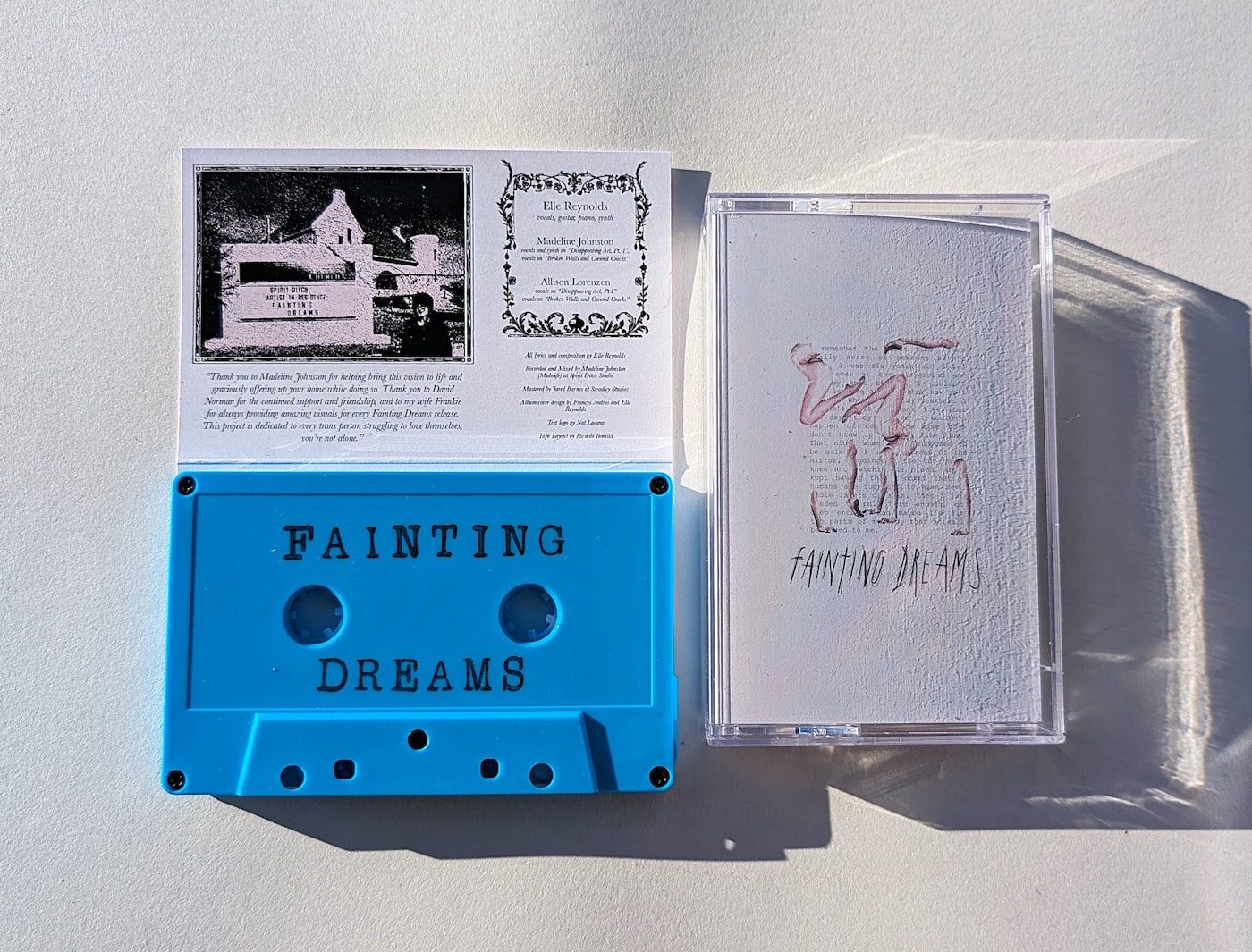
Denver’s Fainting Dreams return on October 31st, 2025 with “You Can Be Anything,” a six-song cassette LP released through Softseed Music and Zegema Beach Records. The record runs just over 34 minutes, recorded in Trinidad, Colorado in a church space, and folds dreamlike instrumental textures into choir-leaning vocals that occasionally skew menacing. The album features Midwife and Allison Lorenzen on two tracks, pressed in small quantities across three tape variants.
The opening single, “House of the Sacred Sisterhood,” shows how far the project’s compositions stretch. Built from over sixty individual tracks of piano, layered voices, and effects, the piece veers between delicate softness and buried shrieks. At the three-minute mark, overlapping vocals collide into something closer to a choral pulse than a harmony, without slipping into chaos. It feels intentional, shaped by someone working through memories rather than merely performing them.
Elle Reynolds, the project’s writer, guitarist, and vocalist, frames the song’s sound as a deliberate collision of opposing energies: “I tried to take the ‘Heaven Metal’ descriptor that people use for Midwife’s music as literally as possible when blending all the sounds on this song, trying to get something that feels equally ethereal and menacing.”
She mentions listening to Lingua Ignota, Nicole Dollanganger, and Ethel Cain during its construction and says those influences “shine through fairly heavily while still combining to make something unique.”
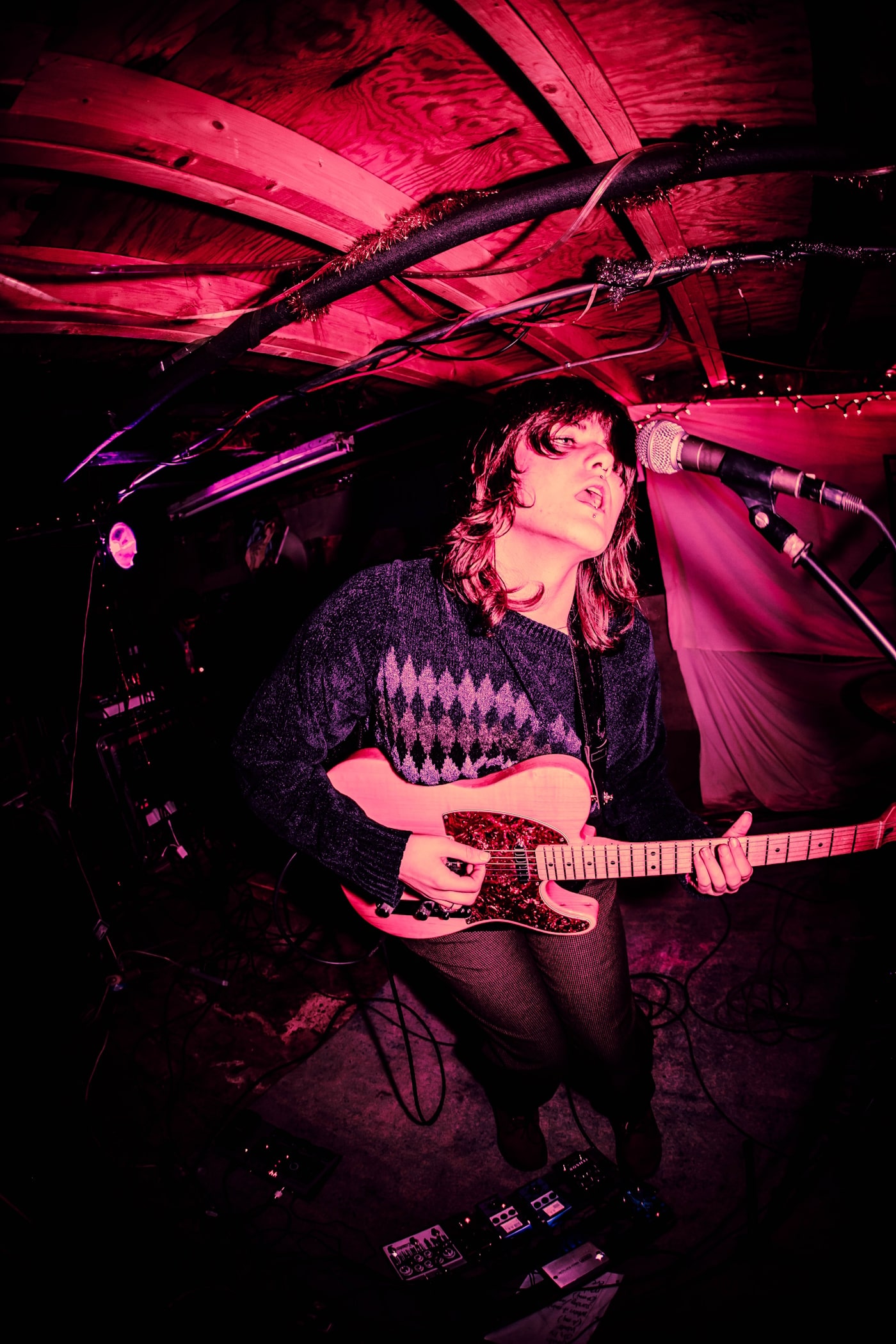
The thematic spine is blunt: violence against trans people, religious hypocrisy, and the long shadows cast by childhood. Reynolds explains she wanted to highlight “the hypocrisy of the people committing such heinous acts of violence against innocent trans people and then saying they’re doing this to protect their communities and children instead of admitting their bigotry and fear based behavior to themselves.” Her delivery never sounds didactic; it lands as lived experience, described with a steady hand instead of theatrics.
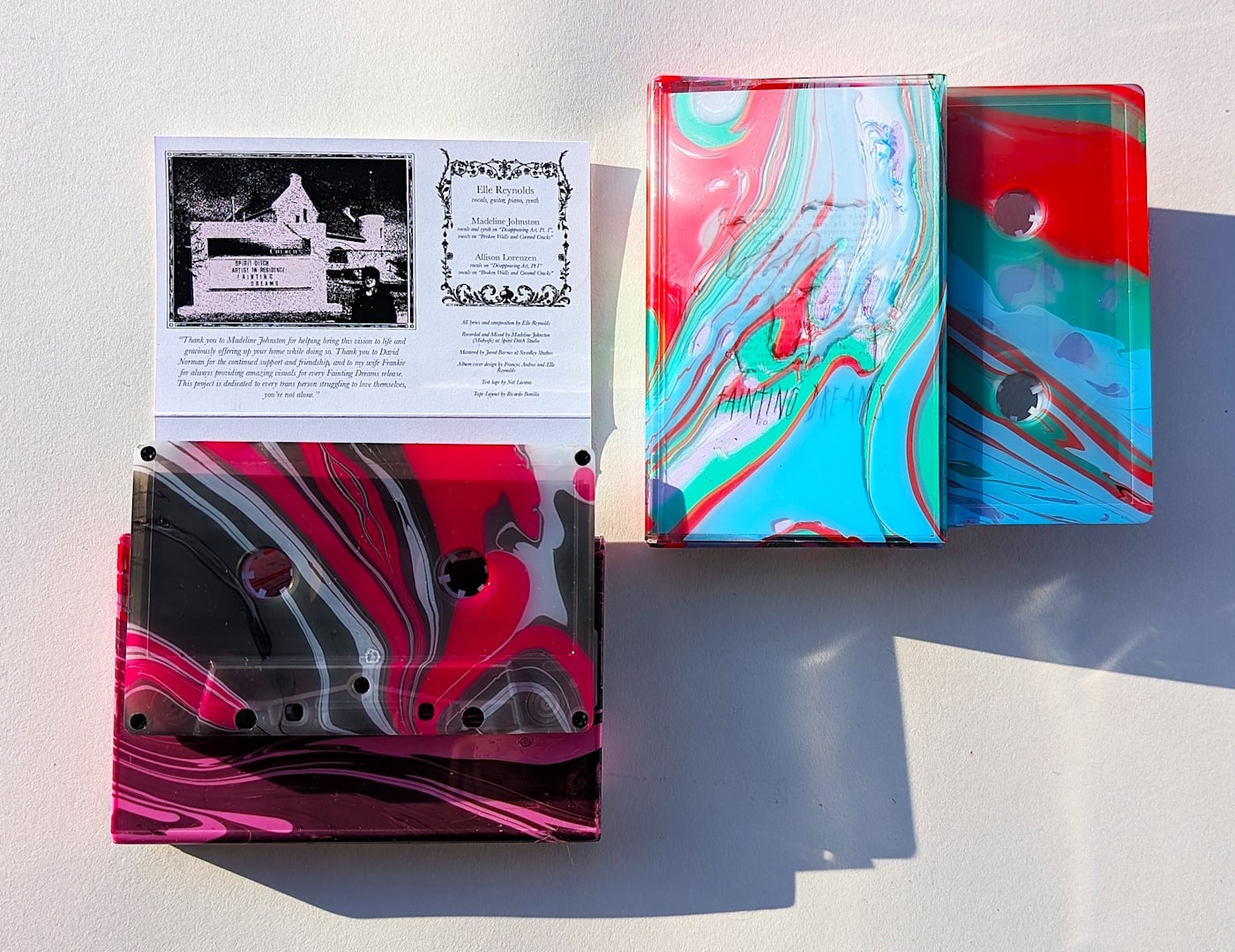
The album works backward through Reynolds’ history.
“‘You Can Be Anything’ documents my past experiences as a trans person with self hatred and substance abuse as it works its way backwards to the religious violence and trauma I experienced growing up in North Carolina,” she says. “It’s bookended by the two most extreme incidents of violence on the album, one being self-inflicted and the other being at the hands of others when I was a child.” That structure keeps the record tight, rather than sprawling; each track feels like a chapter that refuses to embellish.

Musically, the production carries light piano lines that feel almost ceremonial, occasionally brushing against something more fractured. Harsher background vocals rise near the end of “House of the Sacred Sisterhood,” not screaming forward, but ghosting the edges like intrusive thoughts. More voices arrive until the whole thing dissolves without closure, suggesting the idea that not every wound resolves cleanly.
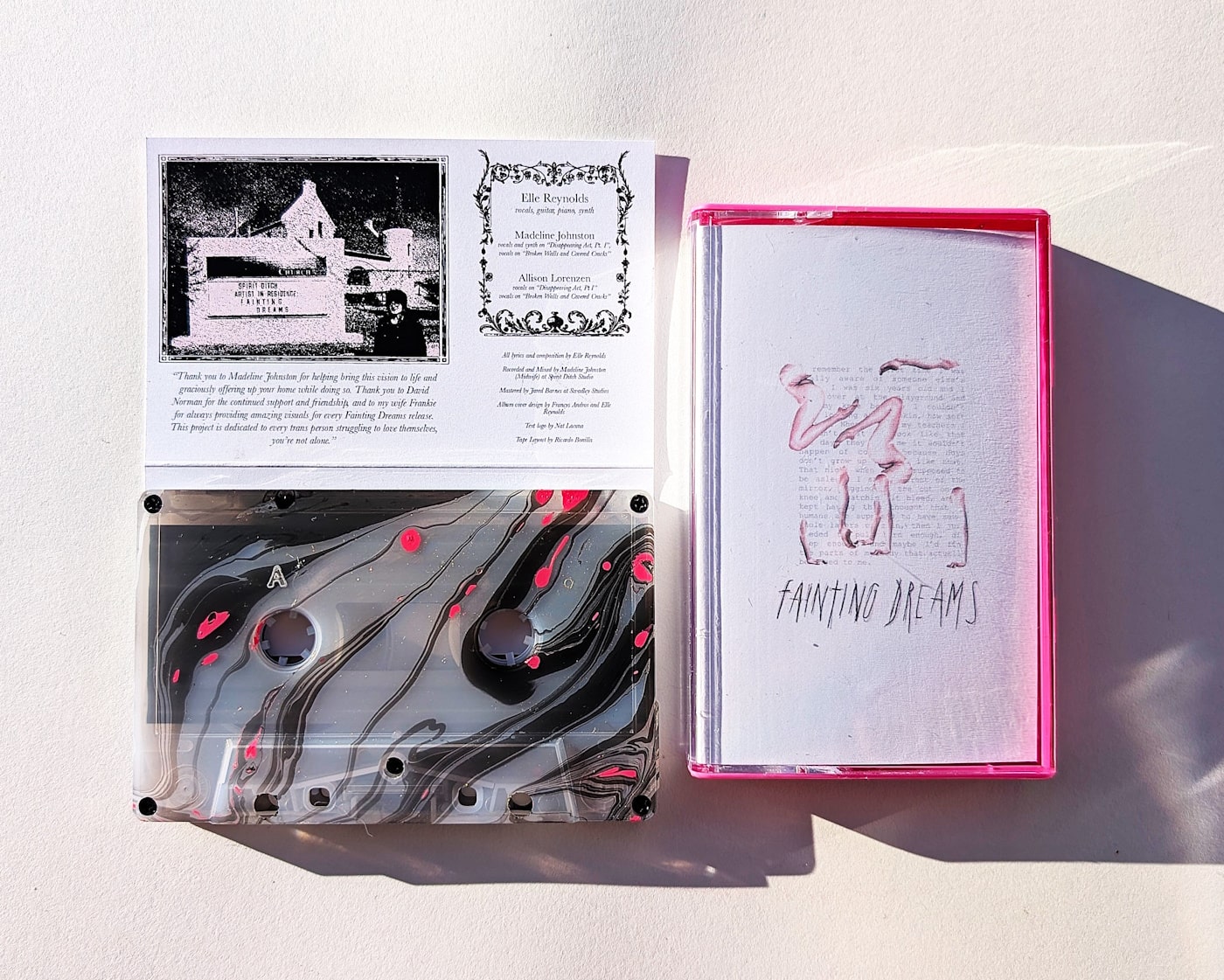
“You Can Be Anything” leans into personal confession without turning it into spectacle. It stays grounded in its emotional architecture and the contradictions that shaped it: beauty wrapped around dread, devotion entwined with control.
That mix puts fainting dreams in conversation with artists like Midwife, Lingua Ignota, and Ethel Cain, though the project never mimics any of them outright. Instead, it sits in the difficult middle ground between softness and fear, quietly insisting that the two often emerge from the same rooms.