
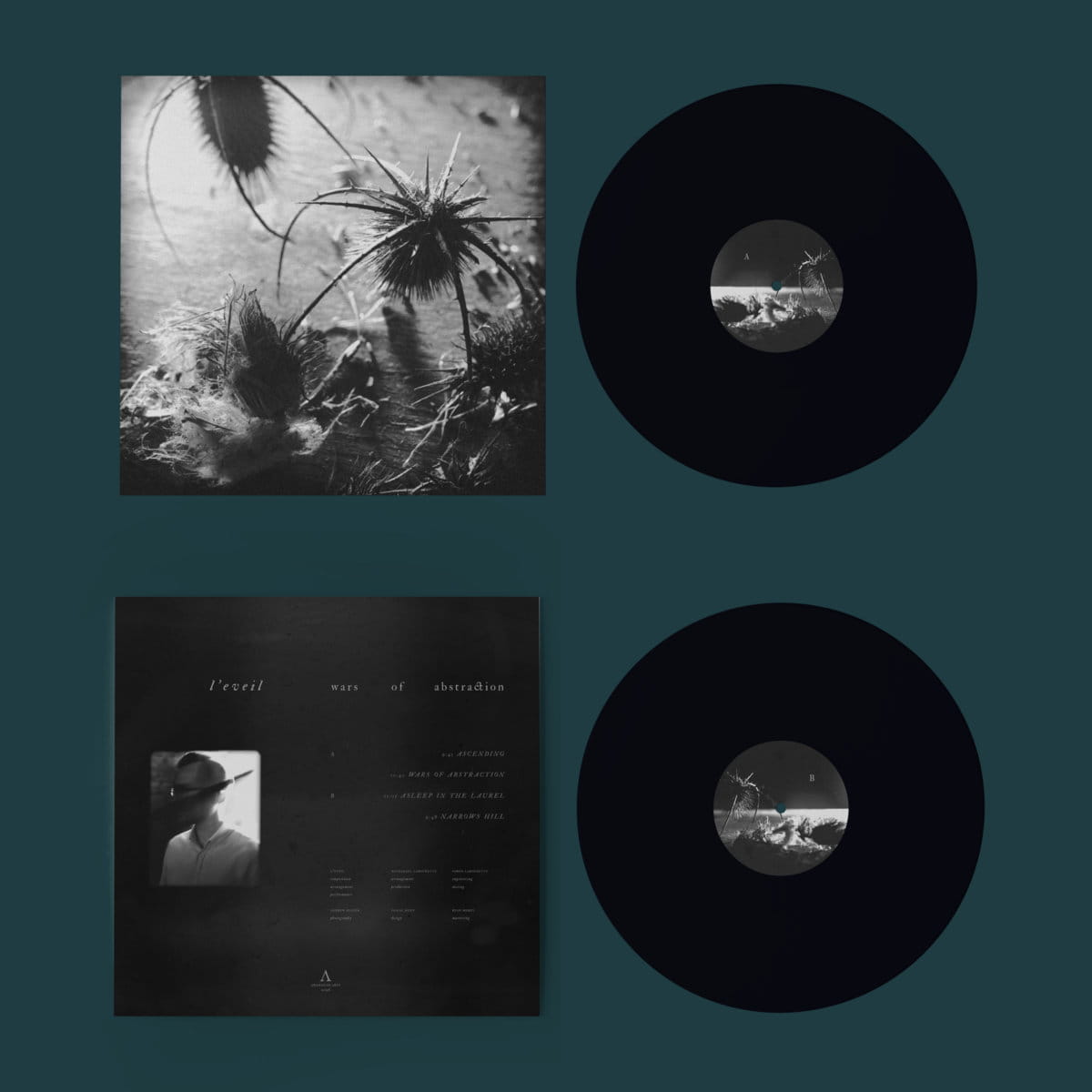
Four pieces around ten minutes each, one acoustic guitar, and progressive rock and metal language underneath them. “Wars of Abstraction” is the debut from L’eveil, Matthew Nichols’ project from Ashtabula, Ohio, and the first recorded part of a ten-album cycle. All ten records were written before L’eveil recorded a note, yet Matt only fully understood how they connected while he was writing album nine. As Matt puts it, “the acoustic guitar is really the constraint rather than the genre.”
In places I hear something almost Gregorian, like a visit to an old court. Elsewhere it suggests a trip through the Wild West. You may hear something else entirely. What stays constant is the exposed solo setup: fingerstyle acoustic guitar with no reverb or delay, carrying pieces that run between 9:43 and 11:05.
The fingerstyle method started for a very ordinary reason. Matt and his wife had two babies sleeping at home, and much of his writing happened at three or four in the morning.
“I had never really played fingerstyle before, but an acoustic guitar played with a pick at 3:00 a.m. might as well be a cannon. So, I started using my fingers in an effort not to wake up the whole house. Since then, we’ve been blessed with two more children, so I have essentially no need for a pick anymore.”
A lot of “Wars of Abstraction” was written with the room dark enough that he could barely see the fretboard. He was learning the new picking method by touch, mainly with his thumb and index finger, while the identity he had built around work, achievements and credentials was coming apart.
From the outside, things were going well. Inside, he was, in his own words, “a walking black hole”. Panic attacks sent him to hospital, and more than once he genuinely thought he was having a heart attack. He had reached a point where the accomplishments he had used to measure his own worth stopped doing that job, leaving him feeling personally and spiritually homeless with no obvious road ahead.
He had been a musician for most of his life, first on drums and then guitar by the age of 11. Writing gave him somewhere to put what was happening.
“I was literally feeling my way around an instrument in the dark, using a picking technique that was completely new to me, while going through a period of my life in which I felt like I was falling apart inside.”
Matt liked how little room there was to hide in that setup. “Additional instrumentation certainly would have made the music richer or more conventionally dramatic, but that choice would have been emotionally dishonest. Instead, the composition and the performance were left exposed and vulnerable, just as I was.” Later records start bringing other instruments in as the emotional territory widens.
The words come before any of the music. Matt works out the album title and track titles first, sometimes in a week or two, sometimes after months of notecards and notes on his phone. He waits until they feel honest enough before he starts composing.
“I think of those titles as emotional coordinates. They are not instructions for what the music needs to become, but they do establish the outermost boundaries. Emotions naturally fluctuate from one day to the next, so having those coordinates gives me an orientation that is more durable than whatever I happen to feel on a given day.”
Sometimes the music later tells him why a title was right before he consciously knew it himself. Early on, each album was simply its own emotional container. Matt later summed up the loop as “feel, name, follow, and express.” By the seventh or eighth record, he could see connections between them. Full recognition came around album nine.
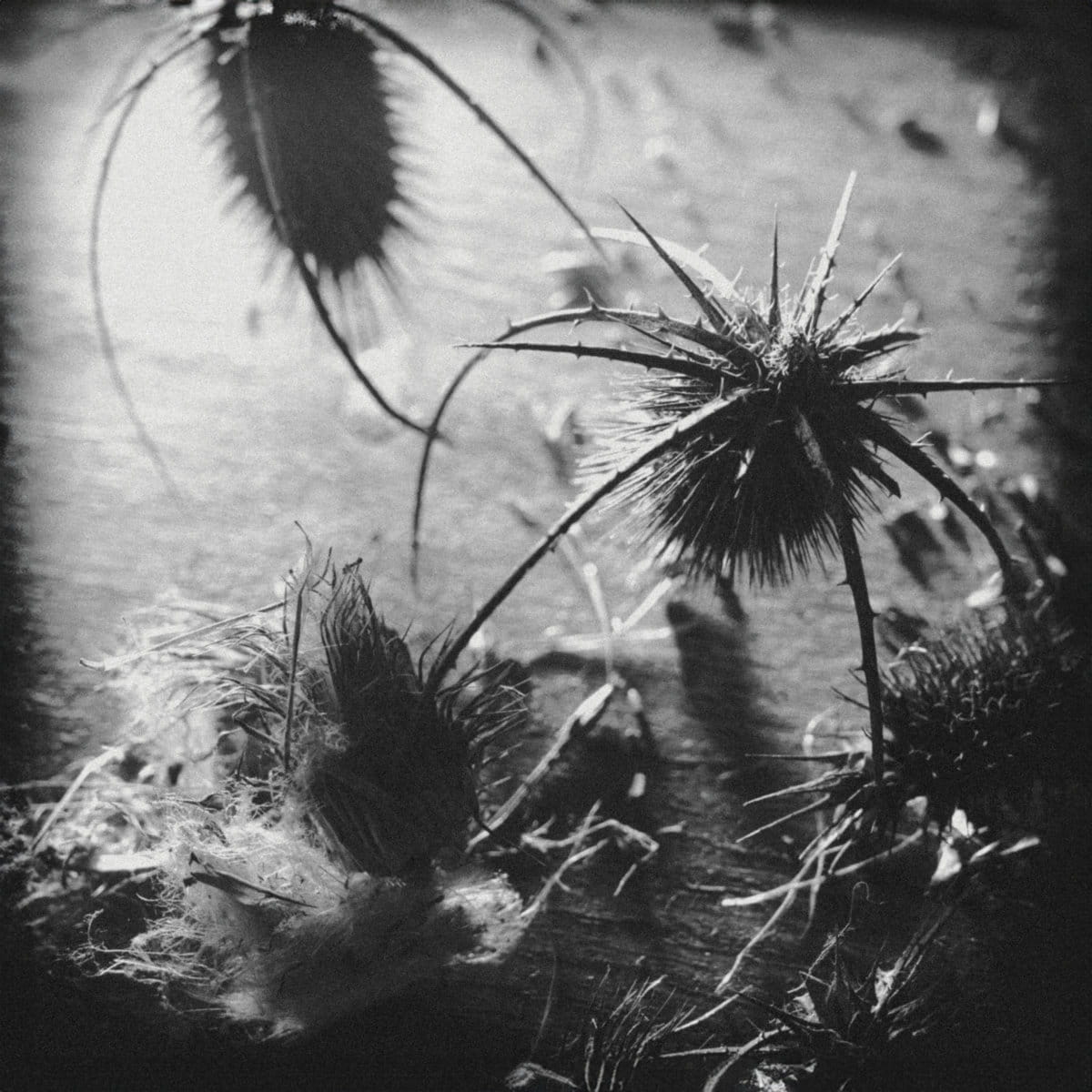
He can put a date on the moment when it clicked: March 29, 2024. During the writing period for album nine, he made a diagram of the records and looked at what he had already written through several systems, including numerological associations, the chakra system and David Hawkins’ work on levels of consciousness. Most of the albums, titles and music already existed by then. Those systems gave him another way to look at relationships already present in the work.
The diagram looks to Matt like a globe or rotating field, with album five on the axis. He wrote that fifth record entirely during September and remembers feeling as though he was “visiting with death”. For him, the phrase was about transformation, and he describes that period as being “squarely on transformation’s anvil”.
In Matt’s model, the globe rotates around that axis and can also move laterally along the x-axis. Grief, isolation, fear, identity, abstraction and relationship can all come back after the person meeting them has moved.
“The same human material can and will return: grief, isolation, fear, identity, abstraction, relationship. But you don’t meet it from quite the same position, and the path itself can move. We don’t simply graduate from being human.”
Wyświetl ten post na Instagramie
By album nine, interconnectedness itself had become the territory he was writing about. Looking backwards, Matt saw “Wars of Abstraction” as the point where separation felt overwhelmingly real. The records that followed moved through contemplation, a re-examination of identity, loss, transformation and emergence, eventually reaching a more fluid understanding of selfhood, participation and relationship. He had already written most of that movement before he could name it.
Once the pattern became clear, Matt’s question changed from “What comes next?” to “What is the most constructive thing I can do with what I have found?” He did not want to extend L’eveil indefinitely simply because he could. Album ten would be called “L’eveil” and would close the original cycle.
The name itself goes back to 2016, years before this music existed. Matt had watched Werner Herzog’s “Cave of Forgotten Dreams”, about the 1994 discovery of Chauvet Cave in southern France. The paintings that had remained hidden there for roughly 30,000 years stuck with him. He had a strange sense that some buried part of himself might be in there too, and the word L’eveil came out of that experience.
Then the name mostly sat there.
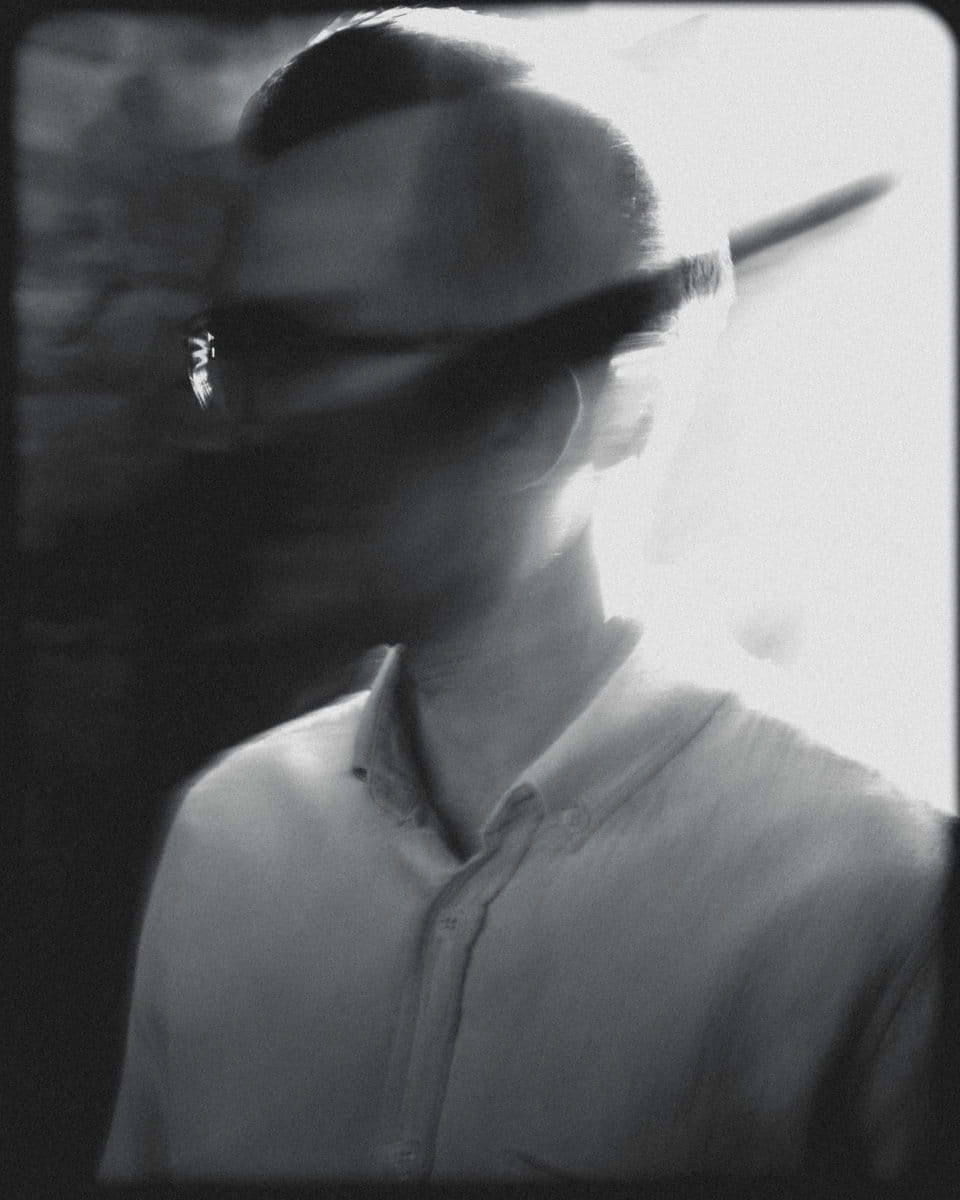
About five years later, the personal crisis that eventually led to the music began. Chauvet had moved out of the centre of the writing by then. The connection came back much later, after he understood the ten-record shape and started thinking about how to close it.
“There is a particular chamber in Chauvet that I still picture in my mind,” he said. “At the same time, I want to be careful not to imply that L’eveil is somehow a project about Chauvet, because it is not.”
Calling album ten “L’eveil” brought the name back to its starting point. Matt was still thinking about people entering the cave, making images whose original purpose and meaning are now unknown, and leaving something that reached other people thousands of years later.
“We don’t know what those images meant to them, what they called the act of making them, or whether they imagined anyone beyond their own world might ever see them, but despite all that, they still touch us. Humanity echoed, and the reverberations just recently met our ears.”
He chose “L’eveil” as the title of album ten and thought that would close the cycle.
Only one of those records has been released so far. “Wars of Abstraction” was recorded in October 2024, mixed during summer 2025 and released on June 26, 2026. Matt composed, arranged and performed all four pieces. Nathanael Larochette of Canadian chamber folk trio Musk Ox shares arrangement credit and produced the record. Matt first heard Musk Ox’s “Inheritance” in late 2021, found Nathanael’s contact details online and emailed him. They began working together formally in 2022.
Their memories differ slightly on exactly how much L’eveil had been written by then. Matt remembers the first three records as finished. Nathanael remembers two finished and the third actively being written.
Either way, new albums kept appearing.
“I had no idea that things would evolve as they did but it became clear that he had opened the flood gates, as each time we met he would have a new collection of songs written,” Nathanael said.
Matt had mostly worked by ear, keeping demos and notes. Transcription put metre, tempo, phrasing and the construction of whole pieces onto the page. Decisions he had previously made by feel could now be replayed through MIDI and argued over. They kept transcribing as new records arrived.
The arguments can get tiny. They test one- or two-BPM shifts they call the “placebo nudge”. A crowded bar might lose one or two notes. A transition gets a little extra room. Vibrato on a sustained note is a “Jerry”, after Jerry Cantrell.
“One unnecessary note can change the balance of a phrase, and one BPM can make the difference between a section breathing and feeling slightly rushed,” Matt said. “We have always been annoyingly disciplined about asking whether a change actually helps the piece become a clearer version of itself.”
The sessions are also full of stupid jokes. Nathanael once mailed Matt the Dream Theater biography “Lifting Shadows” for his birthday and somehow addressed the package to Matthew Drummond.
“I brought it inside, looked at my wife and said, ‘Who the hell is Matthew Drummond?'”
Matthew Drummond became “Le Grife Drummond”, then the “Drummond Claw”, Nathanael’s dig at Matt’s simple thumb-and-index-finger technique. They can spend twenty minutes debating a microscopic BPM change and then waste five minutes pretending to play a Mike Mangini-style octobon fill over the MIDI playback or quoting “Mr. Show”.
Nathanael is a composer and art educator as well as a member of Musk Ox. He works on the proportions of Matt’s existing compositions, smooths sections that need it and helps when Matt gets stuck in heavy self-doubt. He also sometimes has to remind him of the connections between records when Matt gets buried in technical details. Nathanael sees Matt as highly organised and vision-oriented, and has watched him repeatedly drop his own expectations about what the project needs.
“The challenge is knowing when we’re required to help steer the process and when we’re getting in the way,” Nathanael said. “Making art is like planting a seed; you have to water it and make sure the conditions are favourable, but the seed decides when it’s ready to sprout regardless of how impatient you are.”
One of Nathanael’s clearest contributions to “Wars of Abstraction” came at the end of “Narrows Hill“. Before mixing, he asked Matt to record sounds around his home in case they found a place for them. Matt made a short phone recording without taking the assignment very seriously. During the mix, Nathanael suggested putting those outdoor sounds into the outro. Simon Larochette engineered and mixed the album, and Ryan Morey mastered it.
Nathanael hears “Wars of Abstraction” as a tense, overwhelmingly internal collection. For him, the field recording is the first tangible outside space on the album and points toward the next stage, especially because running through nature has been such a regular part of Matt’s process.
He calls running “cleaning your antennas”. Work, obligations, anxiety and unfinished business loosen their grip after a good run, and he comes back more receptive to whatever is already inside the territory marked out by those titles.
“So, if the question is whether I have a vivid story about a fully formed composition descending from the heavens in a Barry Manilow timbre halfway through a run, sadly I do not. Most of the time, running primes the receiver more than it delivers the message.”
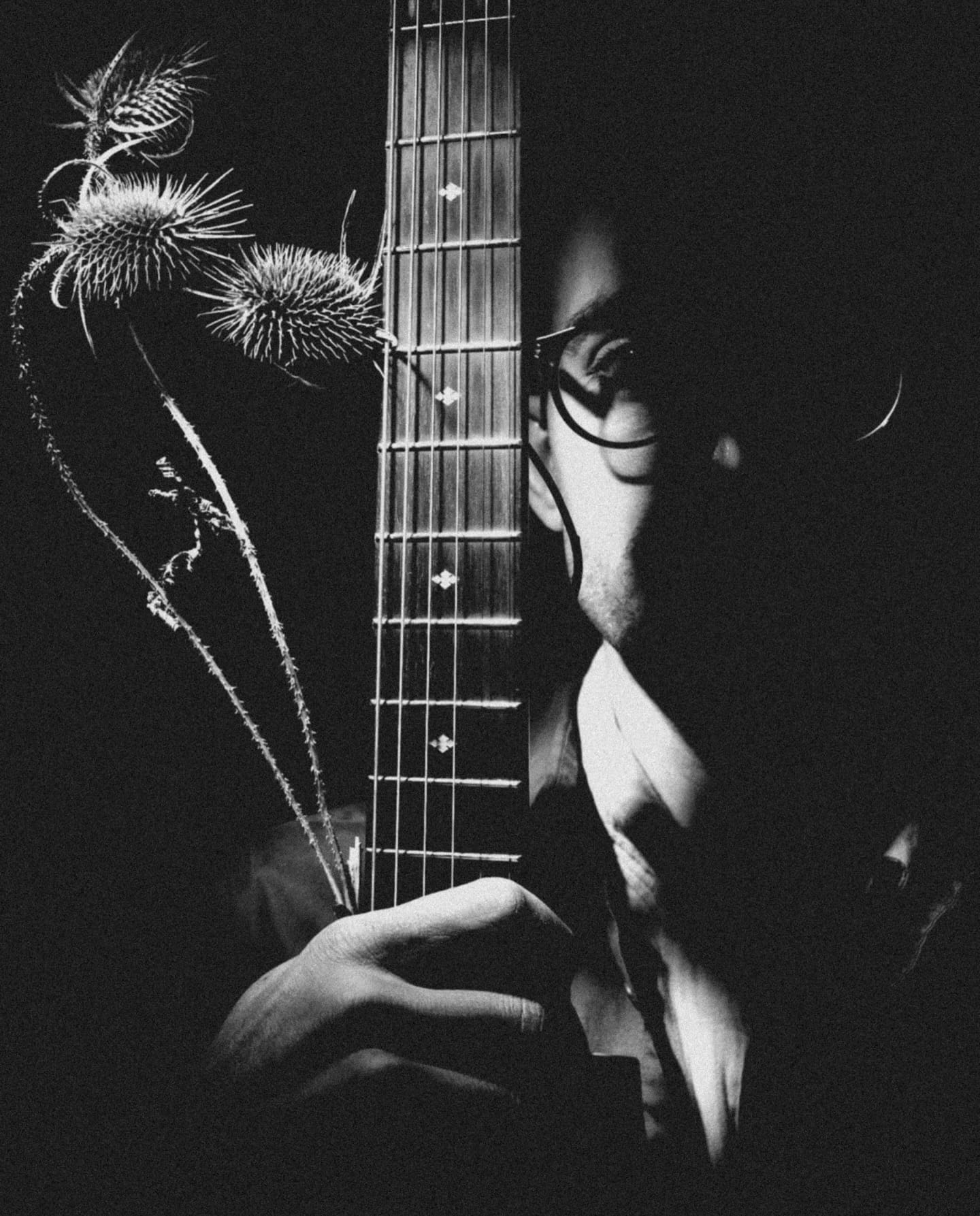
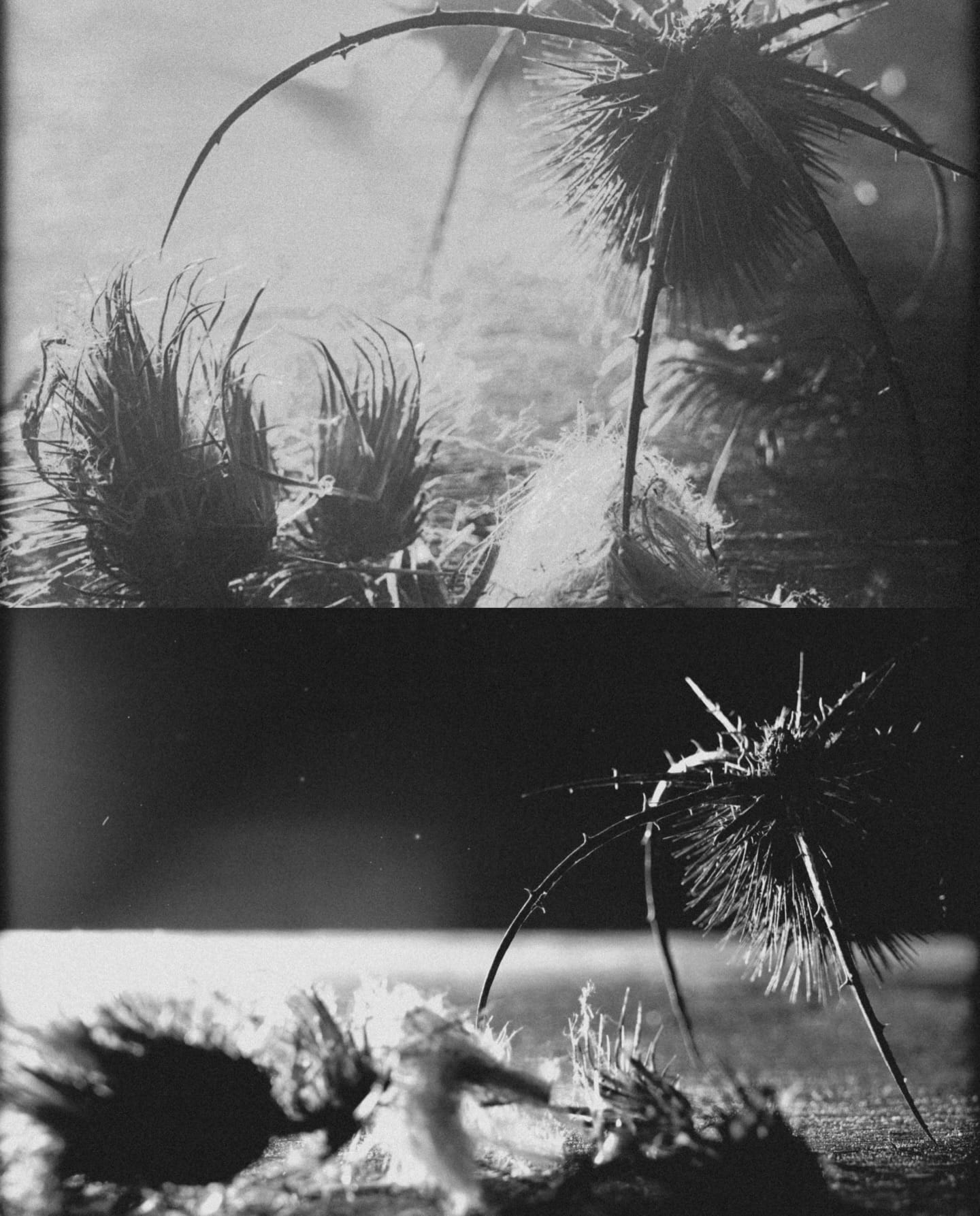
Andrew Oliver of Emerald Photography of Ohio has handled L’eveil’s photography, including the “Wars of Abstraction” images, and Pascal Huot designed the release.
Album two will be the first clear step beyond the solo setup. Matt and Nathanael are exploring an instrument that can work percussively and also produce broad, sustained drones. They have not disclosed the instrument or the player. On September 24, Matt met with one of the musicians he would like to bring in, so that part is still happening in real time.
“That doesn’t mean that each album simply gets more layered, but the vocabulary does become capable of holding more,” Matt said.
And there is now an album eleven.
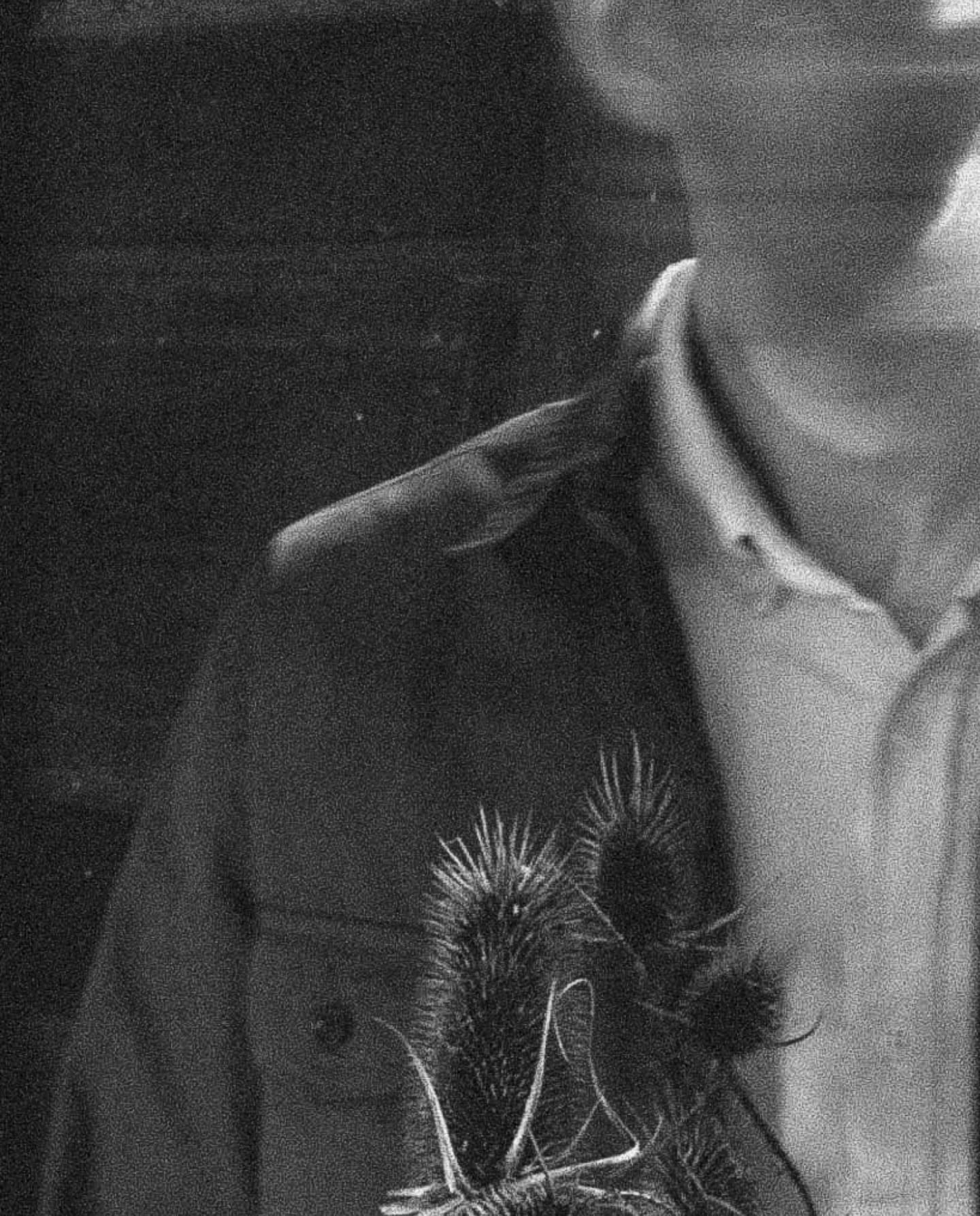
The original L’eveil cycle remains ten records. Matt began writing what he first thought might be a separate album, then realised he was bringing together some of the main lessons he had taken from the first ten. That record is nearly complete and has a title he is keeping private.
Album eleven also overlaps with a book Matt is developing. After spending so much time pulling at abstractions, he began to see how an idea of “anti-abstraction” could harden into another abstraction. The book and the music are separate projects. Both have brought him to the question of living in a world we know through partial representations of a whole.
“None of that implies there will be a twelfth L’eveil album,” Matt said. There is already a huge amount of work ahead in recording and releasing what has been written, with the practical limits that come with a project of this size.
“What I originally understood as a completed arc now feels much more open and recursive. There can be return, rotation, recognizable points of orientation, and enough deviation that the path never simply resolves itself. You can encounter familiar territory again without simply repeating it, but neither do you somehow graduate from it.”
Album ten still closes the original cycle.
“I suppose that is the distinction I am trying to protect: completing a cycle is not the same as completing the work. Album ten gives the gift back. Album eleven recognizes that giving it back does not end the relationship; what you have learned still asks something of you, participation continues, and life continues to unfold.”
This feature was made possible through artist-funded editorial support. The artist covered the time needed to produce and schedule this feature. This support allows us to dedicate more time to the story, while the writing and editing remain fully in our hands.