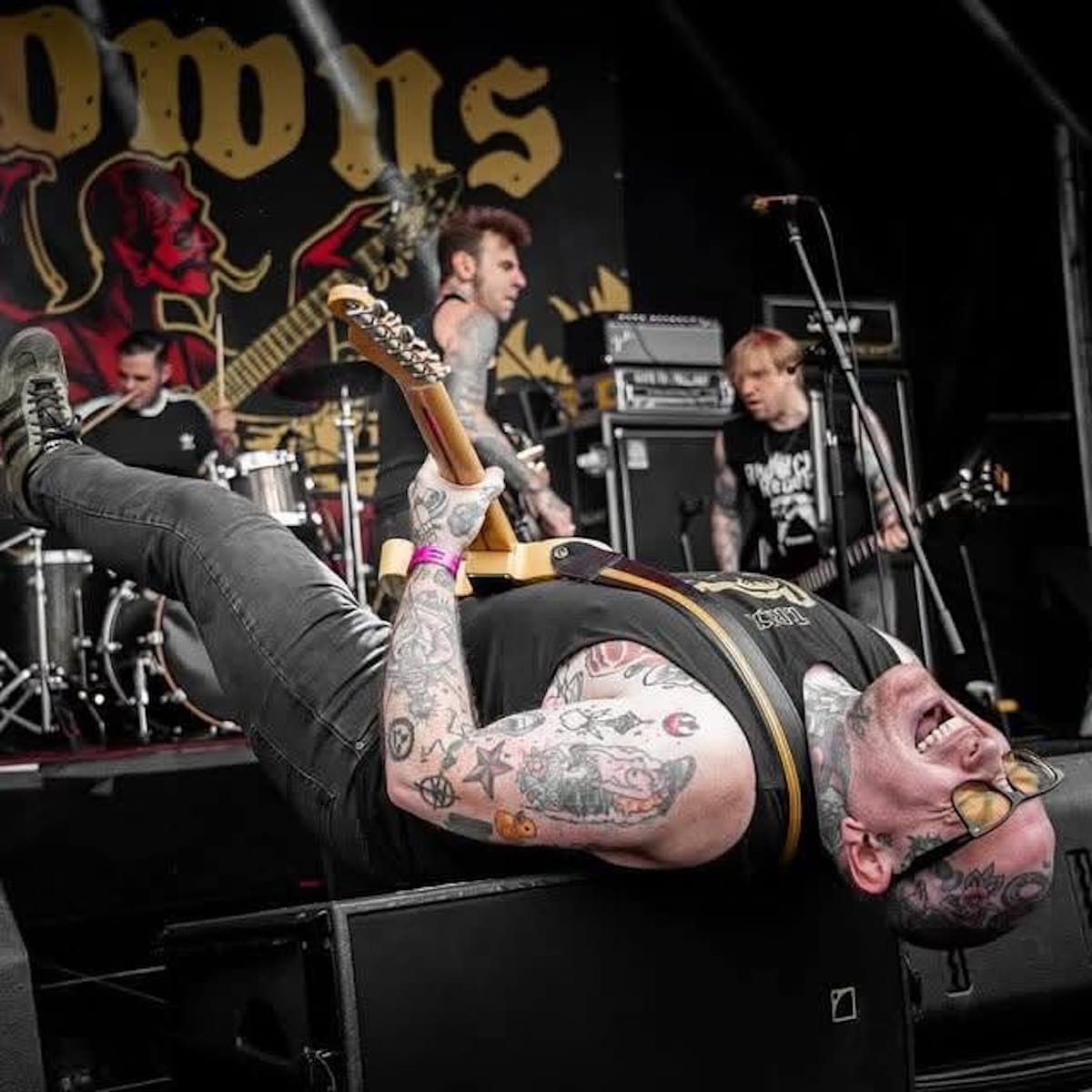


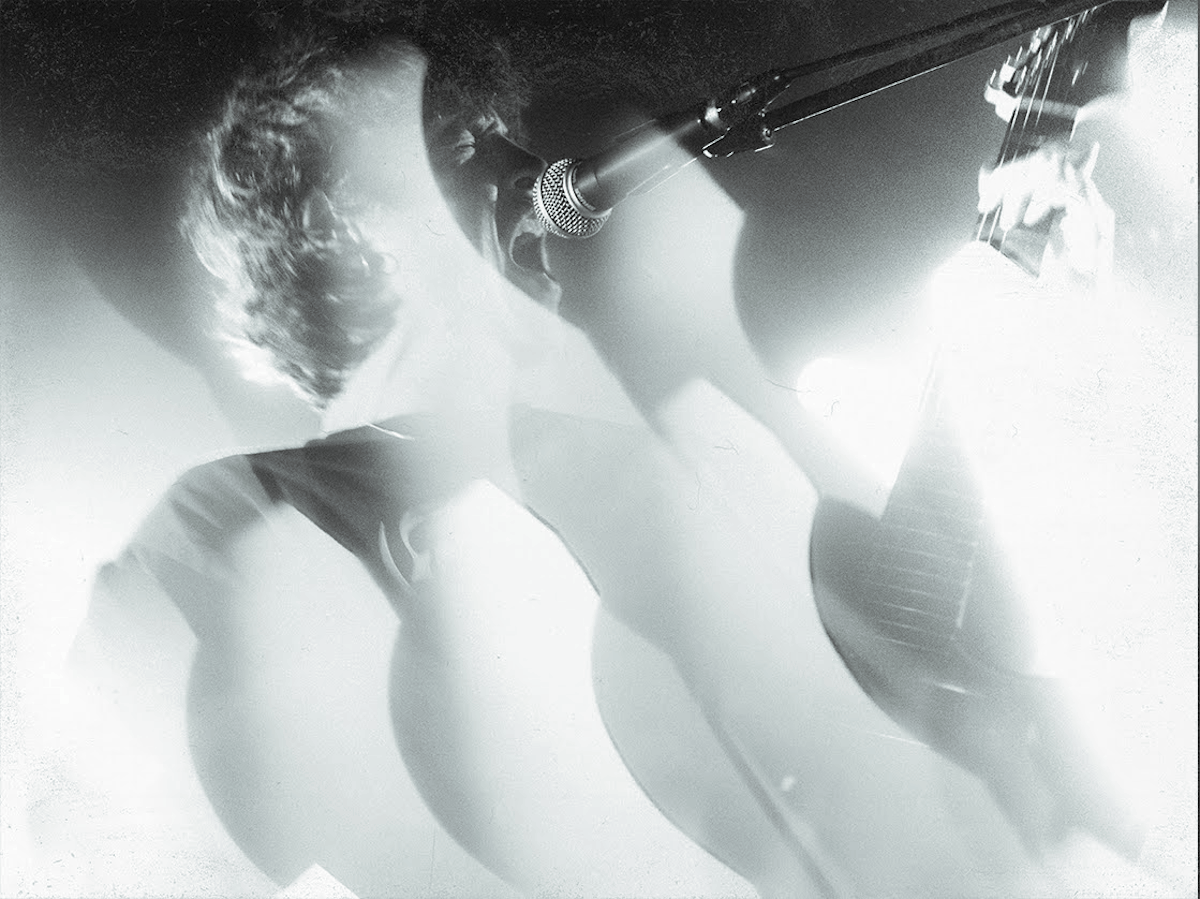
Say “French screamo” around here and you’ve already got our attention. Anyone who’s followed IDIOTEQ for a while probably knows how much we love this particular corner of emotional hardcore, and GRISEVILLE from Nantes are giving us plenty to get excited about. Their self-titled debut EP is a seriously dense, huge-sounding piece of screamo, with a strong post-rock streak and the kind of intensity that has kept us coming back to French bands for years. Six songs, just over 23 minutes, and a young four-piece with a lot going on beneath the screaming.
GRISEVILLE formed in 2024, nearly twenty years after Daïtro released “Laisser Vivre Les Squelettes”. With the twentieth anniversary of that record recently celebrated, it seemed like a good time to find out how a younger French band relates to the music that came before them. As it turns out, their route into screamo is a little different from what you might expect.
Birds in Row were the common starting point. All four members knew the band, had seen them play multiple times and felt a connection to them as musicians from their wider part of western France. Drummer Florent Guilbaud had already been listening to Daïtro for several years, and guitarist and vocalist Axel was familiar with Daïtro and Amanda Woodward too. The earlier French generation was still relatively new to some of the others when GRISEVILLE came together.
“I would say that Birds in Row was the first ‘entry door’ to french screamo and made us discover earlier bands like Daïtro,” Axel told us.

It makes sense when you think about how people actually find underground music. You discover a band playing today, follow a few connections, go through some older records and eventually start hearing where your favourites got their ideas. For GRISEVILLE, looking backwards helped them understand the music they’d already been listening to.
“Discovering earlier french screamo was an insight on the new wave of screamo.”
Axel also makes a pretty good observation about the recordings themselves. Screamo’s attachment to DIY recording and production means the age of a record isn’t necessarily obvious when you first hear it. Some older releases sounded so familiar to the band that they initially had little idea how far back they went.
“Also, as this scene is mostly driven by a DIY philosophy, the sound didn’t evolve a lot and old production tends to sound like new screamo production so it was quite easy for us to listen to old stuff without being totally aware that it was in fact old stuff”
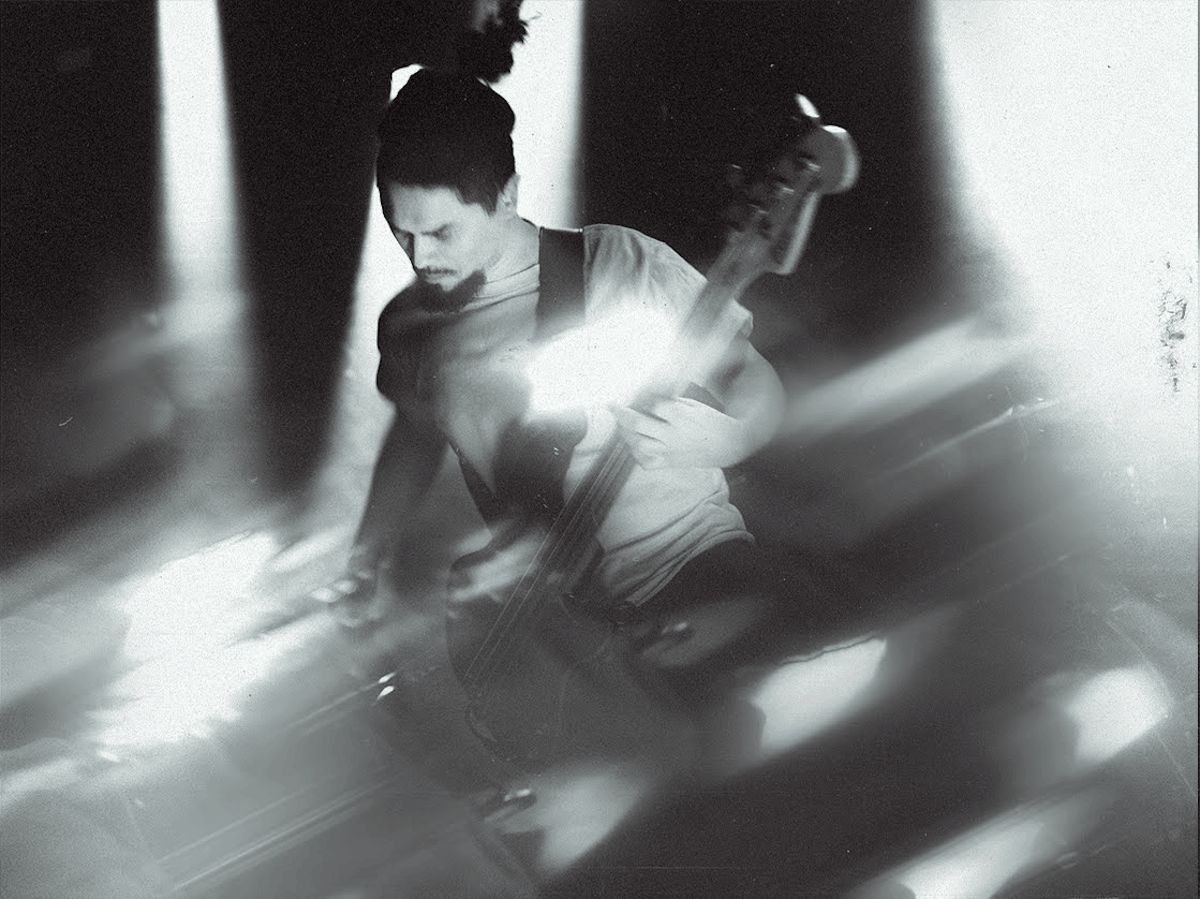
Daïtro’s “Laisser Vivre Les Squelettes” originally came out on 15 October 2005, and the anniversary brought a special reissue from France’s Echo Canyon Records and US label Persistent Vision Records. Alongside the vinyl, the labels put together a 24-page zine containing photographs, recording information and an account of Daïtro’s 2006 Japanese tour, which included dates with Heaven In Her Arms. There’s also updated packaging with copper-foil lettering, a postcard and stickers. It’s a great excuse to revisit the record, especially for anyone arriving at that period of French screamo through bands who came later.
Back in Nantes, GRISEVILLE have been building on a slightly wider set of influences. Birds in Row, Daïtro and Lorne Malvo are important to their shared taste, alongside bands such as Chalk Hands, Pianos Become the Teeth and State Faults. Their own music pushes emotional hardcore towards the expansive end of screamo, packing a lot of weight into comparatively short songs. There’s something very French about the combination, although the four musicians are clearly bringing their own musical backgrounds to it.
The city gives them a good place to work from. Nantes has a busy community around hardcore and extreme music, and Axel connects that partly to its left-wing political character, the influence of Hellfest and the sheer number of people involved in putting on shows.
“Nantes is big place for extreme music. There’s a huge conter-culture in this city because of the left-wing spirit in this town, the Hellfest ‘influence’ and also thanks to all the bar/venues, people, bands, promoters, …”
Le Ferrailleur is one of the venues he particularly appreciates, with a regular programme of heavier music. Nantes has plenty going on across hardcore, metal and other extreme styles, although Axel doesn’t consider it a particular centre for screamo. It’s the wider heavy music community that makes the city such a good place to start a band.
And the musicians have plenty of recommendations for anyone interested in what the French underground is doing now.
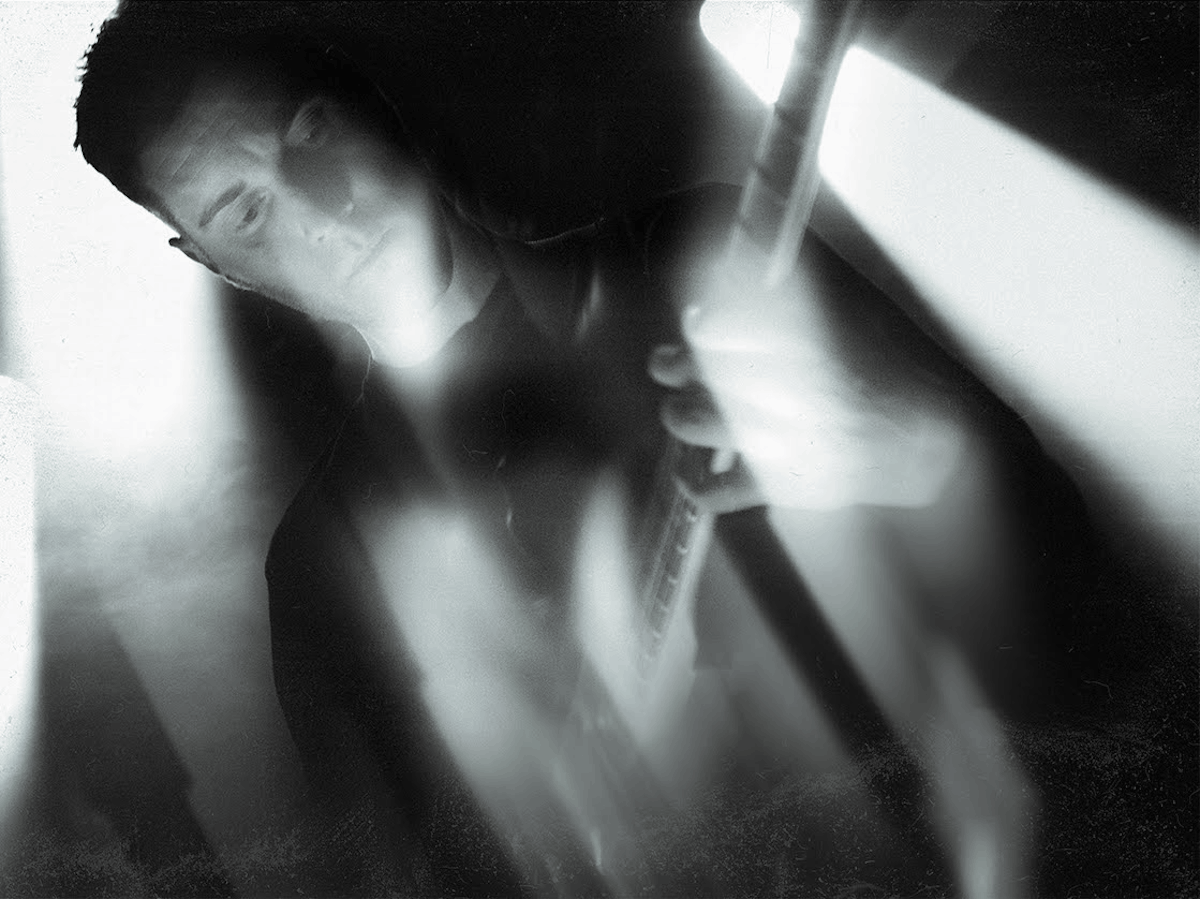
Lorne Malvo were among the main inspirations behind GRISEVILLE’s work. Axel speaks just as warmly about the people in the band as he does about their records, and he’d have chosen them as his recommendation if they were still active. They had recently split up by the time we spoke.
Instead, he points towards Fall Of Messiah, whose post-rock and screamo have been an inspiration to him. He particularly recommends their latest album, “Green Lands”, released earlier this year through Voice Of The Unheard Records, the same label responsible for GRISEVILLE’s debut.
“It’s an amazing french post-rock/screamo band that inspired me, go listen to their last album ‘Green Lands'”
Guitarist Yoann goes for Brasiers, friends of GRISEVILLE who play a fast, aggressive heavy hardcore crossover. The vocals and riffs are what he loves about them, but he also thinks people outside France might be surprised by hearing that style delivered in French.
Bassist Thomas has a different suggestion in Malvä, a feminist trio featuring women and people from gender minorities. Their lyrics and live shows are the main attractions for him. He puts it simply: “Intense lyrics and enraged performance shows”.
Florent’s choice brings things right back to Nantes. He’s seen local post-hardcore band Liar so often that he reckons they might be the band he’s watched live more than any other.
“Maybe it’s the band I’ve seen the most !”
Between those personal picks, there’s a fair amount to get into, stretching from the post-rock side of screamo to heavy hardcore and the more immediate post-hardcore being played around Nantes. It’s a good reminder of how much stuff sits alongside French screamo today, and how different the four musicians’ tastes can be even when they’re playing in the same band.
One thing they do share is a commitment to singing in French.
That started with Axel, who handles guitar and vocals. Writing in his first language simply allows him to express himself more comfortably, especially when the songs deal with experiences he knows personally. There’s also a funny cultural awkwardness he brings up about French-language singing in heavy music.
“It’s usually really hard for us French people to listen to french singing heavy music (it’s usually cringe I guess) but it’s different with screamo because of the way of singing (screaming makes lyrics more hard to comprehend).”
It’s a point worth considering, particularly with screamo. You can spend a fair amount of time with a song before you’ve picked out the words, even when the vocalist is screaming in your own language. Axel likes the idea of someone hearing the music first, getting curious and eventually going back to the lyrics.
“I think it’s cool to not understand everything at the first listening and then proceed to read the lyrics and finding the meaning.”
Singing in French also connects GRISEVILLE to the earlier bands they admire. For Axel, using the language is one way of taking part in the French screamo tradition and paying tribute to the musicians who helped establish it.
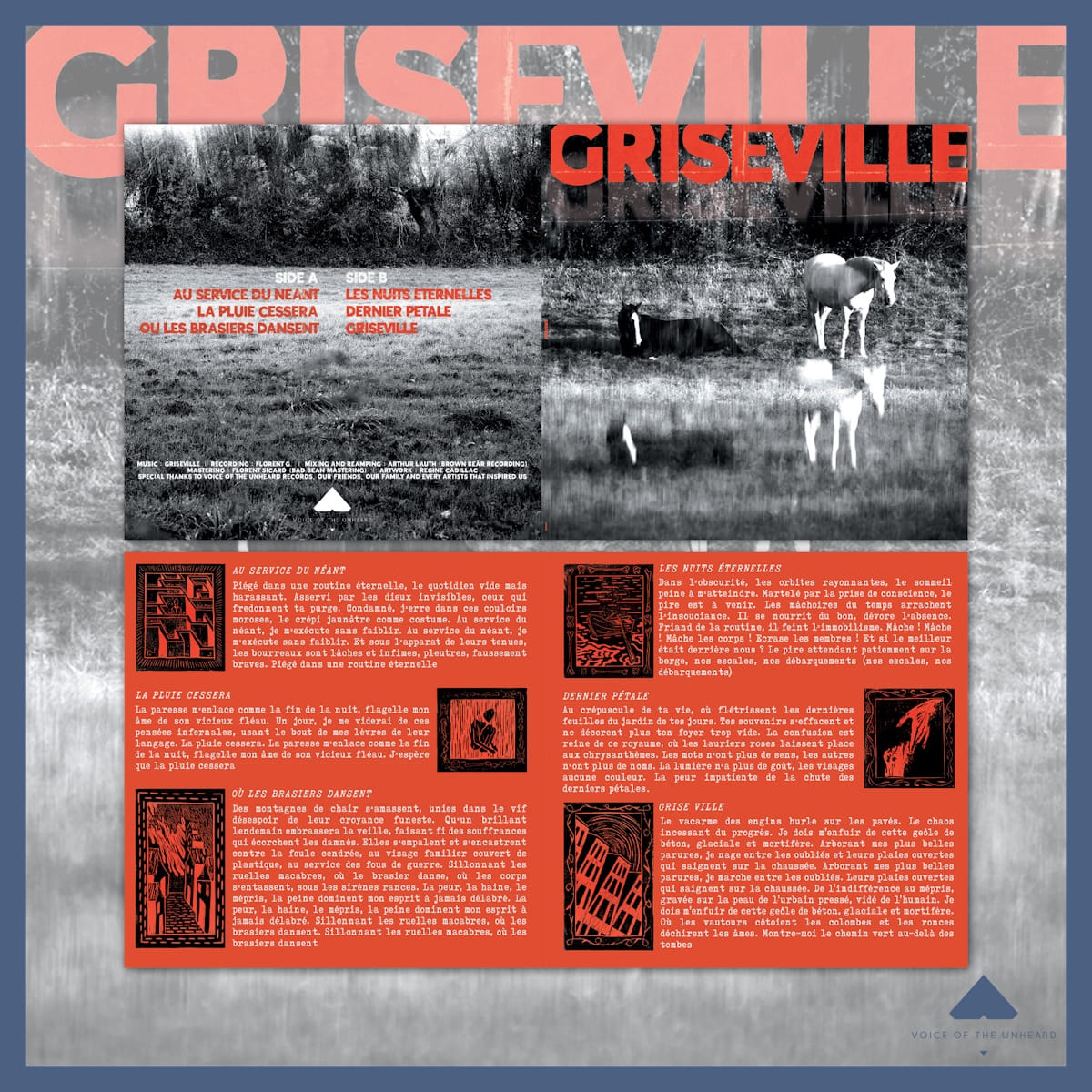
The lyrics on “Griseville” give people plenty to come back to. All six songs come from Axel’s experiences, feelings and thoughts, with some written around very specific situations in his own life.
The title track, “Grise Ville“, goes back to a route he used to walk to work. He would pass through a concrete-heavy part of the city, surrounded by buildings, traffic and people going about their daily routines. He regularly encountered homeless people and became increasingly conscious of the way others looked at them or simply ignored them.
The lyrics are particularly concerned with that everyday indifference. The people sleeping rough are there, visible to everyone walking past, and yet treated as though they barely exist.
“De l’indifférence au mépris, gravée sur la peau de l’urbain pressé, vidé de l’humain.”
The song turns the ordinary walk through town into something deeply uncomfortable. There’s traffic, the relentless noise of construction and a narrator trying to get away from the concrete around him. Its title also shares the band’s name, making that urban setting especially prominent across the release.
“Au Service du Néant” comes at everyday life from the workplace. Axel writes about bullshit jobs, the conditions people have to deal with and the alienation that can come with contemporary work. The lyrics describe an exhausting routine that seems to go nowhere, with the narrator trapped in miserable corridors and continuing to carry out his duties.
There’s a lot of anger in the words, particularly towards the people exercising authority over others. It’s rooted in a frustration most people who’ve worked a pointless, draining job will probably recognise.
Other songs are much closer to Axel’s family and personal life.
“Dernier Pétale” was written about his grandmother, who suffers from dementia. The lyrics describe memories gradually disappearing, confusion taking over and familiar people becoming difficult to recognise. Axel uses the image of a flower losing its last petals, which gives the song its title.
“Les mots n’ont plus de sens, les autres n’ont plus de noms.”
The song was the first introduction to GRISEVILLE’s music, released as a single on 29 May 2026. Its accompanying text described old age as a burden for the person experiencing it and for those around them, with memories fading and the fear of losing the final petal always present. Knowing the experience behind it makes those words especially personal.
There’s another kind of loss in “Les Nuits Éternelles“, although this one concerns something everyone eventually has to deal with. Axel writes about the feeling that things used to be better, the way childhood comes to seem increasingly distant and the realisation that you can’t return to the innocence or carelessness you once had.
“Et si le meilleur était derrière nous?”
It’s a simple question, and a pretty miserable one to find yourself asking. The song deals with that familiar temptation to look backwards and imagine that the best parts of life might already have happened.
“La Pluie Cessera” stays close to Axel’s emotional experiences, dealing with depressive states and feelings. Its repeated hope that the rain will eventually stop gives the song a straightforward sense of wanting to get through a difficult period.
The political side of the EP comes through most clearly on “Où Les Brasiers Dansent”. Axel wrote it from his own perspective on police repression during demonstrations in France, particularly the Gilets Jaunes movement and the later protests against pension reform.
He draws on his personal view of those events and the treatment of protesters, with images of crowds, police, sirens and violence running through the lyrics. Fear, hatred, contempt and pain appear together in one of the song’s repeated passages.
It’s a different subject from his grandmother’s illness or the daily walk to work, but all of these songs start with something Axel has experienced, observed or spent time thinking about. The subjects can be bleak, and the words are quite direct once you sit down with them.
The whole thing lasts a little over 23 minutes. “Dernier Pétale” and “Grise Ville” had already introduced the band before the EP’s arrival, with the second single following on 17 June. The complete six-song release came out on 4 September, and the band were on the road shortly afterwards.
Their September shows took them through several French cities, including Marseille, Lyon, Limoges and Bordeaux, as well as Milan in Italy and Zurich in Switzerland. The Bordeaux date at Polacabana also put them alongside Loma Prieta and other bands from the screamo community. Another gig is scheduled for 5 December at L’Intermediaire in Paris.
The band have made it clear that getting out and playing this music to as many people as possible is a priority. For a group that only started in 2024, they’ve already had a busy first period, getting the songs recorded, releasing the EP and taking it beyond Nantes.
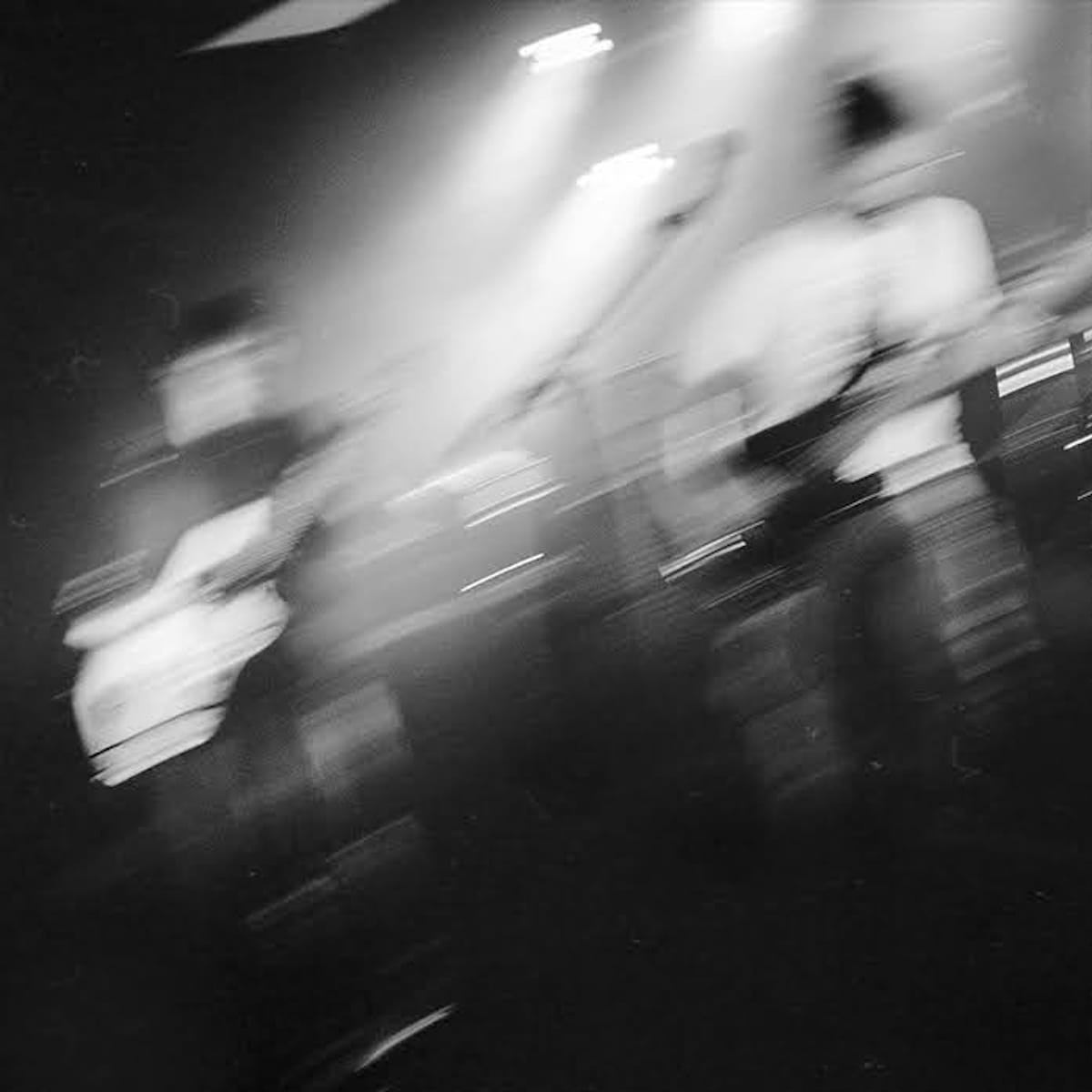
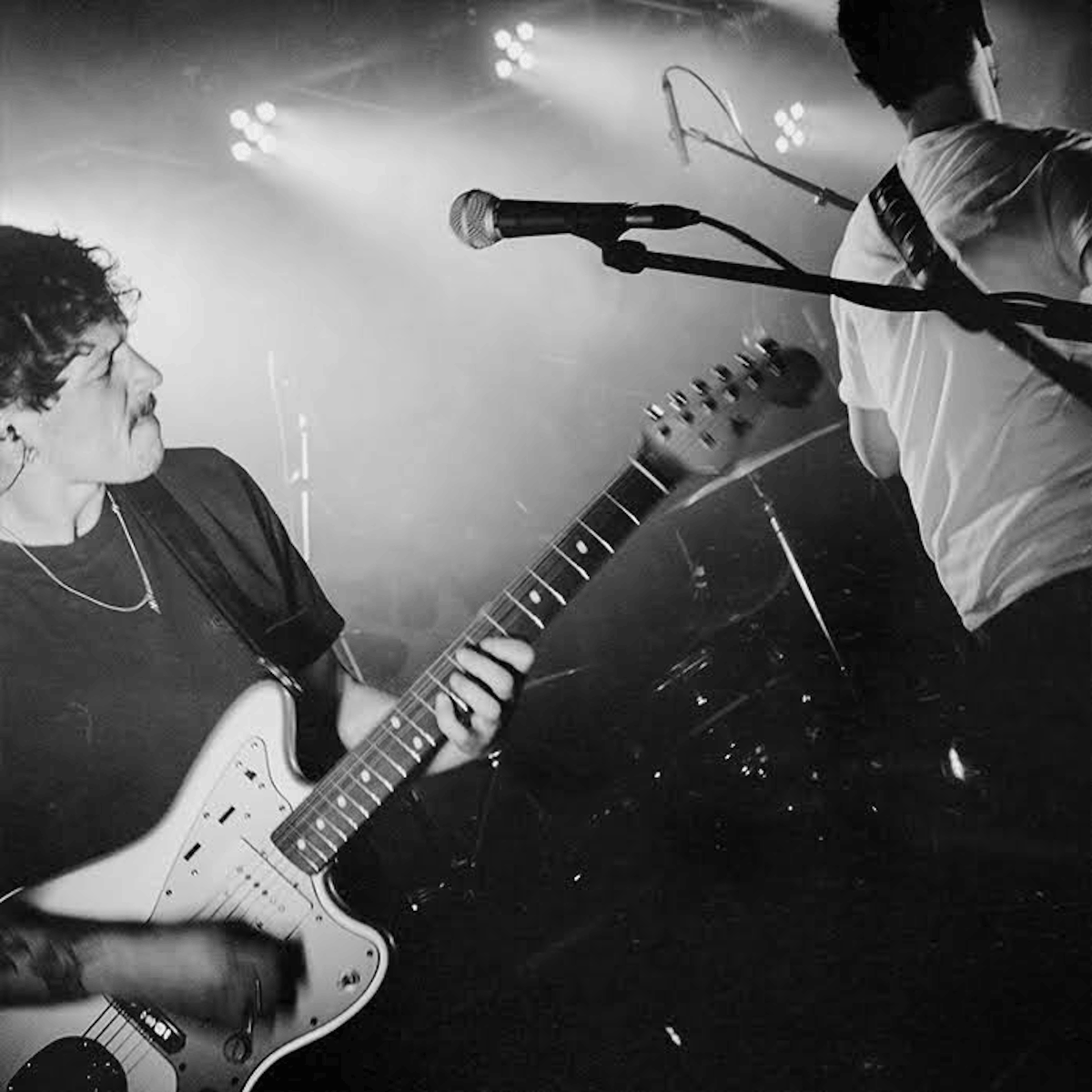
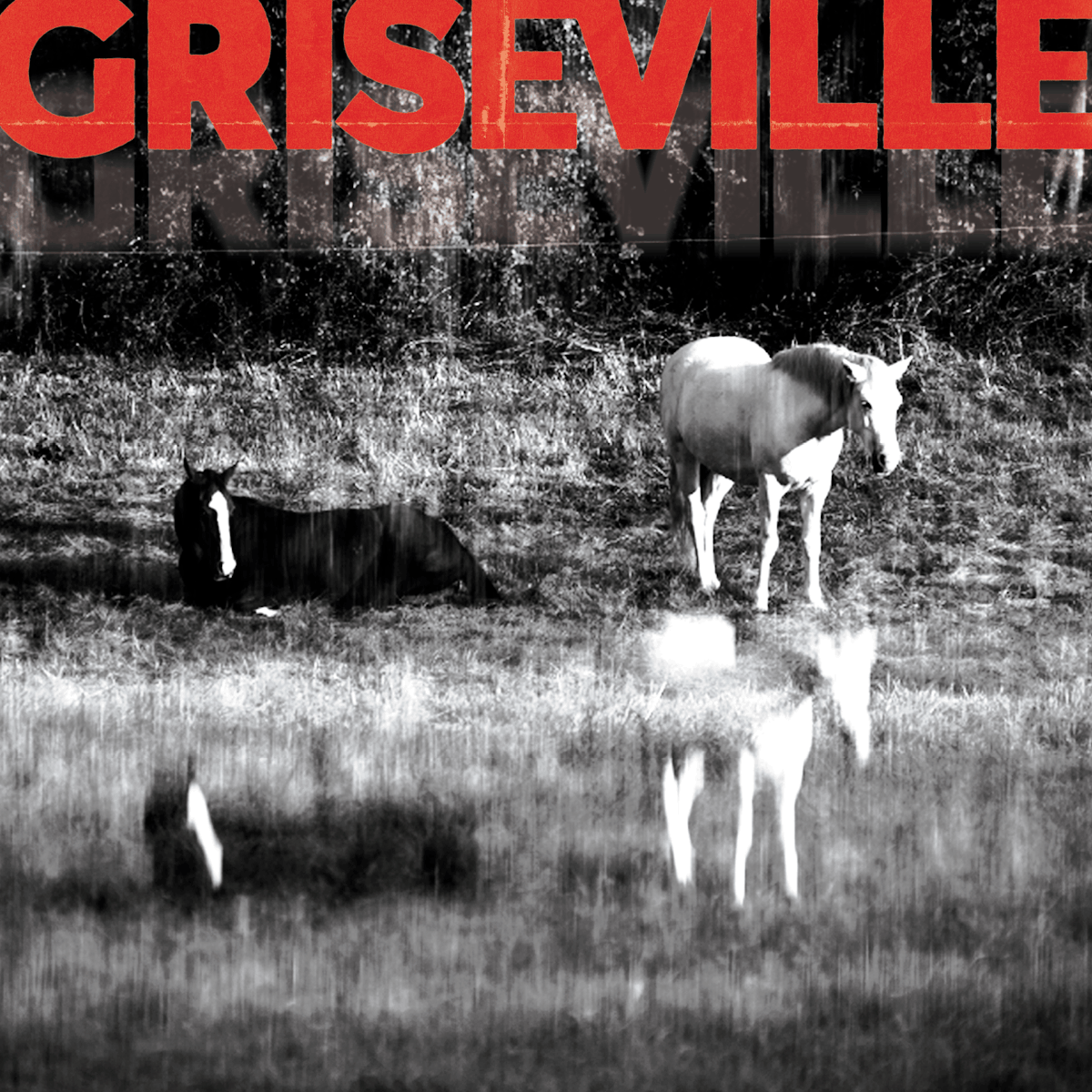
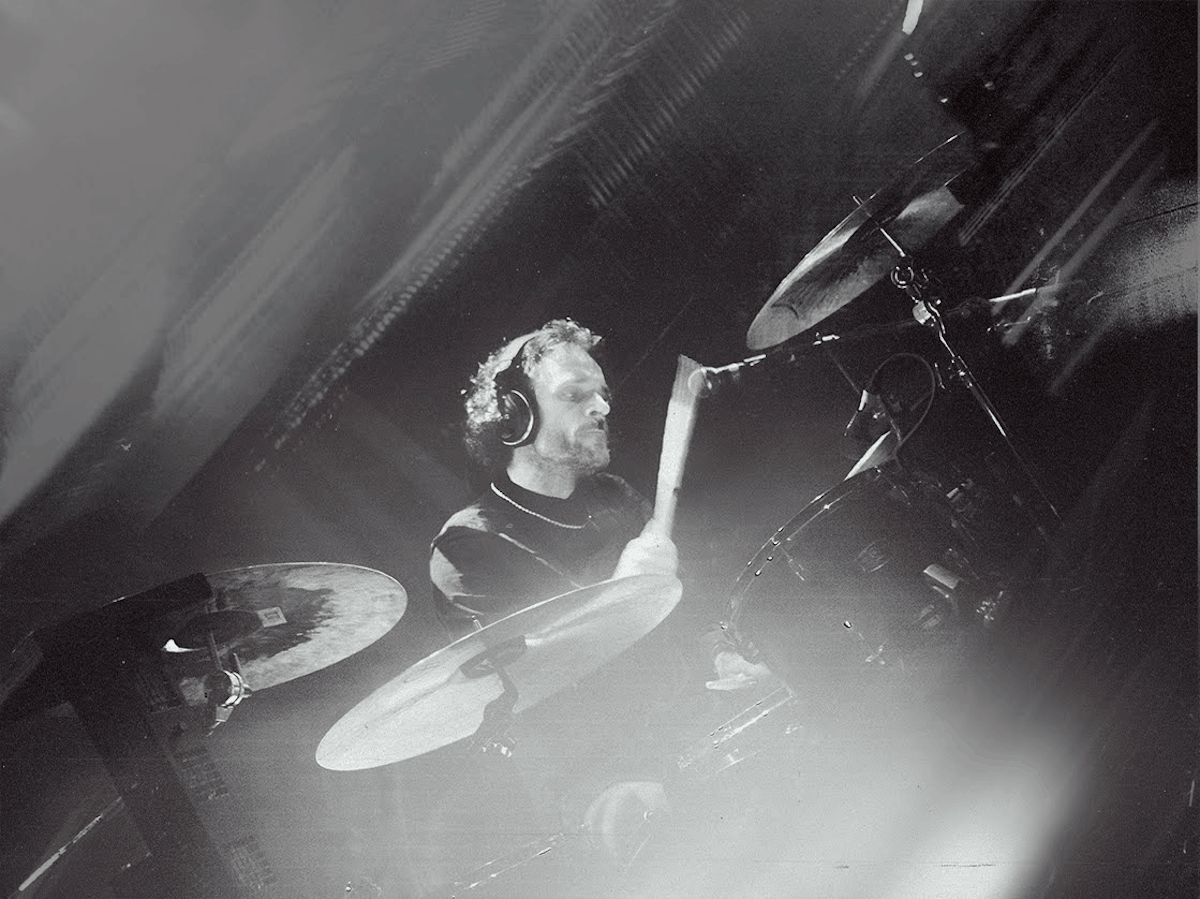
Drummer Florent Guilbaud recorded “Griseville” at Chalky studio. Arthur Lauth handled mixing and reamping at Brown Bear Recording, while Florent Sicard mastered it at Bad Bean Mastering. Régine Cadillac created the artwork and also took the band’s live photographs.
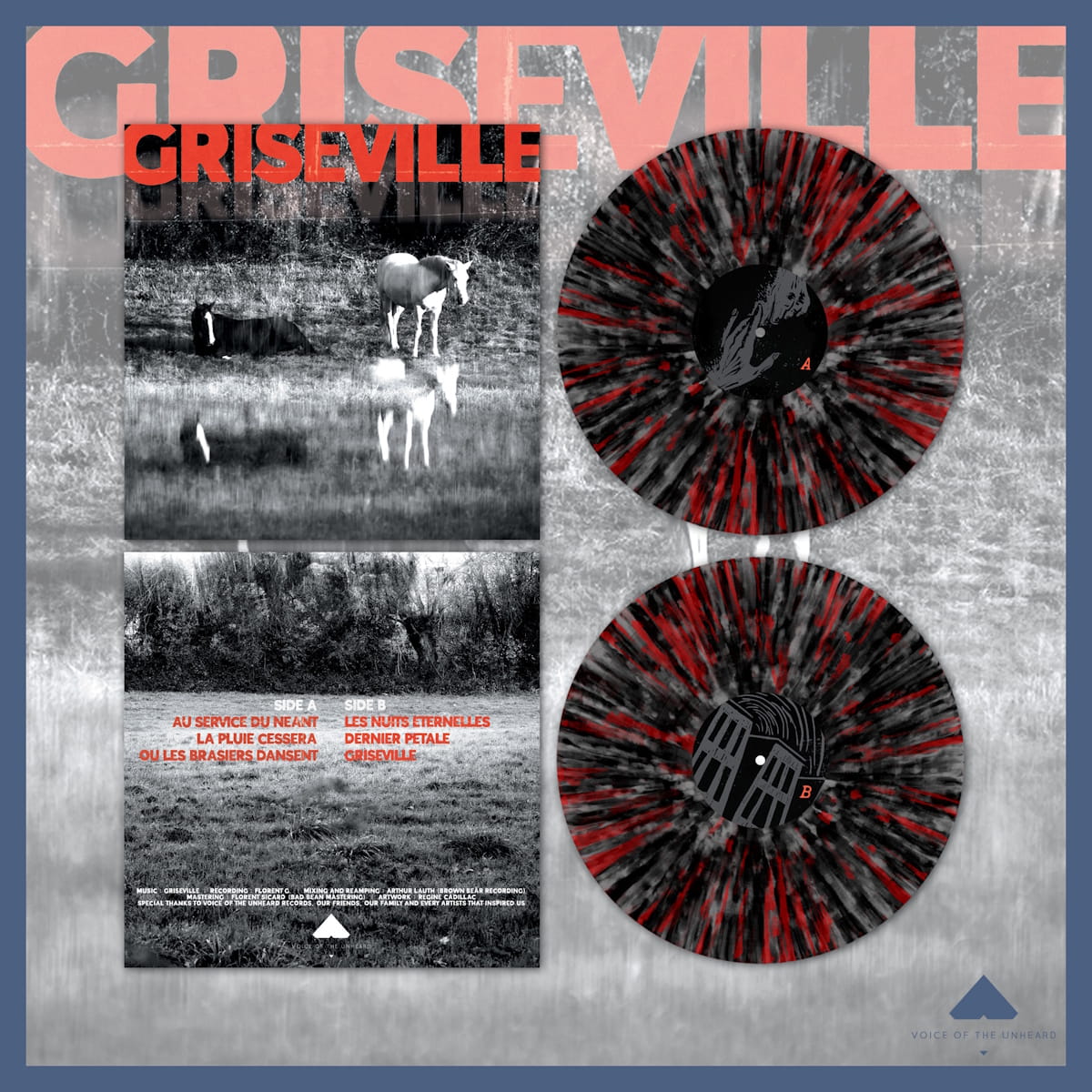
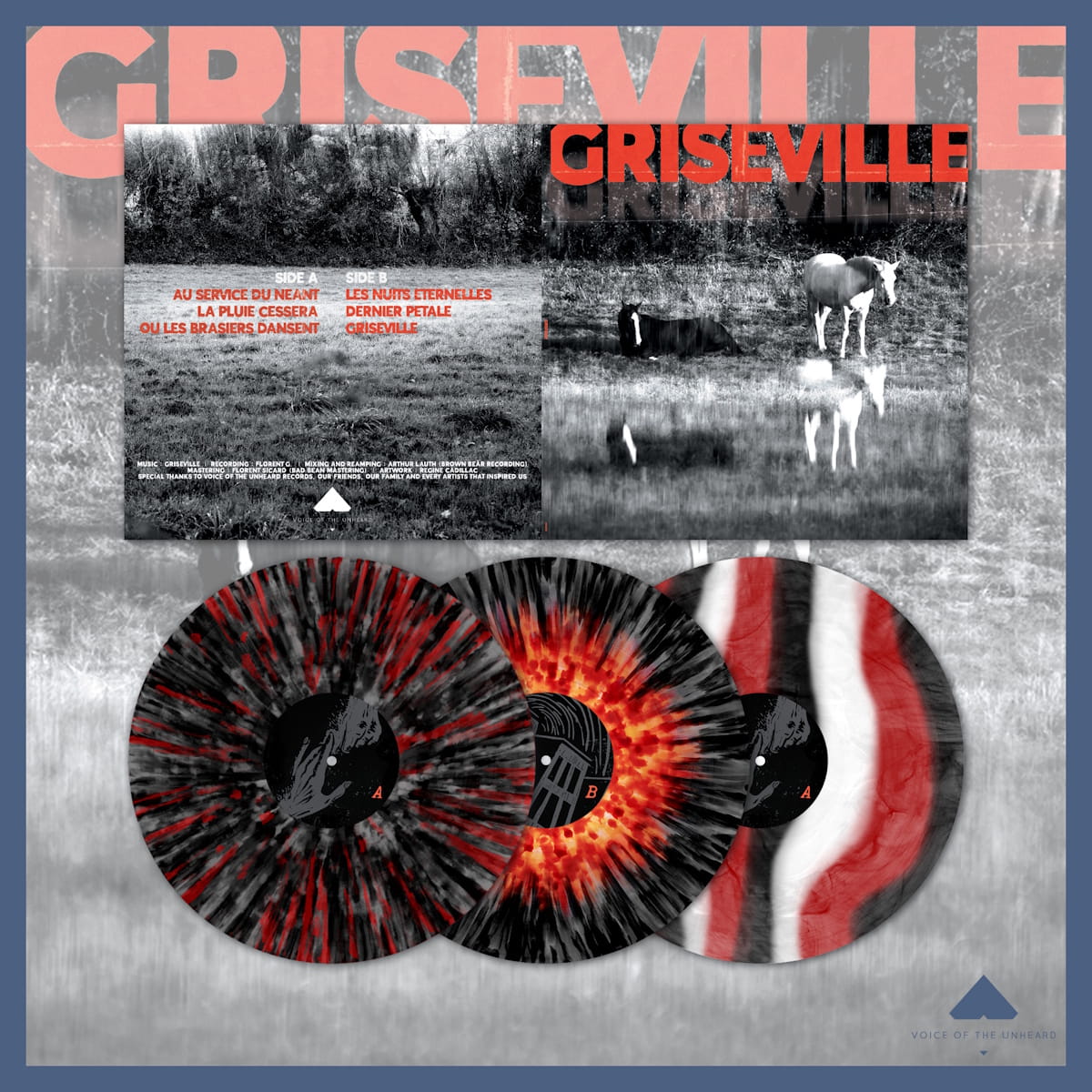
“Griseville” is GRISEVILLE’s debut EP, released on 4 September 2026. It’s available digitally through the band’s Bandcamp, including a name-your-price download, and on vinyl through Voice Of The Unheard Records as VOTU087. A compact, fiercely emotional first record from four musicians in Nantes, coming to French screamo with their own backgrounds, their own stories and a whole lot of love for the bands that came before them. You’ll love it!