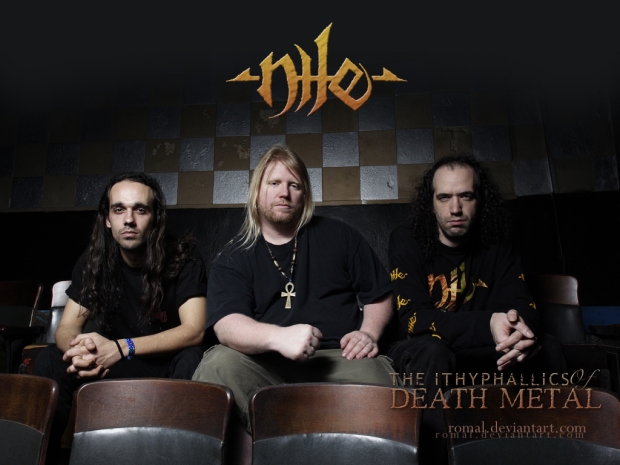
Please go to your post editor > Post Settings > Post Formats tab below your editor to enter audio URL. Interviews STARE NILE interviewed by KASC The Blaze 1330 AM, July 2012 July 7, 2012 1 min read KASC The Blaze 1330 AM recently conducted an interview with NILE founder Karl Sanders. Share this Facebook Messenger Twitter Whatsapp Reddit Email Tags: death metalniletechnical death metal Karol Kamiński DIY rock music enthusiast and web-zine publisher from Warsaw, Poland. Supporting DIY ethics, local artists and promoting hardcore punk, rock, post rock and alternative music of all kinds via IDIOTEQ online channels. Contact via [email protected] You might be interested in February 10, 2013 BAD RELIGION bassist interviewed by AMP Magazine, February 2013 February 10, 2013 STCIK TO YOUR GUNS interviewed by I Want My C TV February 9, 2013 PARKWAY DRIVE interviewed by PitCam February 9, 2013 The Self-Titled Magazine talks to HOT WATER MUSIC Previous Story THE OFFSPRING interviewed by Japanese TV, July 2012 Next Story ARMORED SAINT and FATES WARNING bassist interviewed by Metal Sickness, March 2012 Latest Columbia’s HANG YOUR HATE revisit “Worms?!”, with Garrett Curry taking aim at political power and small-town complicity SLAPSHOT end 41-year run with a 25-song farewell in Boston (photos, videos) Albany post-hardcore band SUNBLOC revisit broken friendships through “Reverse” and its new video 25 years of “Give Blood”: Bane’s Aaron Dalbec looks back on the record that took the band to another level Winnie the Pooh goes deathcore on SHALLOW RETROSPECTION’s “Desperate Within”
Columbia’s HANG YOUR HATE revisit “Worms?!”, with Garrett Curry taking aim at political power and small-town complicity
25 years of “Give Blood”: Bane’s Aaron Dalbec looks back on the record that took the band to another level