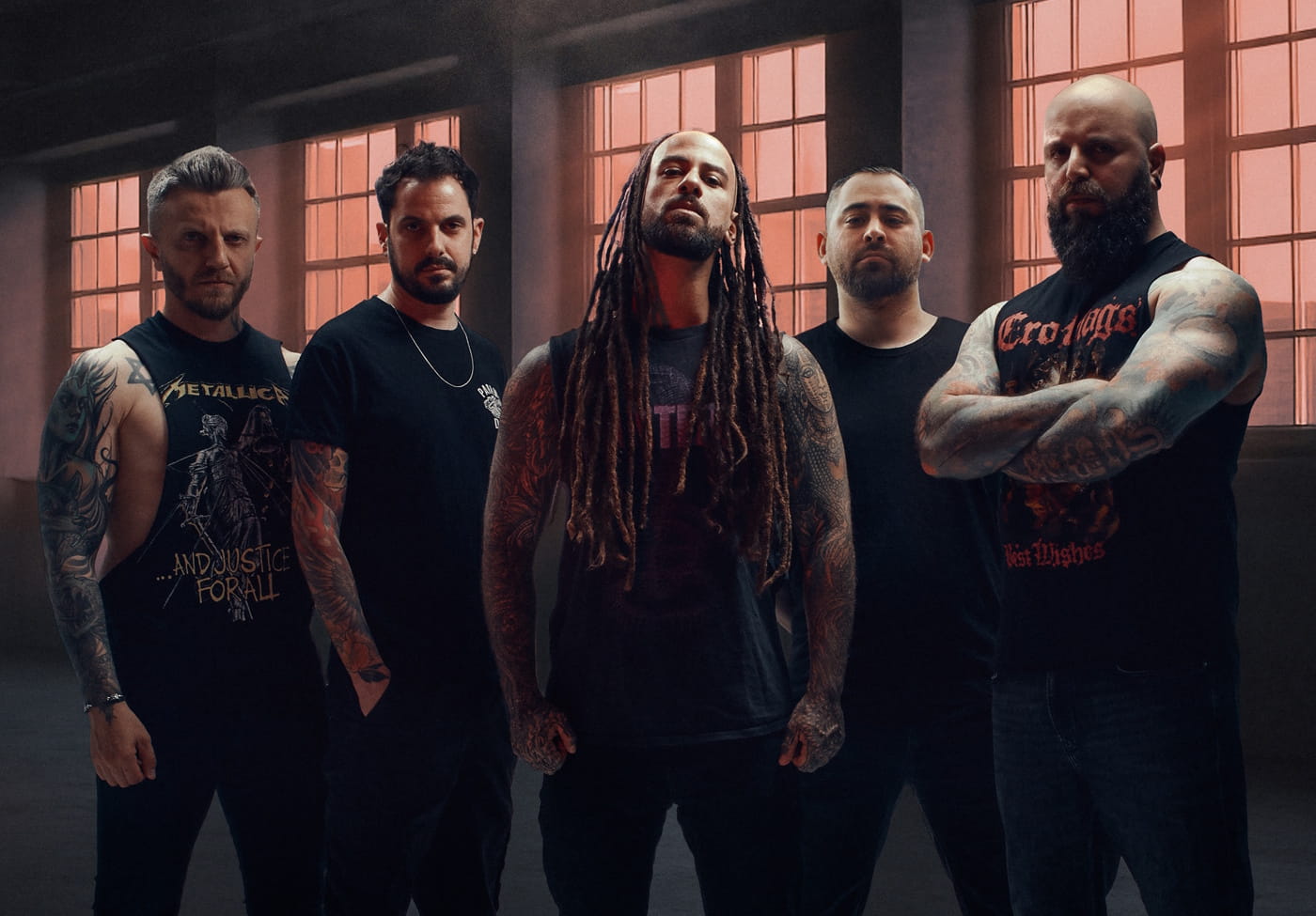


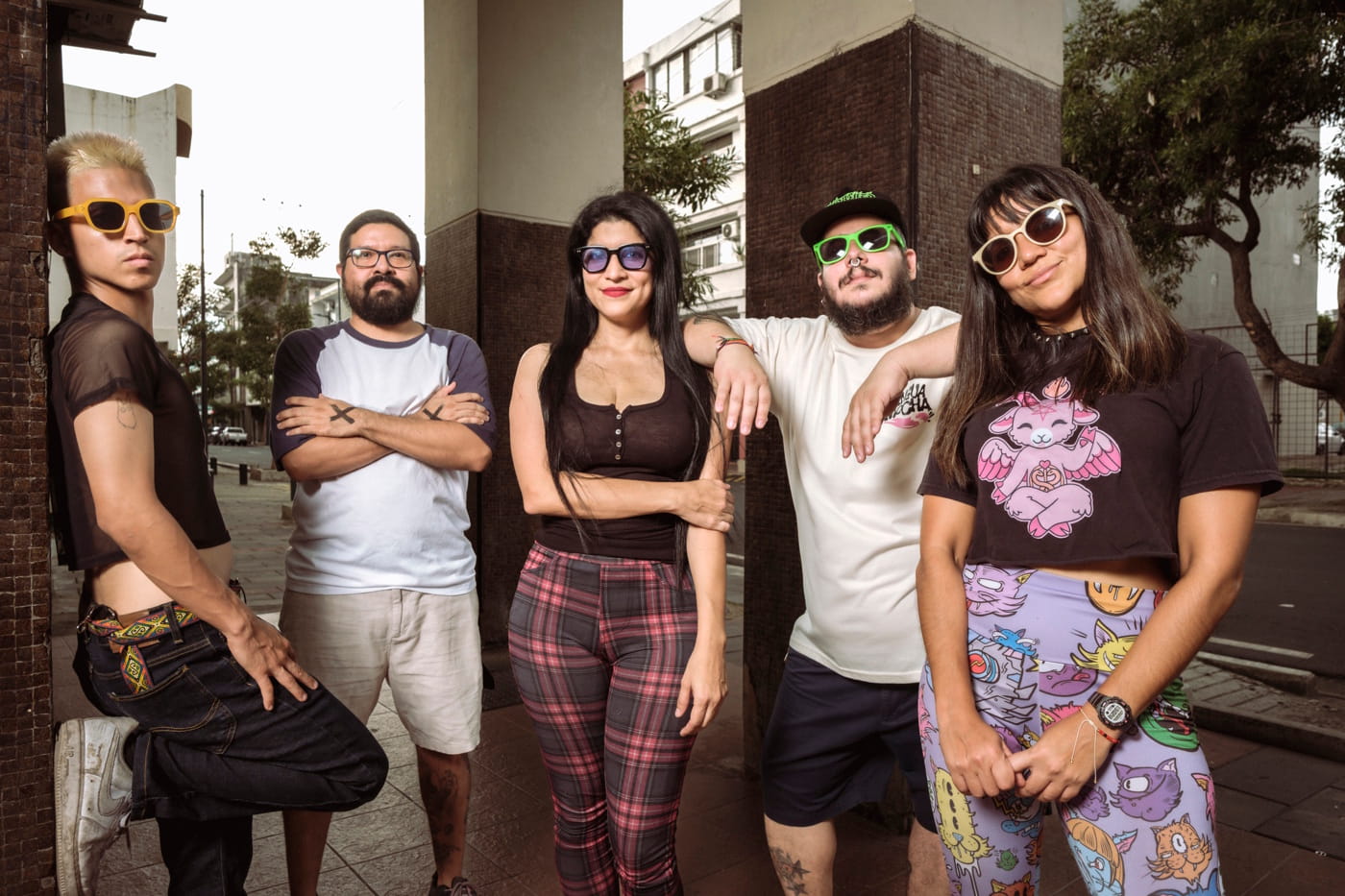
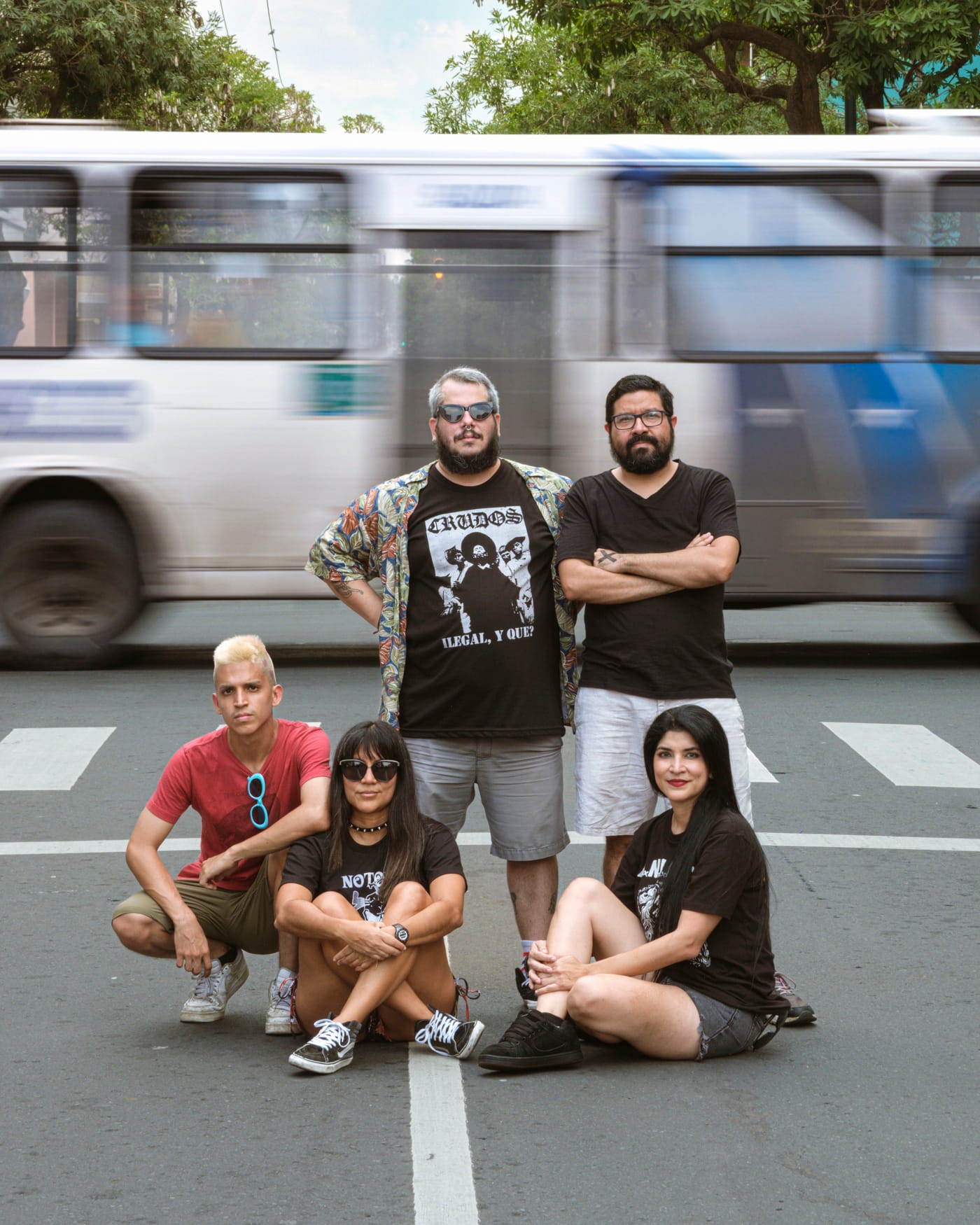
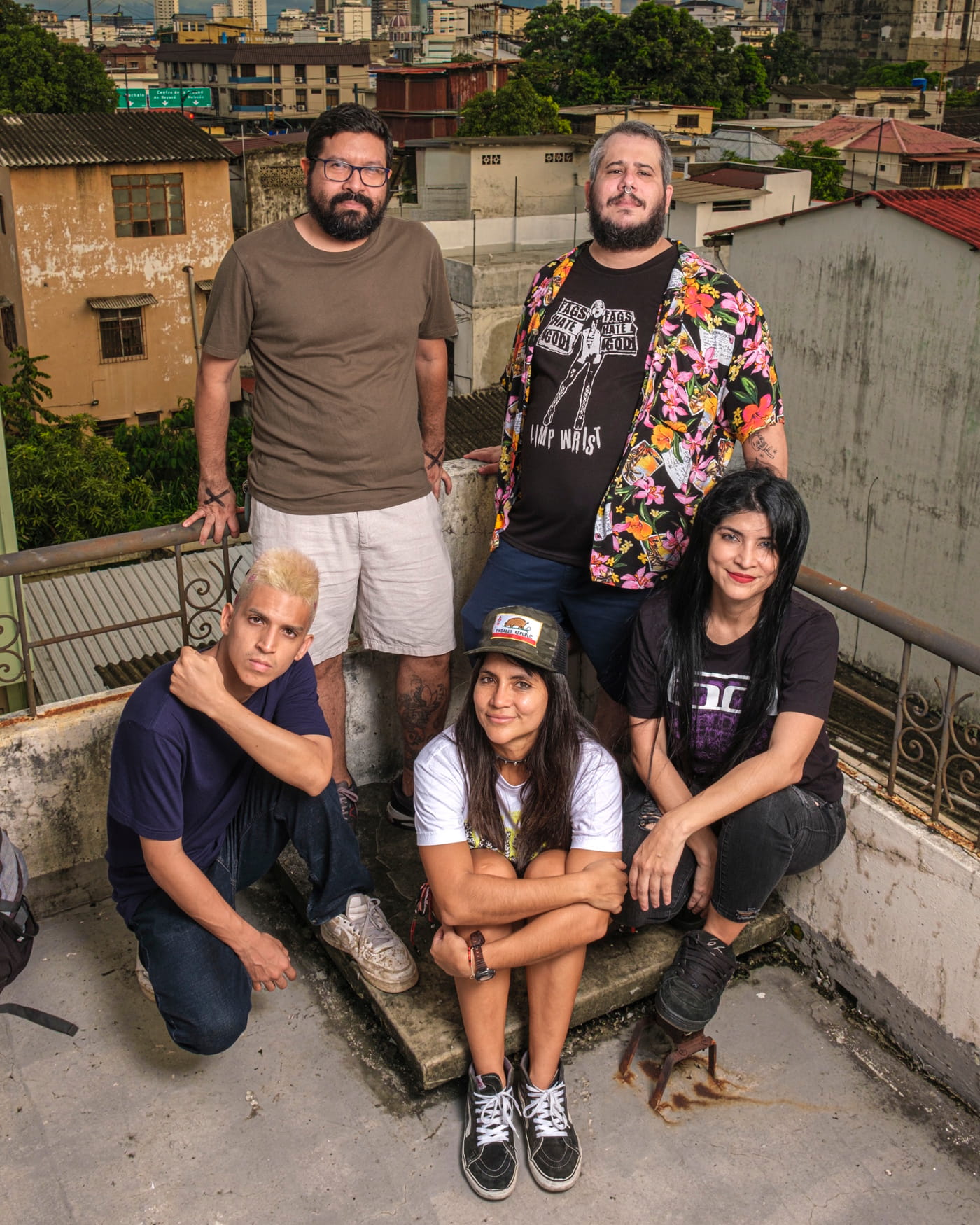
Sisters Elizabeth and Catalina Coronel started Pukarana in Durán, Ecuador, in 2003. Twenty-three years later they are still the constant at the centre of the band, Elizabeth on vocals and Catalina on bass, and the rest of the lineup has changed around them multiple times. That kind of continuity is rare anywhere. In Ecuadorian hardcore, where nothing about the scene has ever been built to last, it is close to unheard of.
Durán has become internationally known for violence in recent years, but long before those headlines it was already a city defined by inequality, corruption, insecurity and everyday social frustration. That was the environment Pukarana came out of, and it shaped what the band was going to be about from the first practice. Punk and hardcore, in their case, were never a career decision. They were a way to talk about what was happening in the neighbourhoods around them.
The current five includes Andrés Loor on drums, Iván Jiménez and Gary Huacón on guitars. Pukarana started as a punk rock project and drifted into hardcore over the years, but the message never moved. Political corruption, abuse of power, institutional failure, inequality, violence, social injustice. That is still the songbook.
They grew up on Agnostic Front, Sick Of It All, Fertil Miseria and Cojoba, and it shows in how their catalogue keeps landing: “Nada Más Que Hablar”, “Los Idiotas y el Poder”, “Así de Simple”, and now “Suicidio Escolar“. Their catalogue runs from the 2004 record “Nada Más que Hablar” through 2015’s “Demo-Ensayo” to a series of singles and international compilation appearances, including “Sin Fronteras Ni Banderas Vol. 03”. Over the years they have played Quito, Machala, Portoviejo, Salinas, Durán and Guayaquil, sharing stages with Ecuadorian and international punk and hardcore bands.
The newest of those releases arrived on June 28th, timed with Pukarana’s 23rd anniversary. “Suicidio Escolar” is the band’s first cinematic music video, two minutes and twenty-seven seconds long, built around real cases in Ecuador where teenagers took their own lives after prolonged bullying and institutional neglect.
Names and narrative details were changed to protect the victims and their families. The song sits with a question the band has been circling for a while. What happens when a student asks for help and the institution does nothing? The video follows the silence around the victim more than the violence itself, holding on teachers, administrators, classmates and families who noticed warning signs before anyone acted.
The single cover carries the silhouette of Paola Guzmán Albarracín. Her face is intentionally absent. For Pukarana, this is not one person’s story. The white silhouette against black stands for every victim failed by the system. According to Ecuador’s National Institute of Statistics and Census (INEC), suicide was the third leading cause of death among people aged fifteen to nineteen in 2023.
“We wanted to shed light on something that is often ignored but deeply affects young people and their families,” the band said. “Unfortunately, this reality continues to exist in many schools.”
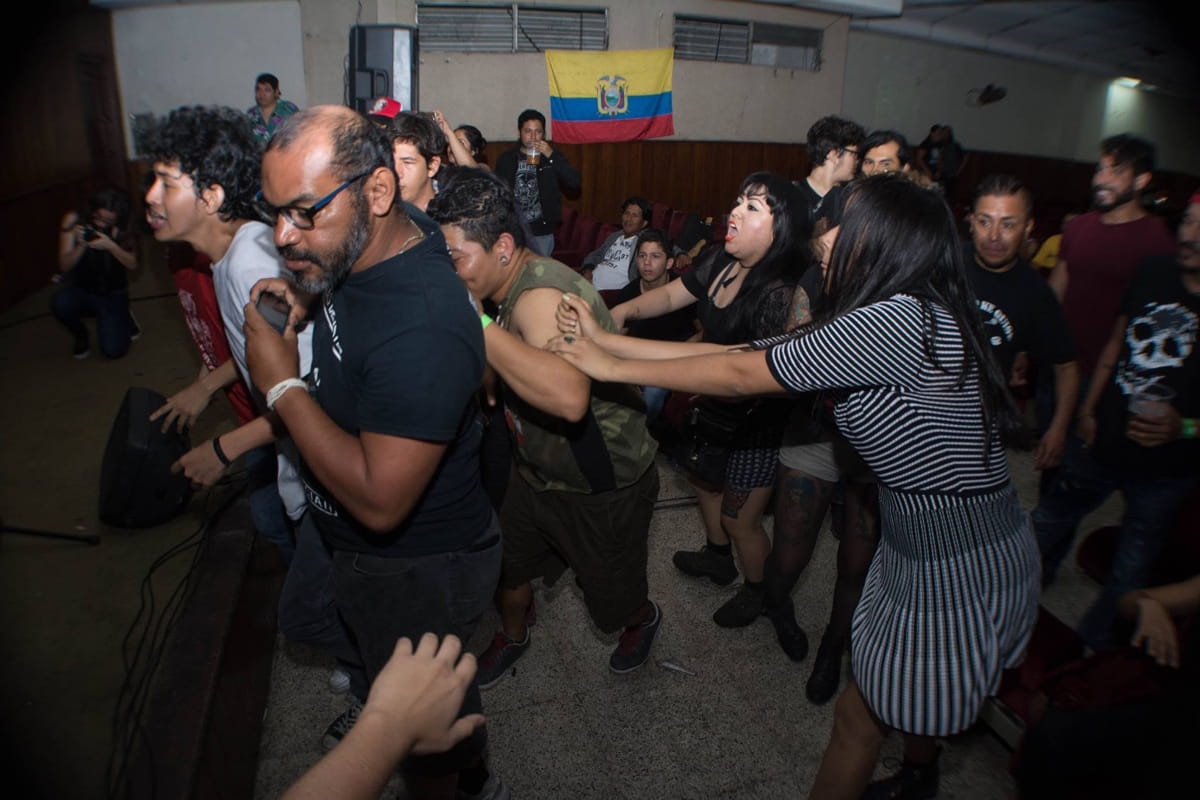
To mark the release, Pukarana hosted a free public discussion at Piso 11 Cultural Center in Guayaquil. Journalists and members of the public came to hear about the making of the video, but the second half of the evening was given to CEPAM-G, who spoke about violence in schools, bullying, sexual abuse prevention and the importance of early intervention. Attaching a mental health resource conversation to a hardcore video launch is not the standard release rollout. It is closer to how the band has always worked.
The video was directed by Geovanny Pozo. Elizabeth Coronel produced and wrote the screenplay. Manuel Carvajal shot it. Atrako Records handled mixing and mastering. It is on YouTube as the official music video and on Spotify as a single.
Wyświetl ten post na Instagramie
To understand why this release lands the way it does, it helps to know the ground it comes out of. Ecuador has never had a real industry for underground music. Punk and hardcore have always existed on the margins. The scene has been quietly alive for more than four decades anyway, not because it was viable but because people refused to let it disappear.
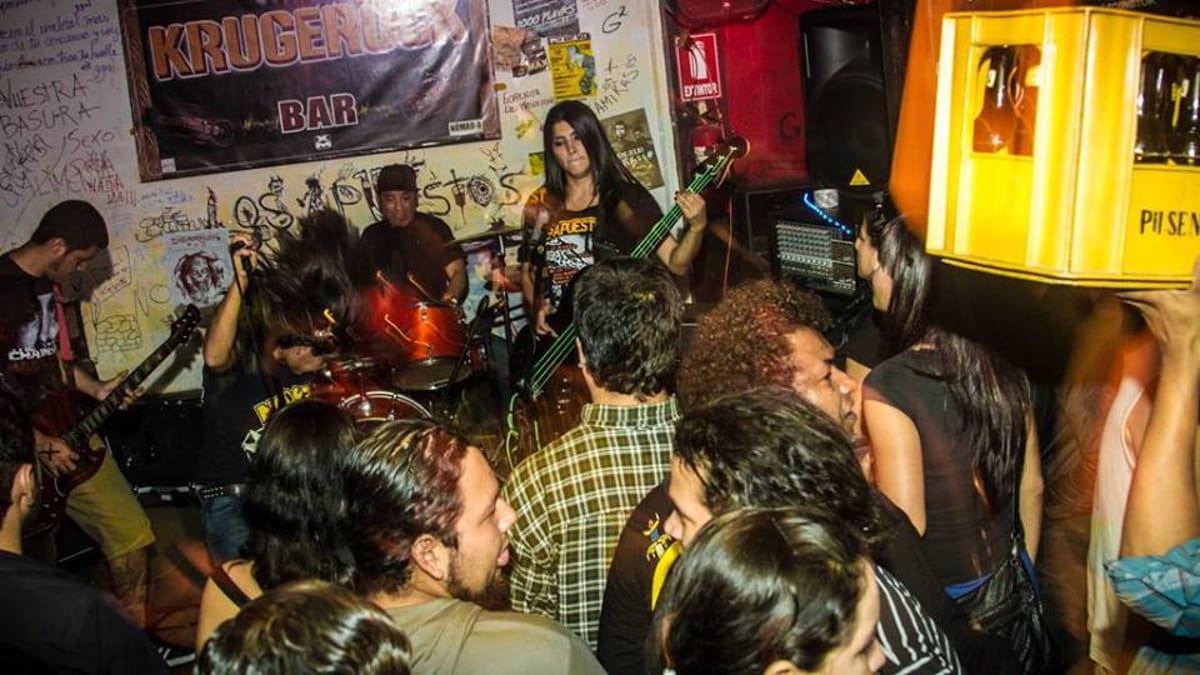
The roots run back to 1984, when Descontrolados emerged in Guayaquil as one of the country’s first punk bands. Most local rock groups at the time played covers of international hits at school festivals. Descontrolados wrote their own songs about what was actually happening around them, and that is where the underground movement in Ecuador really started.
Hardcore itself arrived in 1991 with Notoken, still recognised as the country’s first hardcore punk band and, in Pukarana’s telling, the biggest influence on every generation that followed. Notoken wrote “Jabón Detergente”, “Desastre Popular” and “Club de los Idiotas” when almost nobody in Ecuador understood what hardcore was, and their example opened the door for Kaos, NTN, Ruido de Odio, Moral Abajo and eventually Pukarana themselves.
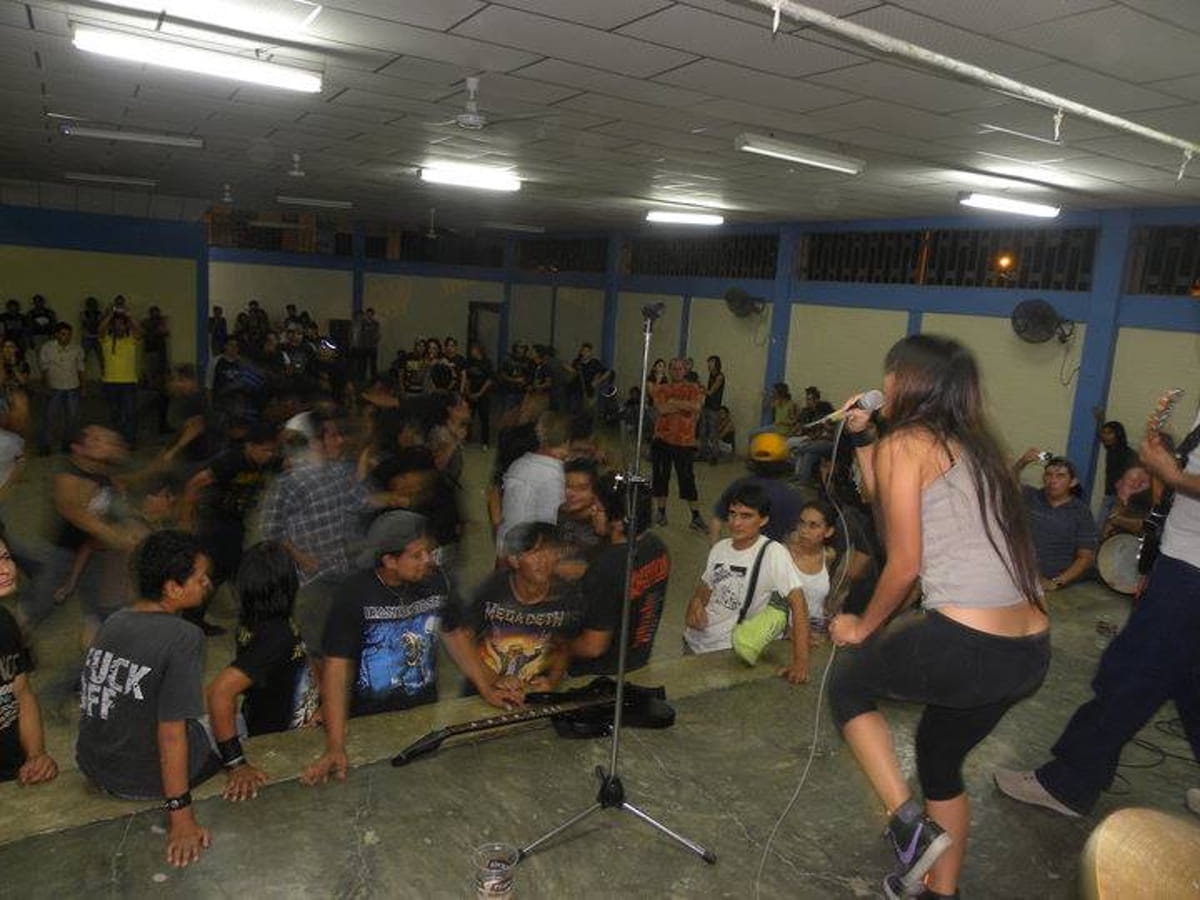
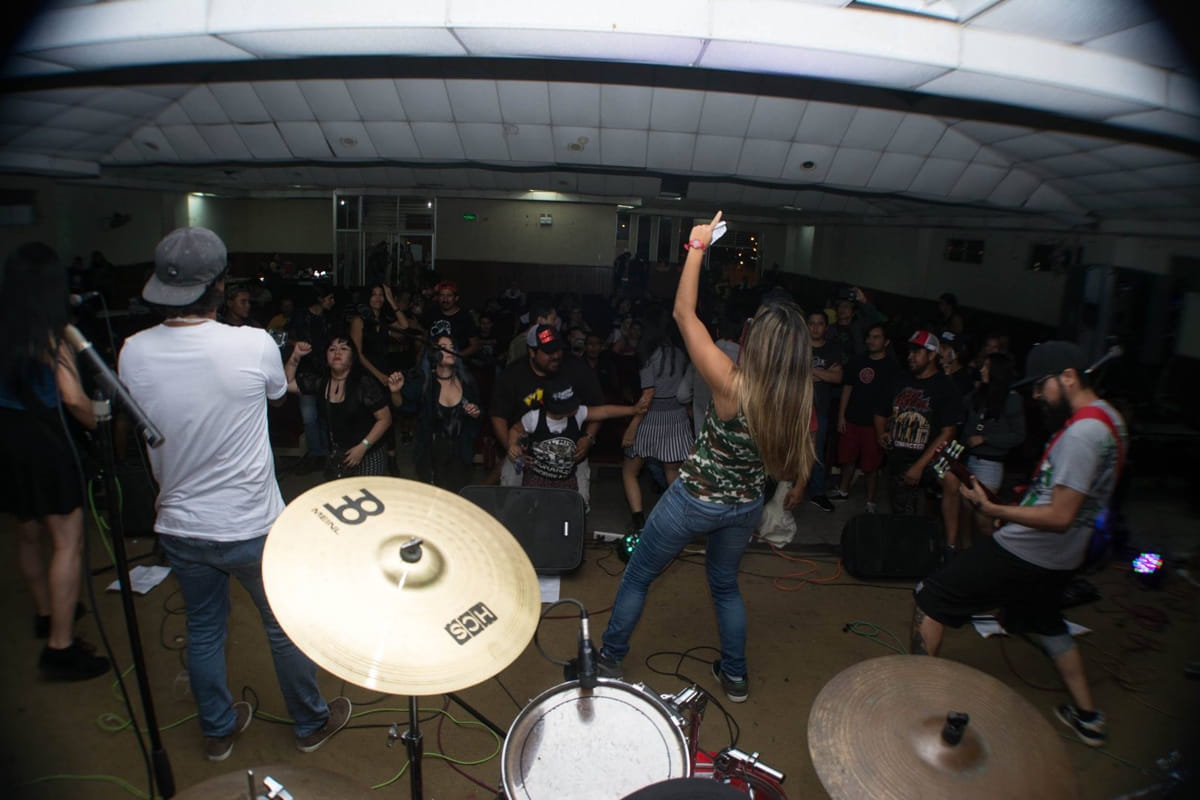
The early years were completely DIY. Shows happened in community halls, auto repair shops, house backyards, warehouses. None of those places were built for concerts, and most of them ended the same way, with police at the door. Permits would be questioned or the authorities would simply arrive and shut it down. From inside the scene, this could feel absurd.
Violent crime was a daily reality across Ecuadorian cities, and police resources were being spent on breaking up shows where the only crime was a group of teenagers playing loud music. Sometimes the audience would argue with officers, trying to defend the event. Sometimes organisers or attendees were detained. Raids became almost as much a part of hardcore shows as the music.
Wyświetl ten post na Instagramie
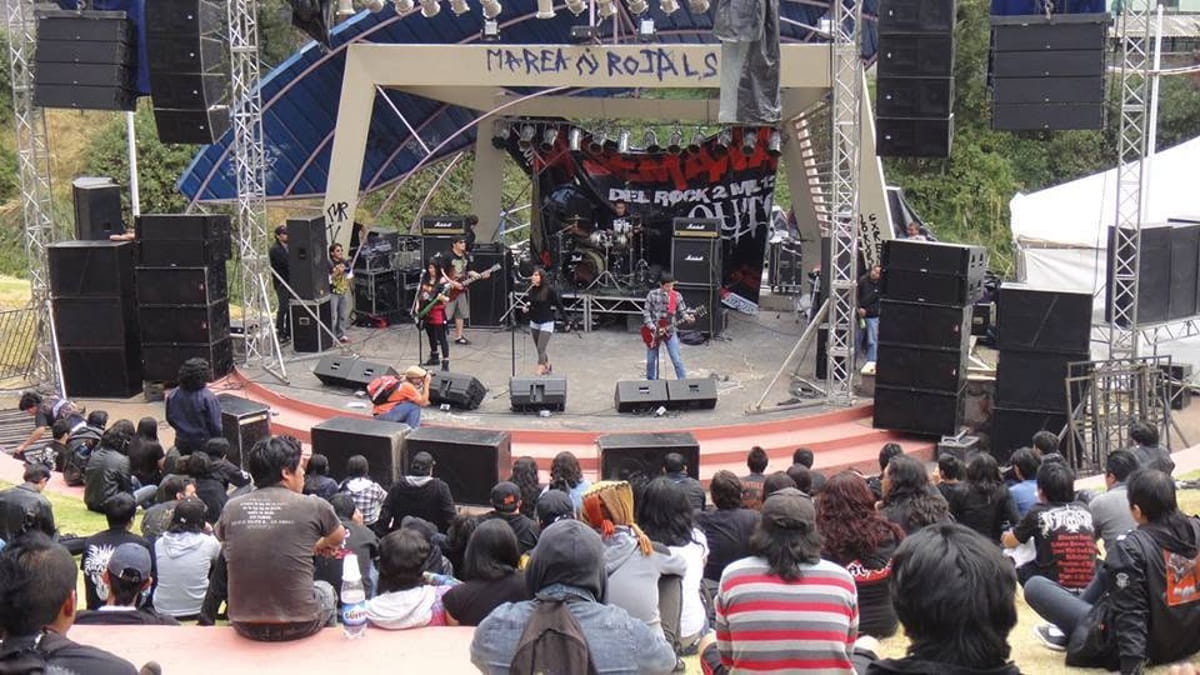
That texture has not fully gone away. Organising concerts in Guayaquil still requires wrangling bureaucratic permits with the constant possibility of last-minute suspension. Every show demands investment in sound, stage equipment, venue rental and logistics, and almost no organiser expects to make money. If ticket sales cover the investment, that already counts as a success. In the 2000s, admission could be one US dollar. Today, underground hardcore tickets tend to sit between five and ten. Nobody plays hardcore in Ecuador expecting financial stability. Every musician has another job, studies or family responsibilities. When bands travel to other cities they usually go by public bus with instruments and merch riding alongside them.
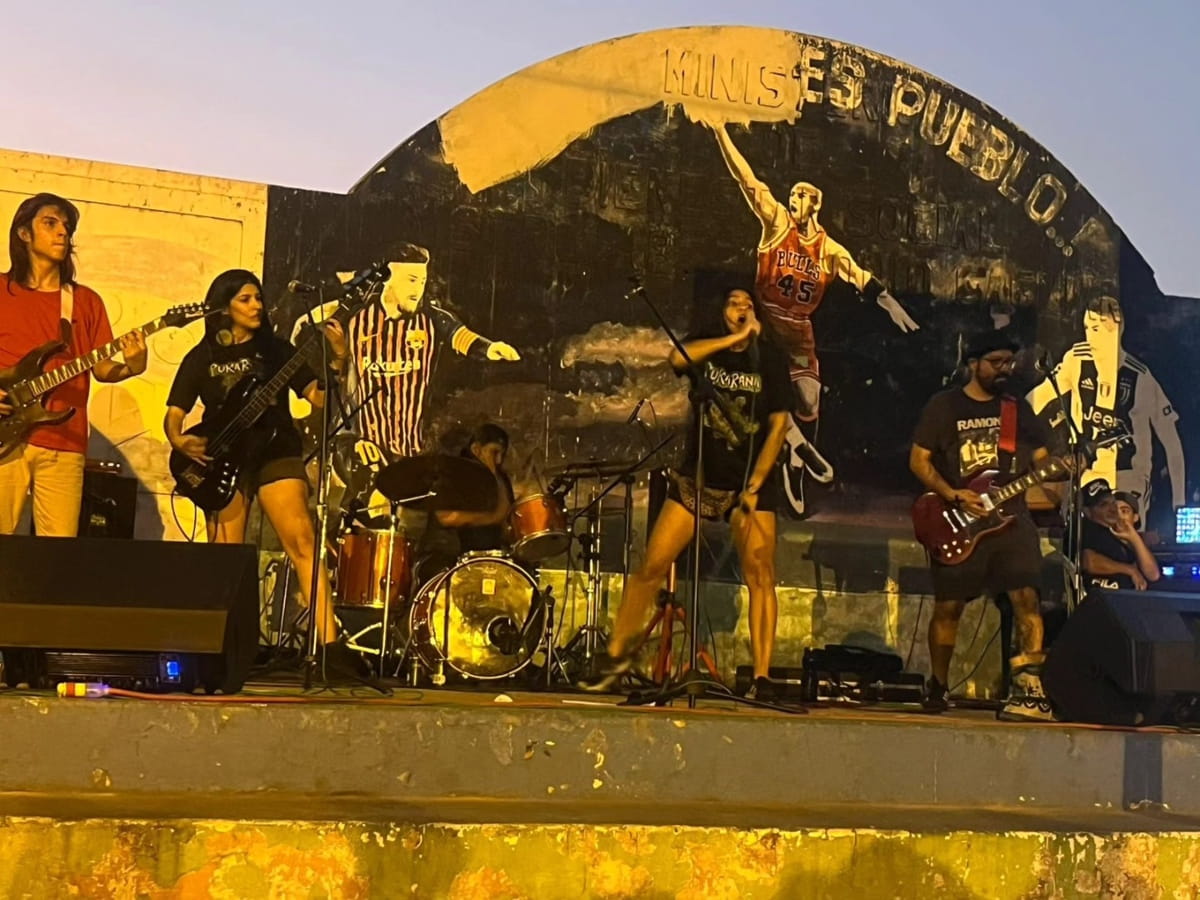
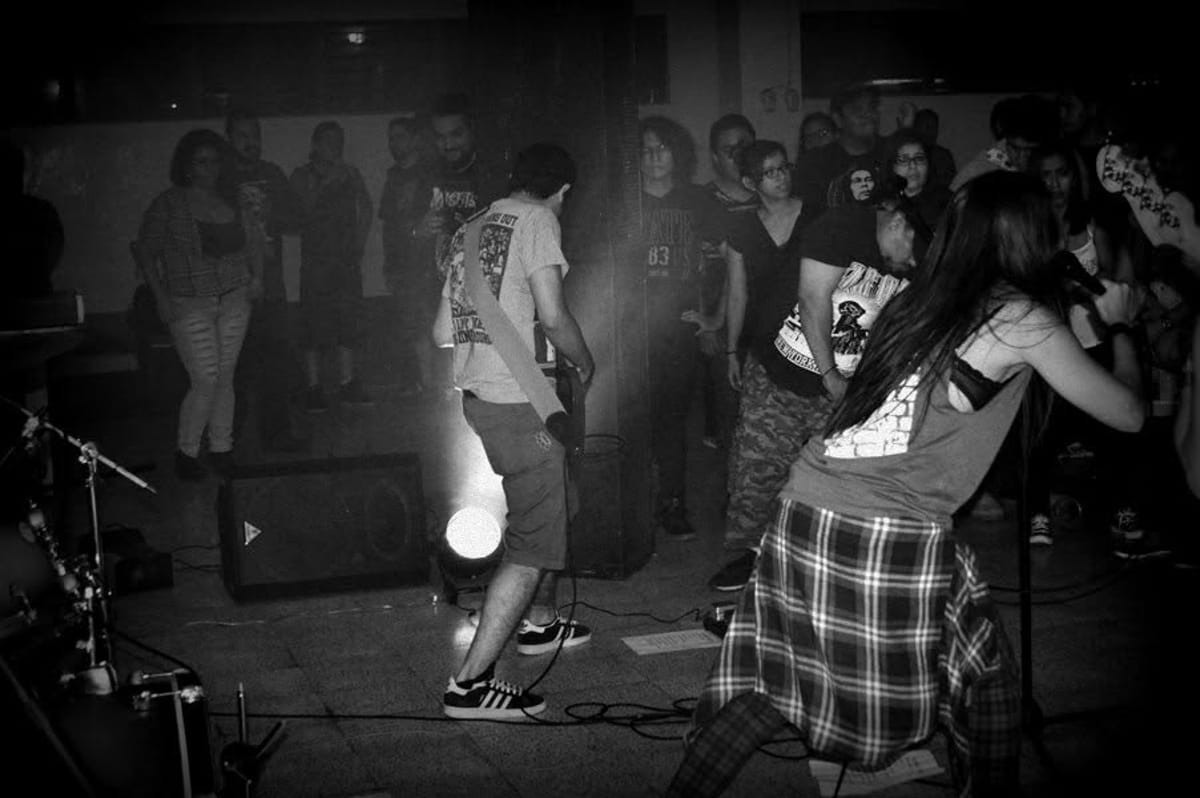
The audience has changed too. Many of the people who built the scene in the 1990s and early 2000s have aged into adulthood with careers and families. Others have drifted away trying to survive. Younger listeners tend to gravitate towards indie or softer strains of punk, which makes traditional hardcore a smaller niche than it already was. A regular Guayaquil hardcore show today might pull around seventy people. A larger free event can bring closer to two hundred. Not a large number in global terms. Large enough to mean something in a scene that has held together without industry backing.
Female participation on stage is still a minority in Ecuadorian hardcore. Audiences are often surprised to see women playing aggressive music, especially in leadership roles. Elizabeth and Catalina have never treated their presence as a statement. They are the founders and the through-line. The band exists because they built it, and if that has encouraged more women to join the scene, that has been a side effect they welcome rather than the point.
The Spanish-only lyrics come out of the same instinct. Pukarana have been asked more than once why they don’t sing in English. The band’s answer: the songs are written for the people around them.
They talk about Ecuador and Latin America, about the specific shape of corruption, violence, inequality and institutional failure in those communities, and translating that into English would drain part of the emotional weight. Pukarana admire plenty of hardcore acts that sing in English. Singing in Spanish has never limited them. If a listener elsewhere connects to the music without understanding every word, the emotion has already made it across.
For anyone new to the country’s scene, Pukarana recommend starting with Notoken, Kaos, NTN, Ruido de Odio, Moral Abajo and their own catalogue. Each of those bands has shaped Ecuadorian hardcore in its own way. Some of them have been at it for more than twenty years. In a scene without industry support or commercial recognition, longevity is what counts as achievement.
The official music video for “Suicidio Escolar” is on YouTube. The single is on Spotify. Pukarana’s back catalogue is on Bandcamp at pukarana.bandcamp.com.
In Ecuador, mental health support is available via the MSP hotline 171 (option 6). CEPAM-G in Guayaquil can be reached at 0991113526.
🔔 IDIOTEQ is ad-free, independent, and runs on one person’s time. If you want it to stay that way: DONATE via PayPal or SUPPORT via Patreon.
NEW: IDIOTEQ Explore 🗺️ Browse 15+ years of our archive by city, country, and style. Find artists on the world map or trace related sounds through the styles map.
Stay connected via Newsletter · Instagram · Facebook · X (Twitter) · Threads · Bluesky · Messenger · WhatsApp.