

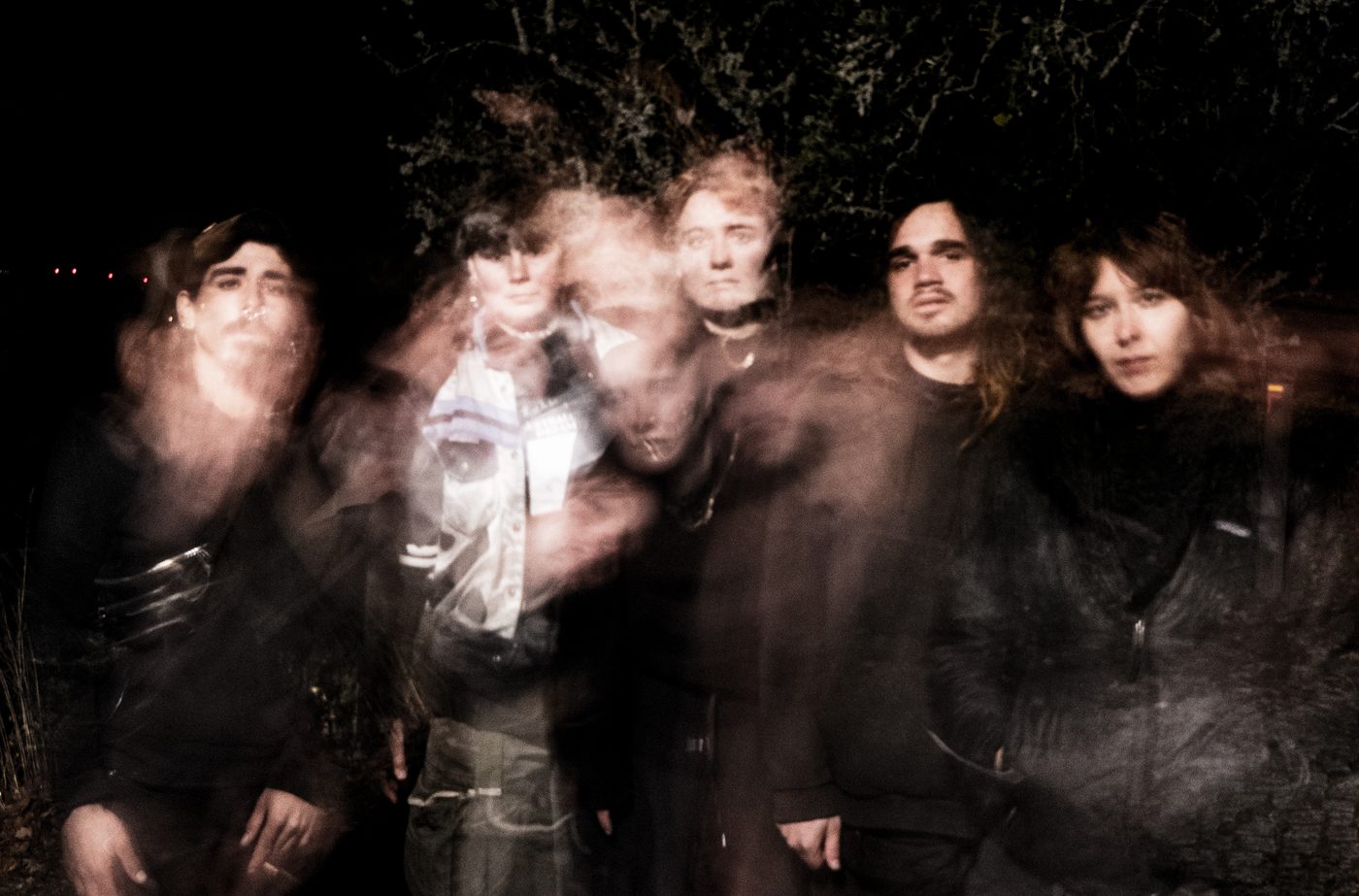
A Portuguese novel about villagers fighting to keep their common land, a modern lithium mining dispute, and a band living between rural Portugal and a land squat in the Netherlands have all found their way into “The Tragedy of the Commons“, the new outstanding and immensely adventurous album from RUEN.
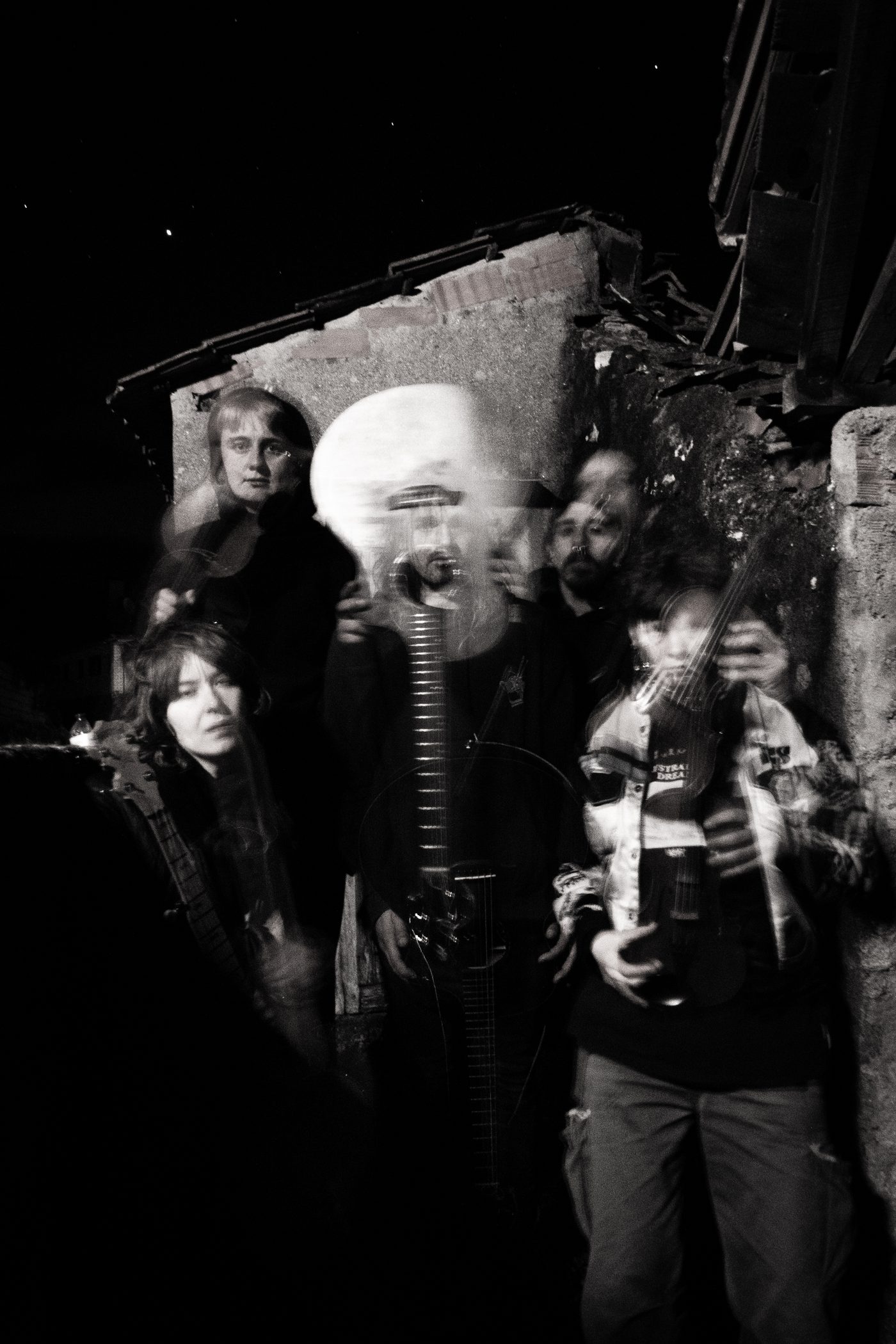
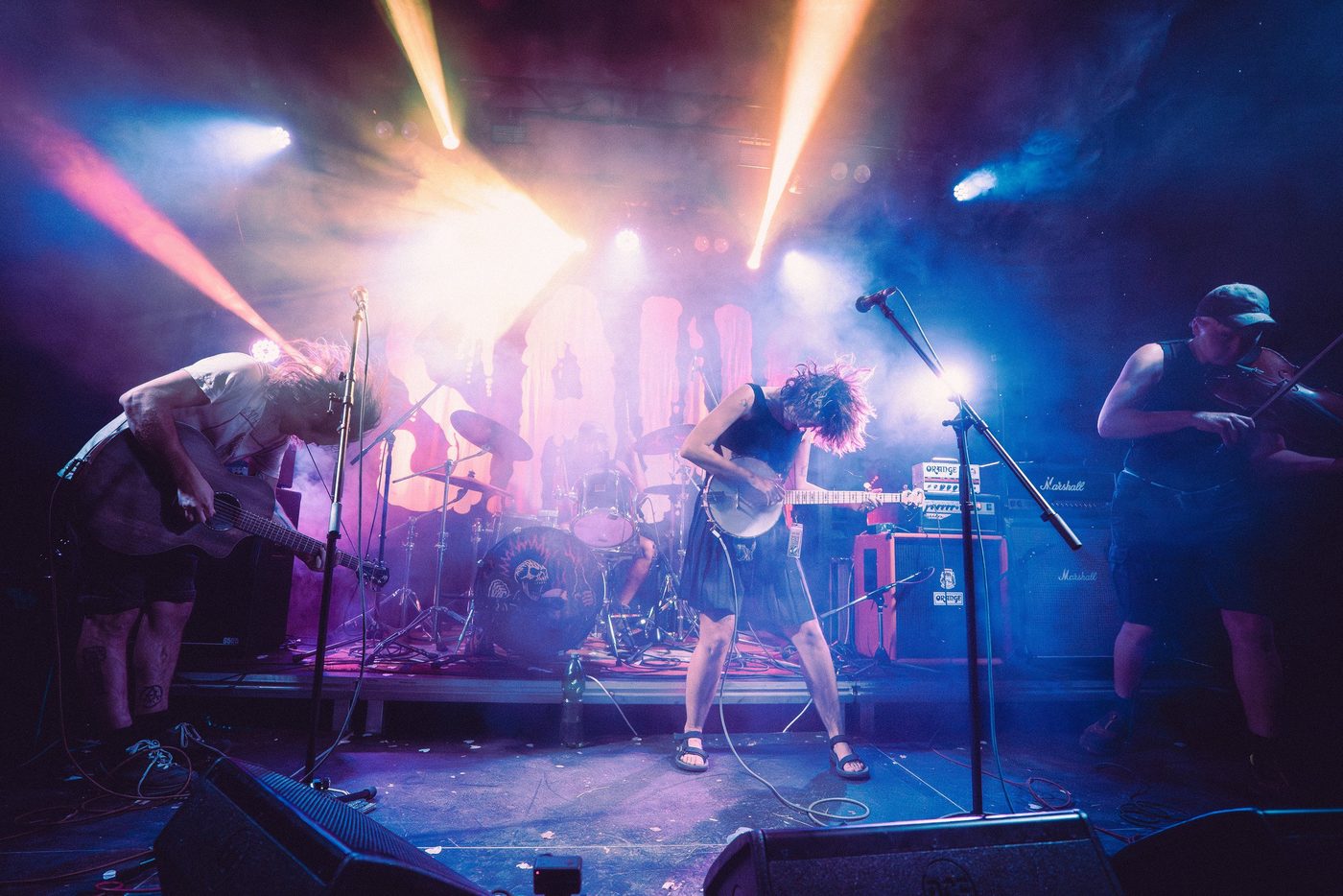
The five-piece play a mix of screamo, crust, anarcho-punk, folk and metal, with acoustic guitar, banjo, violin and viola pushed through amplification alongside drums and screamed vocals.
Their eight-song record deals with the seizure of communal land, the destruction of forests and the people who have resisted both, including some of the people RUEN have met and worked with themselves.
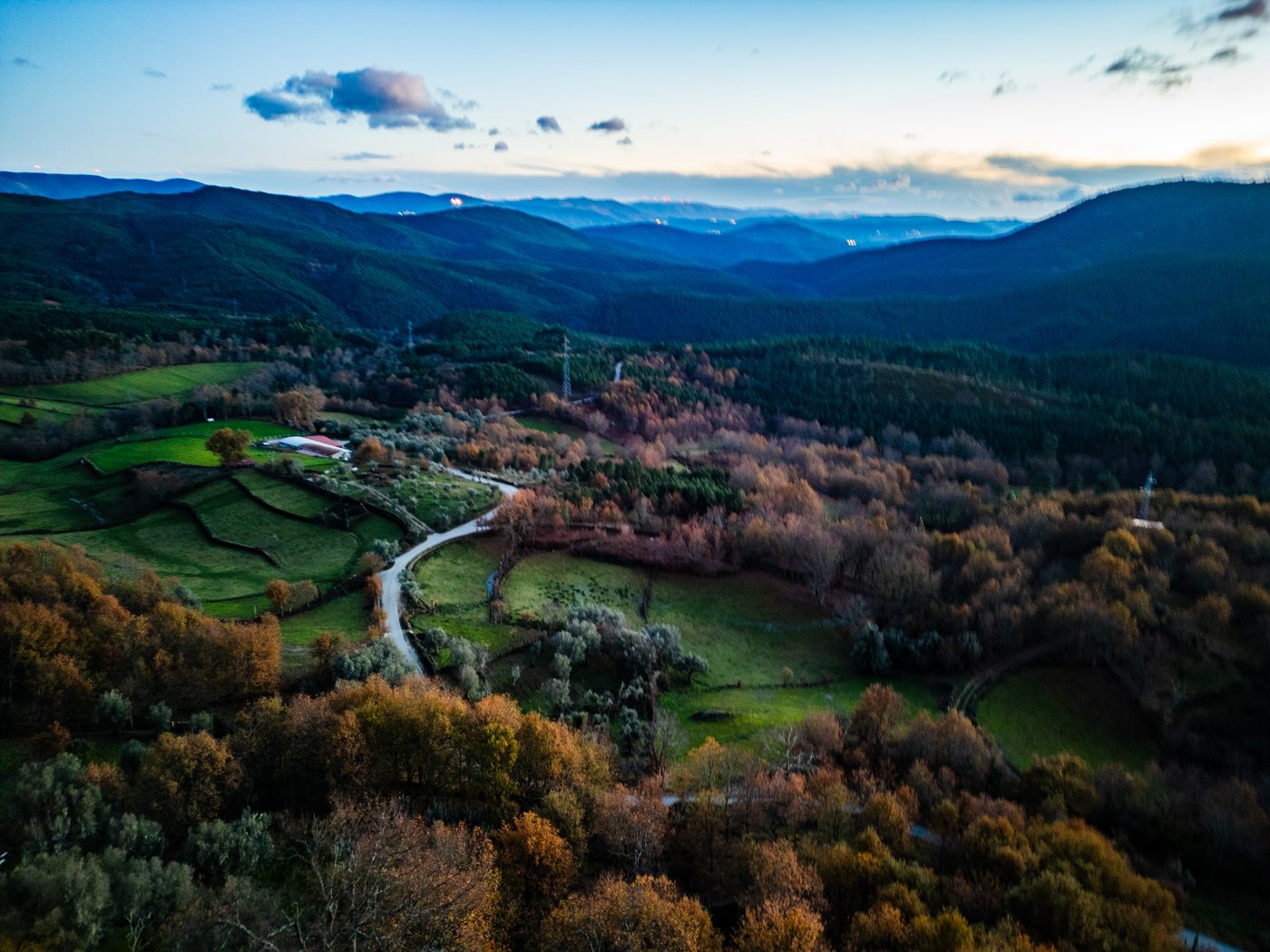
The band have spent time in Barroso, a mountainous region in northern Portugal where local communities have been opposing plans for lithium extraction.
Some members helped organise Acampamento em Defesa do Barroso, an annual summer gathering that brings together residents, campaigners and people supporting the struggle. Others have been involved in theatre work there, and repeated visits have brought friendships with people in the villages and surrounding mountains.
The proposed Barroso Lithium Project, developed by Savannah Resources, would extract lithium from an area that includes traditional communal land, known in Portugal as baldios. This is land managed by local communities, with shared rights of use that have existed for generations. The project has faced objections concerning land rights, water and the consequences of mining for agriculture and rural life.
RUEN have heard those objections first-hand. Their visits have included playing music with people in the region and putting on a theatre piece twice in collaboration with the Forest Theater Collective, which includes two of the band’s members.
One conversation stuck particularly hard.
“they can pay us hundreds of thousands, but money will always run out. the commons, the land from which you can always live if you’re in need, is forever. And its what i wan’t to leave to my grandchildren as my grandparents did to me, and their grandparents, and so on.”
That was how someone in Barroso explained the value of the commons to them.
Around the same period, RUEN read “Quando os Lobos Uivam” (“When the Wolves Howl”), a 1958 novel by Portuguese writer Aquilino Ribeiro. Published during the Estado Novo dictatorship, it tells the story of mountain communities resisting attempts by the state to take control of their common lands, fence them off and replace existing vegetation with pine plantations.
The book follows people whose lives are tied to those mountains and whose access to land is threatened by decisions made elsewhere. One man loses his son to the repression surrounding the conflict, and the story eventually reaches the burning of a newly established pine plantation.
Ribeiro’s novel was sufficiently confrontational to attract the attention of the regime’s censors. The authorities banned its reprinting and public criticism, ordered copies seized and initiated criminal proceedings against the author in October 1959. An amnesty in November 1960 prevented the case from reaching trial. Portugal’s Estado Novo lasted from 1933 until 1974, following the military dictatorship established after the 1926 coup.
For RUEN, reading the novel after visiting Barroso was an uncomfortable experience. They recognised the disputes over ownership, access and control of land, along with the promises made to communities when governments and businesses want to change how that land is used.
They had already written songs for their previous EP, “Summer ’25”. After spending time with people resisting the mining project, those songs began to take on different meanings, and the band wanted to bring Ribeiro’s history into the present.
“The iberian peninsula is on fire and it’s not an accident. Different choices, different tragedies, led up to this moment. It was not our intention initially to write a record where fire would be such a main character, but looking at the stories we were trying to tell, looking at the history of land and of the commons, it ended up being an unavoidable constant.”
In the band’s reading of Portuguese history, the seizure of common land went hand in hand with changes to forestry and agricultural practices. They discuss how state-backed plantations replaced existing woodland, how traditional methods of managing land came under restriction, and how fire, once a regular part of agricultural work, increasingly became something to prohibit and punish.
The Estado Novo’s forestry policies are central to that account, particularly the large-scale afforestation of communal mountain land. RUEN also connect the use of timber to Portugal’s earlier colonial expansion, drawing a longer history of extracting resources from places where communities had previously exercised their own rights.
They are critical of the role of pine and eucalyptus monocultures in Portugal’s contemporary wildfire problem. This is part of the band’s political analysis of the country’s forestry history, and the record repeatedly returns to the connection they draw between land management, state power and fire.
In Ribeiro’s story, the fire at the end is an act of sabotage against a plantation established on seized communal land. On “The Tragedy of the Commons”, fire appears in different circumstances, including exhaustion, destruction, rest and attempts to recover what has been lost.
The title track is written from the perspective of an atemporal being, someone looking across decades as the collective memory of a place changes. Fences appear, people forget when they were built, and the story of who belongs on the land gradually changes with them.
RUEN use the wolves of Ribeiro’s novel alongside new intruders who arrive with papers and promises of progress. The song remembers the mountain before the plantations, and the experience of people discovering they can no longer freely use land they once depended on.
The seven-minute “When The Wolves Howl” goes directly into Ribeiro’s story. RUEN describe the novel as the song’s “background, the scenario, the battlefield.”
They incorporated audio from Peter Gelderloos in the documentary “Revolution or Death”, along with excerpts from the 2006 television adaptation of “Quando os Lobos Uivam”. The Portuguese dialogue includes people refusing to surrender their communal land to state forestry projects.
“If they don’t give up, does that means WE give up? To give up on the piece of land that doesn’t let us starve? The commons have no landlord.”
Another passage tells the authorities to establish their forest elsewhere.
“We’re asking you nicely, go and make your forest somewhere else, out of the commons. Here no government will enter.”
The song eventually reaches Teotónio Louvadeus, the character who sets fire to the mountain after its conversion into a pine plantation. RUEN recorded its outro at Oficinas do Convento in Montemor-o-Novo in January 2026.
Although Ribeiro supplies much of the album’s historical background, the band were also reading Silvia Federici, Nick Hayes and Peter Gelderloos, among other writers, while developing its ideas.
Federici’s work was very useful to RUEN because of her writing on the creation of new commons. Her analysis connects the enclosure of land with changing social relations, patriarchal power and the separation of people from forms of shared subsistence.
For a band whose members include farmers, squatters and people involved in land cooperatives and collective housing, those questions already come up in everyday life.
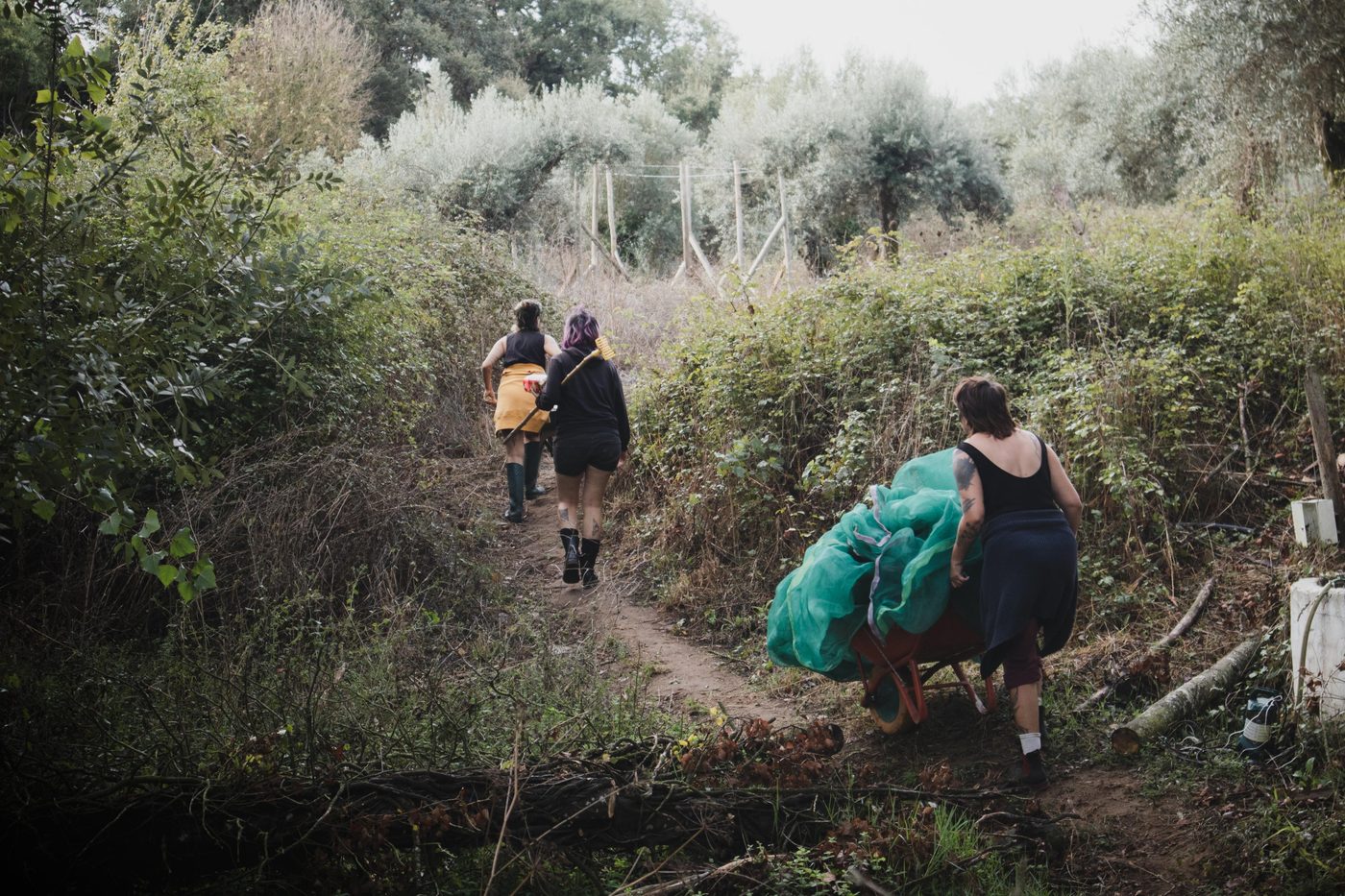
RUEN were interested in what communities could organise together now, including housing, food production and shared responsibilities. Their lives in Alentejo and Utrecht involve some of those arrangements, though the band are clear about the difficulties that come with them.
Nick Hayes’ “The Book of Trespass” offered another line of thought. Hayes writes about the history of private property, barriers and restrictions on access to land, particularly in England. RUEN took an interest in his description of the fence as a kind of spell, something whose authority depends partly on people accepting it.
“We’re all cursed by spells, fears, cops living in our head, limitations we put on ourselves and on our communities. We wanted to use this album as an invitation to at least break some of them. Or at least to remind each other that all that is made up, can be unmade.”
That thought appears most directly in “Re-enchanting the World”, a song that draws together ideas from Hayes and Federici, along with the history RUEN found in Ribeiro.
They were also thinking about “Here at the Center of the World in Revolt” during its writing. The song moves through fences, industrialisation, inherited rules and the possibility of building new relationships between people and the land.
Near the end, it returns to Ribeiro’s world. A wolf leaves her home after the forest has been destroyed. The final words carry an almost-direct reference to Federici:
“I ain’t no trespasser But I’ll walk on this earth Not as stranger but as home Not as stranger but as home”
The album closes with “The Land Was Never Yours To Promise”, whose lyrics return to a short statement: “All that is made up, can be unmade.”
RUEN had already been working with a related phrase on “Summer ’25”. “Make it, decompose” returns in the opening track, “Foreword“, tying the new album to ideas the band had been carrying through their earlier songs. Making something, allowing it to break down and creating something else remains part of how they talk about their music and the communities around them.
There’s also a considerable amount of exhaustion in these songs. “A Neglected Spark Burns the House” deals with the pressure to keep working when everything appears urgent, and the difficulty of finding time to recover. The lyrics question why people glorify the damage done by constant struggle before arriving at the decision to slow down.
“Wintering” takes the band into a much smaller space, with a fire burning slowly and people retreating from the cold to rest together. “Towards the Blood Dark Sky” returns to damaged rivers, mountains and people trying to continue despite the possibility of failure.
The band wrote these songs during a period when they were moving between two very different living situations.
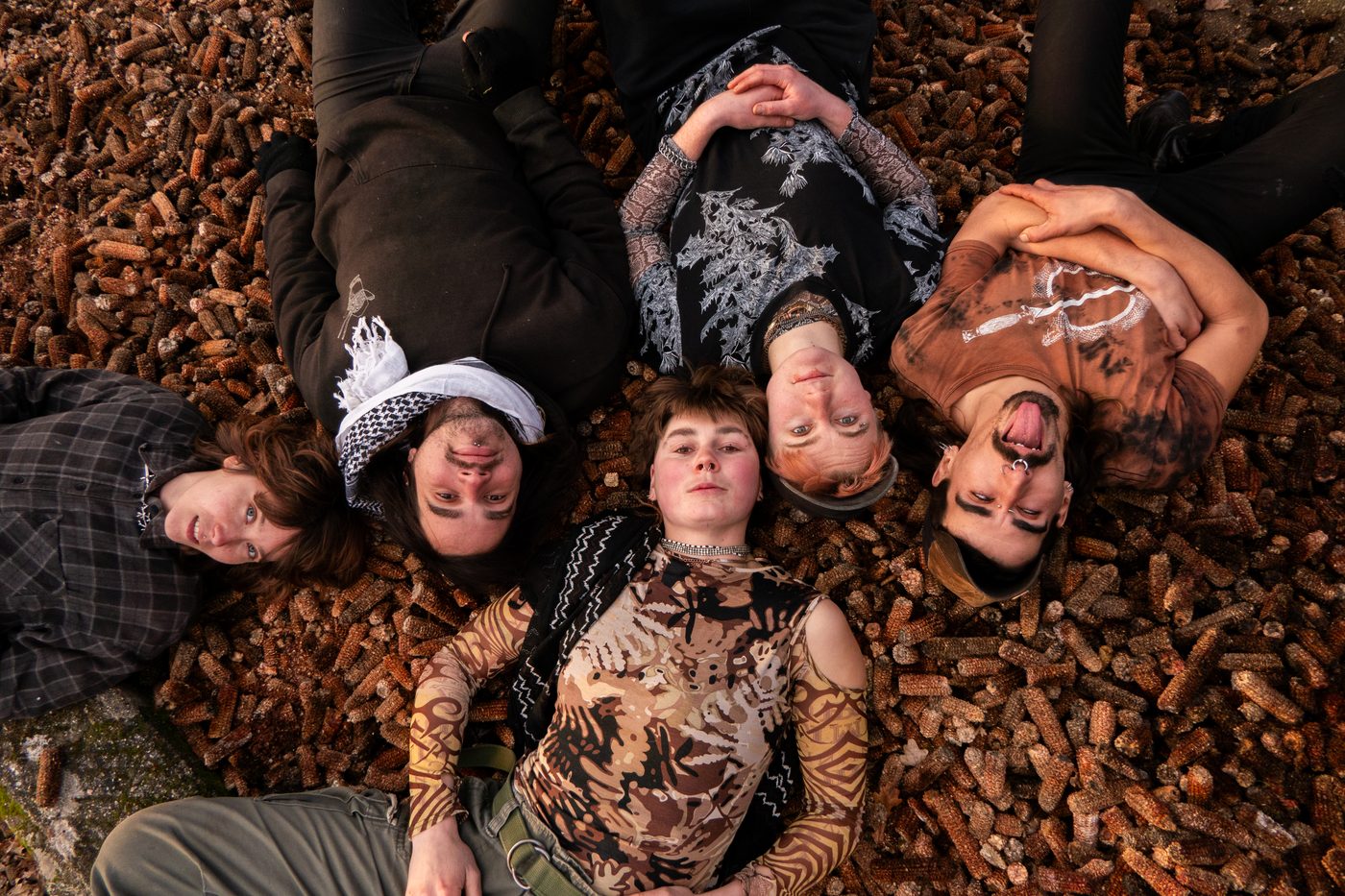
Part of RUEN live at a land squat in Utrecht. Other members are based at a commune in the Portuguese countryside. During winter 2026, everyone relocated to southern Portugal for a month of writing, shortly after their work on a theatre project in Barroso. They later returned to the Netherlands for rehearsals and pre-production.
Their living arrangements mean they do not pay rent in the conventional way, reducing their dependence on paid employment. This gives them time for activities that may never produce money or any predictable result.
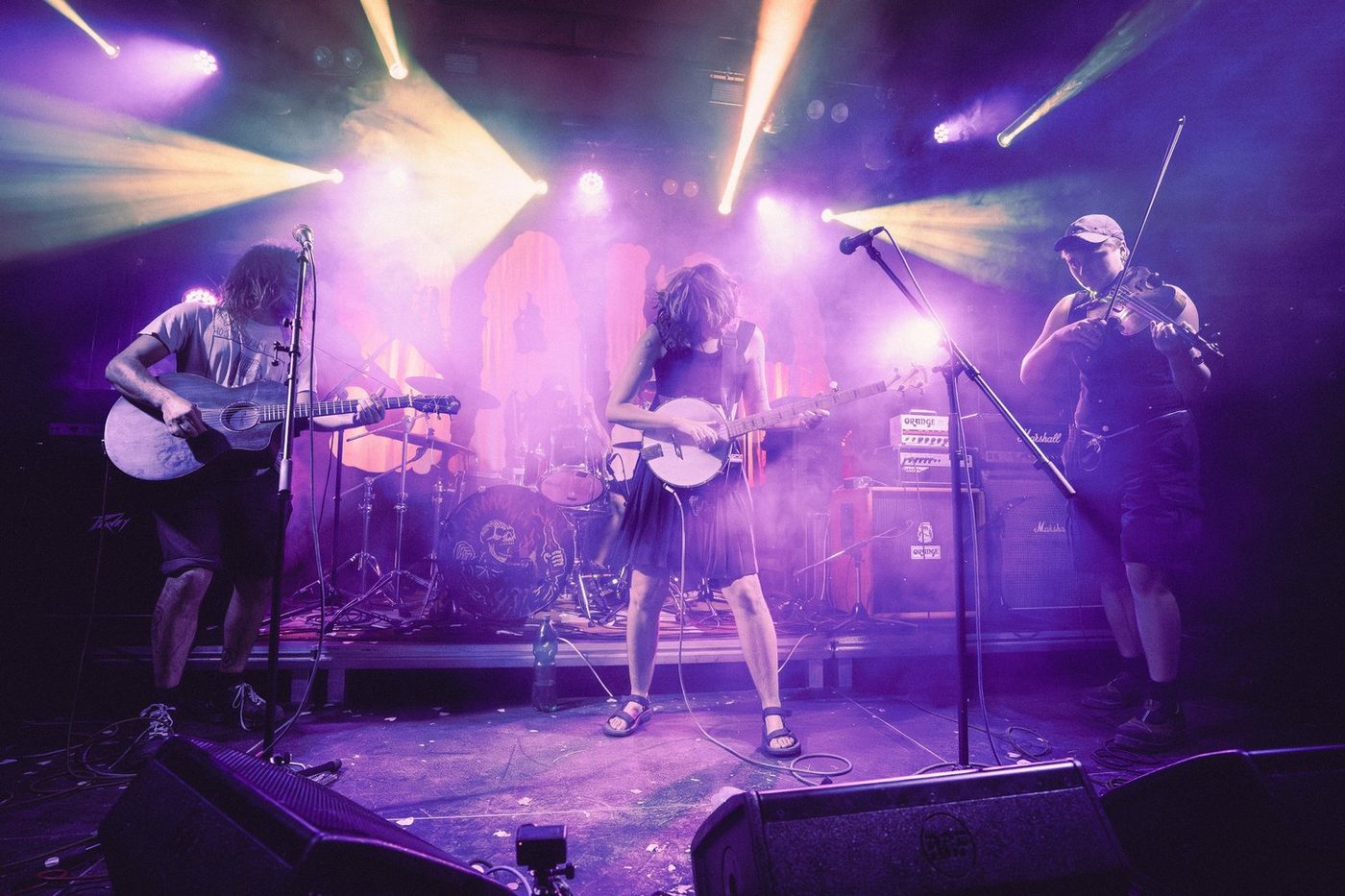
It also means living with the weather, limited space and the responsibilities that come with sharing a home.
“If it rains the whole month, you will be inside together the whole month, not ideal if inside means a caravan or a living room that everyone shares. If it’s cold, you are rehearsing in the cold.”
Proper rehearsal rooms are often far away. In both countries, RUEN used electronic drums and their acoustic instruments to practise, saving louder sessions for the times when they could find suitable spaces before a tour.
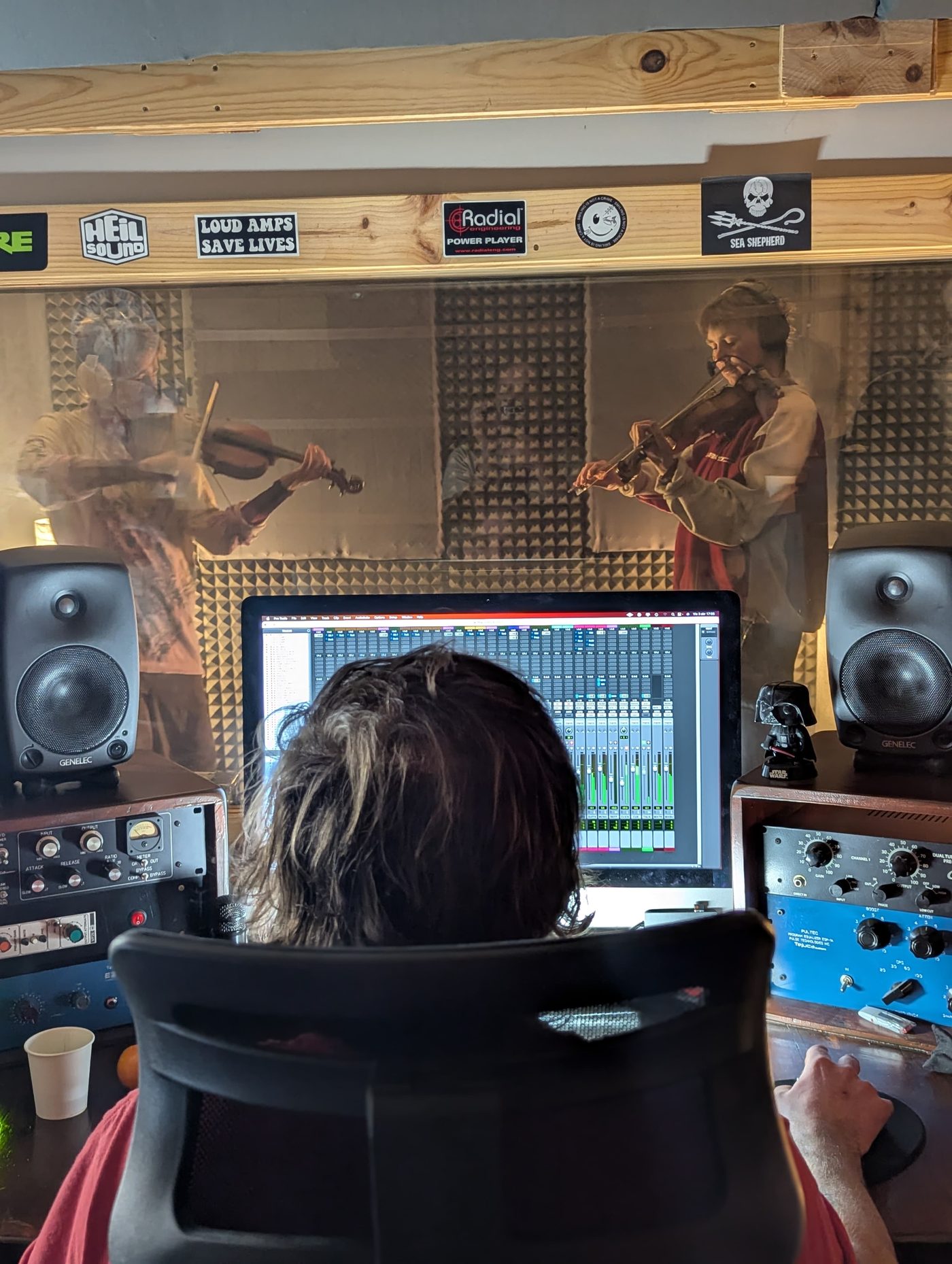
In Utrecht, they built an improvised recording setup on Rover’s porch, powered by solar energy. The equipment included microphones borrowed from friends, speakers they had been given and whatever else they could put together.
The periods when everyone was apart had their uses too. Members could return to their own communities, take care of responsibilities and work on things outside the band, including the olive harvest on their land. Bringing everyone together then meant fitting rehearsals, writing and recording preparations into a fairly limited period.
RUEN acknowledge that this could get stressful. There wasn’t always enough time or quiet to work everything out comfortably.
The people living around them helped make it possible.
“One thing is certain, this record wouldn’t be the same without the collective spaces that we wrote it in. Without the division of tasks like cooking and cleaning within our communities, without the support and care of our friends and landmates. We feel blessed and privileged to have the access to these spaces and the possibility to shape them as we go.”
Living in shared spaces also affected how the songs were put together. With acoustic instruments available and other people nearby, RUEN frequently began writing quietly, getting the arrangements into shape before they had a chance to rehearse with amplification.
They knew the history of string instruments in crust punk and related styles, and pointed to bands such as Madame Germen and Remains of the Day. They also mentioned “Crust With Strings”, a blog devoted to documenting that particular tradition.
Their own writing was already built around instruments that people could pick up and play together in the places where they lived.
“The fact that our starting point is unplugged makes us try to make the songs ‘work’ already bare-boned. No pedals, no effects. That makes us look for textures, dynamics and melodies we wouldn’t look for in a loud practice room, or give up on ideas that maybe we wouldn’t give up otherwise. Our instruments are not stylistic choices to embellish a punk song, they are what we have and what we decided to base this music on.”
Some songs began on a bed inside a caravan. Others came together in a living room shared by twelve people or on a porch sheltered from heavy rain.
There were occasions when everyone was still awake late at night, and the band could try out an idea with whoever happened to have an instrument nearby. Sometimes that meant checking whether their housemates were happy to fall asleep to furious violin playing.
The process changed considerably once RUEN started preparing to record.
For “Summer ’25”, Bruno and Rover had essentially been working as a duo built around acoustic guitar and banjo. They recorded initial demos with Klaas, with no firm intention of releasing them. A tour came up, and having something available suddenly became useful.
Violin and viola were added in Rover’s caravan during an evening shortly before their first tour. Klaas subsequently mixed and mastered the recordings, creating the EP RUEN released in July 2025.
By the time they were writing “The Tragedy of the Commons”, Gui had joined on drums. The acoustic guitar was going through two bass amplifiers, and the banjo and strings were amplified. Bruno and Rover were singing together, and the band were trying to work out how to handle their new volume.
Iván Ferro became the person they wanted to record with.
RUEN knew his writing from ICTVS and Khmer, and liked the sound of other bands he had recorded. Iván had already heard their EP and was interested in working with them.
After preparing demos in the Netherlands, the band travelled to Lugo in Galicia and spent two weeks at Kollapse Studio in April 2026.
Even with pre-production completed, some decisions only became clear once they started working with Iván.
The acoustic guitar required several approaches to recording. Multiple condenser microphones picked up the instrument, while a separate signal from a magnetic pickup went into a valve amplifier inside an isolated box. The band could then adjust how much distortion they wanted to use in different places.
That wasn’t the end of the guitar work. A month later, RUEN had to record all those parts again using a baritone acoustic guitar.
“We ended up having to re record everything again one month later with a baritone acoustic guitar but yeah, live and learn.”
The string players recorded together for most takes because their playing depends partly on following each other’s bow movements. Recording separately would have changed how they reacted to one another.
Bruno and Rover also recorded vocals simultaneously in the same booth, keeping the interaction between their voices close to the way they perform live.
Iván engineered, mixed and mastered the album. He also played electric guitar on “Re-enchanting the World”.
The session gave RUEN someone they continued to spend time with after the record was completed. They have met up with Iván several times, watched a solar eclipse together and had him join the band on bass for some shows in Galicia.
For a group spread between Portugal and the Netherlands, finding time to make music together still involves travelling, sharing spaces and working around other responsibilities. The album was written in those conditions, with a considerable amount of help from people who have no formal role in the band.
The wider politics remain close to the places where RUEN have been spending their time.
Barroso has brought them into contact with people whose families have depended on shared land for generations, and with a conflict involving a mining company, the Portuguese state and arguments about whose needs take priority. Ribeiro’s novel showed them an earlier struggle over the same kind of land, and the resistance that followed.
“Often we don’t remember enough the stories of resistance and as time goes past, a lot is lost and rewritten. But for every tragedy in history there were many that struggled against it, that gave their lives and sometimes changed the course of it.”
RUEN want those earlier struggles remembered, particularly when people involved in current campaigns are exhausted or isolated.
“And as the present and the future gets grimmer, as we feel isolated, defeated and alone, we think it’s essential to look back and find companions and accomplices in those who are not around anymore. The ones fighting similar struggles as us, in different times. To learn from them, to not repeat the same mistakes.”
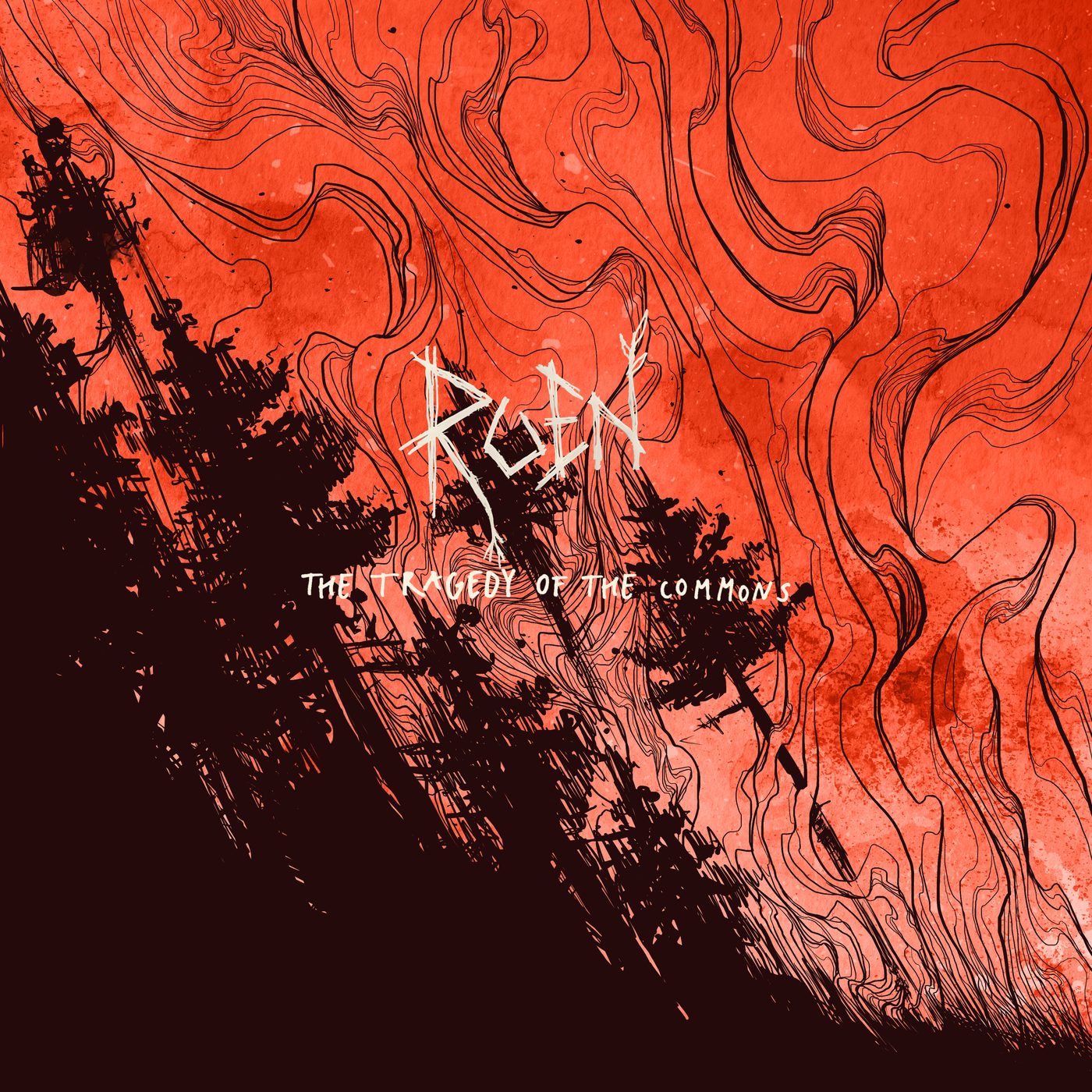
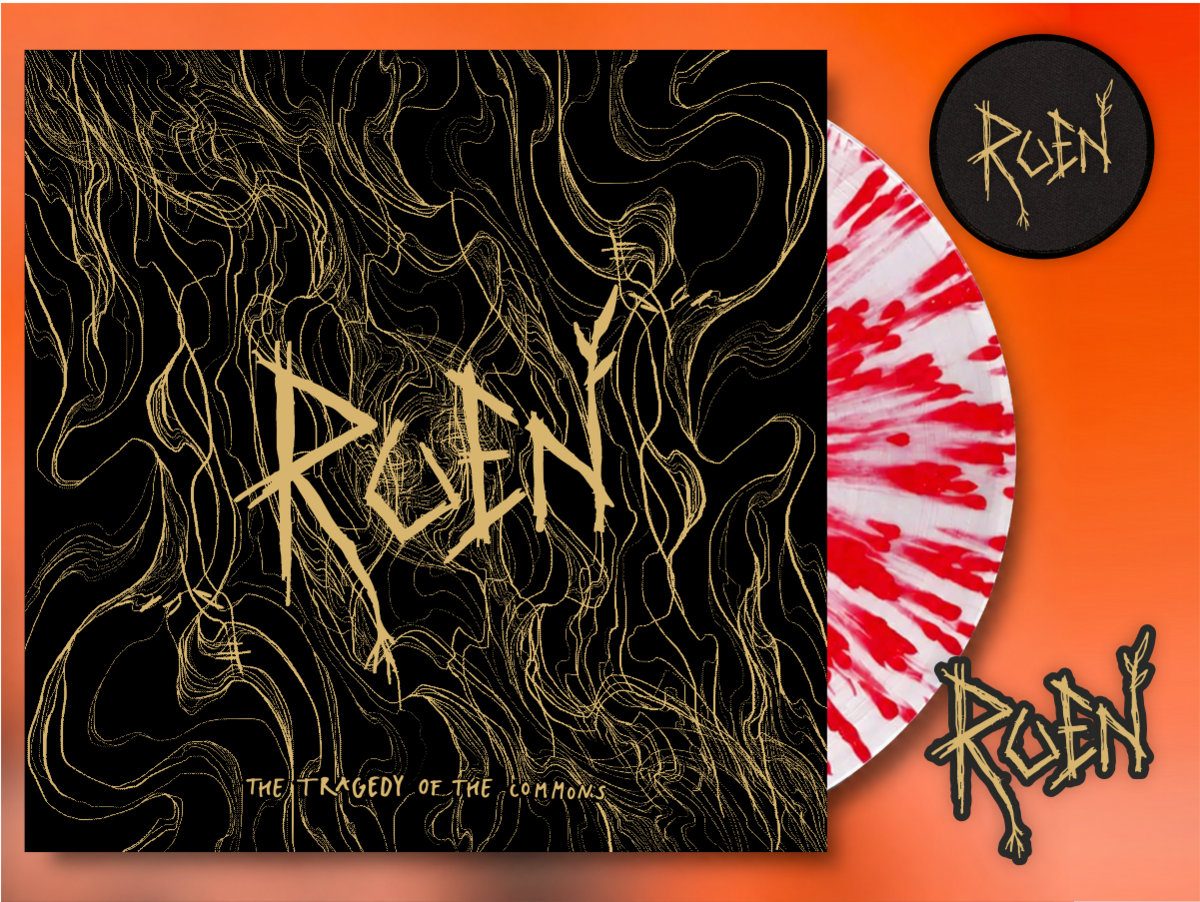
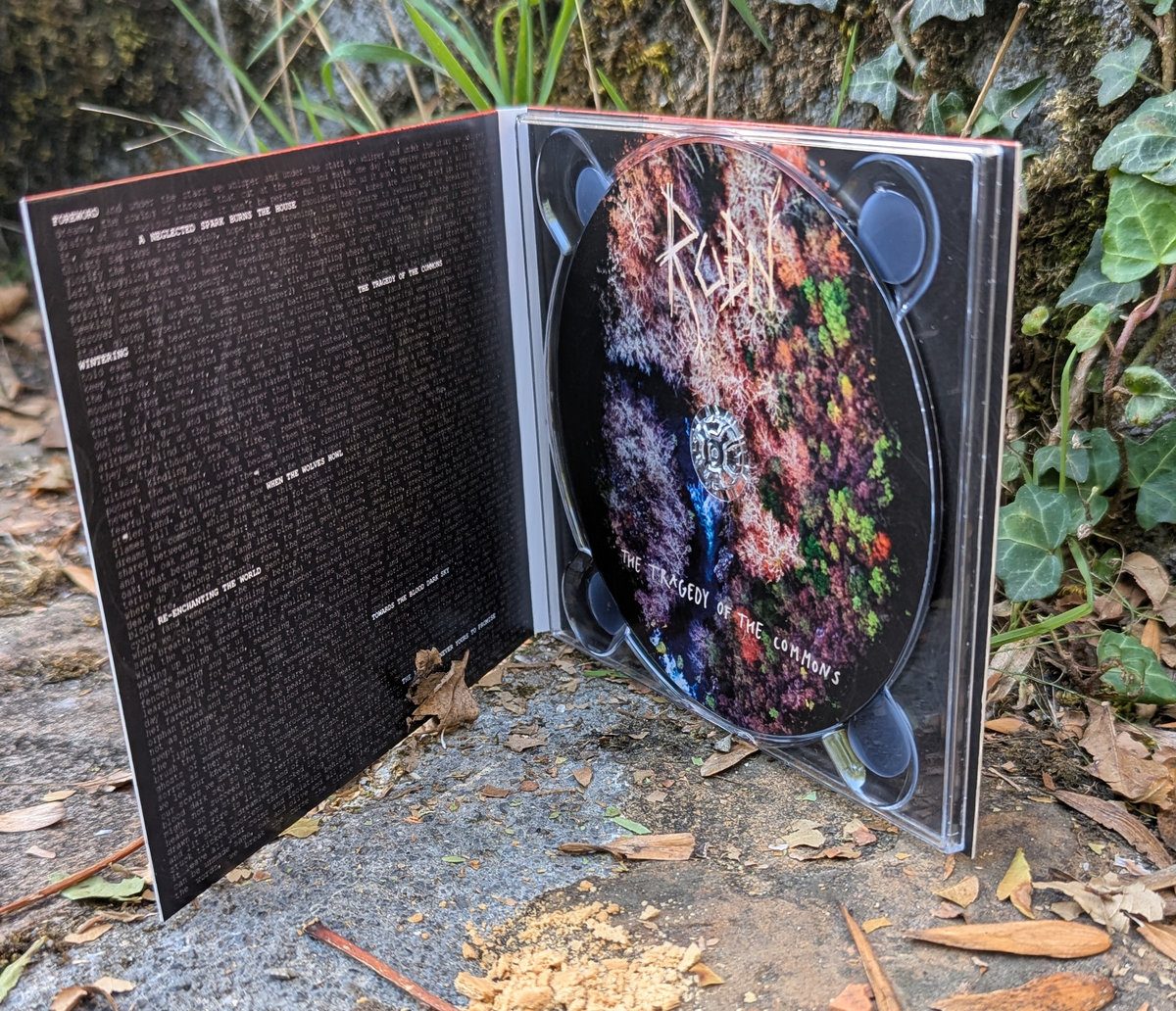
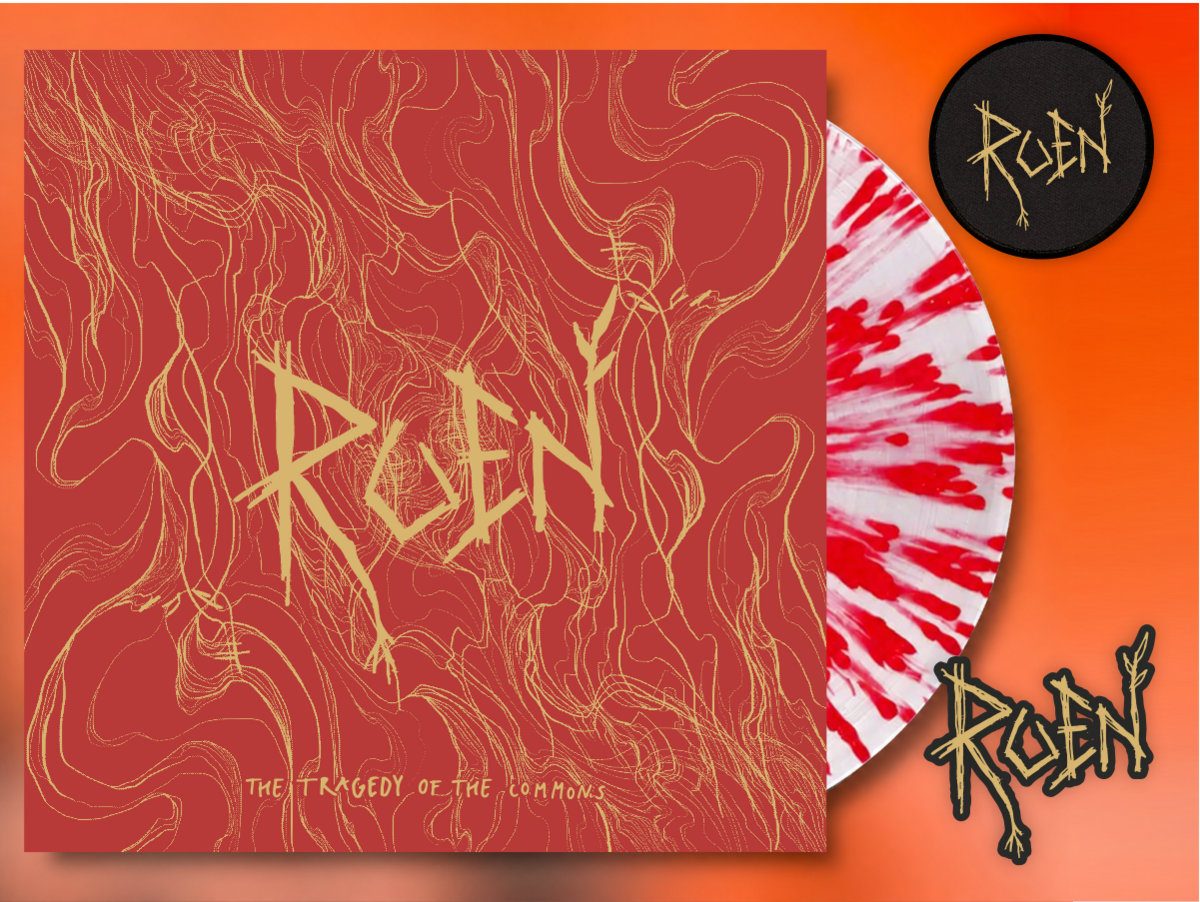
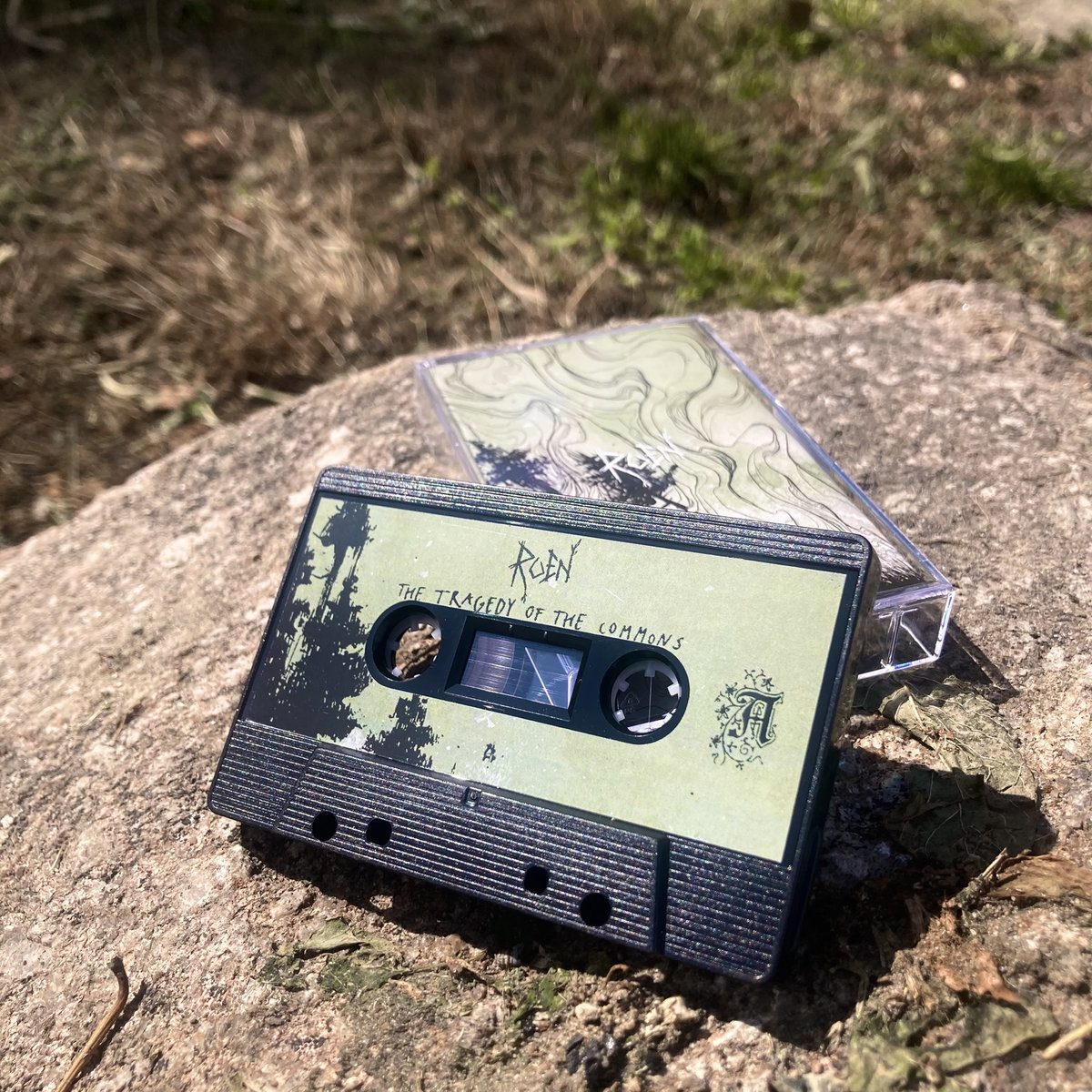
“The Tragedy of the Commons” was released on 27 August 2026. The eight-track album was engineered, mixed and mastered by Iván Ferro at Kollapse Studio in Lugo, with artwork by Prakash Khatri Chhetri. It is available digitally, on vinyl, cassette and CD, with a special benefit vinyl edition raising money for anti-extractivist resistance in Barroso. The cassette edition was made with Daub Conductions, with design and layout by Apolonia Mei Ester, while RUEN produced a self-released CD for their release tour.
The record is available through RUEN’s Bandcamp.