


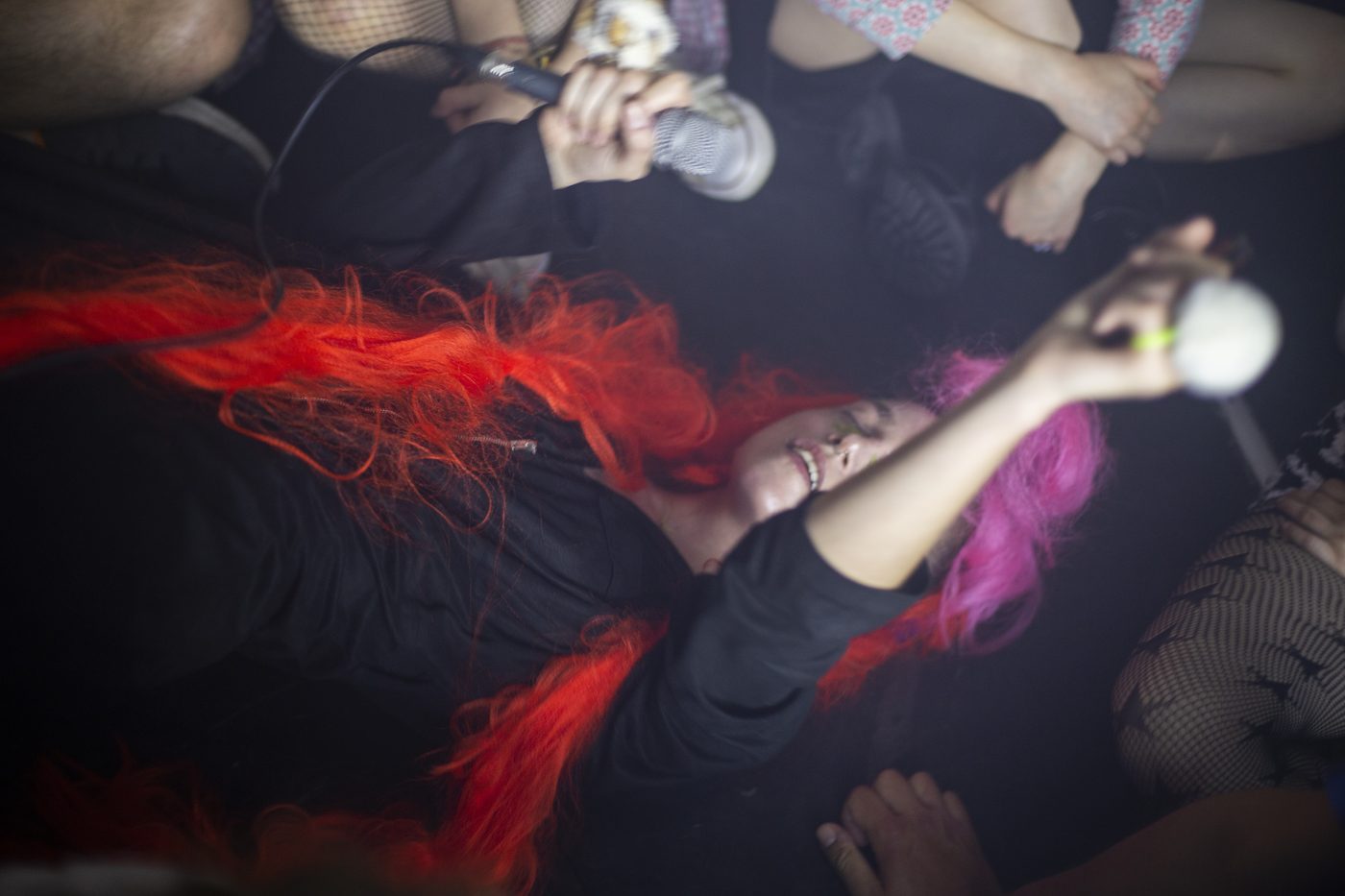
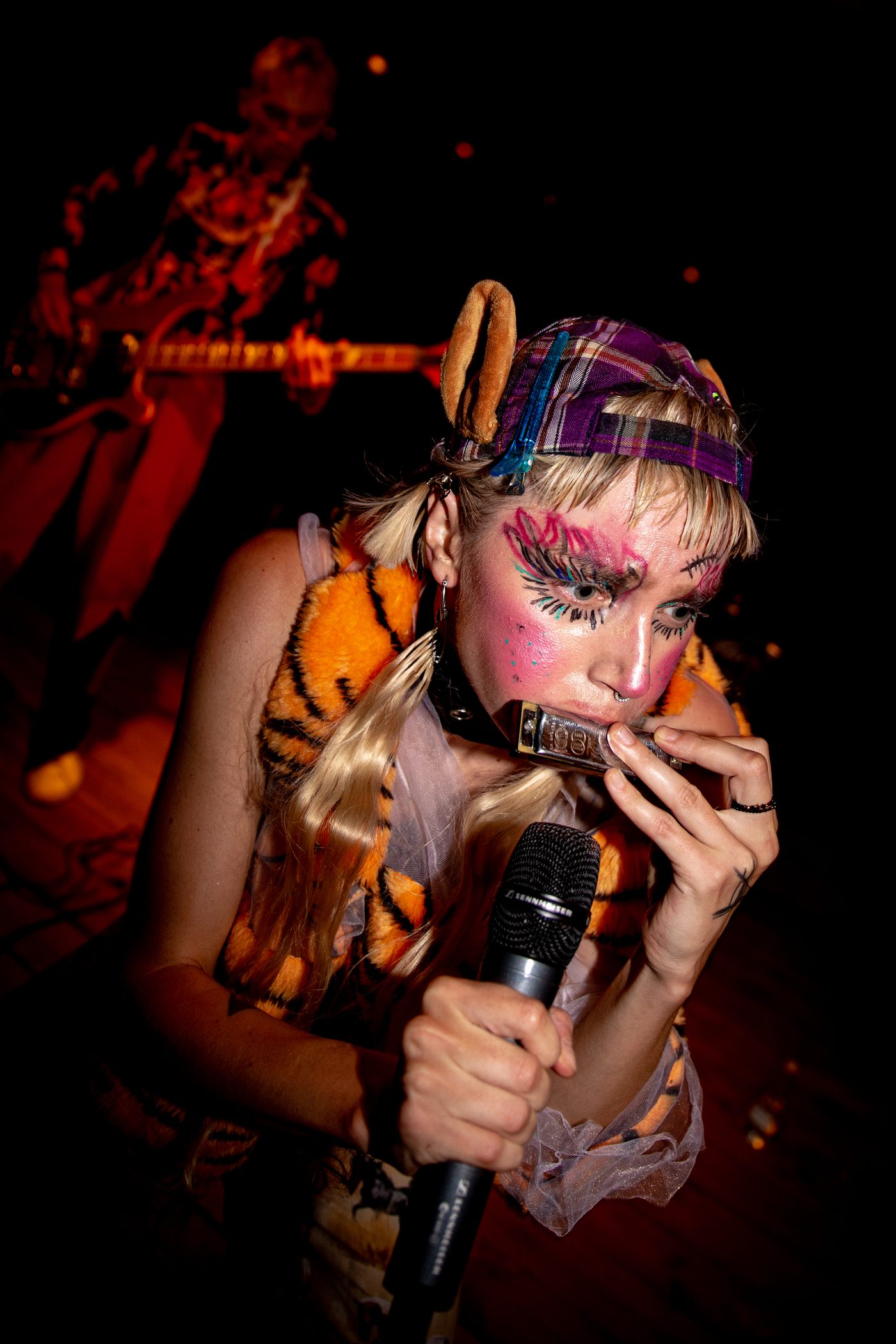
SIKSA have made a punk fairytale with an exhausted Mouse, a Horse who wants journalists to leave him alone, a group of Moths with serious complaints about humanity, and a mysterious creature called Bundle who has given away almost everything he owns, including parts of himself. Alex Freiheit plays all these characters, switching voices, singing, shouting and occasionally picking up a harmonica. Buri supplies the bass guitar, and on the studio recording of “Cudowne i pożyteczne“, the two are joined by some wonderfully odd percussion, a few keyboards and the musical ideas of producer Konstanty Usenko.
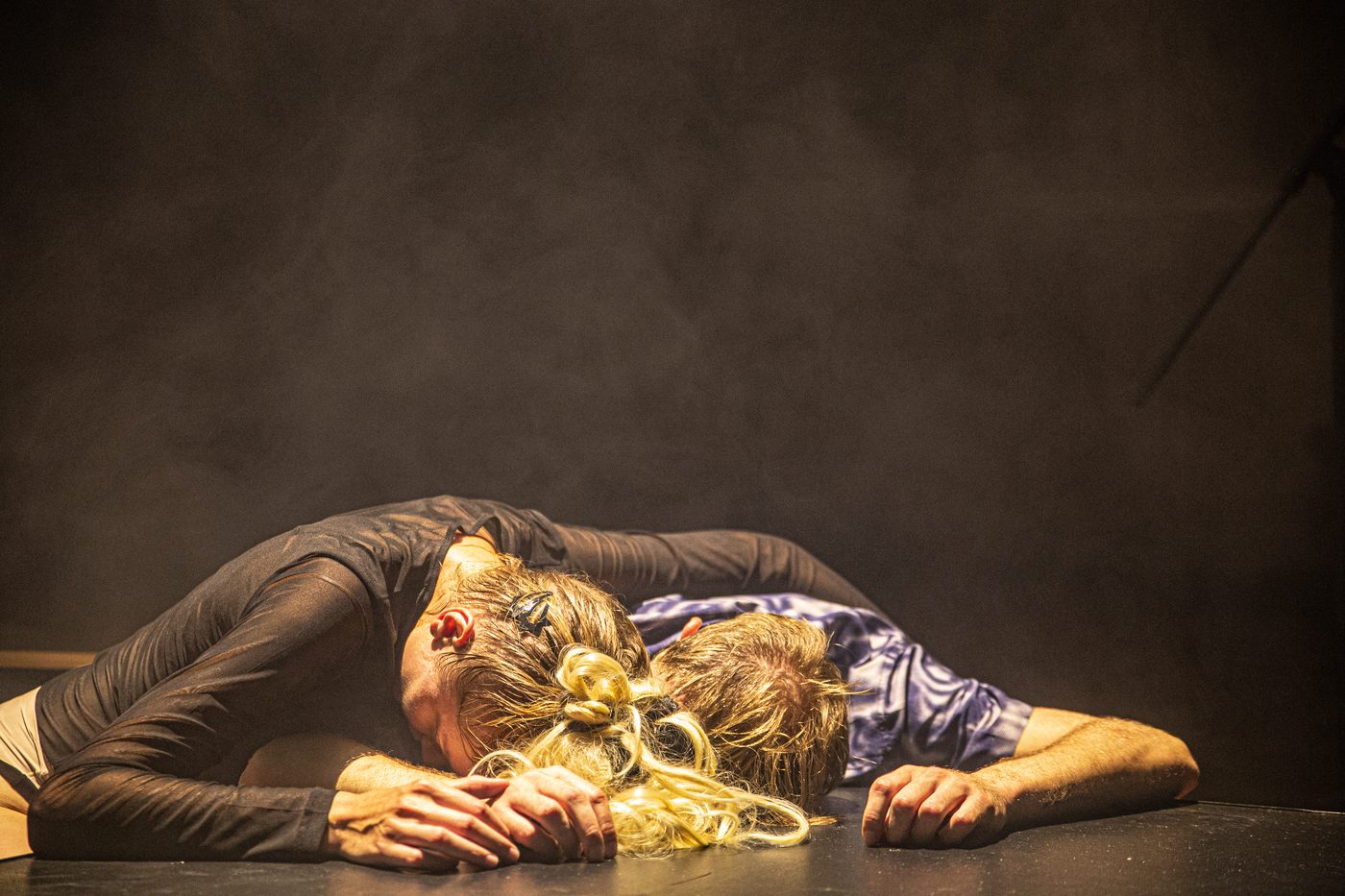
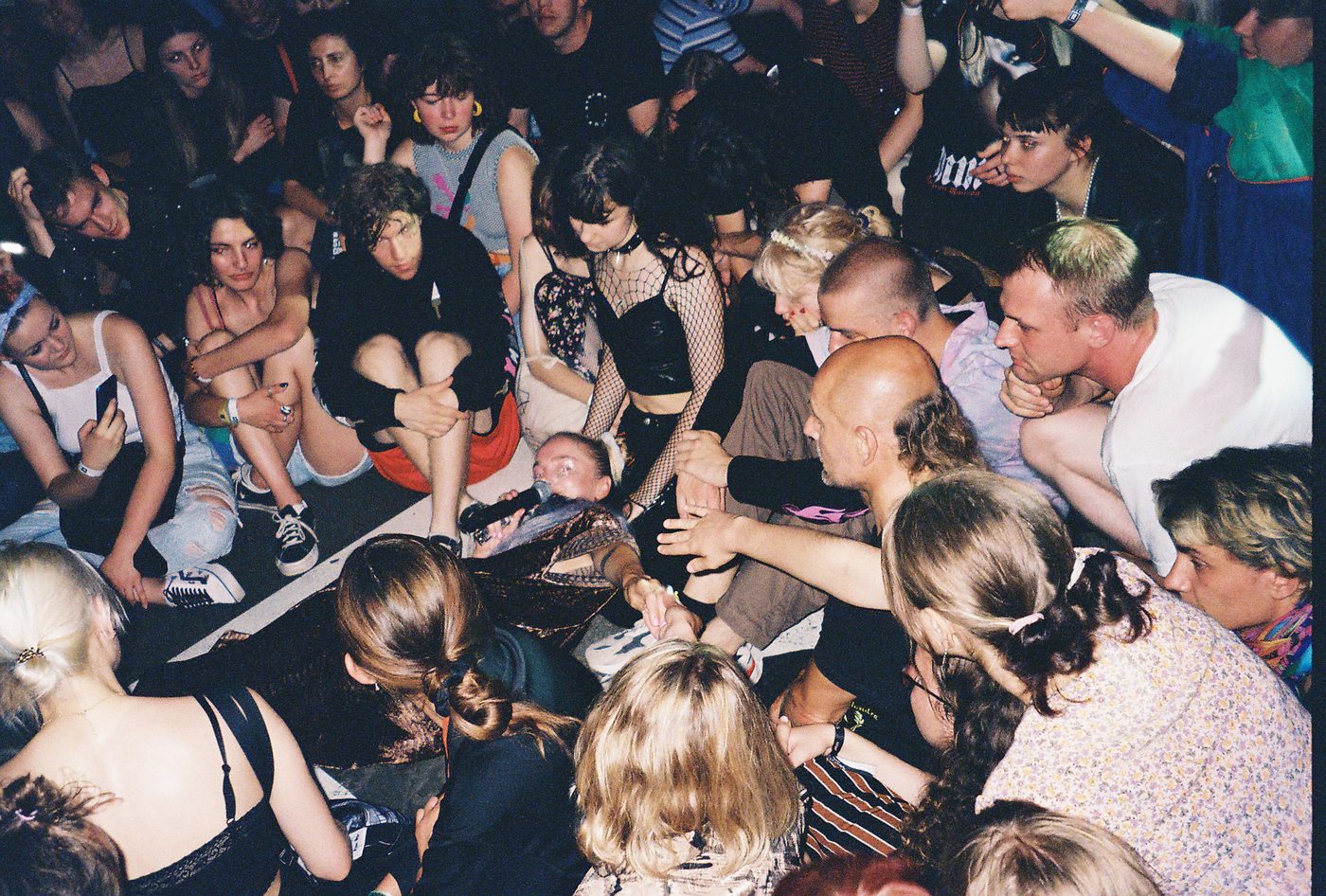
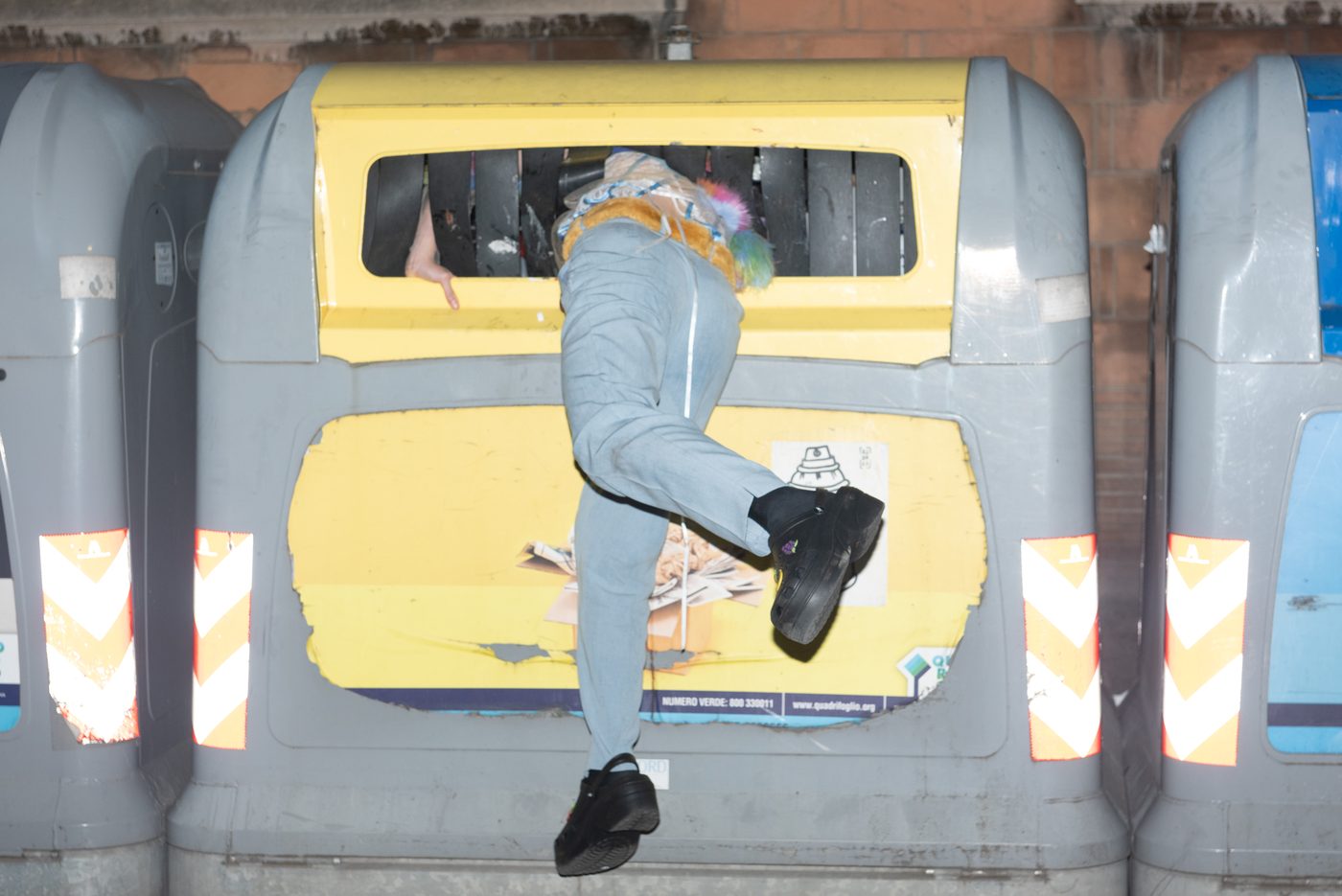
The Gniezno duo’s seventh live season was performed 65 times between June 2021 and November 2022, across thirteen countries. Every gig was a little different. Sometimes Alex ended up singing from inside a rubbish container. Sometimes an entire room lay on the floor pretending to sleep. After SIKSA finished performing the story, they recorded it in Berlin, only for the sessions to disappear when a hard drive failed. Radek Sirko eventually helped recover the files, and in October 2026, Aural Prism finally released “Cudowne i pożyteczne / The Uses of Enchantment”.
By then, the characters had retired, and SIKSA had already moved on to completely different work. That’s how the duo operate. Each set of shows has its own characters and stories, and when its run is finished, Alex and Buri rarely bring it back. Their records let people return to those experiences, including people who never saw the original gigs.
Alex still has a soft spot for Mouse. She knew when she first started playing the exhausted activist, a creature who feels too much and wants too much, that leaving her behind would be difficult. The same goes for the Horse, the Moths, Bundle and Firebird. They all came from somewhere personal, even when the stories became completely ridiculous.
“Mouse, Horse, Moths, Bundle and Firebird are characters who are still inside me, because I am a little bit of all of them,” Alex tells us (quotes from our conversation with Alex and Buri are translated from Polish). “They’ve already spoken, lived, danced, performed, screamed, whistled and retired, so they can peacefully watch the whole SIKSA universe that will soon join them.”
“That’s one of the reasons SIKSA records exist, and I always say this: it’s an archive, so we archive herstories and queer stories. Based on our own experiences, driven by our individual temperaments, but it’s real documentation! Friends and people we know help us in different ways, recording, releasing, drawing, appearing in videos.”
There are exceptions. “…a Diablica gruchnie basem” was never recorded, and Alex considers that an artistic decision. The work can be read in a book published by Girls and Queers to the Front, but there will be no equivalent album. Had the Berlin recording of “Cudowne i pożyteczne” disappeared permanently, SIKSA would have accepted its loss too.
Alex was deeply upset when she learned about the damaged drive. Booking another session was out of the question. “There are so many of our shared, crazy ideas on this record that we wouldn’t be able to repeat it. The three of us usually work inspired by the moment, by something found in the basement (literally!), or by a forgotten instrument dusted off in Kostek’s flat. You can’t record things like that a second time. Besides, we don’t know how to go back to playing something we’ve already finished. We don’t know how or we don’t want to; we don’t know how because we don’t want to.”
The whole accident even reminded Alex of Batty, the damaged bat from the animated film “FernGully“, whose malfunctioning antennae had stuck in her memory since childhood.
She began thinking of the animals in “Cudowne i pożyteczne” as similarly damaged creatures, each with something that doesn’t quite work. A broken hard drive seemed an absurdly appropriate way for their recording to disappear.
Fortunately, Radek found a way to recover it.
And it was a record that had already meant a great deal to Alex before anyone started thinking about studio sessions. In January 2021, she had been struggling to find something new to write about. Buri had composed several melodies, and she was sitting down with them, as she often does, trying to find the words.
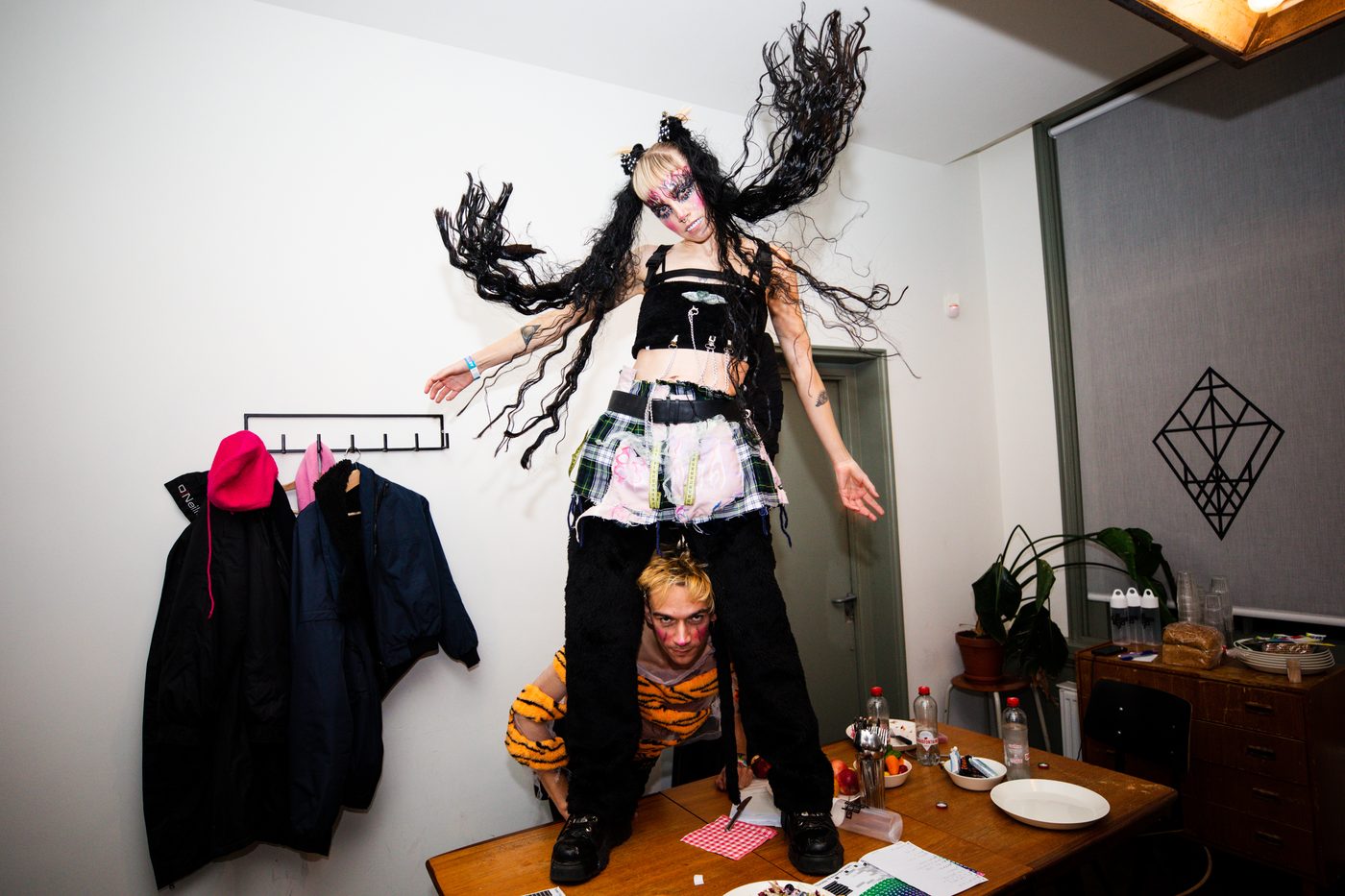
She kept writing in the first person and returning to subjects she’d already dealt with in “Zemsta na wroga”, “Poskromienie złośnicy” and “Szmery w sercu”. The last of those, she says, was a kind of clumsy love letter. She had told those stories. She had gone through what she needed to go through. Now she couldn’t work out who she was supposed to be when she stopped writing about those experiences.
“And at moments like that, when I also act as if I’m listening to somebody else’s opinion, Buri comes in and says: you can be whoever you want, you’re free, you can even be a fucking mouse and tell the story of her world,” Alex remembers.
“And as usually happens with these brilliant, witty things Buri says, he throws something out as an example and I take it as a wonderful idea. That’s how I created the Mouse’s story in a matter of minutes.”
Within minutes, Mouse existed. Over the following days, Alex searched through children’s books at the library in Gniezno, reading Danuta Wawiłow’s writing and translations. She was also thinking about Zuzanna Ginczanka, whose poetry and life have stayed with her for years. Reading about women and queer people working in different periods of art history is something she considers essential. Those lives are often far stranger and more useful to an artist than the tidy biographical accounts people usually encounter.
She found that reading children’s books helped her sleep again. The other creatures soon followed Mouse into the story.
While answering our questions, Alex returned to her diary from that period. She rarely looks through those notebooks, preferring to save them for later in life, but she found several entries that show just how quickly “Cudowne i pożyteczne” came together.
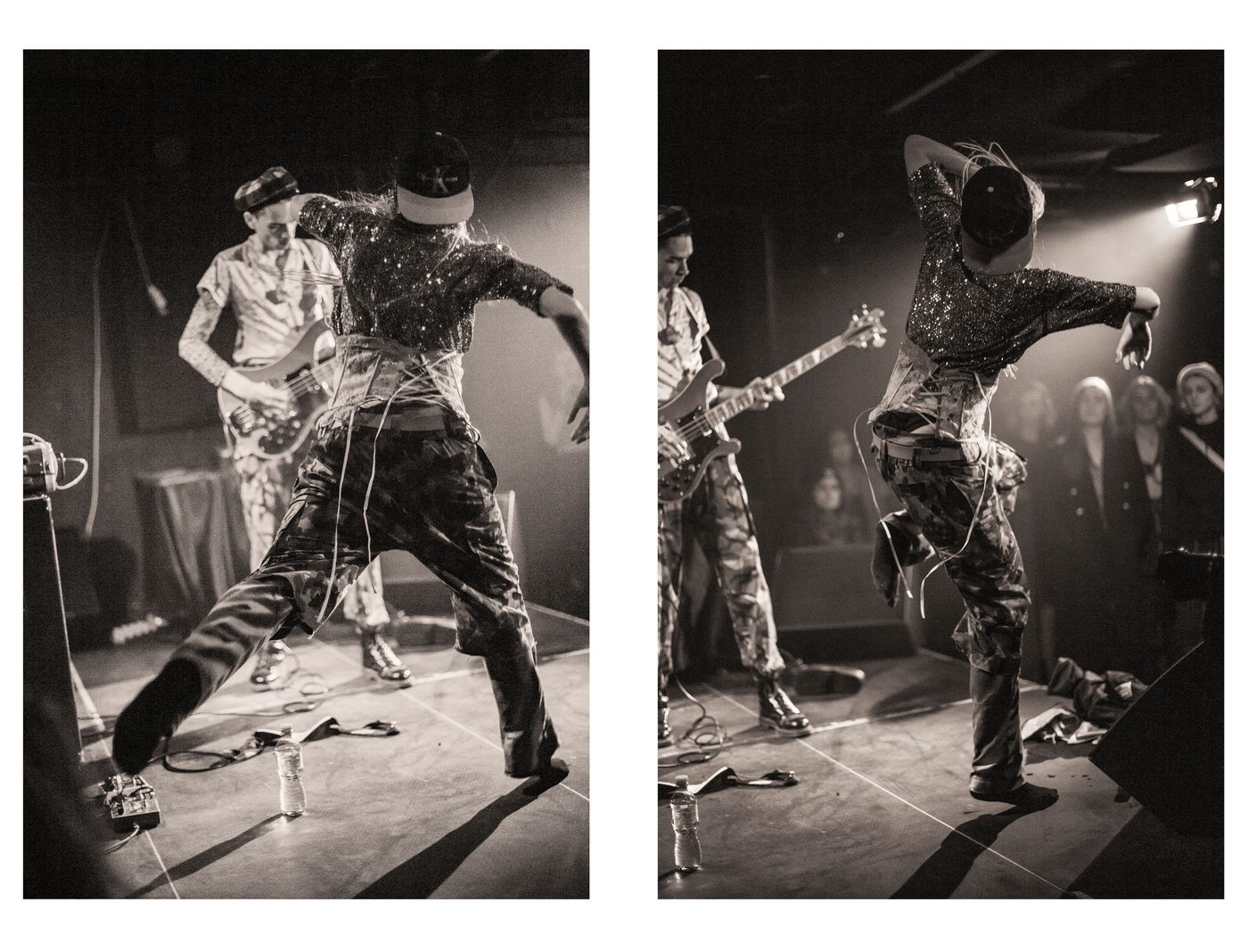
On 6 January 2021, she wrote in her diary: “And it worked! I changed the text a little and it’s going to be a fucking fairytale. I sing there that I’m a mouse, a mouse playing the harmonica!” On 7 January the duo were still in no rush, working on the first song and sketching out the Moths and Horse. They watched Akira Kurosawa’s film “The Horse” that day.
On 8 January, the Moths had their own song: “They sing in a bass voice, they’re rational, they know how to get along. Over the next few days we’ll write something about the Horse. There will also be a Firebird.” Ginczanka’s writing about animals, and her poem “Dziedzictwo”, were already on Alex’s mind. Her entry on 26 January reads: “Uh, I left off writing about the Moths, and in the meantime the whole of ‘Cudowne i pożyteczne’ came together. It makes us so happy!”
The title came later, after the first rehearsals. It borrowed from Bruno Bettelheim’s book “The Uses of Enchantment”, although Alex says she and Buri generally create first and find the references afterwards.
Her diary also contains a little saying from Buri, written down on 13 March 2021: “Better to gain experience than inherit it.”
Once Mouse had arrived, Alex could write about the things troubling her without having to keep speaking as herself. The character was an exhausted activist who wanted to do something good, supported the causes she believed in and kept discovering that her own community had another opinion about how she should behave.
In “Mysza“, she falls for another female Mouse and starts imagining a life outside the expectations placed on her. She has already been thrown out of several Mouse collectives for saying things that were considered politically incorrect. At one point, standing on a piece of Violife cheese, she announces that she has had enough of being judged.
Her trouble is familiar to anyone who has spent time around political groups, artistic collectives or even small punk communities where everybody knows one another. There is always somebody explaining what you should be doing, how you should be speaking and why whatever you’ve just done isn’t quite good enough.
Mouse wants to make mistakes, forgive her friends and celebrate somebody else’s success without having to decide whether every action meets the correct political standard. She even comes up with a name for the endless pressure: “Expectations Capitalism“.
“Mysi oi” continues the argument, making room for crying, laughter, rest and the simple pleasure of existing without being constantly useful. In “Zapomniałam latać!”, three Mice sit in a tree discussing the need to post about a new law on Instagram. One remembers staring so hard at her phone while wishing harm on somebody else that she fell out of a tree herself. She had forgotten that she could fly.
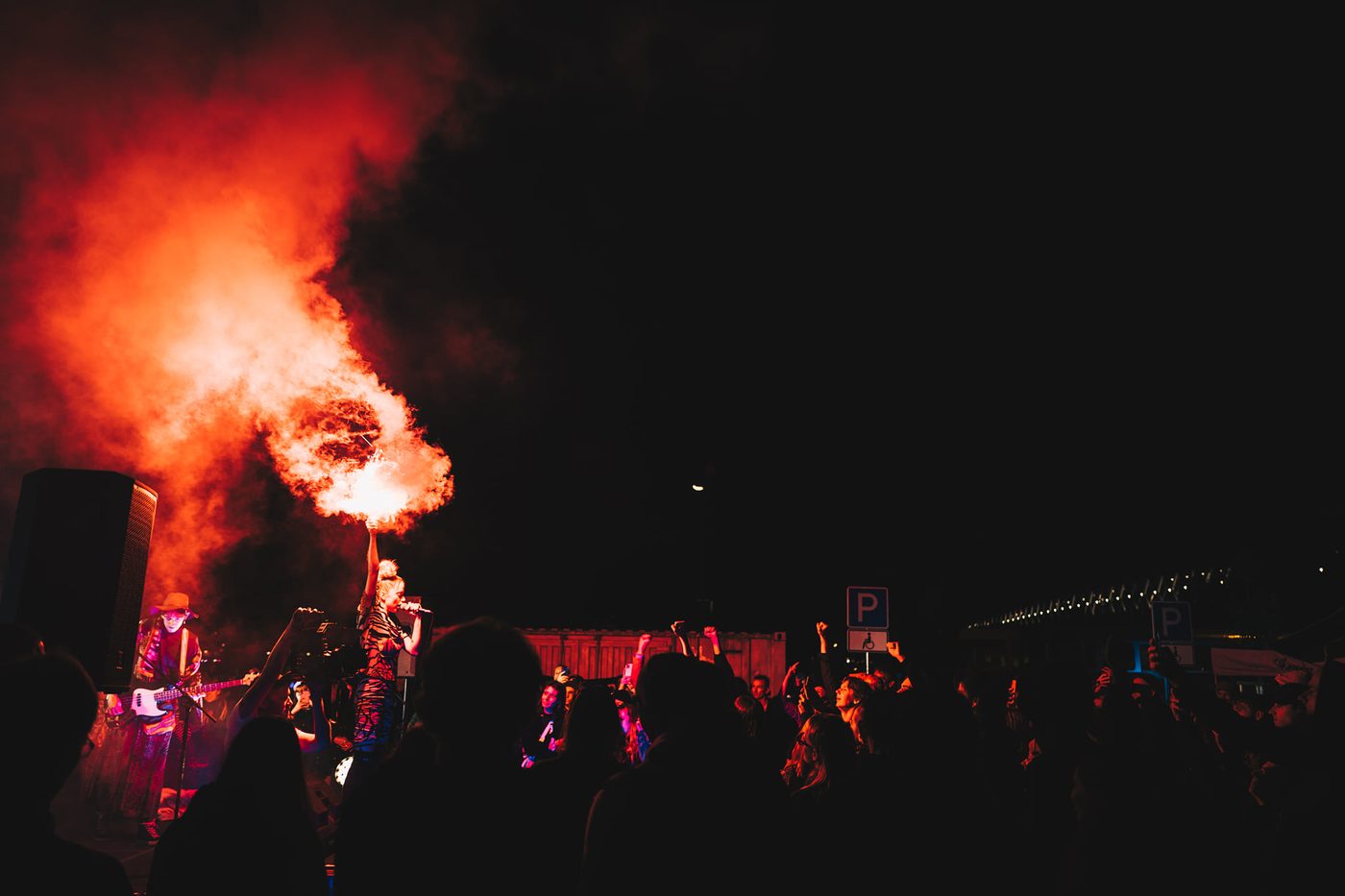
“I suffocate in situations and environments where there’s too much pressure, too many rules, too much feedback on every behaviour or stage presence,” says Alex. “If I ever stop doing things straight from the heart, following my own mouse logic, intuitively, with that incredible freedom I feel when revealing my memories, thoughts and sensitivity, I’ll simply stop doing it. I wouldn’t call myself an activist, but I’m still guided by values I will always support, in my own way, as best I can.”
“All the stories I present on stage are my own experiences. Sometimes those situations morph into fantastic offshoots and I spin absurd jokes out of them, but I base them on my own experiences and I don’t tell other people’s herstories.”
Mouse eventually has to leave a community that has no room for someone with her particular sensitivity.
Alex used to end the performances with a short message to the crowd: “Please don’t forget to be too much to this world.”
The other animals are dealing with their own problems. The Moths are annoyed that humans treat thousands of different species as one nuisance, usually because a few of them eat sweaters. Their opera gets into questions of difference, gender and the ridiculous assumptions people make about other creatures. Alex shifts her voice down to become an entire group of them, then changes again when another character starts talking.
Horse brings a much more difficult story into the record.
“Wywiad z Koniem“, the longest piece on the album, follows a former actor whose experiences in film and theatre have left him with memories of violence, mistreatment and exploitation. He agrees to talk about those experiences, only to find himself facing a group of editors who want names, details and something sensational enough to use.
They promise him a safe space. Then they start demanding more.
Eventually Horse loses patience. He wants the computers switched off, the recorders put away and the journalists to listen to him without using his story afterwards. Mouse, who has been working for the editorial team, realises she may have done something similar to the Moths when she interviewed them about their struggles. She had wanted to help and now worries that she has exploited somebody else’s experiences.
The scene comes directly from Alex’s own history with the media and the expectations that followed “Zemsta na wroga”. On that earlier work, she spoke publicly about rape and sexual violence, performing in a kind of superhero persona that allowed her to say things she found much harder to express in ordinary life.
The duo started performing the work after their much-discussed OFF Festival gig. People close to Alex learned about what she’d experienced for the first time at those shows.
“It took me a long time afterwards to recover myself as an artist, because the fact that I’d spoken about rape followed me around in different forms,” Alex says. “I’m proud of myself for doing it, for getting my revenge. Afterwards I had to listen to questions: hadn’t I gone too far with the revenge? Wasn’t the line ‘you know what to do with him’ too radical and aggressive? I felt that the form I’d chosen to tell this herstory was a bigger subject than what the boy in that story had actually done.”
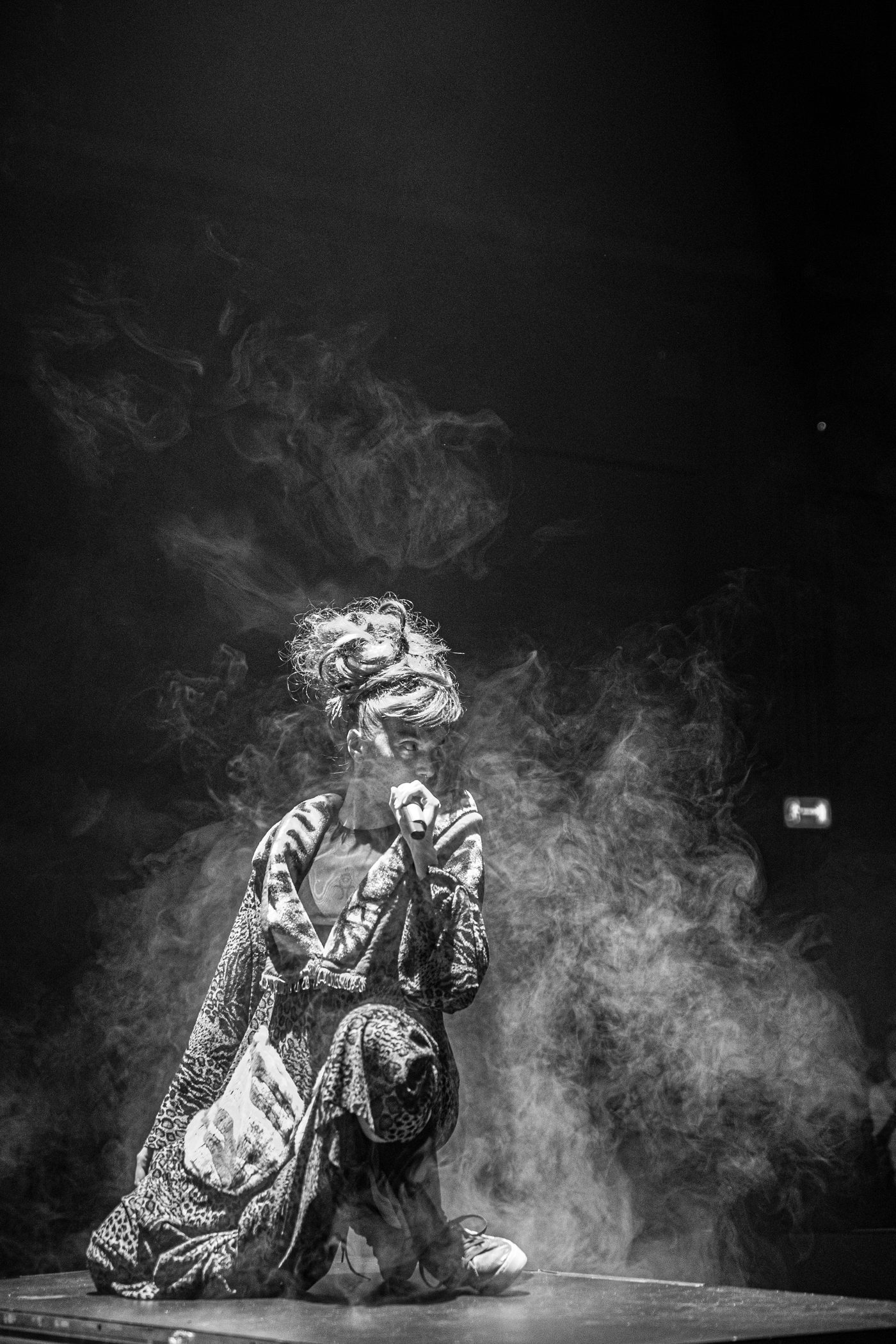
“I’ve only listened to the album ‘Zemsta na wroga’ once, because I had to do it before approving the master. I don’t know if I’ll ever listen to it again. That’s behind me now.”
Her experiences with the media were already a subject of public discussion in 2022. In an interview with VoxFeminae, she spoke about becoming known through the story of rape and beginning to feel trapped by it. She also talked about her work in theatre, the expectation that she should supply intense personal stories and the exhaustion that followed years of trying to meet those demands.
Even then, she was trying to work out who she could be without returning to violence every time she got on stage.
“I’m a good performer, Buri comes up with incredible bass compositions, we’re a band that can produce a bomb of energy with such limited instrumentation. I know how to use my natural voice and consistently refuse any kind of singing training because it doesn’t interest me. All of that, in my opinion, makes us an interesting phenomenon, a band and a mega-creative thing. Not the fact that I told a story about rape.”
“Expecting me to tell that story again, to do something strong, something groundbreaking, to use the strength of my delivery so somebody else can put it on their CV as a box ticked for the subject of violence against women: never again.”
One detail still gives her satisfaction. She was recently invited to hear Czech actresses perform texts from “Zemsta na wroga”. People in the room laughed at some of the humour she’d written into those songs. Hearing that response reminded her that even when she was writing about extremely painful experiences, she had never lost the part of herself that enjoyed making jokes.
Horse takes this argument to its absurd extreme. He is aware of how easily an account of violence can become content for somebody else. He refuses to cooperate once the editors begin deciding what they want from his experiences.
“Yes, everything in the Horse’s story is something I’ve heard or experienced, and I’ve pushed it into absurdity through that damned editorial team,” Alex says. “I wouldn’t wish it on anyone, but at the same time I think nothing has changed in the media since then, so look after yourselves and your sensitivity, your wildness and your courage. There’ll always be somebody who wants to use it for their own ends, when the point is for you to do it yourself, and only you know how.”
There was another argument waiting for her when “Cudowne i pożyteczne” first appeared on stage. Some critics thought the animal stories had weakened the directness that made earlier SIKSA performances so confrontational.
Wojciech Hamerski made that case in his 2021 essay “Kobra, myszy i ludzie” for Czas Kultury. He recognised the criticism of the left-wing collective, the absurd demands placed on Mouse and the way the editorial team treats Horse. He also argued that the fairytale allegory softened the emotional force of the performance.
His reading was based on seeing SIKSA live, including a performance at Scena Robocza in Poznań. He admired the directness of Alex’s earlier work, but felt that the characters and references now placed restrictions on the performance.
Alex’s response is furious.
“It didn’t weaken SIKSA at all, and ‘Cudowne i pożyteczne’ opened up new paths, collaborations and friendships for us,” Alex says of Hamerski’s argument. She questions why the critic recognised their directness when she spoke about violence and reclaiming herself but struggled to recognise it when she was getting her strength back afterwards.
“For me, the brave, direct and strong thing is that we made a punk fairytale after everything we’d played before.” Alex continues: “We didn’t let ourselves be shut inside somebody else’s idea of what SIKSA should be, because SIKSA are fucking free.”
She compares the criticism to an old photograph taken during “Poskromienie złośnicy”. She had shaved her head, and the photographer’s caption suggested she had looked better with long blonde hair. It was another person explaining how SIKSA ought to appear.
Hamerski’s title still bothers her too. Why a cobra? There was no cobra in the fairytale. She jokingly wonders whether he was thinking of the drug-induced cobra visions in the Polish film “Że życie ma sens”.
Back in August 2022, Alex had already told FOQL in their conversation for The Quietus that she needed more escapism in her life. She was tired of having her music treated like a standing order for political commentary. She wanted to make art about art and to enjoy the possibilities that gave her.
She also explained something that remains central to the way she works: “We are not doing songs that people can order for their political menu.”
Four years later, she still sees the fairytale as work made from contemporary experiences. The anger is there in Mouse’s encounters with her own community, in Horse’s refusal to cooperate with the media and in the way Bundle is exploited by people who present themselves as politically engaged.
Bundle’s story is another example of how far SIKSA were prepared to take the animal world. Once a squatter, he is now an exhausted creature who has been used by a human viper to produce endless supposedly useful things from his magical wool. The viper turns it into ecological products, politically engaged objects and even luxury bunkers. Bundle keeps producing until there is practically nothing left of him.
Meanwhile, the people who benefit from his work argue over what art and politics should be allowed. Bundle eventually refuses to produce any more wool. His body has been damaged, and he wants no further part in the whole business.
The Moths return to help him, proposing new potpourri wings and encouraging Mouse to play the harmonica. The situation becomes another ridiculous musical argument about art, sincerity and the possibility of making something together.
Eventually Bundle becomes Firebird. The closing passages move through sleep, waking up, play and a return to creating art for the pleasure of doing it. Ginczanka and Wawiłow are woven into the text, and the ending reaches “Eviva l’arte!”, a final declaration of artistic freedom that refuses to make the world any simpler or less difficult than it is.
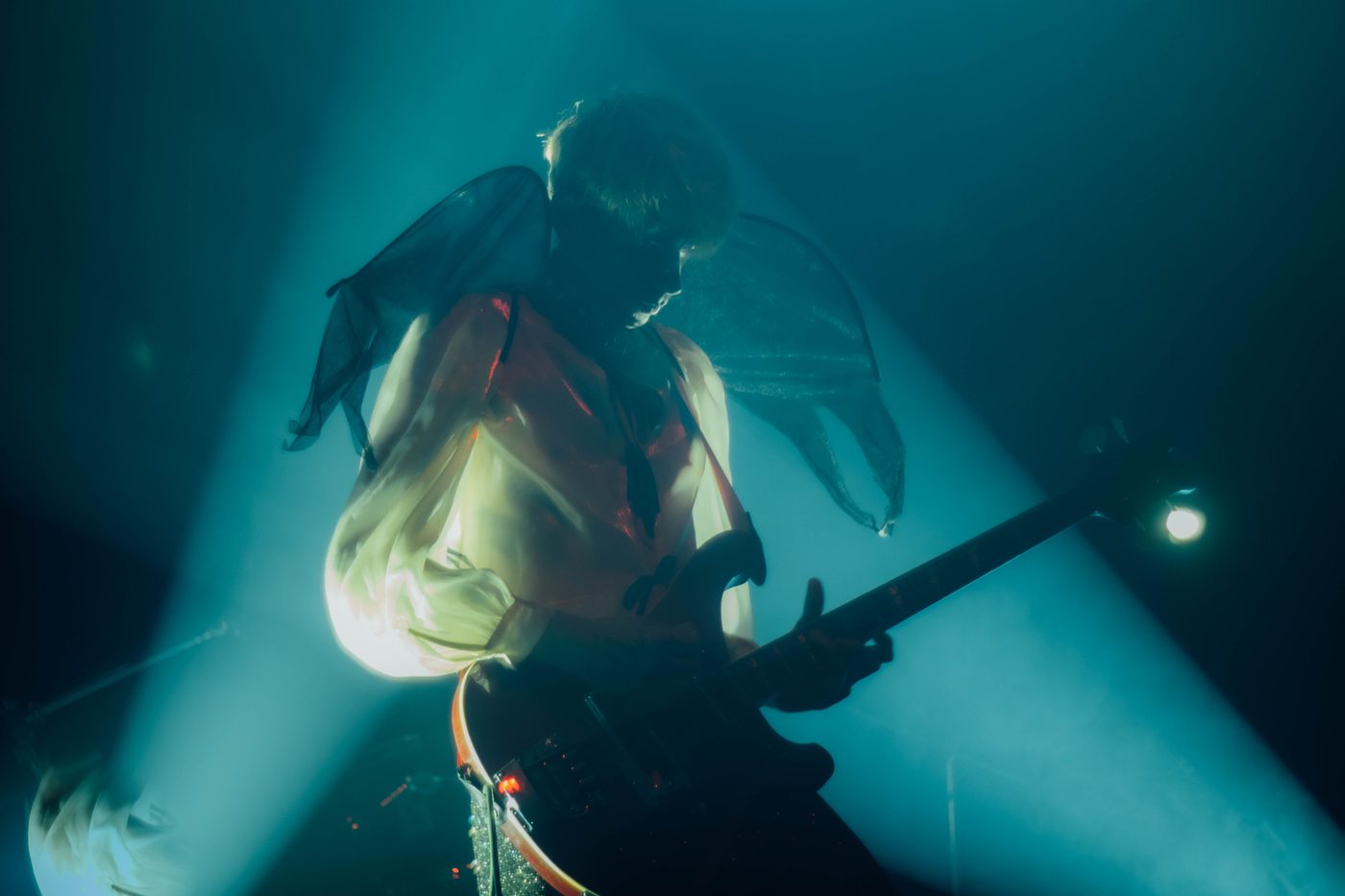
For Alex, that ending still holds up.
“Remember why you started doing it, remember the dream that brought you here and remember that kid who fought to be able to do their own thing,” Alex says. “And don’t walk away from art because of other people, because beautiful, sublime and incomprehensible things have always happened here and always will. Long live art forever.”
She recently found herself listening repeatedly to a recording by Rebeka Warrior, music written for a theatre piece in French. She doesn’t understand every word, but she enjoys that uncertainty. One repeated sentence about experiencing something whose meaning might only become clear several days later has stayed with her. At the beginning it is spoken by somebody crying; by the end, a choir sings it. Alex loves the way the same words can become something different through music.
The studio version of “Cudowne i pożyteczne” gave SIKSA room to remake the music. Buri likes to keep the band’s setup minimal, but the studio’s possibilities were tempting.
“A record isn’t a gig and a gig isn’t a record. The two situations are different and they should be different,” Buri says.
The music had grown through improvisation during dozens of performances and needed to be organised and divided up before they could record it. “We went for more traditional, clearer melodies in place of the leading, heavily distorted bass, which freed up space for additional instrumentation.”
“Hence, for example, Kostek’s guitar with a sound almost typical of Leszczers, but above all the percussion: Casio drum samples, but also pots or a rubber dog toy.” Buri and Konstanty tend to work by trading adjectives, impressions and associations. When they added a minimalist keyboard part behind Horse’s story, they joked about doing it in Philip Glass’s style.
“‘Cudowne i pożyteczne’ is a punk fairytale after all. We wanted some tracks to sound like bands such as Trompka Pompka or Po Prostu, with their charming primitivism and power.”
“It’s something between a punk band’s demo and a radio play. ‘Cudowne i pożyteczne’ is a record about imagination, so it should stimulate the imagination.” The live shows were performed as one continuous story, but the studio recording was divided into individual pieces. Even the opera and rockabilly touches took their final shape in the studio and when they were naming the tracks.
“Perhaps Frank Zappa or Mike Patton would have used an orchestra or fired away on a double bass recording the passages about Moths, but SIKSA are a different thing. It’s a kind of awkward dream of big sounds and big possibilities. We want to use our imagination and the things we know, keeping our means to a minimum so we can be as independent as possible. We don’t think about theatre or scenes at all. For us it’s music.”
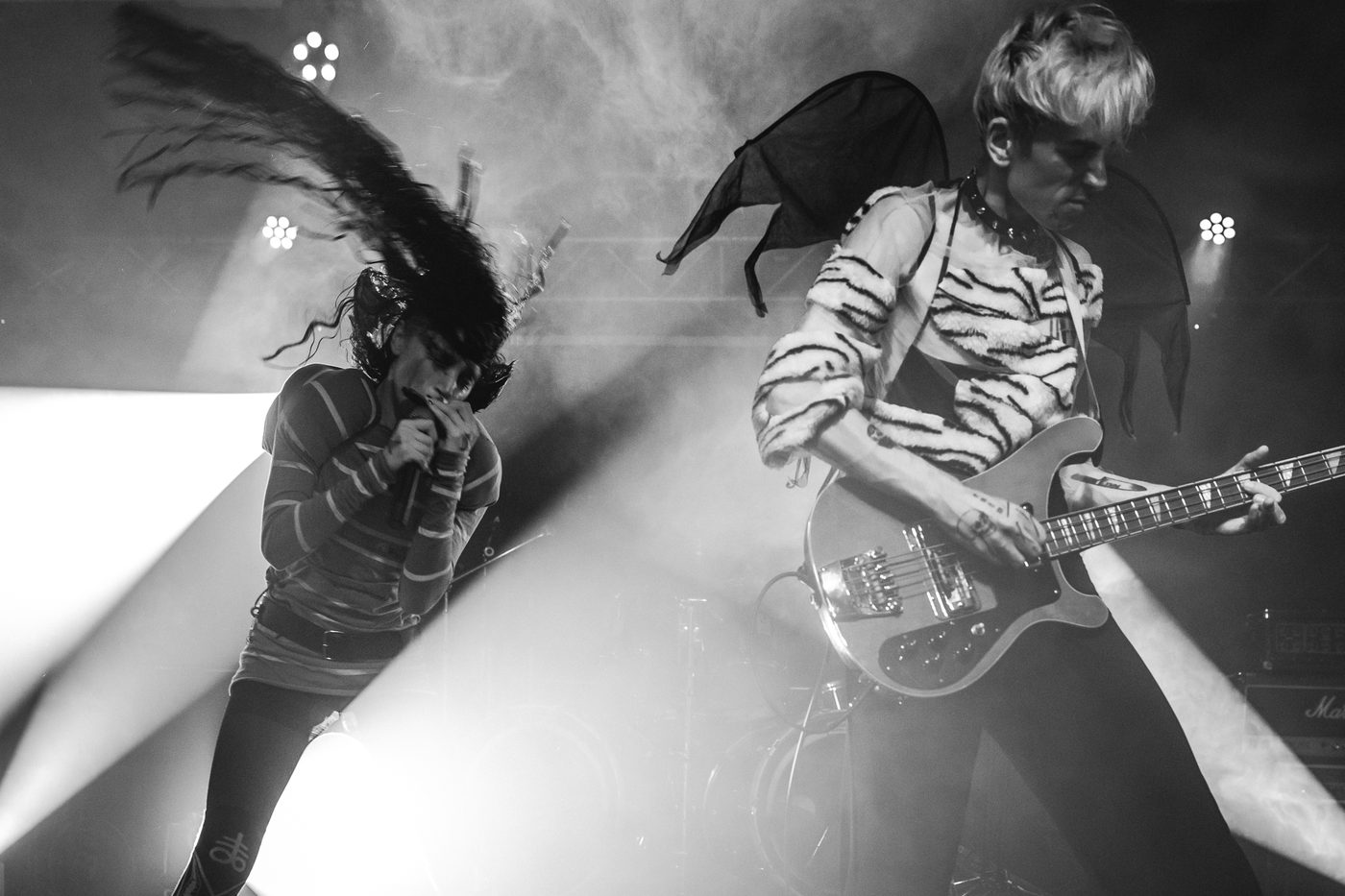
It’s one of the reasons the duo can take such strange stories on tour without needing an elaborate stage production. The characters live in Alex’s body and voice, and the music can change depending on what happens in the room.
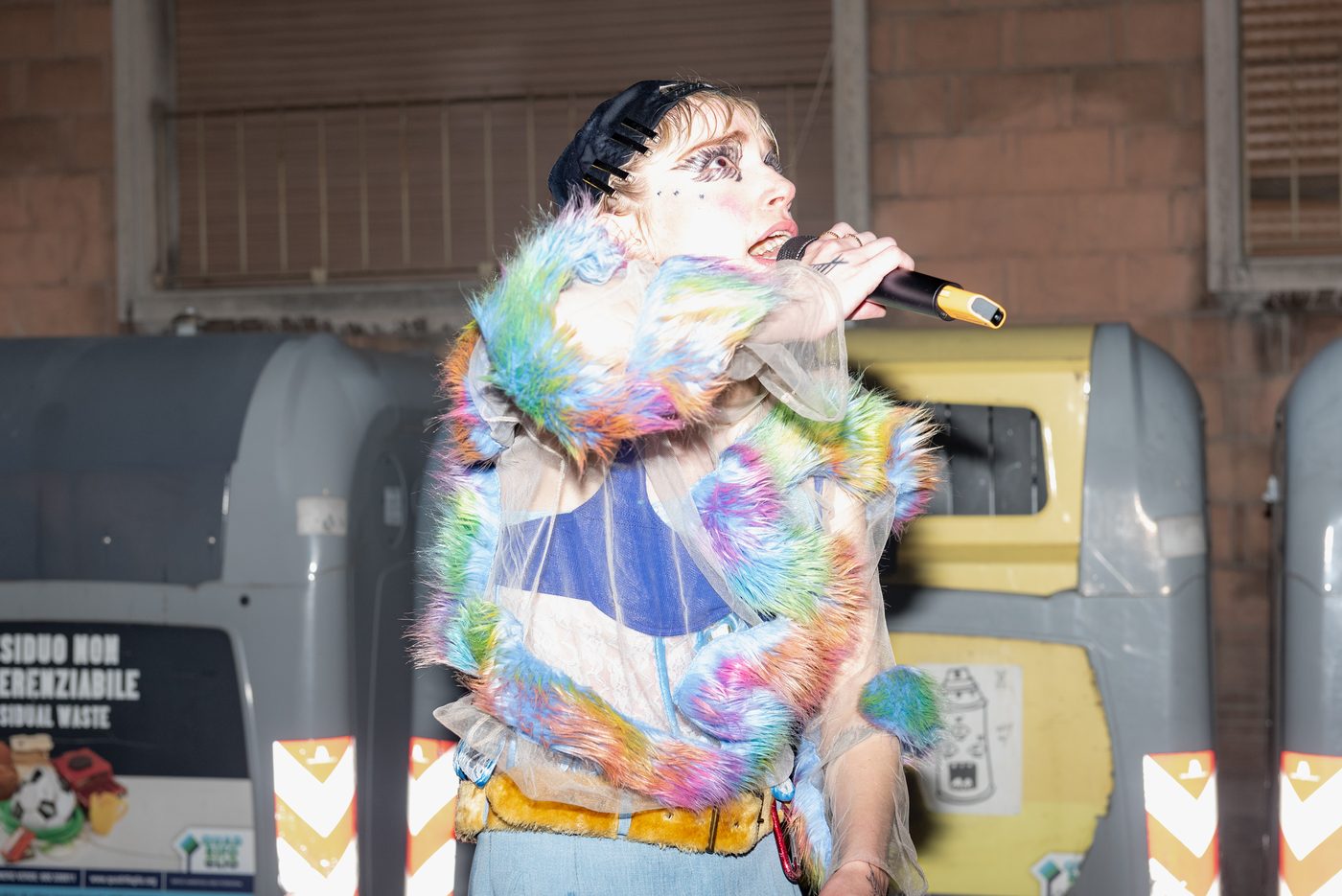
Those original shows could get pretty unpredictable. In Florence, Alex climbed into a large waste container and kept singing down there with just her legs sticking out. The gig in Turin went out of the venue altogether. “We all suddenly started dancing with the grandpas and grandmas who were out for a walk, queers dancing all over the street to the last song, and that’s where we ended the gig. We were all going out onto the street through the stage and a little door, like something out of a mouse’s cellar. A beautiful sight that couldn’t be repeated because of the place and circumstances.”
The Turin show happened close to a plaque remembering the story of Friedrich Nietzsche embracing a horse that was being beaten in January 1889. Alex still associates that detail with their own Horse, although what she remembers most is the crowd leaving the venue and finishing the show on the street.
In Zagreb, everyone lay on the floor when the animals went to sleep. On a musical cue, they got back up and jumped until the end of the show. In Amsterdam, Alex found a cupboard just big enough to stand in. “I went in there, turned on a little light and everyone sat or lay down near this tiny room. I felt like some old storyteller, which I am a bit, and suddenly this little room, this broom cupboard, took on the dimensions of a fairytale.”
She tries to walk through every venue before playing and work out what she can use. Sometimes a small detail in the space completely changes the performance. Sometimes the crowd does something she could never have planned.
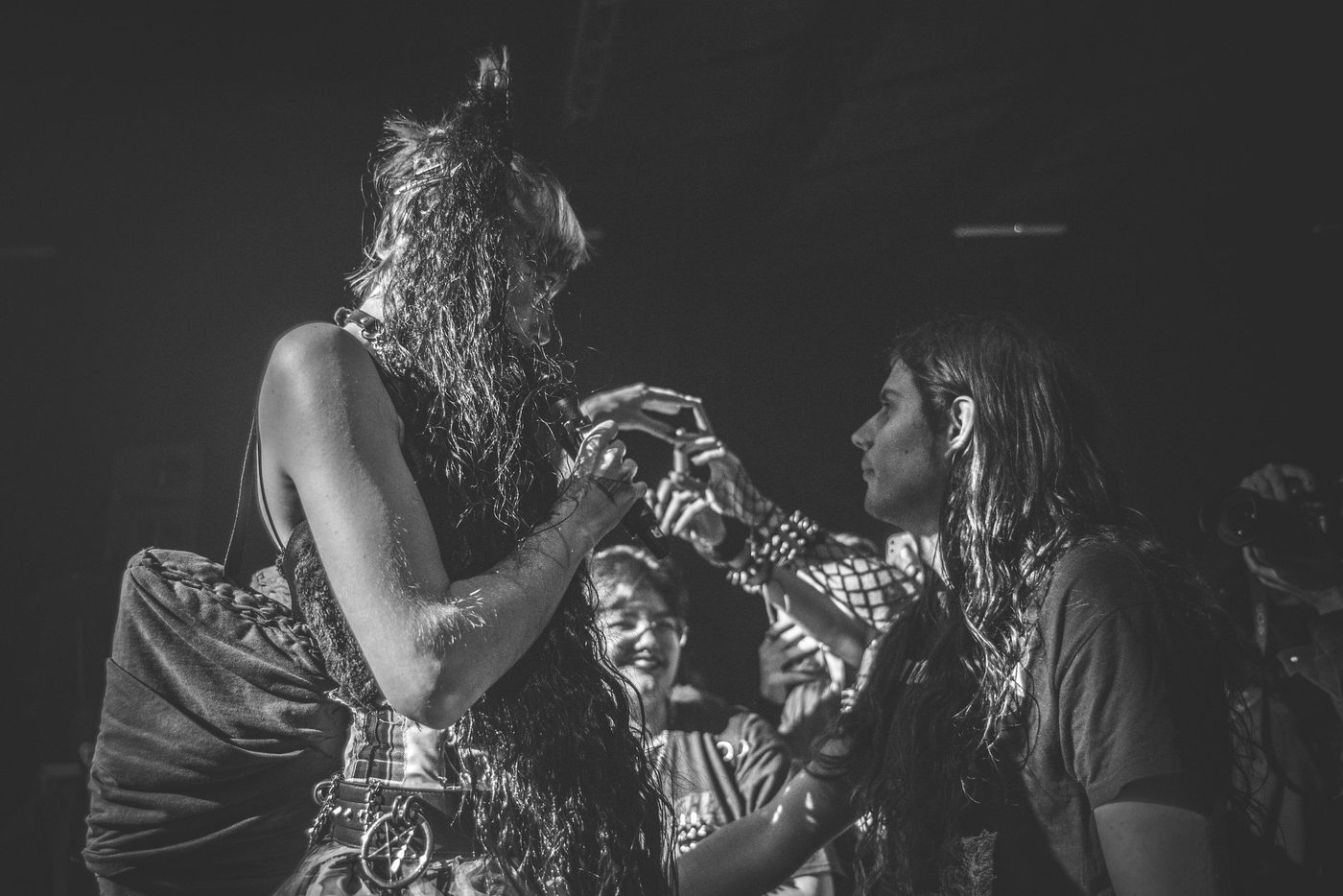
“You can’t predict how the people at a gig will behave, but since for quite a while now we’ve treated the people who come as fully fledged performers, who often contribute quite a bit to SIKSA’s performance, I try to give them certain tools so they can shine on stage!”
They play in Polish abroad, with some English passages, and people can read the translation afterwards. Agata Pyzik prepared the English text of “Cudowne i pożyteczne”.
“It’s never the case that we turn up somewhere for a gig, do a soundcheck, disappear, appear for the show and go backstage. We always talk to the people who invite us and to people after the gig. We come back from every trip strengthened by new experiences.”
In queer art and literature, Alex has long been interested in chosen families, and it’s something that shapes the way she works. “I love walking alone, wandering around at night by myself, going to gigs and parties alone, going to places that are my little secret and that give me pleasure. At the same time I don’t want to be alone, I need friends and I’d like to be a decent friend.”
Piotr Macha, who runs Aural Prism with Radek Sirko, has been part of that circle for years. They got to know one another while making the film “Stabat Mater Dolorosa”, and the relationship continued through other projects. Alex considers Piotr a friend. She feels her relationship with Radek has been growing in the same direction, and she describes his work recovering the lost album as an act of friendship.
Konstanty Usenko is another close collaborator. Alex also mentions Dorcze, a friend in Gniezno who is often one of the first people to hear about SIKSA’s plans, and designer Martyna Konieczny.
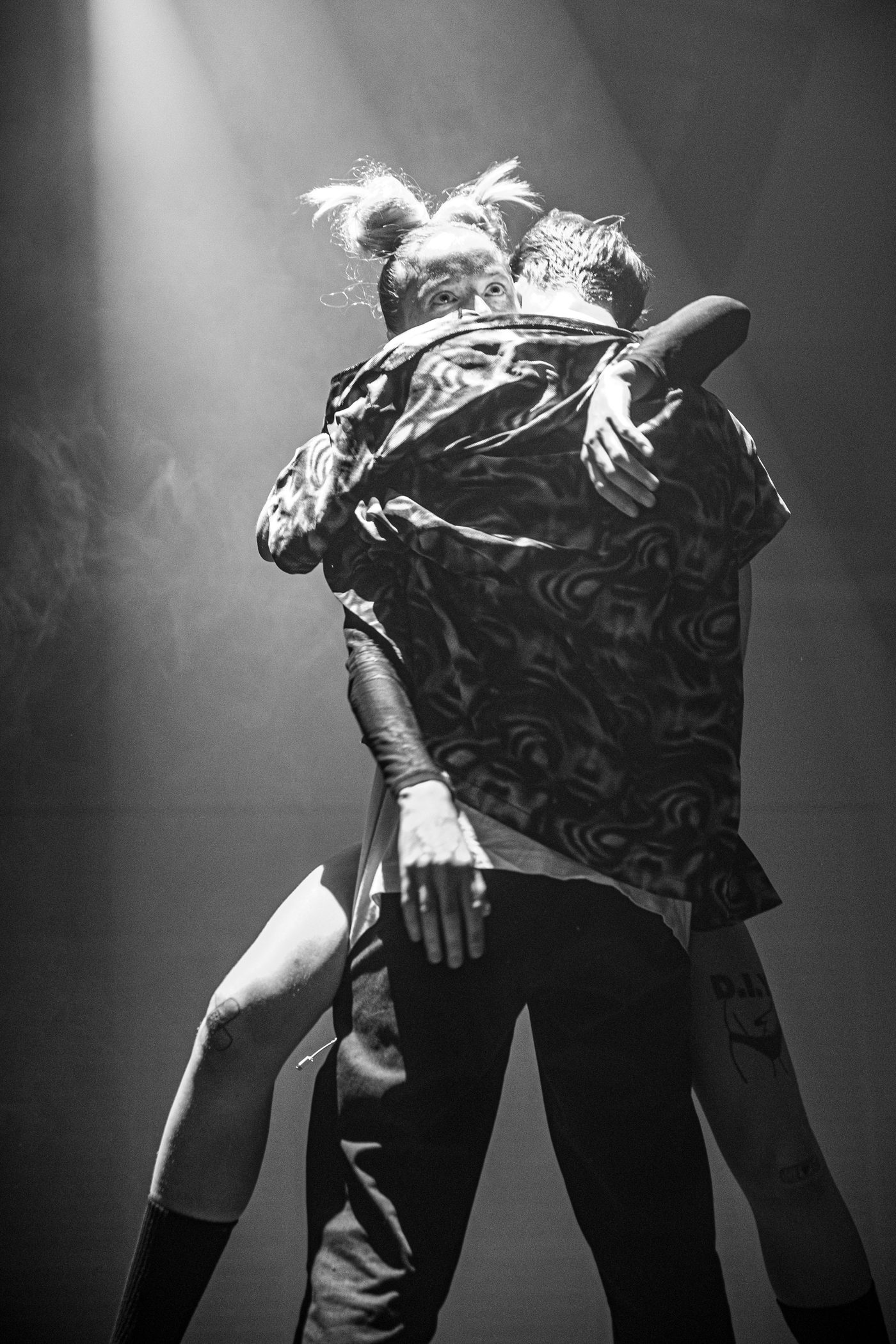
Working with Aleksandra Słyż, Pola Nikiel, Pamela Bosak and Kasia Sikora on GHSTING has been a whole other experience. “I’m hugely grateful that the girls trusted me and I could trust them. Going to gigs with a girl band like that is a whole other level of initiation. I love how different each of us is and how each brings her own femininity, queerness and talent to this project.”
She also works with French dancer Auguste de Boursetty on “Heavy, Baby”, a performance built around movement, queer imagination and memories from childhood and adolescence. They met through their work, and the relationship that grew between them has become part of the show itself.
There’s a similar feeling in SIKSA’s newer “Grande Donna Freiheit & Her Spiders From The Squat”. The work pays tribute to the small clubs, squats and DIY spaces they’ve visited over the years, and to the people who keep those places open. Its spiders are trying to rebuild their own map of connections after watching venues disappear.
“We even get a band going with the people at the gig for the duration of the show. It’s probably the most incredible thing we’ve managed with this one,” Alex says. “It came out of my dream of having a band, and that of a lot of other people. It’s a collective dream, really, but it’s also very concrete and becomes a statement in a way.”
The new SIKSA show ends with everybody listening to a demo they have just recorded together. Buri links the idea to the experiments with crowd participation in “…a Diablica gruchnie basem”. “In ‘Spiders From The Squat’ we and the crowd bring a band to life which, accused of ‘stupidity’, meaning its uselessness in the capitalist world, tries to free itself from the constraints around it. Alex gradually encourages the crowd to sing and chant parts of the text, so that towards the finale the chanted melodies can be recorded on a dictaphone.”
“In the finale we play back the recording of the crowd by holding the speaker of the cassette dictaphone up to the microphone, and that way we listen together to the first demo of our shared ‘Spiders From The Squat’, made during the gig.”
By October 2026, Buri had quite the collection: “We have two cassette tapes ready to digitise, around two hours of singing and crowd reactions from dozens of gigs. The recordings are very raw, distorted, but dynamic and fun. Then there are the imperfections caused by the way the dictaphone works; some recordings are slowed down or sped up, they get stuck and so on.”
“Of course we’re going to weave these recordings into the recording session and the final album. We don’t know what form yet, but it will absolutely be archived and sent out into the world.” A winter session was being planned when we spoke.
The show already has a printed companion, with artwork by Slovakia’s Risko Print, and Buri wants the recorded edition to be put together just as carefully as “Cudowne i pożyteczne”. He knows people who never saw the Spiders live may eventually discover the story through the album.
There is another place where those friendships and touring experiences have become useful. For eight years, SIKSA and their friends have been involved in running Latarnia na Wenei in Gniezno, a summer cultural space where people organise concerts and other events outdoors.
“We use our SIKSA connections and experiences to build a place where the people we have to convince aren’t the residents or the neighbours, but the city authorities,” Alex says of Latarnia na Wenei. “Regardless of who’s in power, places like Latarnia na Wenei are dangerous to them because they’re free, because they’re full of different people, because you can see how involved people are in this outdoor cultural centre. And despite the difficulties we won’t give up, we’ll keep fighting for a building.”
She is also frustrated by Gniezno’s lack of a permanent music club and the amount of work needed to put on shows elsewhere. Stowarzyszenie Ośla Ławka has been organising events in courtyards, on squares and in other small spaces, bringing artists such as Owls Woods Graves, Jozef van Wissem, Kochliwa Magda, Klawo and Mikołaj Trzaska to the city. DJ collective JAZDA and young local bands have been part of that activity too.
That frustration fed into “JEST NAS MAŁO ALE ŚMIAŁO”, a new SIKSA work performed for the first time at Tonarium in Katowice on 3 October 2026. Alex has said she would like to make a recording available eventually.
The story follows three characters, Pizda, Anioł and Młot, who organise a concert on a small square threatened with redevelopment. Alex uses it to get into gentrification, local politics, favouritism and the treatment of people who don’t fit comfortably into respectable small-town culture.
One passage describes a supposedly rigged mural commission involving an AI-generated design and the son of a friend. A separate, real dispute about a mural in Gniezno has involved accusations concerning the use of AI. Buri clarified the fictional commission in a follow-up: “That jab doesn’t refer to any specific situation involving corruption in Gniezno, but to the general picture of municipal and small-town Poland. In this case it’s literary fiction, but unfortunately you can easily find similar examples of petty politicking all over Poland.”
Alex sees similar pressures on independent cultural spaces in many Polish cities, regardless of the political party running the local council. She is determined to keep fighting for Latarnia and the people involved in it.
One thing that has made that work more encouraging lately is the number of young people getting involved.
“We see it pretty much all over Poland, from Warsztat in Kraków, where the young crew pretty much run things now, to the kids coming to events at Latarnia. Young people are starting their own bands, there are loads of them and they’re great, whether it’s goth, cold wave, metal, hardcore or experimental noise.”
“Everything gets mixed together and rediscovered by them. Sometimes teenage children of people or friends who went to our gigs ten or twelve years ago come to SIKSA gigs. It’s a new wave, and it’s also a relief to know that the scene will keep going.”
“But it’s also something specific to Poland, our part of Europe and the Baltic countries, because in Italy the people at underground gigs are still often forty and over.”
“I hear people say that the records ‘Poskromienie złośnicy’, ‘Stabat Mater Dolorosa’, ‘Zemsta na wroga’ mean something to them, that they’re looking for physical copies of those albums, but of course they couldn’t have seen the gigs where we played that stuff live. They were simply too young,” Buri says.
He also sends Bandcamp orders to countries where SIKSA have never performed.
“The little bit of stress from the recording session going missing for so long, and from so much more time having passed since we performed ‘Cudowne i pożyteczne’ live, meant that perhaps we wanted to save this stuff even more than usual. We had Łukasz Przytarski’s great illustrations and Agata Pyzik’s translation. It all needed to be carefully archived.”
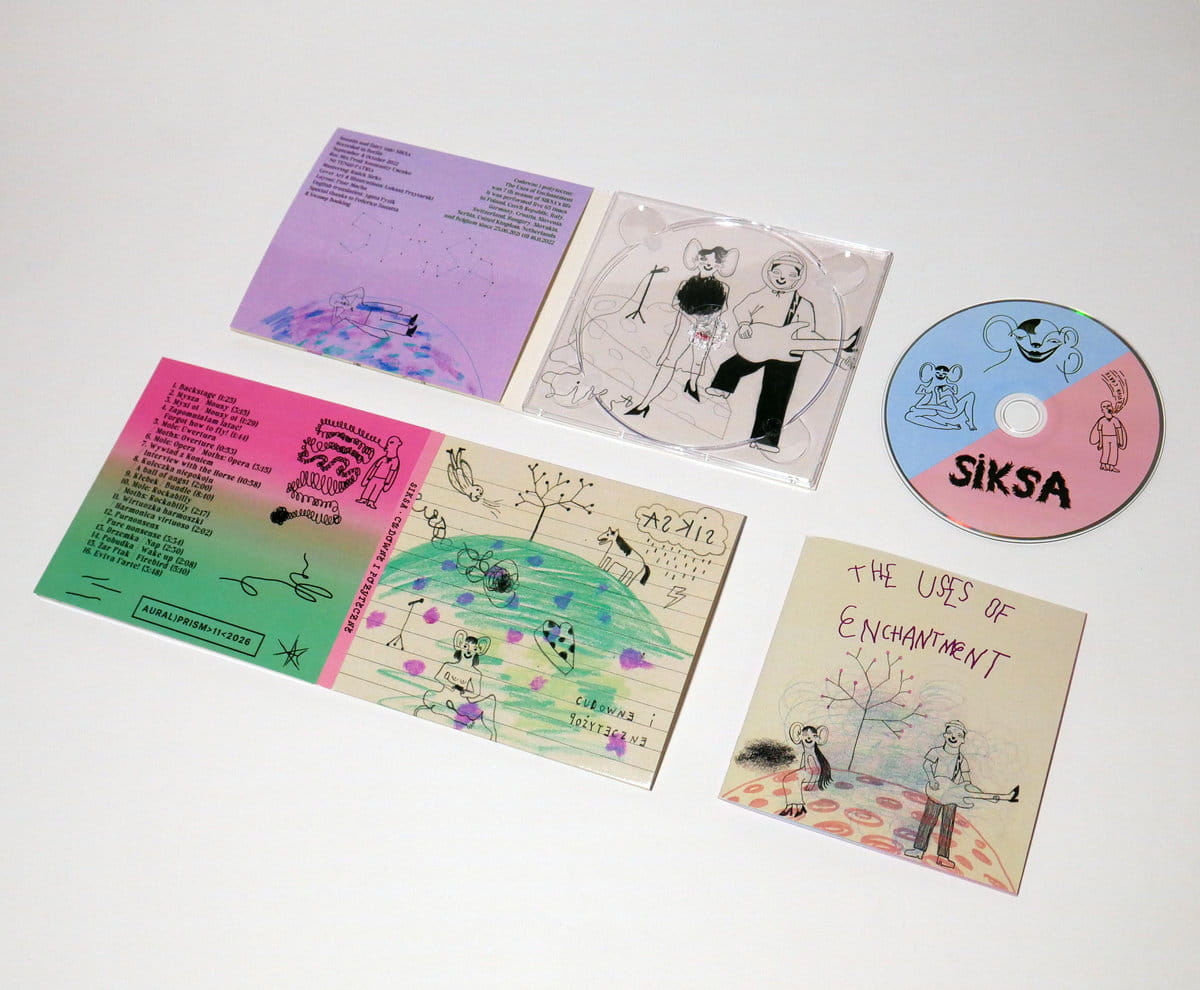
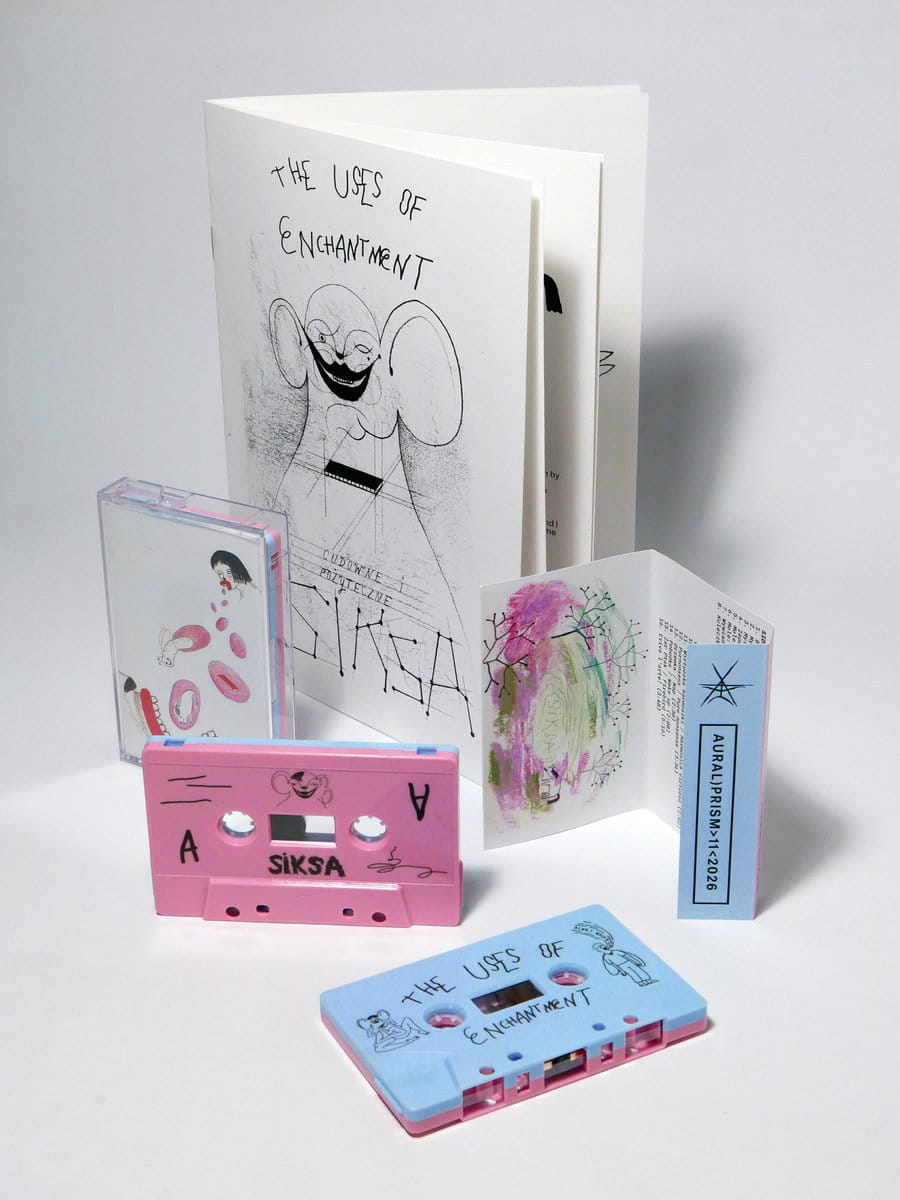
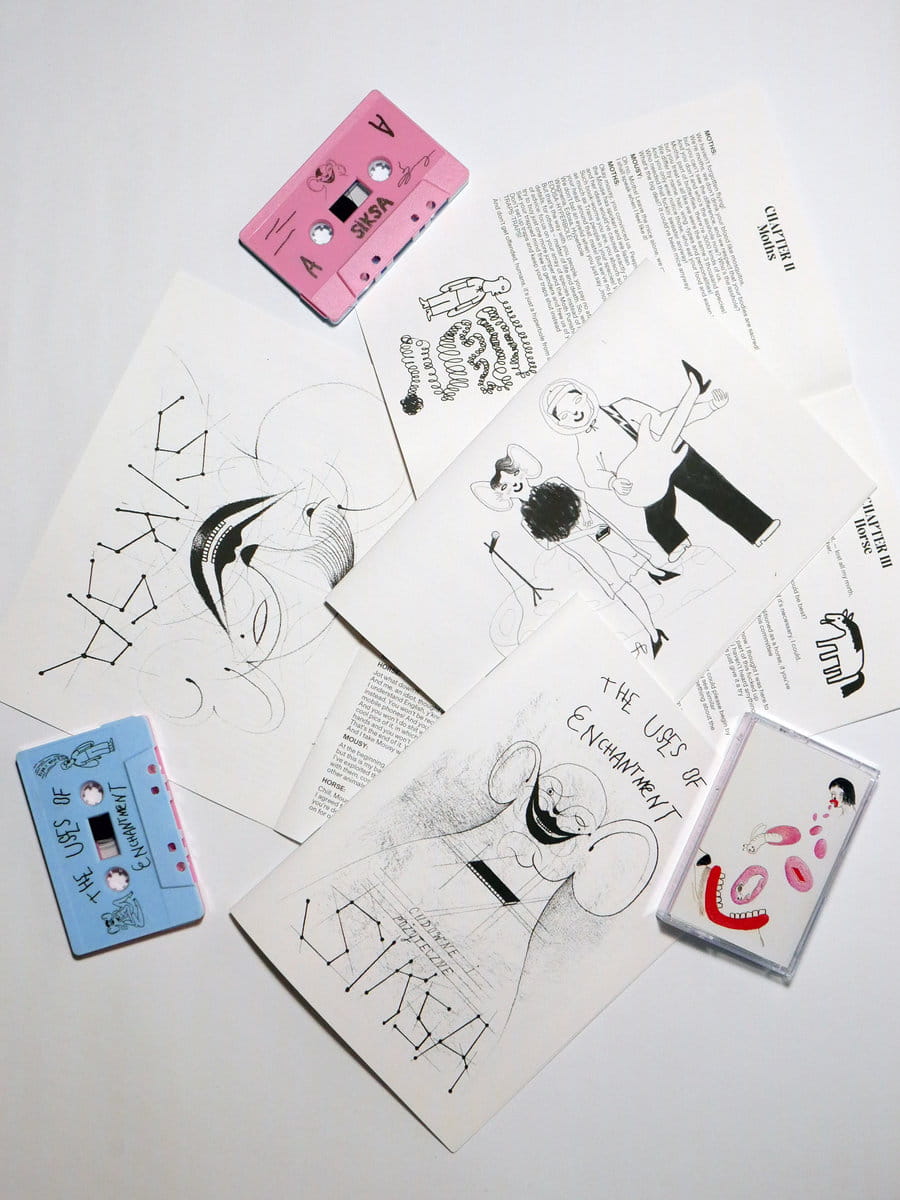
Aural Prism released the album on CD in a four-panel digipack with a 24-page colour booklet, and on a pink-and-blue C-62 cassette with a 16-page black-and-white zine. The cassette edition was limited to 150 copies. Piotr Macha handled the layout, Konstanty Usenko recorded, produced and mixed the music, and Radek Sirko mastered it.
Łukasz’s drawings give the animals another place to exist. The cover has the loose, colourful appearance of a child’s sketchbook, with Mouse, Horse and other creatures occupying their own strange little world. Together with the translated words, the artwork gives people something to return to after hearing the record.
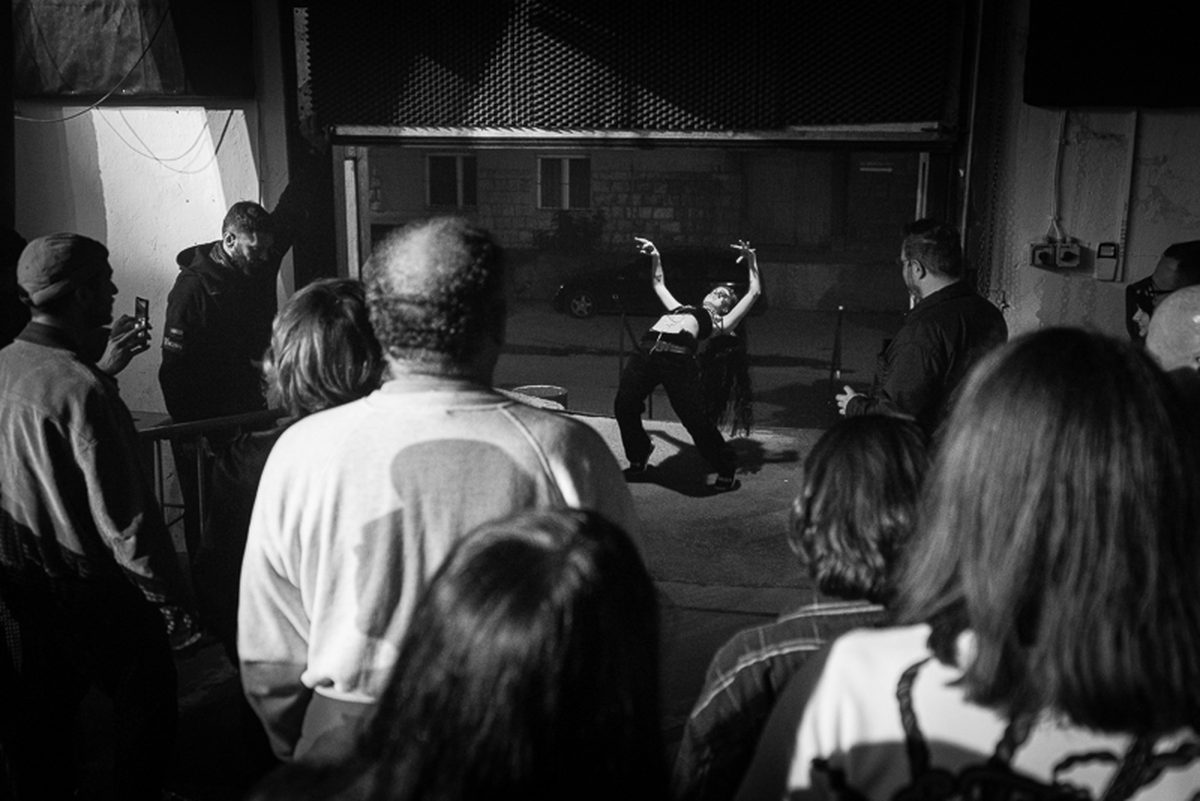
“The worst thing you have to deal with after every gig or performance is coming back,” Alex says. “And in those moments of what we call silence, you have to take special care of yourself.”
GHSTING leaves her with that feeling. Its central character dies and becomes a ghost carrying herstories from the past. The emotional demands can make going home afterwards feel like a sudden, difficult return to earth.
Wyświetl ten post na Instagramie
“Heavy, Baby” leaves her physically exhausted in a different way. Its movement and choreography can make her body ache, but the show allows her to work through absurd ideas and queer imagination with Auguste. She enjoys that freedom.
After “Spiders From The Squat”, she usually comes home with her batteries charged. “Besides, it’s something I do with the best bestie under the sun, Buri. Our love for each other and the fact we know each other like the backs of our hands mean we can do whatever we want together and support each other in it. Coming back to everyday life after those gigs is easier because we’re in it together, so we know that moment when the dopamine wears off is necessary and we know how to look after one another. We know now.”
Wyświetl ten post na Instagramie
Remembering “Cudowne i pożyteczne” also brings back a tour with metal bands. Taking their odd animal fairytale onto those bills wasn’t always easy. “I learnt a lot back then, I think, and I also saw that I’ve never in my life treated music as a competition. We’re punks, we don’t have this thing of comparing ourselves to other bands. We just carry our own thing out into the world. We’re under no pressure, or we simply refuse to accept it.”
That tour also introduced them to lighting designer Michał Łój, who has since worked with Alex on GHSTING whenever the budget has allowed it.
She has plenty of ideas for things she still wants to do, including a half-serious promise to make “PALEMOSTY NIELEGAL 2” when she’s older and even less inclined to hold anything back. She talks about SIKSA as a spectrum, something that has allowed her and Buri to make music together and also find entirely different ways of working with other people.
The original idea behind “Cudowne i pożyteczne” remains close to her. She wanted to be free to create without being trapped by other people’s expectations. That freedom has taken her through fairytales, dance performances, political satire and projects built around the voices of strangers at gigs.
SIKSA’s rule is still the same. They don’t repeat themselves.
“I’d never want to repeat myself, generally. And that’s SIKSA’s consistent, iron rule, we don’t repeat ourselves, which is why there will never be another ‘Zemsta na wroga’.”
The recovered “Cudowne i pożyteczne / The Uses of Enchantment” was released digitally on 2 October 2026 through Aural Prism, with CD and cassette editions following on 4 October. All sixteen parts of the Berlin recording are available through SIKSA’s Bandcamp, together with the physical editions. The Mouse, Horse, Moths, Bundle and Firebird have finished their original 65-show run. The record is there for anyone who wants to meet them.
🔔 IDIOTEQ is ad-free, independent, and runs on one person’s time. If you want it to stay that way: DONATE via PayPal or SUPPORT via Patreon.
NEW: IDIOTEQ Explore 🗺️ Browse 15+ years of our archive by city, country, and style. Find artists on the world map or trace related sounds through the styles map.
Stay connected via Newsletter · Instagram · Facebook · X (Twitter) · Threads · Bluesky · Messenger · WhatsApp.


