

The first sound on ‘Monolith‘ is a crash. ‘Lithobraking,’ the album’s instrumental opener, captures the exact second a ship punches through the atmosphere of a planet it was never meant to reach. Control is gone before the song starts. What follows is a record about everything that happens after the impact: the disorientation, the slow understanding that the rescue might never come, the question of what is left when you stop expecting one.
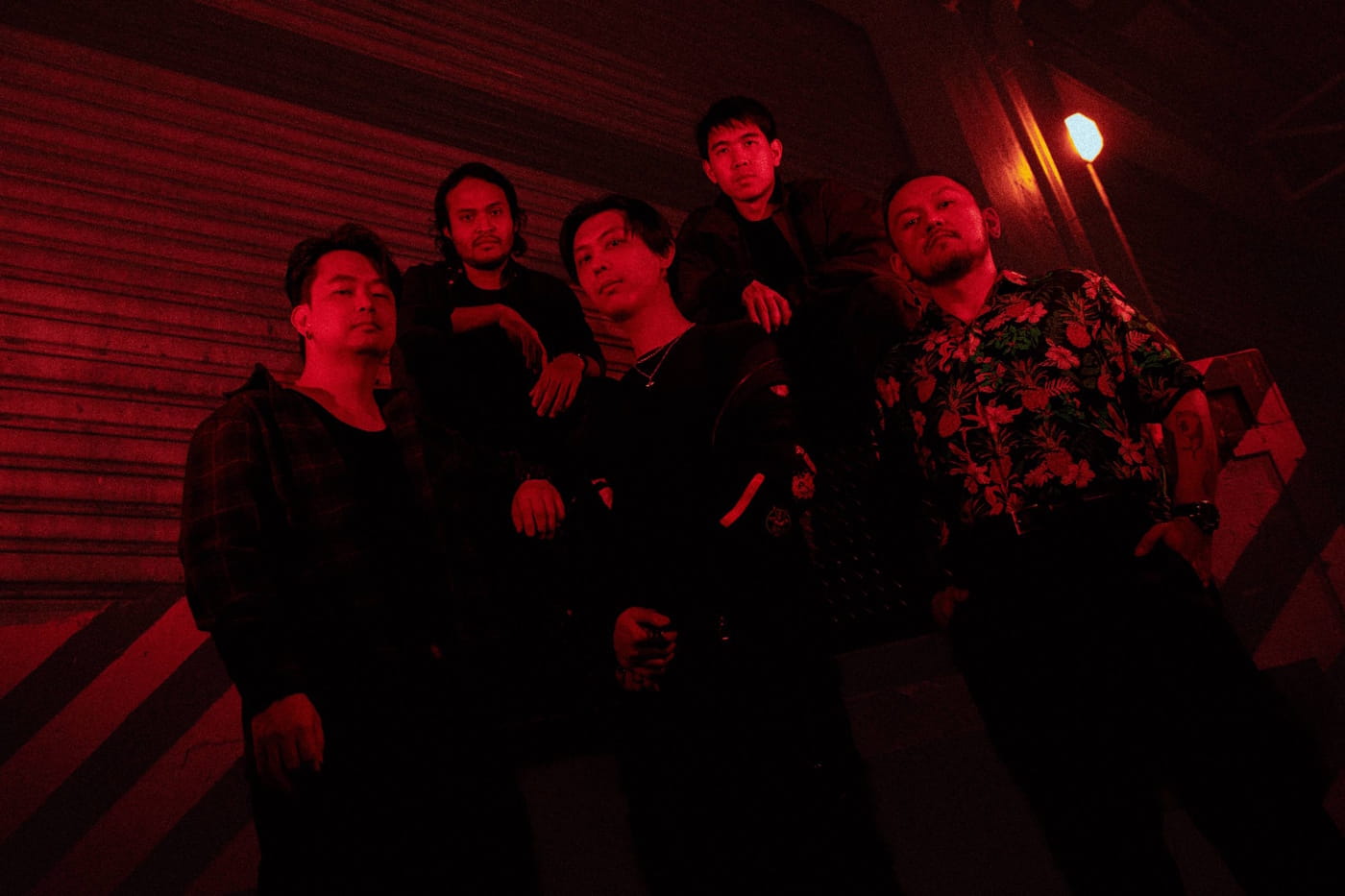
Glassmouth come from metropolitan Singapore. Mathcore and chaotic hardcore is the shorthand, with the kind of unhinged, polyrhythmic noise that places them in the lineage of The Dillinger Escape Plan, The Callous Daoboys and Norma Jean, but the band’s own list of influences runs wider: Botch, For Better Endings, Mr. Bungle, and even Radiohead.
They formed in 2014, with the current lineup settling in 2017, all five members coming up through Singapore’s 2010–2014 metal and deathcore scene before that scene quietly dissolved around them. Their own description of the range pitches between “unhinged abrasiveness akin to a freight train plowing through a forest” and “the serenity of a dormant volcano.” On ‘Monolith,’ both ends of that spectrum get a track.
The album, out 3rd July via Glass Records, started with Kubrick. The band were obsessed with scale.
“When we first began drafting the blueprints for our upcoming album, Monolith, our heads were drifting entirely within the grand, cold, alien architecture of Stanley Kubrick’s 2001: A Space Odyssey,” Glassmouth commented.
“We were obsessed with scale. We wanted to build something that felt way beyond human comprehension, like a sonic monument to a vast, uncaring universe operating on a timeline of billions of years. It was cosmic horror in its truest sense: the devastating realization that against the backdrop of infinity, humanity is completely insignificant.”
That cold geometry held until they crossed paths with Michael Swanwick’s short story ‘The Very Pulse of the Machine,’ adapted as a Love, Death & Robots episode about a lone astronaut dragging her dead co-pilot across the iridescent surface of Io. The whole conceptual shape of the record cracked open.
“Swanwick’s narrative didn’t just alter our course, it completely imploded it,” the band said. “Suddenly, the cosmic horror stopped looking outward at the stars and started looking inward at the psyche. The vast, infinite alien planet was no longer just a setting; it became a mirror for isolation, grief, and the devastating weight of survival.”
The personal context bled in next. “Profound personal losses, unprecedented health crises, and the collective claustrophobia of community isolation,” is how Glassmouth describe the period of writing. A literal sci-fi loop concept got abandoned. The pilot stopped being a sci-fi cliché and started being a stand-in for whoever in the band needed him most.
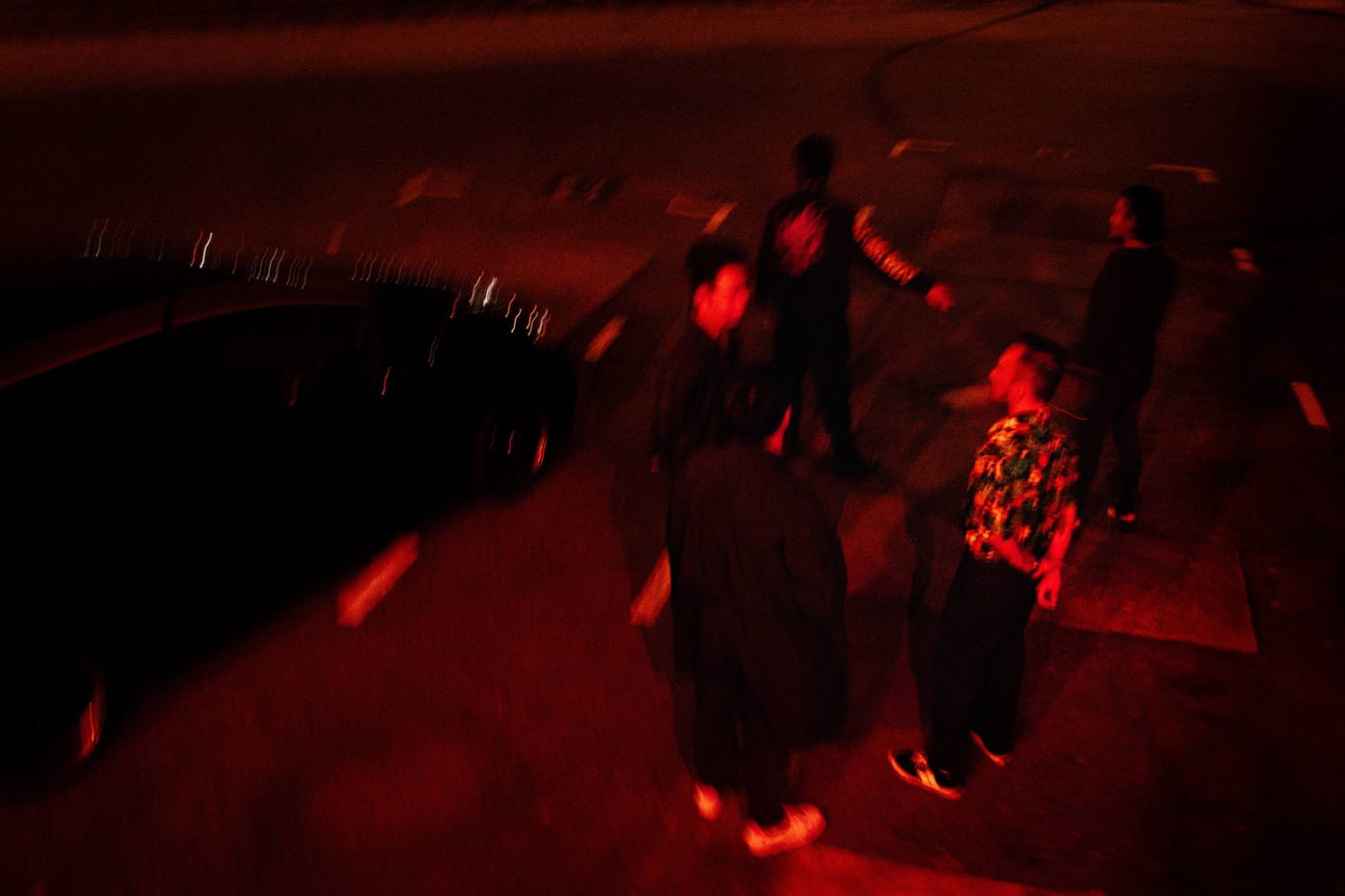
The track walk follows that collapse from outside to inside. ‘Beyond the Aquila Rift’ picks up after the crash, with a compromised life-support suit and a shattered hull, the instinct to find a way home running straight into a total absence of direction. ‘Deadfall’ yanks the perspective off the moon entirely. Glass Records call the music “a jagged, polyrhythmic assault” and “more like getting attacked by a swarm of bees,” and ‘Deadfall’ is where that assault gets its sharpest target: gentrification, expats hoovering up local economies, and what the band call “the hollow arrogance of the ‘manosphere’ and crypto-finance boys with their shitty podcasts.” It is the one track on ‘Monolith’ where the alien terrain stops being a metaphor and becomes a direct read on the world the band actually lives in.
Wyświetl ten post na Instagramie
‘Bleeding Citadel,’ written by the band’s drummer J, takes its title from the mythology of a holy fortress trapped in Hell, encased in a scab of demonic blood. The alien environment stops being a setting and becomes a prison. By the time the record reaches its title catalyst, ‘The Very Pulse of the Machine’ (released as the lead single in May), the line between hallucination and ground truth is gone. Glassmouth describe the track as “an eclectic spasm of riffs designed to fuel the unsettled mind.”
‘The Final Death Throes of the Universe‘ uses the macroscopic premise of cosmic extinction as cover for something much smaller. “The exhausting hatred of a fallout with someone who wanted to see you dead,” is how the band put it, “processed through the absolute isolation of a pilot trapped on a dead rock, sorting through memories of the people he loved versus the people who wished him to fail.”
Wyświetl ten post na Instagramie
‘Signals‘ returns to pure sound design, mimicking deep-space frequencies and leaving the listener to work out whether what they’re hearing is rescue or trap. ‘Glass Rain’ is built on a real astronomical fact: exoplanets where winds blow at supersonic speeds and the rain is shards of molten glass. The band twist it into a metaphor for deep personal deception and the sting of broken trust. ‘Saturnian Sky Funeral’ is the album’s emotional peak. The pilot builds a funeral pyre on alien soil to burn his fallen co-pilot, a transposition of the Tibetan sky burial onto a foreign moon. The band call it survivor’s guilt that strips the self down to nothing.
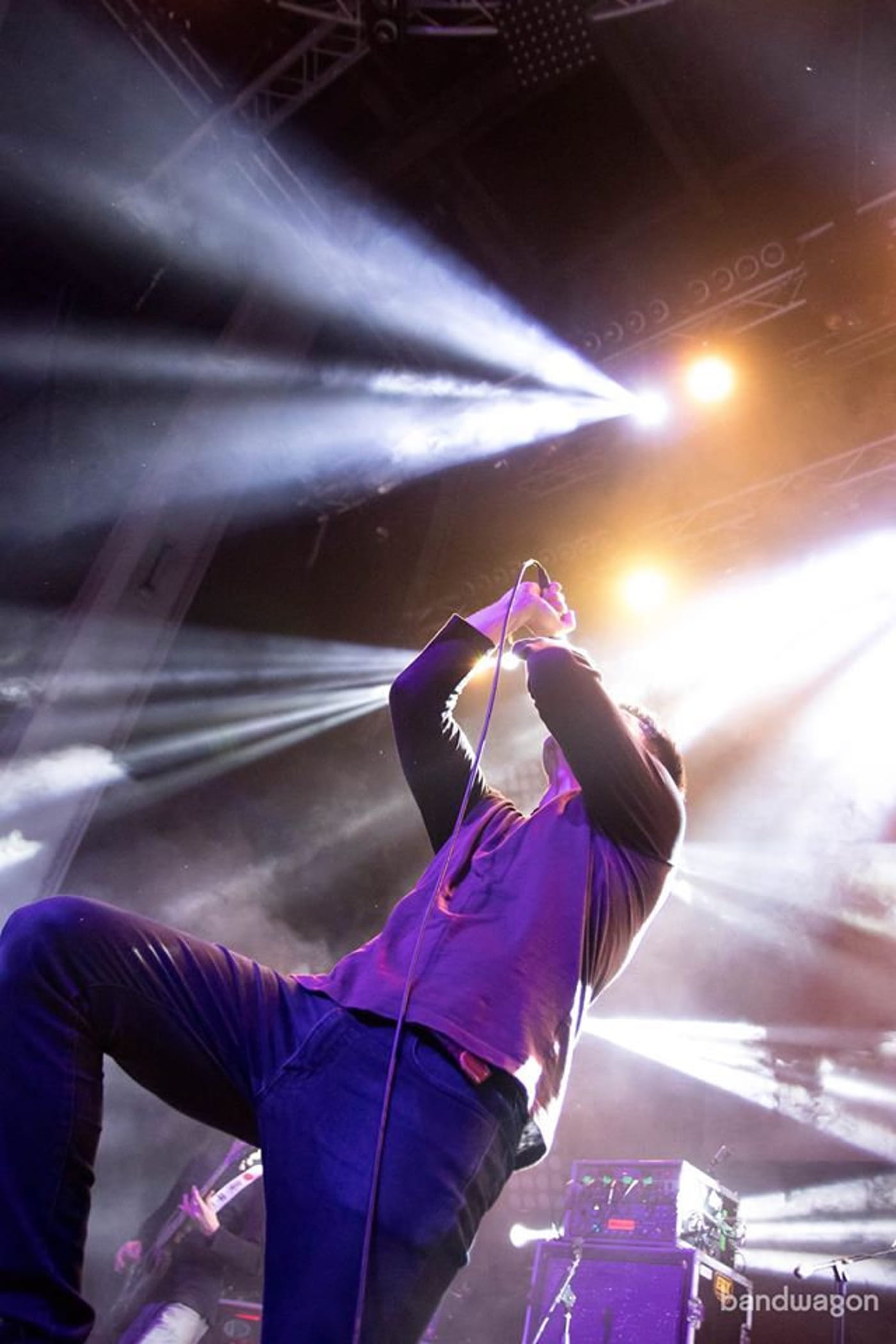
‘Trapped Outside‘ turns the vulnerability physical, hunted by unseen creatures in a place with nowhere safe to hide inside. ‘Interlude’ is the psychic reckoning. Blade Runner and Trigun Stampede are the stated touchstones, and the band quote directly from the track:
Not until when the sun swallows us whole
when the earth shatters into infinite shards
when the heat itself succumbs to death
will we finally be whole again
For we are tidally locked but will forever face away
All those moments will be lost in time, like tears in rain… it’s time to die…
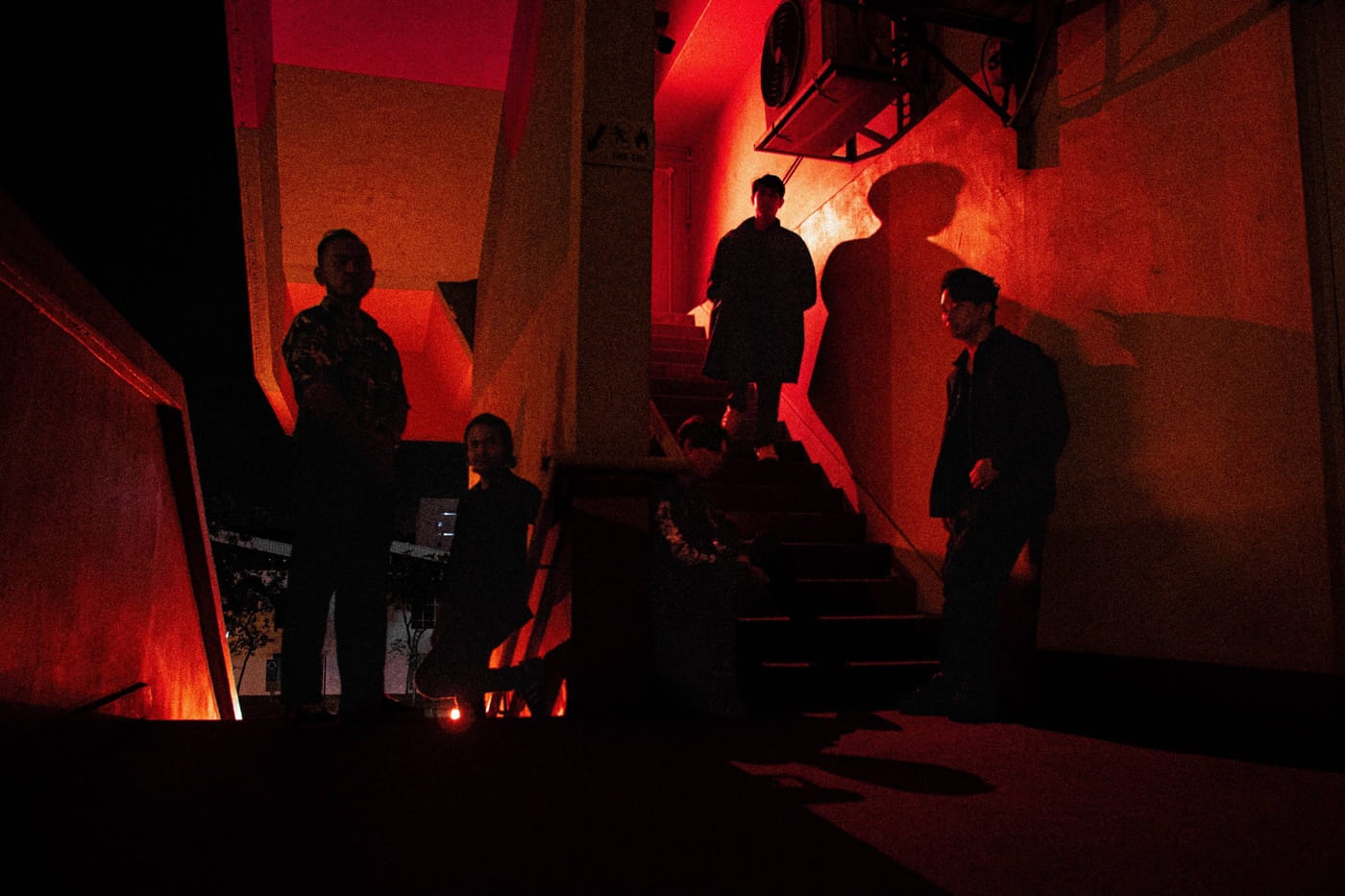
The closer was the place where Glassmouth could have written a bleak ending and chose not to.
“Grief and isolation are staggering forces, but they do not have to be a permanent loop,” the band wrote. “They are simply the devastating price we pay for having the capacity to love deeply in the first place. We don’t stop looking for meaning just because we experience loss. We find meaning.”
‘Ending,’ the album’s last track, is built on what the band describe as the crushing emotional weight and spoken-word dynamics of Japanese hardcore, with Envy as the explicit reference. The track moves between English declarations of resilience and fragmented Japanese spoken word covering broken hearts, distorted time, and the acceptance of one’s own imperfections:
I will sail this ship alone I will win I will sail this ship alone I will prevail…
For all I’ve done, I’m all alone, I’ve lost my soul
Wait for me, you’re where I’ll go, you’re all I know
This pain in me, won’t let me go, won’t let me go
I swear to you, I’m coming home, I’m coming home.
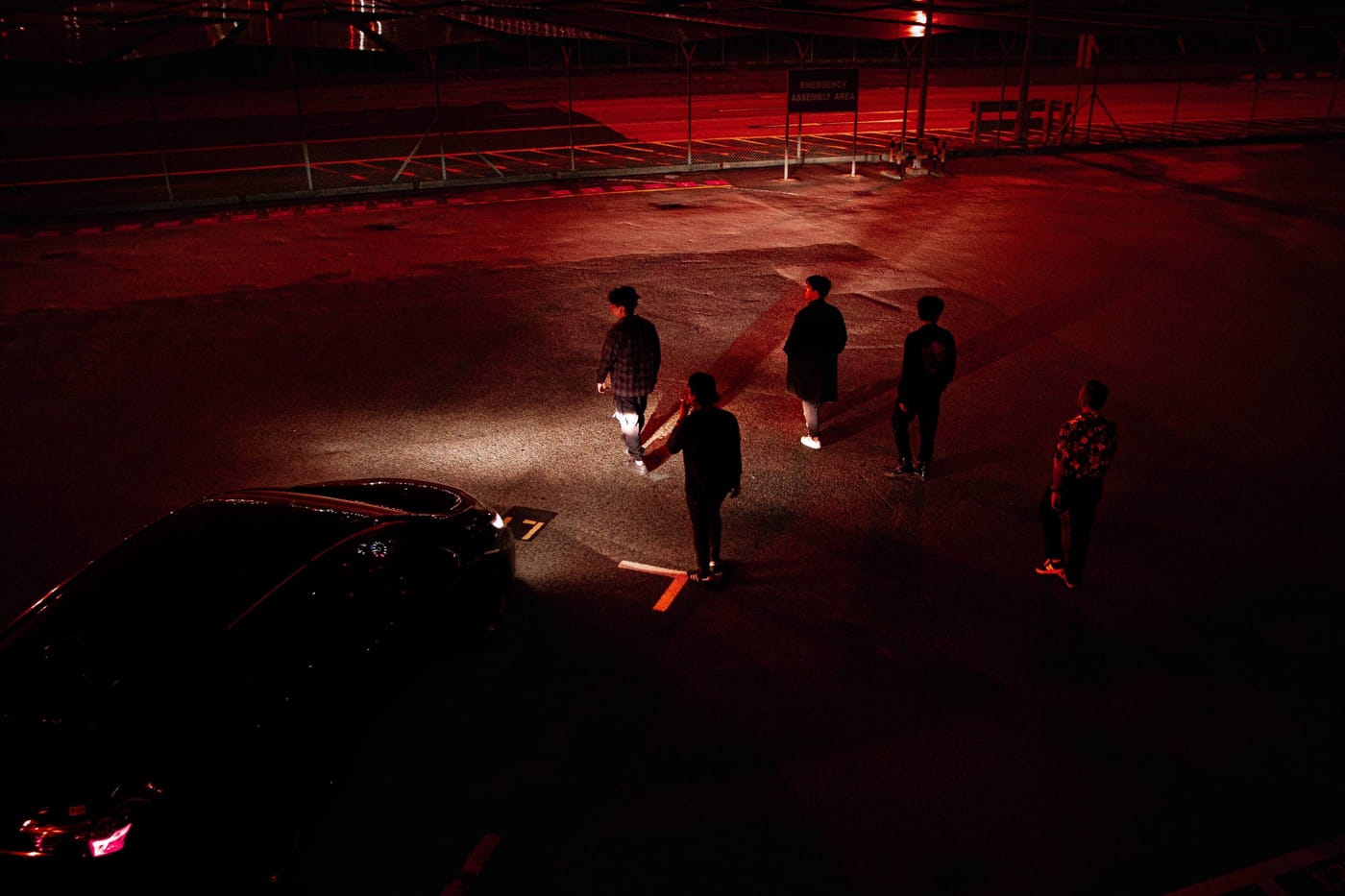
‘Monolith’ is out 3rd July via Glass Records.
🔔 IDIOTEQ is ad-free, independent, and runs on one person’s time. If you want it to stay that way: DONATE via PayPal 𝗈𝗋 SUPPORT via Patreon.
Stay connected via Newsletter · Instagram · Facebook · X (Twitter) · Threads · Bluesky · Messenger · WhatsApp.