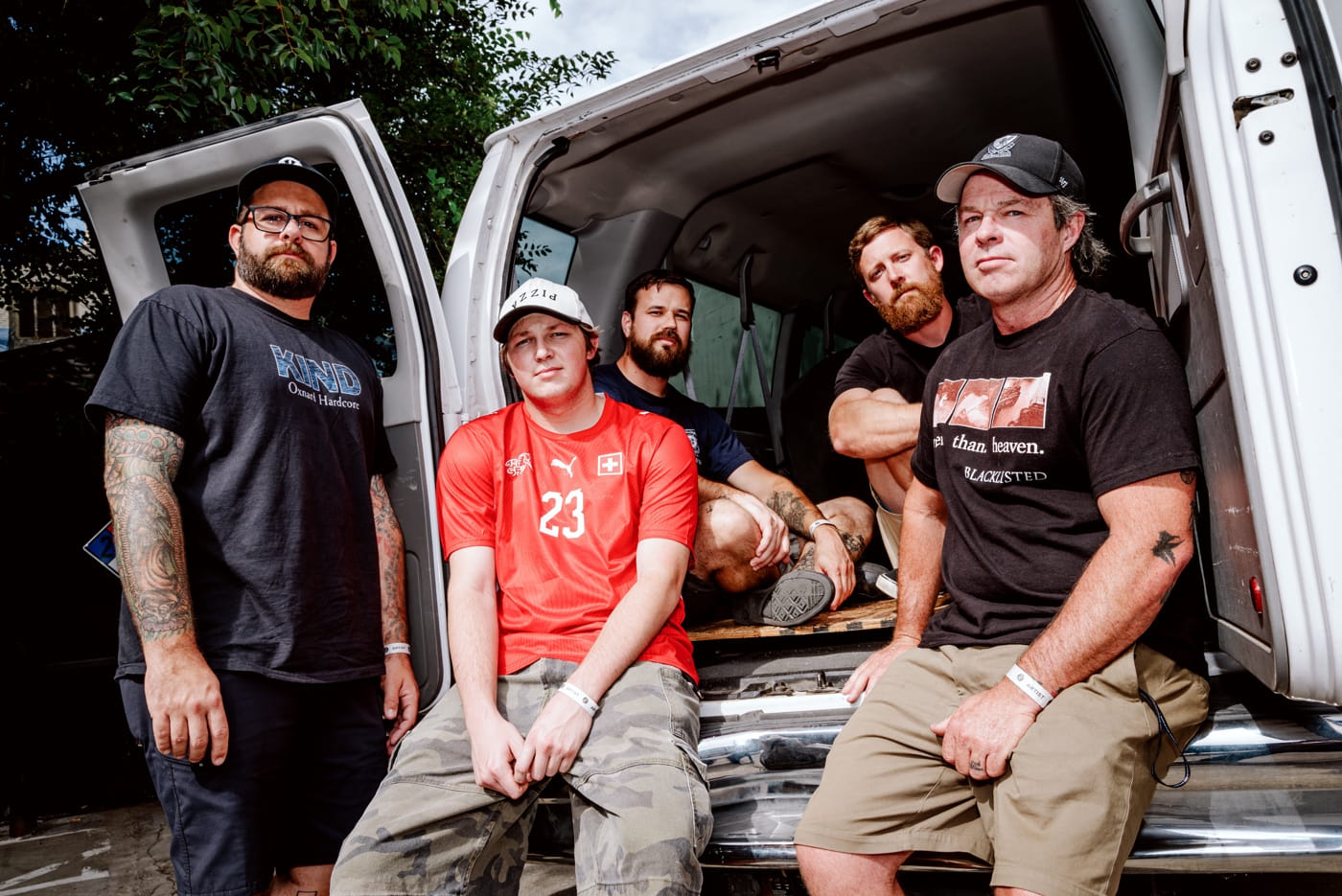


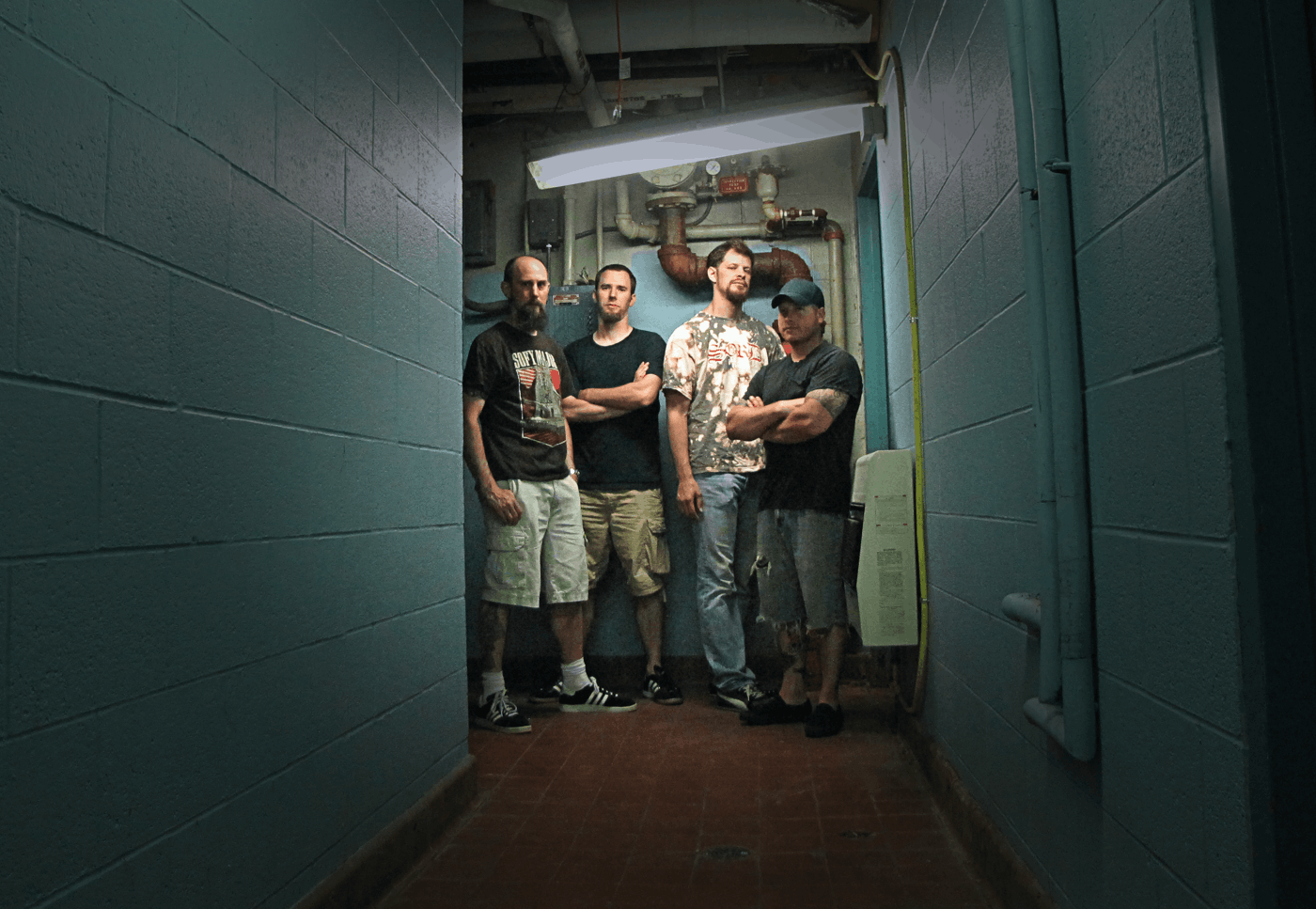
Chimpgrinder sit in the dirtier end of sludge, with Sabbath-heavy riffs, hardcore breakdowns, bursts of blast beats and the kind of harsh room sound that points towards Melvins, Acid Bath, EYEHATEGOD and 1990s noise rock. Their new single “Parachute Malfunction” runs for just 1:31 and comes from the band’s earliest recordings, made in an 11-by-11 concrete room inside the former animal wing of the Naval Air Development Center in Johnsville, Pennsylvania.
Oliver first appeared in these early Chimpgrinder songs. Aaron Gerwer wrote from the perspective of a test subject whose mind is torn apart by centrifuge experiments, captivity and eventually escape. For “Parachute Malfunction“, he went back to early animal space flights, particularly the Albert rocket missions of the late 1940s and early 1950s, along with Project Mercury. Those failed launches and recoveries fed directly into the song’s image of a living creature being sent somewhere it cannot understand and left at the mercy of machinery and the people operating it.
After college, drummer Chris Turek and guitarist Steve Mensick reformed their band and began looking for a regular practice room somewhere between northeast Philly and Delco. Craigslist took them to the second floor of Johnsville’s old centrifuge building, where they initially shared space with another band. When their room-mates dropped out and the rent doubled, Chris and Steve asked the landlord for something smaller. He offered them the last room on the left in the former animal wing for $200 a month.
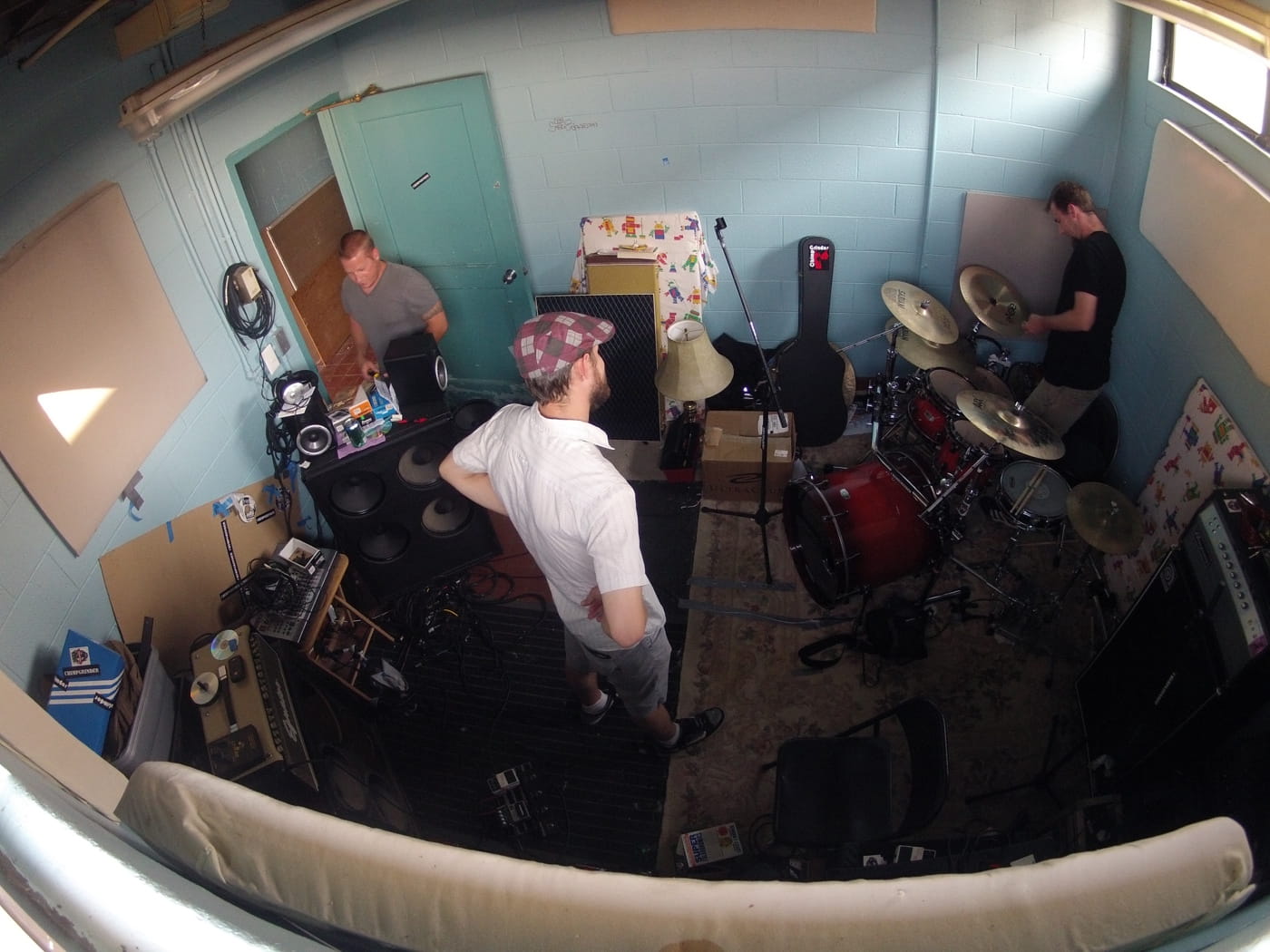
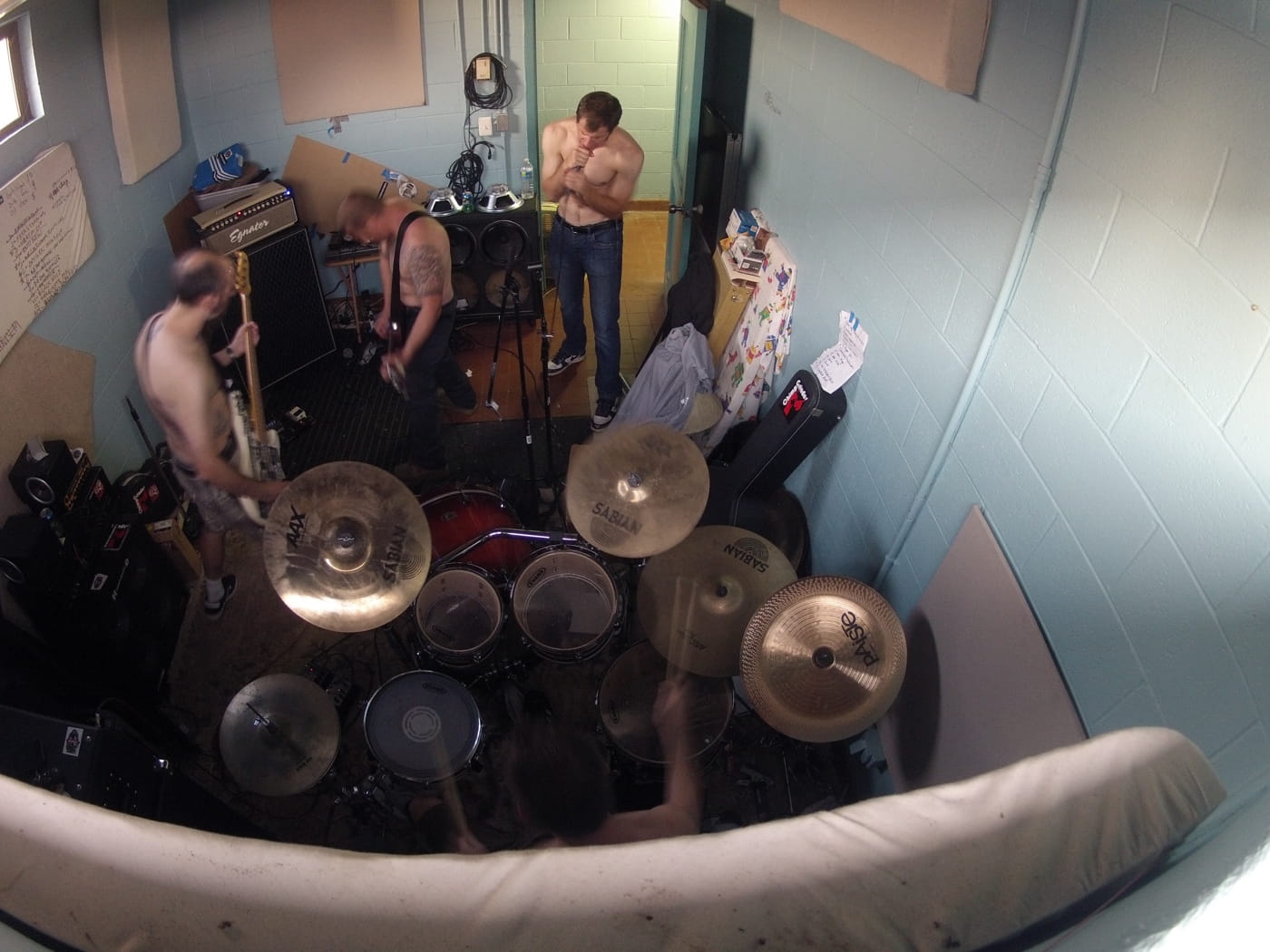
The room was about 11 by 11 feet, with cinderblock walls, a tiled floor, a drain in the centre and two small sealed windows close to the ceiling. There was no heat or air conditioning.
Chris Scott remembers old baby beds being brought in to deaden the room, though he has no idea where they originally came from. Steve remembers industrial steel cages built into the outer walls of neighbouring rooms, poison ivy taking over the outdoor sections, rusty Cold War-era fire doors creaking as the building deteriorated, and old fluorescent lights flickering back on for no obvious reason.
In winter they played in jackets and hats beside a small space heater. Summer meant shirts off and sweat everywhere. An inactive industrial incinerator was still part of the surrounding wing.
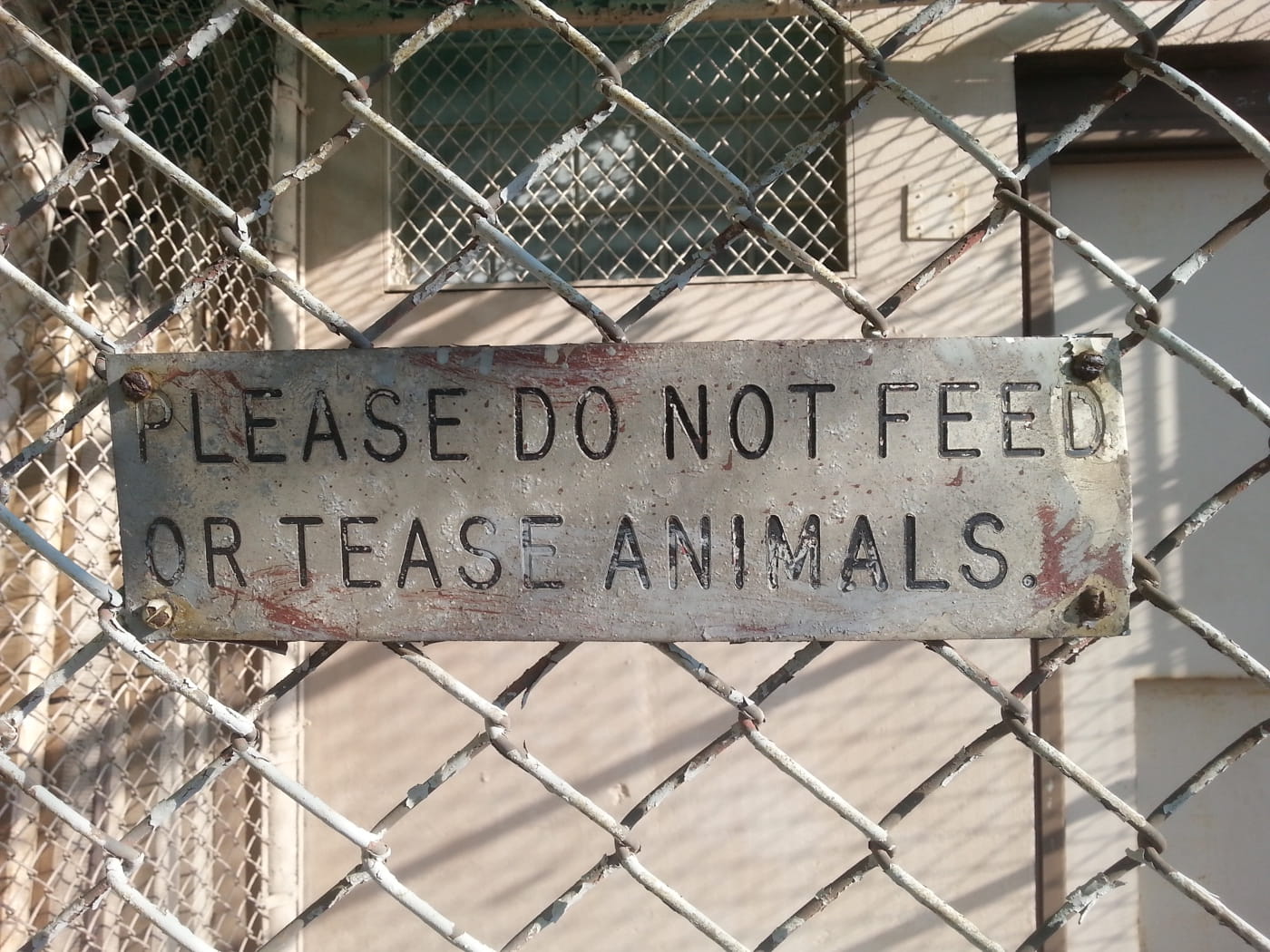
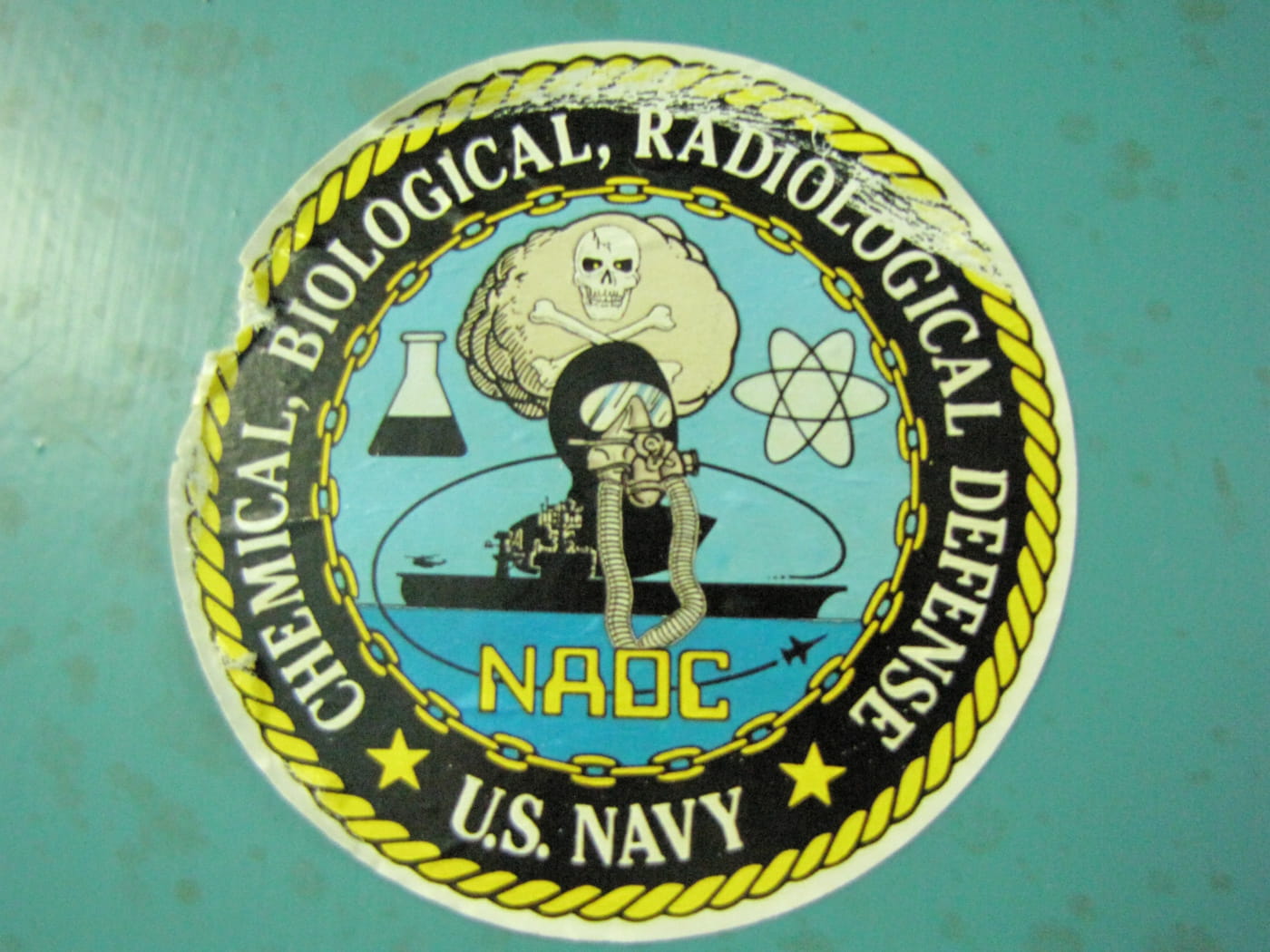
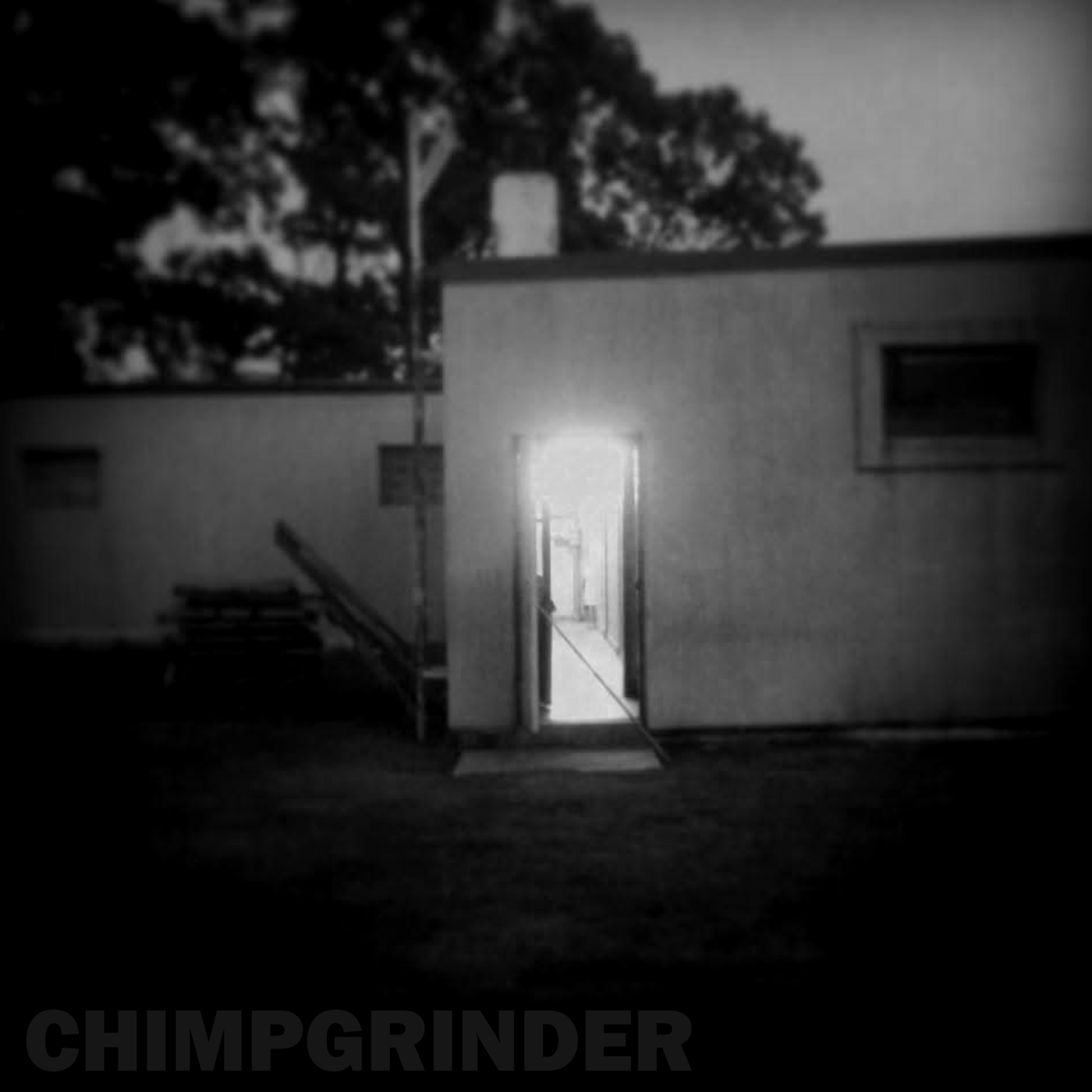
A fading green door carried a sticker reading “Chemical, Biological, Radiological, Defence” with an NADC marking, which Chris believes stood for Naval Air Development Center.
He thinks the sticker was probably original to the facility, though he has never been able to confirm it and could not find another image of it through a reverse image search. Looking back at the dates, he also realised that the band probably moved into the room only around four years after the centrifuge officially shut down in 2005. He jokes now that radiation suits or face masks might have been sensible practice gear.
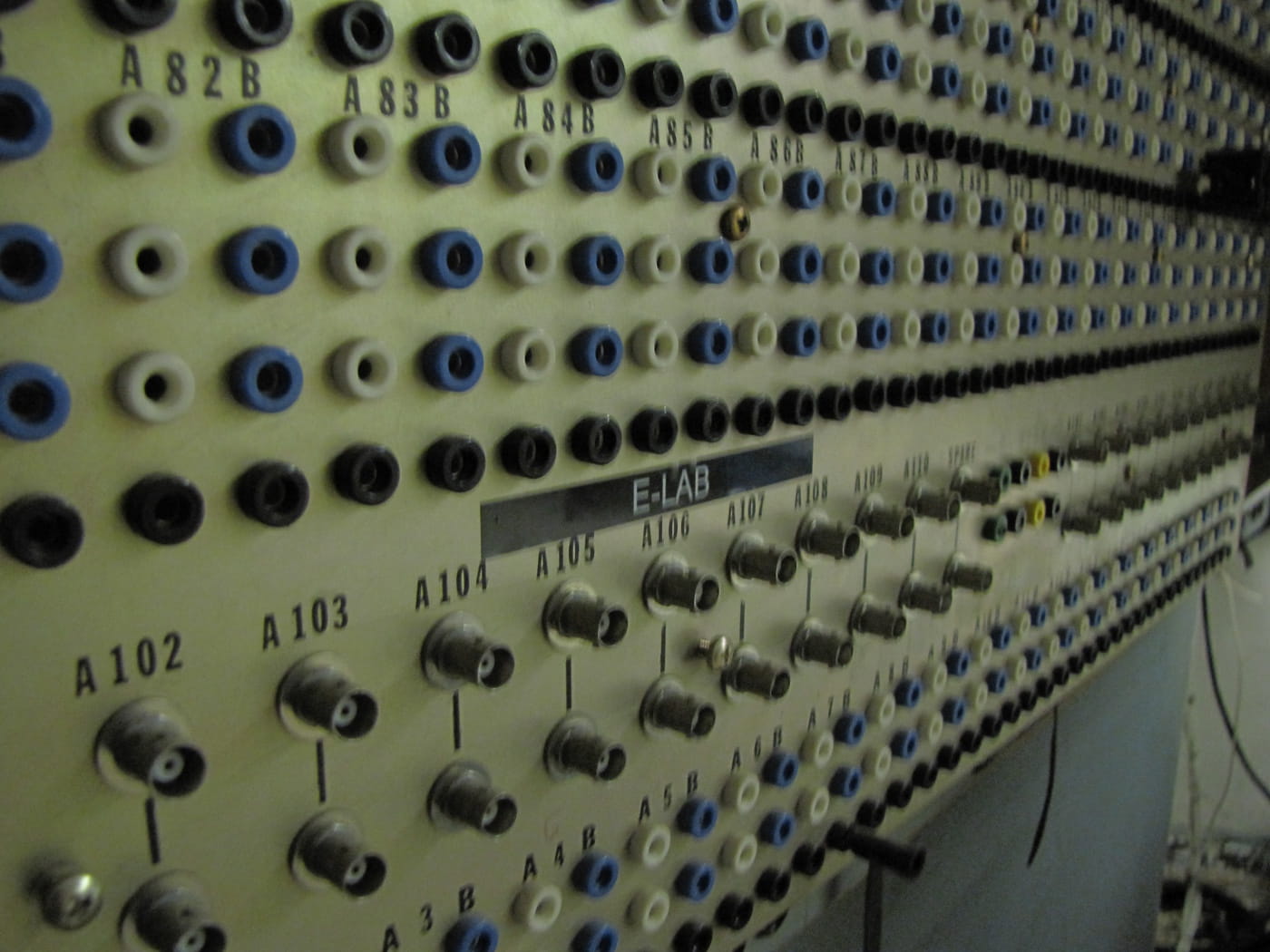
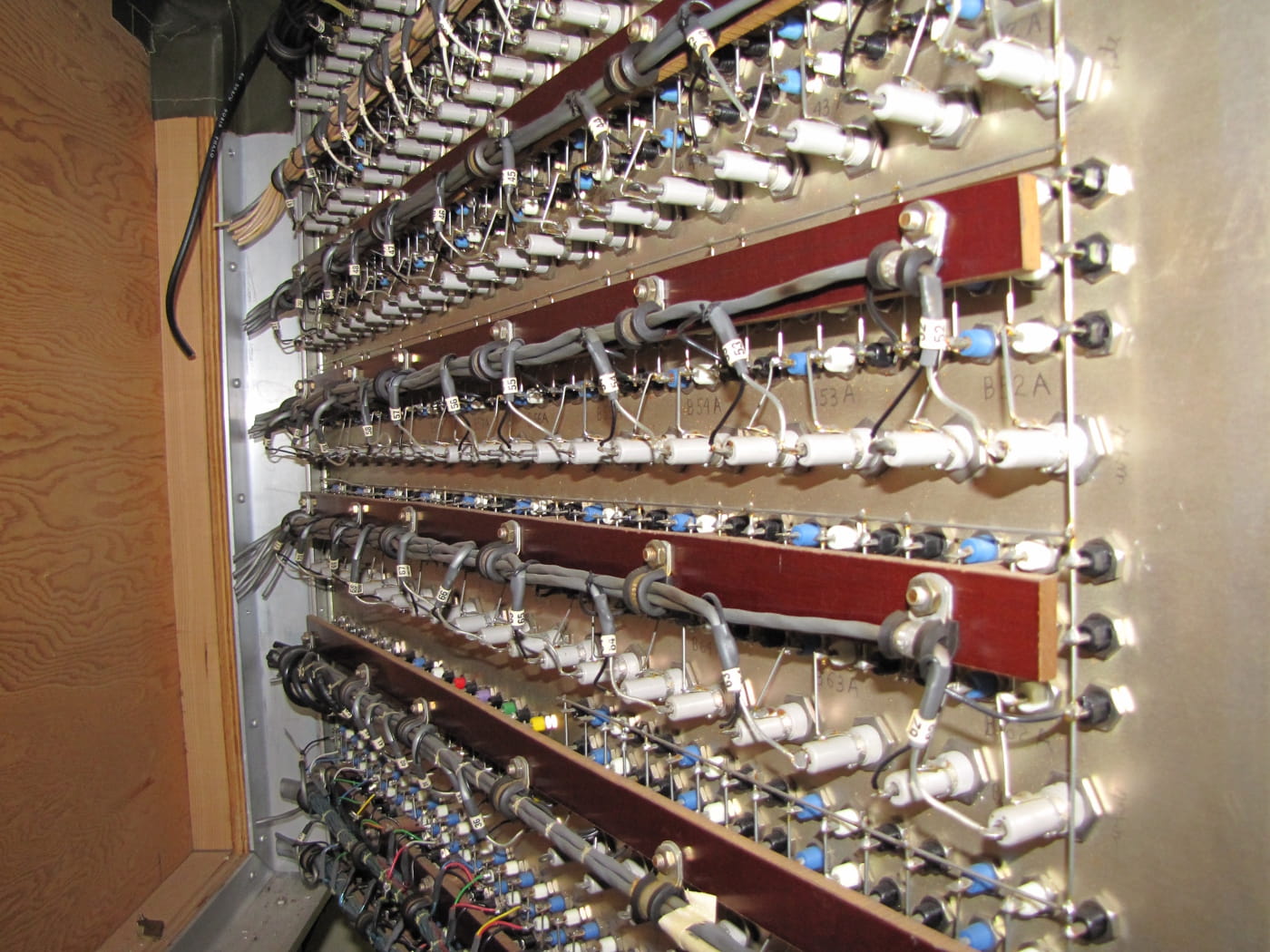
Their keys gave them access to much more of the building after 5pm and at weekends. One route led into the centrifuge room through doors Chris remembers as roughly 20 feet high. Inside was a space around 50 feet across, with the centrifuge gondola extending from the centre, old control and monitoring equipment above it and a large generator nearby that had once powered the machine.
Chris Scott and Aaron Gerwer once went through a small access door in the control room, followed the passages and dropped through a hatch into an observation deck in the middle of the centrifuge ceiling. Chris remembers that excursion scaring both of them and feeding directly into songs.
Chimpgrinder as a name was already floating around before Aaron became their vocalist. Chris and Steve had gone back to Craigslist looking for a singer and bass player. Aaron initially spoke to them about playing bass, then recommended Chris Scott, who was already playing with him in another band. Another vocalist came through first and kept suggesting serious metal names, including unpronounceable words, song titles from bands he liked and names that were already taken.
“Chimpgrinder” came out as a mumbled response during one of those conversations. They booked an early show in Brooklyn, parted with the singer and brought Aaron in on vocals.
Aaron learned about the chimpanzee connection during his first visit to the practice space. By then the name already existed.
“Down far enough there’s a big room that you can feel before you get to. It doesn’t have a door. A door can’t contain it,” Aaron said. The first time Chris took him there, his eyes adjusted to the darkness and the centrifuge appeared in front of him, a huge metal arm with what he described as a massive fist, standing about three storeys high. He knew what the machine had been built to do to living bodies, and the idea stayed with him.
Aaron was already drawn to the hero’s journey and stories about people taking action against whatever traps them. As Chimpgrinder played the blast beats and breakdowns in these first songs, he started imagining the experiments from inside the test subject’s head. The spinning machine distorted Oliver’s sense of his surroundings, the beings coming in and out of his life and eventually his understanding of reality. Aaron knew the character had to escape and take revenge on his captors.
“In truth the Centrifuge and what it represents is the ‘chimpgrinder’ : systems designed by experts we all live through, get spun around by and try our best to make sense of.”
The first songs deal with Oliver’s captivity and what the centrifuge does to his mind. Later releases take the story much further. It continued through “Oliver” in 2012 and eventually turned the escaped test subject into something much stranger. Aaron imagined centrifuge testing, undisclosed experiments and forced education breaking apart Oliver’s normal sense of space and time. He could live several lives across 13 dimensions, sometimes at once, lose track of where he was in time, become a Simian Space King and build a galactic empire because he wanted some control over his life.
That leads him into another form of servitude. Oliver eventually gathers people he likes and moves into the Pacific Northwest, assuming stories about him would be written off as Bigfoot nonsense. His trauma and abilities turn the whole thing cultish. It ends badly, he allows himself to be captured again, and his body remains contained while his mind travels through the cosmos looking for what Aaron calls “balance, forgiveness and revenge in equal measure.”
“Parachute Malfunction” runs for 1:31 and takes one part of that history directly into the lyrics. Aaron traced the song mainly to the Albert rocket missions of the late 1940s and early 1950s. Project Mercury was another major source and even became a working title idea for the re-release. He had been reading about early animal flights, failed recoveries and capsules returning at lethal speed. He also brought up Gordo, whose capsule was lost in the ocean, and Ham’s Mercury-Redstone 2 flight, which he remembered overshooting its planned speed and altitude after a fuel-valve problem.
The song follows the same idea behind Oliver: an animal pushed through a system it cannot understand, with its survival controlled by people somewhere outside it.
Cinderblock and tile threw the volume straight back at the band. Steve remembers the room as “brutally loud and insanely harsh”. Chimpgrinder moved between Sabbath-heavy sludge riffs, hardcore breakdowns and bursts of blast beats, with a thick bass sound underneath the slower parts. Melvins, Acid Bath, EYEHATEGOD and 1990s noise rock are useful reference points. Chris Scott remembers the songs coming together quickly, sometimes almost as fast as they could play them.
Recording was just as DIY. Chris believes the demo went into a Boss BR-1600 with a small internal hard drive and eight inputs. Getting the individual tracks back out meant bouncing WAV files onto CD-ROMs. Later Chimpgrinder recordings used two BR-1600s daisy-chained together. Their drum microphones came from a cheap kit, and the low end was helped by a homemade sub-bass microphone wired from an old subwoofer speaker. Chris mixed the original recordings himself in Reaper, the same DAW he still uses.
They recorded whenever enough of a song was ready. Drums might take one or two passes on one night. Guitars came another night, then bass and vocals. Aaron’s voice was recorded in the long animal-wing hallway. At least some vocals were also captured by putting a microphone in front of their cheap PA speaker. When the BR-1600 needed time to process files at the end of practice, Chris would sometimes be left alone in the building waiting for it to finish.
The old multitracks survived. Chris eventually found the bounced tracks on an old hard drive, and there is still a box of Boss drives in their current practice space holding old sessions and rehearsals. David “Dave” Downham at Gradwell House Recording handled the 2026 remix and mastering. He had already worked with Ritual Earth and on previous remixing and mastering jobs for them, so Chris trusted him with the old recordings.
The new mix brings back much more of the low end. They kept the noise at the ends of songs and left the performances alone.
“Every bad note, missed hit. The songs have a raw feel that seems like we’re just hanging on, parts of my drums just keeping up, you can feel the sweat and blisters in this recording,” Chris said. “He nailed it on the first go.”
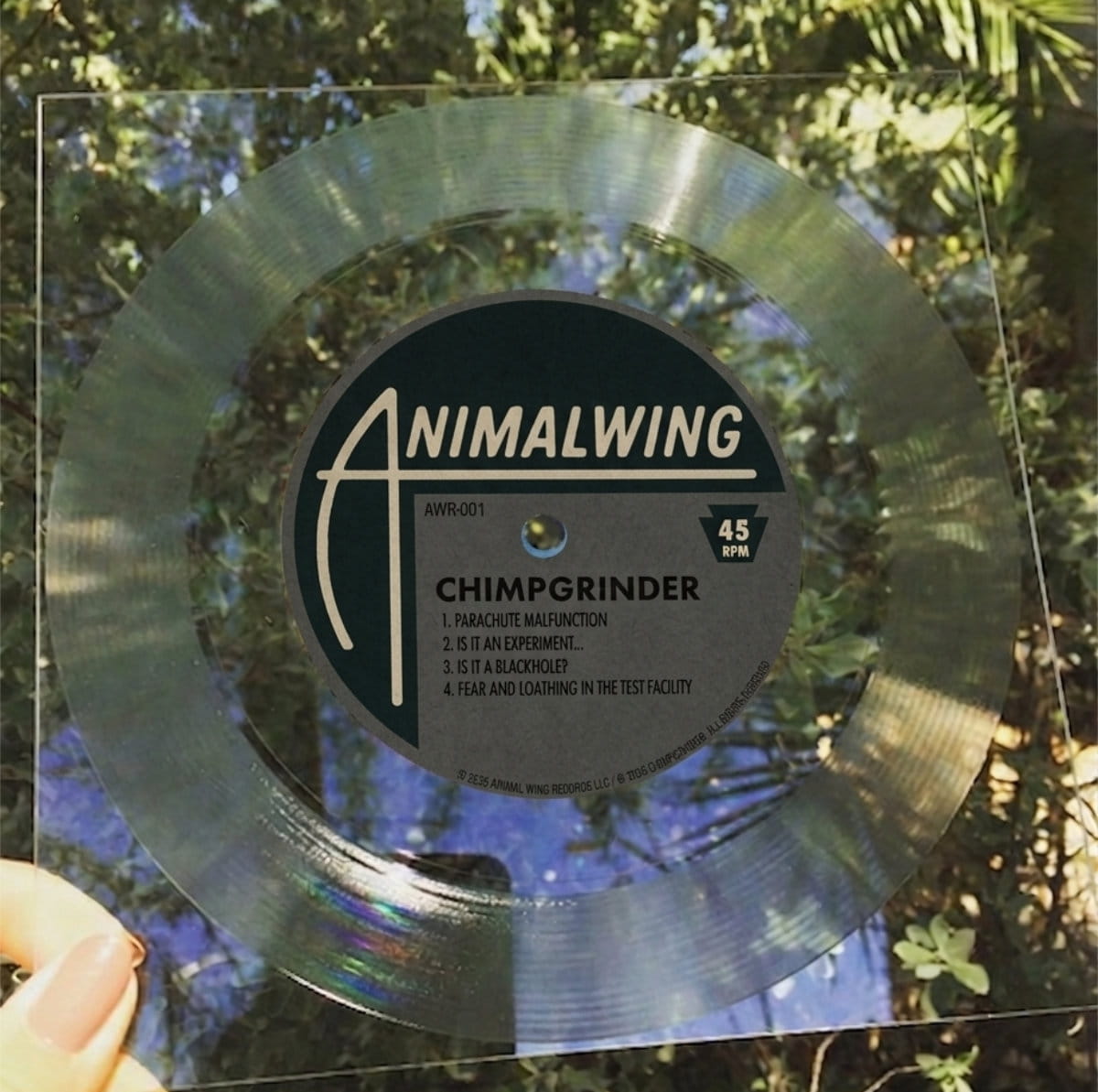
Animal Wing Records will release “Chimpgrinder” on October 2, 2026 as AWR-001, the label’s first catalogue entry, with the release landing on Bandcamp Friday. The four tracks are “Parachute Malfunction”, “Is it an Experiment…”, “Is it a Blackhole?” and “Fear and Loathing at the Test Facility”. “Parachute Malfunction” came out on September 4. These recordings are separate from the band’s 2022 remasters and appear only on this release. Music is credited to Aaron Gerwer, Steve Mensick, Chris Scott and Chris Turek, with lyrics by Aaron and production by Chimpgrinder.
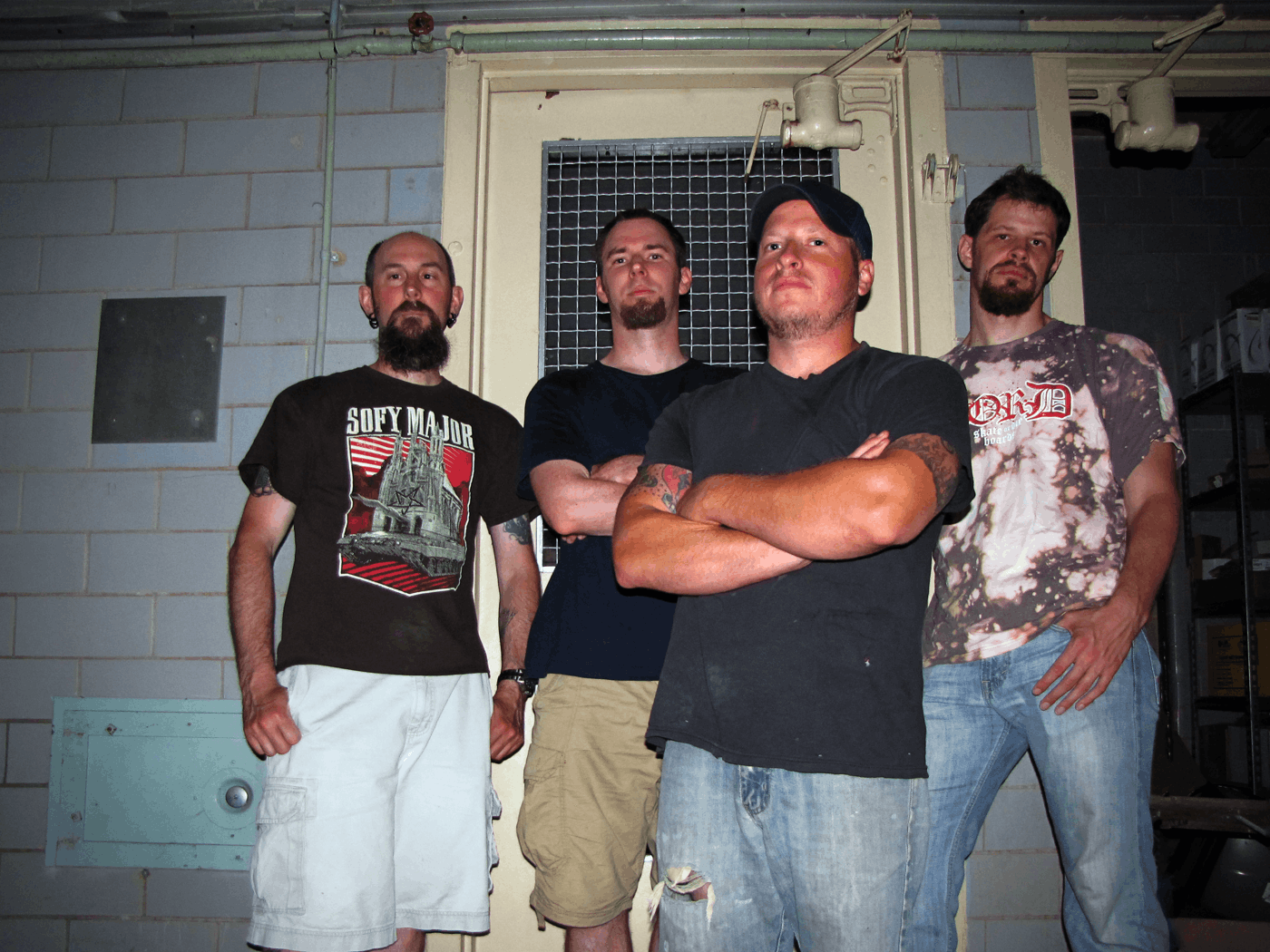
Chimpgrinder eventually ran its course, while Steve, Chris Scott and Chris Turek kept playing together. Aaron had driven so much of the band’s storyline that the others did not want to continue it after he left. They changed the name out of respect for him and started working as Ritual Earth. Some of the space, time and spirituality stayed in the lyrics, with George later bringing in more occult and personal ideas.
The connection also runs directly through the music. The songs on the original Ritual Earth demo started as Chimpgrinder songs and were adjusted to leave room for George’s vocal phrasing. “Solar Ecstasy”, “Free from my Vessel” and “Distress Signal” all came from that period, and the band believe unreleased takes with Aaron singing some of them may still exist.
“ChimpGrinder was a battle of the riffs between Steve and me every week,” Chris Scott said. He remembers the two of them turning up with riffs that happened to fit together, then building songs almost as quickly as they could play them. Ritual Earth work much slower. Parts get revised, layers are added, arrangements change and more writing happens inside the computer after the first recordings. Chris Turek usually has to finish his drum tracks before much of that later work can happen.
The three have now been playing together for around 15 years. Chris Scott says there was simply too much unwritten and unrecorded music left when Aaron’s situation changed, and the three already knew how to write together. Steve sees it in similarly practical terms. Finding people who are creatively compatible is hard, staying together for years has its own problems, and making music is still the outlet he knows.
Chris Turek later used Animal Wing Records as the name for his label. Several friends independently suggested it when he was trying to settle on one, and it brought him straight back to the place where Chimpgrinder had started. The label is based in West Chester, Pennsylvania, and Chris has spent roughly 30 years around heavy underground music.
AWR-001 comes in very small physical runs. There are 25 clear 8-inch square polycarbonate lathe-cut records for $15. Another 25 copies are on cassette for $10, with shells hand-stamped by Chris and custom-printed J-cards that he folds and assembles himself.
Chris likes lathe cuts partly because every copy can behave a little differently. He also still has a soft spot for CDs. Years ago, Chimpgrinder left one at JR’s bar after a show. Rich Hoak from Brutal Truth, one of Chris’s drumming heroes, picked it up. Chris still counts that as an unlikely musical life goal checked off.
His plan for Animal Wing Records is pretty simple. He wants releases to cover their costs, or at least reduce what he loses on them, then give the rest back to the bands. Small runs can also sit alongside larger label releases, with Animal Wing doing something like a cassette edition while another label handles vinyl. He has already been thinking about lost underground crust punk from the 1990s, including bands that played during the ABC No Rio era. He wants the label to stay artist-forward and transparent.
“The reason for this label is not world domination but to try to get more unknown music into people earholes,” Chris said.
🔔 IDIOTEQ is ad-free, independent, and runs on one person’s time. If you want it to stay that way: DONATE via PayPal or SUPPORT via Patreon.
NEW: IDIOTEQ Explore 🗺️ Browse 15+ years of our archive by city, country, and style. Find artists on the world map or trace related sounds through the styles map.
Stay connected via Newsletter · Instagram · Facebook · X (Twitter) · Threads · Bluesky · Messenger · WhatsApp.