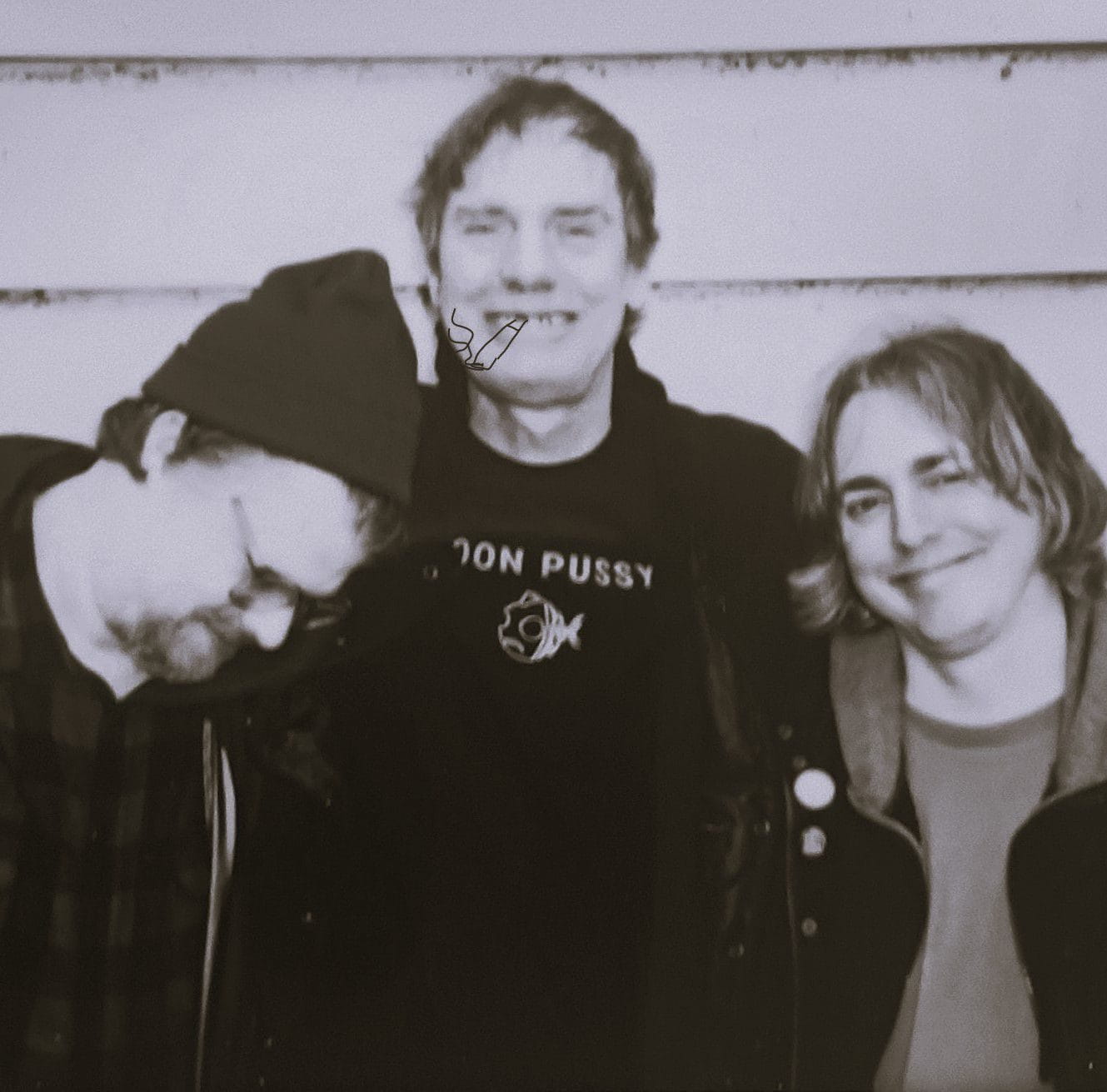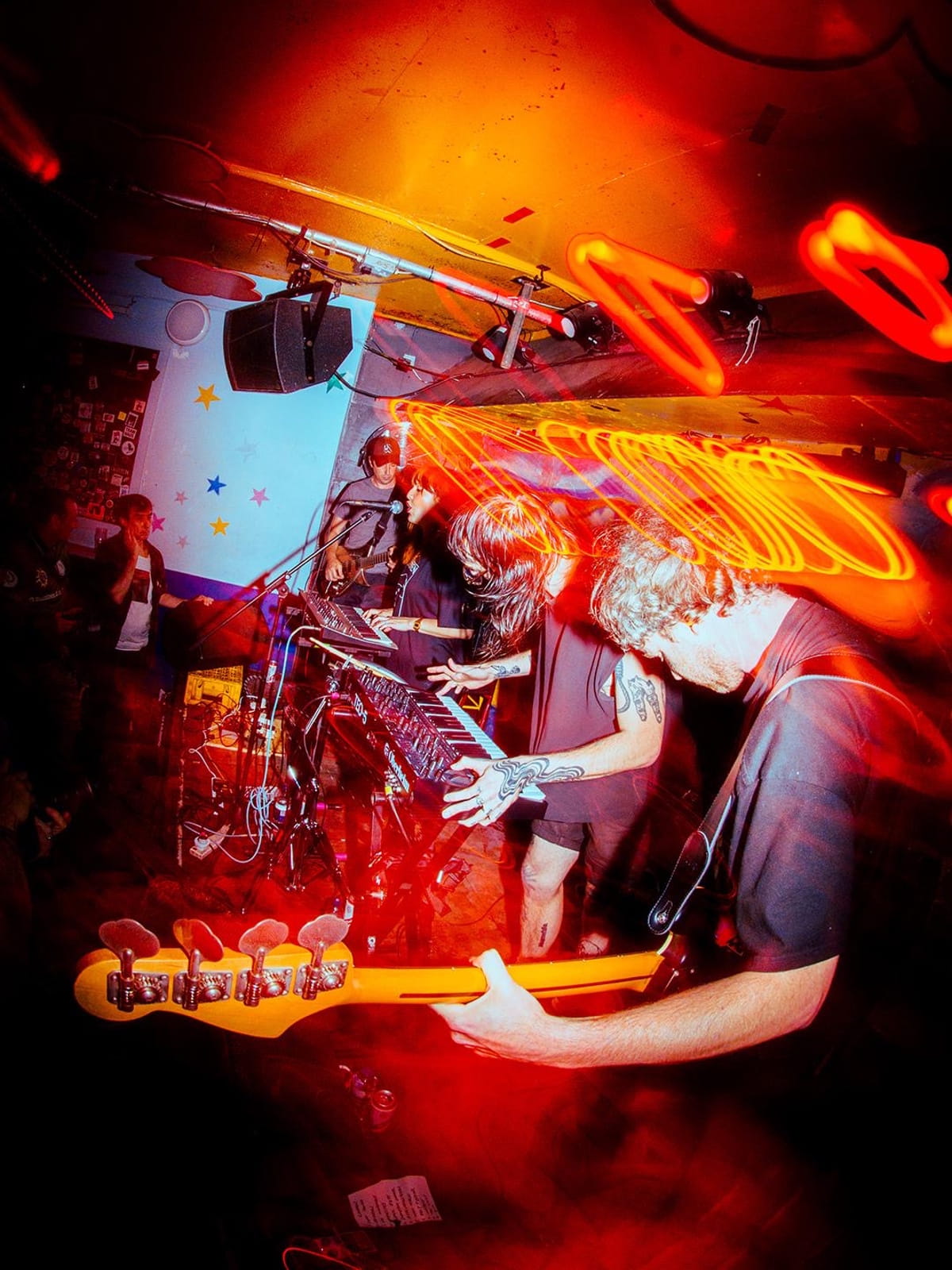

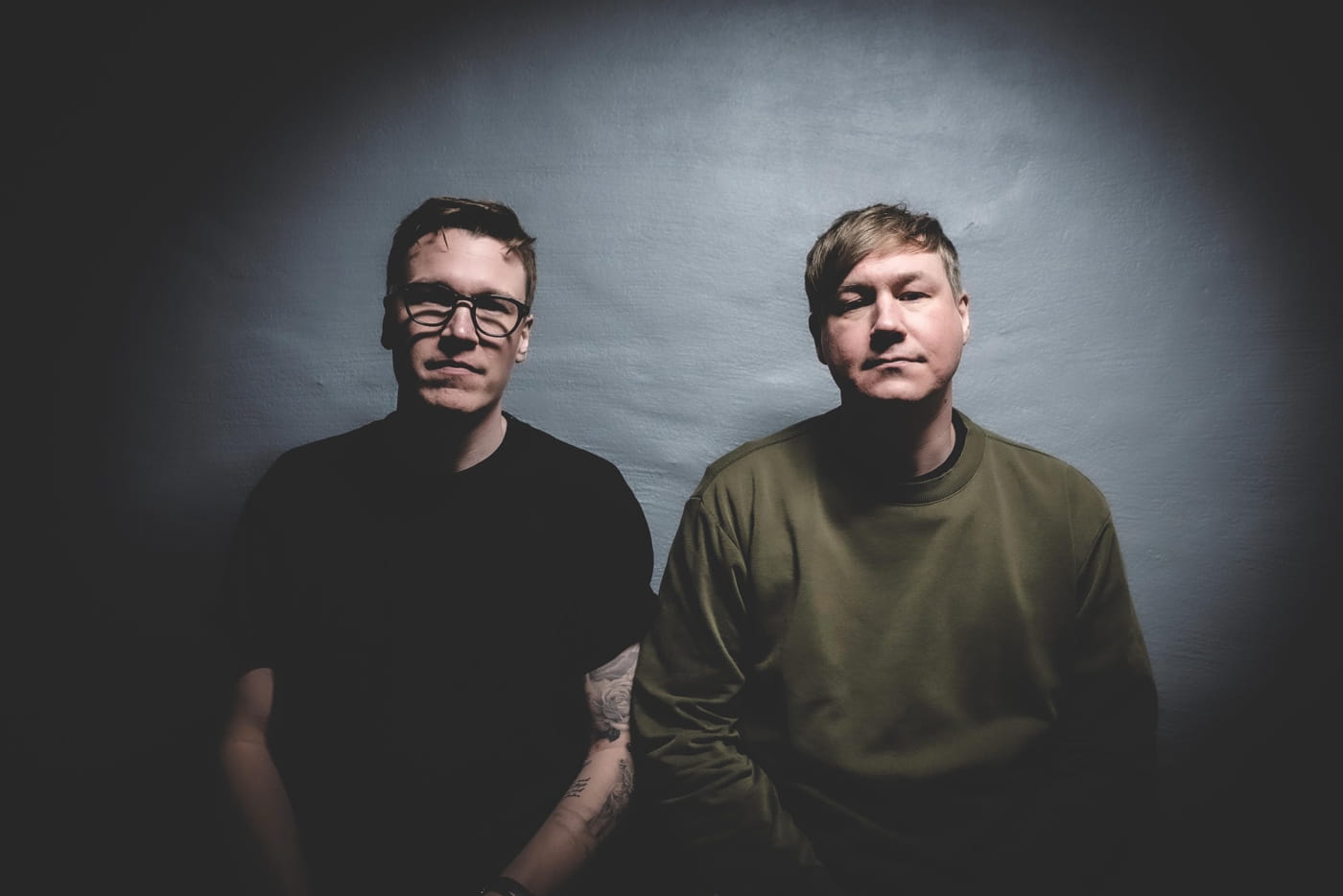
A lot of the songs on Oh Hiroshima’s new album have been waiting somewhere in Jakob Hemström’s archive. The opener, “Servant of All,” was written a couple of albums back and held over because Hemström always liked it. The opening riff on “Meridian” came from the same archive. “Angelos” goes back ten years to an alt/indie band Hemström was in with his brother, a song they wrote then never recorded. “Skeleton Key” was reworked from older parts with new sections grafted on. Only “Tree of Life” was written entirely from scratch for “And the Dead Tree Gives No Shelter,” the Swedish band’s new full-length, out June 5 on Pelagic Records.
The title comes from T.S. Eliot’s “The Waste Land.”
Hemström uses the dead tree as a metaphor for ways of living that drain the world of meaning and offer nothing to fall back on. “We are living in a time when it has become harder and harder to imagine a bright future,” he says.
“This leaves many of us with a deep sense of hopelessness that easily breeds cynicism and apathy. In that state it becomes easy to shut the world out and give up any attempts at meaningful interaction with the world around us. A destructive cycle follows, as this leaves us with no way of sheltering ourselves from our initial despair at the state of things. But these songs also aim to paint something meaningful and hopeful. A form of idealization not rooted in naivety but in realism, because we need ideals to gather enough strength to leave the shelterless dead trees of our lives behind.”
Wyświetl ten post na Instagramie
Production-wise, this is the band’s most ambitious record. They tracked drums, bass, and electric guitars at Studio Gröndahl with Karl Daniel Lidén of Swarm of the Sun.
The rest was done in Örebro by Hemström and his brother, with friends sitting in. Ten additional musicians contributed across the album. Magnus Lindberg mixed and mastered, his third in a row with the band. “He’s great to work with, has a great résumé, and always delivers quality work,” Hemström says.
The songwriting brief pushed against the band’s post-rock roots.
“We included a lot of different instruments when arranging the songs, many of which we have not used before,” Hemström says.
“We wanted to continue in the same vein as our previous two records, both of which kind of push against our post-rock roots to bring more diverse elements into the songs. A concrete influence for this album came from different kinds of progressive rock and similar genres. We wanted to be a bit bolder with mixing different kinds of song parts and musical elements and make them work together. To our ears it turned out engaging and straightforward, but still very atmospheric.”
Wyświetl ten post na Instagramie
The record opens patiently. Clean guitar lines spread through reverb and short delays, interlocking in counterpoint rather than stacking. Bass holds the lower end through the quiet sections, tracing slow lines underneath.
Vocals sit far back in the mix, soft and impressionistic, used more for mood than narrative. The drumming favors splash and ride over snare impact, building the swell rather than driving it.
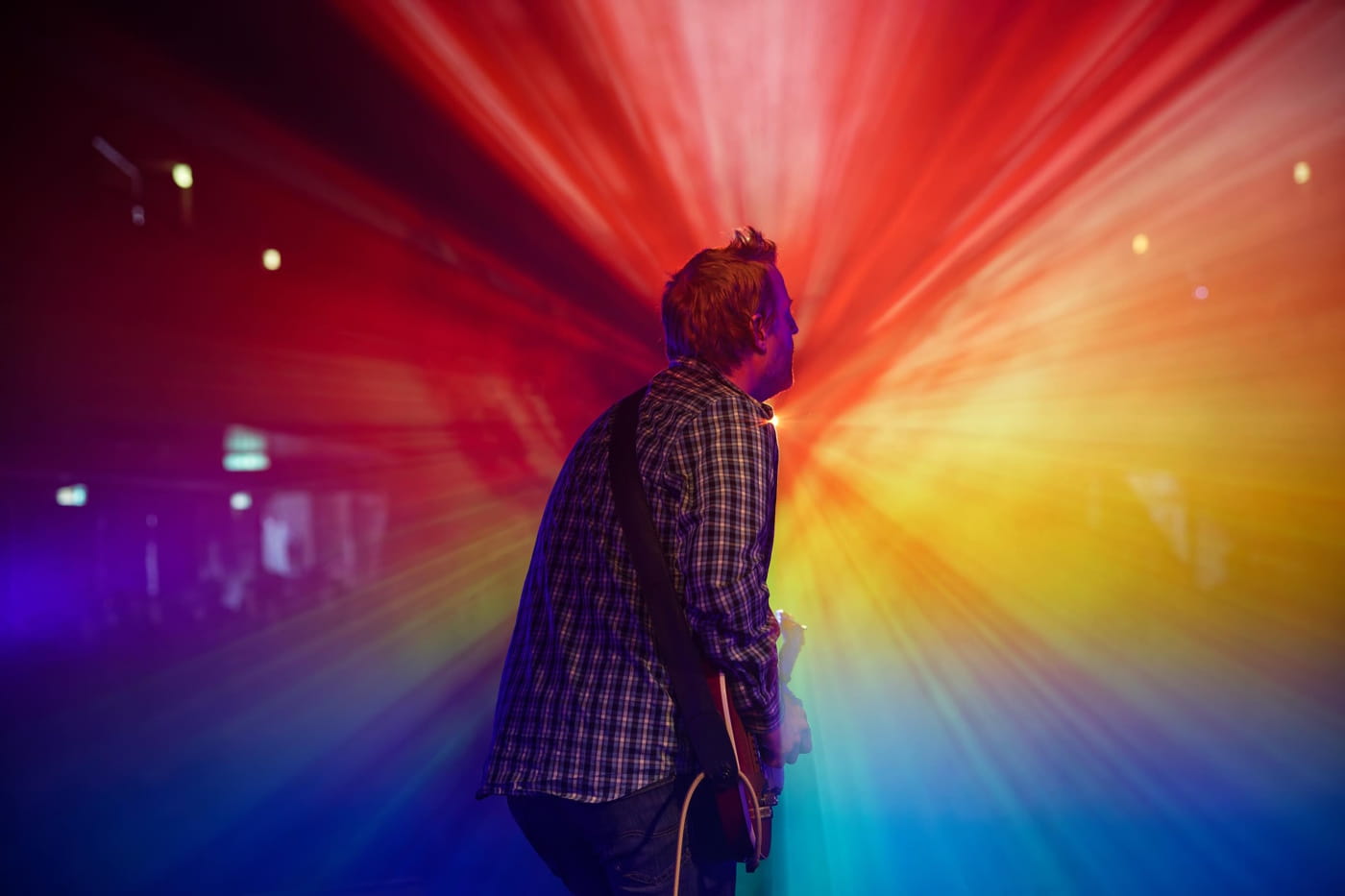
When the band turn the volume up, the climb is gradual: clean tone slowly thickening into distortion, the whole arrangement folding into one column of sound. “Exit Cloud” closes the record with a church organ and the first saxophone to appear on an Oh Hiroshima track, reaching further than anything they’ve put down before.
Fans of Alcest, Mogwai, and God Is an Astronaut will know the lineage.
Hemström walked through the record track by track:
Servant of All
“Large parts of this track were written a couple of albums ago. I’ve kept it around since I always really liked it, but it hasn’t really fit on any of our recent records. This time around it felt like a perfect opener. Lyrically it paints the picture of someone who devotes themself to a completely selfless life devoid of all ego. The idea is to paint a picture of an ideal not because it’s possible to reach, but to establish an ethical trajectory. I think that’s a crucial practice for human flourishing.”
Meridian
“The opening riff on this track was also picked up from the archive. The rest of it came out quite painlessly once we started working on extending from that part. Really like the flow of this song. It cycles through a lot of different parts, but I think we manage to make it feel really organic. It’s a very post-rocky song, with very few vocals, which felt like a nice addition to the record as a whole.”
Angelos
“This song was written for an old alt/indie band that my brother and I were in 10 years ago, but we never recorded it back then. I just got reminded of it somehow and we decided to try it out as an Oh Hiroshima song. It turned out really well, so we decided to put it on the record. Got my friend Ellen Vingren to add vocals as well, which turned out great.”
Skeleton Key
“Also a bit of a blast from the past that we tweaked with some new parts, and there are a lot of different sections to this song. The idea was to have this constant flow between parts that kind of contrast each other. We actually picked up some inspiration from Absolute Elsewhere by Blood Incantation for this approach, although obviously this is far from a death metal track.@
Tree of Life
“Alright, finally we get to a song that was written entirely from scratch for this record. Based on the story of the Garden of Eden, it deals with mortality and the loss of innocence depicted in that narrative. Kind of a folksy vibe, and we’re of course very satisfied with the beautiful violins played by Hanna Ekström.”
Broken Sunlight
“Wrote this song on my grandmother’s old nylon guitar with a missing string. The high-pitched sliding sounds are actually made by a bowed double bass. It’s the first Oh Hiroshima song ever where the title is actually sung in the lyrics. Always been hesitant to do this for some reason, but we had no choice this time since I couldn’t come up with another title.”
Ivory Town
“In spite of our post-rock roots, besides our debut album we have very few completely instrumental tracks. This one felt like a nice addition though, also because it creates some space in the flow of the album. The title is a play on the concept of the Ivory Tower.”
Exit Cloud
“The ending of this song is probably the most massive we’ve ever sounded. We used a church organ to achieve this, as well as the first appearance of saxophone on an Oh Hiroshima song. A no-brainer as the closer for the album. I like that it starts kind of in your face, but that there’s still this huge build-up towards the end. Lyrically, the song was inspired by an art piece called Exit Cloud that I came across at a local exhibition, featuring an unreachable door surrounded by painted clouds.”
The band have one priority once the album is out.
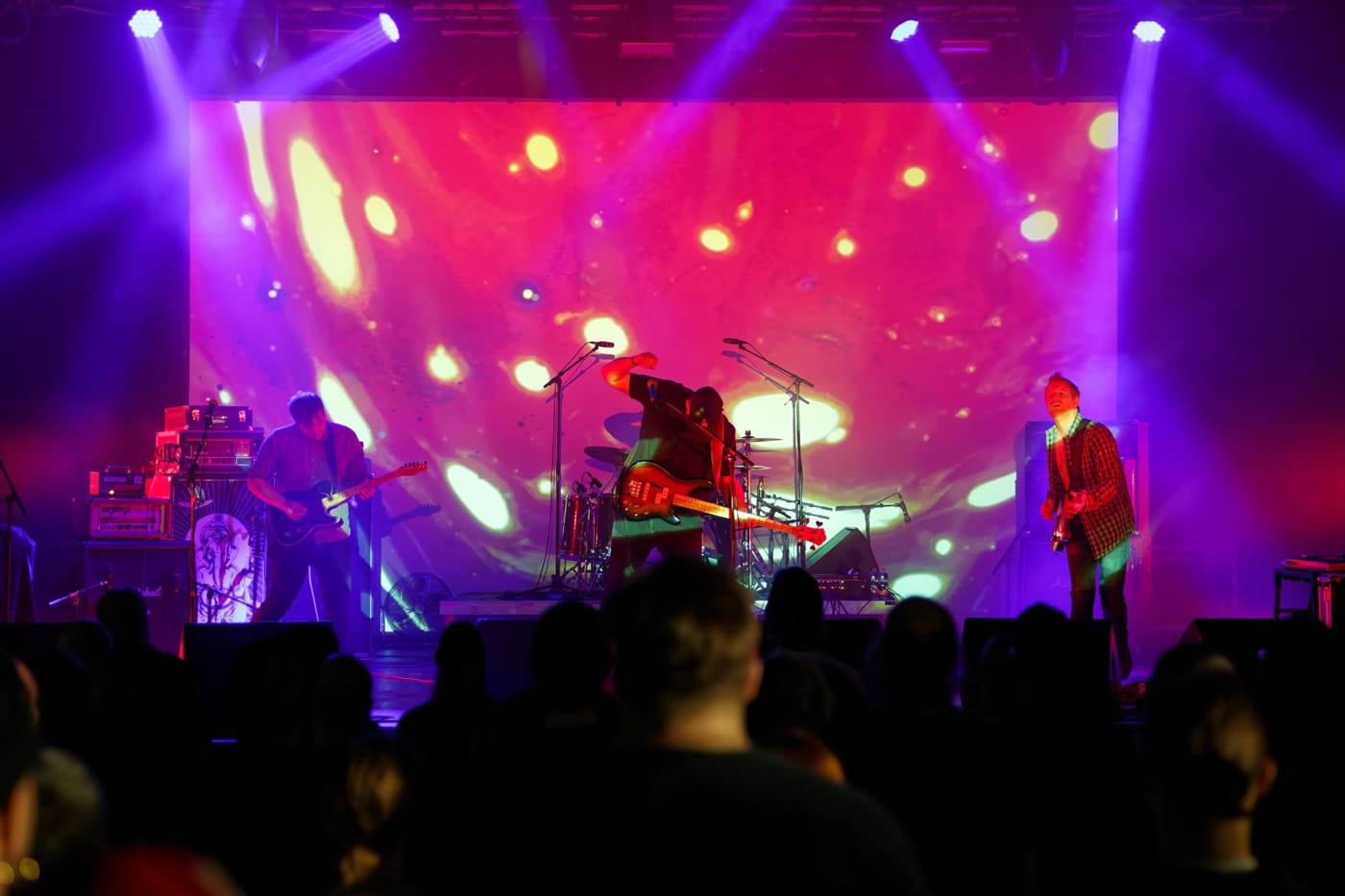
“This is a record we really want to play live,” Hemström says. “On previous tours we’ve been to a lot of places for the first time, which made us want to include a broad mix of songs from all our records. With this one we really want to bring a lot of these songs with us when touring after the album release.”
Wyświetl ten post na Instagramie
🔔 IDIOTEQ is ad-free, independent, and runs on one person’s time. If you want it to stay that way: DONATE via PayPal 𝗈𝗋 SUPPORT via Patreon.
Stay connected via Newsletter · Instagram · Facebook · X (Twitter) · Threads · Bluesky · Messenger · WhatsApp.