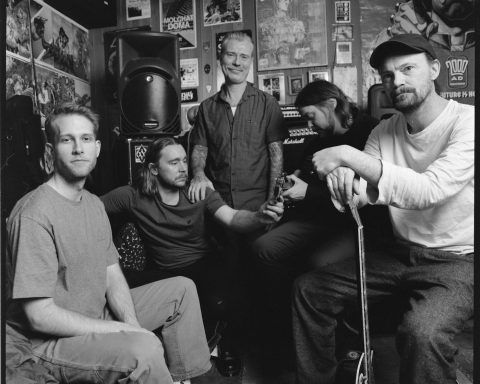
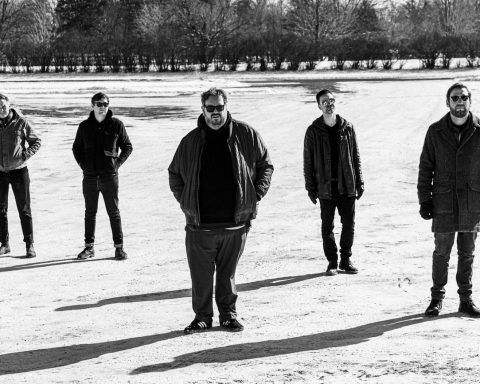
March 23, 2026 Dark post hardcore band VOLTA return after eight years with “Nessun Luogo né Acqua,” a restless Italian story about screens, grief, and boredom
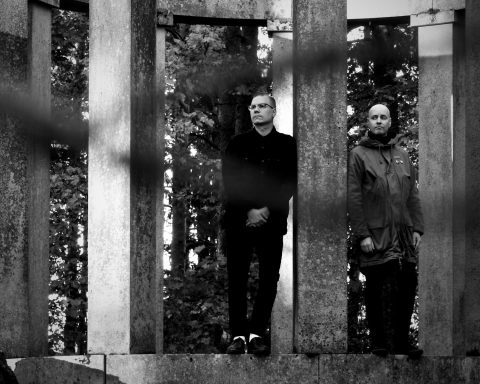
March 16, 2026 DREAMWEB’s “Call Of The Void” almost died on a hard drive – instead, it became one of New Zealand’s most unsettling debuts this year
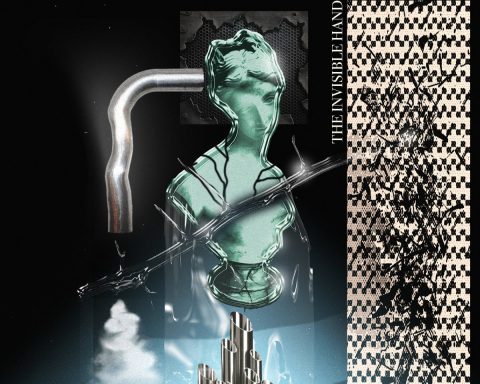
March 13, 2026 Extraordinary dark indie rockers DAMOKLES chronicle a fictional serial killer across thirteen tracks on their third album “A Trophy Collection”
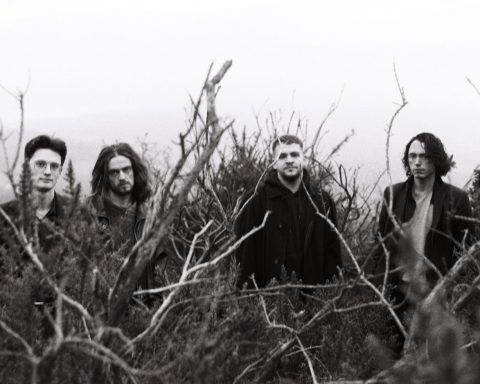
February 20, 2026 NIGHT MIRRORS blend shoegaze fog with doom weight and post-hardcore screams on their debut EP
January 29, 2026 Costa Rican band ADIÓS COMETA releases “Un destello de luz” — an album caught between wanting to run and choosing to stay
December 1, 2025 Goth rockers COLD IN BERLIN return with “Wounds”, built around the scars people carry and the strange strength that rises from them
November 13, 2025 ADIÓS COMETA open a new chapter with “Luminosa”, pushing their atmospheric shoegazin’ alt rock into heavier, more expansive territory
October 9, 2025 URGENT CARE channel darkwave urgency and post-punk pulse on their new single “Melt Away”
September 19, 2025 Antenna93 dives into folk horror imagery on noise rock experiment “Jack in the Green”
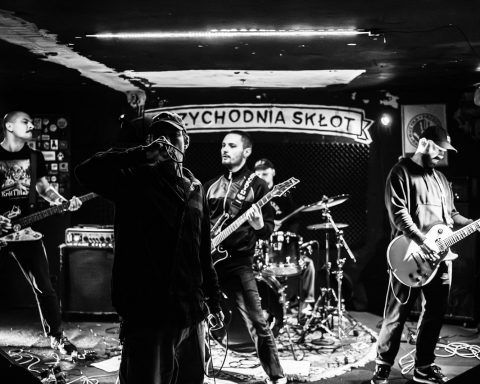
July 31, 2025 Cold oi! punk rockers PRORVA reflect on exile, war, and urban disillusionment in “U cieni impieryj”
July 30, 2025 8 bands from Poland defining new frontiers: a glimpse into the underground, by KISU MIN
July 28, 2025 SLUTAVVERKNING returns with “Skräp”, a volatile EP boiling jazz-punk and political noise into four fresh cuts
July 10, 2025 Gothic post punks BLOOD IN THE CHAMPAGNE imagines a different world through stories of protest, patriarchy, and addiction
June 6, 2025 Dystopian post punk rockers DAMOKLES detail the warped seduction of control on their new power ballad “Death Is Awake”
May 26, 2025 Dark noise rockers MIA VITA VIOLENTA releases “A Matter of Perception”, an intense dive into fractured emotions
May 26, 2025 DOUR’s “Rudiments” offers a stark shoegazin’ post punk dive into inner conflict, control, and the distortion of self in a system-designed world
April 23, 2025 Goth post punk dark wave hybrid DOUBLE HAPPINESS discusses “Derealisation”: a dreamlike catalogue of fractured realities
April 18, 2025 STRUCTURE MODERNE’s debut album turns post-punk into ritual, literature into rhythm, and chaos into trance
April 16, 2025 MIDDLER’s “Turismo” opens a slow, distorted window into cycles of escapism and emotional fatigue
April 11, 2025 Noise rock post hardcore act UNSTABLE SHAPES turn isolation into tension on their debut “Delicate Machinery”
March 26, 2025 Shortcuts to solitude: KAMYKI’s uncompromising drift through genres, memories, and isolation