

It starts in a room where time drips away. “Figure,” the new single from Noyé (introduced on IDIOTEQ in 2016), sketches the scene: “In the corner of a room. Time drips away. Chasing whispers. Trading moments for a bottle.” Released September 11 with a visual/lyric video and a guest spot from Logan Rivera of Gillian Carter, the track arrives just a week before the band’s first album in ten years.
The record, titled “Questo cielo è un soffitto più sporco di quello che ho” (“This sky is a dirtier ceiling than the one I have”), lands September 18. It follows a long silence since their 2016 debut and builds a narrative around addiction, recurring loops of poison and time, and the metaphorical figure of Nosferatu, trapped in the same cycle.
The band put it directly: “The text is about poisoning yourself with substances in a room to stifle time, that then becomes an infinite, tedious and flat loop. This thing about time and poison is a recurring theme on the whole album, and for us it’s metaphorically embodied by the character of Nosferatu, who is trapped in a similar situation.”
The songs turn that imagery into detail. “Rovi” opens with thorns digging into fear, false courage, and drowning “in toxic sap, cared for in that gaze, reflection of the past, obstruction of the present.” The title track pulls the metaphor upward: “The radio sinks me, it knows why the sea is no longer the sea. Flocks of crows and behind the moon dies.” In “Aquarius,” memory is both refuge and playground of rage and misery, ending with a refrain about vanishing and not returning. “Purgatorio” stretches further, into gravitational collapse and black hole imagery, broken by a sudden intrusion: “The phone rang, it was my father.”
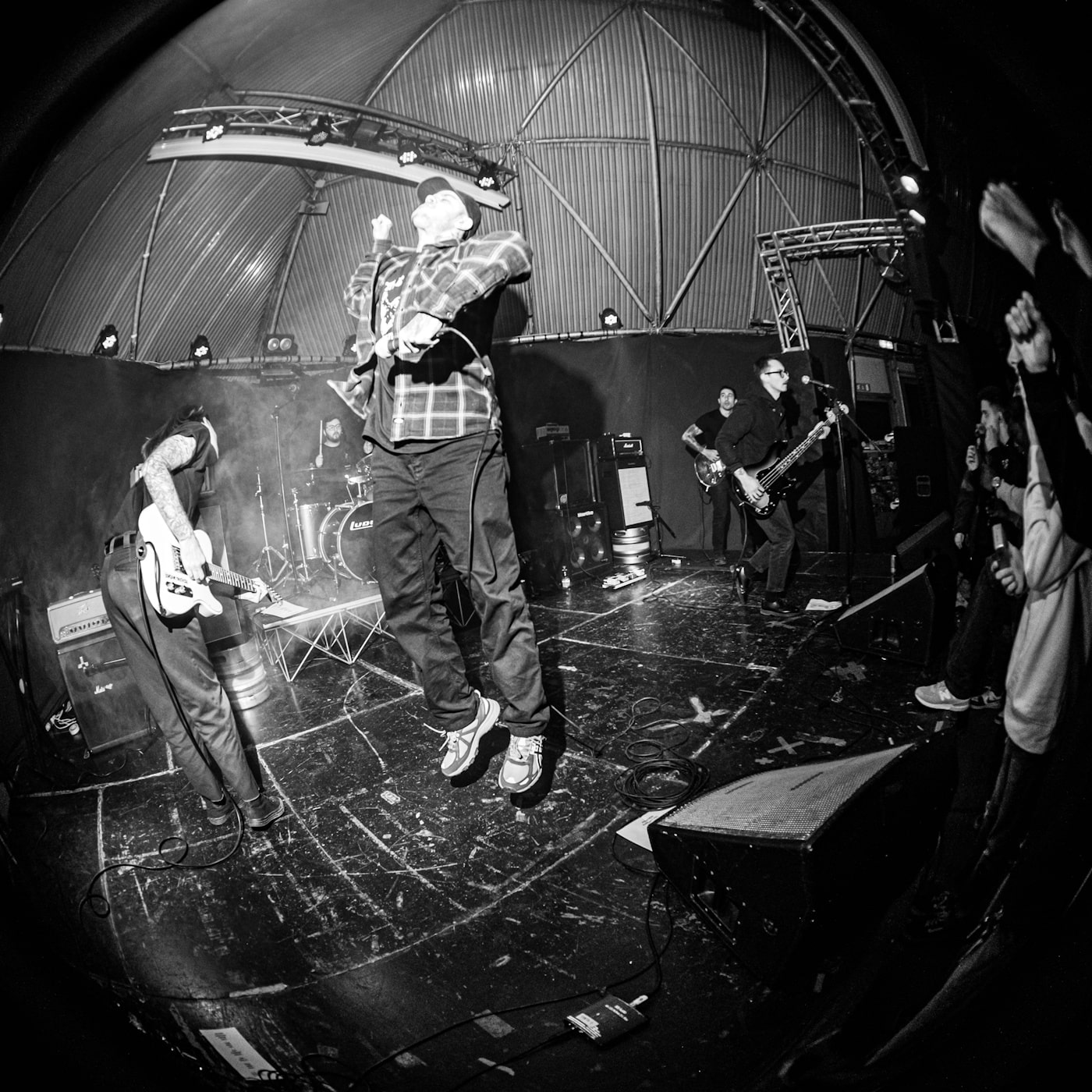
Each cut holds its own fragment of decay. “Werner Herzog” plays with images of old walls, bent bones under covers, fathers searching, and dreams that die when poison is breathed in. “Narciso” turns on reflection and memory, with the recurring line “Spero non vi scordiate mai di me” — hope not to be forgotten. “Lucignolo” speaks of traps, dirty illusions, and a month without quiet days. The closing track drops into resignation: “E se cercano di rallentarti, dì a tutti di andare all’inferno.”
The record also carries a second collaboration, with Matteo Collina of Reverie appearing on track eight. For the band, these ties are part of their history. “This album marks a pivotal moment for us: ten years after our last release, we are extremely proud of the work we’ve done and we want to share it as much as possible. We are currently planning the first round of national shows and something even beyond the Italian borders.”
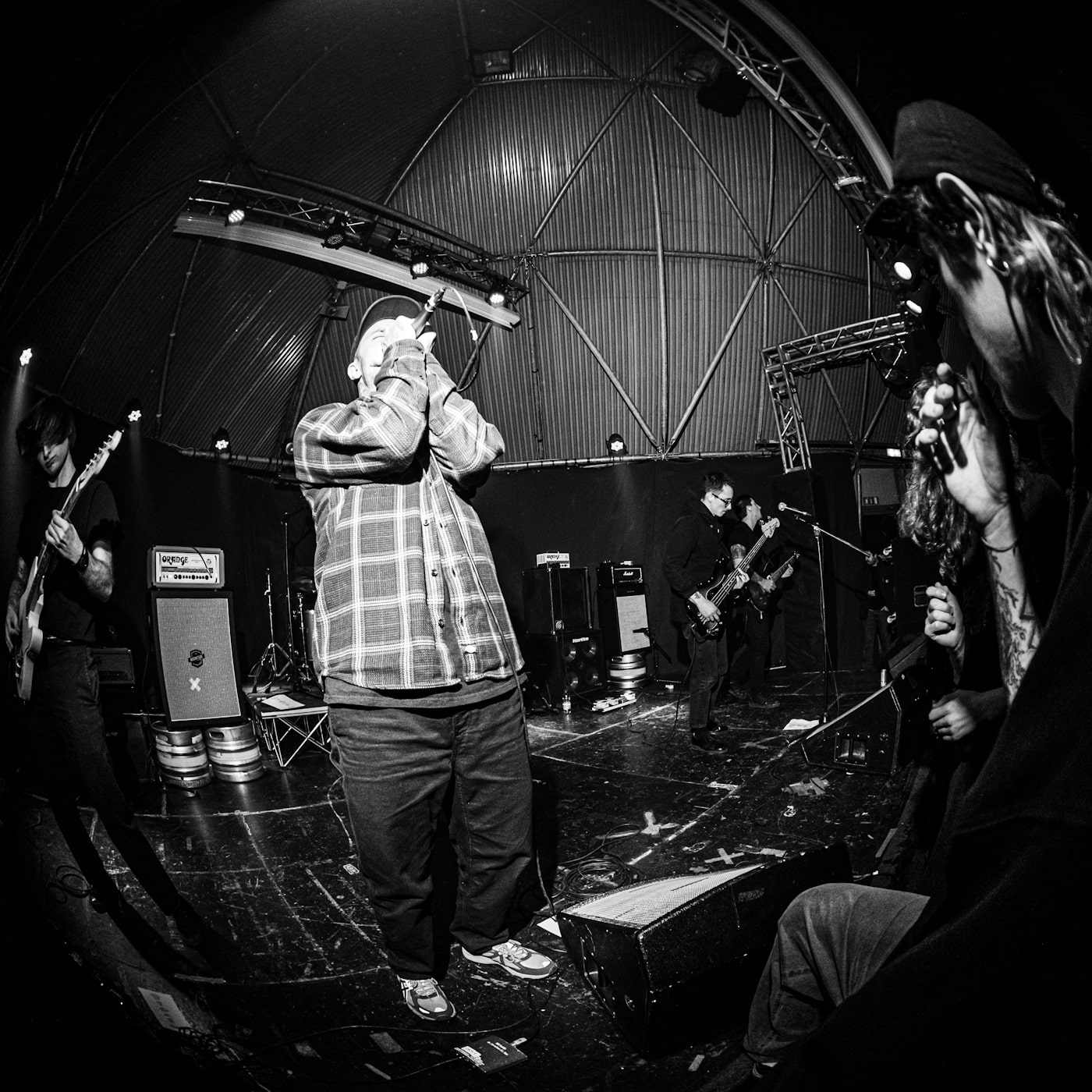
The context around them has shifted. “I think the scene is very active and cohesive right now! Lots of shows and many new connections. We believe that after COVID, the screamo and emo subgenres have experienced a total rebirth and revival due to the need to address a growing feeling of discontent with the present we live in.” They point to the return of groups like Raein and La Quiete — “with whom we share our hometown” — drawing bigger crowds than ever. The balance between older and younger voices keeps the ground alive: “There is both a very strong generational change and the presence of those who have been part of the local scene for more than 10 years and continue to organise live shows such as Heavy Shows in Cesena. In general, we feel happy and excited about the idea of returning to play in an environment that has moved in this direction, strengthened by close ties with bands of friends such as Reverie and Bymyside.”
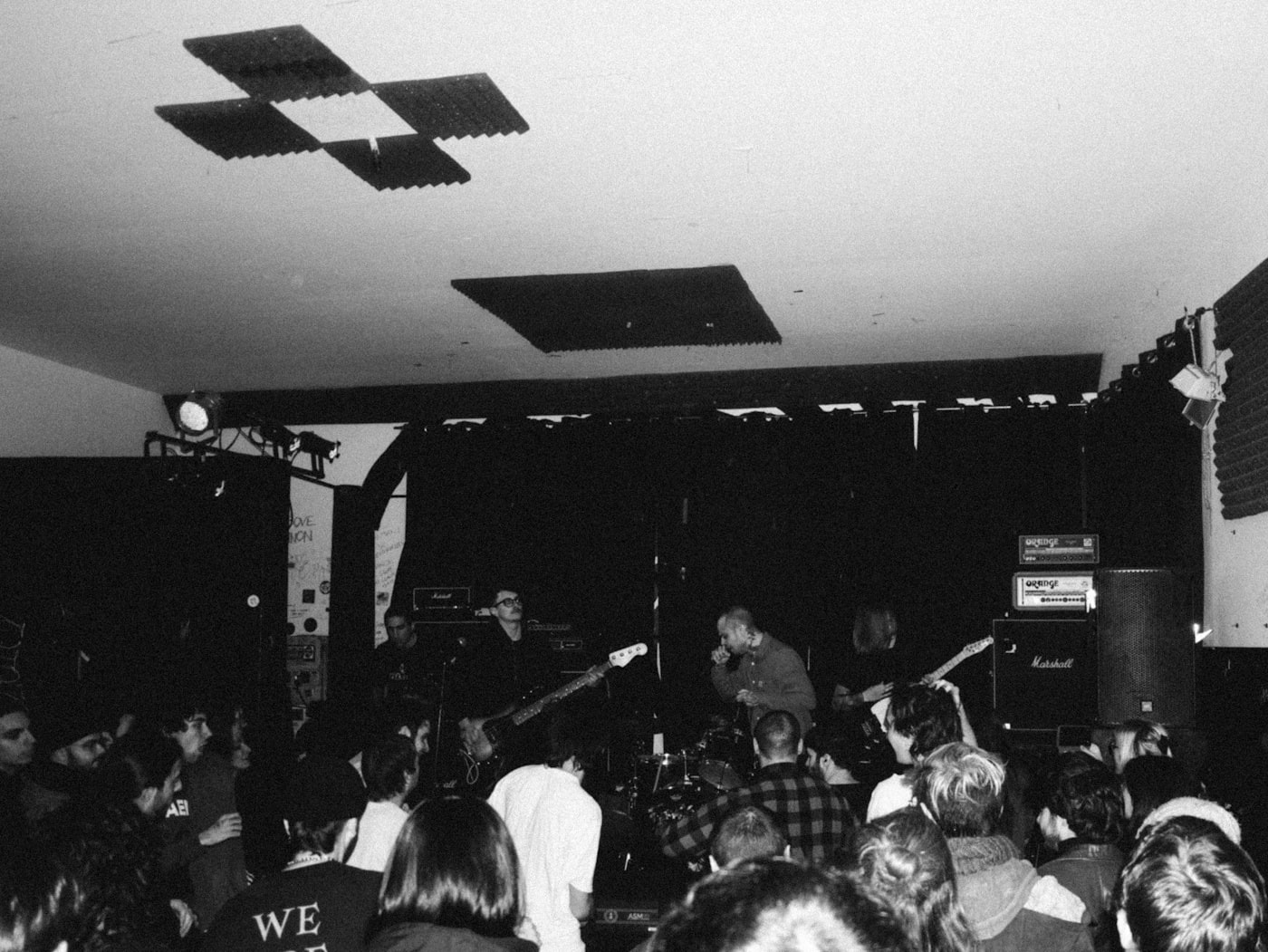
“Figure” sets the tone with its mix of suffocating imagery and sharp presence. The album follows the same path, not easing the tension but laying it out in pieces, where poison, time, and memory run their course until the ceiling finally cracks.