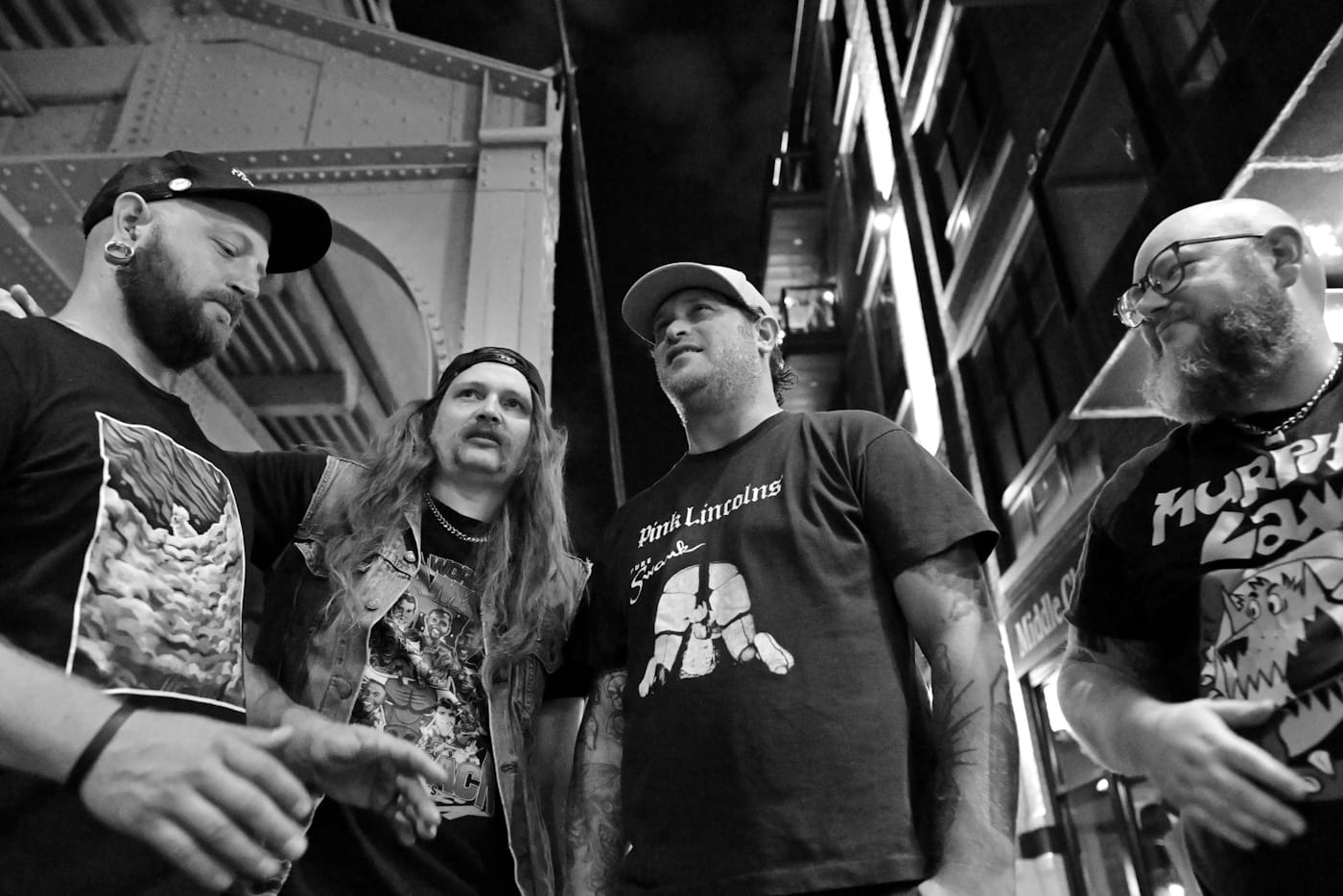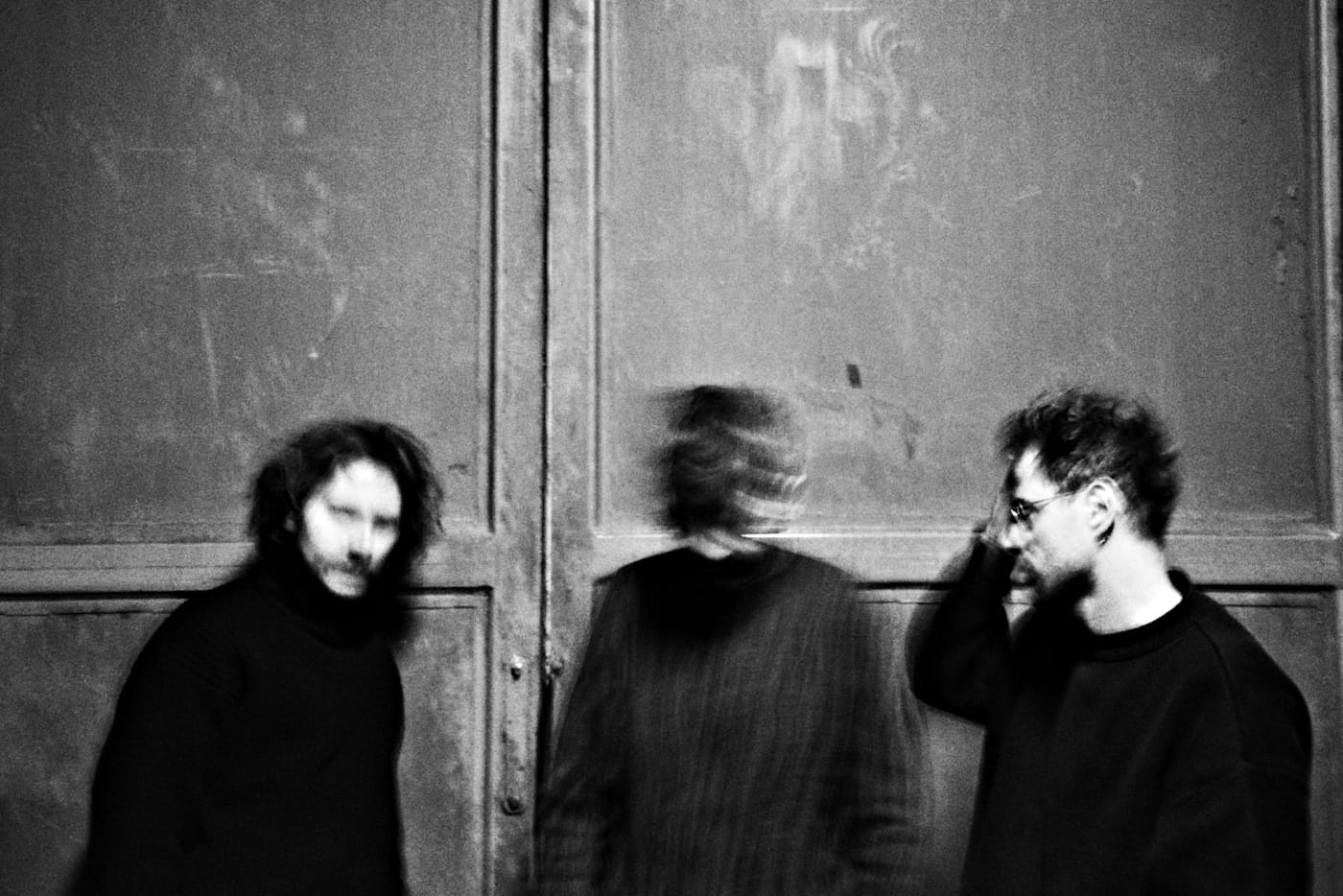


Volta formed in 2011 between Novara and the lake district of the surrounding province, far from any musical circuit worth naming. For over a decade, they’ve operated at a distance from the scenes they brush up against — no social media profiles, compact sets between ten and twenty minutes long, extremely loud, played in small venues and micro-festivals across the DIY circuit.
Their live history is sparse and pointed: two European tours with Øjne and Bastos, a handful of Italian dates, and not much interest in doing more than that. The last time they appeared on these pages was eight years ago — a live video from a cramped gallery in Bagnères-de-Bigorre, France, performing tracks from “Remap” alongside Bastos, shot by Cedrick Nöt at Ladd Gallery. Now the band is spread across Novara, Milan, and Berlin, and “Nessun Luogo né Acqua” is their first record since.
Their self-produced 2013 EP “ɒ” — five tracks, about six minutes — drew on the agitated hardcore of Ebullition Records and introduced them to the independent circuit. “Remap” followed in 2017 on Coypu Records, Coward Records, and Krimskramz: sixteen short, deconstructed tracks that compressed the chaos of the EP and folded in no-wave influences.
Then, several years of near-total inactivity. “Nessun Luogo né Acqua” — twelve tracks, twenty-five minutes — arrived March 1st, 2026, co-released by Isovist, Vollmer Industries, Longrail Records, 5feetunder, and Beach Buddies, with a black 140g vinyl pressing through Vollmer, a cassette via Beach Buddies out of Bucharest, and digital through the band’s own Bandcamp. The digital price is set at €333 — they encourage listeners to support them directly rather than pay that. Vinyl runs €20, cassette €7. Recording took place at La Bucaniera in Cuneo in September 2024, with additional sessions by the band at Villa S. in Novara in December 2024. Will Killingsworth mixed and mastered everything at Dead Air in Western Massachusetts in October 2025. Art direction and graphic design came from Hexe Lab.
The gap between records wasn’t a dramatic hiatus. The band lost their long-standing rehearsal space. Members moved further apart. Chances to play together became rare. They spent a long time writing new stuff but ended up with only a handful of songs that didn’t feel right in terms of structure or weight. “The main obstacle was that we never really managed to settle on a shared direction,” the band explains. At some point, they decided to stop forcing it — refining the remaining tracks instead, trimming sections, giving each part a clearer function.
Writing resumed from there, built around guitar or bass riffs strong enough to carry a song without much scaffolding. Each track was treated as a set of larger integrated sections, kept to a minimum, the form pulled tight. A lot changed in how the instruments relate to each other. Bass lines now move with rhythmic and harmonic independence from the guitar, where on “Remap” they tended to lock in unison. The drumming strips down — less flash, more essential pulse. They point to Moe Tucker’s playing in the Velvet Underground as a guiding idea, “more like an underlying aesthetic intention than like a clearly audible result, but important nonetheless.” Post-punk bands like Protomartyr, Ceremony, and Diät helped shape the loosened interplay between instruments. Vocal lines got simplified too — more repetition, less structural intricacy.
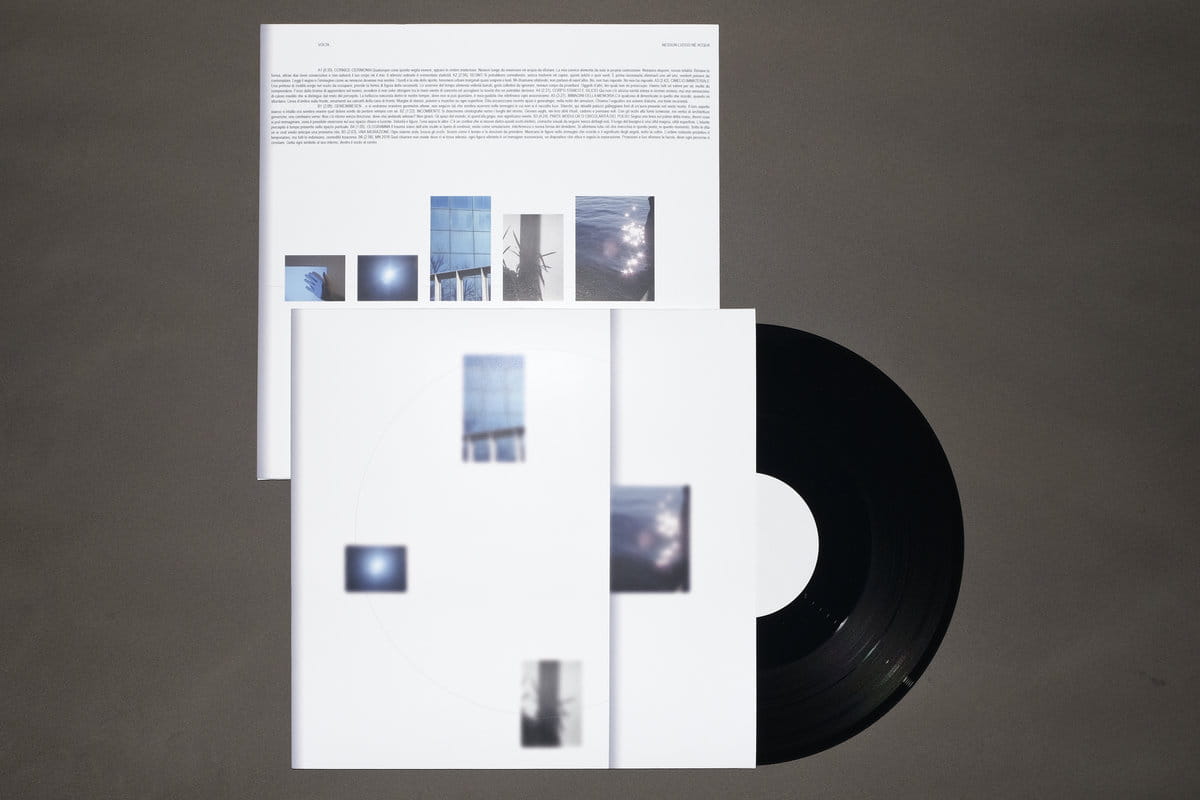
The record still sounds like Volta, by their own account. More focused and cohesive than “Remap,” but consistent with what came before — a sound that the Vollmer Industries description calls “extreme music untethered from rigid genre conventions, free to express itself and to flow instinctively, splashing and overflowing within and beyond expected or imaginary margins.”
Volta’s relationship to punk and the DIY world they nominally belong to is complicated, and they don’t bother softening it. “Some of them operate as super closed inner circles — an approach we kind of like theoretically — while others revolve around silly proto-entrepreneurial mechanisms, and we are not interested to be involved in those at all.” What bugs them is the protagonism and self-branding that clusters around bands in those spaces — “a kind of protagonism and self-branding that we find slightly embarrassing, sometimes even irritating.” They’re neither willing nor able to play that part, so they stay marginal. “It is simply the way we naturally position and conduct ourselves.”
What pulled them toward punk in the first place was the extreme freedom it seemed to promise. Repeating established formulas — voluntarily giving up that freedom — doesn’t interest them. Their influences sit at weird angles to the music they actually make: no wave, free jazz, certain post-punk threads, black metal, alongside a deep well of oblique ’90s hardcore — Universal Order of Armageddon, Angel Hair, Clikatat Ikatowi, Mohinder, Antioch Arrow, Ink & Dagger. Their sound developed out of variations on hardcore born in the ’90s and carried through the early 2000s, rooted in the world of Gravity, Ebullition, Level Plane, and No Idea.
The absence of social media isn’t laziness — it’s a position, and other artist could easily draw some inspiration from such a move. Vocalist Michele and the band built Isovist Records as a label and platform that communicates only what’s essential, sidestepping what they call “unnecessary self-celebratory dynamics.” Michele had been thinking about publishing works — not necessarily musical — that share a certain aesthetic or conceptual thread. Isovist also exists to bring attention to overlooked and marginally circulated work, including archival stuff.
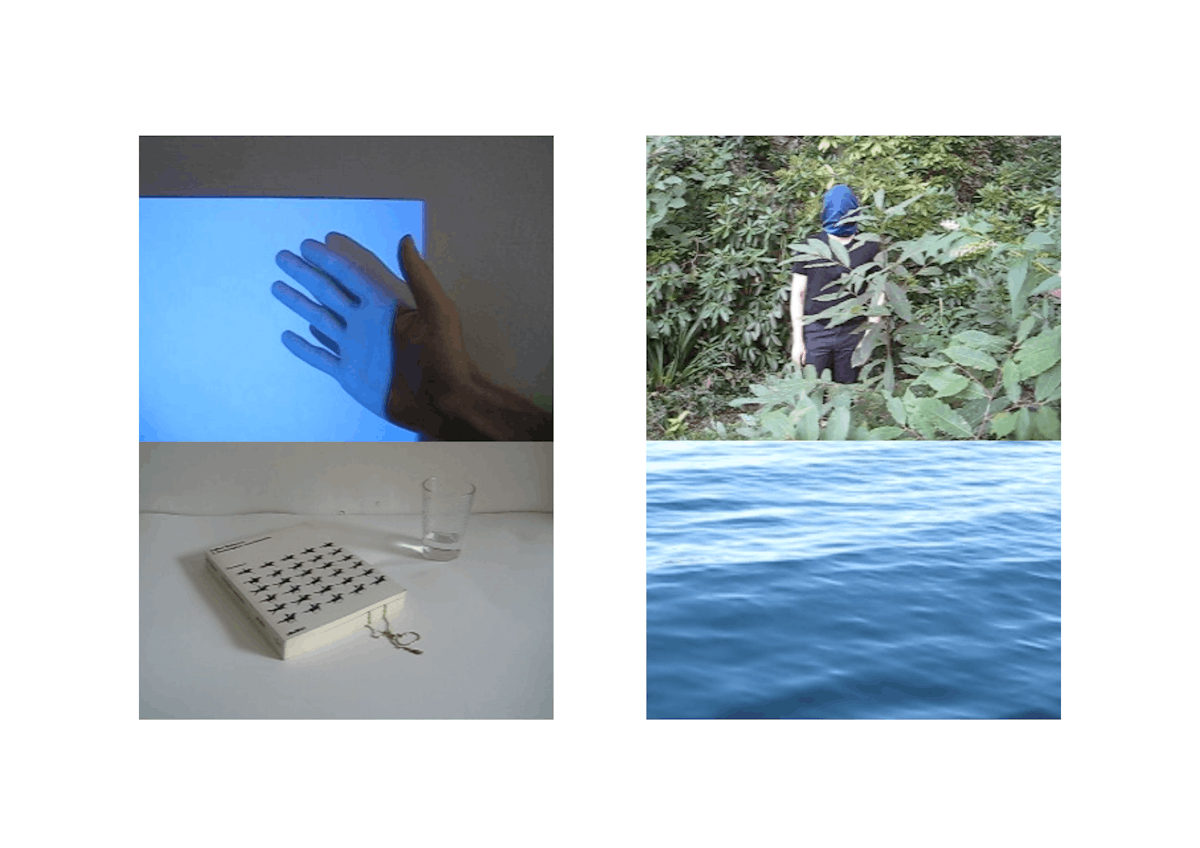
The archive idea goes deeper. Together with a friend named Andrea, Michele runs a visual research and graphic design practice that works in a deliberately a-disciplinary way — constantly reworking images, documents, and fragments of visual culture, treating them as elements within an evolving archive rather than fixed objects. That approach shaped the record’s visual side — cover, video pieces, and other elements “that may or may not see the light of day” — and feeds back into how ideas move within the band.
The lyrics for “Nessun Luogo né Acqua” grew out of Michele’s interests in the theoretical dimensions of visuals and spatial representation. He started writing immediately after “Remap,” working from notes taken during that album’s recording. The early concept for a new record — imagined for release two or three years later — centered on a redefinition of sensory possibilities in the contemporary meta-medial environment, “between digital culture, spatial images and phenomena of singularization due to everyday internet use.” The working title was “Moon Nomadism.” “The image felt right,” Michele says, “given the somewhat moody atmosphere of what I had written, and because the moon seemed like a fitting metaphor for the spaces opened up by screen surfaces, luminous images of reflection and repetition.”

He would have preferred a different musical path — songs written to match the intention behind the words. They tried. It didn’t work. “Perhaps evolution through taking distance only works when there is real continuity and a different kind of coexistence among the people involved in a band.” So they went back to writing more or less the way they always have, more or less the same music they’ve always played.
The lyrics, though, kept mutating. Michele rewrote obsessively, to the point where the themes fractured. The focus sharpened around something from the earliest drafts: “the capacity of space — interior/exterior, wall, screen — to redefine culture as an exclusive and classist instrument.” The album was written in English. Then, at the very last moment — after mastering was done — they switched everything to Italian. A slow final revision brought the lyrics to where they are now, partially revisiting early structures. Individual songs touch on the production and use of images, migration, tourism, private archival practices, death, grief, memory, and the eternal present, “in a somewhat disjointed way.”
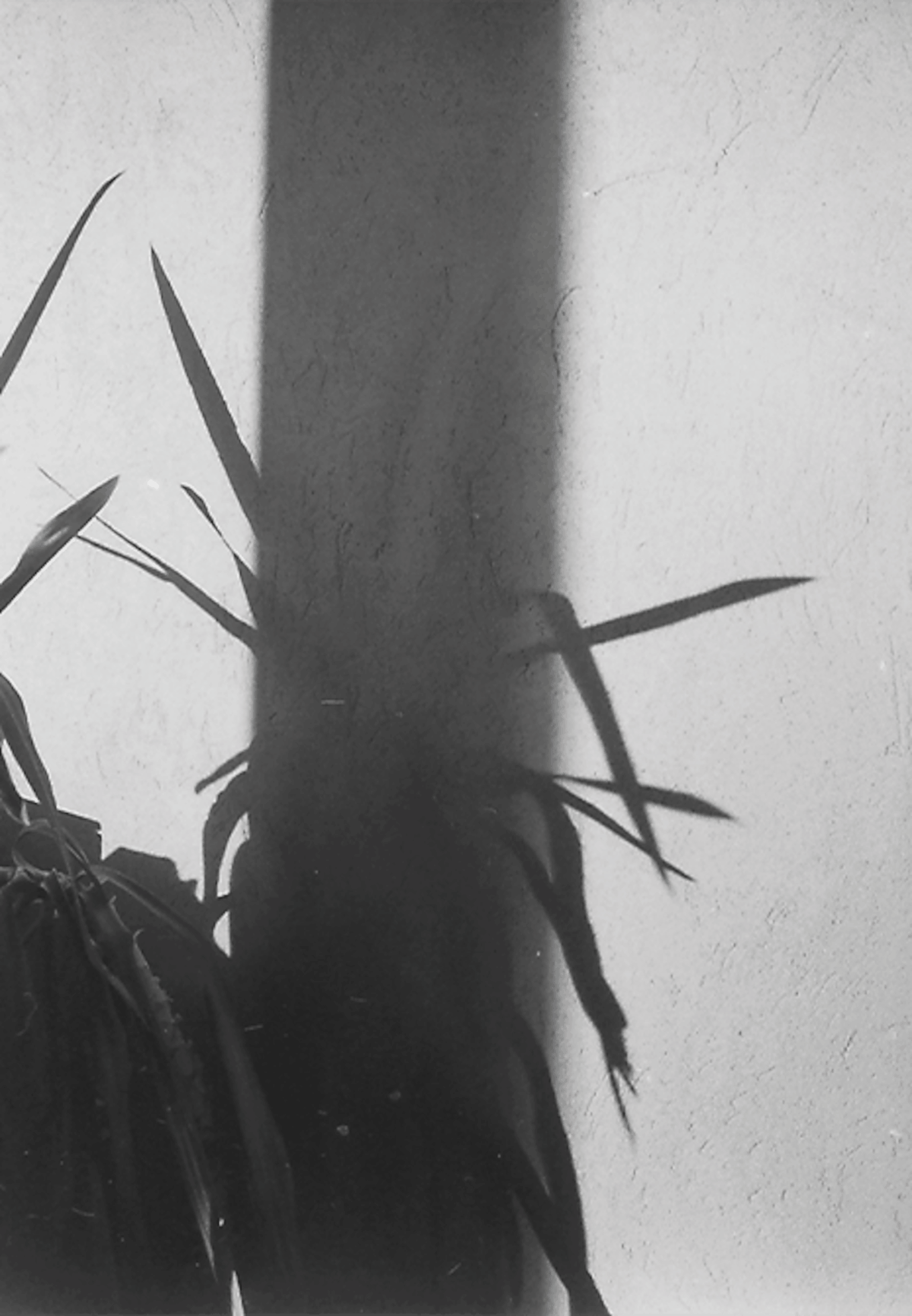
Michele is candid about singing. “I find the act of singing a weird manifestation of the self,” he says. “The broader idea that what we say has any importance beyond the personal re-reading of the page it is written on feels a bit phony.” He’s uncomfortable at a microphone even during rehearsal — the final vocals were tracked alone in a small library, three minutes on foot from home. That discomfort shapes where the voice sits: between deadpan and a yell. “The general mood of this new collection of songs is anger, but anger that comes out as boredom, which is basically how I live everyday nonsense and more in line with how I naturally talk — low volume, long pauses, errors made due to disquiet, not much spark or charm.”
Over the last decade, he says he’s felt “completely lost, scared, and very sad.” He calls himself a “prosaic life practitioner” — walking around the only place he’s ever been, cycling through precarious jobs and unemployment, finding sleep and small encounters with art to be the only parts of the day that break the spiral. The screen-window through which we access everything now is, in his telling, “a phantasmagorical double-edged sword for processing existential and mundane practices of this kind.” That condition — what he calls a “pitiful vexation” — became the default lens for everything that ends up in the lyrics.
The initial theoretical concerns and the personal ones gradually bled together. “Rather than directly addressing those themes in an explicit way, the words now tend to move between fragments,” Michele explains. “The result is a set of lyrics in which different layers coexist without a clear hierarchy.”
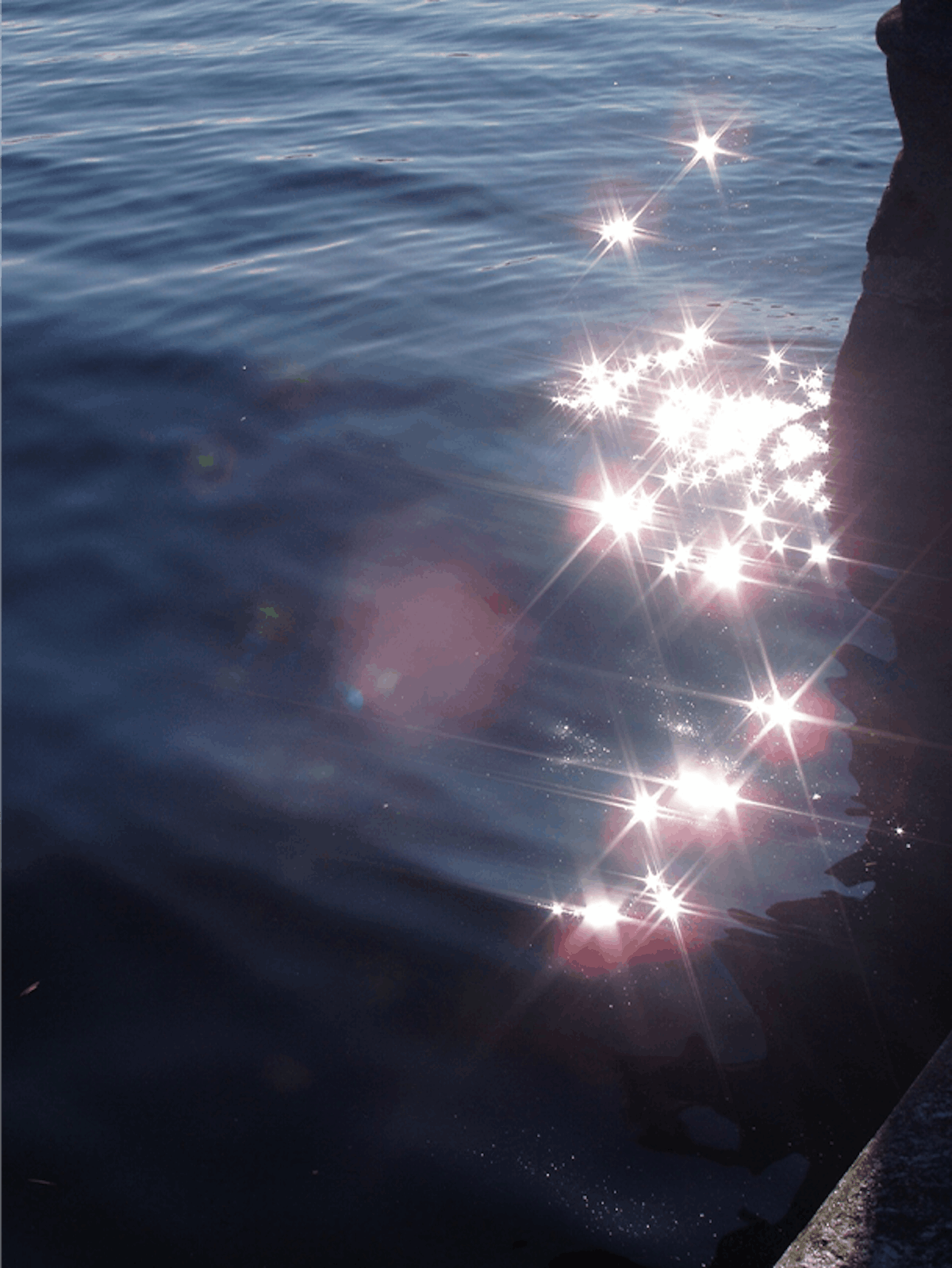
The album’s Italian-language liner text puts it another way: what’s tied to the senses is political as long as it stays visually relevant; image residues dictate a new language for translating the contemporary condition; the blur is form, and a necessary act of commemorative reclamation.
Looking forward: Michele wants to put out a lyric zine — possibly including the English versions of the album’s words, potentially disconnected from the record and the band entirely — though he’s unsure about the overall result. The band has nearly finished a few new songs, described as very similar to the earliest things they ever wrote, earmarked for a limited 7″ whenever the time feels right. Beyond that, they’re thinking about returning to the band’s most primitive form, simplifying lyrics and music further, or deconstructing their punk-rooted language by letting it collide with other stuff they love — “perhaps even under a different name or as another band.”
Their parting thought: “It would be nice to dig and overturn punk and/or to free ourselves from the self-imposed obligation to make hardcore-adjacent music and turn to something unexpected — even for ourselves.”