


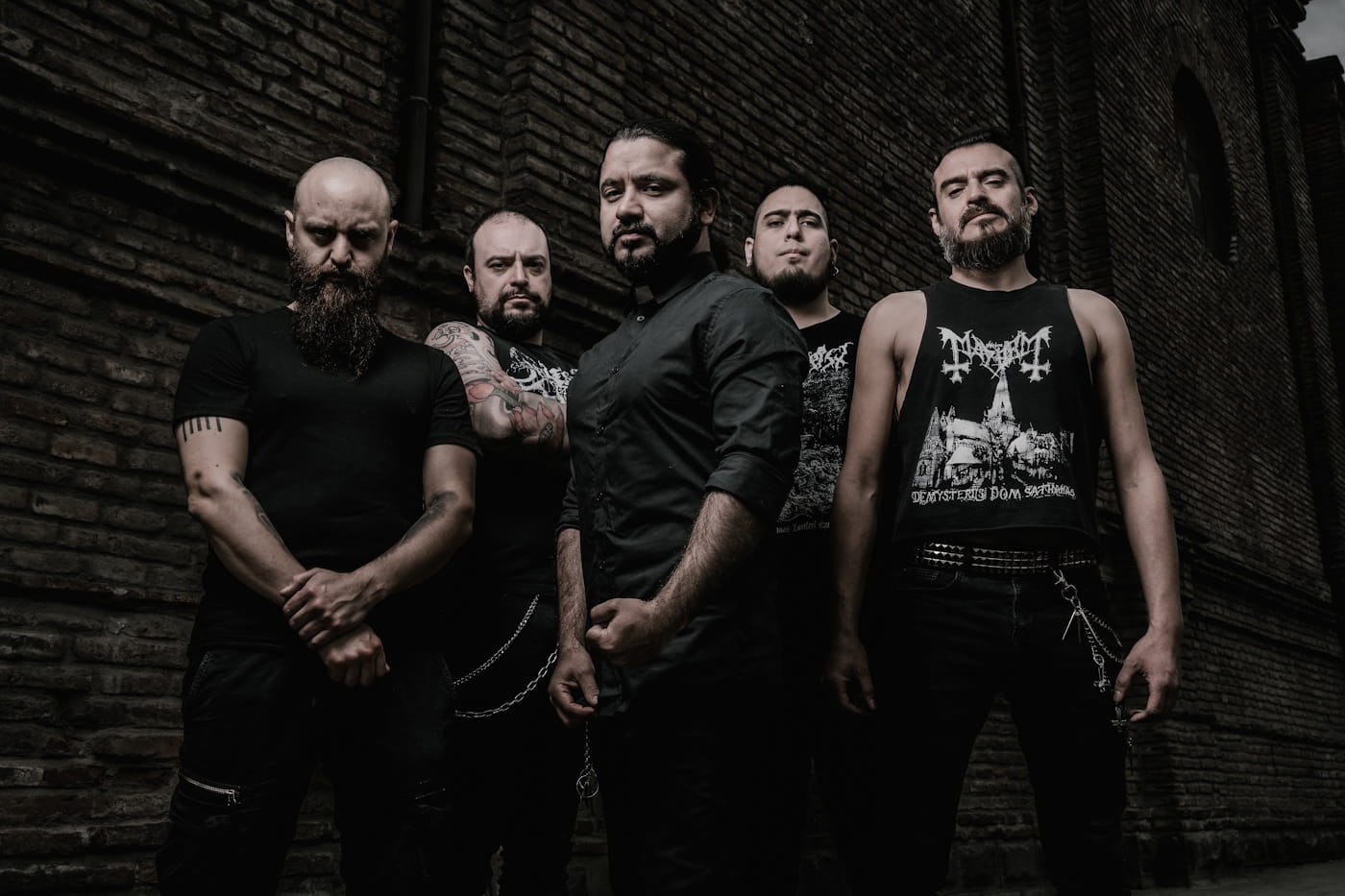
Blasart never moved in a straight line, and that is all over “Depravatus Christianis Sacris.” The Chilean blackened death metal band came together in the early 2000s with a need to push something more instinctive than calculated through extreme metal, then left behind a first full-length, “The Art of Blasphemy,” that caught them in an early state: immediate, rough around the edges, still searching for its own shape.
What followed was neither a clean break nor a proper continuation. Demos and EPs kept appearing across the years, each one showing a band that refused to die but never found stable ground either. Lineups changed. Time stretched. The project held together in the space between persistence and collapse, and the new record exists because that tension was never settled. It just changed form.
“Depravatus Christianis Sacris,” released on March 28, 2026, is less a return than the end point of a long, ugly process. With a steadier lineup in place, Blasart were finally able to build with continuity, pushing their writing deeper and tightening the structure without losing the instinct that drove the band in the first place.
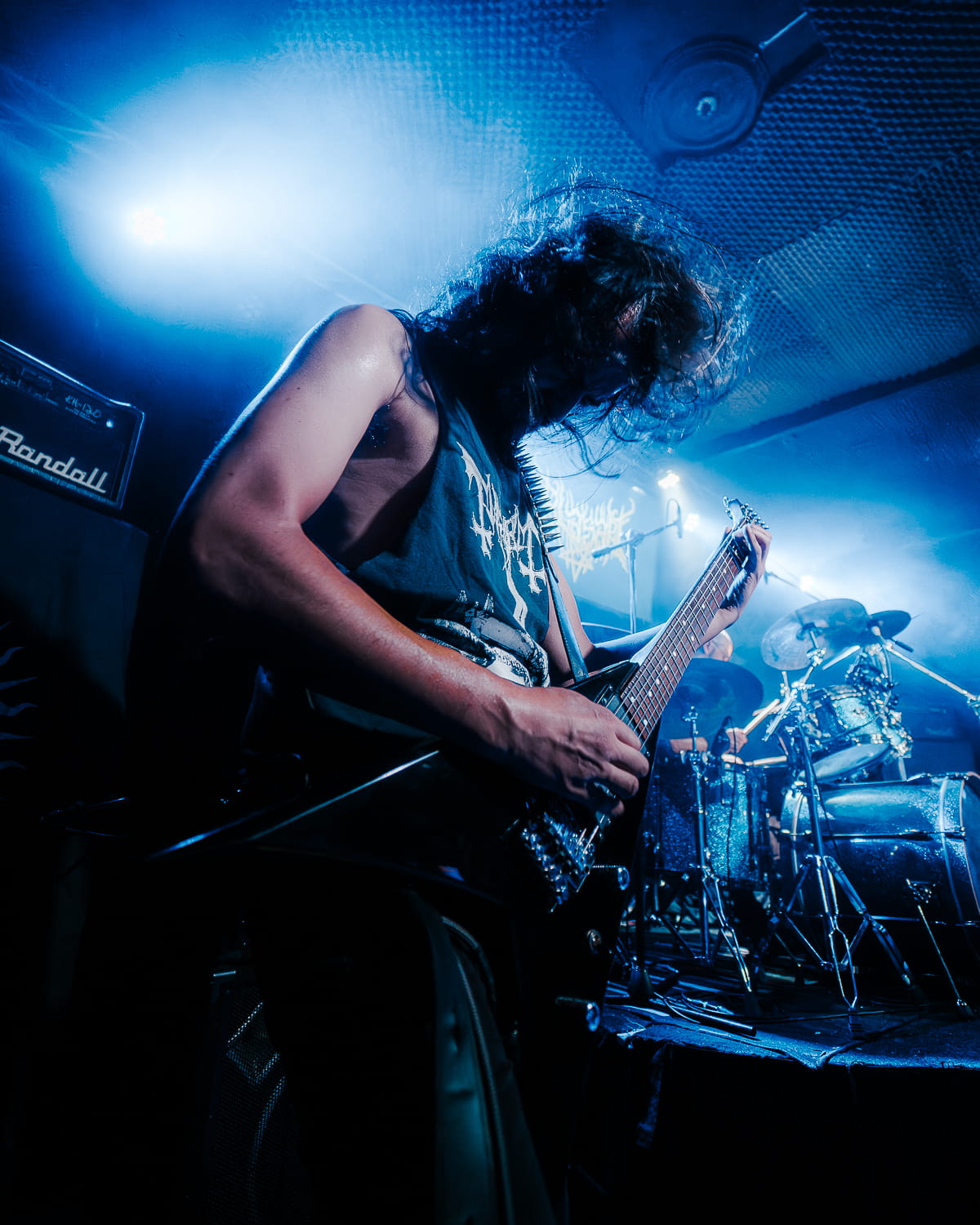
There is a thread running through the album, but it does not behave like a rigid concept record. It moves more like a rite, each piece feeding a larger atmosphere instead of standing apart from the rest.
That sense of continuity is tied to the record’s central obsession: contradiction, especially inside institutions that claim moral authority while living out its opposite. Blasart approach that split without cartoon provocation.
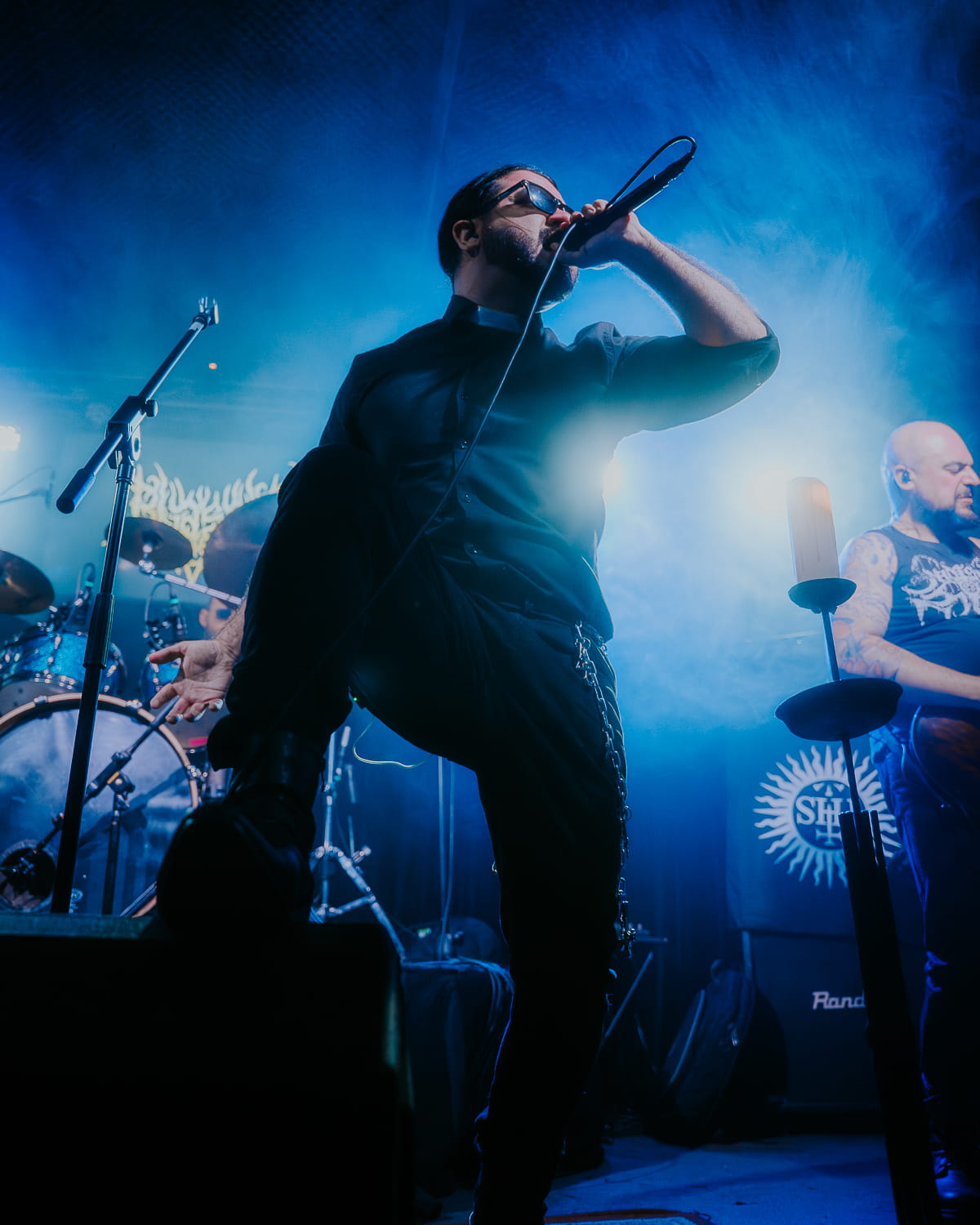
The album circles the distance between doctrine and reality, a split that has been historically persistent and, for them, impossible to ignore. The vocals spit heretic poison through an inverted reading of Christian sacraments, with anti-Christianity set plainly at the center.
Musically, Blasart sit between black and death metal without pledging full loyalty to either one. The record runs on high speed, but it is not a genre exercise or a museum piece. Black metal’s emotional burn and vicious attack are pushed against death metal’s primitive cutting force, while thrash leaves its mark in the sharper violence of the riffs. The point was never replication, and the album has no interest in nostalgia. It wants weight. It wants damage. It wants each song to carry beyond its own ending.
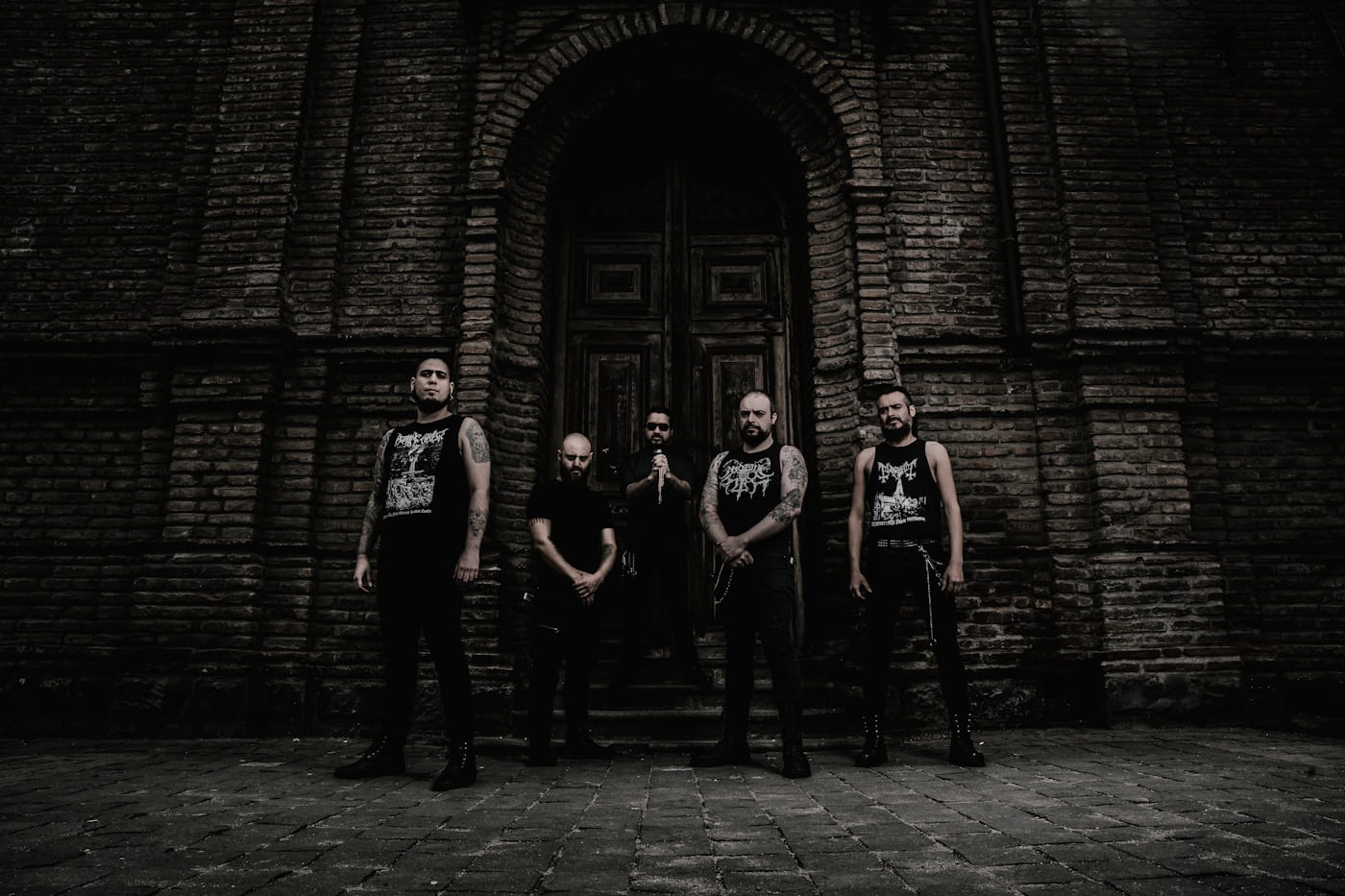
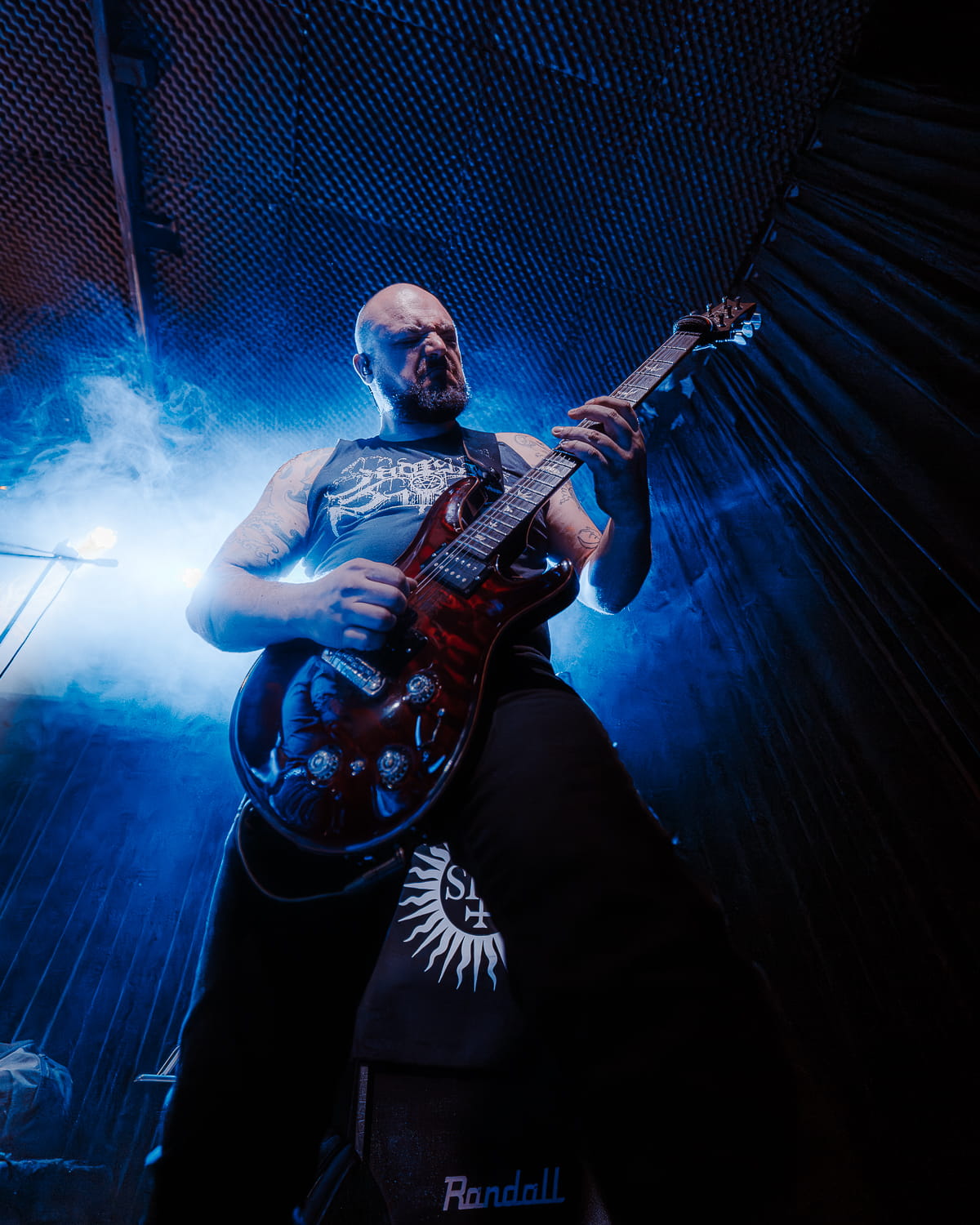
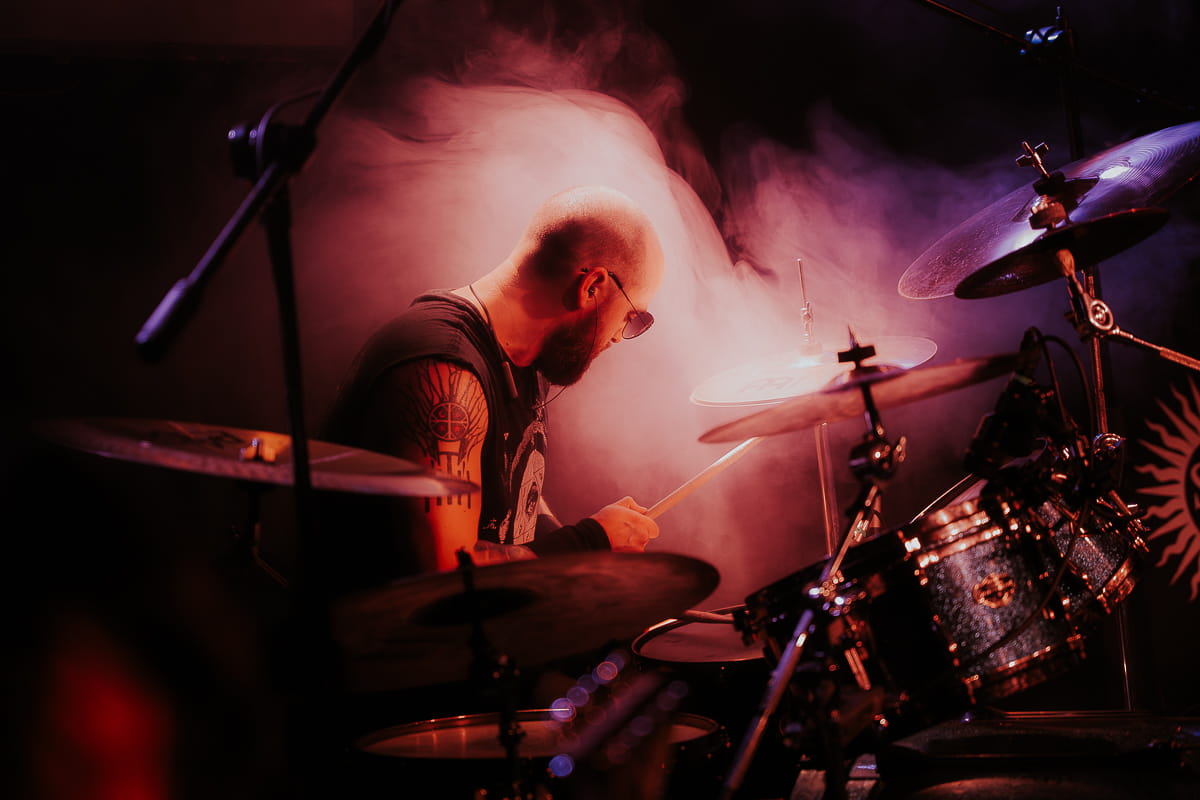
That comes through in the playing. Blasart describe all members as working at the peak of their creative powers here, and the performances back that up. The riffs hit with precision, the rhythms lock into punishing grooves, and the drumming refuses empty excess. Instead of hiding behind nonstop blasting, it chooses impact, hooks, blunt-force punches, and momentum that keeps the record moving with real force. There is nothing inflated in it.
The same economy shapes the production. Rather than sanding everything down into something sterile, the band kept the recording organic and harsh while making sure the album still had enough clarity to hit in full. Carlos Fuentes handled mixing and mastering, and his part in the process was crucial, technical but collaborative, helping Blasart keep every strike, phrase, and texture intact without softening the record’s attack. The result is crisp and forceful, with every detail audible and none of the corrosion cleaned away.
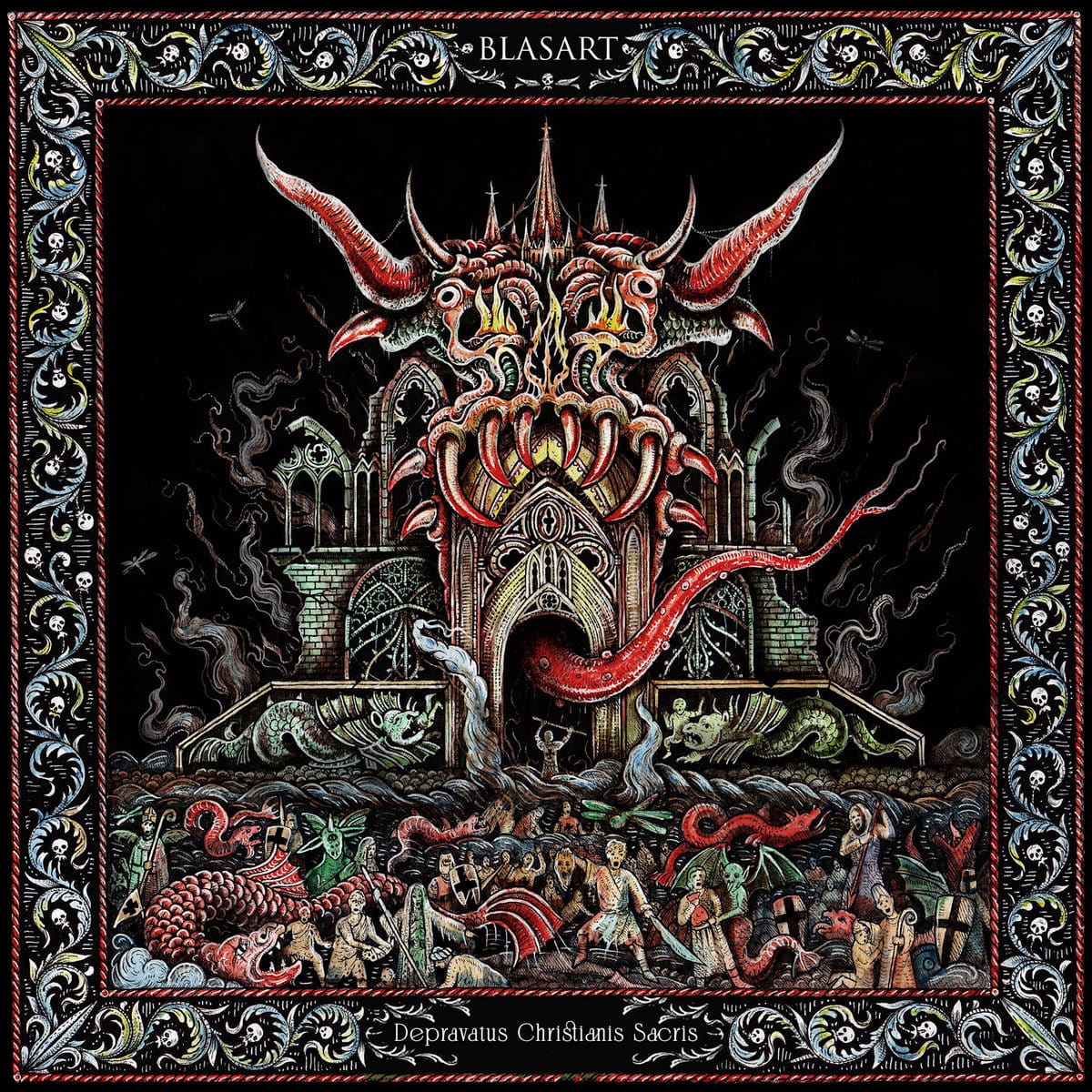
The visual side follows the same logic. Luciana Nedelea’s artwork presents a towering structure that sits somewhere between architecture and creature, monumental enough to dominate whatever stands before it. It consumes, distorts, and hangs over the record like a permanent threat. It is not a literal image of the songs, but it mirrors the same ideas that run through them: scale, oppression, transformation, and the pressure of something larger than the body trying to crush it into obedience.
Wyświetl ten post na Instagramie
That all lands inside a Chilean extreme metal scene that has kept its own identity through stubborn continuity. Black and death metal have held a strong presence there for years, shifting across generations without losing their character. It is a scene built with independence, usually without much infrastructure, held together by conviction, consistency, and the bond between bands and audience. Extreme metal in Chile does not pass through as a trend. It stays, mutates, and keeps its teeth.
Blasart belong to that continuum. “Depravatus Christianis Sacris” is not a reinvention and does not pretend to be one. It is the result of years spent breaking apart and pulling the pieces back together, reinforced by time, defined by refusal, and built from the fact that the band never fully disappeared in the first place.
🔔 IDIOTEQ is ad-free, independent, and runs on one person’s time. If you want it to stay that way: DONATE via PayPal 𝗈𝗋 SUPPORT via Patreon.
Stay connected via Newsletter · Instagram · Facebook · X (Twitter) · Threads · Bluesky · Messenger · WhatsApp.


