
By spring 1995, Inkwell had already survived an awkward start, a badly received first show, a demo, a tiny East Coast run and the departure of their original drummer. Then Marcus “Marc” Lowe arrived, and for roughly the next year everything lined up.
The Atlanta house-show network was busy enough that Phil Dwyer remembers something happening almost every night. Local bands were multiplying, touring bands kept coming through, and Inkwell suddenly had a drummer who made their songs harder, faster and tighter. They would be finished by the following spring.
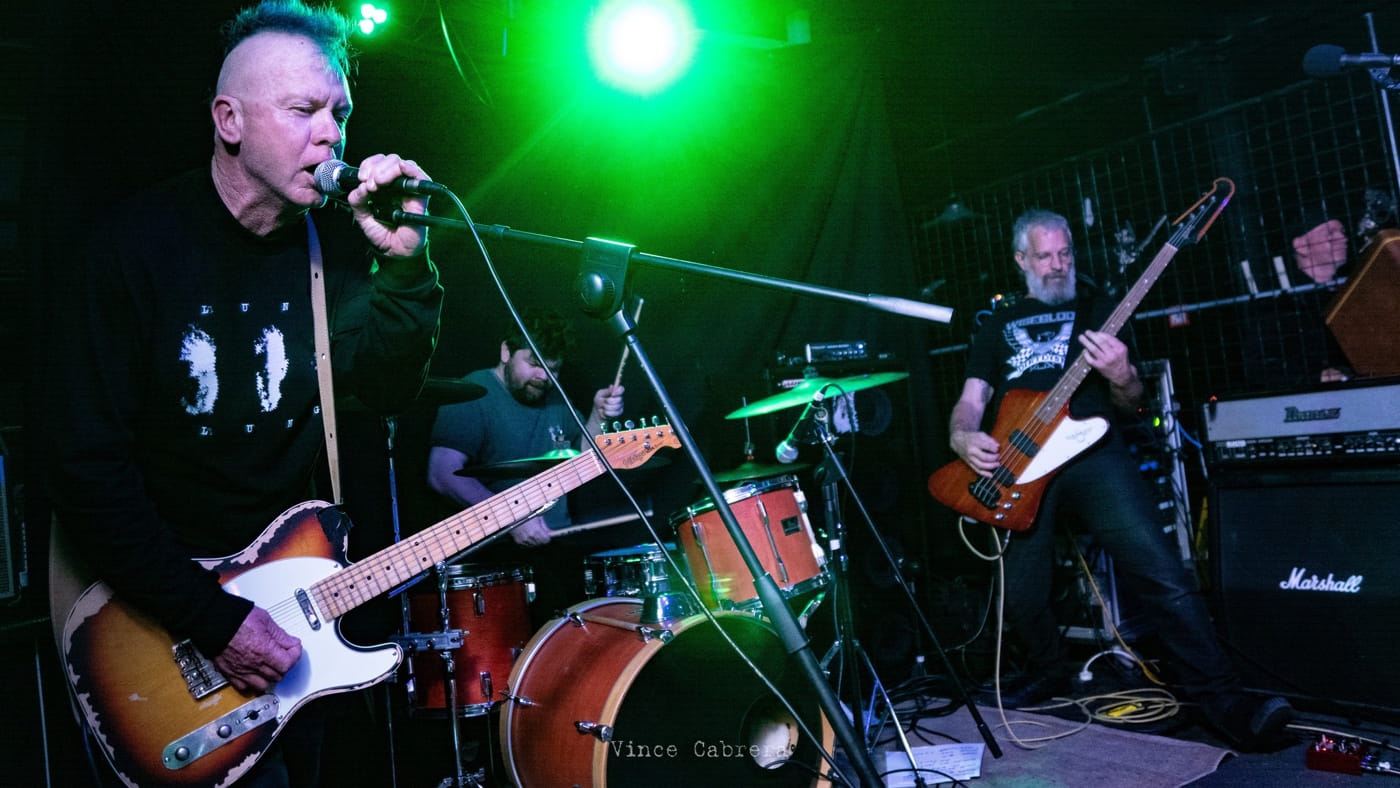
James Joyce, who has spent years documenting Atlanta’s 1990s and early-2000s punk and hardcore history through his Beyond Failure archive, called spring 1995 to spring 1996 Inkwell’s golden period. Beyond Failure’s own Inkwell archive places their final show at the Driver Dome on April 27, 1996.
“I just have to say for the record that Inkwell was one incredibly intense band,” James wrote. “If the mood was right, and they were into it, their shows could be truly transcendent. Easily one of the best shows you have ever seen. But I also want to emphasize how funny and nice guys they were, and what a good time you could have with them on the road or at a show. Despite what you may think from listening to the music and watching the videos, their shows were actually a lot of fun. Some of my greatest memories of those years were at Inkwell shows.”
For James, the brevity suited them.
“In fact, when you look at their history, the golden period of their existence was only one year – Spring 1995 to Spring 1996, a perfect amount of time for a band such as this. They came in, blew everyone away, and then were gone before any of the charm wore off or got stale. We were truly fortunate to have them in our town.”
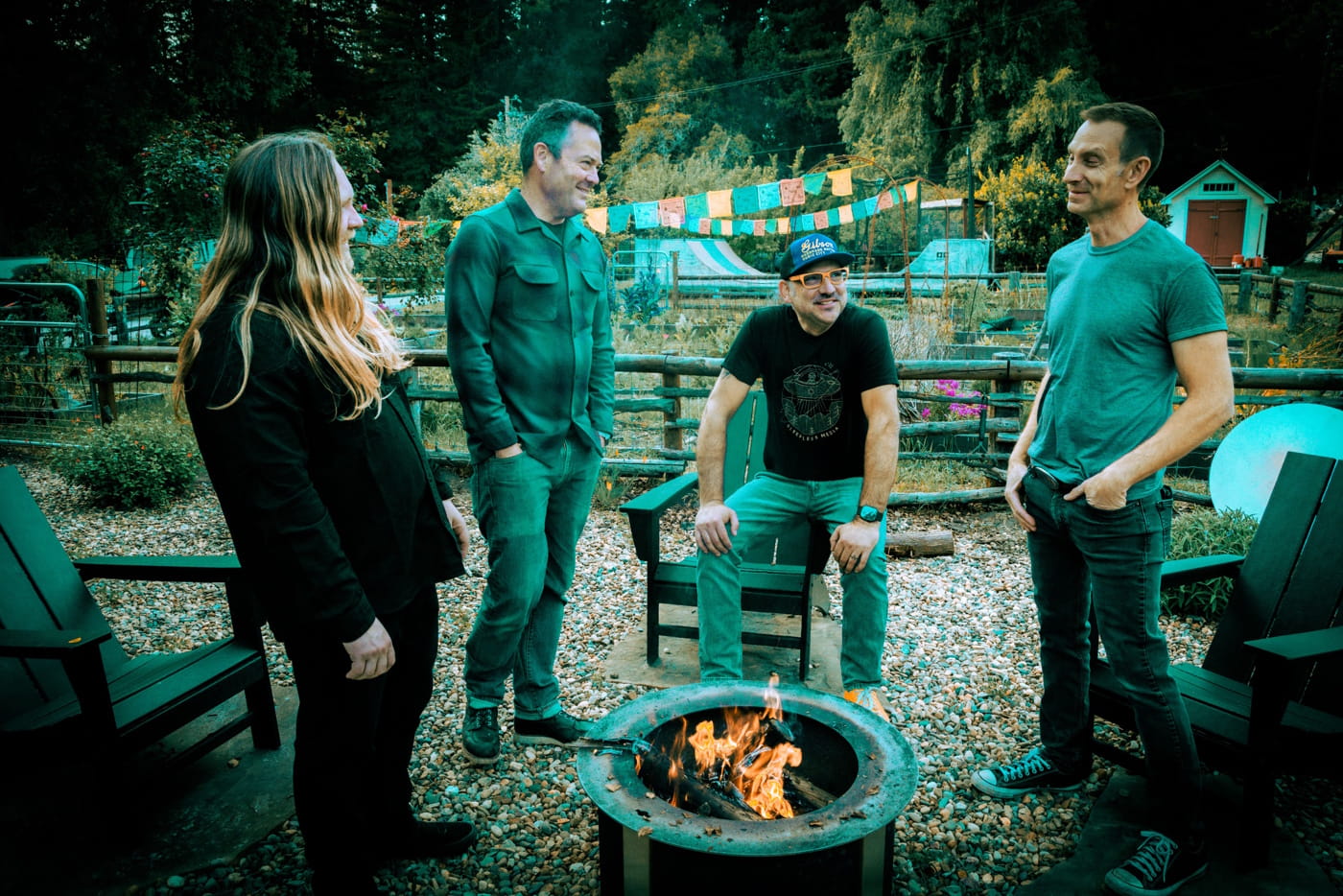
Thirty years on, that short run is being gathered on “Remembrance”, out September 25 through Stickfigure Recordings.
Pre-orders begin August 27 through Stickfigure’s Bandcamp. Test pressings have been approved and the LP is in production. The vinyl contains the first 12 tracks, while four demo songs remain digital-only. On August 20, “Shine So Bright” becomes publicly available, while our Bandcamp embed also includes “Portrait”, “Messenger” and “Savior”.
The record exists largely because guitarist Joe Myers never really stopped looking after Inkwell.
Joe and Phil started the band as an idea one night at work in early 1994. Phil found drummer Josh Allen, Joe asked Marty Rioux to play bass, and Marty joined with what Joe remembered as “a little bit of reluctance.” Early rehearsals happened in Josh’s bedroom.
“Our initial practices in Josh’s bedroom were awkward at best, but songs were beginning to seep out,” Joe wrote in his own history of the band.
A month or two later came their first show, with Jara and Atlanta’s Quadiliacha. Mike D, later known as Mike Phyte, described the performance as “piss poor.”
“We improved with every show and every practice as we started to take it more seriously.”
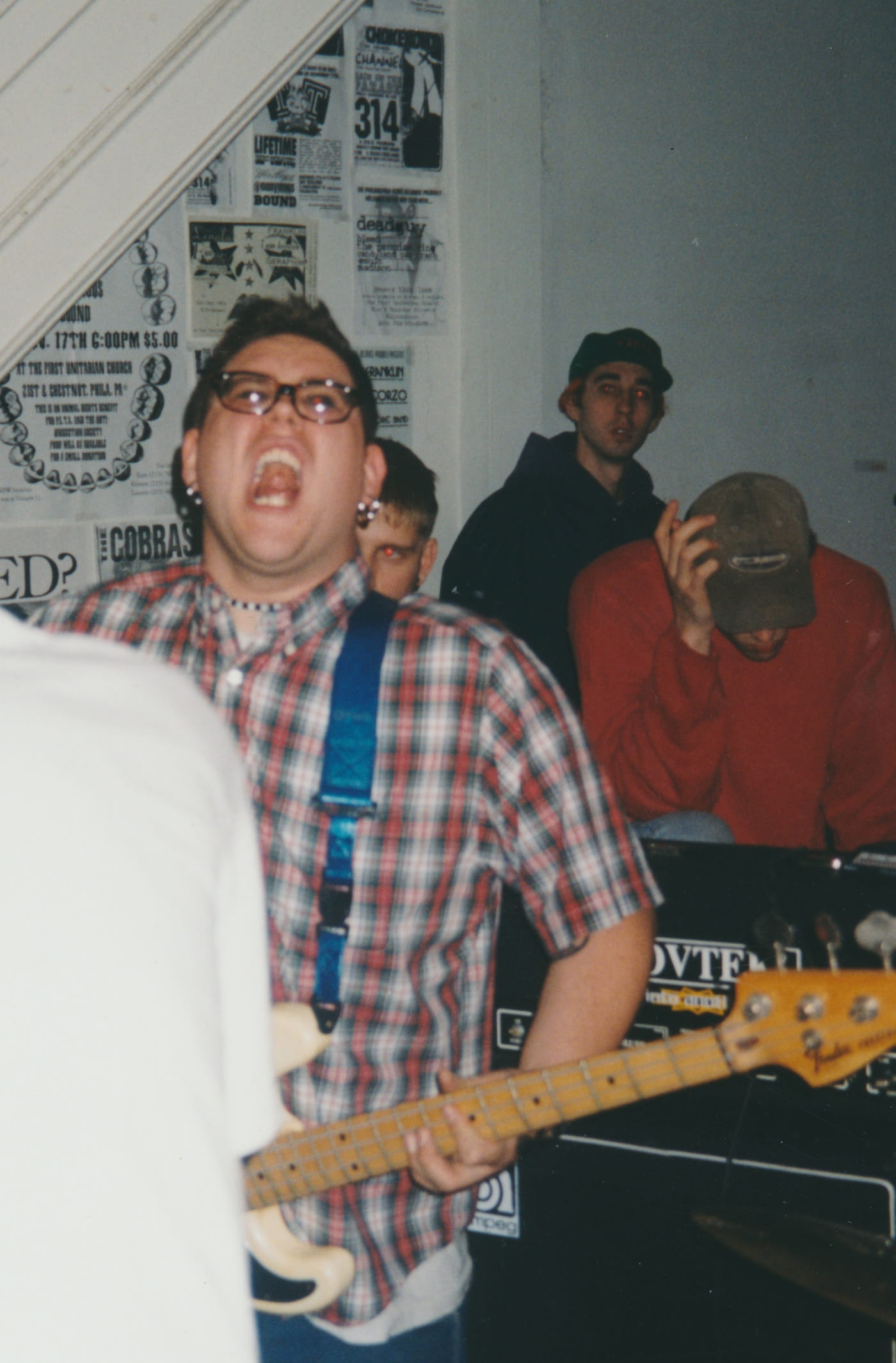
They recorded a demo at Sleepless Nights Studios with Issa, later of Good Clean Fun, then headed out near the end of 1994 for what Joe called a small East Coast “tour”. One show, set up by Scott Beiben, happened in a two-car garage in the middle of nowhere. Most of the audience consisted of the other bands and Inkwell’s friends.
Gavin from Stickfigure was there with Doug of …By the Deed, remembered by Joe as Gavin’s pink-haired crust friend. The show itself was a bust, but that night Moss Icon’s “Lyburnum” LP finally came out. They bought copies and Gavin took some for his distro.
Later they discovered that they could have played Sean McCabe’s house in Philadelphia to a considerably bigger crowd.
“Oh well,” Joe wrote.
The run ended in Virginia Beach with Channel and several other bands. Inkwell expected little because they thought of it as “a bit of a chugga chugga town.” Instead, they got their best response so far. They returned to Atlanta for a Car vs. Driver album release show, then Josh moved to California the next day.
For a few months, nothing happened.
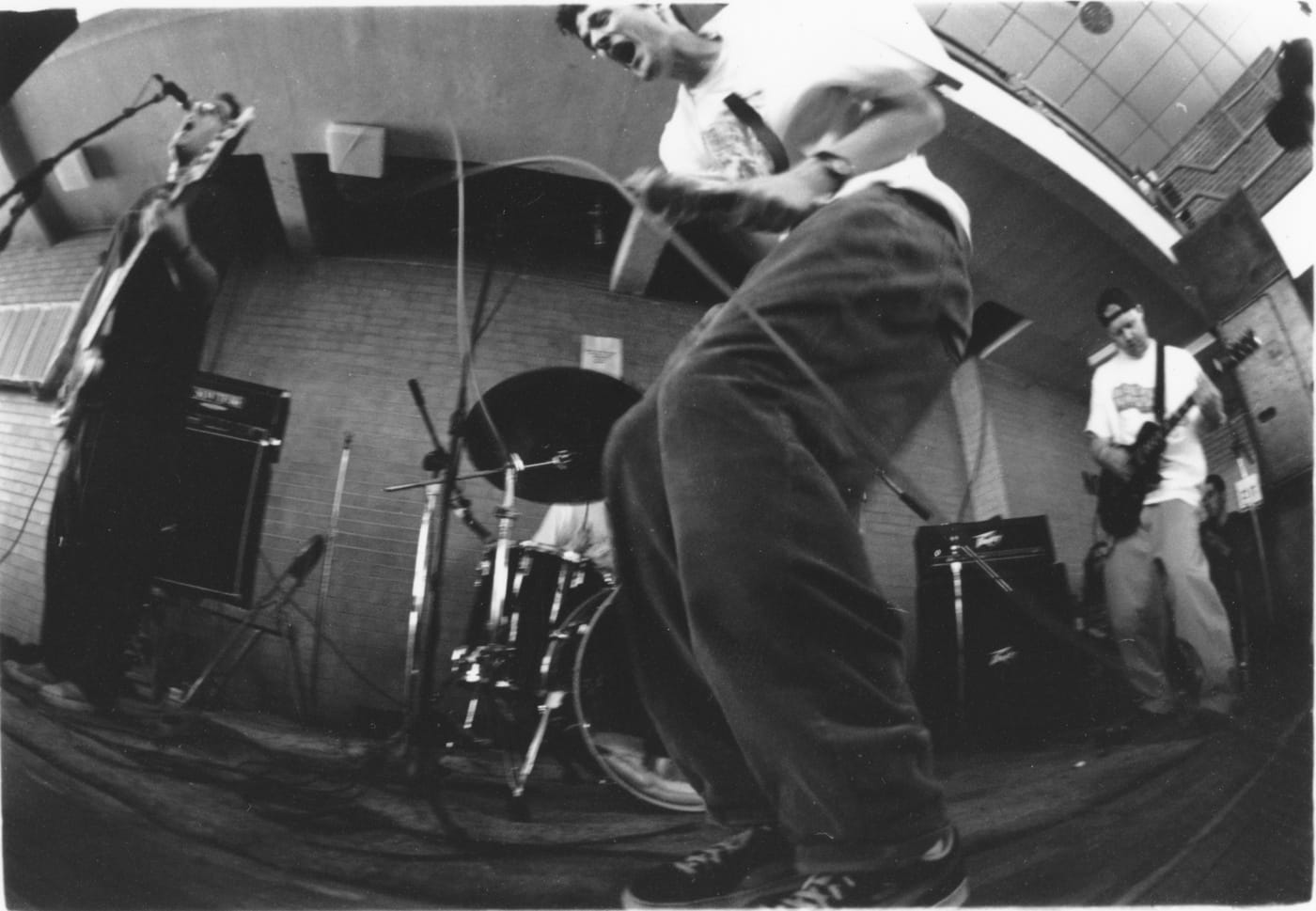
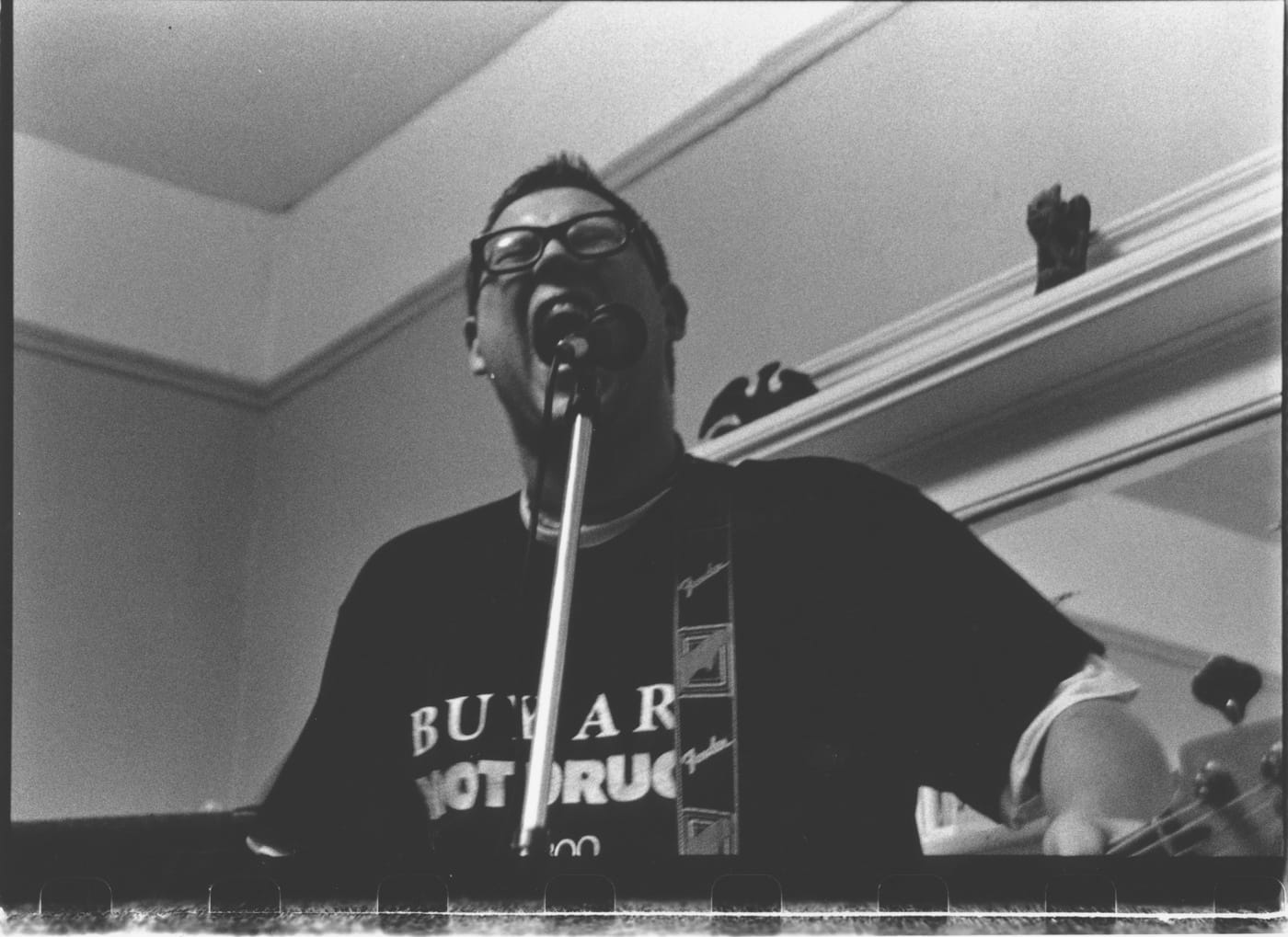
Theo from Scout knew a drummer from Arkansas who had recently moved to Atlanta. Joe remembered being unsure what to make of Marc at first. He could recite Coolio lyrics on demand and carried “a little bit of the gangster style to him.”
Then they played together.
“Mark was a great drummer. After just a couple months we were back in step. Our sound was faster and a lot less sloppy with the inclusion of Mark.”
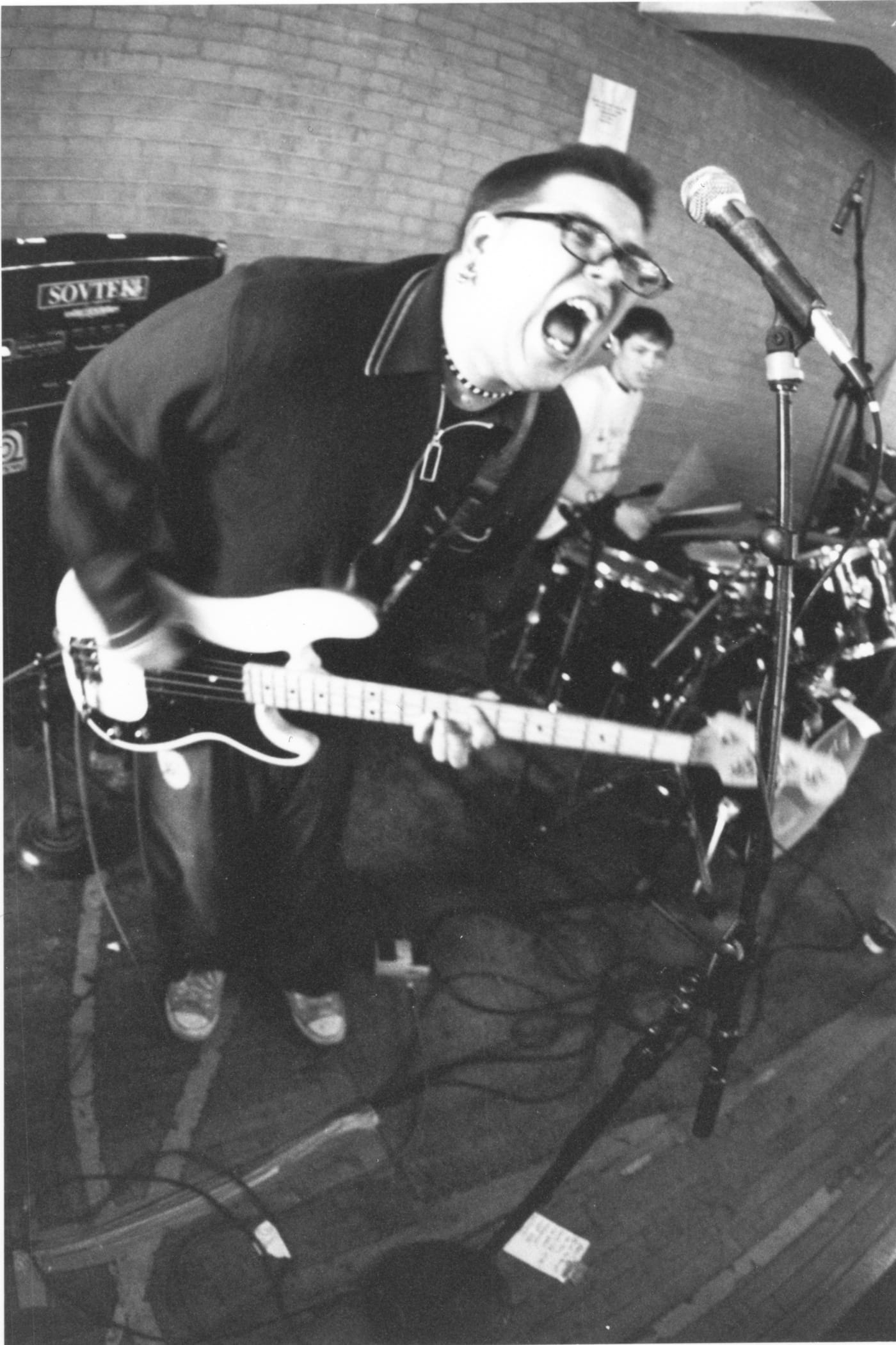
Phil remembers the difference in even simpler terms: Marc made them “harder, faster and tighter.”
The timing helped too.
“We had a new drummer, Marc, which just elevated our whole sound and made things harder, faster and tighter,” Phil said. “There was a robust house show scene at this point and it felt like there were shows almost every night all over the city. There were so many amazing bands at that specific time locally and touring bands coming through town and we played a ton of great shows.”
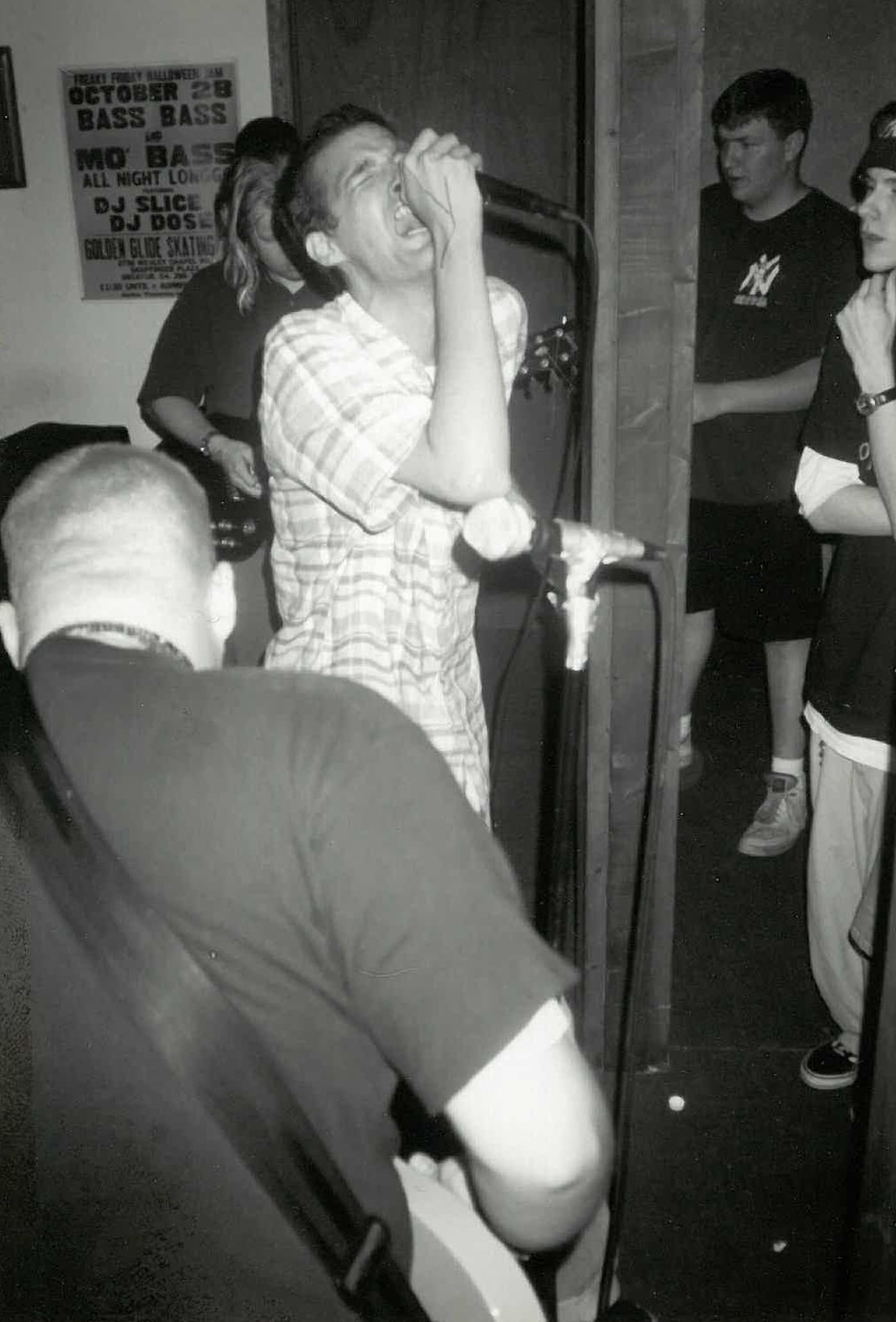
Atlanta certainly had punk and hardcore before Inkwell.
Phil is careful about Joe’s old claim that they helped start a scene that had not existed before.
“There were most definitely punk and hardcore scenes around before us.”
The Duluth scene included Act of Faith, Crisis Under Control and The Difference, working in a more traditional hardcore style, while Quadiliacha were already a major local name in melodic hardcore and punk. Phil also stresses that many other bands and people preceded them.
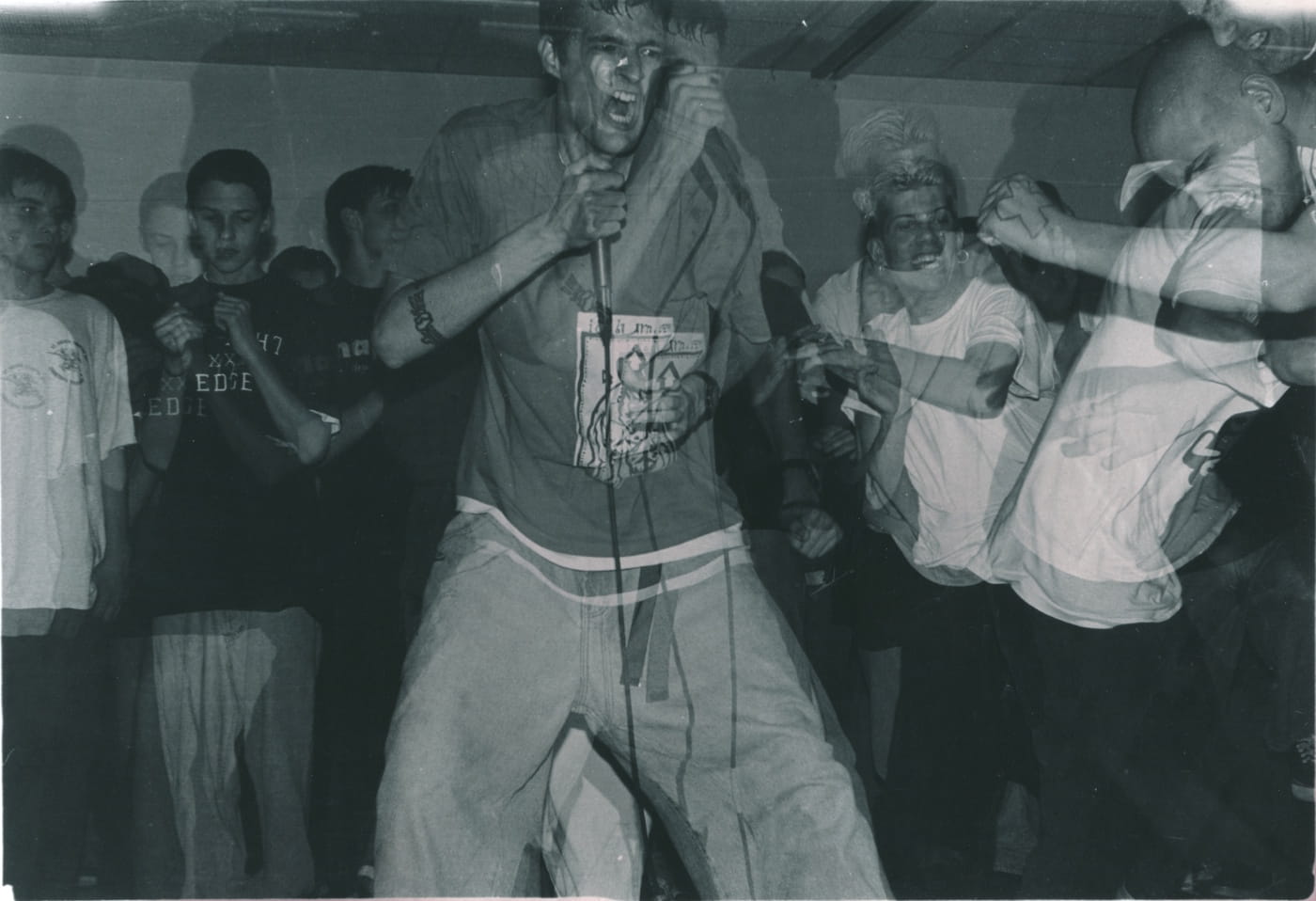
What changed around Inkwell was another small network taking shape.
Phil met Jeff Heinrich, also known as Jeff J Jawk, and Matt Mauldin of Car vs. Driver, who was singing for Bloodspoon at the time. They connected over Born Against, Rorschach, the expanding Ebullition catalogue and bands including Downcast and Struggle. Gavin and Mike Phyte moved to Atlanta for college and were interested in the same stuff.
Car vs. Driver and Scout were already active. With suitable all-ages venues scarce, people simply began putting on shows in houses.
Inkwell were chasing something closer to Groundwork, Heroin and Current.
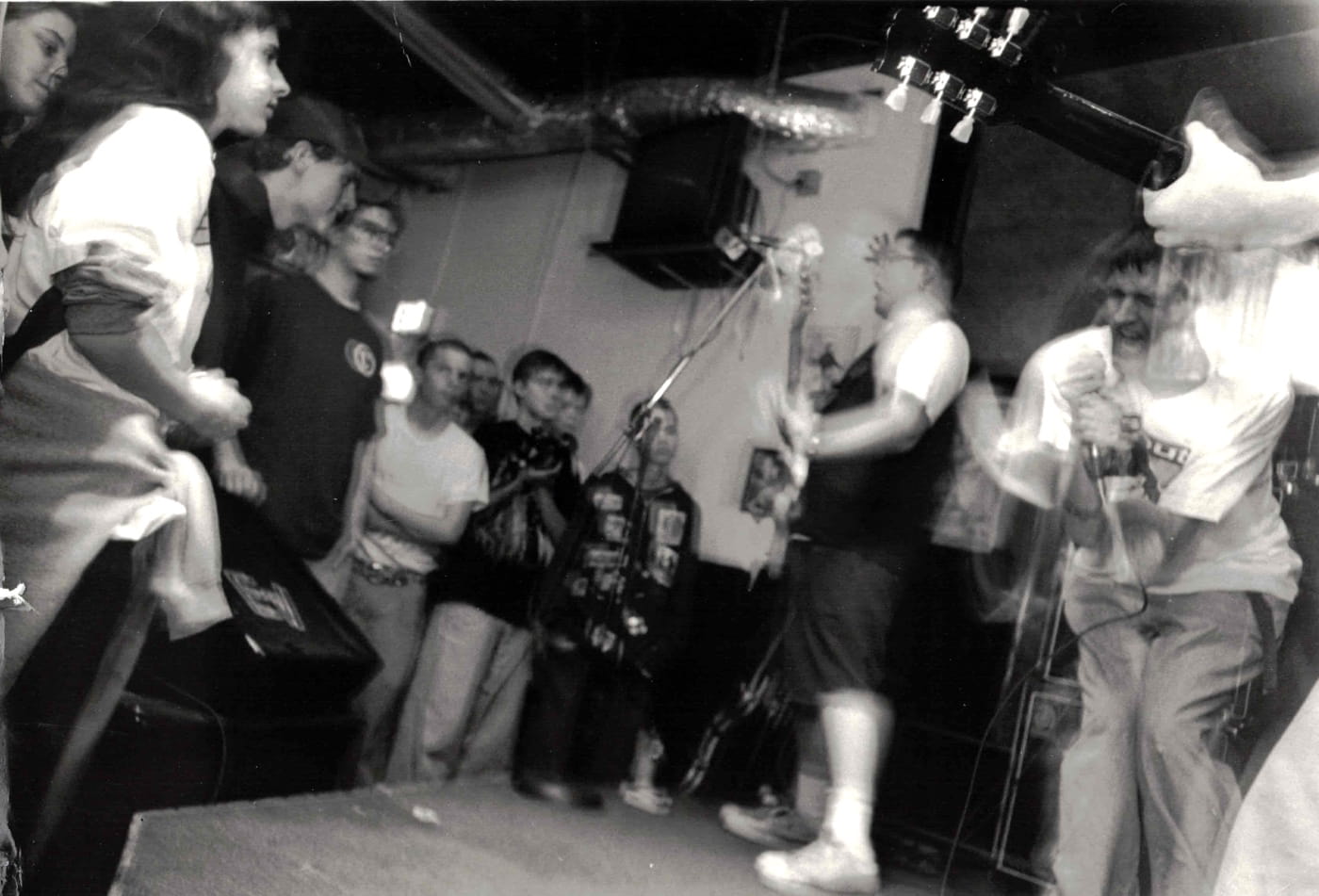
“It may be a stretch to say we ‘helped start a scene’ but I think we were a pretty integral part in that we played a bunch of house shows and probably brought in more younger crowds from the suburbs looking for something ‘new’.”
They played a few clubs, but houses did most of the work. Car vs. Driver, Scout, Freemasonry and the Hal al Shedad were immediately around them. Wheeljack, Portrait, Kossabone Red and the Forty-Two followed, then the house-show crowd and the older Duluth scene began mixing more freely, bringing bands including Broken, Thenceforward and Regicide into the same wider pool.
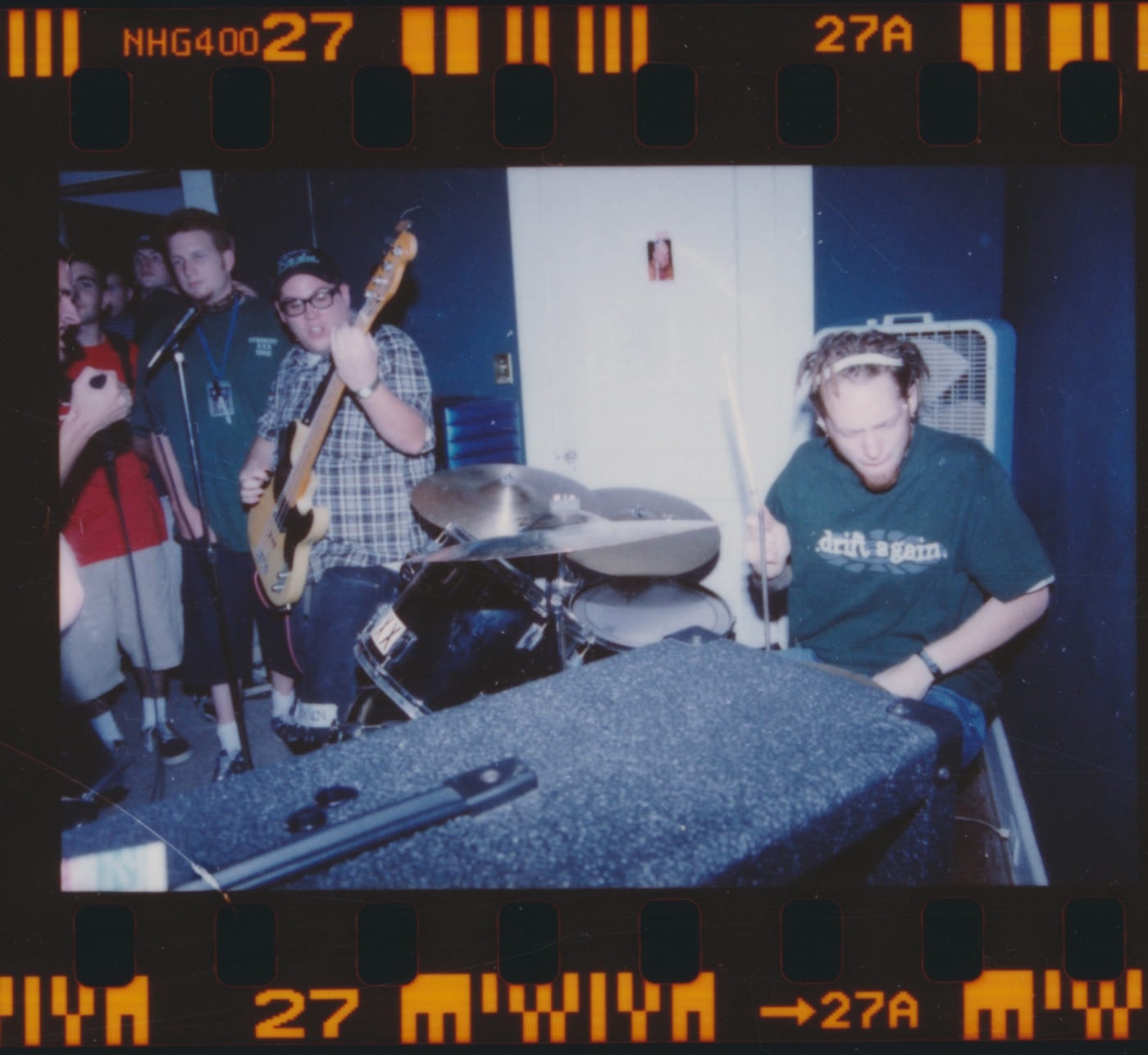
“There were just tons of bands of all different styles all playing together, too many to remember. It all seemed to happen very fast. And all these cool new bands would break up and form even better bands, so for a handful of years it seemed quite healthy!”
There was crossover with Atlanta’s indie scene too.
Even better-known touring hardcore, emo and Dischord bands might choose a house rather than a club or bar. Surviving Beyond Failure flyers document Inkwell repeatedly turning up in that house-show network throughout 1995 and 1996.
Marc’s day job gave Inkwell one particularly strange recording opportunity. He worked as a sound engineer at Purple Dragon Studios, where he had assisted on TLC and Outkast sessions. The band could come in around midnight and use a proper professional studio overnight.
“It was located on probably the biggest gay cruising strip in town so there was lots of activity happening all around all night,” Phil recalled.
Marc ran their session himself. No engineer had to be brought up to speed on what the band wanted. Other rooms were occupied mostly by hip hop sessions.
Phil vaguely remembers somebody he thinks was from Goodie Mob hearing one of Marty’s bass lines from the hallway, coming inside and getting into what the band were doing.
“I also have a memory of Juvenile smoking ‘cigarettes’ dipped in formaldehyde or something, and just kinda not quite being able to wrap my head around it. Everyone was super cool though.”
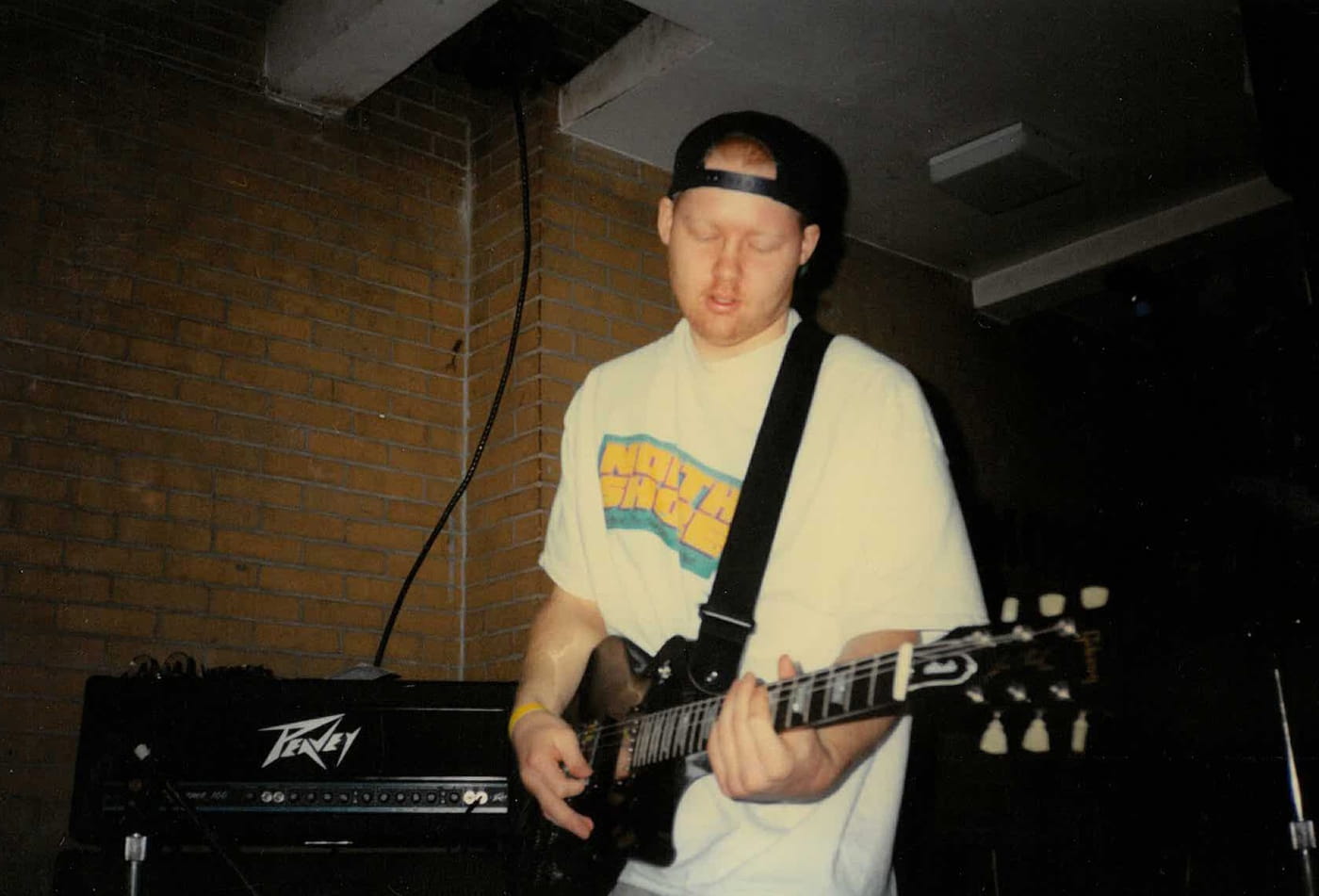
The Purple Dragon recordings became their first 7″. Phil handled the master design work and, according to Joe, somehow found the most expensive materials available to make it. Gavin traded copies around the world through Stickfigure.
Letters started arriving from other countries.
A split 7″ with the Hal al Shedad followed, then a second 7″, “Shine So Bright”. Another short tour brought bigger crowds than their first attempt.
And somewhere in there, an album started to seem possible.
Before their final tour they had perhaps three or four new songs in progress, with around two already being played live without proper lyrics. The idea was to develop those, come home with more ideas and see whether an LP was sitting there.
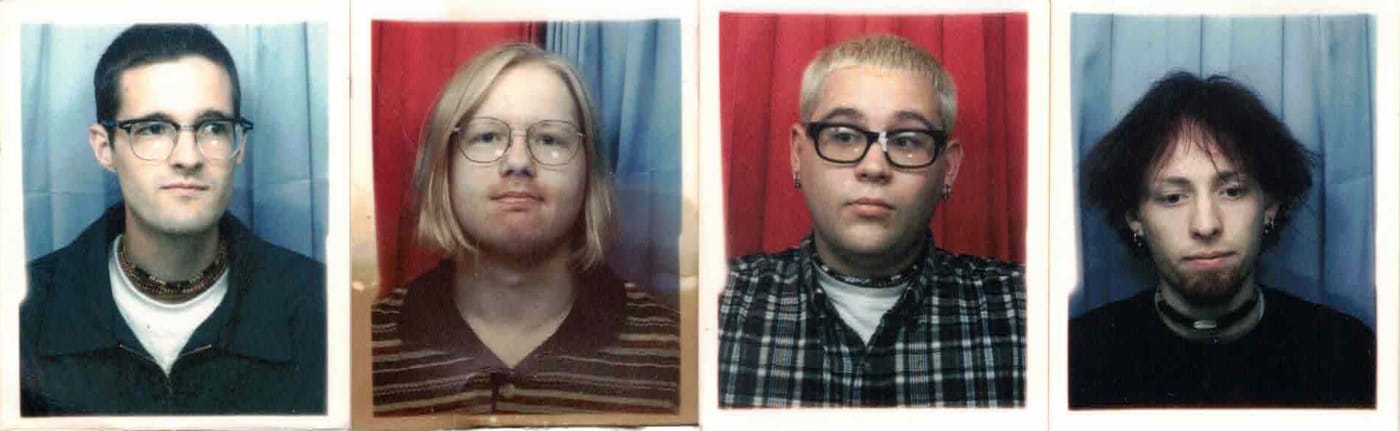
Phil calls it “mostly a pipe dream pre-tour,” but there was enough happening for him to wonder what a longer-running Inkwell might have become.
“I feel like we were starting to make some new and interesting stuff (since our tastes were starting to differ) and I think if we kept it going we might have had some cool/different things going on.”
The differences in taste were only part of it.
Phil was finishing a demanding hands-on design school, trying to build a graduate portfolio while juggling work and finding it increasingly difficult to leave for tours. He was mentally drained. Marty was also buried in art school. Marc had been travelling as a soundman for CIV and Into Another, while becoming interested in other kinds of music. Joe still wanted Inkwell to continue.
There was no fight behind the breakup.
“I don’t think it was anything ‘bad’ or negative in any way,” Phil said. “Life things were pulling us all in different directions.”
They expected to finish the final tour, come back with enough new stuff to get closer to an LP, then work out where they stood.
The tour was fun in hindsight, but punishing while it was happening. By the time they returned, they had decided to stop. Nobody seriously tried to keep Inkwell alive afterwards.
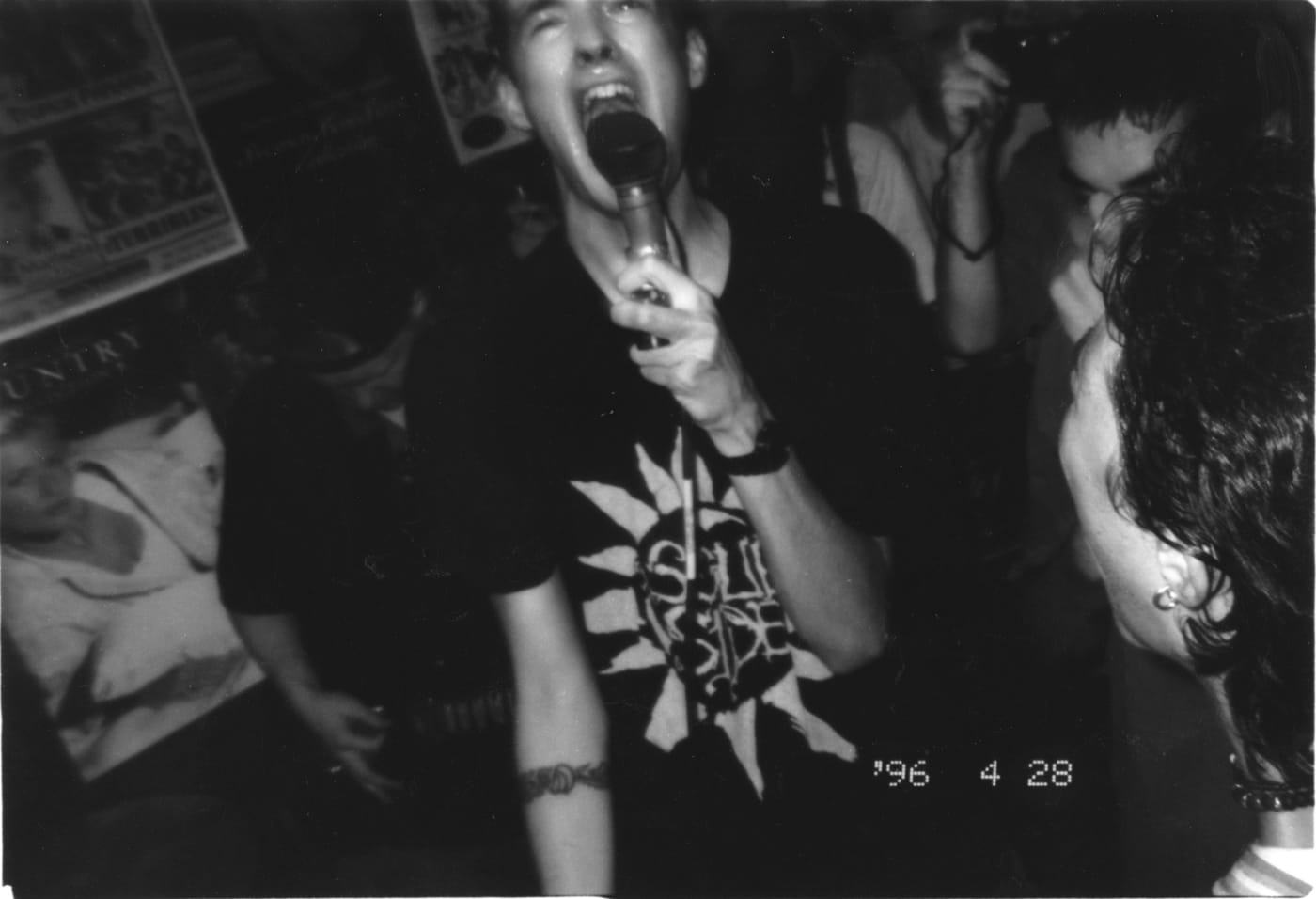
The unfinished songs disappeared with them.
“The hope was to have those fleshed out and maybe have a handful of new ideas to lay out when we got back, but unfortunately that didn’t happen. Or fortunately maybe? haha. It could have been terrible, so there is something about burning bright and fast and not overstaying our welcome, which feels good.”
Joe, however, kept the existing band alive in another sense.
“Joe was essentially the backbone of Inkwell,” Phil said. “He’s the one that kept everything in order and kept it moving forward. Long after we were done, he’s the one that kept the idea alive and handled the remaining records and dealt with it all.”
A complete discography had been discussed since the 7″s disappeared.
For years, they tried to locate the original DATs and tapes. They were gone. A CD seemed impossible.
Once MP3s and streaming became commonplace, Joe began collecting whatever survived. Some songs came from records he ripped himself, others from copies people had uploaded over the years.
During the pandemic, he and Phil seriously returned to the project. Joe gathered the recordings while Phil worked on the artwork. Vinyl reissues of bands from their period were becoming common, which made the whole thing seem possible again.
Then they learned how serious Joe’s condition was.
They pushed hard to finish it.
They did not get there in time.
“We really had about 90% of it done when he passed, so I’m happy he was able to at least check things out beforehand. We were pushing pretty hard for it to get done but time got the best of us.”
Phil does not need many words beyond that.
“Joe was/is Inkwell. He was an amazing friend and really meant the world to us.”
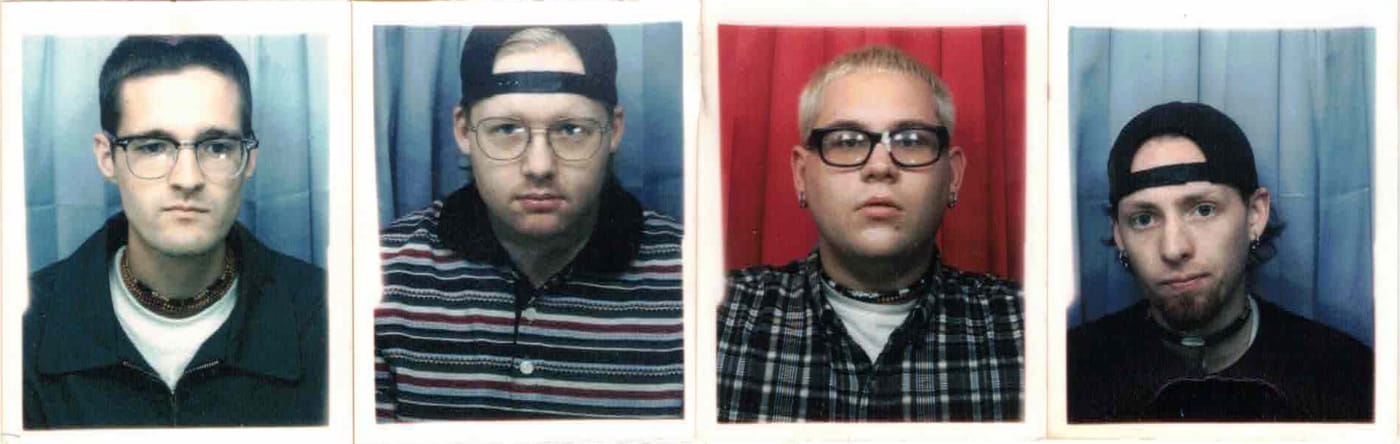
Angel Marcloid of Fire–Toolz was recommended to Phil by Tre McCarthy at Deathwish and took on a job that was closer to reconstruction than conventional remastering. Joe had accumulated assorted recordings and vinyl rips. Angel looked across the internet for better copies where she could find them and worked with the limitations rather than pretending they were not there.
“She understood exactly what we wanted to do and how to best use all the random pieces we had and not BS us about the limitations,” Phil said. “She was able to piece it all together and get it to sound like one cohesive thing which was pretty cool. She was extremely patient with my nonstop questions, haha.”
The band initially planned to release the collection themselves. After Joe’s death, doing that became difficult both practically and emotionally, and the project stopped while they worked out what to do next.
Then Phil happened to be working with Gavin on the Car vs. Driver LP reissue.
He half-jokingly suggested that Stickfigure should put out Inkwell too. Gavin immediately said yes.
“So then I scrambled like ‘wait, of course it should be on Stickfigure.’ So I mentioned it to Marty and he agreed. So then I had to get off my butt and finish the artwork.”
It made sense for reasons that went back to that lousy garage show in 1994. Gavin had been there before Inkwell’s best year even started. His distro had moved their 7″s internationally. Stickfigure had supported them while they were still a band, and Gavin says the label had always loved Inkwell.
“Gavin was with us since the beginning and we would have never gotten far without his distro and promotion of us all over the world,” Phil said. “So it made obvious sense and we’re pretty stoked to finally have this out there.”
Their actual ending had happened three decades earlier in Steve Wishart’s basement.
Inkwell played one show after returning from tour that they thought could be the last. It did not feel right. They were tired and not really into it.
So they played once more at the Driver Dome, alongside bands from the newly released Placebo compilation. Beyond Failure records April 27, 1996 as Inkwell’s final show and the compilation release party.
Joe remembered the biggest attendance the basement had ever seen, on a hot Georgia night that made the room feel like an oven. Inkwell played every song except one.
Phil’s memory is less precise and probably better.
“It was unbearably hot and humid, typical GA weather. The basement was absolutely packed. Which now looking back at it seems incredibly dangerous, haha.”
He cannot remember what he said from the floor that night. He remembers being happy. He remembers the bands, most of them people Inkwell had played with repeatedly, gathered in the same room. He remembers everyone having a good time.
“It felt like a proper ‘ending.’ There was never any bad blood or hurt feelings between any of us, we were all just kinda ready to move on, I think.”
Joe remembered what the flyer said.
“The end of an era.”
Thirty years later, Phil still intentionally goes back to Groundwork, Threadbare, Julia, Navio Forge, Amber Inn, Iconoclast and Converge. The night before answering our questions he had put on the Merel LP again and remembered how good it was. Streaming occasionally throws another forgotten band from that time at him and produces the same reaction.
There is little from the music he wants to leave behind in 1996.
“Maybe the JNCO’s and the neck chokers, haha.”
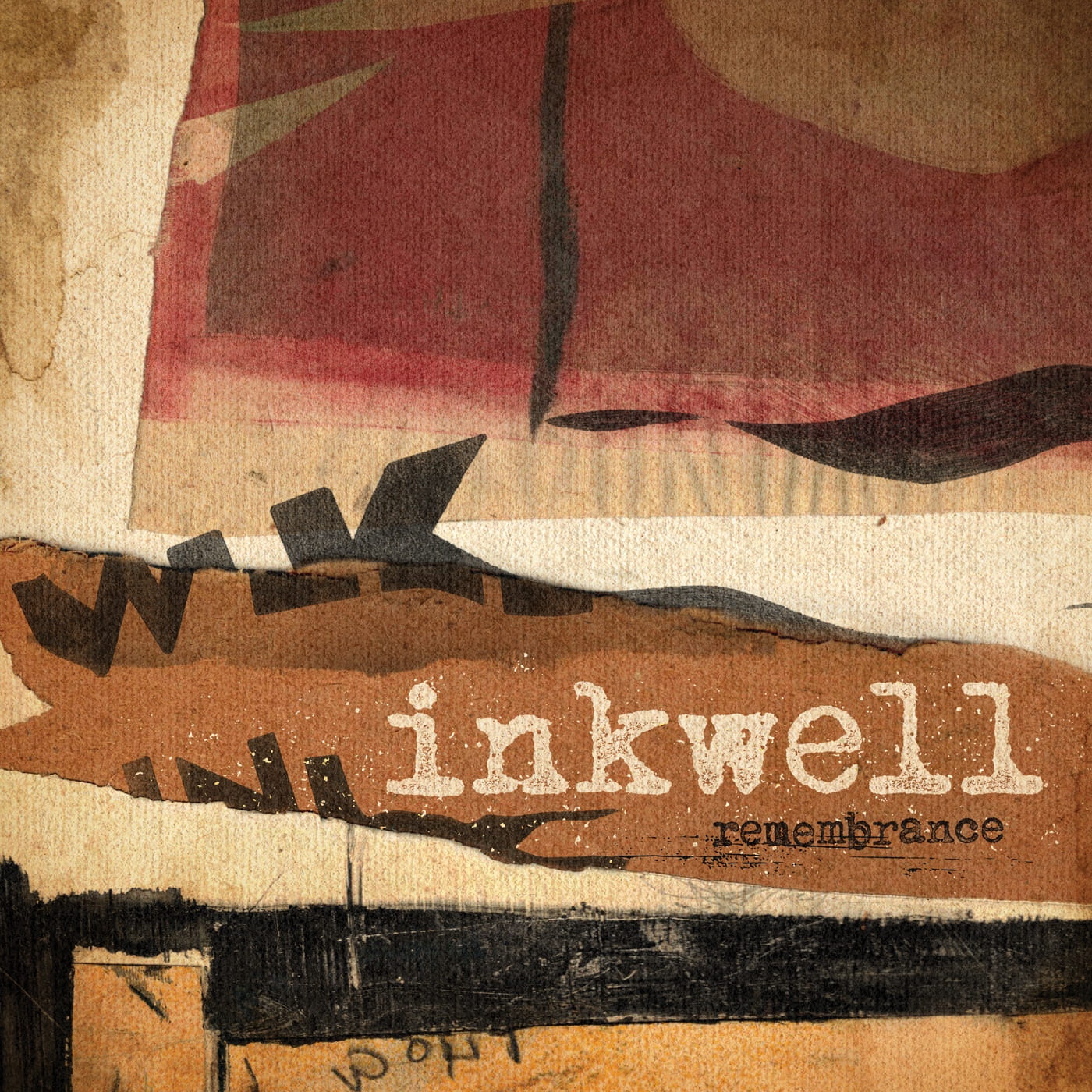
“Remembrance” is released September 25 through Stickfigure Recordings, with pre-orders opening August 27.
🔔 IDIOTEQ is ad-free, independent, and runs on one person’s time. If you want it to stay that way: DONATE via PayPal or SUPPORT via Patreon.
NEW: IDIOTEQ Explore 🗺️ Browse 15+ years of our archive by city, country, and style. Find artists on the world map or trace related sounds through the styles map.
Stay connected via Newsletter · Instagram · Facebook · X (Twitter) · Threads · Bluesky · Messenger · WhatsApp.