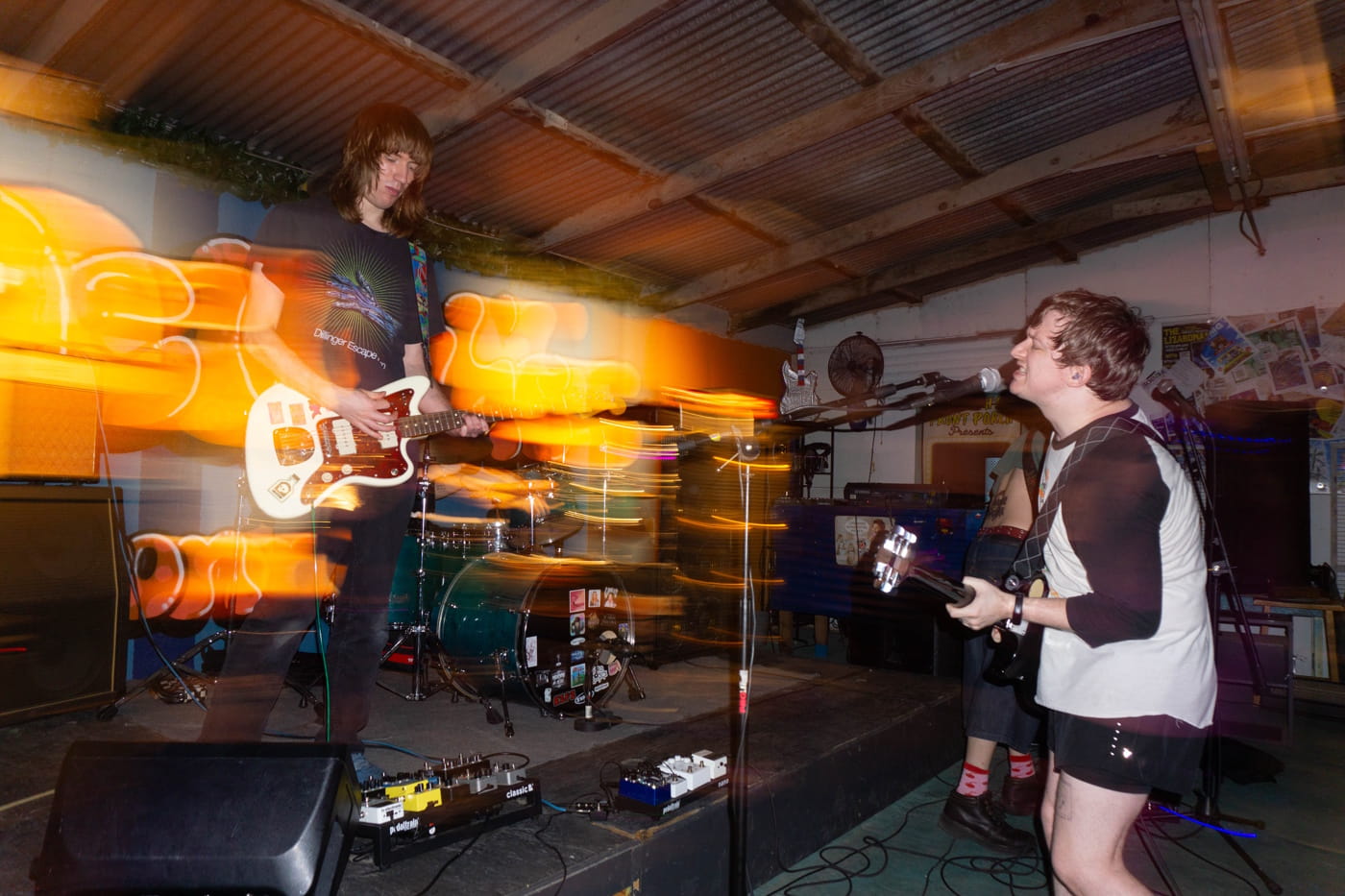


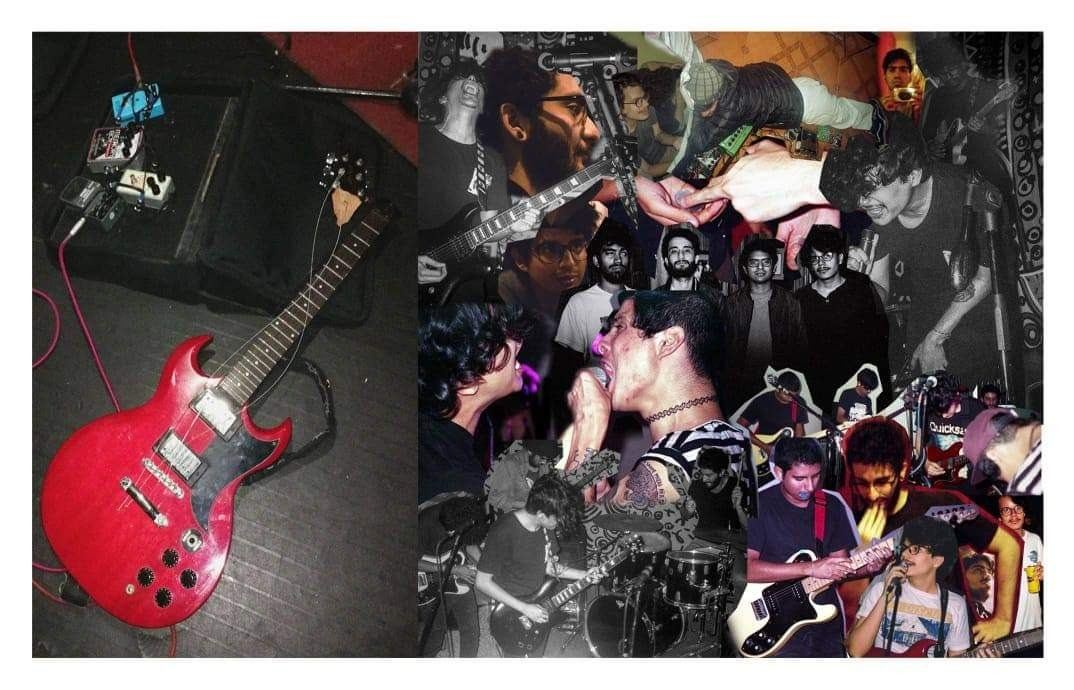
Cabras spent their first run as the odd band on Guayaquil bills. Formed in 2014, they were playing Spanish-language emotional hardcore with a post-rock tint in a city where “emo” still meant the commercial 2000s wave to a lot of people, leaving them too noisy and screamy for indie shows and too emotional for many punk bills. They stopped in 2019, came back five years later, and found younger Ecuadorian bands who had gone looking for local predecessors and sometimes discovered Cabras only after they had disappeared.
Their latest single brings that whole stretch of the band’s life into the present. Released on August 28 through Pensador Records, “Pretendí levantar mis manos como antenas hacia el cielo” stays close to melodic emotional hardcore, with Carlos Proaño’s harsh Spanish vocals sitting inside a cleaner production from Julio Paredes and a post-rock pull around the edges.
Paredes recorded, produced, mixed and mastered it. He came out of Guayaquil melodic hardcore band Pavimento and has also worked with projects including Curetaje and Inminencia de una Alexitimia.
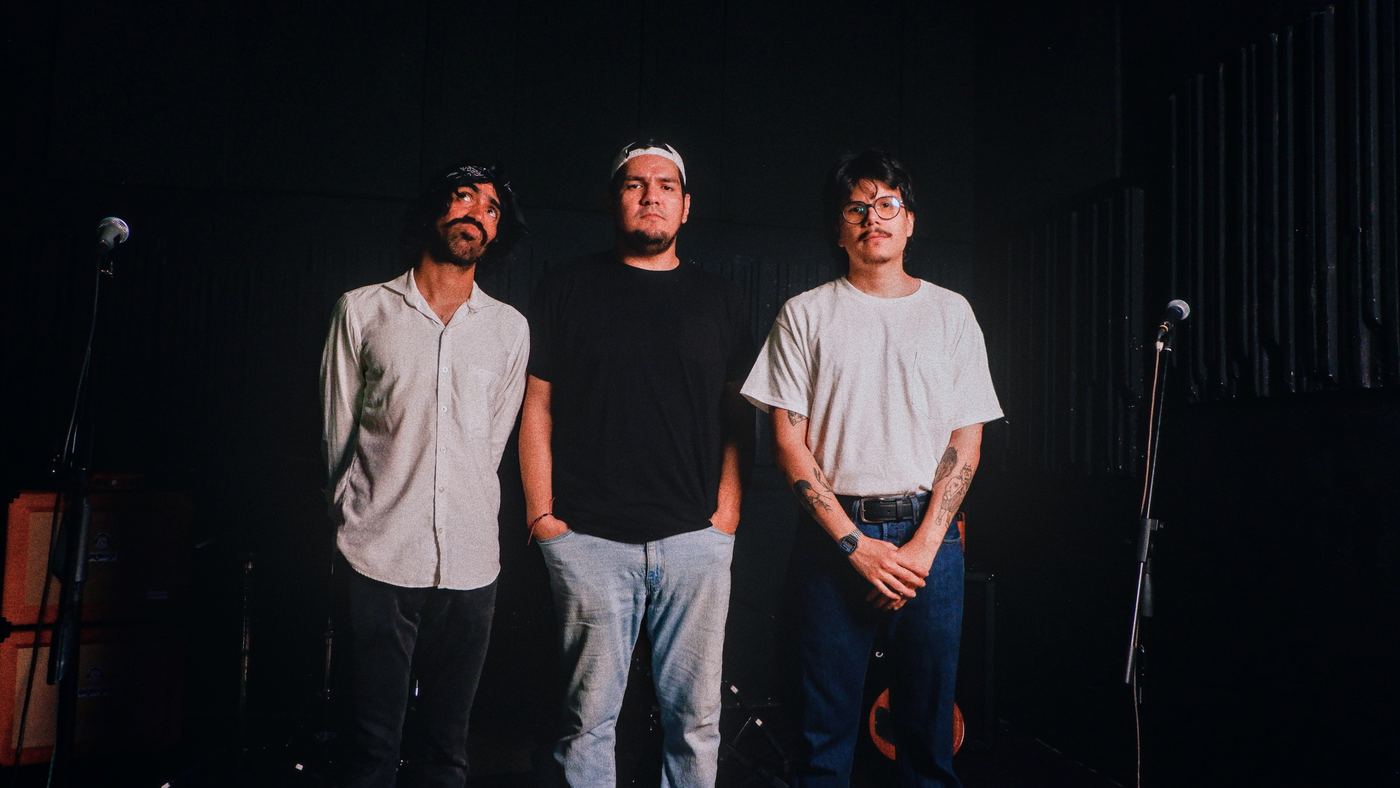
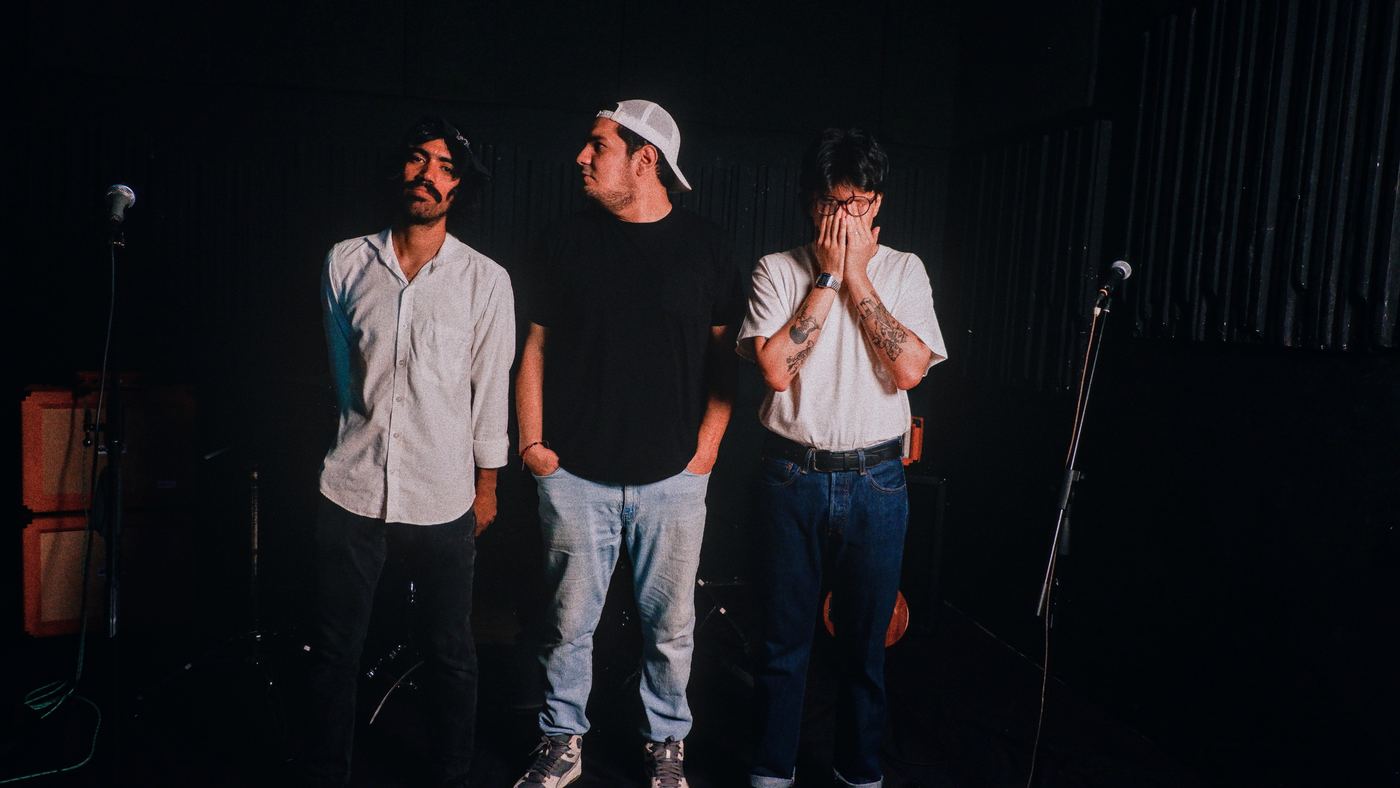
The song arrives with Cabras looking very different from the band that first stopped playing. The current lineup is Carlos on vocals and guitar, Xavier Rendón on bass, Andrés Veintimilla on drums and David Ayora on second guitar.
Its official video was directed by photographer and filmmaker Linda López and produced by Cóndor. It is their second official video after 2019’s “No olvidar, transformar”, directed by Rafael Plaza and former Cabras guitarist Adrián Vélez. The release show followed at Andes Brew Pub Guayaquil on August 29, with Kain opening and Cabras pulling songs from across their catalogue.
Back in 2014, Carlos remembers emotional hardcore in Guayaquil as “pretty much non-existent”.
The city had a fairly clear split between indie rock and what he calls Punk-with-a-capital-P. Cabras naturally spent more time around the latter. Esputo Catatonico, Zabandijas de la 18, Virgenes Violadoras and one of Carlos’s personal favourites, Lanny Barbie, were among the punk and hardcore bands active then.
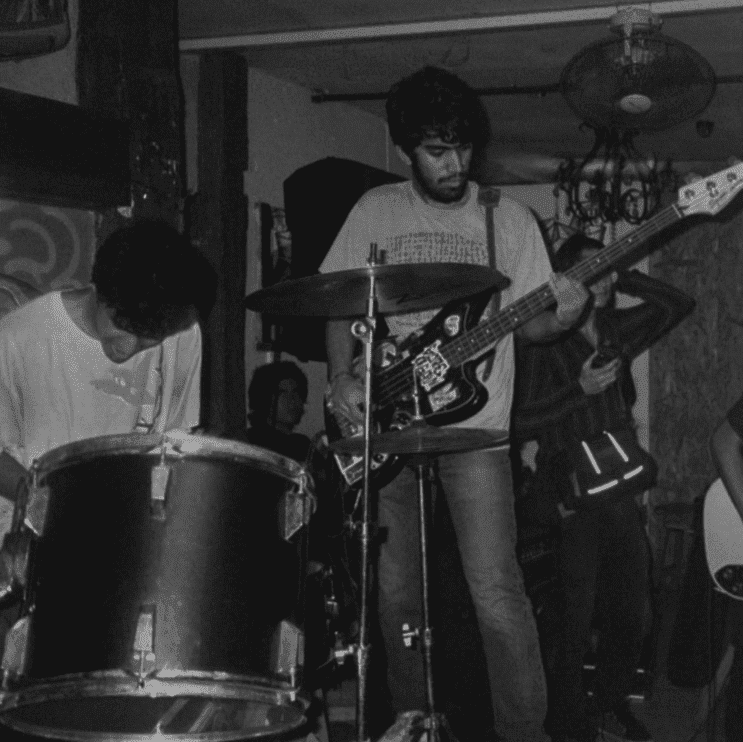
A smaller but busy deathcore pocket included Violent Crew and La Bicicleta del Diablo. Cabras had friends there, although they were never part of that circuit themselves.
“We were too noisy and screamy for indie rock shows and too emotional and atmospheric for punk shows, so we always stood out as the odd ones in most of the shows that we played,” Carlos said. “Also, in people’s minds, the label ’emo’ was still associated with the commercial era of the genre in the 2000s.”
He places Cabras closer to the 2010s emo revival and its renewed interest in 1990s emotional hardcore, DIY culture and stranger corners of the genre.
Locally, there was little room for that at first. The bands they eventually clicked with did not necessarily sound like Cabras. Dona Chateau played art rock. Amante de Niños came from noise rock. Quito’s Finlandia/Singapur were one of the few actual Ecuadorian emo bands Carlos knew, pushing towards a mathier, Midwest emo sound.
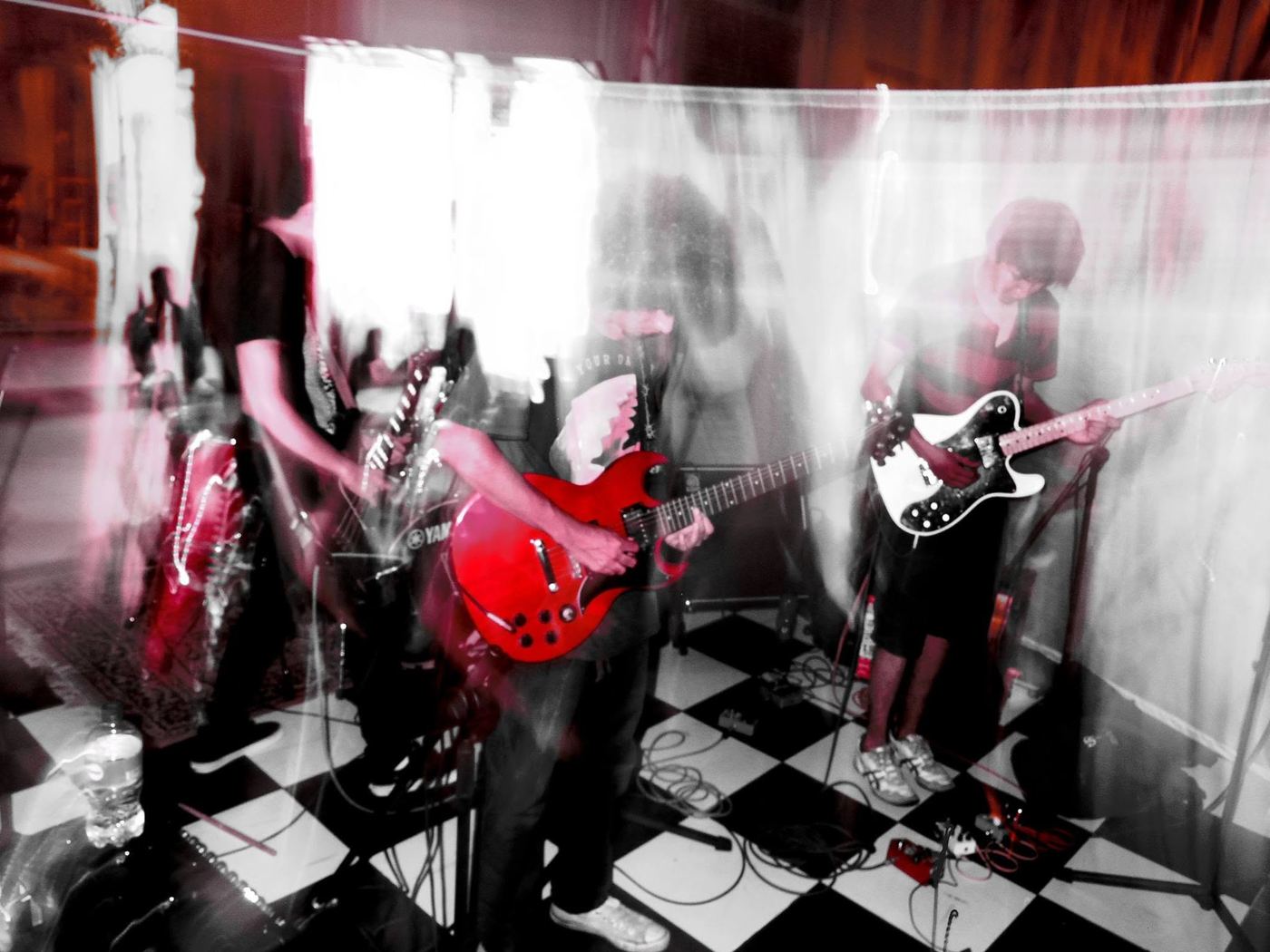
Those friendships lasted. Carlos and Dona Chateau frontman Victor Solorzano started putting on DIY shows as Cerro Negro. Dona Chateau bassist Xavier Rendón eventually joined Cabras. Dani Flores from Finlandia/Singapur built Muerte A La Miseria into a multidisciplinary booking and publishing platform with connections across the region. Jordy Giler of Amante de Niños became closely involved in Guayaquil’s small noise and avant-garde scene. Carlos remains friends with most of that circle.
There was plenty of punk history before Cabras too. Carlos points back to Union Punk in late 1990s and early 2000s Guayaquil, a loose group of mostly upper-middle-class kids that built one of the city’s largest punk communities, managed to bring NOFX to Ecuador and made a documentary about what they were doing.
Carlos was young enough to miss most of it firsthand. By the time he started going to shows, many of those bands had split or moved elsewhere.
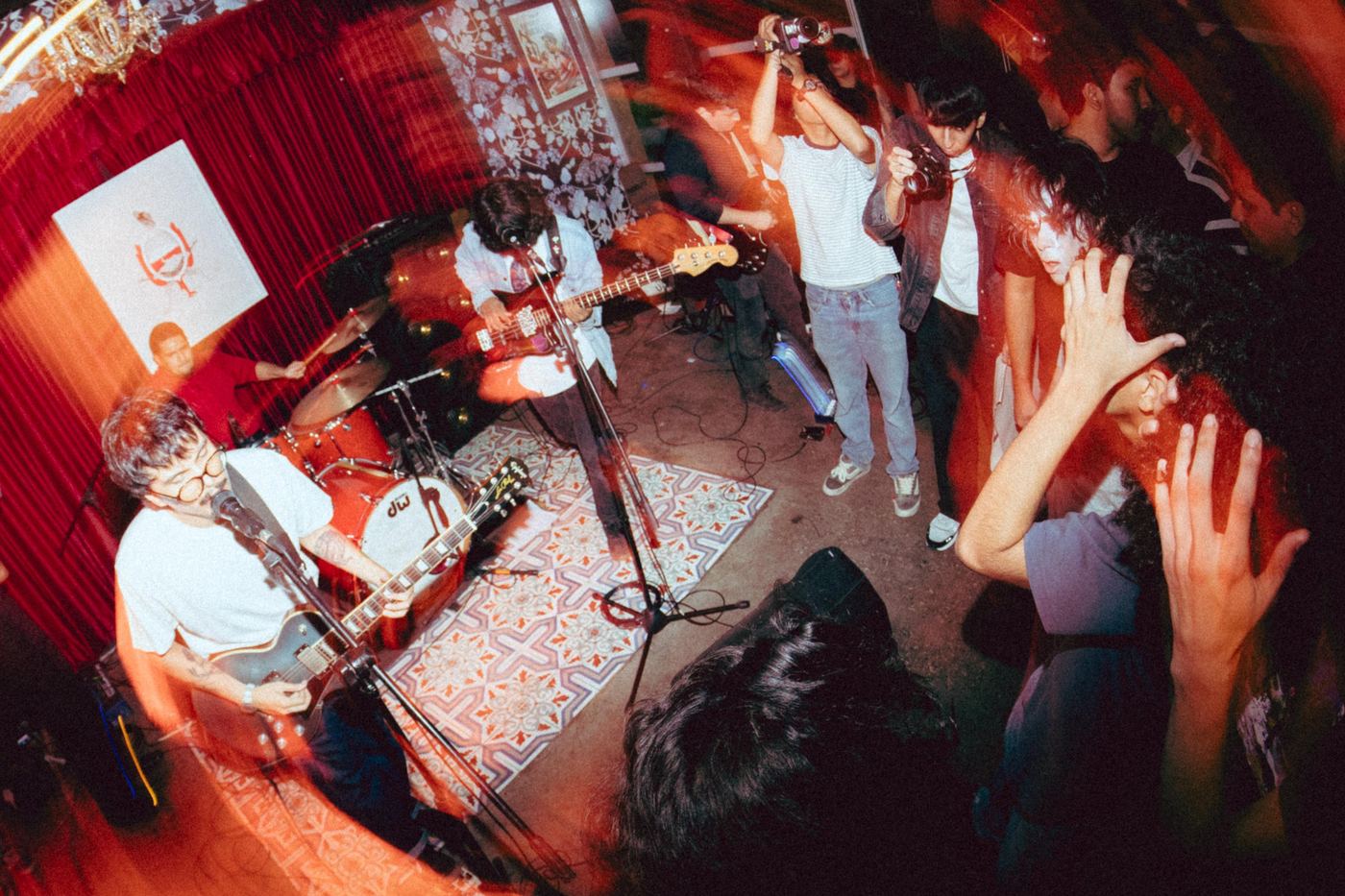
69 Segundos came from that period, playing fast and technical melodic hardcore and skate punk with personal lyrics. Ivan Casanova from 69 Segundos later played in La Muerte del Beta, the first Guayaquil emotional hardcore band Carlos remembers seeing.
He caught them twice and heard something close to early Glassjaw. Their frontman later died, and the band never properly recorded, leaving only low-quality live footage behind. Ivan continued organising shows under Jardín Atómico during Cabras’ first run and booked them a couple of times.
Wyświetl ten post na Instagramie
Pavimento were another link back to that generation. Their drummer was Julio Paredes, who later became one of Guayaquil’s busy producers for heavy bands and ended up behind the desk for Cabras’ current single. There is no neat direct lineage through one style. The older connection mostly comes through melodic hardcore.
Cabras had released two EPs by 2019. The end of the first run was ordinary enough. They had met in their early twenties. University was finishing, jobs were starting, recording cost a lot and getting everyone into the same room for rehearsal became harder.
“Playing in a band was, and to some extent still is, something we do purely out of love for this type of music,” Carlos said. “There has never really been an intention to turn the project into something commercially successful. I also don’t think it would be viable to make a living from this type of music in Ecuador, so, by definition, this is a project that could come to a stop at any point if life gets in the way.”
It did. “In retrospect, we all felt that we had to put our shit together personally, and that became a priority.”
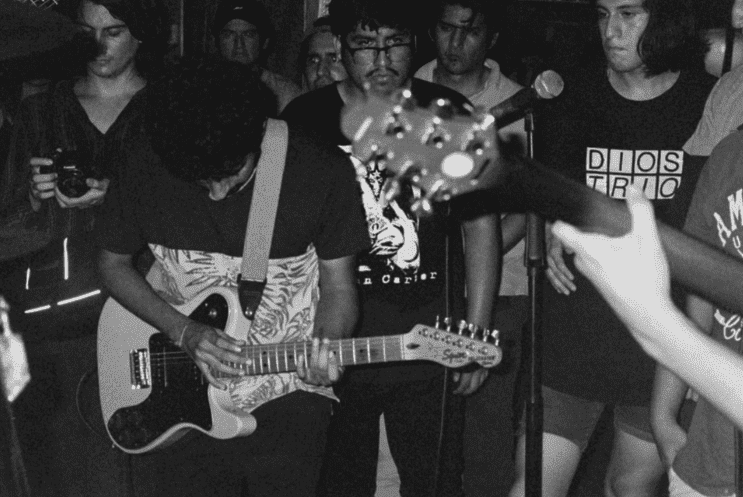
Carlos also links the loss of momentum to Ecuador’s political situation, increasing drug-related violence and governments he describes as authoritarian and right-leaning. The pandemic arrived the following year. By his account, the combination of those pressures and their own lives killed the urge to keep making music. The stop felt final at the time.
They stayed friends.
A younger guitarist from Cuenca eventually started bothering Carlos about playing Cabras songs again. Joaquín Galarza of Wilson Serrano had found the band while searching for Ecuadorian references for his own screamo band, then got in touch around 2022. He and Carlos bonded over music and gradually became close friends.
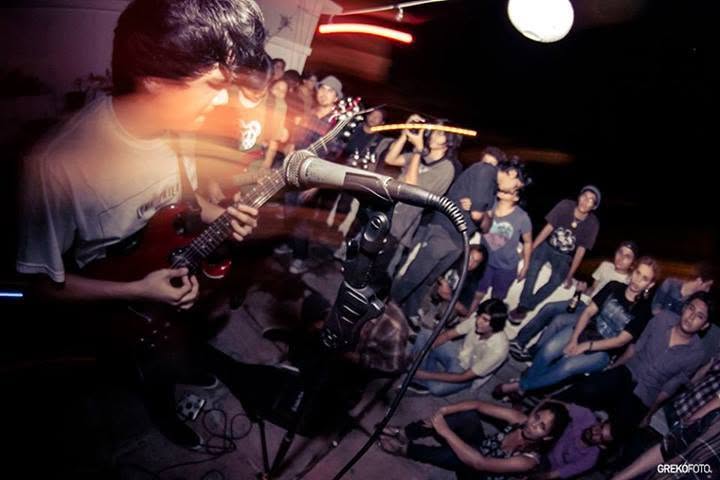
Finding Cabras had taken Joaquín months of internet digging. He liked Mom Jeans and followed them on Facebook. When they played in Mexico with No Somos Marineros, that led him to Joliette.
Following Joliette took him towards Peru and Movimiento Circular de los Árboles. He messaged them asking about Ecuadorian bands, and Cabras came back as a recommendation. Old Fiesta Bizarra flyers from their 2017 Ecuador visit provided another trail, showing Cabras and Finlandia/Singapur on the bills.
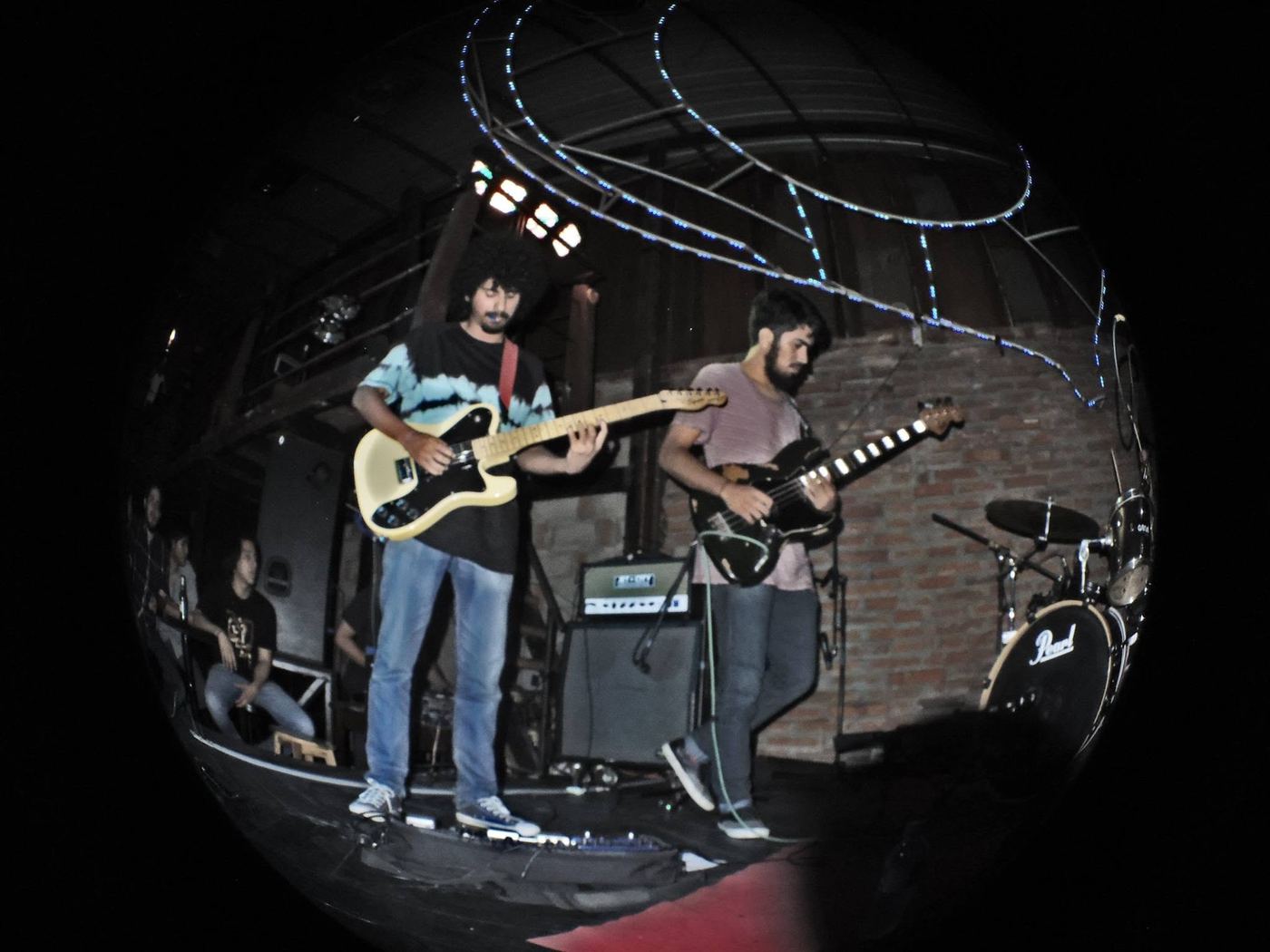
Wilson Serrano had been struggling with the same local uncertainty Cabras knew from their own early years. Joaquín says people sometimes mistook them for a metal band. At other shows, it was unclear whether anyone thought of them as indie or punk. They knew few Ecuadorian bands working close to the music they wanted to make.
“For us, and especially for me, discovering Cabras was a huge moment. Realizing that there were people making music that was so exciting and so close to us was amazing,” Joaquín said. “The problem was that we discovered Cabras in 2019, just a few months after they had ‘broken up’ – or rather, stopped playing. It was also sad to realize that something so inspiring had existed, but that we were never going to have the chance to see them live.”
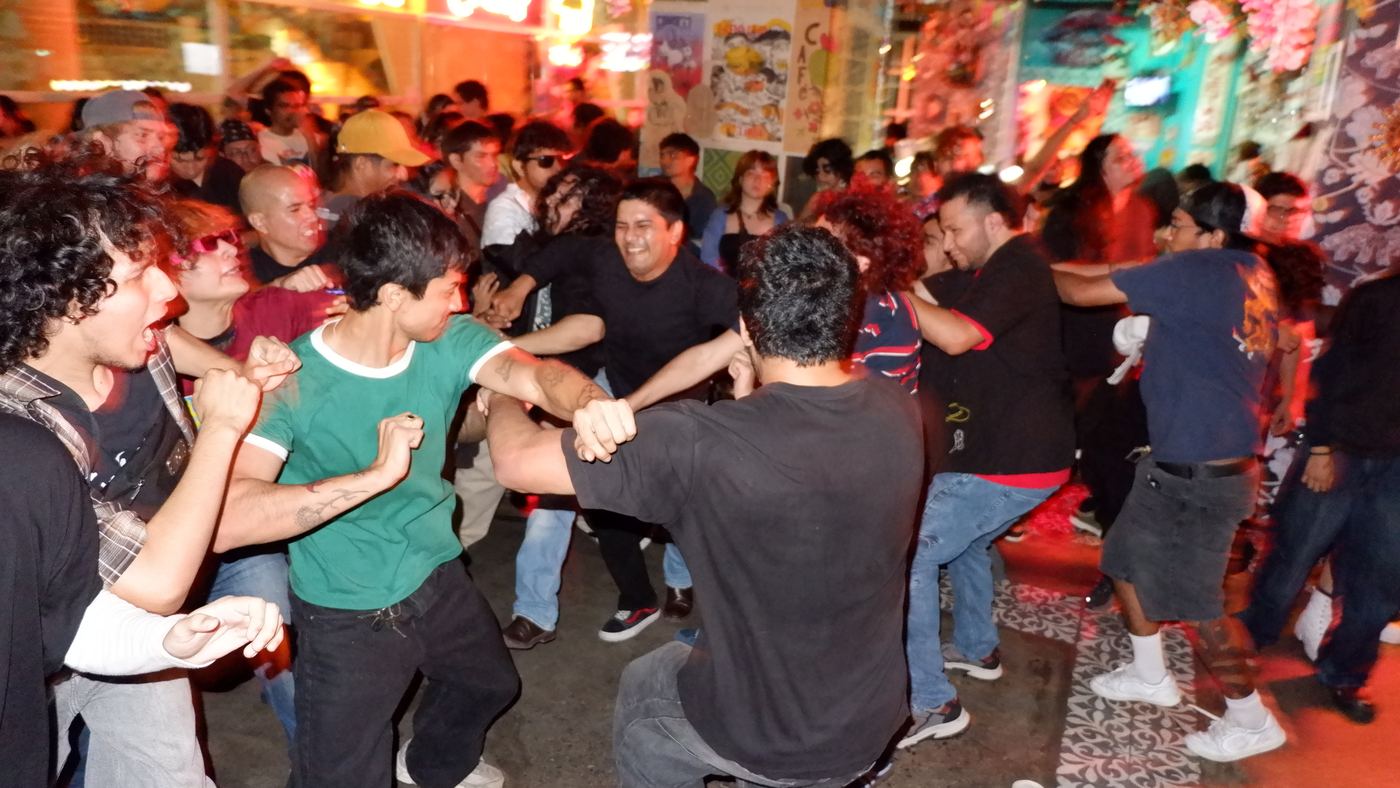
He compared it to discovering William Bonney in 2016 and then learning they had already been gone for several years.
A friendship with Carlos and Dani Flores followed. At one point Carlos came to Cuenca with his wife, Angi. They went out to eat with Joaquín and people from Huracán N90 and other local bands. Angi suggested Cabras should play again. Joaquín had already raised the idea a few times as a half-joke.
“At first, Carlos didn’t want to, but after a few beers he agreed, with one condition: that I would play his guitar and he would just sing,” Joaquín said.
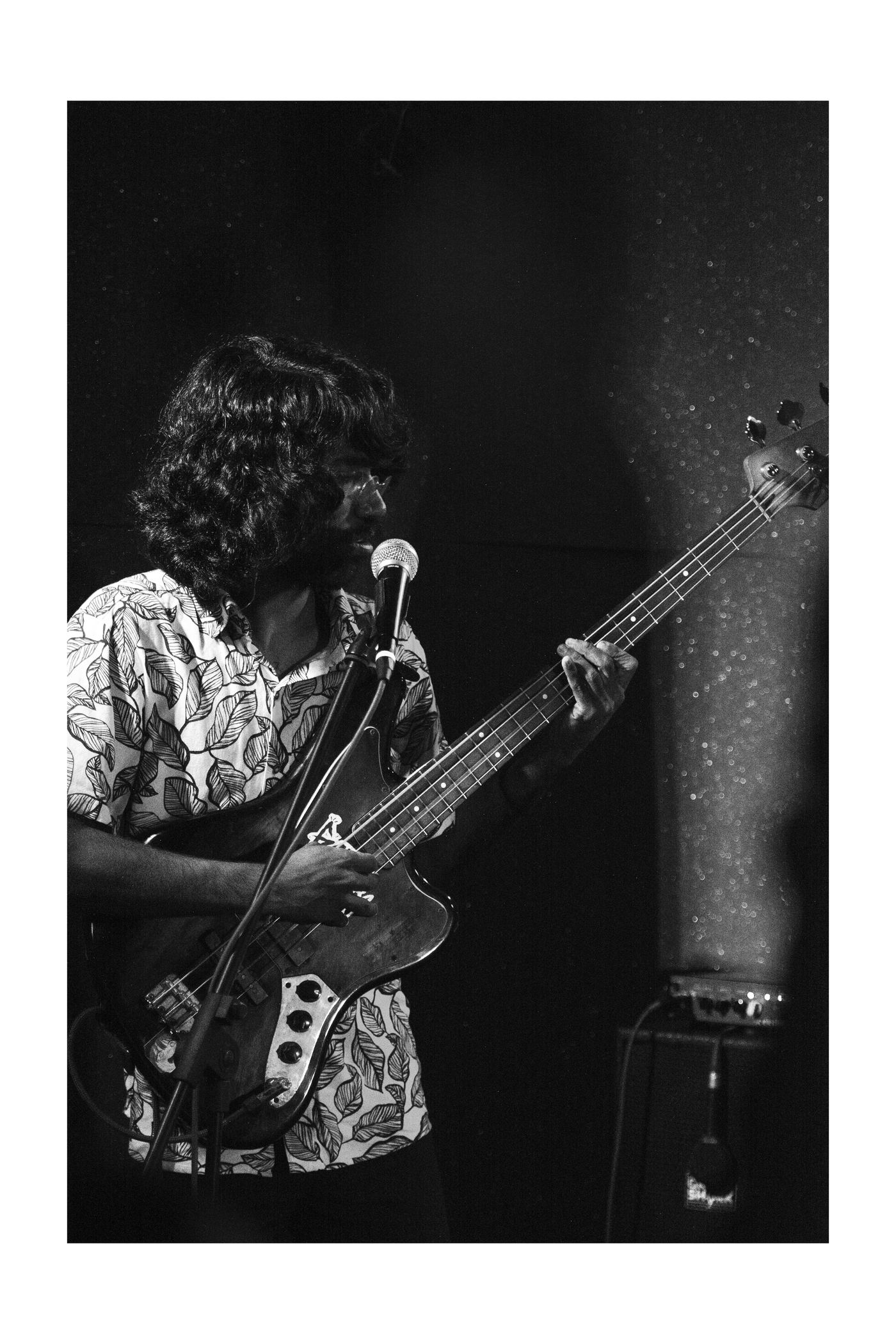
He did not expect Carlos to follow through. A few months later, after Joaquín had moved to Quito, Carlos messaged him to say he had started figuring the old parts out. Around December 2023 he sent Google Drive videos explaining the songs he could remember. Joaquín practised for months, then travelled to Guayaquil around April or May 2024 to rehearse with them.
Adrián Vélez and Xavier Rendón agreed to the reunion quickly. Drummer Juan José Araujo needed a bit more convincing after spending the intervening years further away from the local scene. He eventually came back too. Carlos moved to vocals for the reunion and Joaquín played his guitar parts. Carlos still pulls him onto the stage when Cabras and Wilson Serrano end up on the same bill.
“Something about Cabras felt incomplete,” Carlos said. The band had picked up a small local cult following during the years around their first run, and they still thought there were things they had never managed to do properly.
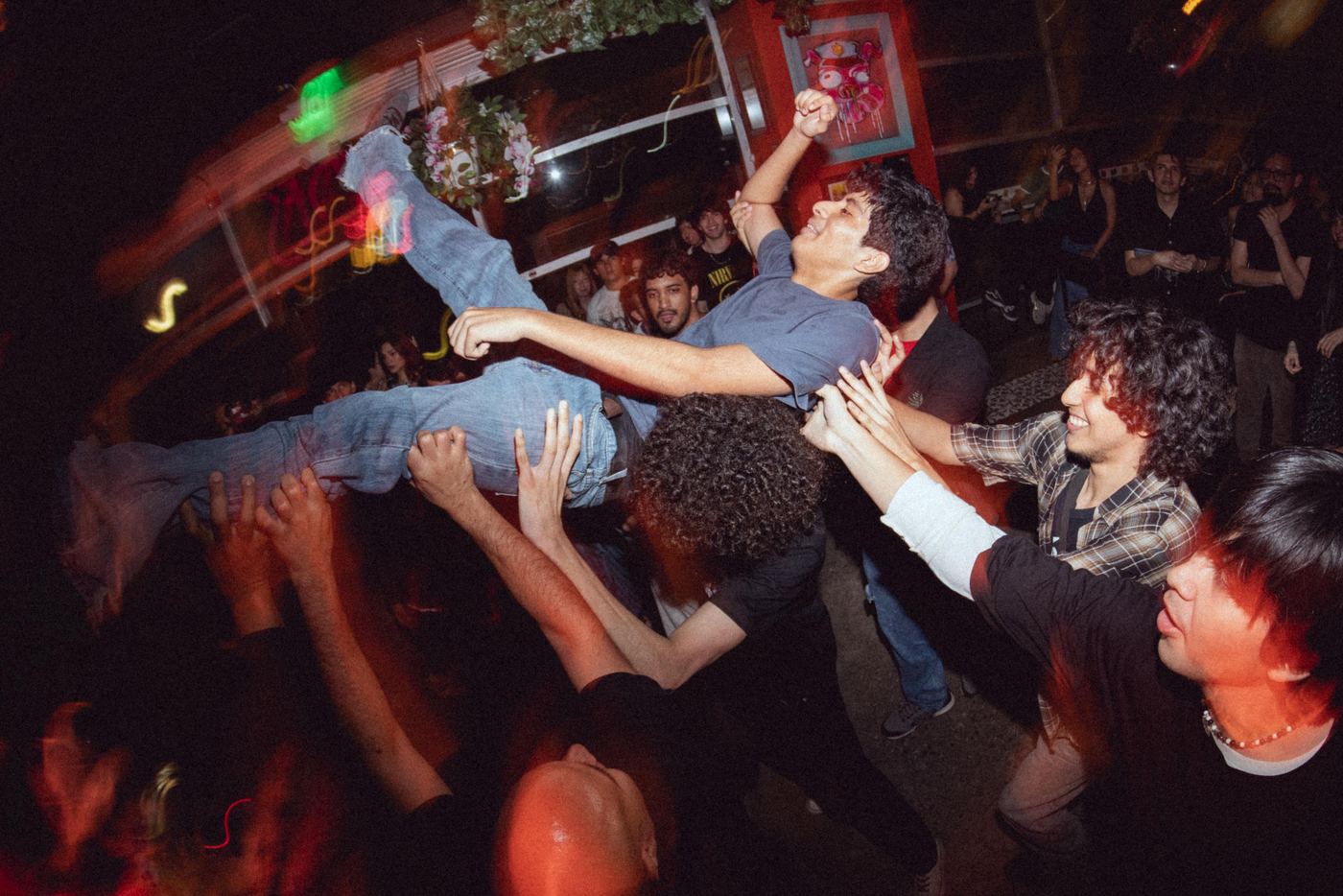
The planned one-off became shows in Guayaquil, Cuenca and Quito, followed by a self-titled EP. “Cabras” was released on August 27, 2025.
Its songs deal with ageing, adulthood, the nervousness of putting themselves back into emotionally intense music and the strange question of whether a band still feels like the same band when everyone in it has lived another five years. The date matters here because Carlos initially remembered it as a 2024 release and later corrected it. August 27, 2025 is the confirmed date.
Four days later, on August 31, the first “97% Hardcore Emocional” festival took place in Quito. Muerte A La Miseria and Pop Sucio Records organised it, with Joliette, No Gracias, Finlandia/Singapur, Cabras, Razones Para Odiar, Hologramas, Homeless and Poncho playing. It was also Adrián and Juan José’s last Cabras show. Adrián was moving abroad. Juan José felt the reunion shows and EP had given him what he wanted from the band. They remain friends and still see one another. Carlos and Xavier are now the longest-running members.
Andrés Veintimilla joined on drums during 2025. For much of that year Cabras worked as a power trio and recorded “Pretendí levantar mis manos como antenas hacia el cielo”. Longtime friend David Ayora later joined on second guitar, taking them back to a four-piece. Idioteq – Cabras Q+A (Updated)
By then there were many more bands around them.
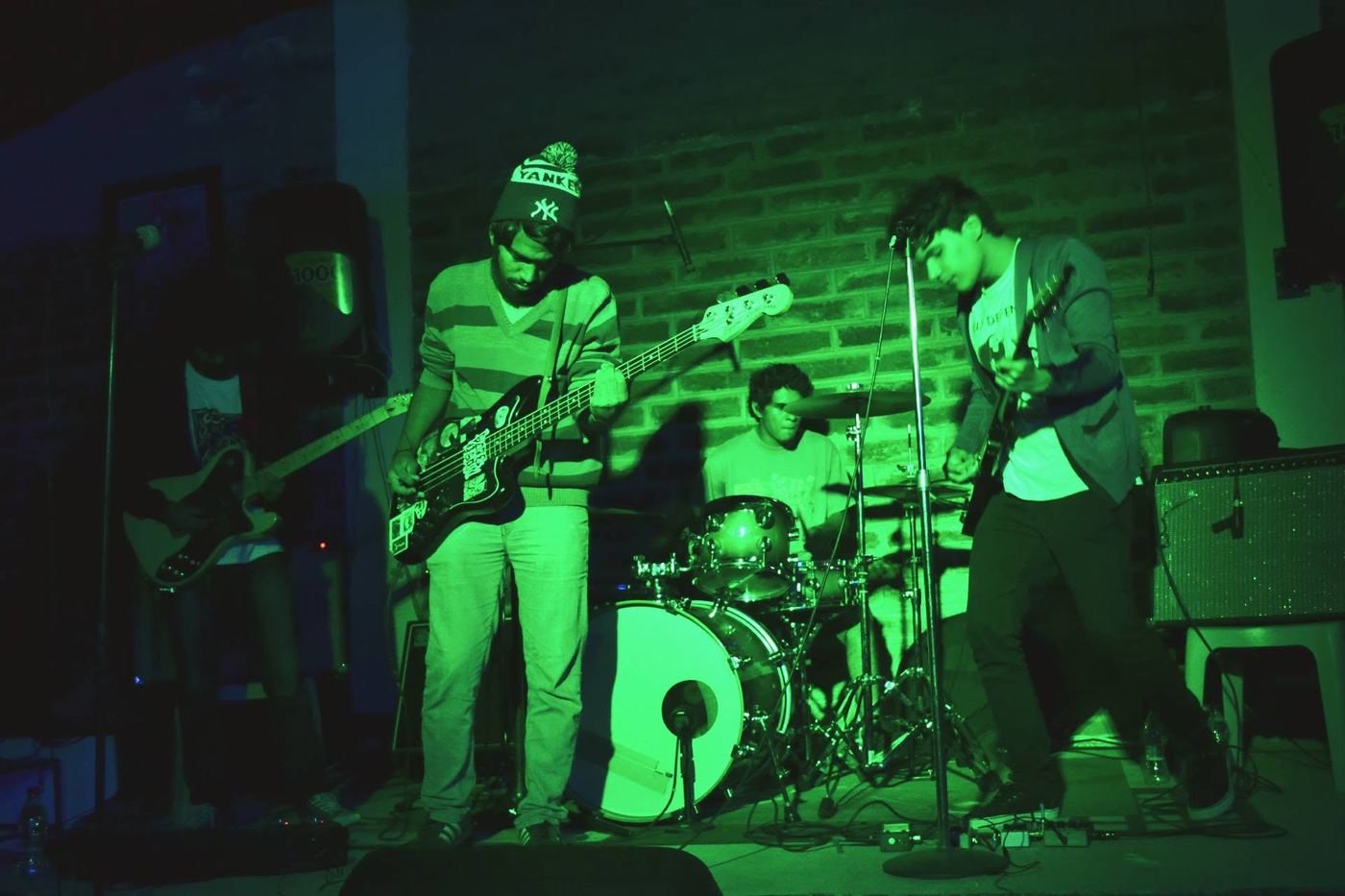
Carlos thinks part of the newer wave came from kids who were still in high school during Cabras’ early years and came of age around the pandemic. He also sees a difference in how they find music. TikTok and social platforms make obscure heavy music easier to reach, and he finds younger listeners unusually open to emotional music.
“In my generation and older, I think there’s still a bit of a stigma around being honest and vulnerable on stage, and this type of music practically demands radical honesty,” he said.
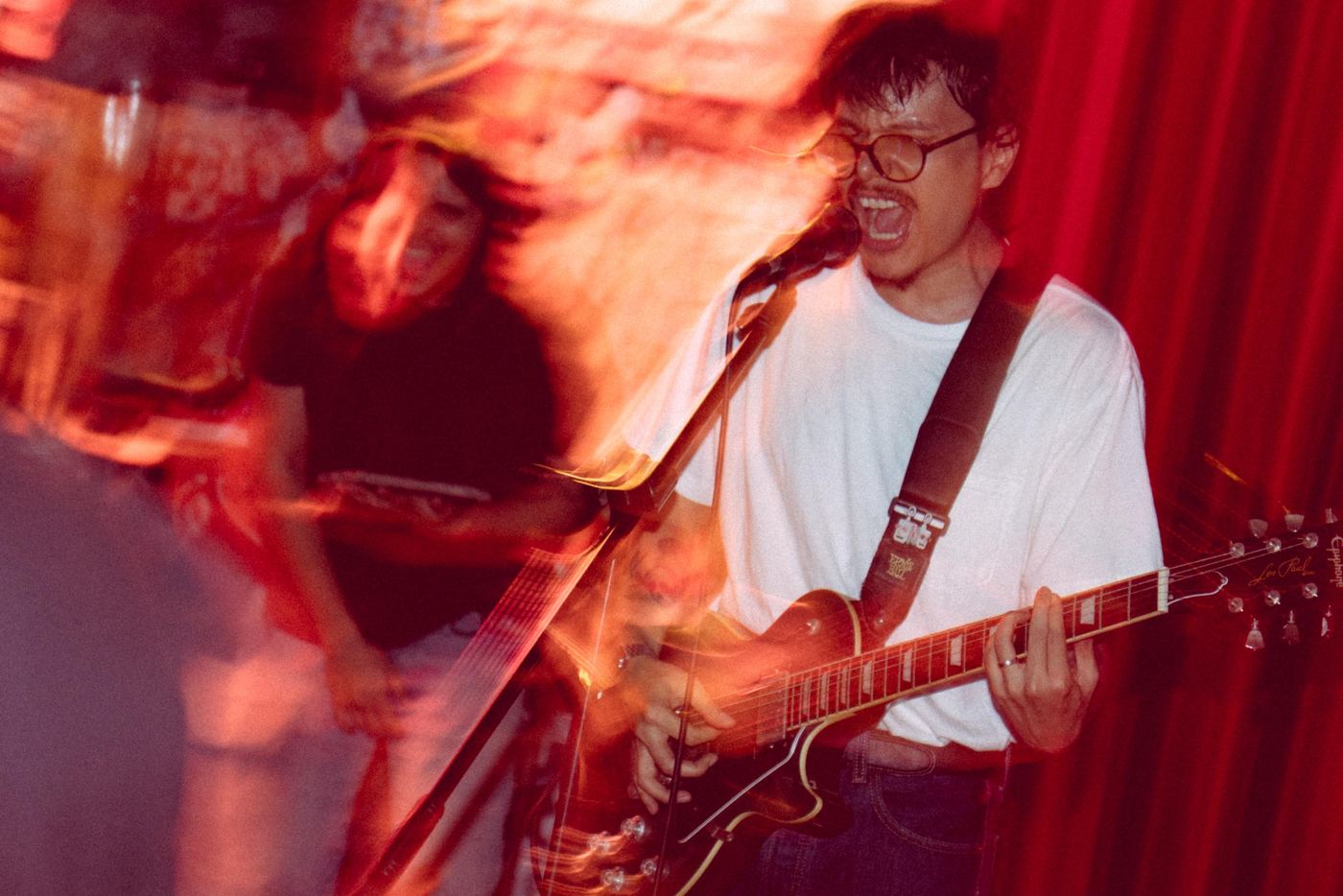
Once bands in different Ecuadorian cities became aware of one another, the connections became much easier to make. Bills started crossing city lines.
The Hardcore Emocional festival returned for a second edition. Cabras found themselves among the “older punks”, as Carlos puts it, happy to see younger bands getting somewhere and much more willing to support new versions of punk, emo and hardcore than some people from generations above them had been with Cabras.
The music differs from city to city. Guayaquil currently leans harder towards post-hardcore. Cuenca has more maths and Midwest emo in it. The north pulls from screamo, sasscore and metalcore, with a heavier Y2K look around some of the bands.
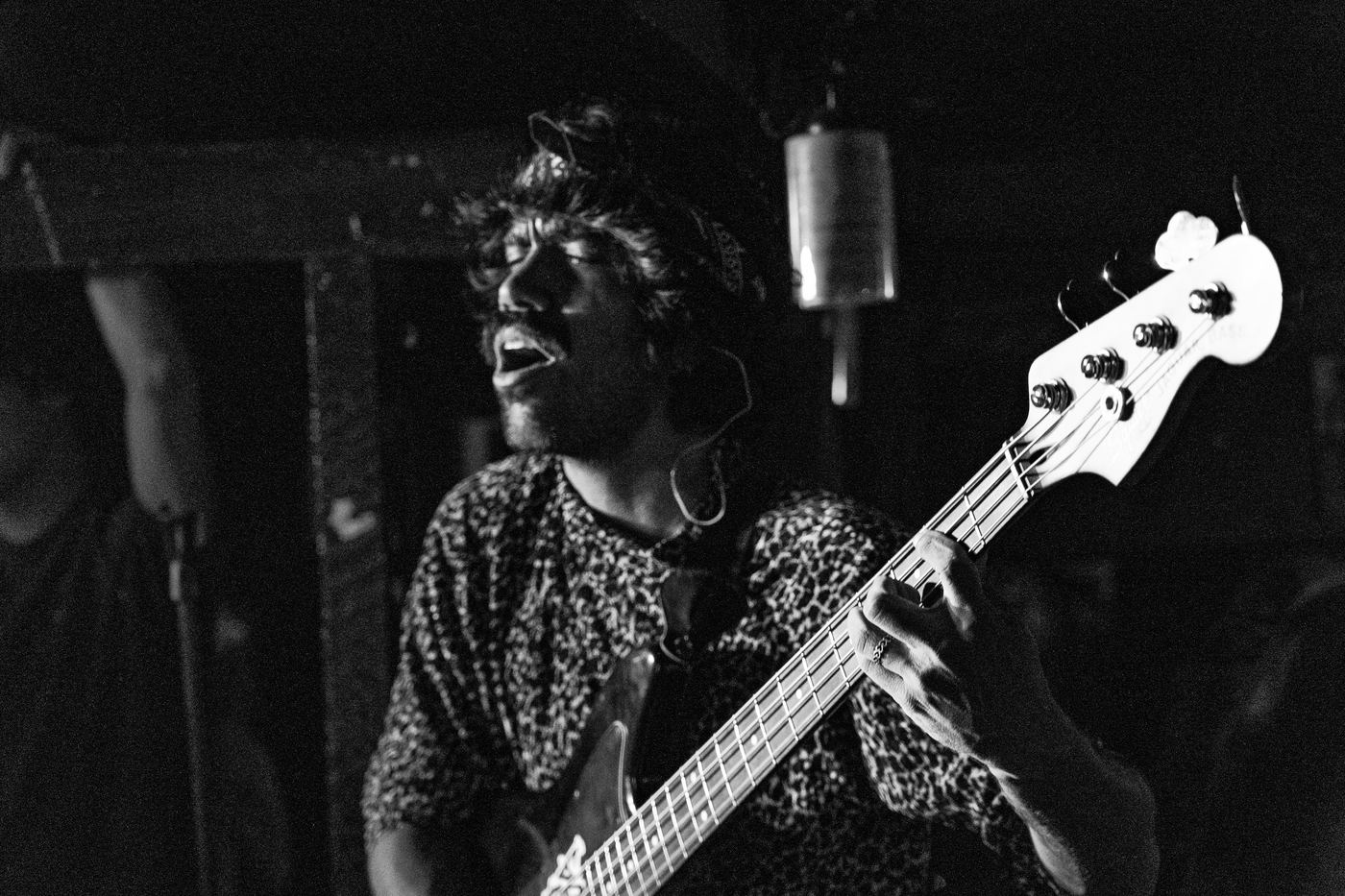
Wilson Serrano are one obvious place to start. Their Cuenca screamo has a Midwest emo side, with William Bonney and Merchant Ships among the references Carlos hears in them. Huracan N90, also from Cuenca, take the math side much further with highly technical melodic guitar playing. Anecso come from Azogues and remind Carlos of 1990s second-wave emo such as Lync and Indian Summer, although, in his words, “weirder, in a good way”.
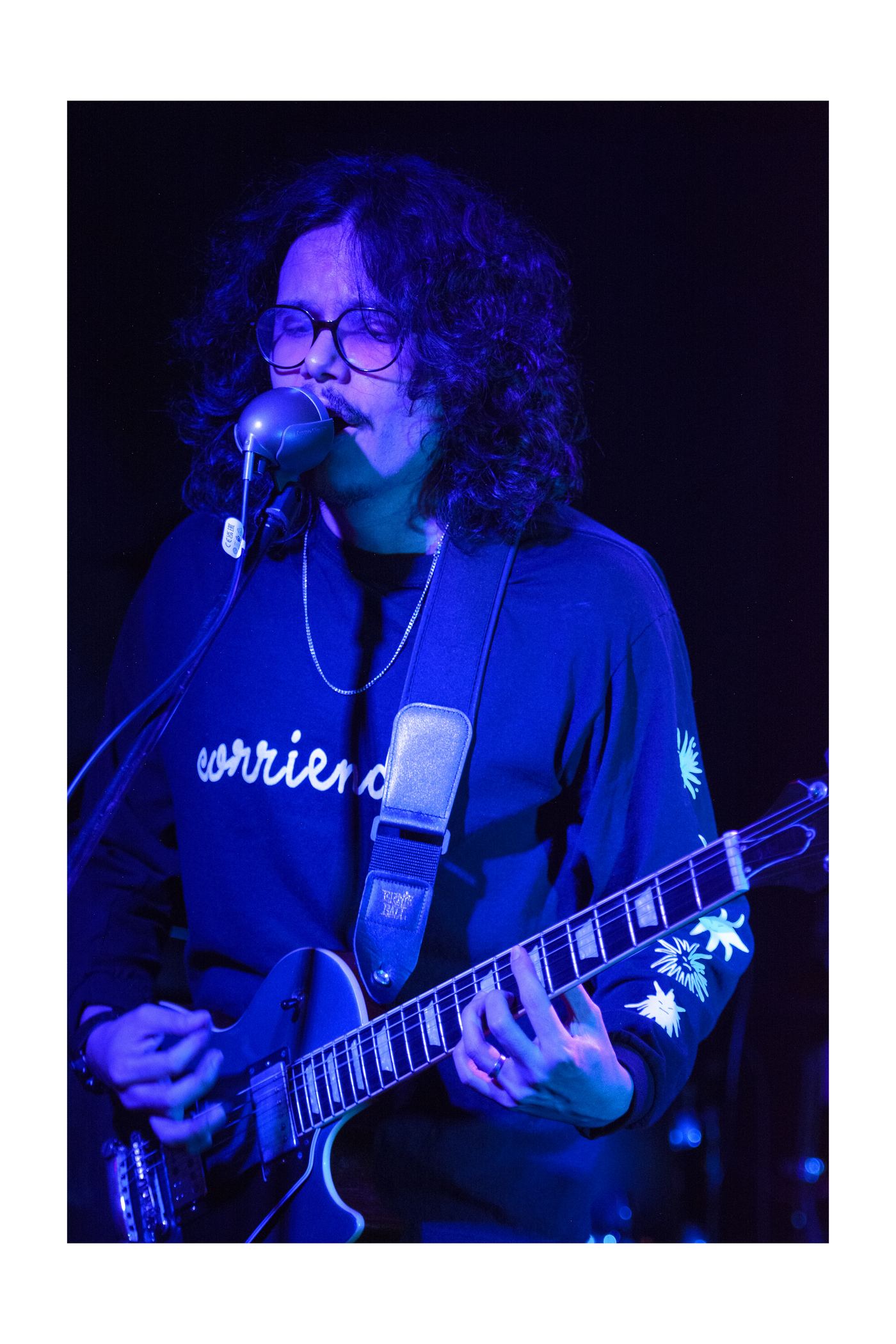
No Gracias from Quito move between emo and pop punk, pulling from Tigers Jaw and commercial 2000s emo. Otavalo’s Razones Para Odiar play screamo and emoviolence, occasionally breaking the harsh vocals with melody before dropping into large breakdowns.
Carlos calls their live shows chaotic and fun. Dejar Ir bring a poppier emo and indie rock sound out of Guayaquil, built around catchy hooks.
There are newer names with less recorded stuff too, partly because recording remains expensive in Ecuador. Kain play screamo in Guayaquil. Agatka are a Quito screamo band. Mapioso from Ibarra play emogaze. Kain joined Cabras at the recent single release show, while Huracan N90 played a show organised by Cabras earlier in 2026.
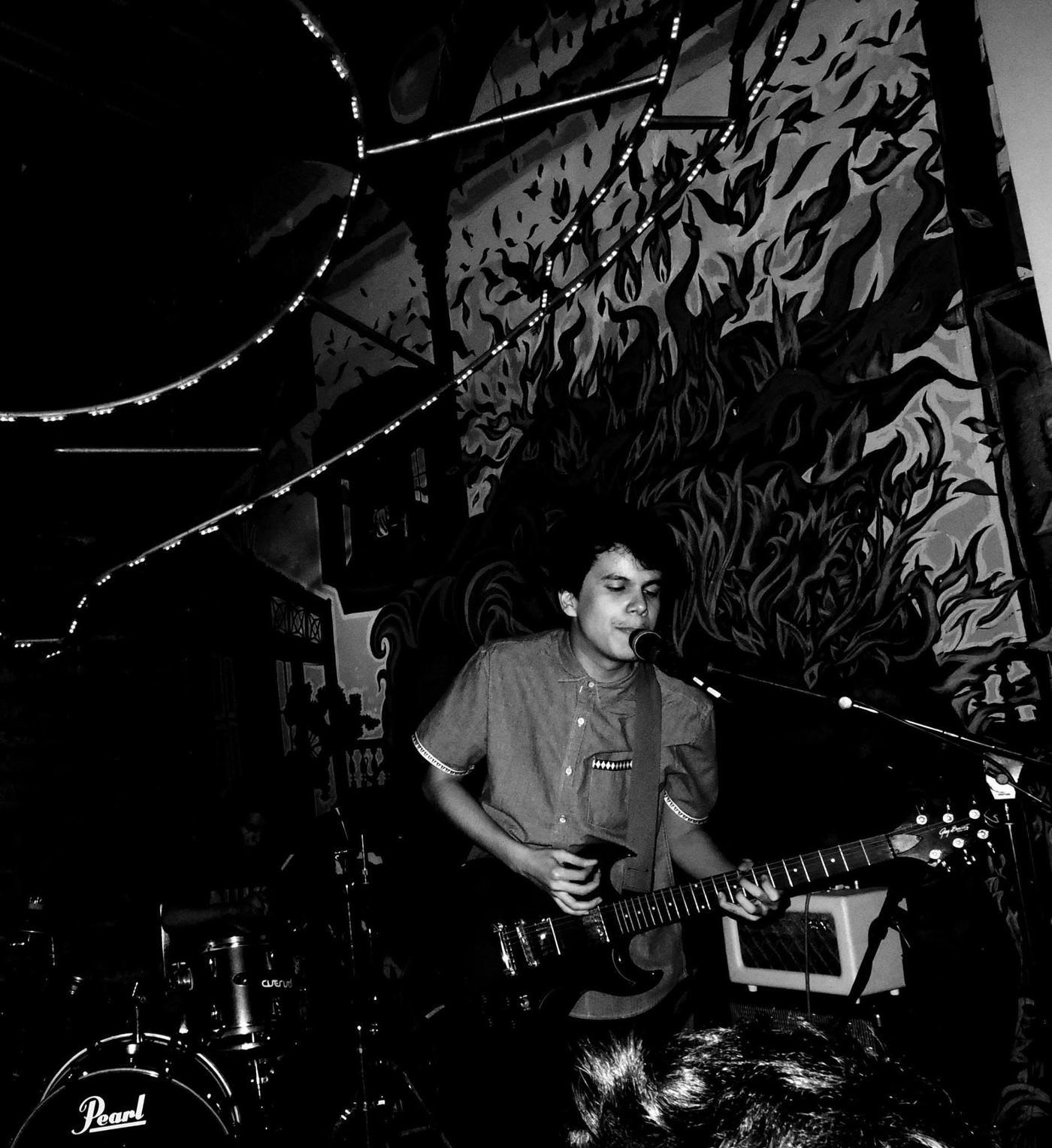
Wilson Serrano even have a song called “Cerro de las CBRS”, directly referencing Cabras. At the two Hardcore Emocional festivals, the bands traded records, influences and plenty of generational confusion.
“Kids these days don’t listen to Thursday, man! (lol)” Carlos said.
The second festival, “85% Hardcore Emocional”, ran in Quito on June 12 and 13, 2026. Muerte A La Miseria, Pop Sucio Records, Enjambre and That’s Life organised it. Liturgy played alongside Cabras, Wilson Serrano, No Gracias, Huracan N90, Agatka, Los Esqueletitos, La Ley Del Mínimo Esfuerzo, Mapioso, Curita de Agujas, Goldi, Eyecide and Ameba.
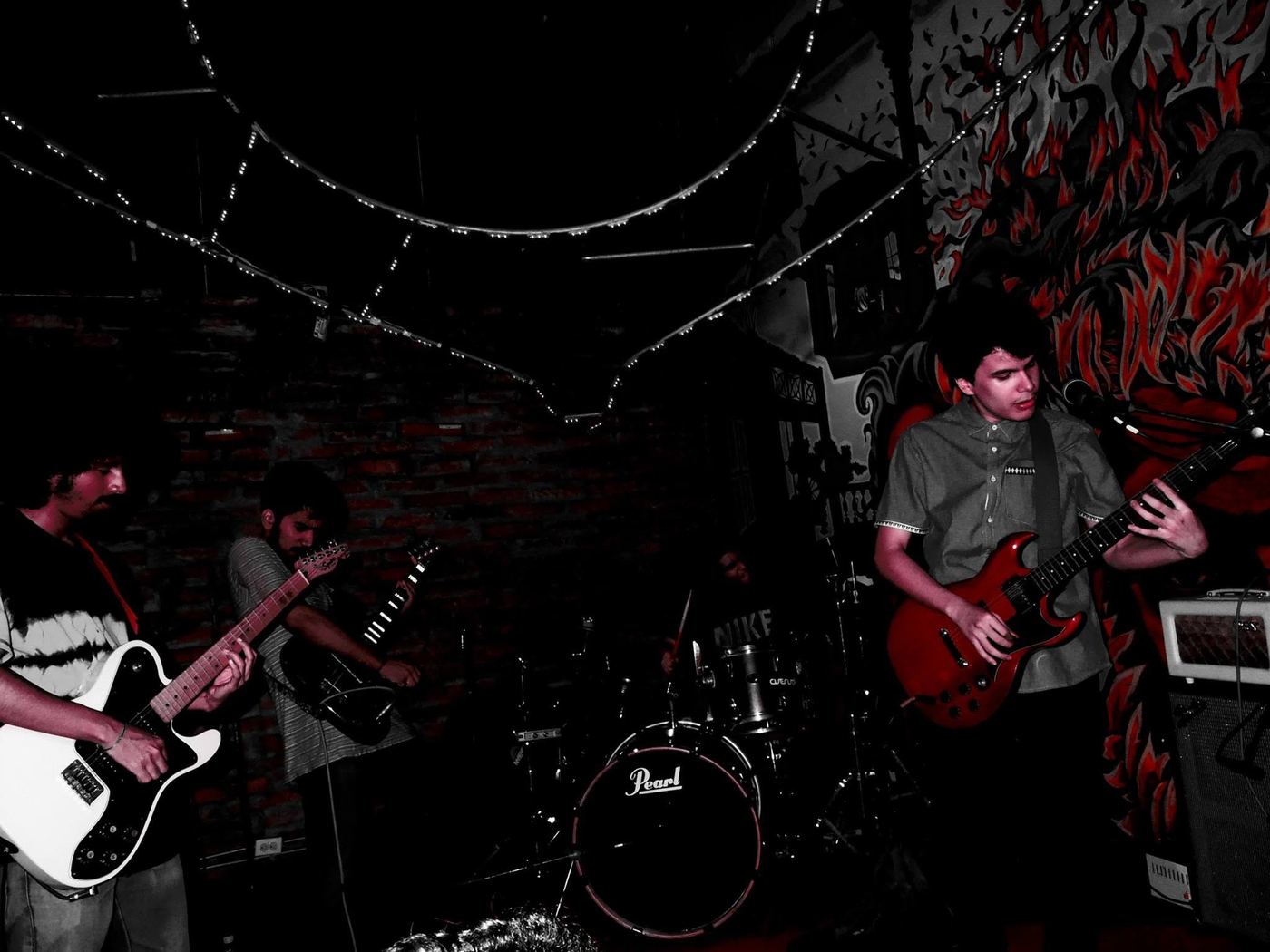
Joaquín has never really experienced Cabras as distant veterans. Carlos is just over seven years older than him, and their friendship feels closer to one between contemporaries. The difference is clearer with bands whose members are ten or twelve years younger.
“With Cabras, there is this dynamic where, in relation to the younger bands that have emerged, they act almost like the ‘older uncles’ who give you advice or something like an older brother figure,” Joaquín said.
He thinks experienced bands can open doors, share advice and give younger musicians local musical, ethical and political references. Most of the bands Joaquín grew up looking towards were from other countries. Having Cabras around changes that. Wilson Serrano now try to do some of the same work themselves, even though they play less often than before.
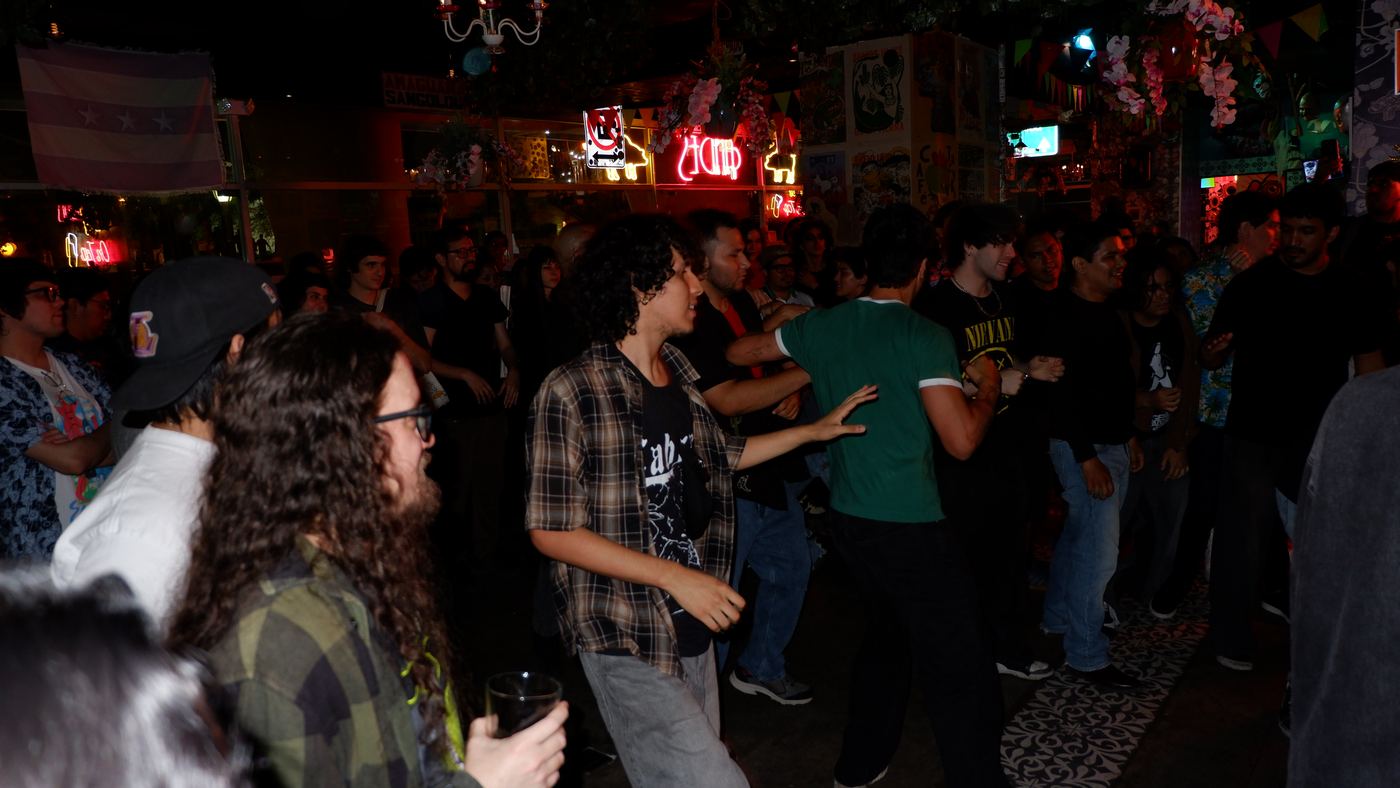
His view of some older Ecuadorian music circles is far harsher. Joaquín says people with access to limited cultural resources can keep them inside friendship groups or family networks, including what he calls “nepo babies”. He does not see many bands from older, unrelated genres as useful references for the current emo circuit because, in his experience, they often do little to widen access.
“The industry and resources available for art and culture in the country are extremely limited, and the people who do have access to those resources don’t always work toward democratizing that access,” he said.
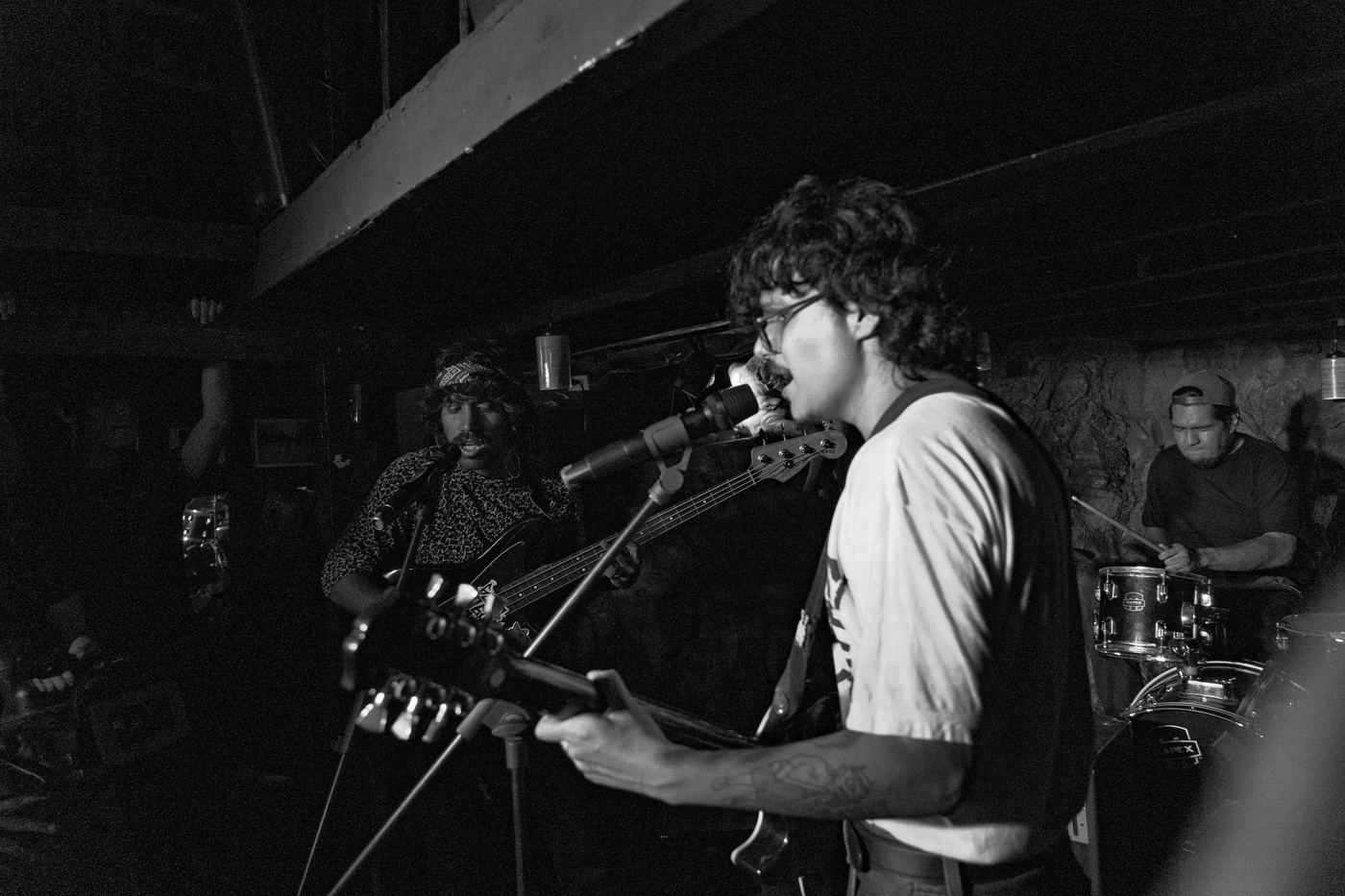
He also wants experienced people to offer real criticism, without sliding into paternalism. Cabras and Muerte A La Miseria can tell younger bands when something is working badly, give practical advice and help them avoid some of the same mistakes.
Guayaquil itself makes all of this harder to keep going. Carlos calls it an influential punk and hardcore city, pointing beyond Cabras to Notoken, QSQD and post-punk veterans Ultratumba. He also sees a pattern of local cult bands staying underground or vanishing because the city gives them few conditions for keeping an art project alive.
“Guayaquil is a very commercial port city, with a very strong and, honestly, offensive class divide,” he said. “This city produces some of the most important art in the country while also underfunding it and not seeing itself as a ‘cultural’ city.”
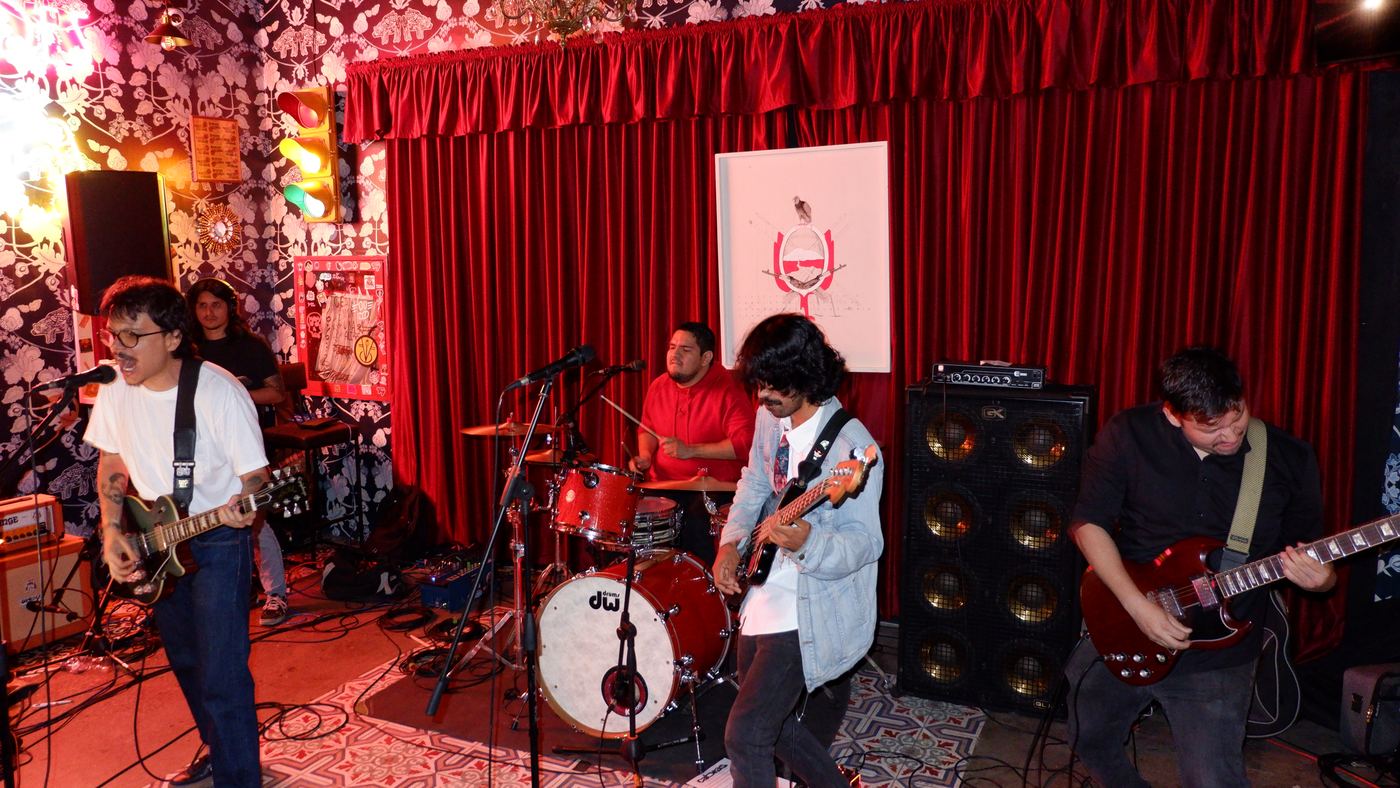
Quito and Cuenca have their own problems, but Carlos sees more room for cultural initiatives there. Both are more walkable, people have easier access to streets and public spaces, and there are more places where arts projects can happen.
The situation on Ecuador’s coast adds another practical problem. Carlos says drug-related gang violence has made ordinary movement less safe. Musicians are carrying instruments and equipment that cost a lot and can be hard to replace. Intercity bus travel used to feel relatively straightforward to him. Now the scenes can feel further apart than the distances suggest. Cuenca is easier for Cabras because it is closer to Guayaquil. Quito takes more effort, even though it remains the biggest music centre in the country and has hosted both Hardcore Emocional festivals.
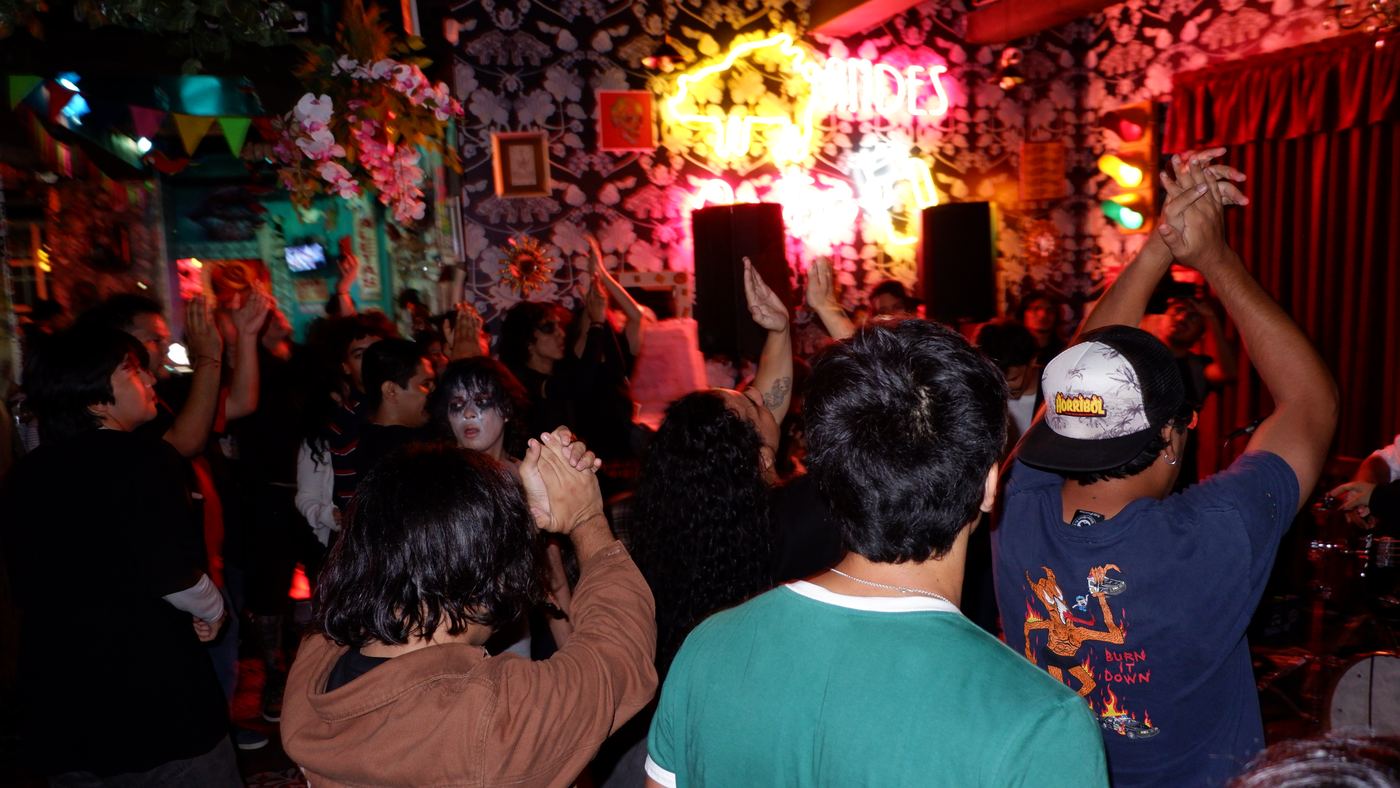
Equipment prices are brutal. Carlos estimates that a guitar can end up costing roughly twice its US price once taxes and retailer margins are added. Musicians depend heavily on the used market, courier imports and friends or family bringing gear home from trips abroad.
Recording presents the same problem. Some younger bands still have little or nothing online because they simply cannot afford to record properly. Cabras themselves have mainly made money from shows when they organised them personally and sold merch. They have spent time working out how cheaply they can price shirts while keeping the quality decent and still making something back. Carlos now sees Cabras merch at shows in Guayaquil, Quito and Cuenca.
One thing has improved. The Guayaquil venues operating now are, in Carlos’s experience, fairer to bands. Older venues could force artists to rent overpriced in-house sound systems. Several current spaces are run by musicians who already know how that treatment works from the other side.
Entelequia is the room he misses most. Liberti Nuques from The Cassettes and Las Chepas ran the short-lived DIY venue on a rooftop in an old building in Astillero, on the south side of Guayaquil. You could watch a punk, noise or indie show while looking out over the Guayas River.
“Also, now that I think about it, having mosh pits on a rooftop probably wasn’t the best idea, so luckily nothing tragic happened,” Carlos said.
Atrako Live is one of the main current spots. Manuel Carvajal from Esputo Catatonico runs it and installed enough of the place himself that he injured his hand while putting in the sound isolation and could not play guitar for weeks. It has proper sound, doubles as a rehearsal room and books across genres, with a clear punk history underneath it.
Indie Para Llevar comes from Guayaquil’s indie rock side. Camila Trujillo from Capitan Najera runs it. The room has more of a house-show setup, with professional sound and crew, and opens itself to different kinds of events. Camila also joins Cabras for guest vocals live. Carlos jokingly calls her the fifth member.
La Cueva Jazz Bar sits downtown on what Carlos calls the only remaining colonial street in Guayaquil. The owners come from an academic music background and host jazz bands and jams, but they have also opened the room to punk. Cabras played there with Liturgy.
Andes Brew Pub, originally a Quito brewery, has been active in Guayaquil for several years and now sits firmly on the local venue circuit. Cabras played their current single release there. One week later the bill was local pop and R&B singer-songwriter Mila Sommer, which gives a fair idea of how broadly the room books.
Some shows happen wherever a space can be found. Esta ciudad no existe organise slightly illegal pop-ups in abandoned public buildings and on streets, using them as a protest against the lack of local support for emerging cultural spaces. Guayaquil bands have learned to work with temporary rooms because venues regularly appear and disappear.
The same DIY habits have always connected Ecuador to bands outside the country. Cabras have shared stages with Zeta from Venezuela, Fiesta Bizarra from Peru, Corriendo from Colombia, Joliette from Mexico and Liturgy from the US. One of the old first-run bills put them with Zeta at Diva Nicotina.
Their 2017 show with Corriendo and Fiesta Bizarra is the messier version of how those connections worked. Dani Flores had been one of the main people building links with bands elsewhere in Latin America. Corriendo were financing their own tour and wanted Ecuador dates, so Cabras became the Guayaquil contact. Carlos and the band hit it off with them quickly. Corriendo’s David is also a tattoo artist and gave Carlos his first tattoo.
At almost the same time, Fiesta Bizarra were financing their own Ecuador visit. The two tours met at Café Bar de las Artes in 2017. Finlandia/Singapur, Cabras, Amante de Niños, local hardcore band Mongols, Fiesta Bizarra and Corriendo all played. Carlos still considers it one of the best shows from the original Cabras run.
He was living with his mother. At one point members of both visiting bands were sleeping at her house.
“Looking back, I really don’t know why my mom was okay with that. It was all driven by passion for this type of music.”
Joliette’s 2024 Latin American tour used many of the same friendships with a little more organisation around them. Dani again helped make the connection, with the band heading through Guayaquil, Quito and Otavalo. Cabras handled the Guayaquil date at Atrako Live.
By then there were budgets, spreadsheets and Airbnbs. The show covered its costs. Cabras did not make much money, but they did not lose money either.
Carlos calls Joliette “the sweetest dudes” and credits them with showing how a Latin American DIY emotional hardcore band could operate on a larger regional level.
Cabras themselves have never managed a foreign tour. Invitations from Colombia and Peru came in, but school, jobs, money and clashing schedules kept getting in the way. They could not justify paying for a self-financed run with no reasonable chance of breaking even. Carlos suspects younger Ecuadorian bands still run into the same problem. Idioteq – Cabras Q+A (Updated)
Colombia is the scene they feel closest to outside Ecuador. The countries are neighbours, the cultural distance feels small to them, and Carlos says Ecuadorians travelling there can feel quickly at home. He names Emily Bronte, Kidchen, Beatus Ille and El Maquinista among the Colombian bands they follow.
Chile sits elsewhere in Carlos’s listening. Asamblea Internacional del Fuego and Tenemos Explosivos are favourites, especially the older Chilean line of poetic, politicised emotional hardcore. Cabras have fewer personal connections there. Since the reunion, most of their attention has stayed inside Ecuador, putting energy into local bands and local shows.
Cabras write entirely in Spanish. Carlos cannot imagine doing it another way.
“Spanish is very poetic, and it really matches the intensity of emotional hardcore music. Also, if you make an effort, you can hear our Ecuadorian coast accent even in the screamed or harsh vocals.”
The writing pulls from places well outside hardcore. Carlos mentions Café Tacuba and Los Prisioneros alongside Roberto Bolaño and Guayaquil writer Ernesto Carrión. A line in “Pretendí levantar mis manos como antenas hacia el cielo” is borrowed from a Willie Colón salsa song.
Their lyrics have changed with them. “CBRS” was personal, desperate and urgent. By 2019’s “Ensayo Sobre Los Afectos”, politics had moved much further forward. Carlos lives in a Guayaquil he describes as unequal, polarised and conservative, where social status can influence who people choose to know, date or build connections with.
He calls it a “commodification of affection”, with class and money reaching into personal relationships. “La empatía es un acto político” and “Nuestras diferencias son imaginarias si todos sentimos lo mismo” came out of that period.
The political side extends beyond lyrics. Carlos sees the current emotional hardcore circle as loosely left-leaning and anti-authoritarian, with some people involved in activism. He has no interest in stripping politics out of it. He is also suspicious of people arriving once a small scene starts attracting attention because they see social or commercial value in being close to it.
“Whenever something starts becoming popular and attracting attention, people with a more commercially driven mindset, or the kind of social-capital-vulture ‘cool chaser’ types, will inevitably try to become part of it,” he said. “So, without trying to sound too gatekeepy, I think emotional hardcore is for everyone, but not everyone is made for emotional hardcore.”
The self-titled “Cabras” EP picked up different questions. The band were older. They were working out how to live as adults, whether personal ethics gave them enough purpose, and how to keep going in a place where senseless violence had become harder to ignore. “Breves reflexiones sobre habitar la adultez” came out of those questions.
“Refugio contra la indiferencia” pushes directly against nihilism. Carlos calls it a positive and “weirdly optimistic emotional hardcore song”.
“Pretendí levantar mis manos como antenas hacia el cielo” goes somewhere else again. Carlos has written all Cabras lyrics since the beginning, and the title is a very obvious nod to Godspeed You! Black Emperor’s “Lift Your Skinny Fists Like Antennas to Heaven”.
He was thinking about transcendence and the search for something beyond the physical world. The opening goes:
“Construimos estos esquemas
para protegernos de la incertidumbre.
La vida siempre nos sigue recordando
que somos pequeños como gotas de agua.”
Carlos sees those lines in terms of the stories people tell themselves to protect against uncertainty, including ideologies and beliefs that can organise a whole life until circumstances tear them apart.
The rest of the lyric keeps returning to error, regret and starting again:
“No hay solución a la condición de existir:
equivocarse y volver a caminar.
Me arrepiento de haber fallado,
es la condición de existir:
equivocarse y volver.”
Time passes. Everything ends. Then comes the line Carlos calls an anti-consumerist mantra:
“Todo lo que tengo, lo tengo que dejar.
Mientras más deseo, menos libertad.”
The song ends tired of searching for an answer “en el mundo material”. Carlos wonders if this could be the beginning of a spiritual but non-religious phase for Cabras as lyricists. Musically, he still puts it squarely under emotional hardcore.
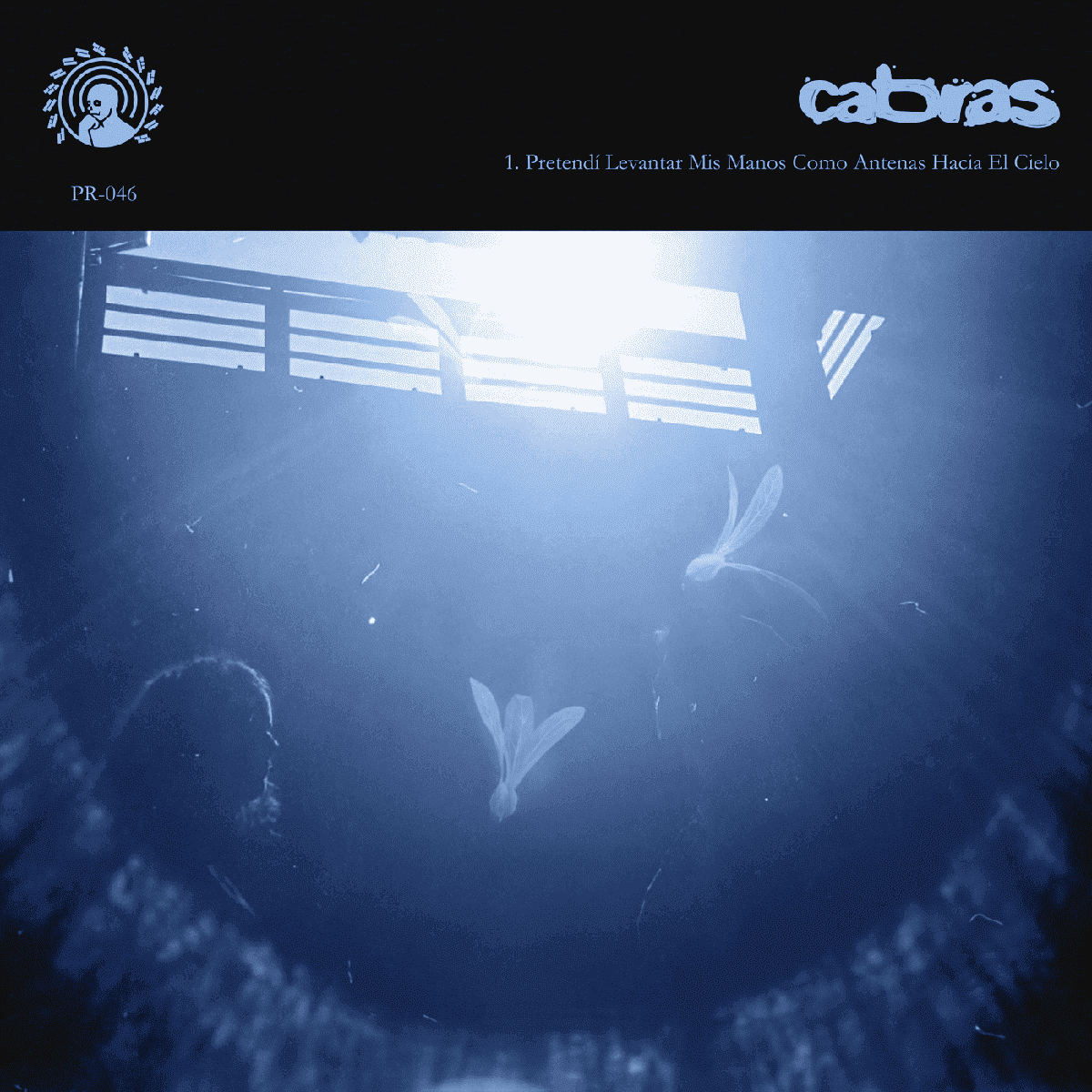
Adrián Vélez took the cover photograph several years earlier. Carlos asked Adrián and José Francisco Ycaza to work with the idea of transcendence or a higher power. José, a local artist, musician and the person behind Pensador Records, added an illustration of seeds from the native Triplaris guayaquilensis tree. As a child he had played with those seeds and watched them fall, and remembered feeling a connection to nature through them. José handled the design and art direction.
The full song credits bring together the current period of Cabras neatly. Music is credited to Cabras, specifically Carlos Proaño, Xavier Rendón and Andrés Veintimilla. Carlos wrote the lyrics. Julio Paredes handled recording, production, mixing and mastering. Adrián supplied the cover photograph and José did design and art direction.
Wyświetl ten post na Instagramie
Carlos first met José through a video editing job. José was older and already active around psychedelic rock, noise, drone, ambient music and other experimental projects. They got talking through a mutual love of Unwound, Steve Albini and Dischord Records.
Pensador already had connections to Cabras’ wider circle. Its catalogue included Amante de Niños and LeMorbo, the solo project of Dona Chateau’s Victor Solorzano. Carlos remembers Cabras’ 1990s screamo and post-hardcore side, including Hum-like shoegaze elements, sounding unusual enough in Guayaquil at the time that Pensador’s broad idea of experimental music suited them. The label released “Ensayo Sobre Los Afectos”, the self-titled EP and now the new single.
José started Pensador Records in 2015 after a close friend died with a large amount of music that had never been properly recorded or released. He had also watched plenty of good Ecuadorian bands disappear without leaving a proper record behind. The local underground was active. The small independent industry around it gave artists little help finishing, organising and preserving what they made.
“For us, ‘experimental’ has never meant a specific genre. It’s a philosophy,” José said. “We work with artists who are interested in pushing beyond the personal and social labels that usually define what music is supposed to be.”
That lets Pensador work with emotional hardcore, ambient, noise, electronic music, folk and hip-hop. José is interested in curiosity across those records, regardless of style.
The label no longer organises shows itself. It helps where artists or promoters need another pair of hands: art direction, visual identity, covers, posters, music videos, merch, digital distribution, physical editions, release plans and introductions to photographers, filmmakers, illustrators or designers. Sometimes Pensador puts money into merch or physical releases and shares the risk. Other times the help is as simple as finding a supplier or sorting out a process a band has never dealt with.
“More than anything, Pensador exists because I believe being independent shouldn’t have to mean low quality, poor organization, or doing everything alone,” José said. “The goal has always been to help artists present their work in the best way possible while treating them as collaborators, not as products.”
Dani Flores comes at the question of growth from another direction. Muerte A La Miseria has spent years making connections inside Ecuador and across Latin America, and Dani has known Carlos since at least 2015. Both were, in Dani’s words, “ferociously online”, or even “terminally” online, during parts of the 2010s. That is how many of those first contacts happened. Friendship carried the rest through disagreements, trips, shows, arguments, humour and years of doing things together.
Wyświetl ten post na Instagramie
Dani sees the underlying scene behaviour as largely unchanged, even as everything around it has shifted. His answer stretches from climate change and water supplies to internet culture, touring and the way bands can become vehicles for personal status. He questions the carbon cost of constant travel and the need for every band to chase a bigger version of itself.
“What excites me the most about what bands within this microcosm of punk music can offer nowadays is the possibility of actually not giving a fuck about anything besides playing good live shows, hanging out with their weirdo friends, and aura farming, formerly known as clout chasing,” he said. “The craft doesn’t have to follow a steady, linear path toward professionalization, you know?”
He likes seeing young screamo bands put out three or four tracks, make splits with people overseas, dress well, make TikToks, get bored and start something else. He calls the current streaming attention span “Spotified temporalities”. For him, screamo still makes the most sense when teenagers use it as a way of meeting each other, hanging around and dealing with what he calls “adult tyranny”.
“They are still making all of the DIY stuff synonymous with youth culture, and I think that’s beautiful,” Dani said.
He thinks a lot of the 2010s DIY generation lost that. Bands became aspirational. Politics sometimes became performance. Younger bands arriving from far outside the active, gentrified part of the city, playing with whatever they have and doing it simply because they want to be there interest him much more. He also notes that the scene is largely sober.
Clout chasing, identity hunting and ego are still there. “You choose your battles.”
Dani is hardly disconnected from touring himself. Just before answering these questions, he had returned from a 12-date Mexico run with Joliette, Vibora from Euskal Herria, Cienfuegos from Chile, Luna Sedata from Mexico, Stormo from Italy and his own project SKINCARE.
He calls the network informal and likes it that way. People meet online, decide they trust one another enough to turn those conversations into actual shows and travel, and figure out the rest as they go. His term for it is “active naivety”. He is also clear that informality does not mean sloppy work. Idioteq – Cabras Q+A (Updated)
Asked what a dependable regional DIY network in Ecuador still needs, Dani went straight to risk.
“Life isn’t made to make you feel like a giant McDonald’s, something that remains the same and offers you ‘the same’ experience no matter where you are. Neither does having a band or touring.”
“You just gotta trust that it’s going to be great, even if it isn’t in the end.”
His last line was simpler: “Make weird punk music and DIY touring ferocious again!”
Carlos wants more practical support around the same world. He wants public policy that makes creating music possible for people outside the upper classes, cheaper ways for young bands to record and better documentation of what already exists. He also wants more people doing the jobs around the bands: booking, promotion, sound and the rest of the work that keeps shows running.
He wants new people coming in too, as long as they understand the DIY side and give something back. He sees articles outside Ecuador as useful partly because they bring new ears to local bands and can create contacts for touring later.
The immediate evidence is already there. Guayaquil has Atrako Live, Indie Para Llevar, La Cueva Jazz Bar and Andes Brew Pub. Quito has hosted two Hardcore Emocional festivals in two years. Younger bands are releasing music from Cuenca, Azogues, Quito, Otavalo, Guayaquil and Ibarra. Cabras, who once struggled to work out which bill they belonged on, now put some of those bands on their own shows.
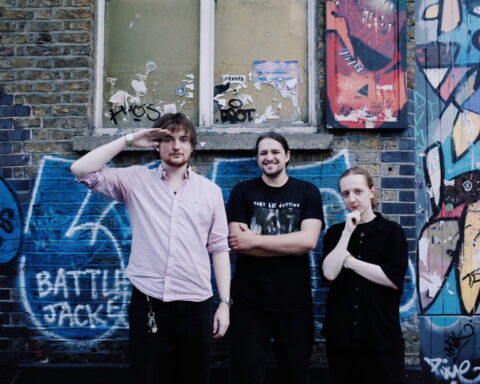
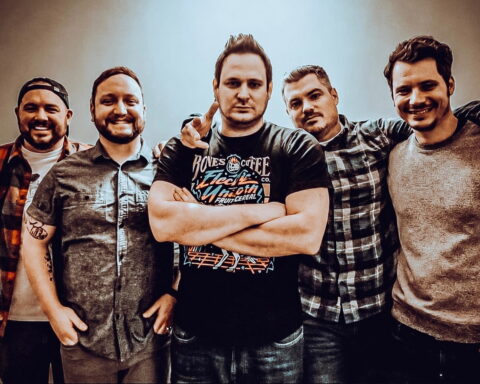
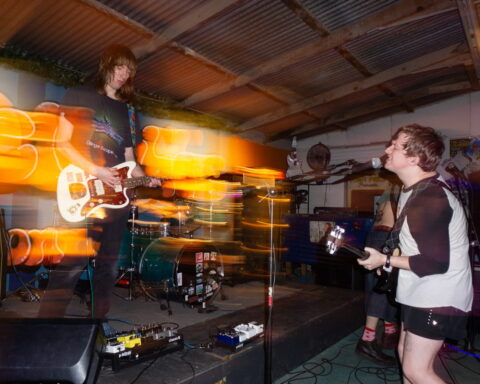
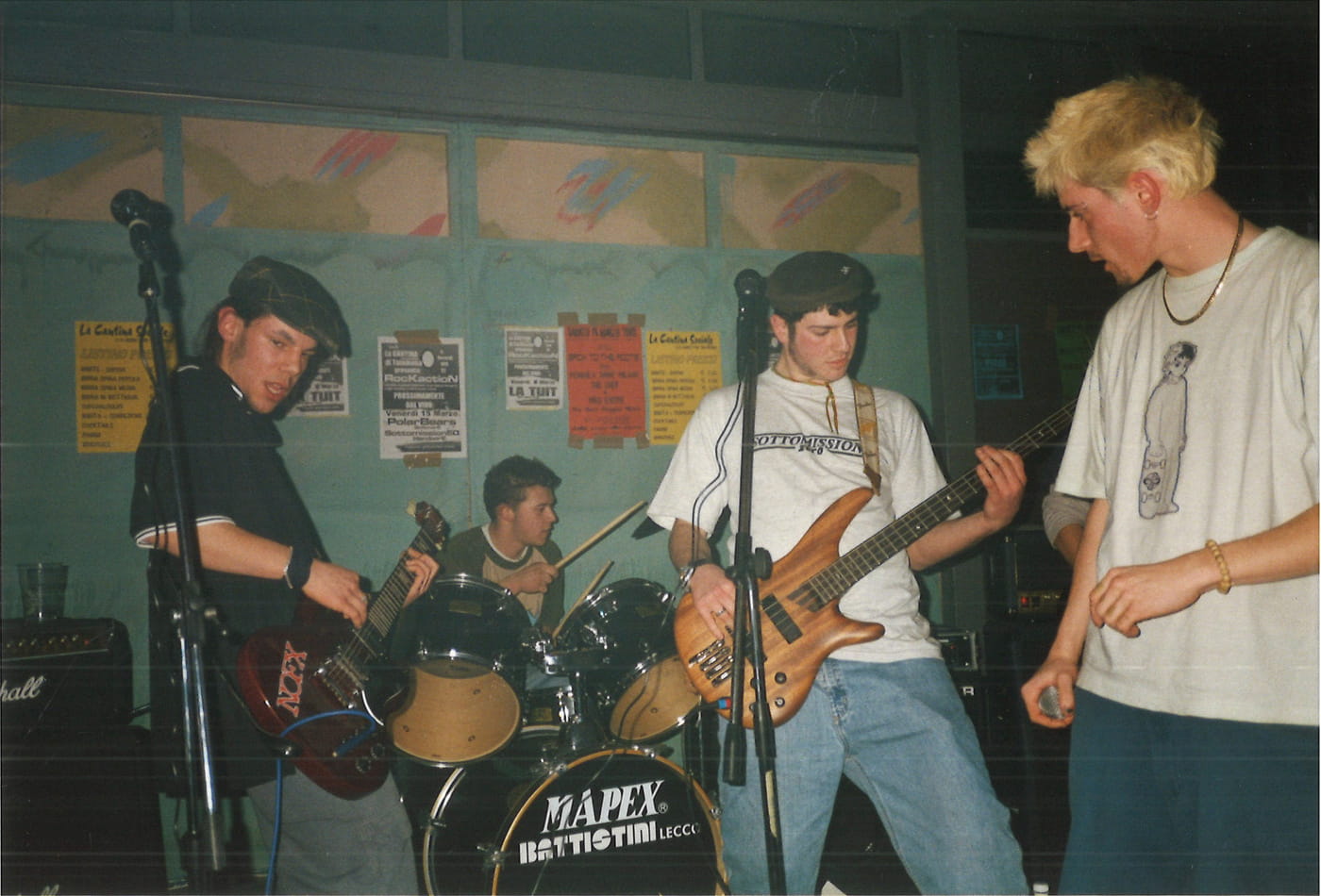
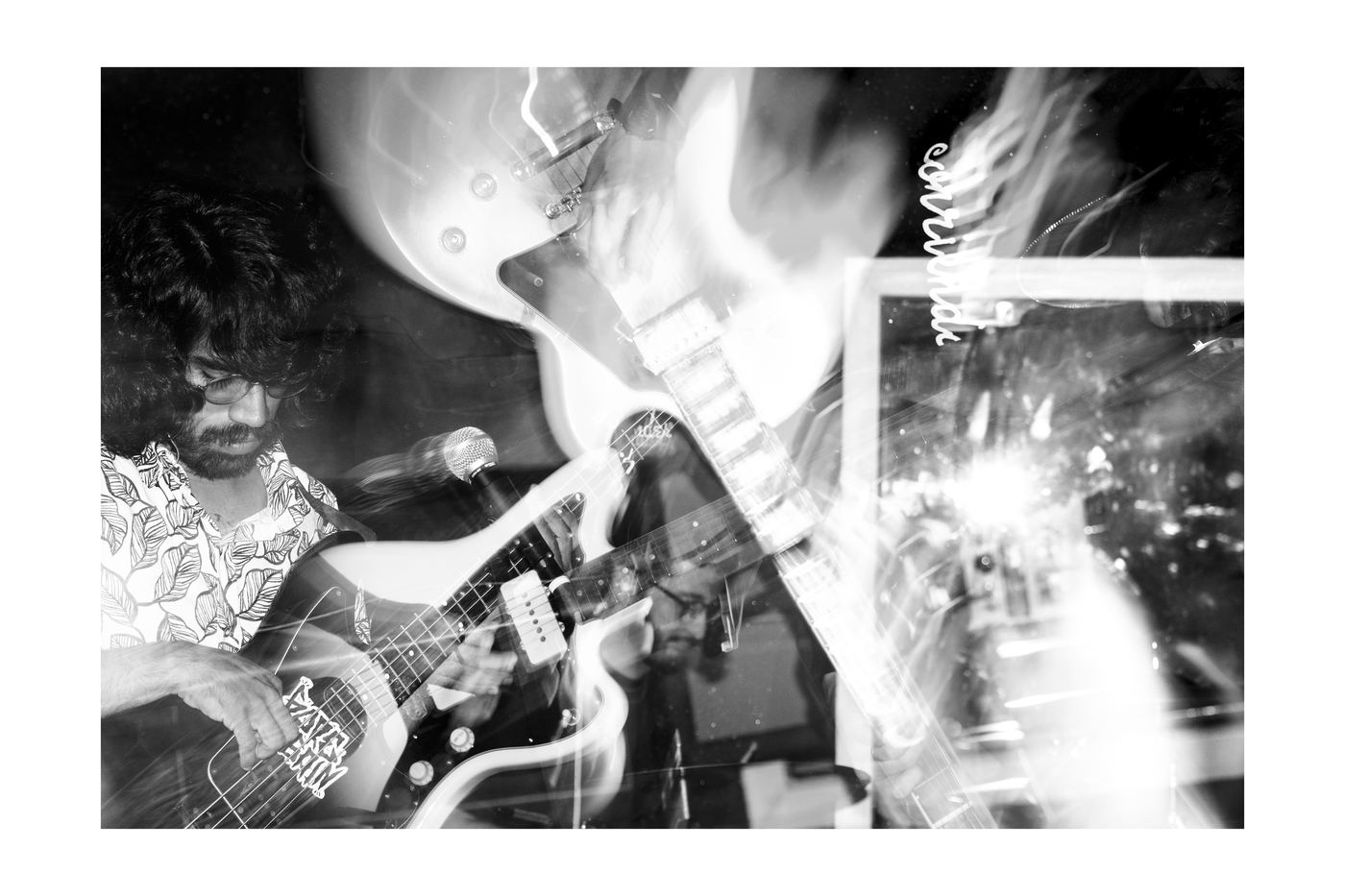
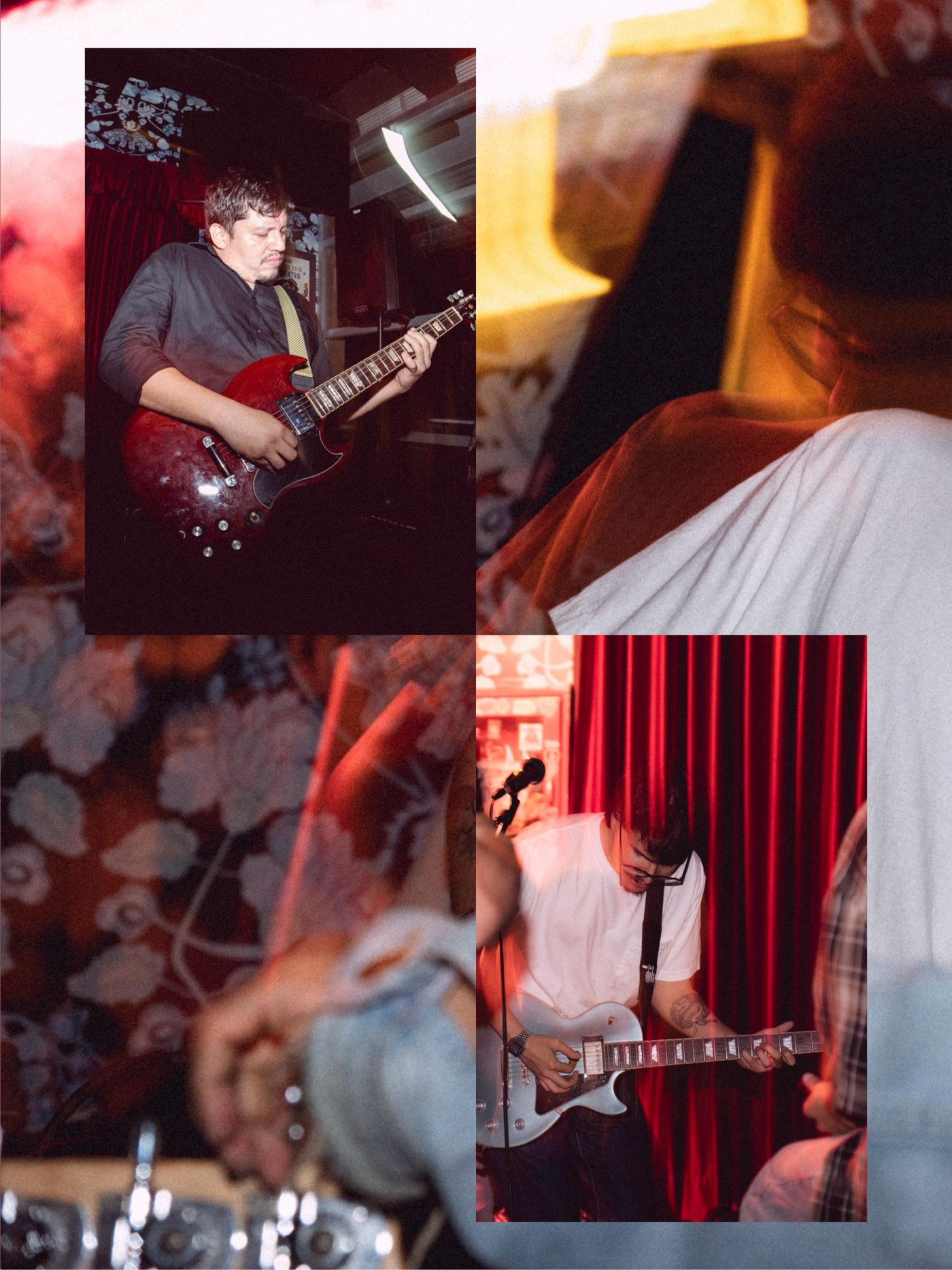
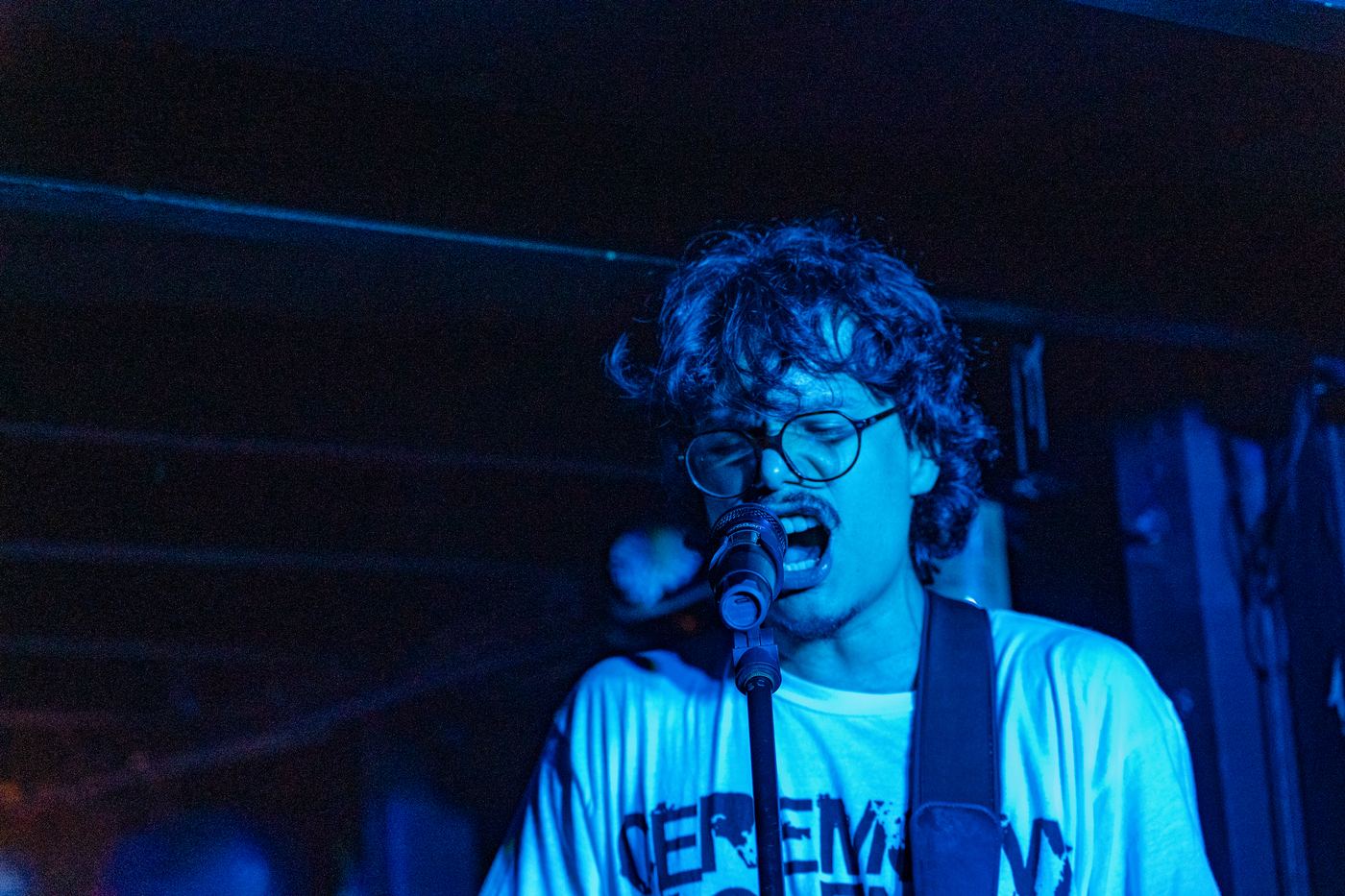
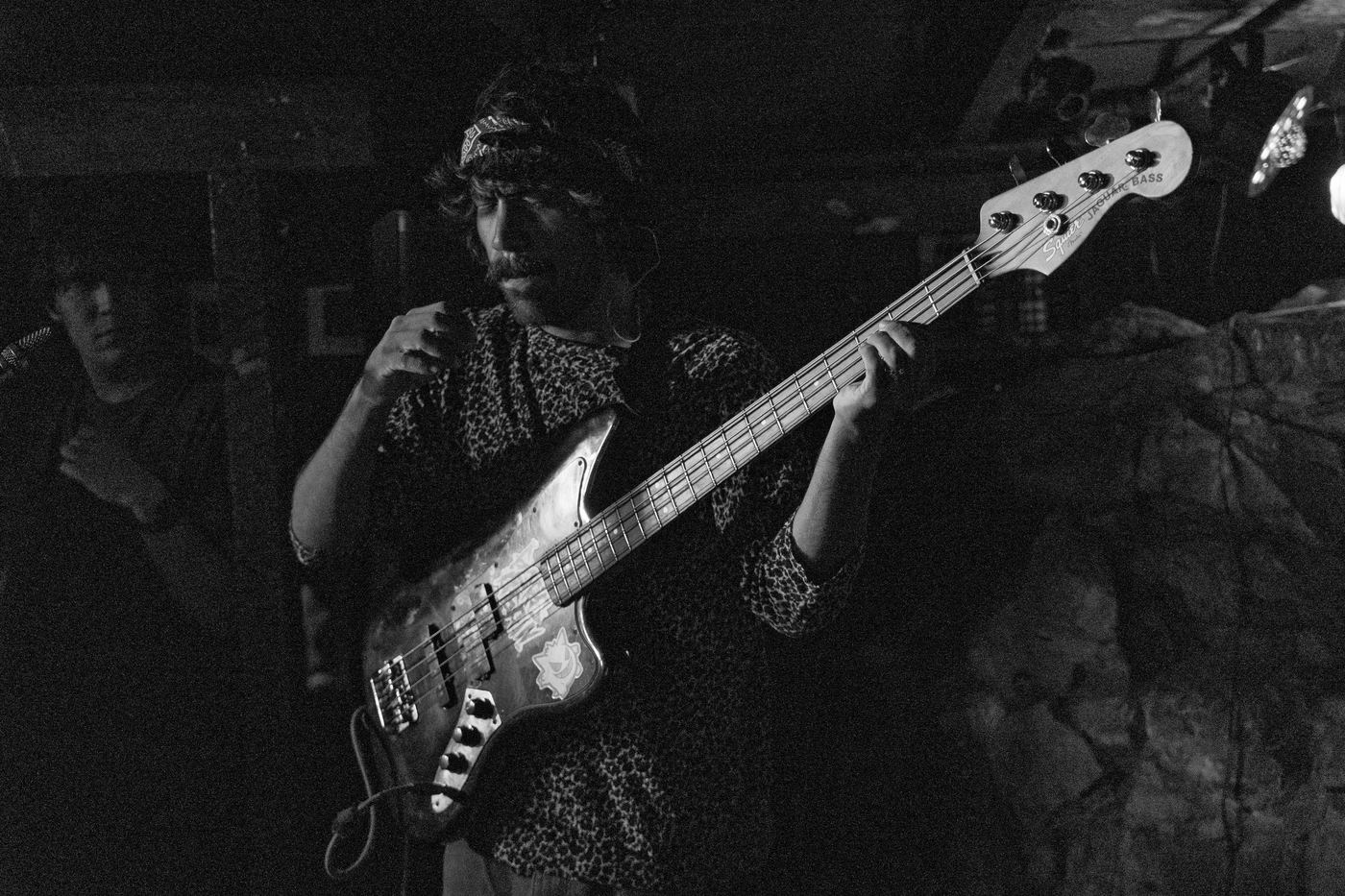
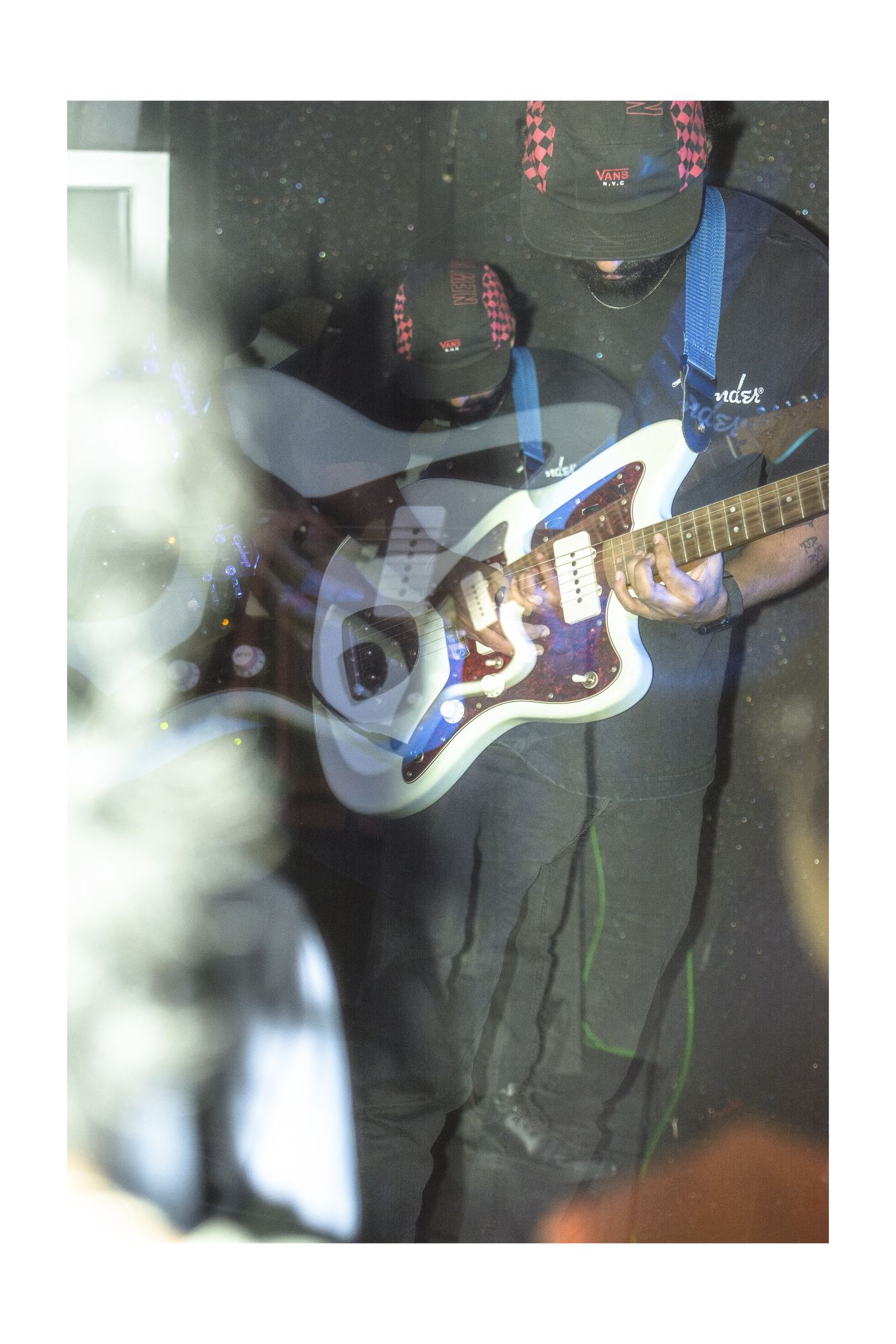
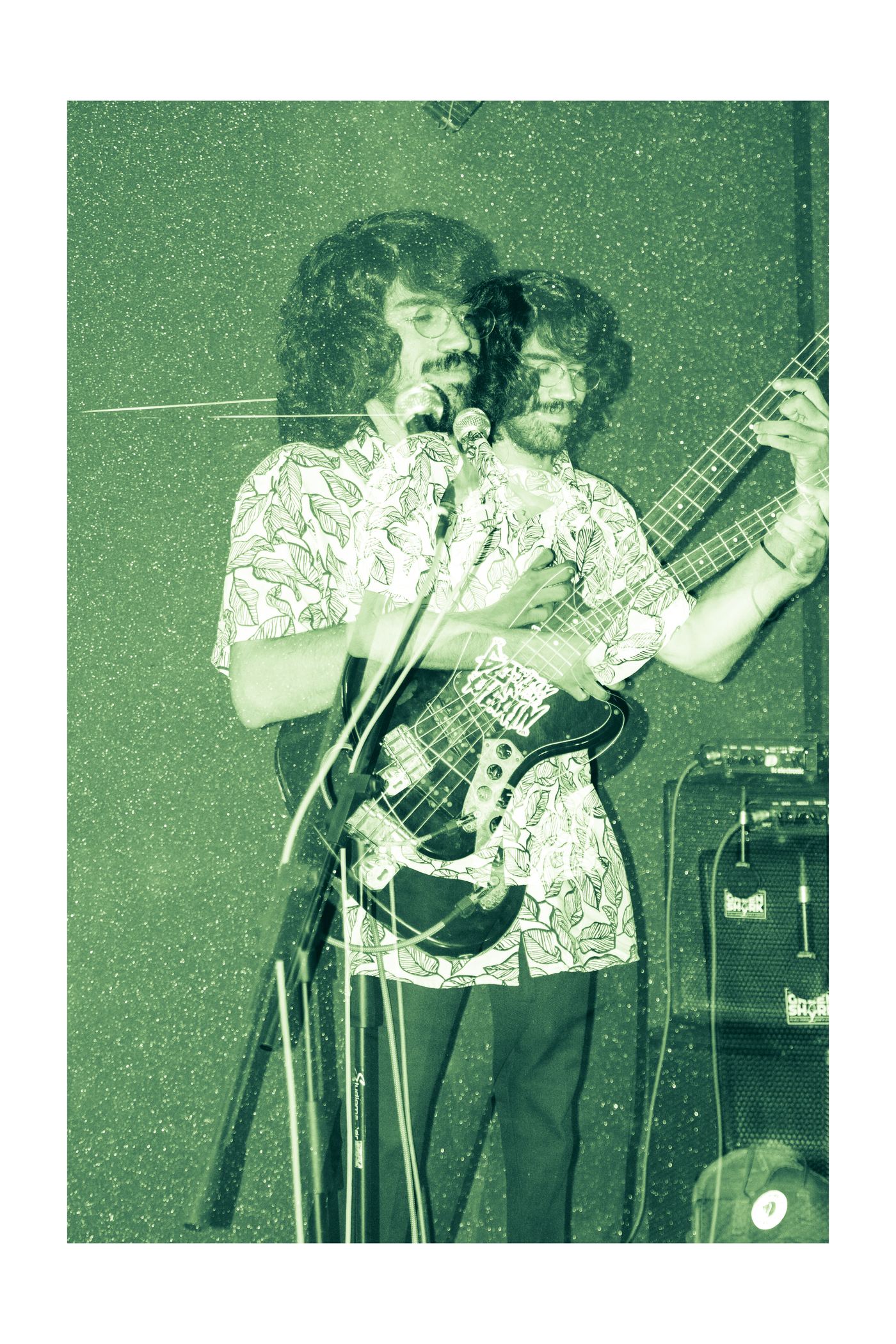
The band portraits supplied for this feature were shot by Angi Vásquez, with live photography by Dilan Morales. Older photos and flyers also document the Café Bar de las Artes show with Corriendo and Fiesta Bizarra, an Entelequia date, the Zeta show at Diva Nicotina, the Cabras reunion and both Hardcore Emocional festivals. Some older photographs no longer have a confirmed photographer credit, so those should stay uncredited unless the original source can be established.
Carlos has one piece of advice for anyone visiting Guayaquil and trying to understand what is happening now. Check the current venue schedules, pick a show and go.
And if somebody starts talking about Ecuadorian underground music entirely in the past tense, his advice gets even shorter.
“Run away from people who talk about the Ecuadorian music scene in the past tense. It is pretty much alive and well, and nostalgia comes from people who aren’t currently involved.”