

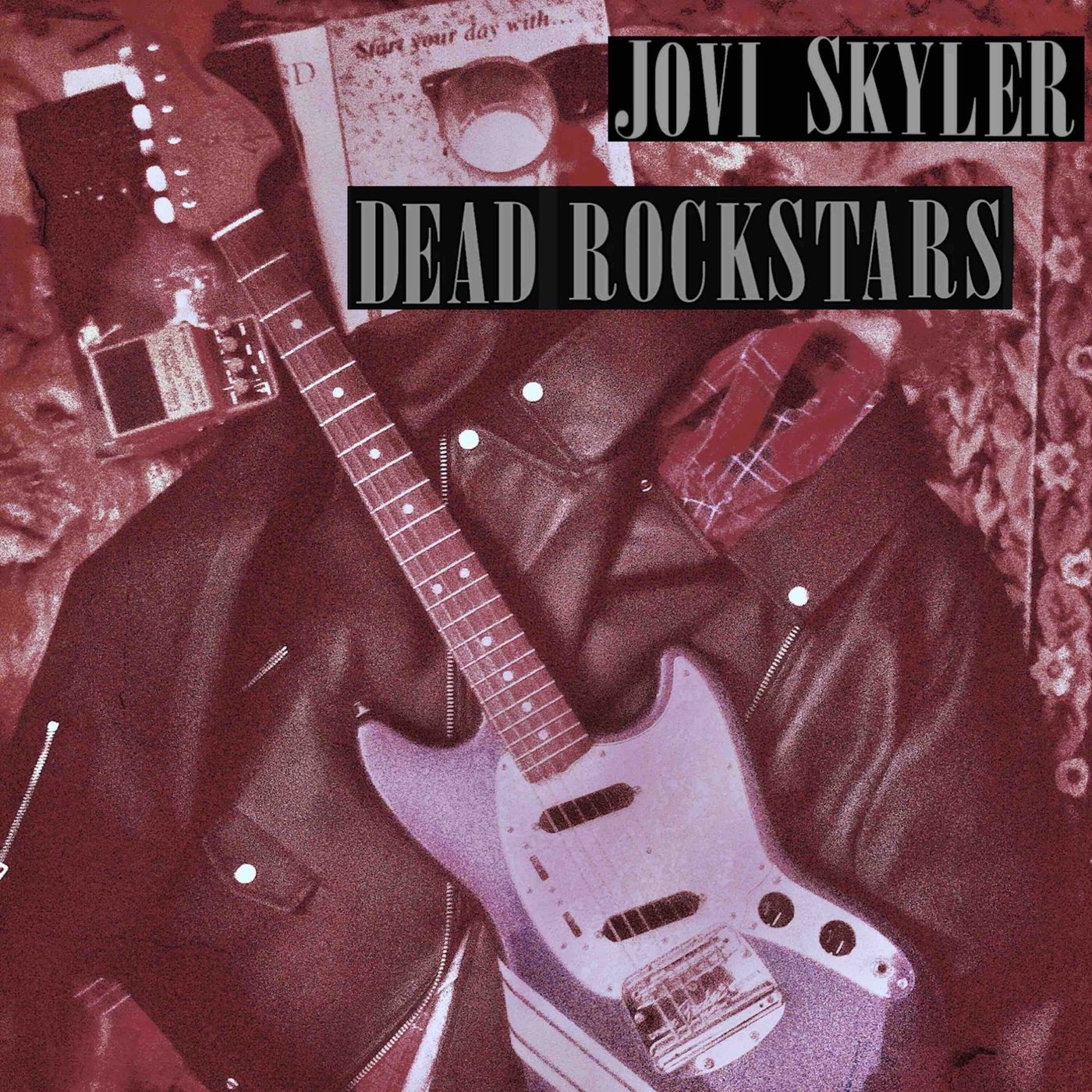
Sydney musician Jovi Skyler has spent years making grunge-punk songs while trying to avoid much of what comes with putting them out. After gigs in Europe, he used to find himself explaining why he wasn’t on Instagram or Facebook. Now he’s promoting his second album, “Unpopular”, through those same platforms, and its lead single, “Dead Rockstars”, is partly about how sick he is of the whole attention economy.
“I know I’m a contradiction now because I’m using the very machinery that I’m protesting against,” Jovi said. “So yeah, I’m a self-righteous hypocrite. But you know what? At least I’m an authentic hypocrite.”
He was irritated by social media long before he had a record to promote. Even as a teenager, he couldn’t understand why people wanted to share the small details of their everyday lives. In “Dead Rockstars”, he gets into the constant chase for approval, what he calls “the dopamine machine”, and the same ideas and personalities being copied over and over. He has a phrase for the latter: “copy and paste of the individual”.
Most of his songs start with him being pissed off about something, picking up a guitar and singing before he’s entirely sure what he’s trying to say. He makes a joke about starting a revolution, then drops it. Getting the frustration into a song is more his speed.
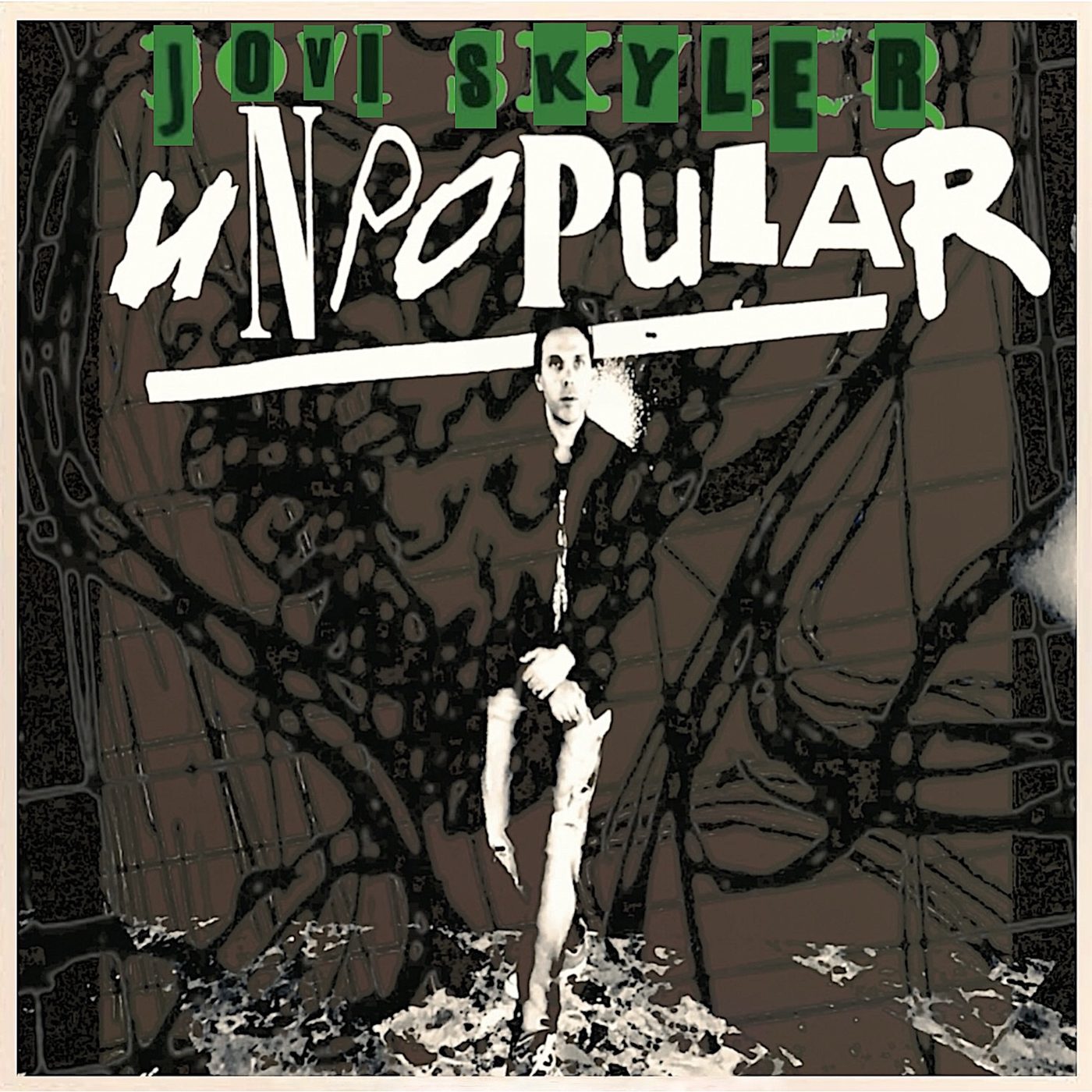
“Unpopular” draws on grunge, punk, early-’90s alternative rock and psychedelia. Jovi wrote all the music and lyrics, then recorded, mixed and produced the album himself. He made the artwork, took the photographs, shot footage and edited the “Dead Rockstars” video too. All ten tracks eventually went to Jack Endino in Seattle for mastering, although by then Jovi had spent so long working on the record that he wasn’t certain he’d release it.
The name “Unpopular” is personal. Jovi has never felt especially comfortable fitting in, musically or socially, and he has little interest in adjusting his songs to make himself easier to sell.
“I don’t want to be marketable, and I certainly don’t want to be the guy trying to bring back rock ’n’ roll to the masses.”
He often finds it easier to write about someone else, and several of his songs concern people who struggled to find a place for themselves. “Gia” is about model Gia Carangi, and he’s also written about Edie Sedgwick. His single “Lil Bo Weep” dealt with the life and struggles of the late Adelaide songwriter. He recognises something of himself in people who sit awkwardly outside what others expect of them.
Wyświetl ten post na Instagramie
It took him a while to get comfortable making music in front of people. As a kid, he was too shy to sing out loud even in his bedroom. He enrolled at the Sydney Conservatorium of Music but lasted only a few weeks. He didn’t like the direction the course was taking and doesn’t credit it with shaping his music. The years before it were more useful to him.
He then spent two years in Europe, playing unplugged in cafés and underground bars under different names, often leaving straight after the set. People sometimes took his disappearance for snobbery. He just wanted to get back to his accommodation and write. Midnight might mean hot cocoa and Skittles, or a litre of coffee accompanied by chocolate chip cookies. He’s aware that all that sugar probably didn’t do his teeth much good. There was no grand plan behind the changing aliases or the songs he was making.
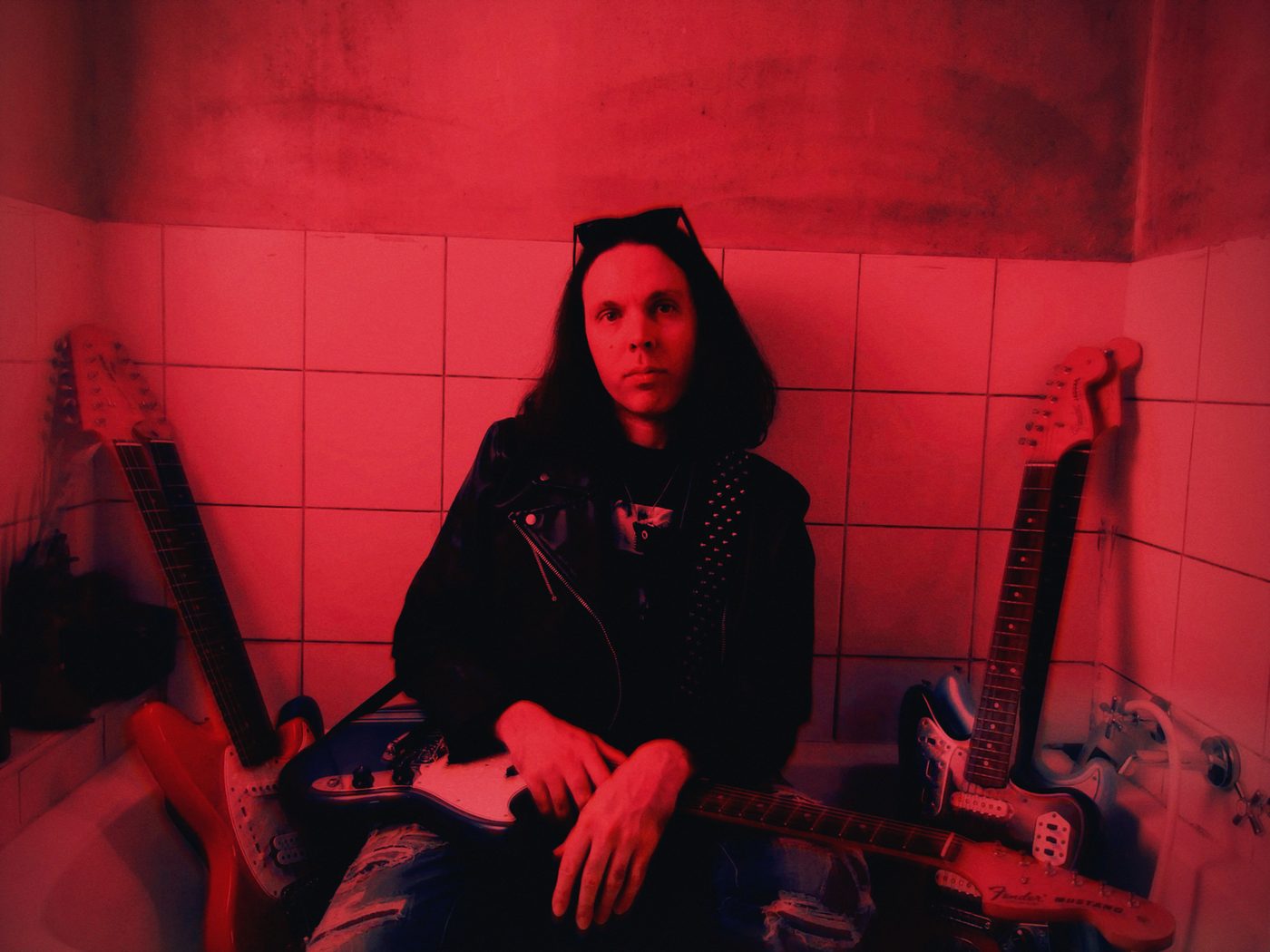
Singing in English probably helped him get opportunities to play abroad, he reckons. After a gig, though, he still had to explain to people why there was no social account to follow. These days he does have social accounts to send people to, however little he enjoys maintaining them.
Back in Sydney, the songs for “Unpopular” were written during sleepless nights and rainy days in a messy bedroom, fuelled this time by hot cocoa and Wagon Wheels. He recorded them in a dark, damp basement studio without air conditioning. Sydney summer made the room humid and sticky, and he was short on sleep.
There were eighteen songs at first. He chose ten, trying to settle both the writing and the direction of the album before getting too far into the recording. After months of listening to his own work, his opinion of those tracks was considerably less generous.
“In my honest opinion, if your songs aren’t fully formed and the vision isn’t clear before you step into a studio, you are doomed. Right now, I’m nauseated by them and I actually hate them.”
He works alone partly because he likes having complete control, and partly because assembling a band sounds miserable to him. He calls himself a loner with no real friends; the people he does know aren’t much interested in playing his sort of music. Maybe they’d go for jazz, he jokes, but he doesn’t want to make jazz. Recruiting musicians would mean getting out, meeting people and then explaining that he expects to make the decisions.
“Anyway, it seems like way too much work to go out there, socialise, and be like, “Hey, do you want to join my band that I want to completely control?””
Money comes up quickly when he considers working with other musicians. In his experience, potential collaborators want to know whether he can pay them. He finds that attitude difficult to square with his reasons for playing music and doubts how many artists chasing fame would carry on if they had to live below the poverty line.
He’s especially scathing about well-off bands from Sydney’s North Shore busking there or in Byron Bay and presenting themselves as hard-up musicians. “Cosplaying as starving artists” is his description. He has about as little patience for the constant happy, polished image he sees around the music business.
There are days when he’d happily ditch promotion, recording and all of it. He imagines going somewhere quiet, like Twin Peaks, to write songs nobody else hears. He might not even bother keeping a diary.
“My personal belief is that it would actually be more freeing to not even release music publicly,” he said.
There were moments during the “Unpopular” sessions when he came close to giving up on individual tracks. “Hermit” was the easiest one to finish as he had imagined it, and the vocal on the record is the first take. “Breakdown” and “Night Time Is My Time” were much more stubborn. Both had already been recorded professionally long before this album, and getting the drums right on the new versions took a lot of work.
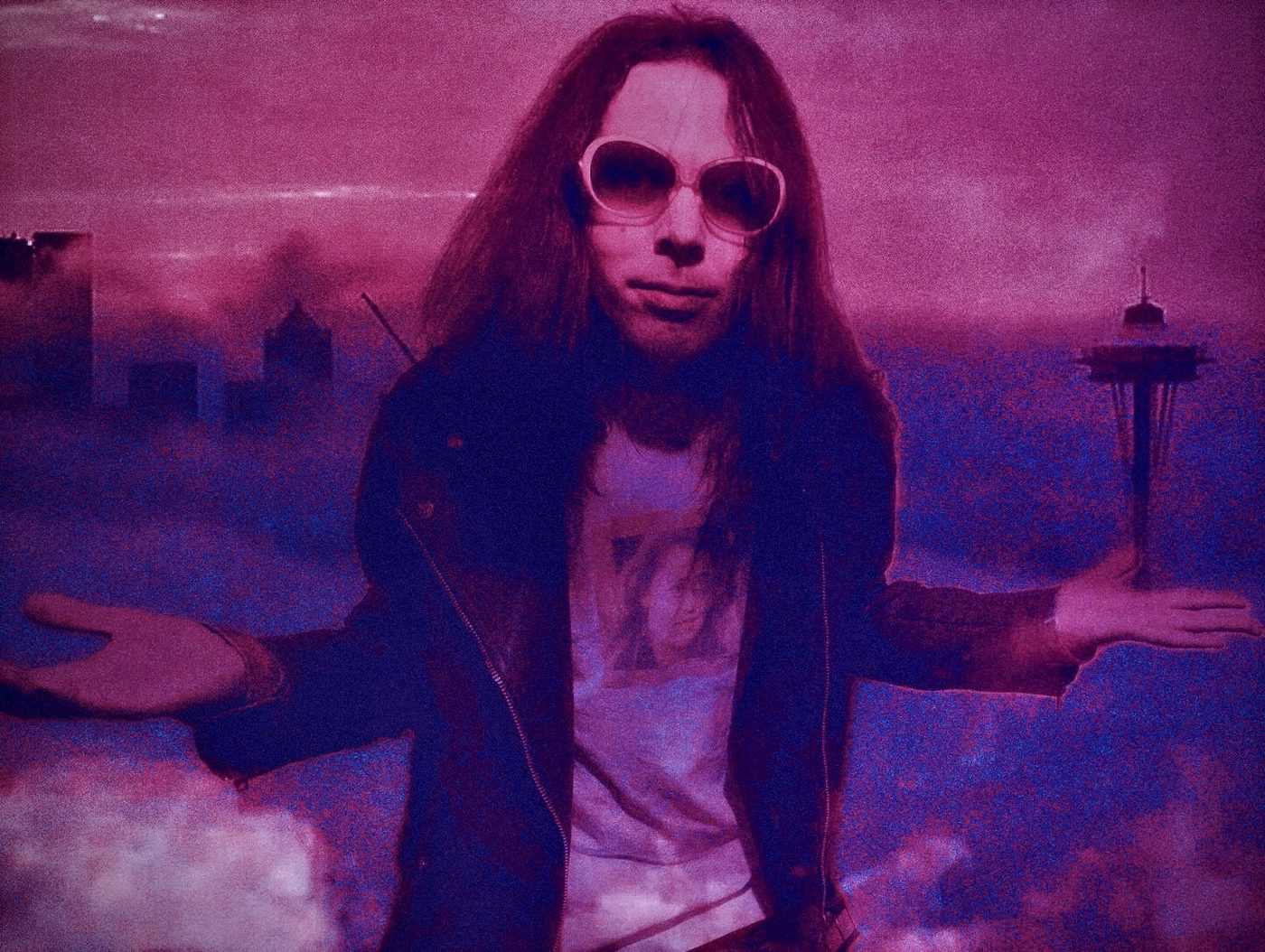
He normally sticks with the first arrangement of a song. With “Breakdown”, he kept changing the lyrics and moving parts around until he wanted to scrap the whole recording and begin again. Guitar leads added during the final session finally got it over the line.
That session happened to be on 24 February, Twin Peaks Day. Jovi only realised the coincidence afterwards and regretted not having bought cherry pie. The master-file timestamps are there to prove the date, he jokes.
David Lynch is an actual influence on the way he approaches music and videos. Jovi likes things to be cryptic and subliminal, and he relates to Lynch’s habit of making familiar places and ordinary behaviour seem deeply unsettling.
“But Lynch’s knack for taking normal, everyday life and pulling back the curtain to reveal this rotting, terrifying, psychedelic underbelly directly mirrors how I view the world.”
Night-time plays into that as well. Jovi talks about another, hidden part of himself that comes out once everyone else has gone quiet. He calls it his “shadow self” and thinks it finds its way into the songs and videos, although he’s reluctant to give it a fixed interpretation.
“Not sure, really though. It kinda sounds a bit absurd and humorous if you think about it.”
Jack Endino’s name had been on his mind for ages. Endino had worked with Nirvana, Soundgarden and Mudhoney, and Jovi thought about asking him to master a grunge record of his own. For a long time, the idea seemed too ambitious. Then, one night around three or four in the morning, he sent a message introducing his DIY project. Endino replied the following day and was interested.
“He literally saved the album; otherwise, it might have sat on the shelf for who knows how long.”
Jovi was intimidated enough to act as though he knew exactly what he was doing. He never told Endino outright how much the collaboration meant to him. He didn’t need to supply elaborate directions for mastering, either. As Jovi remembers it, Endino heard what the tracks needed straight away. All ten songs were mastered in Seattle at the beginning of April.
Of course, the Nirvana comparisons now come with another connection attached. Jovi takes them as a compliment. He jokes that he’s ripped the band off, with just enough ambiguity to leave you wondering how much he’s kidding. Being mentioned alongside Kurt Cobain makes him smile, although he doesn’t see himself as anywhere near Cobain’s level.
Depending on his mood, a song might come out grungy or turn towards indie folk. He isn’t sitting down with the intention of writing his own “Smells Like Teen Spirit” or “Come As You Are”. The Seattle records are in there, and he’s happy to acknowledge that.
“Well, what music doesn’t carry influences that are easy to identify? An artist would have to invent a completely different genre nowadays; everything is rehashed. I’m a recycled reference, sure, but the songs are genuinely mine.”
He also has a fairly unforgiving personal test for whether something is worth singing. It needs to hurt. A song pushed out for a paycheque, or because a trend happens to be working for someone else, wouldn’t satisfy him.
“I think I know a song is mine if it comes straight through my soul and it hurts. That’s how I know it’s mine.”
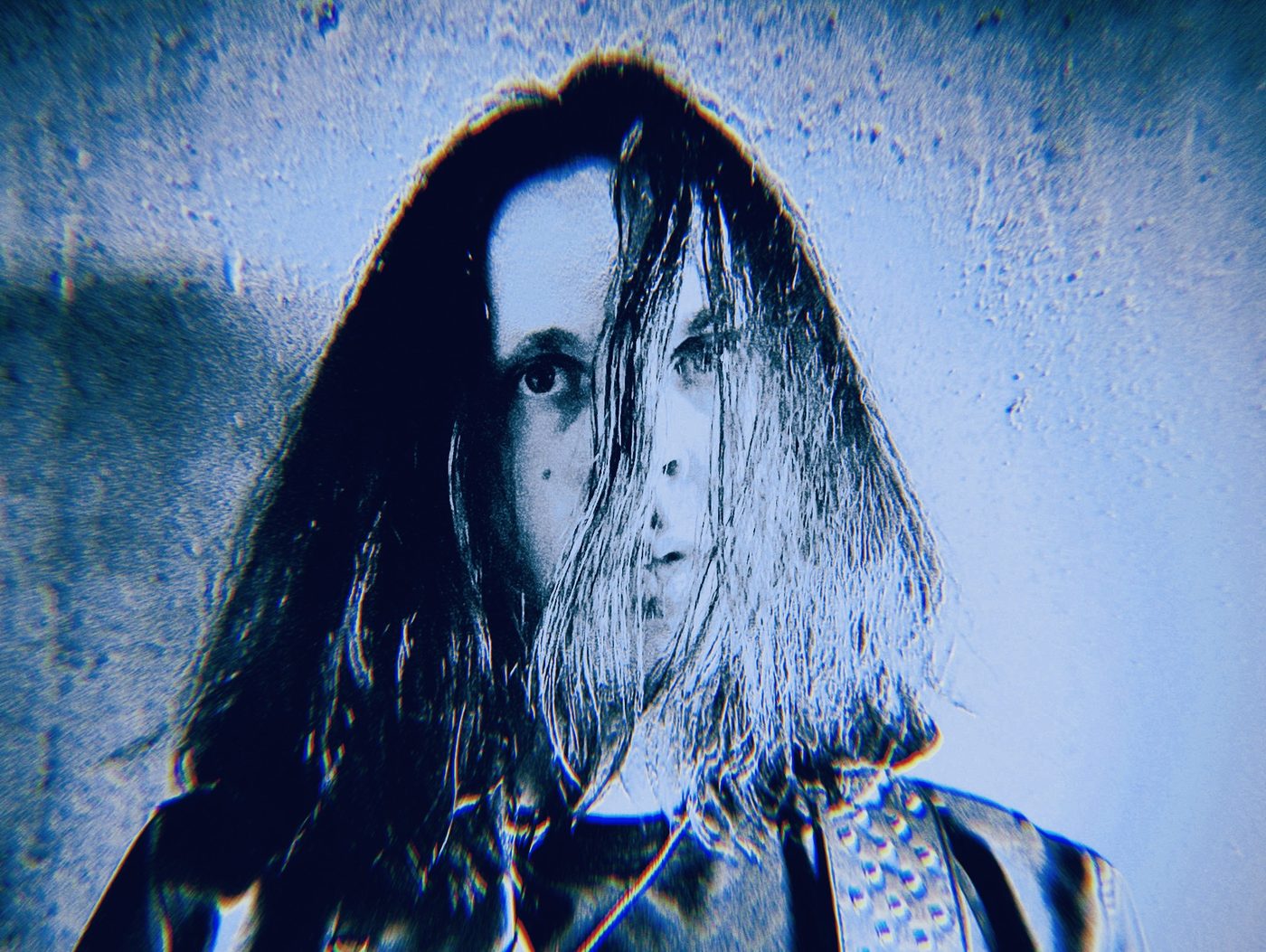
Jovi expects to carry on underground, with the kind of small audience that lets him make whatever music he wants. If somebody needs to carry grunge into the next generation, he jokes that Violet Grohl might be the person to ask. He’s got no interest in taking on that job himself.
Jovi Skyler’s second album, “Unpopular”, was released on 25 September 2026. He wrote, recorded, mixed and produced its ten tracks himself, with Jack Endino handling mastering.