
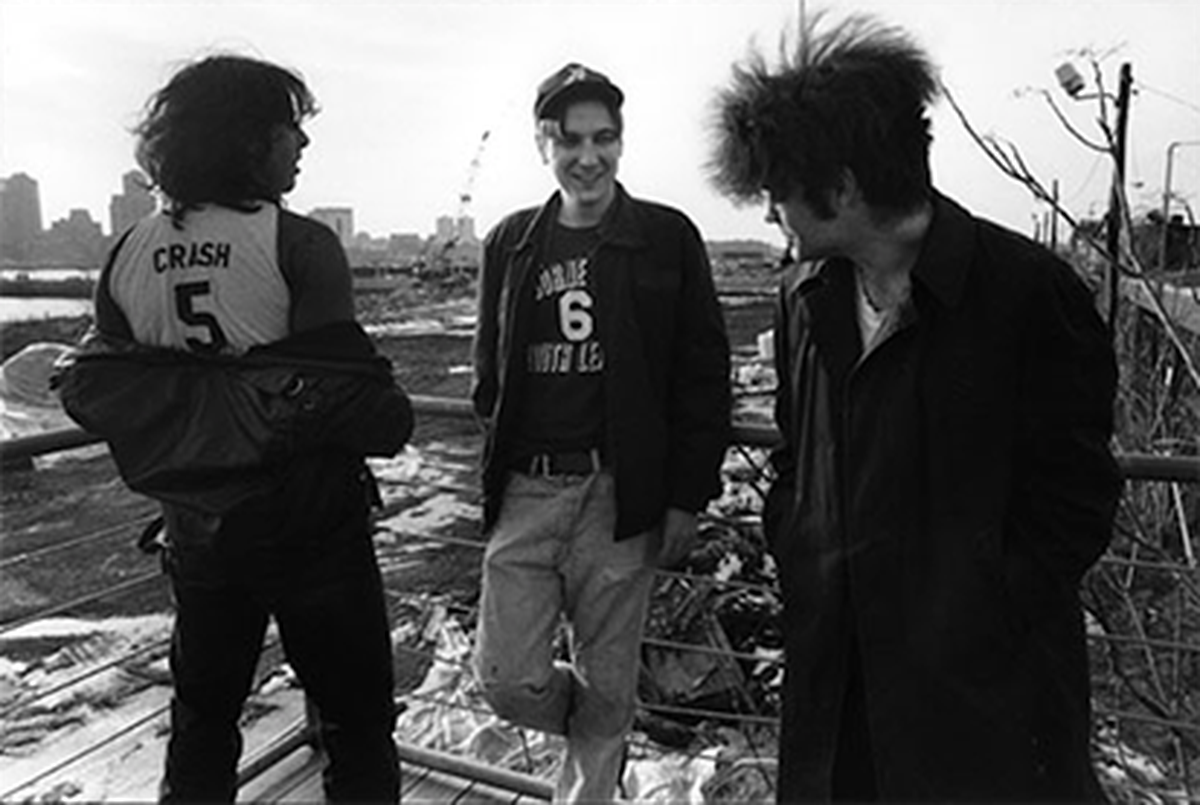
By the time Cold Expectations got around to recording “Waiting for the Pills to Take Effect“, guitarist and singer Steve Prygoda had been through three heart procedures and more than 75 doctor’s appointments. He first wrote the song in 1995, back when drinking cough syrup before punk shows seemed like a good idea.
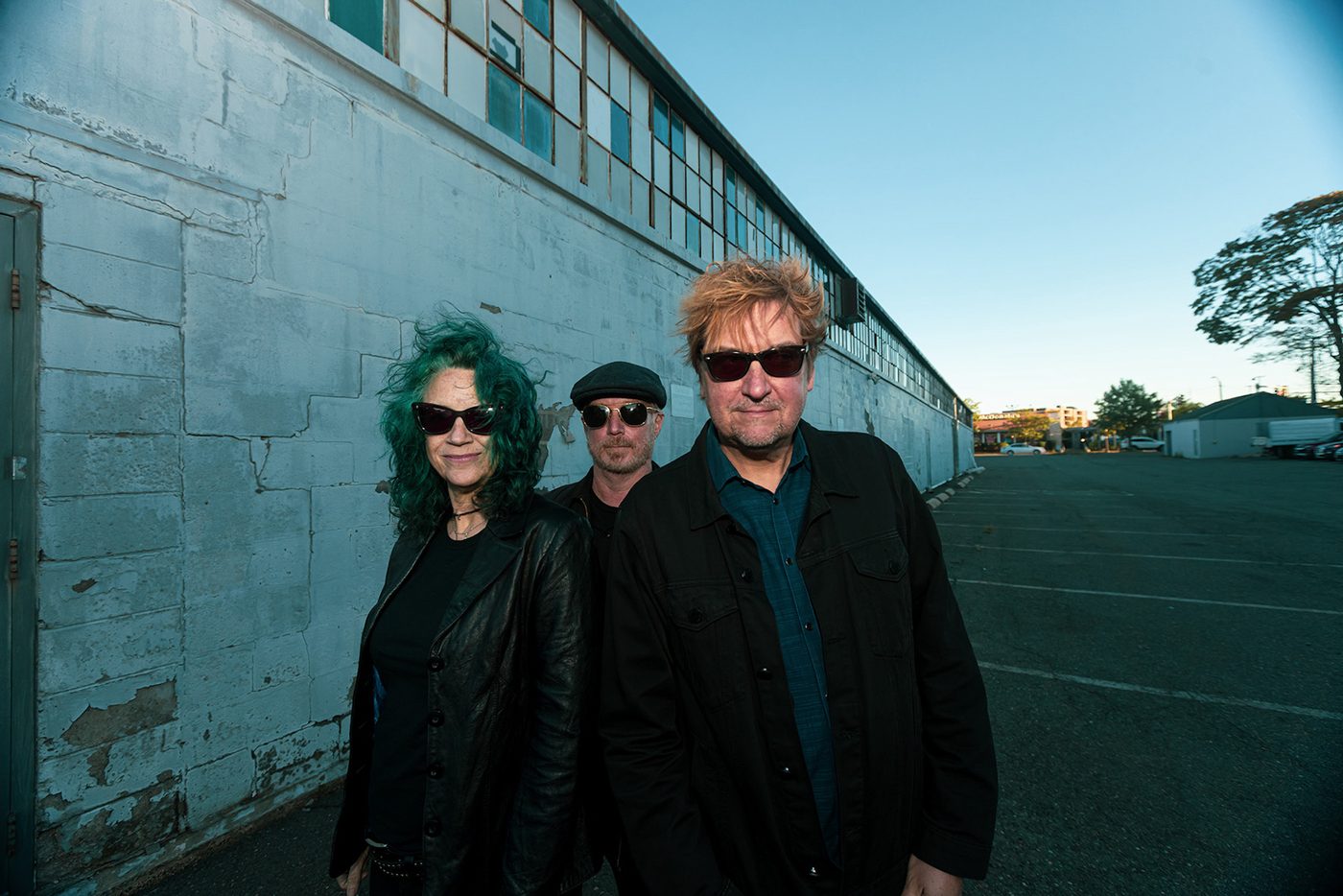
The Boston trio’s new version turns that old guitar-and-drums number into brisk, melodic post-punk, with major power chords, driving drums, a Moog melody and a chorus that now has two people singing it.
Steve is in his fifties, and the title has become quite literal. His daily medication helps keep his heart from being overworked, and he has spent a considerable amount of time figuring out the right treatment.
“I looked up one day and noticed the entire top row of my medicine cabinet was filled with prescriptions all geared toward keeping me alive. I’ve had three heart procedures in the last four years and over 75 doctor’s appointments. I was completely drained by the sheer effort it took just to figure out the right medical approach.”
The lyrics have barely changed since 1995. Steve’s circumstances have changed enough to make the old words describe something he could hardly have anticipated when he wrote them.
“Suddenly, the song became about the literal ‘waiting’ for these medications to do their job and keep my heart from being overworked.”
The story of those words takes us into a rather interesting part of Boston’s underground, where Steve was playing punk rock, publishing a poetry magazine and spending time with writers who had been around the city’s jazz and Beat circles for decades.
One of them was John Wieners, whose poetry Steve had first encountered thanks to a man named Bill Wellington. Bill worked on the campus where Steve was studying and had read some of his writing in the student newspaper. He pointed Steve towards Wieners’ Black Sparrow collections, which were waiting on the library’s fifth floor.
Bill had his own history in the arts. As Steve remembers it, he had played saxophone in Roxbury clubs, moved around jazz musicians and Beat writers, and even backed Billie Holiday and Charlie Parker.
“Bill was right,” Steve says. “Wieners was the real deal.”
There was a personal connection in the books, too. Wieners had written “A Poem for William Wellington”, published in The Paris Review in 1957. Steve found the piece on microfilm, well before there was any possibility of typing a name into Google and finding it in seconds.
He was drawn to the deeply personal quality of Wieners’ poetry. John wrote openly about despair, desire, drugs and difficult periods of his life. Steve admired that willingness to put such things into words, and recognised something similar in musicians he loved, including Nick Drake, Elliott Smith, Ian Curtis, Cobain and Johnny Thunders, particularly his solo record “Hurt Me”.
“They bare their souls, for better or worse. Those deeper, more meaningful connections tend to stick with you.”
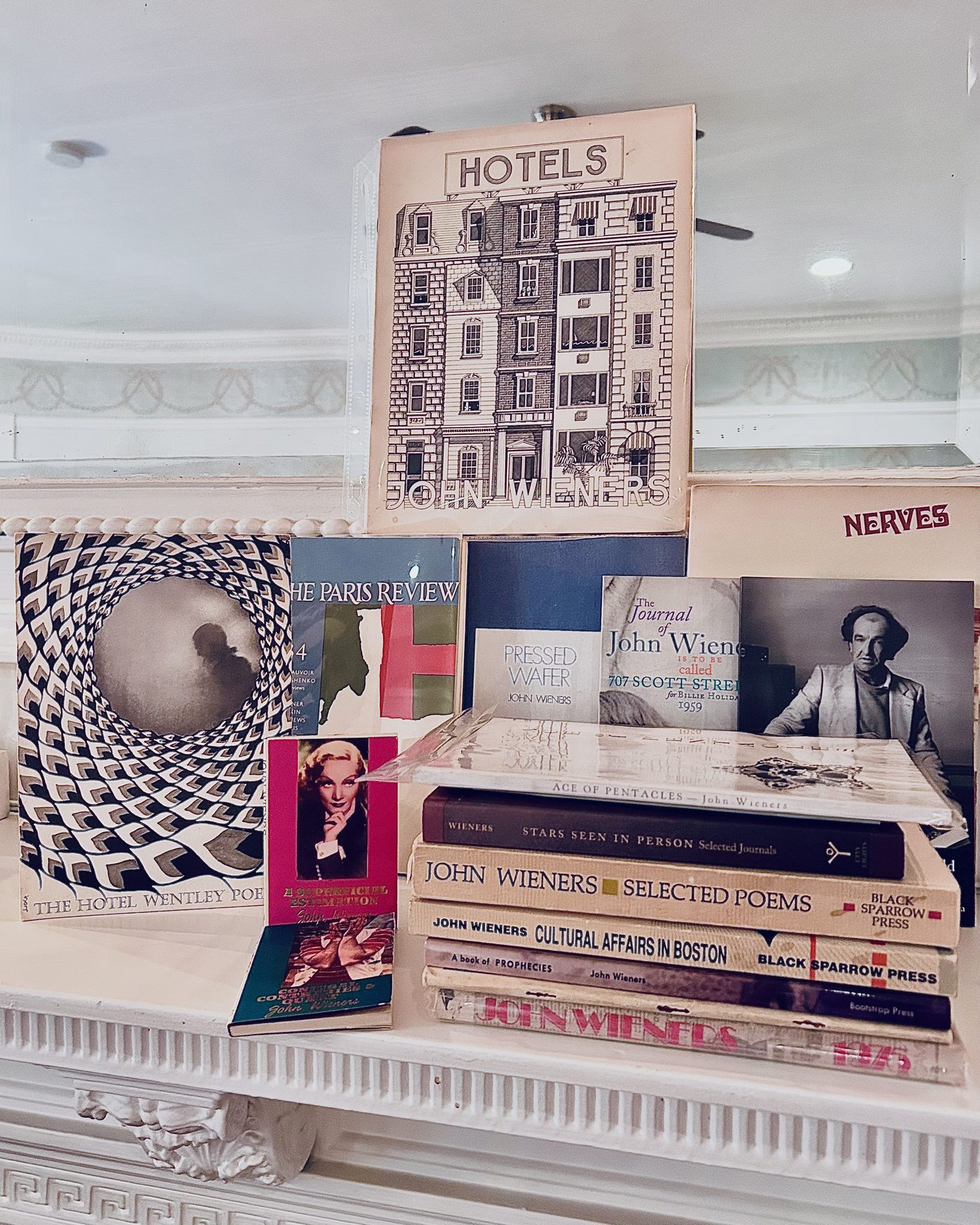
Steve’s collection of Wieners’ writing grew to include the Black Sparrow editions of “Selected Poems” and “Cultural Affairs in Boston”, along with “The Hotel Wentley Poems”, “Pressed Wafer”, “Nerves” and journals.
Among those poems was “Deep Sea”, which contains the words “we lie abed awaiting pills to take effect”. They appear in a passage about exhaustion, despair and drugs. Steve cannot remember exactly when the phrase first caught his attention, although searching books for something to use in a song was already part of his writing habits.
Sometimes he would take a line and work around it. Years later, he did something similar with an Anne Sexton journal entry for “There Goes The Sun”.
“Everyone is borrowing and stealing from somewhere. It’s what you do with it that makes it your own.”
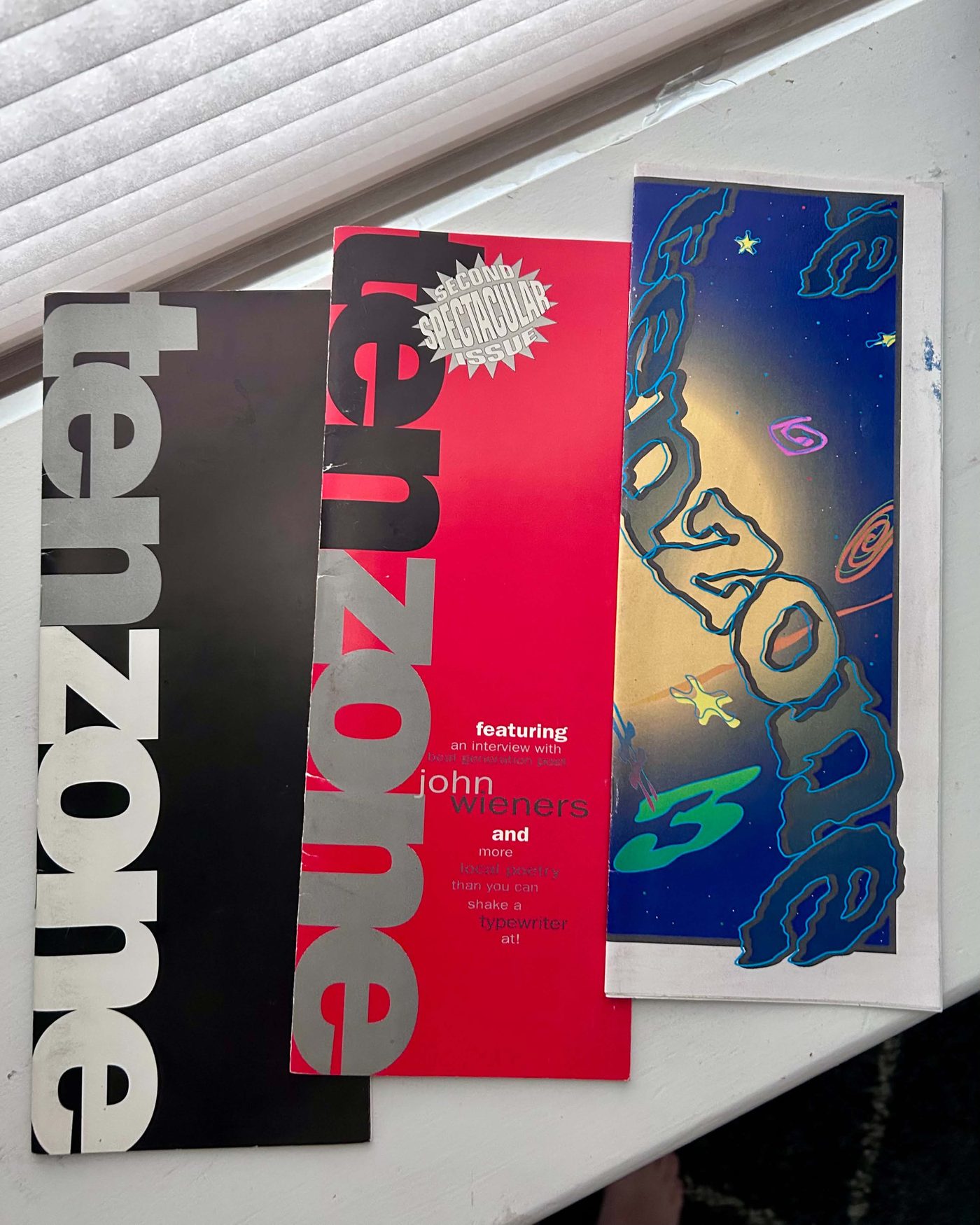
By 1991, Steve had moved to Boston and was making a literary magazine with his roommate Jonathan Maxwell and New Bedford poet Lewis Hammond Stone. They called it Tenzone, after a term Steve had found in an Ezra Pound poem. He liked its apparent meaninglessness.
He had an English degree, was working as a line cook and wanted to do something with his interest in literature. Jonathan worked as a graphic designer, and his job at a print shop meant they could make the magazine cheaply. An advertisement asking for submissions in Poetry brought in plenty of work.
“I never published my own stuff, but I absolutely loved picking what should be featured.”
Boston already had free music publications such as The Noise and The Pit Report. Steve and his friends thought poetry could reach people in a similar way, through an inexpensive magazine with a design interesting enough to make somebody pick it up. The surviving issues show the effort that went into the covers, with large lettering, bold colours and illustrations. The second issue prominently advertised their interview with Wieners.
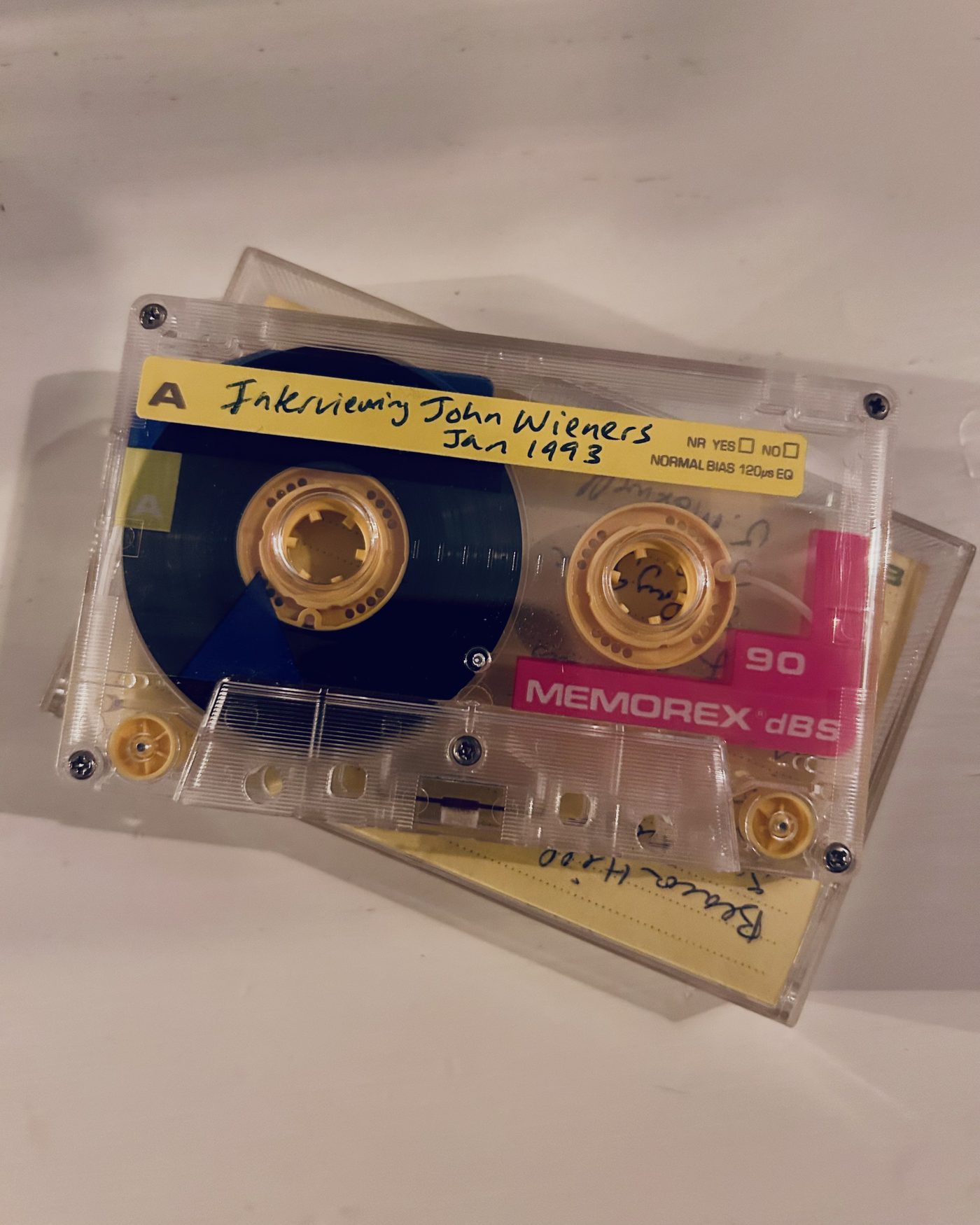
They distributed copies around the Stone Soup poetry readings and even organised a Tenzone night. Three issues appeared before the magazine came to an end.
Stone Soup was run by Jack Powers, who organised readings around an open mic and a featured guest. Writers including Ed Sanders and Jim Carroll took part at different times. Jack also happened to live near Wieners in Beacon Hill, which gave Steve the chance to meet a poet whose books had already made such an impression on him.
Their interview took place in Jack’s apartment. Steve brought Ballantine tall boys and Marlboro cigarettes for John. The three Tenzone collaborators had prepared serious literary questions, although Wieners’ replies could be difficult to follow.
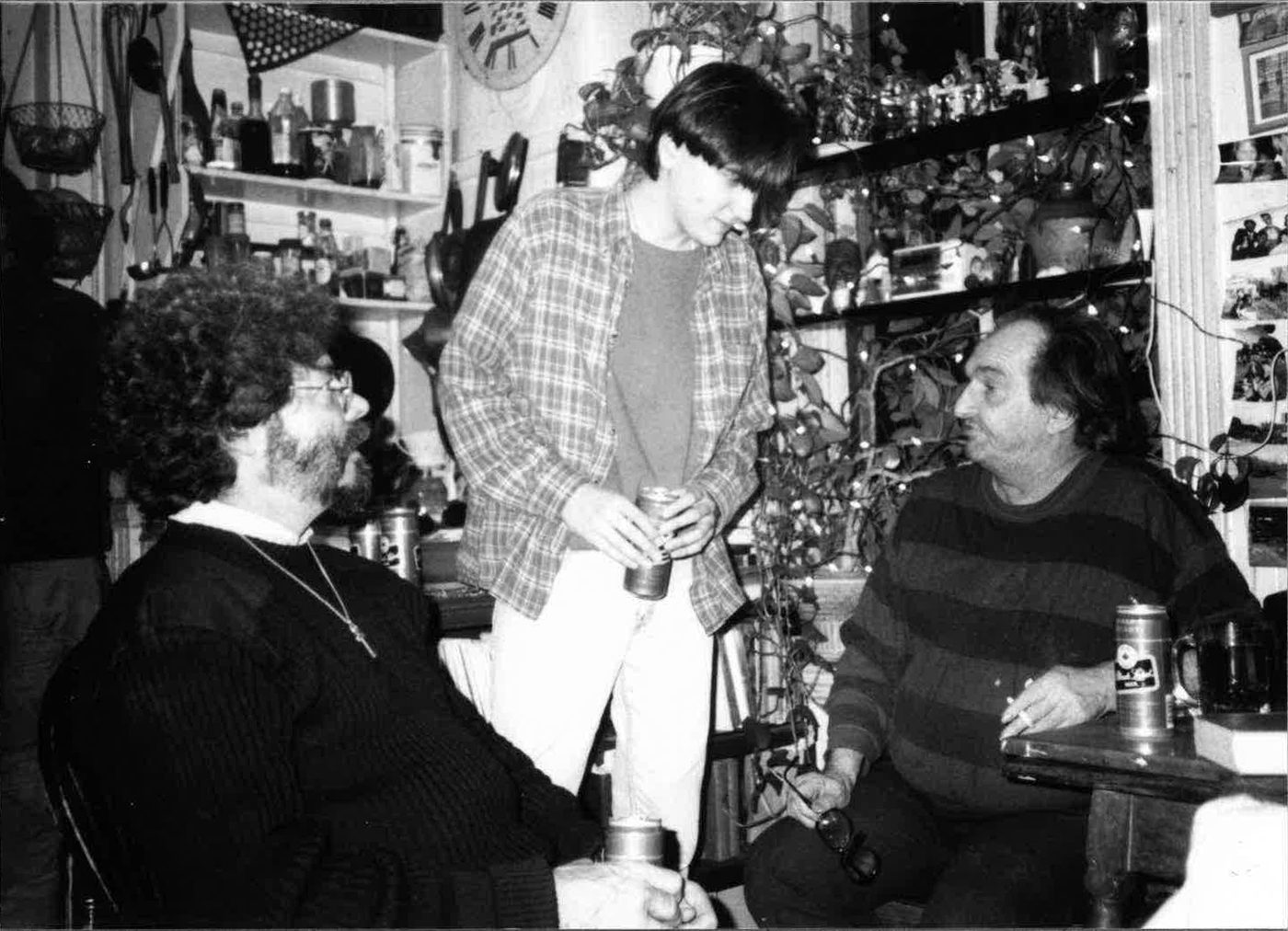
Steve remembers John being “not quite anchored in reality”, with answers that were often esoteric. They recorded the conversation anyway, transcribed every word and published the interview in issue two, along with the Wellington poem. Steve believes it was Wieners’ first substantial interview in decades.
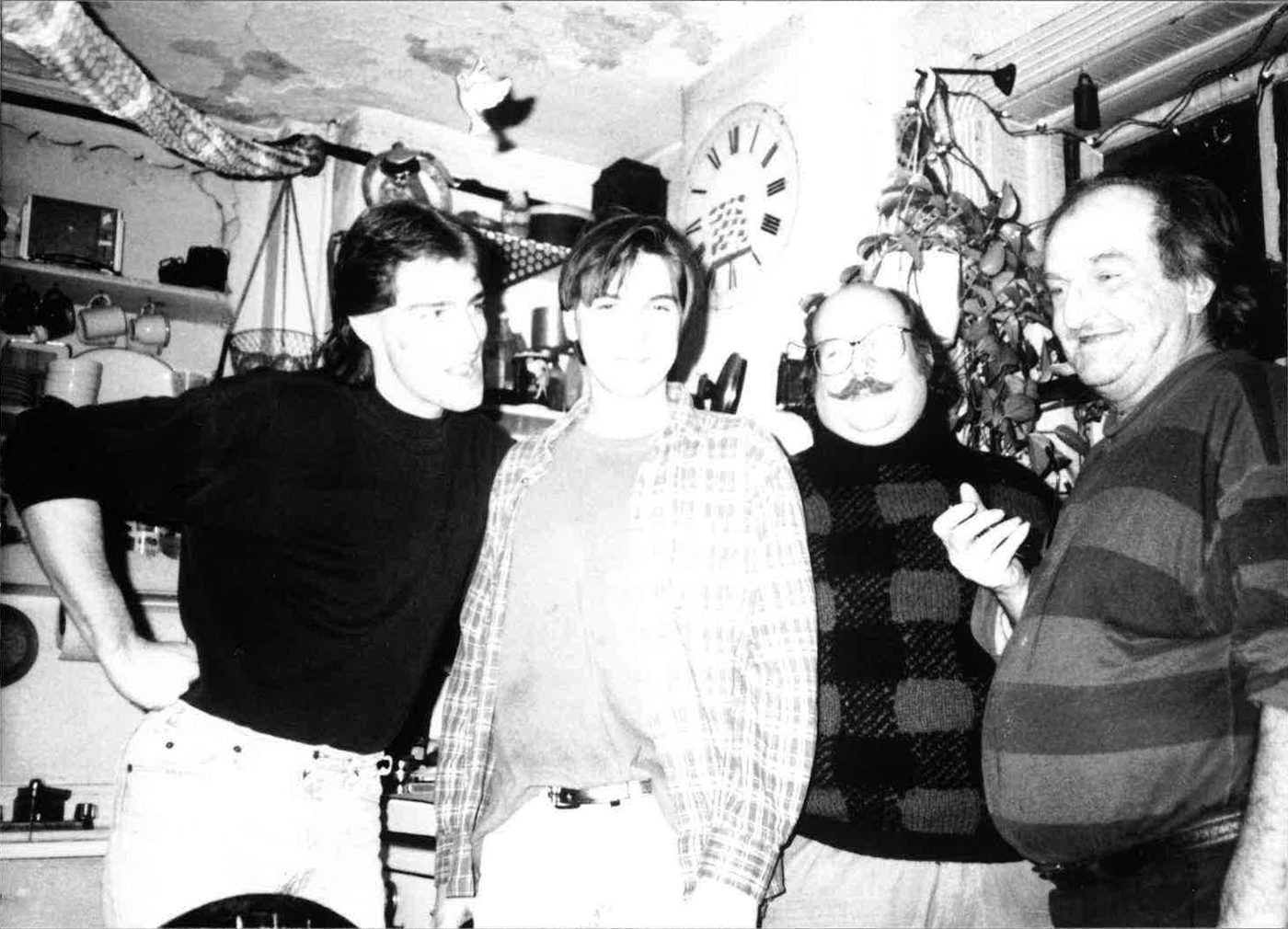
The old photographs are wonderful little records of the occasion. In one, Steve stands beside Wieners, holding a drink, with Jonathan and Lewis Hammond Stone alongside them. Jack Powers took that photograph. Another shows Jack himself with Steve and John, surrounded by the books, bottles and assorted objects in the apartment.
It was a period when Steve’s interest in writing and his life in music frequently involved the same people and places.
“The Stone Soup scene, with Powers at the helm, is where everything came together for me as a young creative, fueling both my writing and my songwriting for years to come.”
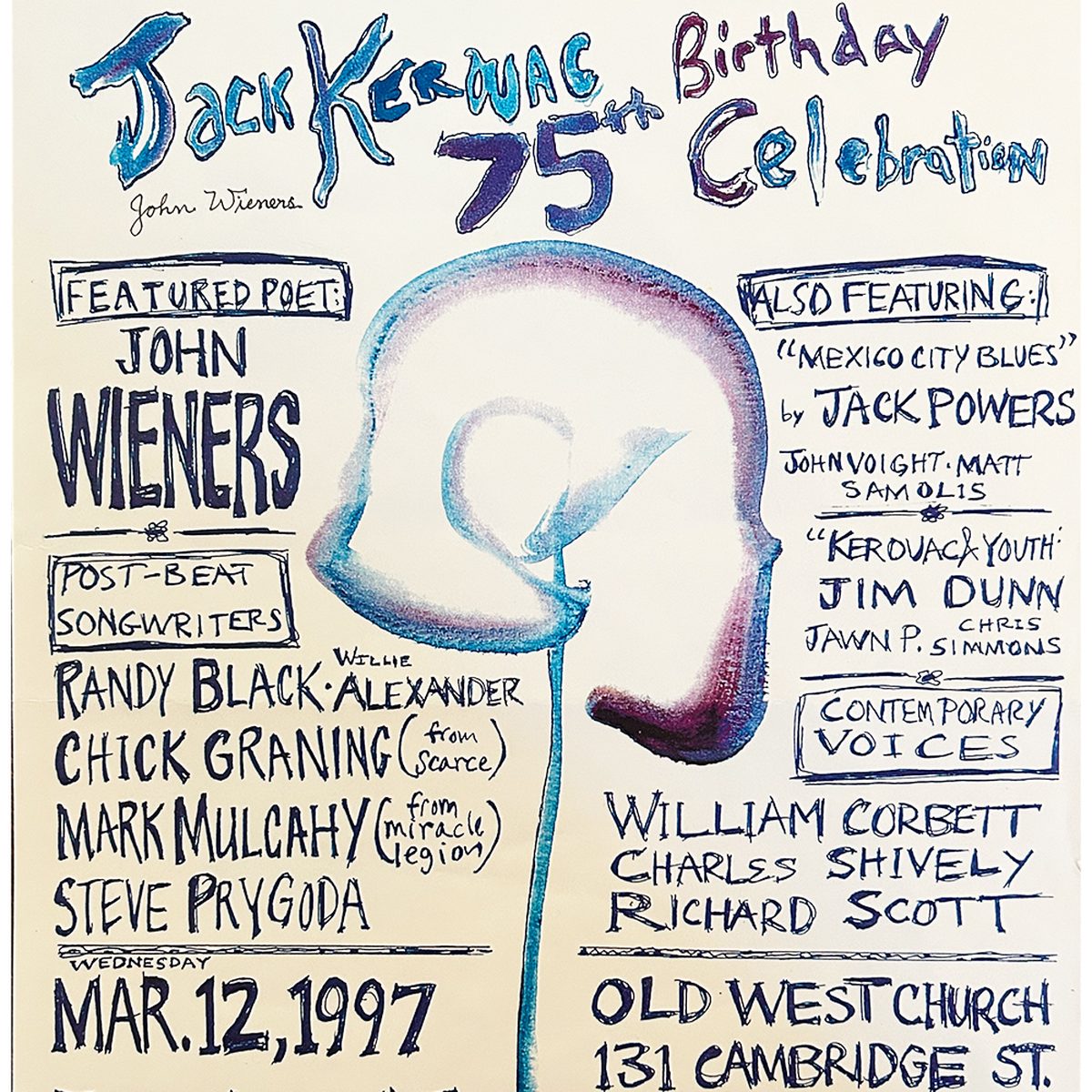
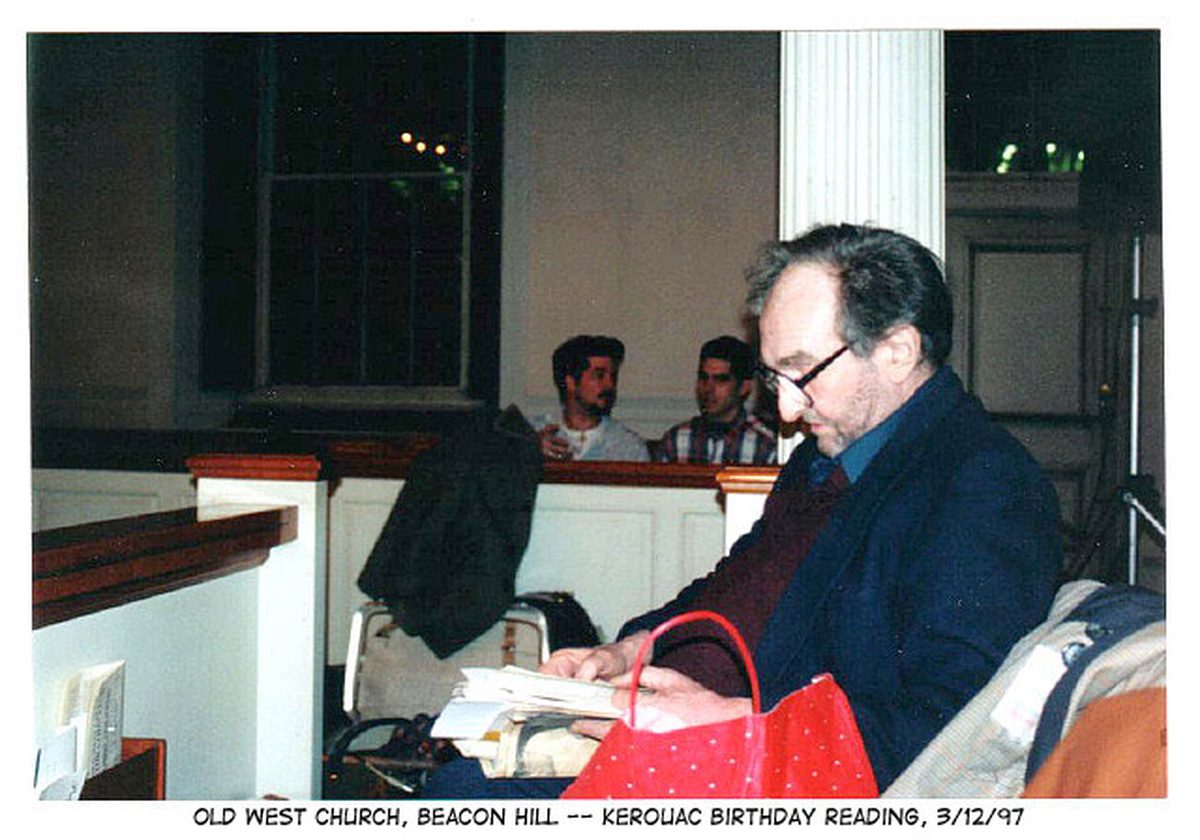
When Wieners was threatened with eviction, Jack asked Steve to help organise a benefit. They tied it to Jack Kerouac’s seventy-fifth birthday, bringing poets and musicians together at Old West Church on Cambridge Street on 12 March 1997.
Wieners himself was the featured poet. Steve performed, as did Randy Black, Willie Alexander, Chick Graning of Scarce and Mark Mulcahy of Miracle Legion. William Corbett, Charles Shively and Richard Scott were also on the bill. Jack’s “Mexico City Blues” contribution involved John Voight and Matt Samolis, while Jim Dunn, Jawn P. and Chris Simmons appeared under “Kerouac & Youth”.
The hand-drawn poster survives, as do recordings from the evening. Mark O’Sullivan helped record the audio and filmed the event. Steve thinks he might have made a separate boombox recording, although he can no longer be certain.
Around the time Tenzone was active, Steve was also working through notebooks full of songs with bassist Tim Shea and drummer Carl Treichel. They played around Boston and got down to New York City for a show at Spiral in 1994.
Tim was one of the founding members of Steve’s punk band and helped sort through those notebooks, telling him which songs to keep and which to forget. Steve trusted his judgement.
Carl brought a different kind of education. He had seen the Ramones, the Real Kids and Mission of Burma at The Rat, and passed on little things about punk rock that Steve hadn’t necessarily considered. One piece of advice was to copy John Felice’s menacing sneer while staring down at the guitar.
“Little things like that – they mean everything to me, having that direction.”
“Waiting for the Pills to Take Effect” was one of the last songs Steve and Carl worked on before that period of the band ended. Steve took the phrase from Wieners, put it together with simple Hank Williams-style cowboy chords, ran the guitar through a distortion pedal and recorded the song with Carl on a boombox.
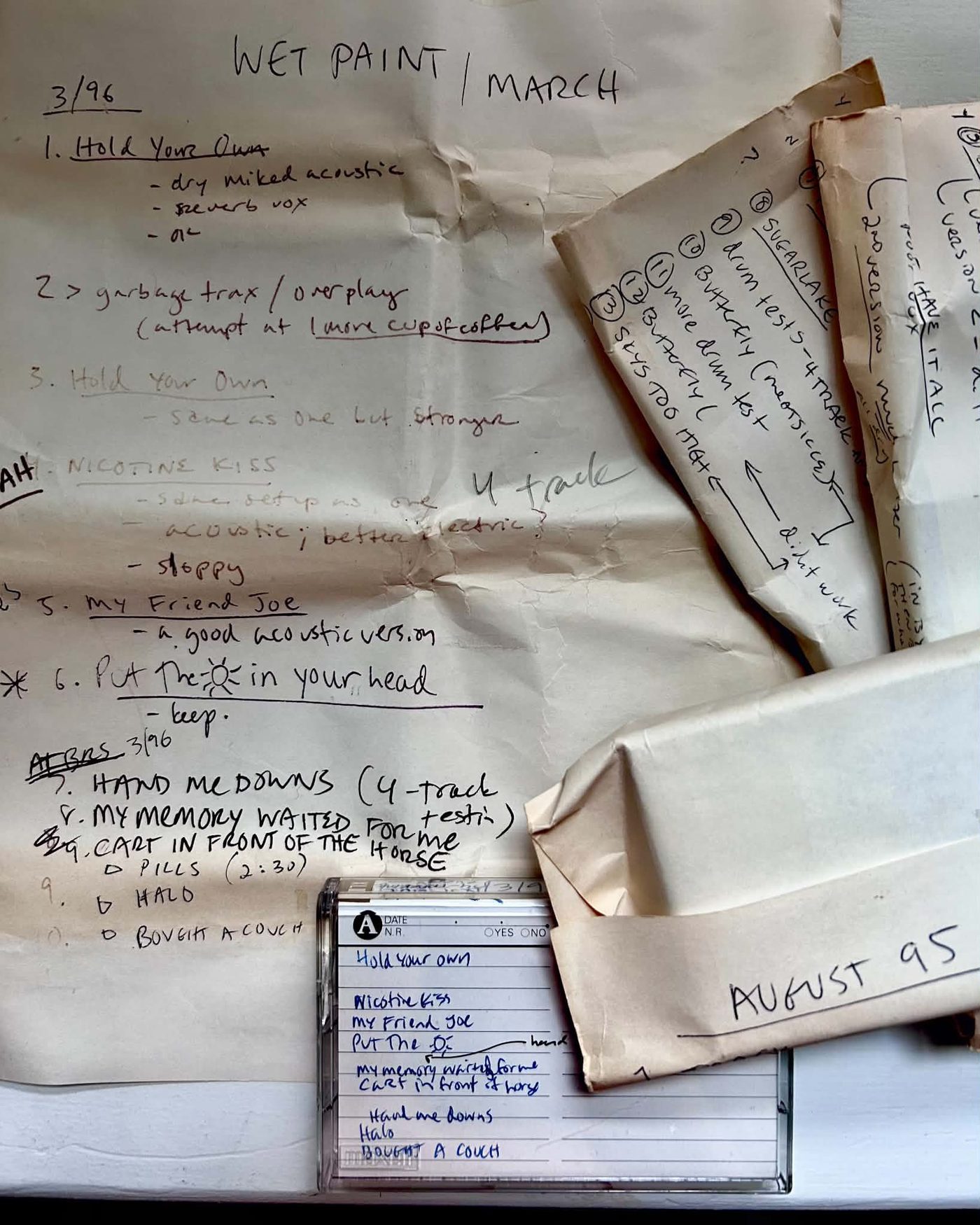
The original cassette contains a short guitar-and-drums version, without the bass and additional vocals that would appear decades later.
They were young, playing punk shows and doing plenty of questionable things for the fun of it. One particular habit involved drinking cough syrup before they went onstage and throwing the empty bottles into the crowd.
“Sounds kinda dumb now but, whatever! We were imitating Johnny Thunders.”
Steve had taken a line written by a poet dealing with despair and drugs, and used it in a song from a period when reckless behaviour was part of his own band’s routine. The words stayed in his notebooks and on the cassette for the next three decades.
Steve still hears plenty of warmth in Wieners’ writing, beyond the darker passages. John loved Hollywood actresses, nature and beauty, and was particularly fond of Edna St. Vincent Millay.
“I probably sound like a total obsessive fan right now! But I guess I am, and we all have those deep influences.”
His older song now has a place in a band whose musical history began much later.
Cold Expectations formed in 2016. Steve and bassist and singer JoEllen Saunders initially worked with more of an alt-country sound, gradually making more room for the college indie, new wave and art rock they enjoyed. Drummer Mike Demers, also associated with The Winter Project and Krebstar, helped push the songs towards a louder, more aggressive approach.
Their first full-length, “Static Reactions”, was produced by David Minehan and released through Red on Red Records. In 2023, they recorded Lou Miami & the Kozmetix’s “(I Live with) Ghosts” for Rum Bar Records.
They were selected for the 2024 Rock ‘N’ Roll Rumble, and 2025 brought “Our Hearts Need Electricity” and “The Fight”, both through The Sound Cove.
“Our Hearts Need Electricity” also came directly out of Steve’s medical problems. He wrote it in a hospital bed in 2022 while waiting to have a pacemaker implanted.
“Ironically, this is actually our second song about heart health. The first was ‘Our Hearts Need Electricity,’ which I wrote from a hospital bed in 2022 while waiting for my pacemaker implant.”
Returning to “Pills” gave him a chance to revisit something he had written before any of those treatments. He had never completely forgotten the song, and the old version had enough substance for Cold Expectations to work with.
“Fortunately, I didn’t need to alter many of the lyrics; the song was solid enough on its own, with plenty of room for interpretation. It isn’t too on-the-nose, which I’ve always appreciated.”
The current band took it into Woolly Mammoth Sound in Waltham with Matthew Alexander. There were several songs they wanted to work on, and Steve had jokingly described their ambitions as something like “Beach House meets the Buzzcocks”.
It was a fairly unlikely combination. Cold Expectations were interested in overdriven punk-pop as well as slower, roomier sounds, and they spent months experimenting and adding overdubs to different recordings.
For “Pills”, the original chords, lyrics and basic arrangement remained. Mike completely changed the drum introduction and made the rhythm much more driving throughout the song. Steve adjusted his vocal melody, which took some getting used to after carrying the earlier version around in his head for so long.
The first verse, bridge and second verse stayed largely as they had been. JoEllen suggested repeating the first chorus, which had appeared only once on the old recording. The whole band then extended the ending so the chorus runs three times, compared with twice on the cassette.
JoEllen’s melodic bass plays against the distorted power chords, and her backing vocals give the choruses another voice. Those harmonies were entirely absent from the original sketch.
The Moog melody was written during an overdub session, with Matthew also recording additional guitar parts. He engineered and produced the song and handled its mixing and mastering.
Steve has a fairly amusing way of describing the combined changes.
“So to simplify, Cold Expectations took a short song with ok drums and extended it with extra choruses, adding a synth line, making it catchy and more memorable, and bolstering the drums to make it more driving.”
The finished recording has a busy, direct rhythm, with the drums driving through the verses and the bass providing a moving melodic part underneath the guitar. The Moog adds a separate line over the band, and the expanded choruses give Steve and JoEllen more room to sing together. Its punk roots are still easy to recognise, with plenty of the band’s jangle-pop and new wave interests coming through in the arrangement.
One of the more physical aspects of the band’s current music is their ongoing attempt to play, as they put it, “as loud and fast as we can without keeling over”. A friend recently compared a live set to Gang of Four, with an additional dreamy quality, and the band seemed rather happy with that description.
“Art punk, but with hooks!”
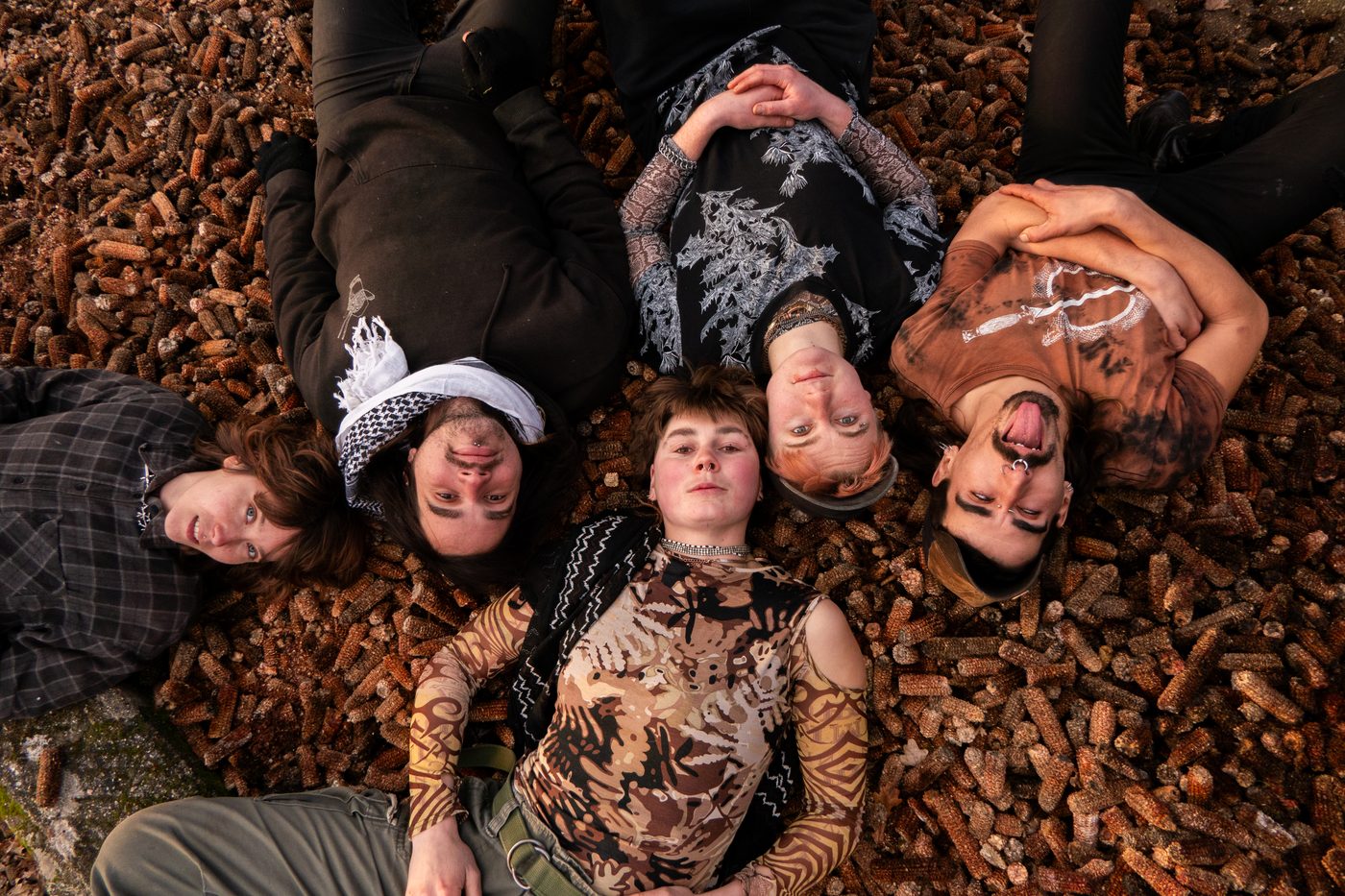
There’s a bit of the same good humour in the new single’s artwork. Steve designed the cover, arranging pink and green capsules in columns above a row of playback controls. Joan Hathaway photographed the band for the release.
“Waiting for the Pills to Take Effect” arrived through The Sound Cove on 9 October 2026, following an earlier label release on 2 October. It is Cold Expectations’ first new recording of the year, and the band have been putting it into their live set.
Their October schedule included a Bootleg Dan show at Underbones in Somerville on the 17th with The Dogmatics, Stop Calling Me Frank and The Cynz. A Boston Concert Network livestream from the David Bieber Archives is scheduled for Halloween night, with another appearance due on 21 November at the Roxy & The Crisis record-release party at Medford Brewing Company.
All these years later, Steve can still remember being sent to the library by Bill Wellington, finding Wieners’ books, and discovering the sort of writing that would eventually lead him to make his own magazine and write a song called “Waiting for the Pills to Take Effect”.
“Honestly, we should all be lucky enough to find inspirations like that in our daily lives, whether it’s from a coach, a teacher, or a writer you’ll never get to meet. They give us an outlet and a place to turn when we need inspiration. If a line from an obscure poem could do that for me, it’s amazing to think that a song I’ve written might do that for someone else. That’s a pretty cool thought.”
🔔 IDIOTEQ is ad-free, independent, and runs on one person’s time. If you want it to stay that way: DONATE via PayPal or SUPPORT via Patreon.
NEW: IDIOTEQ Explore 🗺️ Browse 15+ years of our archive by city, country, and style. Find artists on the world map or trace related sounds through the styles map.
Stay connected via Newsletter · Instagram · Facebook · X (Twitter) · Threads · Bluesky · Messenger · WhatsApp.