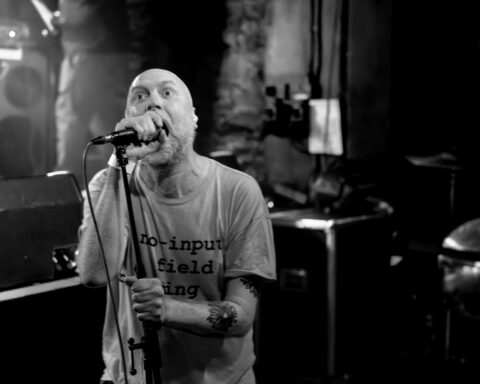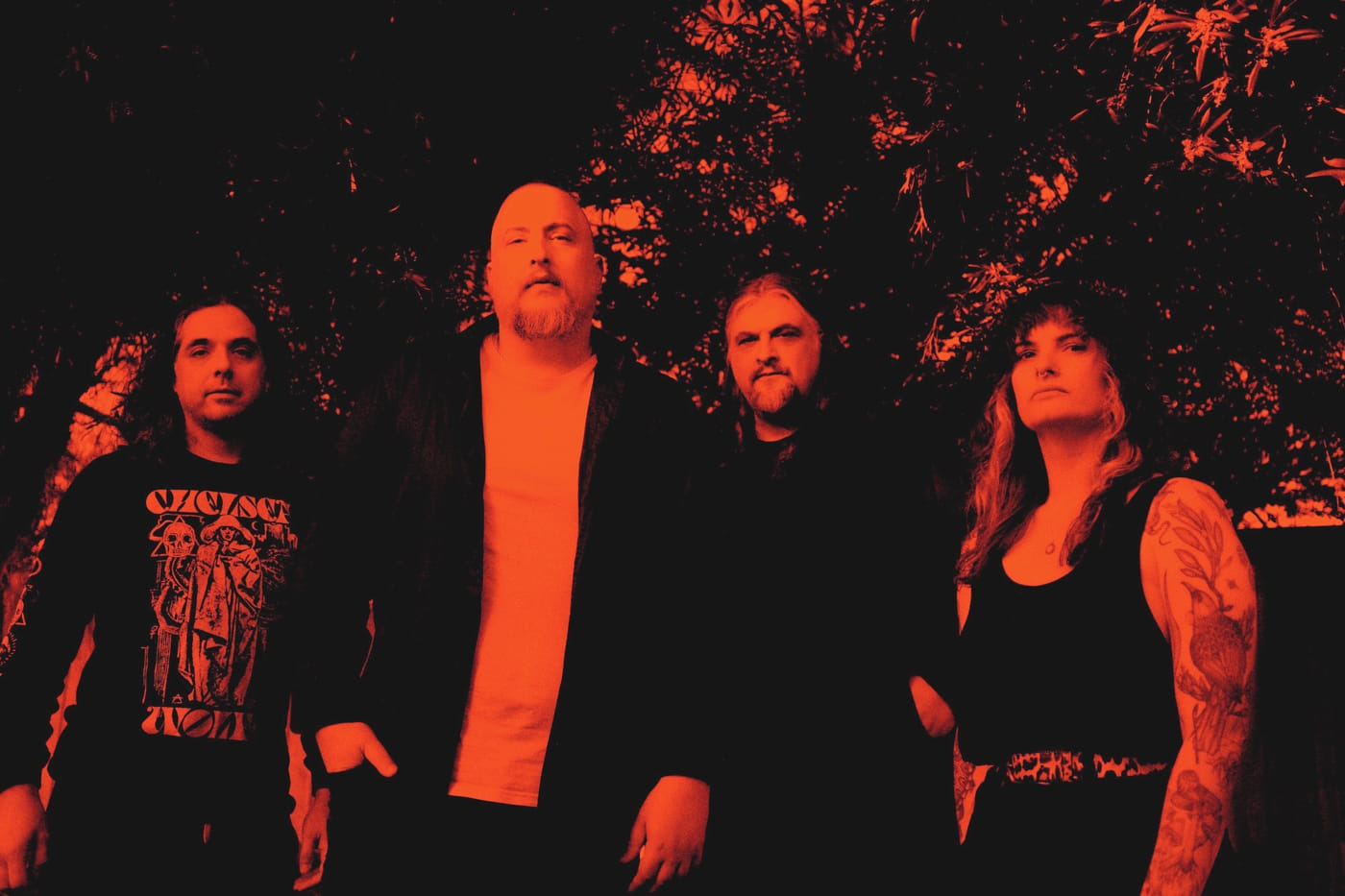

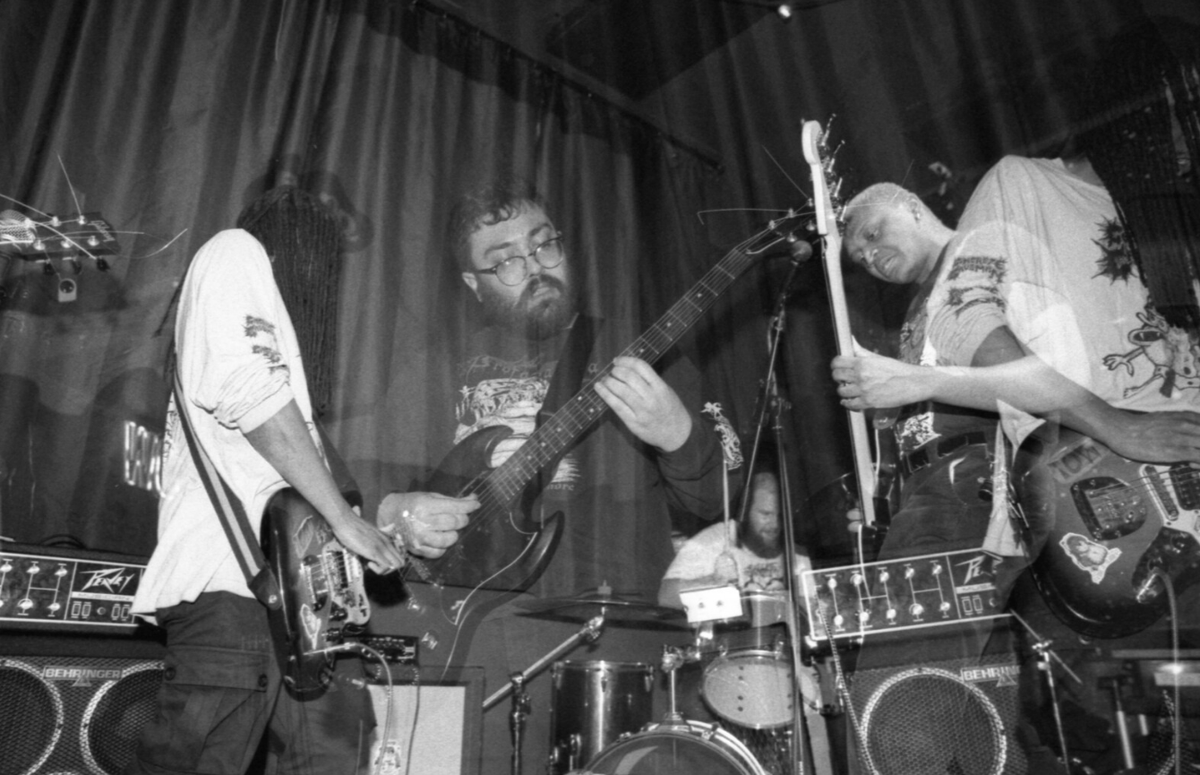
There’s a lot going on in the six songs that make up “…A Sweetly Rotting Bed To Lie Upon“, the debut EP from New Brunswick, New Jersey screamo band Casca. Grinding, feedback-heavy guitars, frantic blasts, piercing screams and bass lines that Michael Cole likes big and oppressive. There are some gorgeous melodic passages buried in there too. This is screamo that can tear up your ears and your heart in pretty much the same breath.
Michael, who handles bass and vocals, wrote much of the record’s lyrical content during some deeply difficult years involving isolation, addiction and abuse. The words had been sitting around as poems and disconnected passages, long before he knew exactly what Casca would do with them. Once the four musicians began working on the songs, he noticed how often he had been returning to the same subjects.
“I honestly didn’t even mean for all these songs to be thematically linked at all, it just kinda came out that way!”
The different texts dealt with separate people and events, but abandonment, decay, desperation and losing control of one’s own life kept coming up. He was particularly troubled by the idea of watching things happen to yourself and remaining a passive participant.
He had been drawn to that sort of writing and imagery since he was a kid, when he first discovered black metal, Berserk and the Souls games. The music and stories appealed to him for their bleakness and their treatment of helplessness, which he remembers connecting with when he was around twelve or thirteen.
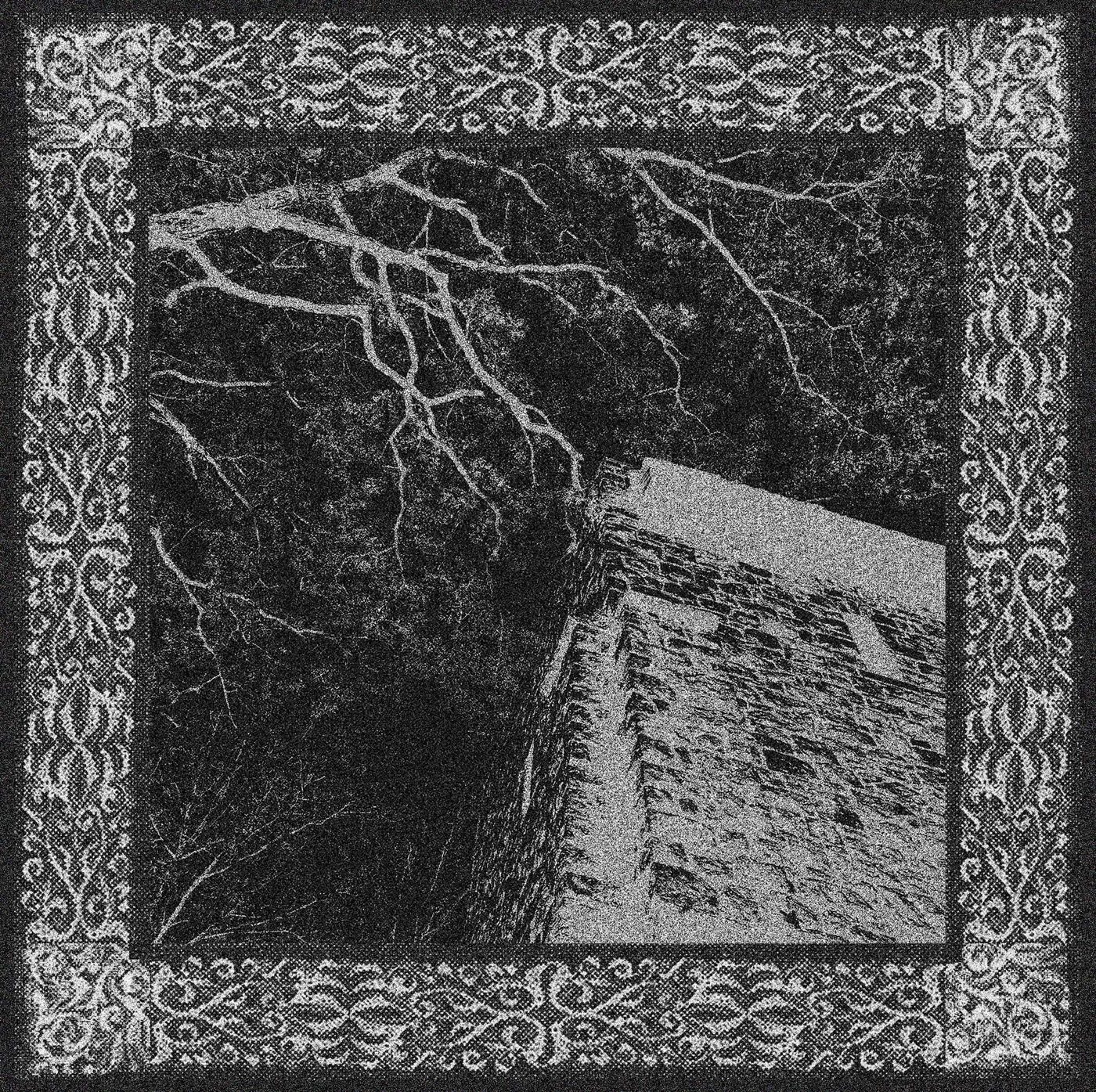
There is a very specific Dark Souls III connection in the EP’s title. In the Ashes of Ariandel expansion, the player encounters the Drowsy Forlorn, an emaciated figure sitting in a cave amid maggots and rotting waste. He calls this place his “sweetly rotting bed” and casually suggests finding one of your own.
Michael had that scene in mind while Casca were still writing their earliest songs.
“But I’ve always connected to that sense of helplessness, neglect and passive suicidality that the character and world exemplifies. It’s a central theme of the story of that DLC and just so happened to parallel what was going on lyrically and musically from the one or two songs we had written already by that point.”
He drew on the game’s cold, isolated imagery as he finished the lyrics, and some of those ideas gradually entered the music and his artwork for the EP. The title grew out of something he already recognised in his own writing, while the visual side developed alongside the songs.
It was only once he’d gained some distance from the experiences behind the lyrics that he could see the connections clearly.
“It wasn’t until I had some distance and was able to reflect on that period of time and we had started jamming/writing riffs and really putting it all together that I realized, “Oh! These are all about the same thing really!””
The titles alone give some indication of the territory Casca are working in. “failure of presence.”, “contrite witness, a weakness promised” and “…of waning ardor and lost ambition.” all come from that period of writing. They’re separate pieces, with their own histories, collected into one record by four musicians whose tastes and experiences have overlapped for years.
And their approach to making the music is quite a story in itself.
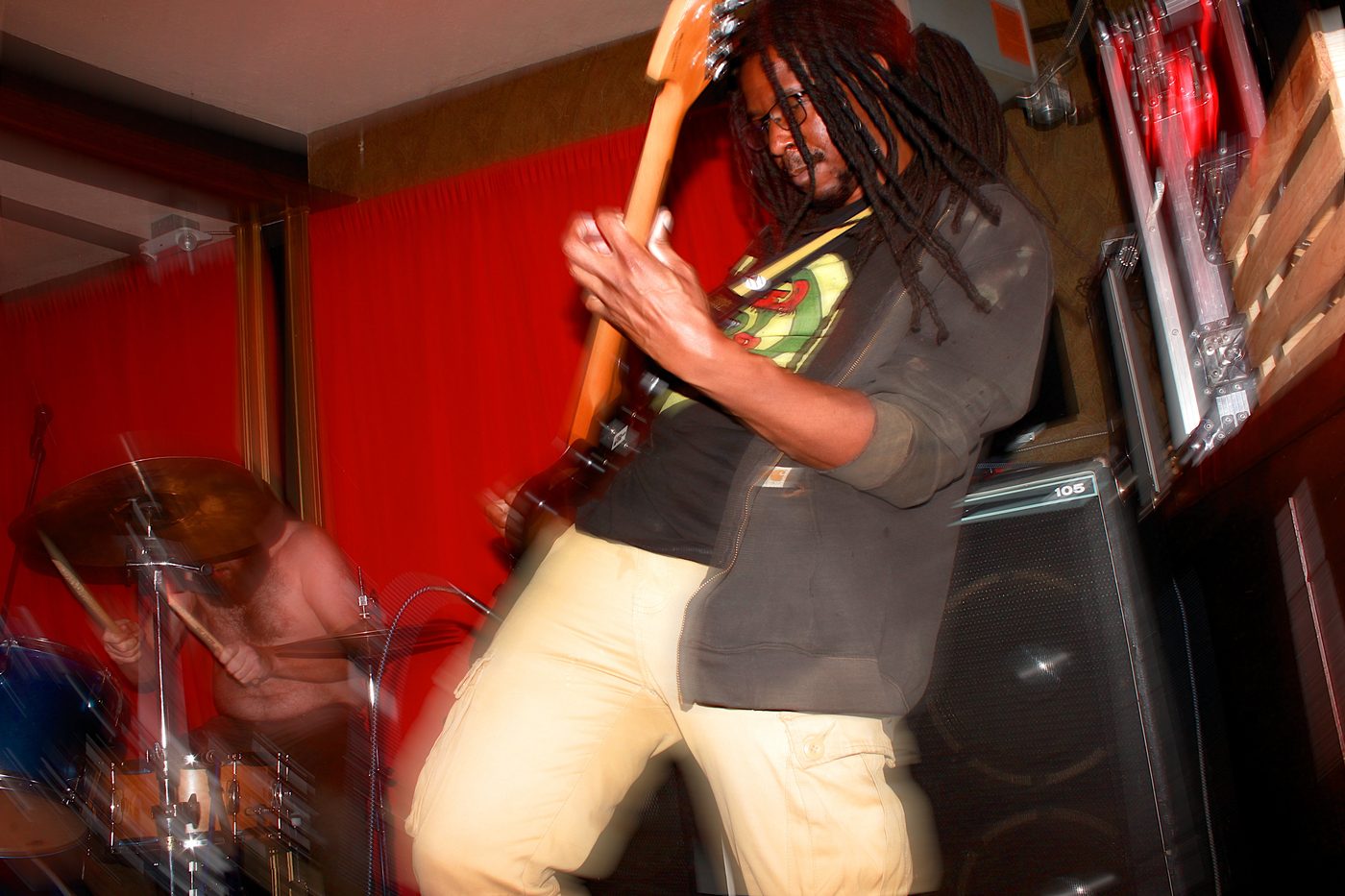
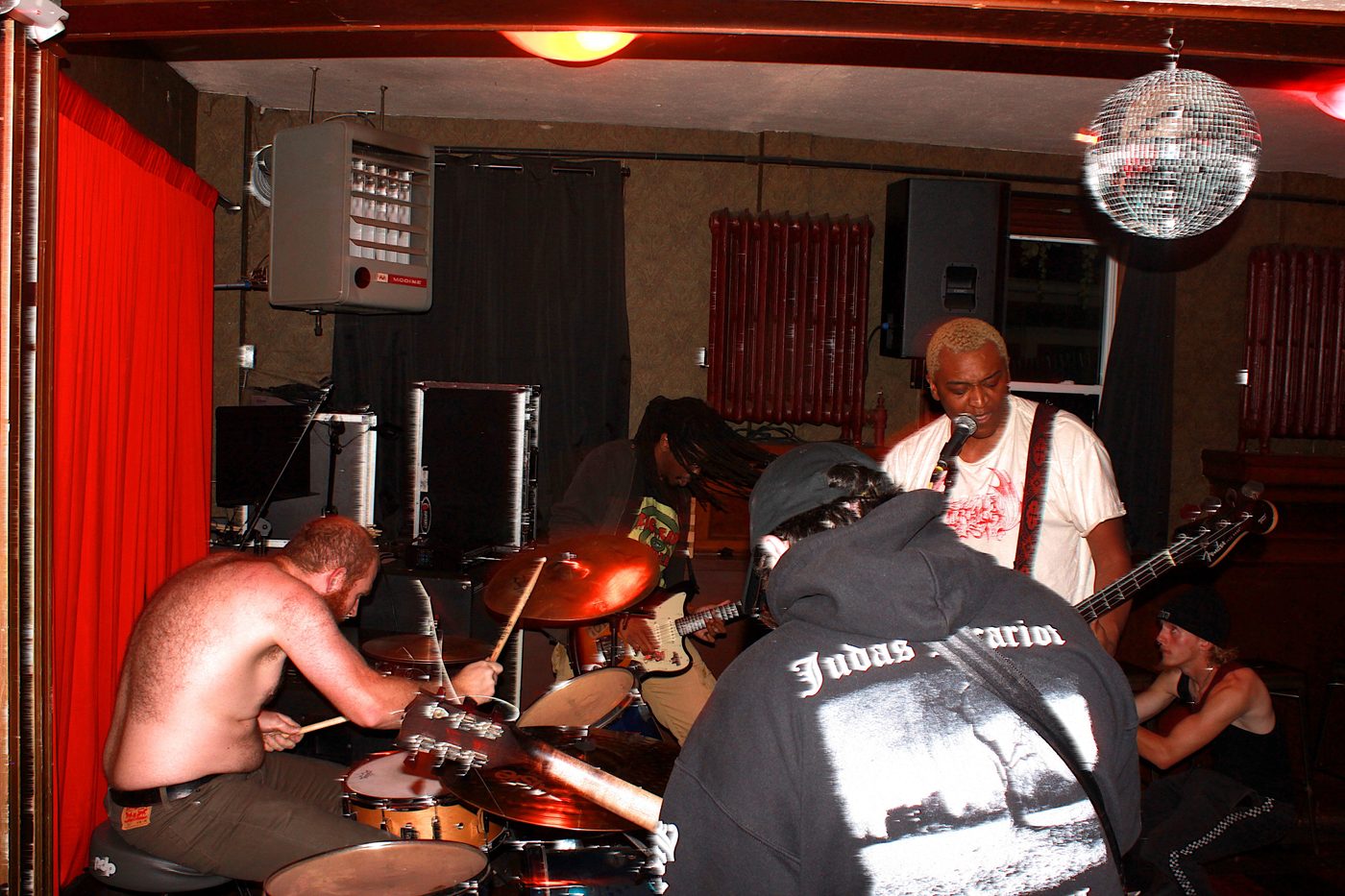
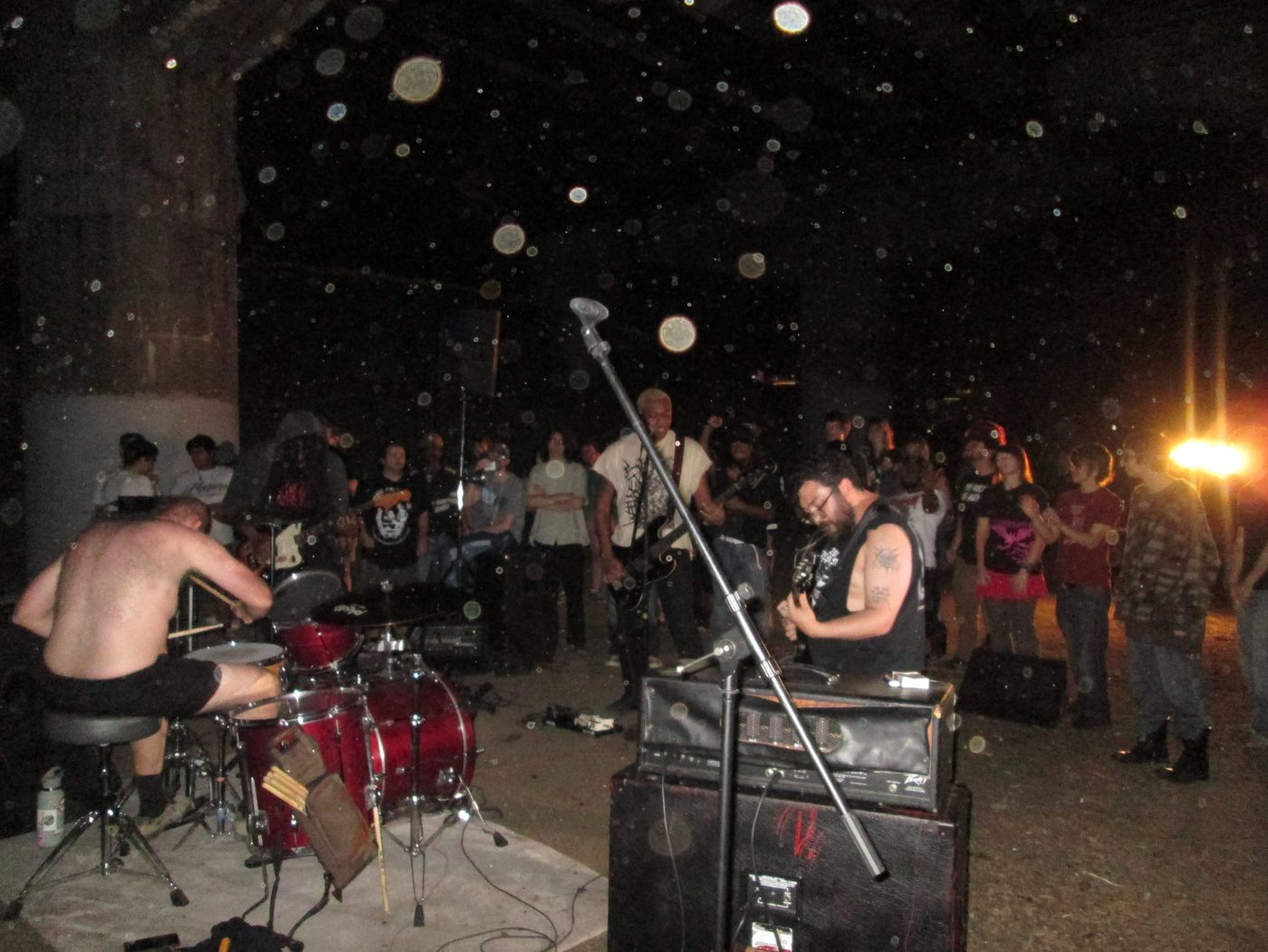
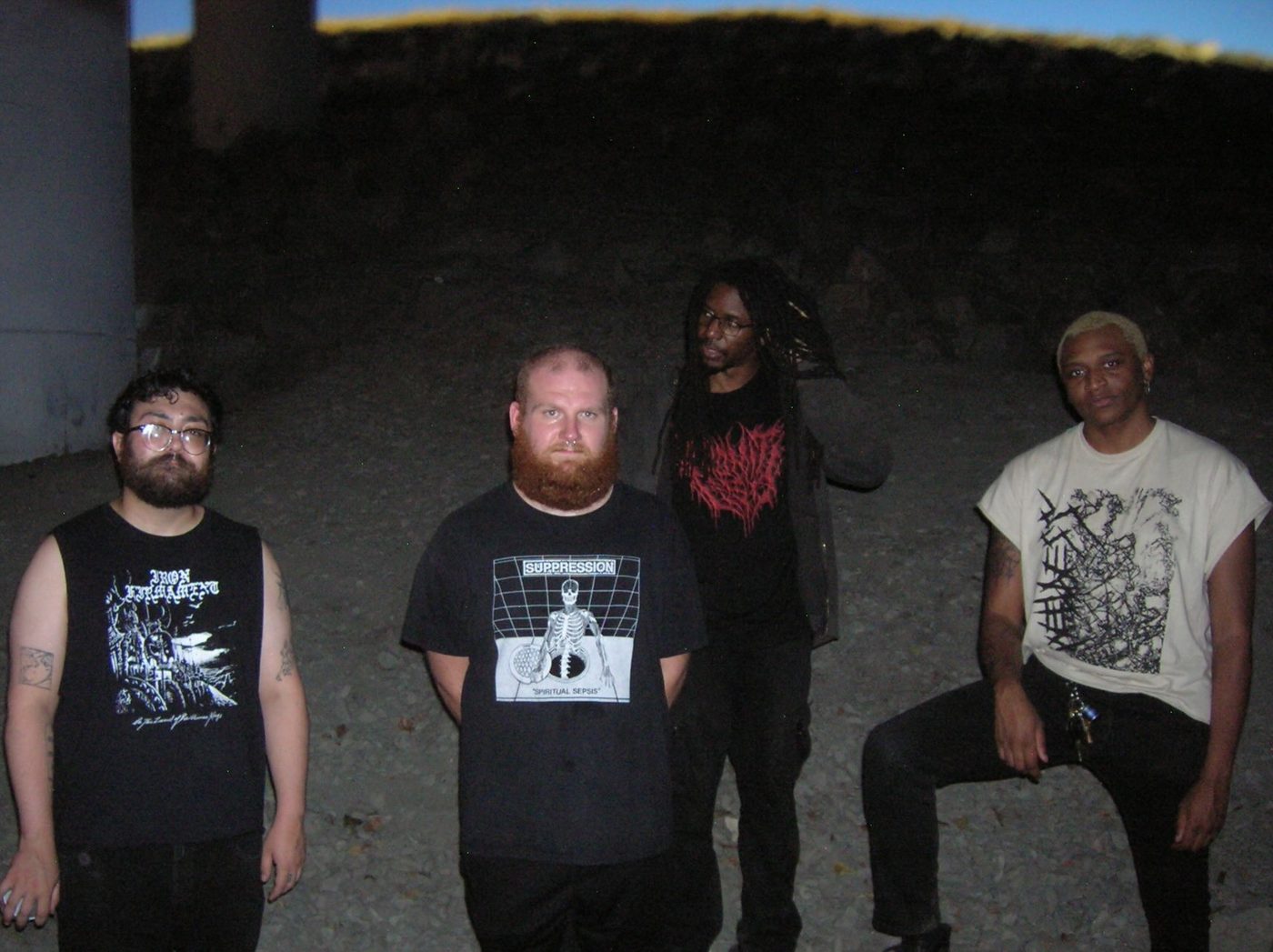
Casca have Michael alongside guitarists Marcus Moore and Jonathan Mottola, with Kevin Henson on drums. All four have been playing in the DIY underground for roughly a decade, and several of their musical relationships go back well before this band existed.
Michael and Jonathan share a long-running interest in black metal and crust punk and also play together in a black metal band. Michael and Marcus have been involved in a more punk and post-hardcore-oriented group for even longer. Marcus and Kevin found common ground in Sonic Youth, Shellac and Slint.
Marcus, however, had barely listened to screamo before joining Casca.
“So I actually have the least amount of screamo knowledge out of the 4 of us. When I first started playing with the guys they had me listen to Battle of Wolf, Ostraca, and Tentacles as I fully had never listened to screamo like ever.”
His playing came from punk, post-punk, goth, and a fair amount of jazz and improvisation. Crass, Screaming Females, Mourn, Autolux, TORSO and Limp Wrist are among the bands he mentions when talking about his own background.
That interest in making things up as he goes has survived in Casca. Some guitar parts on the finished recording never had a single established version during rehearsals.
The closing melodic lines of “a sweetly rotting bed to lie upon” were improvised by Marcus, and the version they captured became part of the record. He also picks out the cathartic passages in “unwilling, unseen” as particularly important moments on the EP.
Kevin’s history with screamo goes quite a bit further back. Tentacles, Battle of Wolf 359, Shikari, Funeral Diner, Majority Rule and Ostraca were among the bands shaping the earliest Casca rehearsals. There’s also a strong affection for the records associated with The Great American Steak Religion and that wider period of noisy hardcore, especially Uranus, His Hero Is Gone, Shotmaker, 400 Years and One Eyed God Prophecy.
He’d spent plenty of time talking about those bands with Tom and Jon from C86’d Records before Casca had even put anything out. They became familiar reference points during the early days of their friendship, with a shared appreciation for the darker, less polished production of those older recordings.
Jonathan’s guitar playing comes through another set of records. Gorgoroth, Lifelover, Judas Iscariot and Mutiilation are important to him, particularly their cold, abrasive approach to guitar. Outside heavy guitar music, he spends time listening to noise, industrial and ambient records, which feeds into his preference for feedback and harsher textures.
Some of the melodic writing has a much more straightforward origin: the band also enjoy a lot of emo and pop.
“I also think a lot of us have an ear for more catchy and “traditionally accessible” stuff, like emo and pop music, at least that’s what we played a lot in the van, and that got me thinking maybe that’s why we like to have big melodic and cathartic moments in our songs.”
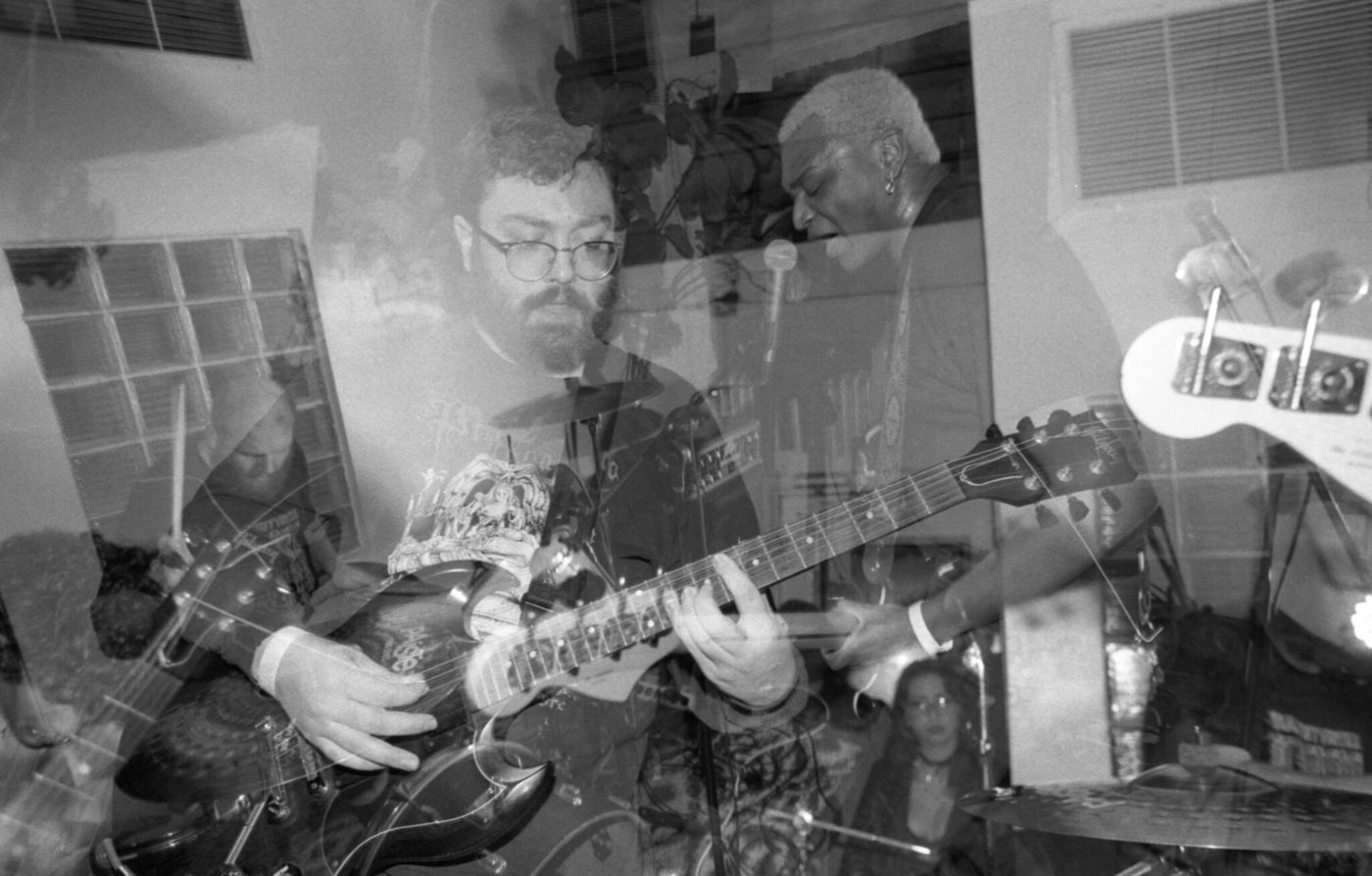
Michael and Jonathan share what Michael jokingly calls the “emo kid turned metalhead pipeline”. He’s been into Craft and Iskra for years, with Yellow Eyes, Haunter and Bone Awl also appealing to his taste for harsh vocals and dominant bass lines. On the emo side, Tentacles, Ostraca, The Cabs and Ampere have stayed important, and the Japanese screamo and J-Rock influence comes partly from his history playing with Marcus.
There’s a good deal of old screamo in Casca, with Orchid, Silk and Gothic Ruins also among the names closely associated with their music, but their own writing benefits from having four people arrive with different ideas. They’re all familiar with one another’s playing, and there’s room for Marcus to improvise, Jonathan to lean into noise and Michael to bring his black metal and emo background into the same songs.
The relationship between these musicians developed inside a New Brunswick DIY scene that, according to Marcus, changes considerably every few years.
He began playing local shows in 2016 and moved to California for school in 2017. After three years away, he returned to New Jersey in 2020 and found that most of the house venues he’d known had disappeared. There were new bands, unfamiliar faces and different people organising things. He had to start meeting people again.
Having spent years in the same scene before that move, he understood how much work it could take to become involved.
“Our scene and probably most others can be a sort of gated garden and is a bit hard to crack open. Playing one good show is not enough to gain the trust of the venue runners and bigger bands, a lot of times I think it can take playing in multiple different bands and a lot of experimentation before creating one that sort of sticks.”
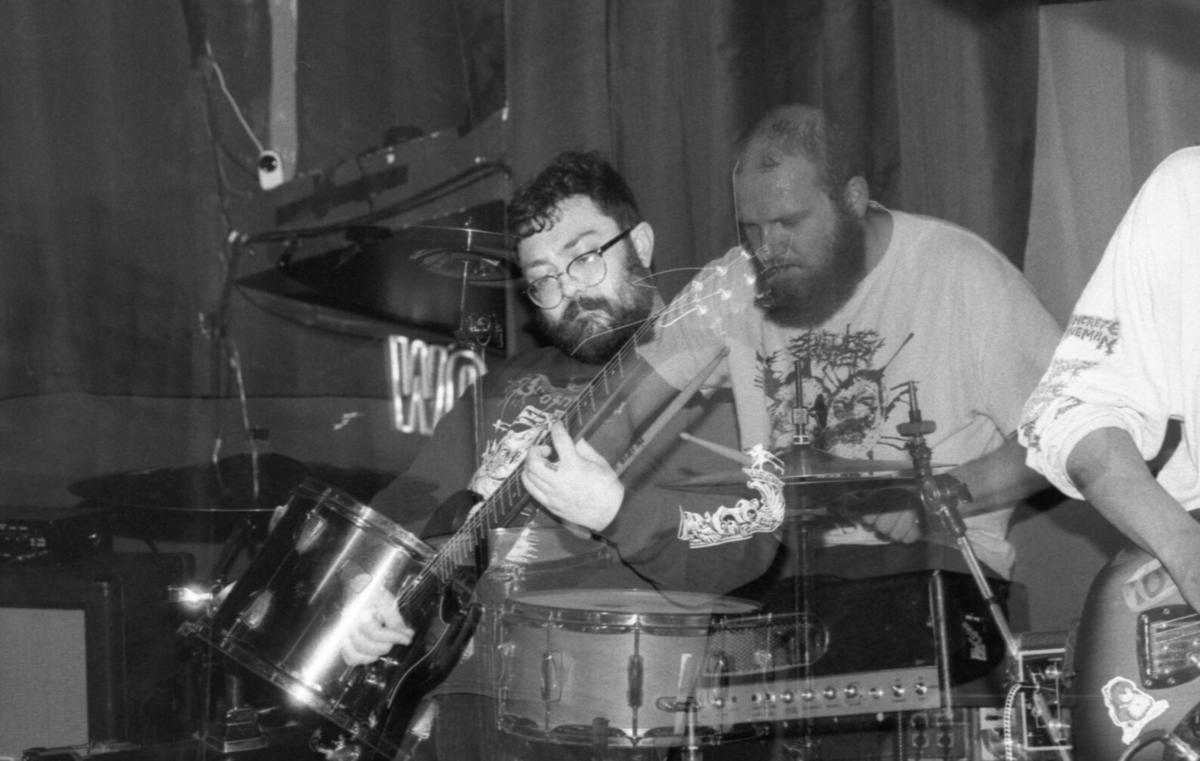
For musicians getting started in New Brunswick, the Meatlocker and local house shows remain important. You can get a band onto that circuit, keep playing and gradually get to know the people organising gigs and the other bands on the bills.
Marcus reckons the local scene changes quite drastically every three to five years. What helped Casca was that all four members had spent years attending shows, playing in other bands and supporting people around them. That gave them existing friendships and some trust before their first songs were released.
It’s also how C86’d became involved.
Tom and Jon had known Kevin and Jonathan for years through shows and other projects. They heard rumours about the new band before seeing them, and eventually caught Casca at a release show for Silk, another group of friends whose music had been an influence on the band. C86’d had helped organise the night.
The Casca set lasted approximately fifteen minutes.
“No matter the genre or style, we both love fast, no bs, in your face music, and Casca never let up for those 15 minutes. I think both of us immediately knew they were doing something really special and wanted to help them in whatever way we could.”
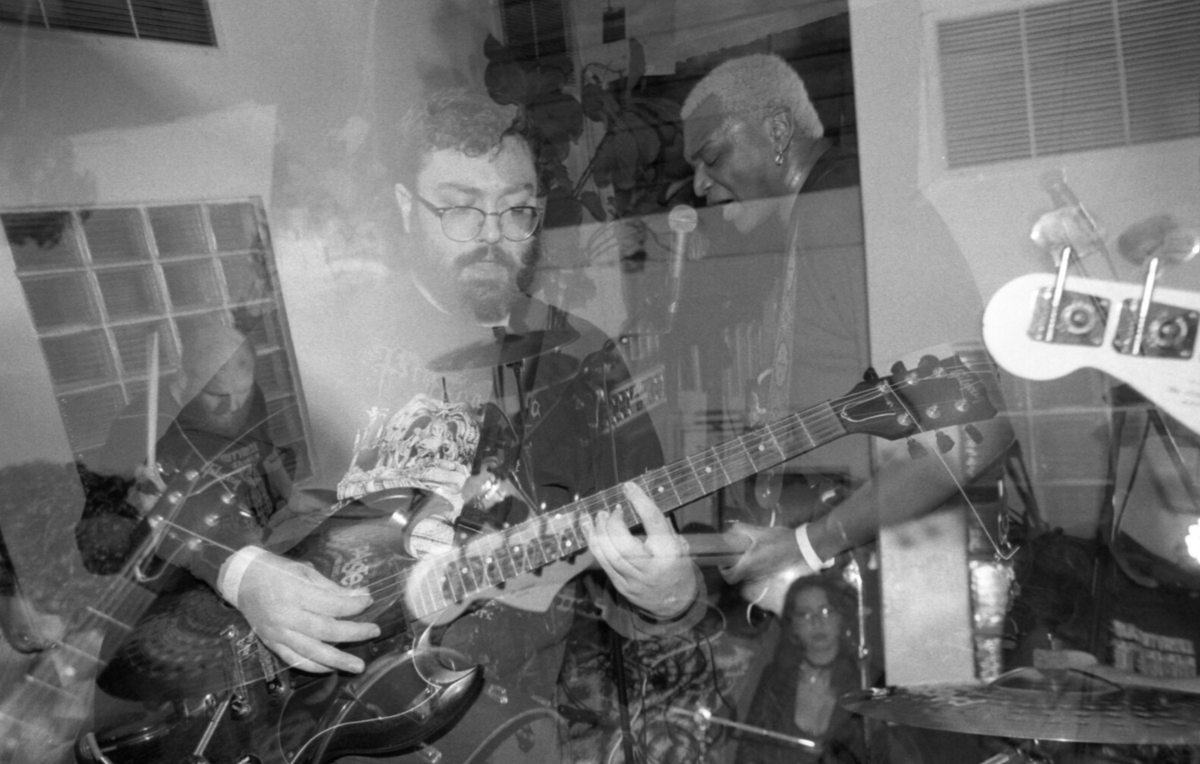
They started booking Casca for shows before there was any publicly released music. The band already knew Jon as a musician and Tom as a photographer, and their working relationship soon developed into a friendship.
For Jonathan, having a label show that much confidence in a band without any recordings online was a big deal. C86’d were also interested in what Michael was developing visually, giving him room to carry his artwork into the physical edition when the time came.
The actual recording was handled entirely by Kevin.
During winter and spring 2026, Casca worked in their New Jersey practice space, a room measuring approximately ten by ten feet. Kevin had already engineered four or five releases on his own, although this was only his second time recording a band he also played in.
Recording at their own space was convenient. They could work where they rehearsed and attempt to keep some of the volume, noise and playing habits that developed whenever they wrote songs together.
The original idea was to record every instrument at the same time. Their recording setup didn’t have enough inputs, so they settled on tracking drums and bass together, then adding the two guitars and vocals separately.
That first round didn’t last.
“We actually had to scrap the entire record’s worth of drums and bass because we realized that the songs needed a click track to help replicate how we play in our demos.”
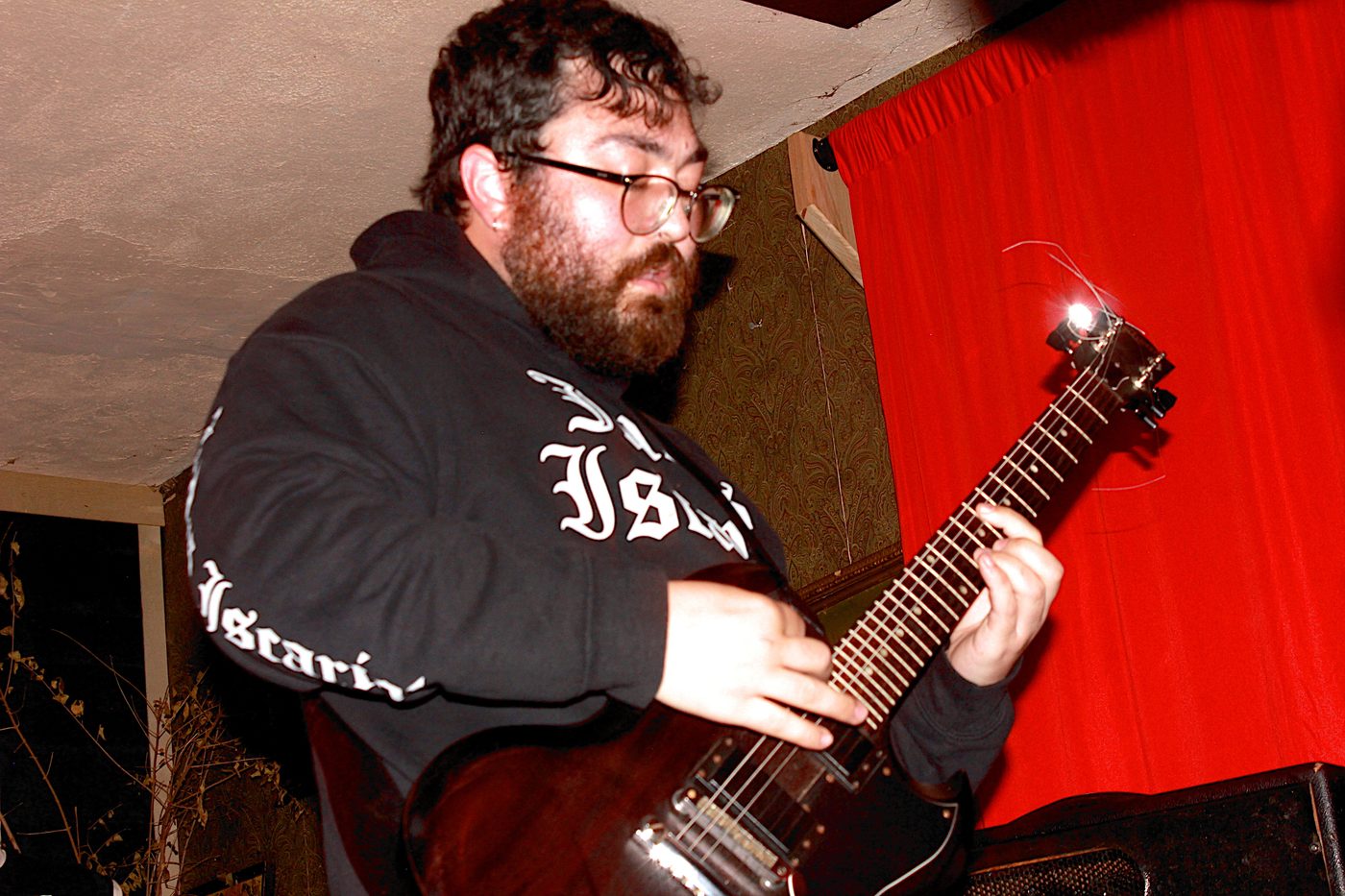
They recorded the drums and bass again, this time with a click track. Kevin has since wondered whether the problem would have occurred if they had managed to capture all four members playing live in the same room, as originally planned. The extra sessions did give them a better understanding of the arrangements, though, and helped them work out exactly what each song needed.
With the rhythm tracks sorted, Kevin concentrated on the guitar recordings. He wanted to get as much volume, sustain and feedback as possible without burying the riffs or the melodic parts.
Casca have a fairly firm preference here. They don’t rely on reverb or delay pedals for that noisy, sustained guitar sound. Distortion and feedback do the job, with the actual playing and amplifier response providing much of what they want.
The vocals took the most time.
Kevin had heard Michael play music before, but hadn’t really experienced his vocals at close range. The first take caught him off guard.
“That being said, I had never heard him do vocals before this (at least never up close) and I was completely blown away after the first take.”
They worked through several approaches to recording his voice, including placing a microphone close to the PA in their practice room to capture another vocal track. Michael’s stamina was a concern, so the sessions had to be arranged with that in mind.
By the time everything was recorded, Kevin had a clear idea of how he wanted the tracks to work together. The choices they’d made during tracking helped him when he came to mix the EP. He also handled the mastering, completing a process that had taken roughly six months from the first recording session.
As the finished recordings came together, Casca and C86’d began sorting out the physical release. This would be the label’s first release available on both cassette and CD.
Casca had specifically expressed interest in CDs. Tom and Jon had also been getting regular requests for the format from people attending their shows, so the band gave them a good opportunity to try something new.
“As for pushing us into CDs, we knew it was a format that Casca expressed interest in and one that people at shows were consistently asking for. So it just felt like the right moment and the best way to make sure as many people as possible could support our friends.”
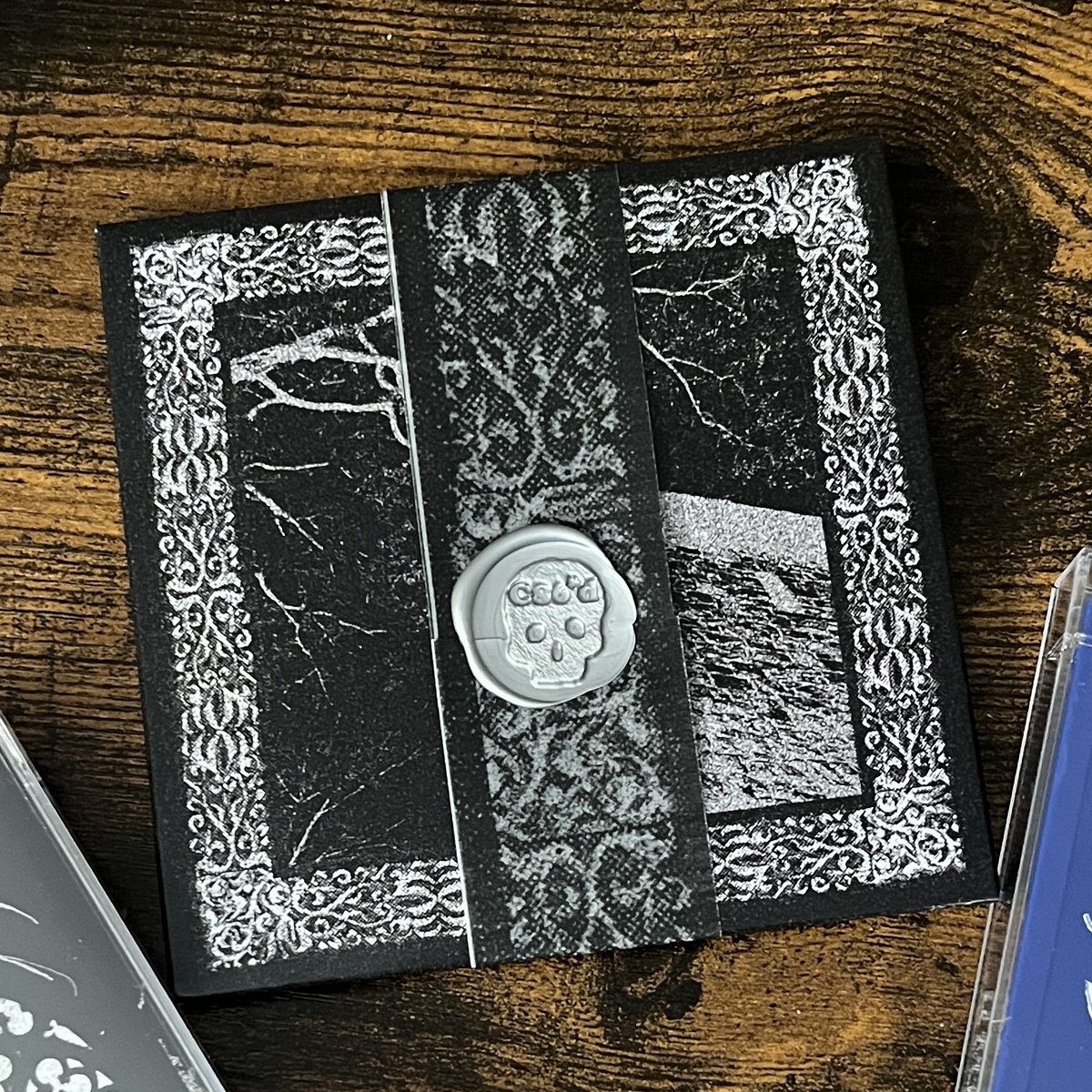
Michael created the EP’s artwork, design, layout and logo, then worked with C86’d on the packaging. The CDs were numbered, wax-stamped and accompanied by obi strips, with ribbon and wax-seal details that Jonathan particularly liked. The dark blue cassettes were also hand-stamped and numbered.
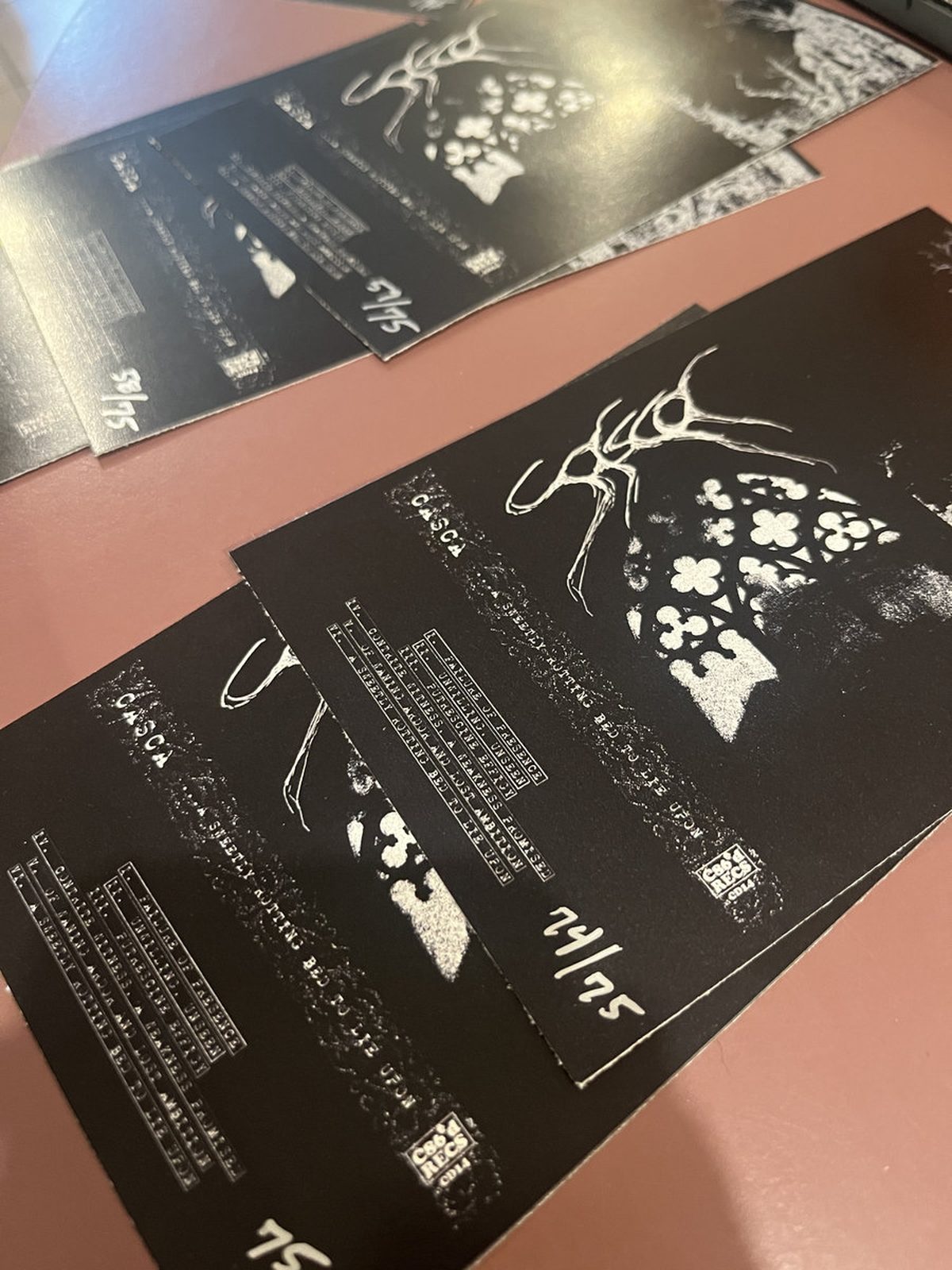
The label’s current Bandcamp listing gives an edition of 104 CDs and 75 tapes, with copies divided between Casca and C86’d.
For Jonathan, the finished release was unlike anything he’d been involved with during his previous years playing in bands. He was particularly pleased that Michael’s darker, black-metal-influenced artwork carried through to the packaging, with the ribbon and wax seal adding to its visual character.
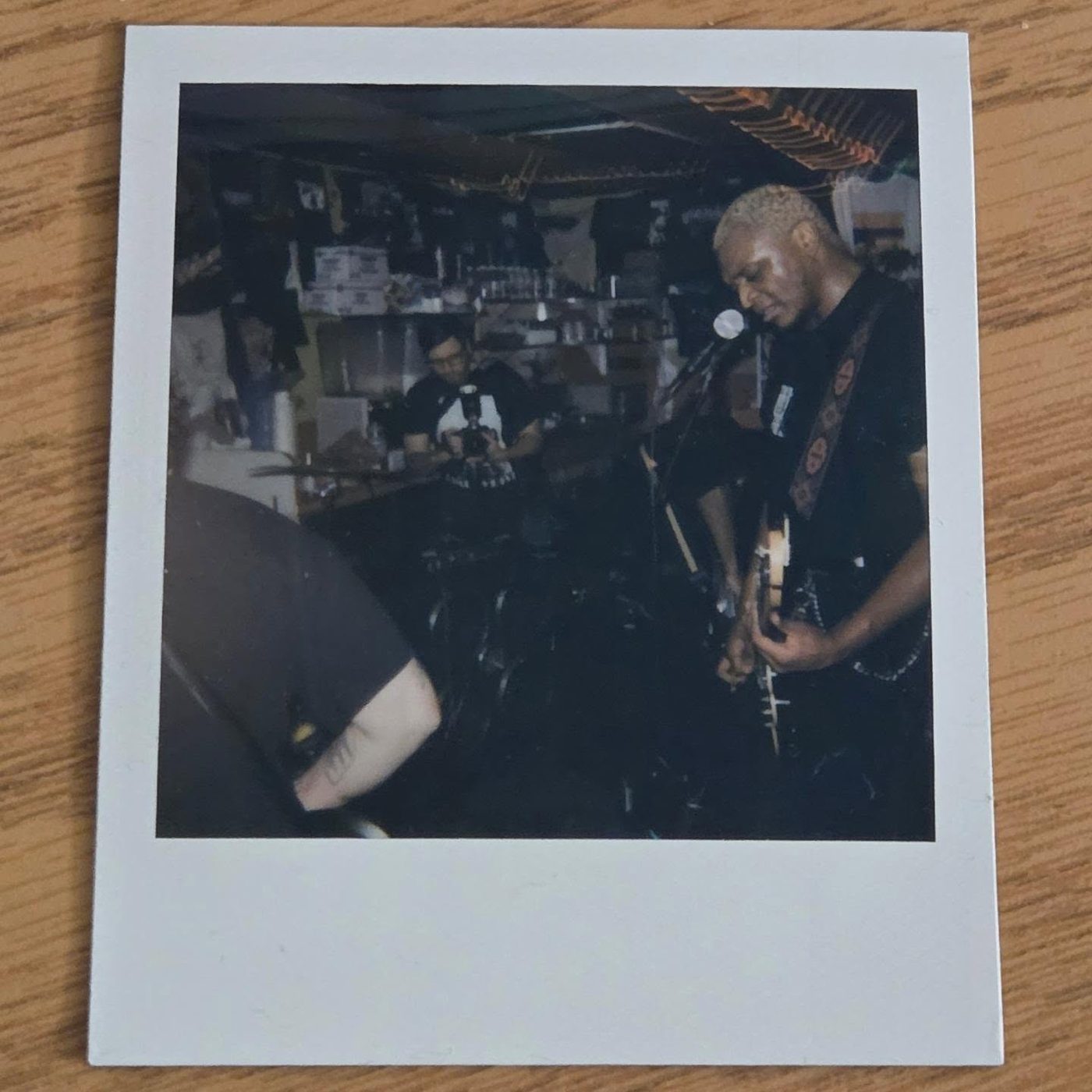
C86’d also helped organise the release show at Cinco De Mayo in New Brunswick and continued supporting Casca after the EP was out. The relationship that had started with booking gigs for an unknown band now included a physical record, a release show and a good deal of work behind the scenes from both sides.
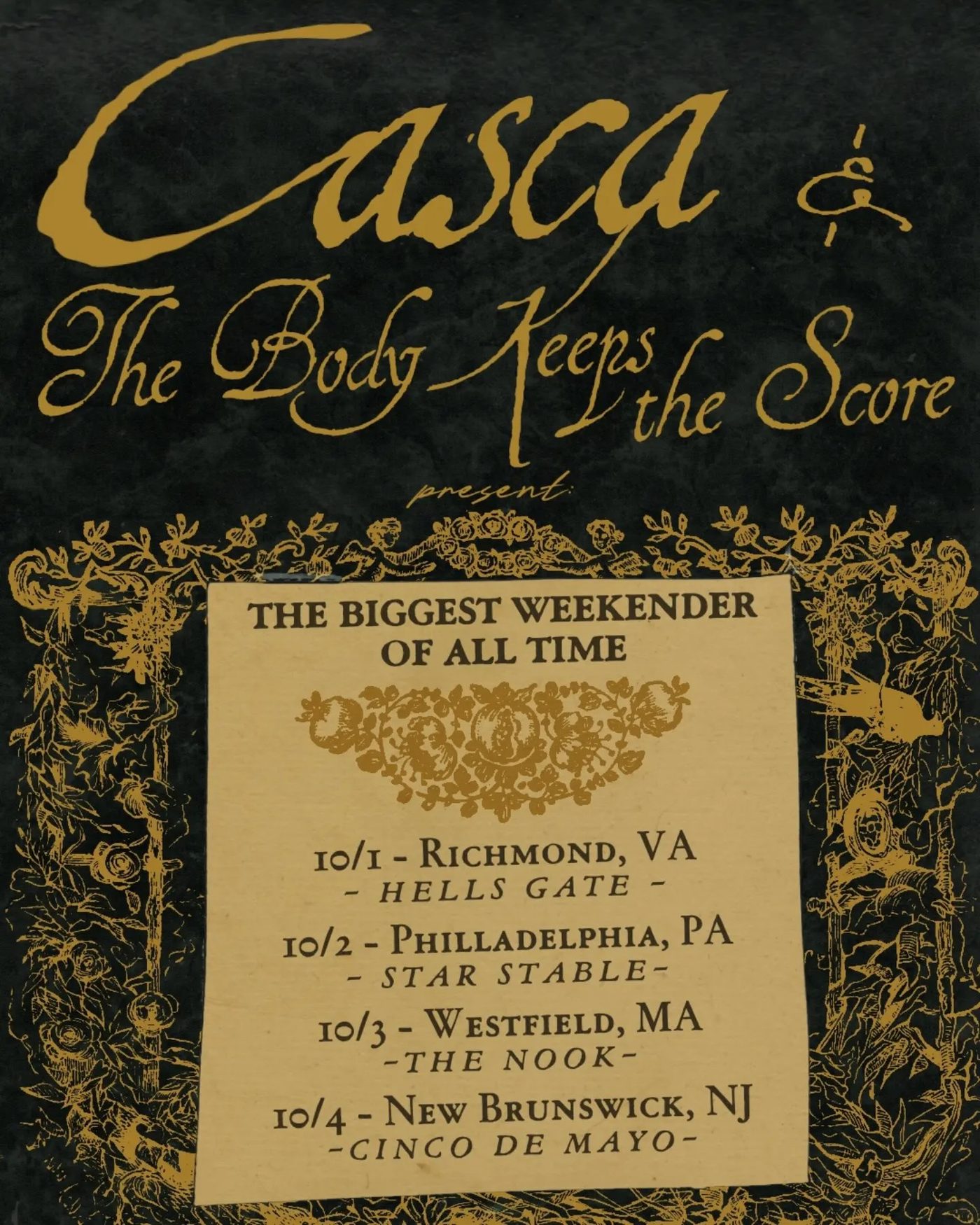
Casca took the music out on a short run immediately after the release, playing four dates from 1 to 4 October. They visited Hell’s Gate in Richmond, Virginia, Star Stable in Philadelphia, The Nook in Westfield, Massachusetts, and finished back home at Cinco De Mayo. The run also brought them together with The Body Keeps the Score.
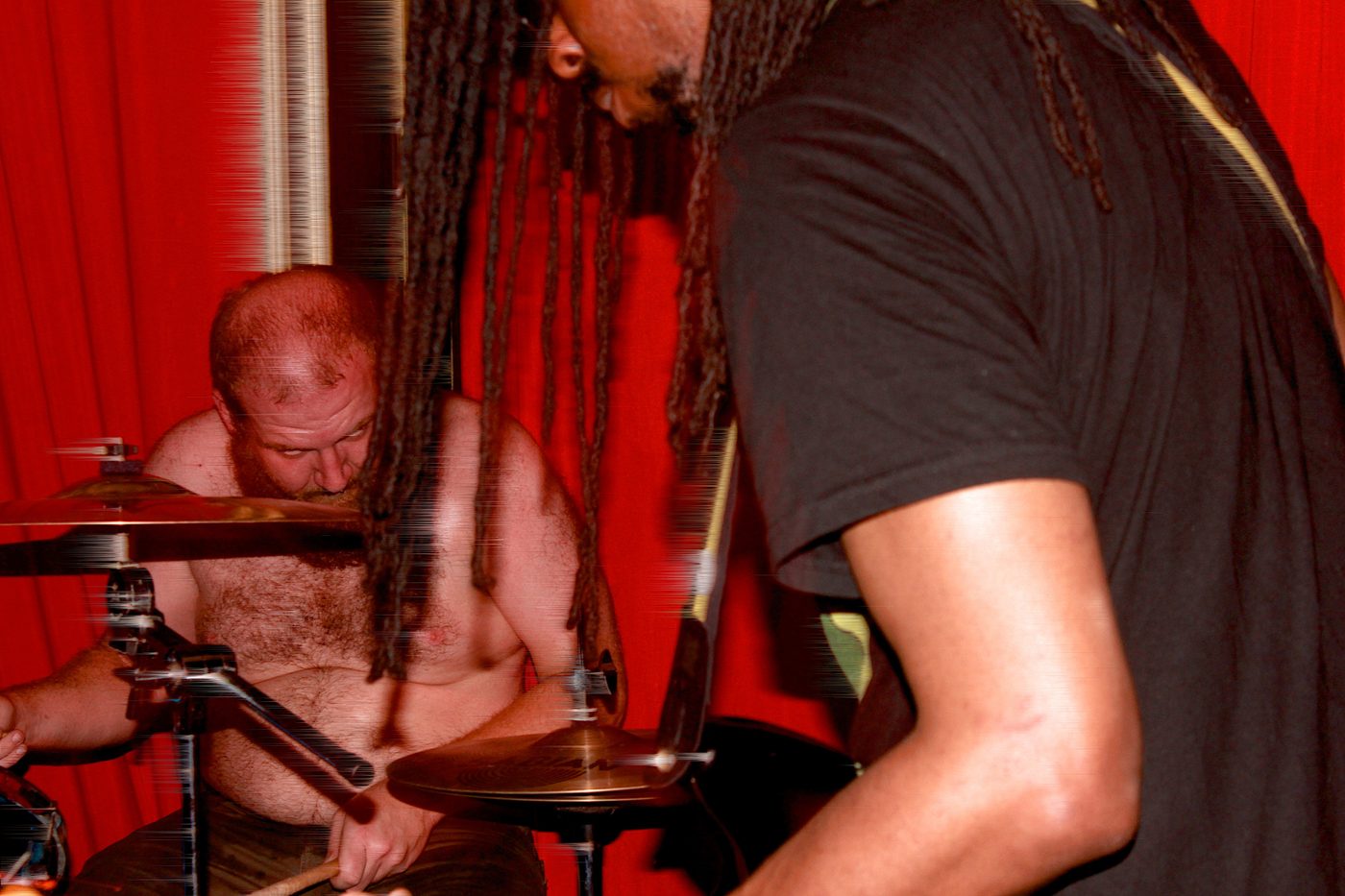
Their wider local circle includes bands such as Fate Propels the Falling Scythe and Myakovsky, with whom they’ve shared New Brunswick bills. The next hometown date is set for 30 October at Ferren Mall, alongside Heaven Through Violence, Ambretta and Delta Screws.
There are already plenty of links between Casca’s members and the people organising and playing these gigs. Kevin and Jonathan knew C86’d long before the band existed. Michael and Marcus have been playing together for years, and Silk were friends before they became part of Casca’s release story. For Marcus, who returned to New Brunswick in 2020 and hardly recognised the scene he’d left behind, it’s another period of getting involved and playing the local rooms.
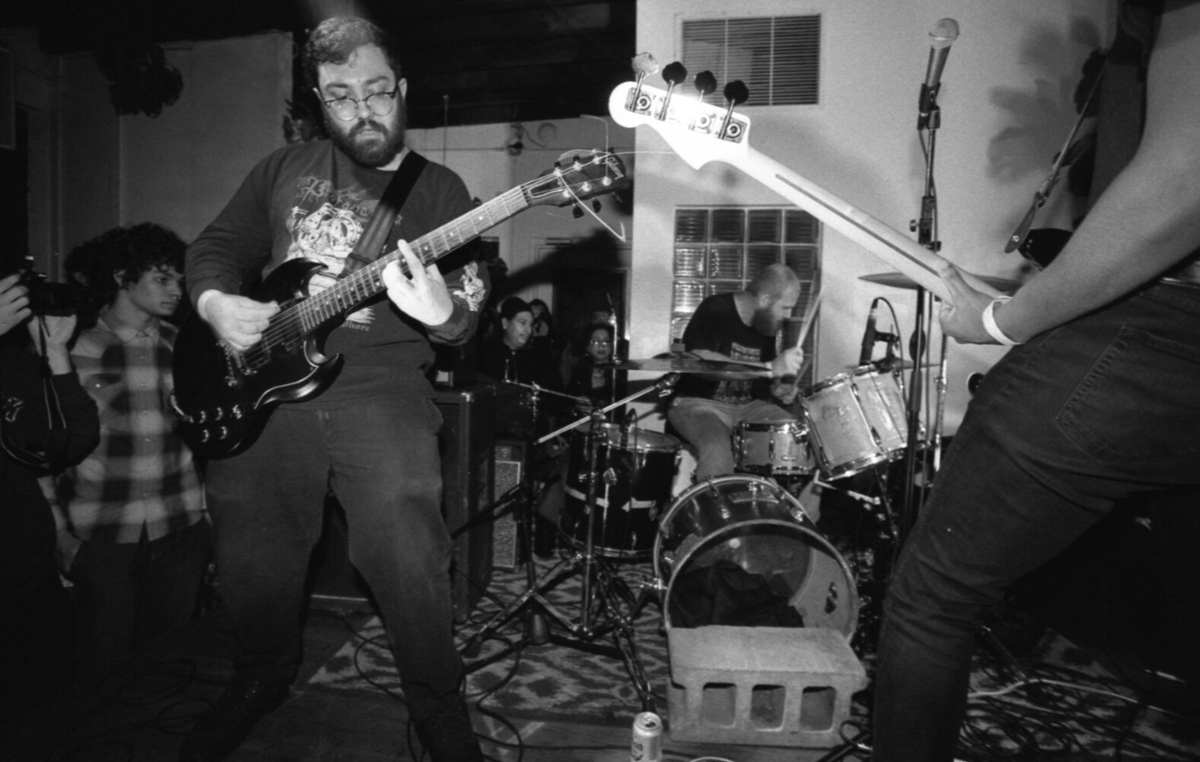
“…A Sweetly Rotting Bed To Lie Upon” was released on 30 September 2026 through C86’d Records. The complete six-song EP is available digitally, with limited CD and cassette editions available through the label’s Bandcamp.