

For a band whose new record opens with “#makemoneymakelovemakemoney” and closes with “Birds of a Feather is on in 7 minutes”, London’s thick riffed heavy sludge noise rockers Remote Viewing have had to spend a surprising amount of time explaining that they haven’t lost their sense of humour.
Their seven-track album “State Violence” is full of distorted sludge riffs, noise-rock aggression and anger at the way Britain and the wider world are being run. It’s also unmistakably the work of five people who still find their own stupid jokes very funny.
The suggestion that nobody was in a laughing mood came from an earlier comment by guitarist James Bryant about the album’s unusually direct title. Reading it back, he reckons something got lost.
“The “nobody’s in a laughing mood” line was kind of a misquote from an answer I gave about whether State Violence was a direct album title. I’d said that we’re a band with a lot of levity, especially in our song titles, but that doesn’t mean we’re not sometimes serious.”
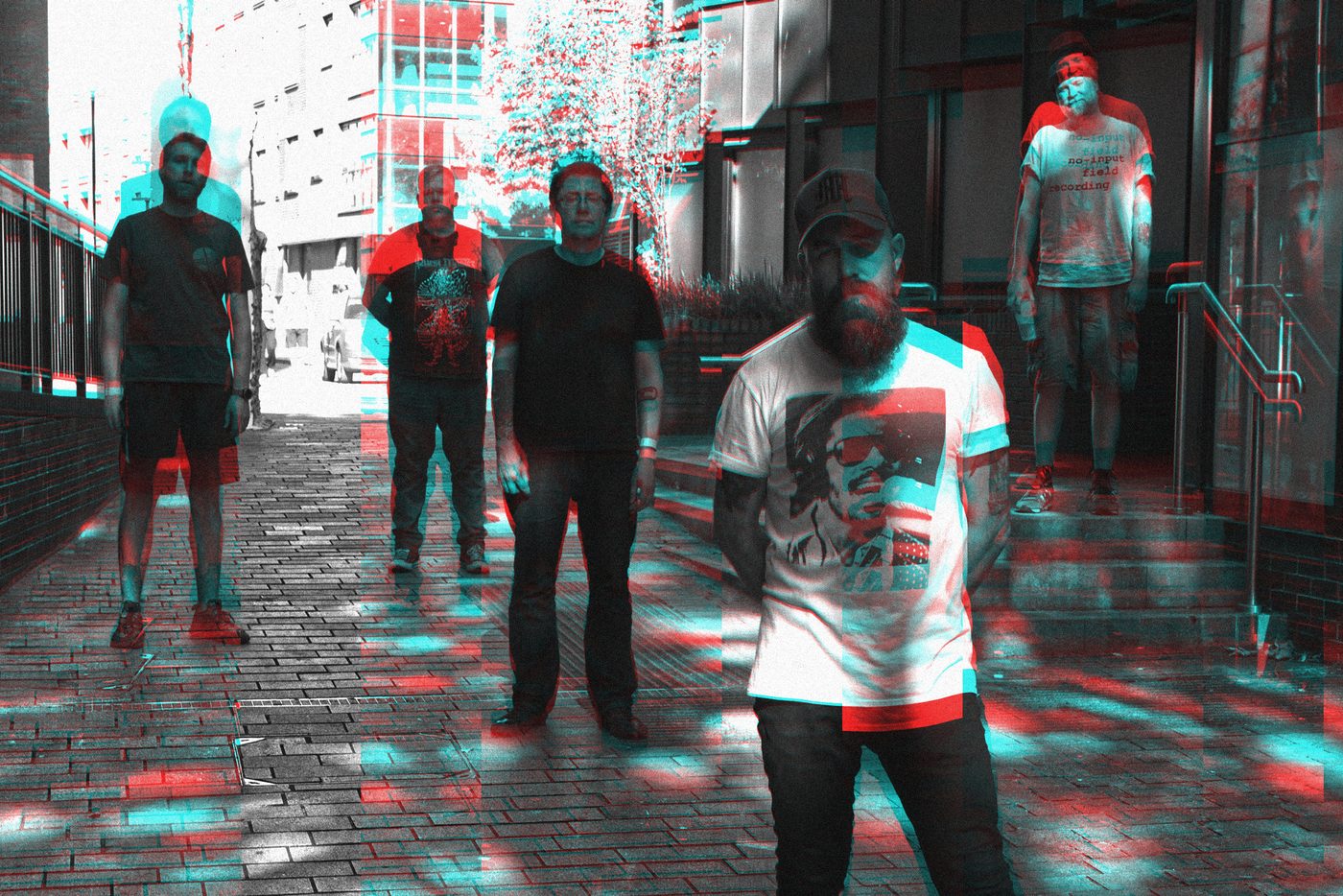
James had been talking about the grim things happening around them and why this particular record deserved a straightforward name. He hadn’t announced the end of the band’s long-running habit of making fun of themselves. “Straight to VHS” and “Disrespect the Arts” both came out of that same instinct, and the hashtag in the opening track’s title should probably have been another clue.
Guitarist Tom Fowler goes further.
“All of the song titles on ‘State Violence’ are based on band ‘in-jokes’, so nothing’s changed there. I guess the humour is less blatant, but we still find these amusing between ourselves”
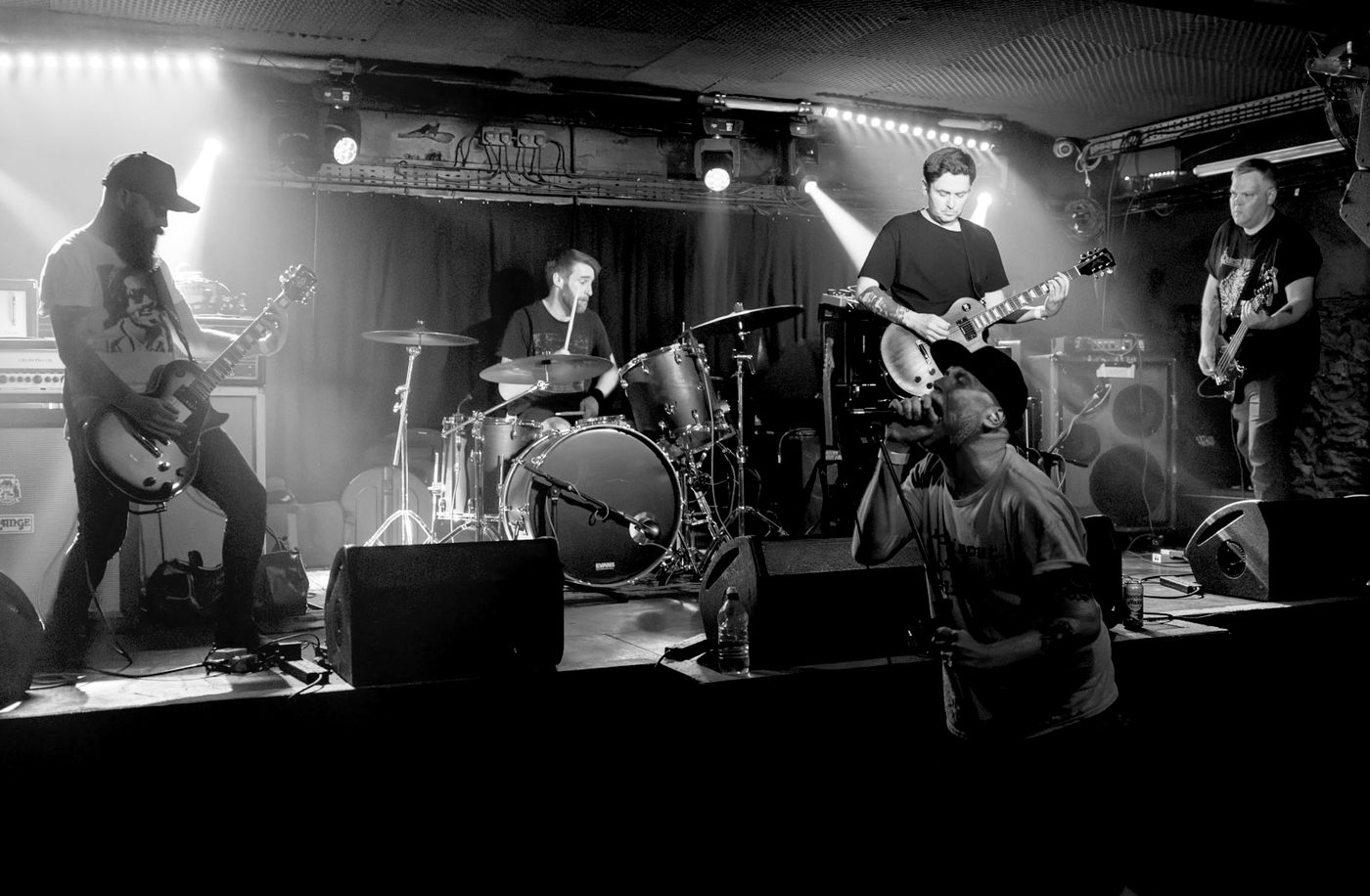
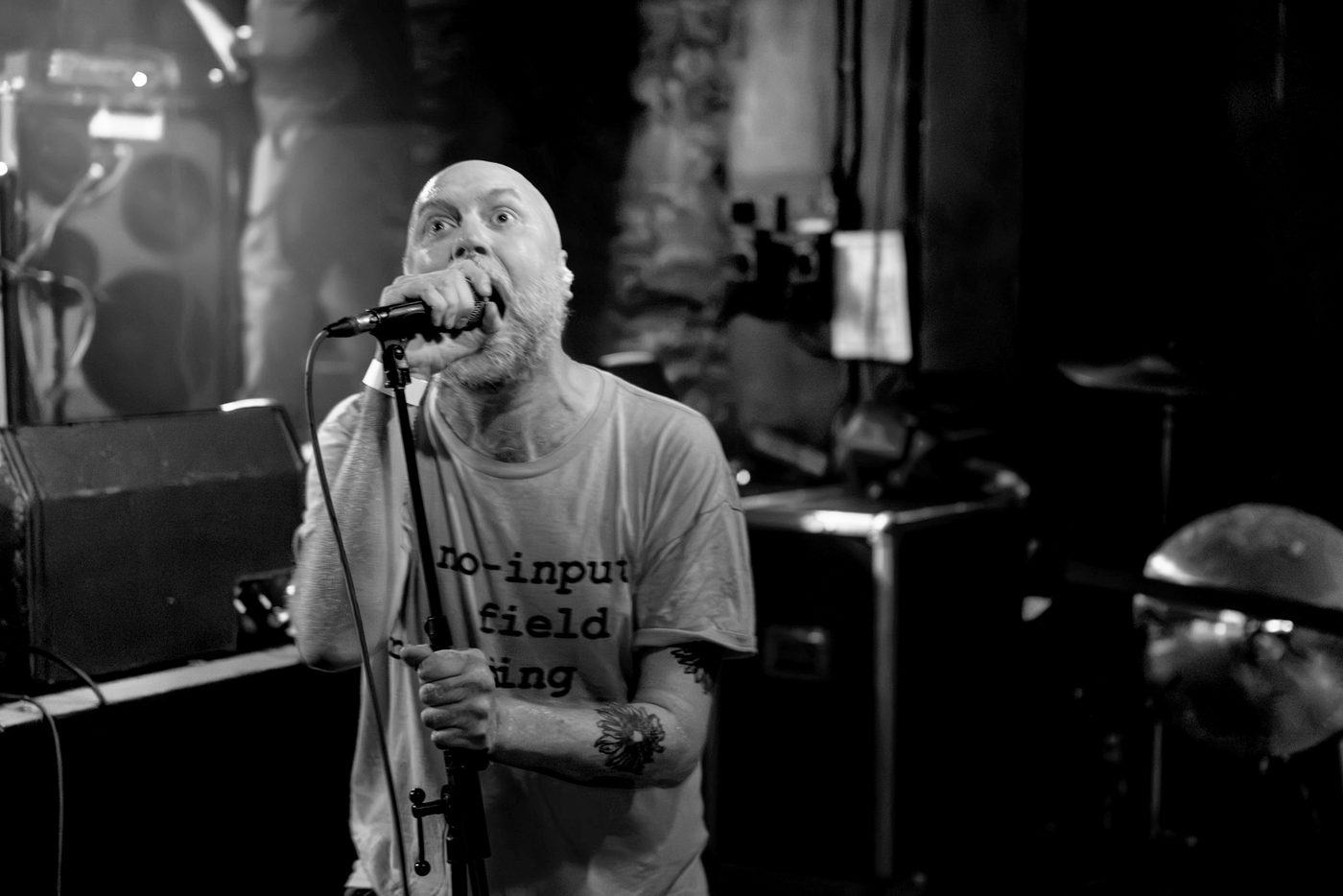
Vocalist Ed Dudley thinks the jokes have grown more oblique. Then again, he’s responsible for calling “Retrain as a Swan” a case of “joke/rage”, which tells you quite a lot about how Remote Viewing approach an increasingly miserable world.
“It’s the absurdity of disgusting people being in charge of absolutely anything that boils my piss. Arrogance, selfishness and an absence of any form of actual humour begs to have the piss taken out of it, forever. Never let them forget. I hope it swung even slightly close.”
“Retrain as a Swan” was the album’s first single, accompanied by a video. It comes from a band whose members have long histories in the British underground, particularly through Palehorse, Million Dead, Sly & The Family Drone and Hands Up Who Wants To Die. Remote Viewing grew out of Palehorse and have spent well over a decade making their own awkwardly heavy records, with two guitars, bass, drums and Ed’s harsh vocals pulling together the slow weight of sludge metal and the less predictable rhythms of noise rock.
Their previous album, “Modern Addictions”, arrived in 2023 and made Metal Hammer’s writers’ year-end metal albums list. “State Violence”, released through Brighton independent label Human Worth on 18 September 2026, takes a particularly direct political turn. Bassist John Atkins summed up his assessment of current events in one sentence: “The world is currently a veritable shit show of epic proportions.”
James has quite an extensive list of reasons why.
The idea that certain abuses of power only happen in distant countries particularly bothers him. People watch footage of atrocities on their phones, he argues, and maintain a reassuring distance from what they’re seeing. He’s concerned about the same kinds of injustice developing in Britain, and about how much has already become ordinary.
Class inequality comes first. James sees wealth becoming increasingly concentrated, with rising living costs pushing households closer to poverty and homelessness. Food, housing and energy bills have taken away much of the financial security people might once have had.
Surveillance is another concern. Police use of facial recognition has been joined by commercial systems operating in British shops and supermarkets. By July 2026, Sainsbury’s had expanded its use of Facewatch technology to 55 stores and announced plans for a further rollout. Privacy campaigners have questioned the proportionality of these systems, while retailers argue that they’re necessary to address theft and violence against staff.
James considers the expansion intrusive and believes the level of public oversight is inadequate.
The involvement of Palantir in the NHS is particularly troubling to him. He objects to a company associated with military and intelligence software being entrusted with a role in Britain’s healthcare infrastructure.
“Granting access of people’s medical data to a company who provides software for automated warfare in other countries is alarming!”
A Palantir-led consortium was awarded the NHS Federated Data Platform contract in November 2023, with a maximum value of £330 million over seven years. Under the contract, NHS organisations remain responsible for their data, and Palantir is prohibited from using that information for its own commercial purposes. Questions about supplier access, privacy safeguards and dependence on the company’s technology have continued to receive parliamentary scrutiny.
James also brings up the arrests of people protesting over Palestine, including older demonstrators, and what he considers an increasing willingness to criminalise political dissent. The scale of those arrests is documented. Home Office figures published in October 2026 recorded 3,630 arrests linked to expressions of support for the proscribed group Palestine Action in the year ending June 2026. Civil liberties organisations have sharply criticised the use of terrorism legislation against peaceful protesters.
He sees related political decisions affecting reproductive rights, LGBTQ+ people and the climate, alongside the growth of far-right parties and anti-immigration campaigns. In his view, politicians who concentrate public anger on people arriving in small boats are distracting voters from the consequences of their own economic and social policies.
“So the threat is already here in the UK and has been for some time. Returning again to the album title, if it sounds direct, forthright, upfront or unapologetic, then good! It reflects the moment and the seriousness of the situation we’re in.”
Tom preferred not to get into specific policies or incidents when given the same question. His response was simply, “No comment on this one.”
It’s a fairly wide range of political opinions within a group of musicians who have played together for years, and Ed’s explanation of “Retrain as a Swan” brings the conversation back to the band’s own way of dealing with things.
James reckons the humour can sometimes help make an argument more effectively than a straight expression of outrage.
“Besides, humour and anger aren’t always completely antithetical, a joke can sometimes get you closer to the truth.”
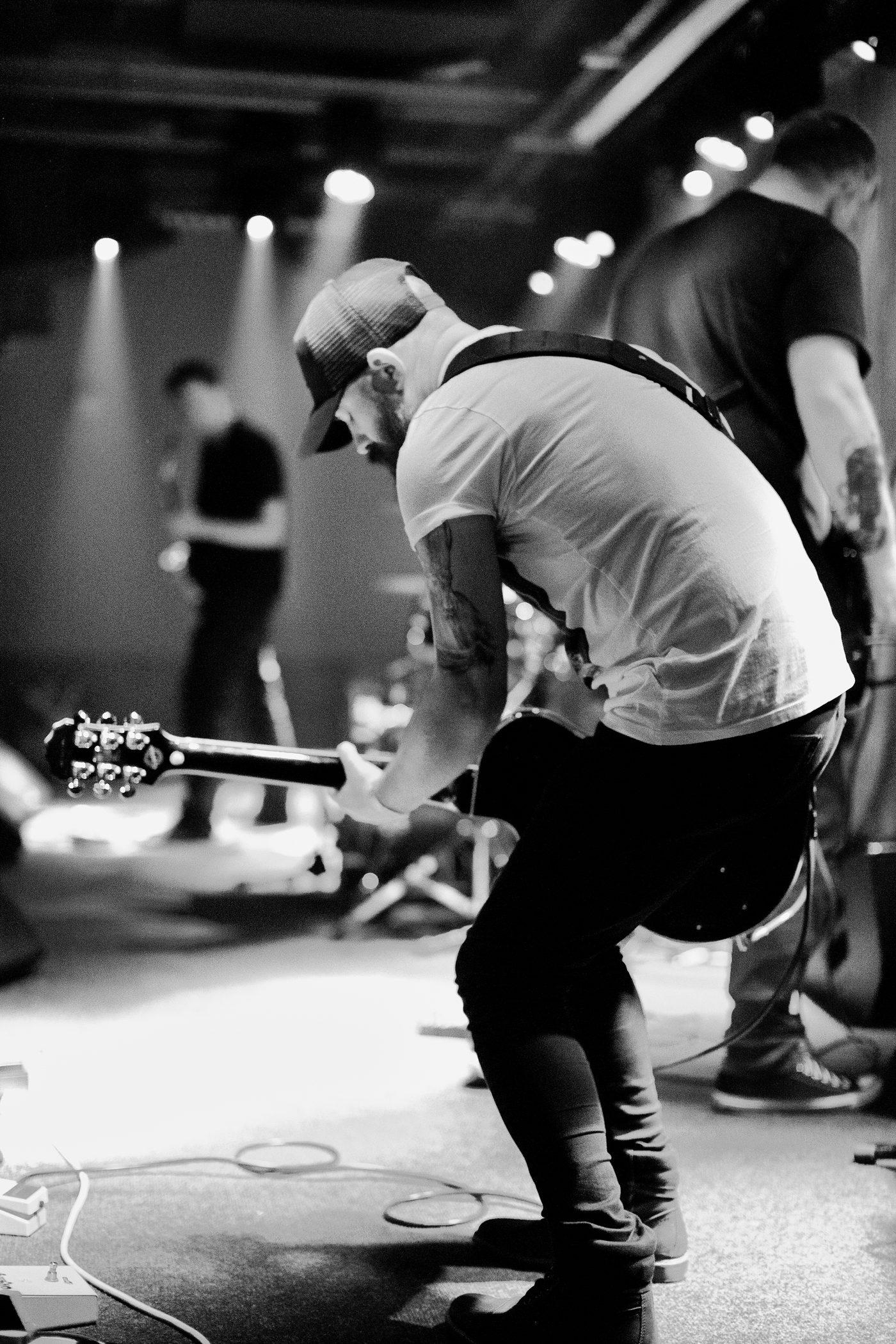
The album has a good deal happening musically beyond that anger. Tom actually considers most of the seven tracks quite melodic at the instrumental level, with “Straight to VHS” being the exception because of its stronger rhythmic emphasis. Ed’s vocals spend less time dealing in melody.
The clearest example of what the guitars can do when they slow down is “HUMAN RIGHT$”, a seven-and-a-half-minute track that drops into a passage of clean, chiming guitars. There’s enough room between the notes for a cello part to come through, and the slower tempo gives the arrangement space to develop before the heavier sections return.
Remote Viewing had thought about introducing cello or violin on earlier records, although the idea had never been organised in time for recording. James wanted to make it happen here. Hannah Asprey, who plays in IAN, was the first person he thought of, while the band had wanted to record with Ross Sargeant of Pascagoula for quite some time.
The resulting session has a rather nice amount of freedom in it.
Hannah received a rough outline of the guitar part from James and was invited to write whatever she wanted over that section. She arrived at Bear Bites Horse with two or three different arrangements to try.
“That quieter section is so beautiful, it really lends itself to some mournful cello and I love to make people cry!”
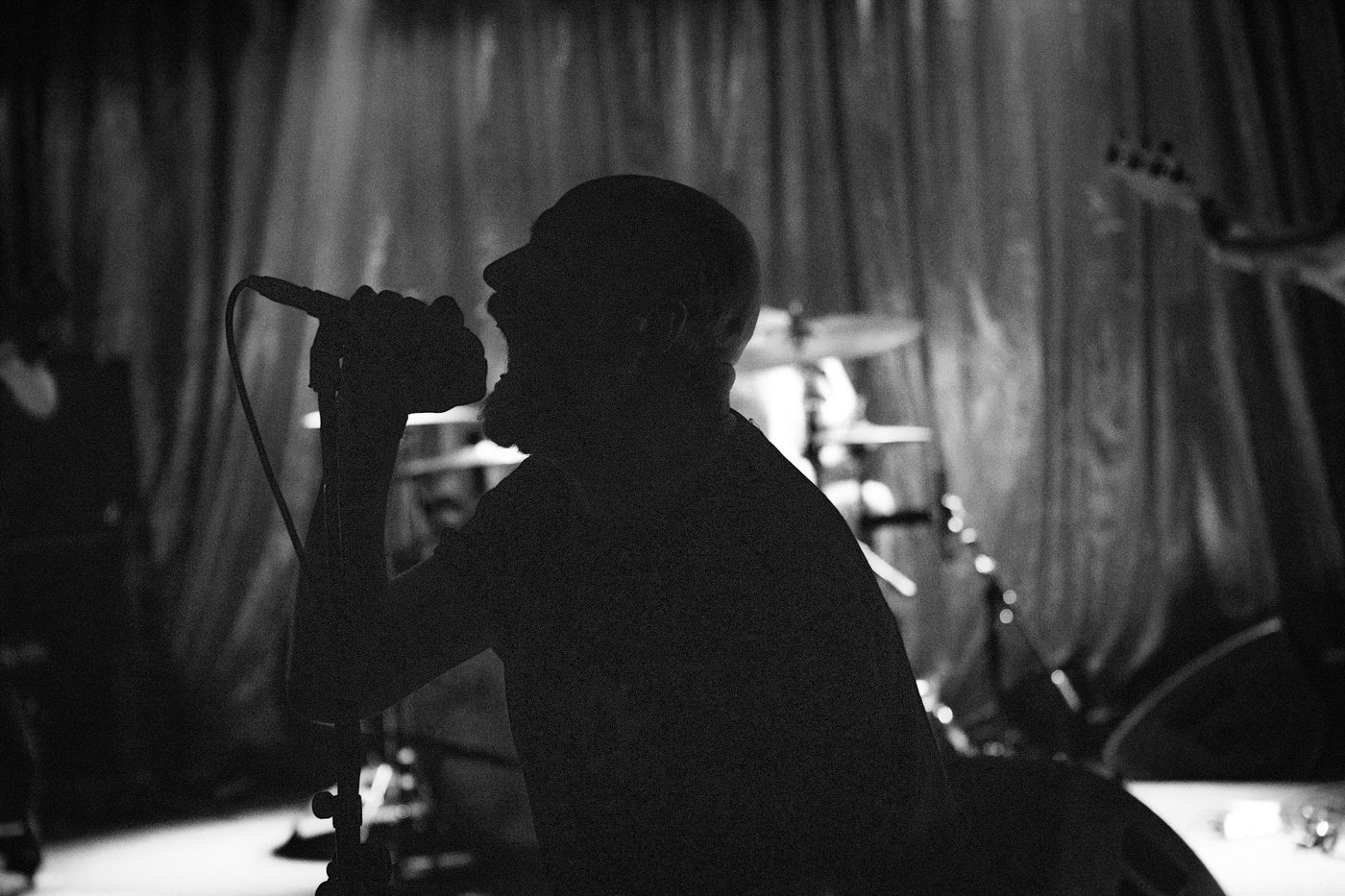
Producer Wayne Adams had another suggestion once she’d recorded the initial part. He wanted her to improvise a solo over the following section. Hannah found it easier to work without the others watching, so everybody left the room while she came up with something.
“I recorded something pretty quick and dirty – very loose and intentionally a little sloppy – Wayne worked his magic with it in the mixing. I love how he’s almost made the cello sound like an old sample.”
Ross had a different experience with the song. He’d been sent an instrumental version and Ed’s lyrics, which he already considered typically dark and poetic in the Remote Viewing manner. He hadn’t heard Ed’s recorded vocals by the time he arrived at the studio.
Initially, he expected to sing some of the existing words. Instead, he found himself writing a couple of additional lines on the spot.
“I wanted to just back Ed up as best as I could and not stick out too much as well, if that makes sense? idk I was blown away to be doing it and respectfully tried my best not to fuck it up.”
He finished in a few takes, and the session passed quickly enough that he wasn’t quite sure how things had gone. When the band didn’t contact him for a while afterwards, he began wondering whether they’d dropped his vocals altogether.
“I even thought they might of scrapped my part because I didn’t hear anything from the band for quite some time, but they kept it on there haha.”
From the band’s end, getting Hannah and Ross involved had been straightforward. They were friends, their availability was checked early, and the parts were arranged around the song.
James was mildly disappointed that he couldn’t offer a more exciting account of how the guests had been secured. He joked that it all happened without the need for ski masks, a stolen van or large quantities of duct tape.
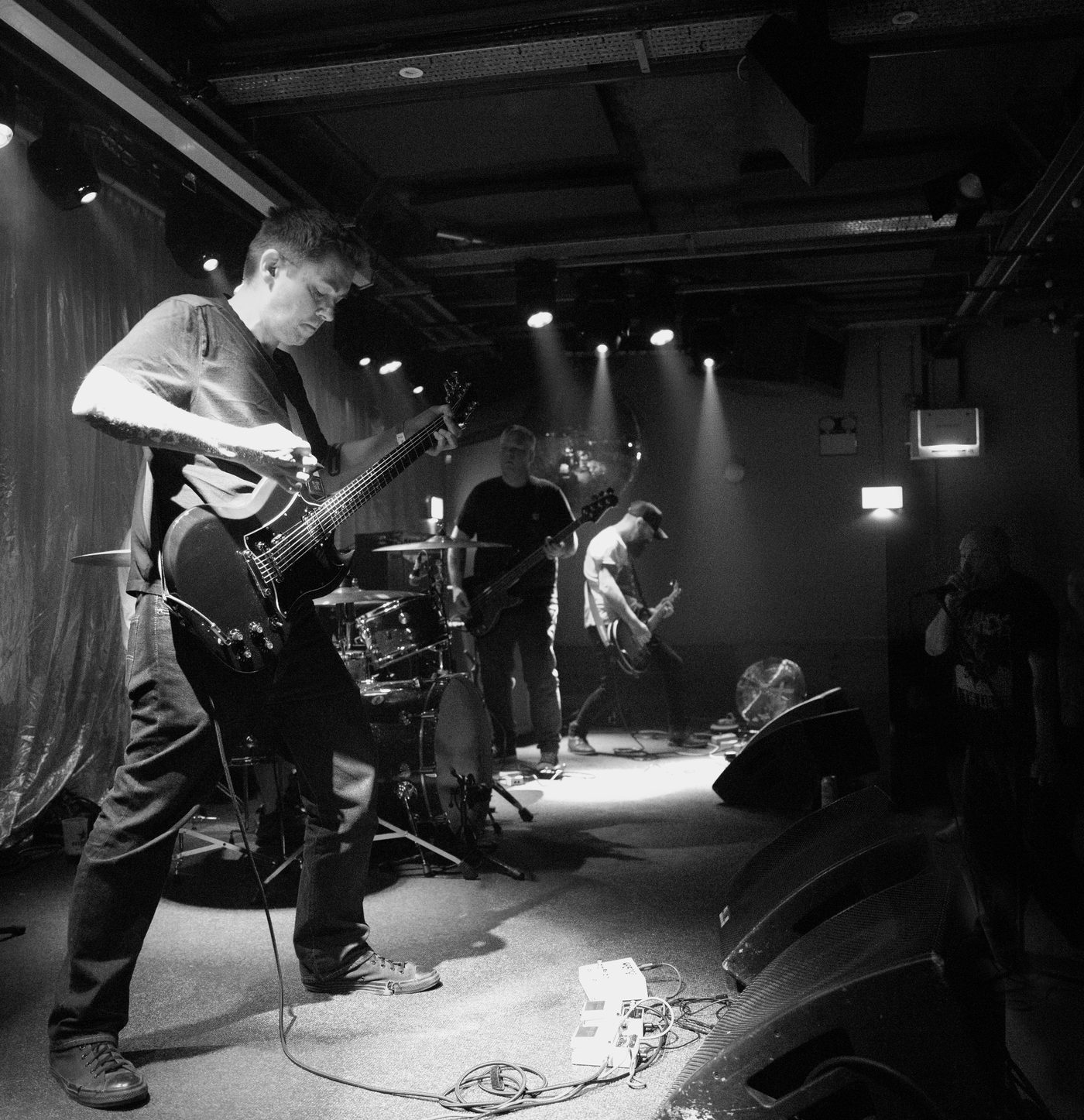
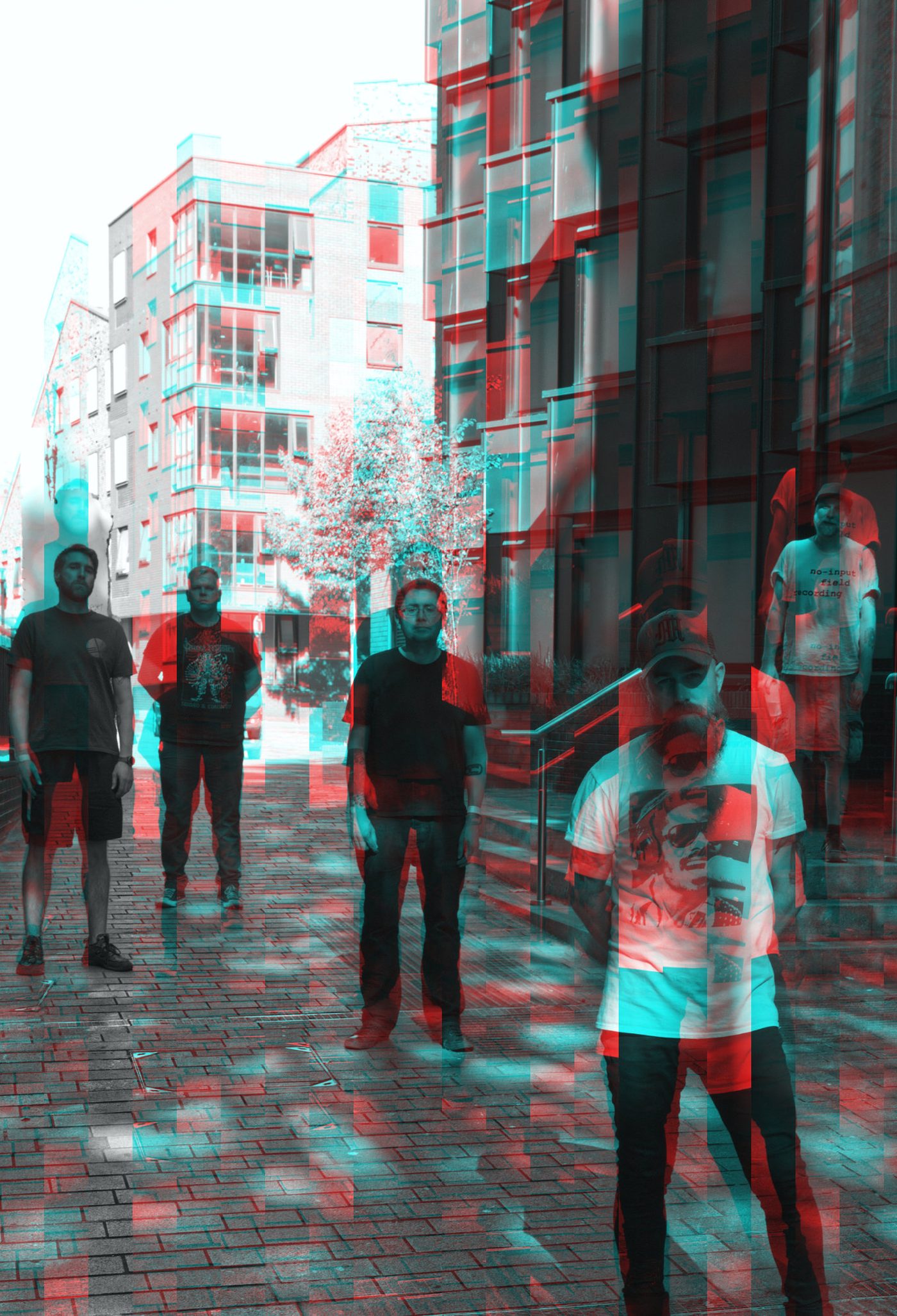
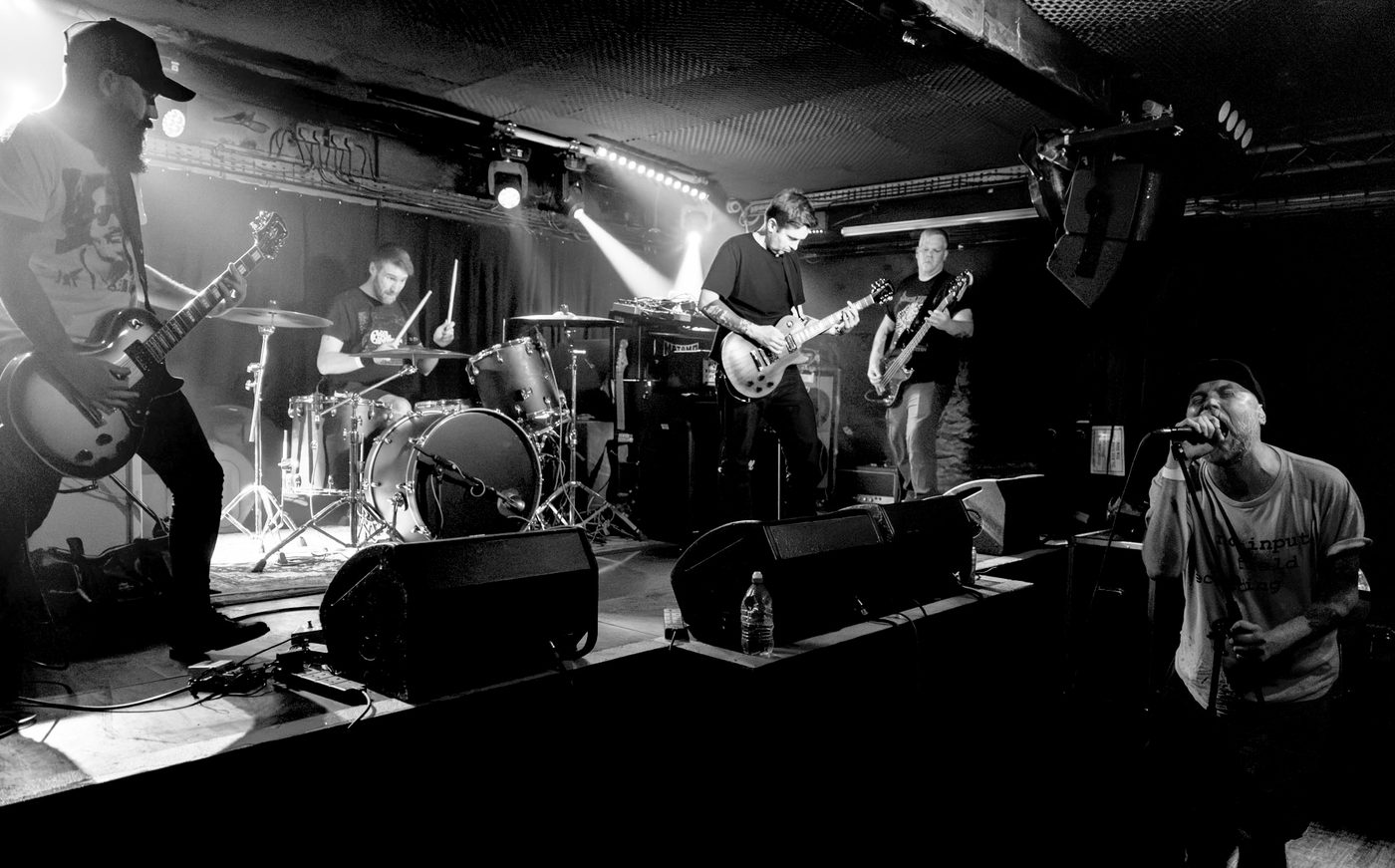
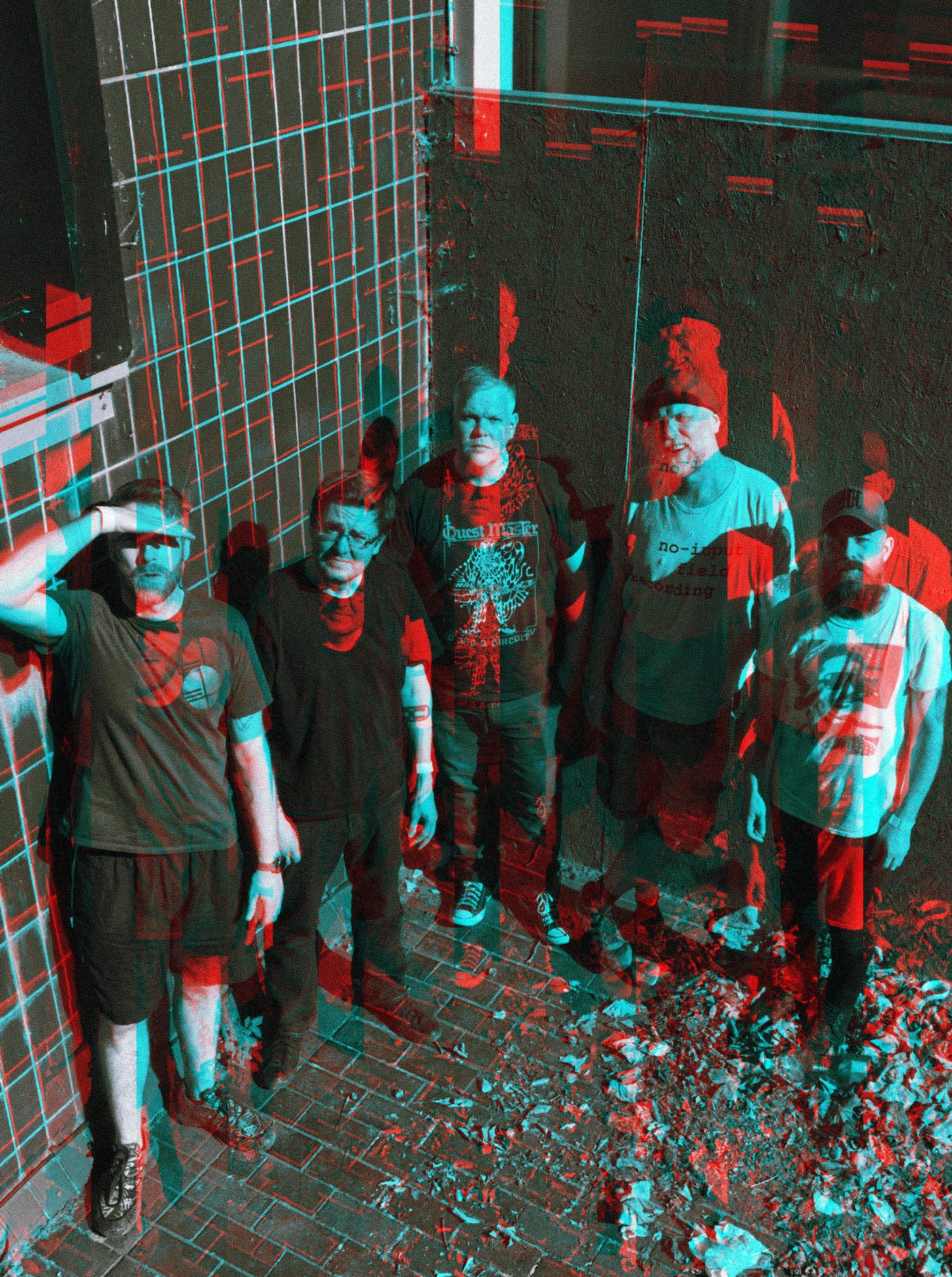
The third additional musician on “State Violence” is Dan Jones of UKAEA, whose guest vocals appear on “#makemoneymakelovemakemoney”. Across the rest of the recording, guitarists James and Tom work alongside John Atkins on bass, John Breslin on drums and Ed up front.
Wayne recorded and mixed the album at Bear Bites Horse in London, with Stephen Kerrison handling mastering at Permanent Collection. He’s worked with Remote Viewing on several records now, and the band’s reasons for returning to him are reassuringly straightforward.
Studio time costs money. The band rehearse extensively beforehand, and Tom likes knowing that Wayne can get them to the standard they want within the time available.
James has known Wayne for years and finds the sessions increasingly natural. He trusts him to get strong performances out of the group, and admits that recording somewhere else is becoming difficult to imagine.
Ed’s version is rather shorter.
“He’s a good lad I’ve known for a loooong time so it’s more a matter of being comfortable with him enough to call bollocks or have bollocks called on you. We never get it wrong. Ever. Except the times when we do.”
Away from the studio, Remote Viewing have accumulated an unusual collection of bills. They’ve played with Thou, Moloch, Future of the Left, Sugar Horse, Wren, Great Falls and Dawn Ray’d, appeared at Desertfest London, Chimpy Fest and Dreadfest, and toured with Pascagoula in 2024.
James once characterised their position as being “too weird for the doom/sludge scene, and too heavy for the art-rock scene”. It sounds like the sort of problem that could make booking a band difficult, especially in scenes where audiences and promoters have fairly fixed expectations.
James, however, doesn’t think they’ve lost many shows because of it. They’re happy to accept invitations to doom all-dayers, and varied bills are usually more enjoyable for them. He also reckons people listening to noise rock and metal generally have much wider tastes than they’re sometimes given credit for.
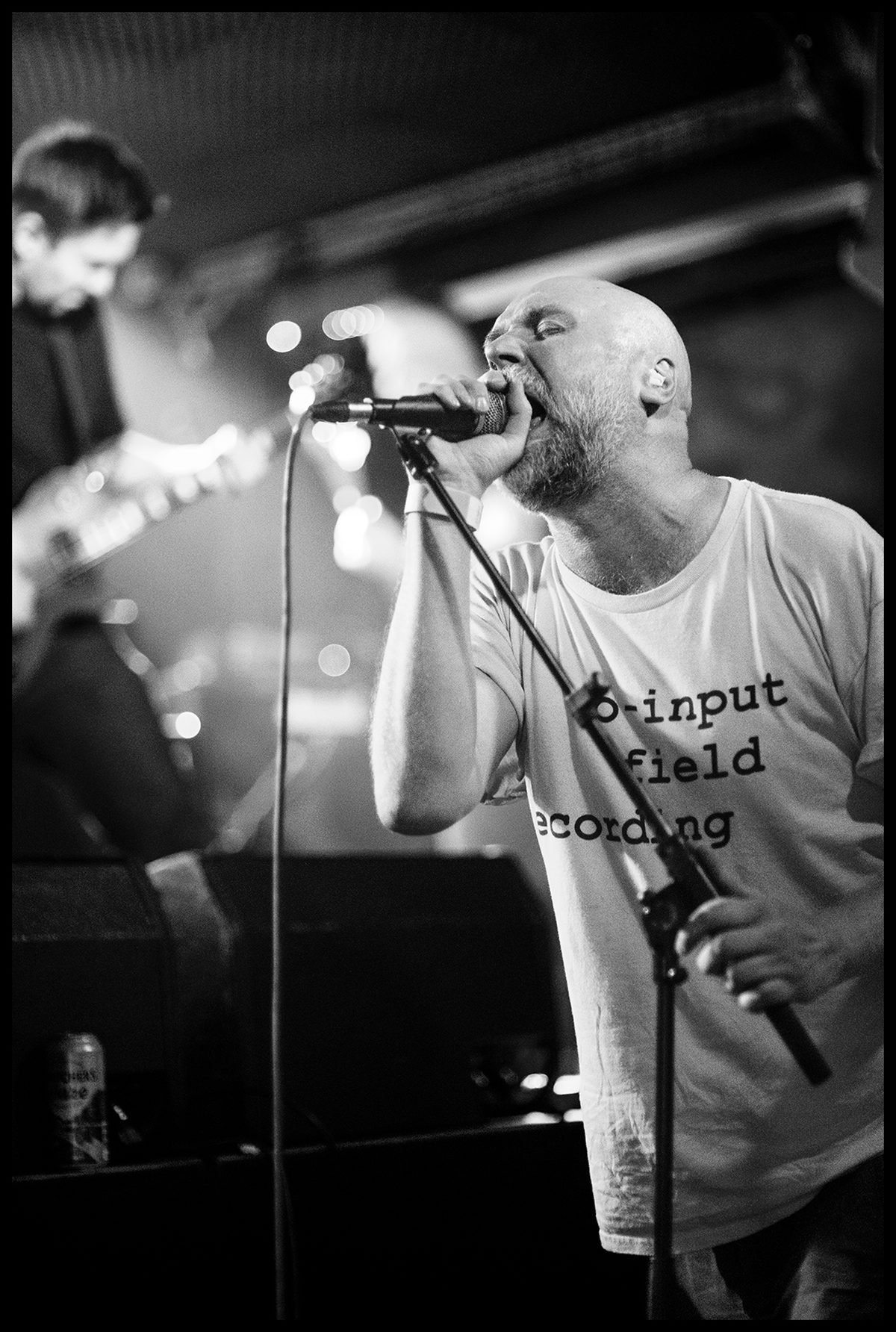
Tom likes the opportunity to discover bands he wouldn’t normally encounter. Having a different kind of act on the same bill gives everyone something new to listen to.
Ed doubts that promoters are excluding Remote Viewing over their sound at all. He considers the band fairly normal by the standards of the music they play, and doesn’t think promoters are particularly militant about keeping every act within the same genre.
“We’re pretty fine with people not liking us as the reason we don’t get constant offers!”
There are also the usual problems of keeping an underground band active once everyone’s adult responsibilities have started competing with rehearsal and travel time.
Hiring a van for an out-of-town show costs around £300, according to Ed. The fee for playing that same gig often tops out at approximately £300. The band still have to organise everything else that comes with getting five people and their equipment to a venue.
It’s easier to understand why they can’t accept every invitation when the van has already swallowed the money.
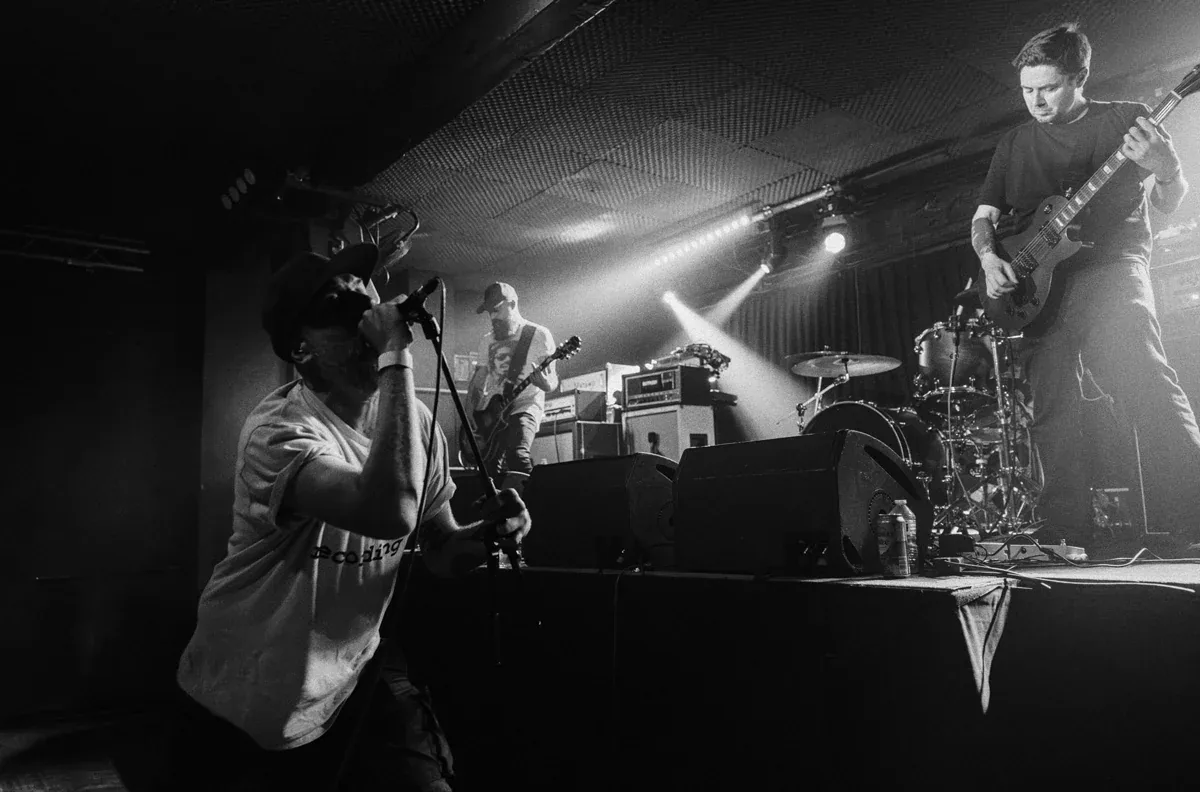
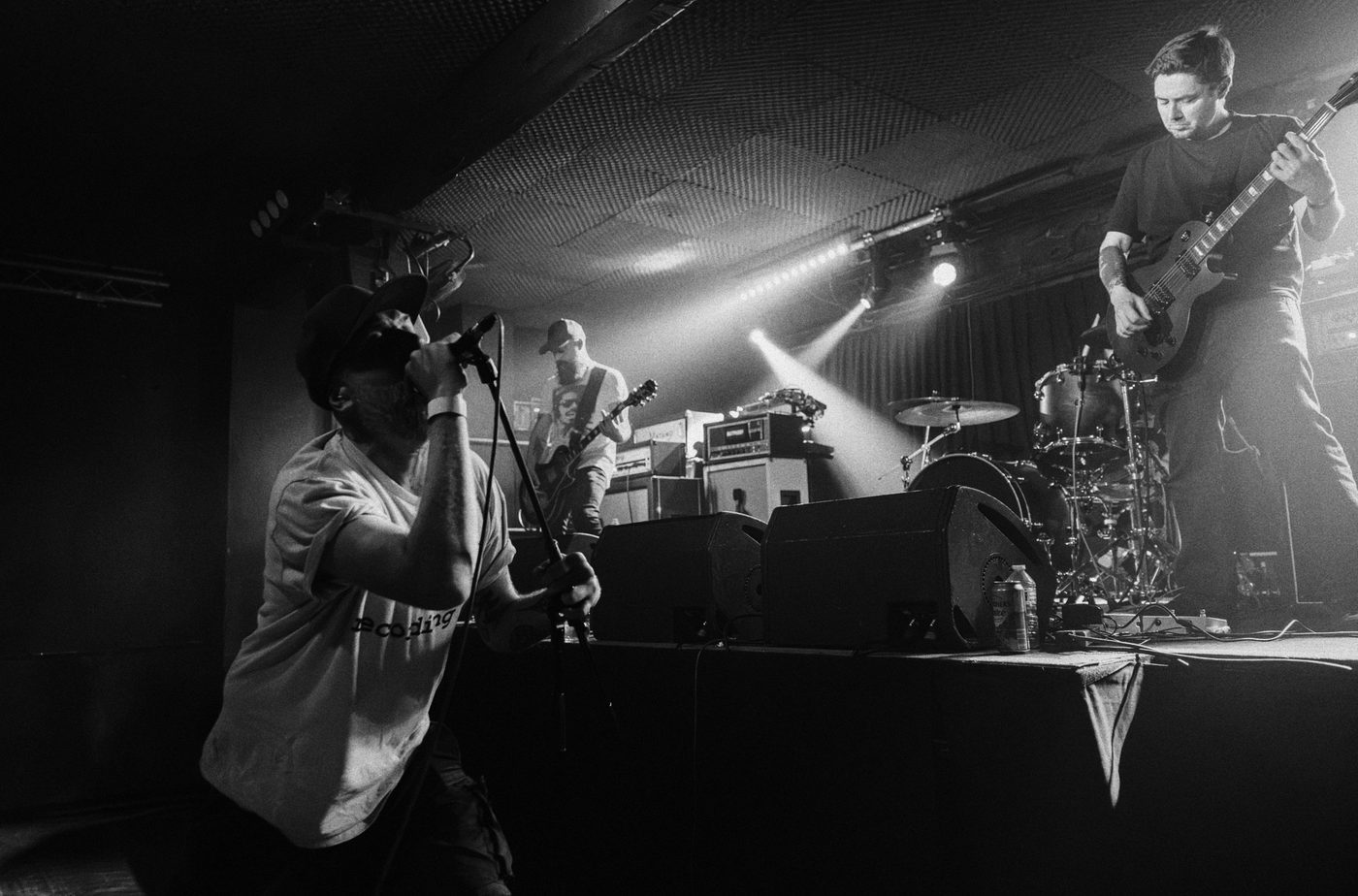
Once they get to the show, Remote Viewing are particularly comfortable in small rooms, preferably with the audience close enough to get involved. There’s frequently little separation between the band and the crowd.
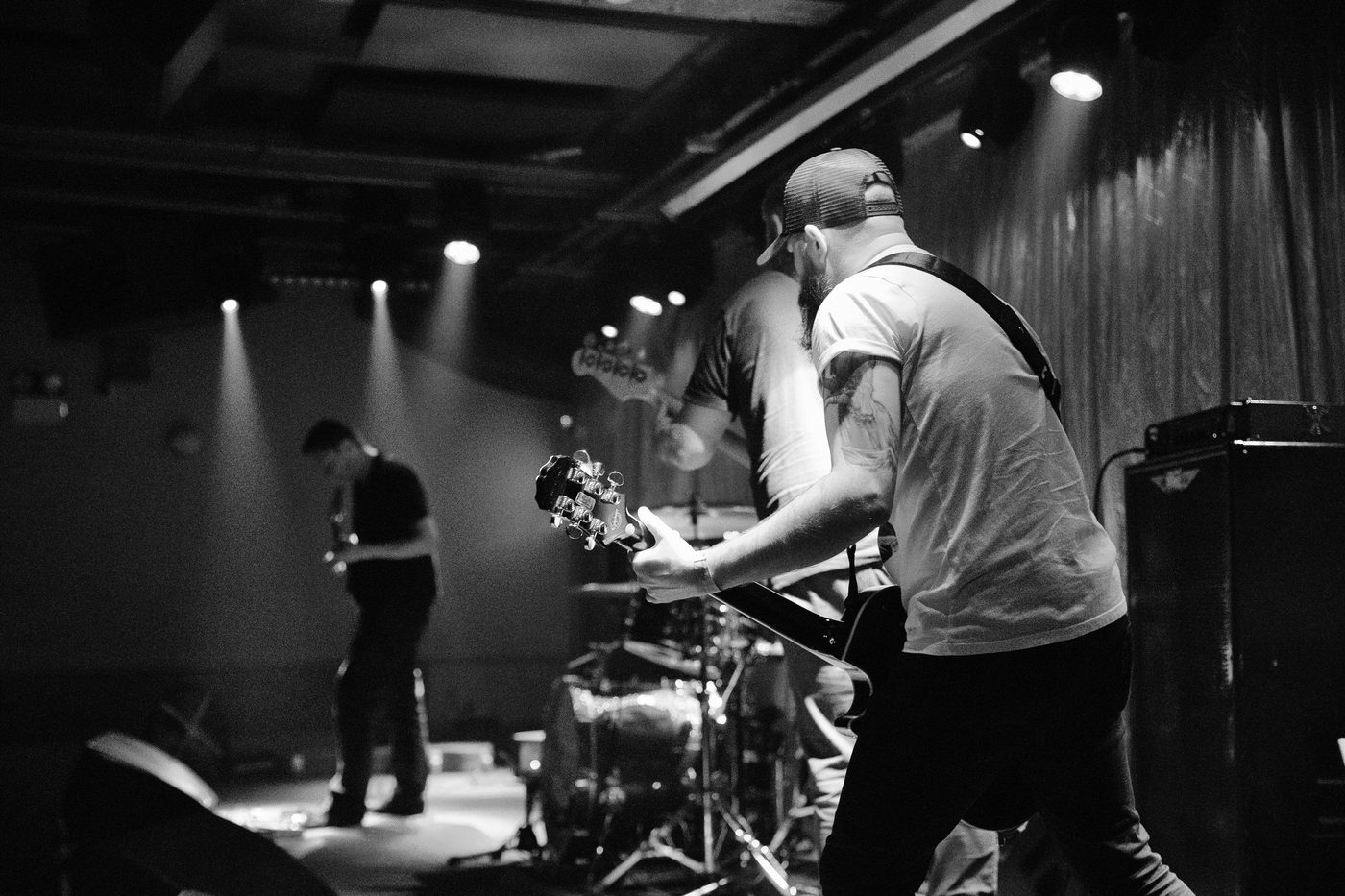
James remembers a particularly rowdy Bristol gig where people kept colliding with the equipment. They’ve also had pedals and leads stepped on, and somebody once struck his guitar’s headstock in the middle of a song, moving the tuning pegs and leaving him trying to continue with an out-of-tune instrument.
He takes that sort of thing reasonably well.
“But I recognise that it’s just people getting into the music, and/or getting drunk, it’s not deliberately malicious behaviour. I prefer that reduced barrier between band and audience, the energy is always better when everyone’s up close.”
Tom can’t recall any major disasters. Most of their shows, from his perspective, have gone more or less according to plan.
Ed is much happier down on the floor with everyone else, although his explanation has very little to do with any grand idea about breaking down the separation between performers and audiences.
“I hate being on stage for purely logistical reasons, I’m massive and have very little spatial awareness when we play. When we’ve had to all be on the stage I’ve had to be really careful and that’s fucking boring. Everyone is better off with me on the floor.”
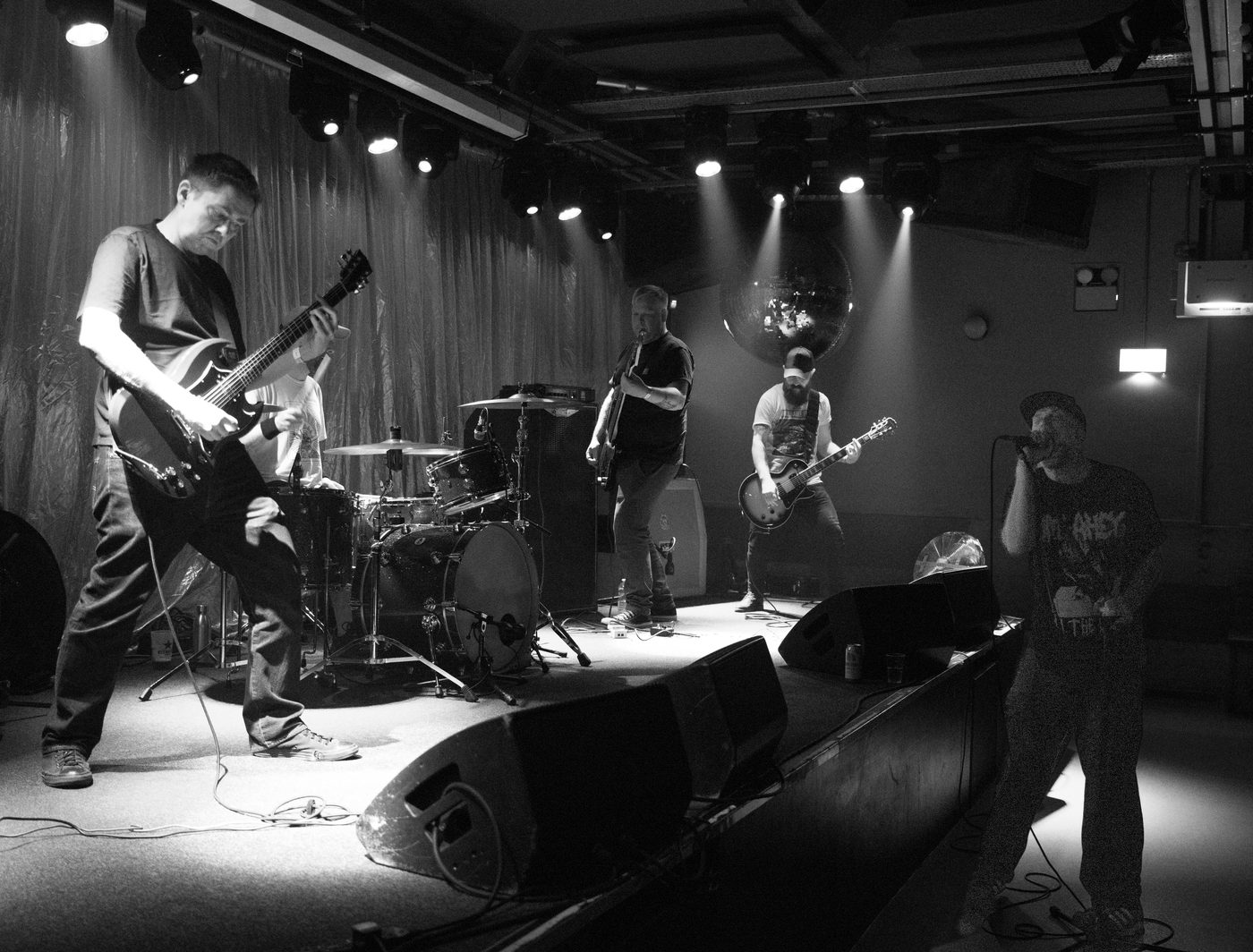
He’s had the occasional audience member get a bit too hands-on, but considers himself capable of dealing with it.
Human Worth have provided another connection for Remote Viewing through their longstanding charity work. Part of the profits generated by “State Violence” will support Trussell, the UK organisation working with food banks and campaigning to reduce poverty and food insecurity.
For James, the choice is directly connected to what the band have been discussing throughout the record. Rising rents, food costs and energy bills have left many households with little financial breathing room, and people already struggling have been affected particularly badly.
“For those reasons the work Trussell do is a real lifeline to so many. That’s why we chose them to receive the charitable donation from album sales.”
He also has a good amount admiration for Human Worth’s commitment to putting money from record sales into charity work, which has been part of the label’s identity since its early years.
Owen Gildersleeve, who runs Human Worth and plays in Modern Technology, first supported what was then called the Trussell Trust through a charity show tied to the release of Modern Technology’s self-titled debut in 2018.
That record dealt with austerity, benefit cuts and the gradual weakening of public support systems. Owen was already concerned by the growing use of food banks at the time, and those problems have remained central to his thinking about the label.
Nearly a decade later, he sees little reason for optimism. The consequences of the pandemic, rising living costs and changes to welfare provision are among his concerns. He’s also worried about how artificial intelligence might affect employment and people’s ability to support themselves.
He pointed out that Trussell’s annual emergency food parcel distribution had increased by roughly a million over the period.
The figures support that approximate increase, although Trussell has changed its reporting periods. Its food banks distributed around 1.61 million parcels in the 2018/19 financial year, compared with approximately 2.64 million during calendar year 2025. The latest figure is lower than the peak reached in 2023, but still substantially higher than before the pandemic.
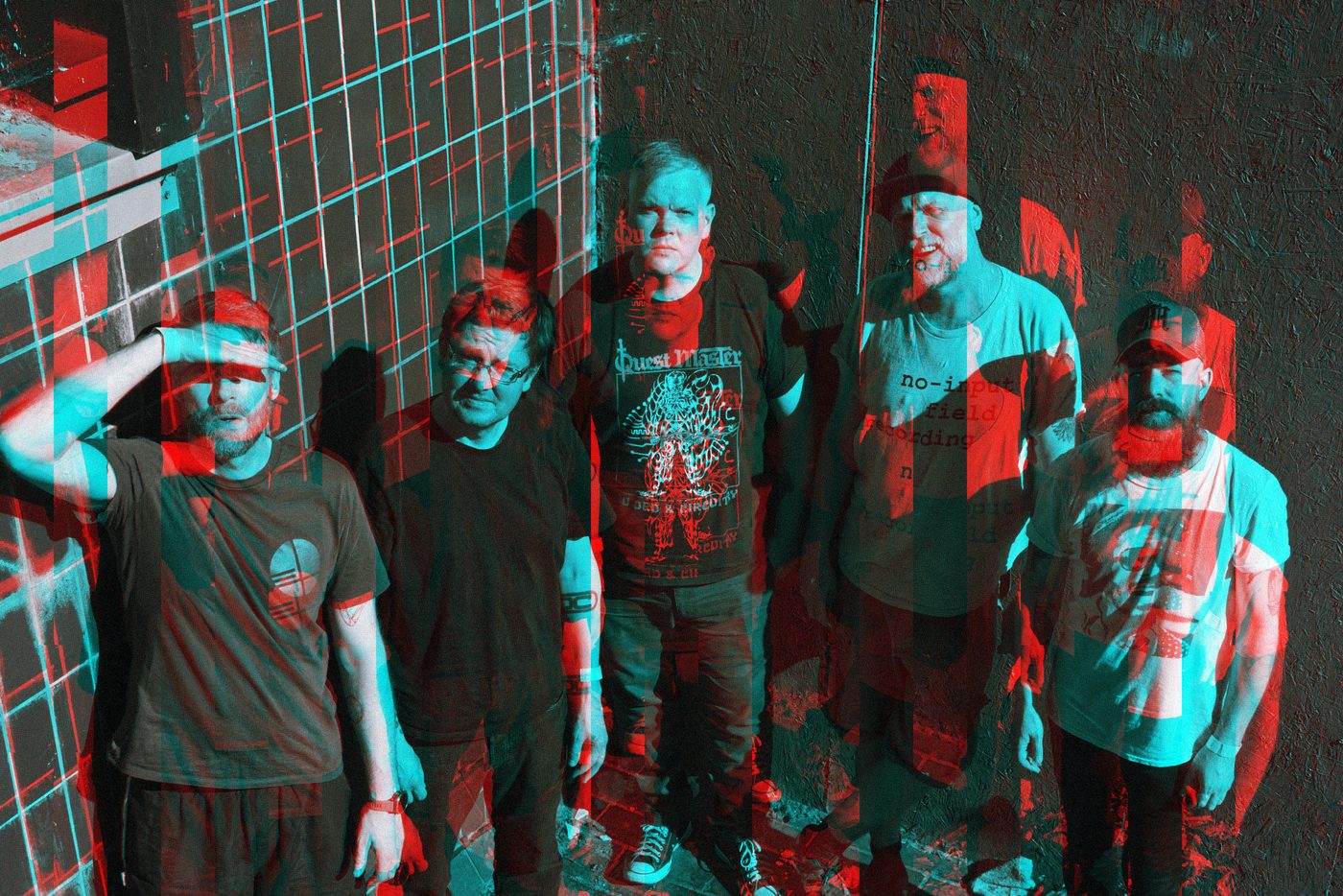
For Owen, the label’s work with musicians such as Remote Viewing allows them to keep raising money through the records they would be putting out anyway. Human Worth direct a percentage of their profits towards charity, and the bands involved have been willing to support that arrangement.
James considers it one of the reasons Remote Viewing are happy to be associated with the label.
Their own relationship with making music has barely changed since the Palehorse years. Tom is happiest when everybody can still get together in the rehearsal room, play loudly, work out new ideas and discuss what they might do next over a few beers.
As long as that remains enjoyable, he has no particular reason to stop.
James has a similar attitude towards the longer-term rewards of playing in underground bands. Recognition is nice, but he doesn’t regard it as the reason to carry on. When asked what he wants from Remote Viewing after all these years that he didn’t want from Palehorse, his first suggestion is money. He is, naturally, joking.
“I think it’s still the same reasons now as it was then. Money! – just kidding! It’s making music with friends that is the main reward itself. That’s the fulfilling part.”
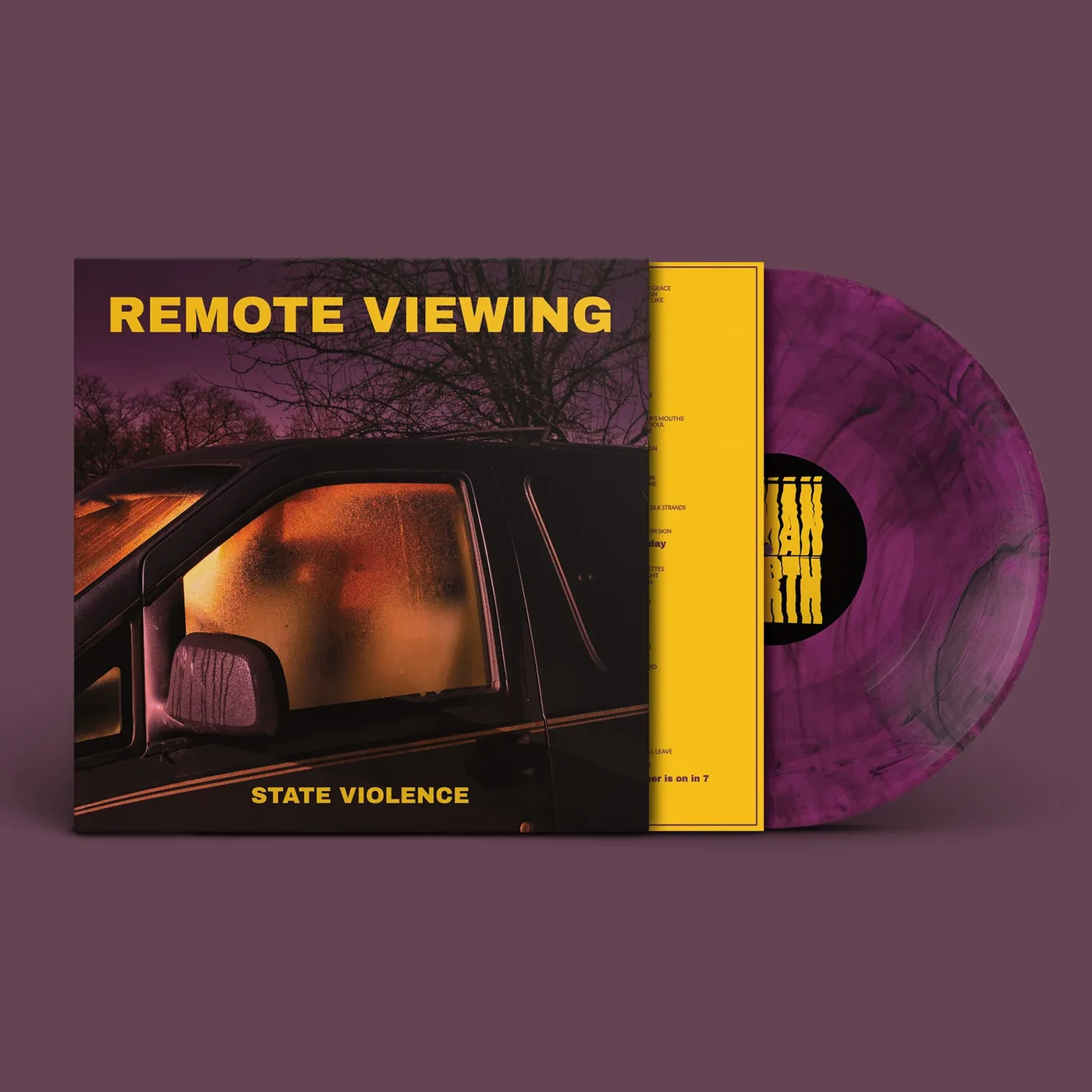
“State Violence” was released on 18 September 2026 through Human Worth. The album is available on vinyl, CD and digital formats via Remote Viewing’s Bandcamp, with physical editions also available through the Human Worth store. Human Worth donate 10% of their profits from the physical editions to charity, with Trussell receiving the contribution associated with the album. The cover features photography by Devin Lunsford.