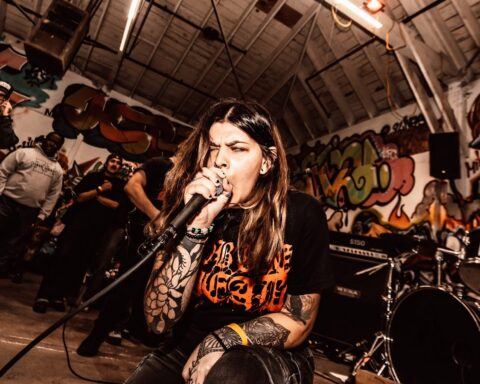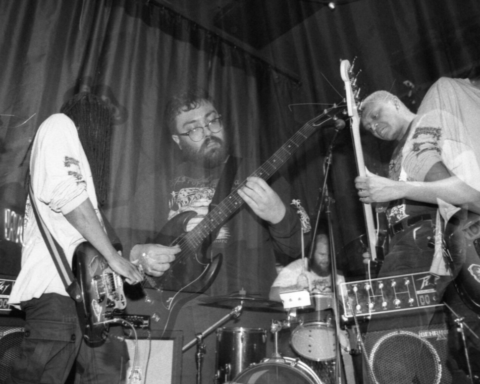


Expectations were going to call their fifth album “99% Love”. Georgi Dimitrov liked the title because so much of what he’d written concerned people close to him, the relationships that had survived, those that had gone wrong, and the things people struggle to say to each other.
The Sofia band have been playing melodic hardcore since 2009, with a darker, more emotional approach than much of the heavier hardcore around them. Their new record carries plenty of that aggression, alongside songs about family, guilt, disappointment, love and trying to make things right.
During drum tracking, bassist Angel Simitchiev suggested a different title, taking a line from “Say Hello”: “My Last Time to Shine”. The others liked it. After seventeen years, numerous lineup changes and one period when they genuinely thought Expectations were finished, none of them can say with much confidence whether there will be another album.
The record arrived on 25 September through Bulgaria’s Balkan Sprachbund Records and Germany’s Bound By Modern Age. Eleven songs, including collaborations with musicians from Last Hope and Odd Crew, and a lineup the founding members consider the best they’ve ever had. It also comes at a point when jobs, families and life outside the band take up considerably more time than they did fifteen years ago.
Georgi had other reasons for wanting “99% Love” on the cover. In his mind, the album concerns self-love, family, romantic relationships and the affection people have for siblings and friends. You can hear how personal it gets in songs like “Uncertainty”, “The Rules Of The House”, “Until You Love Me” and “99% Love”.
“I really wanted to name the album ‘99% Love’ because it is a ‘Love’ album with a few songs as exceptions. An album about self love, family love, intimate love, brotherly love, sisterly love and all aspects of love.”
Wyświetl ten post na Instagramie
The lyrics are angry, doubtful or hurt. “The Rules Of The House” has Georgi questioning his own commitment to a relationship, wondering if he has become the reason things are falling apart. In “Uncertainty”, somebody promises to remain present through difficult times while trust itself has become painful. “99% Love” demands a commitment that is completely mutual, with little patience left for half-hearted affection.
“To The Grave” deals with a friendship that turned out to be something very different from what Georgi believed. There is disappointment in relying on somebody who eventually lets you down, and in realising how badly you misjudged that relationship. The song closes the record with lyrics about pain, abandonment and having nowhere to call home.
“I Against I” approaches personal difficulties from another angle. Georgi wrote about recognising his own mistakes, attempting to repair the damage and accepting help from people who care about him. The title comes from the struggle with himself, and the lyrics move towards gratitude for somebody who stayed around when things were going badly.
“Don’t ‘close’ yourself. Talk to your family, share, trust them.”
There is a broader message in “Sugar & Spice”, where Georgi turns his attention to how people treat one another and what might still be possible if they make an effort to change. “Young Forever”, featuring Vasko Raykov of Odd Crew, deals with growing older while trying to hold on to the things that made music and friendship exciting in the first place.
The record also features Aleksandar Boyadzhiev of Last Hope on “Venom Eyes”, Abi Belcheva on “Until You Love Me” and Yavor Dimov on “To The Grave”.
“I Look Good In Black” takes a stranger route, pairing one of the album’s guitar riffs with a saxophone part played by Stavros Spyrou. Georgi came up with the lyrics through a collection of random thoughts one morning on his way to work. Among them is a line about wishing he’d chosen the saxophone over the microphone.
That song is something of an exception to the personal stories elsewhere. Most of the album’s arrangements are compact, with songs generally running between two and three minutes. Expectations work within melodic hardcore and post-hardcore, allowing more abrasive passages to sit alongside direct melodies and Georgi’s mixture of harsh and sung vocals. The record also benefits from the different musical preferences within the band, something its members have gradually learned to work with over the years.
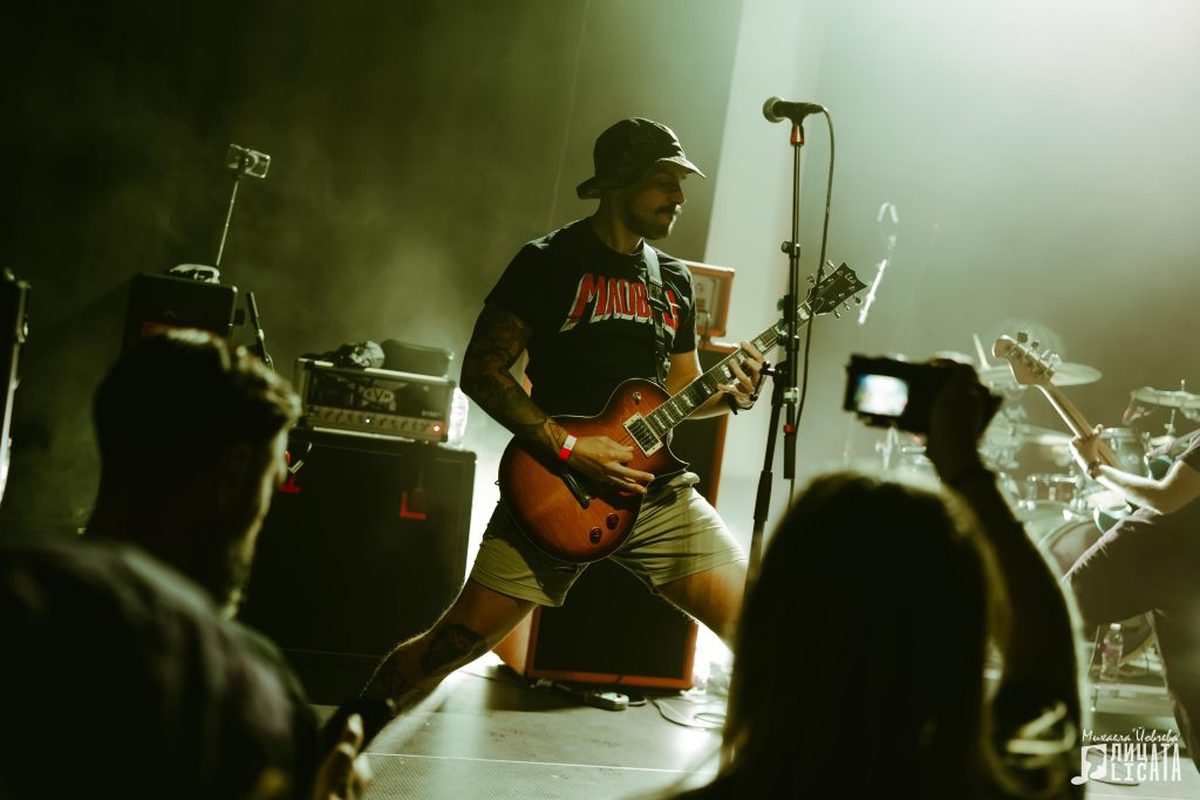
For guitarist Mihail Slavov, “Say Hello” is a hard one to talk about.
On 2 April 2026, Mihail spent the afternoon working on a new idea after another song had been rejected during the album sessions. Four or five hours later, he had a demo he really liked. Only the ending was missing. He was about to leave his desk when he saw the news that Bo Lueders, guitarist of Harm’s Way and co-host of the HardLore podcast, had died.
Mihail had met Bo several times. He liked Harm’s Way and HardLore, and remembered Bo being unusually welcoming and approachable whenever they crossed paths.
“I really love Harm’s Way – they are a band that carries so much more meaning than the macho tough guy image they get associated with by many people. I also really love Hardlore.”
He returned to the song the following day, writing its ending with Bo in mind. For once, he also told Georgi what had been on his mind while composing it.
“I never gave Georgi any ideas about lyrics prior but this time I told him that I wrote this song about Bo and that was it.”
Georgi already had lyrics prepared. He often writes independently of the demos, keeping ideas ready until he hears something that suits them. When Mihail told him about Bo, he knew which words he wanted to use.
To Mihail, the finished song remains closely associated with that loss, even though the lyrics weren’t originally written about Bo. He connects it with people struggling to be themselves, and with the judgment and pain that can accompany that experience.
“So that song is about Bo, at least from my point of view. But it’s also about anyone who struggles on a daily basis with being themselves in this world. It’s for me too.”
The line that gave the album its title has a particular meaning within “Say Hello”. Mihail uses it somewhat differently when talking about the whole record.
For him, Expectations have approached albums with a similar attitude since at least 2018’s “Bye-Bye Youth”. Every time they finish recording, he finds himself wondering whether they have anything left to give. They try to use their best ideas and write songs they can stand behind without holding something back for later.
“When we write and record an album, we don’t hold anything back. We don’t save ourselves; we really try to give everything we are capable of in terms of songwriting, emotions, honesty, and energy.”
Georgi had initially resisted losing the title “99% Love”. He also considered “The Rules Of The House”, although he thought that sounded a little too patriarchal. Eventually, he came around to Angel’s suggestion.
“You never know if your next album, song, day, smile will be the last one. We should not take what we do and have for granted. Can this be the last Expectations album? Yes, it can be. Everything comes to an end and this is okay.”
The possibility of ending Expectations is something the members have discussed seriously. The band already came close to disappearing once, and the current lineup has made them less willing to go through another complete rebuild.
In 2015, disagreements among the members left Expectations largely inactive. For most of that year, they barely rehearsed or played shows, and Mihail accepted that the group might be finished. Their uncertainty continued into 2016, when everybody was occupied with other things.
Late that year, Georgi persuaded them to rehearse for a one-off concert in December. They played it and realised they still wanted to continue. New musicians eventually joined, and Expectations returned to regular activity.
“During that period, for me, the band was done. I was really sad about it, but I accepted it,” Mihail remembers.
He has no desire to end things now.
“I appreciate this band more than ever, at the same time I have to be realistic that people’s priorities change and there might be a point where we won’t be able to continue.”
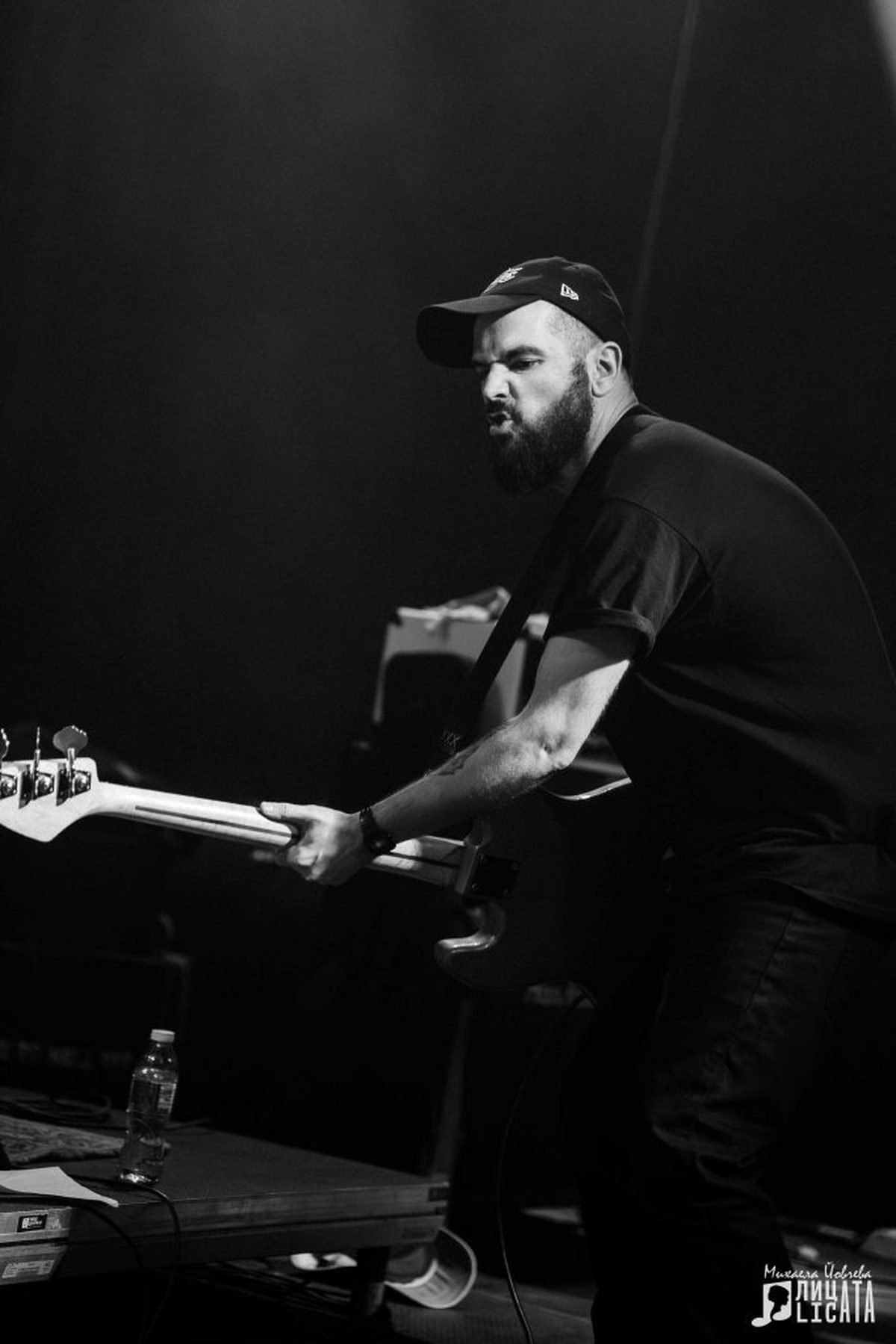
The present five-piece includes the three founding members, Mihail, Angel and Georgi, alongside guitarist Andrey Genchev and drummer Nedi Miladinov. Andy and Nedy joined roughly four or five years ago, and the change has been significant for everybody.
Mihail considers this their first lineup without constant internal drama. People understand their responsibilities, turn up when they’re supposed to, and deal with problems through ordinary conversations. He can now trust the others to handle their parts without arguments becoming personal.
“Everyone acts like a grown up, everybody shows up when they are supposed to. Everybody tries to communicate clearly. And I think everybody knows their role and is ok with it.”
Angel hadn’t really planned on making another album. He’s grown tired of a lot of contemporary hardcore, but the songs his bandmates were writing changed his mind.
“Honestly, I didn’t have an interest in doing another record with the band; the only thing that kind of convinced me to push forward was to commemorate the greatest lineup this band has ever had, with Andy and Nedy aboard.”
A conversation after a festival last year helped establish the rules for the album. All five members agreed that every song had to be one they genuinely liked. A single strong objection was enough to reject a song, a section or an arrangement.
This is how the band approach most of their decisions these days. Shows, potential collaborators and new music all require everyone’s agreement.
“If just one person 100% doesn’t want to do something, we don’t do it. That is valid for playing shows, playing with a band, or if we should do a song or not.”
It’s a useful arrangement for people with different tastes and occasionally very different ideas about what hardcore should be.

The friendship among Mihail, Georgi and Angel has lasted since 2009, and they regard it as stronger now than it was when they started. They know each other’s lives beyond music, have helped one another through difficult periods and have found ways to accept their differences.
Georgi cannot imagine continuing in a band with people he doesn’t consider friends. The current lineup matters enough to him that he doubts he would have the energy to recruit replacements if Andy or Nedy decided to leave.
Angel feels similarly. He has been through numerous lineup changes already and thinks this particular combination deserves to be preserved for as long as possible.
Their way of writing has also changed. Most members are in their thirties, some are getting close to forty, and they have jobs, families and relationships to look after. Some no longer live in the same city.
The days when they could regularly get together and spend hours working through ideas in a rehearsal room are largely gone.
Mihail or Andy now usually prepare demos with guitars, bass and programmed drums already in place. The five members listen, change parts, reject ideas and eventually agree on the songs they want to finish. Georgi then adds vocals and lyrics.
They have followed that method for the last three albums.
“I would love for us to gather and just jam ideas, but that requires a lot of time together that we usually don’t have.”
Mihail has also become more involved in recording and production over the years. “My Last Time to Shine” was recorded by him at Wind City Studio, with drums tracked at Audioslot Studio. Their old friend Marius Costache mixed and mastered the album at Studio148 in Bucharest.
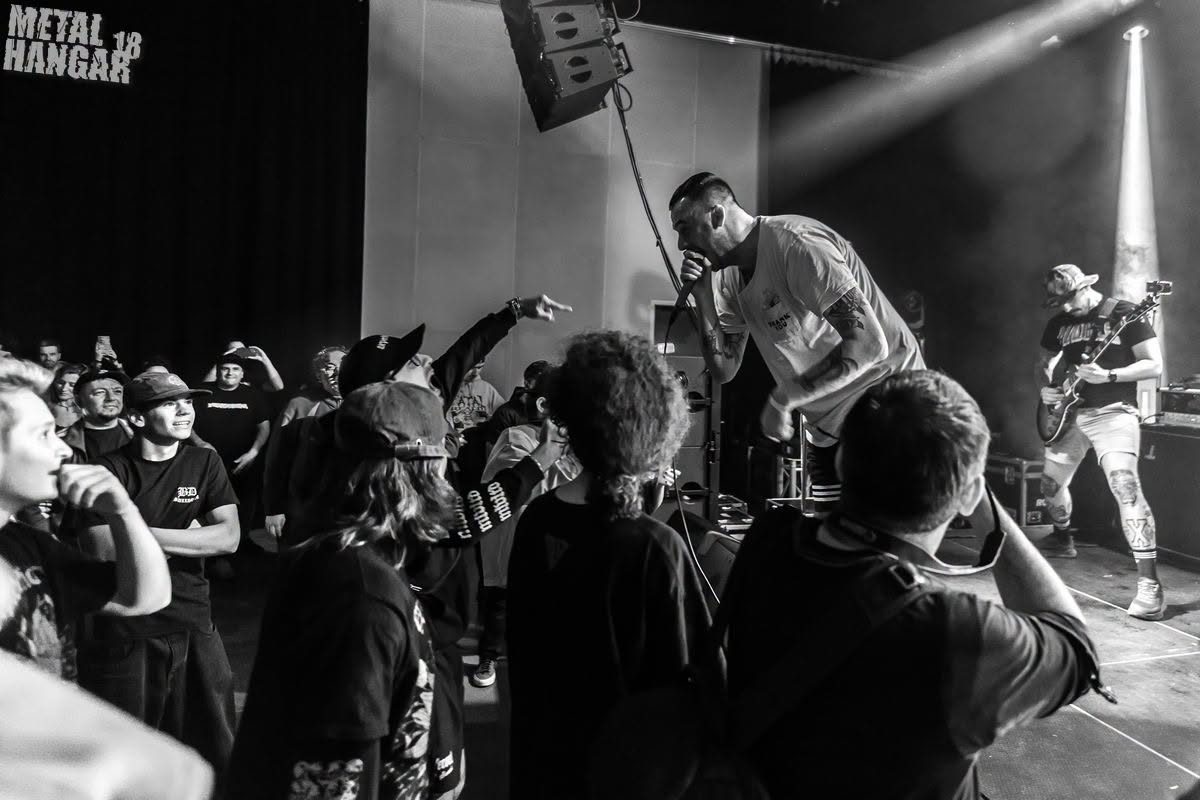
The Romanian connection goes back to their first full-length.
In 2011, Expectations had arranged to record in Bulgaria with a local engineer. Their original drummer Jordan Stoilov then fell off his bicycle and injured himself badly enough that the sessions had to be cancelled.
Around the same period, Angel travelled to Romania and met Marius. The engineer knew Expectations and offered to help them make a record. They decided to travel there.
Next Dog Studio was on the third floor of a house in a village roughly thirty to forty minutes outside Bucharest. It belonged to Mihai Andrei of the Romanian metalcore band Breatlast, and the group spent about a week there recording their self-titled debut.
They returned for the “Gone” EP and then “After Twenty Years”, working in the same way each time. There was no internet connection, and Mihail doesn’t remember anyone having mobile data. They cooked together, slept at the studio and recorded for twelve to fourteen hours each day.
The first evening remains especially clear in Mihail’s memory. Everyone except Angel was meeting Marius for the first time. They sat in the kitchen discussing how they wanted the album to sound.
Marius told them about another band that had arrived wanting to sound like Machine Head, although their own music had little resemblance to that group. He encouraged Expectations to record what they actually sounded like.
“I remember him giving an example of a band that told him they wanted to sound like Machine Head while they sounded nothing like them, and how we should capture whatever our band sounds like and not try to sound like something else.”
Wyświetl ten post na Instagramie
Mihail had never recorded a full album before. It was also his first time playing with a metronome. The sessions were intimidating. He struggled with some of his parts and wasn’t happy with how he’d played. Original guitarist Danail Bikovski helped him get through the difficult bits.
By the next record he was better prepared.
“Marius is a character in the best sense of the word. He is very funny, but very honest and straight to the point as well. I remember being intimidated at first (fuck, I think I still am haha).”
After “After Twenty Years”, Next Dog stopped operating as a studio and Marius established Studio148 in Bucharest. Expectations gradually began recording themselves so they could work at a pace that suited everyone, but Marius continued mastering their music. He has worked on every Expectations record.
Mihail and Angel have also collaborated with him outside the band. Mihail has sent him other records to master, and the friendship has become a longstanding part of their musical lives.
“If you find someone like him, who truly is a master of their craft, while remaining humble, always supportive and reliable, keep them as close as you can, because people like this you don’t meet everyday.”
Mihail still misses the idea of everybody disappearing into a house for a week or two and doing little beyond recording, cooking and sleeping. He hasn’t ruled out trying it again.
Another longtime friend returned to direct the music video for “Say Hello”.
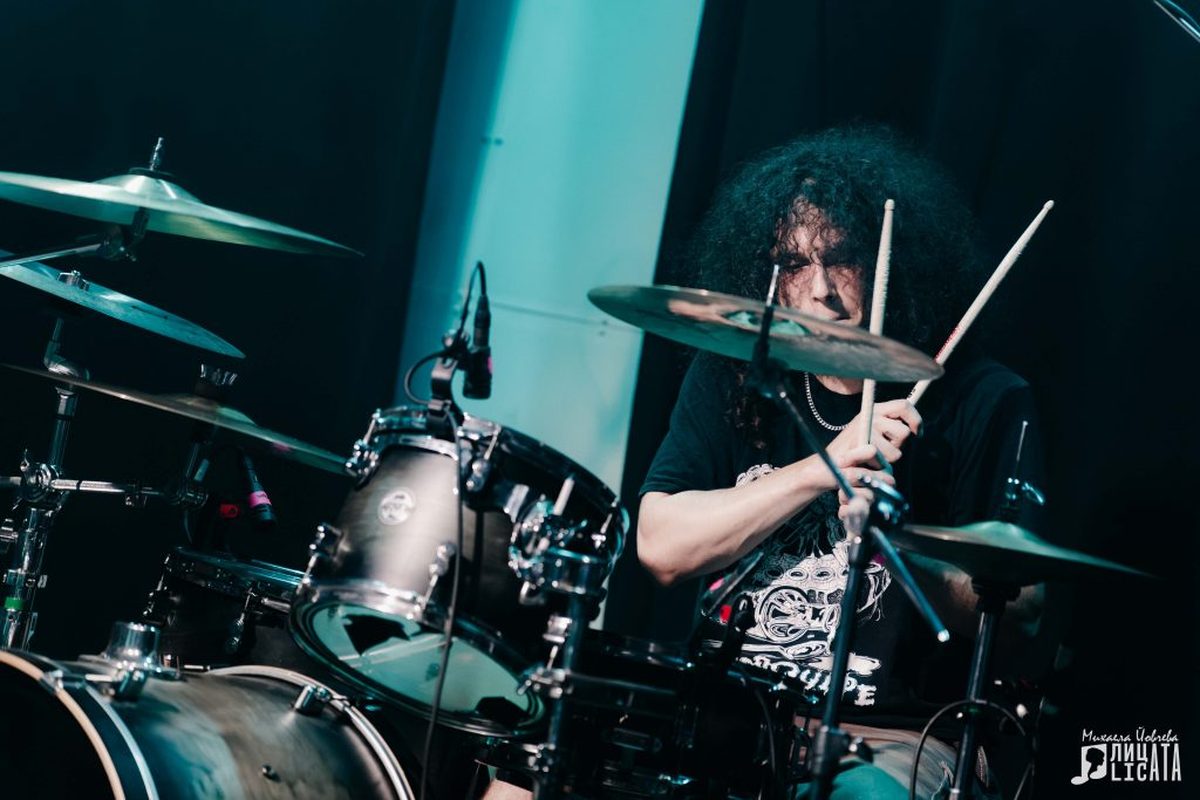
Ivaylo Totev played drums in Expectations between 2013 and 2017. He had known Georgi since they were teenagers in Yambol, where they learned to play music together and formed their first band.
Their first tour happened when Georgi was fifteen and Ivaylo sixteen. Neither could drive, so they travelled by train carrying their equipment by hand.
Years later, when Jordan left Expectations, the band invited Ivaylo to join. During his time with them, they released “After Twenty Years” and completed a European tour lasting approximately sixteen or seventeen days.
Ivaylo also directed the videos for “The Death Of Me” and “After Twenty Years”, both made with almost no budget.
He and Danail eventually left the band, although neither disappeared from their friends’ lives. Georgi continued spending time with both, camping by the coast and hiking in the mountains with their families. He and Danail now live as neighbours in a small village in the Strandzha mountains near the seaside.
For “Say Hello”, the original plan was to work with Teodor Fichev, who had filmed the “Ready To Die” video. Teodor was unavailable in August, and the band needed to keep to their release schedule.
Georgi contacted Ivaylo.
Their friend Strugare, an independent experimental hip-hop artist who runs a prop-hire business, offered them a large storage space and props for the shoot. Georgi and Ivaylo visited the location, exchanged ideas and put together the scenario. This time there was a budget, and Ivaylo had the entire video filmed in one day.
“He was a little bit worried at the start but everything clicked from the first hour and shot it for 1 day. He sent us some options for a few days and this was it. What’s done is done. Thank you, Ivaylo!”
Wyświetl ten post na Instagramie
Old friends still make videos for Expectations, put out records, organise gigs and help visiting bands find somewhere to play.
The Bulgarian scene that Expectations entered in 2009 had already been developed by bands such as Last Hope, Vendetta, Outrage, Indignity and Melekh.
Mihail still considers Melekh one of the best bands to come out of the country, and the death of their member Boro remains a particularly painful loss for him.
“If people should check out just one Bulgarian band ever, I think it should be Melekh, and I urge them to do so.”
Sofia has kept a number of important venues and organisers active. Grindhouse remains a name the band return to, with Georgi giving a particular shout-out to Oleg. Fabrika Avtonomia has become increasingly important over the last five or six years, while Mixtape 5 continues hosting larger shows.
Elsewhere, venues have been less stable. Many of the places Expectations played in Plovdiv and Varna during their early years have closed. The people who organised those gigs, played in bands and helped visiting musicians have often remained active.
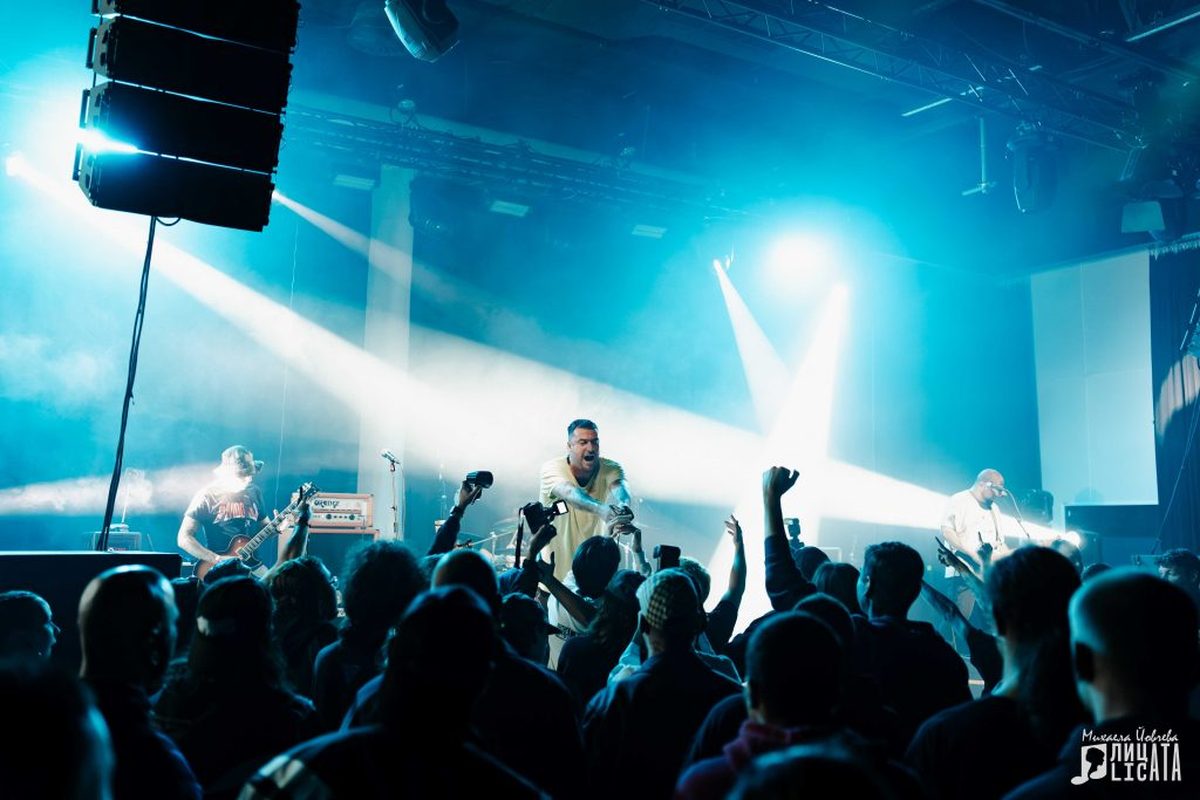
Varna still has Hale 3, along with bands including Outrage, Indignity, Crowfish and Another Day. Mihail also recommends newer heavy bands Sawyers Clan, Million Suspects and Spontaneous Combustion.
Vzriv and Delate are among the active names in Plovdiv, while Angel wanted to mention the punk community in Ruse, where Artificial Comet, Пердах and Spot have been active alongside DEMO TAPE Recordings.
Mihail reckons around 80 to 90 per cent of Bulgaria’s hardcore gigs still happen in Sofia.
He, Angel and Georgi originally came from Sliven and Yambol, two smaller towns with some local metal music but little in the way of hardcore when they were teenagers.
“Expectations have never played in any of our hometowns – that should tell you something, haha.”
Sofia has also produced a newer generation of bands that Mihail follows closely. Rugged, Burialsite, Poison Ivy, like june sky, Noisebleed, Heel Turn and Crook Mentality are among the names he wanted people to check out.
He’s pleased to see younger musicians becoming involved. Equipment is more accessible than it was in 2009, the wider Balkan DIY circuit is better organised, and in his experience promoters in other countries have become slightly more receptive to bands from the region.
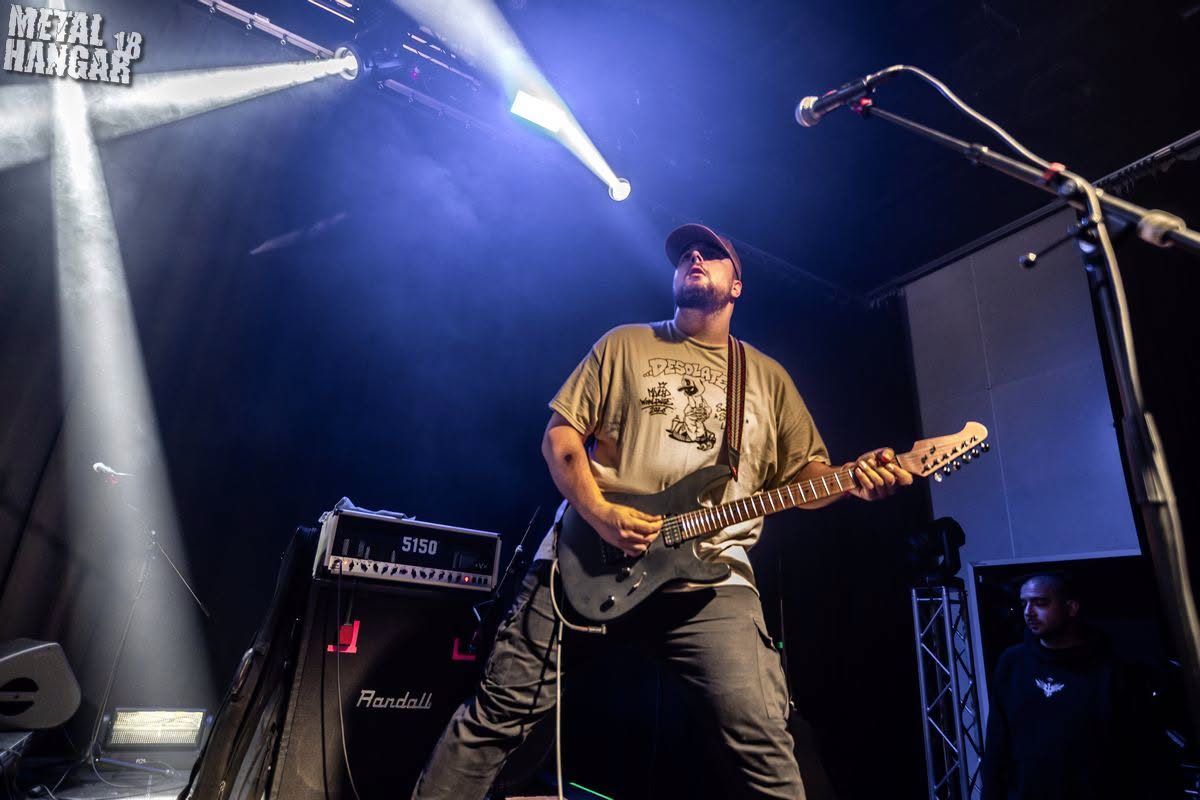
Hardcore has also become more popular internationally, which is noticeable at shows across the Balkans.
Mihail doesn’t share the opinion that younger people are somehow less committed or less informed than previous generations. In many cases, he thinks the opposite.
“From being the youngest person in a room full of hardcore kids, these days I find myself to be the oldest. But talking to and befriending those young people really fills me with hope and positivity for what comes next.”
His idea of hardcore has always been closely tied to meeting people at gigs, making friends and looking after one another. He considers the music part of a much larger social experience, and he is wary of younger people experiencing the scene entirely through the internet.
“For me, hardcore should always be about community. About going to shows and connecting with other people there. About the shared values. If you have this, you have a scene.”
He knows how much those connections can mean because he has never been naturally outgoing.
“I’m saying this as a shy and introverted person. It took me years to be able to look people in the eye, but that’s why I know it’s really important and 100% true.”
Angel has grown pretty fed up with parts of the hardcore scene.

When he and Jordan started Expectations, they wanted to offer an alternative to the macho, tough-guy hardcore they frequently encountered in Bulgaria. The music they were interested in had room for melancholy and emotionally direct writing alongside aggression.
He felt closer to bands such as Melekh, Crowfish, Another Day and Всеки следващ ден, and later found stronger connections with the music coming out of neighbouring countries.
In Serbia, bands including Eaglehaslanded, Reflection and Reflections of Internal Rain appealed to him. In Macedonia there was YÖU, and in Romania, Tourist.

More than fifteen years later, he remains dissatisfied with much of what he hears in Bulgarian hardcore. His frustration extends to people who talk about tolerance and independent thinking but behave very differently outside the venue.
“Older generations being friends with nazis; a lot of drug and alcohol abuse in the scene; people actually shitting themselves on shows; nothing about this is hardcore to me; it’s more like cosplaying.”
Angel credits older generations in Sofia and Varna with doing a great deal of work to remove neo-Nazis from the scene during the 1990s and early 2000s. However, he believes some far-right people from those years eventually became less visibly active and were subsequently tolerated by certain established musicians and concertgoers.

He says he still occasionally sees people associated with those politics at larger shows, which is one reason he avoids some events.
He also alleges that younger neo-Nazis have attacked smaller punk gigs, including incidents in which audiences were sprayed with pepper spray. Those are his accounts of the local situation, and he regards the spread of the far right across Europe as a continuing threat.
Angel singled out Fabrika Avtonomia and the now-closed 13eneath 12reality for taking particular care over who was allowed into their events.
He recalled one incident from his time playing with Mihail in King of Sorrow. After he spoke against fascism from the stage, a man Angel identified as a Nazi allegedly attempted to approach him, only to be held back by a bartender.
Expectations themselves have generally avoided such confrontations.
Angel has also become frustrated with the way increasingly aggressive moshing can affect audiences. He has seen people leaving shows with injuries and objects to the way some older bands and fans appear to tolerate violence.
“Nowadays I see more and more people in the audience leaving shows with broken limbs and bleeding faces. This is certainly not something I’m interested in participating in or supporting.”
He remains attached to records, zines and the music itself, and has little interest in participating in a scene simply because he has been associated with it for years.
“Punk is about the freedom to choose, right? Nobody owes me anything, just like I don’t owe anyone anything.”
Mihail has quite a different view of younger moshers. He thinks many older fans have become overly critical of what younger people do at gigs and generally believes younger audiences understand when more aggressive moshing is appropriate.
“Whoever doesn’t agree should stay in the back and let the moshers do their thing. It’s really part of the culture. And if you don’t hurt anybody on purpose, it should be fine.”
Georgi’s own understanding sits around freedom of expression, personal responsibility and the shared values that drew people into hardcore in the first place.
“For me hardcore was and always will be the freedom to express yourself and be yourself. It’s like a community built on moral code and similar taste of music but a community that appreciates individualism. A community which is not afraid to ask questions and speak the truth.”
These opinions coexist within Expectations. The members don’t need to agree on everything happening in hardcore, and their rule requiring unanimous agreement on important band decisions has helped keep personal differences manageable.
The October tour with Madball, Desolated and Combust gave them another opportunity to see how those differences play out among audiences.
In Bucharest, Angel was encouraged by the number of unfamiliar faces. Apart from a handful of old friends, he recognised very few people from previous visits. Younger fans were doing skateboard tricks in the mosh pit and jumping off the stage, and the crowd included people from different musical subcultures.
He had been worried that the city’s hardcore scene was becoming quieter in recent years, although reports of younger people getting involved had made him curious about what was happening.
“Honestly, except for a few friends from back in the day, I only saw new faces at the show in Bucharest.”
The four-band package meant a more expensive ticket than a smaller DIY gig, which Angel suspected might have made attendance difficult for some younger fans. Still, he left encouraged by the turnout and the people he met afterwards.
“I love Bucharest so much.”
Sofia presented a more complicated picture.
According to Mihail, the only fight during the entire tour happened at the band’s hometown show, where younger moshers clashed with older concertgoers. He says similar incidents have become increasingly common at larger hardcore gigs in the city over the past year.
“In my opinion it’s mostly because old heads don’t understand the more aggressive types of moshing, some exchanges happen and then people start fighting.”
He wasn’t interested in assigning all the blame to one group, but the incident strengthened his impression that the broader Sofia scene has become divided between generations.
The people they met after shows often gave them much more encouraging memories.
Mihail remembers several fans approaching the merch table to tell him they had been listening to “My Last Time to Shine” repeatedly since its release. Some said the songs were helping them through difficult periods in their lives.
“This is the biggest compliment and achievement I could ever get related to the music that we do. Music, our scene, and everything related to it have saved my life many times through the years and being able to contribute in even the smallest positive way to someone’s life is the best thing I could ever wish for.”
The nine-day run also gave Expectations a chance to spend time around folks they had admired for years.
For Mihail, watching Madball play night after night was very instructive. The largest crowd was around a thousand people, while the smallest was probably closer to two hundred. Their commitment to the set never changed.
“The largest show was around 1000 people, the smallest probably around 200. It didn’t matter to them. They delivered the same amazing performance every night.”
Angel had been equally keen to watch Madball and spend time with Desolated and Combust.
He was impressed by the discipline of the touring musicians and the stories they told about the work involved in keeping their bands active.
Expectations were opening for a much heavier bill and weren’t sure the hardcore kids would go for their songs. People showed up for them every night, and the other bands made them feel welcome.
Freddy Cricien came out with his son to watch Expectations’ entire set on the first night in Germany. Madball continued mentioning them from the stage throughout the run.
Mihail also bought their latest album on vinyl and asked the band to sign it. Alongside their signatures, they wrote “Expectations”.
“We’ve played shows with many international bands, and very few have shown as much respect to us, as those guys did.”
Offstage, Mihail got on just as well with the guys in Desolated.
“Also, the guys in Desolated are some of the coolest people I’ve met at any show or tour. So down to earth, so friendly, while being in one of the toughest and heaviest bands in Europe (UK is still Europe, we discussed it already hahaha).”
Georgi enjoyed watching the different generations of hardcore represented on the tour. Madball were the veterans who had helped keep the music alive for decades, Desolated represented a heavier beatdown tradition, and Combust brought their own 1990s-inspired approach.
For Angel, there was no sense that Expectations were out of place.
“I definitely didn’t feel like we didn’t belong among these bands, and they sure did make us feel welcome.”
He remains aware of the difficulties bands from the Balkans can face when approaching promoters in Western Europe. Mihail has noticed some improvement in booking opportunities, fees and how promoters receive Bulgarian musicians, although it varies considerably between countries and venues.
Touring itself has become much more expensive.
The members all work regular jobs and don’t earn significant money from Expectations. They still need to recover enough to cover recording, travel and merchandise costs. Every album cycle involves discussions about minimum guarantees, shirt prices and how to make the numbers work.
“Unfortunately, when everything gets more expensive, you really can’t sell shirts for 5 euros like we used to when we first started.”
They still want younger kids to be able to afford a gig and pick up a shirt.
“People going to shows should understand that anything they buy at a hardcore show makes the next hardcore show possible.”
Some nights they get a hotel. Other nights it’s somebody’s floor. Everyone appreciates a comfortable bed more than they did fifteen years ago, although nobody regards it as a condition of touring.
Border crossings remain an additional problem.
Mihail’s crossed the Serbian border enough times to know how badly bands can be treated there. This time, Expectations got through without much hassle.
The other touring bands, travelling separately by bus, were held up for several hours at the Serbian-Romanian border. According to Mihail, the musicians eventually had to leave the bus and trailer behind and continue towards Belgrade in smaller vans.
“I don’t think anything has improved and it depends mostly on luck and the ‘good will’ of border police.”
Long drives also reduced the time available for enjoying the cities. Before leaving, Mihail had hoped to visit record shops, video game stores, parks and vegan restaurants, and spend some time walking around with his friends.
Several days involved journeys of 600 to 800 kilometres, leaving little room for anything beyond travelling, loading in and playing.
There were still some good ordinary memories.
Angel remembers singing along to Madball’s “Rebel Kids” every night. Expectations eventually began singing their own made-up words to the chorus during the van journeys.
“Also, singing the melody of the chorus with made-up lyrics every day in the van for nine days… but don’t tell Madball.”
Food also featured heavily in his memories. Szandra’s vegan cake in Budapest received a particular mention, along with the meal waiting for the band in Chemnitz after two days of travelling.
Georgi caught up with friends in Budapest who had been attending Expectations shows since 2011 or 2012. Their conversation turned to corruption, social values and the political similarities between Hungary and Bulgaria.
He still believes hardcore can offer people a way to organise around issues they care about.
“Sounds naive but with small steps at a time things can change.”
This was also the first tour on which Georgi brought his work laptop.
At first he wasn’t sure whether he would be able to deal with ordinary work and still concentrate on being away with the band. The longer journeys made it possible. After several hours in the van, with another five or six still ahead, he found himself answering emails about a new security kernel live-patching feature for Linux servers.
“I never thought that this would be doable from a mental standpoint as you have to kind of be in two places at the same time.”
He ended up finding the arrangement surprisingly manageable. If future tours are as enjoyable as this one, he might even consider doing them more often while continuing to work.
The most difficult moment of the tour came in Brașov.
Earlier on the day of the concert, Angel received news that his last surviving grandmother had died. He stayed with the band and played the show.
The venue had benches and tables positioned close to the mosh pit. During Expectations’ set, Angel spoke about losing his grandmother and asked people to participate in the music if they were physically able, expressing frustration with those sitting through the performance without paying attention.
He rarely watches the audience closely while playing, so he had little idea whether anybody had taken his words to heart.
The following evening, at the merch table in Bucharest, a man approached him. He had been at the Brașov show and wanted to offer his condolences.
“This simple gesture kind of made it all worth it; I mean, to have stayed on tour and not have headed for the funeral or whatever. It might be just one person who paid attention, listened to what you had to say, but it still matters; in this case it mattered a lot.”

Around 2010, several members helped start For The Kids Booking Bulgaria, inspired by a Hungarian collective operating under the same name. Their original drummer Jordan knew people involved in the Hungarian crew, who had also organised Expectations’ first Budapest shows.
The Bulgarian group included Jordan, Georgi, Mihail and Angel, along with Niki from Ugly and Proud Records, Lyubo and Ivan from Melekh, and Chocho from Blackmail.
They were selective about the bands they wanted to bring over and tried to make their concerts welcoming to people who supported the events.
At their early gigs, they cooked vegan stews and sandwiches for the audience. They also talked about veganism and personal hygiene, occasionally encouraging people to take a shower before coming to a show.
Angel still finds it funny that some people were offended by that suggestion.
“However, I believe the bands we booked were worth showering for.”
The collective eventually organised around 35 or 36 concerts, bringing Trial, Bane, Negative Approach, Shai Hulud, Ruiner, Carpathian and By The Grace of God to Bulgaria.
Getting Bane and Shai Hulud to Sofia was a big deal for the crew. Angel had never expected to see By The Grace of God play locally either.
As some members became busier or moved away from booking, the collective gradually became smaller. There were fewer volunteers to help with the food, and that part of the concerts eventually stopped.
In 2017, they put out “Remember For The Kids”, a photo zine looking back at the shows they had booked between 2009 and 2016. The money went towards helping their friend Iulika, who was fighting a brain tumour.
Iulika had been involved throughout the collective’s existence and later died after several years of illness. Angel still remembers Matt Fox of Shai Hulud becoming emotional while dedicating the band’s set to her.
“Man, I miss her everyday.”
Expectations have also continued working with people from that wider circle through their record releases.
Bound By Modern Age is run by Tim, a vegan straight edge musician and label owner from Germany. Mihail had previously worked with him through TRUExFEELING. After finishing “My Last Time to Shine”, he sent Tim the record, and the label offered to help.
Balkan Sprachbund is run by Filip S. Filipov of Voyvoda, another longtime friend of the band. Angel particularly appreciates the label’s interest in connecting Balkan artists across national borders.
“I love the idea, or should I say, the dream of united Balkans with no borders. However, with the current state of the world, the only way we can make this happen is through independent music and art.”
Tim and Filip have their own contacts and distros, and Expectations still do most of the work themselves.
“Any label help is appreciated, but we don’t necessarily need anybody. So we only work with people we like, trust, and know are willing to help us reach some new people.”
Some friendships go back to their early shows in Bulgaria. Others began in Romanian studios or somewhere on the road, playing gigs across Europe. A few are with people who played in Expectations and stayed close after leaving.
There is also still plenty happening around them. Last Hope and Vendetta have been preparing new albums, younger bands continue putting on shows in Sofia, and Expectations have dates of their own to look forward to.
The October tour had been arranged with help from Aleksandar Boyadzhiev of Last Hope, who has also worked on the road with Knocked Loose, Quicksand, Malevolence, Youth Of Today, Rival Schools and Agnostic Front.
Expectations finished that run satisfied with how everyone had handled the nine days. Mihail would welcome another opportunity to join a larger tour, although he feels the band already know how to organise themselves on a DIY level. One improvement is definitely coming: a larger van.
The question of album number six remains unanswered.
Mihail would like to keep writing, but he wants another album to have something worth saying musically and emotionally. He knows the band could simply continue making records, although he would rather wait until there is a genuine reason to do so.
“If there is an album six, it will need to say musically and emotionally something that we haven’t said yet. And for that to happen, we would need to live life, go through everything good and bad it offers, and still feel the need to put all of that into the type of music Expectations make.”
Georgi is already expecting another couple of years of activity around “My Last Time to Shine”, and Mihail has been making plans for April 2027.
“We’ve talked about it many times and I know that there is agreement that we’ll do it until we love it. And we still love it haha.”
Wyświetl ten post na Instagramie