

Before there was a festival to book, Brandon Robles had a traumatic brain injury, months spent dealing with pain and poor mental health, and a comic book about fighting wildfires. He had been injured on the job around a year before he began turning those experiences into “We Move Mountains With Spoons“, writing about his own life in wildland fire, the aftermath of his injury and the experiences of other firefighters. In 2023, he brought the project to North Figueroa Bookshop in Highland Park, Los Angeles, for a reading and discussion.
Three years later, Brandon is preparing the largest Forever Wildland Fest yet. What began as a small series of gatherings has grown into a run of punk and hardcore shows in Los Angeles and San Francisco, with MUGGER travelling from Austin to play both cities and local bands including GYLT, INGRATA and Scam Likely taking part. A percentage of ticket and festival merchandise sales will go to Grassroots Wildland Firefighters, a nonprofit working on pay, health and working conditions for the people who fight wildfires.
Wyświetl ten post na Instagramie
The whole thing has a much more personal history than the usual festival announcement suggests.
“I don’t know. I guess I’m searching for something that makes me feel alive again,” Brandon admits. “It’s a feeling I really can’t shake. The way I felt on my first fire, deep in the forest. Nothing has come closer to that than clicking “post” on a comic book I wrote or standing inside a venue waiting for people to show up and hoping you didn’t fail.”
The comic had given him a way to talk about experiences that were difficult to deal with after his injury. Other firefighters’ stories became part of it, along with his own attempts to understand what had happened to him. Publishing those stories and finding people who recognised themselves in them encouraged Brandon to organise gatherings where they could meet face to face.
He wanted old friends to reconnect, new people to come along, and a space where somebody having a rough time might find a little company.
The 2023 bookshop event was the predecessor to Forever Wildland, though it wasn’t yet using that name. The first official festival came in 2024 at Scribble in Highland Park, and the programme looked very different from what Brandon has planned for November 2026.
That first night had country performances from Zoe Lloyd and Leggy Peggy, alongside comedians Kristin Wallace, Ed Larson, Alexa Loftus and Addie Connor. Country made sense to Brandon at the time. Certain songwriters could get straight through to him with a few lines, regardless of genre.
The following year, Forever Wildland returned to Scribble with its first punk and hardcore edition, featuring Ventura’s Romper alongside Los Angeles bands MONK and SWEAT. MONK are returning for two dates in 2026, playing the free November 6 opening night at The Slipper Clutch in Los Angeles before joining the San Francisco bill at Kilowatt on November 14. Their involvement stretches across both editions of the festival’s punk era so far.
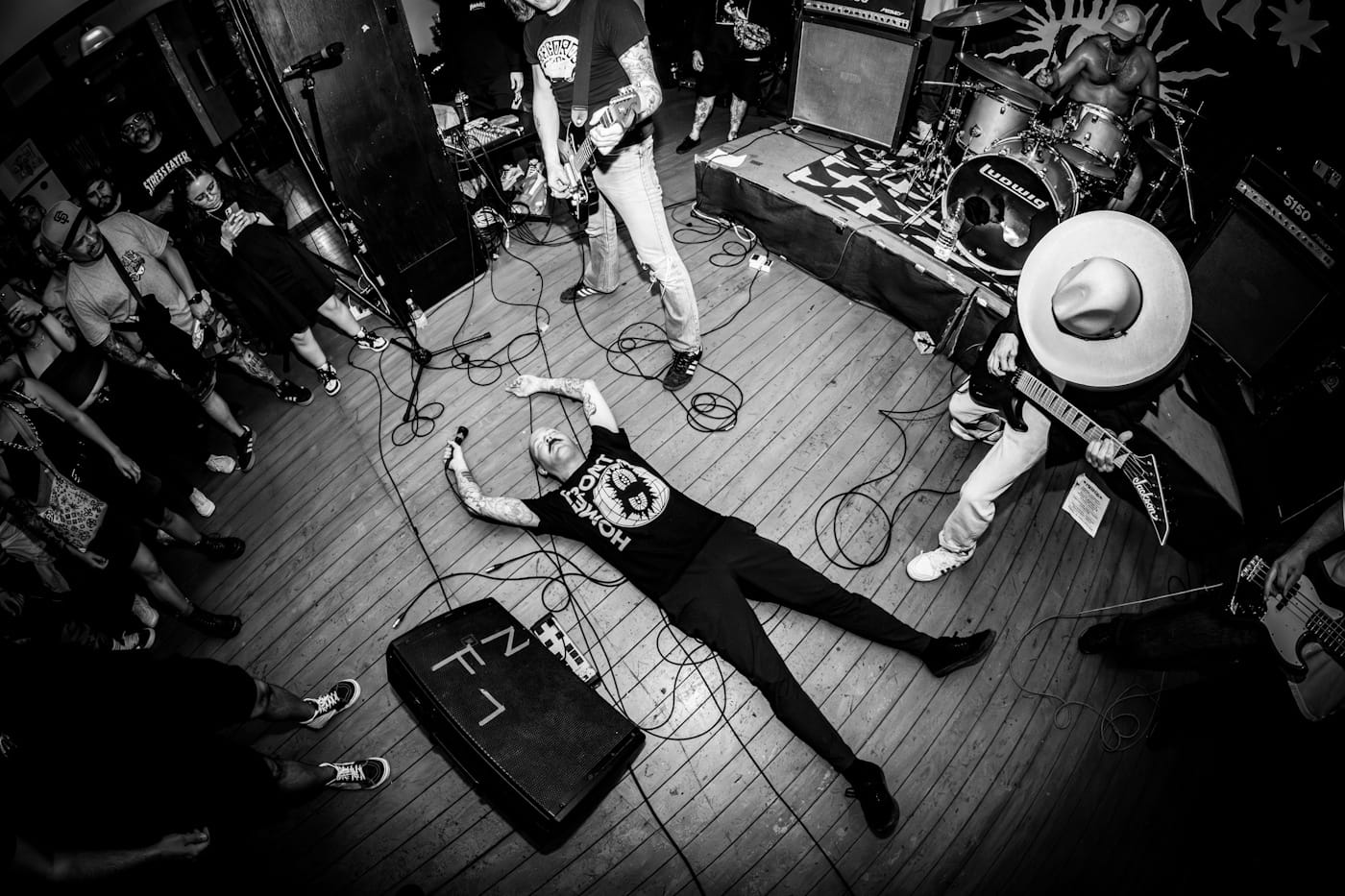
The LA hardcore band have also been busy with their own releases. On October 16, they put out two covers of Boston straight edge band Stop and Think, “Without Words” and “Get Lost”, through Dine Alone Records. In our recent feature with vocalist Frank Bach, we got into his years as straight edge, his frustration with the “edge break face break” mentality, and MONK’s unusual interest in Buddhist mindfulness. Their first two EPs, “Rock” and “Dark Side of the Mind”, even paired hardcore tracks with guided meditations.
Brandon grew up listening to Minor Threat, Black Flag and other punk records while some of his friends were getting into rap. He remembers struggling at school, living in a rough part of town, dyeing his hair, wearing tight trousers and having to explain his music to people who didn’t understand it. Punk gave him something he recognised in his own frustrations.
“I guess every phase of Forever Wildland has really just been a phase of my life coming together.”
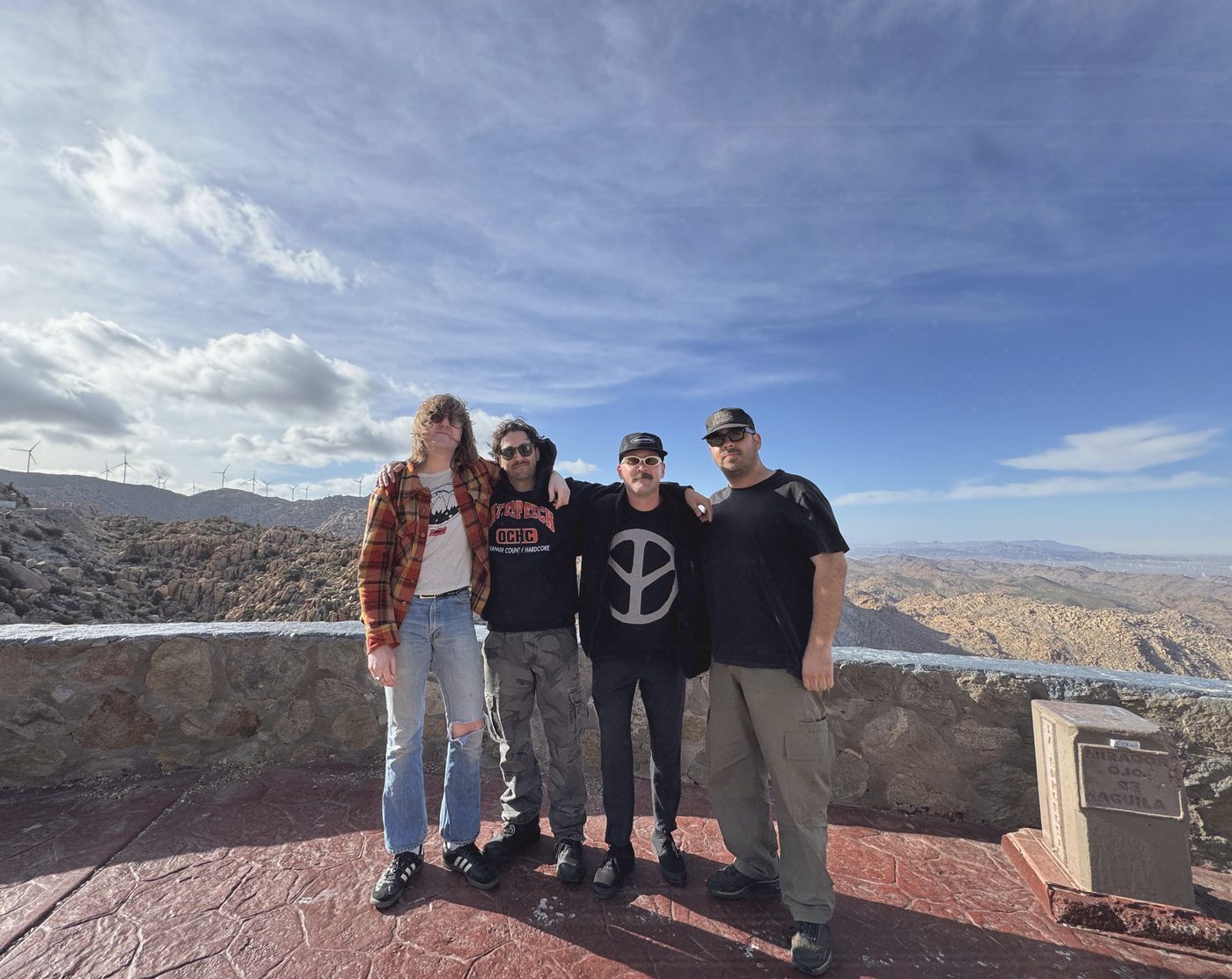
November is a difficult month for a lot of the people Brandon worked alongside in wildland fire. Seasonal firefighters can spend six or seven months living closely with the same crew, sharing long shifts and dangerous situations, then find themselves back home with little of that daily structure remaining. The people who have effectively become family during the season suddenly go their separate ways.
“When I first started the festival, I always wanted to hire or work with fellow wildland firefighters,” he explains. “The majority of them are seasonal workers who get laid off after fire season. I know how that feels. There’s this feeling of inadequacy after spending six or seven months with your crew. You live and breathe that crew, that family, and then one day it’s just gone.”
Brandon experienced a serious crash after the season himself. He talks openly about drinking too much, the loss of adrenaline and the difficulty of figuring out what to do with himself once the work stopped. His injury later made that disconnection considerably harder, leaving him in bed for months.
“I knew I wanted to hire people who worked in wildland fire, or at least people who understood those struggles. I’ll post once or twice throughout the year before the event asking if anyone wants to help out. Sometimes I’ll get one or two people. Last year we had a few firefighters from out of state and several from California come work the event.”
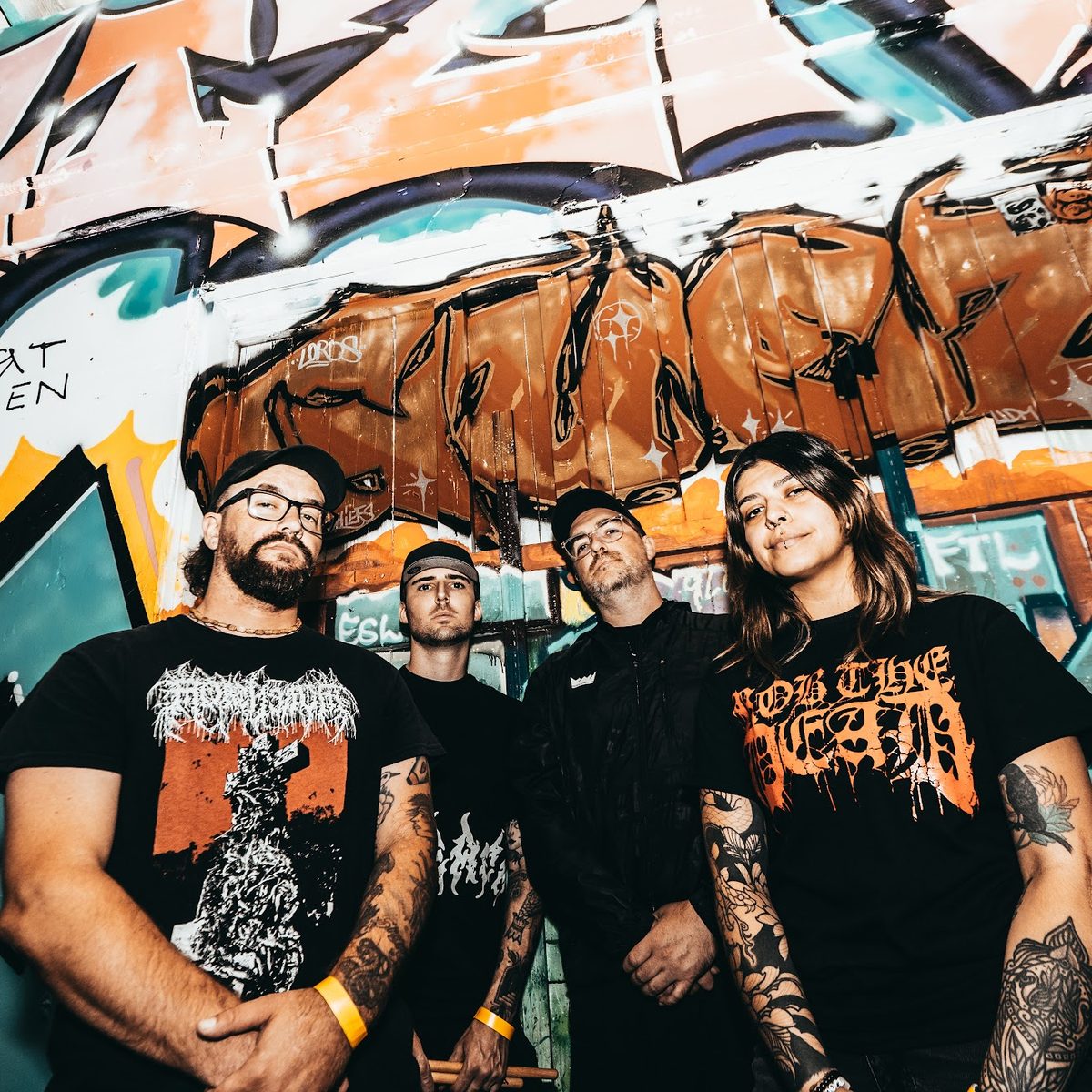
The November dates were chosen so seasonal firefighters could actually attend, including people who had just finished their contracts and were facing the difficult months afterwards. Brandon wanted his friends there. He also wanted some of the people looking for work or something to get involved in after the season to have a place at the festival.
Families, strained relationships, minimum-wage jobs, college, drinking and all the things people had put off during months of wildfire work would be waiting for them. A gig gave them an opportunity to meet again before everybody disappeared into their separate lives.
There is a small team working on Forever Wildland throughout the year, including people handling partnerships and booking, but Brandon is currently the only active firefighter directly involved in running it. Other firefighters who previously contributed have returned to their primary work during fire season.
“I don’t hire firefighters for optics. I hire them because I know how it feels to want to help, to want to latch onto something, and to want to give back.”
And, as Brandon puts it, because they’re “some of the hardest-working dirtbags I know.”
That working relationship with the fire community also determines where Forever Wildland goes. Highland Park was the natural place to begin because Brandon and several of his friends lived nearby, close to Angeles National Forest. Los Angeles is his home city, and San Francisco is somewhere he regularly visited growing up to see friends and family. Both cities are connected to large wildland firefighting communities, with Northern California especially important to the festival’s expansion.
The idea of taking the event further became real after the 2025 show. Once the bands had finished, people were outside Scribble having beers and talking. An old friend from Brandon’s former fire department complimented him on the turnout, the sponsors and the money the event was raising.
Brandon’s response was simple.
“If you guys are up on the hill fighting fire, this is the least I can do for you.”
The next edition began taking shape almost immediately. For 2026, Forever Wildland has brought in talent buyers and bookers for the first time, although Brandon still spends plenty of his own time finding bands through Instagram, watching live shows, following YouTube sets and listening to recommendations from friends.
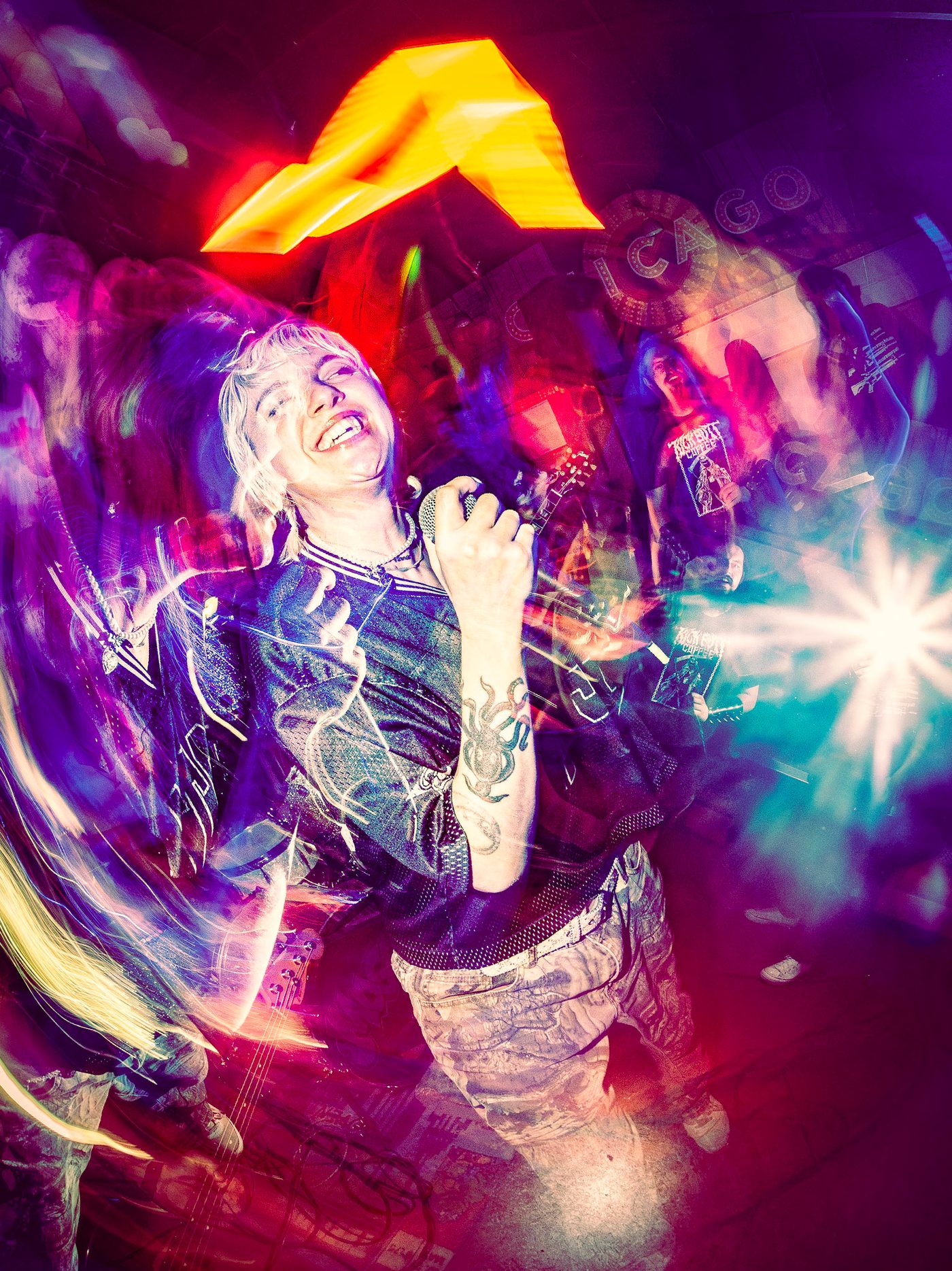
Hardcore, post-hardcore, post-punk and the assorted “post-whatever” corners of underground music are all in the mix. When he finds a band he likes, there usually isn’t much more to the initial decision than wanting other people to hear them.
“A lot of it is just discovering something I like and thinking, ‘I want people to see this.’”
One of the earliest bands he contacted for the expanded festival were MUGGER, the Austin hardcore punk band featuring members of Creepoid, Radioactivity and The Well. They will play the Los Angeles and San Francisco events a week apart.
For Anna Troxell and her bandmates, the work involved in organising a festival independently is already familiar territory.
“We are always excited to engage with independent promoters, especially ones that are ambitious enough to begin festivals. We intimately know the kind of dedication and commitment that requires, so there’s a sense of instant respect there. When we learned more about how the festival advocates for the support for wildland firefighters, it became obvious this was something we wanted to be a part of.”
MUGGER have spent enough time touring to expect different reactions from different cities. Some audiences mosh harder; others spend more at the merchandise table. Anna expects each California show to have its own character, and the band’s approach to visiting other people’s scenes goes well beyond the time spent onstage.
“The beautiful thing about the hardcore and DIY community is that there is a shared language. Patrick always jokes that when you meet someone who also grew up in the punk/hardcore scene, you ‘skip levels’ in building the relationship – because you know there are automatic similar values.”
Anna remembers being drawn into hardcore in late-1990s Philadelphia by the feeling that everybody involved was helping make the shows happen. That experience still shapes how MUGGER tour. They want to meet the local kids, visit the record shop somebody recommends and eat at the restaurant where somebody from the scene works. Those friendships give them reasons to return, and hopefully bring more people to the next show.
“We want to meet the kids, go to the record shop they recommend, eat at the restaurant they work at….The friendships and relationships we have all built through touring is what makes it worthwhile for us – and just helps in getting more kids to come to the show next time.”
Anna also makes clear that shared values are never guaranteed throughout the music industry. MUGGER try to work with people whose priorities they respect, and the attention Forever Wildland gives to firefighters’ mental health and general wellbeing made the invitation particularly welcome. The band are taking their usual social approach to the trip too. Anna encourages people to come and hang out, adding, “Oh and we want to smoke weed with yall too, so roll up to the show ready!”
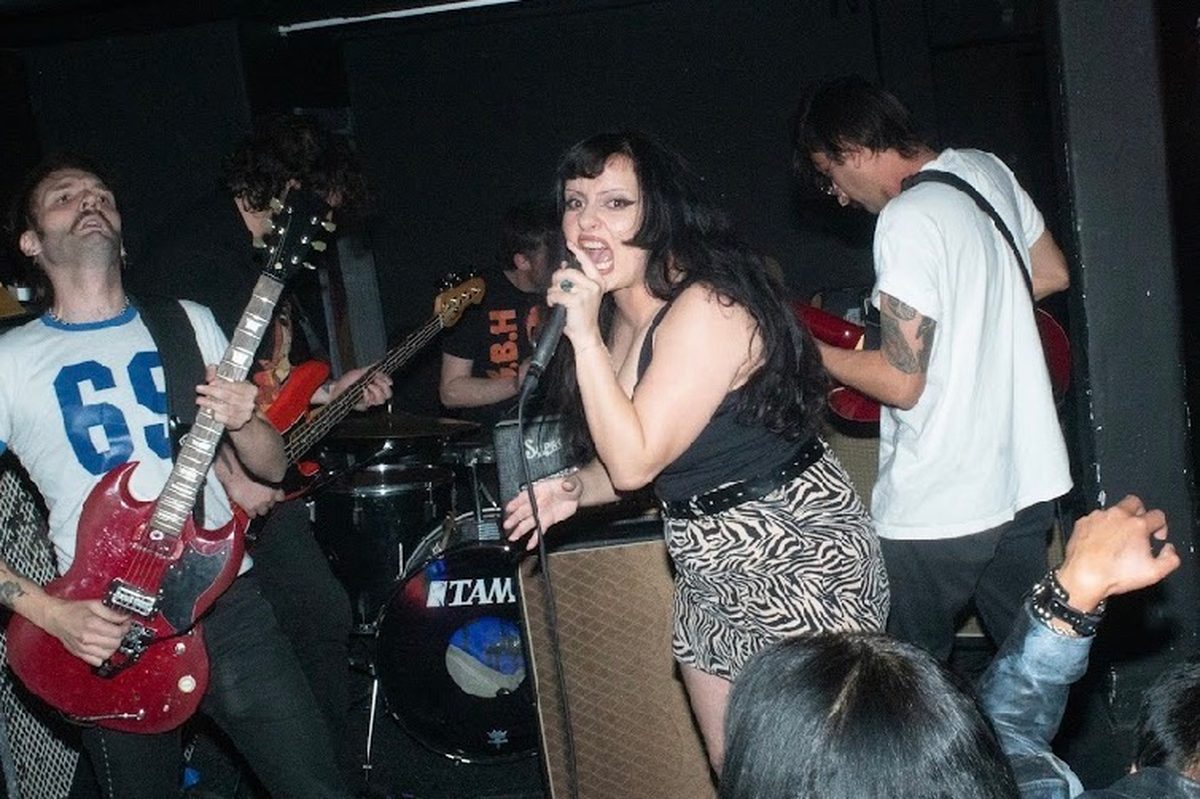
Back in Los Angeles, GYLT bring a considerably sharper political perspective to the discussion.
The crossover hardcore band are direct support at Scribble on November 7, and they have little interest in treating a benefit show as some new development for the city’s punk community. Los Angeles already has a long history of politically involved bands and events supporting local organisations.
GYLT point to benefit activity around Punks for Palestine, the Los Angeles Tenants Union and Feed the Streets. The sheer size of the local DIY scene means plenty of the bands involved in this work receive little attention outside the city.
Most GYLT shows already include some kind of community involvement. There might be free zines at the merchandise table or somebody from a local organisation or distro with their own space in the room. The band were founded by people with abolitionist and broader left-wing politics, and they want that background to remain present in what they do.
“We play our set and try not to preach our beliefs in a way that makes it disingenuous. We believe that most shows should have a form of mutual aid to them and try to allow for that without coming off as cringy or like we’re trying to sell that aesthetic.”
It is a useful reminder of how established the relationship between benefit shows and Los Angeles punk already is. Forever Wildland is joining a tradition that local bands have continued for years.
GYLT are similarly practical about mixing newer bands with more established acts. A bill needs some thought about which bands belong together and how the night is going to work. It helps when everybody is there to have a good time, and when opening bands understand that their slots don’t need to run for an hour.
Nor do GYLT want to appoint themselves representatives of all Los Angeles hardcore. Their priority is making sure people who turn up to see them for the first time are welcome, whether they consider themselves part of the scene or not.
“Trying to really do the hardcore for freaks motif, really just come as you are and be our friend.”
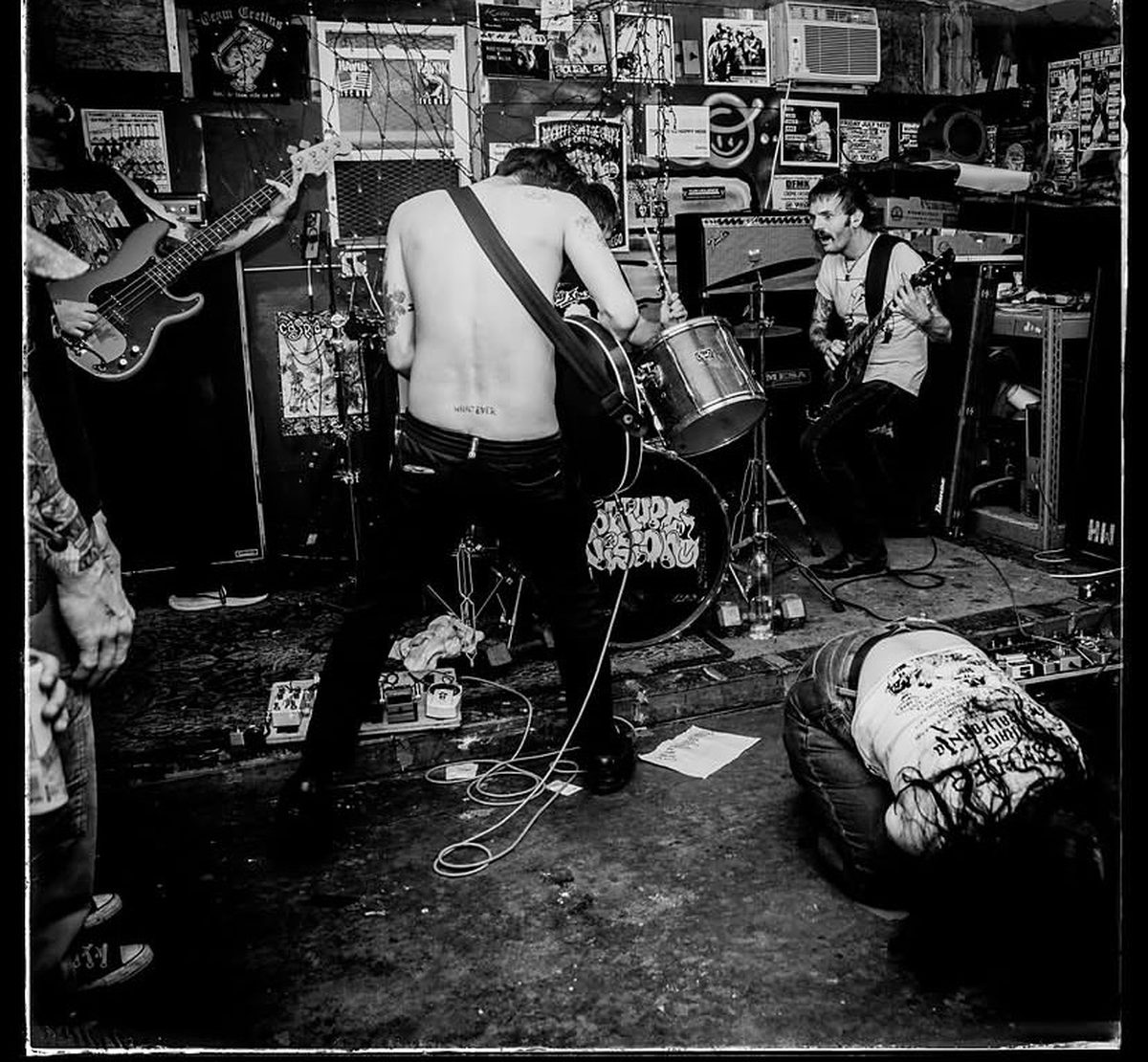
Brandon recognises plenty of that approach in the people he worked with during fire season. Wildland firefighters, trail workers, park rangers and other seasonal workers often come from punk backgrounds themselves. Some grew up organising backyard shows when venues wouldn’t book their bands, and carried that same willingness to organise independently into environmental work and life outdoors.
He talks about the anger some of those people feel towards politicians, data centres and the commercial use of public land. For him, those arguments and the old DIY instincts are closely connected.
“A lot of wildland firefighters, trail workers, park rangers, and other seasonal bums—and I use ‘seasonal bums’ as a term of endearment, because I lived that life—come from the DIY punk scene.”
“At least it hasn’t among the people I’ve worked with,” he adds when describing how little he thinks that punk mentality has changed.
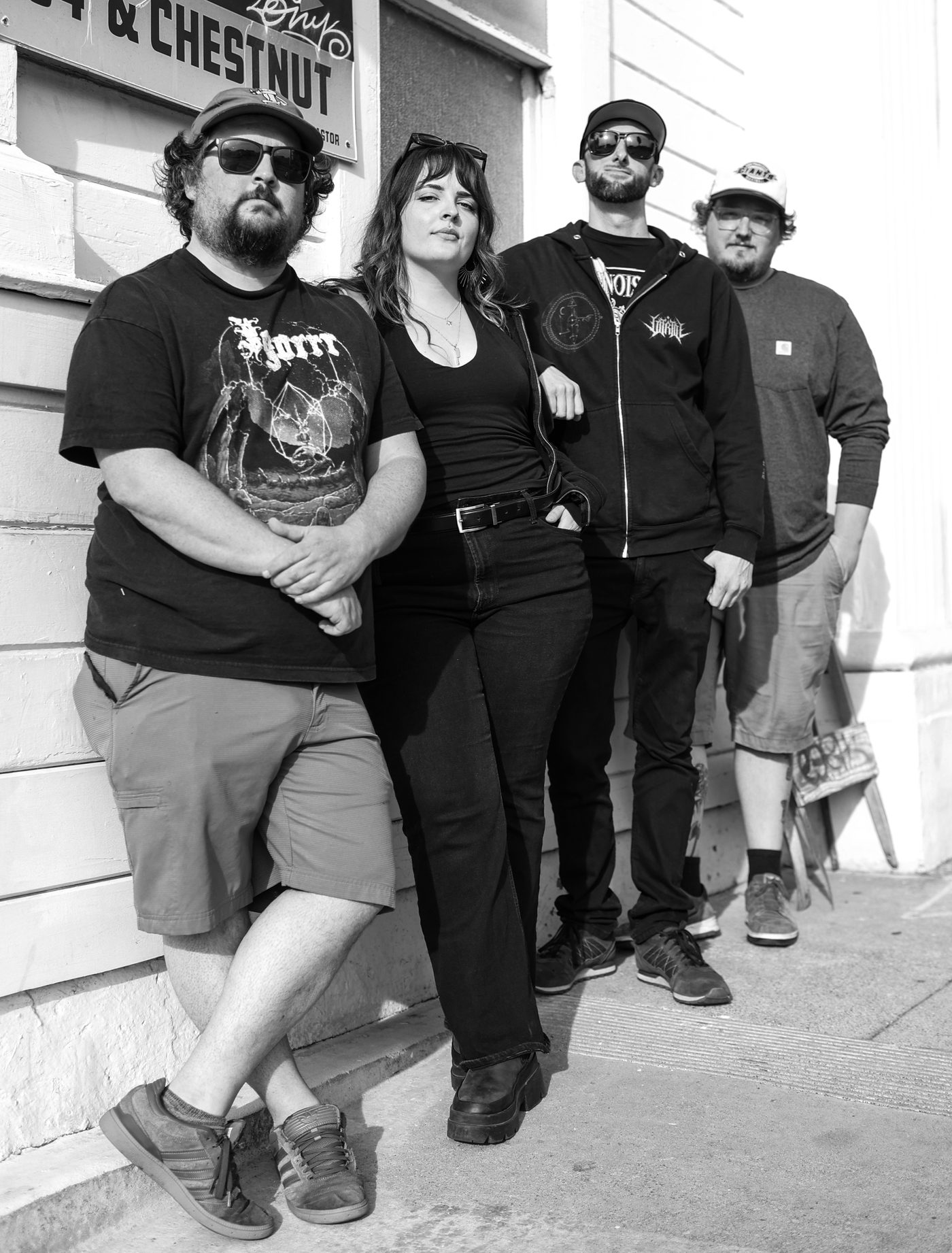
There is also a more immediate reason for bringing the fire community into an underground music event. Wildland firefighters work with some serious physical and psychological risks that continue long after individual fires are extinguished.
Brandon believes the public frequently overestimates what wildland firefighters earn for the hours they work and the physical demands of the job. He comes from a working-class family himself and feels strongly that the profession remains underpaid.
He also wants people to understand what breathing smoke over repeated fire seasons means. Wildland firefighters generally operate without the respiratory protection familiar from structural firefighting, leaving them exposed to smoke and ash during wildfire operations.
“We’re breathing in that smoke and ash every summer, year after year.”
The health concerns run through much of the work being done by Grassroots Wildland Firefighters, whose president, Riva Duncan, has known Brandon since the earlier days of his writing and comics.
Their connection started when Brandon contacted Riva after applying for a grant she had previously received. He had questions about the application, and they began talking. He subsequently got to know more of the people involved with Grassroots, including Bobbie Scopa, whom he featured on his We Move Mountains With Spoons Substack, and Susan, whose work he follows online.
Riva was already familiar with Brandon’s efforts to tell firefighters’ stories through his comics, including his own struggle after the injury.
“Brandon has been a huge supporter of GWF since the early days, and I’ve been a big fan of his since he started working on his comics about wildland firefighting and his own struggles. His story has resonated with so many in our community, and we all appreciate his willingness to help others in ways that really had not been done before.”
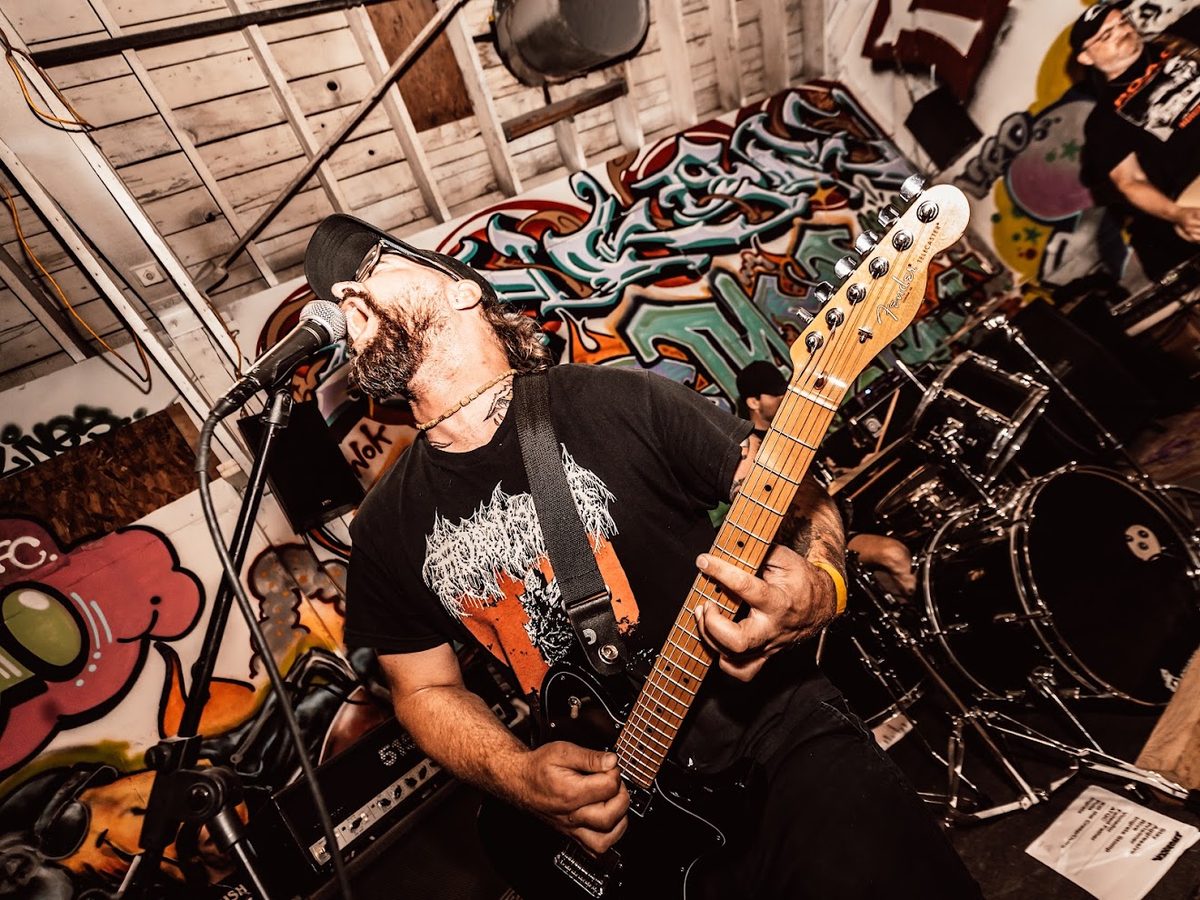
Grassroots Wildland Firefighters have a small operation of their own. The organisation has no major corporate sponsors, its board members work without salaries, and it depends heavily on individual donations and fundraising events.
Regular paid work is limited to a very part-time social media specialist and a part-time policy and legislative specialist. Recently, the organisation was also able to begin paying a small amount to its accountant, who is the mother of a wildland firefighter and had previously been providing her services for free.
Money from events such as Forever Wildland helps cover travel to conferences and important meetings, maintain the organisation’s website and support its ongoing work. Riva hopes the nonprofit will eventually be able to afford an Executive Director.
“We truly appreciate any and every donation we receive.”
The amounts donated by Forever Wildland so far are modest and clearly accounted for. The first official event in 2024 raised $370 for Grassroots Wildland Firefighters, followed by $400 from the 2025 edition. That makes $770 donated to Grassroots through the first two official Forever Wildland events.
Before those music events, Brandon’s comic-book project had also donated $220 to the separate Wildland Firefighter Foundation. The complete amount raised across those earlier projects is therefore $990, spread between the two organisations.
For 2026, Forever Wildland has committed 10% of ticket sales and 10% of sales from its own festival-operated merchandise to Grassroots Wildland Firefighters. Merchandise sold independently by the performing bands is excluded.
Riva is particularly concerned by the financial insecurity that firefighters still face between seasons. Many depend on significant overtime during the working months to afford the months when they are off the payroll. She also identifies serious mental health problems, including what she describes as unusually high suicide and divorce rates within the workforce.
Physical health is another priority. Grassroots are working with federal agencies, researchers and private organisations on programmes intended to address both the mental and physical effects of wildland firefighting. Riva specifically raises the lack of respiratory protection during wildfire operations as something that still surprises people outside the profession.
Music is already part of the culture among the crews themselves.
“I’m not exaggerating when I say music truly gets the wildland workforce through the really hard shifts and seasons. Music unites us, even if we all have varying taste in genres.”
Fire crews and modules often make end-of-season videos documenting their time together, and the music chosen to accompany those videos gets considerable thought. For somebody who has spent months away from home with the same group of people, particular songs can become closely associated with those experiences.
Riva appreciates the bands and venues participating in Forever Wildland for bringing wider attention to the profession. Her thanks extend to the festival’s sponsors and the people buying tickets, all of whom are helping support an organisation working on problems that often receive relatively little public attention.
Wyświetl ten post na Instagramie
The San Francisco event brings in a different set of local experiences. For INGRATA, the strongest part of the festival’s expansion is the opportunity for bands and audiences from Northern and Southern California to contribute to the same cause.
Phil, one of three INGRATA members who contributed their perspectives, sees the connection between the two regions as a particularly welcome part of the event. The California hardcore community extends across a huge geographical area, and those distances don’t always prevent musicians and promoters from working together.
Matt puts it in fairly simple terms.
“The hardcore scene in California makes our bigass state feel like it’s the size of a small town.”
Wyświetl ten post na Instagramie
There are practical reasons INGRATA wanted to play. Matt has enormous respect for the work wildland firefighters do in California, especially given the demands of the job, and supports efforts to improve their pay, health and safety standards. The festival’s DIY organisation also appealed to him, as did the opportunity to share the bill with bands he was already excited about seeing.
Phil confirms that INGRATA generally welcome opportunities to play shows supporting causes they believe in.
Soph takes a particularly firm view of what bands should actually do with their voices and their connections.
“Community is really important to us and even individually we all have our ways of giving back. Anytime we’ve been asked to play a benefit, it’s almost always a resounding yes from all of us.”
She talks about systems that leave people with limited support and the responsibility she feels to do something useful whenever the band has an opportunity. There is an impatience in her response towards the kind of political punk that makes a lot of noise without following through.
“There’s always going to be some angry punk/HC band that screams for change and then just pushes over a trash can or calls for more violence but I’m tired of that and I feel really proud of the ways in which we participate in real change.”
For Matt, one of the things that makes small hardcore events so valuable is that people can see how they’re organised. Friends book a room, find some bands, arrange the details and get the show happening. Watching that process over time can eventually encourage somebody else to try doing it themselves.
He recently decided to put together a fundraiser for NorCal Resist, an organisation involved in mutual aid and immigrant support in Northern California. He had never organised a show before and hadn’t really imagined himself doing it. Seeing other DIY shows put together by a handful of people gave him the confidence to have a go.
“I don’t know that I would’ve ever felt that urge to just go for it or like it was something that I was even capable of doing if it weren’t for all the shows that I’ve seen and been to that were just put together by a few people that had a cool idea for a show and just went for it.”
It is a familiar route into organising underground music. Someone attends enough independently run shows to understand that they can put one on themselves. Sometimes the motivation is simply wanting to see a particular band. Sometimes there is a local organisation that needs money.
Soph enjoys the closeness of those events, where the people putting on the show, playing it and attending it are often friends. Matt likes that they give everybody a chance to contribute regardless of their experience. Even Phil’s hopes for the November 14 event are rooted in the work people do outside the time they spend performing.
“I’d love for them to take away that hardcore isn’t just about showing out, it’s really about showing up and doing the work, and California HC will always do the work.”
Wyświetl ten post na Instagramie
For Scam Likely, another band on the San Francisco bill, the conversation also involves the places where shows can still happen.
The Bay Area has lost several smaller independent venues in recent years, and the remaining rooms have become particularly valuable to the people who regularly play and attend local shows.
Scam Likely vocalist Chelsea Owen puts it straight up.
“In the last few years, we have seen many of our beloved Bay Area small DIY venue close. It’s been quite devastating, however we are still blessed with places like Kilowatt. We’re grateful for these special places that harbor community and character, unlike larger corporate venues.”
Wyświetl ten post na Instagramie
Drummer Devon Ferrucci identifies The Golden Bull, The New Parish and Thee Parkside among the places whose loss has affected the local scene.
Two other longstanding venues have faced difficult situations this year. Oakland’s Eli’s Mile High Club, a fixture of the area’s independent music community for decades, announced plans to close at the end of October, although its operators have expressed hope that they can reopen once the problems surrounding the venue’s patio are resolved.
San Francisco’s Bottom of the Hill had also been expected to close at the end of 2026. Its future changed on October 22, when news broke that longtime patron Michele Bronson had purchased the venue’s operating business. The club is expected to close briefly for improvements after New Year’s Eve and resume concerts under new management in 2027.
These are places with histories that reach far beyond individual shows. For bands such as Scam Likely, losing access to small rooms affects where friends can perform, where younger bands get started and how people find one another.
Chelsea’s reasons for supporting Forever Wildland are uncomplicated. The cause appealed to the band immediately, and she has particular respect for the profession itself.
“What is more badass and punk than firefighting?”
The band want people outside the Bay Area to know that the local music community is still active despite the venue losses and the difficulties independent spaces are facing. Chelsea hopes people will continue supporting the venues that remain.
“It’s about coming together for something we all believe in and supporting each other.”
In San Francisco, Kilowatt gives the festival a room where MUGGER, INGRATA, MONK and Scam Likely can share the night. Back in Los Angeles, Scribble has already hosted both official editions of Forever Wildland and will welcome its first larger punk programme this November.
Wyświetl ten post na Instagramie
The Los Angeles bill on November 7 is headed by Austin’s MUGGER, with GYLT as direct support, Sparkler from Los Angeles and Memory Leak from the San Diego/Tijuana area opening. These are bands working in different parts of the underground, and the night reflects Brandon’s interest in putting less established acts alongside musicians who already have broader touring experience.
There is also an opening night on Friday, November 6 at The Slipper Clutch in downtown Los Angeles, with FRANX, Grudgepacker, BDR and MONK. The event is listed as free to attend, with a 21-and-over admission policy. It was initially planned for Gold-Diggers before moving venues, and its continuation depended on additional financial support during the planning period. It is now publicly listed as part of the festival programme.
A week later, November 14, Forever Wildland makes its San Francisco debut at Kilowatt. The bands have different relationships with their local scenes, and MUGGER’s appearances at both events give the festival a connection between the two cities.
Brandon has no intention of repeating the same show everywhere he goes. He wants the people living in each city to have a say in what the event looks like, particularly the bands and communities already doing the work.
“I don’t want Forever Wildland to become a cookie-cutter event that just jumps from one city to another. I want something that tethers new and upcoming bands with established bands, uplifts our community, and respects the music scenes in the cities we enter.”
For those attending, current event information and ticket links are available through the official Forever Wildland Fest website. Information about the nonprofit’s work and how to support it directly is available from Grassroots Wildland Firefighters.
Brandon doesn’t have an attendance number in mind that would automatically make this year’s festival a success. What he wants is for people to enjoy themselves, feel comfortable at the shows, meet others they get along with and know that some of the money they spent will help firefighters.
He keeps coming back to something that happened during his rookie year, when his crew had been called to a large wildfire in Northern California. He asked a fellow firefighter whether he was excited about going out to fight the fire.
His friend gave him an answer that Brandon has remembered ever since.
“I can’t wait to get up there and help.”
At the time, Brandon was used to hearing people talk about wanting to get out there and fight fire. His friend was already thinking about the people who needed help.
“That’s all I want to do with this event.”