


I managed to embarrass myself before I’d even bought a ticket to see Stephen Wilson Jr. in Copenhagen. For some reason, I’d convinced myself that his European tour was basically a short run of UK shows. I even left a comment under one of his posts complaining about it, only for his official account to point out that there was, in fact, a whole European tour. I’d missed the second page of dates. Congrats.
By the time I finally noticed Copenhagen on the list, the November 3 show at Store VEGA was sold out. So were the other dates I was looking at. Fortunately, Mads Bedstrup, communications manager at VEGA, helped sort out my press accreditation, and Cayleigh Shepherd from Big Loud managed to arrange additional tickets through Stephen’s team. Both were incredibly helpful, and the whole trip happened thanks to them.
There was still the small matter of actually getting there.
View this post on Instagram
Warsaw to Copenhagen is a fair old drive, especially when your own car is sitting in a garage waiting to be fixed. We rented another one, worked out a route through Germany and booked a ferry. Our kids, who have been getting a pretty serious education in Stephen’s music courtesy of their dad, were initially keen to come too. In the end, it was just my wife and me. We finished work on Monday, jumped in the car and drove north through the night. A ferry crossing and well over a thousand kilometres later, we rolled into Copenhagen at around 3 pm on Tuesday.
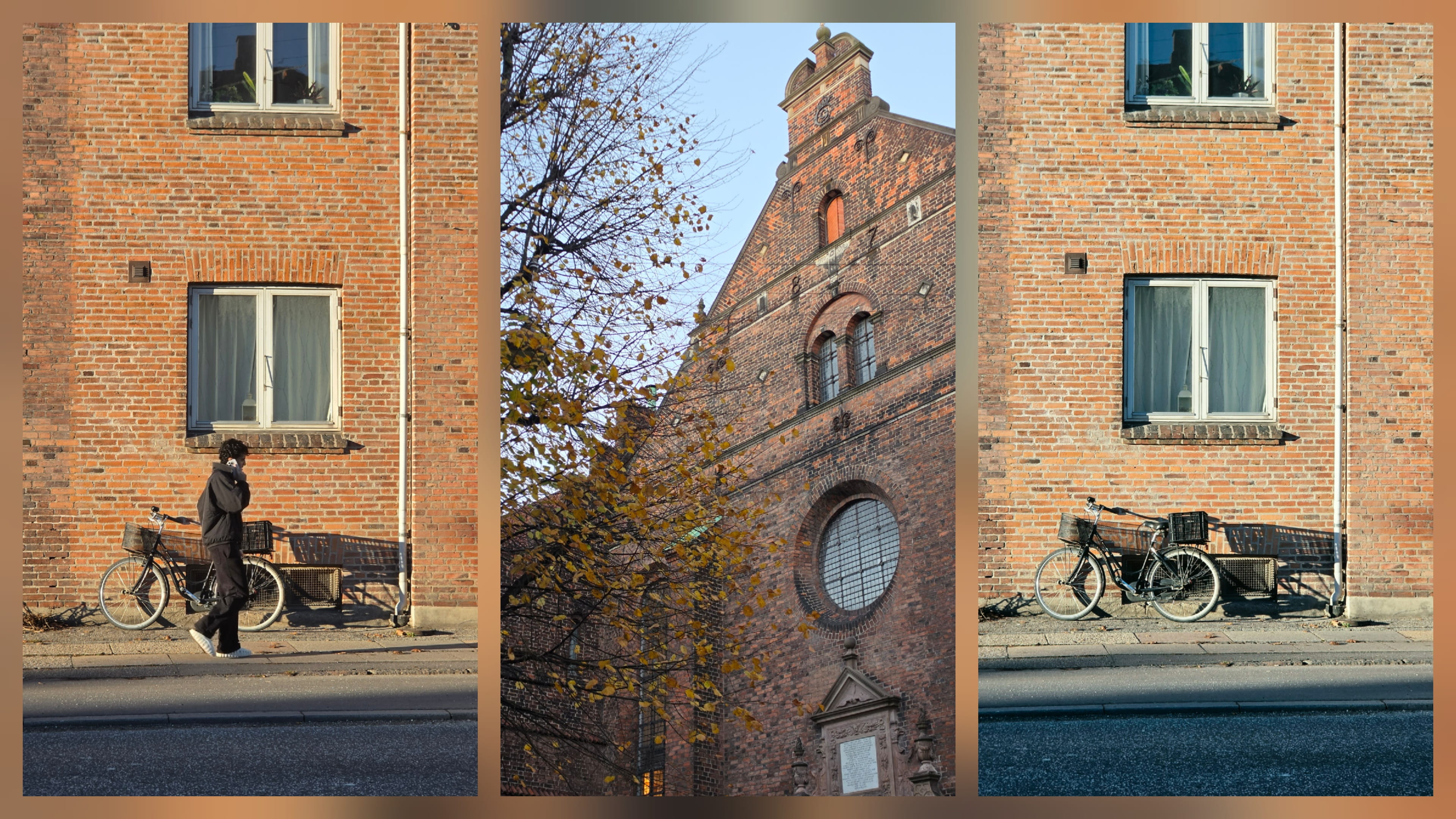
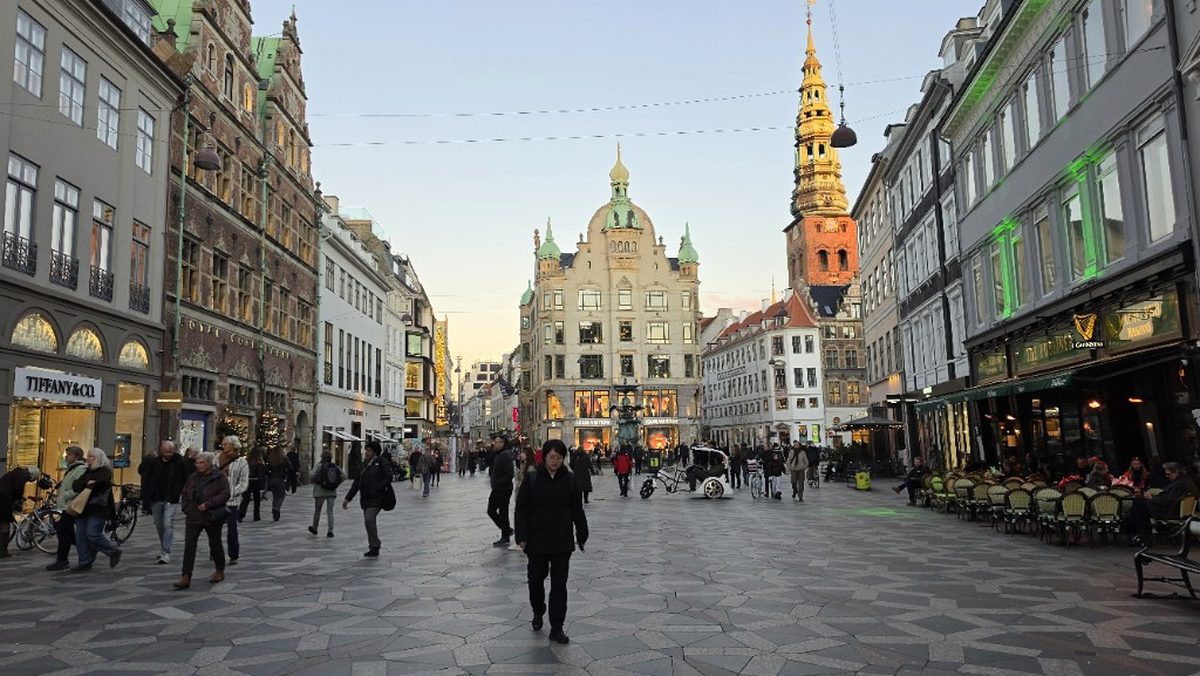
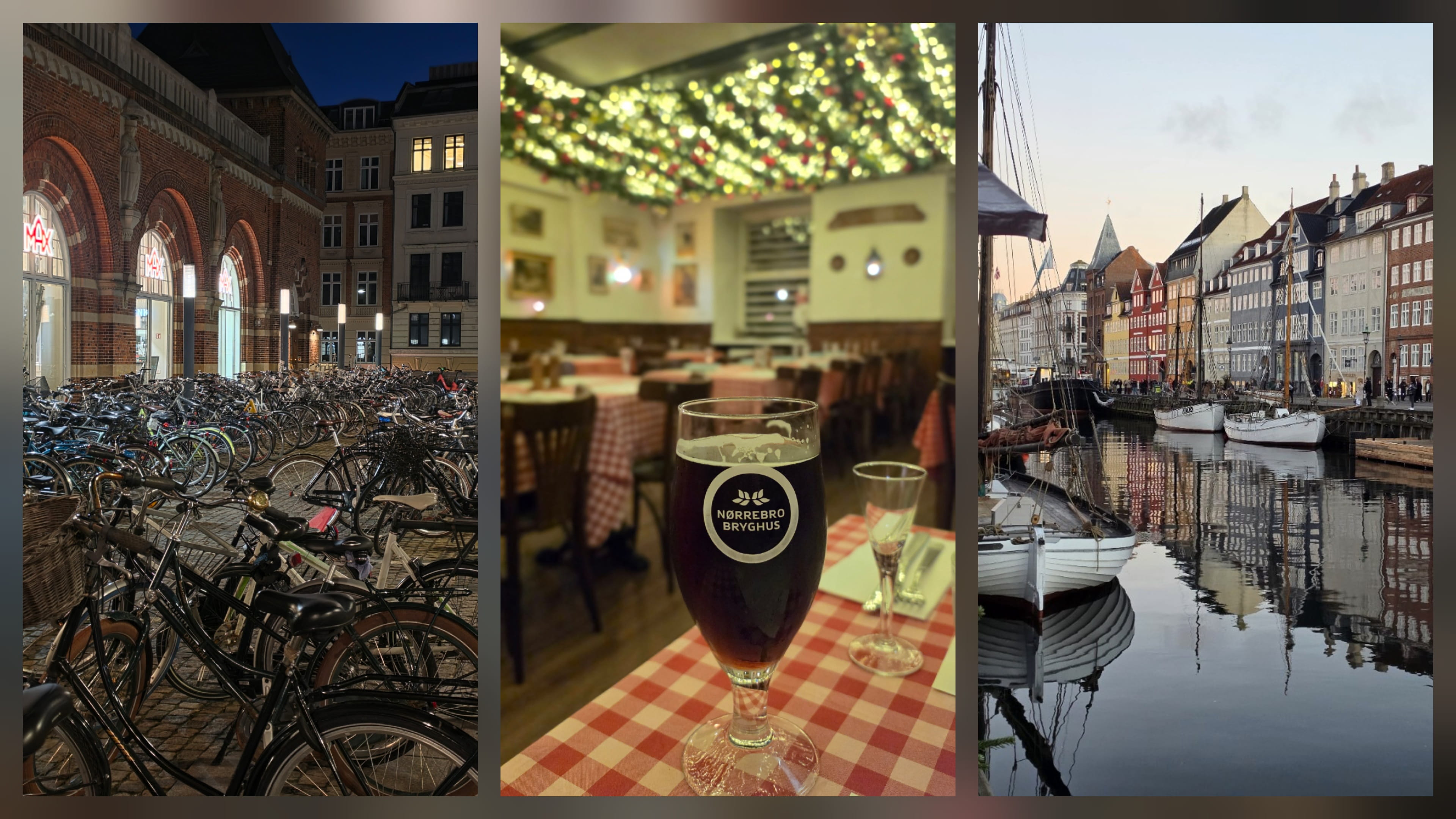
It’s a beautiful city. Also bloody expensive, although you probably don’t need me to tell you that. It was our first time there together, and a quick walk along those gorgeous canals was enough to convince us we need to come back for a proper visit.
The architecture is lovely, and then there are the bicycles. They’re absolutely everywhere. Around half of all journeys to work or education in Copenhagen and neighbouring Frederiksberg are made by bike, and walking around the city, that figure seems perfectly believable. We barely scratched the surface before it was time to grab some food and get to the gig.
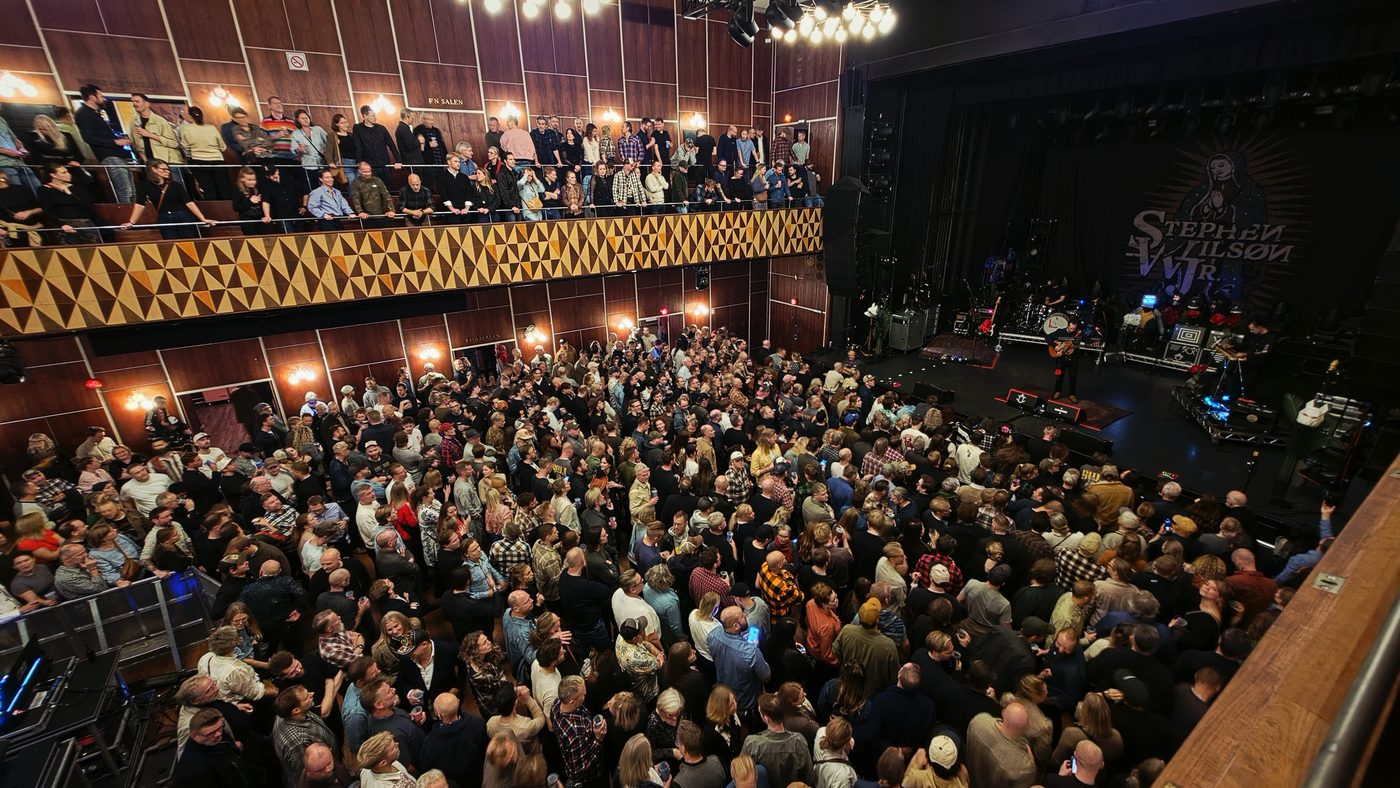
And what a place for a gig.
Store VEGA sits inside an extraordinary piece of Danish architecture. The building was designed by Vilhelm Lauritzen and opened in 1956 as Folkets Hus, a meeting place for the country’s labour movement. Lauritzen designed pretty much everything, right down to the door handles, lighting, wooden panels and staircases. The place eventually lost its original purpose, and by the early 1990s there were even plans to turn it into a supermarket. Thankfully, it was protected in 1994 and reopened as a concert venue in 1996.
Inside, it’s got that unmistakable mid-century Scandinavian look. Dark wood, geometric patterns, great lighting, lovely little details wherever you look. Some of it is quite simple and functional, yet the whole room has a hell of a lot of character. The large balcony gives Store VEGA a classic concert-hall feel, and once the lights go down, the place looks fantastic. It’s also ridiculously photogenic. I’d happily go back just to see another show there.
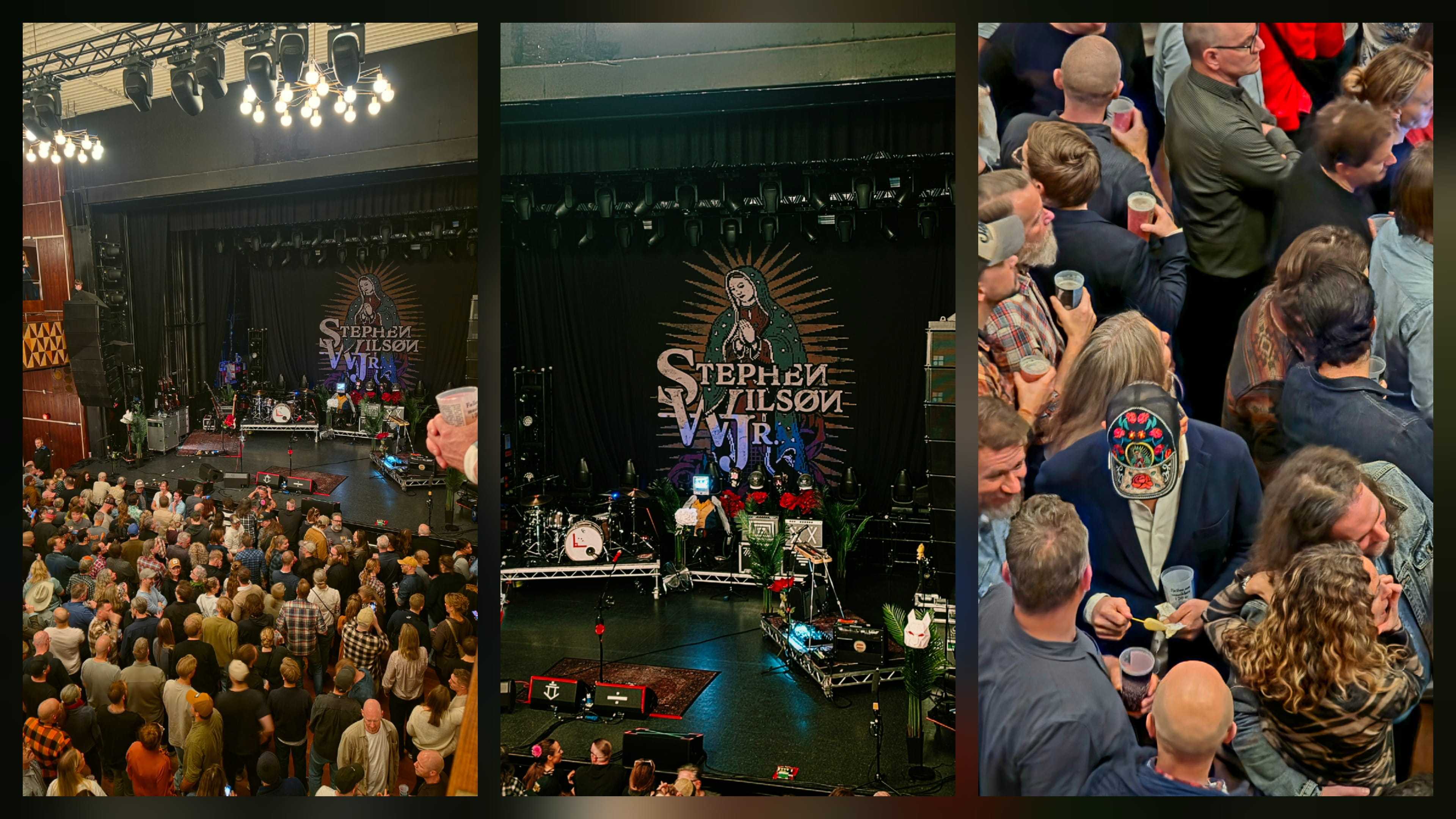
We managed to get a spot on the balcony, with a clear view of the stage and the packed floor below. Stephen’s touring setup was already in place: huge red roses, plants, odd little figures with screens and helmets for heads, and a massive backdrop with his name worked into religious imagery. I’d seen parts of it in online footage, but it looks much better in person. The warm reds and soft lighting made the stage look almost like a weird little world of its own.
Before Stephen, though, we got Jade Bird. And I have absolutely no idea how I’d managed to miss her until now.
She’s British, with a serious love of country, Americana and guitar-driven rock, and she came out completely alone with an acoustic guitar.
Within a couple of minutes, she’d won me over. What a voice. And what a ridiculously good ear for a hook. I hadn’t heard a single one of her songs before that night, yet several of them were stuck in my head almost immediately. They had that easy, infectious country-rock quality that makes you want to sing along even when you haven’t got a clue what the words are.
Her personality was just as good. Little jokes, funny stories, a wonderfully contagious laugh, then straight back into another tune. She was completely comfortable up there by herself, and there was plenty of energy in the performance. Somehow she made a solo acoustic set feel much bigger than you’d expect.
I looked her up afterwards and discovered that she’d been pulling in millions of views on YouTube for years. Her self-titled debut came out in 2019, and her third album, “Who Wants to Talk About Love?”, arrived in 2025. So this was hardly some unknown newcomer. Just another reminder that no matter how much music you listen to, there’s always somebody good you’ve somehow missed.
By the time Jade had finished, I was already pretty happy with the evening. Stephen hadn’t even started.
I’ve watched loads of Stephen Wilson Jr.’s live performances on YouTube over the past couple of months and I knew exactly how good he could be. I also knew that his music sits in a pretty unusual spot, somewhere around country, folk, indie rock and all those 1990s guitar records that clearly left a mark on him. He’s joked about calling it “Death Cab for Country”, which is a pretty decent shorthand.
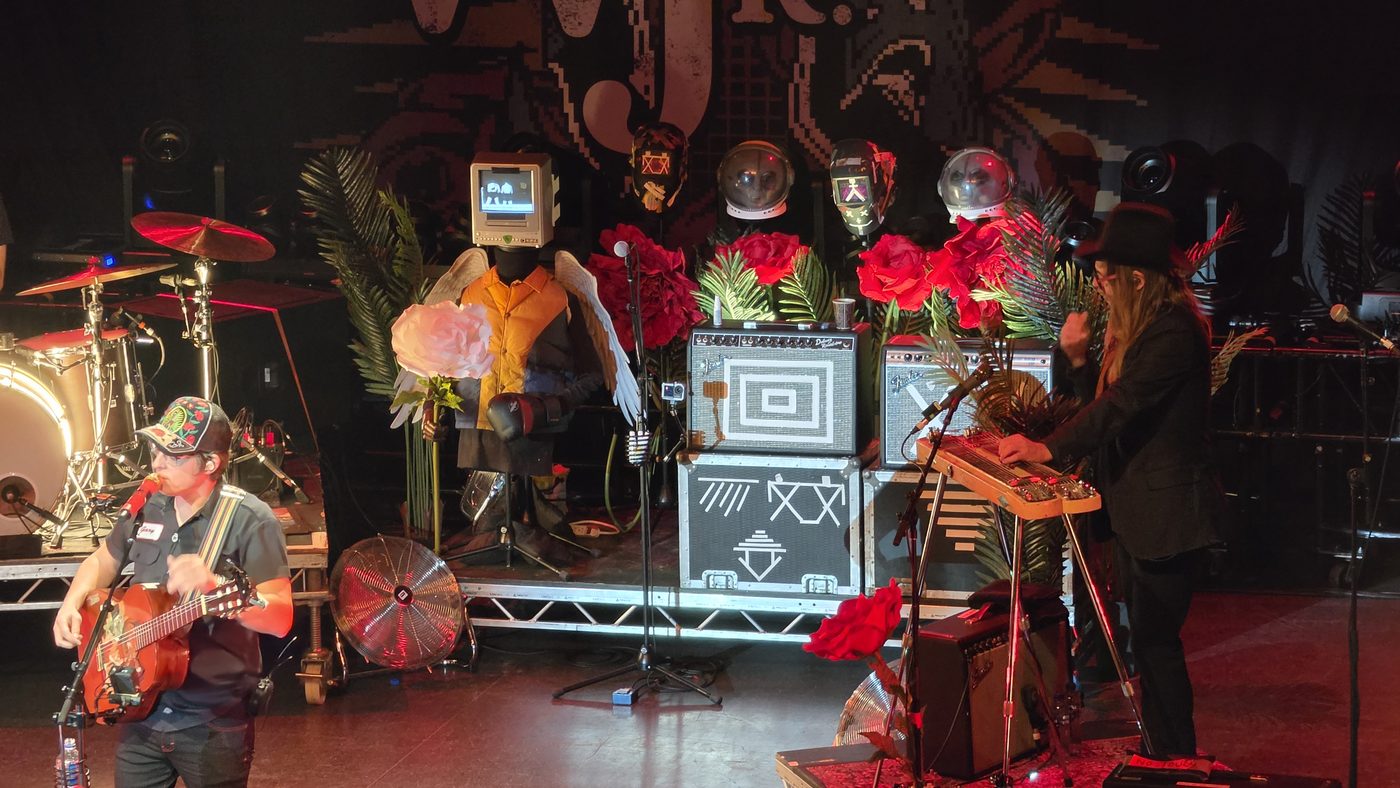
But seeing him live, standing in front of a sold-out room with that voice and that battered Takamine guitar, was something else. The guy has serious stage presence. He moves around a lot, plays with tremendous intensity and seems completely at ease switching from a funny little story to something incredibly personal. You get drawn into it very quickly.
View this post on Instagram
What I really love is that these songs have their own lives on stage. Stephen and the band give them room to stretch, slow down, change shape or get a bit heavier. I’ve heard the studio versions a ridiculous number of times, so those differences are a big part of the fun.
Now, here’s where my memory gets slightly questionable.
I was convinced the gig opened with “Billy“. The published setlist says “Preacher’s Kid” came first, followed by “Billy” and “Cuckoo”, and a Danish review of the same show confirms it. Apparently, I was so excited that my brain managed to skip the opening song. Not a brilliant start for a concert reviewer, I know.
“Preacher’s Kid” is one of Stephen’s newer tracks, released in June 2026, and it’s a pretty good introduction to the stranger parts of his upbringing. He grew up around Pentecostal religion in southern Indiana and has talked about being taught to speak in tongues, witnessing exorcisms and hearing a youth pastor preach about Armageddon. The same pastor apparently stole his girlfriend. You really couldn’t make some of this stuff up. The song takes those experiences and turns them into a sharp, restless piece of storytelling, with plenty of anger and dark humour underneath.
But “Billy” is where the night properly started in my head. Maybe because the energy hit me so quickly. The song is Stephen having fun with the whole idea of being a hillbilly, a word that can carry affection, pride or contempt depending on who’s using it. He takes all those small-town habits, the language, the food, the characters and the lifestyle he grew up with, and makes something ridiculously catchy out of them.
Live, it had a lot more room to move. The extended guitar parts, that insistent rhythm, Stephen’s voice cutting through everything. You could tell straight away that he wasn’t going to spend the evening politely reproducing the album. The band were getting properly stuck in, and the whole room was already with them.
“Cuckoo” came next, and that one is just a mad bit of country-rock fun. It’s got the frustrations of everyday working-class life packed into a song about being driven up the wall by bills, work, broken stuff and everything else that keeps going wrong.
There’s anger in it, but it’s delivered with a grin and a great deal of rhythmic swagger. The official video, directed by Stephen and Tim Cofield, won an ACM Award earlier this year, and you can understand why. The whole thing is gloriously odd. On stage, it sounded huge.
Then we got “yellow brick home“, one of the two tracks released in October, and probably the new song I’ve spent the most time thinking about.
There is so much 1990s alt rock in this one. I hear grunge all over it, especially in the way the guitar parts move and the melody turns around at the end of the chorus. Stephen has spoken about the song as accepting a life full of familiar chaos and finding something valuable in that, even when the world keeps telling you to chase money and conventional success.
I wasn’t madly in love with it on first listen. It’s one of those songs that takes a bit of time, then suddenly you realise you’ve been humming the same passage for three days. There’s a particular melodic turn near the end of the chorus, just before the verse comes back, that I absolutely love. It’s subtle, yet it makes the whole song stick. The live version was excellent, and I reckon this one will only get better the longer I live with it.
And then, quite early in the set, came “kid“. My favourite Stephen Wilson Jr. song, or at least one of the two or three I could never really choose between.
I love pretty much everything about it. The composition, the chord changes, the way the different melodies sit together, and especially the lyrics. Stephen writes about childhood and growing up with this incredible ability to make a simple line mean several things at once. He can move from something almost innocent to something quite painful without making a big show of it. There’s family history in there, the things adults pass down to their children, all the expectations and strange little lessons you carry around long after you’re no longer a kid yourself.
And the writing is so bloody clever. Every time I listen, I find myself thinking about another line or noticing a different connection between the words. It’s one of those songs that keeps giving you more the longer you spend with it.
Watching the band play it, though, I started wondering whether all those lovely melodic and harmonic details make it an absolute nightmare to pull off live. They seemed to be working harder on this one than anything else so far. I’m half joking, but you could see the concentration. The song’s got quite a lot going on, and keeping everything together while Stephen delivers that vocal can’t be easy.
It didn’t help that his in-ear monitor appeared to pop out twice. He dealt with it, kept playing and got through the song beautifully. My wife hadn’t noticed a thing. Apparently, I was the only one worrying about what was happening in Stephen’s ear. Perhaps I should just enjoy the music and stop looking for technical problems.
“Patches” gave everybody a chance to settle into something a little gentler. Stephen introduced it with another of his little chats about life, and I was surprised by how different it sounded from the recording. The studio version has more drive to it. In Copenhagen, the band let it roll along at a calmer pace, giving that lovely melody even more room.
This is another one I didn’t fully appreciate straight away. At first, it seemed like a fairly simple, sweet little song. Then I kept listening and started hearing all the small things going on underneath. The melody changes just enough to keep surprising you, and there are so many little details in the arrangement that you can easily miss. It’s a serious earworm once it gets hold of you.
The lyrics are full of scratches, repairs and things that never quite heal. Stephen uses all those damaged everyday objects to talk about the marks life leaves on people. There’s humour in the wording, too. He never makes it sound like a miserable exercise in self-pity.
One detail I love is that “Patches” and “Grief Is Only Love” were written during the same session with Jeffrey Steele. They’d been working through some incredibly difficult feelings about losing people, and afterwards Stephen made a remark about even his scars having scars. Another riff came along, and “Patches” followed. Two very different songs from the same afternoon. You can hear the connection once you know it.
The next stretch of the show got pretty personal.
Stephen spent a while talking about his father before “the devil“, and I was genuinely surprised to hear that it was the first song he recorded and released as a solo artist. His dad died in 2018, and some of the money he left behind helped Stephen pay for the recording. That’s a hell of a story to carry into your first single.
The song comes out of his religious upbringing and the darker things he saw around him as a kid. It’s full of fear, suspicion, strange biblical imagery and the damage people can do to one another. His introduction that night gave it another dimension. You could hear how much of that history he was still carrying around, and there was real pain in the way he spoke about his father.
The live arrangement was gorgeous. C. Miles Burger played this unusual upright electric bass with a bow, and watching him from the balcony was fascinating. It looks like somebody stripped a double bass down to its bare essentials, leaving the long neck, strings and a narrow body. You can play it upright and bow it like a traditional double bass, producing those lovely sustained low notes. Seeing him work that instrument into “the devil” was one of my favourite musical details of the night.
Actually, the whole band deserves a proper mention here. Stephen introduced the guys earlier in the show, and they’re a seriously good bunch of musicians. Julian Dorio on drums, C. Miles Burger on bass and harmonica, and Scotty Murray on steel guitar. They know when to push the songs and when to give Stephen some space. There’s a lot of skill involved in making arrangements this detailed sound so loose.
Scotty’s instrument is worth stopping for, especially for anyone who doesn’t spend much time around country music. The pedal steel guitar looks like a little table covered in strings, with pedals underneath and a player doing a surprisingly complicated amount of work to make it sing.
There are no physical frets. You see fret markings, but they’re guides for the player. Instead of pressing strings down with the fingers of one hand, you move a smooth steel bar across them to change pitch. The other hand picks the strings. That’s how you get those long, sliding notes that are so closely associated with country music.
And that’s only half of it. The foot pedals and knee levers change the tension of individual strings, letting the player bend notes inside a chord while other notes keep ringing. Another pedal controls volume. So you’re picking, sliding, moving your feet and using your knees, sometimes all at once. It’s a pretty ridiculous amount of coordination. Scotty makes it look easy, of course, but it’s one of the trickier instruments to get your head around. Watching him from above was a treat.
The pedal steel has that unmistakable country character, yet I love hearing it used alongside Stephen’s darker guitar parts. The contrast in the actual instruments is great. Those smooth, bending notes can sit next to quite aggressive acoustic guitar playing and somehow sound completely at home.
“Father’s Søn” followed, continuing the story of Stephen and his dad. I’ve got a special attachment to this one because I’ve recently started learning it on guitar myself. That probably makes me pay closer attention to how he plays it than I otherwise would.
It’s such a good song. There’s so much in there about the relationship between fathers and sons, the habits you inherit, the people you become and the parts of your parents that stay with you. Stephen’s father was a boxer who taught him to fight and became a huge part of his life. The two had a close relationship, and you can hear how complicated all that love and history still is for him.
Stephen also recorded a brilliant acoustic version with HARDY, released in 2024, and I’d seriously recommend checking it out. The two of them singing together give the song another character. It’s one of my favourite collaborations he’s done.
Then came “I’m A Song”, another absolute beauty. The music alone would be enough to keep me coming back, with those lovely chord changes and the way Stephen carries the melody, but the history behind it makes it even better.
This was his father’s favourite song. His dad had seen him play it at Nashville’s Bluebird Cafe, recorded it on his phone and kept listening to it. He told Stephen how much he loved it shortly before he died. Stephen later sang it at his funeral and struggled to play it for quite some time afterwards.
That story gets me every time. The song is about the way music can carry people and memories around long after a particular moment has passed. A tune comes on, and suddenly you’re back somewhere you haven’t thought about in years. Somebody you miss is there again for a few minutes. It’s an idea that sounds simple when you explain it, and Stephen writes about it with so much feeling and such a good ear for melody.
After all those heavy family stories, “Exorcisms on the Weekend” was a welcome change of pace. The other new October track is a much cheekier bit of country-rock, centred on a misunderstood woman from a small town who helps people in her own way and doesn’t much care what the local religious authorities think of her.
It was good fun live. You could see people around us getting into it, feet moving and heads bobbing, and the song fitted naturally alongside the older stuff. It’s got a great rhythmic bounce to it. One of those songs that seems built for a crowd to pick up quickly.
Then came “Gary“. Oh, man.
Stephen kicked it off with a whole routine about the worrying shortage of Garys in the modern world. Where have they all gone? Why aren’t people naming their babies Gary anymore? Apparently, if he ever comes across a newborn Gary, he wants the kid wrapped in bubble wrap and handed straight back to his mother with strict instructions to keep him safe. We need more Garys. The species is in trouble.
It’s hilarious, and there’s a really touching story behind the song. Stephen got the idea after seeing a roadside memorial for Gary Russell III, a teenager who died in a car accident. The name got him thinking about the Garys he’d known growing up, all those practical, hard-working people who could fix almost anything and were always helping somebody out. Mechanics, neighbours, guys working on cars and sorting out everyone else’s problems. He knew plenty of them around his father’s body shop.
So “Gary” became this funny, affectionate little tribute to those people, with a real young man’s death somewhere behind the whole thing. The lyrics are clever as hell, and Stephen somehow manages to make you laugh while giving you quite a lot to think about.
Of course, anyone who’s watched his recent live shows knows that “Gary” comes with the Garython. He leaves the stage with his guitar and goes wandering around the venue, playing as he moves through the crowd. Sometimes he heads for the balconies.
And guess where he ended up in Copenhagen.
Literally a few centimetres away from us, playing guitar on the balcony.
I mean, come on. We’d driven all that way from Warsaw, rented a car, caught a ferry, found ourselves a nice spot upstairs, and suddenly the guy we’d come to see was standing right beside us. What are the chances?
He was having a great time, playing these little improvised bits, grinning at people and carrying on with the song as he made his way along the balcony. Everyone around us was absolutely loving it. I don’t think I’ve ever been quite that close to a musician in the middle of such a big show, and it was completely surreal.
He eventually headed back down through the crowd and returned to the stage, where the whole thing got even more ridiculous. The band were going for it, Stephen was going for it, everyone was singing and cheering, and the energy just kept climbing. “Gary” is already one of his most infectious songs, but live it becomes this enormous, slightly chaotic party. The room went properly nuts.
There’s a lovely bit of irony in travelling across Europe to see a musician and having him bring the show directly to you. I still can’t quite believe that happened.
Somehow we still had “Year to Be Young 1994” to come, and I can’t think of a better song to finish the main set with.
This might be the easiest introduction to Stephen Wilson Jr. for somebody who hasn’t heard his music before. It’s ridiculously catchy, easy to sing along to and packed with memories of growing up in the 1990s. It also gives you only one side of what he does. There are much stranger, darker and more complicated songs waiting elsewhere in his catalogue.
I’m a 1984 kid, so the whole idea of the song gets me straight away. The 1990s were an incredible time to grow up loving music. Grunge, alternative rock, all those new genres and subgenres popping up, bands that seemed to be changing the rules every few months. Then there was all the technology around it. Cassettes, CDs, Walkmans, Discmans, recording stuff off the radio, making compilations, carrying your favourite albums around in a bag.
I loved all of it. Still do.
Stephen’s memories are obviously American, and mine come from growing up in Poland, but so many of the little details feel weirdly familiar. That’s part of why the song works. You hear him singing about his own childhood, and before you know it, you’re thinking about yours. The music and the words fit together so naturally that you can be swept up in all that nostalgia without even trying.
The whole place was singing, and with that, the main set was done.
Except nobody was going anywhere.
From the balcony, the noise during the encore break was something else. People were shouting, clapping and stamping their feet so hard that I briefly wondered whether the whole balcony was going to come down. It’s an old building, after all. A very beautiful old building, but still. Thankfully, the Danish architects knew what they were doing.
Stephen came back alone with his guitar for “Grief Is Only Love“, and I think this might have been the most affecting performance of the entire night.
He wrote it with Jeffrey Steele, a songwriter who had lost his 13-year-old son. Jeffrey was one of the people Stephen could really talk to after losing his father, and the two of them ended up writing about the kind of grief you can’t simply explain away. Stephen has told the story of arriving early for their writing session, sitting on Jeffrey’s front porch and finding the song’s chorus while he waited.
The idea is heartbreaking and beautiful at the same time. Grief is what remains when somebody you love is gone. You can miss them terribly, but that pain also tells you how much they meant to you. The song doesn’t pretend any of it is easy, and it doesn’t need to.
I’d liked this song for a long time. After Copenhagen, I like it even more.
Stephen played it acoustically, taking his time and stretching out the ending. That repeated vocal passage became almost hypnotic, going round and round until I stopped thinking about the individual words and just listened. It was incredibly moving. You could feel the weight of all those personal stories we’d heard earlier, and the way he kept returning to the same phrase gave the performance a completely different character from the recording.
It’s funny how that happens. You can know a song well, have listened to it dozens of times, then hear one live version that changes how you think about it. That’s exactly what happened to me with “Grief Is Only Love“. I’ll hear that Copenhagen ending in my head whenever I play it now.
The band returned for one last track, Nirvana’s “Something in the Way”. Stephen has been playing his own version for quite a while, and he recorded it for his 2025 covers EP, “Blankets”.
Now, I know this might be an unpopular opinion, but I’ve never been particularly crazy about “Something in the Way” as a song. I get the lyrics, the isolation, the darkness and the place it occupies in Nirvana’s catalogue. It’s a deeply unsettling piece of music. It’s just never been one of my favourites.
And believe me, I went through a serious Nirvana obsession. I once stayed awake all night on Kurt Cobain’s birthday, listening through pretty much everything I could find. Albums, singles, cassettes, obscure recordings. A full-night personal tribute to the guy. I was that far gone.
Even back then, “Something in the Way” wasn’t a song I reached for very often.
Stephen’s version is more dynamic and forceful, with a very different rhythmic feel, and I’m still not completely sold on it. He makes it his own, absolutely, and I understand why he loves the song. It just doesn’t do as much for me as some of his other covers.
Personally, I’d have loved to hear “Tonight, Tonight” by The Smashing Pumpkins. He’s already recorded a version of that one for “Blankets”, and I reckon hearing him tackle it live with this band would be incredible. Although, after watching them wrestle with “kid”, perhaps I’m asking for another seriously difficult song to play.
Still, we got a full-band Nirvana cover to finish the night, and the crowd was absolutely into it. I certainly wasn’t going to let one slightly less-favourite song spoil what had been an amazing show.
We left Store VEGA feeling pretty damn lucky. I’d managed to pick up a vinyl copy before the gig, which turned out to be a good move because the merch selection was almost wiped out afterwards. At least one record was making the journey back to Poland with us.
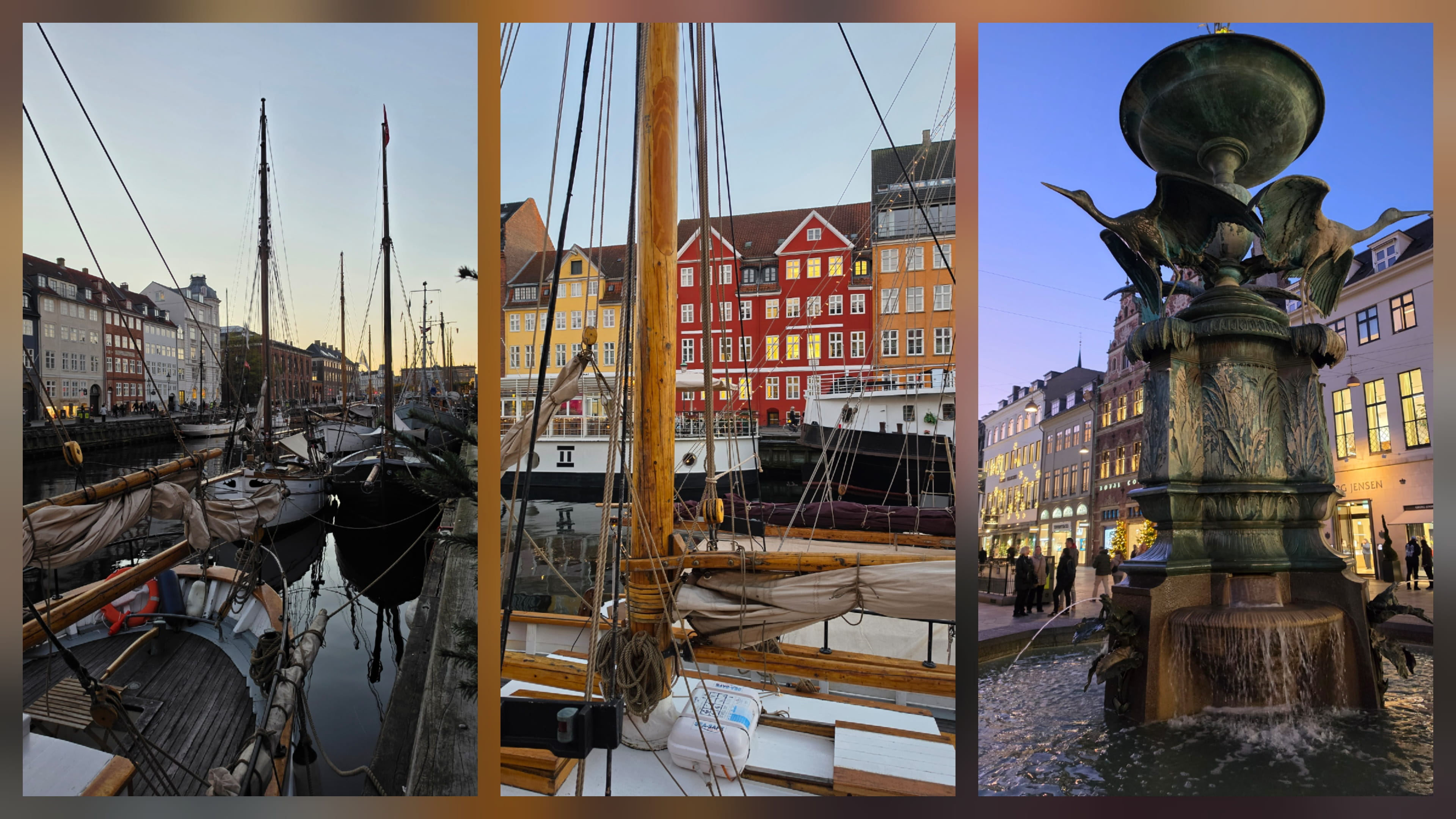
I would honestly have loved to carry on to Stockholm for the next show, then Oslo the night after. I love Scandinavia, and Oslo in particular has a special place in my heart. Following this tour through those cities would have been a brilliant few days.
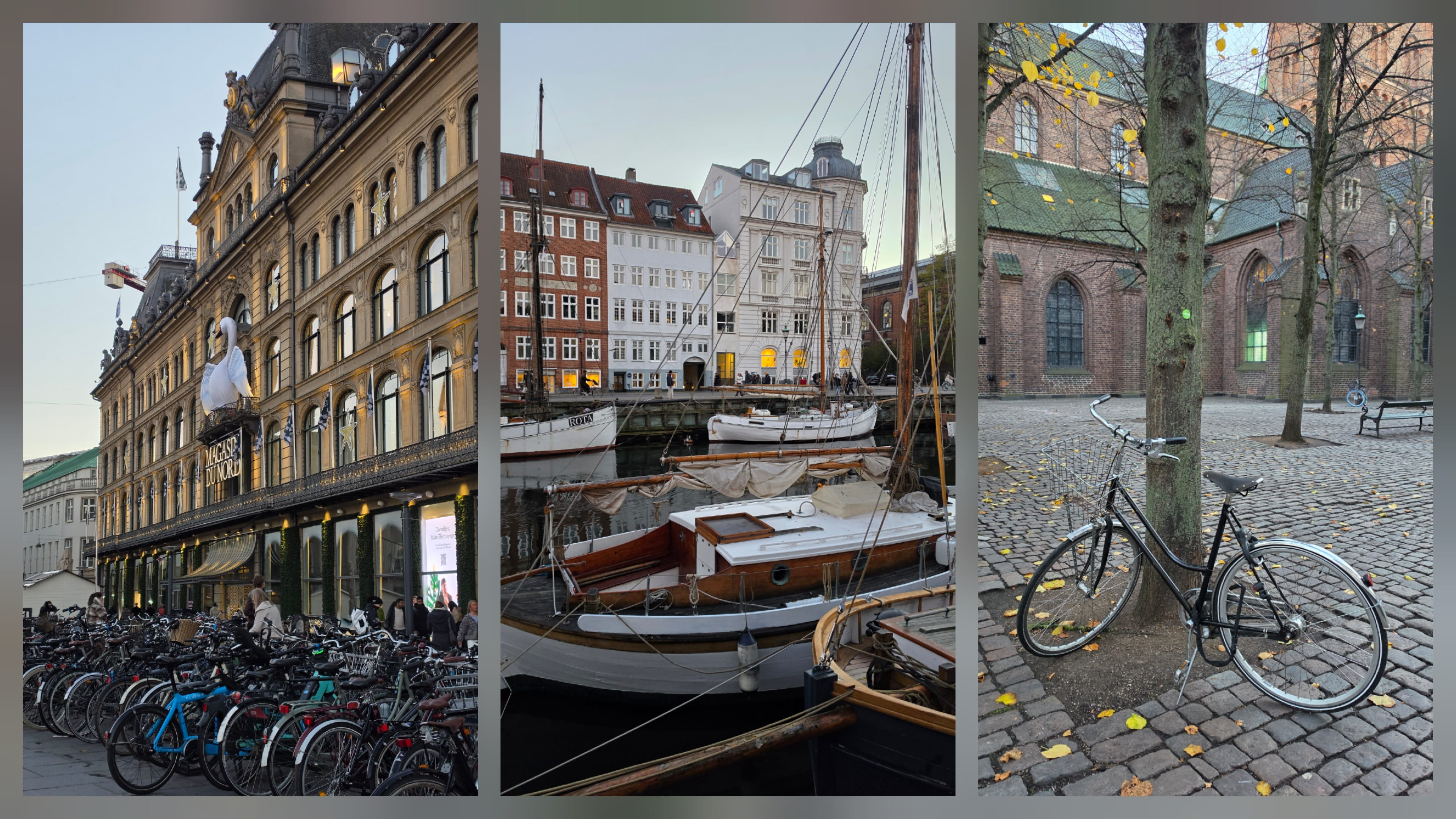
Unfortunately, there was the small matter of real life. Work, kids, and another 1,200 kilometres back to Warsaw the following day. So that was our Copenhagen adventure. A quick hotel stay, another ferry, a lot more motorway, and back home.
Big thanks again to Mads Bedstrup and everyone at VEGA, and to Cayleigh Shepherd at Big Loud for helping us get into a sold-out show. I really appreciate it. That little bit of help turned a pretty unlikely idea into one of the most memorable gigs I’ve been to in years.
Stephen, thanks for the music, the stories and for making a completely unexpected trip onto our balcony. Hope we can do this again somewhere in Europe soon.
And please come to Warsaw next time. We’ll find you a great club. I’ll even make sure it has a balcony.
And while we’re talking about new music, I have to give a shout to “Cørnerman” and its absolutely brilliant music video. It wasn’t part of the Copenhagen set, but man, what a song
Released on September 15, exactly eight years after Stephen lost his father, it brings us back to the boxing lessons they shared, with his dad as the man in his corner, teaching him how to take a punch and keep fighting.
Stephen is working on another album and he actually admitted that he once considered making “søn of dad” his first and last record, until “Gary” convinced him he still had more stories to tell. There’s no confirmed release date yet, but with “Cørnerman”, “Preacher’s Kid”, “yellow brick home” and “Exorcisms on the Weekend” already out there, we’ve got plenty to chew on. If this is the sort of stuff he’s writing now, I seriously can’t wait to hear the rest.
🔔 IDIOTEQ is ad-free, independent, and runs on one person’s time. If you want it to stay that way: DONATE via PayPal or SUPPORT via Patreon.
NEW: IDIOTEQ Explore 🗺️ Browse 15+ years of our archive by city, country, and style. Find artists on the world map or trace related sounds through the styles map.
Stay connected via Newsletter · Instagram · Facebook · X (Twitter) · Threads · Bluesky · Messenger · WhatsApp.