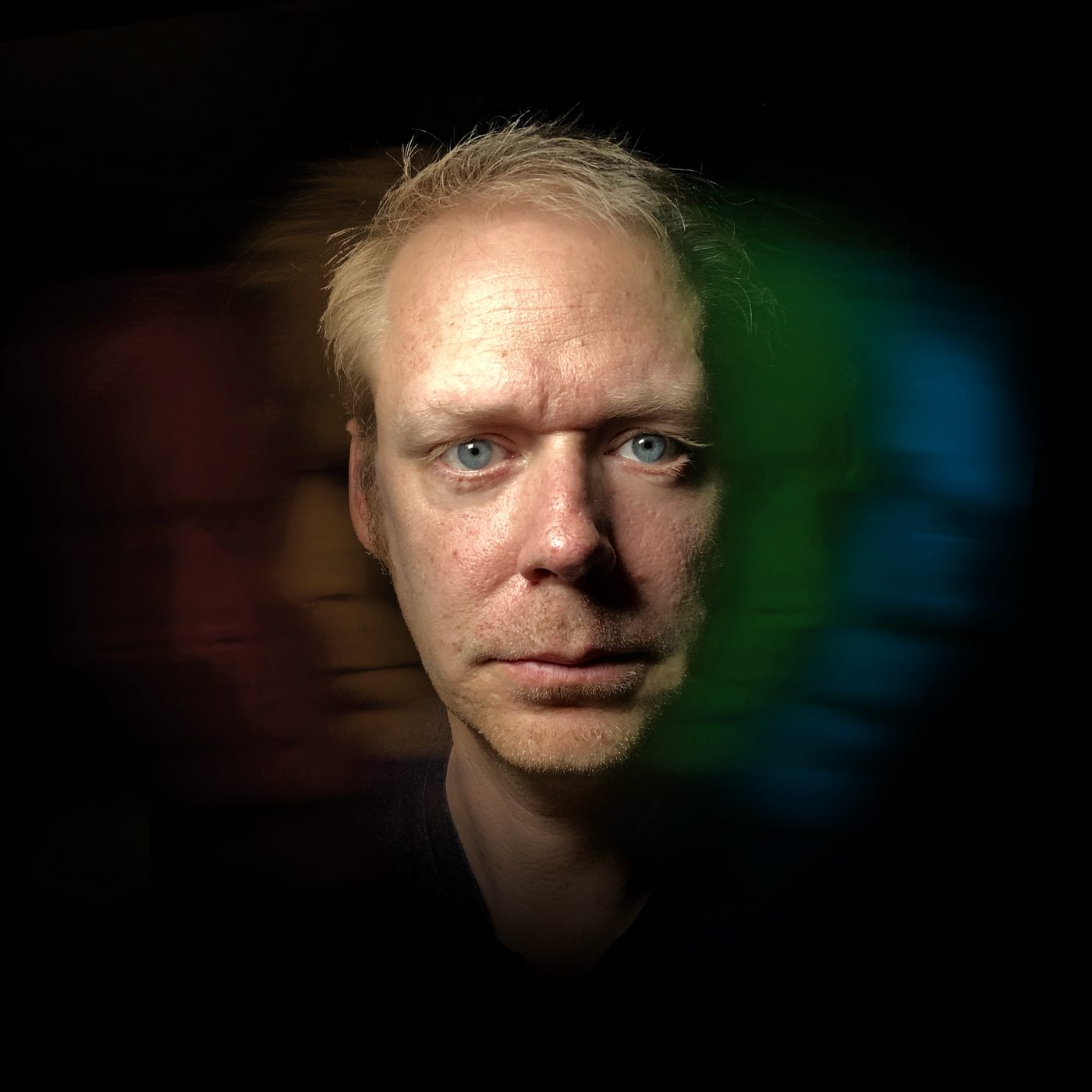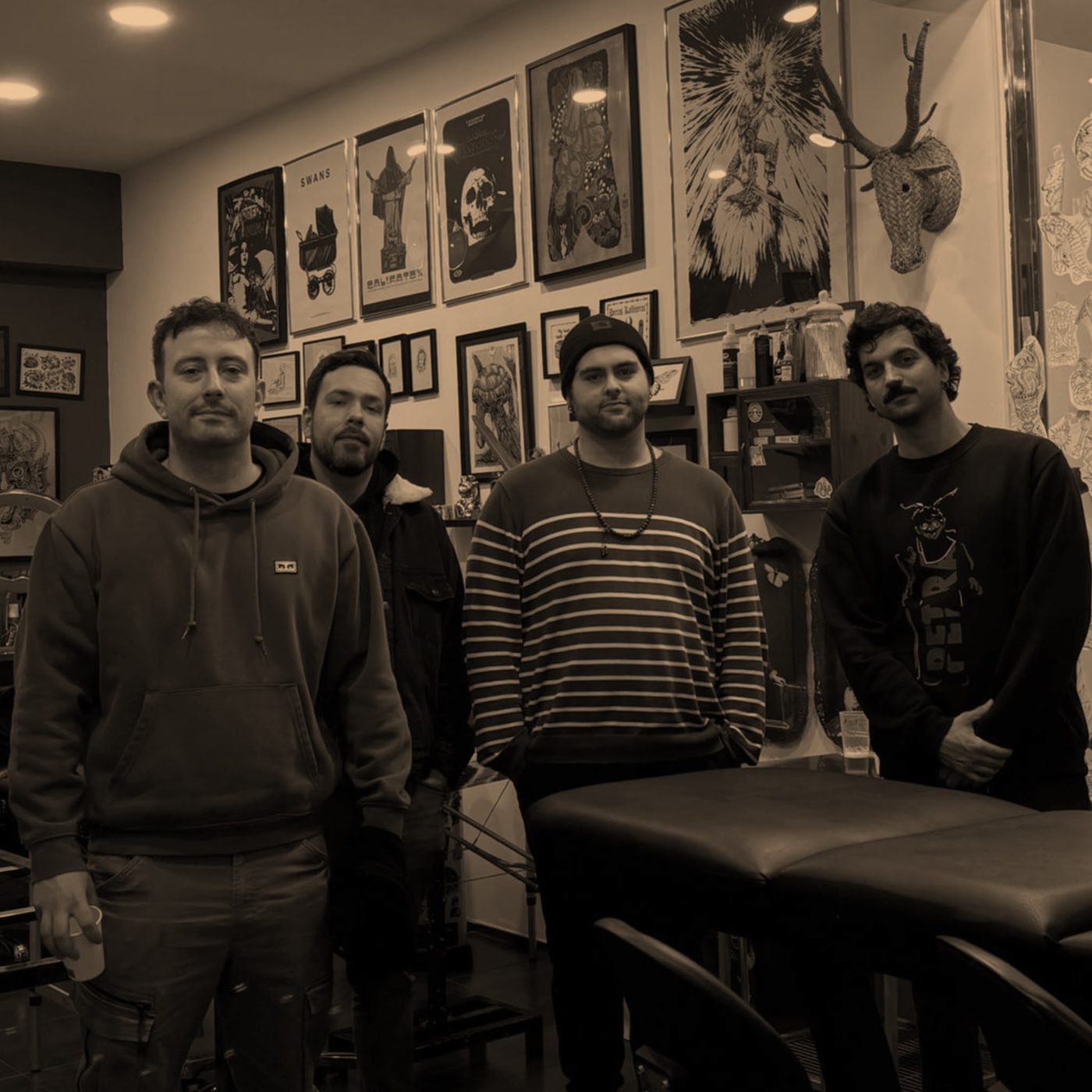

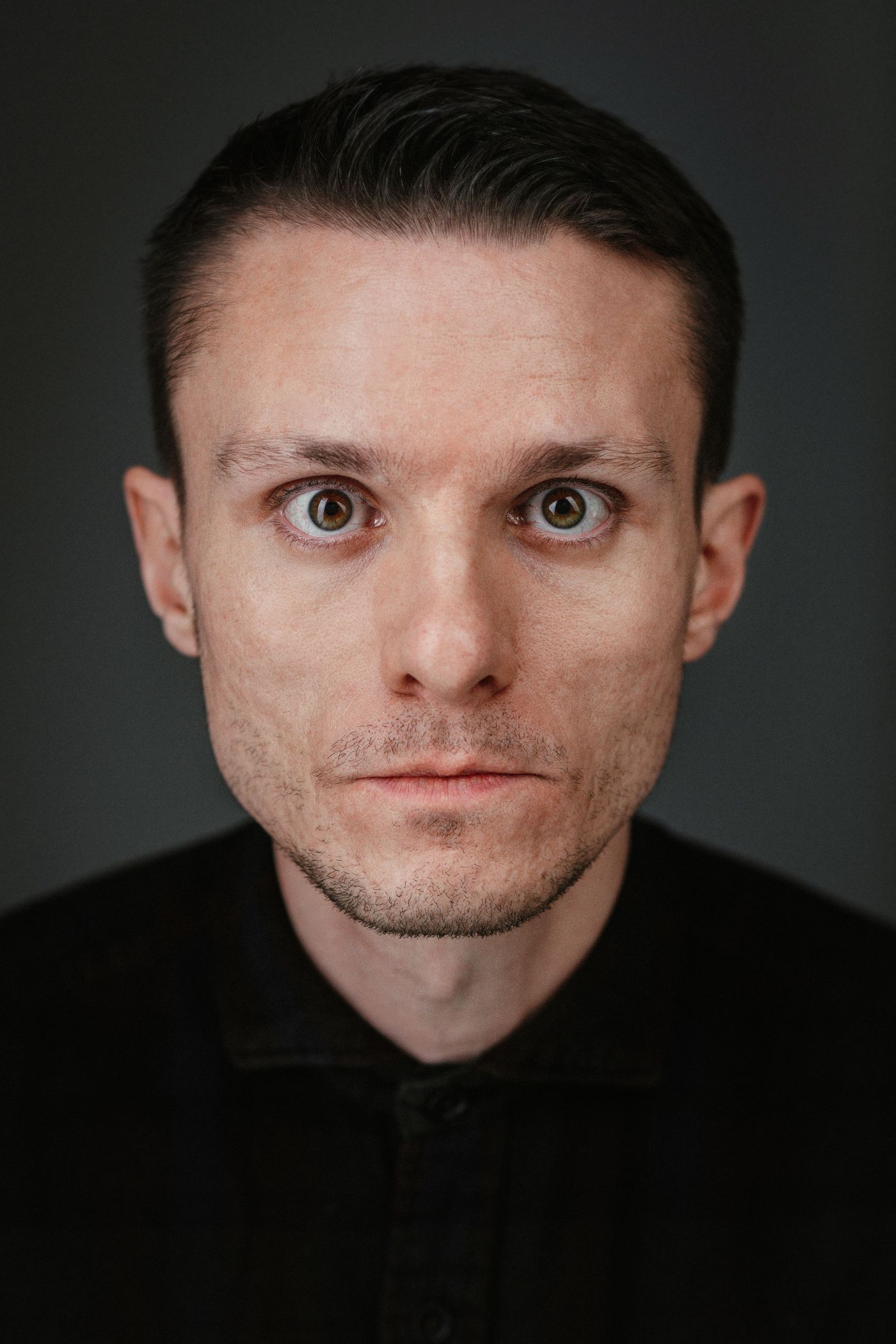
London-based electronic and ambient artist rhubiqs has a new version of “Hope’s Canvas” that takes one of his most hopeful compositions into considerably heavier territory. Rafael Anton Irisarri has kept the original chord progression, then surrounded it with low bass drones, distorted guitars and increasingly dense layers that build towards a long, intense closing passage.
The remix arrives officially on 20 November 2026, and we’re presenting its exclusive advance stream on IDIOTEQ.
The original appeared on “Aegis of Silence”, the 2024 album that brought Tom Squires, the musician behind rhubiqs, to Joachim Spieth’s Affin label. It has since been revisited in several forms. Tom likes the song enough to keep hearing new possibilities in it, and he was watching Irisarri perform with Abul Mogard in London earlier this year when another one came to mind.
He had been following Irisarri’s work for years, especially the composer’s long, gradually developing pieces and collaborations with other experimental musicians. They had recently started talking through a mutual friend, Hollie Kenniff, an ambient composer from Maine who has worked with them both. Tom and Hollie had previously remixed Australian post-rock band Solkyri together, and they had also exchanged remixes of their own music.
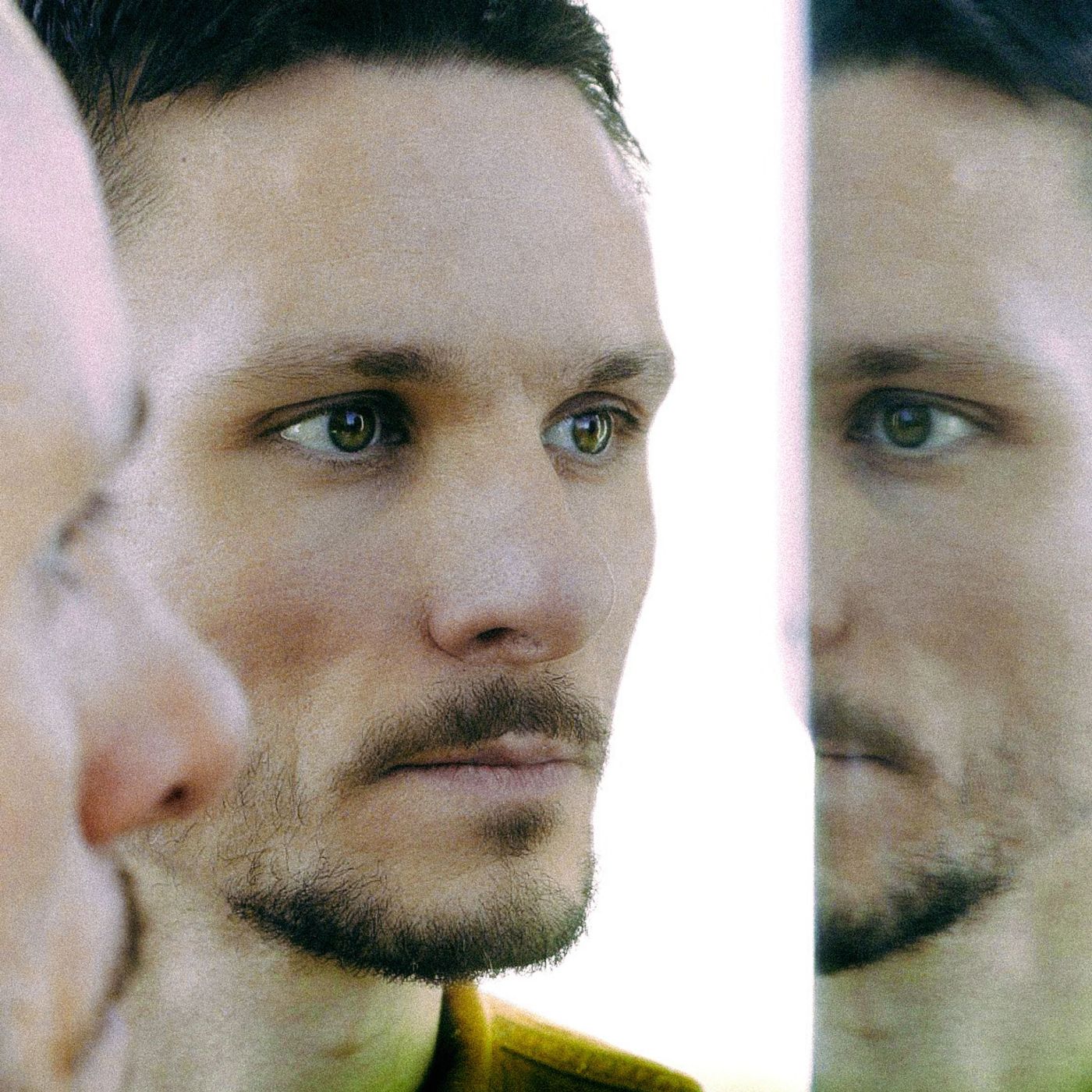
At the London show in May 2026, Tom found himself thinking about what Irisarri might do with “Hope’s Canvas”. They met before and after the performance and got along well. A few days later, Tom sent over the proposal.
What he wanted came down to a short brief, which he has shared with us directly from the original email:
“It really feels like a song to which you could add layers, intensity, emotion and progression. Perhaps even turning it into a longer song with additional layers for an even bigger crescendo or payoff than it currently has. That signature Rafael Anton Irisarri sound, ya know?”
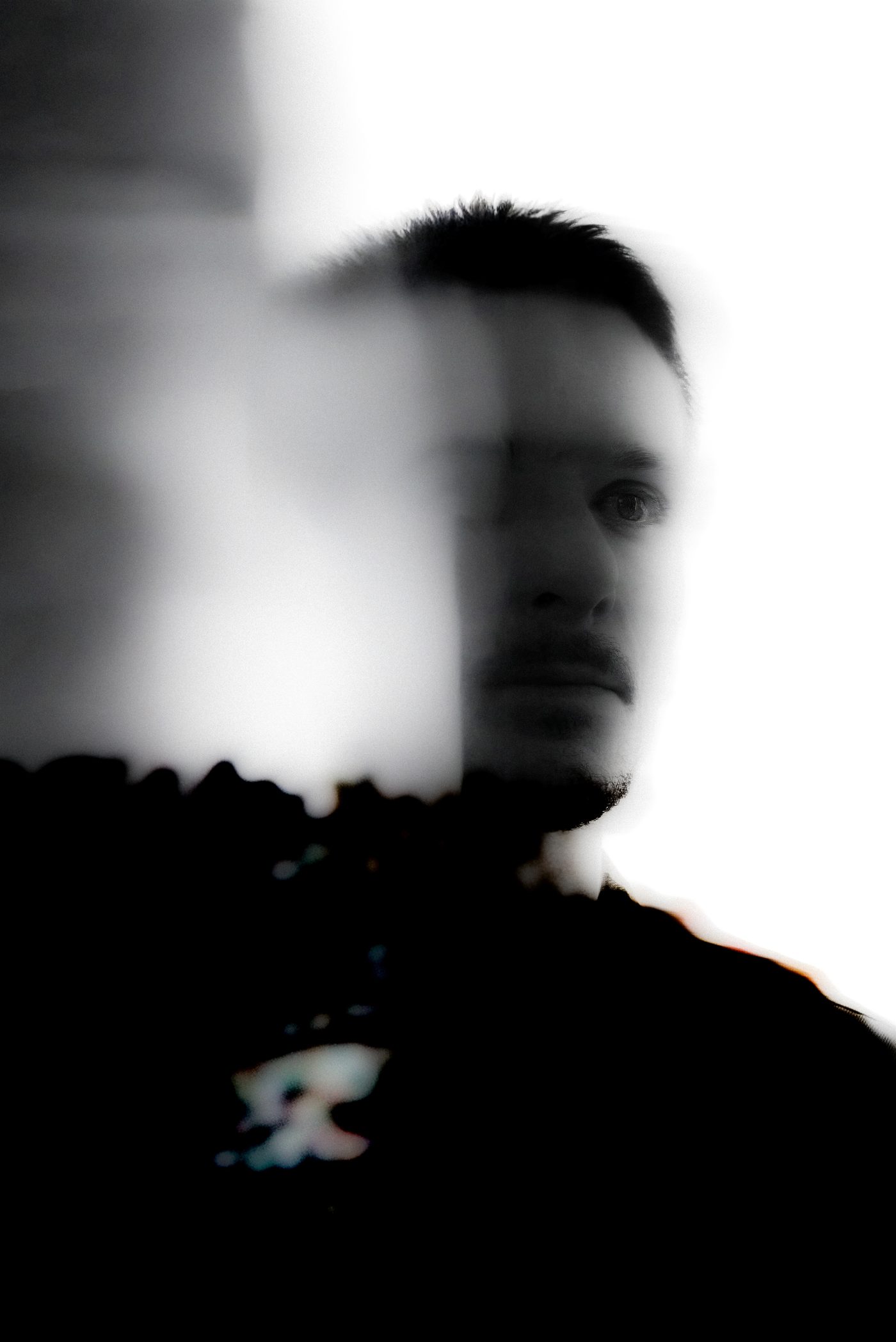
Irisarri liked the song and agreed to work on it. Tom sent him the individual recording stems, then left him alone to figure out the rest. There were no rounds of requested changes or attempts to steer every decision. A month or two later, the finished version came back.
The remix holds onto the original’s harmonic structure while pushing its sound towards much darker, heavier drone. The lower frequencies carry much of the weight, with heavily processed guitar gradually filling the arrangement. By the final third, the piece has become far denser than the original.
Tom had wanted that bigger crescendo, but the rest of the interpretation belonged to Irisarri.
“With remixes I like to let the artist do what they feel is best once they have the initial brief.”
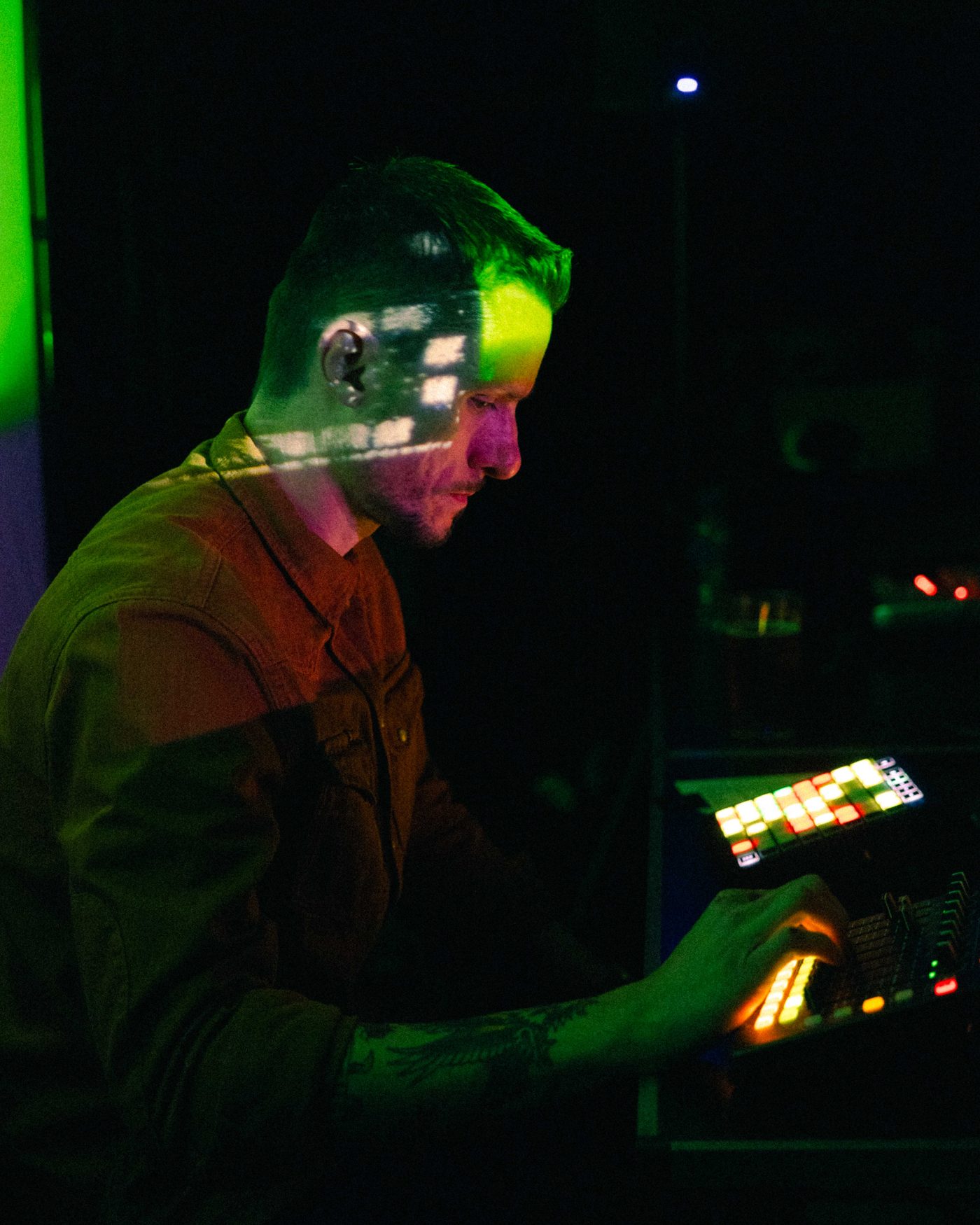
It’s easy to understand why he keeps making room for other people to work with this particular song. “Hope’s Canvas” is the piece he’s happiest with on “Aegis of Silence”, partly because he managed to finish it exactly as he had imagined, and partly because its melodies and chords leave him curious about other versions.
“For me that song is the cornerstone of Aegis of Silence – it’s the song I like most from the record and is the song that I think is strongest. I am really proud of it – it’s a song where I had a clear vision in mind and was able to pull it off in terms of execution.”
There is also quite a bit of history in the people involved. Tom wrote and produced the original at Broken Emeralds Studios in London, with Tim Carr mixing, Taylor Deupree mastering and Markus Guentner handling the artwork and design. Irisarri produced his version at Black Knoll in New York. Stephan Mathieu mastered the remix at Schwebung Mastering, and Joe Gilmore created the new artwork.
Getting to work with somebody like Irisarri is part of a much longer story for rhubiqs. Tom has spent years approaching musicians he admires, building relationships through small labels, collaborative records and independent music communities. Some of the most interesting results came before rhubiqs had established itself in the ambient world.
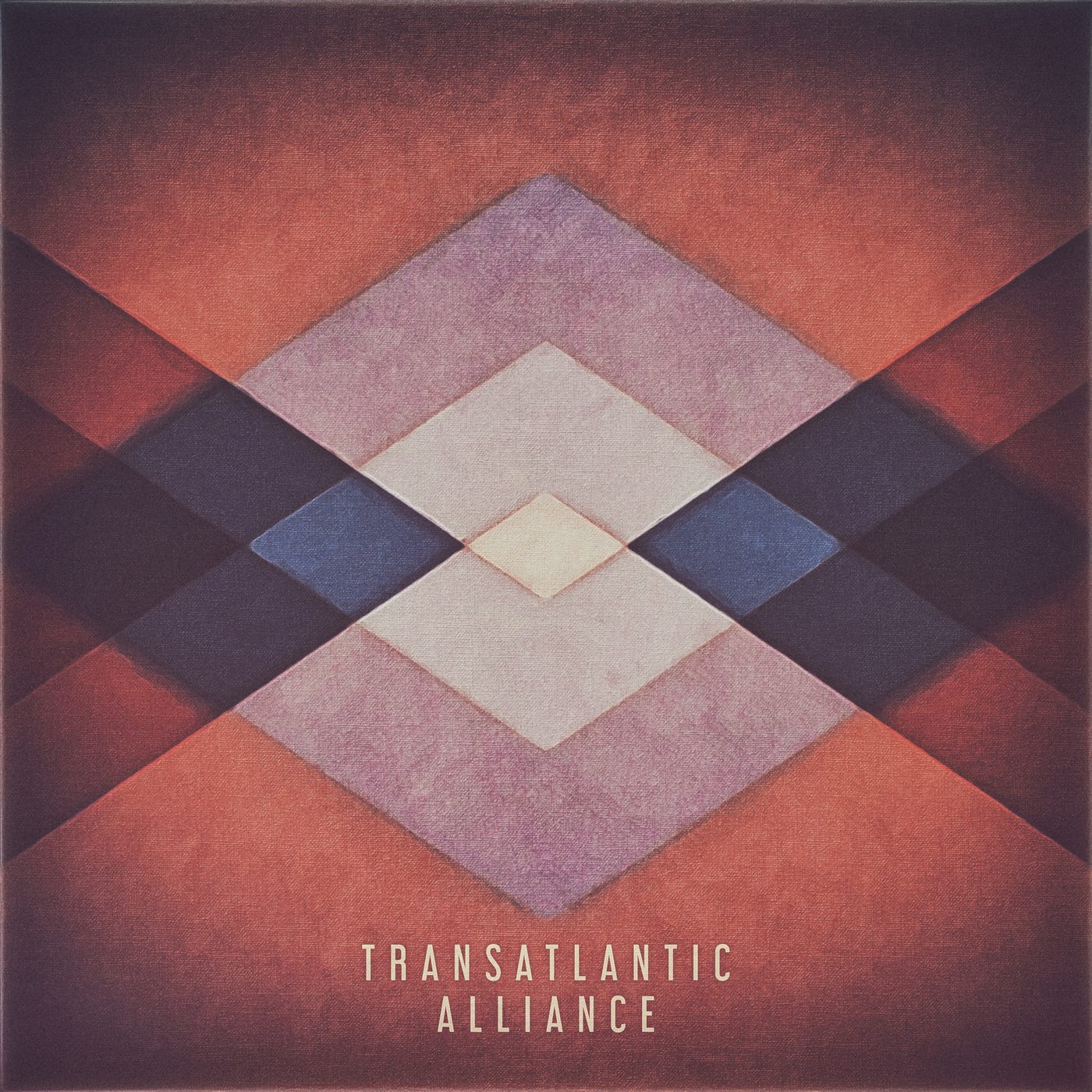
Back in 2021, Tom and Trevor Humphrey, also known as Deer Park Ranger, released their self-titled album as Transatlantic Alliance through Post. Recordings. It was a guitar-and-drums post-rock record, and the two musicians were already talking about what they might do with the songs afterwards.
They both enjoyed club music and the remix culture surrounding electronic releases. A Transatlantic Alliance remix album seemed like a good way to try something different with the music they had written together. They began drawing up a list of artists whose work would make sense to people already listening to their band.
They could have approached techno producers or moved the tracks much further away from post-rock. They chose musicians closer to their existing musical interests, and started sending requests.
The first acceptance came from Mogwai.
“The first band to commit was Mogwai, which was kind of insane to us. We had both been listening to this band since we were teenagers. I have a signed Rock Action poster in my studio from 2001/2002. Honestly, we could not quite believe it. Was this a hoax?”
Mogwai hadn’t heard Transatlantic Alliance before. After listening to their record and the song proposed for the remix, “Saint Wulfstan”, they agreed to take part for a fee that Tom and Trevor could largely cover from their album sales.
It was a remarkable result for two musicians approaching one of the bands they had grown up listening to. Tom is also pretty open about how much the timing helped them.
They got in touch in late 2021, during the COVID period, when touring schedules were heavily disrupted and many musicians were spending their days writing and recording. Mogwai had time available in the studio. Tom suspects the same request a few years later might have been much harder to fit around the band’s commitments.
“Our timing was perfect without intending it to be – i.e. we got lucky.”
Once Mogwai had agreed, the next round of conversations became easier. We Lost The Sea and Holy Fawn joined the project, along with Christopher Royal King, a founding member of This Will Destroy You, and Brave Arrows, involving Mike Socrates of If These Trees Could Talk. Friends Lumastora and Adam Dodson also contributed, as did UK band Midas Fall.
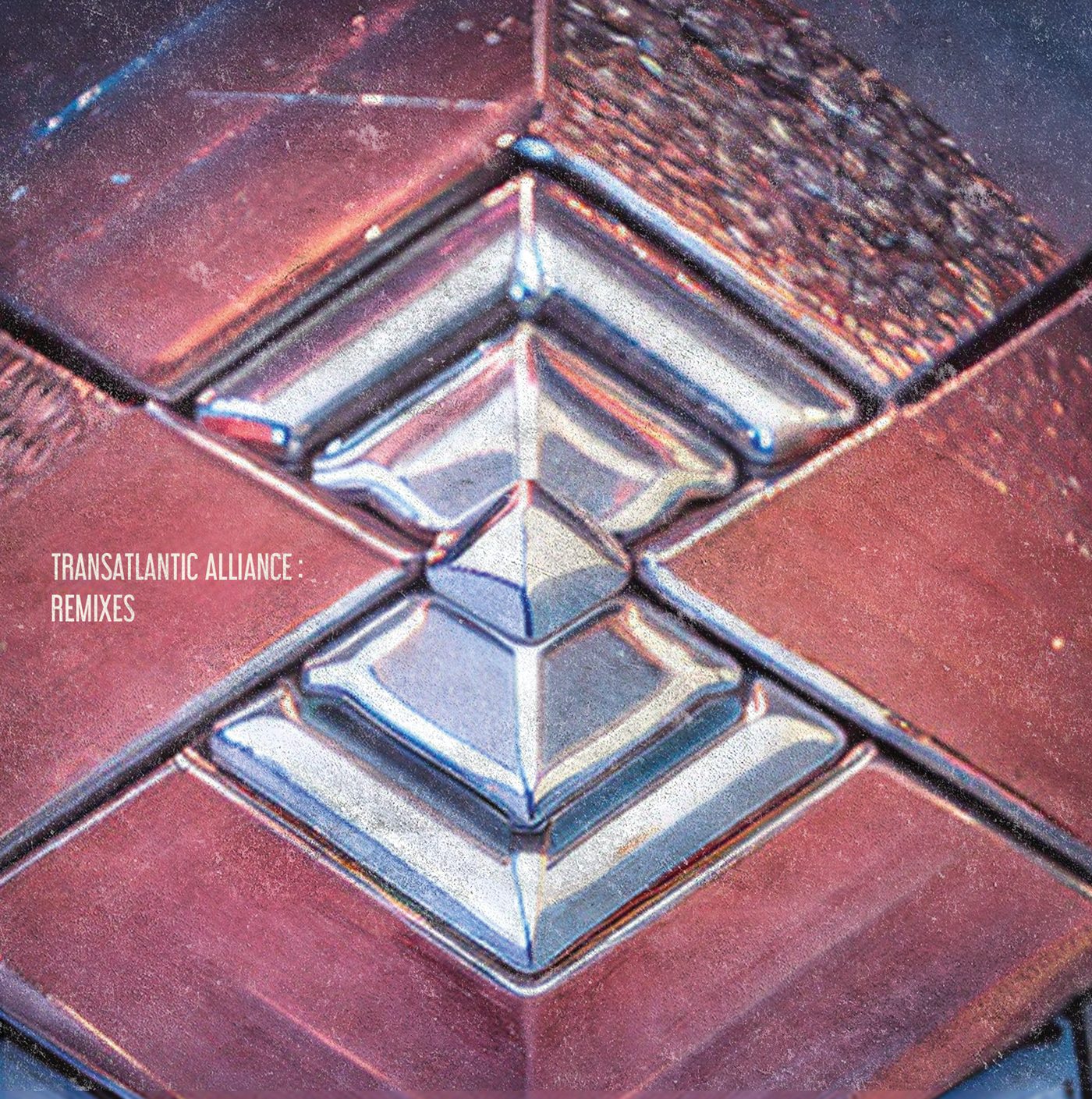
Christopher Royal King took care of the artwork as well. He had previously designed for bands including Deftones and Thrice, and for the remix collection he reworked the original Transatlantic Alliance cover, giving the artwork its own version of the same idea as the music.
Some approaches didn’t work out. Tom remembers another four or five bands that couldn’t participate because they were unavailable, on hiatus, already overloaded or restricted by label agreements. He doesn’t identify them, and there was no suggestion that every musician contacted would automatically say yes.
For a small post-rock project, getting Mogwai involved was the first major step. The rest followed through direct contact, existing friendships and a fair amount of persistence.
The process also gave Tom a better understanding of how much a record label could help independent artists reach people outside their existing circles. Transatlantic Alliance had benefited from working with Post. Recordings, and he remembered that when his own music started heading further towards ambient.
rhubiqs had already been around for several years. Tom had released music independently in 2019, followed by “Migratory Paths” in 2020, working with electronic sounds, guitars and the slower, more melodic parts of post-rock. His music drew on artists including Stars of the Lid, Tim Hecker and Fennesz.
Between 2021 and 2023, most of his time and energy went into Transatlantic Alliance. He and Trevor had found a productive way of writing together, quickly swapping ideas and making changes that the other person generally understood straight away.
Tom remembers their working relationship fondly. There was very little writer’s block, and the pair often knew what a song needed without having to spend ages talking it through. Working alone meant making decisions faster and having complete control, although he missed that immediate exchange with somebody else.
The band eventually slowed down naturally. Both musicians were pleased with what they had achieved and didn’t want to make another set of predictable post-rock songs simply to keep the project active. They remain friends, stay in contact and haven’t ruled out working together again. Trevor has since been occupied with modular synthesis, while Tom has found plenty to do with rhubiqs.
By the time he finished “Aegis of Silence”, Tom felt he had moved far enough from his earlier guitar-based sound to need some help introducing the music to different listeners. He was pleased with the record and wanted a label behind it.
He contacted Affin himself.
Joachim Spieth’s label had originally been associated with techno and other electronic styles, but since around 2020 it had concentrated mainly on ambient music. Joachim and Markus Guentner liked “Aegis of Silence” and agreed to release it in 2024.
Tom had been nervous about putting the album out himself. He wondered whether people familiar with his older post-rock recordings would follow him into the new style and whether the music could reach anybody else without a label helping it along.
“I didn’t want to embark on this slightly new creative direction by myself because I feared – rightly or wrongly – that the music might end up gathering dust in a small corner of the internet.”
The support from Joachim and Markus gave him more confidence in what he was making. Affin subsequently released “Hope’s Canvas (Alternative Mixes)” in February 2025 and “Spectral Passage” that November, while Tom also collaborated with Joachim and Ben Tatlow’s Antarctic Wastelands project.
Other releases and collaborations brought him into contact with Whitelabrecs, Silent Sonic and zaké Drone Recordings. Tom has come to appreciate the way many ambient labels work with artists who release music in several places. The agreements aren’t always exclusive, and a musician might put out different projects through labels whose catalogues have quite separate characters.
Affin often releases darker ambient music. Tom associates Whitelabrecs with a distinctly British approach to the style, while Silent Sonic is drawn to more organic recordings and sounds gathered from natural environments. zaké Drone Recordings frequently puts out collaborative music involving label founder zaké himself. Tom’s 2026 album “Hild”, made with zaké, belongs to that part of his discography.
He has also noticed that ambient listeners often follow labels closely. They trust the people selecting the releases and will check out unfamiliar artists simply because they appear in a catalogue they already enjoy.
“Lots of ambient fans follow labels – rather than bands – because they trust the label to be a ‘quality filter’ and deliver great music to them.”
It’s a different set of habits from the guitar-band world Tom came from. He sees more artists working with several labels, contributing to each other’s releases and making collaborations without the complications of organising an entire band. Many ambient projects involve one musician, and that can make it easier to accept an invitation to record something together.
There’s a musical benefit too. After spending enough time alone with the same instruments and production routines, Tom finds that working with somebody else helps him try approaches he wouldn’t necessarily have considered.
His first real encouragement from other musicians came through a fairly ordinary Reddit thread. He posted one of his songs and received a couple of positive replies. The people responding were making music themselves.
“My first “break” was on Reddit, where I shared one of my songs (in a community thread) and a couple of people replied saying they enjoyed it, and they too were artists.”
For somebody starting with an ambient record and no contacts, that’s still where he’d suggest looking. Find communities where other musicians listen and share their work. Get to know people, send music to artists, radio DJs, playlist curators and labels, and accept that it can take years before much happens.
Tom doesn’t promise a quick breakthrough. He reckons the first people interested in your music may be the same people trying to get their own projects heard, and that those relationships can become useful friendships and collaborations over time.
One of those collaborations brought him back towards post-rock in 2025. Russ from The Mantra Discord got in touch after the two projects had become acquainted through The Post-Everything Collective. The duo were working on an album and wanted Tom to contribute to a song.
Russ sent over some guitar-drone samples. Tom took those recordings and developed much of what became “Eternity Erased”, adding a simple piano motif, reversed guitars, field recordings and ambient textures.
He wanted the finished song to work within a post-rock album, so the arrangement kept plenty of recognisable guitar and piano sounds. He had considerable freedom with the material, and most of the finished track’s parts came from his work.
By this point, Tom was using collaborations to move comfortably between music that could belong on a post-rock record and pieces built around much longer drone arrangements. The Mantra Discord track and the new Irisarri remix have very different characters, but both began with somebody sending him a recording and trusting him to do something with it.
Of course, working alone still means making a lot of decisions without anybody else in the room. Tom has developed a fairly strict method for dealing with songs that seem nearly finished but still don’t sound quite right.
He stops listening to them for a week, preferably two to four. When he returns, he plays the recording once with a pen and paper ready. He writes down specific problems as he hears them: a drum fill that needs replacing, bass that’s too loud, an ending that comes too suddenly or a melody that repeats too often.
Then he opens the recording session and works only on the things he’s written down. He leaves the track alone again before doing another listen. If he still can’t work out what’s wrong, he’ll occasionally send the recording to a few trusted friends and ask them to be direct about what they hear.
Sometimes he has to accept that the song won’t get finished. He’s spent enough time producing music to know that repeatedly changing something doesn’t guarantee a better result.
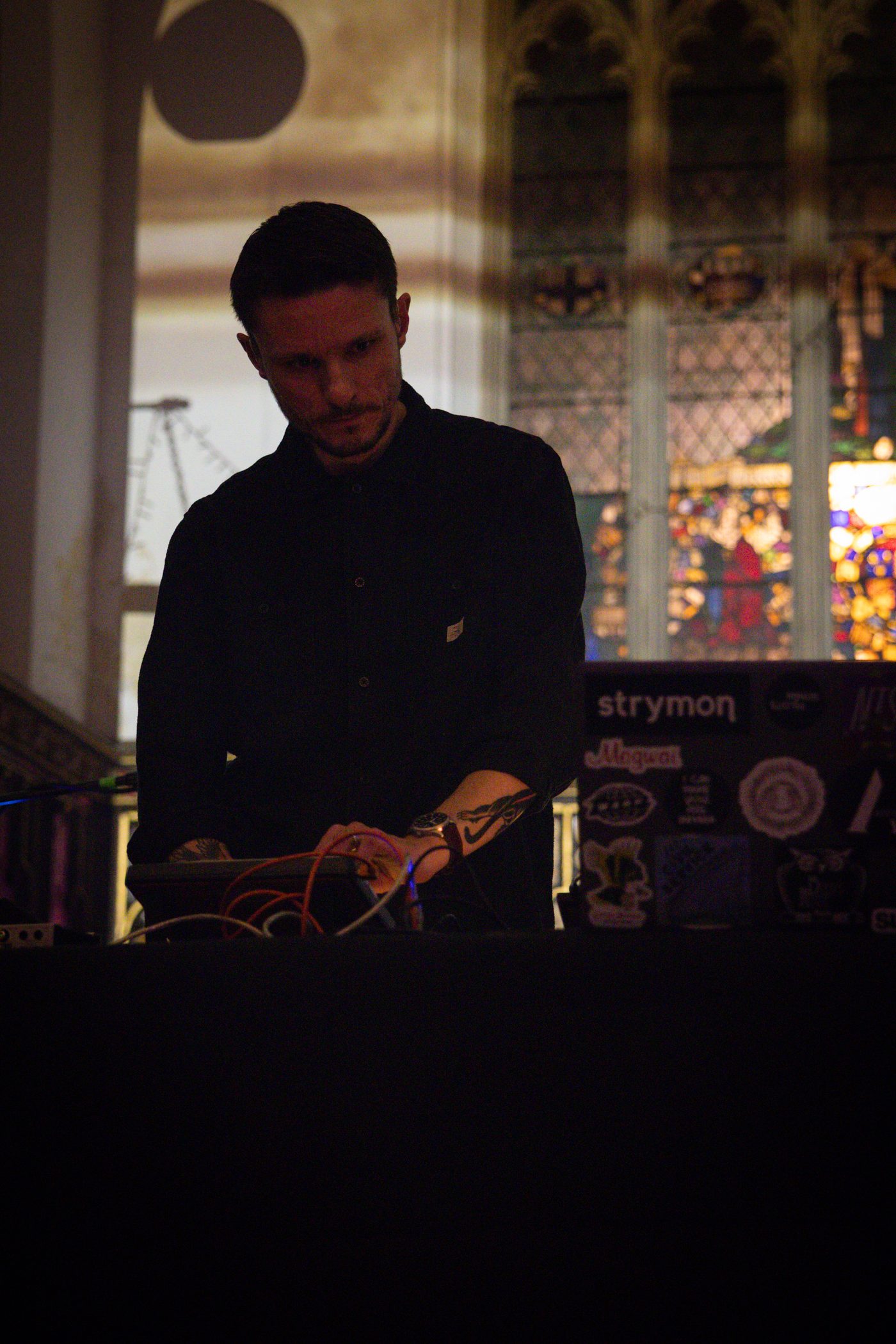
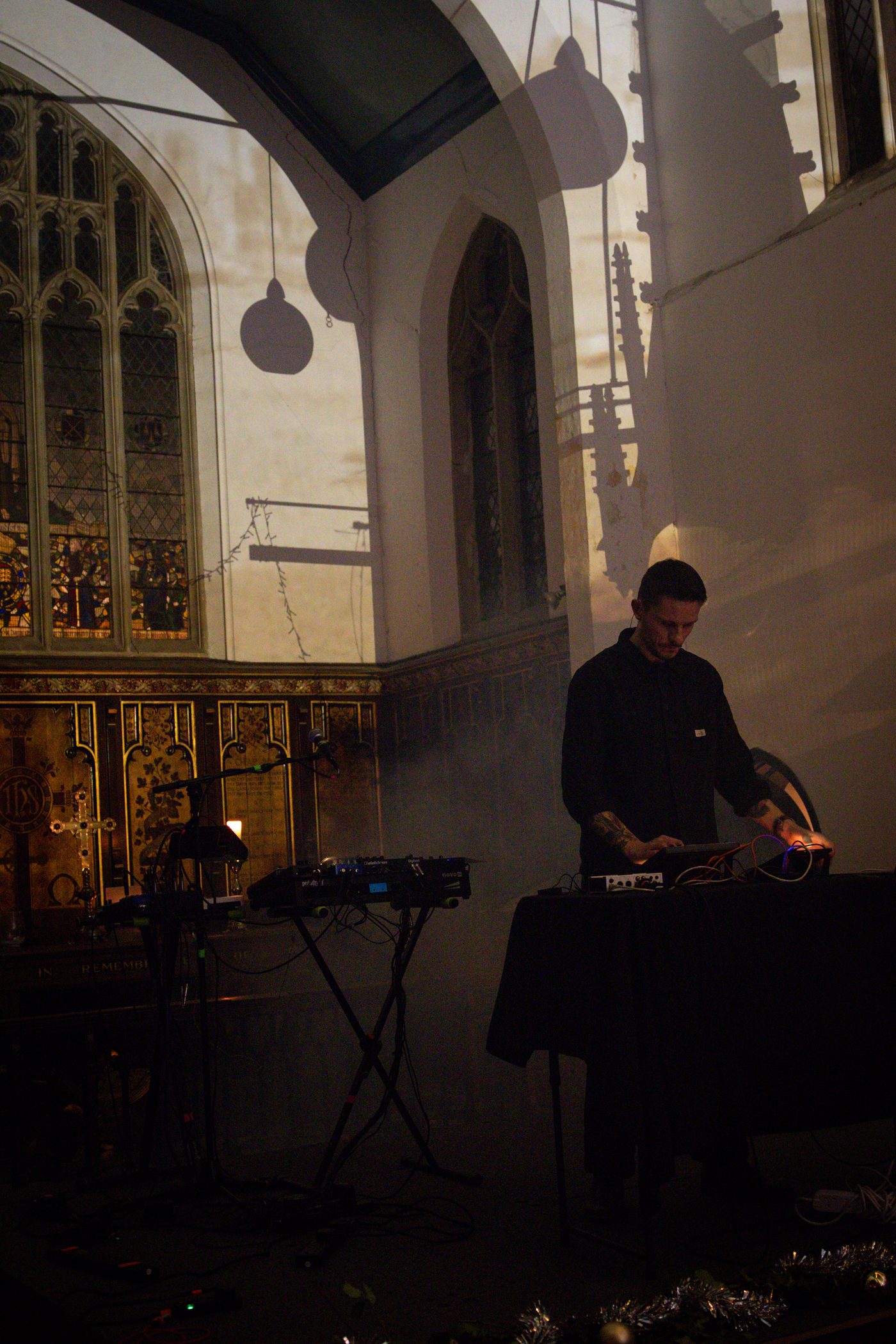
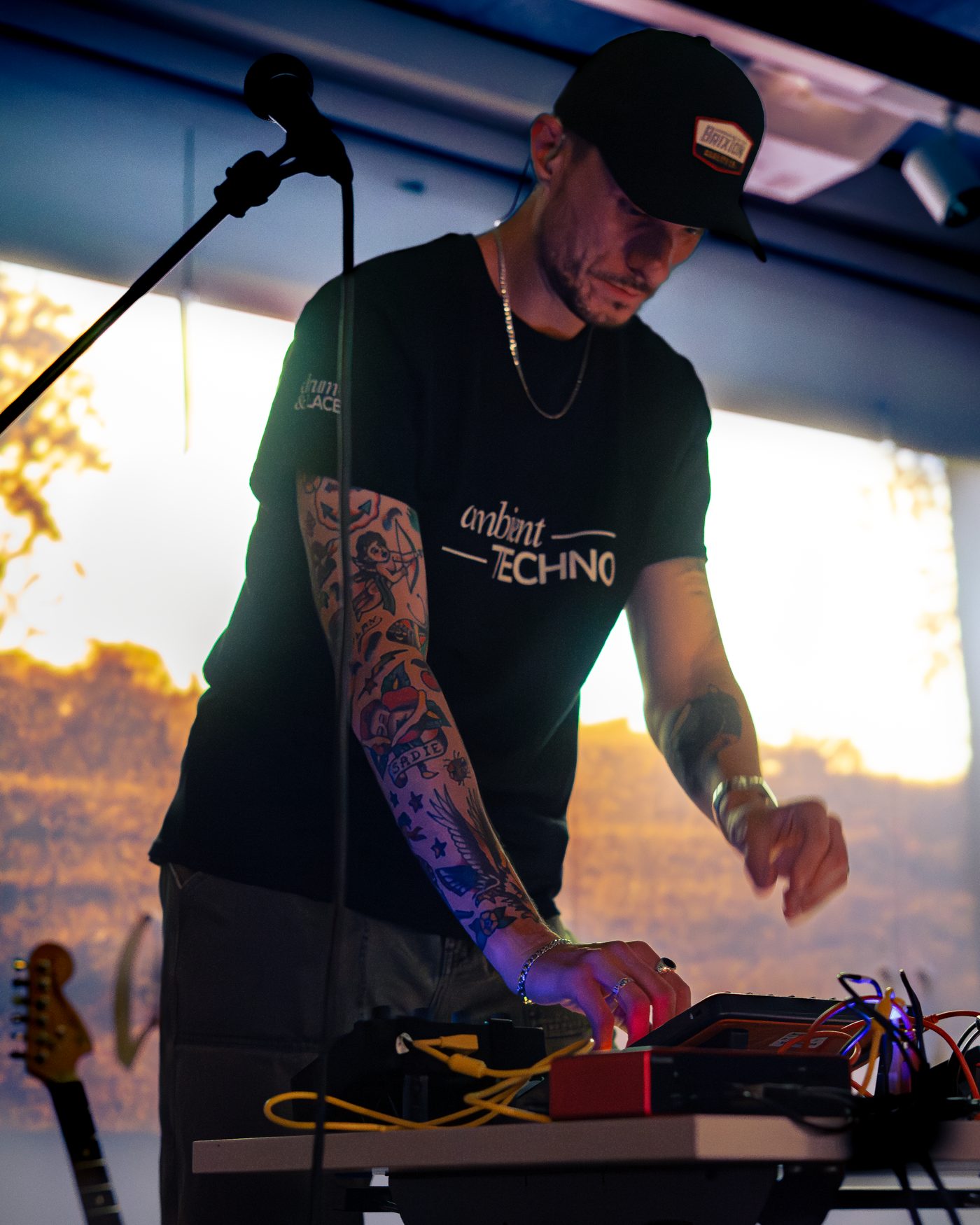
That way of working also helps explain why it took rhubiqs so long to appear onstage. Tom had been releasing records for around six years before his first live shows in 2025, and he had no established way of performing all those studio parts by himself.
“Honestly, the #1 reason it took me so long to take the rhubiqs project onto the road was imposter syndrome and not knowing how or where to start.”
Joachim Spieth and Markus Guentner encouraged him. Both have experience performing ambient music live and understood the concerns Tom had about standing behind electronic equipment as a solo artist, especially after his years of playing guitar-based music.
His friend Kayla Painter helped from a different angle. She had made a series of videos explaining how she uses Ableton Live and controllers to bring studio recordings into a live setting. Watching those demonstrations gave Tom a workable starting point.
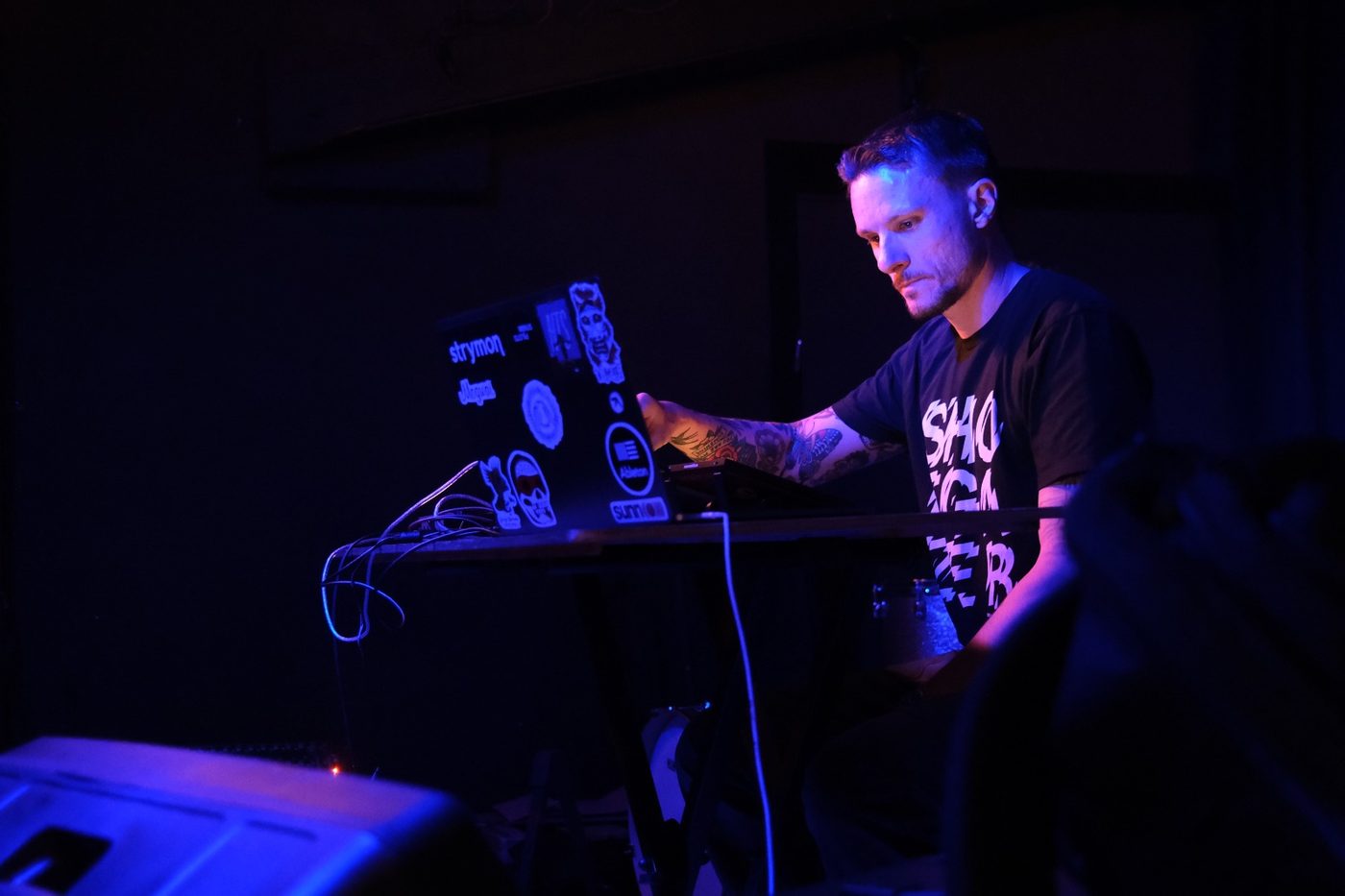
His current setup uses looping to build parts on top of one another and lets him change the arrangement as he plays. He can mix and reorganise layers during a show, giving a piece a different shape each time.
There are limits, though. A song that needs several instruments played simultaneously can be risky for one person to attempt. Some of his piano-based recordings are impossible to reproduce properly when a venue doesn’t have a piano. Two songs have only appeared in his set once because he thought they sounded flat live. He hasn’t named them.
“This is important to me – I don’t want to be a performer who “only presses play”, but also I only have one pair of hands and so I can’t easily play guitar (for example) whilst also playing piano and also triggering other layers.”
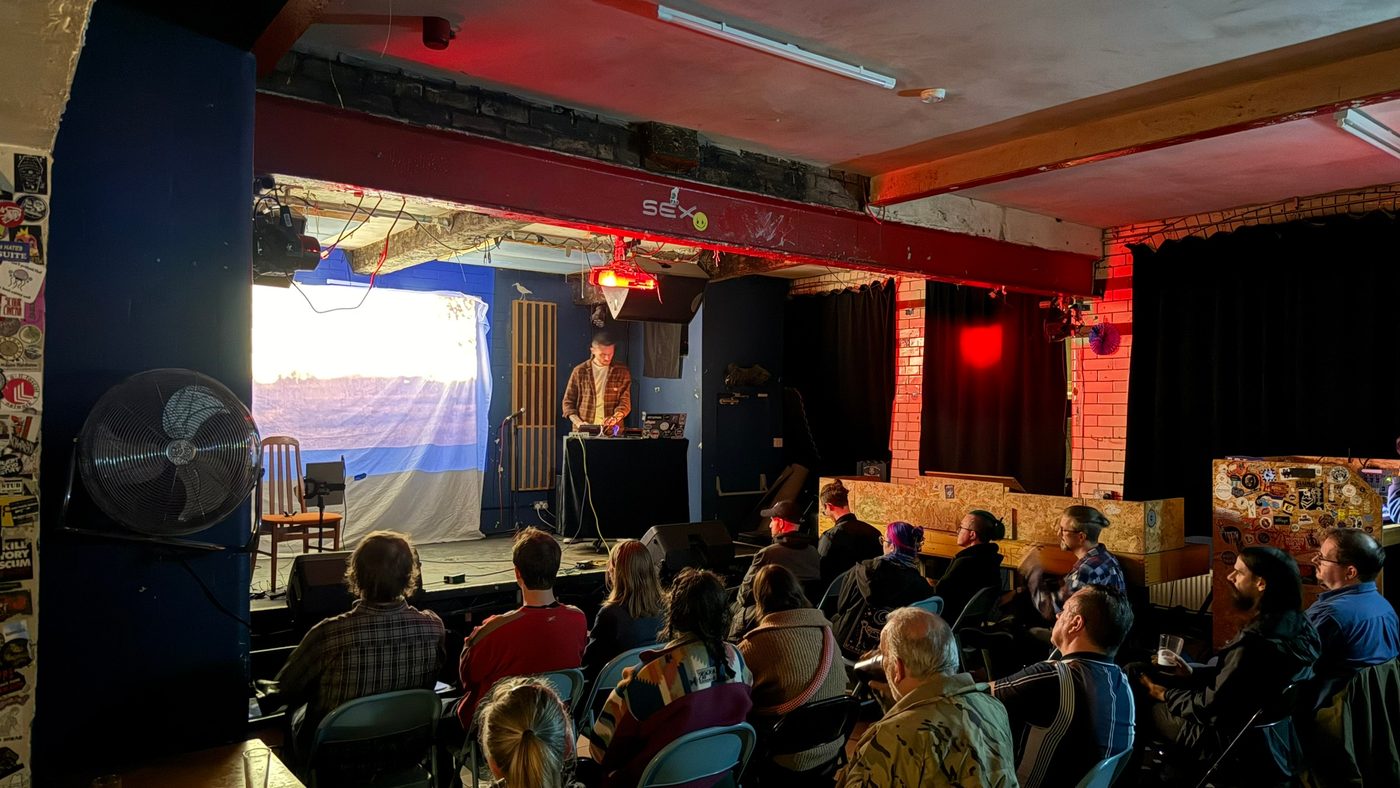
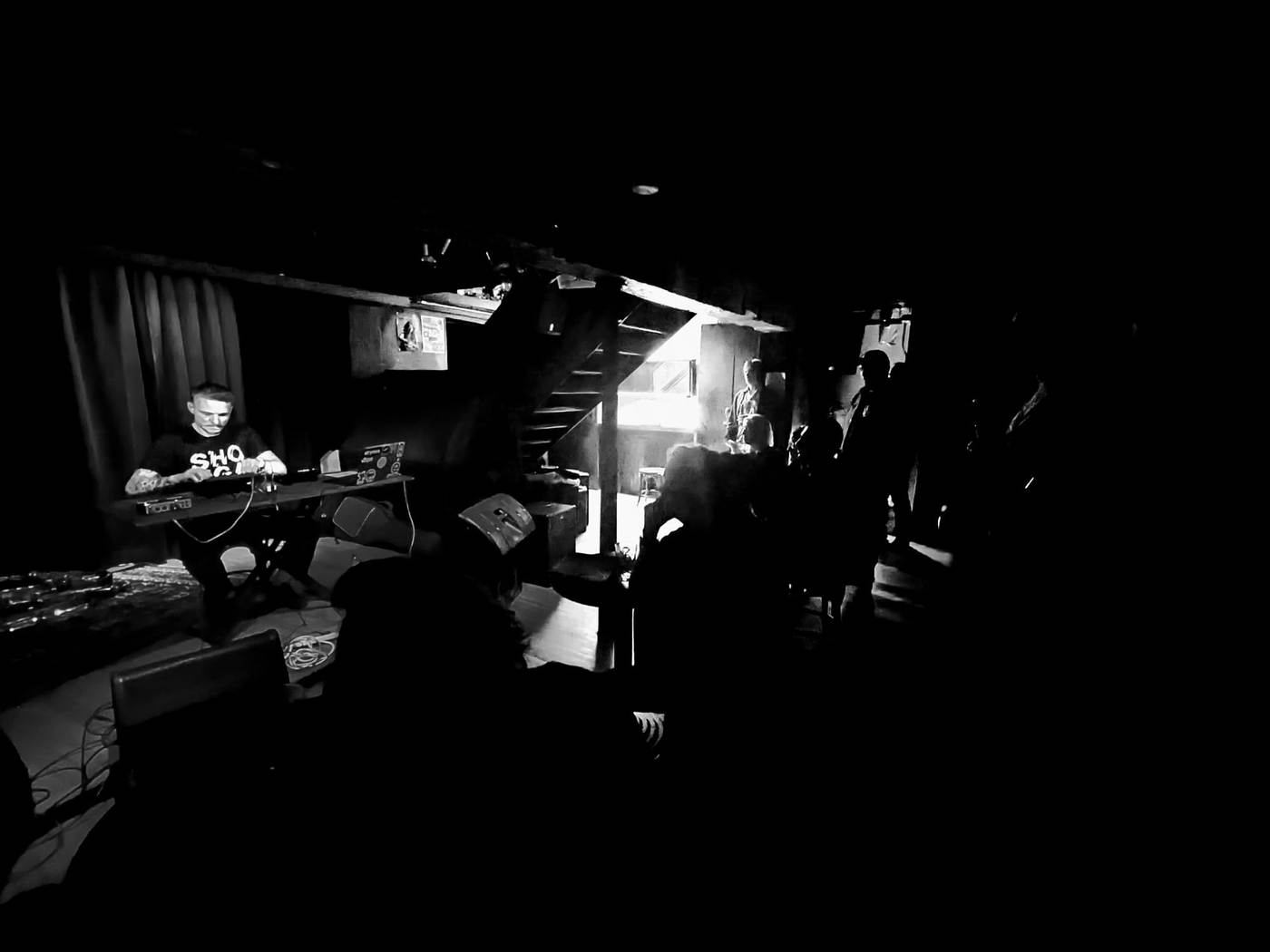
His first year of gigs included shows alongside Rothko and Drum & Lace, Ambient Leeds, the Memento Mori experimental music stage at Worcester Music Festival and London’s Solstice Solidarity Synthesis.
He has played alongside post-rock bands, IDM artists and musicians using instruments such as cello and flute. Some crowds are familiar with the kind of music he’s making, while others have come to see a guitar band and find themselves listening to something much quieter and slower.
Tom tries to put on a consistent show in either situation. He might make a set louder or darker for certain gigs, or pull it back a little when the room calls for it, but he doesn’t want to change the music completely according to who happens to be watching.
At Still Point Festival of Ambient Music in Stroud, one listener told him they’d flown from Boston and had been looking forward to his set. Tom was struck by the encounter. A smaller ambient festival had brought him into contact with somebody who already knew his work from thousands of miles away.
The live setup has now become part of the way he writes. Tom’s next album, “Lifting”, is scheduled for release through Whitelabrecs in April 2027, and he began making it around the same period that he was preparing his first shows.
He wanted the compositions to be playable by one person. That pushed him towards looping, long drone sections and combinations of sounds he could introduce gradually onstage. He’s also been using a lot more sub-bass.
The record has a very specific setting in Tom’s mind. He spent much of his twenties living in London, going to clubs and travelling home late at night. Fabric, Plastic People and Corsica Studios were among the places he visited, where the low frequencies were a huge part of the experience. He remembers hearing producers such as Loefah, Mala, Kode9 and The Bug, whose music made particularly strong use of bass through club sound systems.
He wanted some of that physical weight in the ambient compositions he was making. “The Sky Parade”, “Day Trip (Ascending)” and “Granite” were all written around pulsing sub-bass parts, which he now emphasises when performing them live.
“On my forthcoming album – Lifting, releasing via Whitelabrecs in April – I changed tact entirely and have tried to make an ambient record for nighttime listening in the inner city. Music for headphones on the night bus home, after the party. Urban ambient.”
The idea is quite different from “Spectral Passage“, his 2025 concept album about moving through psychological turmoil towards greater clarity. With “Lifting”, the experience of the city at night comes first, along with the music Tom remembers hearing in London’s clubs.
There will also be three collaborations on the album, with Hollie Kenniff, Six Missing and Benoît Pioulard. Tom has admired all three artists for years. Working with them gave him the chance to bring other people’s ideas into a record he was otherwise making alone.
The connection with Hollie brings the story back to “Hope’s Canvas”. She was the mutual friend who helped Tom and Irisarri get talking earlier in 2026, before that London show made him wonder what Irisarri might do with the song.
In the end, Tom sent him the stems and trusted him with the music. The original chord progression remains, but its surrounding sounds and the weight of its closing section have changed dramatically. It’s another version of a track he thought he’d already finished, made by somebody whose music he had spent years listening to.
“Hope’s Canvas (Rafael Anton Irisarri Remix)” receives its exclusive advance stream through IDIOTEQ ahead of its official release on 20 November 2026. The original appears on “Aegis of Silence”, released by Affin in 2024. More recordings can be found through rhubiqs’ Bandcamp and official website, with “Lifting” due through Whitelabrecs in April 2027.
🔔 IDIOTEQ is ad-free, independent, and runs on one person’s time. If you want it to stay that way: DONATE via PayPal or SUPPORT via Patreon.
NEW: IDIOTEQ Explore 🗺️ Browse 15+ years of our archive by city, country, and style. Find artists on the world map or trace related sounds through the styles map.
Stay connected via Newsletter · Instagram · Facebook · X (Twitter) · Threads · Bluesky · Messenger · WhatsApp.