
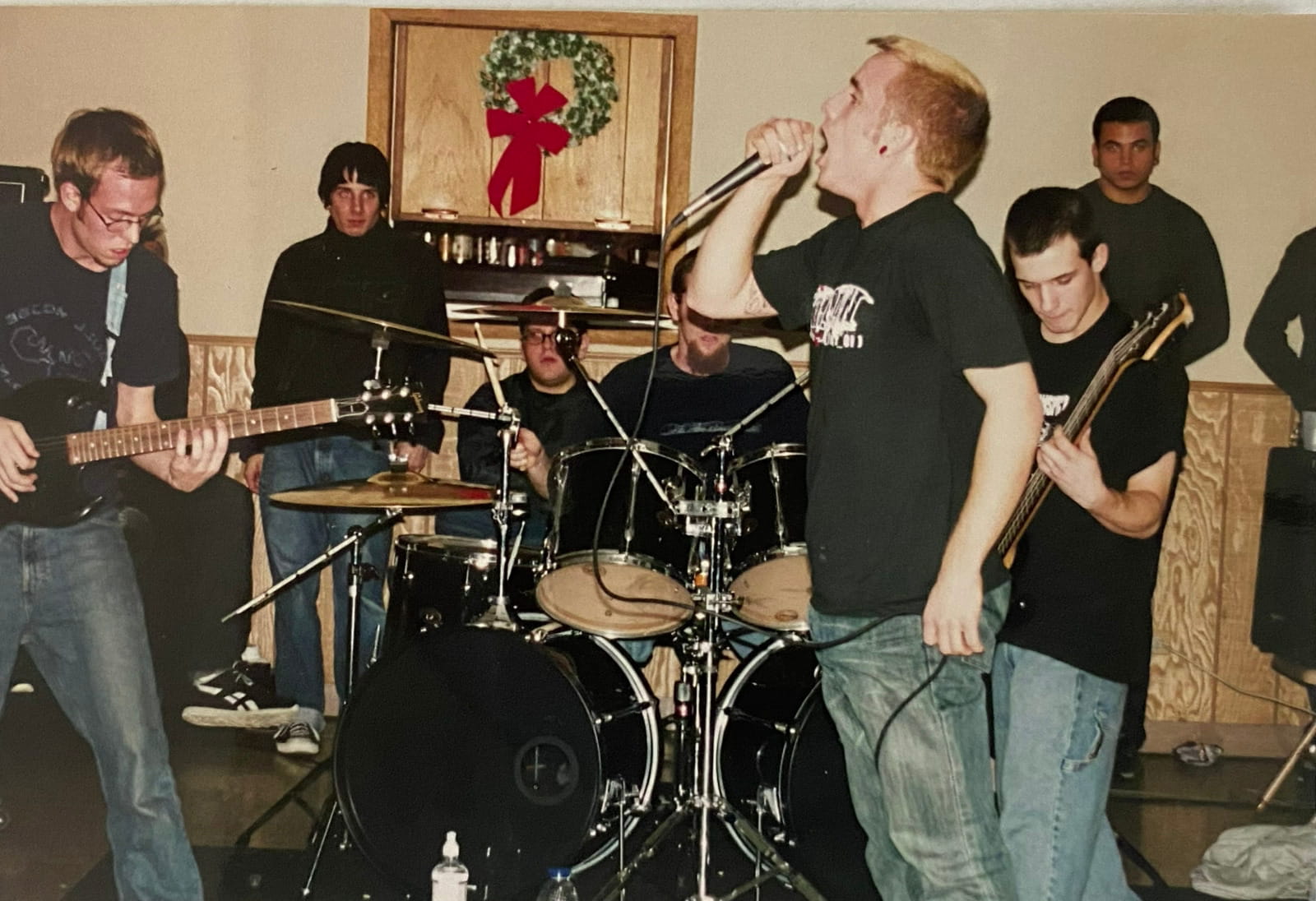
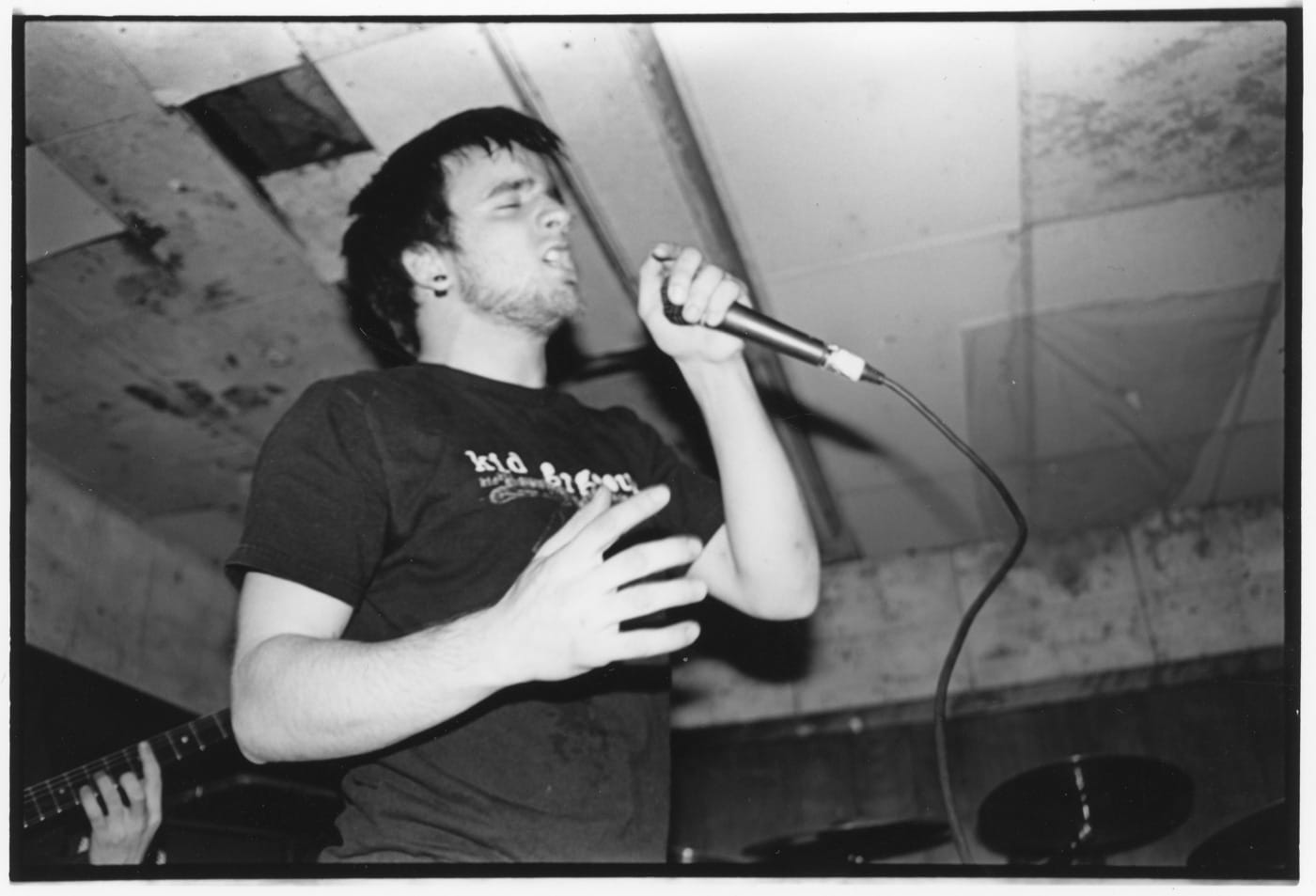
Matt Hartman played second guitar on the five songs Dead to Fall cut at Cloud City Studios in Detroit in 2001. Twenty-four hours in a warehouse with Mike Hasty behind the board, a fan with no cage spinning somewhere in the room, the band sleeping on the floor between tracking days. No label, no manager, no booking agent. Hartman co-wrote two of those songs, “Like A Bullet” and “The Cost Of A Good Impression.” He quit the band in April 2002. By the time any of the tracks got re-recorded for Victory two years later, he was in Cincinnati, disconnected from the scene, listening to a promo copy a friend at the label had sent him.
The five songs from that Detroit weekend are now getting their first vinyl pressing. Tarnished Records (catalog TR010) is putting out 300 copies across four variants. Dereck Blackburn handled the remix and master at Quiethouse Recording in 2025, the same engineer who reissued the Subsist LP The Rhythm Method for Steadfast in 2022.
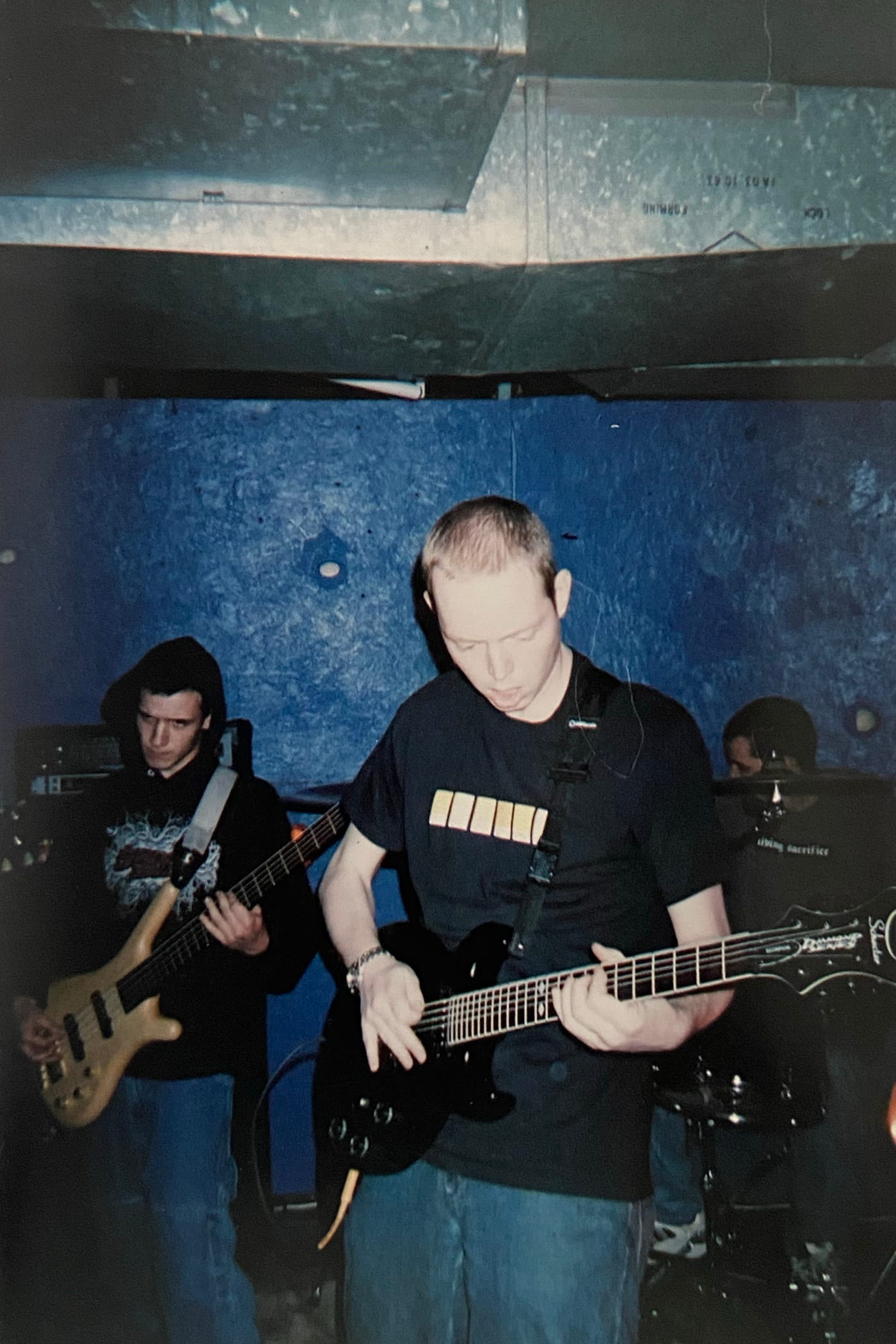
The lineup that tracked the demo is here for the credits: Jonathan Hunt on vocals, Bryan Lear and Hartman on guitars, Justin Jakimiak on bass, Dan Craig on drums.
Hartman first saw Dead to Fall at a show in Chicago and clocked what they were doing right away. At the Gates plus hardcore, the same Swedish influences he’d been pushing on guitar when his old band Subsist was still going. Subsist had broken up. He was looking to get back in. Word reached him that Dead to Fall needed a second guitarist.
“Wasn’t sure if I was good enough, but decided to take a swing at it,” he says. “I showed up to a practice and got welcomed right into the family. I think Subsist was a name that was known in Chicago, so maybe that helped at the time.”
By the time the band rolled up to Cloud City, Dead to Fall had been going for about two years. The lineup had finally locked: Hunt, Lear, Hartman, Jakimiak, Craig. Five songs they trusted. The plan was modest. Cut a CDr that sounded like the band actually sounded, hand it out at shows, see what happened.
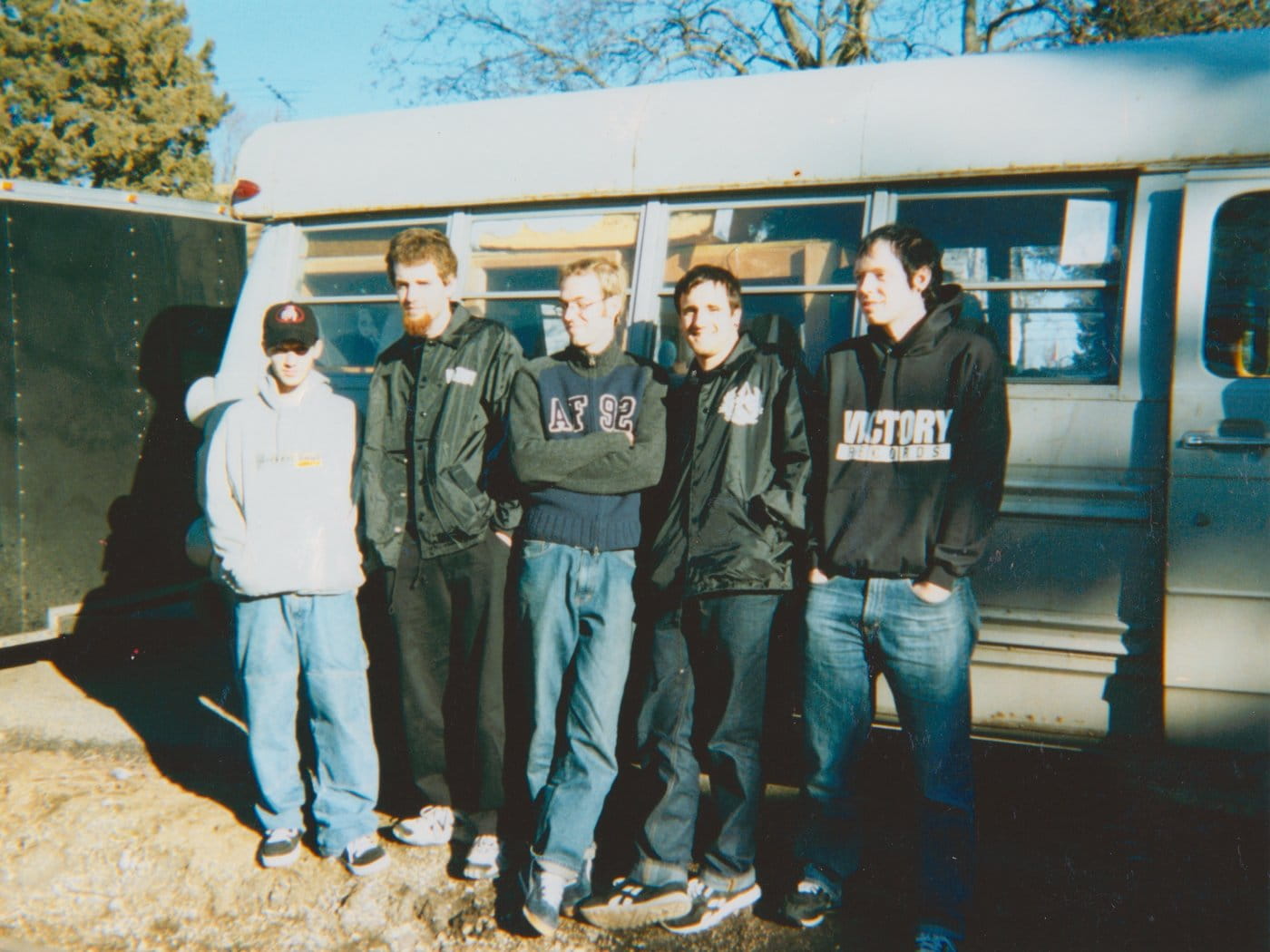
Hunt remembers the merch-table hustle. “Bryan and I spent hours burning them into CDrs between shows, hassling anyone who passed our merch table for a spare couple of bucks. We were all in, and we had no idea what we were doing, but somehow it all still worked.”
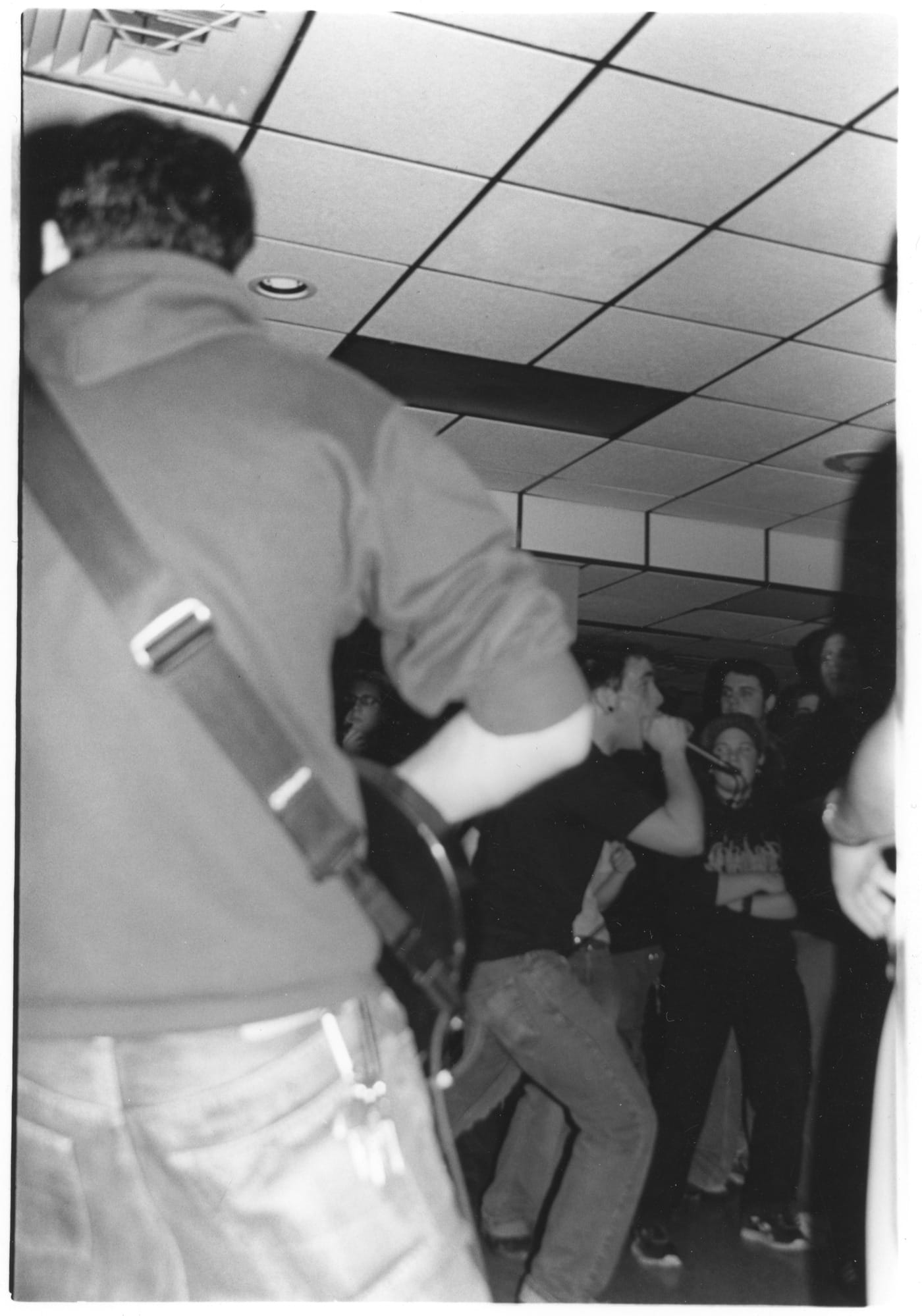
Hartman thinks they moved 200 to 300 CDr demos before the Victory debut hit. Touring was constant. endthisday, As the Ruin Falls, 7a7p when they could ride with friends, anywhere else that would have them. He remembers driving for hours to a Minneapolis show, getting there early, and the band winding up at the Mall of America. “Dan hijacked a model competition and walked the runway. We were always doing stupid stuff like that.”
The Cloud City weekend
Mike Hasty was the natural pick. The band knew him from Earthmover and Walls of Jericho, and Cloud City had become a hub for that whole stretch of Midwestern heavy music: Hasty had recorded Extinction and Apathemy there, along with his own bands.
“He was super down to earth and really passionate about contributing his skills to make the scene better,” Hartman says.
The session itself is fuzzy in his memory now. The mood was strictly business. Twenty-four hours, five songs, get it done. He remembers the warehouse. He remembers the fan with no cage that everyone was scared of. He remembers sleeping on the floor. “It wasn’t fancy, but Hasty knew the sound we wanted and how to capture it.”
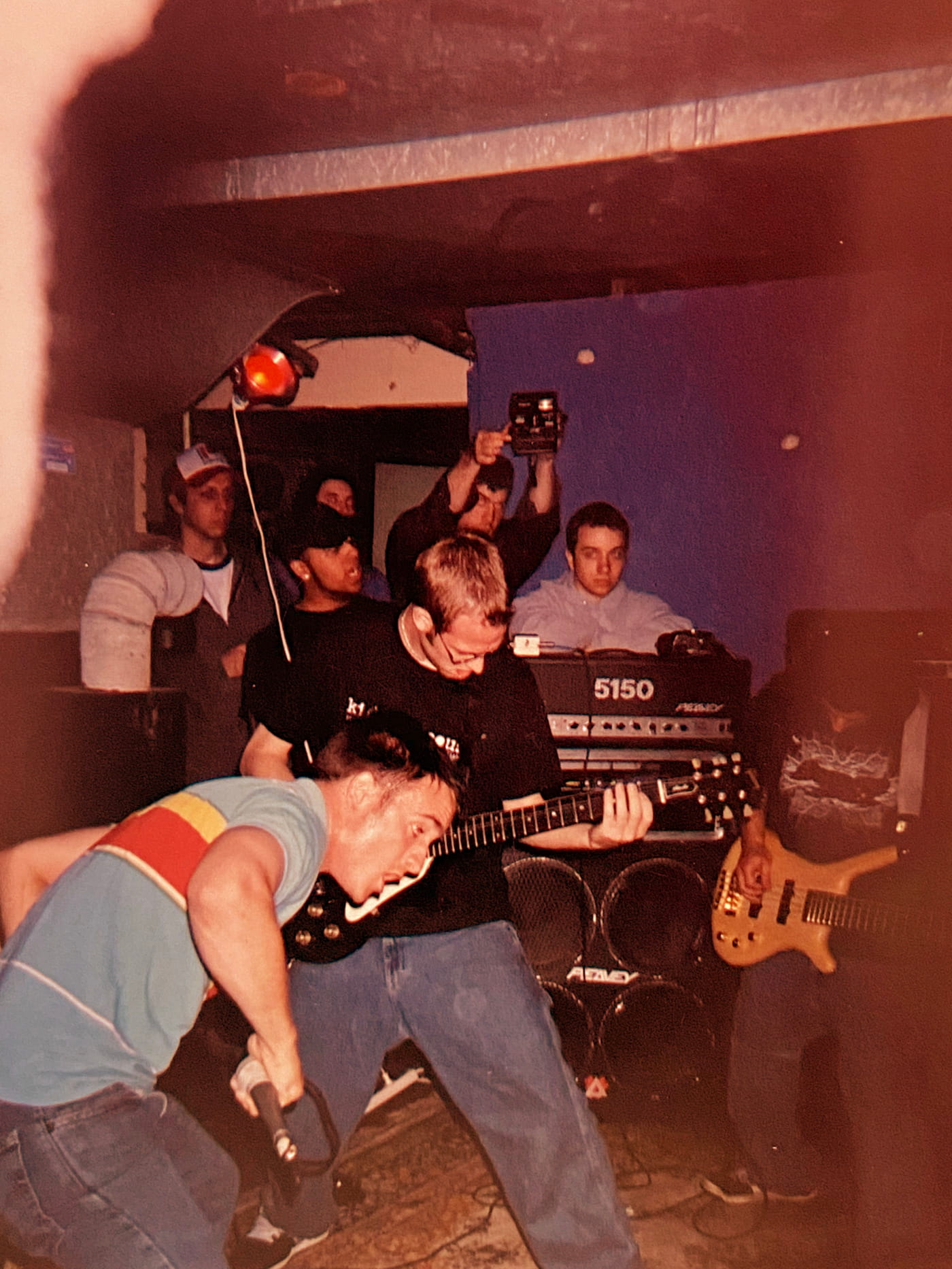
For Hunt, it was a first. “I was 19 and had never been in a ‘real’ studio before. We’d tracked in basements and bedrooms on small 8 tracks and the like, but never had any true production help. We had very little idea of what was to come when we slept on the Cloud City floor between the days of tracking.”
Hartman recalls loading the van the next morning, sore from the floor, certain they’d captured something honest. “Five songs on tape that sounded like the band actually sounded. Whatever came next, we had the thing to put in front of it.”
Victory, the parking lot, the firing pin
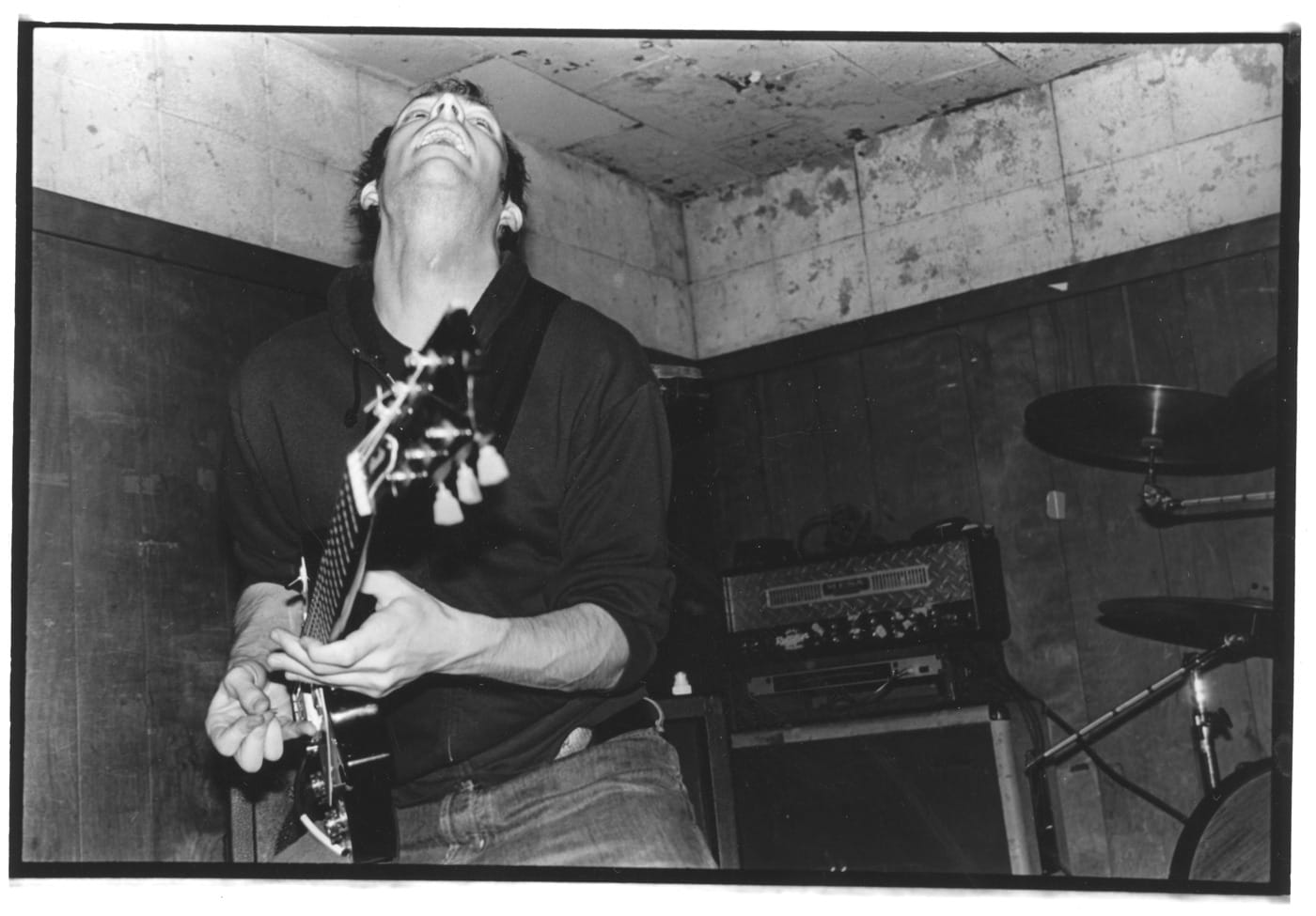
The thing they had to put in front of it was Victory Records. Hunt and Hartman had been bugging the label for months before the session even happened.
“I didn’t live that far away from the headquarters, so I’d just go and hang out, or find them at shows,” Hartman says. “We were pretty persistent that they sign us. I don’t know if we actually thought we had a chance. Victory was such a big deal in the scene back then. But that didn’t stop us from trying. In my memory, the demo was basically recorded because the label wouldn’t take us seriously without it.”
There was no plan B. Hartman remembers signing the contract clearly: the band drove all night home from a show in Georgia and slept in their van in the Victory parking lot so they’d be there in the morning. Same label that put out Earth Crisis and Strife.
Hunt, looking at it from now: “This demo was the firing pin that launched everything that came afterwards. It’s still surreal to think those efforts took us where they did.”
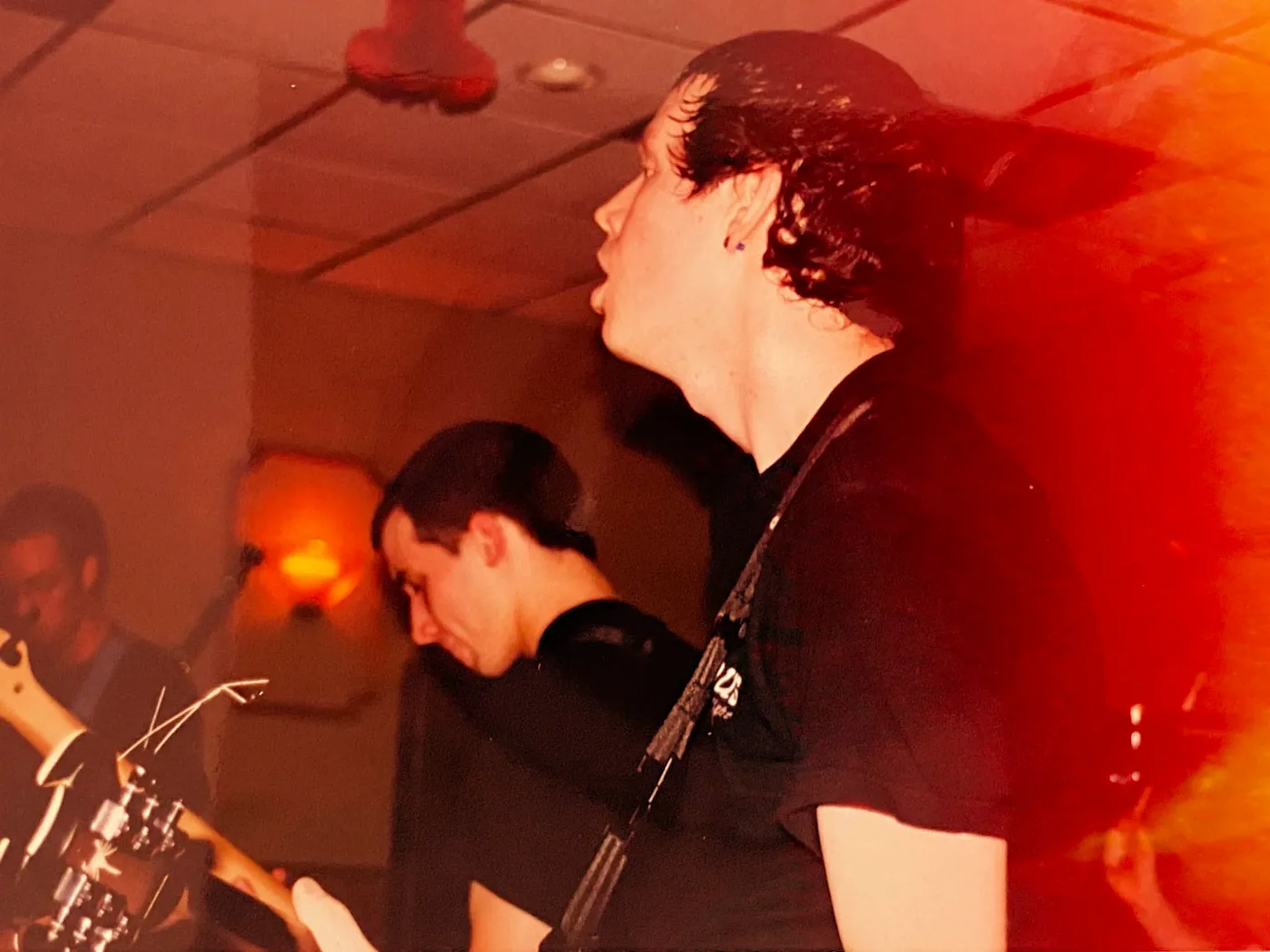
Two years later Dead to Fall released Everything I Touch Falls to Pieces.
The band would go on to put out four albums on Victory, hit combined sales of around 60,000 copies on their first two records, and tour for the better part of a decade before breaking up in 2008. They reunited briefly in 2015 to support Darkest Hour on the tenth anniversary of Undoing Ruin, then again from 2017 onward. None of that runway exists without the five songs that came out of Cloud City.
Hartman didn’t see most of it from inside.
“I quit the band in April 2002. I was a little older than the other guys and had more financial obligations at the time. I’d been unemployed a while, laid off during the dotcom bubble bust, and ended up having to move back in with my parents in Cincinnati. The distance was tough, and I was just at the point where I needed to start adulting and taking care of things.”
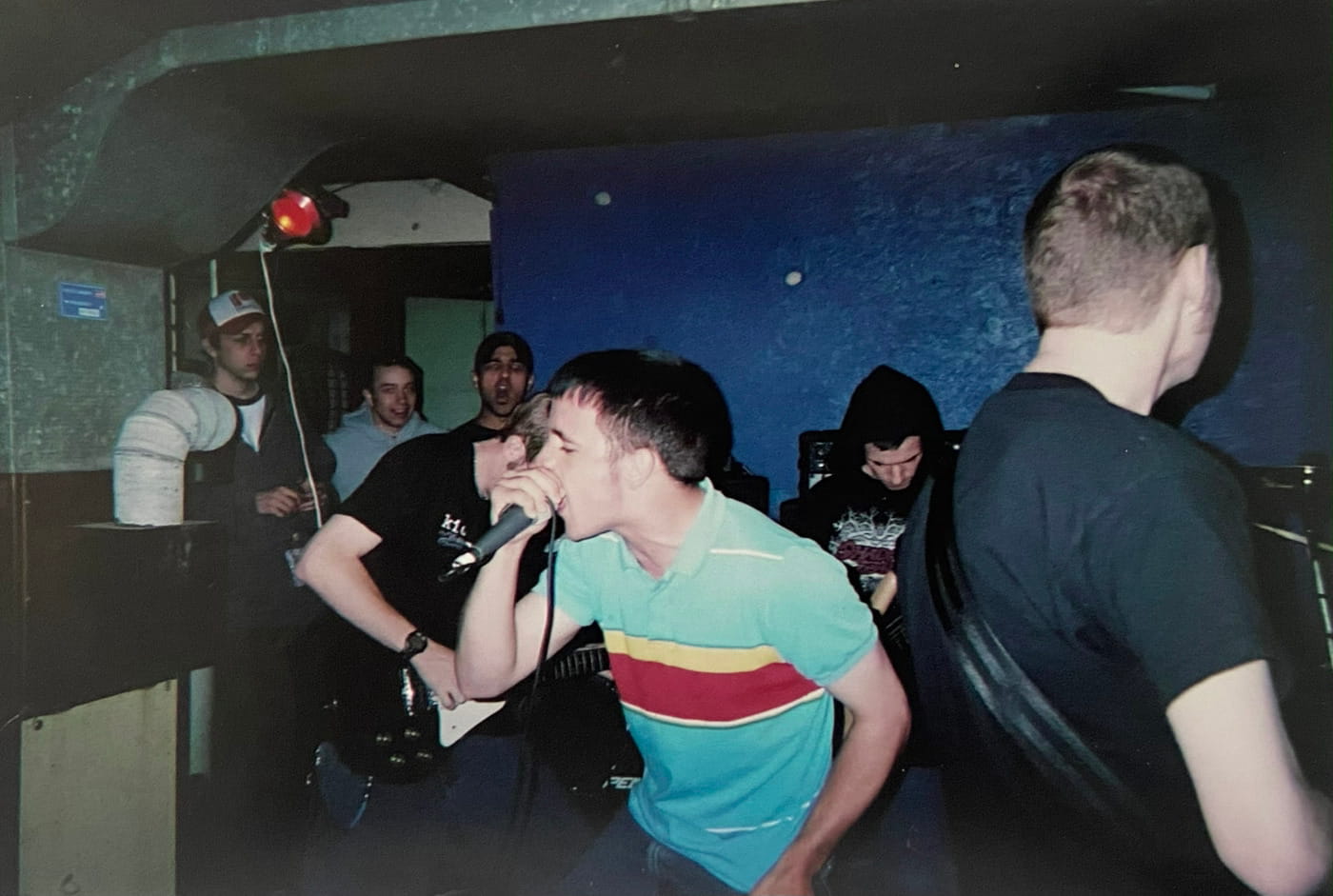
What followed was a clean disconnect. “I really ended up isolating myself from everyone. I dove into work and lost touch with the guys that summer. I wasn’t involved at all with Everything I Touch Falls to Pieces. I think a friend at Victory sent me a promo copy. I have regrets about that now, about how I just kind of disappeared and disconnected myself from the band and the whole scene. At the time maybe I felt like I needed that, but I wish I’d thought more about it. I didn’t really end up getting back in touch with the guys until Tarnished reached out about doing the demo on vinyl. I’m super glad for the opportunity, though, and hoping we can connect again in person soon.”
The five songs
“Like A Bullet”
The demo’s outlier. All double picking, no mosh part, a Bryan Lear guitar solo. None of those things were typical Dead to Fall moves in 2001.
“It’s a wrist killer, but we didn’t even think about that back then,” Hartman says. “It has a super heavy vibe, but it’s one of the only songs from that era that didn’t have a mosh part, which always stood out to me. Bryan also had a guitar solo, which was rare for Dead to Fall in that era. Hearing it now, this song stands out because it’s probably one of the more death metal tracks of that era.”
“Tu Se Morta”
Already old when Hartman joined. It’s the song he heard them play live before he ever stepped into a practice room.
“It had me hooked. To me, it’s a perfect representation of what our influences were back then: At the Gates plus a lot of Undying, with a mosh that breaks into another mosh part. It doesn’t get any more Dead to Fall than this song. The breakdown-within-a-breakdown became sort of the Dead to Fall formula, and lots of deathcore bands are still doing it.”
“Broken Path”
Never made it past the demo. It didn’t get re-recorded for Everything I Touch Falls to Pieces, didn’t get much live play after the band wrote newer songs, and quietly fell off the setlist.
“I wasn’t in the band when it was decided what went on Everything I Touch, but since we didn’t play it live much I’m not that surprised. I still love parts of this song and I think it sits well on the demo. It’s fun to come back to because it’s the only time this track was recorded.”
“The Cost Of A Good Impression”
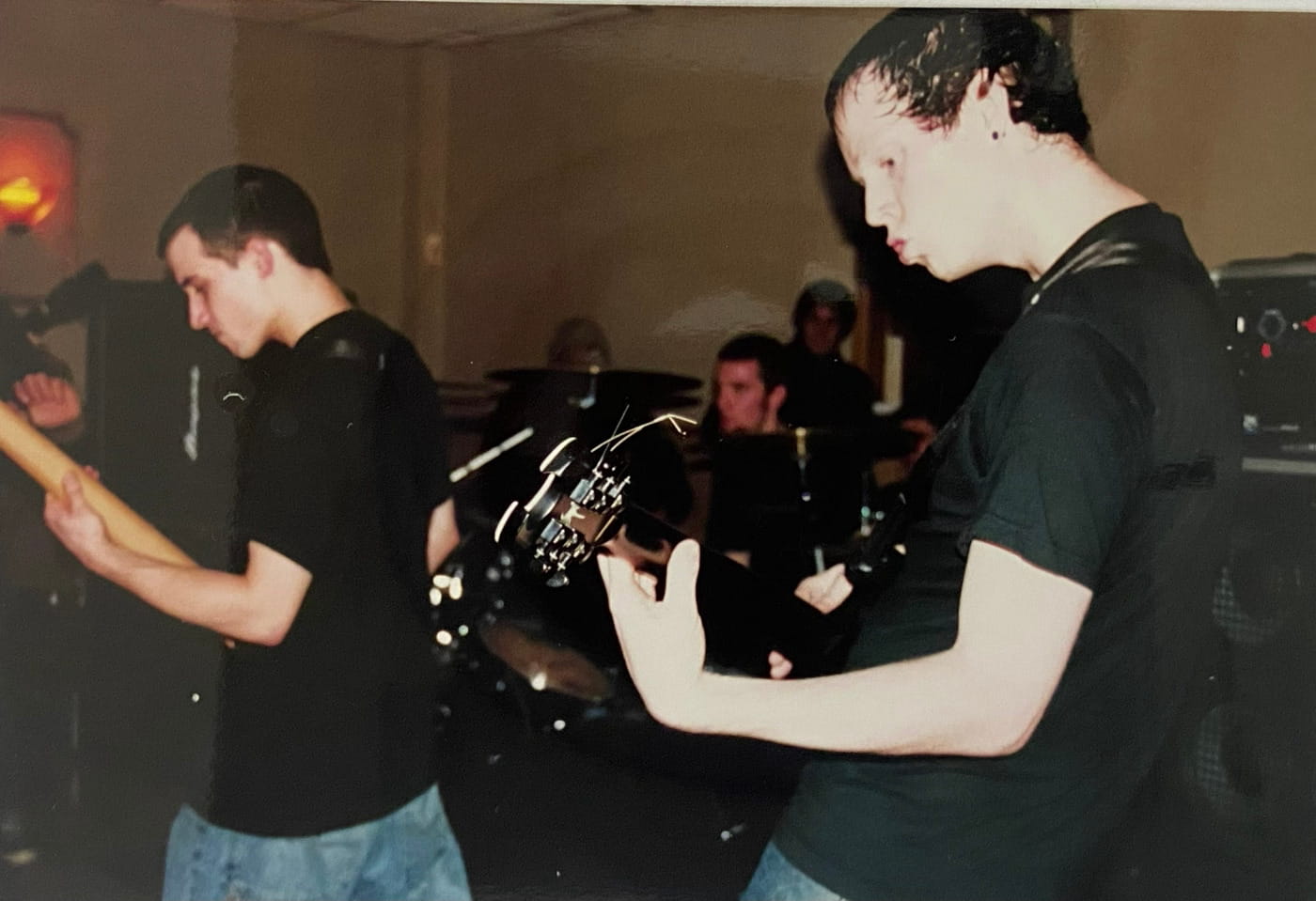
The other Hartman co-write, paired with “Like A Bullet.”
“This is a fun one. I think it’s the perfect bridge between the old Dead to Fall and what ended up on Everything I Touch Falls to Pieces. It’s fast, melodic, tons of double kick, and it has the classic DTF mosh part, which was a little nu-metal inspired, because at the time I was pretty into Slipknot and Machine Head.”
“Memory”
The oldest song on the demo and the one most people who know Dead to Fall already know. Hartman calls it the song most likely to cause a pile-on at a live show. Panic chords, chugs, melodic tremolo picking, a mosh with a catchy sing-along.
For Hunt, it sits deeper than that. He wrote the lyrics at his first practice after taking over for Aaron Cosgrove on vocals, and the song has shadowed every version of Dead to Fall since.
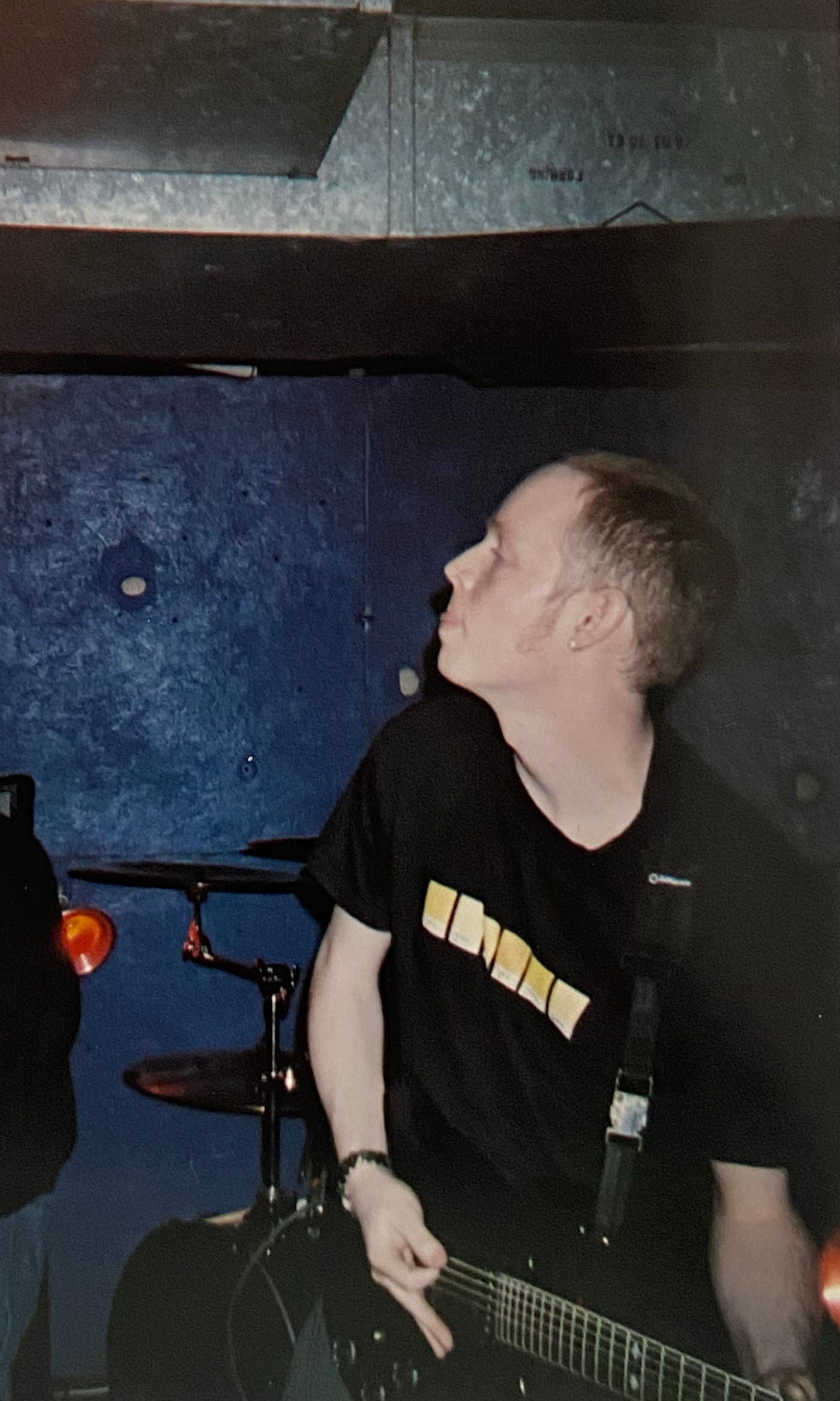
“Of all the songs, Memory is kind of the DTF anthem. We put it on every demo, on the first record, and when I think back about it, I wrote those lyrics at my first practice after taking over for Aaron on vocals. The inspiration for anger and resentment in those lyrics is long forgotten, but hardly a show goes by where we don’t play it, people have the lyrics tattooed, and every time we get back on stage it really is ‘one more time for the memories.'”
From the engineer’s chair: Dereck Blackburn
The remix came together through an existing thread. Hartman had known Dereck Blackburn since his college days. Blackburn had also handled the Subsist reissue, The Rhythm Method, for Steadfast in 2022.
“He’s amazing to work with and totally understands the sounds and atmosphere of the hardcore scene from back then,” Hartman says. “He killed it with the Subsist remix, so it was natural to work with him again on reviving a metalcore recording from the same era.”
Blackburn’s brief on Dead to Fall sat in similar territory. Preserve the spirit of the document, bring it into 2026 without sanitizing it.
“I tried to keep the spirit of the rawness of the demo while making it a bit more modern in tone. I didn’t over-EQ or compress the guitars, the bass has a bit more grit to it, and the vocals I haven’t aligned or quantized.”
That last call changes how the vocals land. Hunt, hearing the remix back: “I don’t remember if the disjunct vocal doubling was intentional or just happenstance, but listening back, it feels chaotic and intense. I like it.”
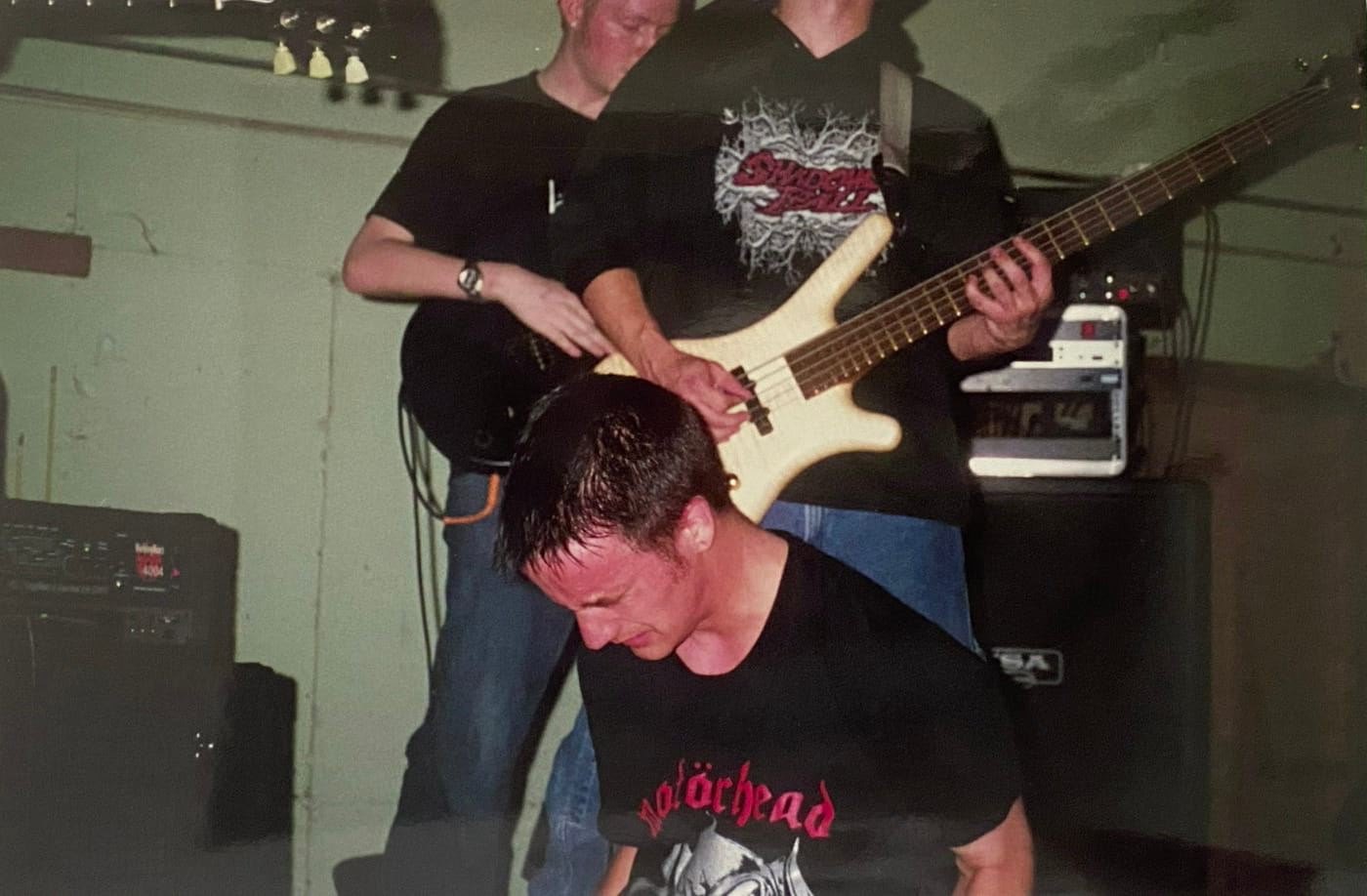
For Hartman, the playback felt closer to a live show than a clean studio document. “Dereck’s mix sounded almost exactly like one of our well-mic’d live shows. It was raw but super clear, all the instruments had space. I loved hearing the drums cleaned up and just how he pulled every bit of heaviness out of it.”
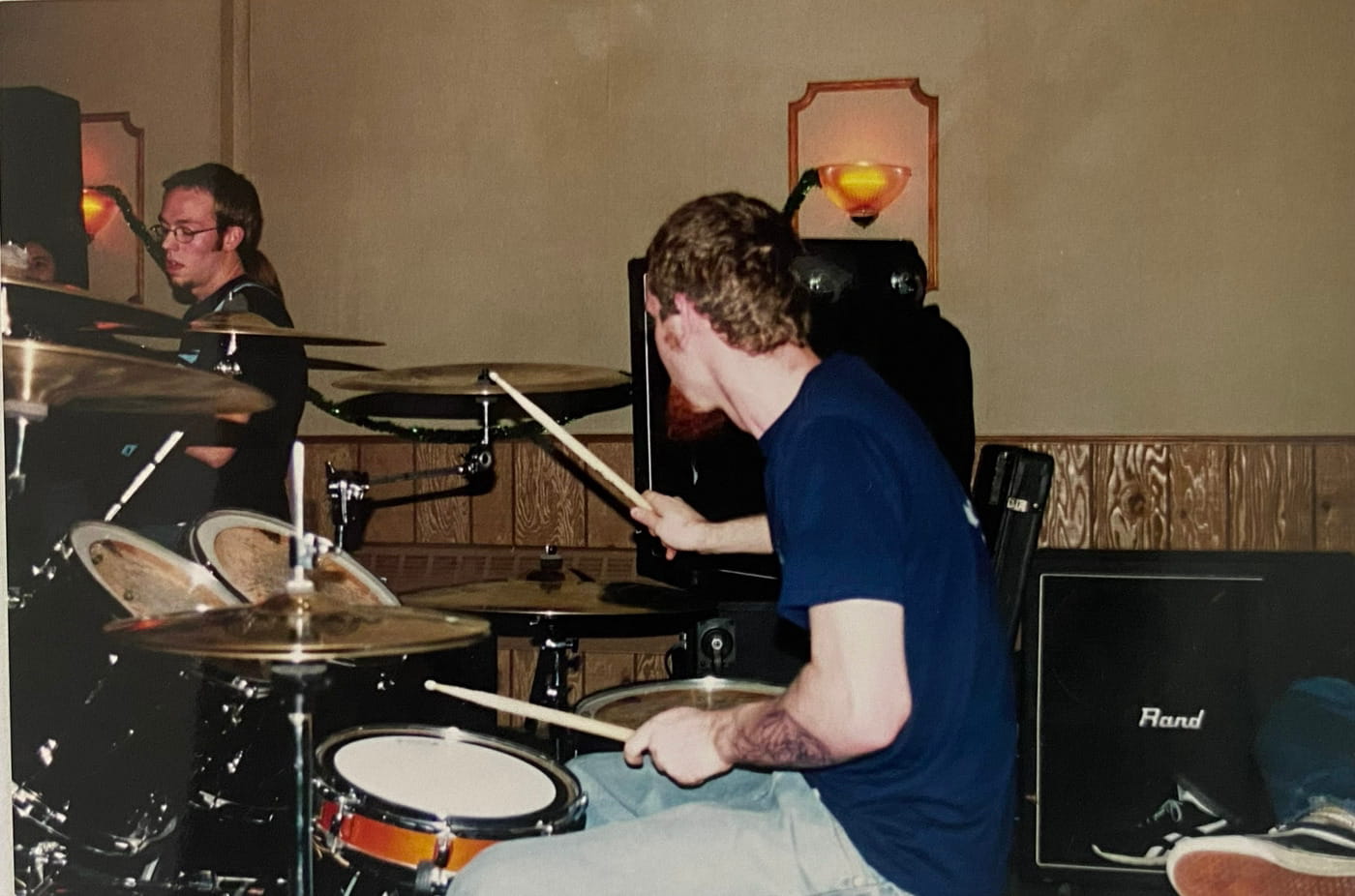
Blackburn took the time to write out his own thinking on the project. When he takes on a remix of material this old, the question he starts with isn’t technical.
“When I’m remixing material like this, I’m thinking first about the aspirations of the musicians and the original intent of the recording.”
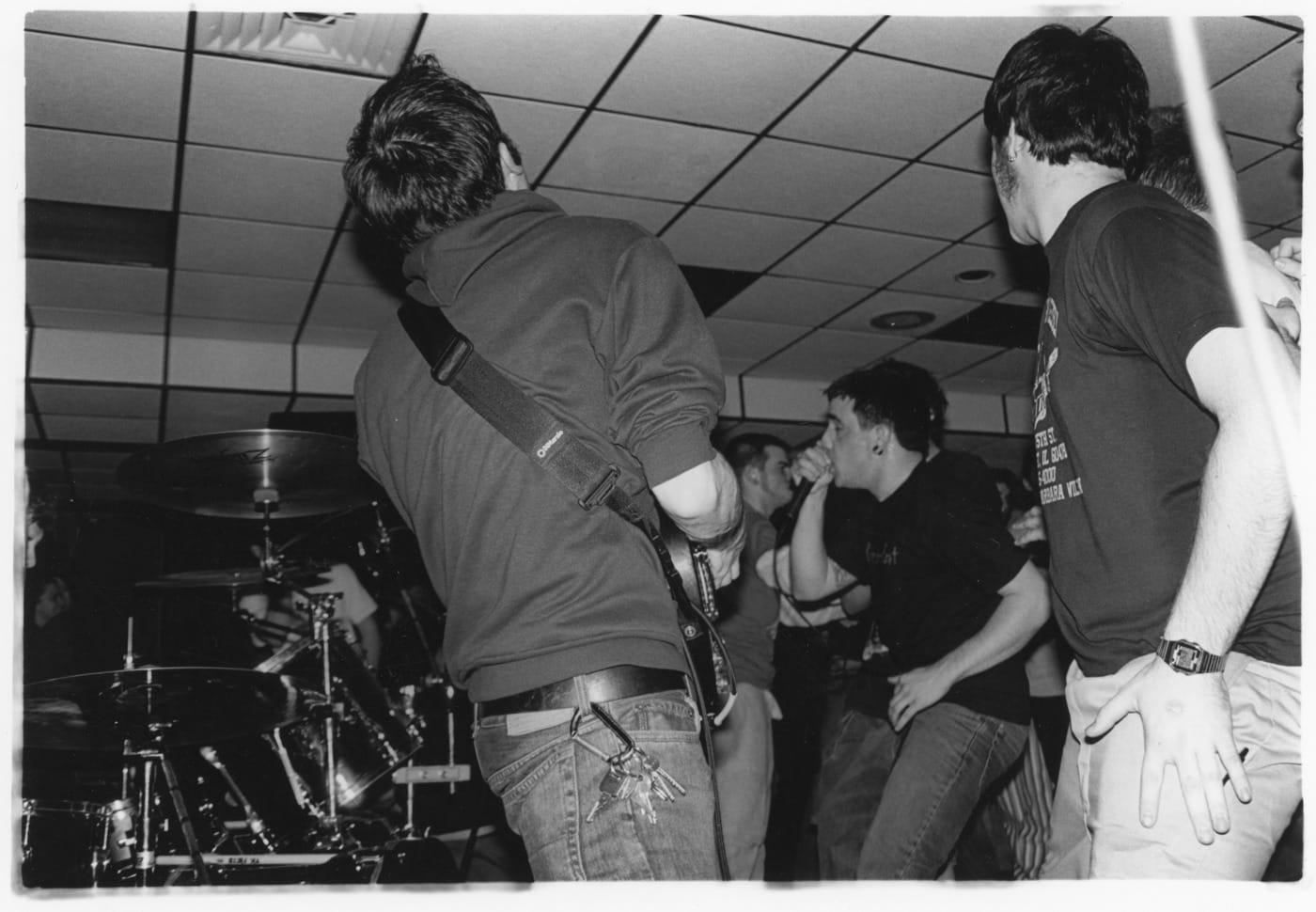
He’d been driving to shows in Chicago and Michigan with his friends Brian and Ryan in the late 90s and early 2000s, so the world Dead to Fall came up in wasn’t foreign territory. “I knew what that world felt like from the inside, or at least close enough to understand the stakes.”
The audience, in his head, wasn’t just the band. “I imagine a lot of those people are doing the same thing I am: hearing this and getting pulled back into a very specific time and place. My hope was that, even while updating the sound of the demos a little, nothing essential from the past would get lost in translation.”
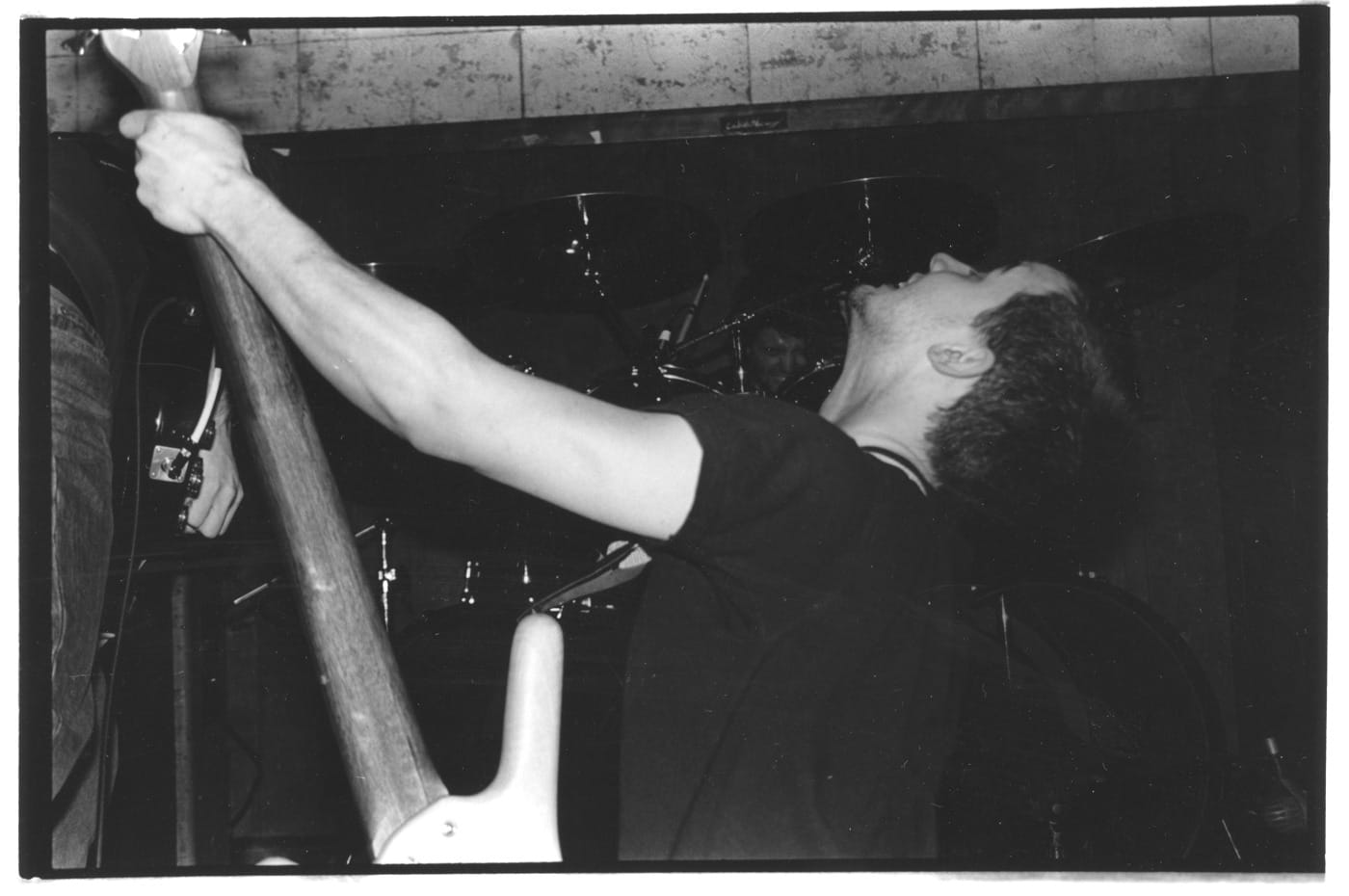
Hasty’s original capture, to Blackburn, told the story of the session itself.
“Mike Hasty’s capture tells me that weekend was about urgency and commitment. It sounds like a young heavy band moving fast, playing hard, and trying to document the thing while it was happening. There’s a lot of information in the tracks, not just sonically, but culturally. You can hear the era. You can hear the room, the decisions, the limitations, and the energy. My job was not to erase that. It was to make it translate better now without pretending it was made in 2026.”
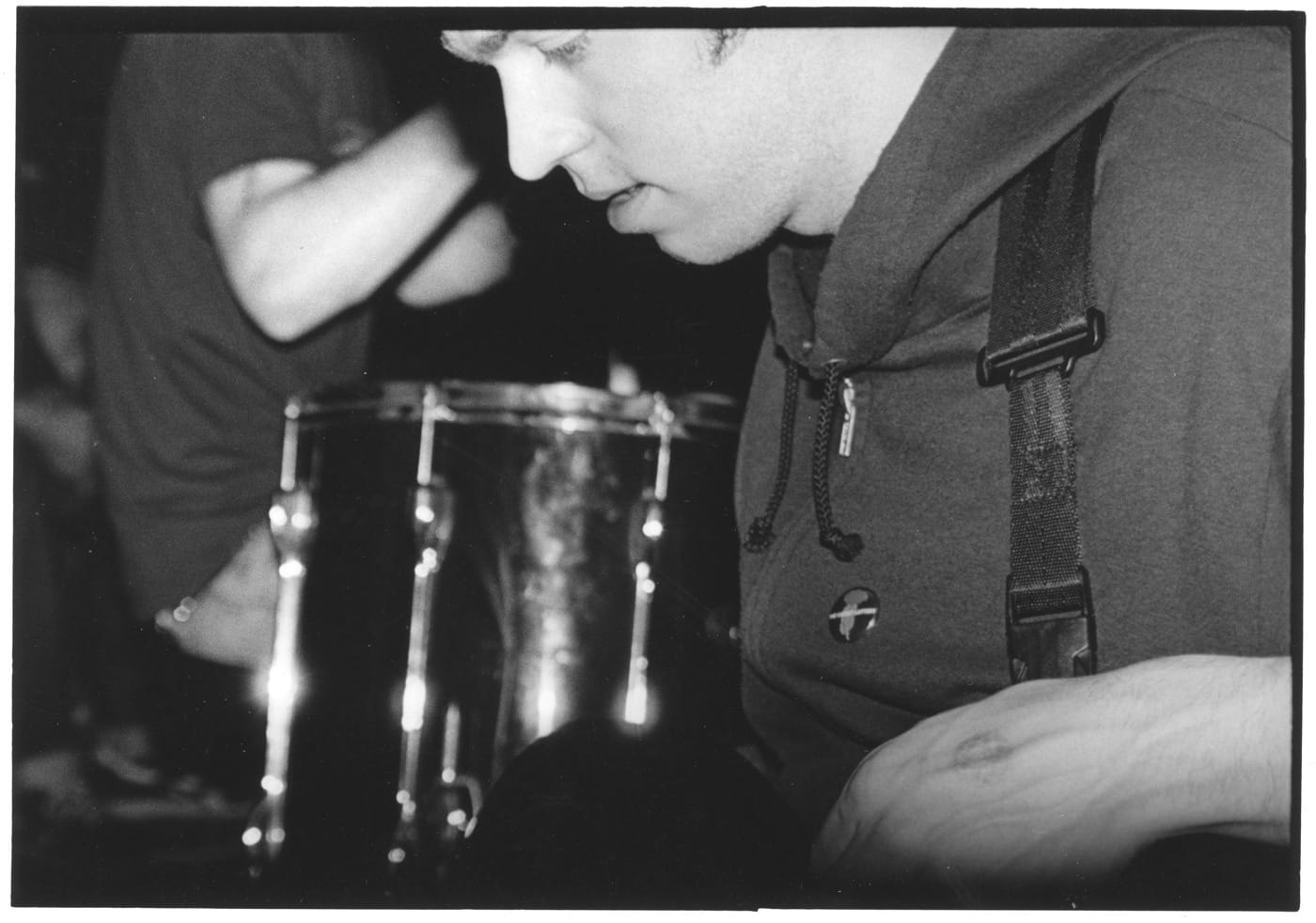
A short note on what those limitations actually looked like in 2001. Sixteen tracks for a whole song. Maybe eight tracks for drums, four for guitars and layers, four left for bass, vocals, and background vocals. Decisions made fast, takes committed to tape, no infinite playlists, no grid-corrected safety net.
“That kind of limitation changes the psychology of the session. The band has to be rehearsed. They have to commit. They probably have to make the document, get back in the van, and keep moving. They’re not thinking, ‘Let’s luxuriate in the recording process.’ They’re thinking, ‘Get in, turn up, nail the takes, and go.'”
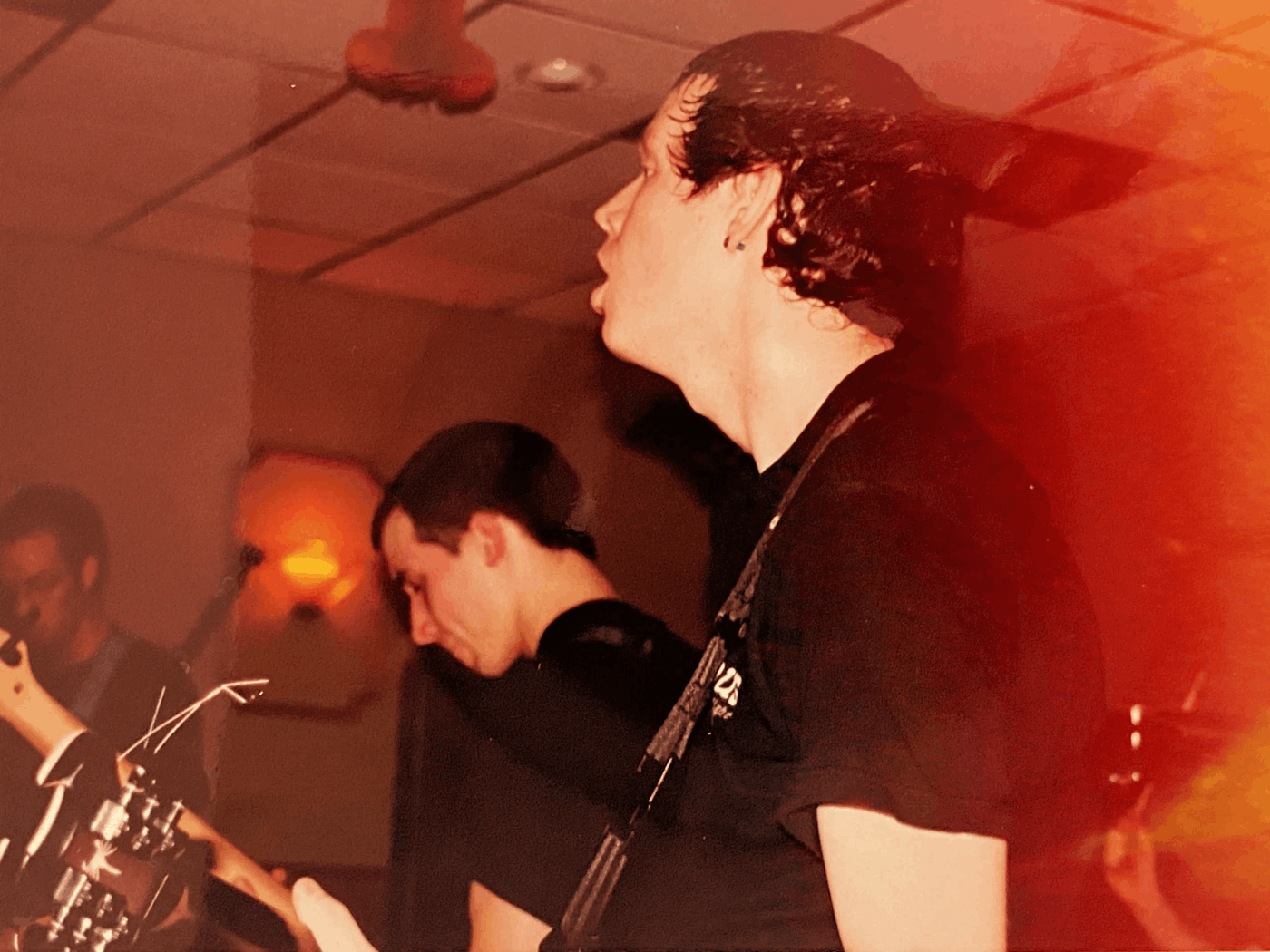
Blackburn’s choices, after the fact, were about giving the playback more lift without rewriting the history. Bass got more bite because modern headroom let it sit under the guitars instead of getting swallowed by them. Guitars stayed physical and aggressive instead of getting EQ’d into politeness.
The vocal call was the philosophical one.
“Most engineers would clean them up, align them, tighten every entrance, and make the doubles behave perfectly. But the unaligned vocals give the record panic. They make it feel like people in a room pushing themselves, not like a grid-corrected performance assembled after the fact.”
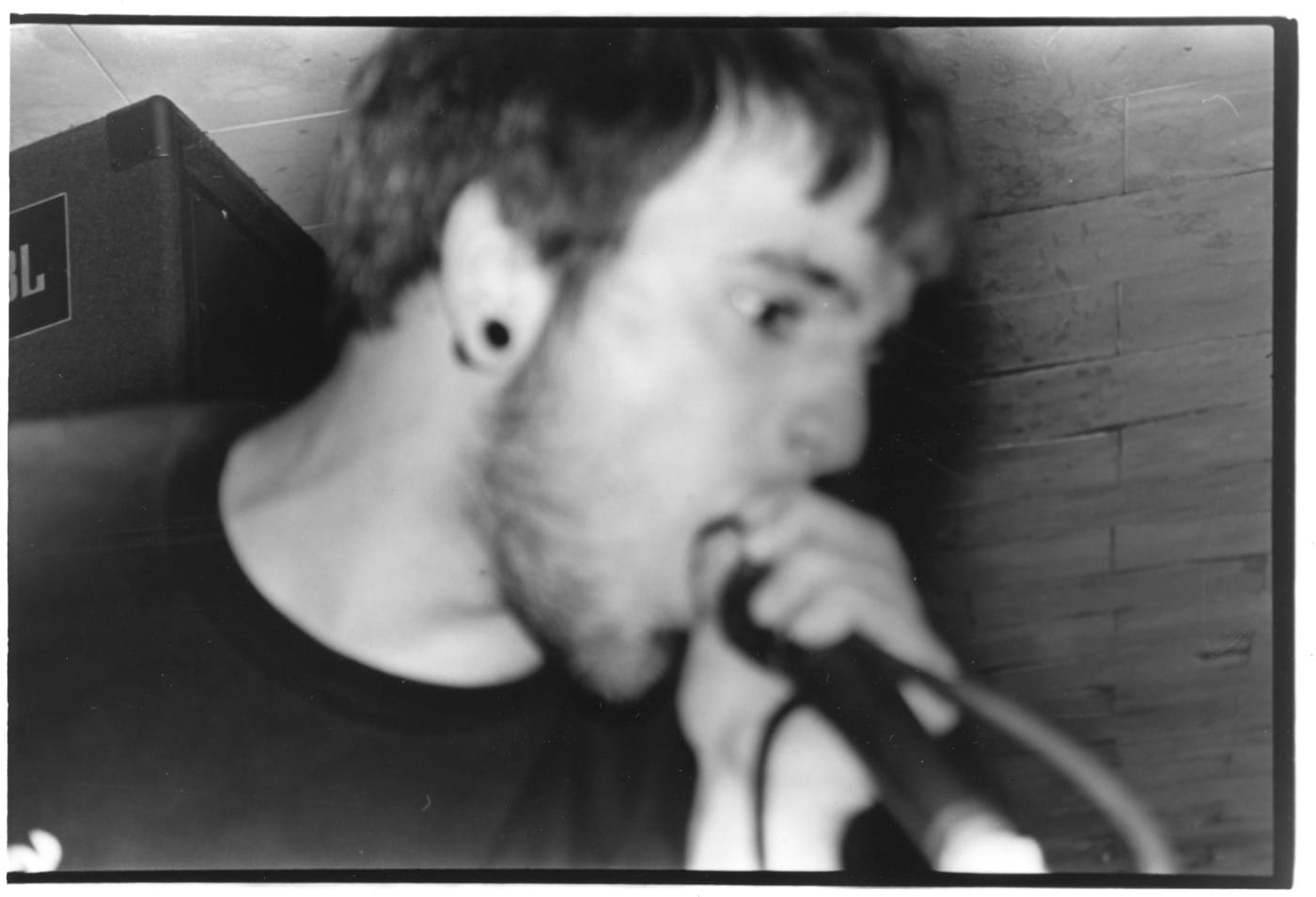
What that tension surfaces, when you listen back, is the danger that gets lost when everything lands perfectly. “If everything lands perfectly, you lose some of the danger. Go back and watch videos of shows from that time. The vocals need to feel almost desperate in their energy. They are communal and alive.”
He kept the goal narrow. Don’t modernize the demo into something it never was. Honor what’s on the tape.
“When I first heard the raw tracks, I was struck by how strong the performances and arrangements were even all these years later. A good remix of old material is not about proving how much better you can make something with modern tools. It is about showing what was hidden inside the recording the whole time.”
The result, in his own words: “It still sounds like a demo, as it should. But now it has more modern scale, more impact, and more of the soul and spirit coming through.”
Twenty-five years on
Hartman places the five songs squarely in time.
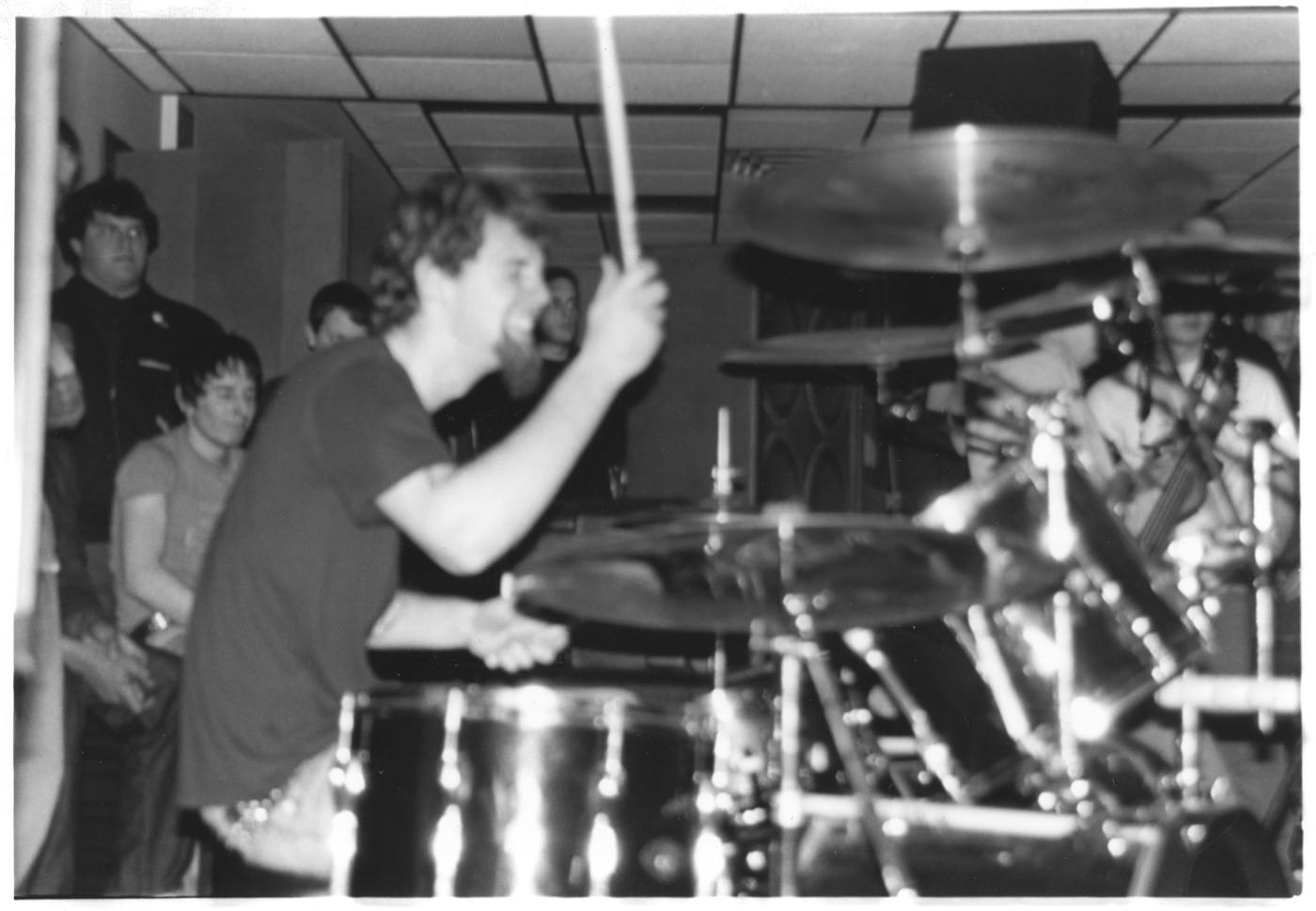
“To me these songs just represent a special time in my life. A time when it was all about the band and music. If we weren’t playing a show, we were practicing or at a show. Our friends were all in bands. This was our entire life at the time. When I hear these songs, I think of being in sweaty VFW halls with our best friends. I think of long van rides to Iowa or Minneapolis or Lima, Ohio. We were just so focused on doing this thing.”
Jakimiak puts it in two lines: “The friendships and camaraderie, and just being able to get away from home for a while. And obviously for the love of playing music.”
Dead to Fall’s 2001 demo is up on Bandcamp now and rolls out to streaming as part of the reissue. The vinyl, pressed by Tarnished Records (catalog TR010), ships this month: 300 copies across four variants.
Recording stands as it did in 2001, tracked by Mike Hasty at Cloud City Studios in Detroit. Remix and master by Dereck Blackburn at Quiethouse Recording, 2025.
🔔 IDIOTEQ is ad-free, independent, and runs on one person’s time. If you want it to stay that way: DONATE via PayPal 𝗈𝗋 SUPPORT via Patreon.
Stay connected via Newsletter · Instagram · Facebook · X (Twitter) · Threads · Bluesky · Messenger · WhatsApp.