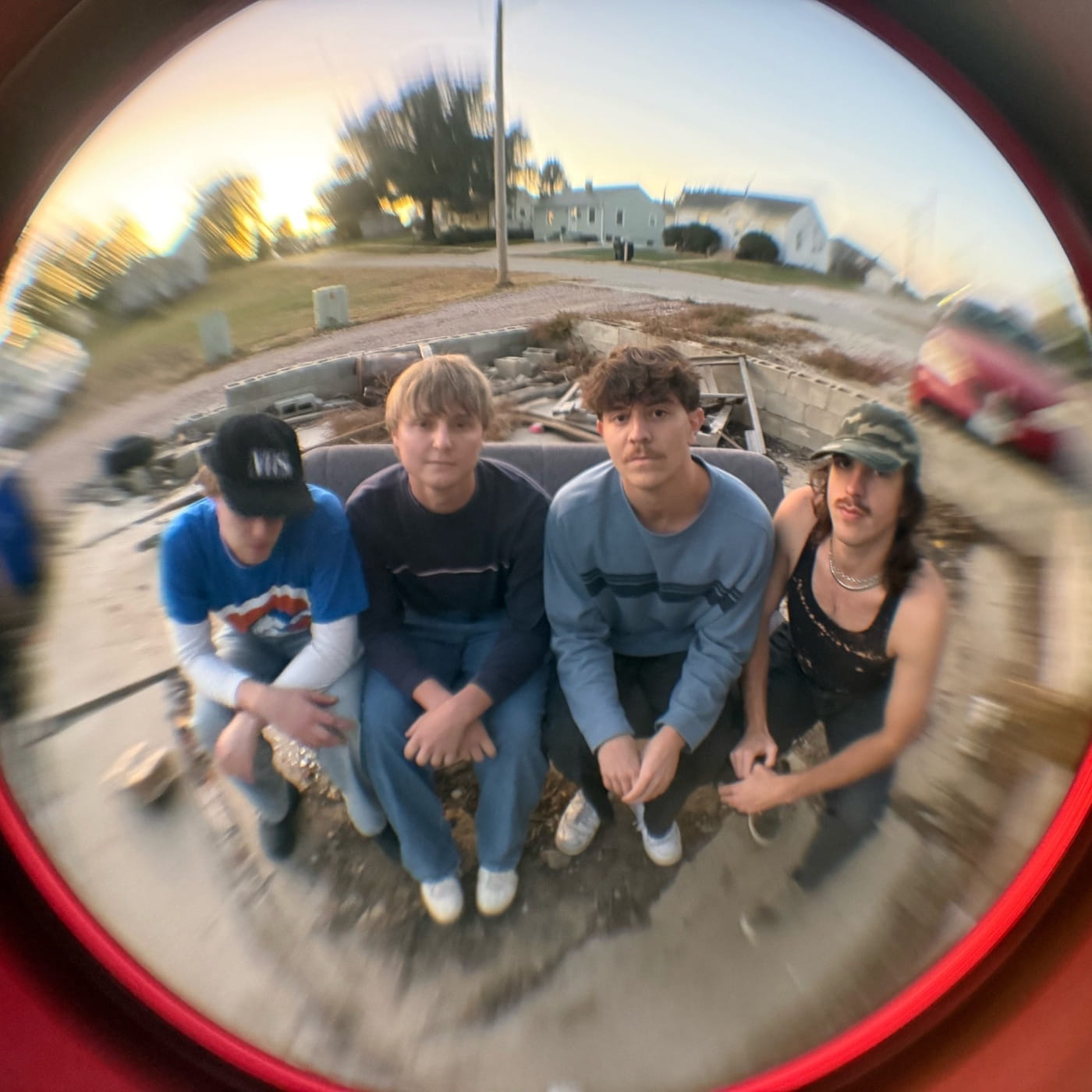


Every song March Dove have put out so far points to the same line. “Skyfalling”, “Buster Call”, “Descender”, “Jubilation”: all four point back to the title of their unannounced debut album, “I want to live”. It’s the kind of throughline you don’t catch until the band tells you. With March Dove, the Polish grungegaze quartet led by married couple Helena and Mateusz, that’s the entire point.
The concept started before the pandemic. Helena and Mateusz had been engaged when they first floated the idea of their own band, and the plan ripened through lockdown before turning into something real after COVID.
The shoegaze-grunge angle came out of a search for common ground. “Helena and I were looking for something that would interest both of us together, and we landed on the contrast between heavy playing, delicate vocals and the spacious lightness of reverbs,” Mateusz says.

The members of March Dove have already spent time on the local Polish scene in other projects, including Dog Whistle, Kwiatostan, Lukier and LUSTRA.
Jeremiasz Górny came in on drums. A first guitarist eventually left because he wasn’t feeling the heavier riffs, and the three of them were settling into being a trio when Marcin Kornacki entered the picture through a music group connected to Undertone. He was actually looking for a bassist for his own project. Helena flipped it: instead of her joining, why not come play second guitar in March Dove. One rehearsal in, they knew.
The reference points behind the sound aren’t the obvious ones. Mateusz cites two bands as the moment things clicked. The American group bosses got them with what he describes as “ephemeral reverbs, flowing vocals and a guitar ‘beating'”, a meeting point between shoegaze’s charm and grunge’s heaviness.
He was on a grunge revival kick at the time. Helena had always had a soft spot for dreampop. “We met in the middle of the road.” The other anchor is Japanese: My Dead Girlfriend. Mateusz is a Japanologist by training and was specifically hunting shoegaze from that part of the world. T
he covers caught him first. He put on the album “hades” and that was it. The duet-vocal approach March Dove run with comes from there, with one inversion. “Our songs carry a bit more hope, because their music is cheerful and the lyrics are dark. With us it’s the other way round.”
The writing process is split by parenthood. Helena and Mateusz both have separate closed-door sessions, mainly because whichever one isn’t writing has to be with the kids. Evenings get pulled together: they sit down and show each other what came out of the day. Friction shows up around method.
“Helena is much more of a direct writer. I like metaphors and I think the more interesting art is the kind that allows for interpretation.” They reconcile in practice. One upcoming track, “100xStronger”, got built jointly, and Mateusz reckons their two approaches landed in one coherent piece for once. The title comes from a scene in One Piece, which he names as one of the pop-cultural works that has shaped him most. “Buster Call” is another One Piece reference, a nod for fans of the manga buried in plain sight.
The four songs map four moments in the same arc. “Skyfalling” is the polemic with the self, the road toward accepting one’s Jungian shadow: the part that looks antagonistic but turns out to be a precondition for being at peace.

“Buster Call” is the pushback against people who try to mould you into their version of you when all you want is to live on your own terms, what Mateusz calls “a cry for resilience.”
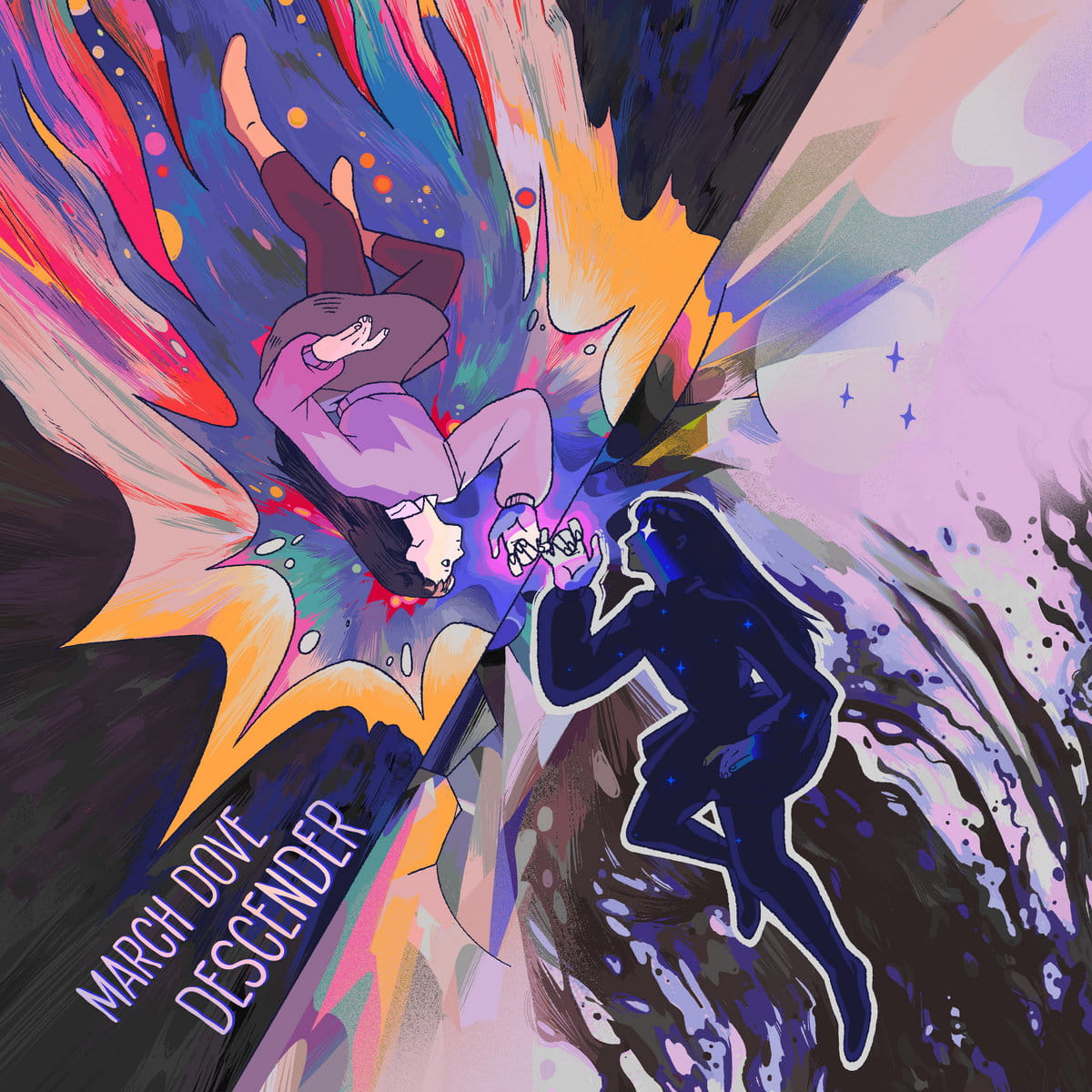
“Descender” is the recovery point where the inside of yourself stops being a monster you assumed was there and starts being something that lets you actually live in full.
“Jubilation“, the most recent single, closes the album as a kind of careful joy at the road behind, with a small curiosity about what’s ahead. Mateusz puts it plainly: “From my perspective, what’s coming out is somewhat autotherapeutic.”
The singles out so far are streaming on Bandcamp, Spotify, Apple Music and Deezer. The album they’re orbiting was supposed to be out by the end of last year. Then the band’s second daughter arrived and the plan moved. There’s no firm window beyond a hope to land “I want to live” in 2026. They still need to find time for at least one more studio session. They’re completely DIY, no label of any kind, indie or otherwise, and promotion depends on how much life leaves room for emails and social posts. The algorithmic reality means at least one more single is likely before the full record drops, though Mateusz says he’d personally rather put everything out in one go as a thought-out album telling a coherent story.
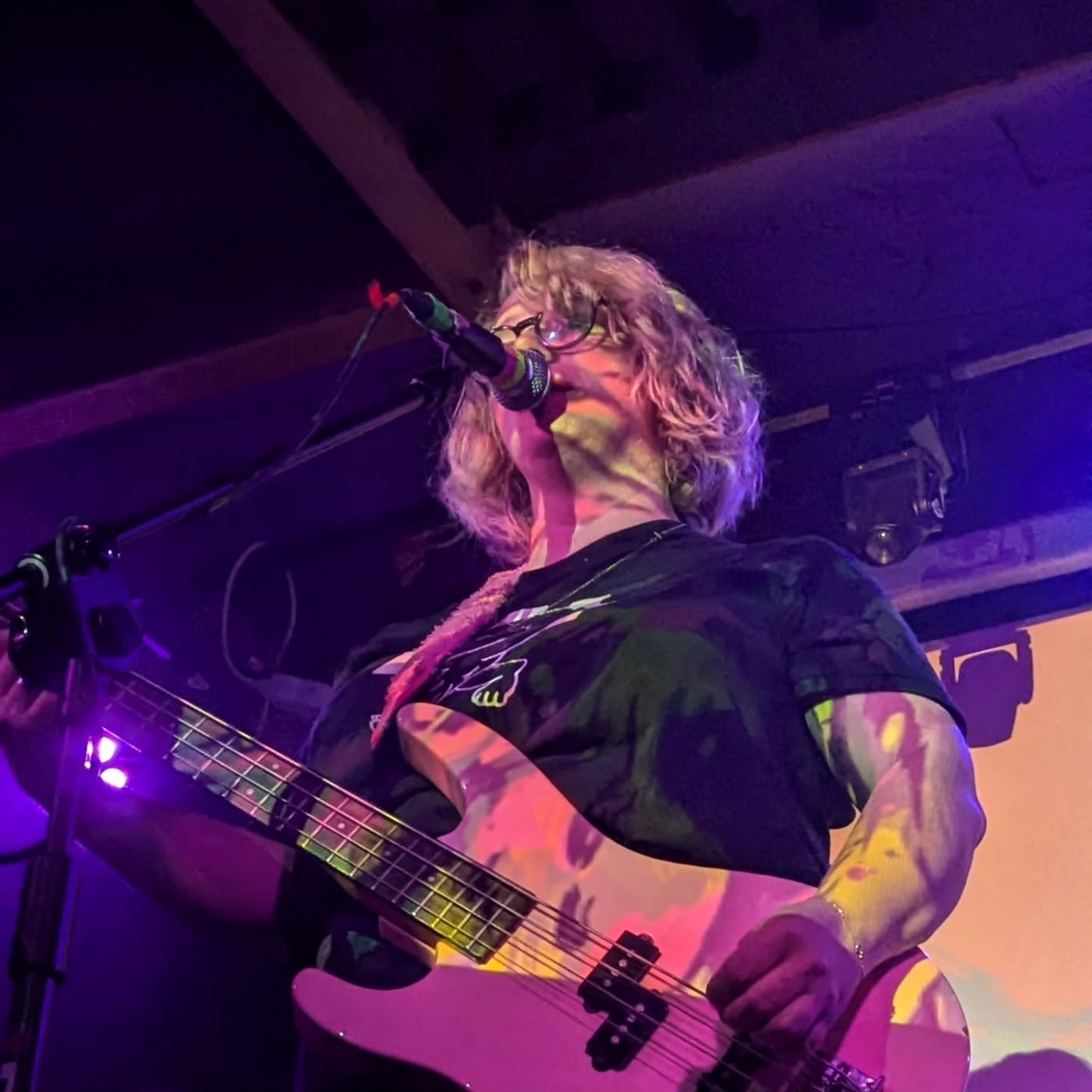
Inside the band, each person has their role. “Helena is brilliant at coming up with vocal lines. Marcin pulls solos that knock me out of my shoes. Jeremiasz keeps annoying me by overcomplicating things on drums, and I usually stick to the rule that simpler equals better, but in the end his grooves give our songs a really nice flavour.”
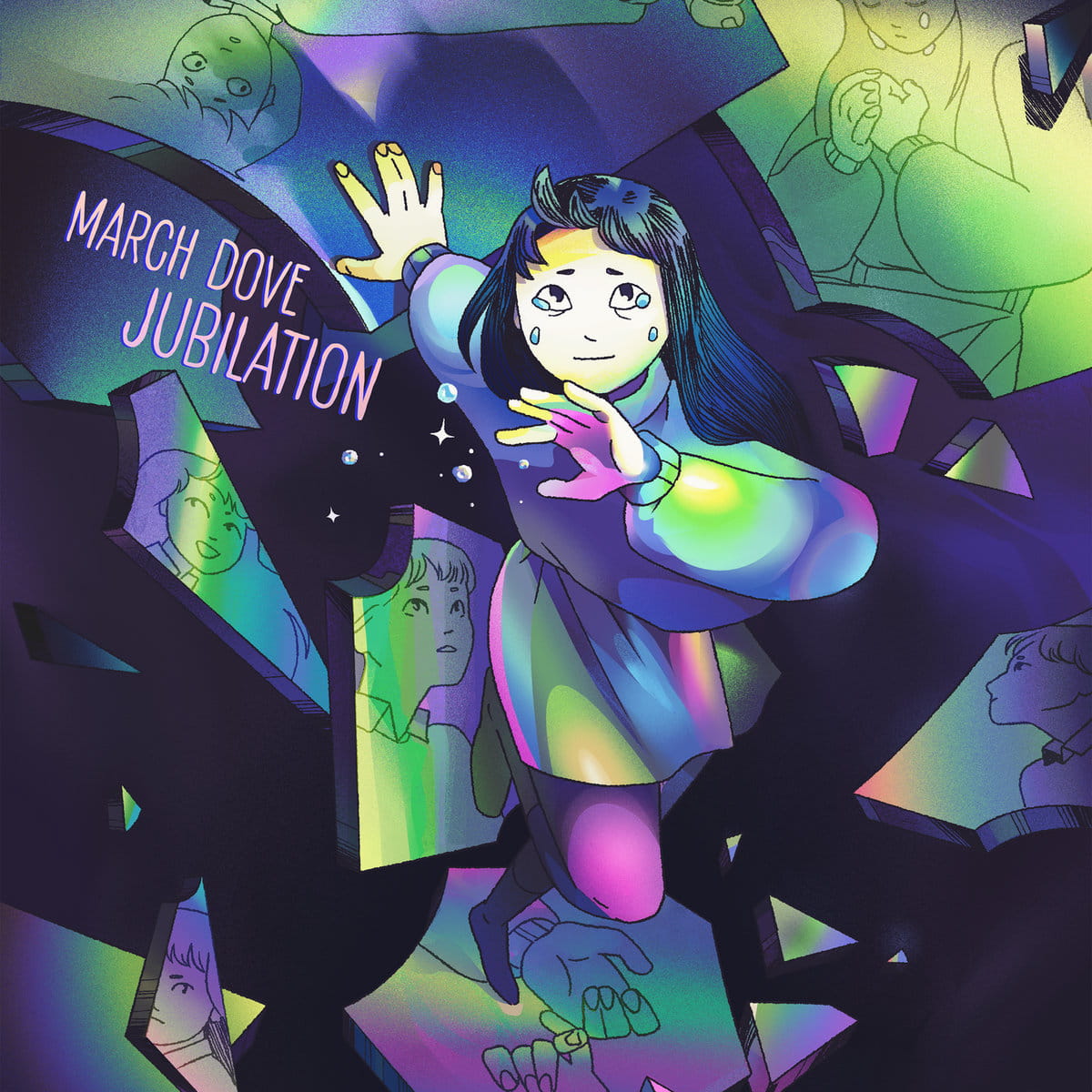
The visual side runs through Mateusz’s other job. He works in gamedev, and Ada Konieczny, who posts as @adakoart, is an artist he previously worked with on the video game Floodland. When March Dove had their debut single ready, he reached out.
Her usual style sits a little outside what the band had in their heads. The brief was hand-drawn covers in something close to the ascetic look of the game OMORI. Ada took the project on, stepped a bit beyond her usual zone, and three single covers in, the system works. “Generally I try not to interfere with her work. I give her the song or songs, the lyrics, I tell her what the idea behind the track is, and she does her magic.” Band photos come from Anna Sokołowska.
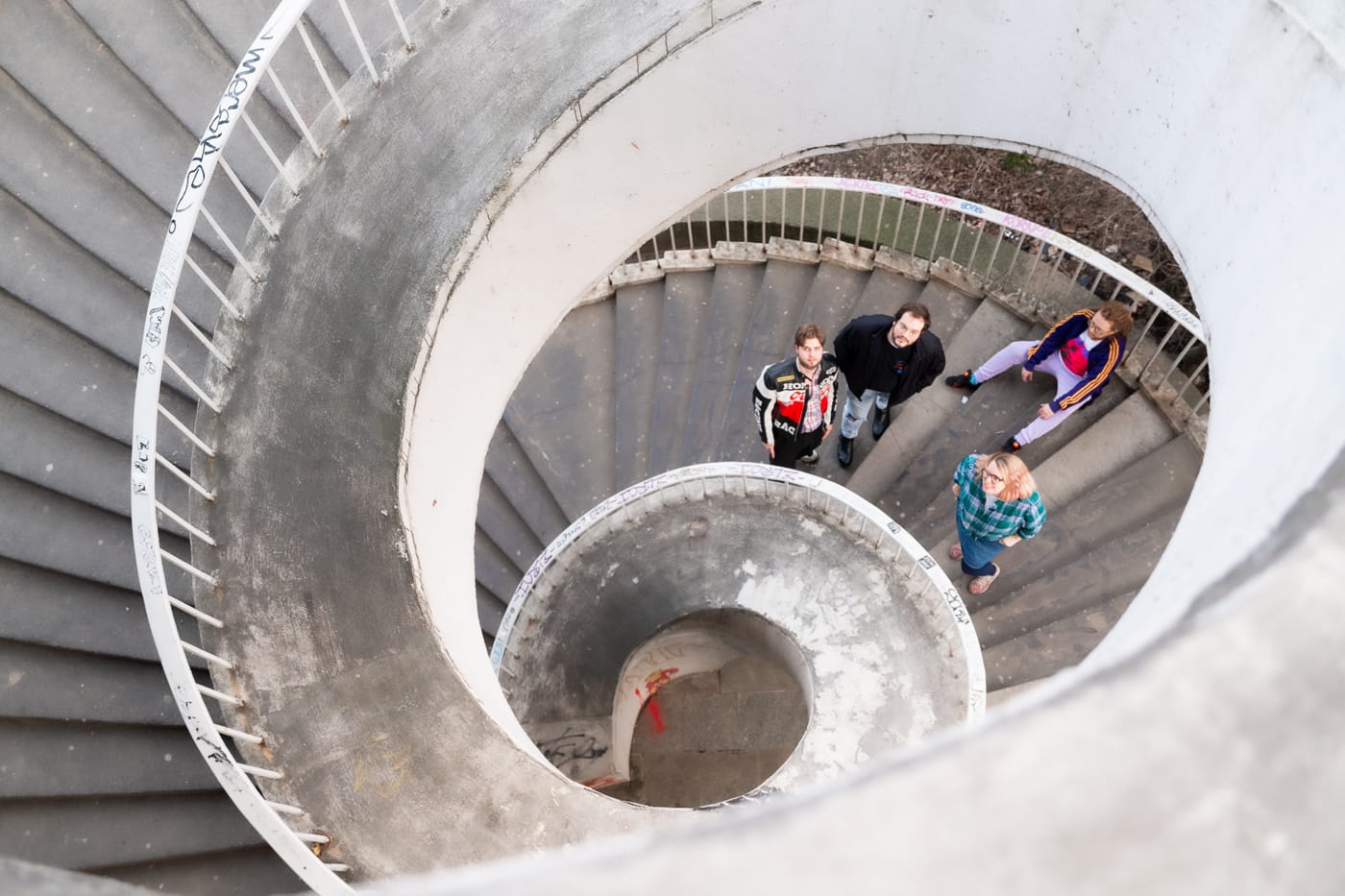
The live side is harder to plan. The band would like a small tour around the album release plus a handful of Polish dates this year, but availability is dictated by the youngest.
Beyond logistics, Mateusz is candid about the wider scene. “The biggest problem with playing now is the scene climate. To get noticed for a support slot you basically need to already have some big success, ideally a viral hit. And playing your own shows gets expensive, because unlike years ago, clubs now expect bands to cover the sound and pay for the chance to play. Tough situation.” Nothing locked in. A few conversations open. The youngest is finally letting them think about getting back on stage.
For now there’s the album to finish, one or two more singles to keep the algorithm interested, and the small project of getting “I want to live” out the door in some form. From a band whose released songs each answer some version of the title’s request, that’s a fitting next move.
🔔 IDIOTEQ is ad-free, independent, and runs on one person’s time. If you want it to stay that way: DONATE via PayPal 𝗈𝗋 SUPPORT via Patreon.
Stay connected via Newsletter · Instagram · Facebook · X (Twitter) · Threads · Bluesky · Messenger · WhatsApp.