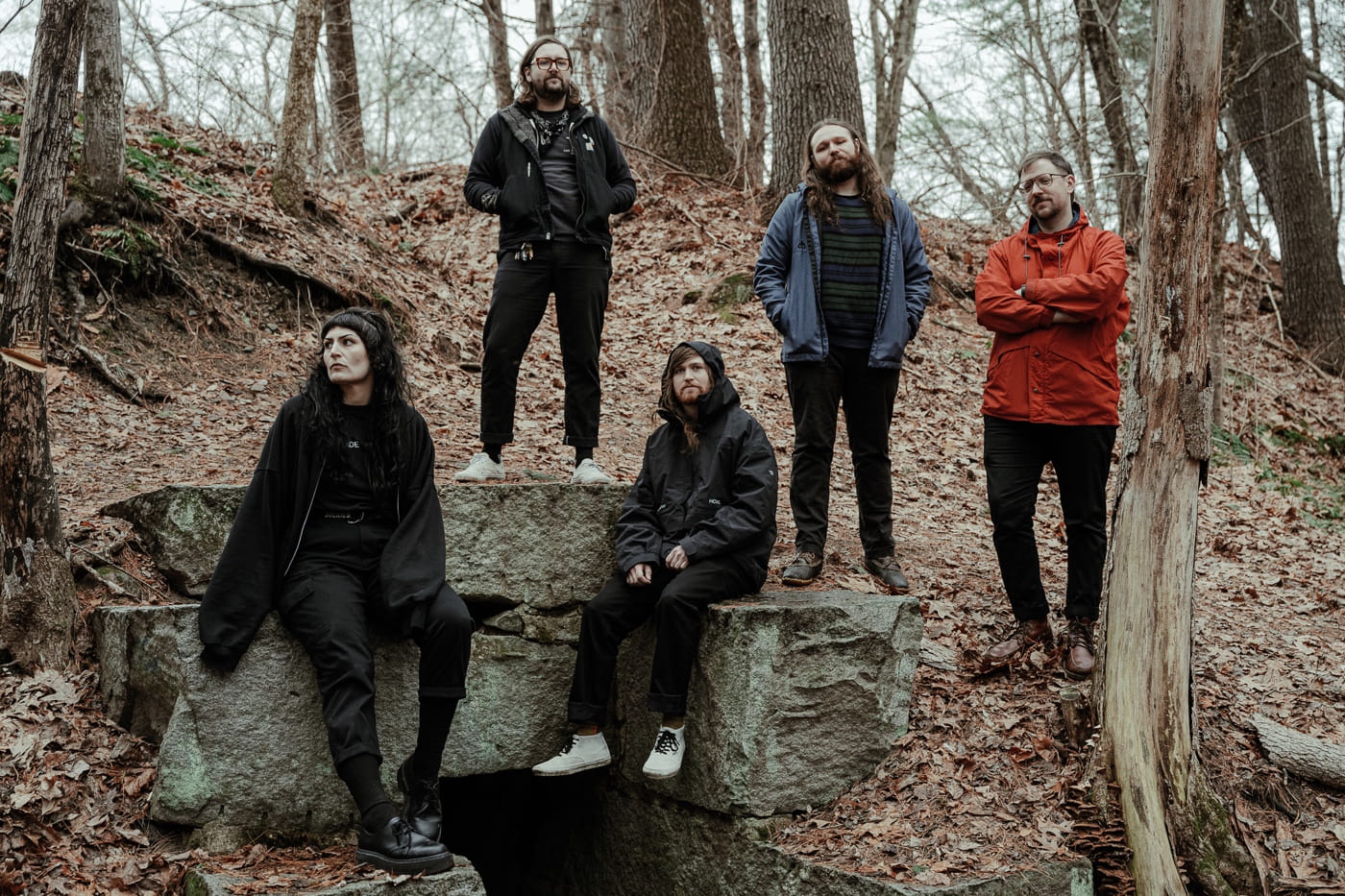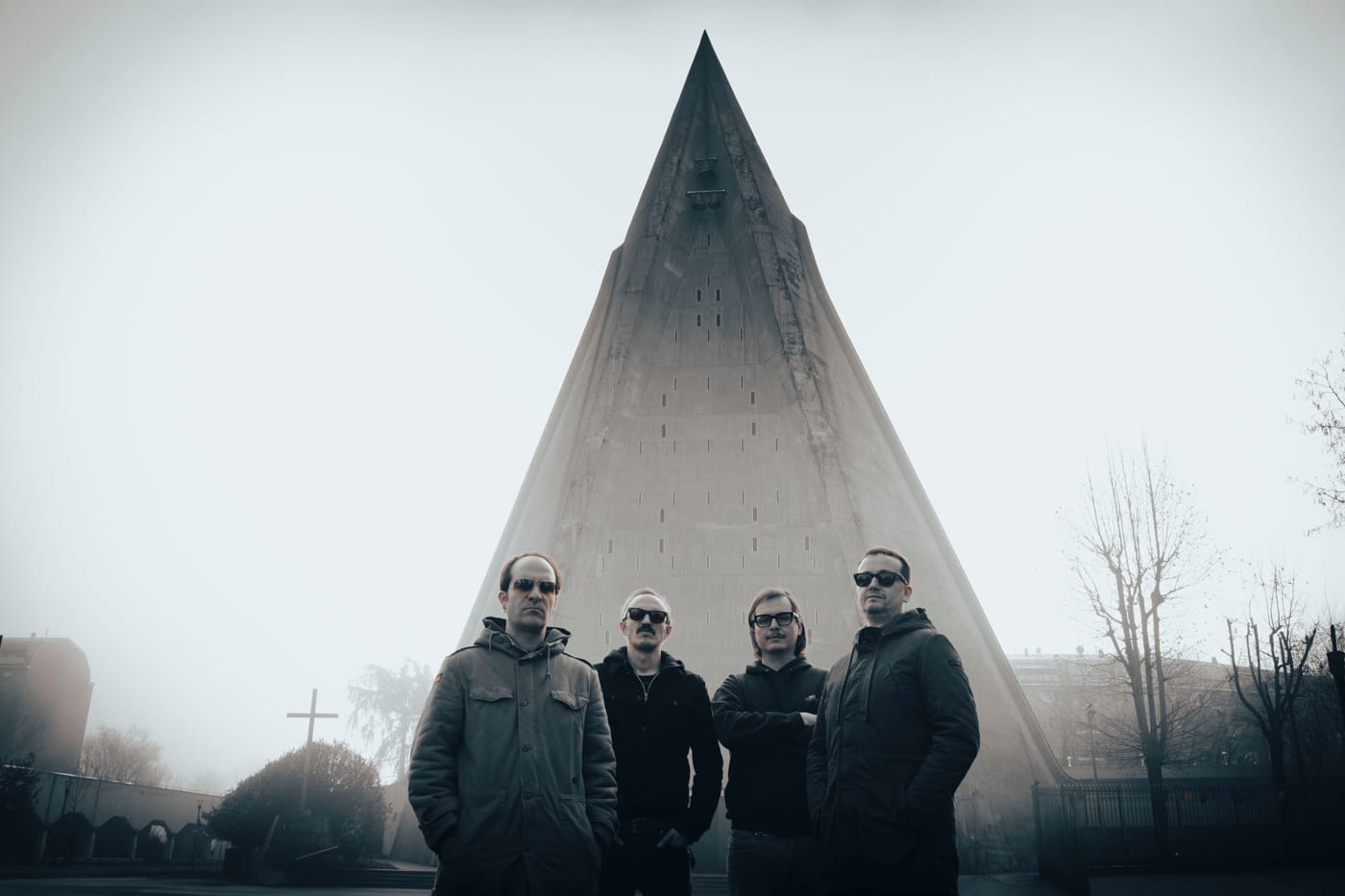


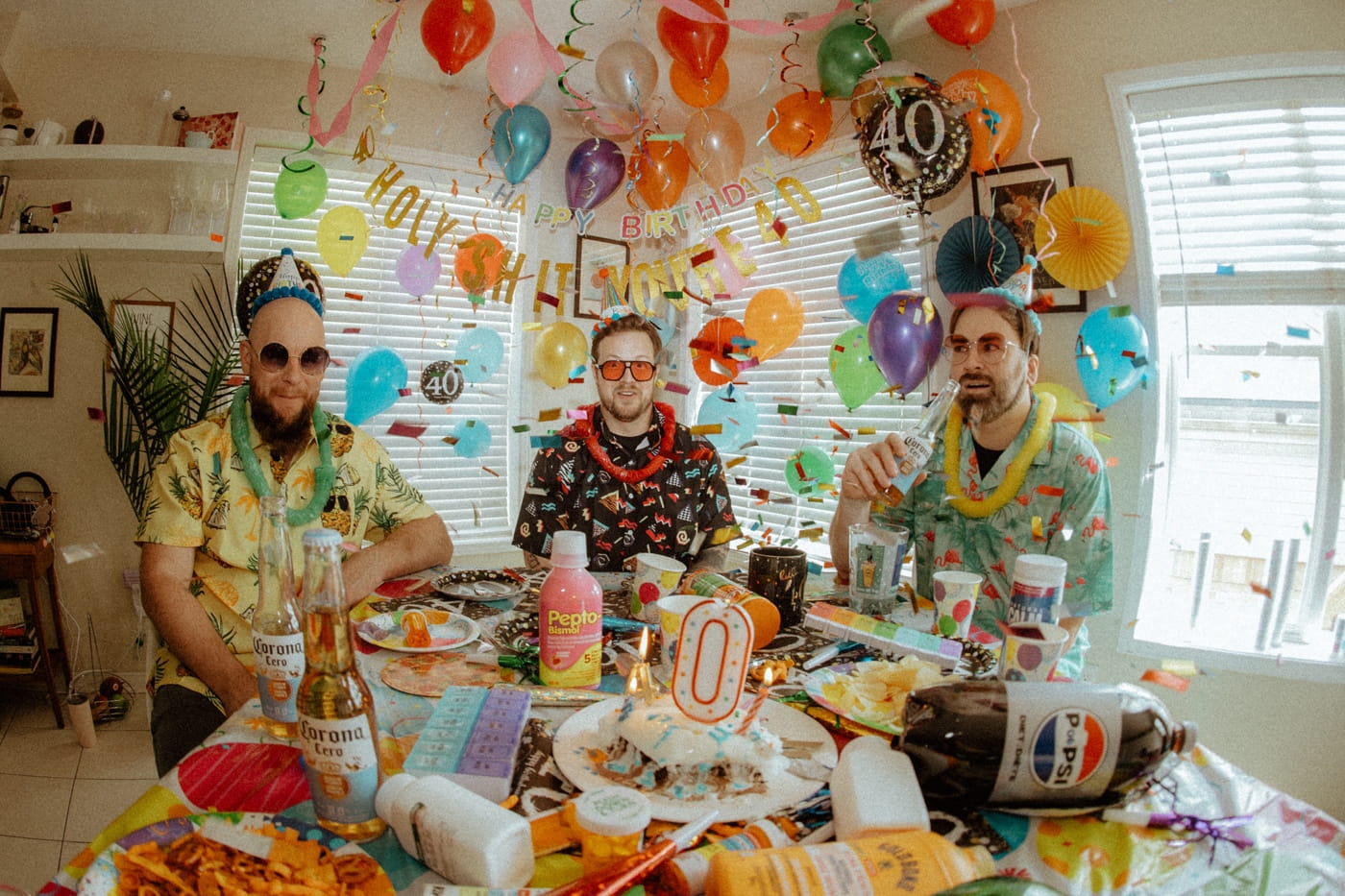
Night shifts in a hotel in Norway, cheap headphones, “Kezia” going round somewhere between two and five in the morning. That is where PROTEST THE HERO got me. I never really stopped listening.
Those records moved like adventures. The structures would not sit still for more than eight bars, yet the energy never leaked out of them. It kept building. Twisted riffs stacked into arrangements that had clearly been worked out to the second, then a sung chorus would turn up and stay in my head for months. Years later, it was a small joy to see their music appear on cassette through Zegema Beach Records, a label we have long been friendly with.
So publishing this interview now means a little more to me than usual.
I started with the obvious question. More than twenty years into their career, what does this band do to a listener that other progressive bands do not?
“I’m glad this is something that draws you to the band. To be honest, we have always written music for ourselves (selfishly) and don’t really talk too much about our intentions, we just let the music speak for ourselves,” Tim MacMillar said.
His answer also explains a lot about how PROTEST THE HERO ended up sounding like PROTEST THE HERO.
“What I think may be a big difference between Protest The Hero and other prog bands is that we came to our sound firstly through punk, then metal and progressive metal came to after we had finished Kezia. We were getting our thrashy metal second hand from bands like Propagandhi and Strung Out but we’ve incorporated the speed of punk into a lot of our songs. That and then our collective wide variety of musical taste that we wanted to fuse together. A lot more in the earlier albums like Kezia and Fortress.”
That order matters. PROTEST THE HERO were not a prog band who learned to move fast. They were a group of kids from Whitby, Ontario, who started in 1999 as Happy Go Lucky at around twelve years old. They played NOFX covers and wrote about war, homophobia, pollution and social passivity before they could drive.
“A Calculated Use of Sound” was recorded for roughly $500 when they were fifteen and sixteen. The video for “These Colours Don’t Run” got them onto MuchMusic. The technical metal came later, arriving so fully formed on “Kezia” and “Fortress” that many listeners met the band backwards. They heard the prog first and never noticed the skate punk underneath it.
“Fortress” went gold in Canada. Along the way, the band picked up a Revolver Golden Gods award, multiple Canadian Independent Music Awards, five Juno nominations and one win.
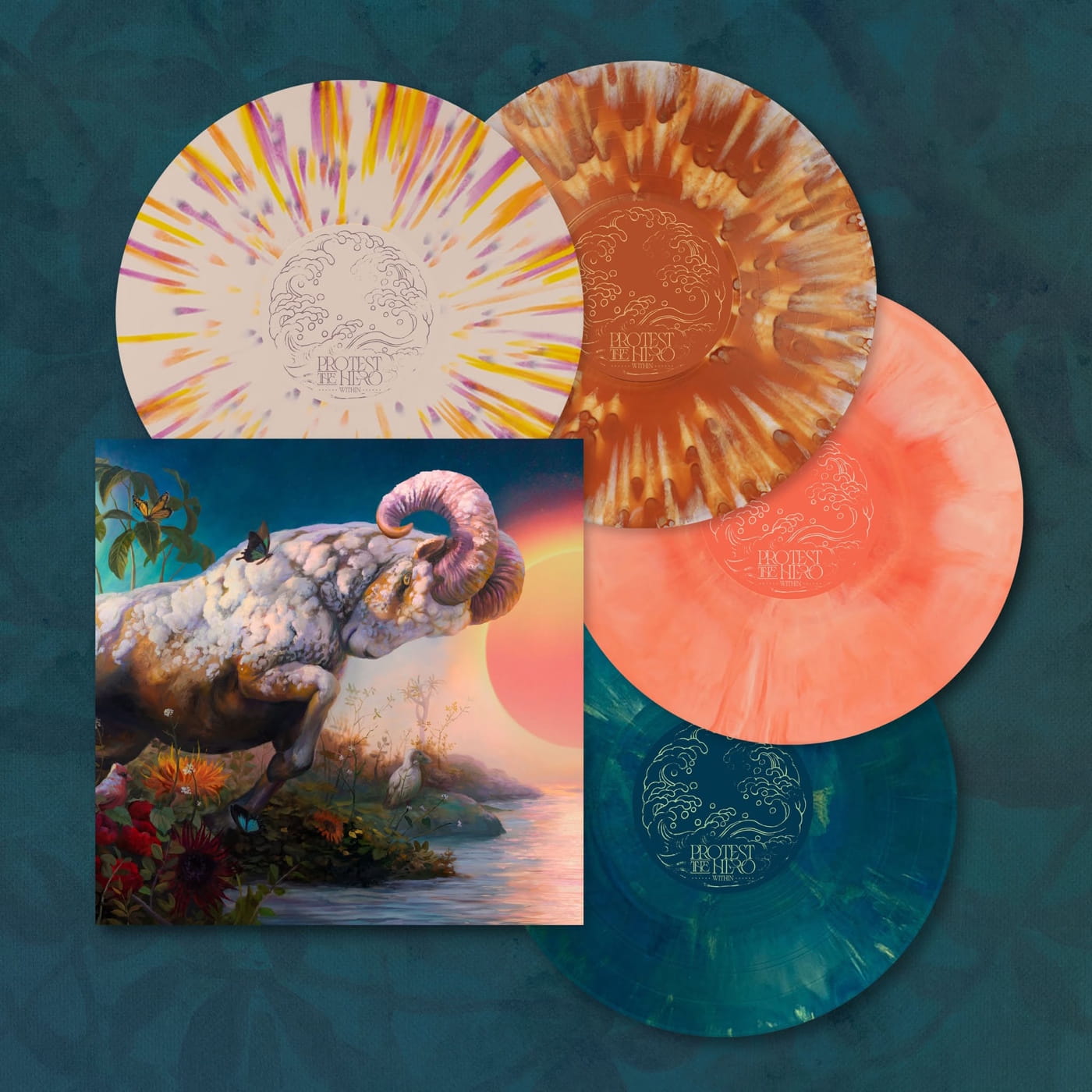
“Within” came out on 17 July 2026, six years after “Palimpsest”. It contains eight tracks and runs for around thirty-five minutes. The gap was not a crisis. It was children, jobs, and a band that now works in two halves.
They had the basic shape of the record in mind before the writing really started.
“Early on, we knew we wanted a ‘two full songs + orchestral interlude’ formula for this album,” Luke Hoskin said. “The interlude pieces started as our compositions, but Will took them to a new level, adding in loads of his own brilliance. They serve to cleanse the palate and balance the record. There are actually three: Will also performed the album’s final moments, closing out ‘The Mariner.’ The orchestral themes matter to the album as a whole, now and also for the future.”
Will is William Lamoureux, who has worked with Nelly Furtado. His two credited interludes appear on the tracklist as “i. above” and “ii. below”, dividing the eight tracks into three movements. They point directly to the Hermetic line behind the album: as above, so below; as within, so without; as the universe, so the soul.
The third interlude is not listed. It is simply the last thing you hear.
Most of the writing came from two people.
“The main songwriters for Within were Luke (Hoskin) and Milen (Petzelt Sorace) who has been a long time friend and seasoned composer we’ve been working with,” Tim said. “A lot of those progression and melodic ideas would come from the appreciation of the music in films. Depending on the ‘motif’ that’s established in a song, there are many ways to bring it back or change it. This kind of songwriting is more apparent on Within.”
I had asked about the odd combination of influences the band mentioned for this record: film scores, musical theatre and Propagandhi.
“Haha now that you put it that way that does seem like an interesting combo,” Tim said.
The musical theatre part was the easiest to trace.
“The musical theatre influence comes from Rody vocally. He is a very theatrical singer and Les Miserables (and Colm Wilkonson) are a big influence to him. His lyrics are telling a story so it gives it room to sing this way. I will say, I’ve been listening to more musical soundtracks lately and some of that stuff is super proggy and genre bending.”
That gets pretty close to what Rody Walker does over these arrangements. He is not simply a metal singer with a wide range. He is a stage singer dropped into a band playing at hardcore tempos, holding a melody while everything underneath him keeps folding in on itself.
On “Grandfather’s Axe”, he stops singing and starts shouting instructions at his own band: “So give me that fucking beat, you asshole / Make it fast and desperate.” Then the melody returns as if nothing happened.
The lyrics on “Within” are the most direct Rody has written. “Mouthpiece” opens the record by refusing to pick a side and lands on the line, “Anything that divides us should burn.”
Then “Fishhook” immediately catches the narrator doing the exact thing he has just condemned, painting an old neighbour with strokes as broad as the neighbour’s own:
“I’m painting him with thicker strokes / Just as broad as his / He’s still a dick / Yeah, but so am I.”
I asked whether placing those songs together was deliberate or a coincidence.
“It is and isn’t intentional,” Rody said. “It’s the complexity of the human condition. One speaks of my desire to remove myself from the argument all together, the other speaks of ways I keep getting sucked back in by victims of the system I reject. They are an interesting pairing, they’re a little contradictory, though not a true binary, and the nuance is sorta the point!”
Pete turns up in “Fishhook” with a shovel and ends up becoming the centre of the song. He is a real person.
“Pete was Rody’s former neighbour,” Tim said. “In the winter in Canada, the plows come by and clean the streets, but they make a pile of snow at the bottom of the driveway. This means you are blocked in, until you dig out. Pete was the type of neighbour that would help people dig out.”
At the end of the song, Rody looks ahead at the person he might become, hoping he does not grow old and jaded: “Acting like a dick because I can’t admit that I am frightened.”
Tim read it as Rody wondering where he might end up in the future. Rody wanted to add something to that.
“That final line is about breaking the cycle. Every generation seems to hate the generation that comes after them. It’s probably just envying youth. If anything we should hate all the generations that came before us because they (we) created this fuckin tire fire and aren’t doing anything to put it out. As I grow older I want to do everything I can for future generations to have a liveable planet, affordable homes and food. This is what Peter represents. Growing old without growing bitter.”
“The Orchard” takes that thought and spreads it across the whole town. It begins with scraped knees and climbing trees, then ends with ivy on rooftops, moss over bone and plastics as the only thing left behind.
“This song is about the town the original 5 band members grew up in,” Tim said. “It was a farm town many years before we were there and was an apple orchard. How I interpret these lyrics is that when returning back it’s very familiar but you also feel a little lost.”
“Grandfather’s Axe” asks a similar question about the band itself. The Ship of Theseus is right there in the title. New blood, old veins.
The lineup that made “Kezia” is gone. Moe Carlson left during the writing of “Volition” in 2013. Arif Mirabdolbaghi later stepped away from touring and had left entirely by 2014. On “Within”, Luke Hoskin, Cameron McLellan and Nathan Bulla played on the record but do not perform at the shows.
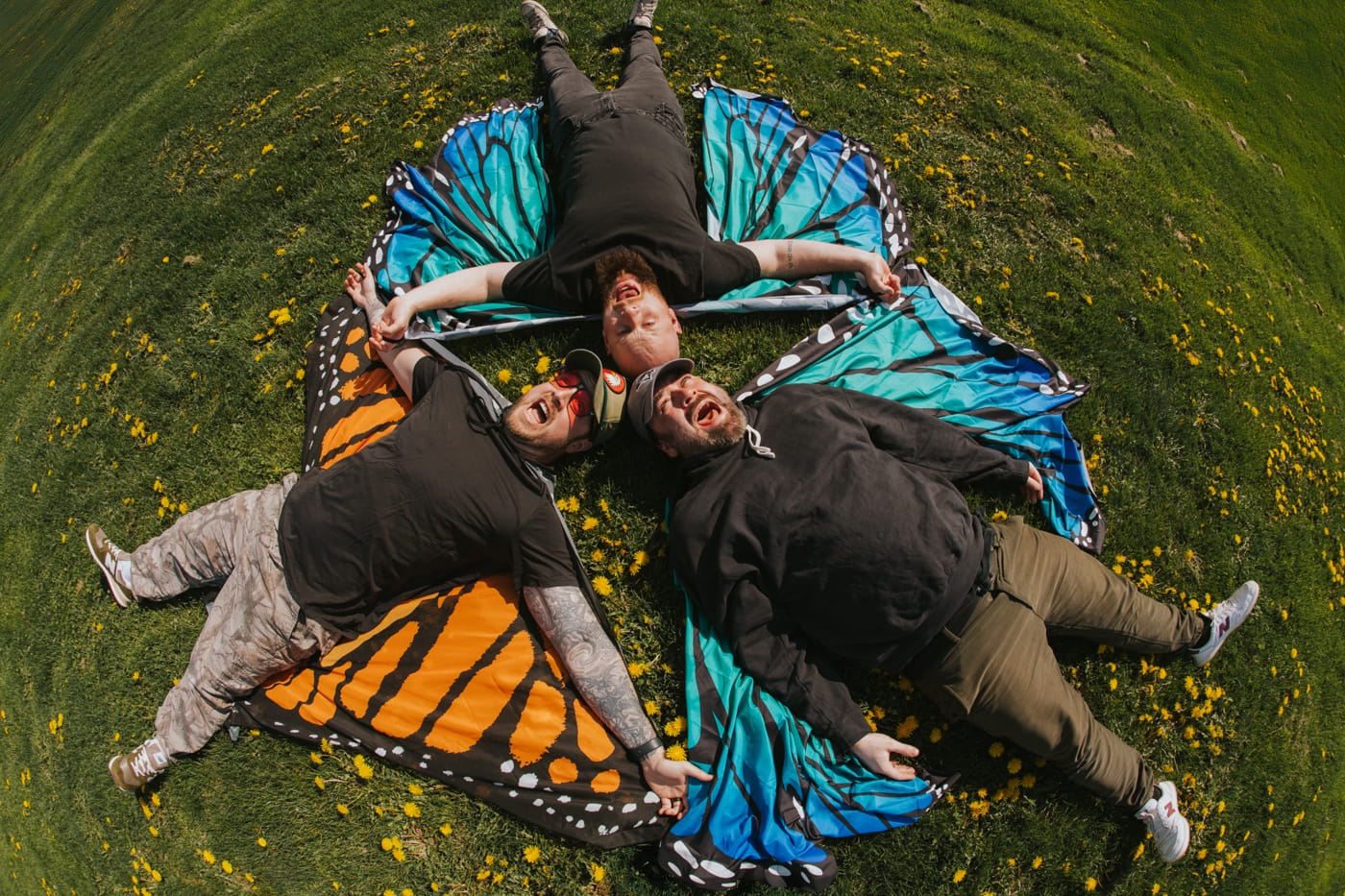
“Bands evolve and over the year there have been so many people involved in keeping this ship moving along,” Tim said. “More recently with the state of the band and moving into the creation of Within, we have to divide and conquer. It seems at this moment there are two ‘branches’ of the band: recording and touring. And since we all have other commitments in our lives, we are splitting responsibilities. Luke, is heading up the recording side and for this record was making the majority decisions on how it should and the logistics. I’m overseeing the touring operations and helping map out a plan to keep us on the road and be strategic about where we are going, when and with whom. Rody is the bridge and involved in both sides. This is working out for now and as Grandfather’s Axe discusses this will continue to morph and change as we move along but we have been happy with the end result.”
Live, Ben Davis plays guitar, Henry Selva plays bass and Matt Kidby plays drums.
“Liberty Spike” is the hardest song on the record, and Rody answered plainly when I asked about it.
“This song was written for my very first friend. He unfortunately passed away, and I wanted to write him something that both expressed my grief and honored his memory. It speaks of childhood sleep overs, and teenagers buying huge punk T-shirts in the mall. It speaks of growing older and drifting apart. It speaks of my anger, confusion, and overwhelming sadness at his loss. Grief is complicated.”
The mall T-shirt is the detail that lands hardest: “A chain that hangs down past your knee / And one around your neck / An XL kiosk tee / Probably NOFX.”
Then the memory of childhood sleepovers becomes the thing the song keeps returning to: “I fell asleep first / When I woke up you were sleeping / I didn’t want to wake you up / What did you dream of?”
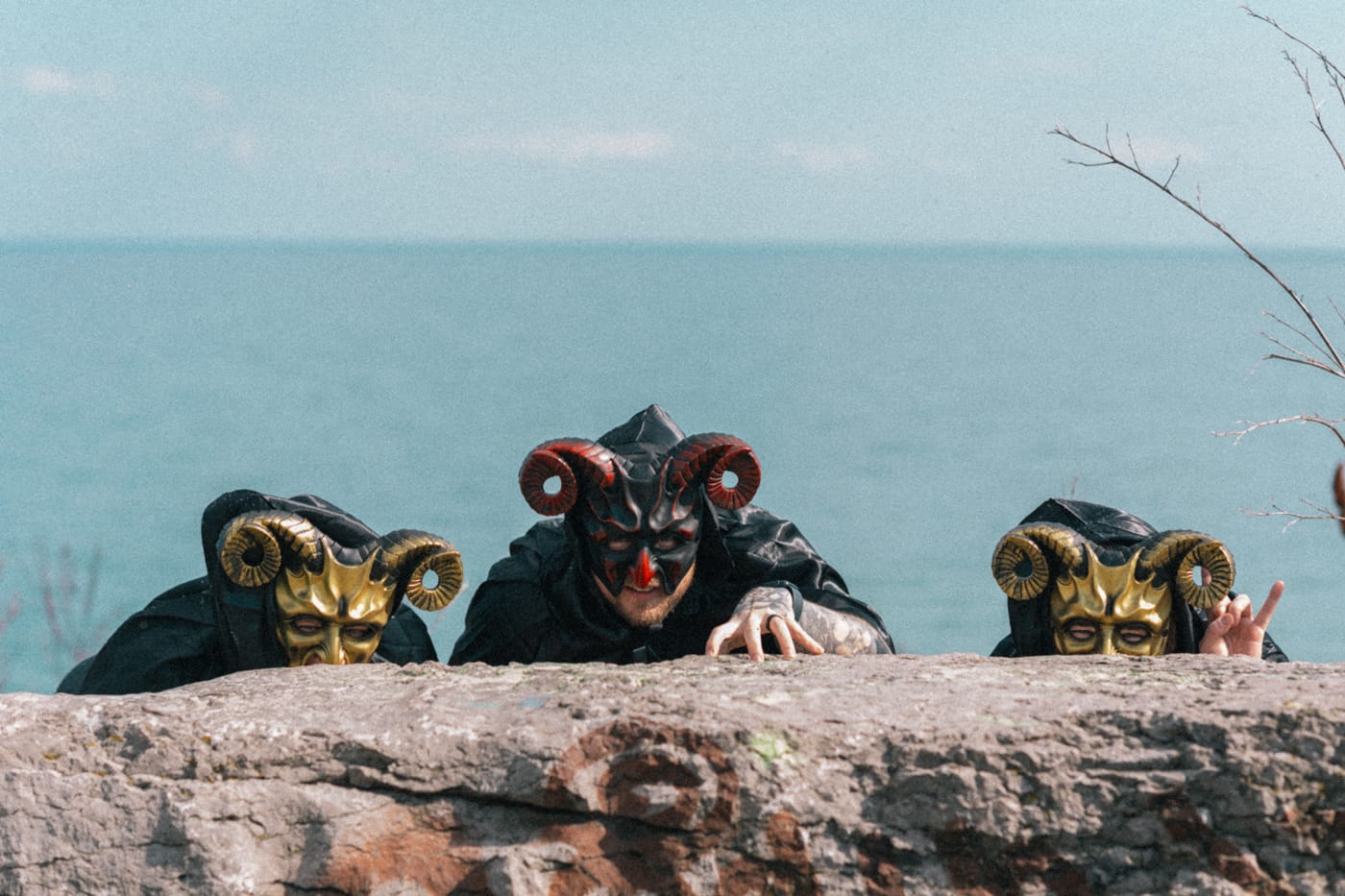
Then comes “The Mariner”, which pulls three different threads into one song. It opens in a backroom while Choke are playing. This happened in a specific room on a specific night: Toronto, Danforth Music Hall, Rody’s voice gone.
“Choke were playing before us and our set was approaching quickly while Rody was feeling like he wouldn’t be able to sing the set,” Tim said. “I remember we were trying to think of the best way to navigate this situation and landed on that we’d all go out there and see how it went and if he couldn’t do it, we’d carry on instrumentally. We were opening with ‘The Migrant Mother’ so he is referencing lyrics from that song.”
The line he cannot get out in the song, “My sisters and brothers they hated so bad”, comes from Propagandhi‘s “Anti-Manifesto” by way of the “Palimpsest” track “The Migrant Mother.” It is one of the band’s foundational influences stuck in his throat.
“What happened when Rody couldn’t perform, the audience ended up singing along to the set and a lot louder than they normally would,” Tim said. “It was this amazing experience in the sense that instead of being pissed off that they weren’t getting the show they thought, they filled in what was missing and were more a part of the show, than spectators.”
That is the moment when the song stops being only about Rody losing his voice:
“A golden tide of voices / Pulled me from the depths / It raised me to the surface / And it filled my lungs with breath.”
The song ends with the Ancient Mariner image, the dead bird tied around the neck and worn until its ugliness stops looking ugly.
Rody spent roughly two years after losing his voice in 2018 working with singing teachers, changing his technique and seriously considering leaving music. In the meantime, he qualified as a bartender.
Putting those experiences directly into the songs, rather than discussing them only in interviews, marked a change in his writing.
“For Within, Rody decided to write lyrics that were much more personal than in the past,” Tim said. “This event, and others where he has had voice issues, must be a huge stressor and frustration. There seems to be a lot of emotions around this and as you mentioned he’s talked about it in the press so it doesn’t seem like a topic he wouldn’t write about.”
The record also gave the band something else back: control.
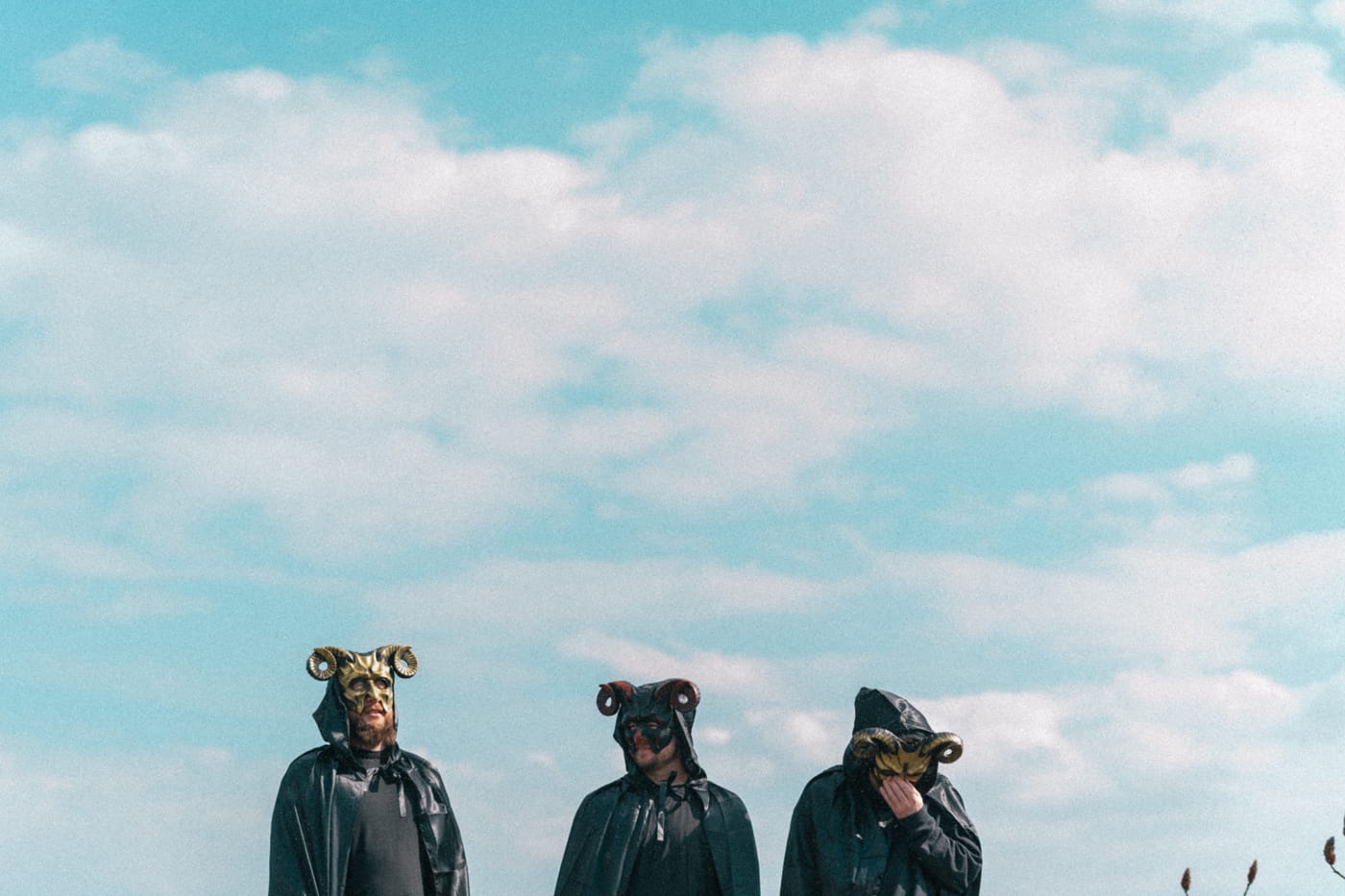
“Within” is the first release in the PROTEST THE HERO catalogue that the band fully own. Tim had already put the problem bluntly in the album’s press quote. At certain points, they could not even access or manage their own work.
I asked what owning the new album actually changes from day to day.
“We’ve had a taste of independence since Pacific Myth so for Within, we have totally cleared the album for the world,” Tim said. “Don’t get me wrong, we still have partnerships with music companies but in a sense that we have control. We are distributing our record with Symphonic Distribution and that means we can get it everywhere and still own the master rights and are not locked into anything long term. We are looking at Protest The Hero Inc. as the label that releases Protest The Hero music. We are hoping to build a small team around us that will do the label services on our terms and not in a sense that we felt was out of our control. With Symphonic we can do royalty splits at the source so we have elected to pay the individual members at the source as well as any outside parties. This means there is less delay and accounting and everyone gets paid at the same time.”
That control came with a serious bill.
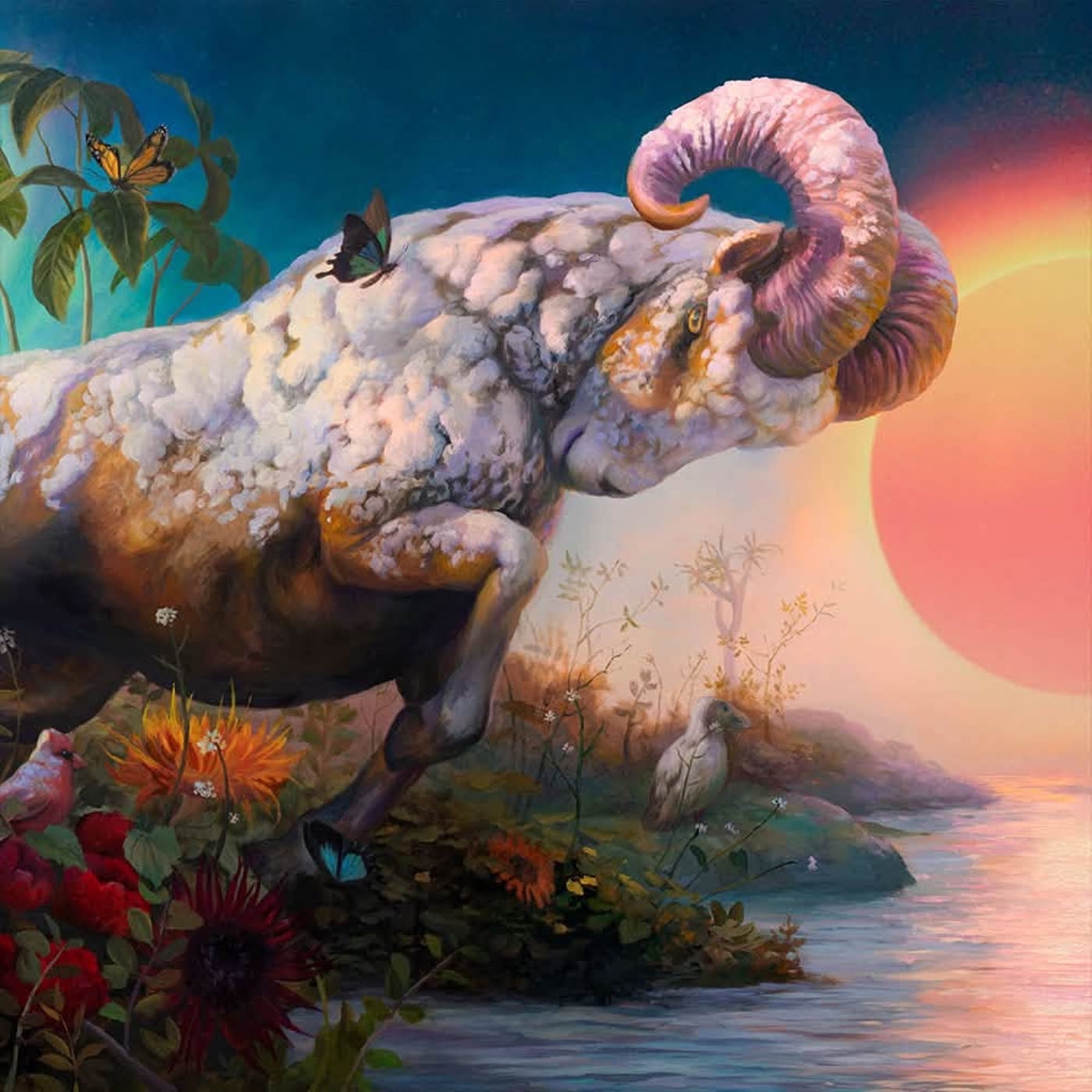
“However, being your own label means paying for your own recordings. If you can believe it, this album costs over $100K USD to make. Some people assume you can make an album in your bedroom and keep the costs down. This can be true but for us, we decided to record anywhere from Rody’s basement to doing drums at a nice pro studio. We hired an artist to paint our cover, we have to pay session players, engineers, mixer, mastering etc. So it adds up quickly. However, we are willing to bet on ourselves. If taking that chance that we know has historically worked means keeping a significant amount more of the earnings in the long run I’ll take that bet 10 times out of ten.”
For comparison, their first EP cost roughly $500. In 2013, their Indiegogo campaign hit its $125,000 target in about thirty hours and eventually reached $341,146.
This band has been trying to solve the same problem for twenty years by different methods.
What stands out is how little bitterness remains.
“I used to be angry and feel taken advantage of about our bad deals,” Tim said. “I was able to make peace and instead of blaming people ultimately at the end of the day, I signed those deals. It’s more that the system is set up in a way to exploit artists. I can’t be mad at the labels and other industry folk that are existing inside of the broken system. We as artists don’t have to join in. It’s our choice. I got a lot of benefit from having labels push Protest out there and now in our later years we have a foundation that we can use to support ourselves.”
The record was made in several different places rather than one studio. Guitars were tracked with Derya Nagle of Good Tiger in Boulder, Colorado. Vocals were produced and recorded by Milen Petzelt-Sorace at Rody’s home studio in Whitby.
Cameron McLellan led the bass and drum production in Toronto and played bass. Nathan Bulla wrote and recorded the drums at Jukasa Studios. Adam “Nolly” Getgood mixed the album.
Europe gets PROTEST THE HERO back this summer, including appearances at Brutal Assault in the Czech Republic and Radar in the UK, two very different festivals.
“These festivals are what made it possible for PTH to put this tour together,” Tim said. “We’ve always been very open to playing in different environments. I was a little intimidated about Brutal Assault when I looked into it, but it seems like they have curated some bands that we would fit in with, and sometimes it’s ok to stick out a bit as well. I’m stoked to have a chance to do the festival and it looks like a pretty epic event. For Radar, it is more focussed in but there’s also benefits for shows like that. We are stoked to be going back to the UK (and Europe) so it’s nice to be able to do that at a festival. I’m keen to get back to Europe. It’s been a long time since the band has toured there and it has always been strong for us.”
We always ask artists what is happening around them locally, and Tim was honest about the limits of his answer.
“This is a hard one to answer as I don’t go out much to live shows or at least where there’s a smaller underground scene. I guess I’m getting old. A lot of the music I listen to is nostalgic skate punk and metal/metalcore. And then EDM, fusion, solo piano. There’s really no boundaries.”
He still gave us a few Canadian artists to check out: Alexandra Streliski, a modern classical pianist from Quebec; Coeur de Pirate, another Quebec pianist who sings and leans further into pop; NOBRO, a Quebec punk band Tim described as “pretty bad ass”, adding that there are no bros in the band; Rêve, a Montreal singer working in EDM and pop; and Chinese Medicine, a fast, heavy punk band from Toronto.
🔔 IDIOTEQ is ad-free, independent, and runs on one person’s time. If you want it to stay that way: DONATE via PayPal or SUPPORT via Patreon.
NEW: IDIOTEQ Explore 🗺️ Browse 15+ years of our archive by city, country, and style. Find artists on the world map or trace related sounds through the styles map.
Stay connected via Newsletter · Instagram · Facebook · X (Twitter) · Threads · Bluesky · Messenger · WhatsApp.