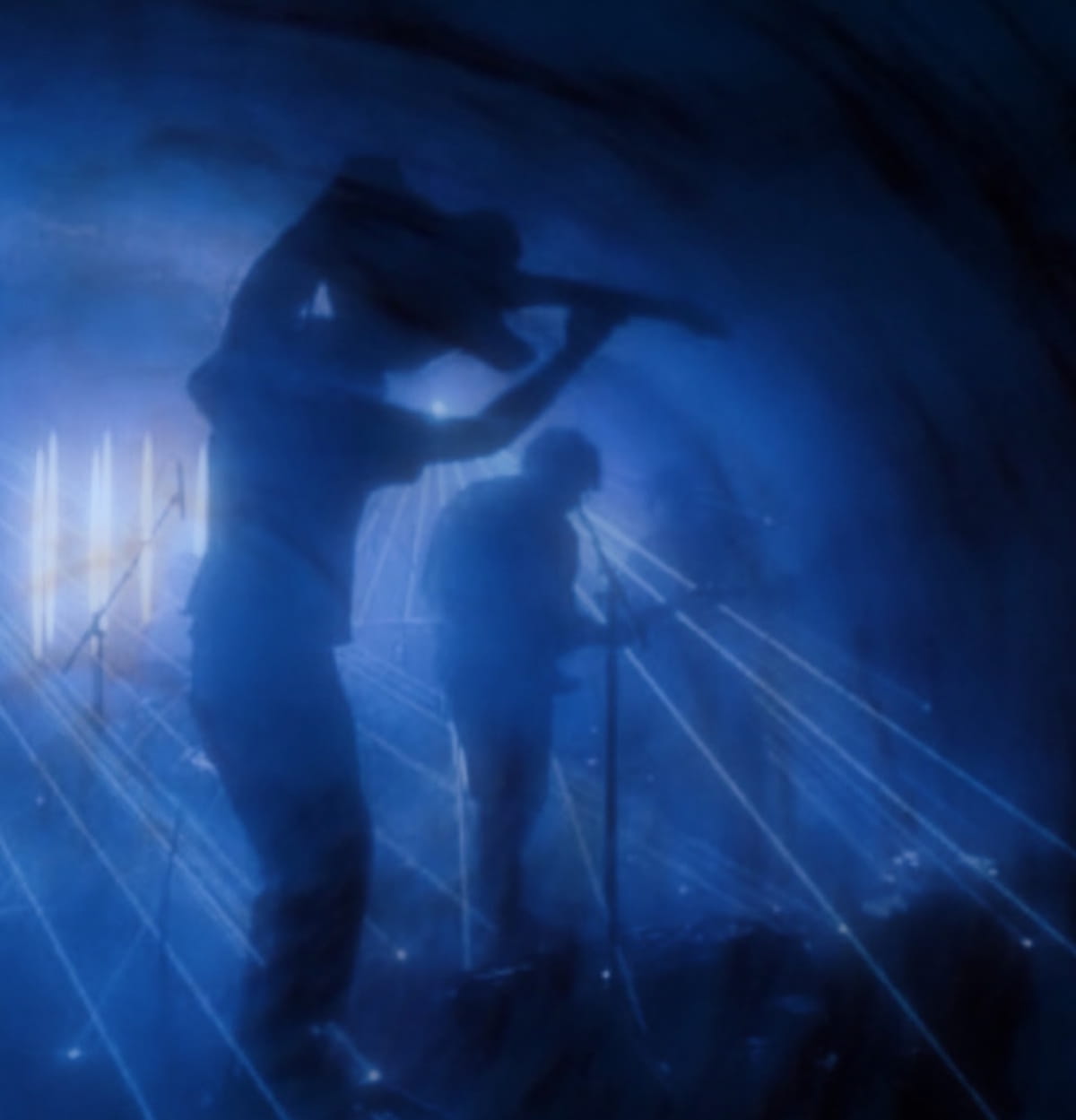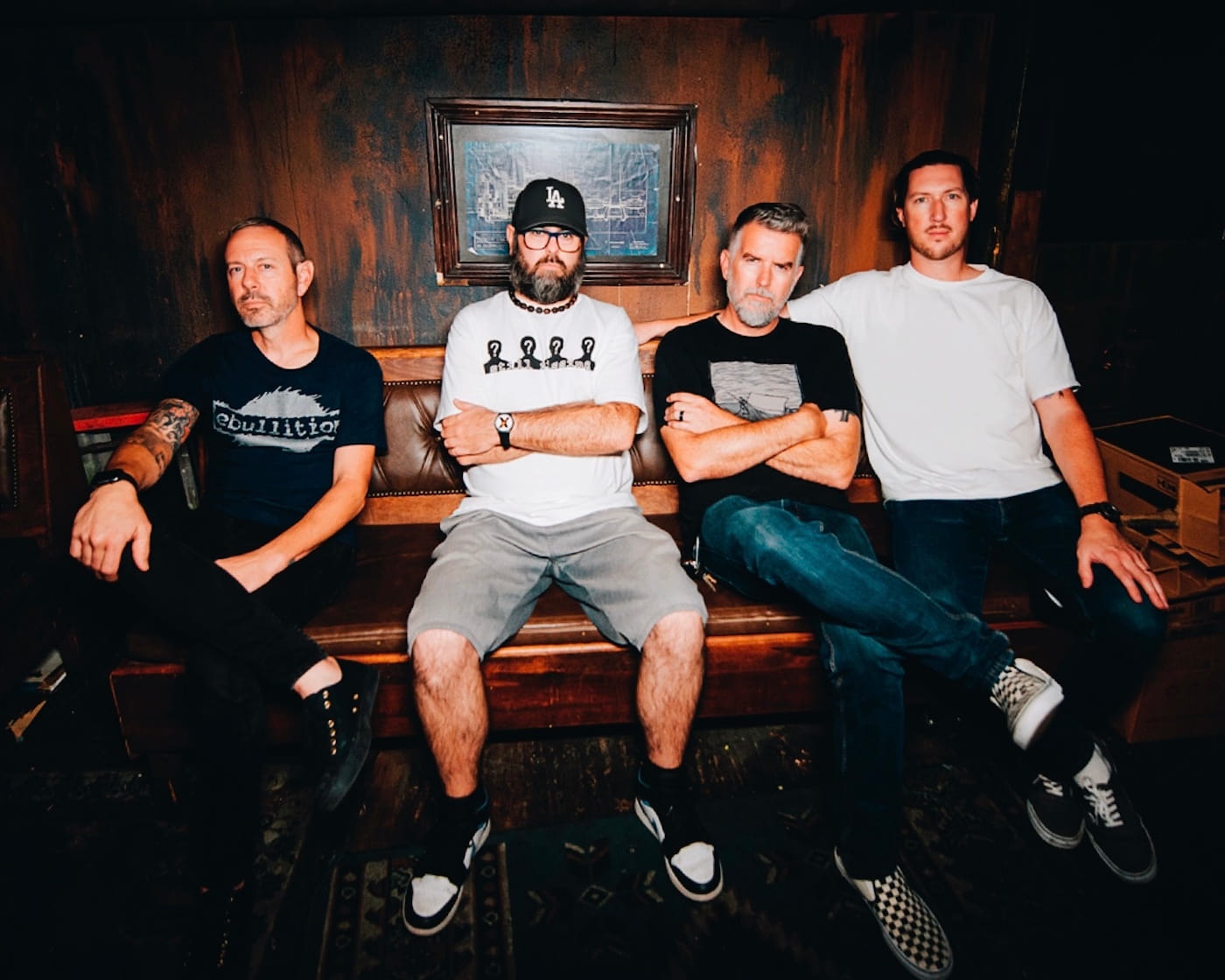


There’s a very specific image that sticks: Mitsuru Tabata outside Nakano Sunplaza in February 1992, not going into the Nirvana show, just waiting for the doors to open so he could hand out flyers for Steve Albini’s first Japan tour. People walked out talking about the encore — “Smells Like Teen Spirit” — while Tabata stayed on the pavement, pushing something else entirely.
A month later, Albini landed in Japan and went straight into it. Three shows — Shinjuku Antinoch on March 20 with Corpus Grinders and Funhouse, Koenji 20000VOLT on March 31 with Ruins, Volume Dealers and a K.K. Null/Albini duo set, then Osaka’s Juso Fandango on April 3 with Daihakase and UFO Or Die — tied together with recording sessions that never really stopped moving. It wasn’t a clean tour. It was a run of gigs, studio time, borrowed spaces, and whatever could be set up fast enough.
Before he even got there, Albini was already particular about how it would work. He said he’d just bring microphones, maybe borrow a guitar, asked for a long strap so he could wrap it around his waist. Then he showed up with everything anyway — microphones, a rare aluminum-bodied Veleno guitar, that absurdly long strap, and even his own pool cue, still in a case with a Jesus Lizard Mickey Mouse sticker on it.
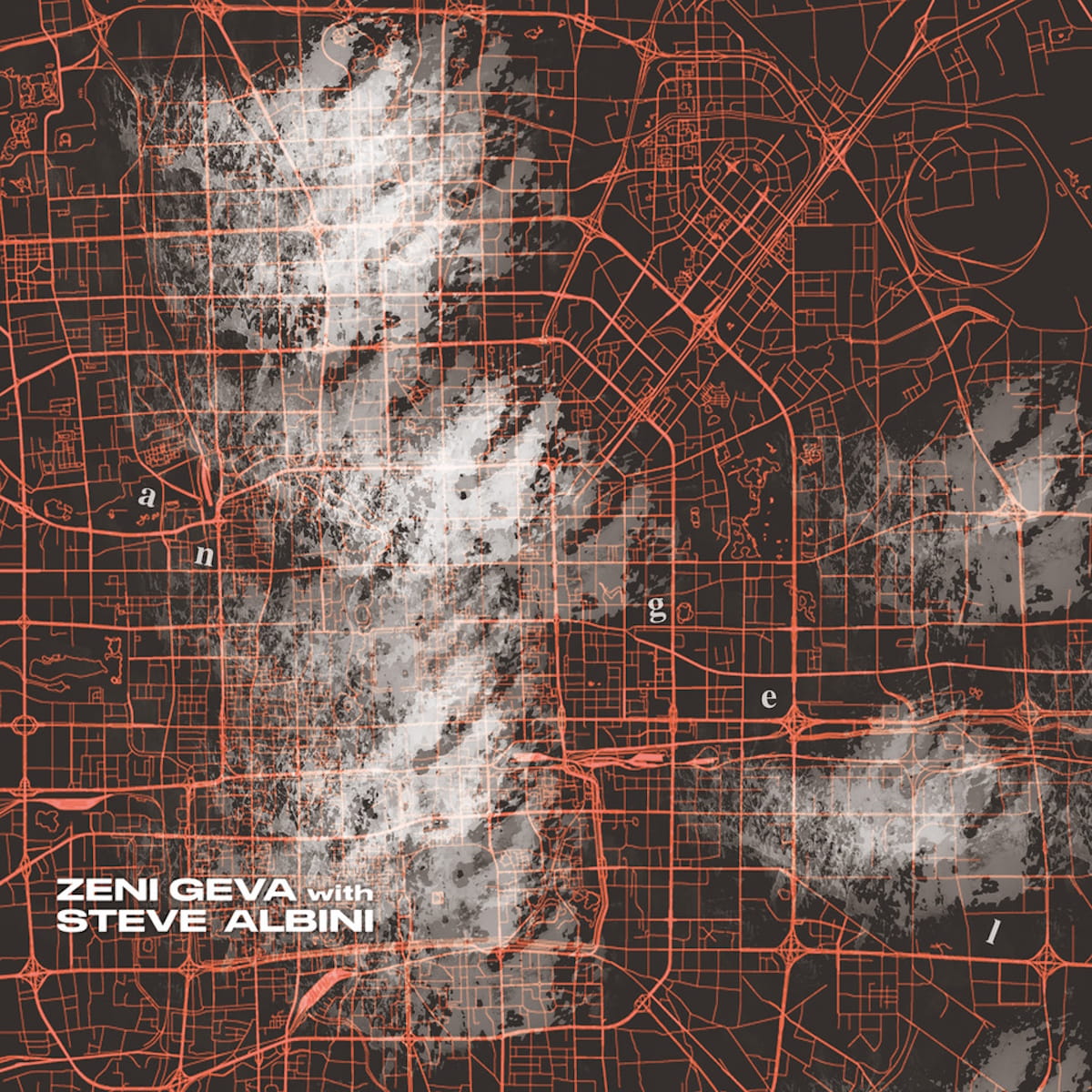
That Veleno guitar ended up all over the sessions. He’d hold a chord with his left hand and punch the body with his fist, letting the hollow metal ring out a dull, warped version of the same note. You can hear traces of that approach in “Angel,” the track now being pulled back into circulation ahead of the full archive release.
“Angel” drops April 14, the first digital appearance of this stuff in years, a week before the full “Superunit: Maximum Implosion” double LP lands for Record Store Day on April 18.
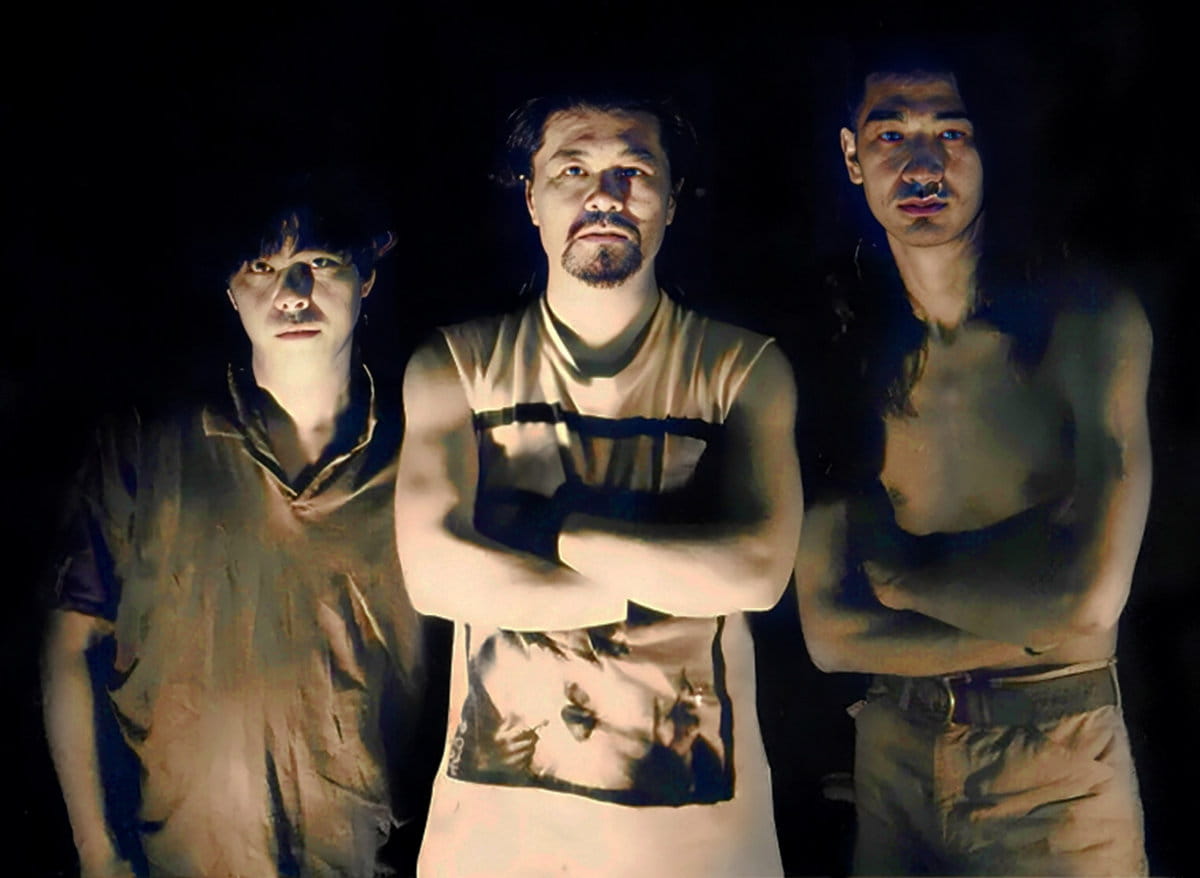
Those recordings came together in a way that feels almost improvised in hindsight. After the first Antinoch show, they moved into Afterbeat in Koenji to track “Nai-Ha,” alongside separate sessions for what became Superunit — the collaborative project that added MAS-P from Captain Condom on bass. Zeni Geva songs stayed under their own name; the new ones split off into something else.
Albini didn’t treat the studio like a neutral space. At one point he crouched under the console, muttering “Oh shit,” flipping switches until the dbx noise reduction system was completely disabled. He didn’t like what it did to the dynamic range. “Fuck dbx,” he said, and left it off.
There were other moments like that. On “Shirushi,” he pushed K.K. Null’s vocals into distortion, borrowing a trick more common on home cassette recordings than in a proper studio. When they talked about adding effects to cymbals, he shrugged it off — something you could do by changing tape speed, not in a digital setup like the Tokyo FM studio they were using. The limitation annoyed him just enough to say it out loud.
“Angel” sits right in the middle of that. Albini plays guitar on it, and it’s one of the few places where his physical approach to the instrument is obvious — not clean, not polished, just pressing against the limits of the setup they had.
Outside the studio, everything stayed loose. Albini was living in a dorm at Hitotsubashi University in Kichijoji, set up through a radio host named Gil, who also helped make the sessions happen. Instead of isolating himself, he walked around filming vending machines and everyday street stuff on a handheld camera, treating it like something worth documenting.
They played Zeni Geva songs together, added covers so Albini could handle vocals — including Kraftwerk’s “The Model” — but avoided touching Big Black or Rapeman songs out of respect for those lineups.
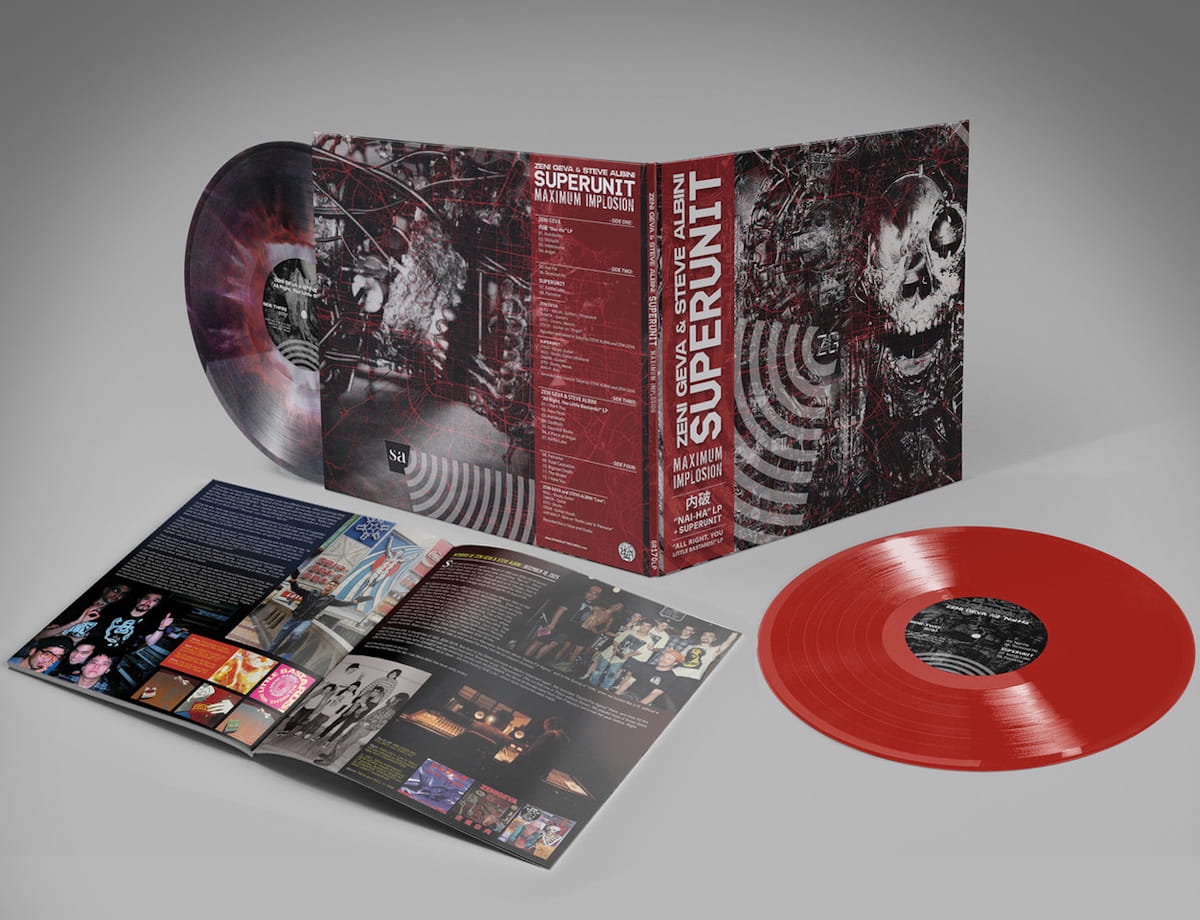
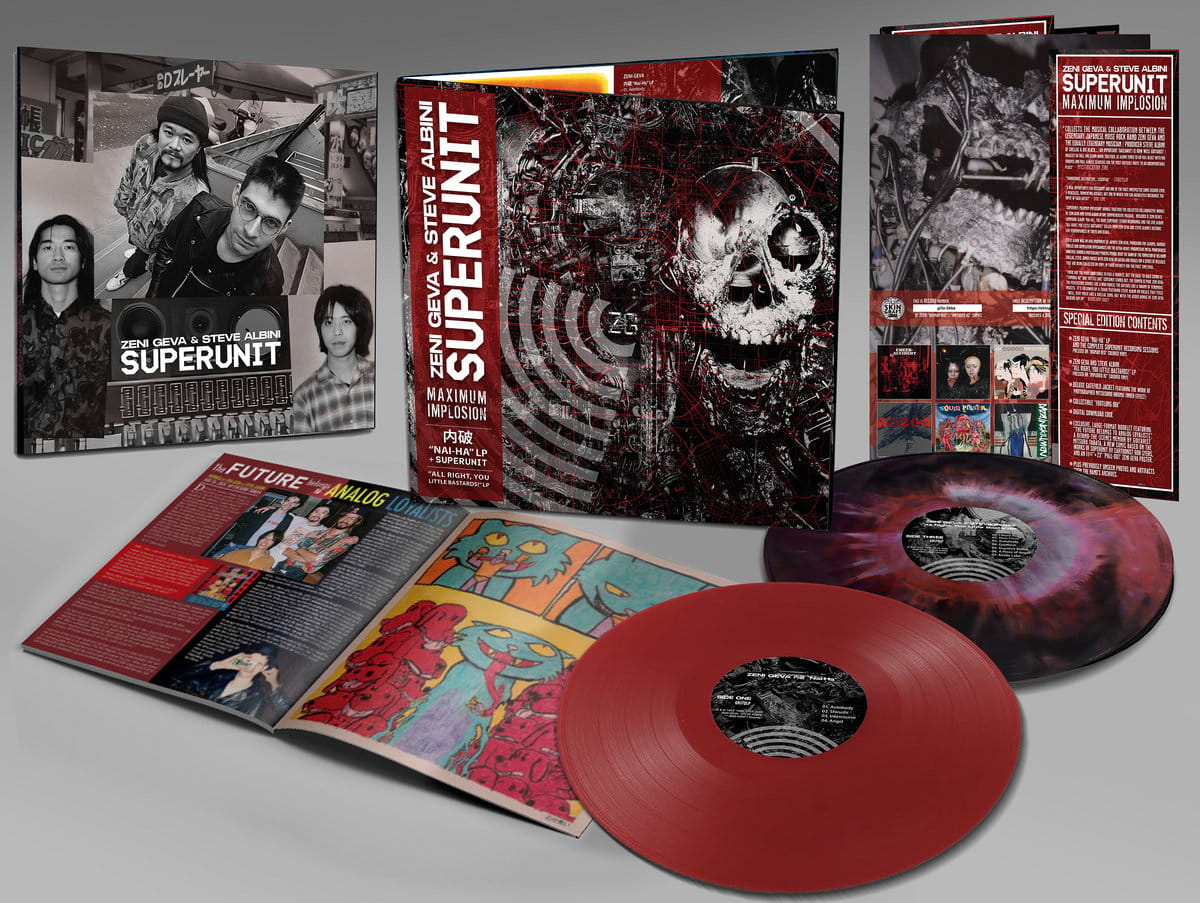
All of that ends up folded into “Superunit: Maximum Implosion,” a double LP that finally collects the full stretch: the “Nai-Ha” album, the Superunit studio recordings like “Kettle Lake” and “Painwise,” and the live document “All Right, You Little Bastards!” pulled from Tokyo and Osaka shows.
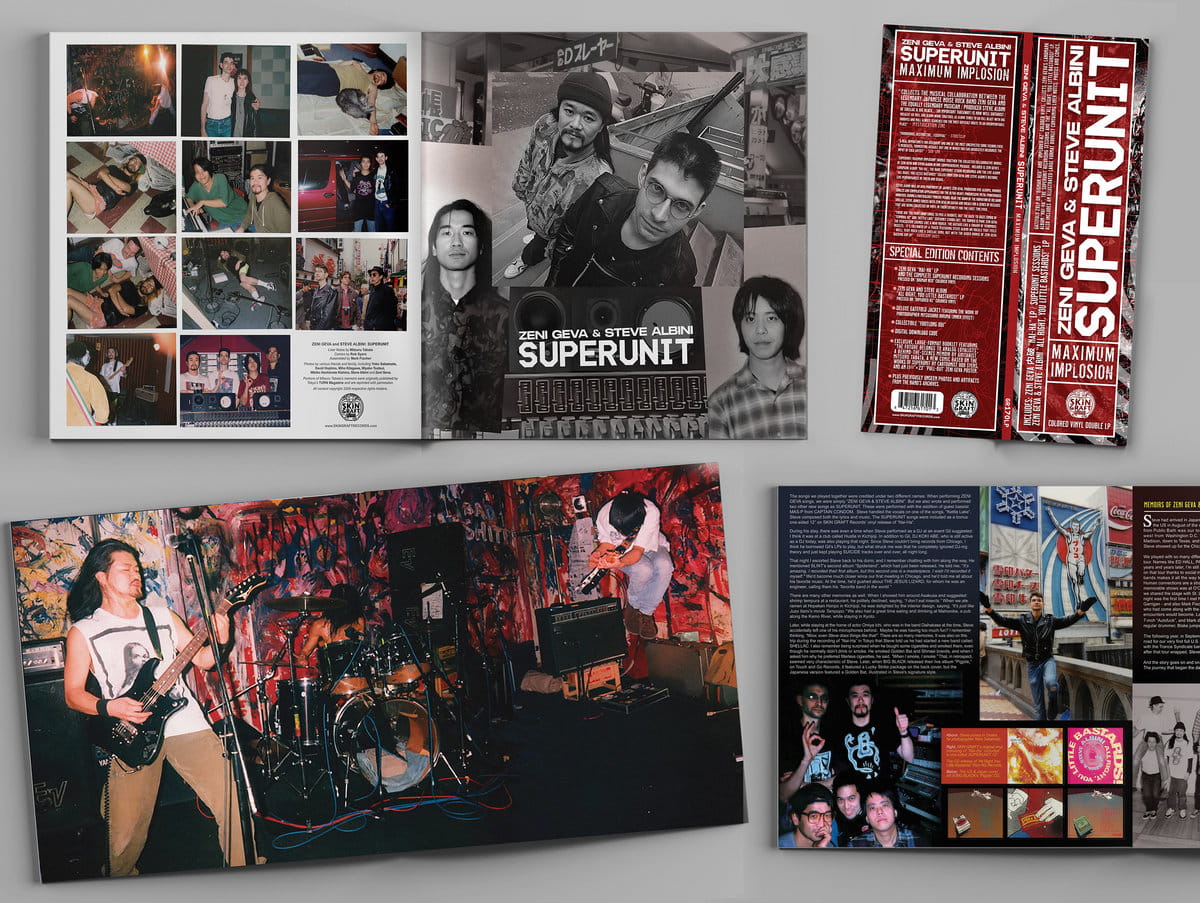
The set comes pressed across two records — “Nai-Ha” and the Superunit sessions on red vinyl, the live album on random-colored pressings — inside a gatefold with Mitsushiro Hiruma’s photography, a large-format booklet, a comic by Rob Syers, a pull-out poster, and Tabata’s full memoir under the title “The Future Belongs to Analog Loyalists.” Mastering runs through Denis Blackham and Martin Bowes, with vinyl work handled later by Carl Saff and Bob Weston.
Albini kept working with Zeni Geva long after these sessions — five albums in total, starting with “Total Castration” in 1991, which is set for a separate reissue later this year. He stayed close to the band, recording, playing, and folding parts of these collaborations back into his own work, including a riff from “Painwise” that would resurface in Shellac as “The Guy Who Invented Fire.”
He died on May 7, 2024, at Electrical Audio in Chicago, nine days before Shellac released “To All Trains.” He was 61.
“Angel” arrives April 14. The full “Superunit: Maximum Implosion” double LP follows on April 18 through Skin Graft Records, available exclusively for Record Store Day.
🔔 IDIOTEQ is ad-free, independent, and runs on one person’s time. If you want it to stay that way: DONATE via PayPal 𝗈𝗋 SUPPORT via Patreon.
Stay connected via Newsletter · Instagram · Facebook · X (Twitter) · Threads · Bluesky · Messenger · WhatsApp.