


We’ve had a run of shoegaze and grunge crossover pieces on the site over the past months, and that’s no accident from this end. Grunge has a particular hold on me. There was a stretch years back when I spent Kurt Cobain’s birthday running through every Nirvana track I had, bootlegs and odd unearthed rarities included, and treating the night like an actual vigil. That was a phase, though. What stuck after the obsession faded was an interest in where grunge keeps showing up.
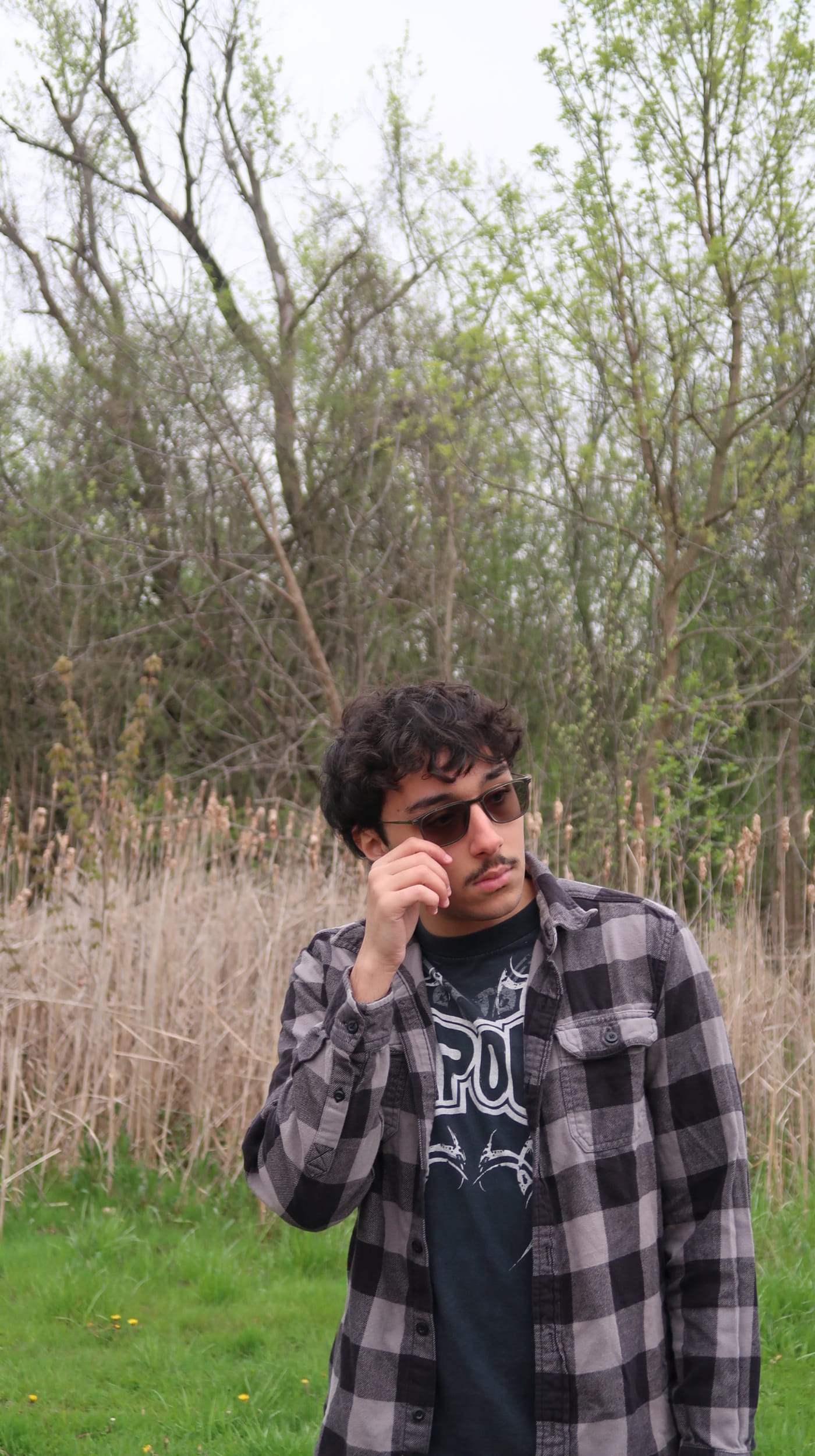
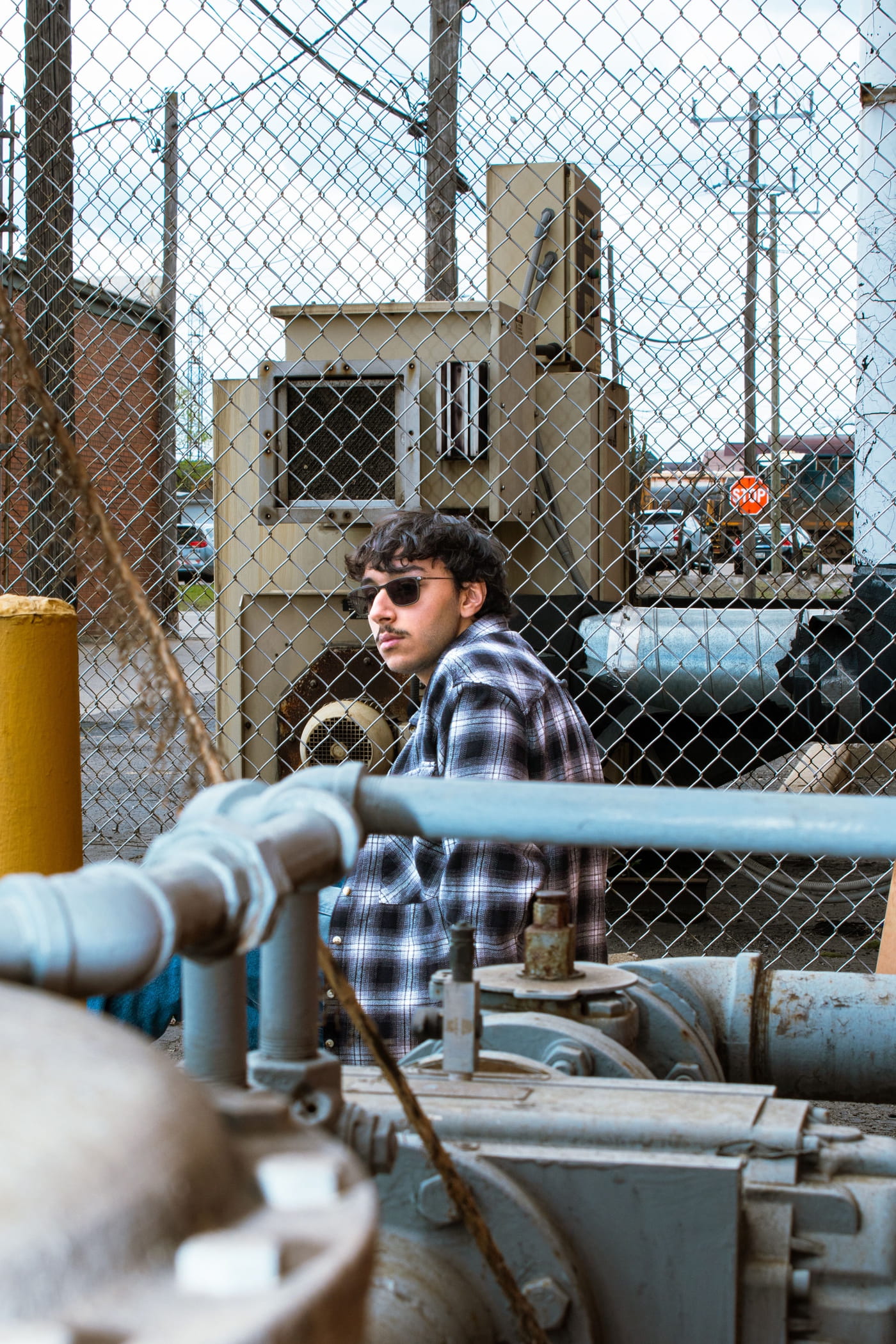
The shades it takes when artists come back to it years later, the solo musicians still picking at what made it work. Sam Vane is one of those people.
Vane is a Michigan-based artist working a grunge-influenced shoegaze lane. His new single “islander” comes out May 22nd, with a private stream already circulating ahead of the release. His listed reference points sit where you’d expect for this corner: Glare, Narrow Head, Alice in Chains. The less expected part is the vocal posture. Shoegaze usually swallows the voice. Vane keeps it on top.
“I think it was always the plan because I’m a vocalist first,” he says of “islander.” “Not only that, but I’m an emotional vocalist. If I’m trying to project what I’m feeling inside, I naturally want to push my voice harder. Singing soft or monotone has its place, but it doesn’t always feel like me. With ‘islander,’ I wanted the atmosphere to still be there, but I didn’t want the voice to disappear inside of it.”
That pull between grunge directness and shoegaze haze runs through the whole single. Vane names Alice in Chains and Pearl Jam as the lineage for vocals “in your face, where the singing feels raw and almost painful sometimes,” and julie and Glare for “the darker, dreamy atmosphere.” He says “islander” was him trying to find the middle of those two worlds: “I wanted the song to have haze, but I still wanted the vocal to cut through it.”
Where he draws the line between atmospheric and inaudible depends on what the vocal is doing in the first place. “Softer and quieter vocals can sound really good swallowed by noise because it becomes more about texture and mood. But if the vocal is being belted and there’s real emotional weight behind it, I feel like it needs to be closer to the front. If I’m pushing my voice that hard, I want people to feel what I’m saying, not just hear it buried somewhere in the background. The line for me is when the atmosphere supports the emotion instead of covering it up.”
The harmonies took longer than the lead. Vane records alone, which means a lot of takes and a lot of second-guessing. “Sometimes they take more time than the main vocal because I’m not just trying to hit notes, I’m trying to make sure they fit the mood. I’ll record a lot of takes, listen back, hate half of them, and keep searching until something finally clicks.” He writes them in the moment rather than planning them out. “I usually find them while recording. That feels more natural and more fun to me. […] But when I find it, it feels like a small eureka moment. The more I practice, the more instinctive it gets, but there’s still a lot of searching involved.”
Working solo has its trade-offs and he’s clear on them. “When I’m alone, I’ll record something, like it for a second, then hate it five minutes later. There’s nobody there to tell me if it works or if I’m just in my head. But I also like recording alone because I can do as many takes as I need without worrying about annoying somebody in the room. I lose that outside perspective, but I gain the freedom to keep chasing the exact feeling until it feels right to me.”
One decision he flagged on this song was whether the harmonies belonged in the verses at all. “I thought about keeping the harmonies out of the verses and only using them in the chorus, but the verses felt like they needed something more. They felt a little too plain without them. Once I added harmonies, the verses felt more alive and more complete. It’s not something I do all the time, but if a part feels like it needs more sauce, I don’t really ignore that feeling.”
The approach itself came from singing along, not from a producer’s note or a scene roadmap. “Honestly, it clicked from singing along to bands like julie and Glare, but singing louder and with more weight than the actual vocal on the song. Their vocals are usually softer and more buried, but when I sang over those kinds of dreamy, atmospheric instruments with a rawer and grittier voice, something about it felt right. It made me realize I liked the contrast. I liked the idea of taking a heavier, more emotional vocal approach and putting it over something hazy and atmospheric. That’s the lane I started chasing.”
“islander” was recorded by Sam Vane, mixed and mastered by Undogmatic, with artwork by Gavin Van Hussen, and instruments by King 80 Industries. Out May 22nd, 2026.