

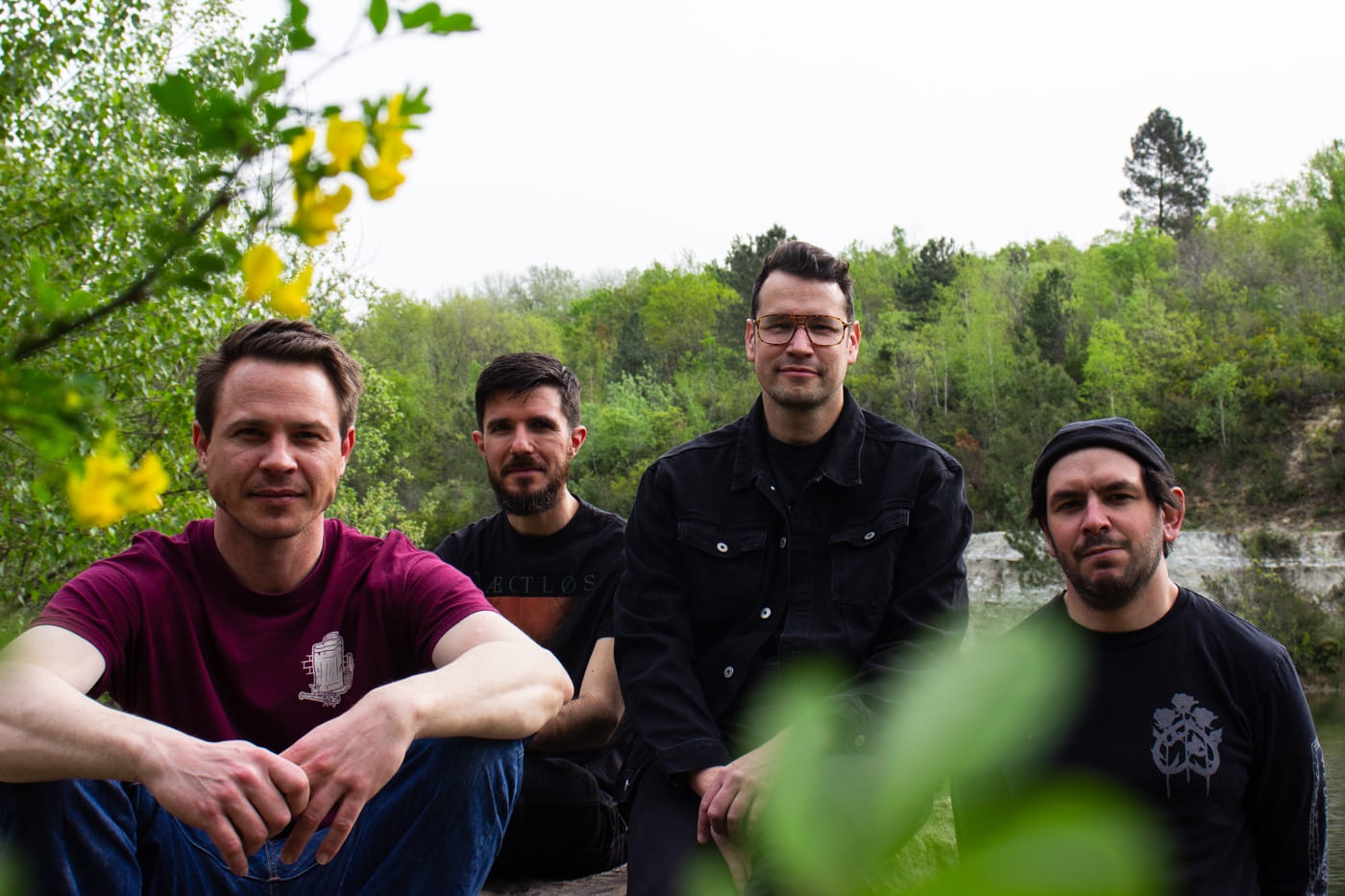
French screamo has a particular way of getting in early. A few seconds of ringing tension, a voice already close to breaking, guitars that seem to be sprinting and collapsing at the same time – and suddenly the room is smaller. Solitone have always worked somewhere inside that pressure, between screamo, hardcore and post-hardcore, but “Le champ des possibles” arrives with a different kind of weight.
The Bordeaux band started in 2015, released “Première Vague” in November 2016 and followed it with “Lame De Fond” in January 2018. Then came years of distance, lineup changes, a singer living in Paris, and a widening sense that leaving things implied was no longer enough.
“Since we released “Lame De Fond” a lot has changed in the band,” says Yannick, Solitone’s vocalist and lyricist.
“I had moved to Paris and stayed there for 5 years, we parted ways with our original bassist because our political views grew further and further apart. I also started reading a lot about feminism, racism, and a lot of books talking about every kind of domination that happens in today’s society.”
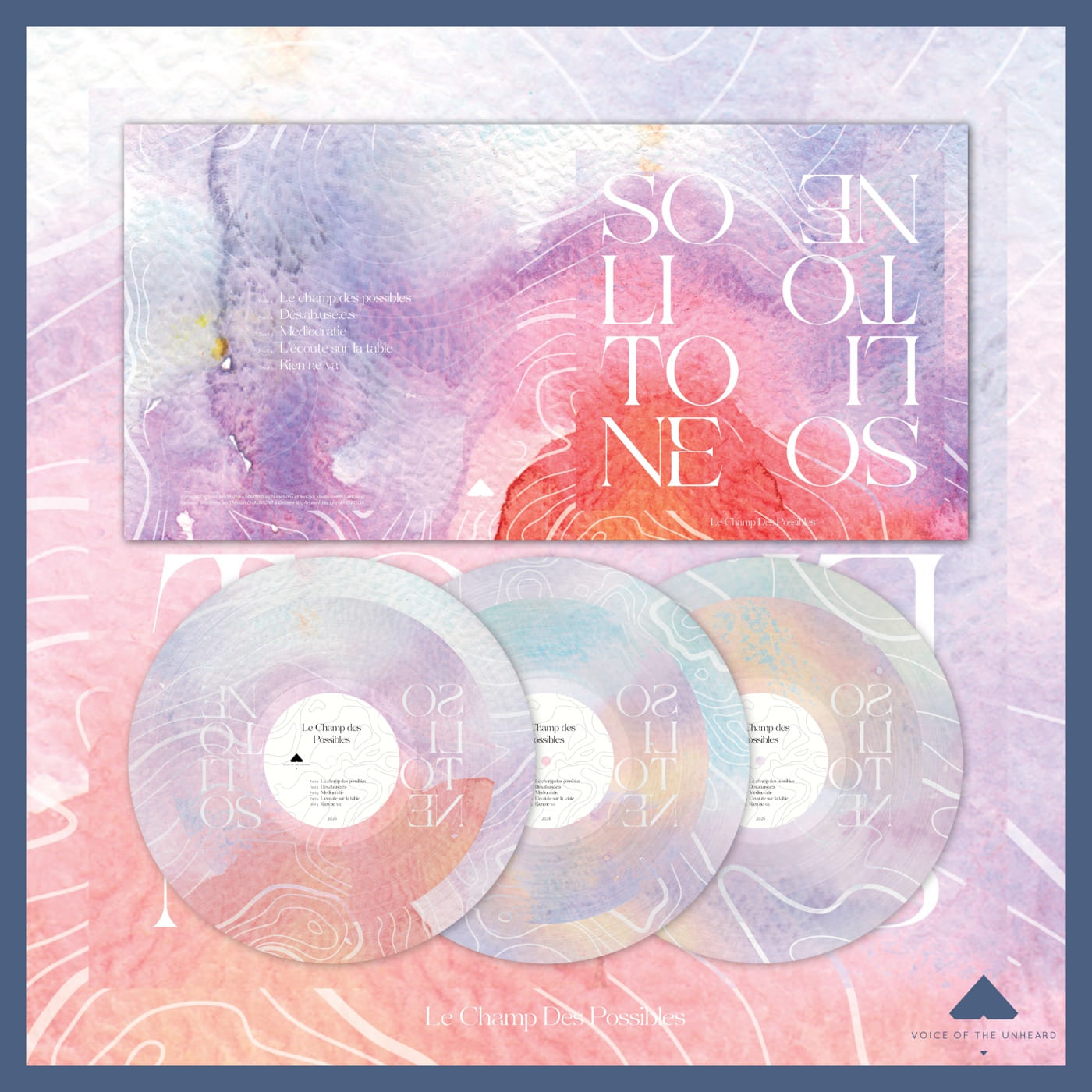
“Le champ des possibles” will be released on June 19th, 2026, first on cassette, with a beautiful vinyl version coming from Voice Of The Unheard on September 4th. Before that, we are premiering the EP today!
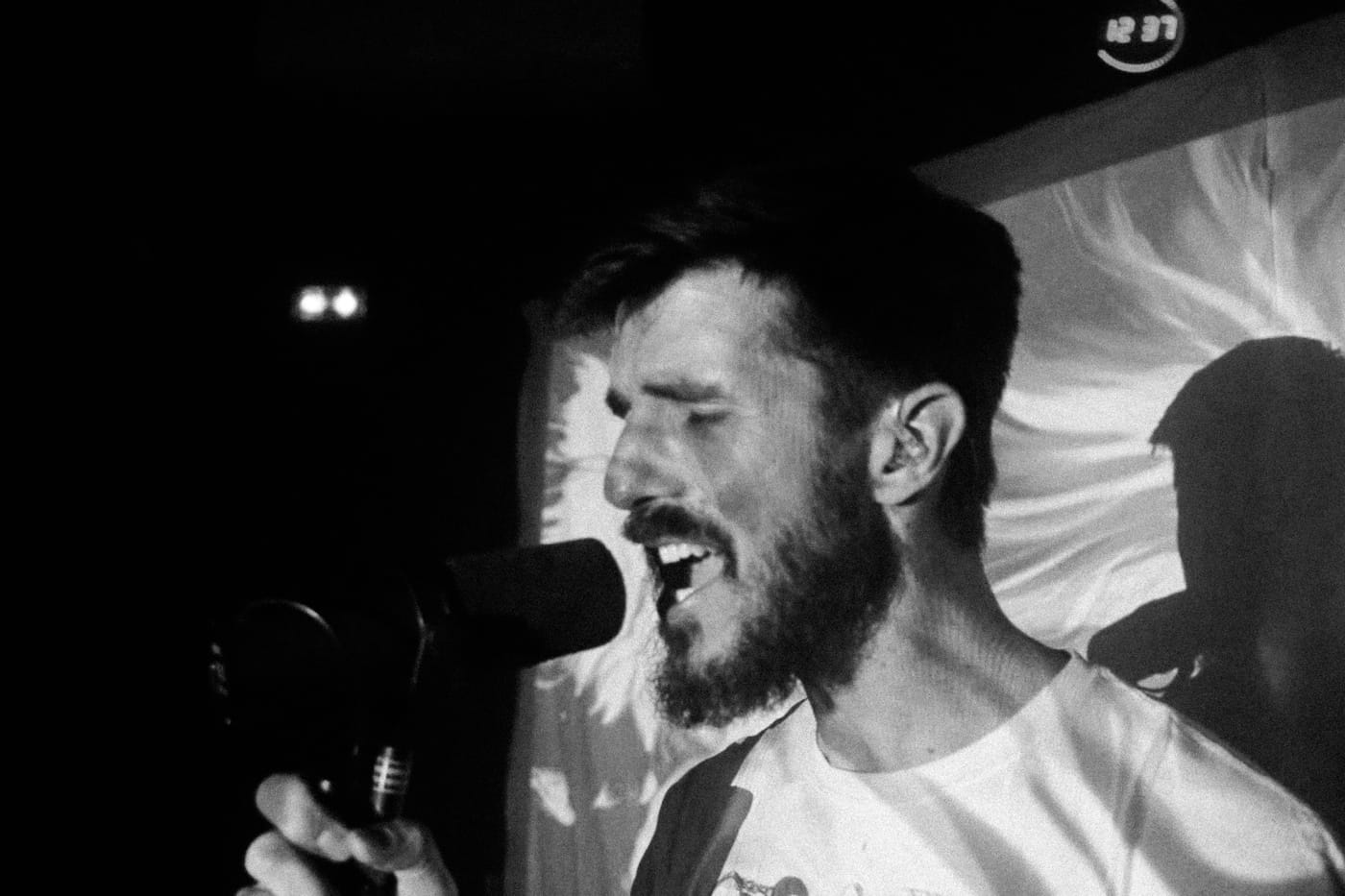
The first single, “Dés.ab.usé.e.s,” came out May 20th with a video. It opens the record’s political line through work: the hours given away, the exhaustion that follows people home, the absurdity of surviving through jobs they do not believe in. Solitone are not writing from outside the machine. Yannick is clear about that.
“Seeing so many people spend their whole day doing a job they don’t like, just to barely survive, is really something that feels absurd,” he says. “Even I, who have a comfortable job, feel like I could do something so much more interesting with my days.”
That discomfort sits across the whole EP. The band describe “Le champ des possibles” as a record about alienation at work, the way humans treat animals, the slide of political representatives toward fascism, men’s reactions to feminism, and the collapse of truth as a shared idea. It is built from antifascist and anticapitalist values, but not from the posture of a band pretending to have cleaned its own house first.
“We don’t pretend to be role models, we are full of contradictions ourselves,” the band say. “But we believe that talking about these topics is a duty against the mainstream rhetoric nowadays.”
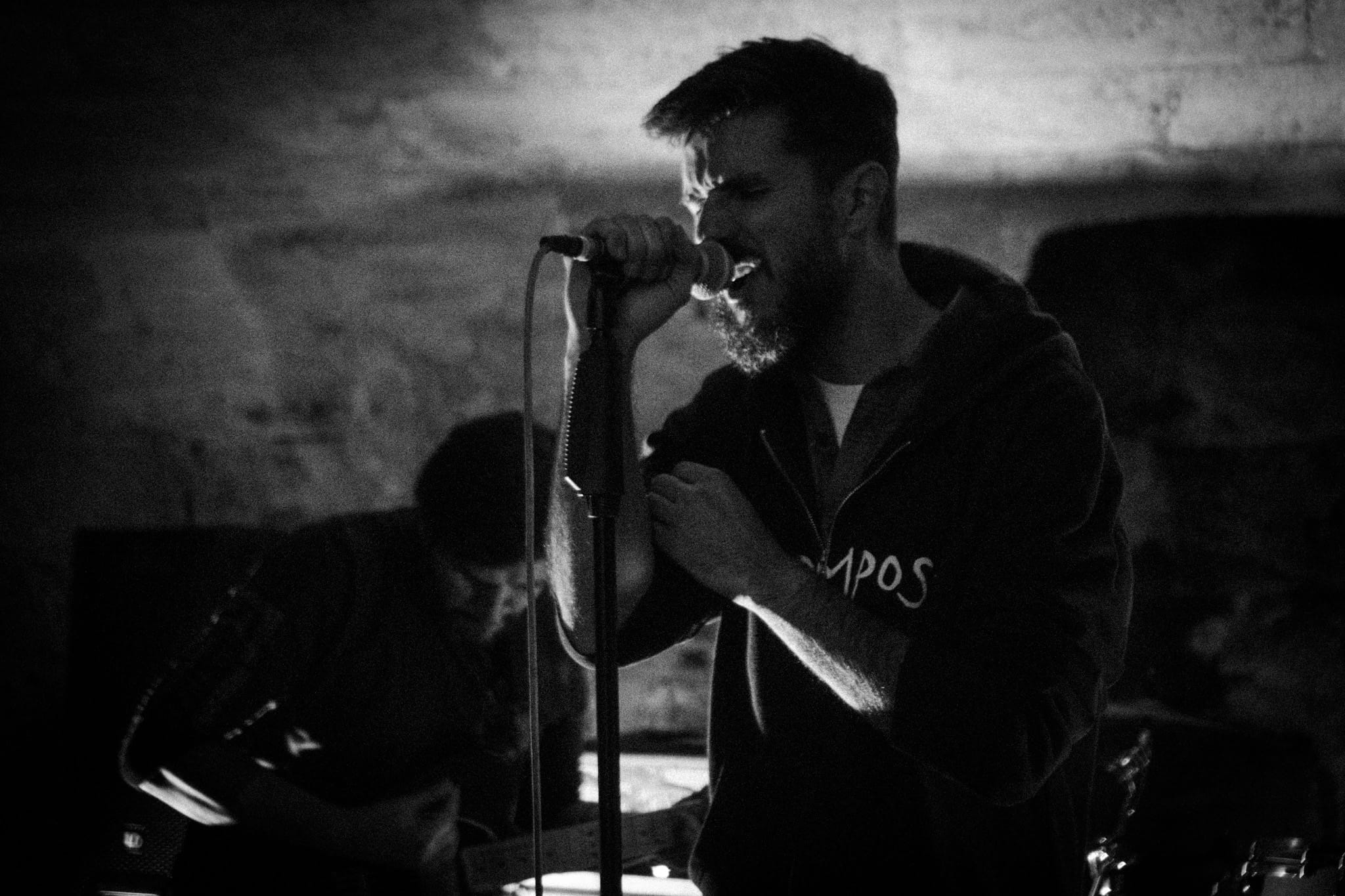
For Yannick, the change since 2018 is tied directly to life under Emmanuel Macron’s presidency, which began in May 2017. He points to expanding inequality, rich people becoming richer, and repeated alignments with far-right ideas around immigration. Inside France, that has meant a harder, more obvious rupture between what politicians claim to represent and what people see in their daily lives.
“The mix between feeling more informed, without being an expert, and feeling more free to mention these topics in the lyrics lead to the new songs being more political, as this is clearly something I want to talk about,” he says. “Staying evasive was a way to avoid conflicts but it only leads to keeping the status quo.”
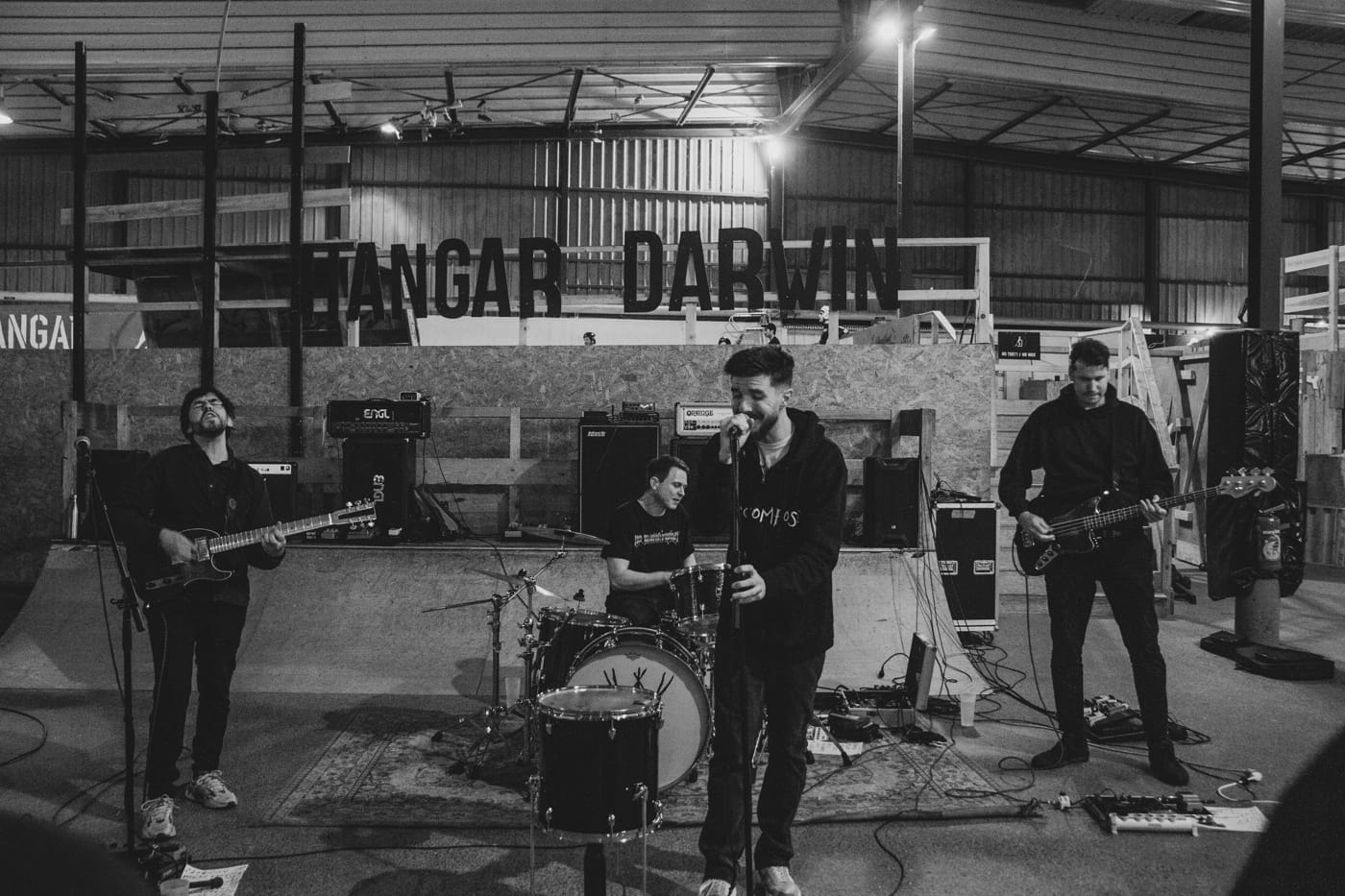
“Médiocratie,” the first song written for the EP, goes straight at that frustration. Yannick sees French politicians following their own agenda and no longer representing the population. Since Macron’s election, he says, that split has become more visible through deafness toward demonstrations, increased police repression, and laws pushed through by force against opposition.
If “Médiocratie” names the state, “L’écoute sur la table” turns the focus back toward the scene, the self, and the kinds of men who can quote the right politics while still refusing to hear women. The song’s title comes from the French feminist podcast “Les Couilles Sur La Table,” which Yannick credits as a major part of his own education.
“This podcast, as well as the literature that exists now on this topic, have really been eye opening and allowed me to move from the usual first reaction that most of us have, leading to the ‘Not all men’ slogan, which is to distantiate yourself from the ‘bad men’, rather than questioning your own behaviour,” he says. “Until you can admit that your behaviour is not perfect and can harm women, you can’t really be in a situation to improve and avoid repeating this kind of behaviour.”
The second single, “L’écoute sur la table,” is planned for June 3rd with a video. Solitone treat the song as an argument against moral distance. It is not a track written from the safe hill of the enlightened man pointing down at everyone else.
“The whole message of this song is not to put the blame on everyone else, or be a white knight, as I’m not perfect nor have I been my whole life,” Yannick says, “but rather to push to self reflect, listen to what others can have to say and teach yourself, reading / watching / listening, how to be a better ally.”
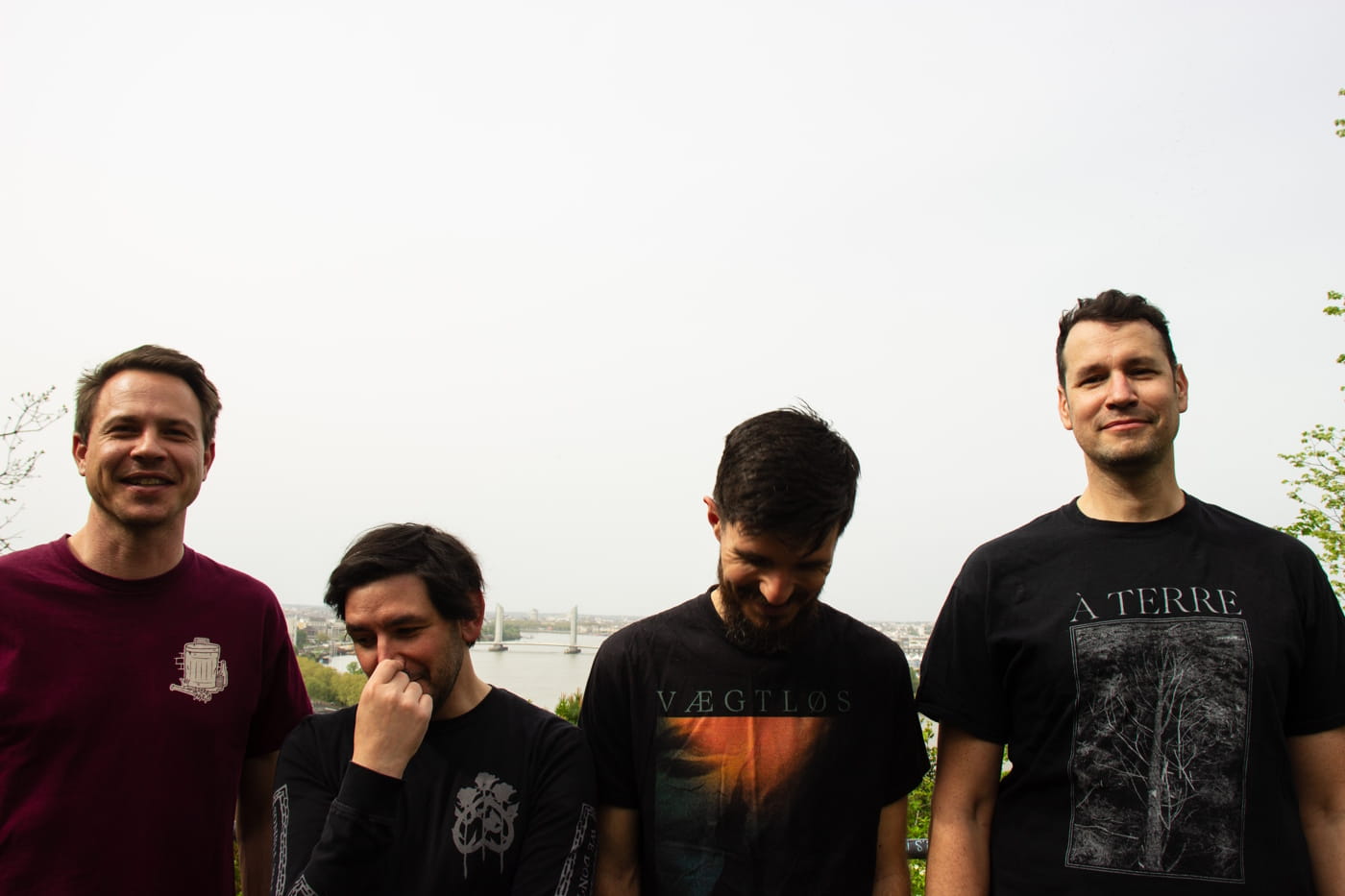
That same tension runs through the way he talks about privilege. He describes himself as “a white straight cis male, with a job paying me good money, no disability etc.” From that position, he knows he is protected from many forms of discrimination and is “definitely not the best person” to speak over people living through them. He also knows that this same position can make his voice more likely to be heard.
“So my main objective with the lyrics is to talk about these topics, male domination, animal domination, imperialism etc, from my own perspective, in a way to try to raise awareness but acknowledging that I’m not an expert and that with my biases I might also make mistakes,” he says. “I’m not here to tell people what to think, but if these songs can help people ask themselves questions about this and go inform themselves about these topics, then it’s definitely worth it.”
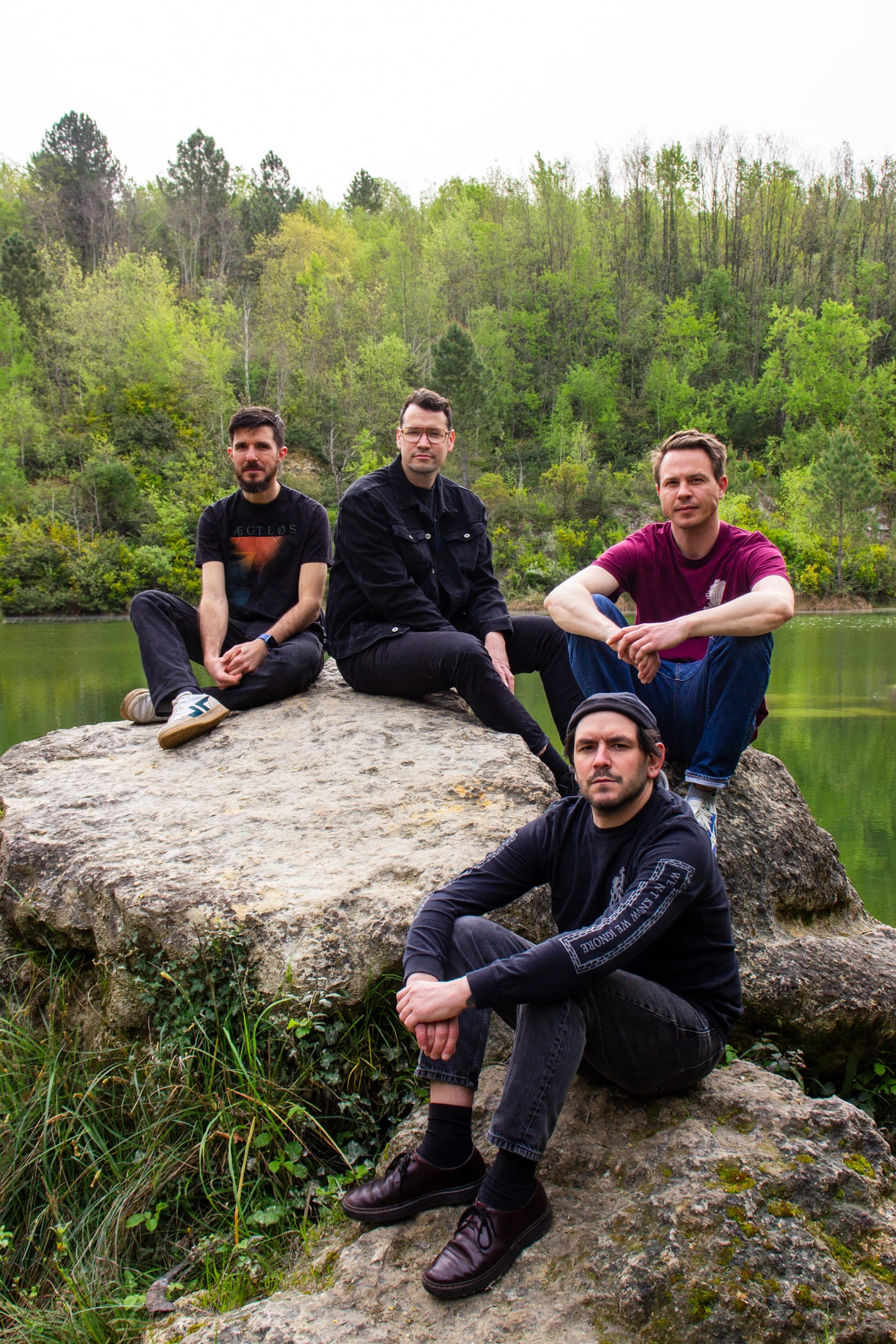
The title track, “Le champ des possibles,” deals with human domination over animals, moving between pets and farm animals, and the way people treat other living beings as objects expected to comply. Its second verse is also personal: a tribute to Yannick’s dog, who died a few years ago.
“She was really a part of the family and it was one of the hardest things to have to put her to rest,” he says.

“Rien ne va” widens the lens again. The song features Lucas from Ari and despiteeverythingitsstillyou, and takes on the growing power of billionaires inside society, especially through media and arts, where conservative views can be pushed into politics with money behind them. It also folds in the rise of fake news and the point where people can no longer tell what is true. From there, Solitone connect the noise of disinformation to the deaths people are trained to look away from: Palestine, genocide that has not stopped, and suicides happening around people while mental health remains politically neglected.
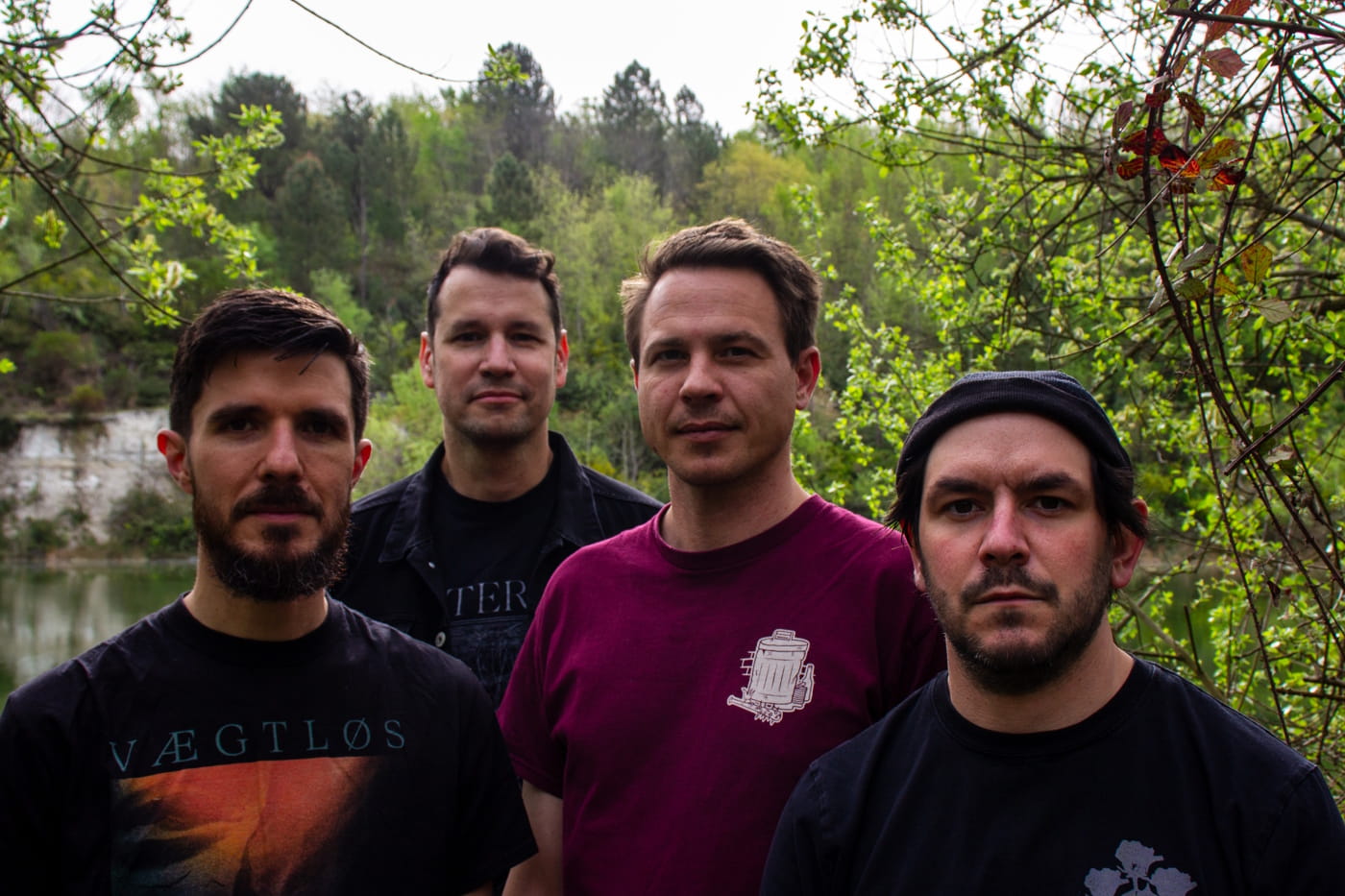
“Le champ des possibles” was recorded and mixed by Mathieu Souyris “à la maison” and at Chai Studio, with thanks to Laetitia and Romain. Thibault Chaumont mastered it at Deviant Lab, with artwork by Léa Mastrolia.
Solitone close their manifesto with Louise Michel: “Each seeks his way, we seek ours and think the day that freedom and equality reign, mankind will be happy.”
Wyświetl ten post na Instagramie
The band will play Bordeaux at Polacabana on June 26th with Boneflower, Vibora and Gros Enfant Mort, followed by a September 10th–19th tour with Griseville in France, Italy and Switzerland.
🔔 IDIOTEQ is ad-free, independent, and runs on one person’s time. If you want it to stay that way: DONATE via PayPal 𝗈𝗋 SUPPORT via Patreon.
Stay connected via Newsletter · Instagram · Facebook · X (Twitter) · Threads · Bluesky · Messenger · WhatsApp.