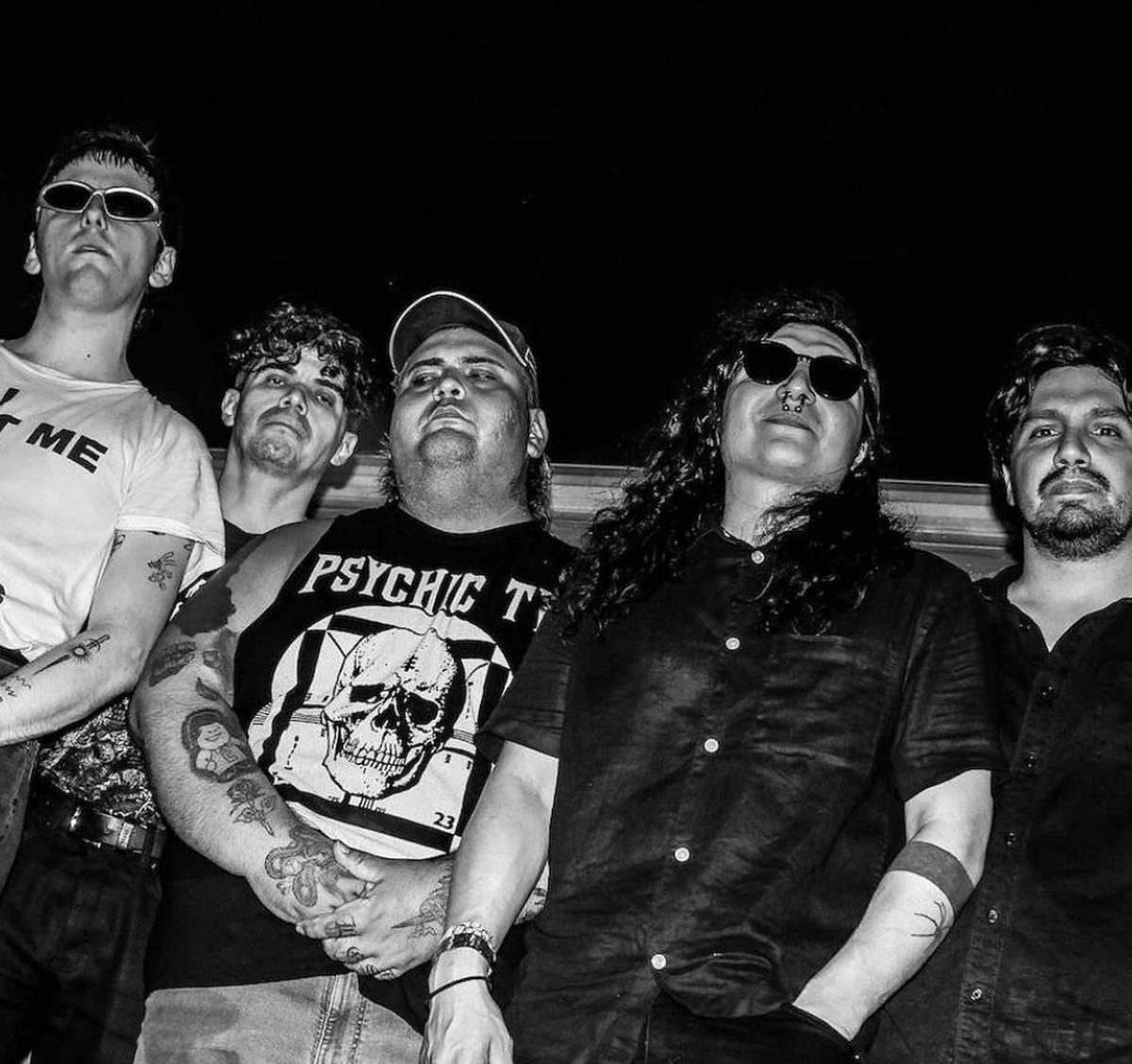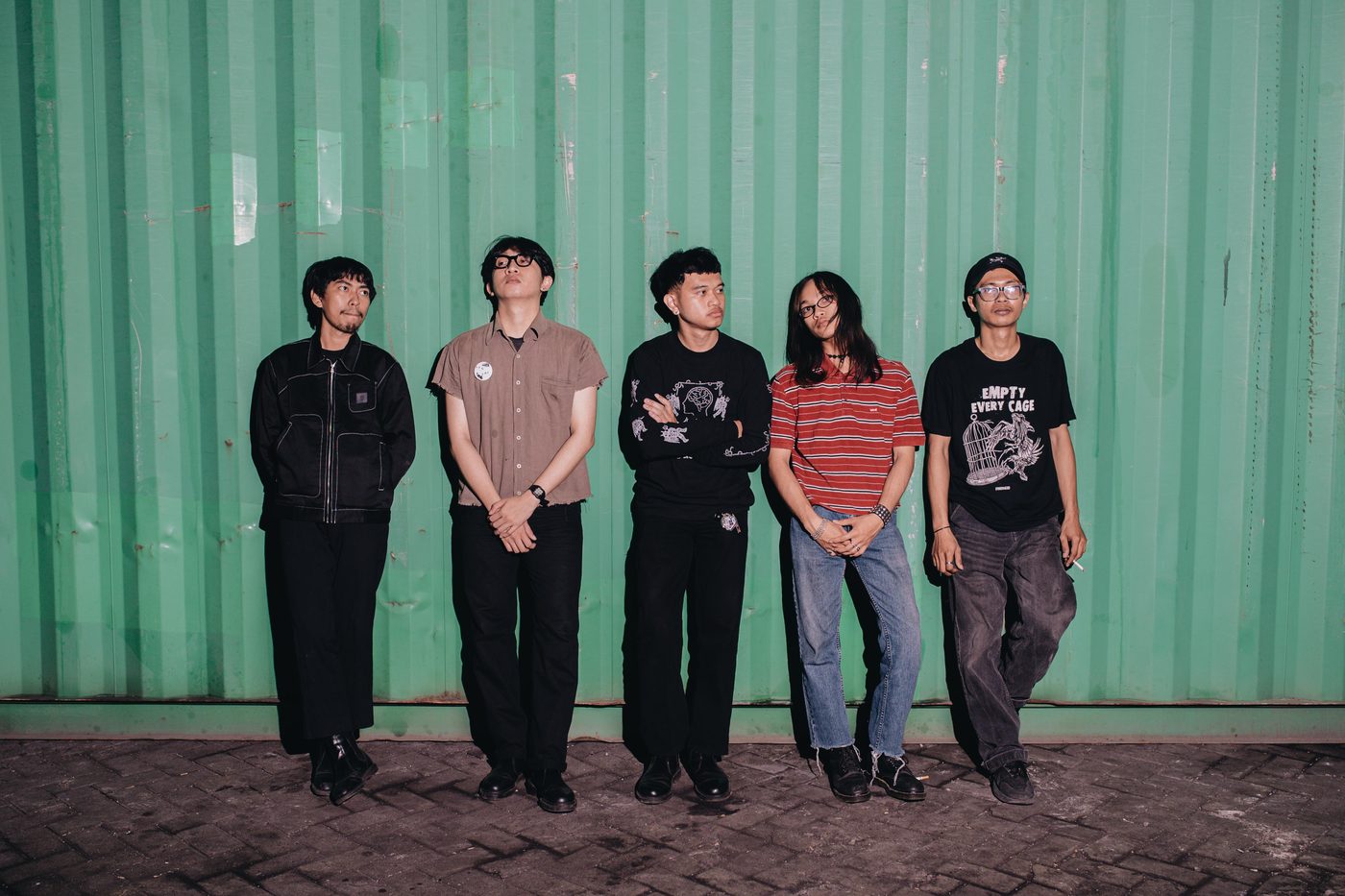
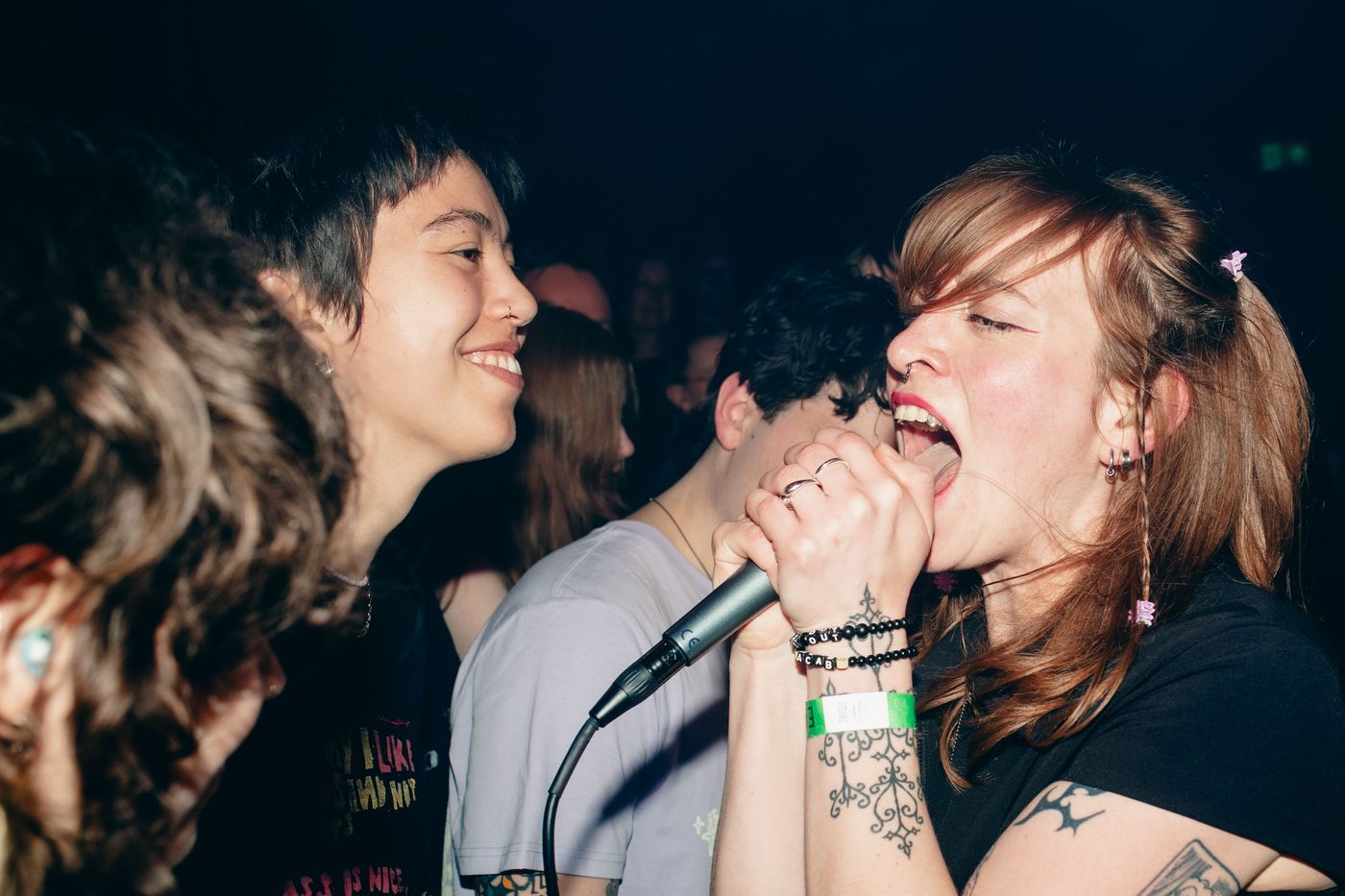
Shira van der Wouden had been writing lyrics for Ontaard for years before she realised how much of one particular experience had found its way into them. The Utrecht quartet play a heavy, black-metal-edged kind of post-metal, with long instrumental passages, thick guitar riffs, spoken word and Shira’s often frantic screams. Their debut album, “A Monster Named Shame”, deals with a relationship affected by psychosis that ended in suicide, and with the shame, grief and depression that followed.
It was only after the seven songs had been written, recorded and mixed that Shira recognised a connected story running through them. She had been writing in response to the band’s music, returning to particular memories without consciously arranging them into a full album.
“When we started writing A Monster Named Shame it wasn’t my intention to flesh out this story. The writing of this album was spaced out over many years due to different projects coming along. We’ve had many ideas come along during the writing process, like using different diary entrances. I’ve thought about letting people write in letters but in the end, I wrote everything based my association with the composition. It was only when everything was written, recorded and mixed I looked back at what we’ve made and that’s when I saw a very clear storyline throughout the album.”
“I guess that’s how I always write, now that I think about it. So, I guess my heart or my body knows these words need to come out. It’s only after everything is out there, I realise what I’ve been processing.”
Ontaard have been dealing with difficult personal subjects for a while. Their 2022 EP “I Am But My Flesh” concerned bodily autonomy, including the experience of abuse and the struggle to regain a sense of ownership over one’s body.
Two years later, they joined their friends in Throwing Bricks for “Oud Zeer”, a collaborative record about depression, traumatic memories and old wounds that keep coming back.
Shira spoke about shame during that period too. In a 2024 conversation with Veil of Sound, she discussed how long it could take to recover from abuse, and how writing music had helped her work through feelings of responsibility for what somebody else had done.
“One of the hardest parts to find out was the shame that goes hand in hand with abuse. Writing these songs, and making music in general definitely has been a practice in dealing with shame and shifting the blame away from myself.”
Her words on “A Monster Named Shame” go into much more detail, although she has chosen to keep the identities and specific circumstances of the original events private.
The record opens with “Serenade” and “Juliet“, two accounts of the same confrontation. In the first, a man stands outside his former partner’s window. He wants her to come down, smoke a cigarette with him and talk for five minutes. He keeps suggesting these could be his final words, and as she refuses to appear, his demands grow increasingly angry. He apologises, promises it won’t happen again and then returns to demanding that she talk to him.
“Juliet” takes place on the other side of the window. A telephone keeps ringing. The woman is frightened, trying to persuade herself to act, to record what’s happening and to resist the pressure to go outside.
Wyświetl ten post na Instagramie
“When all the songs were produced and mixed we started the puzzle of which songs went where. Serenade and Juliet start off the album which is the same scene only from different perspectives. I jump around from my perspective to his throughout the whole album. In Serenade, a man stands outside his ex’s window begging her to come outside and threatening with suicide if she won’t. In Juliet you hear her side, where she freezes in terror and tries to talk courage into herself and not comply to his serenade.”
“The chronology and details of events is all jumbled up in my head so jumping around in chronology and perspective feels truest to memory.”
Shira has spoken about trying to put the actual events back into chronological order as part of processing what happened. In the songs, she allows the memories to appear in fragments, sometimes shifting between the people involved. There’s no attempt to make every scene follow neatly from the previous one.
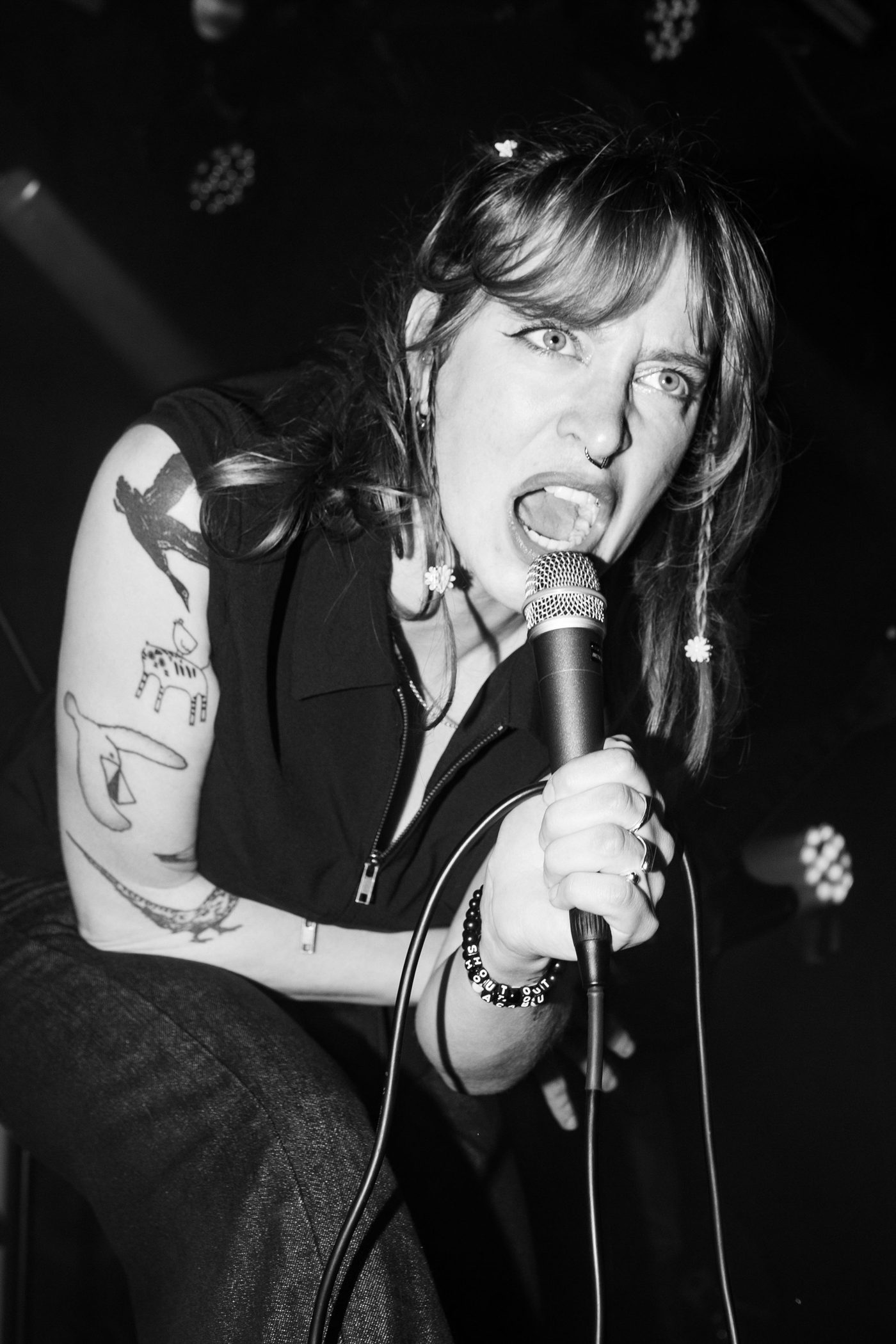
The two opening tracks also demonstrate how Ontaard work with vocals. Spoken passages allow the words to occupy considerable space, sometimes repeating a phrase until the speaker’s changing behaviour becomes apparent. Elsewhere, the guitars and drums take over, with Shira’s screaming pushed against the heavier sections. The band’s roots in post-metal are obvious, though there’s plenty of black metal and a harsh post-hardcore streak in their music as well.
Wyświetl ten post na Instagramie
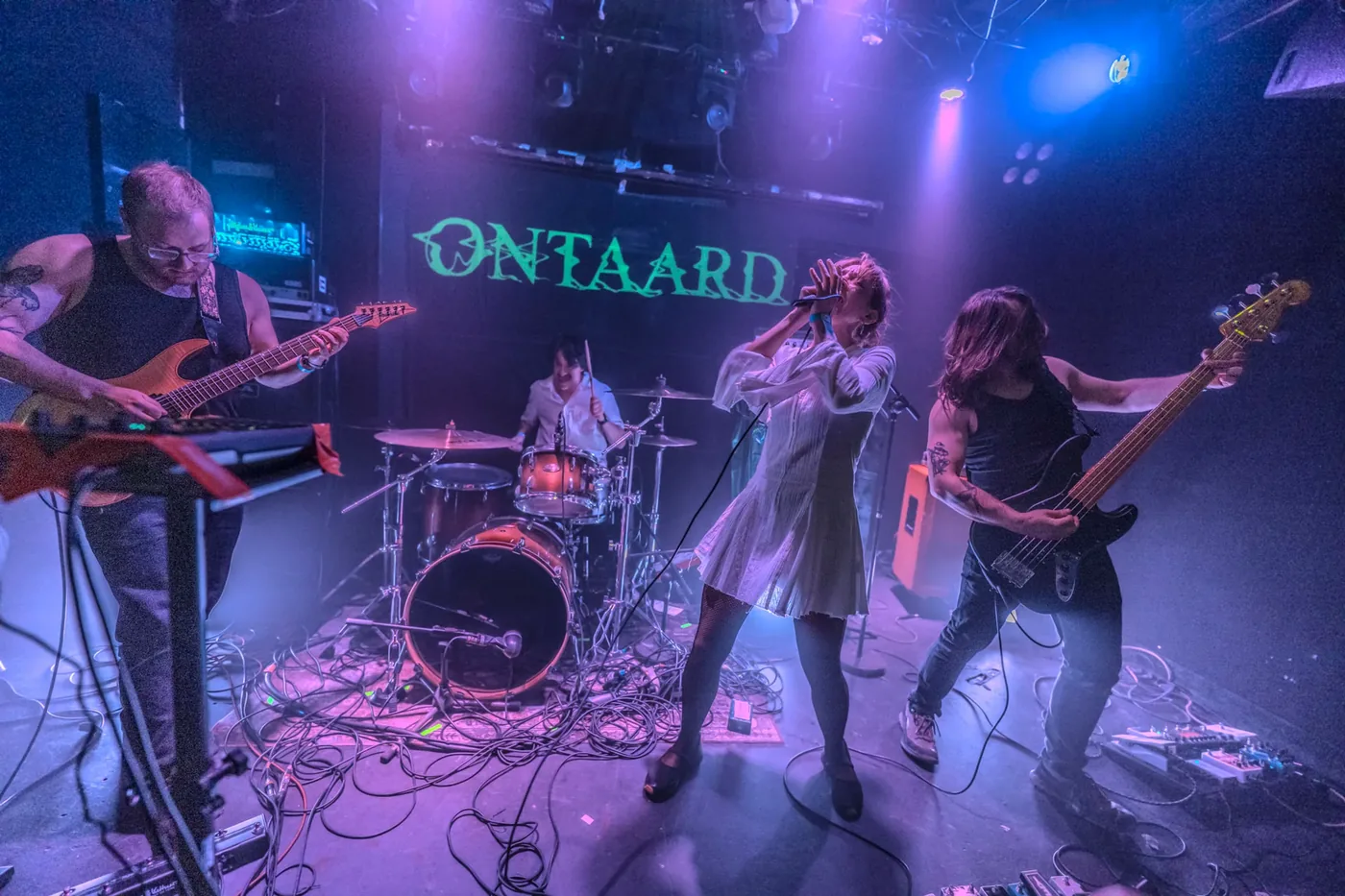
The writing process usually begins with the instruments. Guitarist Jeroen van Koesveld, bassist Thomas Meerlo and drummer Mart Lier work out the compositions together, and Shira writes in response to what the music brings up for her.
The others have never heard the complete account of the experiences behind this album. Shira has mentioned certain things over the years, but the four members have never had a long discussion about everything that happened.
“I don’t know how much my bandmembers know, actually. I’ve dropped some breadcrumbs of information here and there but we’ve never talked through events or the processing of it. The writing of the lyrics, most of the time, is informed by how the songs make me feel. So the riffs and vibes come first, and then I write the lyrics. None of us tend to really dive into the meaning of it. I actually think the most I’ve told about the songs was on stage.”
One early memory came back during dinner before a recent gig. The band were due on stage in an hour when Thomas reminded Shira of a conversation from their first rehearsals.
“We just talked about this question at dinner -we’re about to go on stage in an hour- and Thomas, our bassist did tell me about a memory from when we first started rehearsing. We were on our bikes from rehearsal, going back home and he asked me “are these lyrics true?” and that was enough for him. As long as the lyrics came from a true place.”
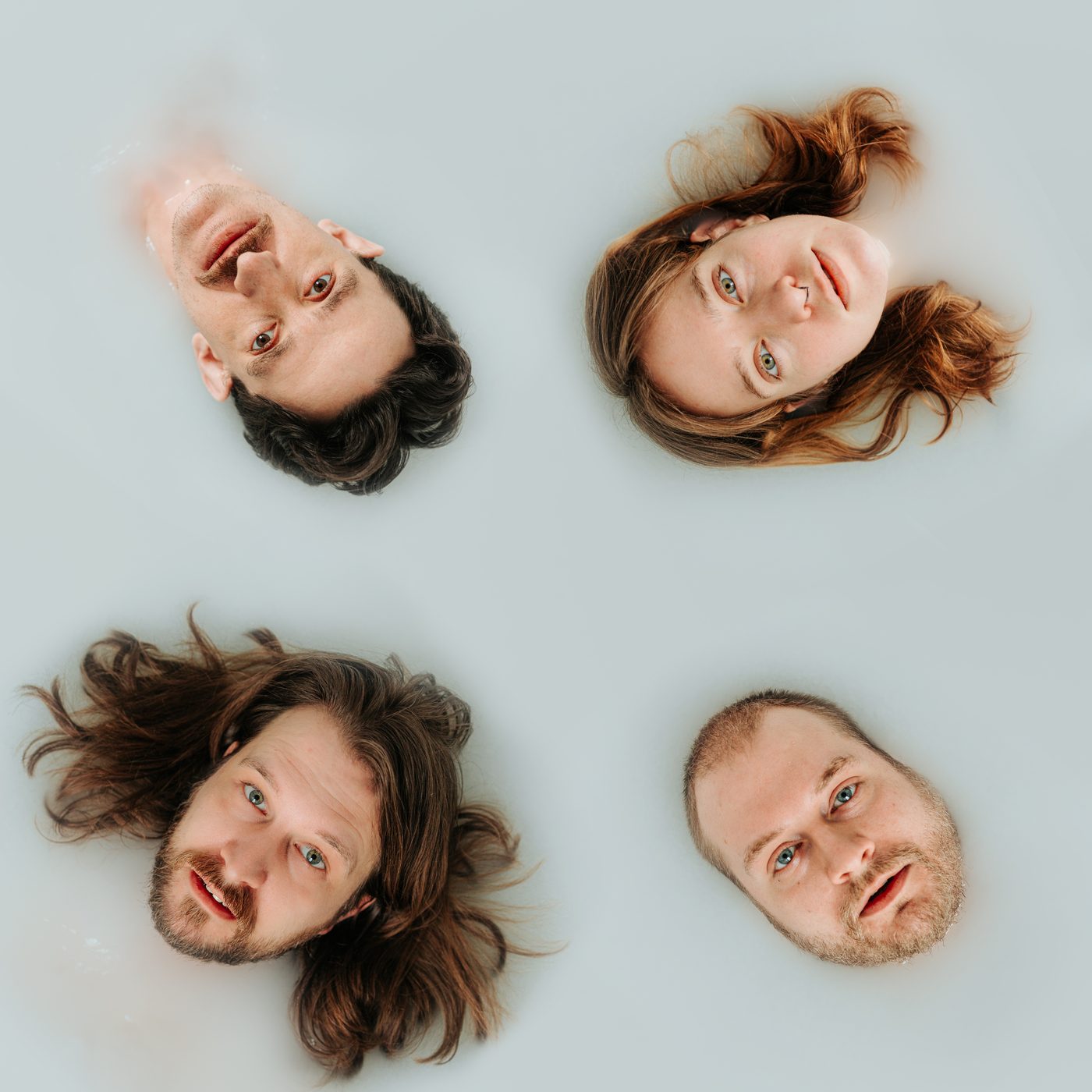
That way of working has given Shira considerable freedom to write about difficult experiences without having to explain each one to the rest of the band beforehand.
And there’s plenty on “A Monster Named Shame” that would be difficult to explain in a straightforward conversation.
The album’s title refers to a shame that spread into almost every part of Shira’s life. Her parents had to help her escape the relationship. Her housemate didn’t know where she was during part of that period. At work, colleagues had to intervene when her former partner came looking for her. She also felt shame towards his family and friends, people she had never met.
“To me, shame can feel like this slumbering virus or mycelium that can take over and sabotage so many aspects in your life. I’ve felt shame towards my parents for having to save me from this relationship. I’ve felt shame towards my housemate at the time, for not knowing where I was during that time. Shame towards my coworkers for having to pull me to the back when he decided to look me up. So much shame towards his family and friends whom I’ve never met. It made me quieter and second guess every interaction I had.”
Wyświetl ten post na Instagramie
The lyrics to “Deluge” put that experience into a strange and very physical scene. A woman puts on gloves and a headlight and travels inside herself. Deep behind her lungs, underneath her heart, there’s a small wooden hatch. She can hear water crashing against it.
Opening that hatch means exposing everything she has tried to keep hidden, including thoughts and feelings she fears other people will judge her for having.
The song keeps returning to the fear of what might happen if that hidden part of herself is opened. Shira described the image as a way of dealing with the shame she felt she had stored inside.
It also prepares the listener for the way the vinyl has been arranged. More on that in a moment, because the band have made an unusually physical decision about where its first side should end.
“Here’s to my Detriment” takes the self-directed anger into a much shorter piece. Its repeated lines concern wanting to discard parts of oneself, with the narrator struggling to recognise the person looking back. There are only a handful of lines, yet they sit among much longer accounts of fear, distress and unstable memories.
“Pigsty” gets particularly close to what Shira remembers from her former partner’s psychotic episodes. The lyrics contain an accumulation of disturbing everyday details: nights without sleep, skin picking, dirty clothes, dishes piling up and a wasp that has made a home in a pile of wet laundry.
There are suspicious men watching from vans, people knocking at the door, and faces appearing in broken pieces of glass. The narrator grows increasingly frightened and confused, returning to the same details as ordinary surroundings become threatening.
Other memories interrupt the paranoia. There’s a recollection of physical affection, a former closeness and the difficulty of recognising someone who has changed so drastically. Even the disgusting surroundings contain reminders of a relationship that once meant something very different.
Shira has been singing “Pigsty” live for some time. Performing it repeatedly has meant returning to those memories over and over, and she has noticed a change in how strongly they affect her.
“The writing of these songs became the primary way to process what has happened. Well, maybe secondary after EMDR. And in a way it is very similar. Take the song Pigsty, for instance. The lyrics are directly taken from the depths of his psychotic episodes and by now I’ve performed this song so many times, I’ve gone back to those memories so many times, they don’t affect me as much anymore.”
EMDR, or Eye Movement Desensitisation and Reprocessing, is a form of psychotherapy used to help people process traumatic memories. Shira places it alongside songwriting and performing in her own account of recovery.
Another disturbing piece, “16 verdiepingen“, is written in Dutch. Its title means sixteen floors, and the lyrics follow a woman repeatedly climbing a building and jumping from progressively greater heights.
She begins with injuries she can still walk away from. A couple stops to watch, but eventually grows bored. Other people see what’s happening and respond with irritation or indifference. The woman keeps returning to the stairwell and attempting another jump.
By the end, somebody watching from a nearby building has decided she probably won’t reach the sixteenth floor.
The song is particularly uncomfortable in its treatment of the bystanders. Their attention comes and goes, and the woman’s increasingly dangerous behaviour becomes an inconvenience or an unpleasant spectacle.
Shira has left many of the original events unnamed, even though she is willing to be direct about their emotional consequences.
“Ooh, this is a difficult one. I won’t write anything down I don’t want published but you might have seen that I not mentioning any specifics about the event. But I can be as honest as ever about my emotions and inner world.”
That decision applies throughout the record. There are identifiable actions, conversations, places and feelings inside the songs, but certain details remain hers.
The album was almost finished in its written form when Ontaard were offered one of the biggest opportunities of their career.
The band had already made an appearance at Roadburn with a secret show in 2024. The following year brought “Something To Lose”, a commissioned performance created together with Throwing Bricks and other collaborators for Roadburn 2025.
Ontaard had planned to record their own full-length that winter. Instead, they put it aside and spent the following months working on the commissioned piece.
It was a demanding project, with rehearsals several times a week and a much larger number of people involved in making decisions. Although the musicians had been friends for years, they had never worked together so intensively.
“A Monster Named Shame was almost completely written when we were asked to do the commissioned piece. We planned to go into the studio that winter but we put everything on hold to write Something to Lose.”
“During the writing of Something to Lose we had several rehearsals a week and had to find a whole new way of communicating with people who we love (Throwing Bricks), but haven’t worked with this intensely before. It was an intense pressure cooker of a project and even though I loved it, it also made us appreciate the comfortable space we’ve created with the four of us. So when we got to record A Monster Named Shame it felt like coming home after a fun summer camp.”
The Roadburn collaboration was later released as “Something To Lose – Live at Roadburn” in April 2026. By then, Ontaard were returning to the songs they had put aside, and to the familiar arrangement of just four people working together.
A few weeks after the original Roadburn performance, Jeroen became a father for the first time. One of the melodies he played to soothe his newborn son eventually became the guitar melody in “Juliet”. It’s a lovely little detail, particularly considering the frightening scene Shira describes in the song.
The band recorded their debut with Rens de Boer, who is also associated with Teardrinker and Lijkschouwer. He handled the recording and mixing, with Role at Die Tonmeisterei taking care of mastering.
Utrecht has been central to much of the band’s activity. Ontaard and Throwing Bricks have shared stages, written music together and worked with many of the same people, though their friendship goes back further than the records they’ve released.
During the “Oud Zeer” period, Shira and Throwing Bricks bassist Jordi had talked about how naturally the collaboration had developed. The nine musicians had known one another long before making a record together. They met through shows, shared musical interests and other bands in their circle.
Wyświetl ten post na Instagramie
That wider group had already organised Can of Worms, an event bringing together Utrecht musicians and artists for a collaborative evening, with the different acts taking turns and sharing the stage.
It’s still happening in smaller ways. Shira and Mart recently recorded guest vocals for a new album by Utrecht hardcore band Curselifter, and Ontaard are planning several guest appearances for their own release concert.
“I think the group, the network, the scene, however you want to call it, is undeniably woven into our identity. So many of the people we’ve worked with, we’ve been friends with way before any bands were formed. And we keep making new friends just because we like to go to shows and enjoy music together. And I hope the cross-contamination of this scene will never stop. It’s just too much fun, Mart and I (Shira) just recorded guest vocals for Curselifter’s new album, a hardcore band from Utrecht. During our release show we want to really celebrate and invite as many people as we can to collaborate. We’ll have features from KWAYA, of course, Rats and Daggers and Throwing Bricks.”
That last connection is already part of the album itself.
The closing track, “Ophelia”, features KWAYA Choir, a Utrecht group whose involvement came about through a friend of Shira’s who sings with them. She had been thinking about adding choir voices to a particular part and decided to ask.
“A good friend of mine sings in this choir, so it wasn’t more than just a thought like ‘a choir would sound cool in this part’ and then sending him a text message if KWAYA would be down to collaborate. Shout out to KWAYA, in the middle of their rehearsals they made room for us to record this song and they made sheetmusic out of my rocky voiceclips.”
For Shira, “Ophelia” deals with a particularly strange period after the depression began to lift.
After so long feeling overwhelmed, she had to work out how to move through ordinary life again. Even positive changes could be unsettling, and she found herself missing the familiar state of melancholy she had spent years trying to escape.
The title refers to the painting of Ophelia, which Shira associated with that longing to return to an earlier state. In the lyrics, she addresses Ophelia directly and admits to missing the comfort of that old condition. The song also includes the words “Better days have come”, alongside a plea for treatment and salvation.
“We immediately felt like Ophelia would be the perfect ending. On the vinyl you start off with Serenade and Juliet, and then comes Deluge. In Deluge I start to pry open this well of shame and let the deluge come over me. The vinyl ends in a locked groove of noise so the listener has to stop the needle themselves and flip the record actively to go into the next chapter. On the B-side of the vinyl you start to slowly climb out the well of shame and guilt. Eventhough sometimes you get sucked into involuntary memories.”
The locked groove means the noise at the end of the first side will continue repeating until somebody lifts the needle. The listener has to interrupt it and turn the record over.
The second side continues through the memories and the difficult work of leaving guilt and shame behind, eventually arriving at the choir-assisted ending.
“Then, in Ophelia I sing about the moment where I felt like I finally got out of depression and had to relearn how to move in the world. Kind of like a bambi standing on its leg for the first time. It felt so disruptive, in a sense, that I started to long back to the times of overwhelming melancholy and depression. I felt like the painting of Ophelia perfectly depicted that feeling.”
“And what better way to end than with a bunch of friends around you?”
“A Monster Named Shame” arrives on 23 October 2026, on CD, vinyl and digital platforms. The complete album will be available online that day, while three advance tracks can already be heard through the band’s Bandcamp page, where physical editions are also available to pre-order. The music video for “Ophelia” is scheduled for the same date.
The release show takes place that evening at EKKO in Utrecht, with Groningen’s noise/sludge band VRLCHT and Utrecht hip-hop act Keukengerei supporting. KWAYA, Rats and Daggers and Throwing Bricks are also expected to contribute to the night’s collaborative performances.
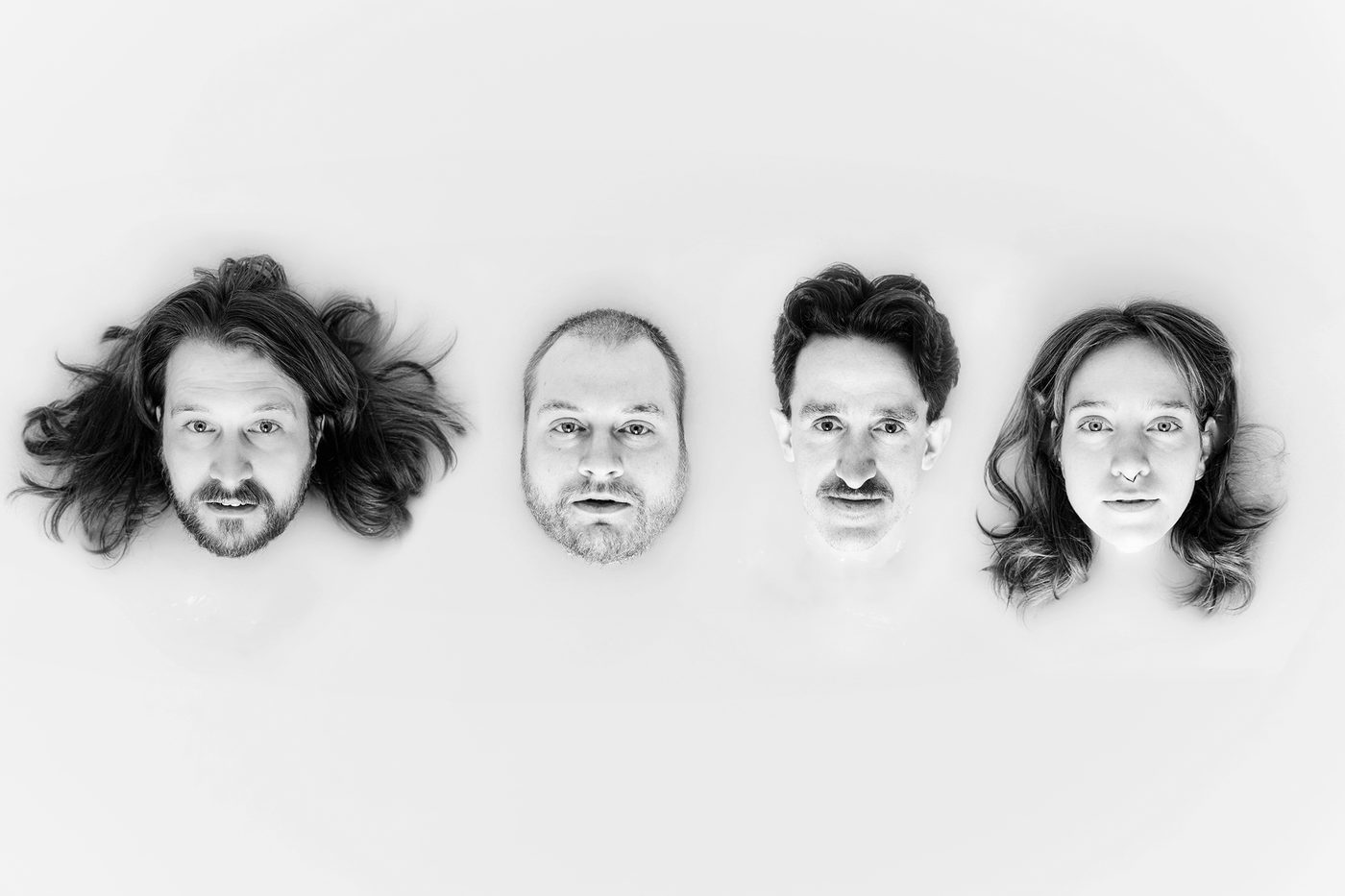
The album artwork and band photographs are by Lisanne Lentink, with additional live photographs by Reinier van Olderen and Liv van der Ham.
After years spent writing these songs separately, Shira can now hear them together as the story she was working through. The vinyl gives that story one final, physical detail: to get from the shame of the first side to the better days at the end, you have to make the decision to turn it over.
Wyświetl ten post na Instagramie