

We’ve been having some ridiculously good weeks for all the different shades of screamo, and Germany’s …and then I feel nothing have just added another record to spend some serious time with. Their first full-length, “Utopia’s Dust”, sits towards the slower, heavier, post-metal-leaning end of the genre, with stretches of melancholic guitar work, thick walls of sound and sudden bursts of harsher hardcore. If that’s your kind of stuff, there’s plenty here to get lost in.
Pain, grief, the passing of time, the gradual disappearance of things you once believed would last forever. It’s hard to get very far into this album without thinking about some of that. The opening songs are particularly affecting, and there’s something heartbreaking about how the music handles those feelings. The slower passages leave room for them, while the more violent sections bring a different kind of desperation.
And the words deserve a proper look. “Love is dead” opens with André Nossek pleading for a love that he cannot bear to lose, even as he imagines the past erasing him. “Eternal cold” goes somewhere colder, repeating the image of dead stars and the absence of anything permanent. By the time “Lost” arrives, summer has ended, old certainty has disappeared, and yesterday offers very little comfort.
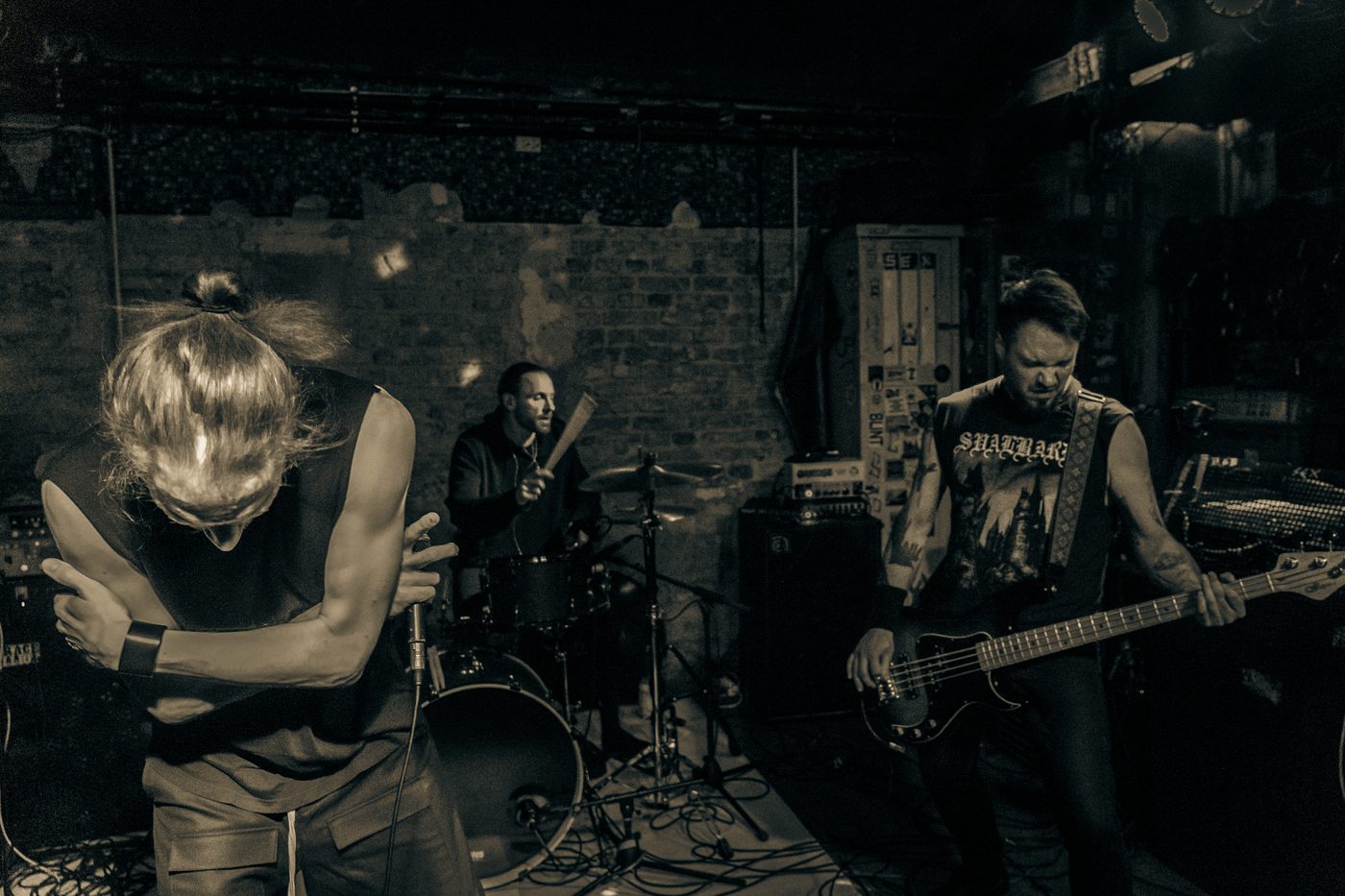
It’s an album concerned with endings, although the people who made it have a rather different story to tell about the band itself. For years, …and then I feel nothing, usually shortened to ATIFN, worked as a three-piece. Guitarist Benjamin Schmidt had grown used to sending his guitar through a splitter and octaver to cover the bass frequencies as well, and attempts to recruit a permanent bassist kept going nowhere. They’d recorded two EPs, weathered a difficult period around their split with erai, and reached a point where Ben could hear possibilities that the existing setup couldn’t quite manage.
Then Daniel Kluge joined in 2023. He brought a bass, another set of songwriting ideas and, fairly quickly, a completely different way for the four musicians to work together.
The first proper album followed.
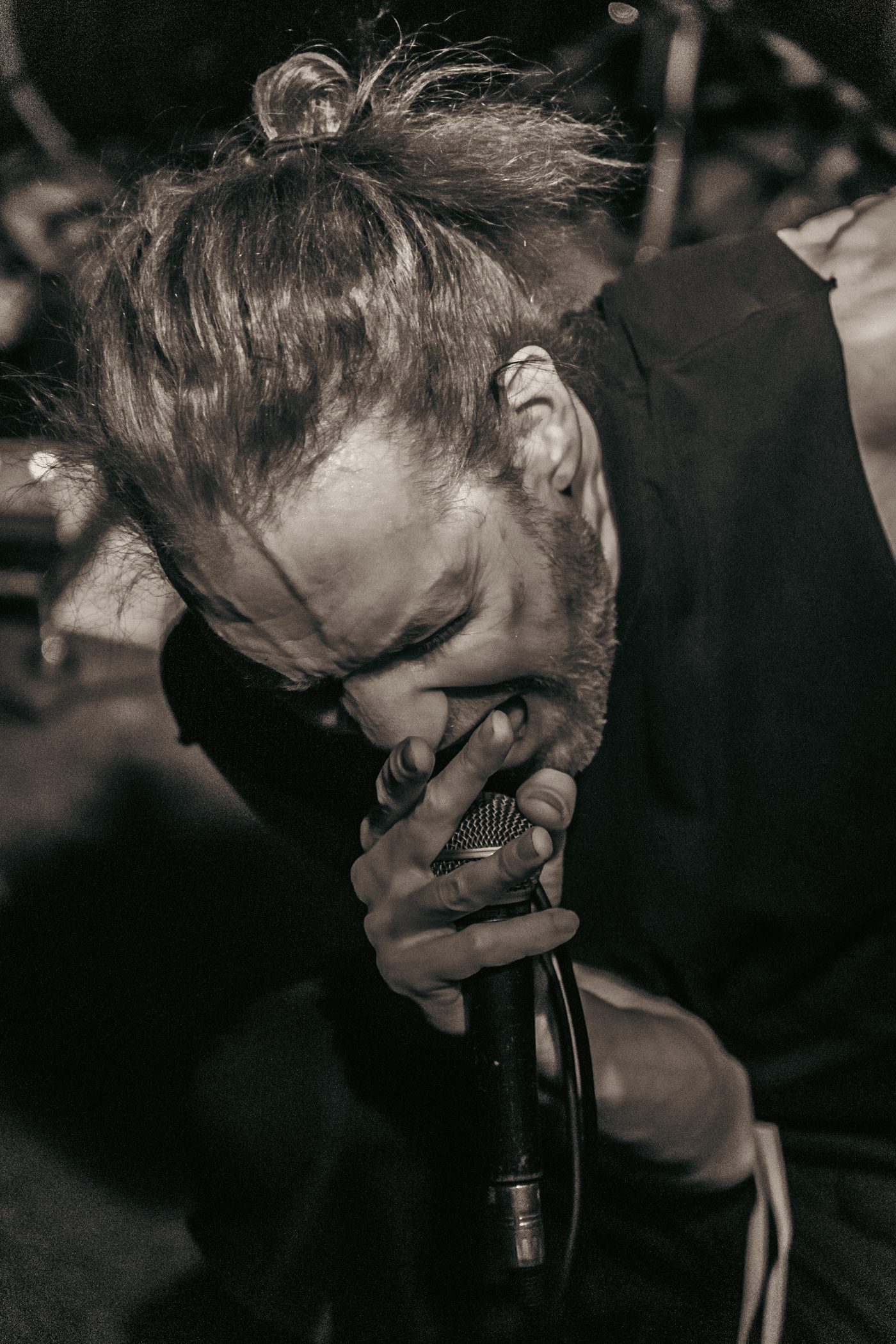
ATIFN had been around since 2017, with Ben, André and drummer Rouven Ludwig forming the band’s constant lineup. The three already had plenty of experience in hardcore, although writing together took some getting used to.
Their self-titled debut started largely with Ben’s ideas. For the earliest songs, he had a drum loop over which he’d written guitar parts and melodies. Rouven then learnt the rhythm, adding variations of his own. They didn’t have a permanent rehearsal space yet and were meeting at Noisy Rooms, using the equipment available there.
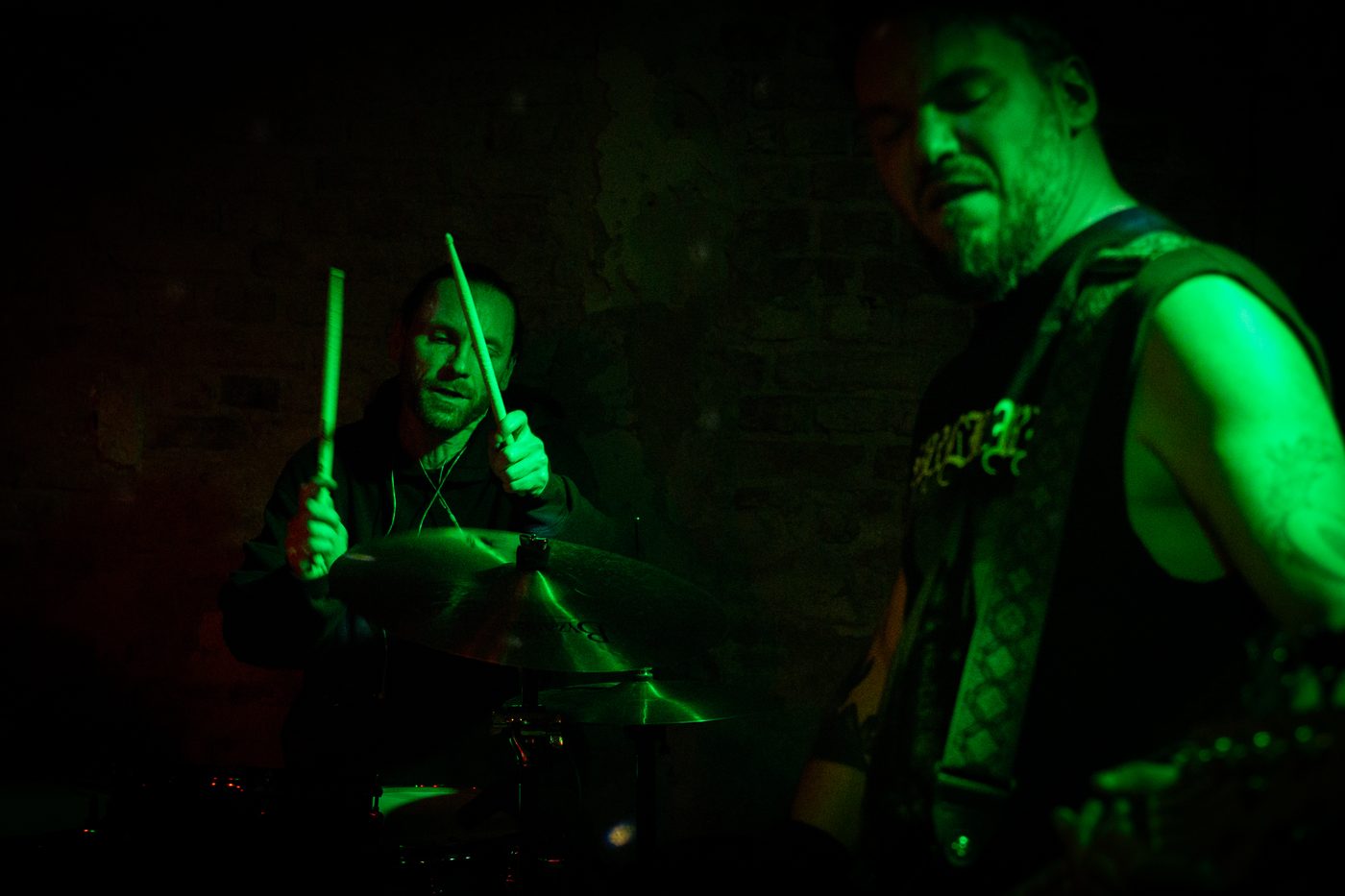
Ben initially bought a bass and wrote parts himself. As a guitarist, he found that his bass lines came out sounding like heavily down-tuned guitar riffs, something he quite liked. André and Ben wanted short, rough, fast and melodic songs, with early tracks such as “My Unraveling Heart”, “A Cure for Happiness” and “Dancing without Tomorrows” giving them confidence in what they could make together.
The music was personal from the beginning, and writing it could get uncomfortable.
“Writing songs sometimes can be painful and often I thought Rouven wouldn’t come back to the next rehearsal. But he did and we found a solid way to communicate via music,” Ben remembers.
Rouven kept challenging Ben’s ideas, and Ben gradually became more comfortable letting other people change parts he’d already written. André worked in a similarly instinctive way with the vocals. Ben would bring riffs and possible structures, Rouven would work through the rhythmic details, and André would begin trying words against the music. Sometimes he’d keep singing one line until he found the phrasing that worked. Only then would the rest of the lyrics take shape.
The lack of a bassist increasingly influenced the songs themselves. Ben’s splitter and octaver sent his guitar signal to both guitar and bass amplifiers, and the much larger combined sound encouraged him to write differently. “Agony” came directly out of that setup.
By 2020, he was already thinking about changing the band’s direction. His own emotions and interests had shifted, and he still regarded hardcore and post-hardcore as music that should allow people to keep developing.
The recordings that became “5 Songs” were made in 2021 and released the following year. Much of the writing took place during the pandemic, with guitar and programmed drum ideas travelling back and forth between Ben and Rouven. It worked well enough to get the songs finished, although Rouven has mixed feelings about the result.
“I think sometimes you can hear it on „5 Songs“, although I like some of the songs, I think the records sound a little bit unfinished.”
They hadn’t spent enough time playing the songs together before recording. Rouven tracked most of his drums alone to a metronome, with Ben adding guitar afterwards, and he felt that the process sometimes took away the movement he wanted. Some ideas had also been rewritten extensively without quite arriving at a satisfactory result.
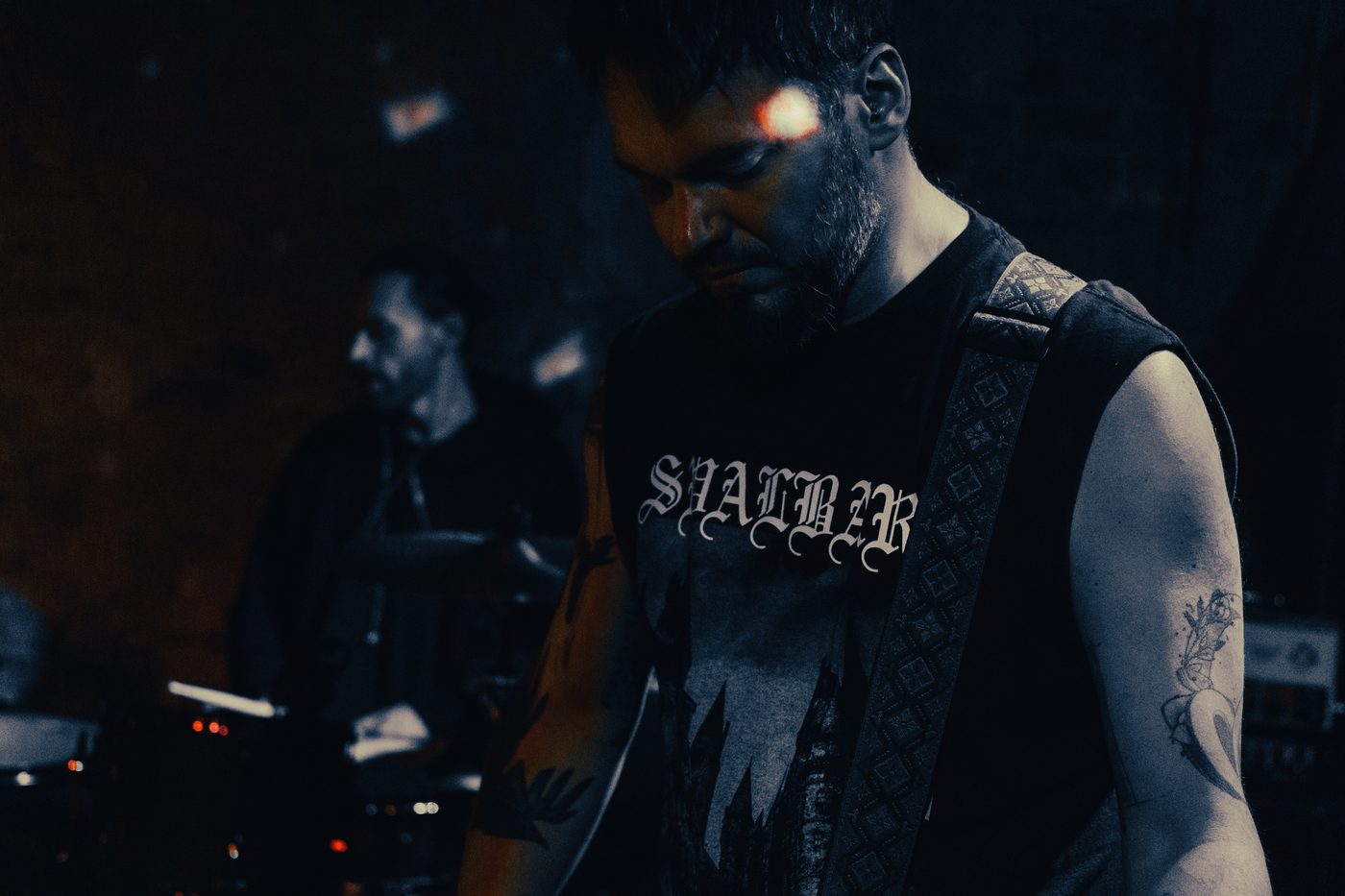
“Acheron” and “Agony” remain important examples of where the three-piece approach worked for them. Other songs left Ben wondering exactly what the band had been trying to achieve.
The following year brought a more immediate question about ATIFN’s future.
Rouven, who was also playing with erai, planned to spend several months travelling through Eastern Europe. Both bands decided to record a song before he left, giving them something to work on during his absence. They rented inexpensive microphones and handled the recording themselves, with Peter from erai helping to get the whole thing organised and doing the mixing. Will Killingsworth mastered the split at Dead Air Studios.
For Ben, Rouven’s departure had looked potentially permanent.
“Rouven leaving, more or less for good, could have been, at least for me, the end of atifn.”
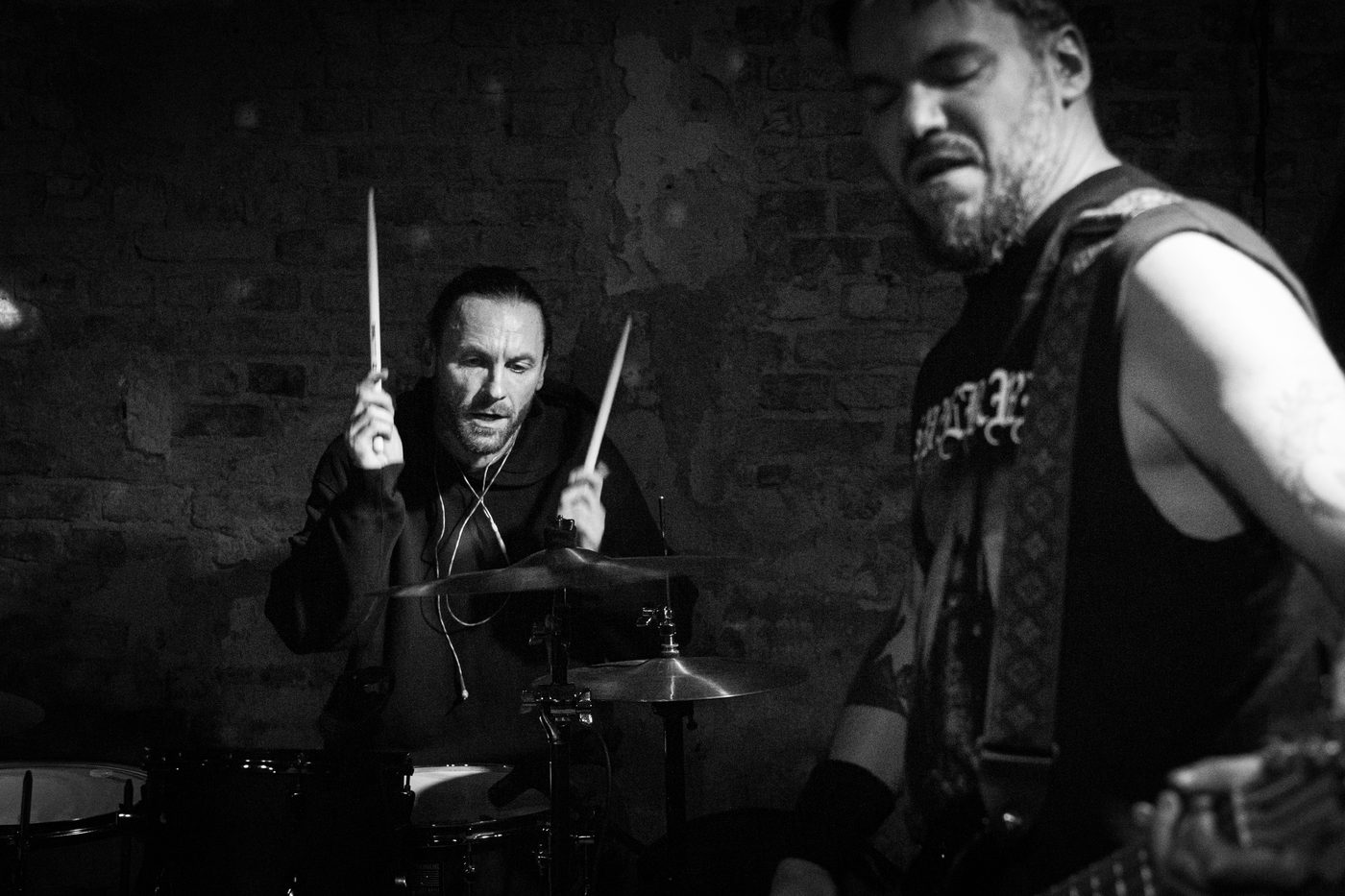
The bands had shared a drummer, rehearsal space, gigs and friendships for years. They had also helped each other get started, and Ben credits Peter with making sure the split actually happened during a period when both bands’ futures were uncertain.
ATIFN’s contribution was “Blossom“. Ben came up with the chords one evening at his kitchen table, and the other two picked up the idea immediately. Roughly three rehearsals later, the song was finished.
It’s still the oldest song on “Utopia’s Dust“, and the only one written before Daniel arrived. Placing it at the end of the new album gives it a particular connection to everything that happened next.
Ben came away from that period with a clearer idea of how ATIFN might continue. The collaboration between the three members had developed, and Rouven was becoming increasingly involved in decisions about the songs. There was still a practical problem. The sound Ben wanted needed a separate bass guitar and somebody capable of understanding how ATIFN wrote music.
“To continue the process, we needed a good bass player who is able to pick up the whole idea and give it a push to the next level. And that’s the moment when Daniel magically raised himself out of the ground.”
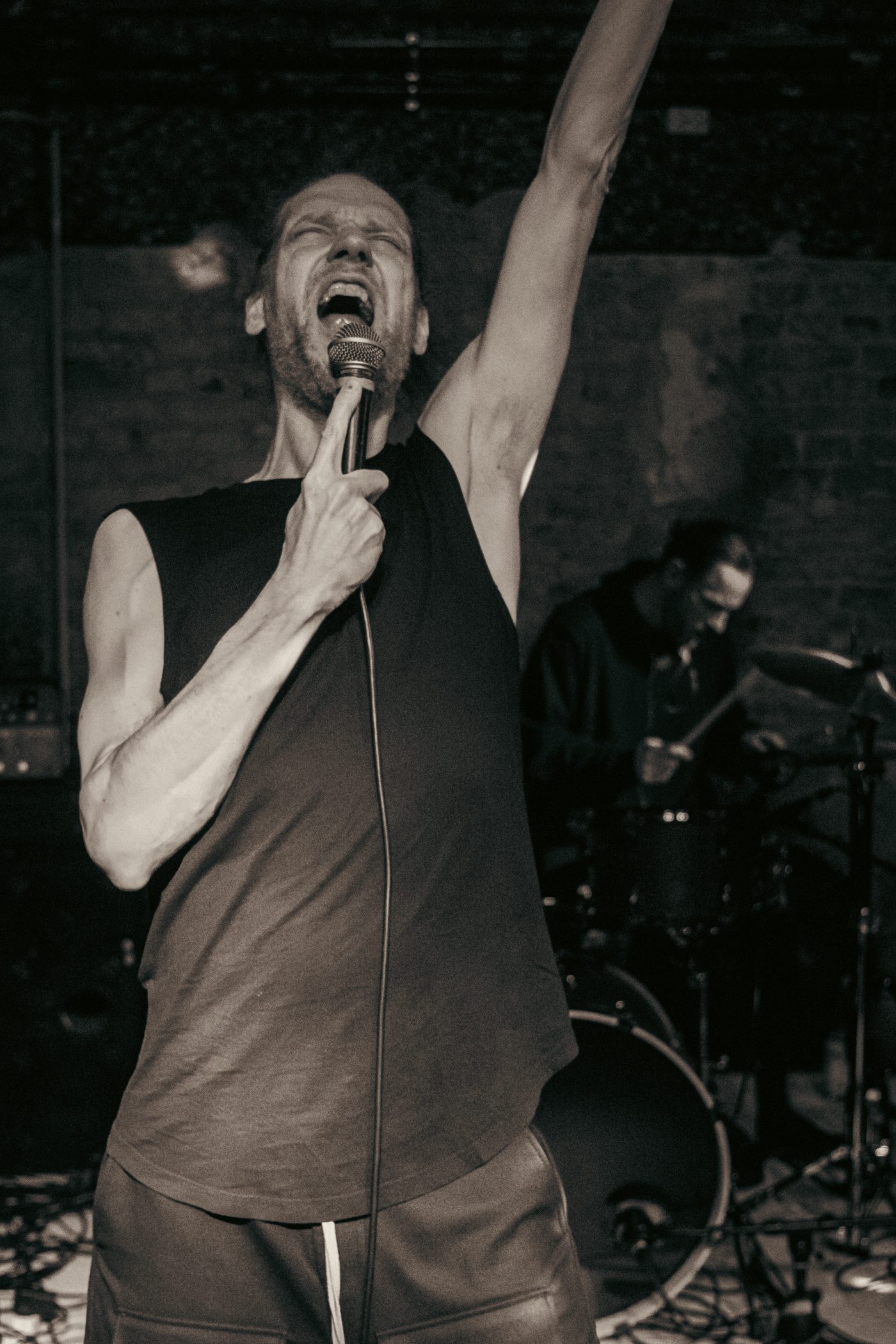
Daniel, previously of Herr Paulsen und das Zeitproblem, joined in 2023 after several unsuccessful attempts to fill the position. André reckons they’d tried around four different bassists over the years.
There were already shows booked with erai and Soastasphrenas, so Daniel’s first task was learning the existing songs. Some gained considerably from the addition of a proper bass part. Others were already complete enough that he struggled to find anything useful to add.
The first entirely new song written by the four-piece was “Lost“, with the remaining songs developing around roughly the same period.
Once they began writing together, Ben and Daniel each supplied about half the initial ideas. Daniel quickly discovered that his usual way of composing needed some adjustment. He liked developing complete songs in his head, often with numerous sections and changes, whereas ATIFN worked best when an initial idea was left open for everybody to pull apart.
“When I write, often complete songs with several twists, turns and many parts form in my head. However, I quickly realized that this just isn’t atifn, so instead of complete ideas, I rather started bringing loose connections of parts, which we simplified and often completely rearranged.”
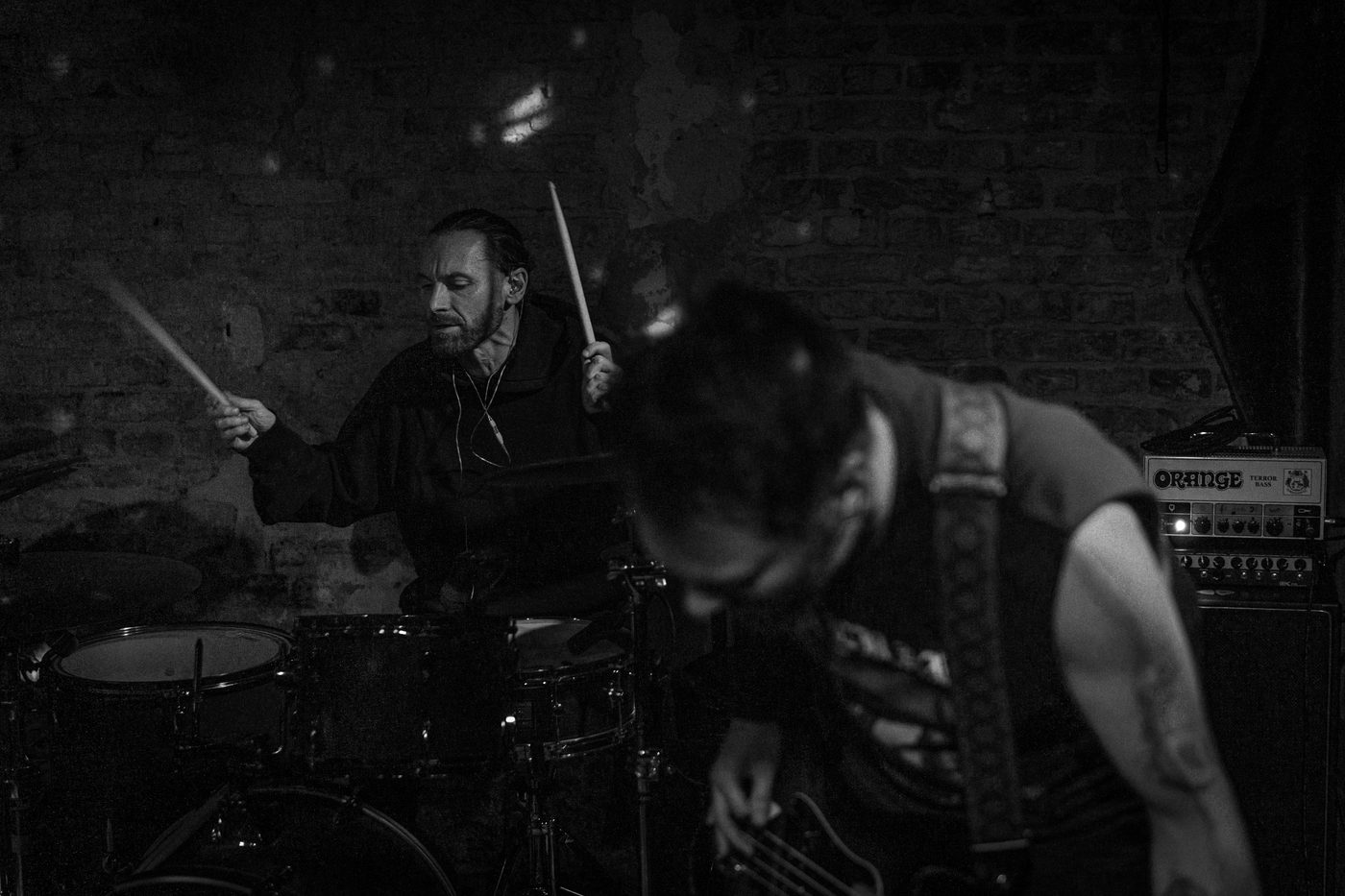
“Love is dead” provides a particularly clear example. Daniel wrote most of the original song, but the arrangement on the finished album is substantially different after the other members got involved.
He also found himself filling a useful space between Ben and Rouven.
“For Ben’s ideas, I think I have become a sort of translator between the guitar and the drums, gluing everything together a little bit and either stressing the rhythmic side or making room for his beautiful guitar parts to really shine.”
For Rouven, it was an enormous improvement. He could now develop his rhythms with someone who understood what he was trying to play and could respond independently. Previously, the bass sound had always followed the guitar because both came from the same signal. Daniel gave the rhythm section a separate instrument to work with, and Rouven credits him with bringing both organisation and fresh ideas into rehearsals.
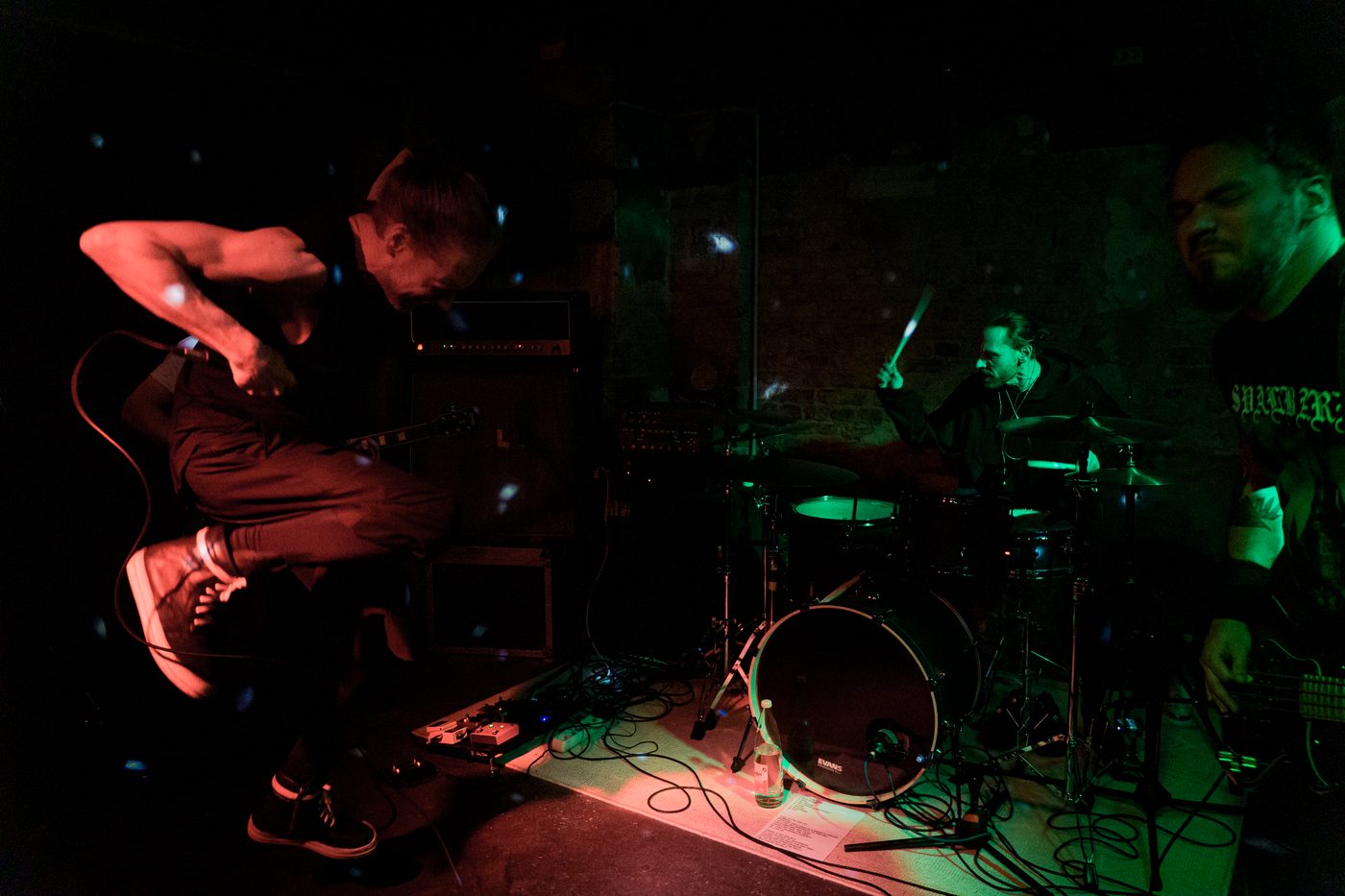
There were adjustments, of course. The guitar and bass needed slightly different tones and frequencies, and the four musicians had to pay more attention to who was playing what. Daniel’s tendency towards complicated ideas sometimes needed reigning in. Rouven knew that habit himself, having come from a different musical background, and had learnt that a very simple part could often do the most for an ATIFN song.
“Also, sometimes we just need some dirt :)” he adds.
André found that Daniel could introduce a tiny change that altered the direction of a song. He also brought considerably more weight to the rhythmic side of the music, leaving the guitar room to develop while the bass and drums worked together.
The writing became considerably quicker, too. André had watched Ben do most of the work on the earliest recordings, but by this point everyone was much more comfortable changing parts and challenging ideas. Nobody had the final say. They’d try something, see how it sounded together and keep going until everybody was satisfied.
Ben had a particularly good way of describing what happened once Daniel joined.
“With Daniel added to the process, not only did we become a quartet, but we once again had a fifth member: atifn. We had to serve the vision of what atifn was supposed to sound like, rather than simply playing whatever we wanted.”
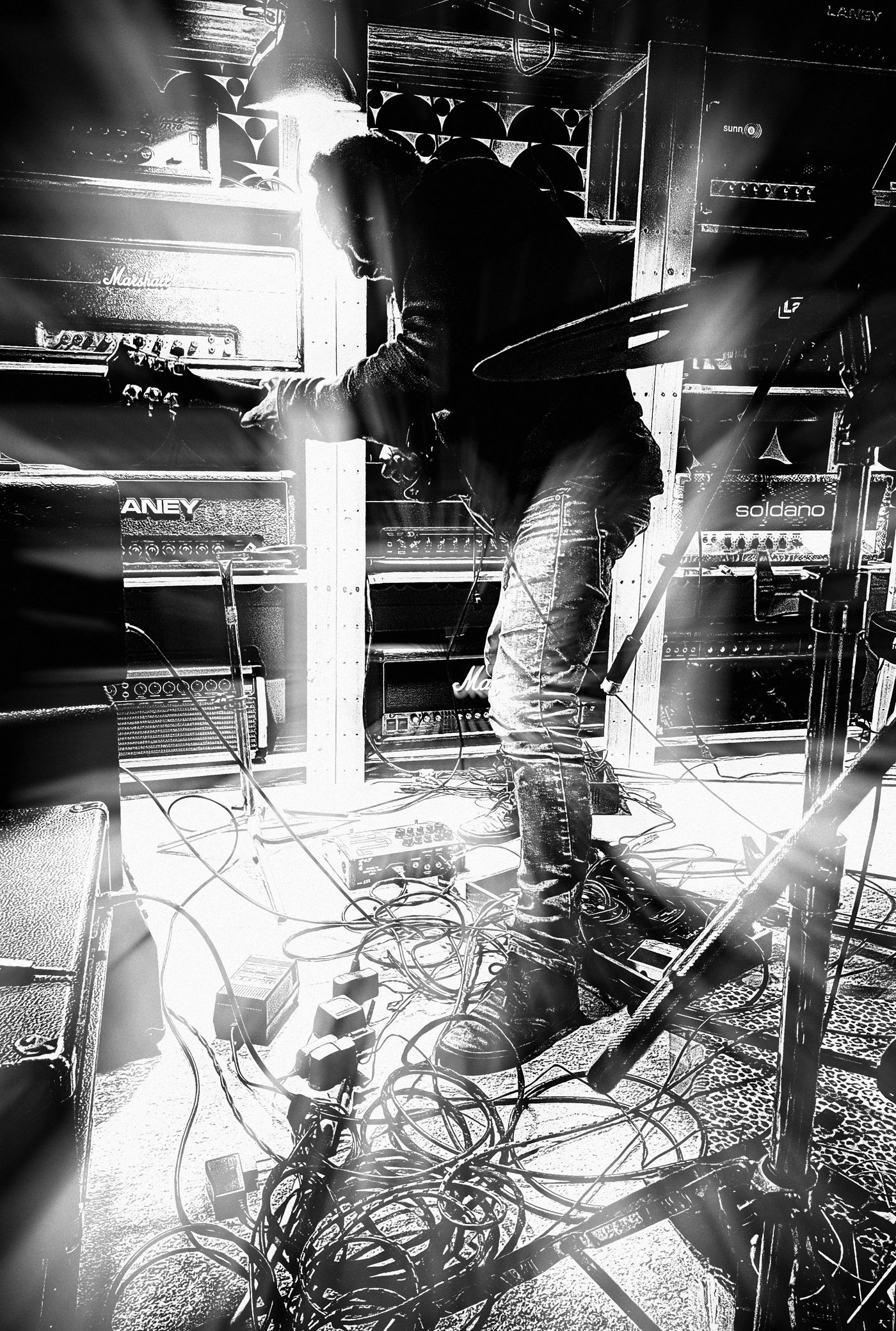
The four-piece soon had enough new songs to consider making a full-length. It hadn’t been planned years in advance. Daniel had learnt the live set, they’d played those early shows together, and rehearsals had become productive enough that recording a larger collection of songs made sense.
Two short interludes helped complete the album. One developed from a sample Rouven found in the studio recordings, which he looped before André worked on it electronically. The other was built entirely around Ben’s guitar.
The writing was going much more smoothly than it had on the earlier EPs. Recording could still expose problems that had escaped them in rehearsal, especially because ATIFN don’t make proper pre-production demos. Most of the time they arrive with little more than smartphone recordings of themselves playing together.
“Chokehold mentality” almost became a casualty of that habit.
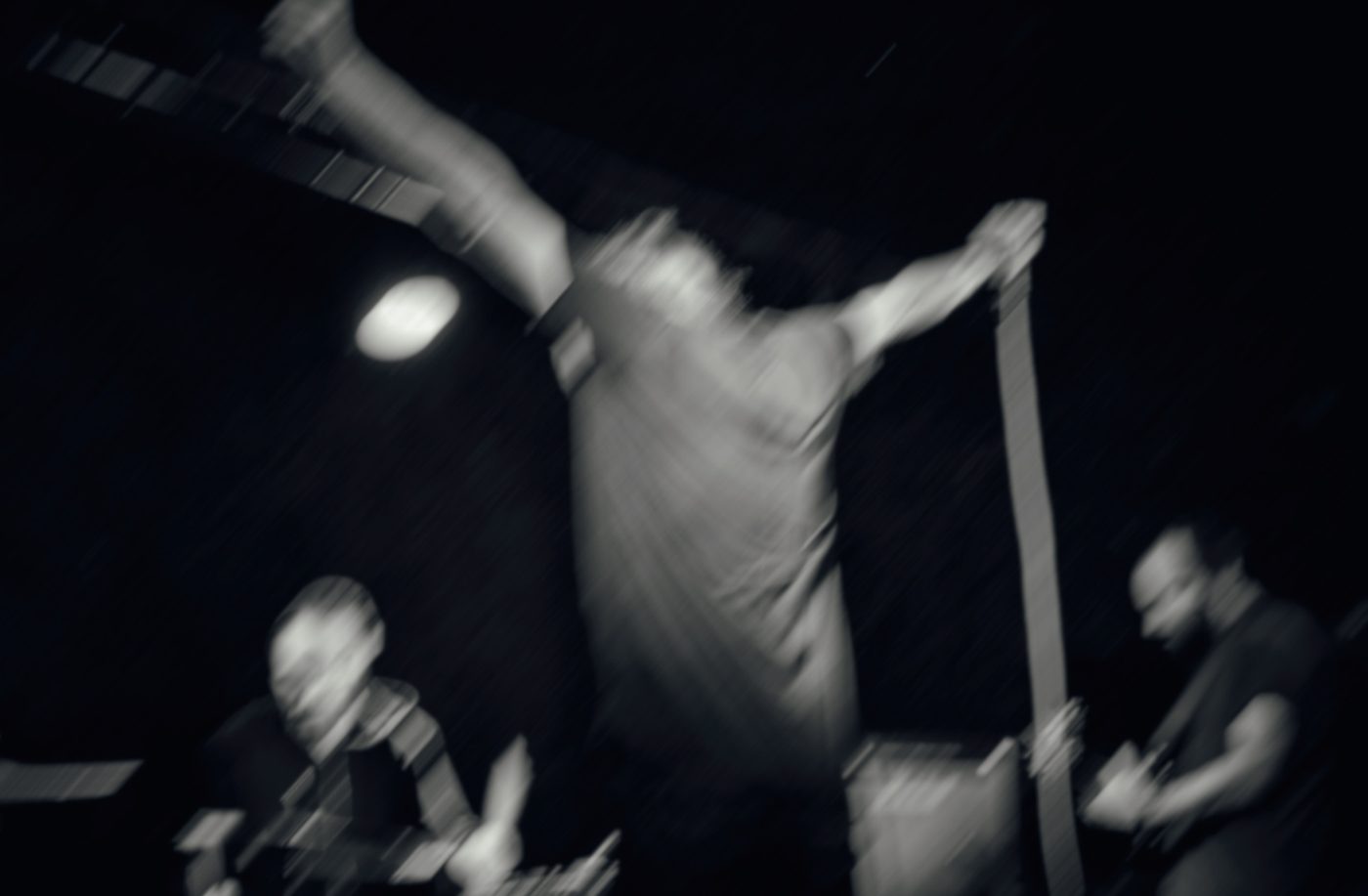
One section sounded completely ridiculous when they finally recorded it properly. The band initially laughed, then spent several days trying and failing to replace it. They were preparing to give up on the song altogether.
“On the last day in the studio, we gave the song one last hour, or we would have scrapped it. Then Rouven sat down at the drums, nailed this tough drum part in one take, Ben came up with a beautiful guitar idea, and it turned into one of my favorite moments on the record,” Daniel remembers.
The song’s lyrics are among the album’s most openly critical. André writes about people moving through rehearsed routines, everything being turned into a commodity and the emptiness of trying to buy a meaningful life. The closing reference to plastic and “printed freedom” is particularly bitter.
Elsewhere, the words get considerably more personal.
“Lost” deals with the collapse of certainty. André describes the end of summer, a broken dream and the loss of a confidence he once possessed. The images of fading light and disappearing memories accompany a song that the band themselves identify with the quieter end of the album.
“Eternal cold” takes that feeling further. Everything that once appeared permanent is gone, even the stars. The repeated declarations become increasingly absolute, reducing an entire universe to absence.
“The end of all things” is shorter and almost brutally simple in its language, cycling through things that have disappeared: love, dreams, screams, light. There’s hardly anything left by the end.
And “A dead dream” brings the record’s central title into focus. Its narrator looks back on being young, fighting for change and believing that the future could be different. The confidence of those years has given way to doubt, with the dreams of collective action gradually disappearing.
André had considered calling the album “Love Is Dead”, after its opening song, but the others thought the title was too nihilistic. All four still believed that love was among the few human qualities capable of connecting people. They eventually agreed on “Utopia’s Dust”, taking the phrase directly from “A dead dream”.
For André, the title has a lot to do with growing older and watching beliefs that once seemed obvious become harder to hold on to.
“When you’re younger, it can feel so easy to hold on to the idea that things could be different. I can only speak for myself, but seeing how incapable we are as humans of changing on a broader scale can make me very nihilistic.”
He connects the songs through feelings of alienation, strong emotions and the difficulty of finding a place in a world that increasingly seems artificial and prearranged.
“And I guess that’s what “Utopia’s Dust” means to me, big ideas and hopes for something better eventually turning into dust. Maybe that’s simply human nature, a constant struggle to survive while at the same time destroying everything around us.”
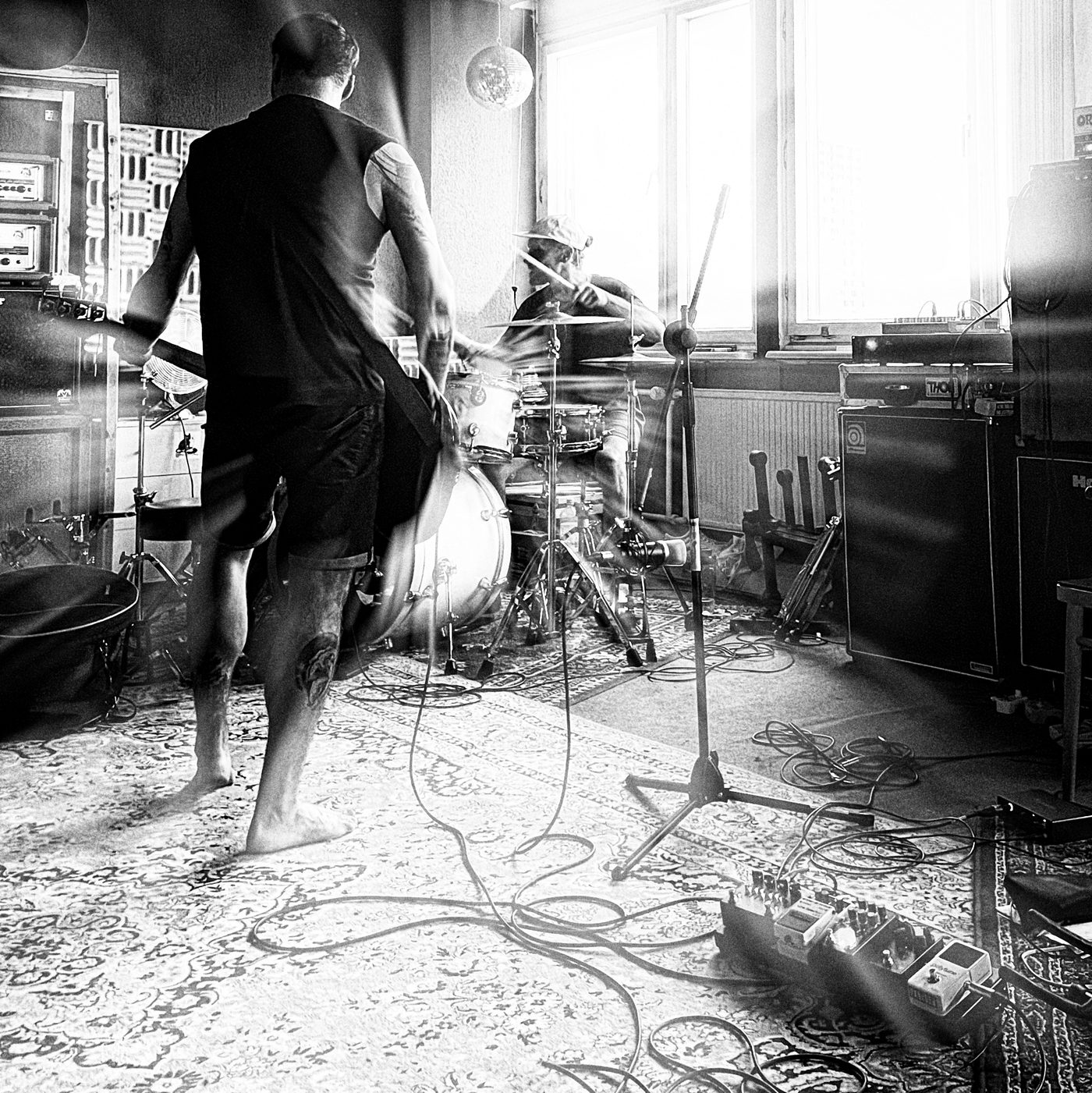
Those words also make the decision to keep love at the centre of the album’s opening song more understandable. André can be deeply pessimistic about humanity’s ability to change, and he still wants to believe in something that connects people.
The closing track, “Blossom“, brings the passing of time down to a very personal scale. Life is short, everything will eventually be forgotten, and even the promise of eternity cannot stop time from taking its toll.
It’s also the song that helped ATIFN get through a difficult period and ultimately led them towards the lineup responsible for this record.
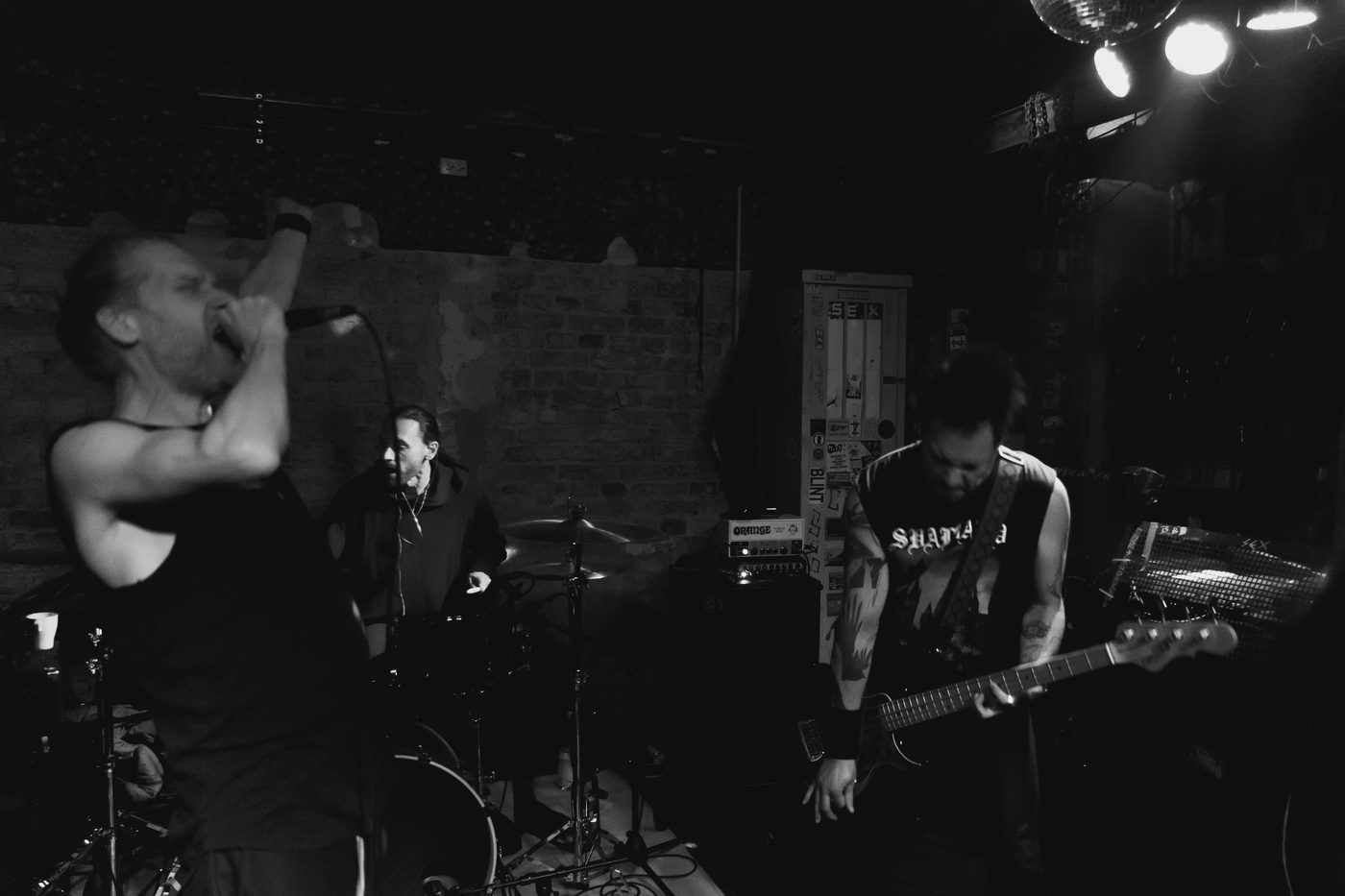
Recording “Utopia’s Dust” took them back to Die Tonmeisterei in Oldenburg in June 2025, their third visit to the studio. Henner had recorded the first two EPs, with Role involved in their production and mastering. This time the band worked with Dave, who had joined Tonmeisterei since their earlier visits.
The first day went largely into finding the right sounds. Role and Dave spent time on the amplifiers, pedals and various details that would help the instruments work together. Role has always had an interest in guitar feedback and noise, which suits the band’s preferences well.
The biggest difference was how the musicians recorded. Ben, Rouven and Daniel played the instrumental parts together, live in one room. André recorded his vocals separately on the final day.
They also had a little more studio time than on previous visits, and André appreciated being able to work through the recordings properly.
His experience goes back to Atrox in the mid-nineties, when they recorded at several locations and often struggled to get anything resembling the sound they’d imagined. They were inexperienced and didn’t yet understand how to communicate what they wanted from an engineer.
“So when we first recorded with Tonmeisterei, it was almost a revelation. I understood what it meant to have someone who is a master of their craft and can guide you without taking away what you’re trying to do.”
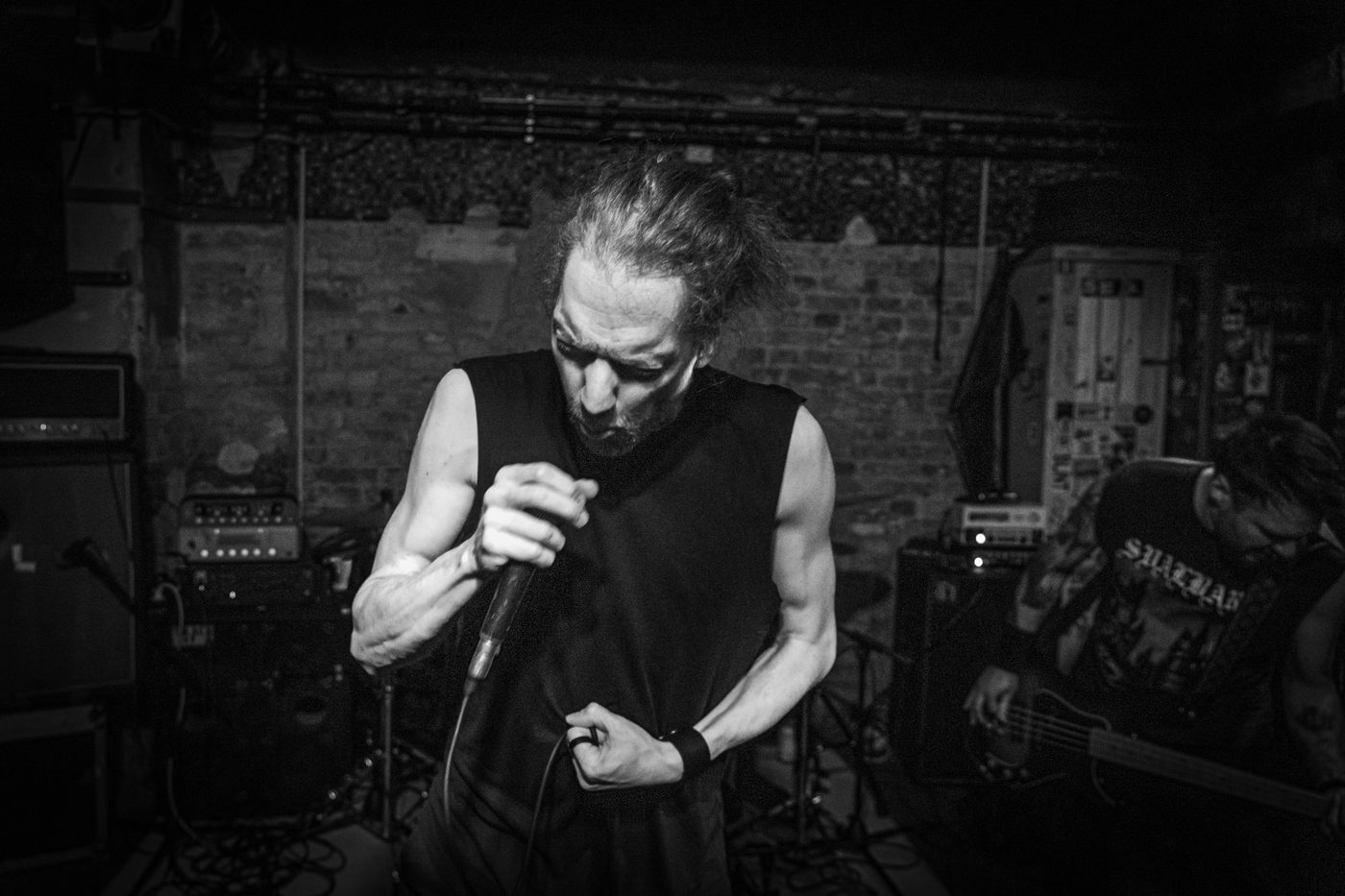
That early experience helped establish a relationship that has continued through three ATIFN releases. Rouven particularly values how quickly the engineers understand what the band are trying to achieve, along with the quiet surroundings in Oldenburg. Dave and Henner have different personalities, but André appreciates the patience both bring to a recording session.
A few details of the album were still being created right up to the end. Daniel came up with a small bass solo during the final instrumental take, and “Echoes rising” developed from a sample Rouven discovered among the studio recordings. André took that sound and worked it into the short electronic piece heard on the finished album.
There’s a much longer history behind the current lineup than the band’s 2017 formation date might suggest.
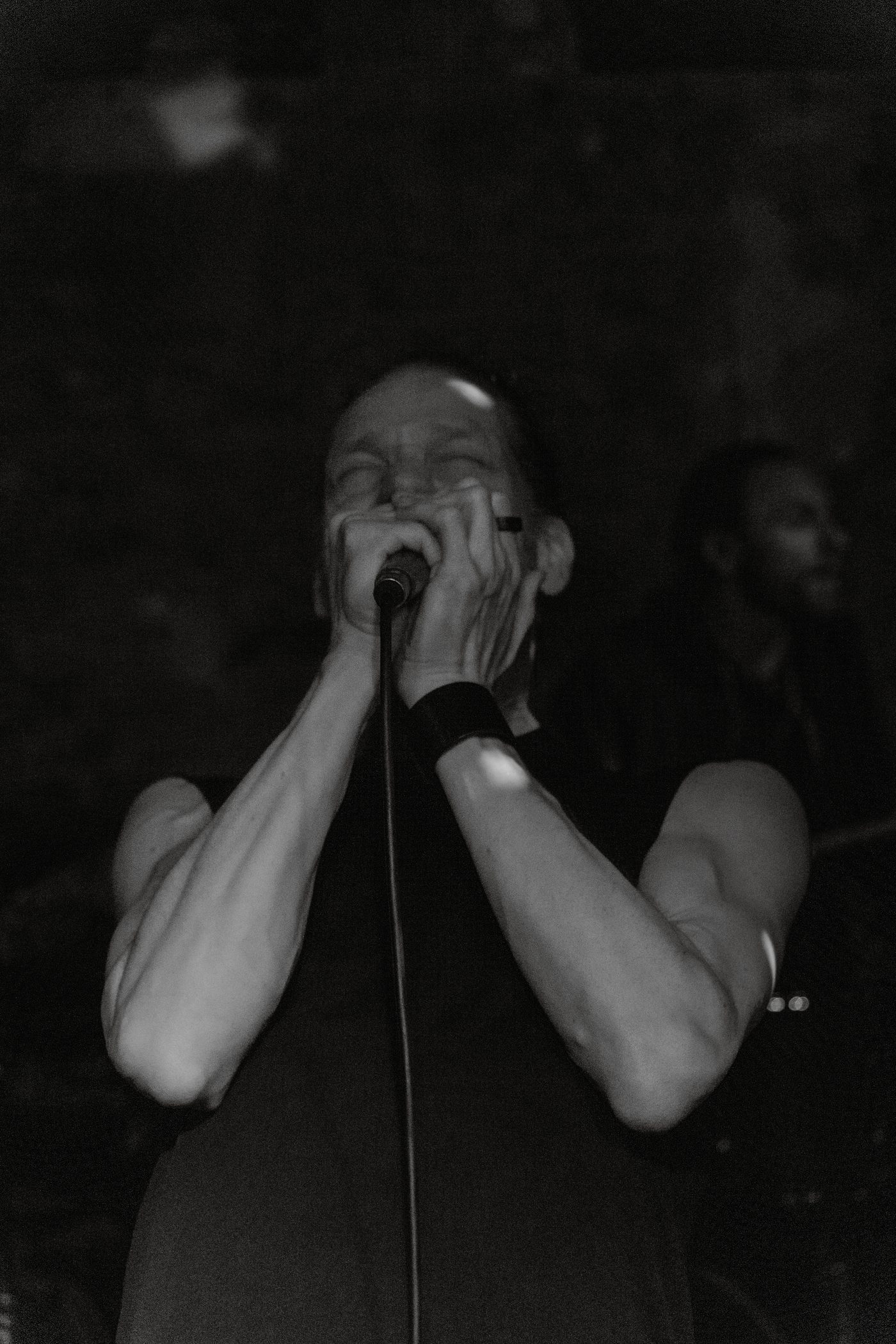
André and Ben first played together in Atrox, part of the hardcore world they’ve been involved with since the mid-nineties. When Atrox lost their second guitarist, they continued for a while as Dada Plastik, but that band came to an end after Ben moved away, first to Leipzig and later Berlin.
André eventually moved to Berlin as well, and the two decided to start another band. At a club night, André noticed someone wearing a hardcore shirt and approached him about playing bass. It turned out to be Peter, whom he already knew from years earlier, when Atrox had been involved in putting on shows in a basement club.
Peter agreed to come along, although he actually wanted to play second guitar. At the next rehearsal, he brought Nico and Rouven. For a short while, they had a complete lineup.
That arrangement didn’t last, but it eventually produced two bands. Peter, Nico and Rouven formed erai, while Rouven carried on with André and Ben in ATIFN. They continued sharing people, gigs and rehearsal spaces over the years, with the 2022 split becoming another collaboration between them.
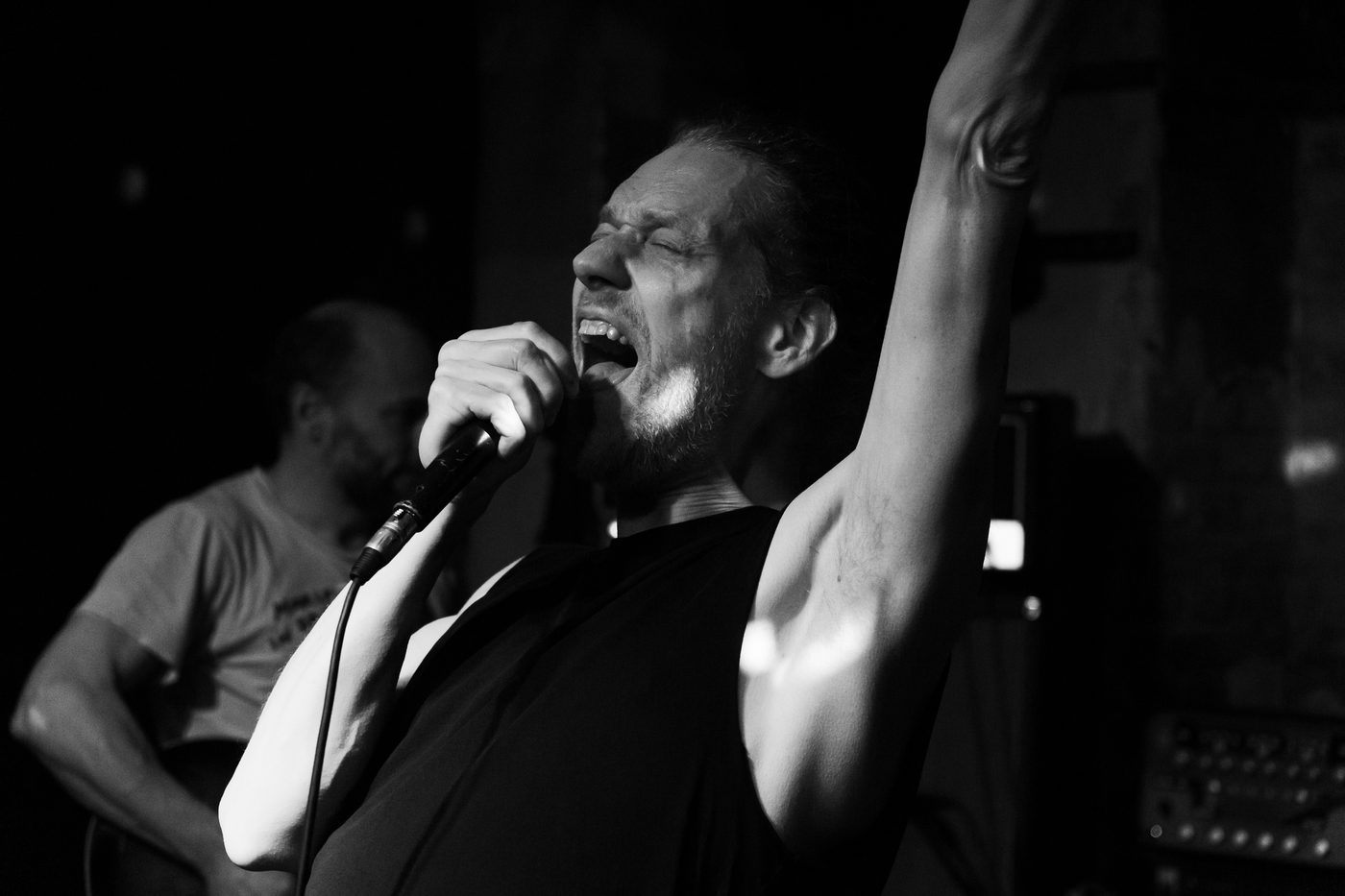
ATIFN also played alongside bands including Svffer, Wayste, Kratzer, Heart OVT, Eat My Fear and Soastasphrenas, although playing live has never been something they could organise constantly.
The handy side of remaining active has changed considerably since André and Ben started making music together. Back in Atrox, they rehearsed twice a week and were always looking for gigs. Now everybody has work, relationships and other commitments.
Rouven has never regarded ATIFN as something that needs to occupy the centre of everyone’s week. Sometimes they don’t rehearse for months, particularly during summer. That arrangement works as long as somebody is still bringing ideas in and the others enjoy playing them.
He’s also fairly relaxed about formats. Some recordings have come out without vinyl, including “5 Songs”, and he’s comfortable with that. Having a finished LP on vinyl is satisfying, though, especially after the work that went into it.
Daniel is a little more impatient to keep things moving.
“For me, it’s probably a little different. I’ve played in other bands, but with atifn, I really feel like I’ve arrived at a place where a lot of my musical ideas can take shape while constantly being creatively pushed by the others, so I guess I’m a little bit “hungrier” to play more shows and write more songs.”
He continues writing and recording at home, sometimes using ideas that don’t fit ATIFN for his own side-project. They’ve already started working on new songs together since finishing the album, and he now trusts the shared writing process enough to bring ideas into rehearsals without knowing exactly how they’ll turn out.
For André, playing music has become almost second nature after nearly thirty years. Even when arranging a rehearsal is difficult, the feeling of getting a new song to work remains a big part of why he keeps doing it.
“Often it stays in my head long after rehearsal is over and carries over into the following days. I think that’s one of the reasons it still matters so much to me.”
Music has always existed alongside another important part of his life, graphic design.
He started by photocopying the early flyers for Atrox, eventually making design his profession. These days he runs a small agency with two friends and continues working on Trust, the long-running German hardcore fanzine.
He first got involved around 2002, designing individual interviews and covers. Later, when the magazine’s previous art director left, André took over the whole layout. Dolf, Trust’s editor-in-chief, has given him considerable freedom to work on the magazine’s visual side.
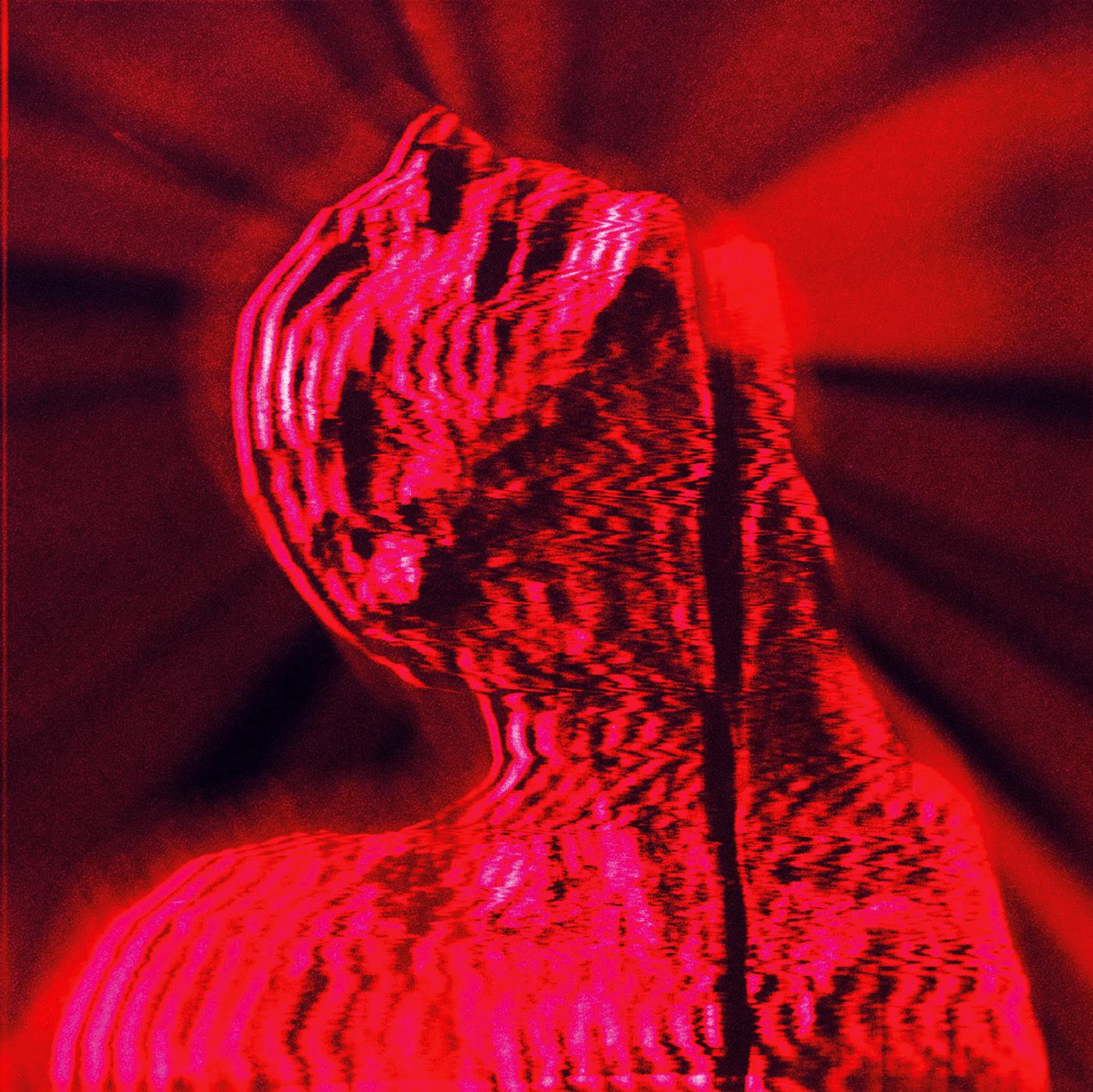
He’s also responsible for the artwork on every ATIFN release, including “Utopia’s Dust“. Designing for a band gives him room to work more intuitively, while magazine work comes with editorial content and practical requirements. In both cases, he’s interested in finding a visual approach that suits what’s being presented.
Getting the finished record out was another fairly ordinary exercise in DIY persistence.
Daniel spent time emailing dozens of labels that might be interested in helping with the physical release. The responses were often encouraging, although it was clear how difficult things had become financially for small labels.
Tim at Dingleberry Records already knew the band, and Clem at Dancing Rabbit Records came recommended by Soastasphrenas. Neither had been involved in ATIFN’s earlier history, but both agreed to help release the LP.
Daniel is keen for listeners to support them directly.
“And while we got a lot of positive feedback, you could feel that the times have become tougher for everybody, financially. Which means we’re really grateful that Tim and Clem decided to join in, anyway.”
“Utopia’s Dust” arrived on 9 October 2026, digitally and physically through Dingleberry Records and Dancing Rabbit Records. Dave recorded the album at Die Tonmeisterei in Oldenburg, Role mixed and mastered it, and André Nossek handled the artwork.
The whole record is available through ATIFN’s Bandcamp, and you can also check out the full album stream. There’s plenty to sit with here, especially once the words start catching up with the music. Be sure to immerse in it and literally get lost in its might.