
The vocals for the first song on “Vessel” were tracked in a frozen patch of Cape Cod, Jaime Mason behind large glass doors, screaming into the face of a winter storm. That image holds the whole record.
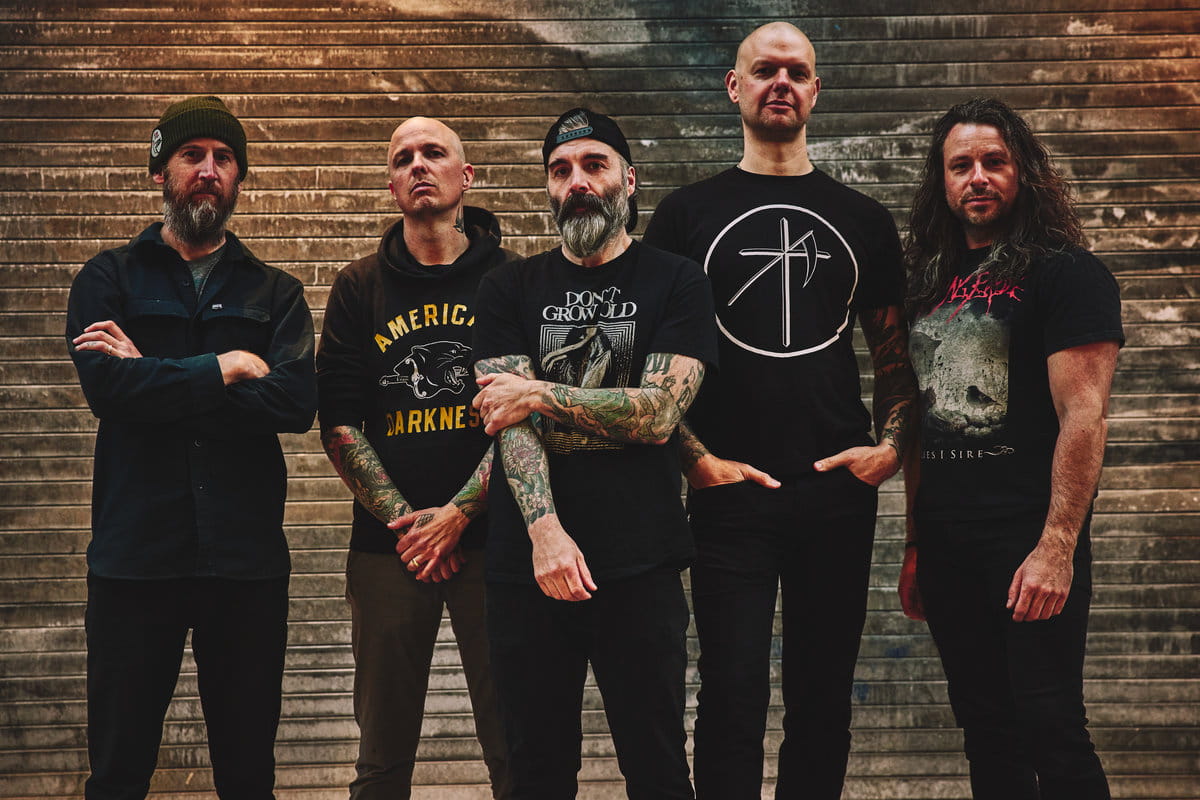
There Were Wires made their first album in more than twenty years across twenty months at a modest home studio, on their own time and no one else’s. The Boston band, founded as brash hardcore punk, came back as something heavier in places, slower in others, and more open across the board.
In 2022 the original four met up to rehearse for a couple of reunion shows. Drummer Ryan Begley, guitarist Thomas Moses, bassist Jebb Riley, and Mason were joined on guitar by longtime friend Joe Thomas. They dusted off old songs, started writing again without telling anyone, and kept going. Sessions were brief but productive, threaded into major life events as they came up for each member. Thomas Moses was working through his father’s decline in health. Mason was building a song around a childhood best friend who died in 2014. The whole band was figuring out how a new fifth member fits into chemistry built twenty years earlier.
Across “Vessel”‘s ten tracks There Were Wires hold onto the guitar-bass-drums-vocals assault that long-time listeners came in for and let in synths, keys, drum machines, Casio keyboards, and the kind of arrangements they had previously ruled out under deadline pressure. It is out 26 June on Iodine Recordings. The band walk through every track below.
All Paths Become The Road
The opener. Mason tracked vocals for it in Cape Cod, lyrics by Begley, baritone guitar from Joe Thomas in his first contribution as the new member.
Mason: “‘ALL Paths’ was the first song on this record that I felt completely confident in, partially because the writing is so brick-wall solid, but also because it truly sounds like an older, wiser, and more haggard version of us. Huge riffs, the elder-hardcore chorus leading into an avalanche, and the ever-coiling grip of fraying vocal cords. We tracked the vocals for this in a frozen & somewhat desolate area of Cape Cod, and I’ll never forget screaming into the face of a winter storm behind the large glass doors. Lyrics were penned by Ryan Begley (drums), who captured the true essence of where we all stood at that time: ‘Dust on our names, rust in our seams.'”
Thomas keeps it tight: “early demo, alternate tunings, repetition, onslaught of guitars. Different voices colliding.”
Riley on getting the demo into the room: “As is often the case, the big challenge in recording was trying to replicate the ‘lightning in a bottle’ magic of a demo but with everyone playing in a proper setting. We liked the guitar-ness of Thomas’s first demo and didn’t want to fuck with what was working. I think Ryan had the idea of having an A and B section where the full band comes in and launches the song into orbit. Putting it first on the album felt risky but necessary, like raising a banner of intent before marching into battle.”
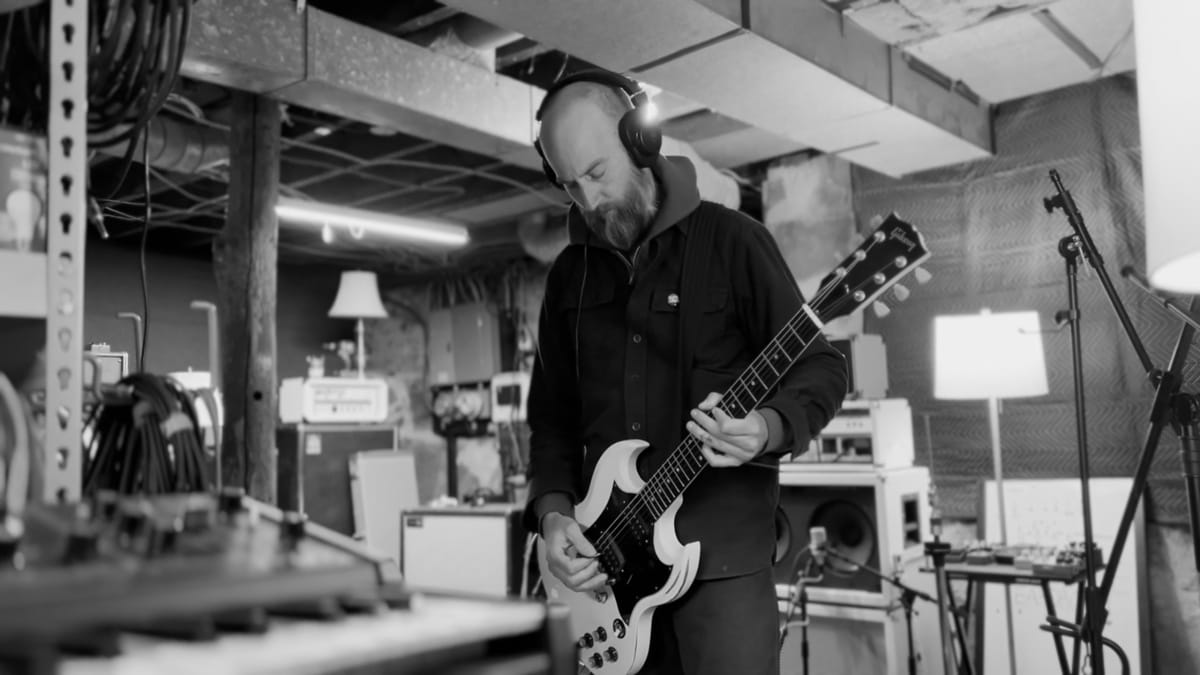
Joe picked up a baritone for the first time in his life: “This song is one of several for which Thomas had previously recorded a version. I hesitate to call it a demo because it as was more of a complete thought in it’s own right. I think each of us could imagine a new version that we could do as a band that would expand on the characteristics that made it such a compelling idea. Learning how to be additive without obscuring the intent was an important part of how I tried to approach my contributions. Because of the unusual tuning, I opted to use a baritone guitar for my parts, which was a first for me. I had concerns about how much sonic bandwidth we could manage but the end result is a hypnotic heaviness that exceeded all expectations.”
Massive House Fire
The first finished song of the reunion. Played live as early as 2023 at the Sinclair in Cambridge, MA. Lead single. Joe’s guitar solo might be the band’s first ever.
Mason: “MHF was our first finished song to kick off the record, and was played as early as 2023 during our reunion show at the Sinclair in Cambridge, MA. Big ‘ol pummeling riffs and a lot of back up vocals keep things relentless – I think all of us agree this track sounds the most like previous versions of There Were Wires, which is why we used it as the first single. The title ‘Massive House Fire’ was a working title for so long that we just kept it, as it tied into the lyrical themes of familial dysfunction, infighting, scorekeeping, and scorched-earth problem solving. I think this is the first time we’ve ever had a guitar solo, too? Someone might have to fact check that.”
Thomas: “old and familiar.”
Riley traces it back to 2018: “The idea to get WIRES back in a room together and play music started around April 2018, it just took us a while to make it happen. We had been stockpiling riffs and ideas in anticipation, and this was the first thing that Thomas and I worked on; together in his basement in August 2020. A few months later we linked up with Ryan in my basement and this started to take shape. It was such a cool feeling to play together again and speak in our own unique musical language that we had created when we were younger. Ryan said that the end section reminded him of a heavy Sunny Day Real Estate, and it made me think, ‘what if the burning toaster on the cover of the “Diary” album turned into an inferno’. I guess the mood inspired the demo title which inspired the lyrics. It feels reminiscent of our Somnambulist-era material as well as the stuff the 3 of us made in Disappearer, but refined and sharpened.”
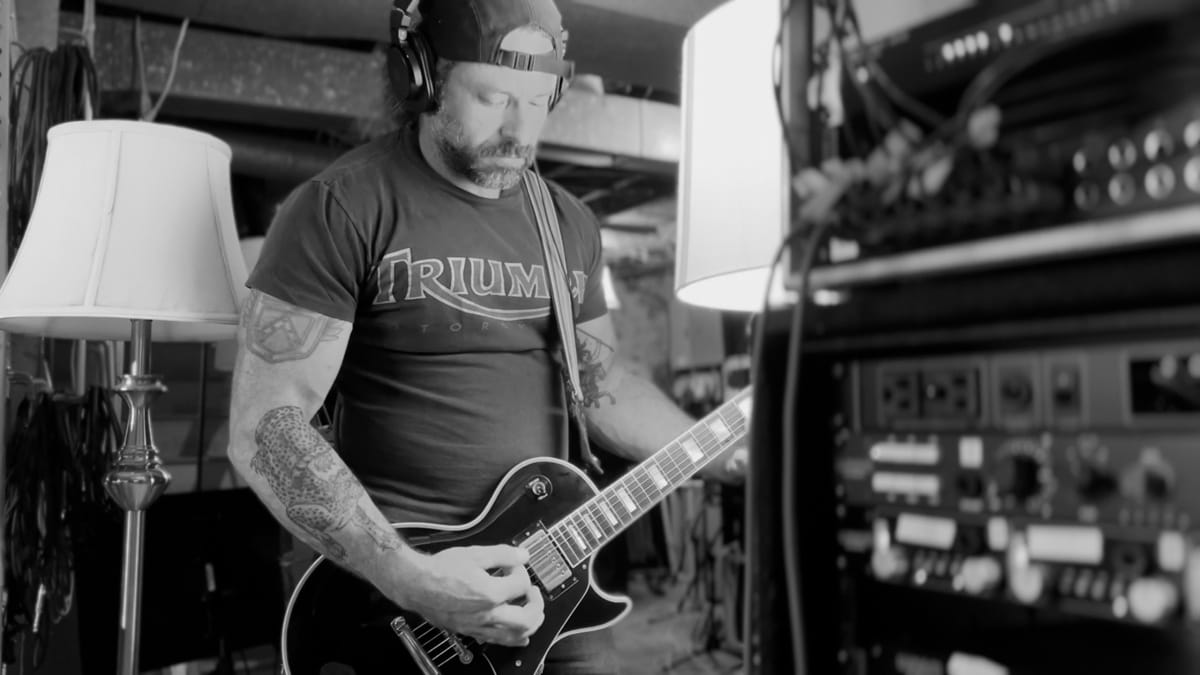
Joe on the solo: “When the guys asked me to join the band the immediate assignment was reckoning with a lot of old material to determine our relationship to it 20 years later…and putting together a set list from it. In the midst of this process some ideas for possible new material started getting worked into our rehearsals. Massive House Fire came together and we played an early version of it live. From pretty early on Ryan would talk about having a guitar solo happen towards the end of the song. I didn’t know if he was serious, or if he was just winding me up because he knows I’m a guitar nerd. Turns out he was serious, so pretty late in the game during tracking I added a guitar solo. I tried to not overthink it or come in with a set idea, but it came together very quickly with Jebb helping me stay on topic rather than get too fiddly. Hearing the final mix, I think they were right; it’s a nice bit of space and atmosphere after a pretty full bore attack.”
Puncture Wounds
Almost choked out in writing. Mason couldn’t crack the vocals or lyrics, so Riley took the lead and Begley filled in call-and-response.
Mason: “This is a fun song that wasn’t all that easy to put together (especially vocally/lyrically), but Jebb and Ryan saved the day with some rad call & response vox while Jebb takes the lead. Feels a bit similar to some early TWW tracks, but with a more punked out and exhausted feel to it. One of my favorite things about this song (and record) is just how many voices are on it. It’s nice to not have to listen to myself all the time.”
Thomas: “straight and to the point, start to finish rock and roll vibes done right.”
Riley on loosening the grip: “I’ve learned that too tight a grip on a good idea can cause its demise. At various points of writing and recording, this song was at risk of being choked out. Once we each let go a little bit, we ended up taking the idea to a new and unexpected place that was exactly where it needed to be. Each track on the album has a distinct identity and to me this one feels like a fevered hallucination as venom is coursing through your system, but rock and roll. I love the ‘surf section’ where it’s just drums, stringy-sounding guitar and bass. It has such a cool swagger to it.”
Joe felt his old fandom kick in: “This might be the song that feels most closely associated with early, pre-Somnambulists TWW. Playing the opening riff made me feel like how I felt seeing the band back then; kind of a weird surreal experience for me. Dissonant rhythmic hooks that made you want to listen again as soon as the song ended.”
No Dark Corners
Begley’s idea, brought to the album late. The first place keys and synth take centre stage. Built through analogue synths and destructive effects.
Thomas: “keys and synth have entered our realm . Setting the tone for what’s to come .”
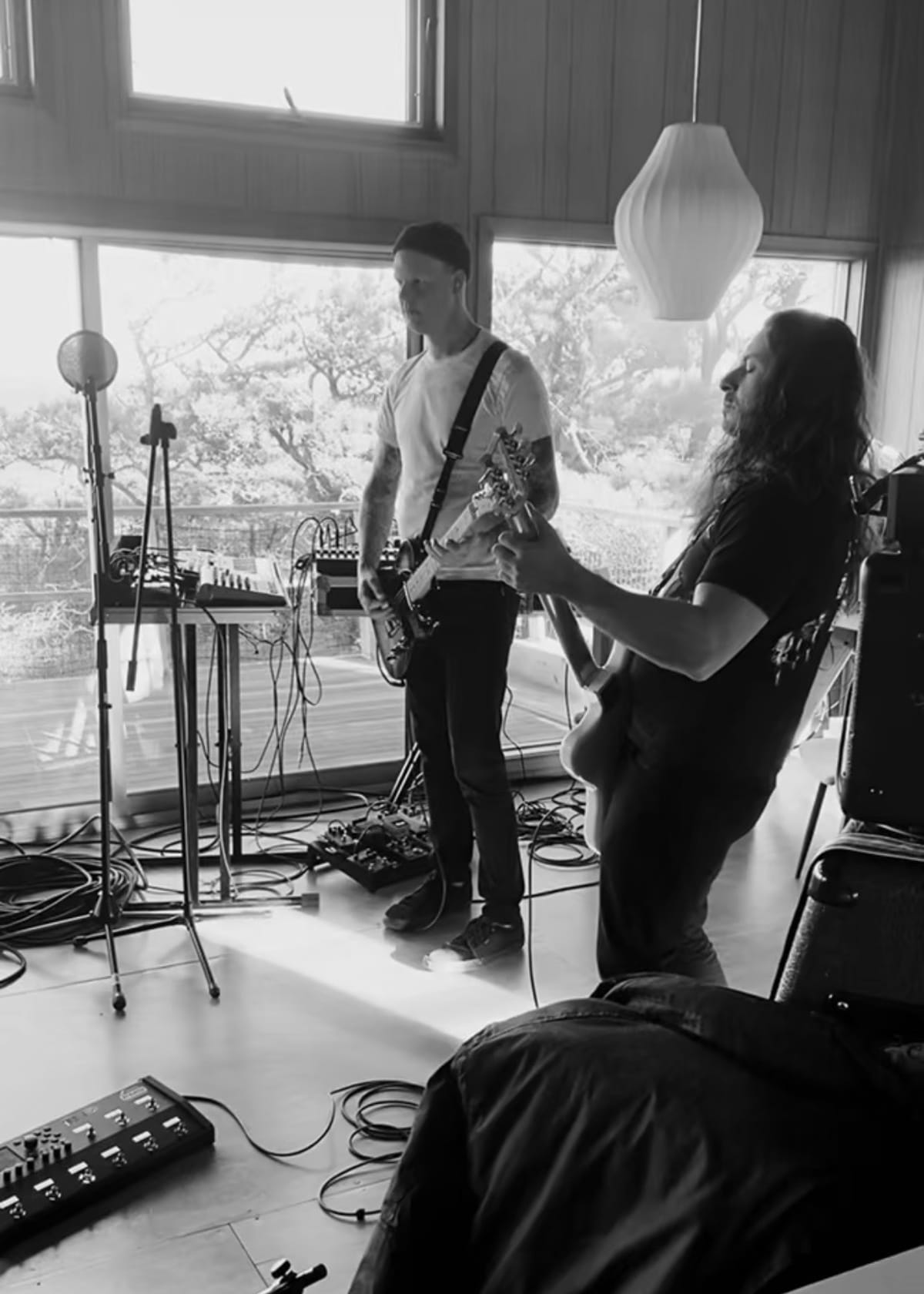
Riley played producer: “Ryan had great input on the sequencing and flow of the album. He brought this idea later in the album process, but was fully realized and really beautiful. It’s unlike any other track, but has a mood that fits with the rest of the record. We have a shared love of music outside the heavy/hardcore world, and I was on board with the reference points he had for this song and the feeling he was trying to evoke. It was fun to play ‘producer’ on this one, putting the parts he wrote through analog synths, weird destructive effects, and adding some other sonic textures. The layers helped to uncover the mood.”
Joe: “It’s really cool being in a band with very talented people, it’s even cooler when they completely take you by surprise with their creativity and ability. Ryan shared this idea with sparse melodies and intense rhythm that evolves in this interesting and unexpected way. Jebb then rerouted the sounds through some of the gear used elsewhere on the album to help it feel organic and connected to the other tracks. In the context of the record it almost feels like a respite, but there’s this sinister unease to it that makes sure you don’t get too comfortable.”
I’d Lock You In A Dream
The emotional centre of “Vessel”. Started as a hesitant Thomas demo, drum machine through delay, Black Heart Procession in the rear-view. It grew into a song about aging parents, dementia, and what gets left behind. Riley’s twin daughters sing on the choruses.
Mason: “I had very little to do with ILYAD, but it is such a tremendously successful departure from our normal playbook that I was really interested in our listener’s reactions. Like other tracks that start off small and unlikely to flourish, ILYAD was slated to be more of an interlude than anything, but developed into what might just be the emotional center of the entire record. Thomas (guitars) played us an early stripped-down version of the winding guitars and plodding drum beats, and over time, Jebb and all expanded the palette of the track to include great lyrics/vox, soaring clean choruses (including Jebb’s twin daughters), Ryan’s huge drums, and a very clear depiction of what love, loss, and grief look like.”
Thomas: “What loss sounds like. A cosmic connection that is a result of years of playing music together. Trust the process. Serve the song.”
Riley wrote 90% of the lyrics in one drive: “This started with a demo Thomas shared somewhat hesitantly, as I think he wasn’t sure it would be right for WIRES. The early version had a drum machine put through delay and had a Black Heart Procession vibe that I fell in love with. I think we all said, ‘this has to become a WIRES song.’ Lyrically… all the emotions that swirl around aging parents, dementia, what we leave behind in death, and what is gone forever. Thomas was dealing with his father’s decline in health, and he shared a lot of what he was going through. It was rough and sad. When a friend is experiencing something difficult we want to be there for them, but it’s easy to get scared of ‘being in the way’ or saying the wrong thing. We can unintentionally isolate those we love because of our own fears. Trying to put myself in Thomas’s shoes, as well as his dads shoes, gave me a burst of inspiration. 90% of the lyrics came out in a flood as I was listening to the demo driving through winding New England back roads.”
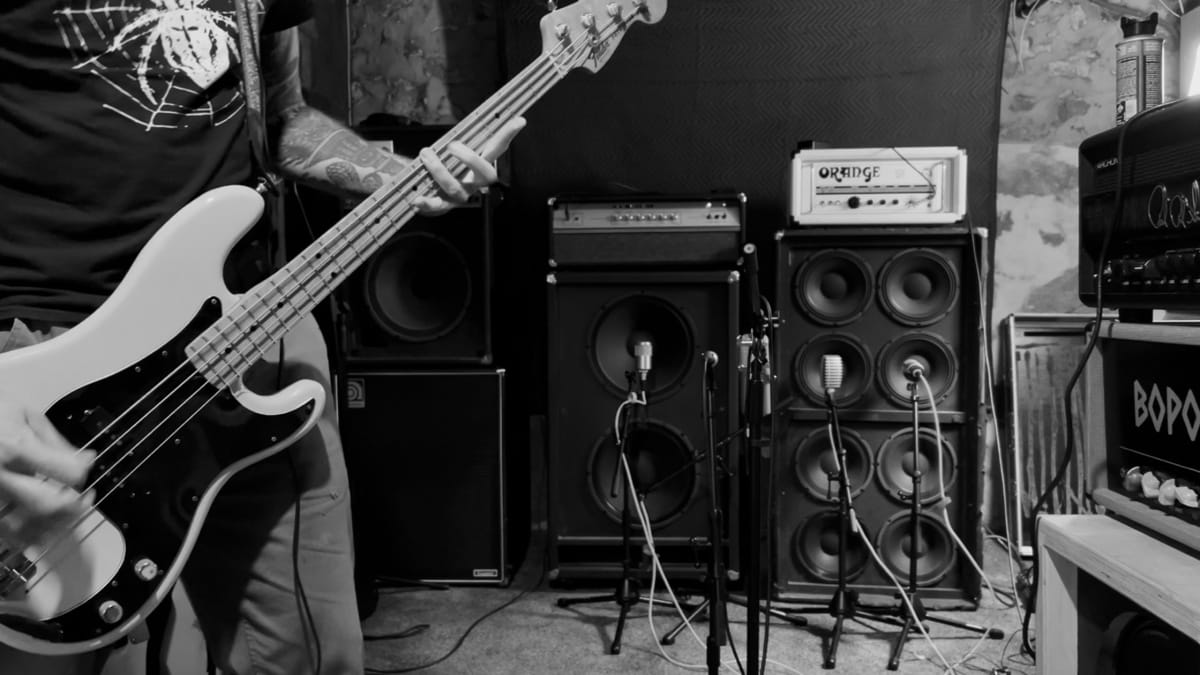
Joe, the last to record his part: “This song was the hardest for me to approach, for a bunch of reasons. In practical terms I really struggled with how to not just play a bunch of shit over it that clouded the simple, beautiful, yet brutal directness of it. I think it was the last thing I recorded. It was like Pee Wee rescuing the snakes from the burning pet store. I kept saying I would do it, then put it off. When I finally sat down to add my guitar, I came in completely unprepared. There’s no non-corny way to say it, the parts just kind of found me. Ultimately I’m very proud of this song. I feel like I somehow landed on the kind of part that takes a few listens to even notice, but ultimately adds another subtle dimension of grief.”
Unraveling Light
Pulsing synthesizers paired with dying in the mossy woods. Built while Riley was deep in 80s synth horror soundtracks and dark ambient. Reference points he names: Johnny Jewel, Wojciech Golczewski, Brian Eno, Boards of Canada, Alessandro Cortini.
Mason: “A cosmic horror from out of nowhere, a trivial blip of existence chronicling man’s war against god, and the colossal unknown entity hidden behind the treeline. It must be heard, not talked about.”
Thomas: “Unraveling Light: a human tuning fork in the road to another dimension. ‘Spectral tides’ sing.”
Riley on the production: “I love how dark and moody this song came out. I was immersed in 80’s synth horror soundtracks and dark ambient music while we were writing/recording. It definitely bled though into the production. Johnny Jewel, Wojciech Golczewski, Brian Eno, Boards of Canada, Alessandro Cortini: I really appreciate how they all make music that sounds at once modern and timeless, and mechanized but organic. Opposites attract, so we paired ‘dying in the mossy woods’ with pulsing synthesizers. Success!!”
Joe: “Absolutely the most unexpected sonic triumph. I adore this song. The vocal performance completely crushes me. I remember listening to an early demo at our secret hide out on the outer cape and starting to play along with the keyboard melody. I didn’t really think that we would manage to turn the idea into a TWW song, and if we did I couldn’t imagine playing that part on guitar for real. I was very wrong on both counts.”
Resurrectionists
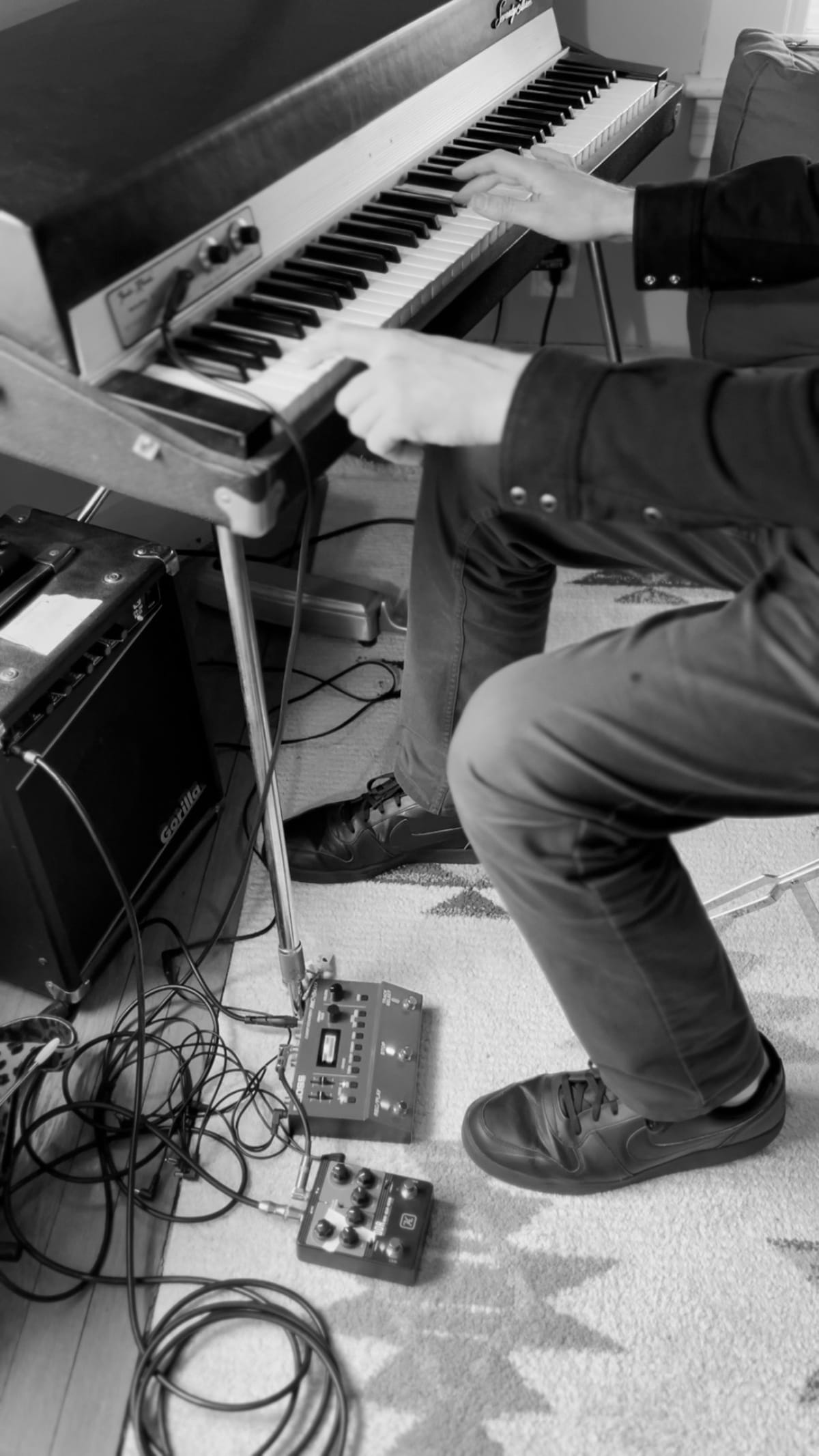
A Riley bass demo through a tremolo pedal and My Bloody Valentine-style fuzz. Directly seeded by KINSKI’s “Semaphore” out of Seattle. The melody fed the riff that opens “Carousel”.
Thomas: “think big picture. Do you feel a pulse?”
Riley: “Started with an early demo of bass guitar put through a tremolo pedal and My Bloody Valentine style fuzz/reverb. Directly influenced by ‘Semaphore’ by Seattle’s KINSKI. Again, trying to keep the vibe of an early demo was a challenge. The melody inspired the main riff in ‘Carousel…'”
The Carousel Of Sickening Bliss
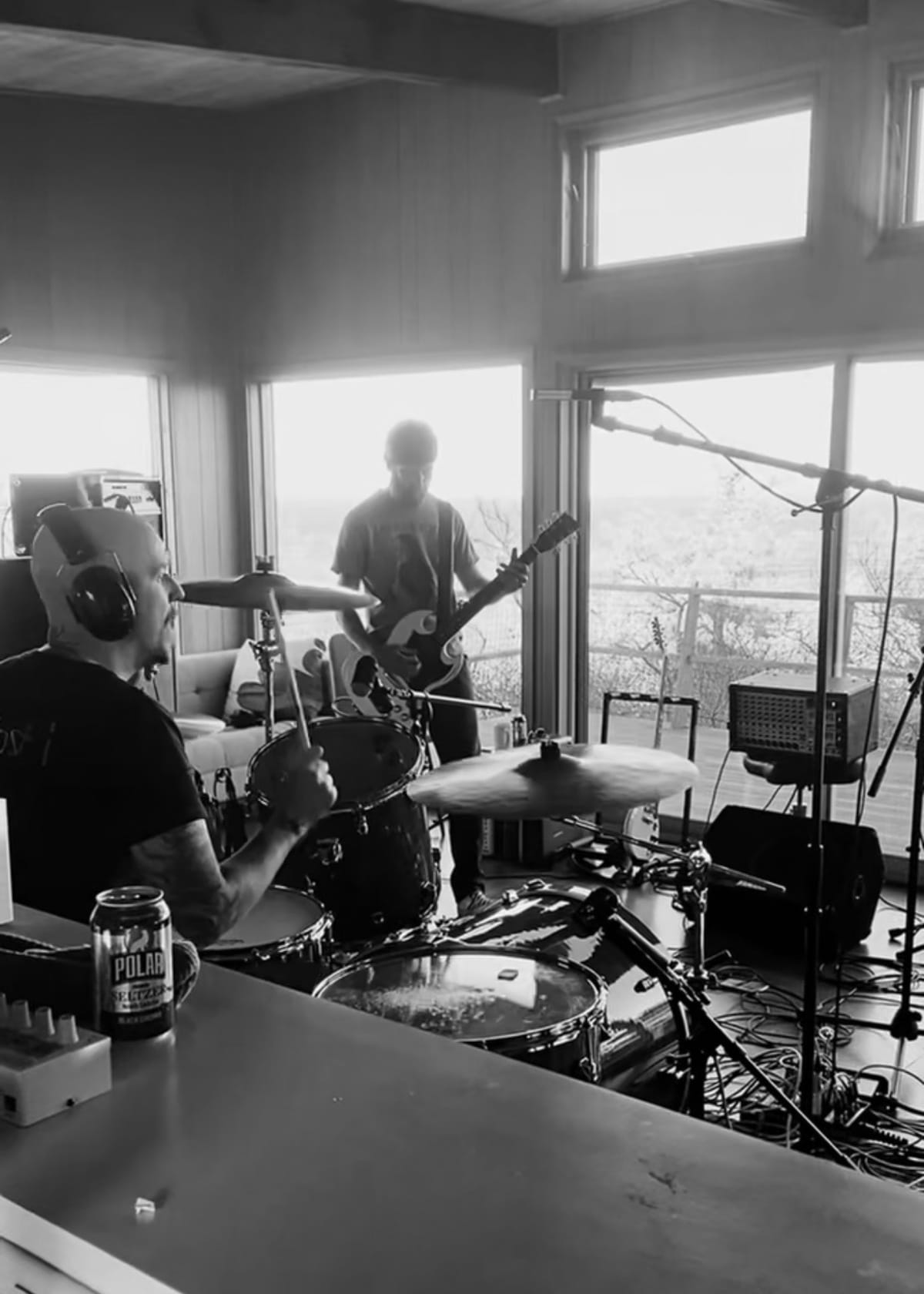
The meanest track on the album, written by Joe. Mason’s lyrics are an account of being a child terrorised by organised religion.
Mason: “Certainly the meanest and meatiest track we’ve written, ‘Carousel’ came together pretty quickly thanks to our newest member Joseph Thomas (guitars) who wrote it. Perhaps the lyrics come across as another scathing indictment of corrupt organized religions (they do), but also a personal statement on the fear & manipulation experienced by younger eyes and ears terrorized by the holy god machine. And yes, this is an absolute clobbering.”
Thomas: “Satisfaction through volume and intensity.”
Riley: “I recall how giddy I felt while we were first rehearsing this all together. Joe sent an arrangement and I couldn’t wait to play it LOUD.”
Joe on rewriting his own demo: “I had a demo for an early version of this song that I shared with the band. It was much faster and had a completely different feel. We tried playing it together a few times, but it never felt quite right. I had a lot of apprehension about contributing as the new guy, but I tried to stay very unattached to anything I brought to the band in the spirit of listening to everyone and feeling how the experience of playing it together either worked…or didn’t. I feel like my first demo was an outsider opinion of what I thought I remembered TWW sounding like. The reimagined version is the result of listening to each of the guys and how they play now, and what feels best when we all play together.”
1901
Built from a Casio keyboard demo. The title is an inside joke between Mason and his childhood best friend Jody Minnoch, who died suddenly in 2014. Mason hit writer’s block trying to write lyrics for it; Begley coached him through and ended up screaming a lot of the song himself.
Mason: “A nautical slow burn, and one of my favorite tracks from Vessel – even from the early demo’s I knew this was going to be special. I actually stressed out so hard on writing the perfect lyrics that I developed an insane case of writer’s block, and needed a lot of help from the rest of the band. Ryan stepped in and literally coached me through it, and filled out a lot of the cracks that I had left dangling. He also has a hella good screaming voice. For what it’s worth, ‘1901’ was an inside joke with my childhood best friend, Jody Minnoch. He died in 2014, suddenly, unexpectedly, and confusingly. I didn’t want to write ‘about’ him, because the song would never end if I tried. What I DID want was to have his spirit and influence around me whenever possible: a guiding light to stay curious, maintain an absurd sense of humor, and reinvent yourself when necessary.”
Thomas: “‘stalking the hills, haunting the deep’. A moon cusser singing songs about the sea and lost life. A Casio keyboard unlocked a new vibe for the record and it started with 1901.”
Riley: “At many points during the writing of this album we were faced with a great idea that pointed us toward new realms. Getting to go on that adventure with my bandmates and create something meaningful together is really what I treasure most from this whole experience. I was constantly astounded by their creativity and ability. This started with a raw and harsh keyboard demo but the idea at its core was undeniably awesome. Everyone championed the idea and we all did some heavy lifting to make it what it is now.”
Joe: “As we worked through the tracking process this one just kept getting pushed to the next level. It’s a great example of how if any one of us had misgivings about a section we were able to work through and end up with a solution that elevated the entire song. I approached my parts trying to capture a sense of pushing against restraint, 3 or 4 notes, make them count.”
The Vessel You Hold Dear
The closer. The whole thing started from a voice note Riley made on his phone the night before a writing session, testing whether his MOOG Grandmother still worked. Begley played the drum parts exactly once and that take is what’s on the record.
Mason: “Sprawling synth crawls all over the final track on ‘Vessel’, a hypnotic dirge that encapsulates a lot of the trials of modern human existence at our current point and time: fear, anxiety, depression, loss, grief, and disappointment. It’s an easy well to draw from when it feels like everyone on the planet is at odds. But TWW has almost always pointed inwards towards ourselves: our battles, our hardships, our failings, and our triumphs are all our own. We’re putting them all into this vessel, one way or another, and we hope you enjoy it.”
Thomas: “The low end and rhythm section shines on this. Like walking down a hallway blindfolded, feeling around for doorways and windows. Hesitation and uncertainty looming.”
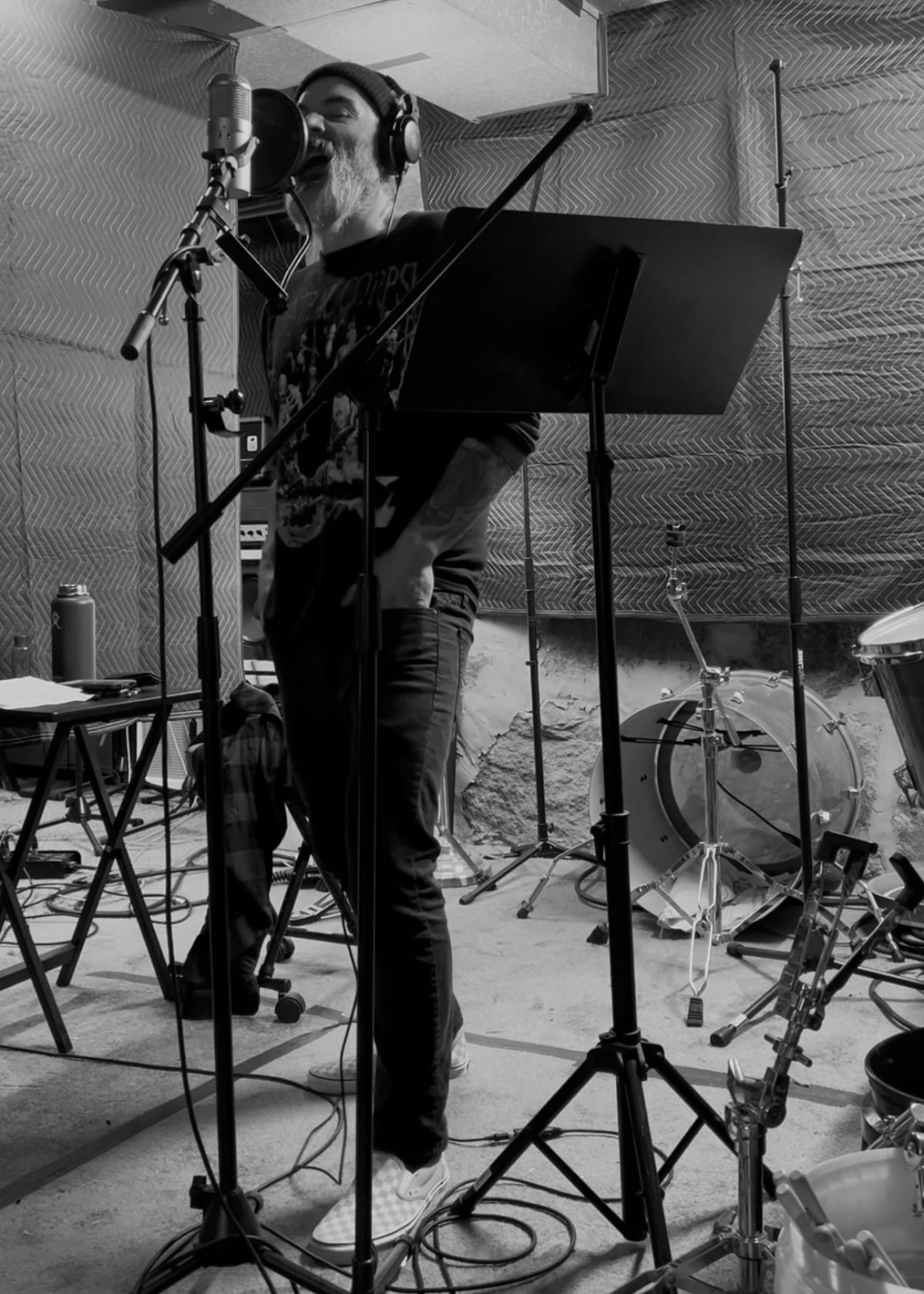
Riley on the voice note: “I was packing equipment in my car the night before we all met up for a writing session. I wanted to make sure my MOOG Grandmother still worked so I plugged it in and this idea just came out. I recorded it in my voice notes app and tucked it away thinking, ‘this could be something cool and different’. I had a rough framework of what I thought it could be, but as each member contributed, the song was pushed further into new territory and shaped it into the monster it is.”
Joe: “A departure from the standard approach. As someone who likes to be prepared, it was uncomfortable for me to just grab a guitar and record something over this lumbering, kinda jilted synth and drum progression. But that’s how we did it. I tracked a part, and then we worked out an additional section and with each new layer it somehow mutated into this queasy, unrelenting force.”
Begley closes the album and the track-by-track with the longest reflection on the record: “The writing process for it was fucking weird and it’s a weird song. I’ve played it exactly one time and that’s what’s on the record. It’s hard for me to listen to and not think of what I wish I’d played differently. Maybe I would have improved it or I could have ruined it in a few ways. It’s definitely an exercise in letting go. And I think there’s meaning in that.
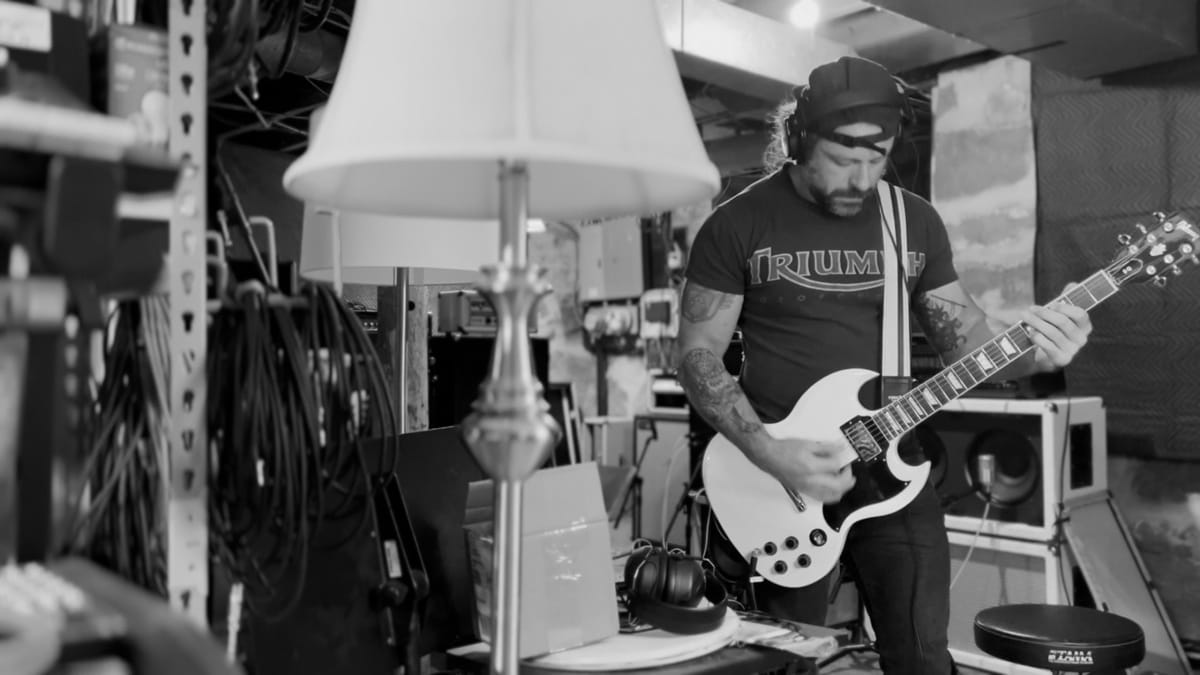
We had finished tracking drums and Jebb and I were facing that reluctancy to break everything down. You spend so much time setting all this shit up and troubleshooting the unforeseen issues. There’s crucial pieces of tape on things. And a hundred fixed problems carefully dealt with. So when it’s all set up and working there’s a hesitation to dismantle the whole tangled machine when it’s doing its job.
So before we took it all down we recorded some drums without any guitar parts. Jebb asked me to play something kind of broken and stuttered. I just played for a bit searching for what he wanted. It sounded a bit goofy to me. And it is. It’s still hard for me to listen too. It sounds directionless and meandering. Like I don’t know what the fuck I’m doing and it’s pretty authentic because I didn’t. While recording that I kept stopping and asking ‘like THAT?’ It’s this drunken, slightly off-time, drums-falling-down-the-stairs thing that I didn’t understand. I was looking for something and I don’t think I found it. After doing that for 5 minutes I just wanted to play something direct and solid so we recorded the ending drums and took it all down.
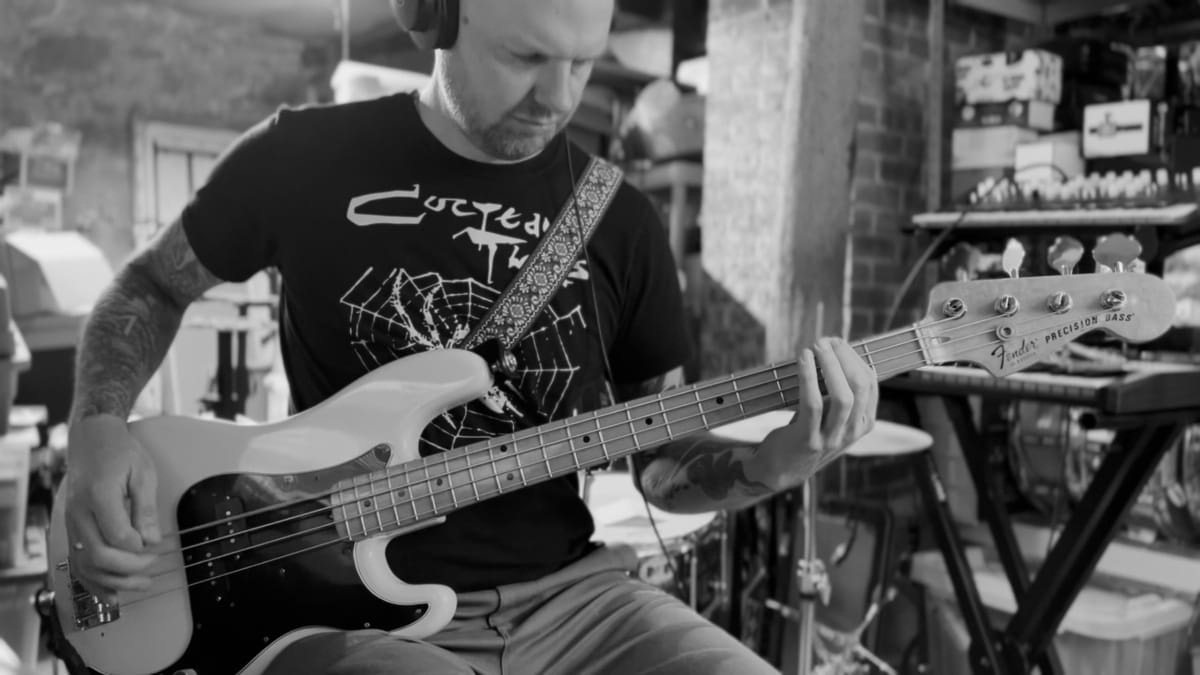
The guitars and synths were all built on top of it. And that aimless stumbling feeling made the lyrics fall into place. The search you don’t really know you’re on. The naive expectation of a certainty you will never find other than the imposing wall of time that’s running you down. It’s strange picking this band up again after so many years have marched on. Early 20’s me had to teach late 40’s me old drum parts he’d forgotten. I had to listen to him tell me what I should do. It’s funny connecting with the bravado of your youth that says ‘You know what you’re doing.’ And the absolutely unearned confidence to think anyone should listen to you.”
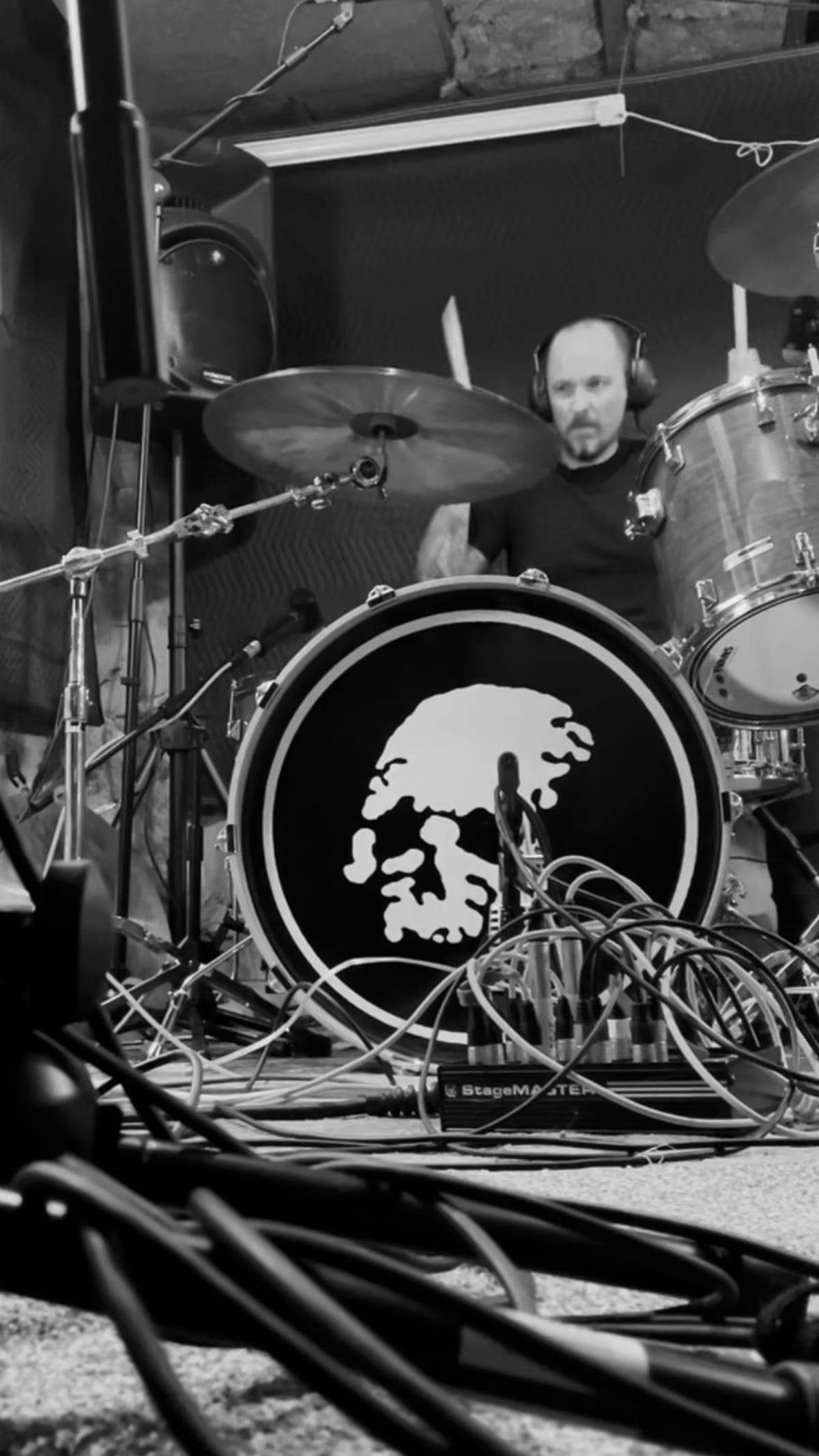
“Getting to go on that adventure with my bandmates and create something meaningful together is really what I treasure most from this whole experience.”
“Vessel” is out 26 June on Iodine Recordings.
🔔 IDIOTEQ is ad-free, independent, and runs on one person’s time. If you want it to stay that way: DONATE via PayPal 𝗈𝗋 SUPPORT via Patreon.
Stay connected via Newsletter · Instagram · Facebook · X (Twitter) · Threads · Bluesky · Messenger · WhatsApp.