

Influenced by the likes of Altar of Plagues, Deafheaven and Celeste, Buenos Aires based FENECE continue their quest across the breathtaking, bleak desert of ambient filled blackgaze and almost frightening soundscapes laced with stories about spirituality, death, dogmas and the boundaries between the immanent and the intangible horror. Today, we have teamed up with them to give you the first hearing of the record in its entirety below.
Fenece is a project that uses sublimation in its music to openly expose horror. Asked about their take on the new record, they commented: “The emergence of consciousness turned humans into biological puppets, a result of a blind mutation of nature, from which we are no longer are a part of. We are entities that have the illusion of being someone, when in fact we are nothing.”
“Consciousness manifested in its most pure and full form gives us more than we can handle, and that is why it should be mitigated, or even silenced.” – they continue. “We bind ourselves to isolation because it allows us to look the other way and ignore the empty and cold abyss. We look for anchorage in metaphysical or institutional truths such as gods, doctrines, leaders and flags. Anchorage is what makes es feel real, worthy and superior.”
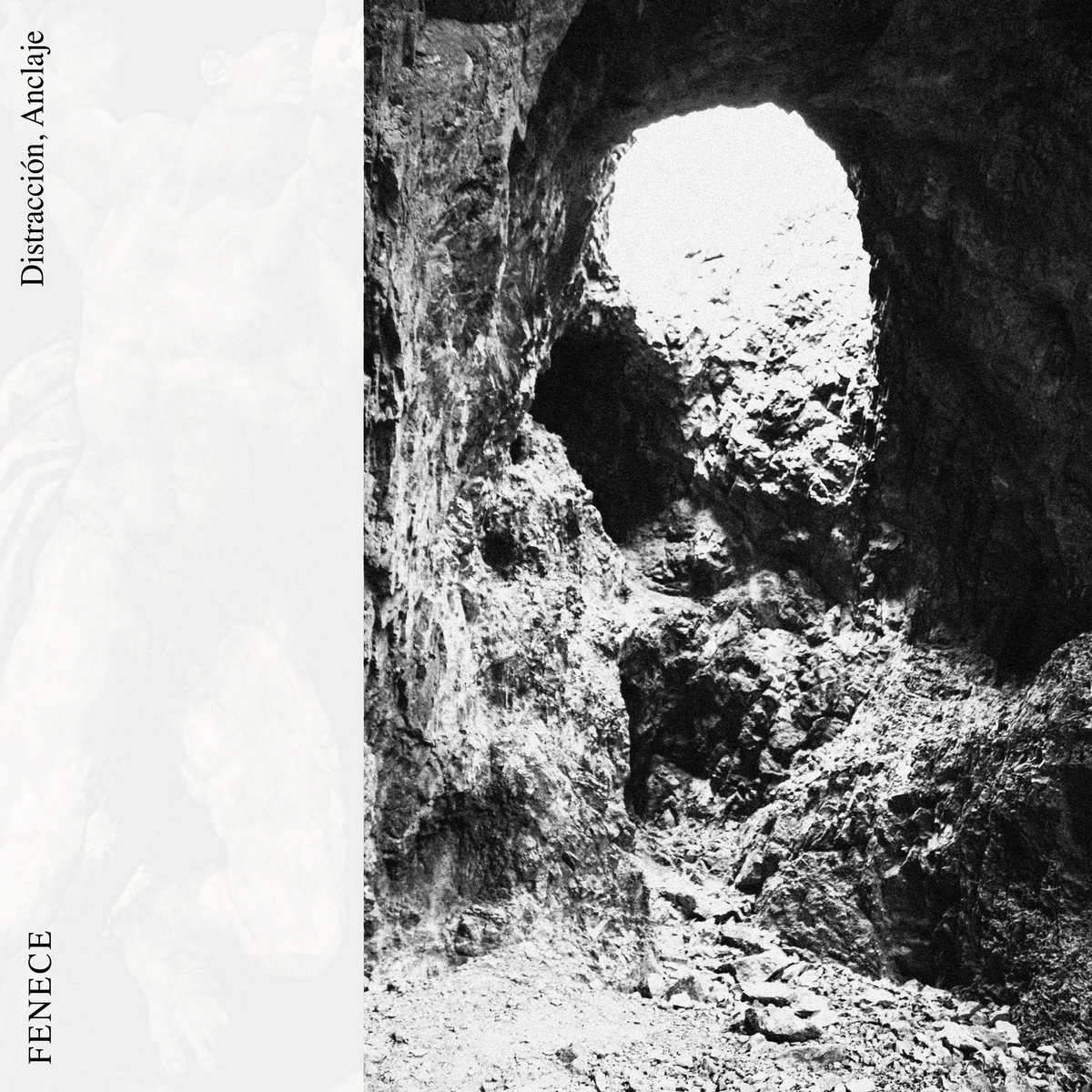
Cover by Fenece ( Dique Florentino Ameghino, Trelew, Chubut. Argentina ) / Recorded between November 2019 and November 2020 in Buenos Aires. / Mixing and Master by Fenece / Produced by Fenece
Anchorage
You beg for forgiveness
You lie in communion with fear
There is not just one moral code
Distraction
My conscience gives me more than I can handle
Being nothing
Sterile
Leave the earth in silence
The river of hollow voices drags you in
Give up
Death comes too late
𝐼𝑛 𝑎 𝑠𝑜𝑐𝑖𝑒𝑡𝑦 𝑤𝑒𝑟𝑒 𝑡𝑟𝑖𝑏𝑎𝑙𝑖𝑠𝑚 𝑝𝑟𝑒𝑣𝑎𝑖𝑙𝑠, 𝑡ℎ𝑒 𝑖𝑛𝑑𝑖𝑣𝑖𝑑𝑢𝑎𝑙 𝑖𝑠 𝑙𝑒𝑓𝑡 𝑏𝑒ℎ𝑖𝑛𝑑 𝑏𝑦 𝑡ℎ𝑒 𝑒𝑚𝑝𝑡𝑦 𝑠𝑎𝑡𝑖𝑠𝑓𝑎𝑐𝑡𝑖𝑜𝑛 𝑜𝑓 𝑏𝑒𝑙𝑜𝑛𝑔𝑖𝑛𝑔 𝑡𝑜 𝑡ℎ𝑒 𝑐𝑜𝑙𝑙𝑒𝑐𝑡𝑖𝑣𝑒 𝑚𝑖𝑛𝑑. 𝐻𝑢𝑚𝑎𝑛 𝑒𝑥𝑖𝑠𝑡𝑒𝑛𝑐𝑒 𝑖𝑠 𝑎 𝑡𝑟𝑎𝑔𝑒𝑑𝑦 𝑤ℎ𝑜𝑠𝑒 𝑜𝑛𝑙𝑦 𝑏𝑖𝑟𝑡ℎ𝑟𝑖𝑔ℎ𝑡 𝑖𝑠 𝑑𝑒𝑎𝑡ℎ.
“– Know yourselves – be infertile and let the earth be silent after ye.” The last Messiah, 1933, Peter Wessel Zapffe