

“Barf Lie” comes in hard, tight and fast, and “Enemies” spends much more of its time running than walking. The pace on this beast stays high, and the choruses give it a shout-along pull. If you want a record to run to, watch your footing. Nearly 20 years after the Idaho hardcore-punk band released the album in a mix they never fully accepted, those 13 songs have been rebuilt from the original master tapes.
Eugene S. Robinson, vocalist with Whipping Boy, Bunuel and Oxbow and an author, heard the early-hardcore attack in Scatterbox straight away. He planted them in “the fast and frenetic sound of 1981” and called the best bullshit detectors the ones “on the sides of your head”. His take was gleefully old-head and absolute: a listener who swears nothing worthwhile happened after 1983 can get as stubborn as “dirty hippies and old jazzbos” claiming music stopped after Janis or Miles. Scatterbox, he argued, could trick those ears into thinking they were back at Ruthies, the Wilson Center, A7 or Rajis.
“Fucking real deal? Goddamned right. Hardcore the way hardcore was played when it meant something to play it. We love these fucking guys. And you should too.”
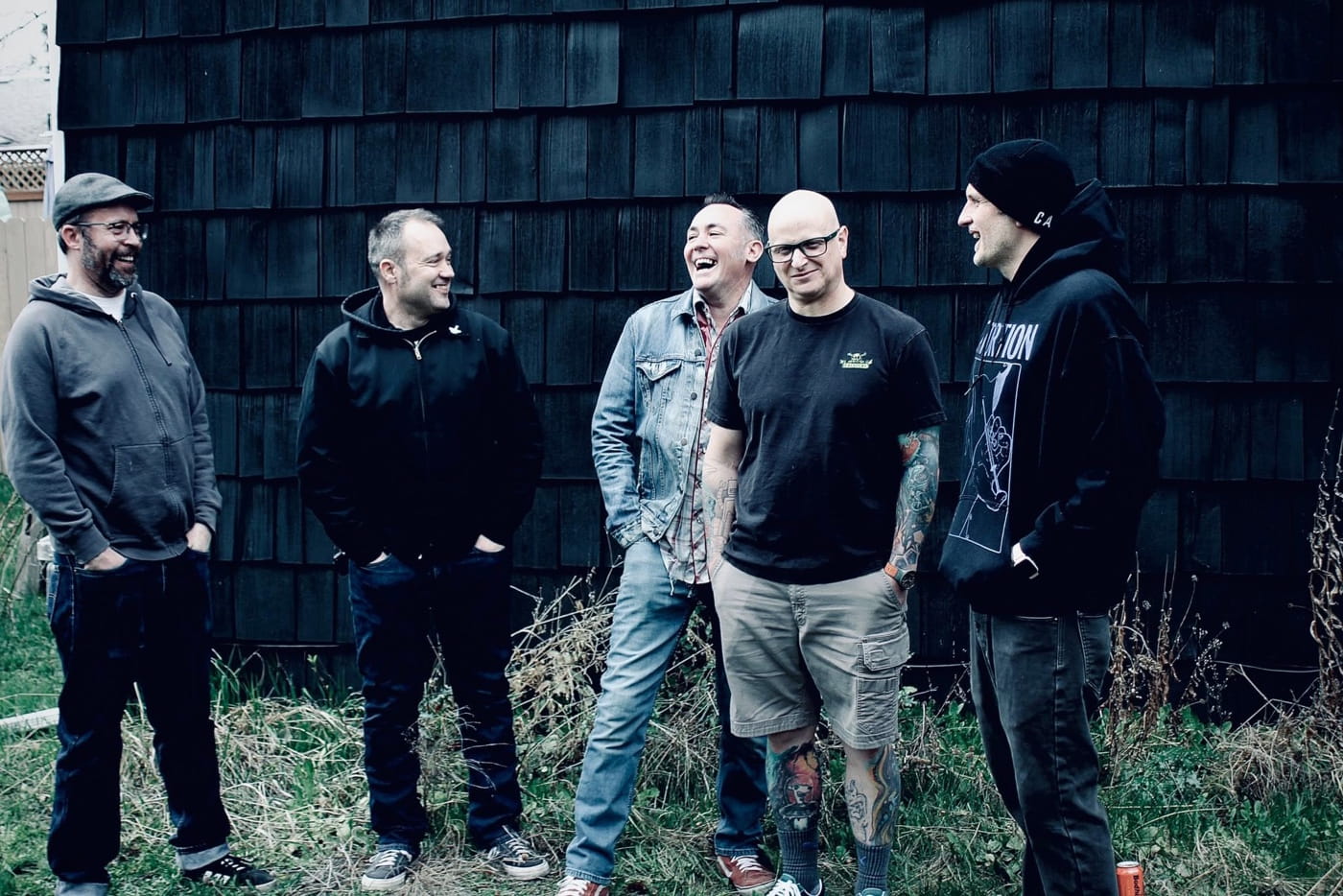
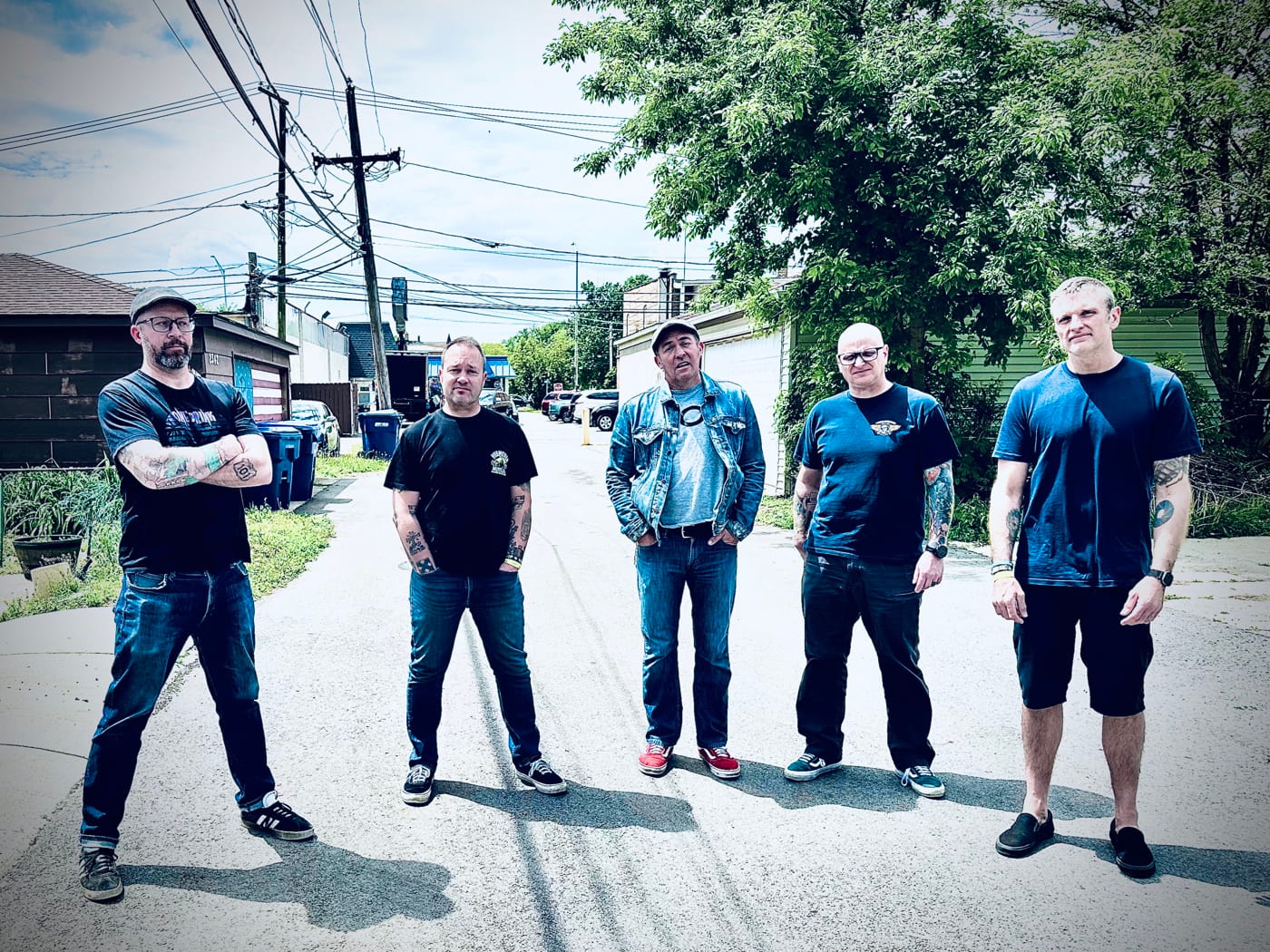
Ok, so let’s see what’s on the record, the first Scatterbox piece featured here on IDIOTEQ since 2020. The melody comes through most clearly in the shout-back choruses. Speed and abrasion stay close to the front. You can hear why Adolescents, Born Against and Pennywise come up around Scatterbox: the pace is punk-fast and the hooks are made to be shouted back. Tom White handles vocals, with Mark Cogburn and Sean Nicol on guitars, Ryan White on bass and Scott Rozell on drums. Between them, the band members have also played in Moral Crux, Green Jellÿ, Intifada and Sterileprayer.
“Enemies” was supposed to be Scatterbox’s fourth full-length. It followed two records they had released independently through their own Blackhouse Records Ltd. and “Sudden Movements” from 2005, their first release for Washington label Clickpop. They went into The Tank Studios in Seattle with the biggest recording budget they had worked with and producer Tom Pfaeffle, whose credits included Jewel, Queensrÿche and The Blood Brothers.
Scott admits the sessions were intimidating at first. “It was definitely an intimidating experience for a bunch of punkers from Idaho,” he said. “He ended up being so great to work with, and just a fantastic person all around.”
Ryan remembers Pfaeffle making the band comfortable. “Tom took us into his studio and really made us feel at home and welcomed us like family.”
Tom remembers the stranger side of the studio. “We drank a magical beverage from the hoof of a cow. I got to use the same spit guard as Jewel”.
Pfaeffle was killed in Seattle before Scatterbox could finish the remaining vocal sessions. The band completed the album elsewhere under difficult circumstances and never felt right about the final mixes. Then changes at the label stripped away most of the promotion around the release, and “Enemies” largely disappeared from circulation.
Nearly two decades passed before Scatterbox regained the original master tapes. Film and audio engineer Kaleb Wrenchey, whose credits include Rings of Saturn, Fetish and Infrablaster, reconstructed the album from those sources, then remixed and remastered it. The new edition came out September 9, 2026 through Blackhouse Records Inc. on digital formats and a limited red vinyl pressing, the first time “Enemies” has been released on vinyl.
Wyświetl ten post na Instagramie
A lot of the lyrics came straight out of Bush-era America. Scott remembers the housing crash and the wider economic collapse, with people trying to keep jobs, families and ordinary life together as the shock spread beyond the United States. Some of that pressure went straight into the lyrics. “At the end of the day, we are all human; we all have jobs, families, and personal struggles, and it was just about trying to connect to whoever was listening in that respect.”
Tom is much less polite about the political part. “This was Bush era America (at the time of writing the record), so that dipshit gave us plenty to write about.”
The 13 songs move from very small irritations to things that can wreck whole lives. There are bar-room liars and radio DJs, then war money, environmental collapse, depression, abuse and the mechanics of keeping people distracted. In 2026, workplace sociopaths, distraction politics, moral policing and economic stress still need very little translation.
“Barf Lie” came straight out of the people Scatterbox met while playing bars. Tom remembers regulars turning up early without even realising there was a show that night, then deciding to help with load-in, hand out bad advice and brag about things they had plainly invented. The self-appointed bar expert becomes part of your night before the first band has played.
Scott wrote “Captain Feeble” around greed, status and the kind of person who moves up at work, or anywhere else, by treating people badly, stealing credit and using authority to keep pressing down on the same people who helped them climb. His version of that person is privately frightened too, worried about retaliation and unable to sleep despite having little empathy for anyone around them. “They have their own agenda, they treat everyone around them like garbage and take credit for other people’s work just to move up the food chain.”
Tom and Scott came at “End Note” with different things in their heads. Scott hears people living with the thought that one final catastrophe could wipe civilisation out, then finding ways to keep functioning without letting that possibility swallow everything else. He still leaves room for beauty and joy, but says the dystopian endgame sits in the back of plenty of minds “more now than ever before”.
Tom was thinking about the Bush years, a war that kept dragging on and private security firms making billions from it. “That’s what I had rattling through my brain when we wrote this one.”
Radio irritation sits behind “Skull“. Tom was fed up with DJs who annoyed him and had little control over what actually went out on air. To him, they were “silly and safe fillers pretending there was some kind of human integrity involved.” On the same record, a global war economy and an annoying voice on the radio can both earn a song.
For “Radio Midnight“, Tom boiled the idea down to one image. “Kind of a commentary on the idea that a crow’s song is still a birdsong. Its ugly and abrasive, but still a birdsong.” The line could describe plenty of “Enemies” too: abrasion with a song still intact.
Mark and Tom kept “Twelve Ounces of Joy” simple. It is about frat-boy drinking culture. There is no wider theory attached to it. The title does most of the work.
“Two Stoke Devils” is a shout-out to the band’s “scooter trash” friends in Portland, Seattle and Columbus. Tom wrote it with input from the whole band, and it picked up a live detail of its own. Ryan sometimes plays it on his stand-up bass onstage. “It’s a blast!”
One man on a kid’s BMX is responsible for “Scenester Do’s“. Tom wanted to write a completely aggro song about hairstyles, then kept seeing a man in his late 40s ride past his house every day, dressed all in black with a sleeveless shirt and carrying a Flying V in his left hand. “This song is his fault.”
Nature gets its turn in “Elemental“. It does not care about you and, eventually, it will reclaim the Earth. Tom laughed after giving that summary and asked whether the theme of the album was becoming obvious by this point.
Tom and Scott wrote “Distraction” around sleight of hand. A population kept distracted and pushed against itself has less attention left for what is actually being done around it. Tom’s summary is blunt: “A populace that’s always distracted, always pitted against one another, can’t really pay attention to the truly horrible shit.” The song came out of the Bush-era setting around the record. It reads just as easily in 2026.
Depression enters directly on “Robotic“. Tom has long been susceptible to it, and he wrote the song during a period when he was shutting his emotions down and moving through life on autopilot. “I would just shut down emotions and kinda go on auto pilot.”
“Vice” has considerably more venom. Tom wrote it about people who appoint themselves authorities on morality and social obligation. His answer on what they should do with that authority is one of the least ambiguous lines in the whole track-by-track: “I’m not a fan of those people, and they should piss off and take up drinking, or gambling, or auto erotic asphyxiation. Leave me alone.”
Scott closes “Enemies” with abuse behind closed doors on “Null“. He was thinking about news stories involving families killed by a parent or child, murder-suicides and alcohol-fuelled domestic abuse. He also points to the conditions that can sit around it: financial stress, mental health crises, fighting inside the family, relationship and communication problems, physical illness, sometimes several of those at once.
People can still build a picture-perfect life for social media while all of that is happening privately. Scott connects it to the pressure to “keep up with the joneses”, with the outside image hiding what he calls “a dark and scary mess” behind the scenes. “You never know what’s happening behind closed doors.”
With “Enemies” back out, Scatterbox still have a run of shows ahead of them through the end of the year.
They play The Kraken in Seattle on September 18, The Cobalt in Vancouver on September 19, Yakima Makers Space on October 16, Ray’s Golden Lion in Tri-Cities on October 17, The Big Dipper in Spokane on November 6, Mikey’s Gyros in Moscow, Idaho on November 7, Chrysalis Studios in Walla Walla on November 13, Wally’s Hub in Wenatchee on November 14, and Black Lodge in Coeur d’Alene on December 11.
The bills across those dates include P.O.T.U.S., Zeke, Coffin Break, Proleterror, Big Time, Meatbeaters, Fataliz, Nashlord, Jungle D Nerves, A Total Disappointment, A.D.D., Velvet Helmets, Lost Glory, Triple Lutz, Get ‘Em Tiger, Post Clarity, Blackout, The Nightmares, Astro Cobra and more.
Wyświetl ten post na Instagramie