
Synth-pop builds short pop songs on synthesizers. Its first wave came mostly from Britain in the early 1980s, when Gary Numan, the Human League and Depeche Mode made records whose synthesizer lines droned without shifting inflection, and that early sound came across as eerie and menacing. With Duran Duran the synth hooks were set to a dance beat, and bands followed them in numbers into three-minute pop. The style belongs to new wave and drew on Kraftwerk’s electronics as well as on Roxy Music and David Bowie. Few of its acts managed more than one hit before it faded around 1984, but by then the synthesizer had become a lead instrument in mainstream pop.
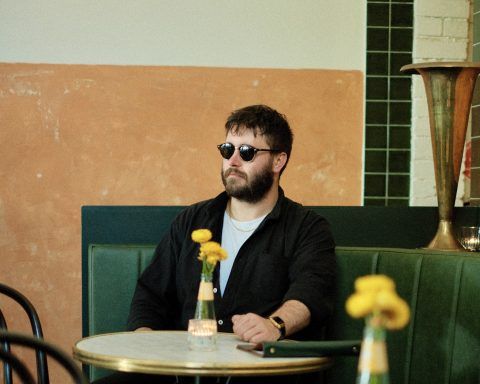
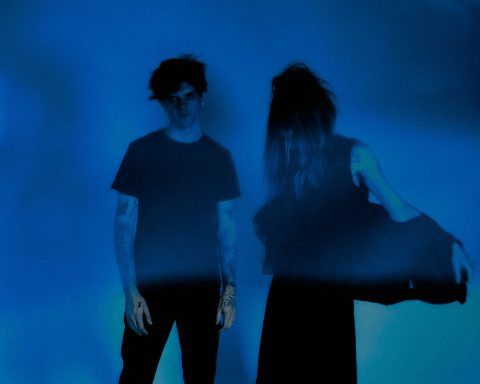
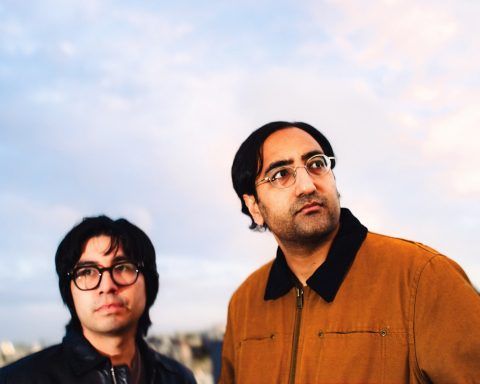
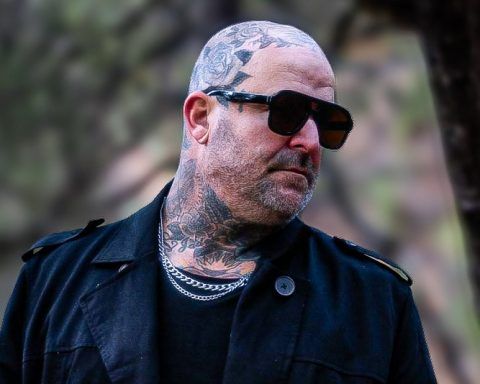
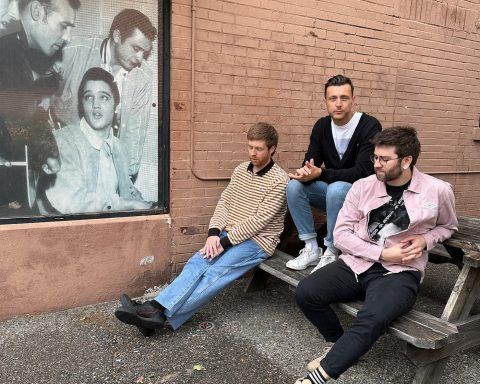
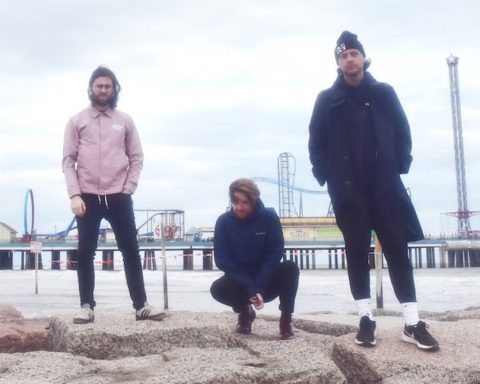
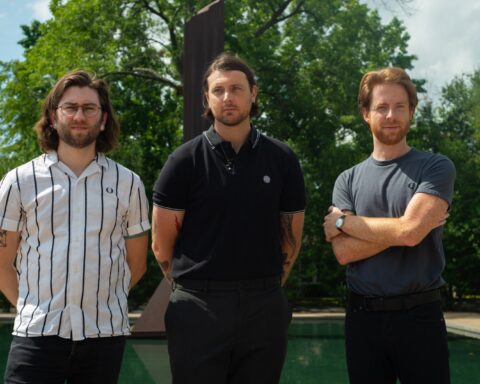
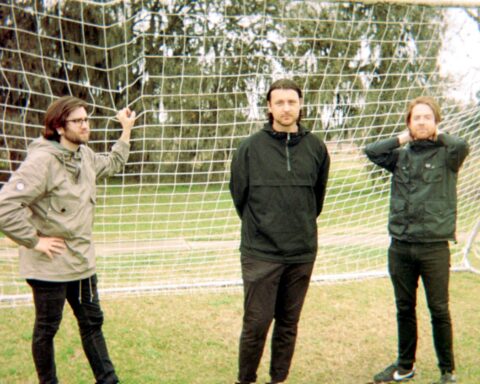
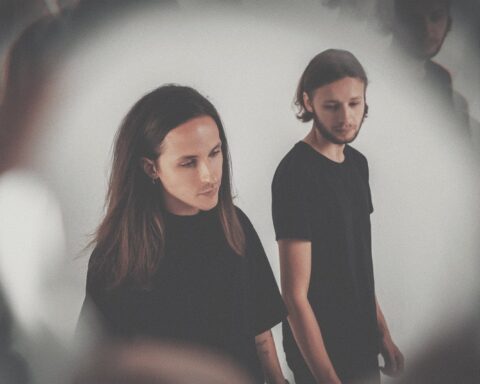
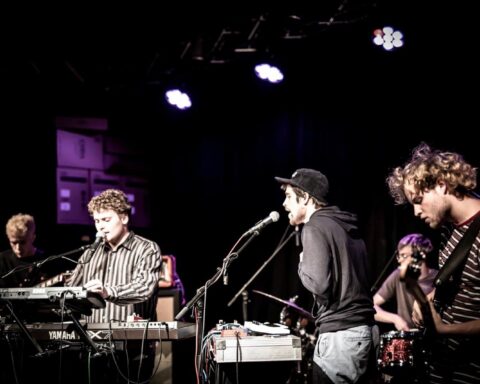
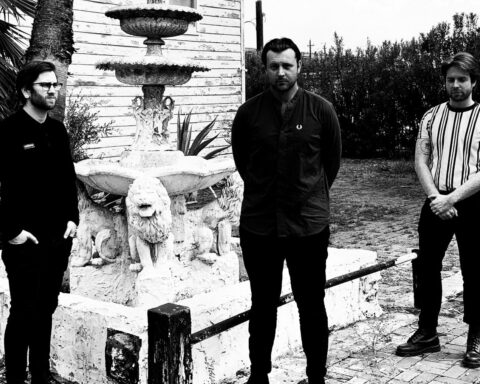
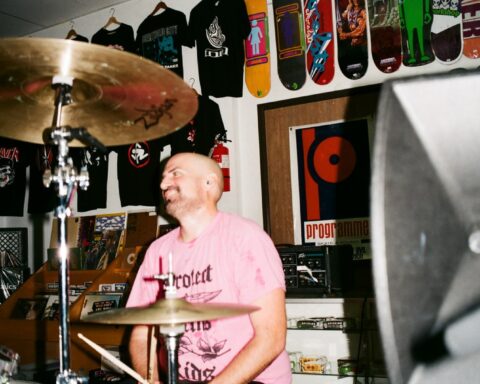
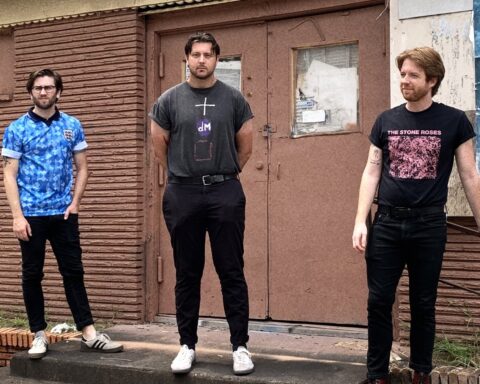
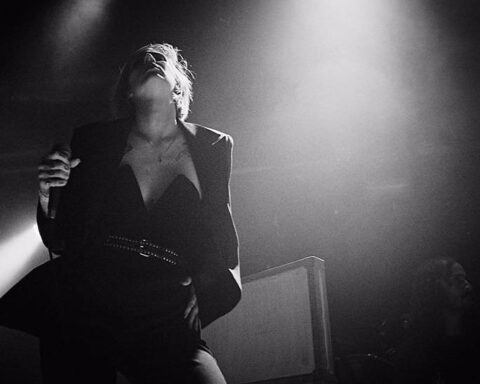
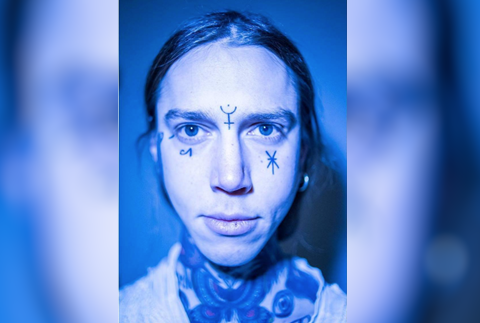
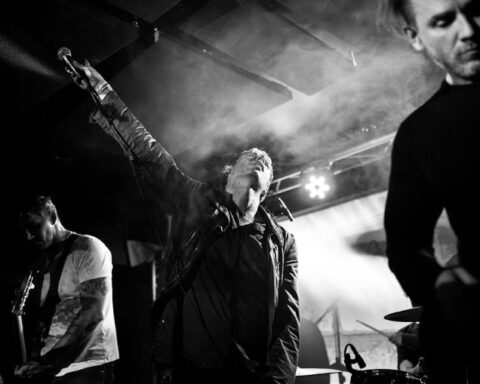
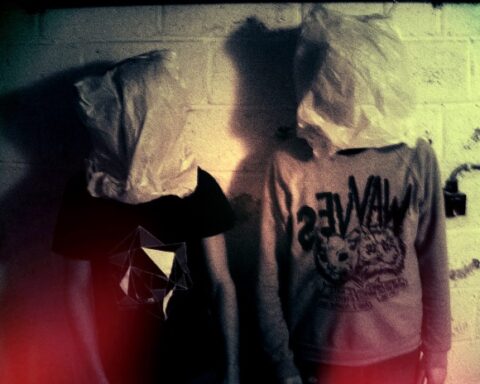
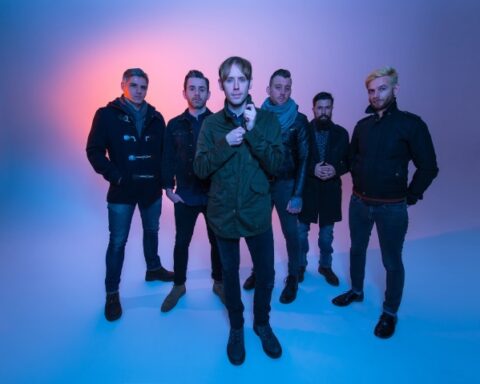
Texas trio don’t get lemon’s “Matrimony” sounds like eighties synth-pop, with New Order’s pulse and Pet Shop Boys’ romantic distance, all cascading synths and bright basslines, in a song about love held together with duct tape and wire. The Violent Youth, led by Belarusian songwriter Arthur Tsymbal, made their early albums almost entirely on synthesizers before “Tam, Gde Nas Net” brought Russian-language vocals and a darker sound between new wave, synth-pop and post-punk. HOLY WATER, the California project of Jacob Desrochers, pairs darkwave and post-punk with synth-pop melody on the debut LP “Tides”. In Umeå, former Håll Det Äkta frontman Marc Strömberg started Swan Sex, setting analogue synth tones against live punk drumming, and the “Rarámuri” EP keeps a running pace of 170 to 180 bpm throughout.